Please do
remember
these things.
Climbers are advised to prepare and train their bodies and mind in a perfect way to adapt to the remoteness, high altitude, and distance from the families. It is also advised to carry lesser amounts of valuable belongings. Also, pack in some cotton clothes for your stay in Kathmandu while some warm ones for the Himalayas. Always keep a copy of your passport and photos with you.
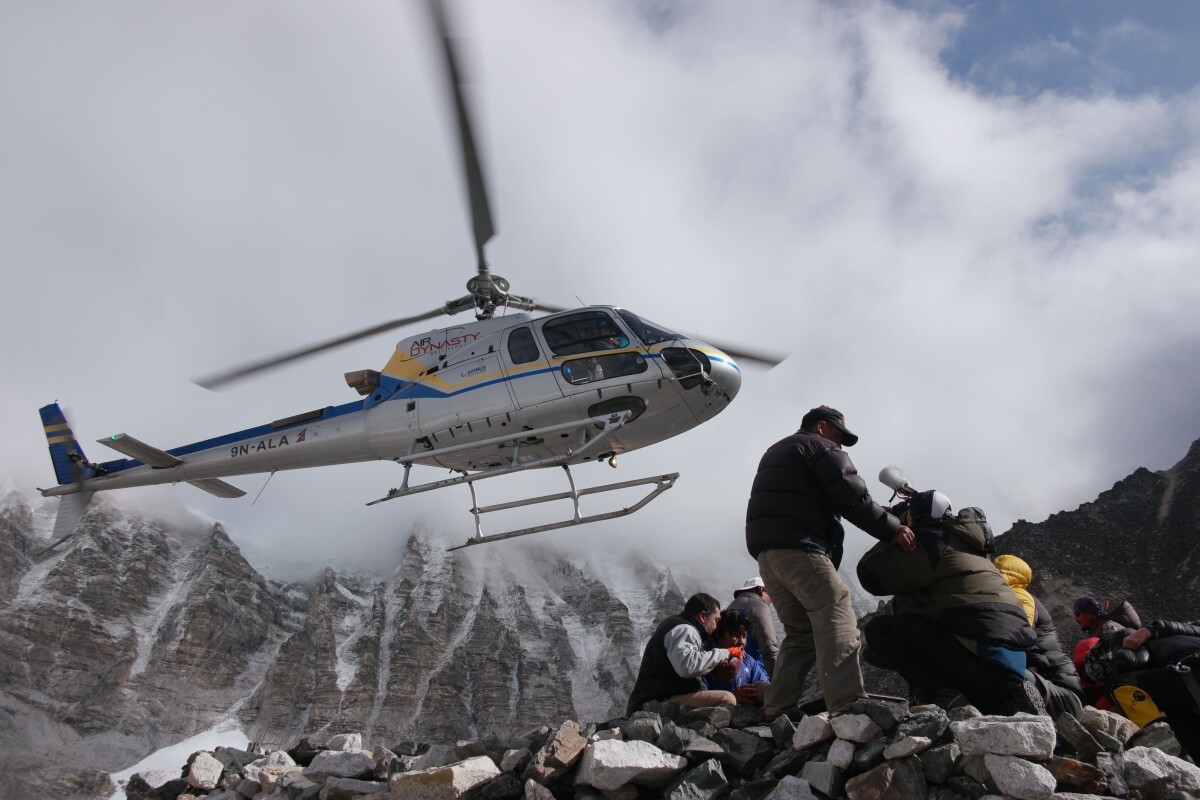
Trekking and mountain climbing in the Everest Region are highly dependent on weather conditions. We try to schedule our trips at the most favorable time but in case of extreme scenarios, domestic flights to Lukla may be delayed or canceled. In cases as such, we would like to notify you that except for the total number of days in the itinerary section, expenses of other extra days shall be borne by the client himself/herself. However, 8K Expeditions will make necessary arrangements for the accommodation of porters and guides. If you wish to make alternative arrangements such as a helicopter flight to avoid flight delays, we can arrange it at a nominal extra charge.
Also, 8K Expeditions shall not be liable for any compensation for losses due to missed International Flights but we will surely help to make necessary arrangements to minimize your loss. To avoid missing flights, we suggest keeping some flexible time frames before trip departure and after trip departure.
Also be notified that as we will be traveling in remote areas with extreme climatic conditions and geography where trails can be distorted at times, we might need to adjust our itineraries as required. But we assure you that the quality of service shall not be compromised at any cost.
Everest Three High Passes Trek FAQs: Cost, Itinerary, Difficulty & Best Time
What is the Everest Three High Passes Trek in Nepal?
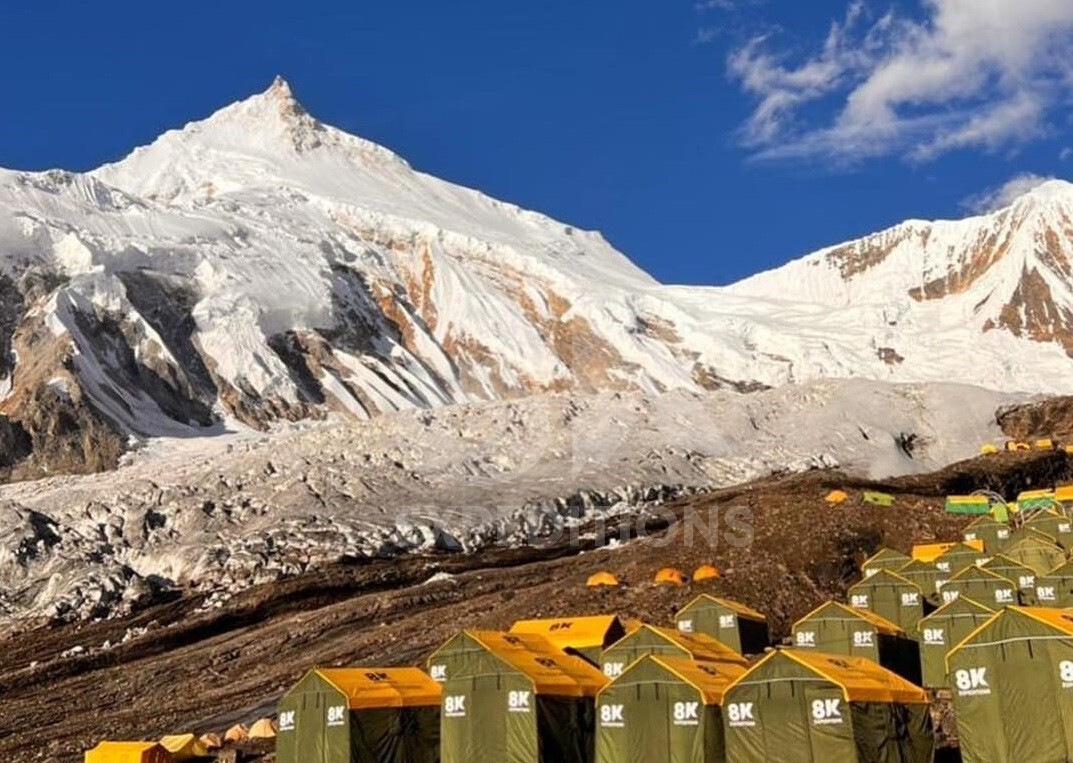
The Everest Three High Passes Trek is a challenging 20-day trekking adventure in Nepal’s Khumbu region that crosses Kongma La, Cho La and Renjo La. The route also includes Everest Base Camp, Kala Patthar, Gokyo Lakes and traditional Sherpa settlements offering a more comprehensive experience of the Everest region than the standard Everest Base Camp trek. 8K Expeditions organizes this journey with trekking guides, teahouse accommodation and planned acclimatization days.
How long does the Everest Three High Passes Trek take?
The Everest Three High Passes Trek package takes 20 days, including arrival in Kathmandu, preparation, trekking, the return journey and final departure. The itinerary includes acclimatization time around Namche Bazaar, Dingboche and Chhukung. Weather delays, flight disruptions or trail conditions can affect the actual schedule, so additional flexibility is recommended.
Which three high passes are crossed on this trek?
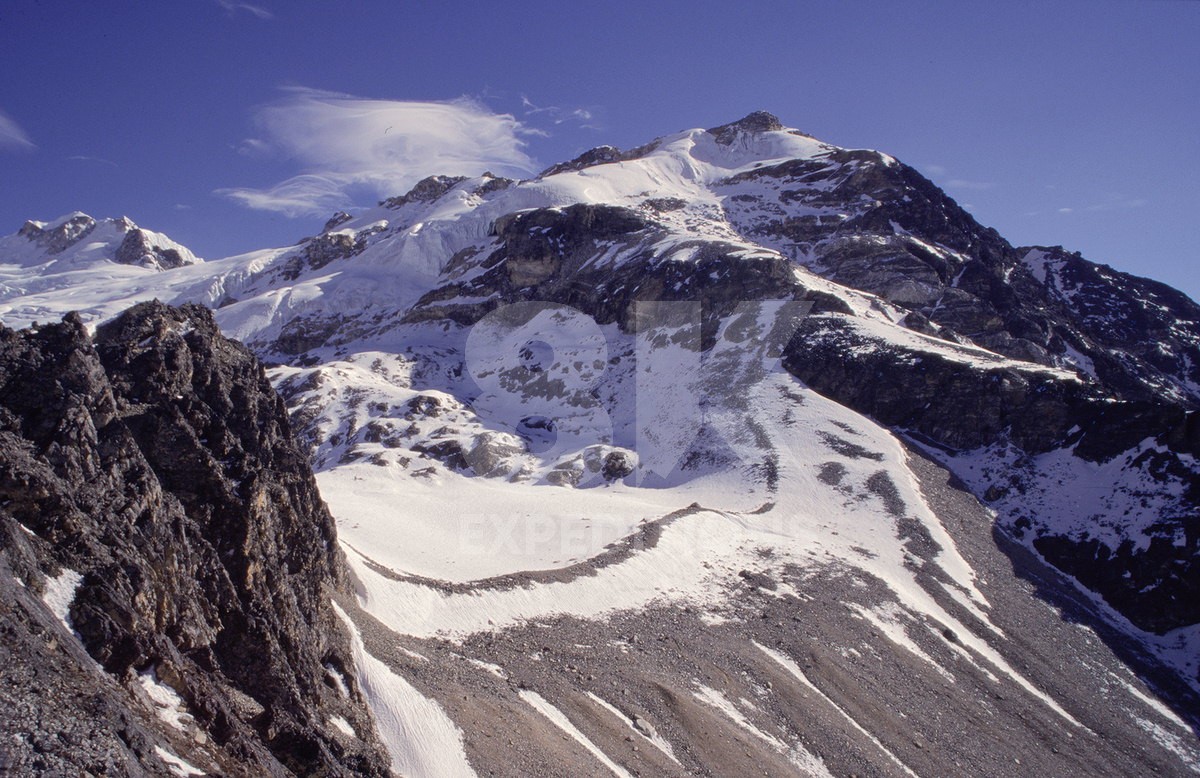
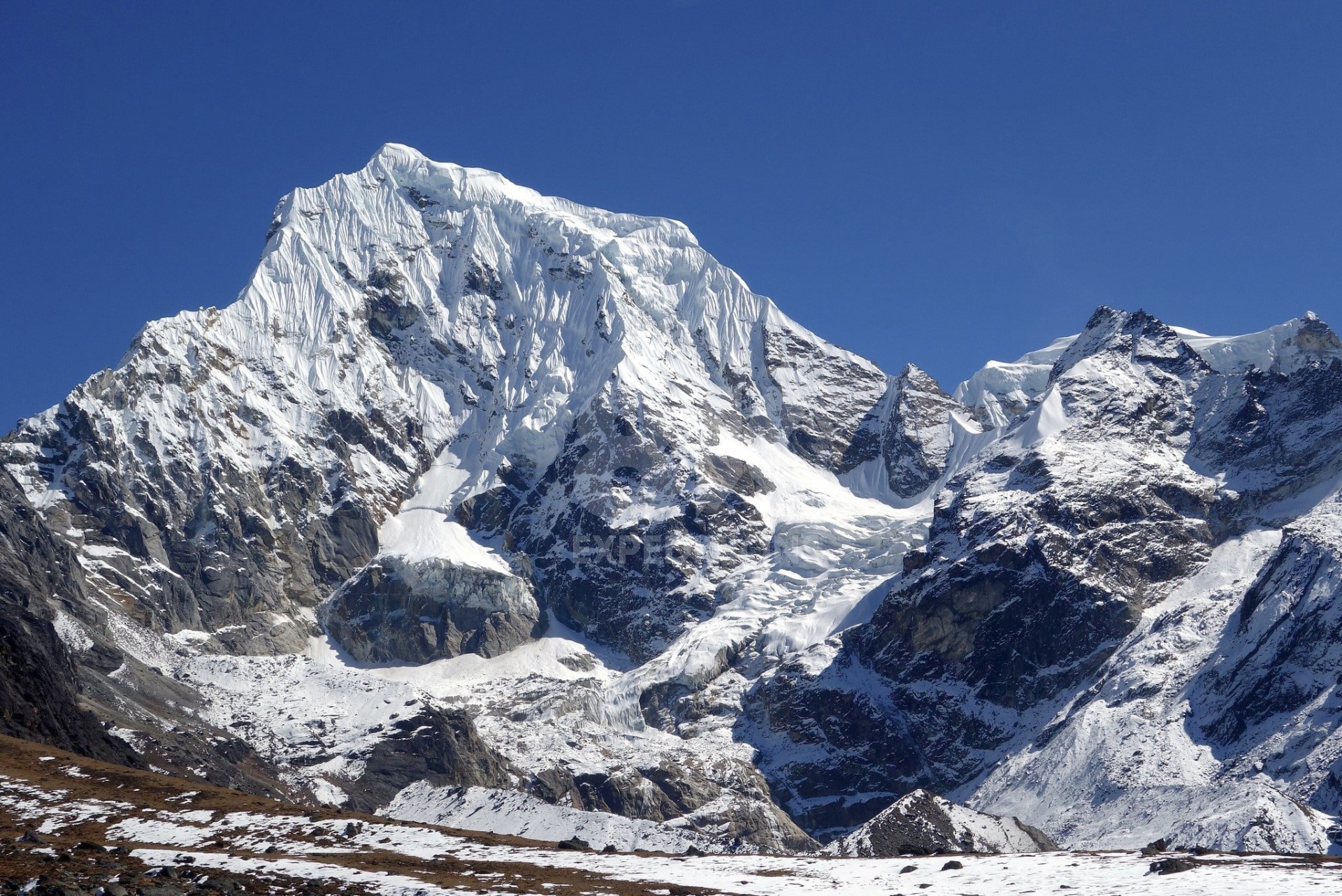
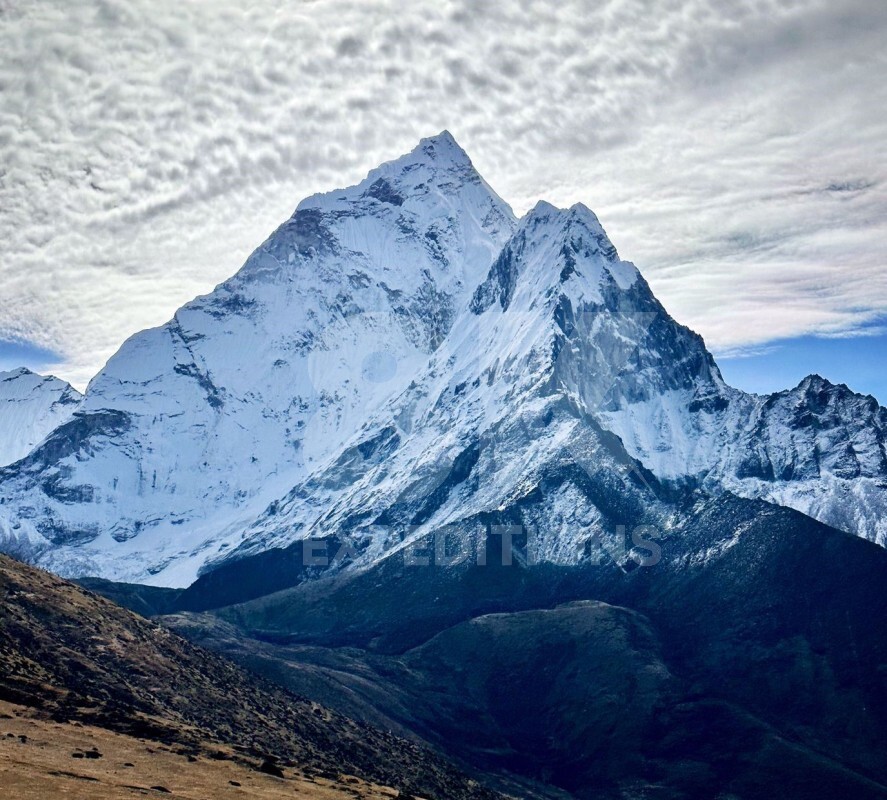
The three high passes are Kongma La, Cho La and Renjo La, all located above 5,300 metres in the Everest region of Nepal. Kongma La at 5,535 metres, Cho La at 5,368 metres and Renjo La at 5,360 metres. The trek combines demanding mountain crossings with views of glaciers, high-altitude valleys and Himalayan peaks.
How difficult is the Everest Three High Passes Trek?
The Everest Three High Passes Trek is a strenuous, high-altitude trek that requires strong physical fitness, endurance and mental preparation. Trekkers face steep ascents and descents, long walking days, cold conditions and three passes above 5,300 meters. Previous multi-day trekking experience at altitude is strongly recommended. This is a demanding trekking route, not a suitable first trek for most beginners.
What is the highest altitude on the Everest Three High Passes Trek?
Kongma La Pass is the highest of the three passes at approximately 5,535 meters. The route also includes an early-morning hike to Kala Patthar, listed at 5,545 meters on the package page. At these elevations, the risk of altitude illness increases, making gradual acclimatization, symptom awareness and appropriate decisions about ascent essential.
What is the best time to do the Everest Three High Passes Trek?
Spring (March to May) and autumn (September to November) are the main trekking seasons for the Everest Three High Passes route. These periods often offer clearer mountain views and more favourable trekking conditions. However, snow, wind and rapidly changing weather can make high-pass crossings unsafe even during peak season. The best departure depends on current trail conditions, weather forecasts and the advice of your trekking team.
Does the Everest Three High Passes Trek include Everest Base Camp?
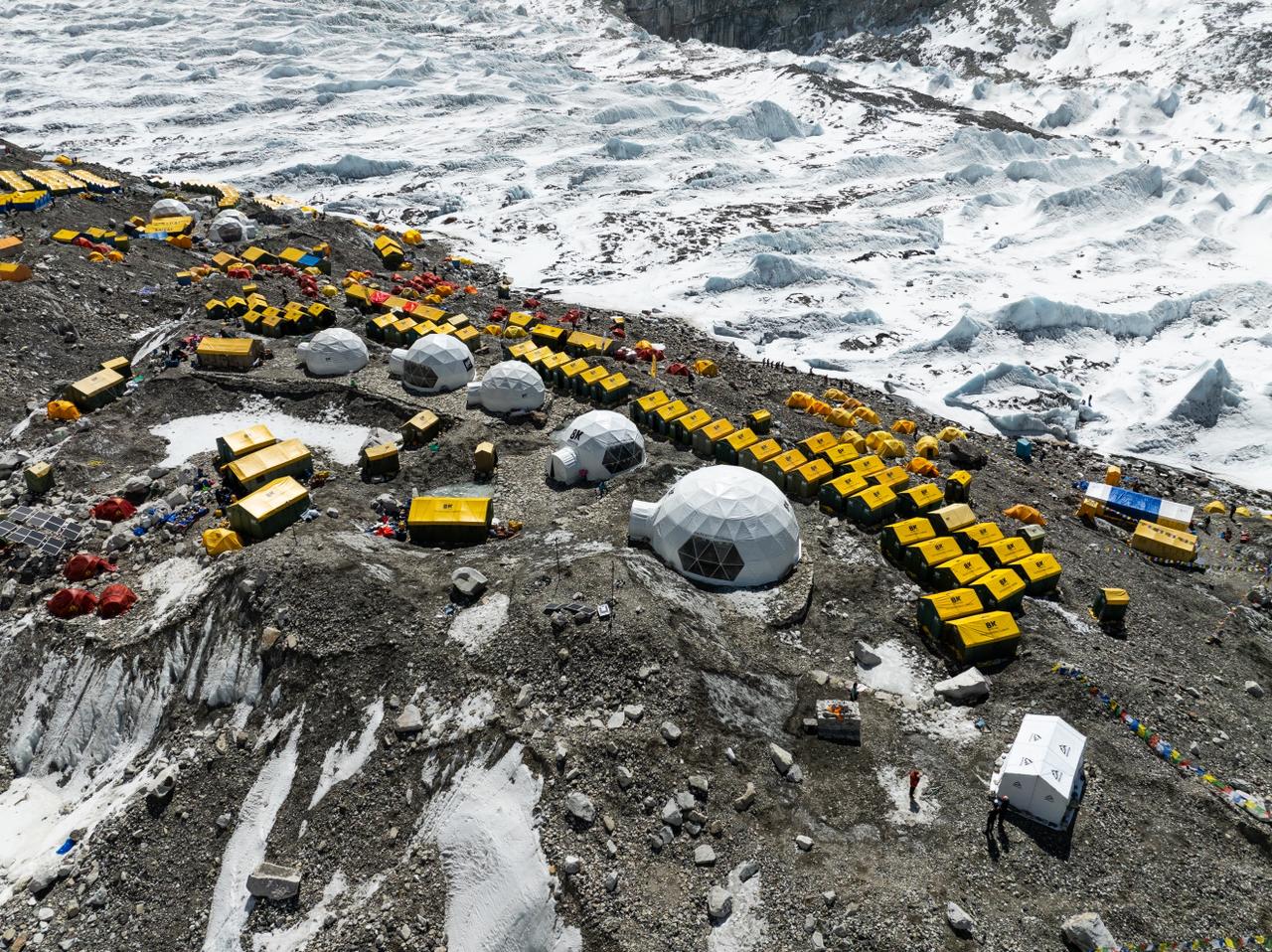
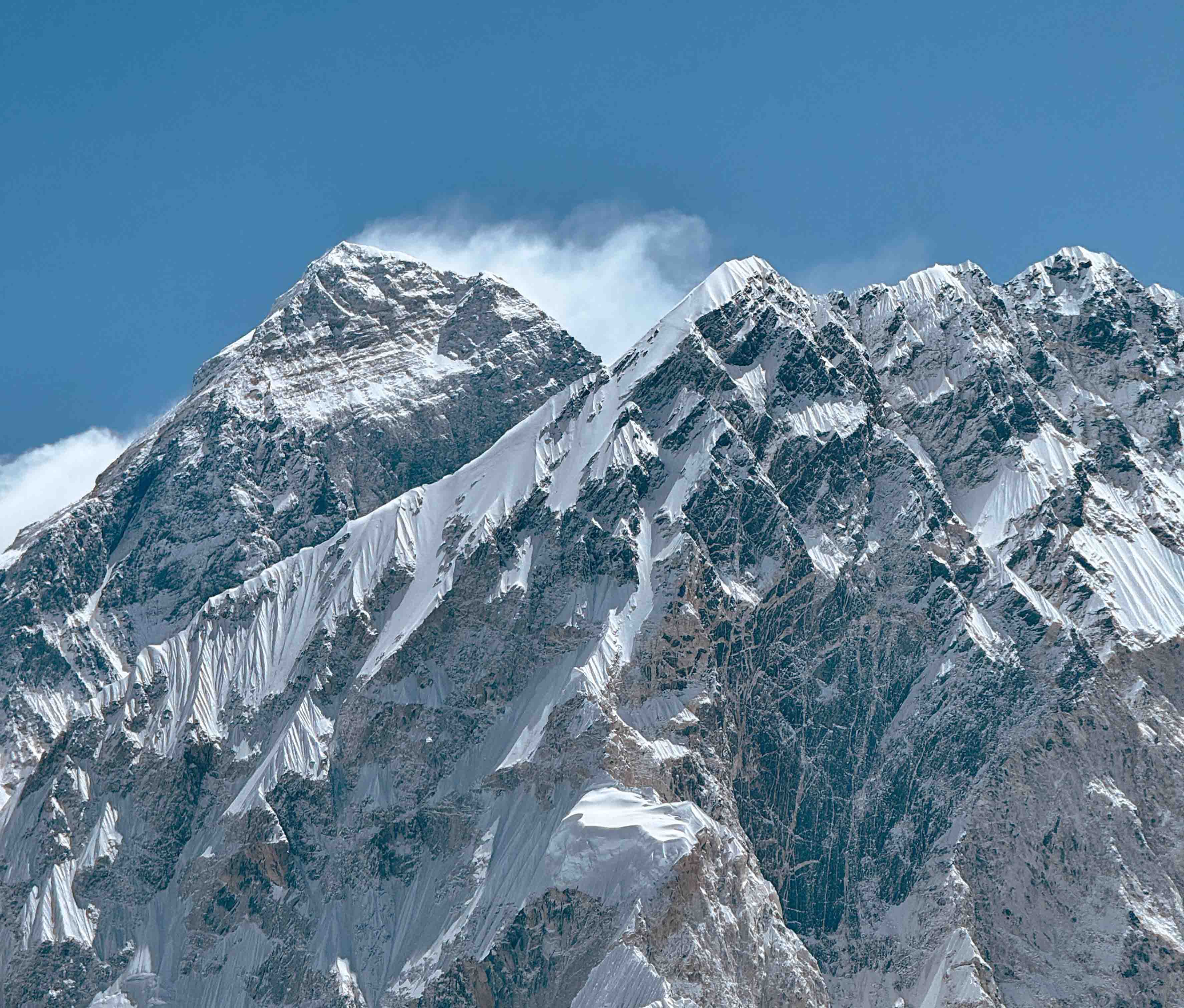
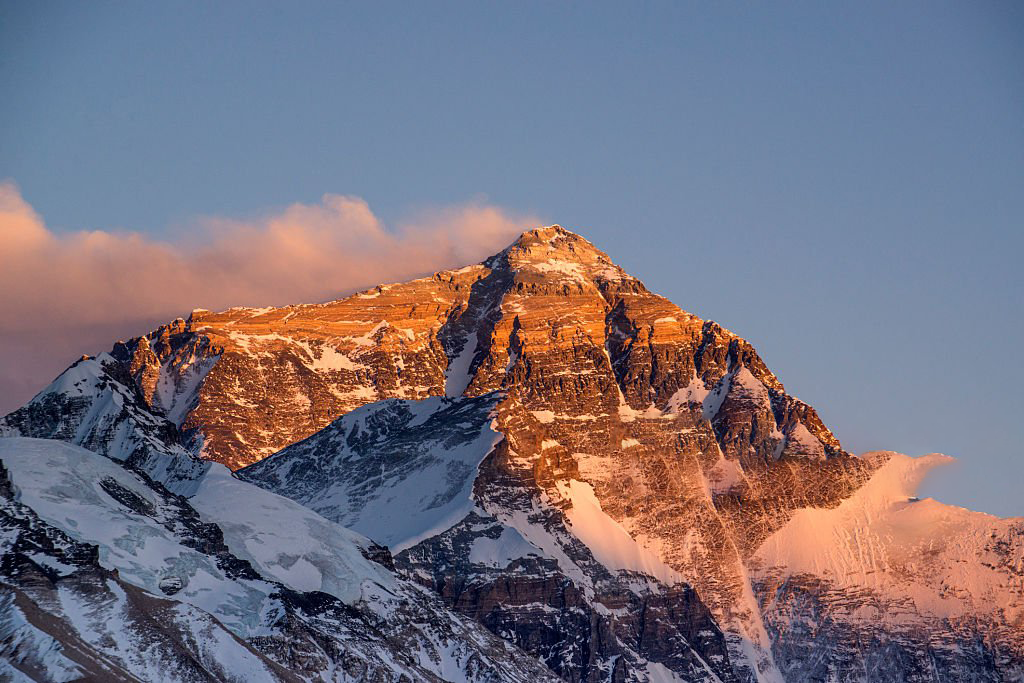
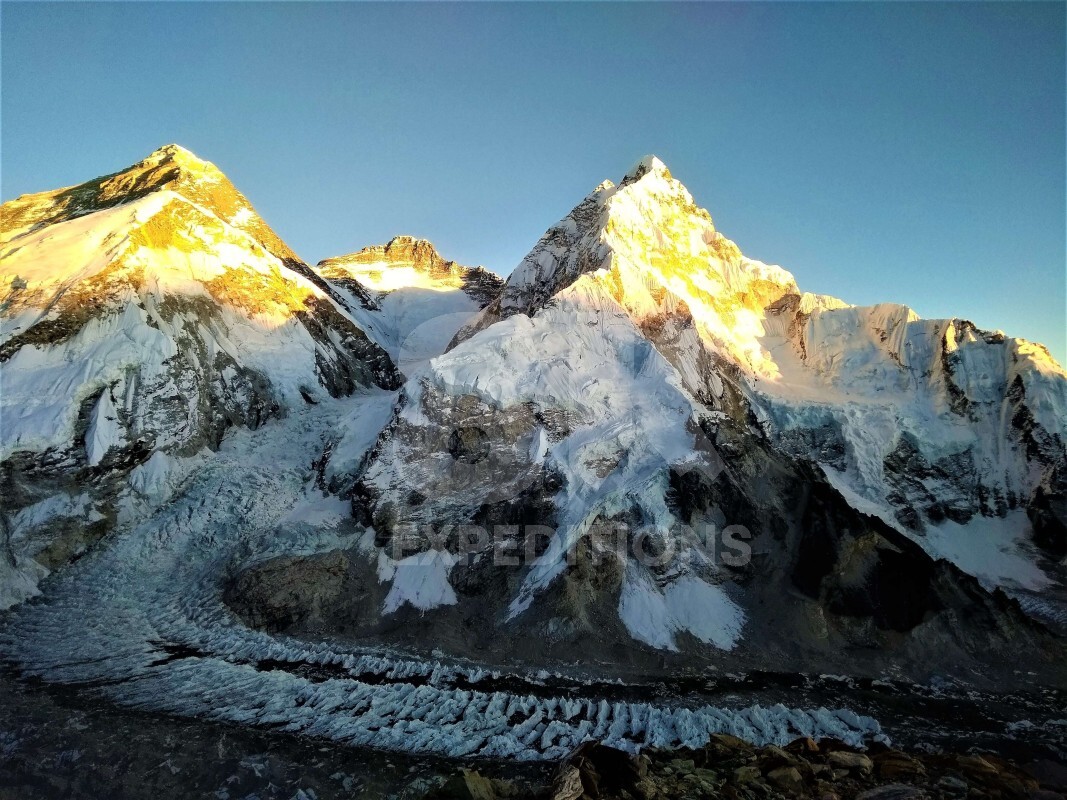
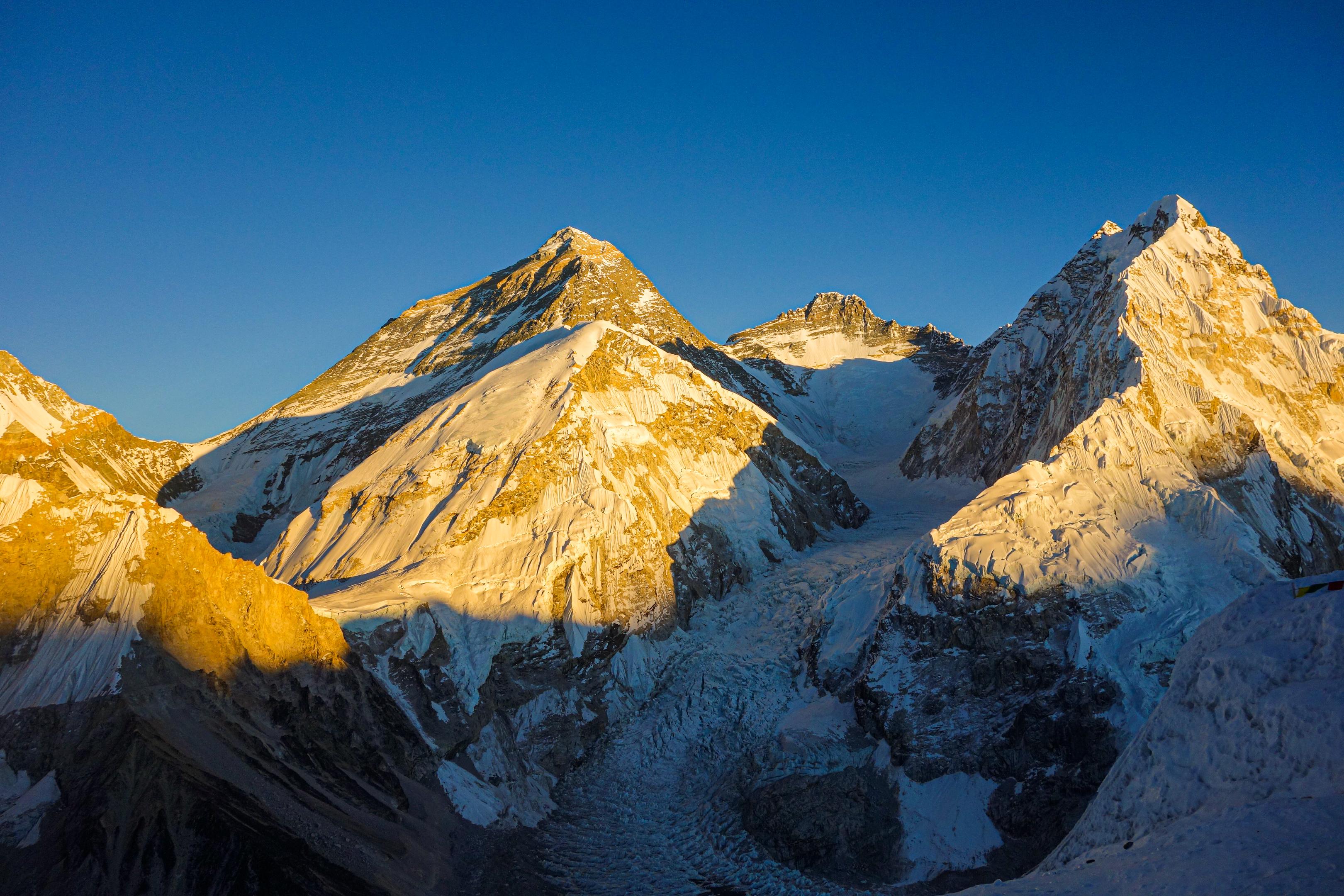
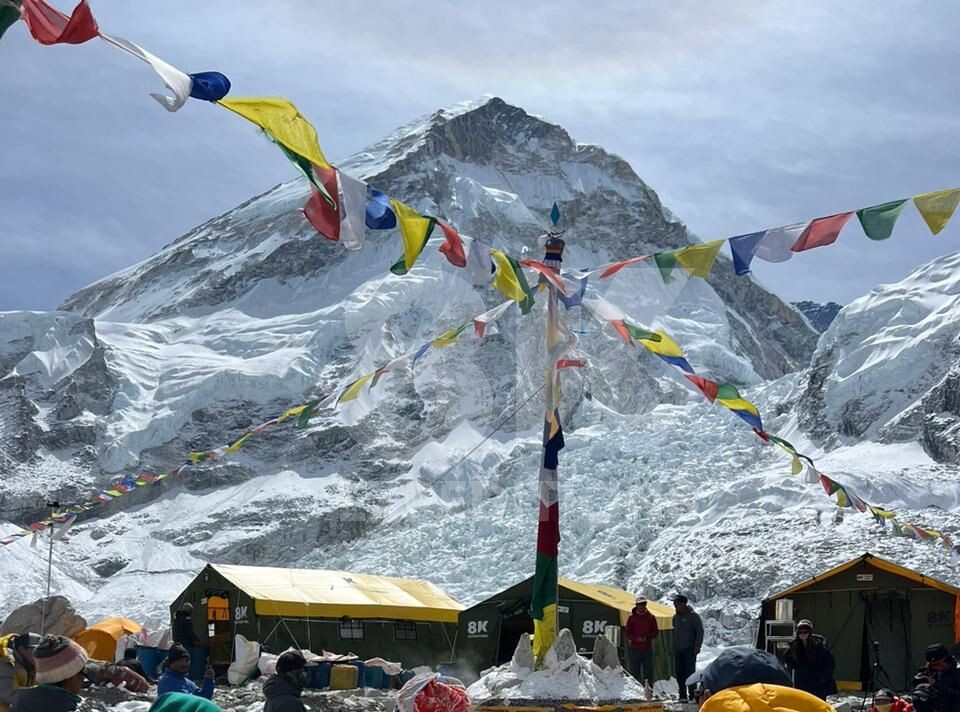
Yes, Everest Three High Passes Trek includes a hike to Everest Base Camp at 5,364 meters, approached via Gorak Shep. The journey also includes a hike to Kala Patthar, a renowned viewpoint for panoramic views of Mount Everest and surrounding Himalayan peaks. This combination allows trekkers to experience major Everest-region landmarks within one extended trekking circuit.
Does the trek include Gokyo Lakes and Gokyo Ri?
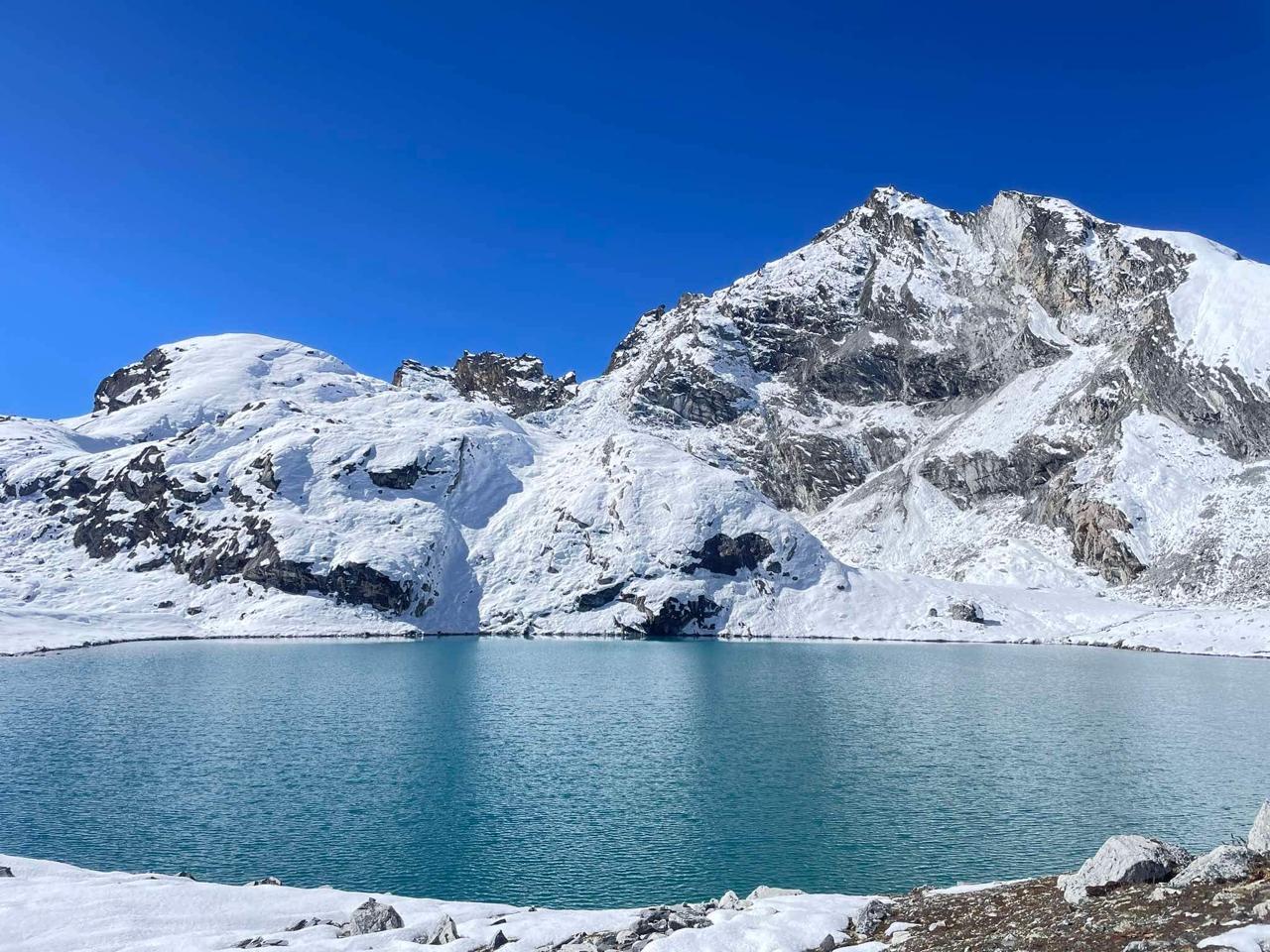
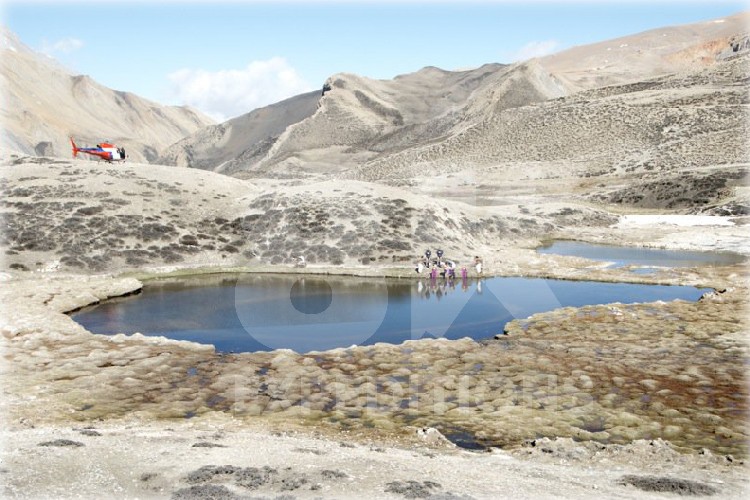
Yes, the trek through the Gokyo Valley, where trekkers visit the famous Gokyo Lakes and have an opportunity to hike to Gokyo Ri. The turquoise alpine lakes, glacier scenery and mountain panoramas are major highlights of the Three High Passes route. From Gokyo, the itinerary continues toward Renjo La and the traditional settlements on the return route.
Do someone need previous trekking experience for the Three High Passes Trek?
Previous high-altitude trekking experience is strongly recommended because the route involves long days, remote trails and physically demanding crossings. Trekkers should build cardiovascular endurance, leg strength and the ability to walk for several consecutive days while carrying a daypack. Anyone considering this trek should also discuss relevant health concerns with a qualified medical professional and prepare for cold, unpredictable mountain conditions.
Is a trekking guide included in the 8K Expeditions package?
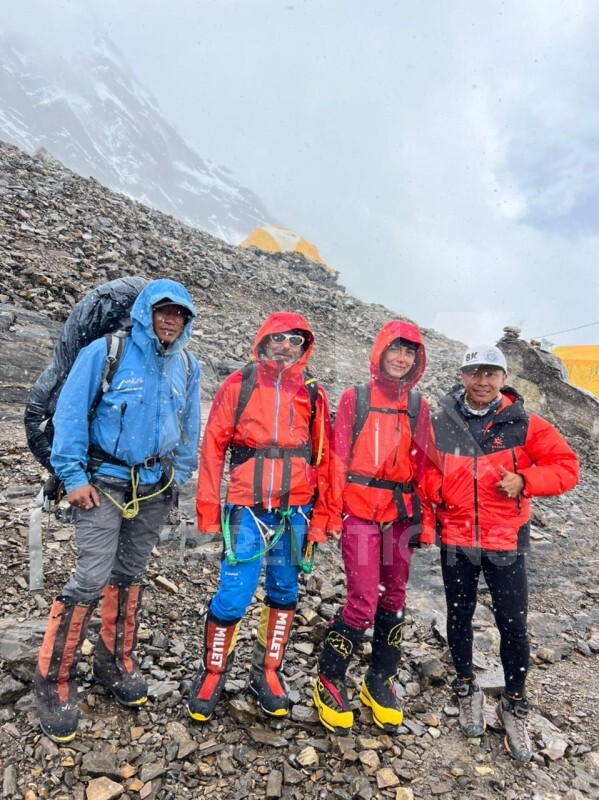
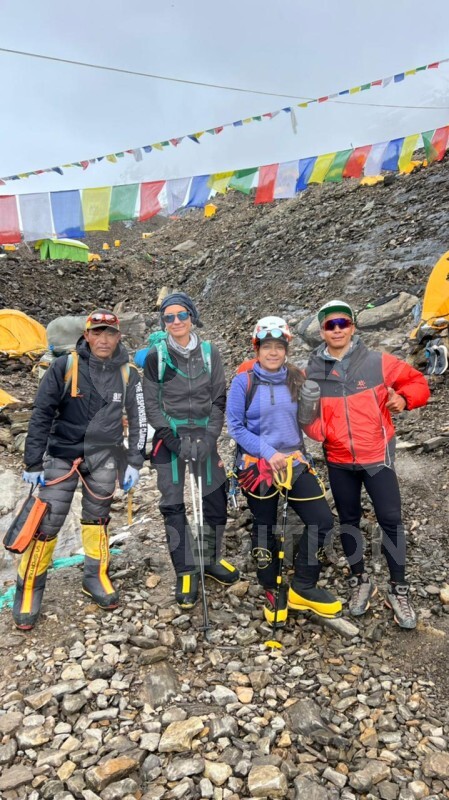
Yes, a trekking guide includes an experienced English-speaking trekking guide, along with one porter for every two trekkers.
What accommodation and meals are provided during the trek?
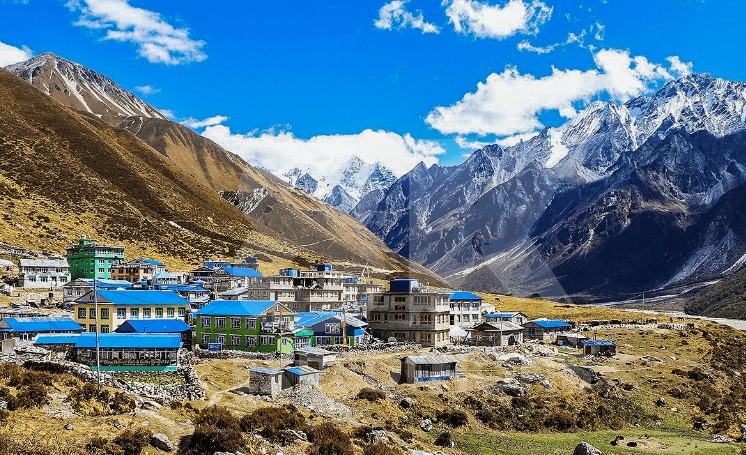
The accommodation includes hotel accommodation in Kathmandu and lodge or teahouse accommodation along the trekking route. During the trek, the listed meal plan covers breakfast, lunch and dinner, with hot beverages. Facilities become simpler in remote high-altitude villages and room availability, heating, hot showers and internet access can vary between teahouses.
What permits are required for the Everest Three High Passes Trek?
Trekkers need the applicable entry permits for the Everest-region trekking route, including Sagarmatha National Park entry permission. The exact requirements and fees should be confirmed for the departure date, as government regulations may change. trekking permits.
How much does the Everest Three High Passes Trek cost?
The cost of the Everest Three High Passes Trek depends on the departure date, group size, accommodation preferences, transport arrangements and services included in the package. Contact 8K Expeditions for the current price, availability and a detailed breakdown of inclusions and exclusions.
Is the Everest Three High Passes Trek worth and what about altitude sickness?
The trek involves significant altitude exposure and mountain-weather risks, so safety depends on preparation, acclimatization, current conditions and responsible decisions on the trail. Trekkers should recognize symptoms of altitude illness, report them promptly to their guide and avoid ascending when unwell.
How can someone book the Everest Three High Passes Trek with 8K Expeditions?
You can book the Everest Three High Passes Trek through the official 8K Expeditions package page by reviewing the itinerary, checking available departure dates and requesting a quotation.