Please do
remember
these things.
We schedule our trips in the most favorable seasons. However, the above-mentioned itinerary may change as per the expedition’s obstructions, but the quality of our service is guaranteed. In case of a delayed flight, we are obliged to inform you that besides the total number of days included in the itinerary, clients are compelled to bear the expenses of the extra days themselves. Apparently, 8k Expeditions will assist necessary arrangements for your comfort.
Three Peak Climbing Adventure (Pokalde Peak, Lobuche East, and Island Peak)
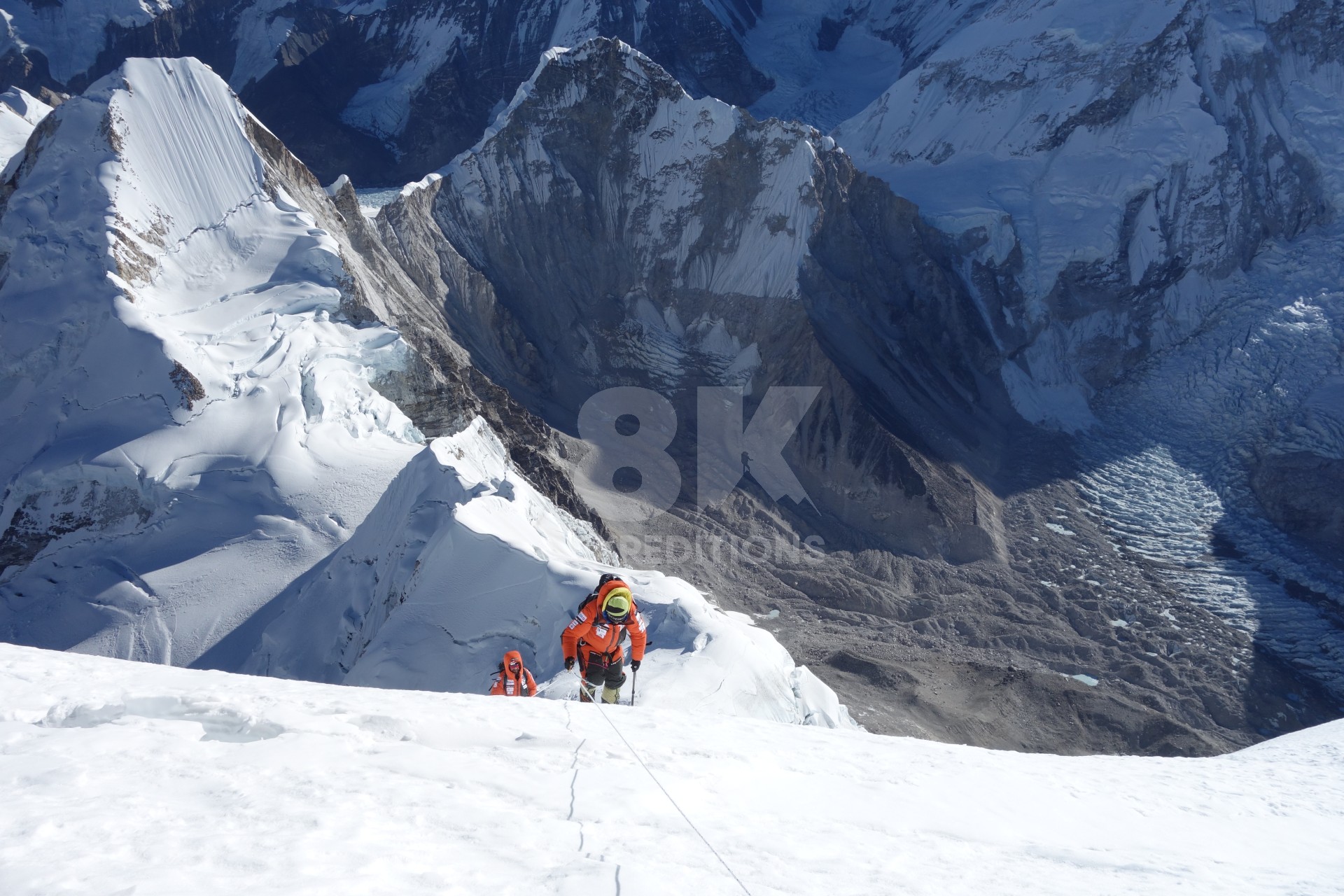
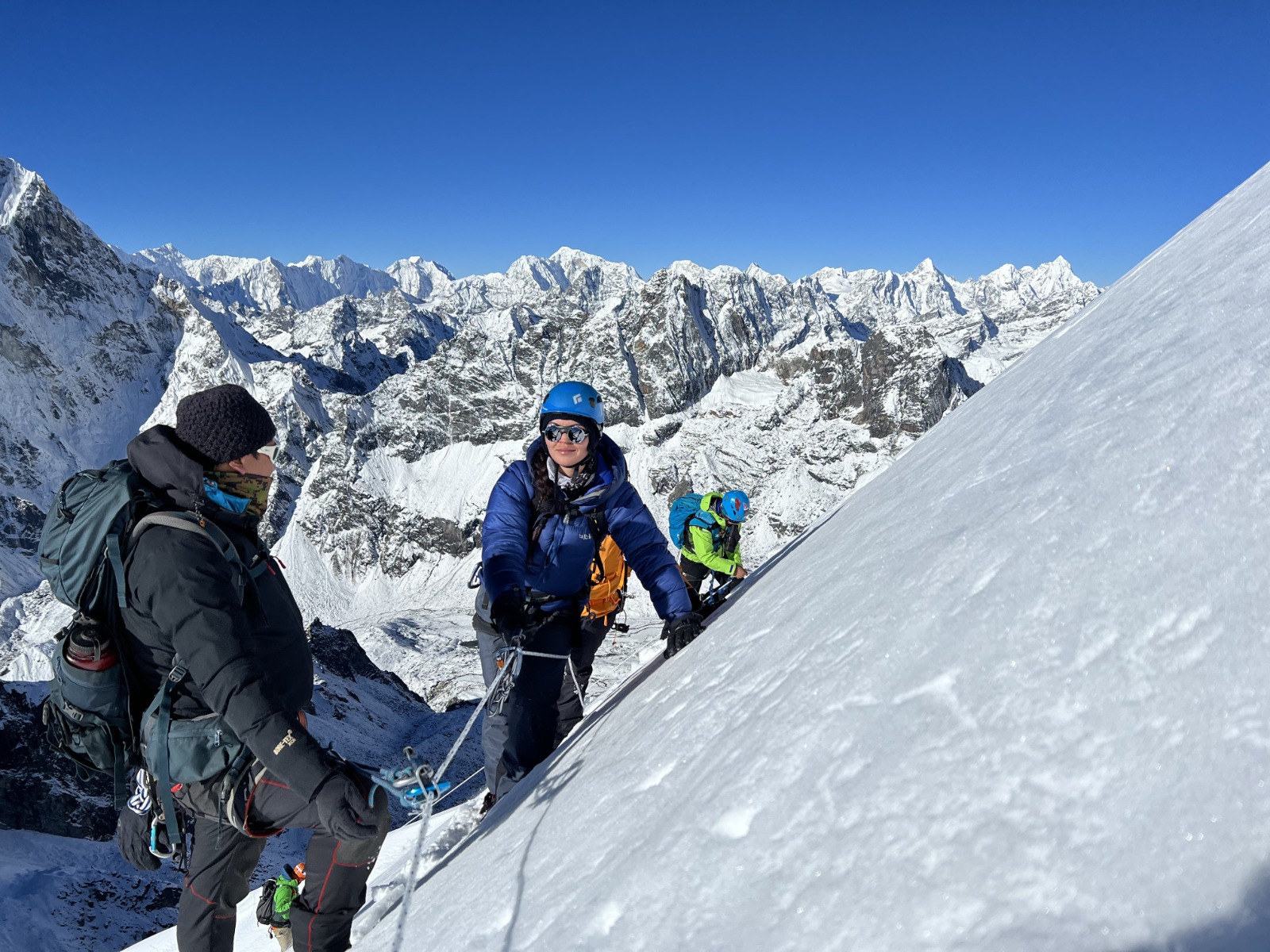
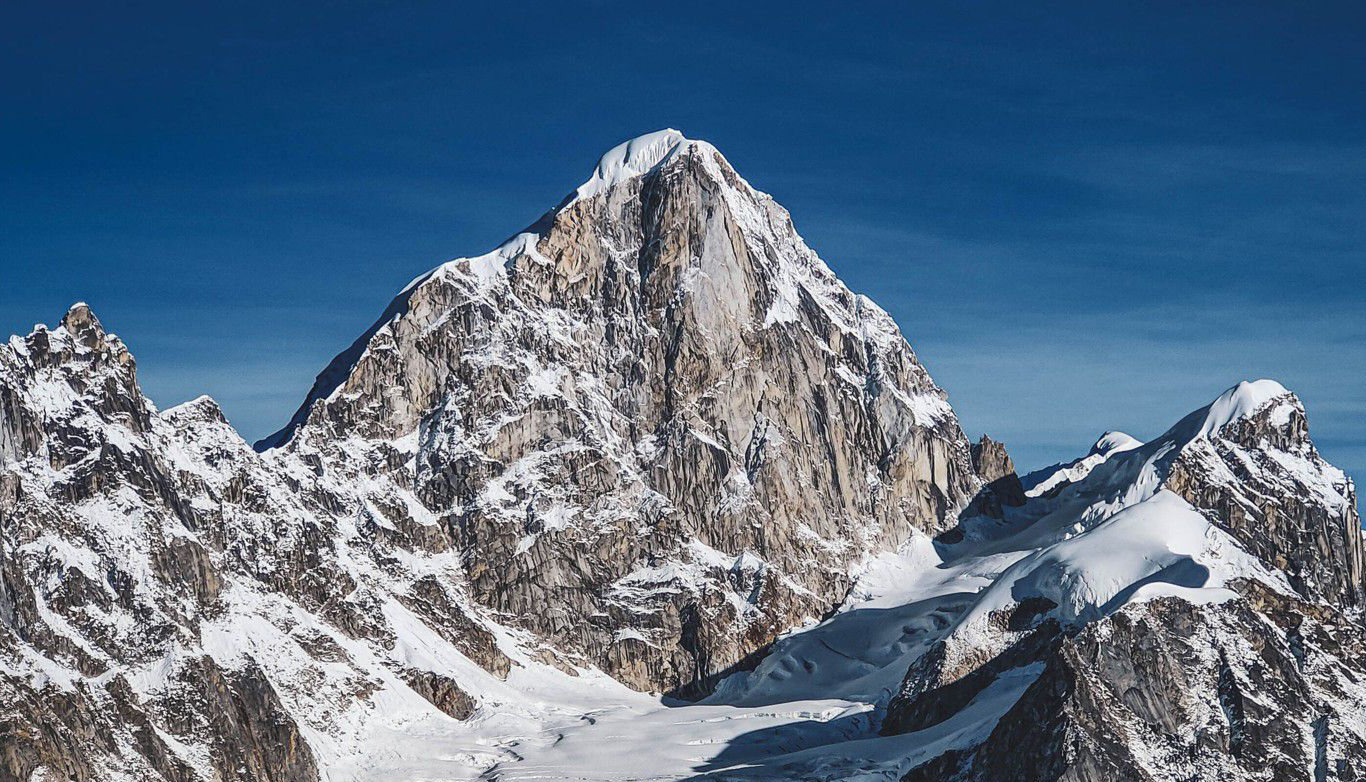
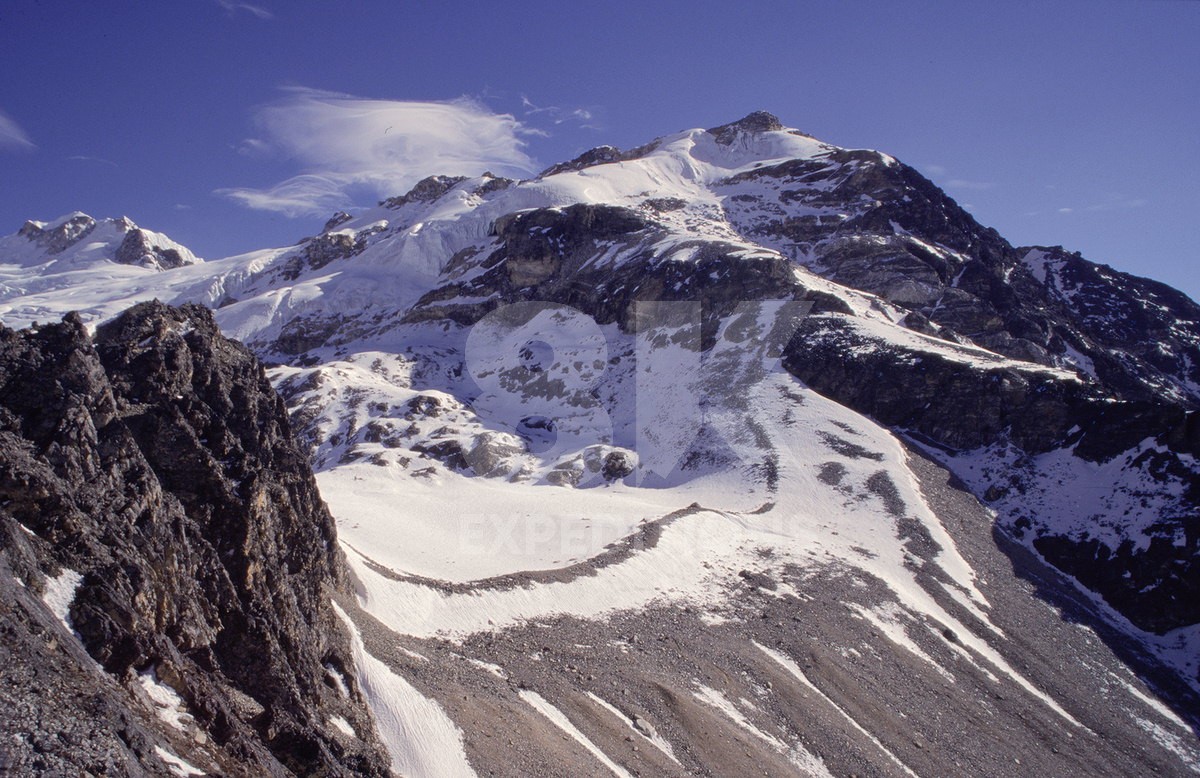
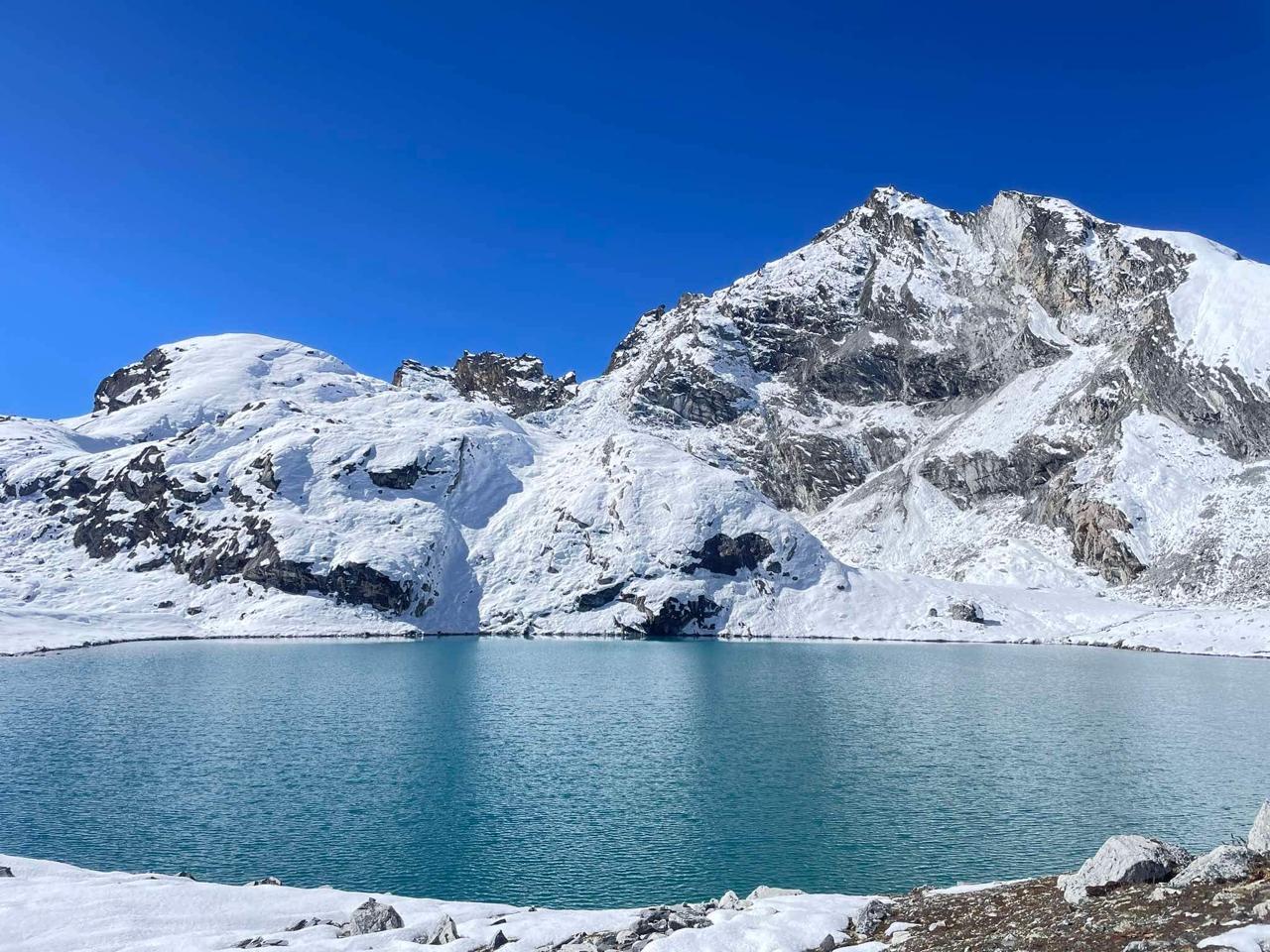
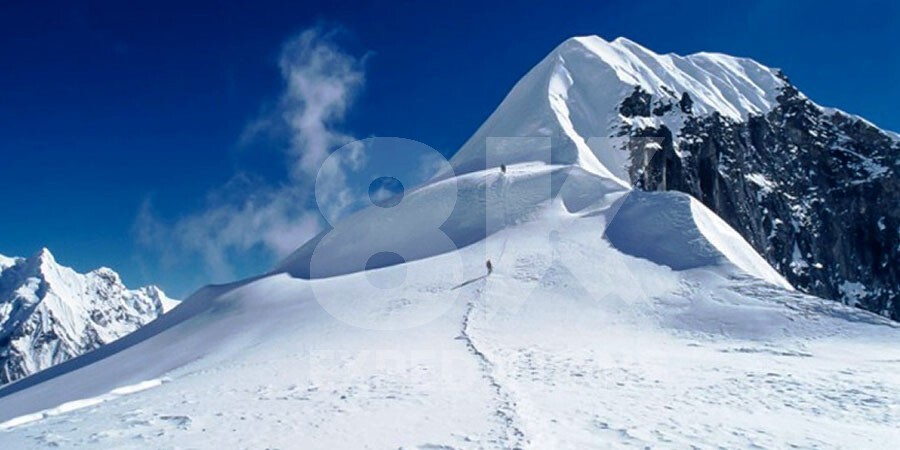
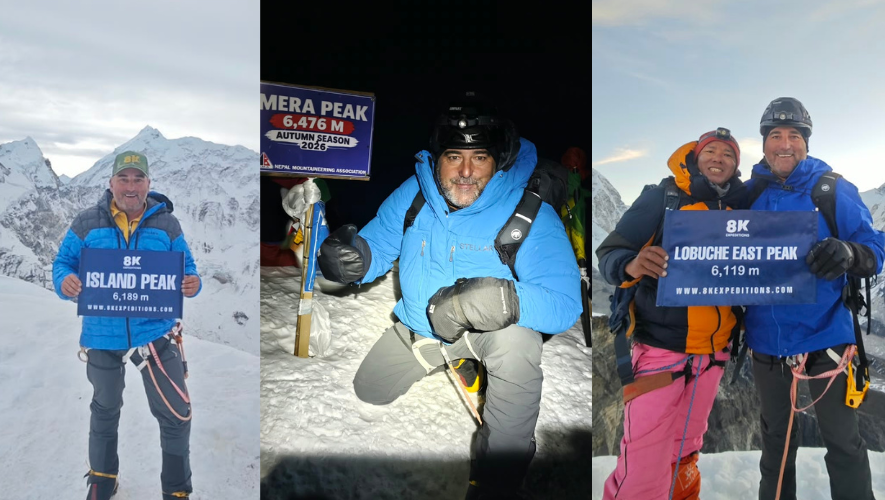
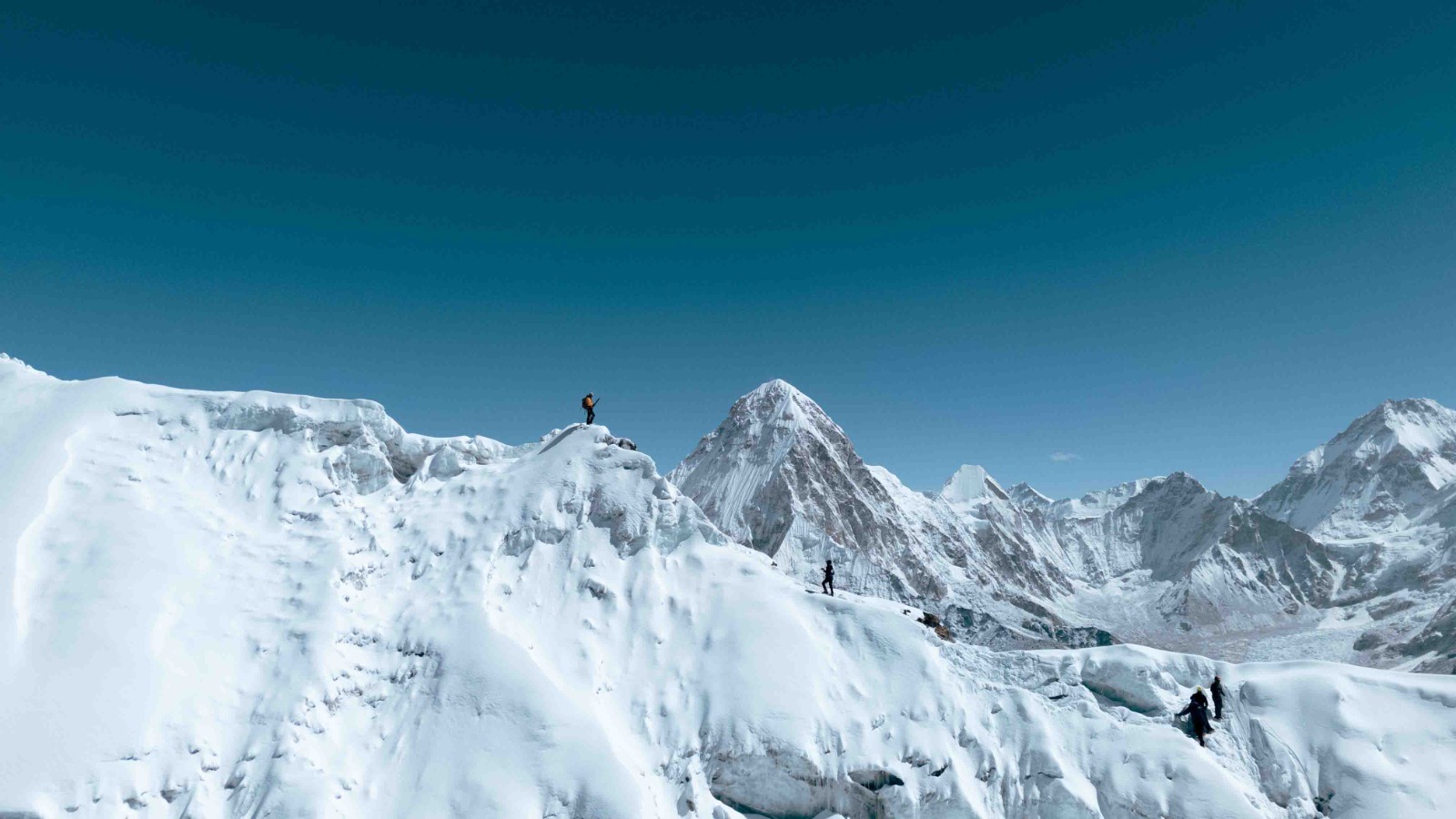
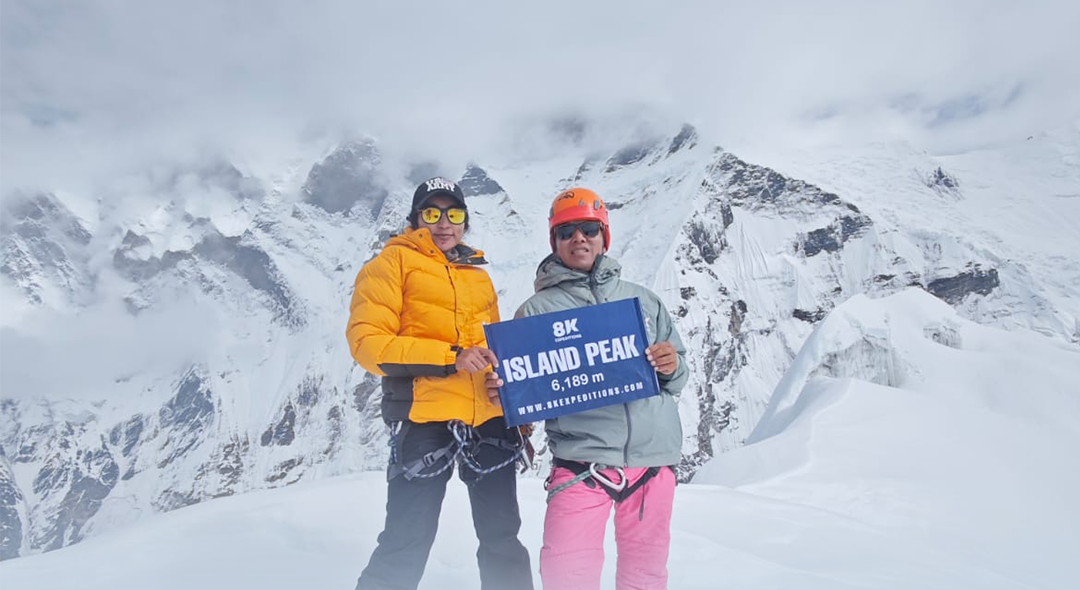
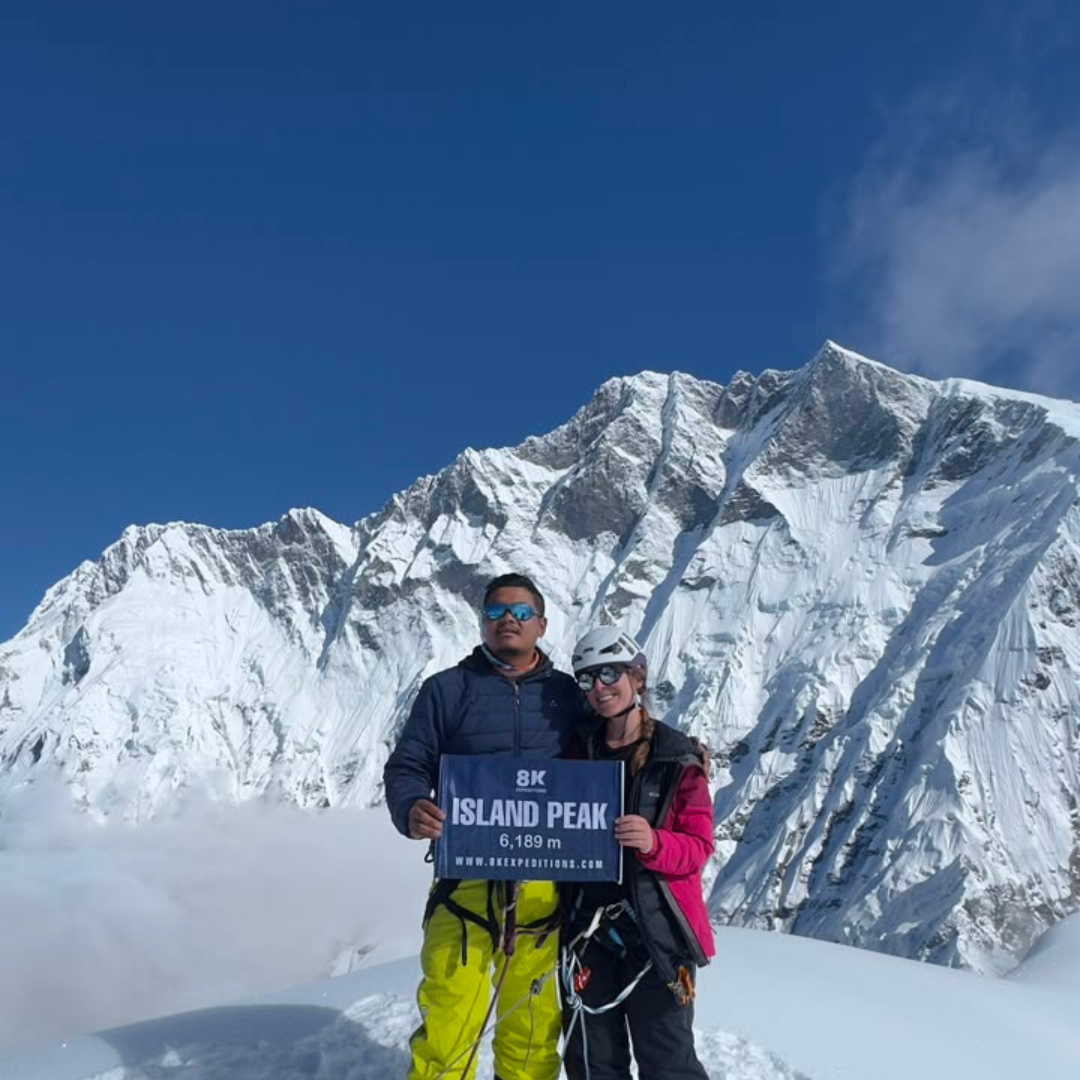
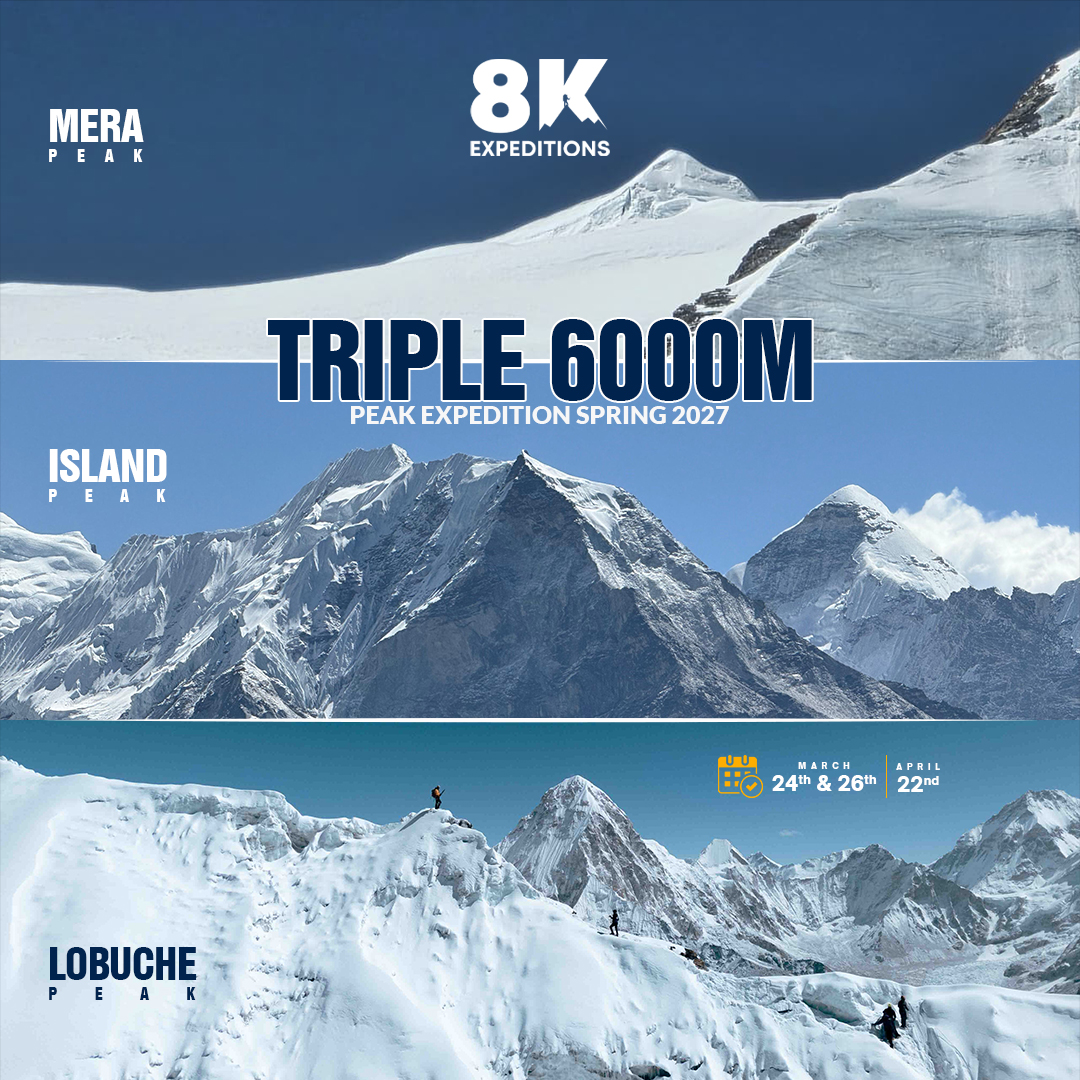
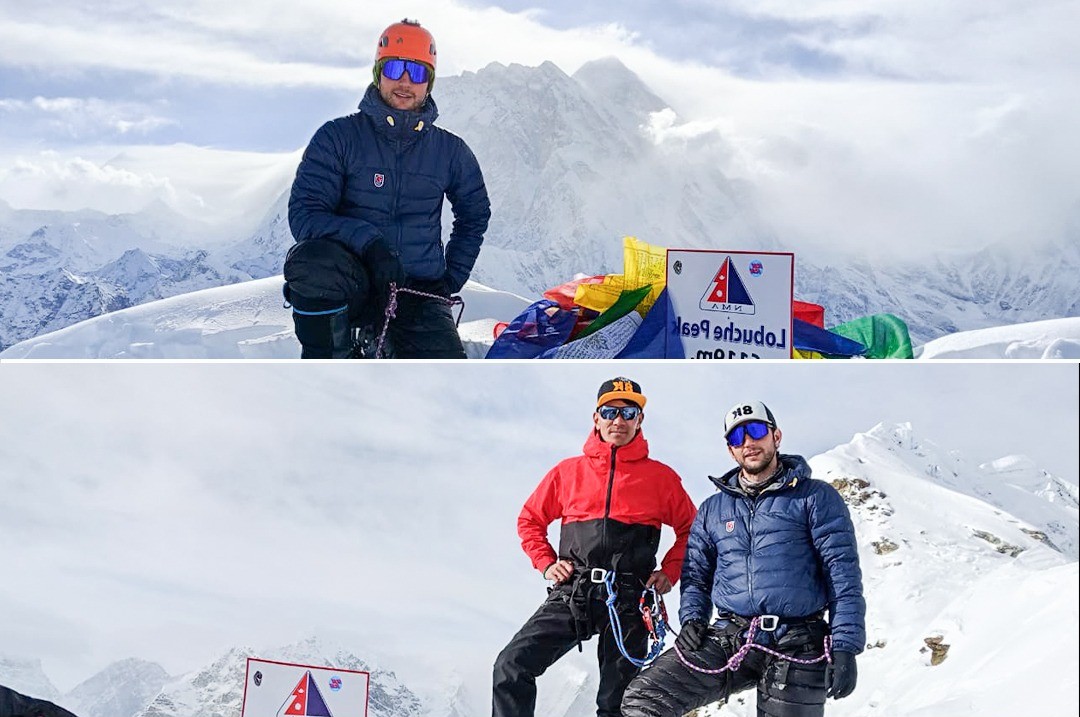
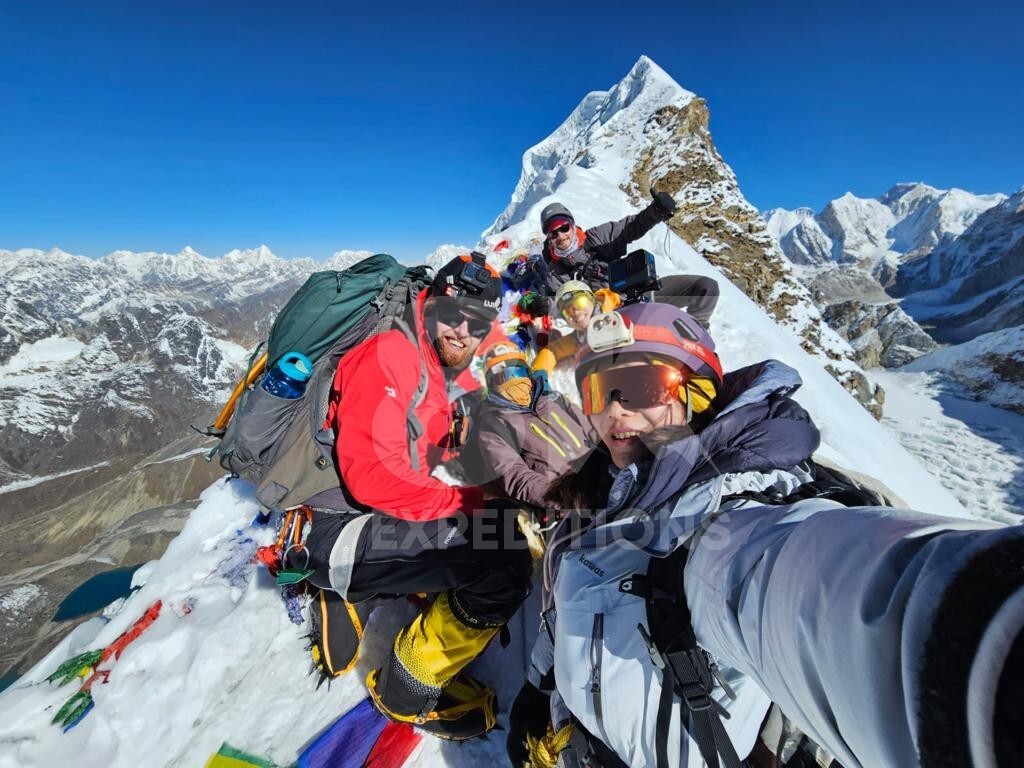
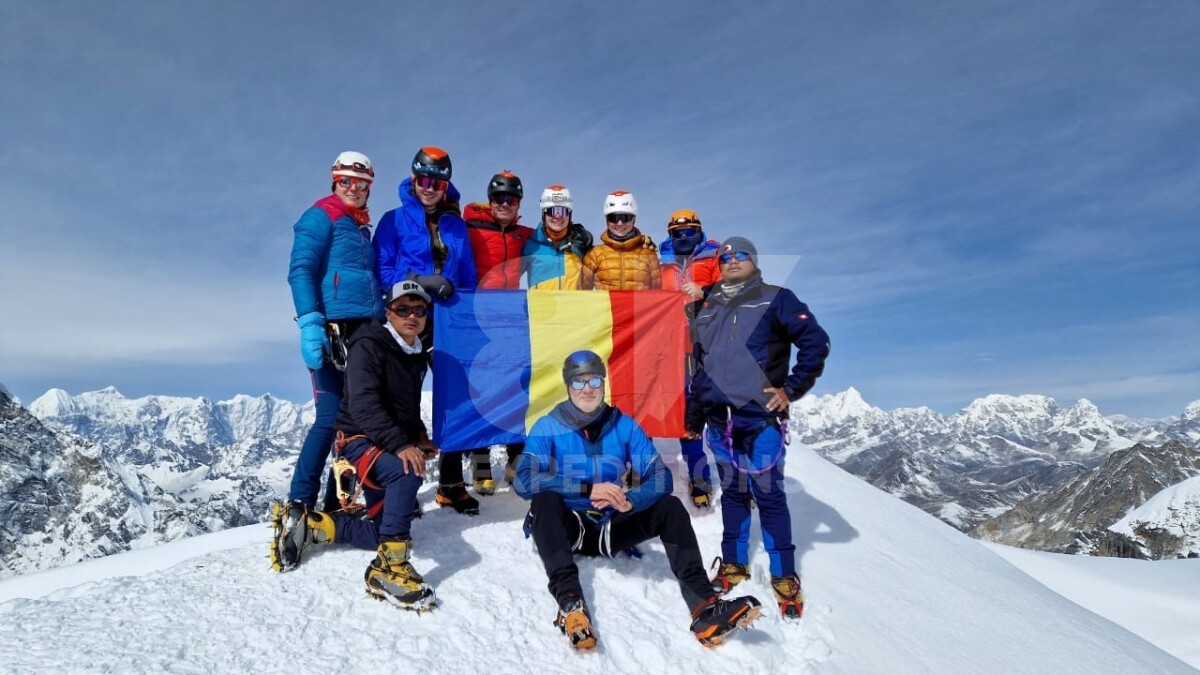
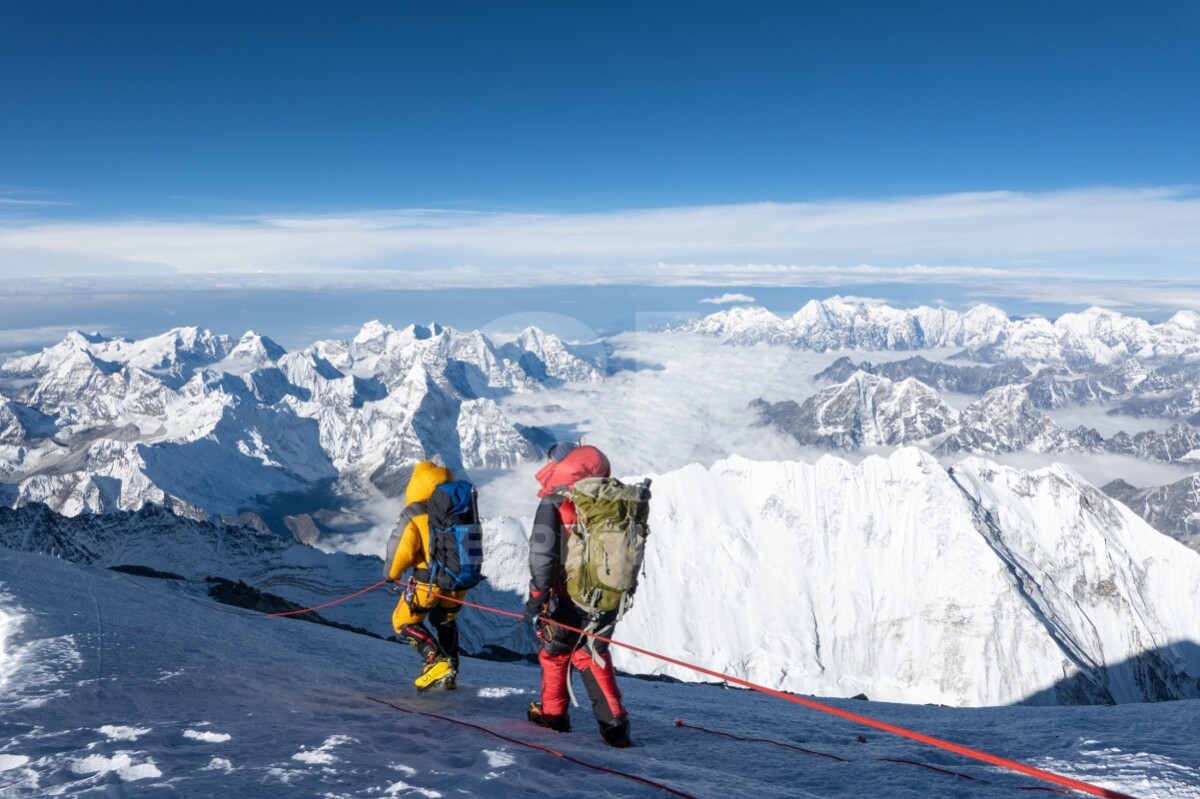
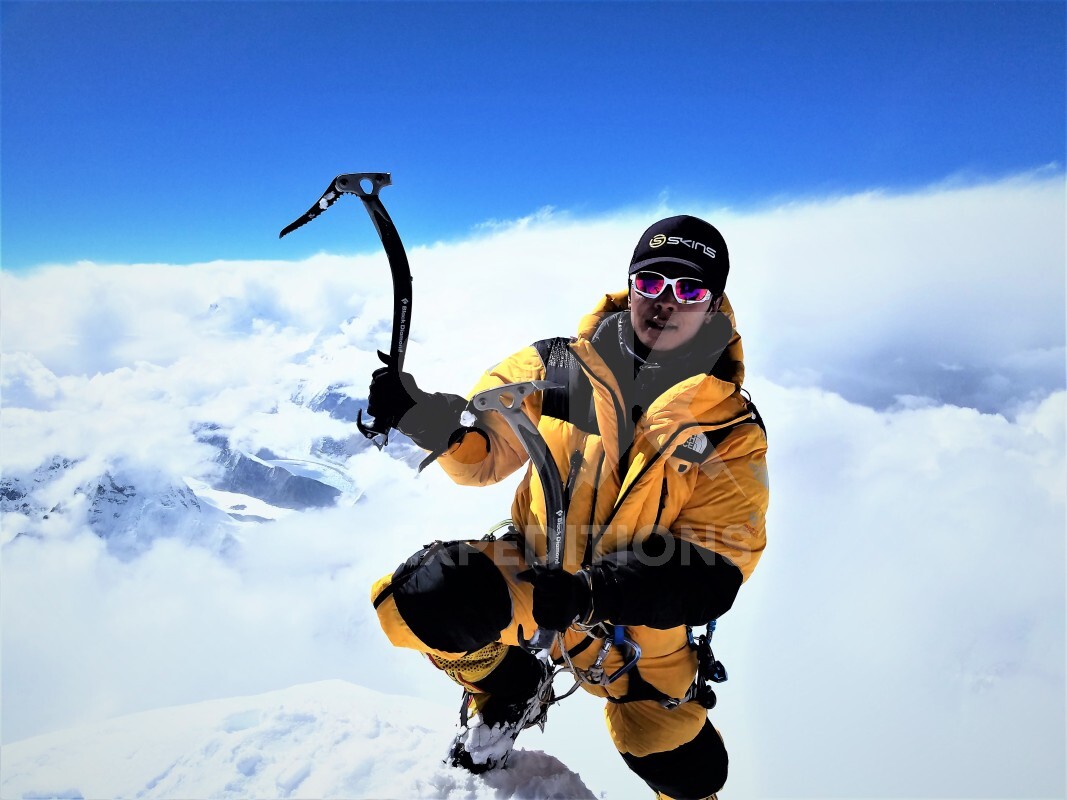
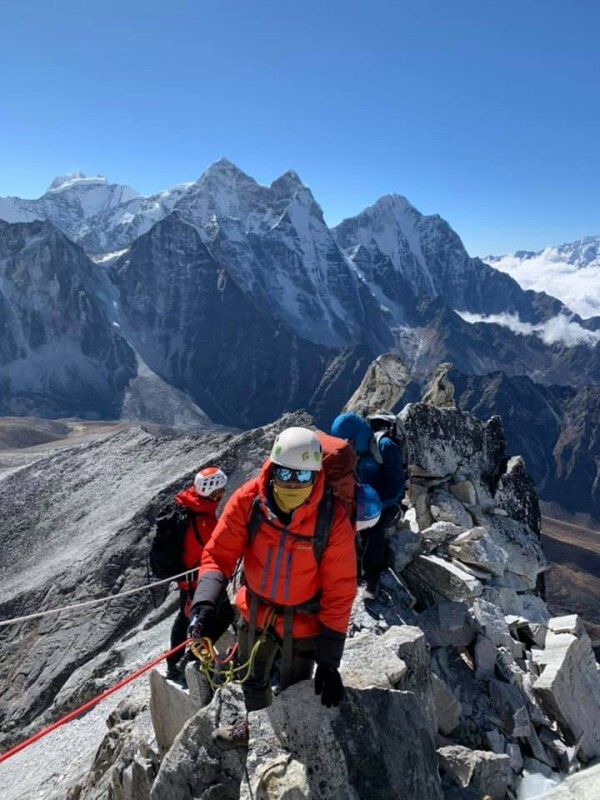
For climbers seeking a bigger Himalayan challenge, the Three Peak Climbing adventure combines Pokalde Peak (5,806 m), Lobuche East (6,119 m), and Island Peak (6,189 m) into one incredible Himalayan journey. This multi-peak expedition is ideal for climbers looking to gain high-altitude experience, improve mountaineering skills, and enjoy breathtaking views across the Everest region while progressing through carefully planned acclimatization. Explore the Three Peaks Adventures.
Trekkers are advised to schedule their flights at convenient time frames, as we shall not be responsible for missed international flights or luggage before our reception. You are also suggested not to carry insignificant materials for your own ease.
POKALDE PEAK CLIMBING - FAQs
What is Pokalde Peak and where is it located?
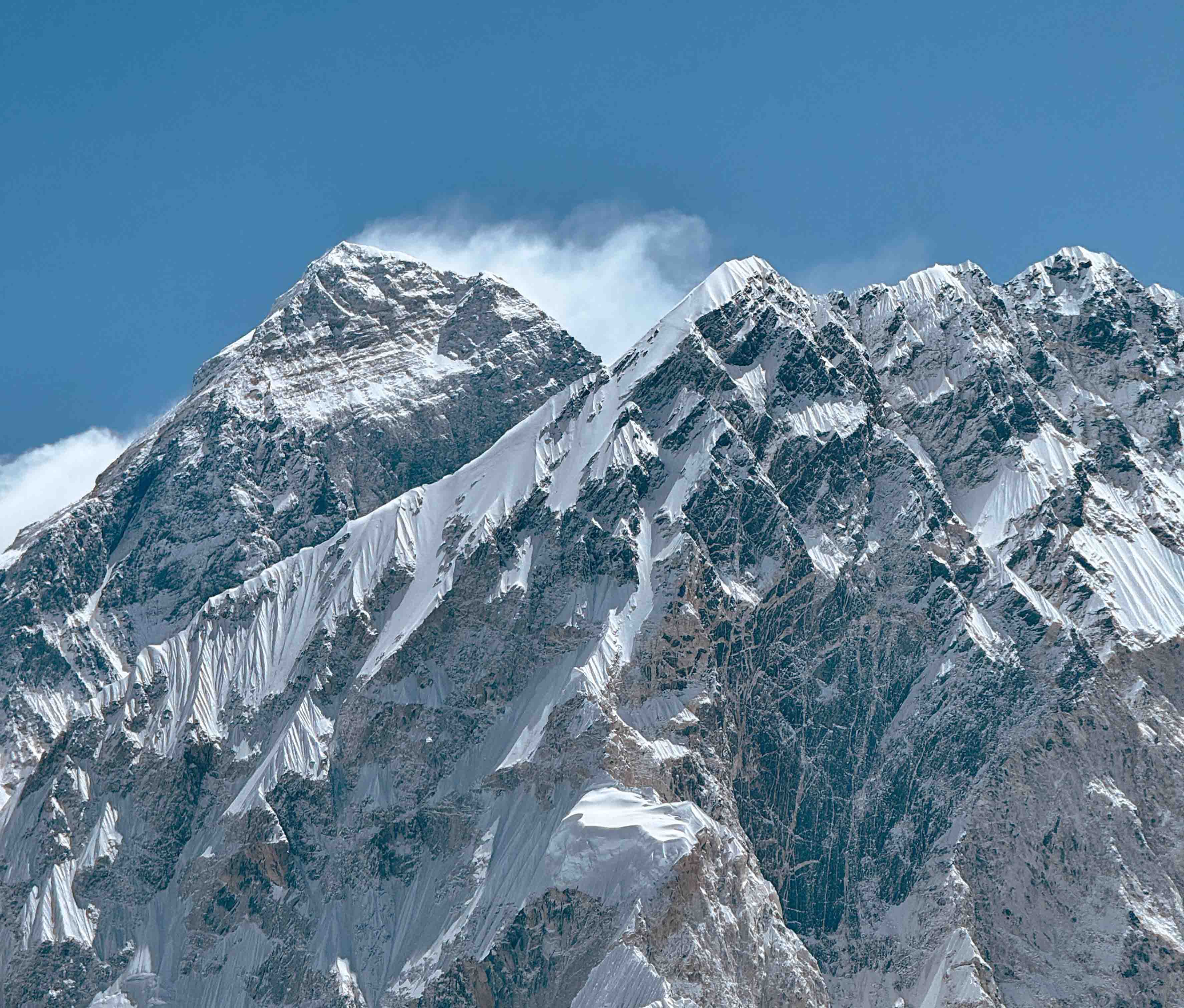
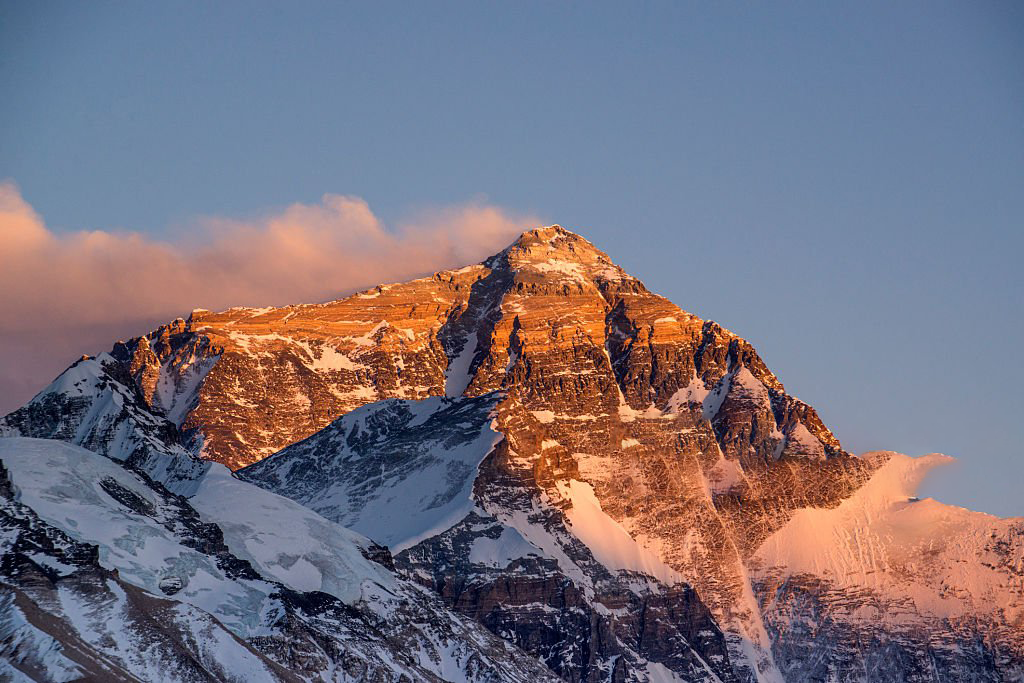
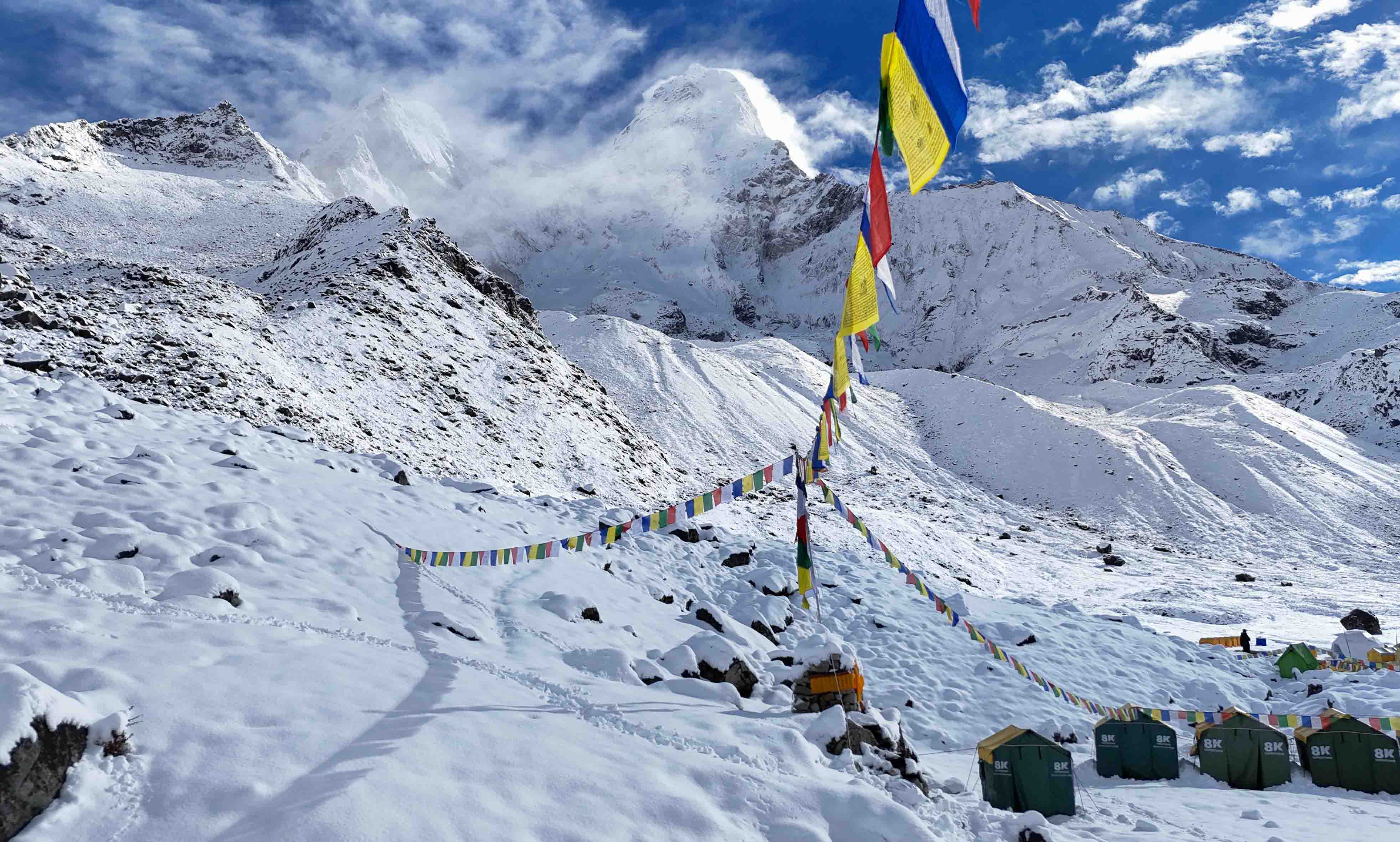
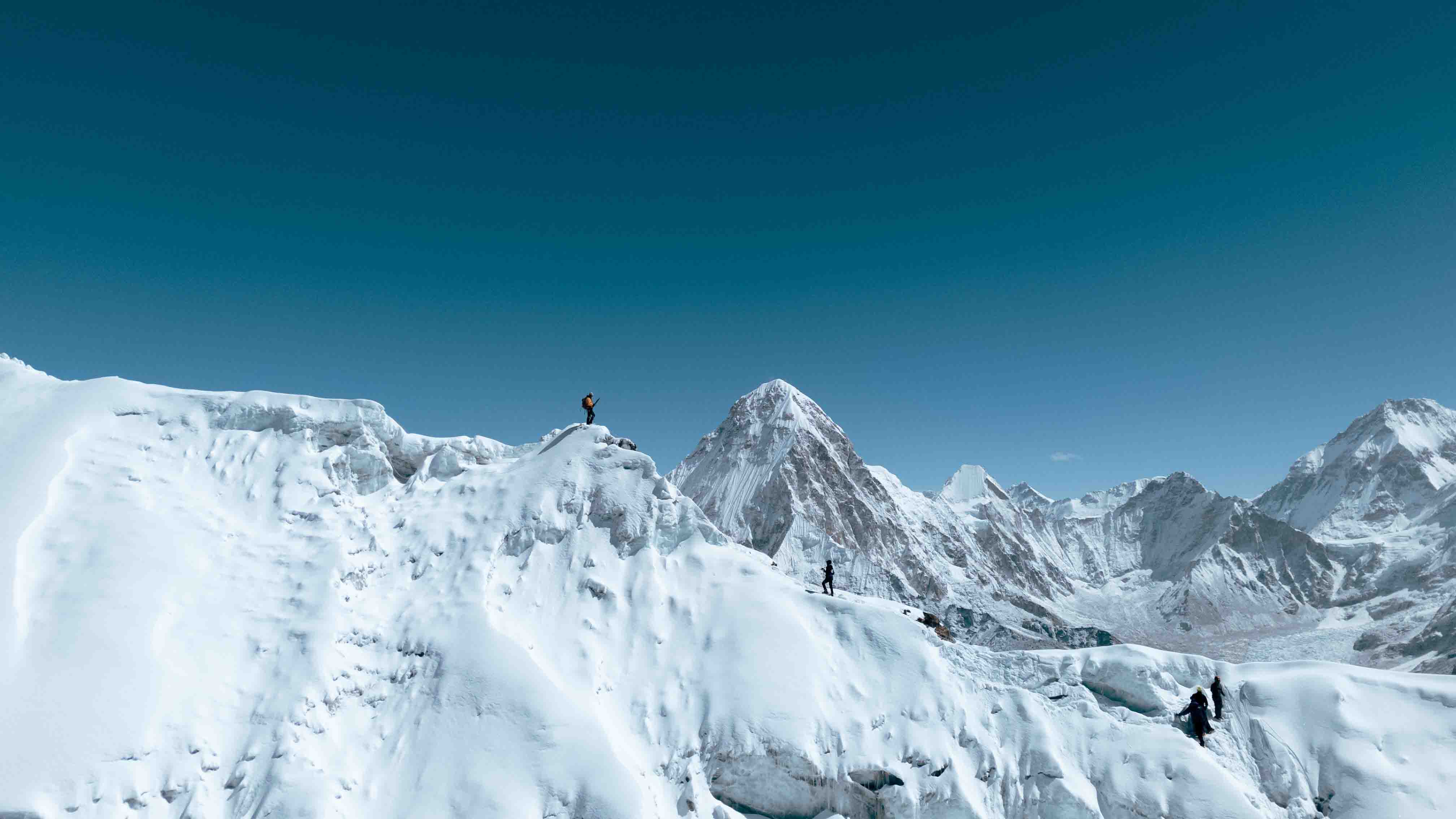
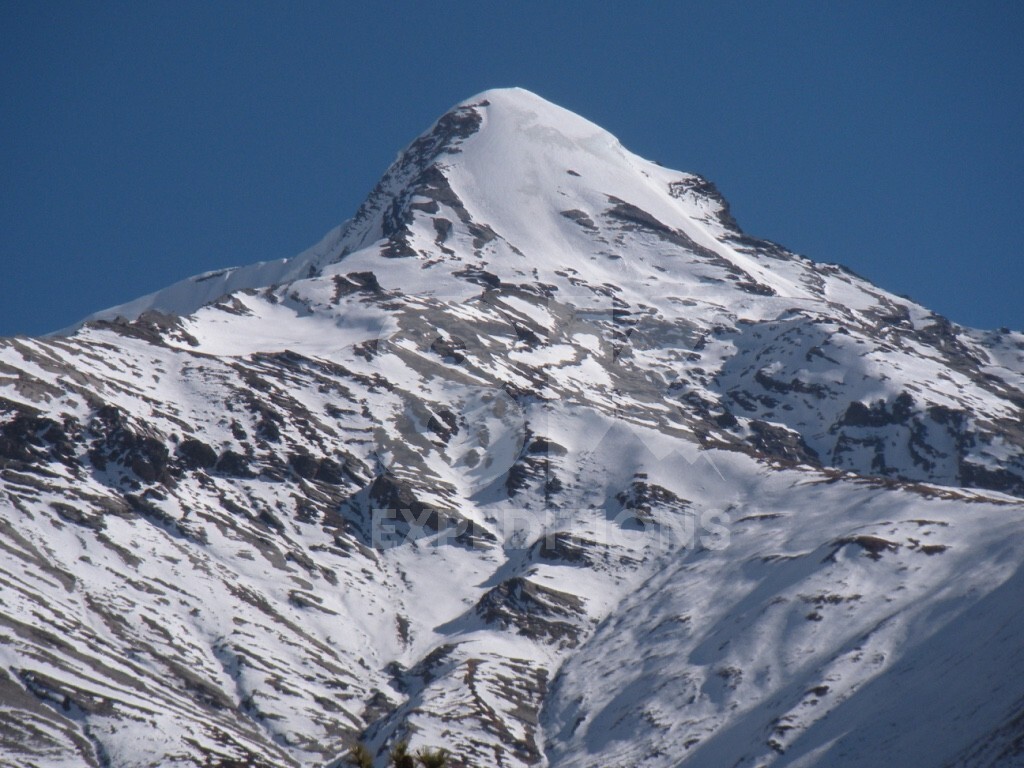
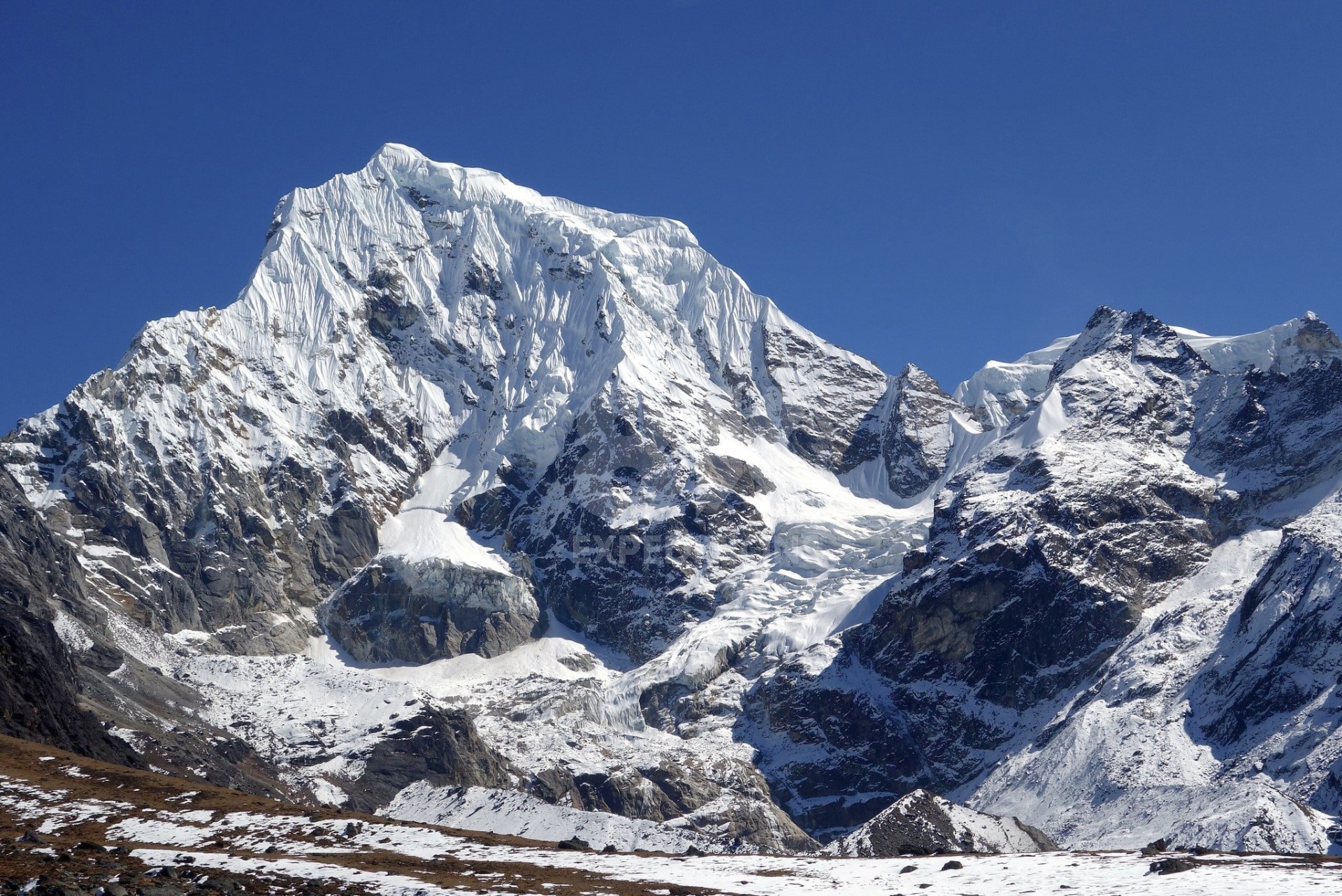
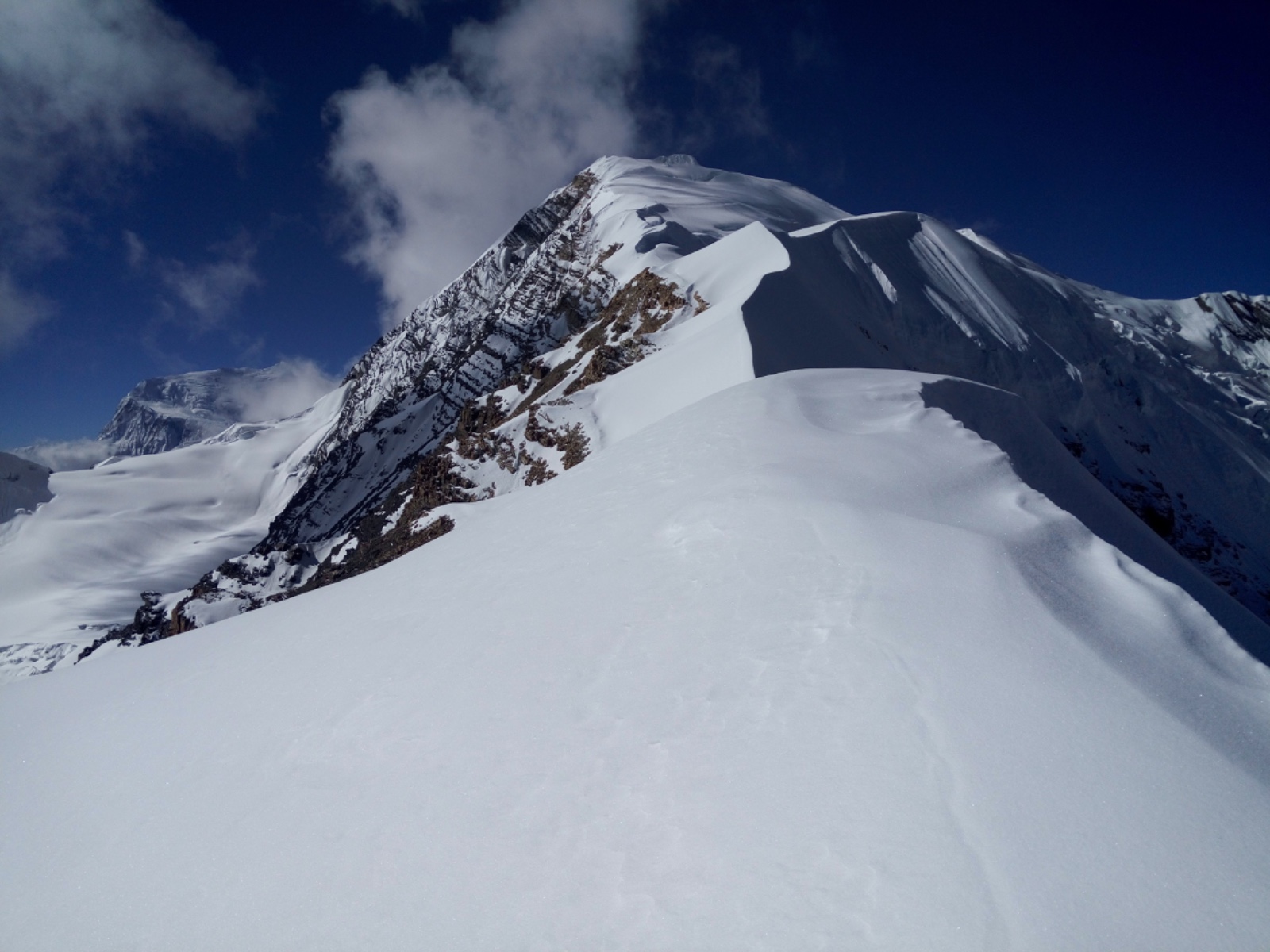
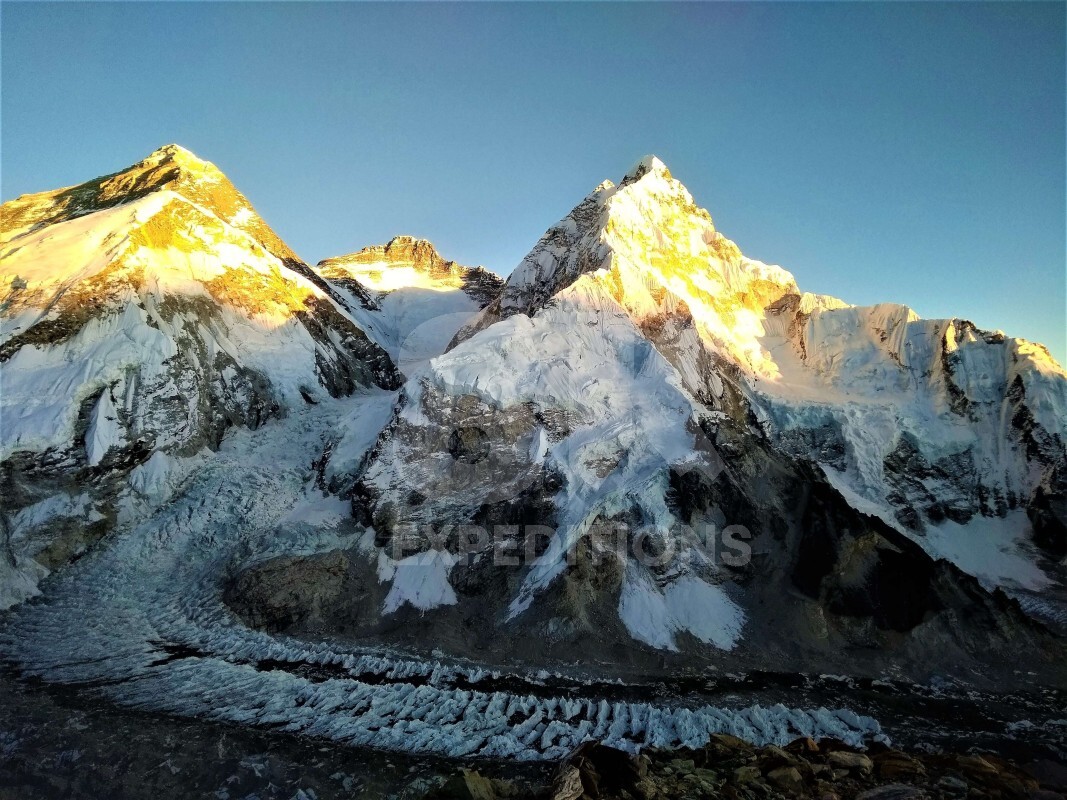
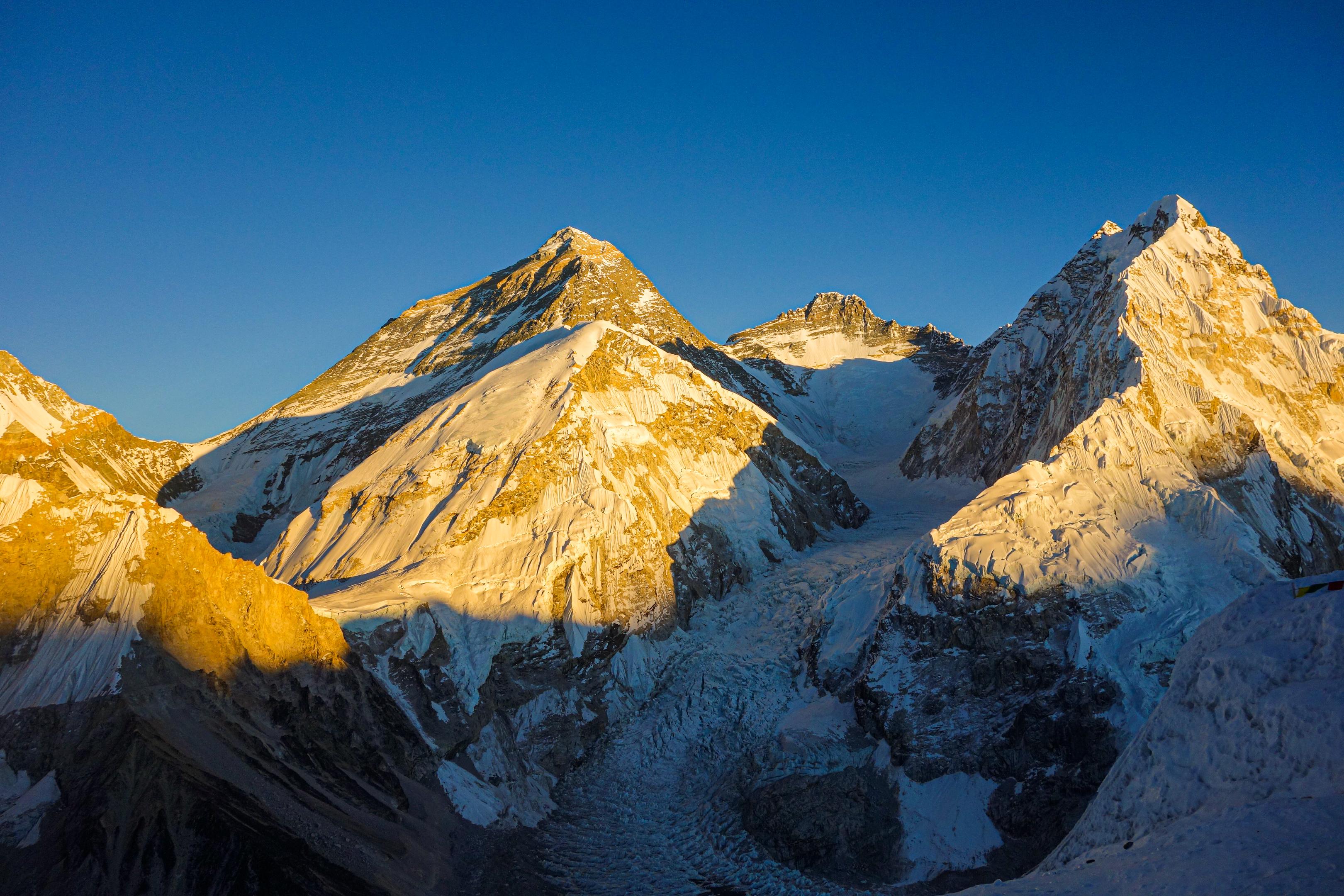
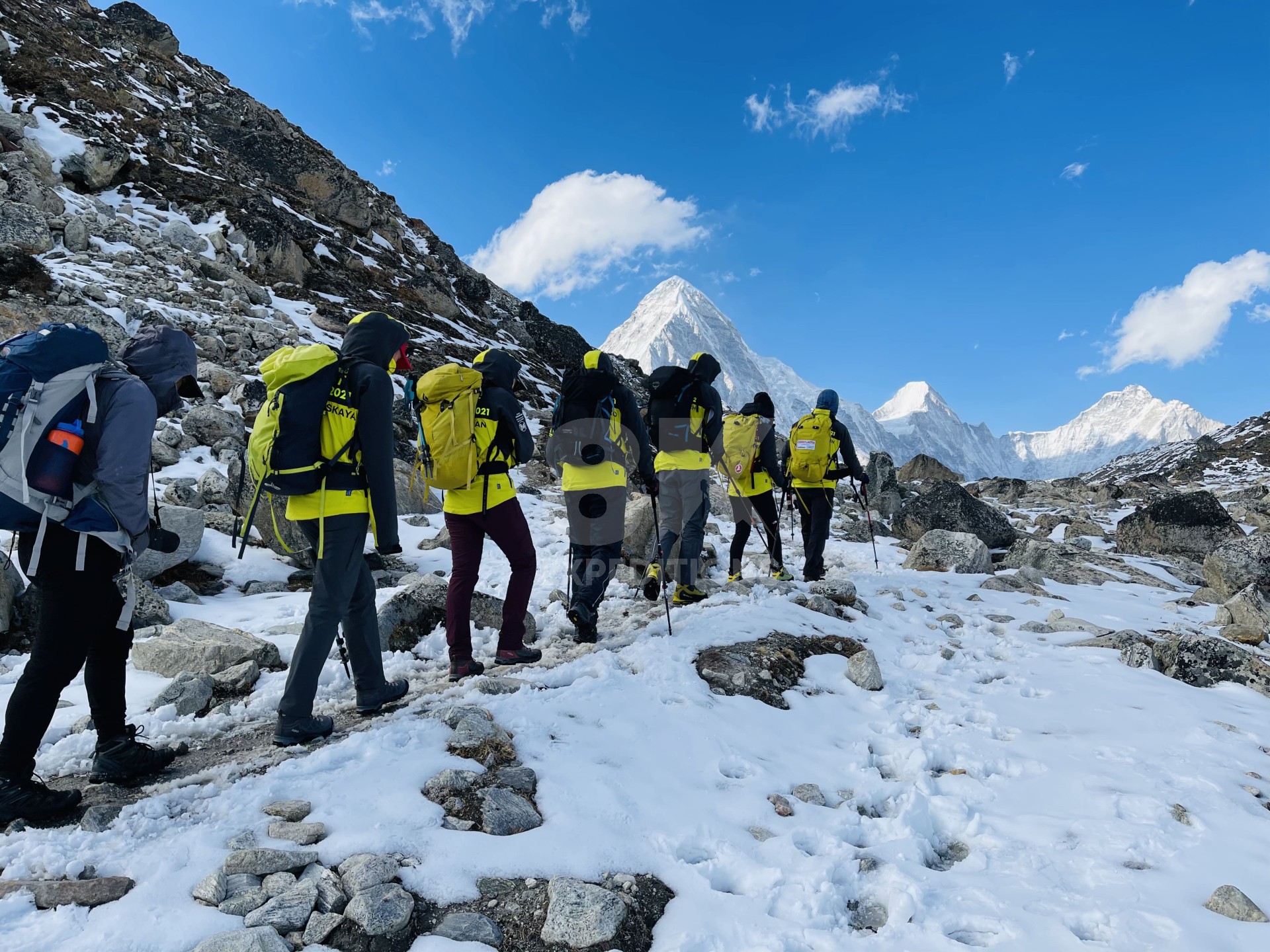
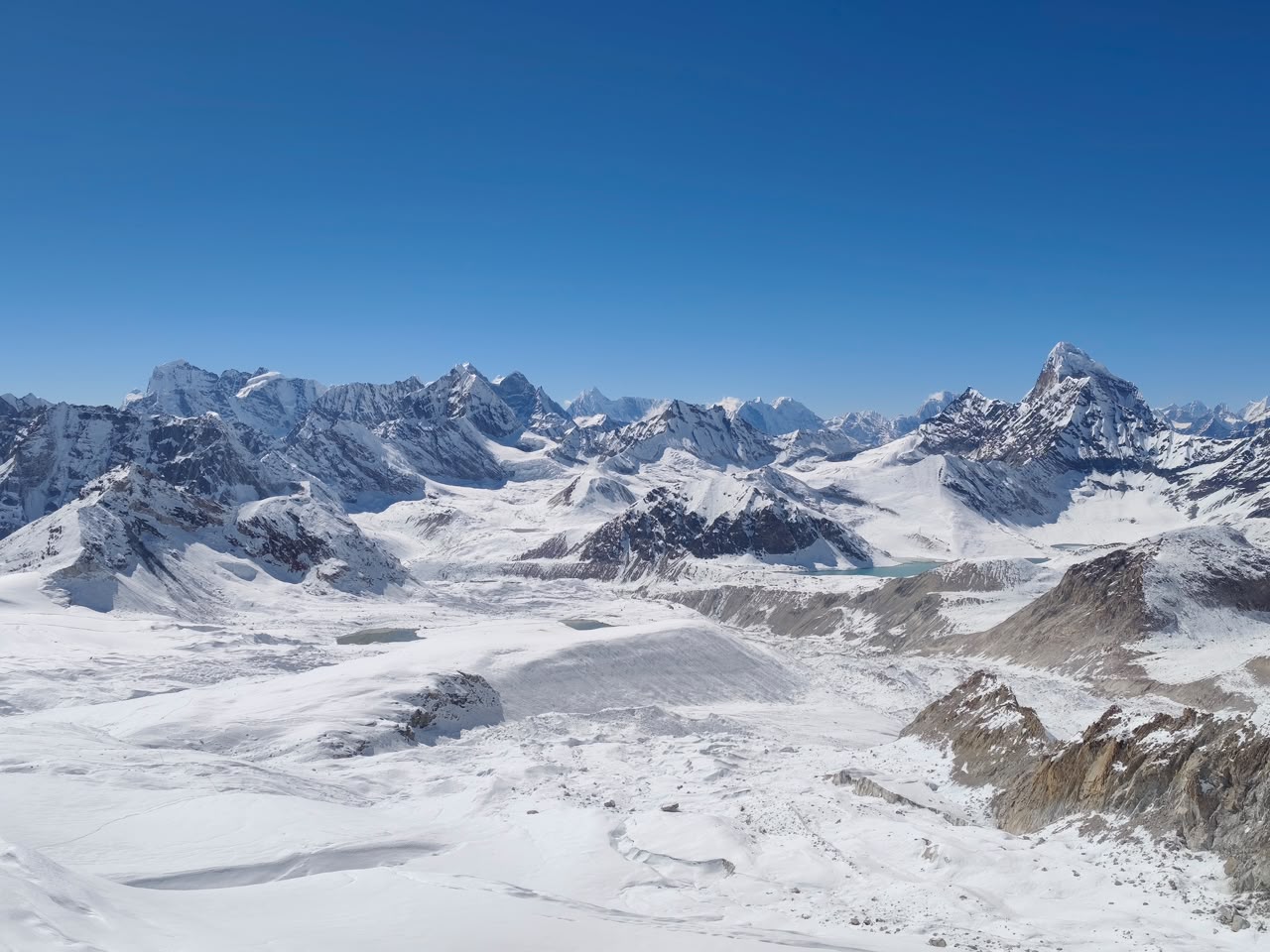
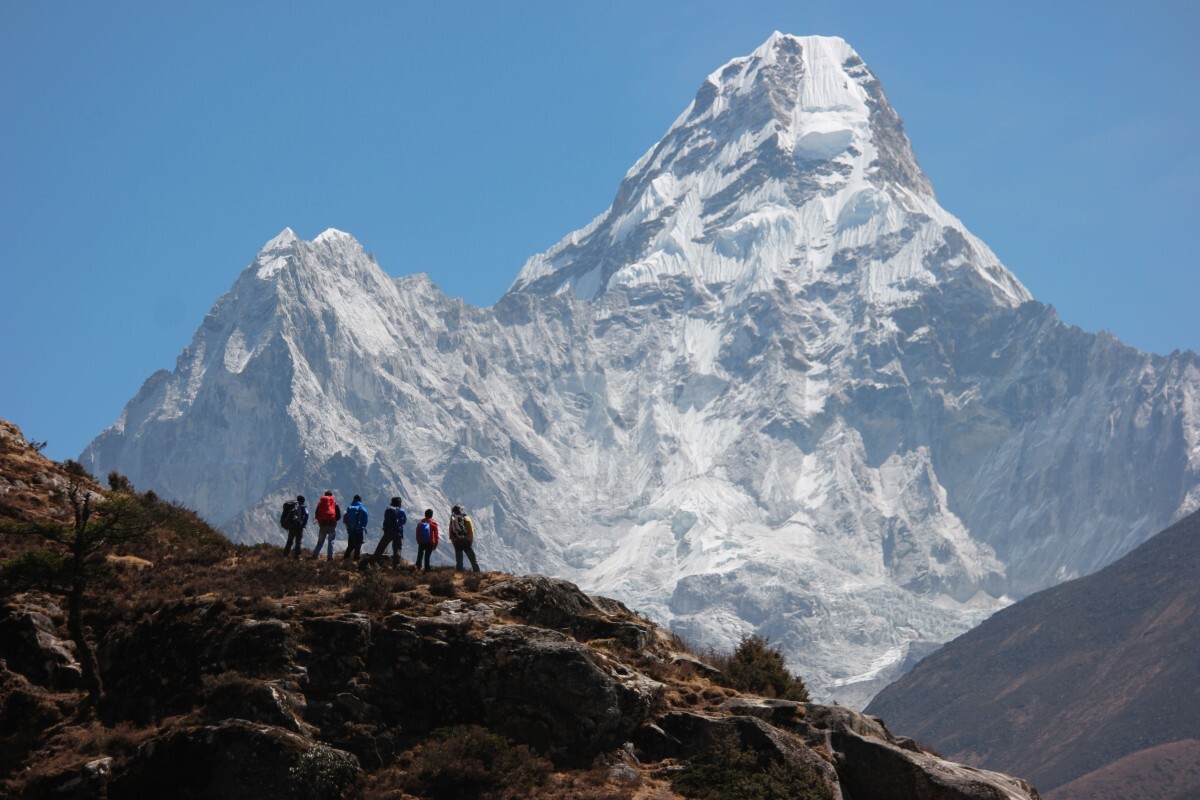
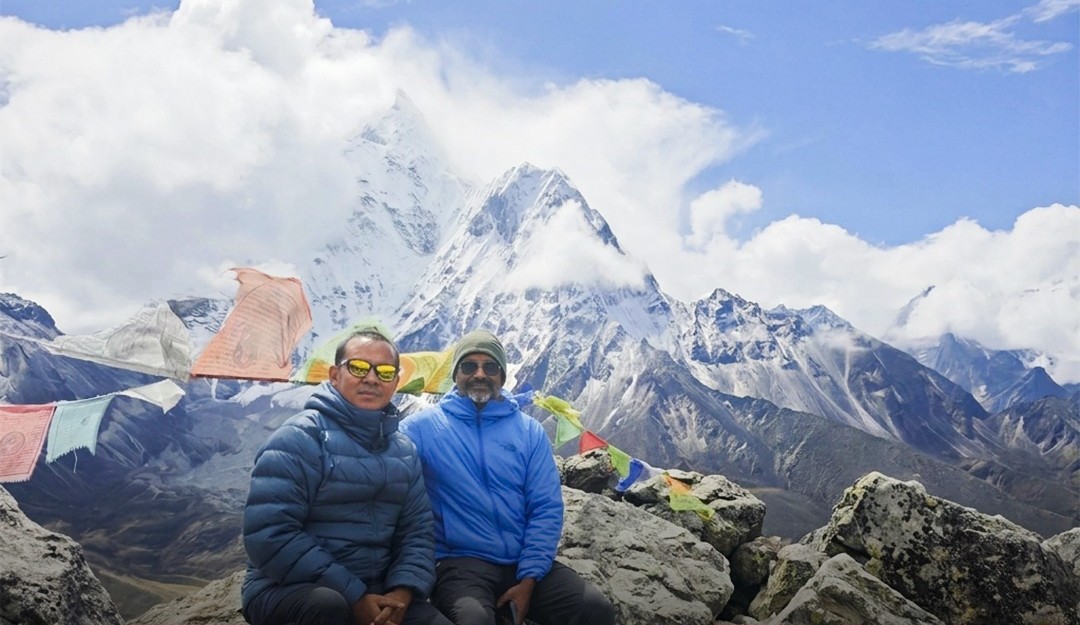
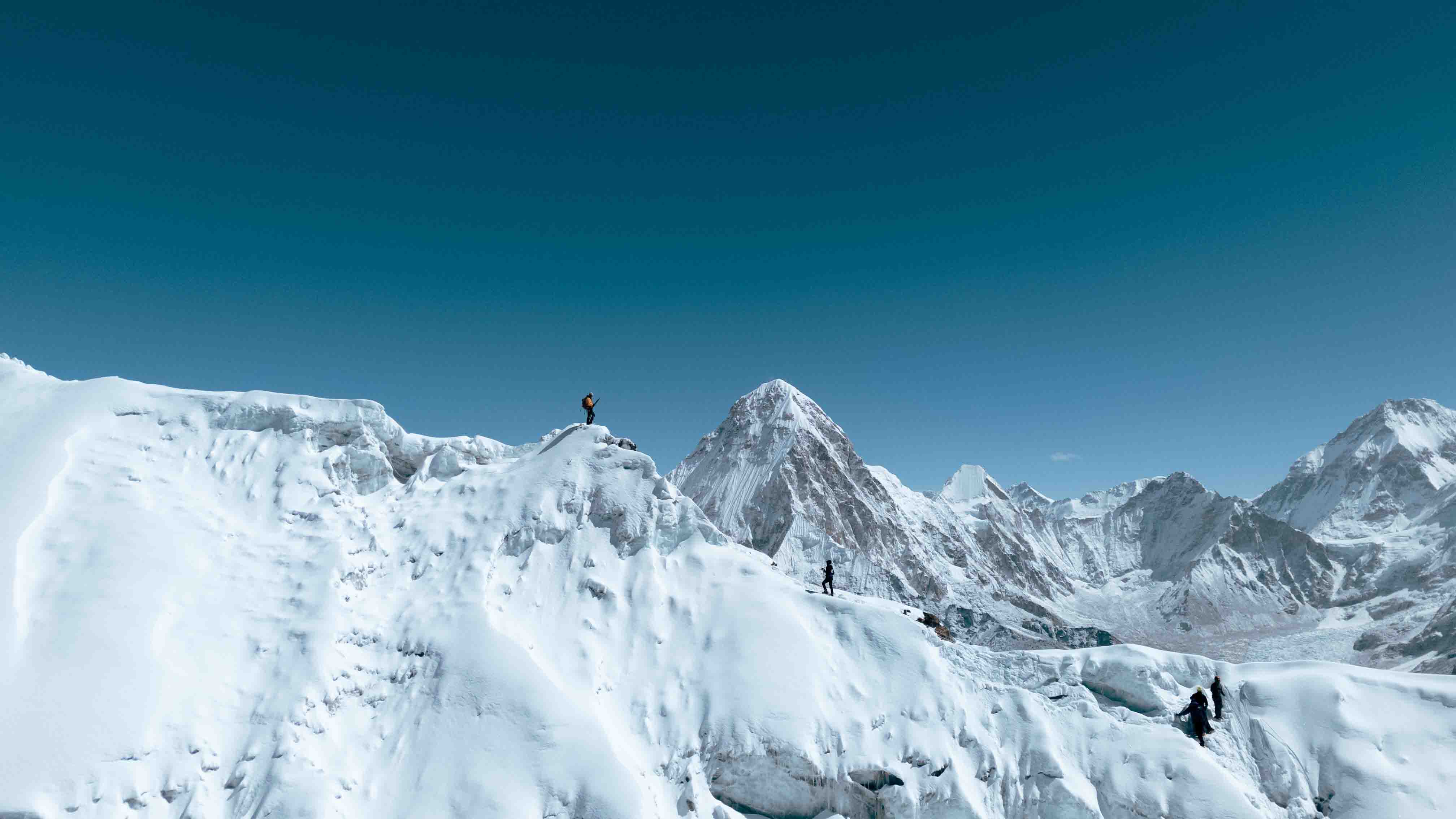
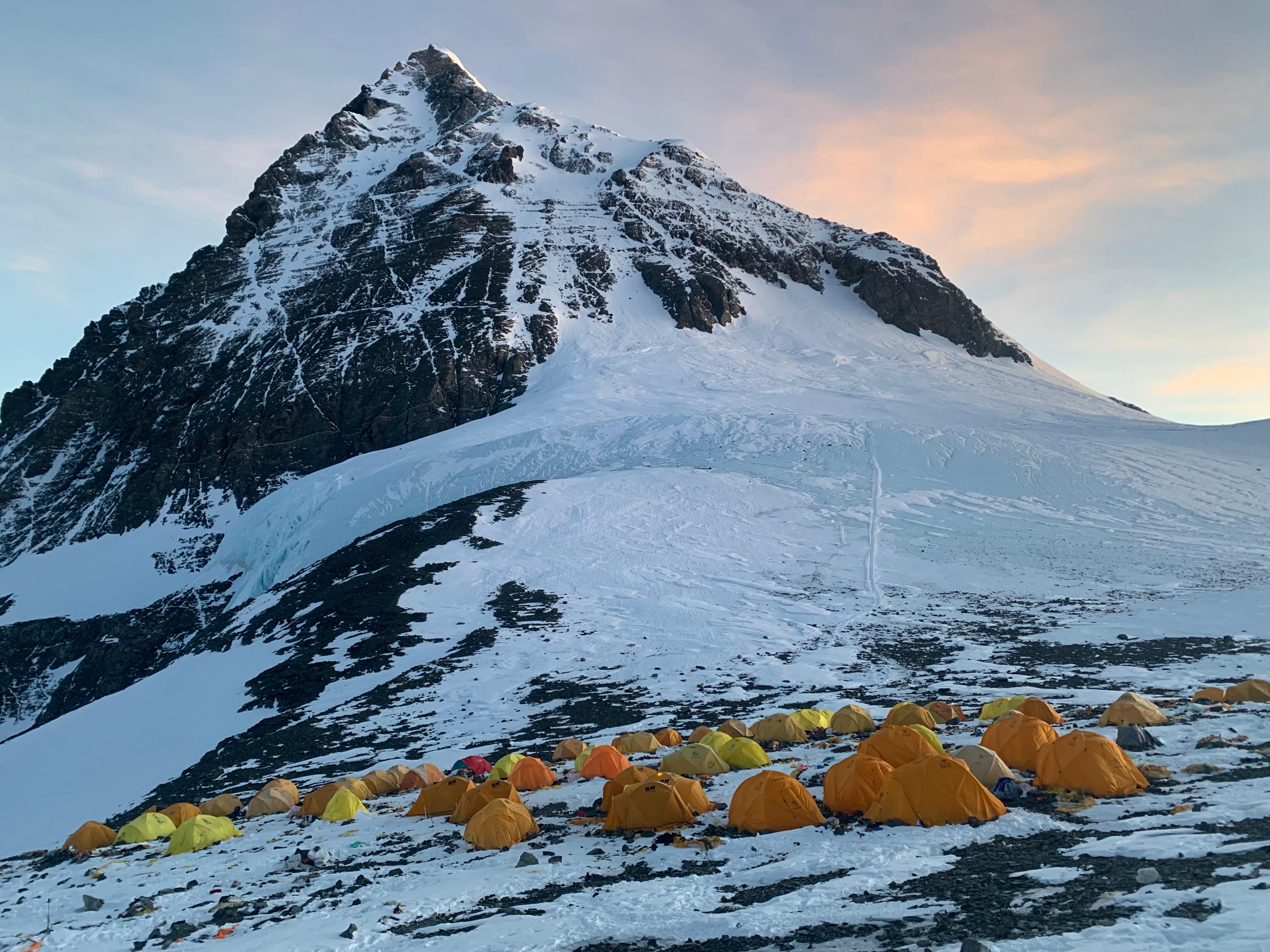
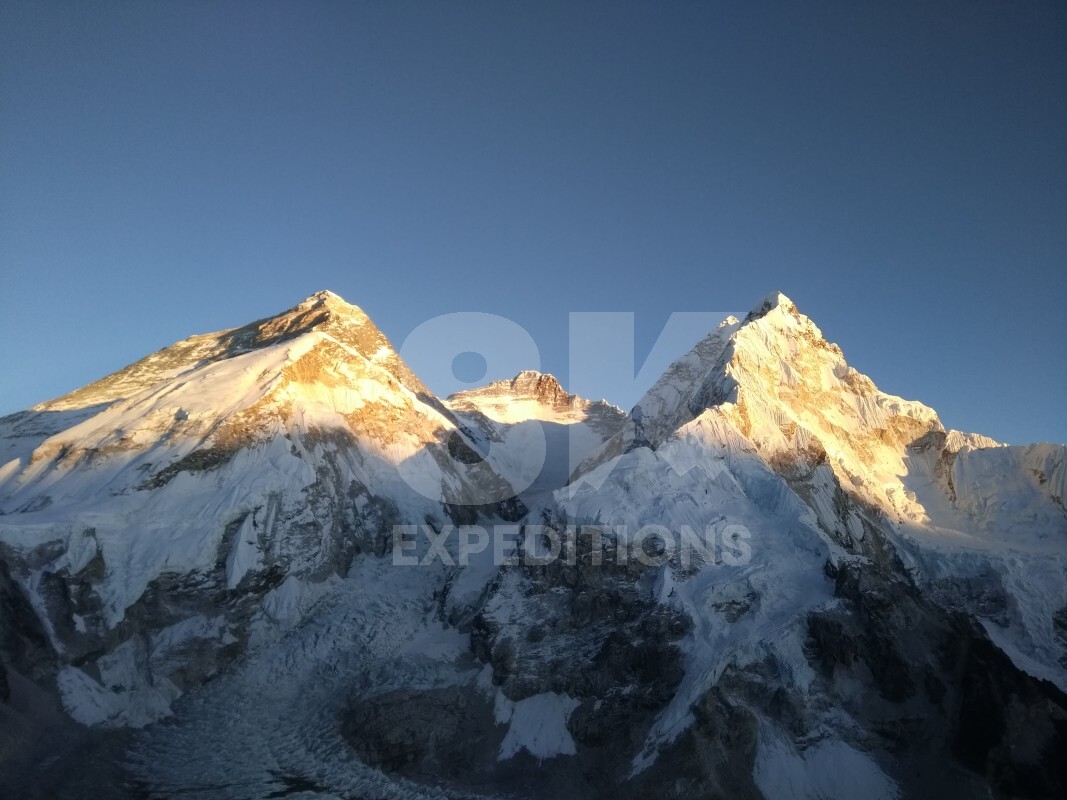
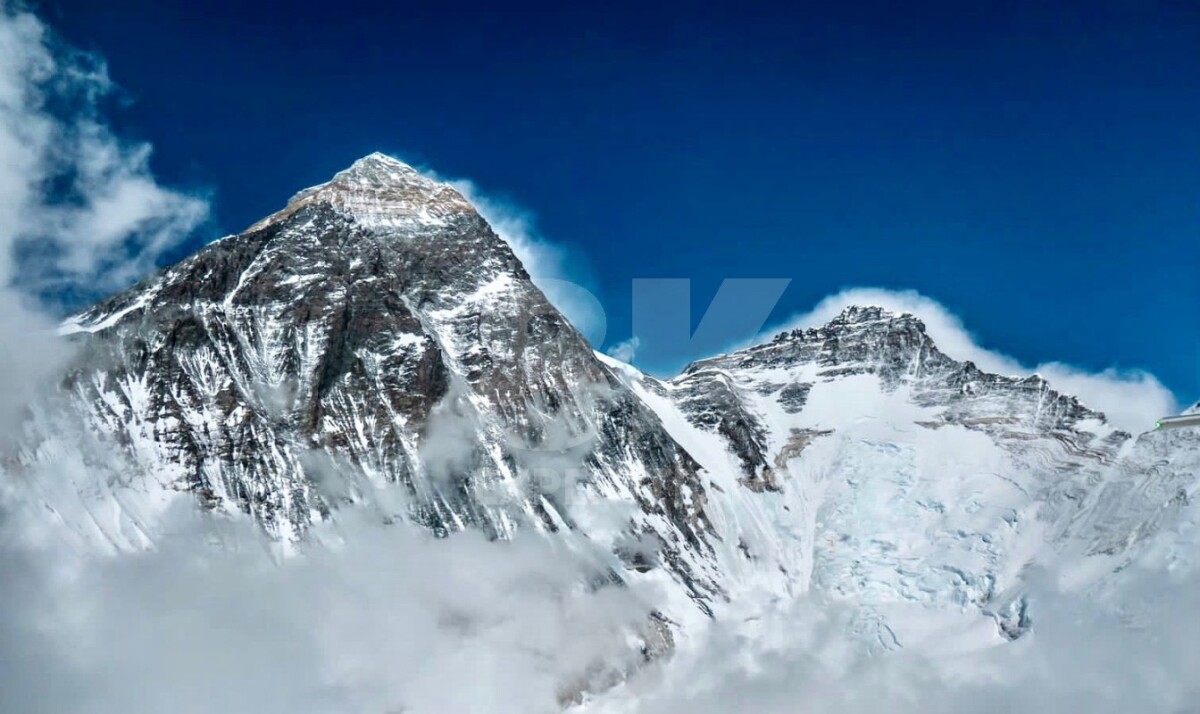
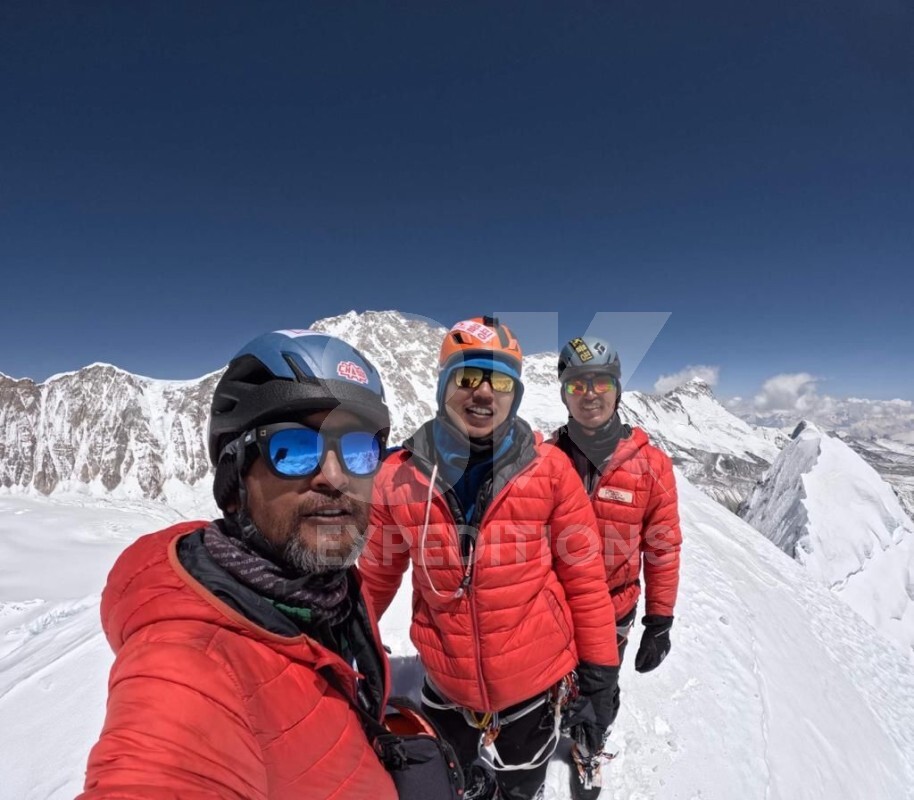
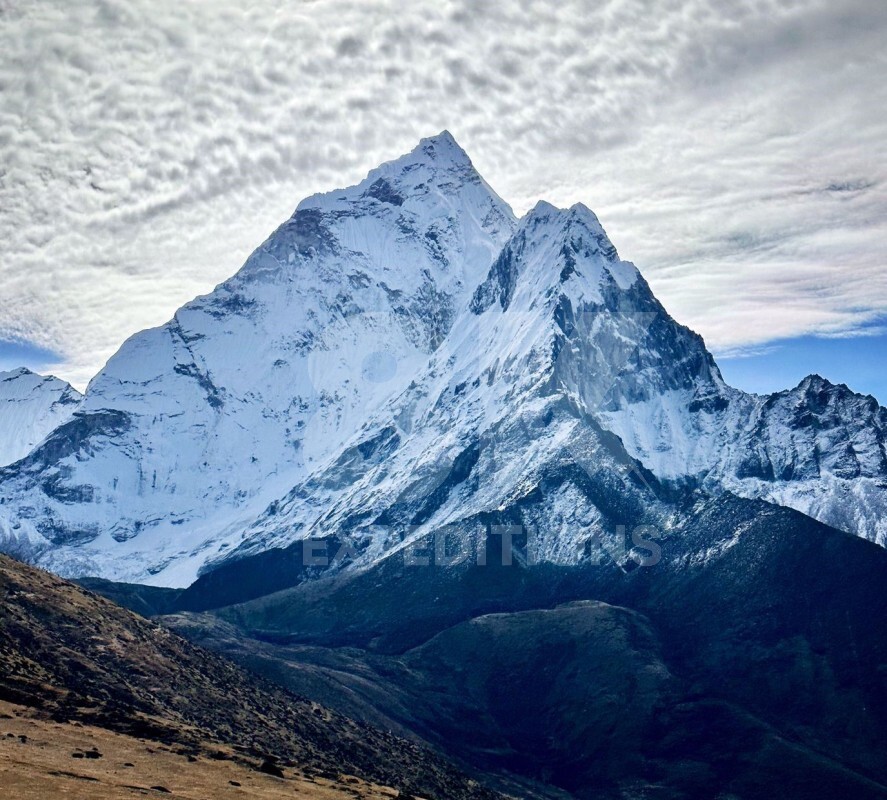
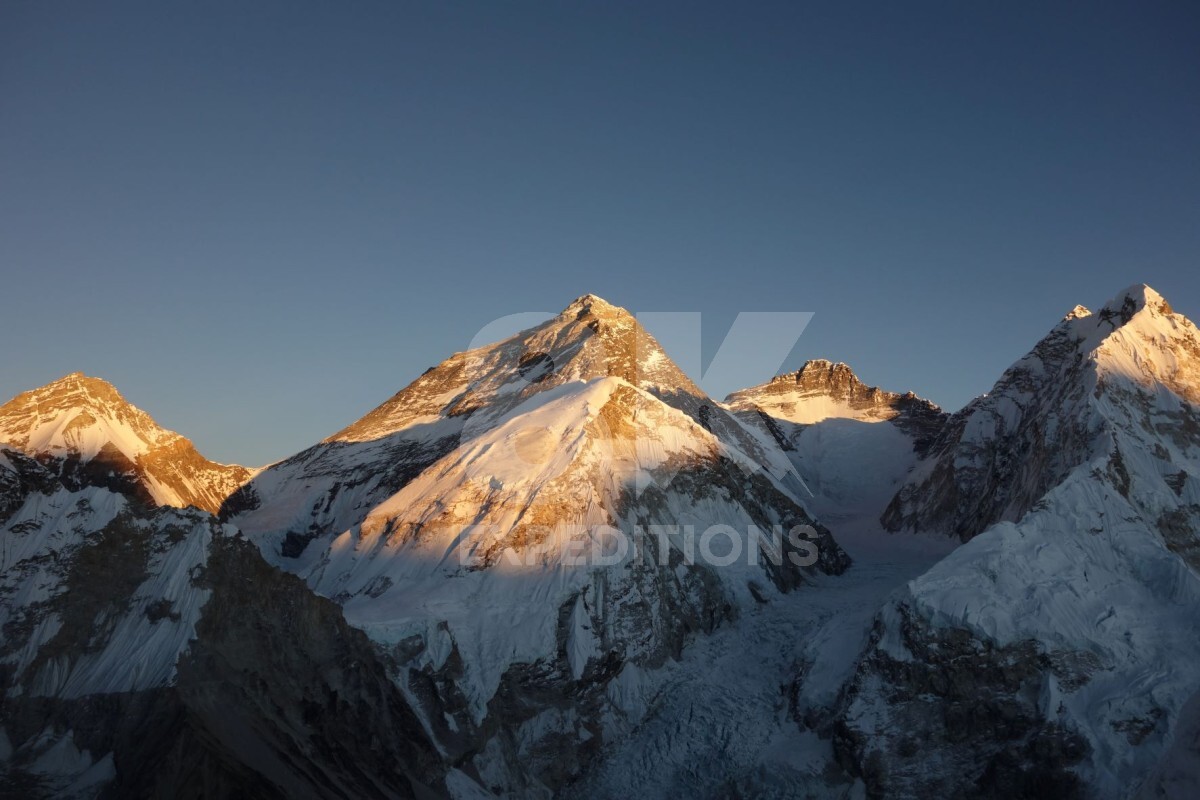
Pokalde Peak (5,806m), also known as Dolma Ri, is a trekking peak located in Nepal's Khumbu region of the Everest region, approximately 12 kilometers southwest of Mount Everest. It offers spectacular Himalayan views, including Mount Everest, Lhotse, Makalu, Ama Dablam and Pumori. Pokalde Peak Climbing is an excellent opportunity to experience Himalayan mountaineering while exploring the traditional Sherpa villages and landscapes of the Everest region.
How high is Pokalde Peak?
Pokalde Peak stands at 5,806 meters (19,049 feet) above sea level, making it an attractive high-altitude climbing destination in Nepal's Everest region. Despite being considered one of the more accessible trekking peaks in the Khumbu, its elevation requires proper acclimatization, physical preparation and experienced climbing support.
Why is Pokalde Peak famous among climbers?
Pokalde Peak is famous for its relatively accessible climbing route, stunning panoramic mountain views and location near the popular Kongma La Pass. From its summit, climbers can enjoy breathtaking views of Everest, Lhotse, Nuptse, Makalu, Ama Dablam and other Himalayan peaks. Its combination of trekking, cultural experiences and high-altitude climbing makes it an appealing destination for adventure enthusiasts.
Is Pokalde Peak one of the easiest trekking peaks in Nepal?
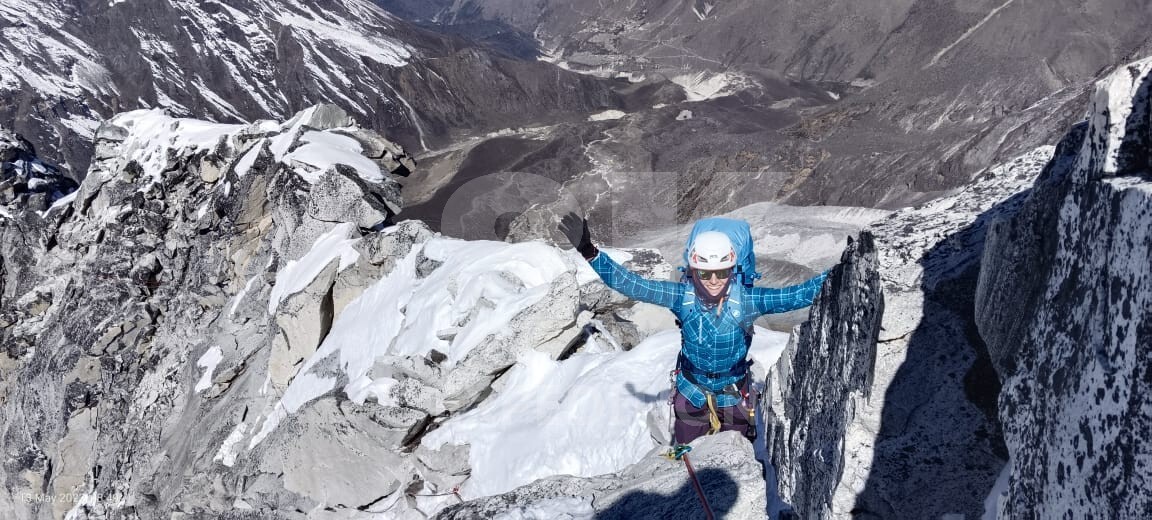
Pokalde Peak is generally regarded as one of the less technically demanding trekking peaks in the Khumbu region. However, climbing at 5,806 meters still involves steep terrain, rocky sections, possible snow and exposure to high-altitude conditions. Climbers need good physical fitness, proper acclimatization and professional guidance to attempt the summit safely.
How difficult is Pokalde Peak Climbing?
Pokalde Peak Climbing is considered relatively less technical than popular Khumbu climbing peaks such as Island Peak and Lobuche East. Nevertheless, the expedition requires strong physical endurance, several days of high-altitude trekking and the ability to negotiate steep and exposed terrain. Weather conditions, altitude and individual fitness can significantly affect the difficulty of the climb.
Can beginners climb Pokalde Peak?
Yes, physically fit beginners can attempt Pokalde Peak with proper preparation and professional climbing support. Previous mountaineering experience can be helpful but is not necessarily a prerequisite. Beginners should develop cardiovascular endurance, practice uphill hiking, prepare for high-altitude conditions and follow their climbing guide's instructions throughout the expedition.
Do I need previous mountaineering experience to climb Pokalde Peak?
Previous technical mountaineering experience is not always required for Pokalde Peak Climbing. However, participants should have good physical fitness and be comfortable hiking on steep and uneven mountain terrain. Basic instruction in climbing equipment, rope techniques and mountain safety from experienced guides is important before attempting the summit.
How physically fit do I need to be for Pokalde Peak Climbing?
Climbers should have good cardiovascular endurance, leg strength and stamina to manage several hours of trekking at high altitude. Regular hiking, stair climbing, running, cycling and strength training before departure can help improve fitness. Being physically fit does not eliminate altitude-related risks, so gradual acclimatization remains essential.
How many days does the Pokalde Peak Climbing package take?
The Pokalde Peak Climbing package takes 18 days, including arrival in Kathmandu, preparation, flights to and from Lukla, trekking, acclimatization, climbing and final departure. The itinerary also includes visits to Everest Base Camp and Kala Patthar before the Pokalde Peak summit attempt.
What is the standard route for Pokalde Peak Climbing?
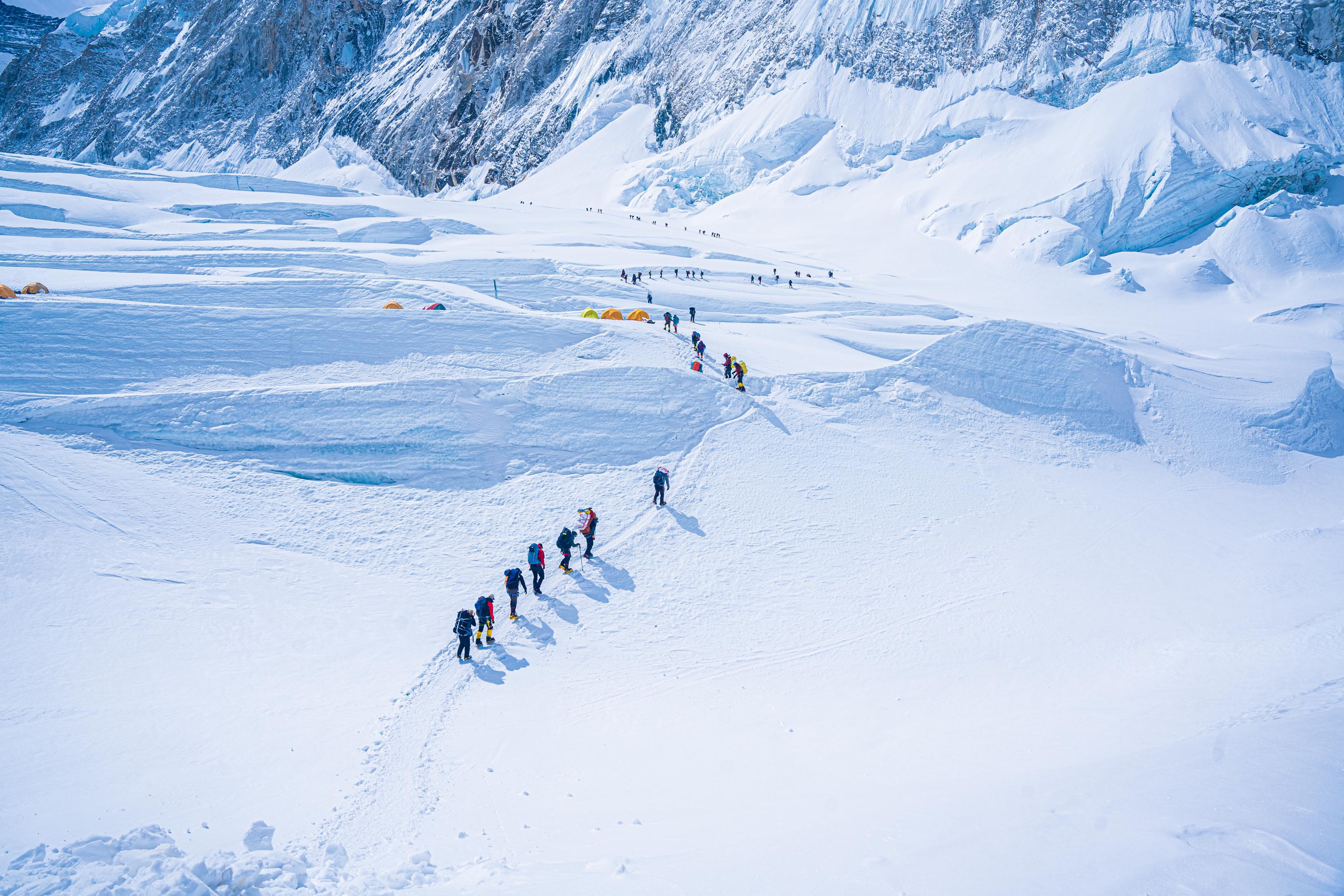
The itinerary follows the Everest region trekking route from Kathmandu to Lukla, Phakding, Namche Bazaar, Tengboche, Dingboche and Lobuche. It then includes Everest Base Camp and Kala Patthar before crossing Kongma La Pass to reach Pokalde Base Camp. Climbers proceed to High Camp before attempting the 5,806-meter summit and descending towards Chhukung.
Does the Pokalde Peak itinerary include Everest Base Camp?
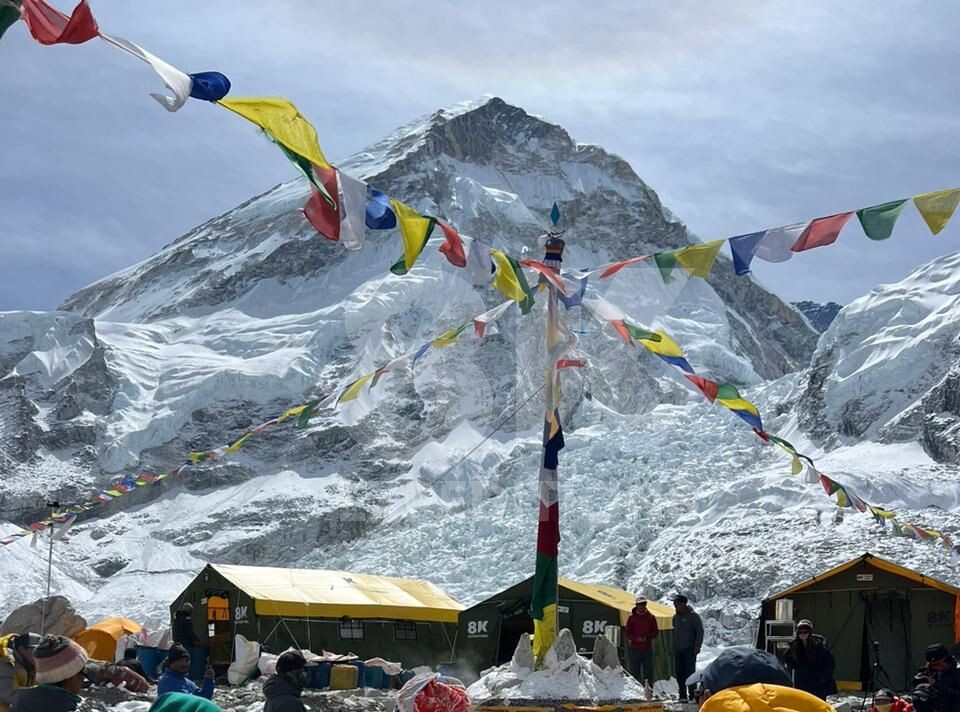
Yes, 18-day Pokalde Peak Climbing itinerary includes a visit to Everest Base Camp at approximately 5,364 meters and an ascent of Kala Patthar at approximately 5,545 meters. These experiences allow climbers to explore the iconic Everest region before continuing towards Kongma La Pass and Pokalde Peak.
What is Kongma La Pass, and why is it included in the Pokalde Peak expedition?
Kongma La Pass (approximately 5,535m) is one of the three major high-altitude passes in Nepal's Everest region. It connects the Lobuche and Chhukung valleys and provides access to the Pokalde Peak climbing area.
What is the highest altitude reached during Pokalde Peak Climbing?
The highest point of the Pokalde Peak expedition is the summit at 5,806 meters (19,049 feet). Climbers also reach other high-altitude locations, including Everest Base Camp, Kala Patthar, Kongma La Pass and Pokalde High Camp. Proper acclimatization and a gradual ascent are essential for managing altitude-related risks.
What is the best time to climb Pokalde Peak in Nepal?
The best seasons for Pokalde Peak Climbing are spring (March to May) and autumn (October to November). Spring generally offers favorable climbing conditions, milder temperatures and beautiful mountain scenery. Autumn is also popular because of its clearer skies, stable weather patterns and excellent Himalayan visibility. The final summit attempt depends on actual weather and mountain conditions.
Can Pokalde Peak be climbed in winter or during the monsoon?
Winter and monsoon climbing are generally less favorable because of extreme cold, snowfall, precipitation, poor visibility and potentially hazardous mountain conditions. Spring and autumn are the recommended seasons for Pokalde Peak Climbing. Any attempt outside these periods requires careful evaluation of weather, route conditions and professional logistical support.
How much does Pokalde Peak Climbing cost?
The cost of Pokalde Peak Climbing with 8K Expeditions depends on group size, climbing permits, accommodation standards, guide and Sherpa arrangements, equipment and logistical requirements. The company provides customized quotations based on the preferred travel dates and service level.
What permits are required for Pokalde Peak Climbing?
Pokalde Peak Climbing requires the applicable peak-climbing authorization and trekking-area entry documentation. The package includes the necessary paperwork, conservation-area entry permits, Sagarmatha Conservation Fee and TIMS card among its inclusions.
What is included in the 8K Expeditions Pokalde Peak Climbing package?
The package includes airport transfers, scheduled Kathmandu hotel accommodation, Kathmandu–Lukla–Kathmandu flights, trekking accommodation, scheduled trekking meals, necessary paperwork and conservation permits, an experienced government-licensed English-speaking guide, porter support, staff insurance and a basic medical kit. Emergency oxygen equipment is also listed in the package. Personal climbing equipment, international airfare, travel insurance, personal expenses and rescue evacuation costs are excluded.
Is Pokalde Peak Climbing available for private groups?
Yes, 8K Expeditions can arrange customized Pokalde Peak Climbing departures according to group size, preferred dates, accommodation preferences and logistical requirements. Private groups can contact the company to discuss a personalized itinerary, guide arrangements and a tailored expedition quotation.
Is Pokalde Peak Climbing safe?
Pokalde Peak Climbing can be undertaken with appropriate preparation, professional guidance, suitable equipment and responsible decision-making. However, no high-altitude expedition is completely risk-free. Altitude sickness, unpredictable weather, cold temperatures and exposed mountain terrain are important considerations. 8K Expeditions provides experienced guides, logistical support and emergency oxygen equipment as listed in its package.
What climbing equipment is required for Pokalde Peak?
Climbers should prepare appropriate high-altitude clothing, mountaineering boots, a helmet, harness, climbing gloves, trekking poles, a sleeping bag and personal climbing accessories. Depending on actual snow and route conditions, technical equipment such as crampons, an ice axe and appropriate rope-protection equipment may also be necessary. The final equipment list should be confirmed with 8K Expeditions before departure.
Is altitude sickness a risk during Pokalde Peak Climbing?
Yes, altitude sickness is a potential risk because the expedition reaches 5,806 meters above sea level. Common symptoms include headaches, nausea, dizziness, fatigue and loss of appetite. Gradual acclimatization, adequate hydration, proper rest and monitoring of symptoms are important. Anyone experiencing symptoms should inform their guide immediately and descent may be necessary.
Can I combine Pokalde Peak with Lobuche East and Island Peak?
Yes, Pokalde Peak can be combined with Lobuche East Peak (6,119m) and Island Peak (6,189m) through the 8K Expeditions Three Peak Climbing Adventure. This combination offers an opportunity to climb three Himalayan trekking peaks while developing high-altitude mountaineering experience across the Everest region. It is particularly suitable for well-prepared climbers seeking a more challenging multi-peak adventure.
Is Pokalde Peak suitable for climbers preparing for Island Peak or Lobuche East?
Pokalde Peak can provide valuable high-altitude trekking and introductory climbing experience for those planning to attempt Island Peak or Lobuche East. It allows climbers to develop confidence on mountain terrain and gain experience with high-altitude conditions. However, it does not replace the technical training, glacier skills and physical preparation required for more demanding peaks.
Why choose 8K Expeditions for Pokalde Peak Climbing in Nepal?
8K Expeditions provides organized Himalayan trekking and mountaineering services with experienced climbing guides, logistical coordination, accommodation arrangements and high-altitude expedition support. Its Pokalde Peak package combines the iconic Everest Base Camp route, Kongma La Pass and the summit of Pokalde Peak into an 18-day Himalayan adventure. Climbers can also request customized services and private departures according to their preferences.