Please do
remember
these things.
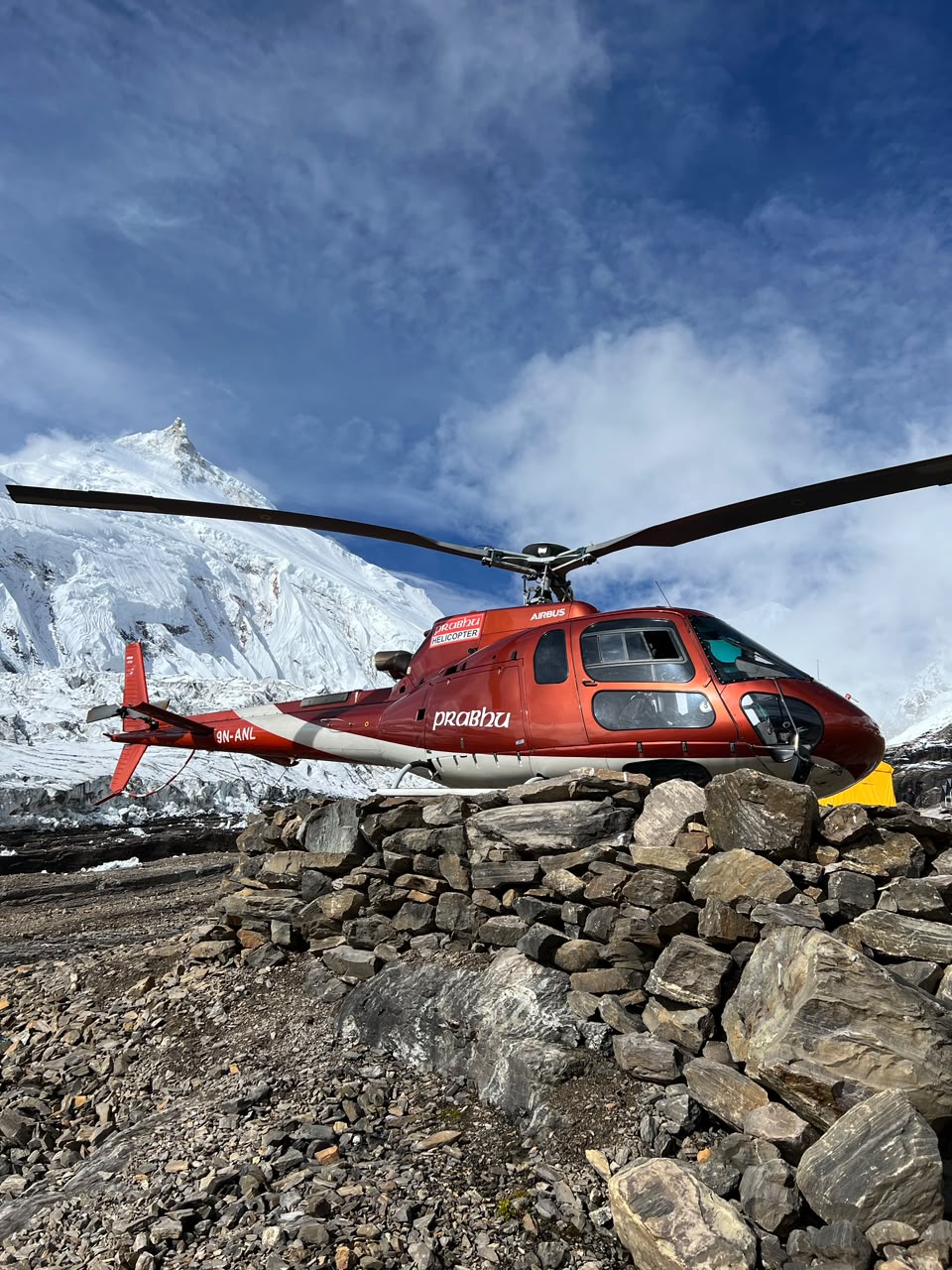
Trekking and mountain Expeditions in the Everest Region are highly dependent on weather conditions. We try to schedule our trips at the most favorable time, but in case of extreme scenarios, domestic flights to Lukla may be delayed or canceled. In cases as such this, we would like to notify you that except for the total number of days in the itinerary section, expenses of other extra days shall be borne by the client himself/herself. However, 8K Expeditions will make necessary arrangements for the accommodation of porters and guides. If you wish to make alternative arrangements such as a helicopter flight to avoid flight delays, we can arrange it at a nominal extra charge.
Also, 8K Expeditions shall not be liable for any compensation for losses due to missed International Flights but we will surely help to make necessary arrangements to minimize your loss. To avoid missing flights, we suggest keeping some flexible time frames before trip departure and after trip departure.
Also be notified that as we will be traveling in remote areas with extreme climatic conditions and geography where trails can be distorted at times, we might need to adjust our itineraries as required. But we assure you that the quality of service shall not be compromised at any cost.
LHOTSE EXPEDITION FAQS
What is the Lhotse Expedition?
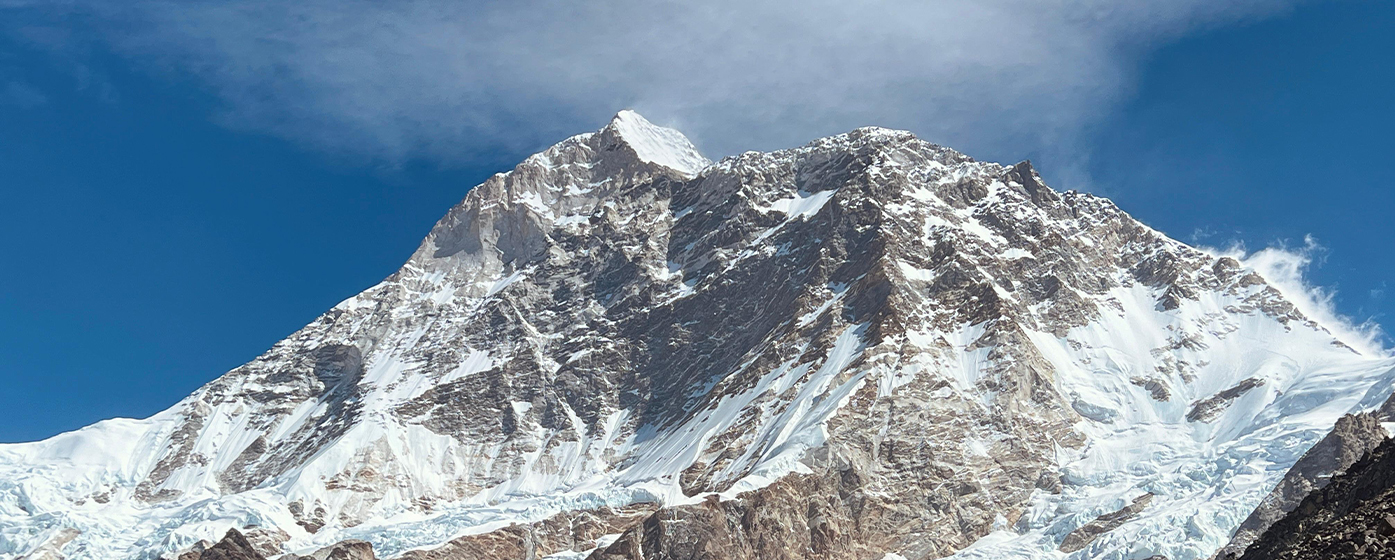
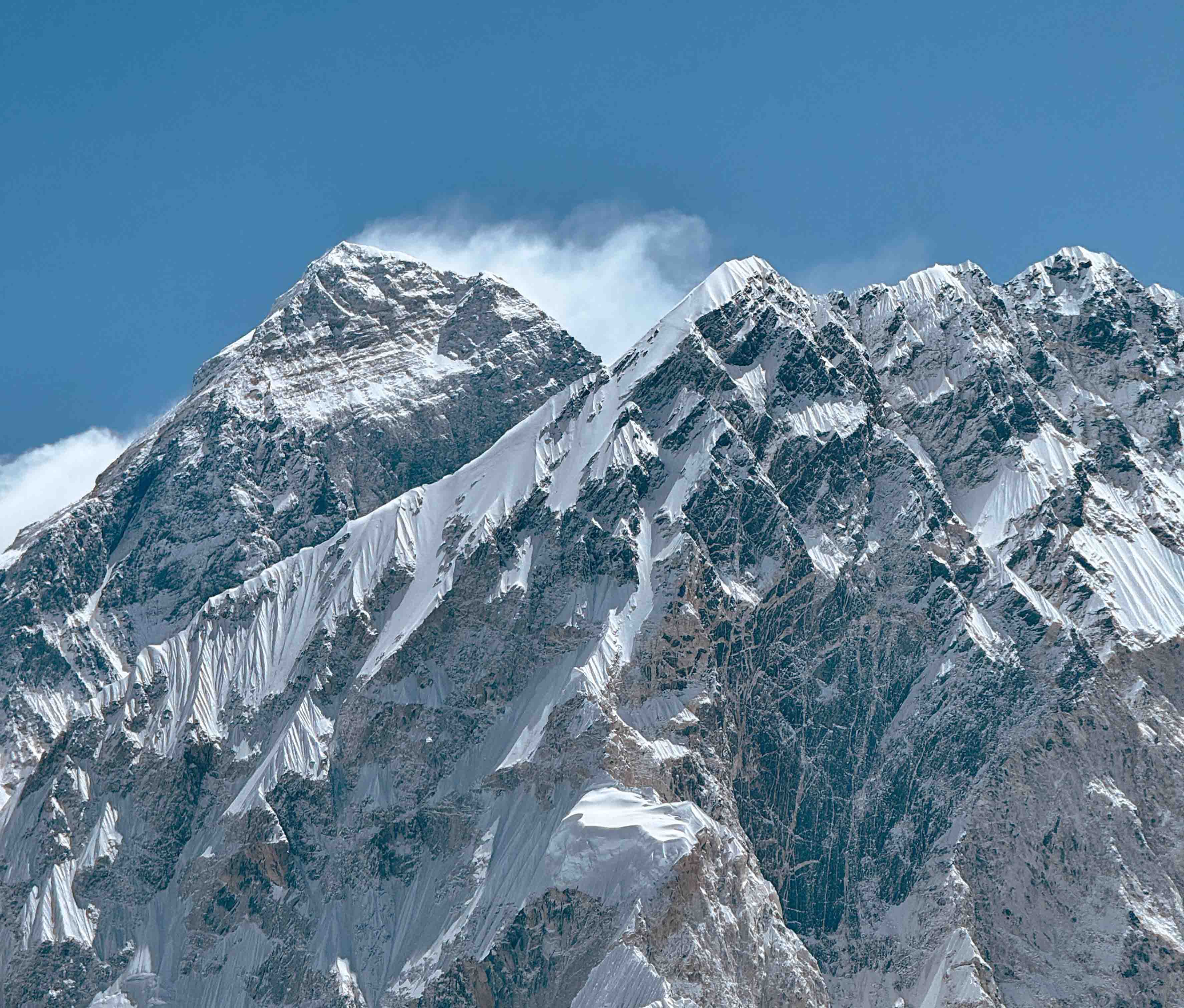
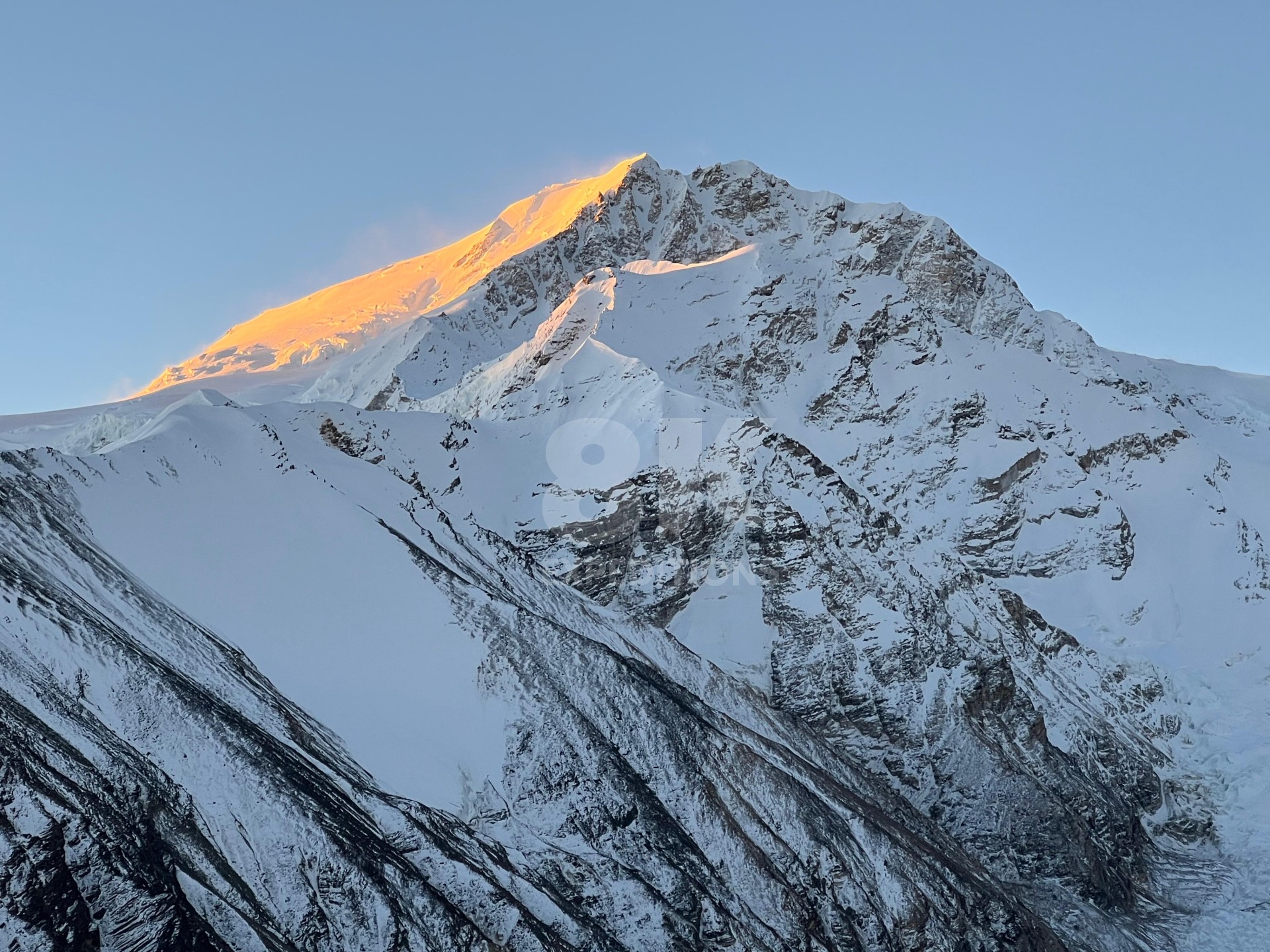
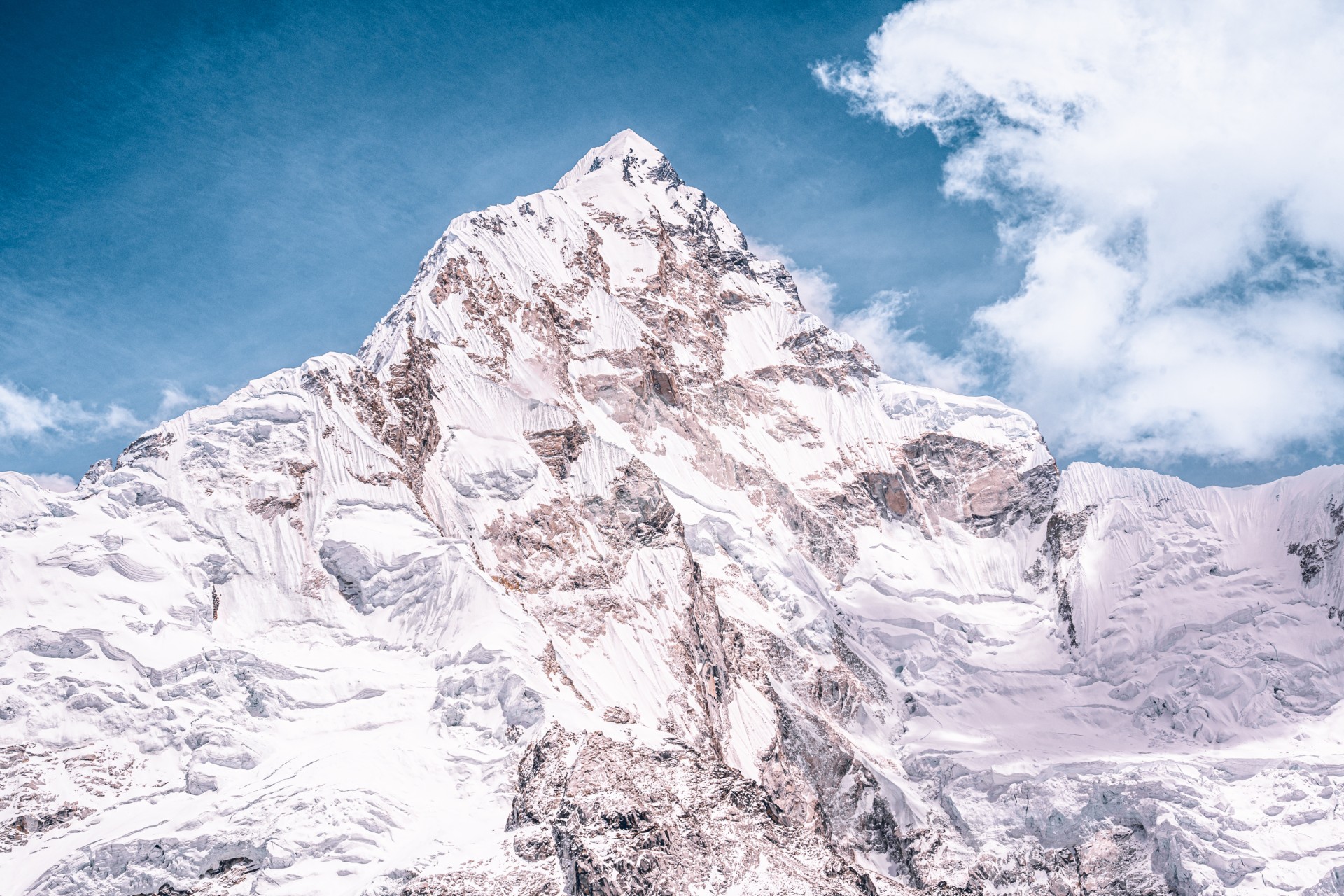
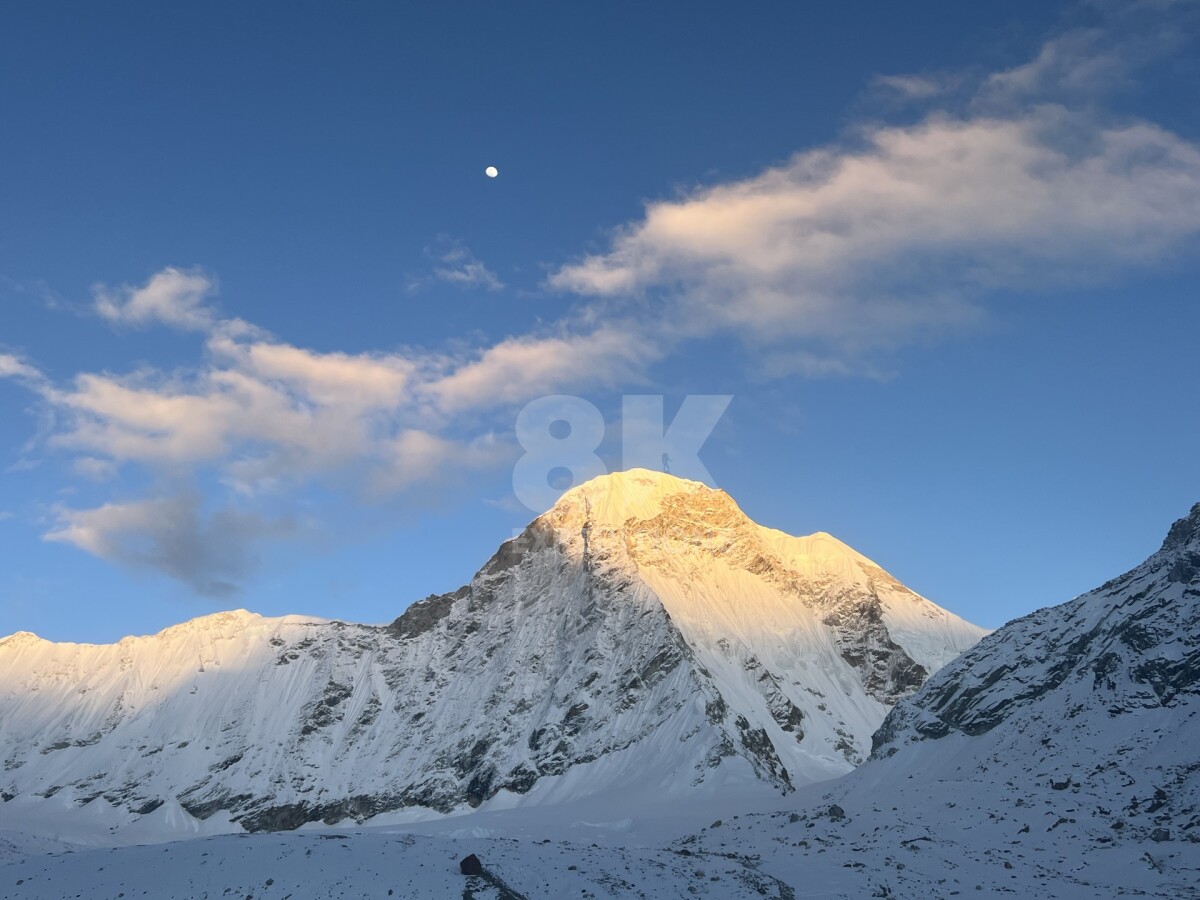
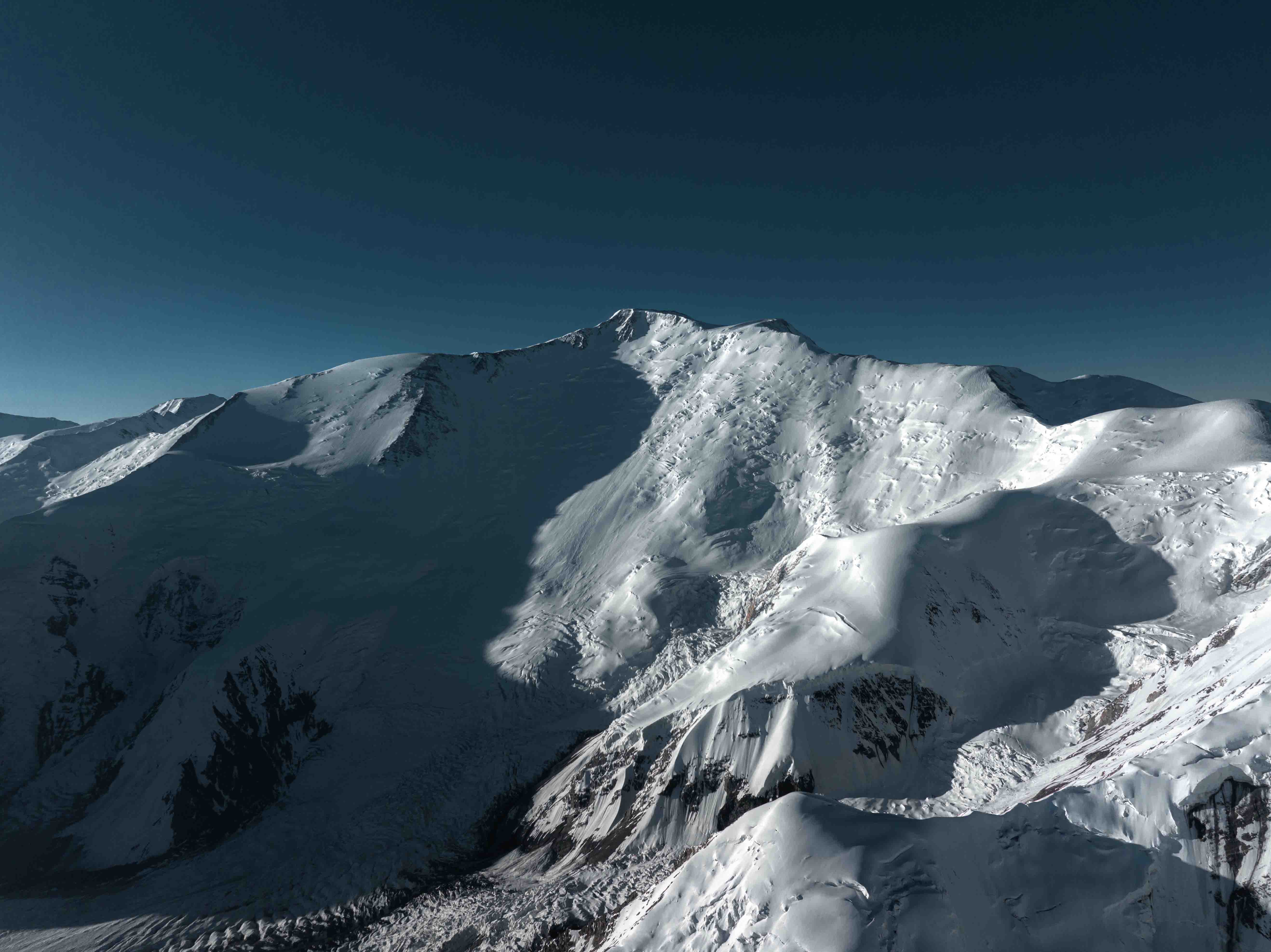
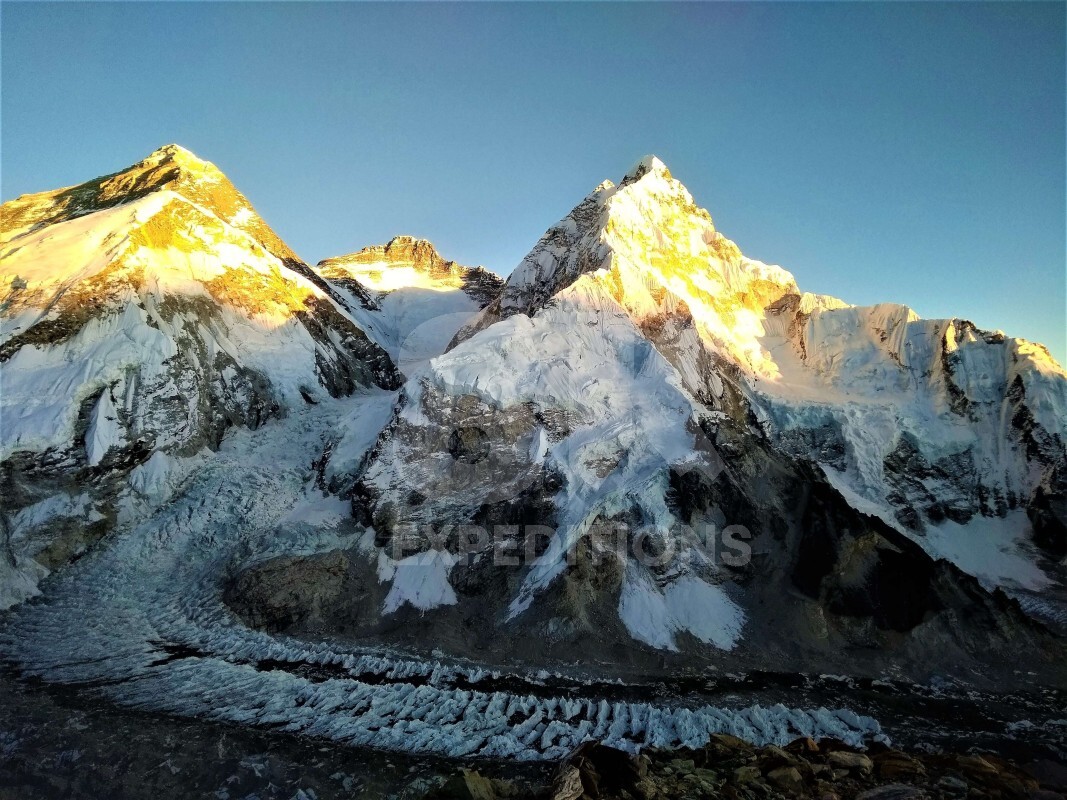
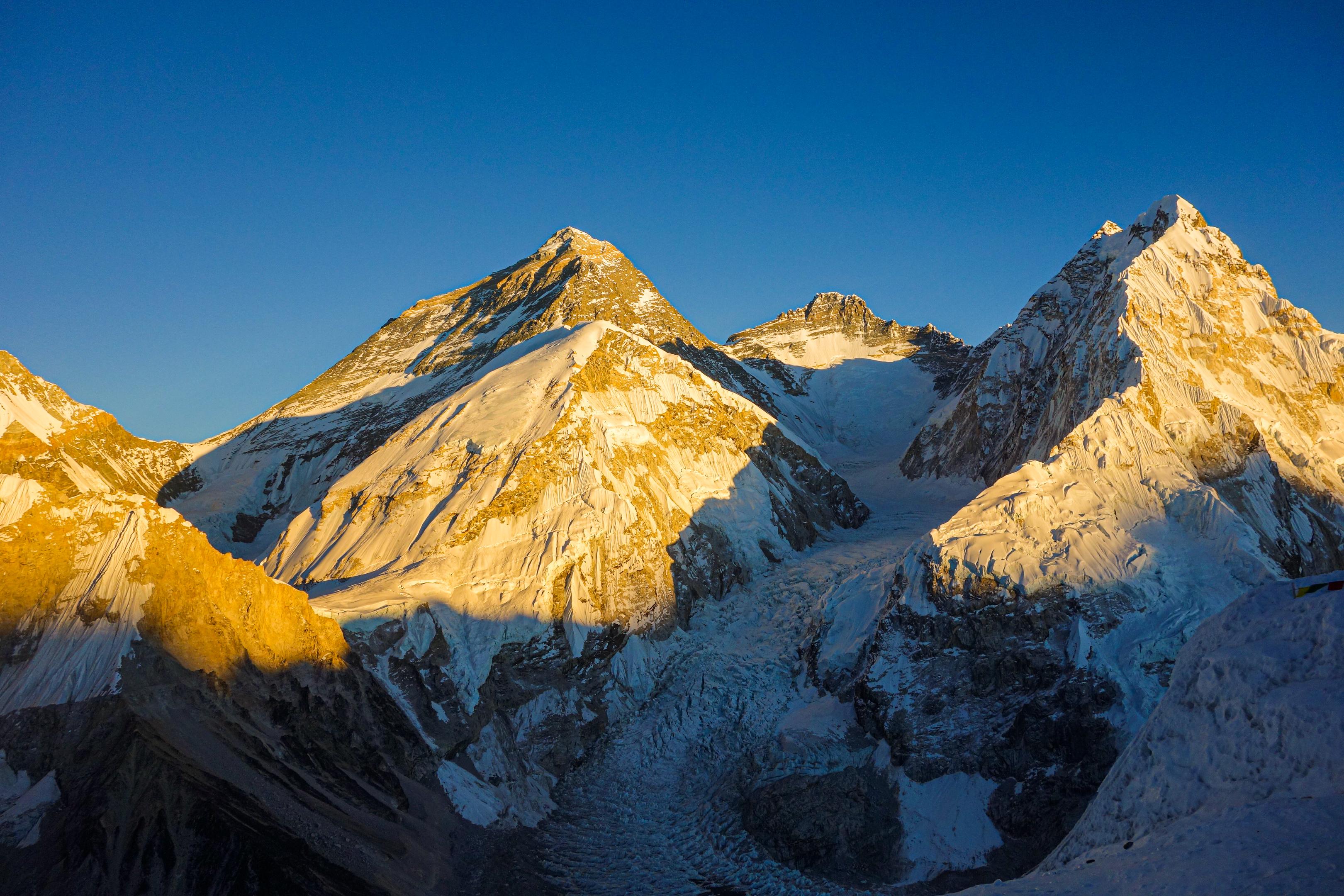
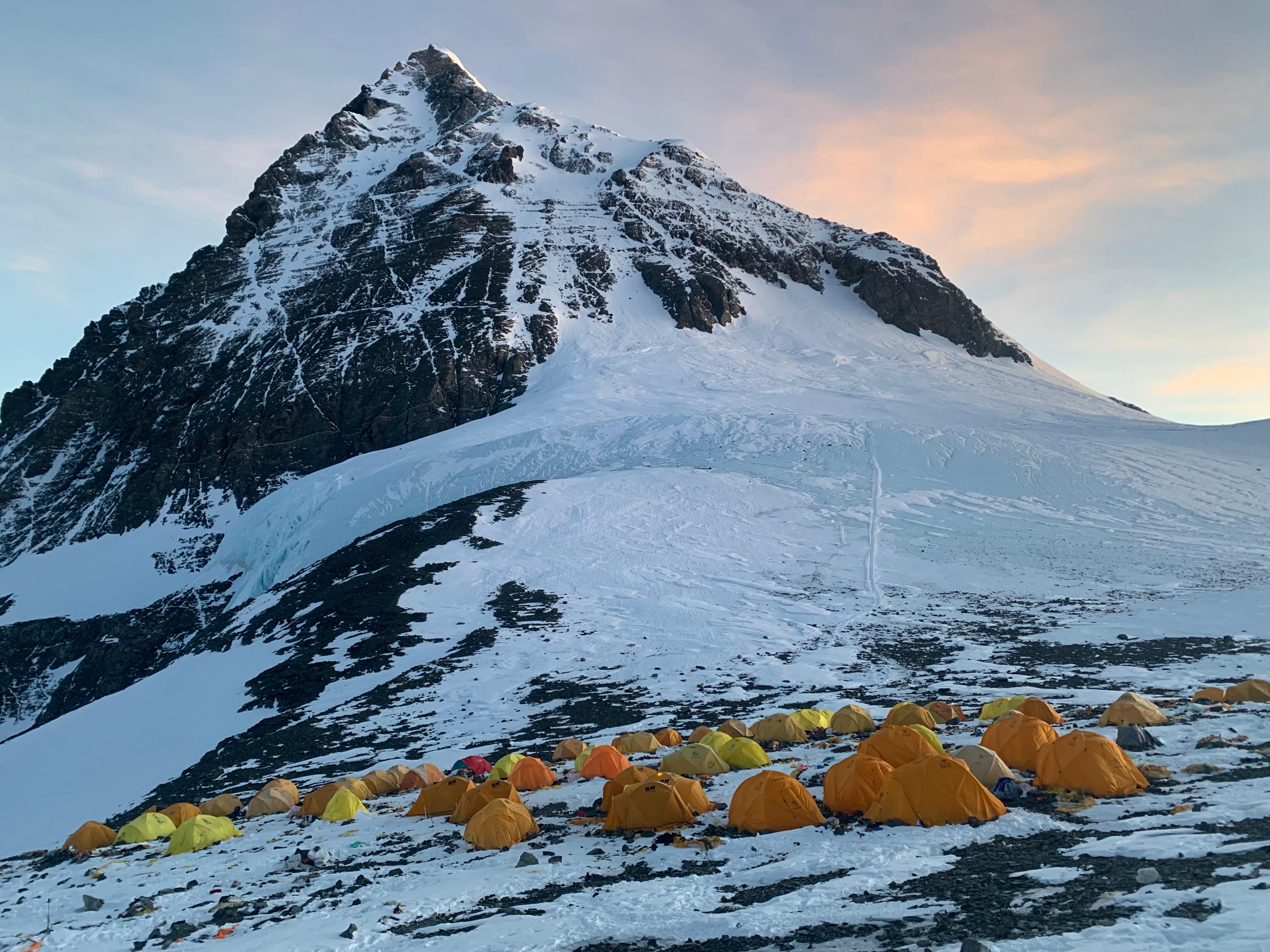
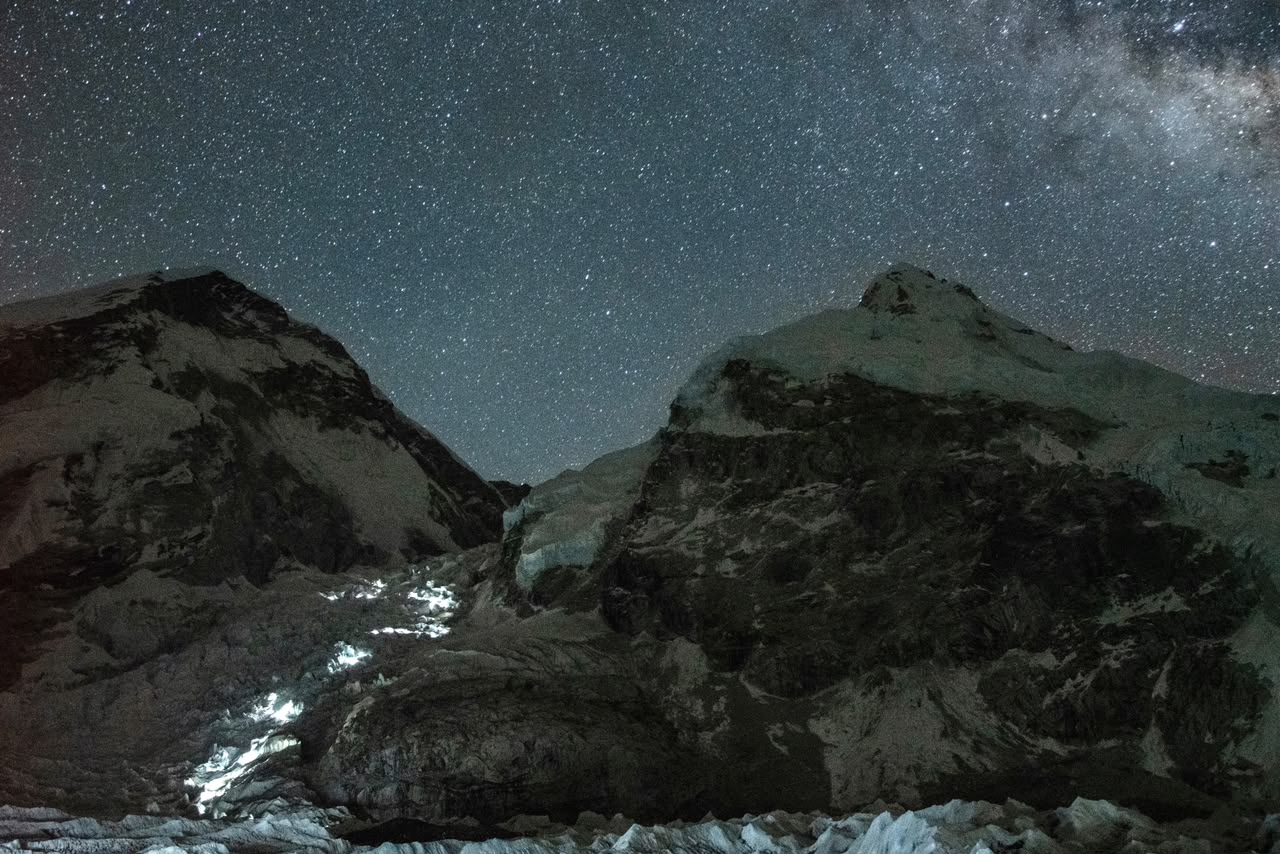
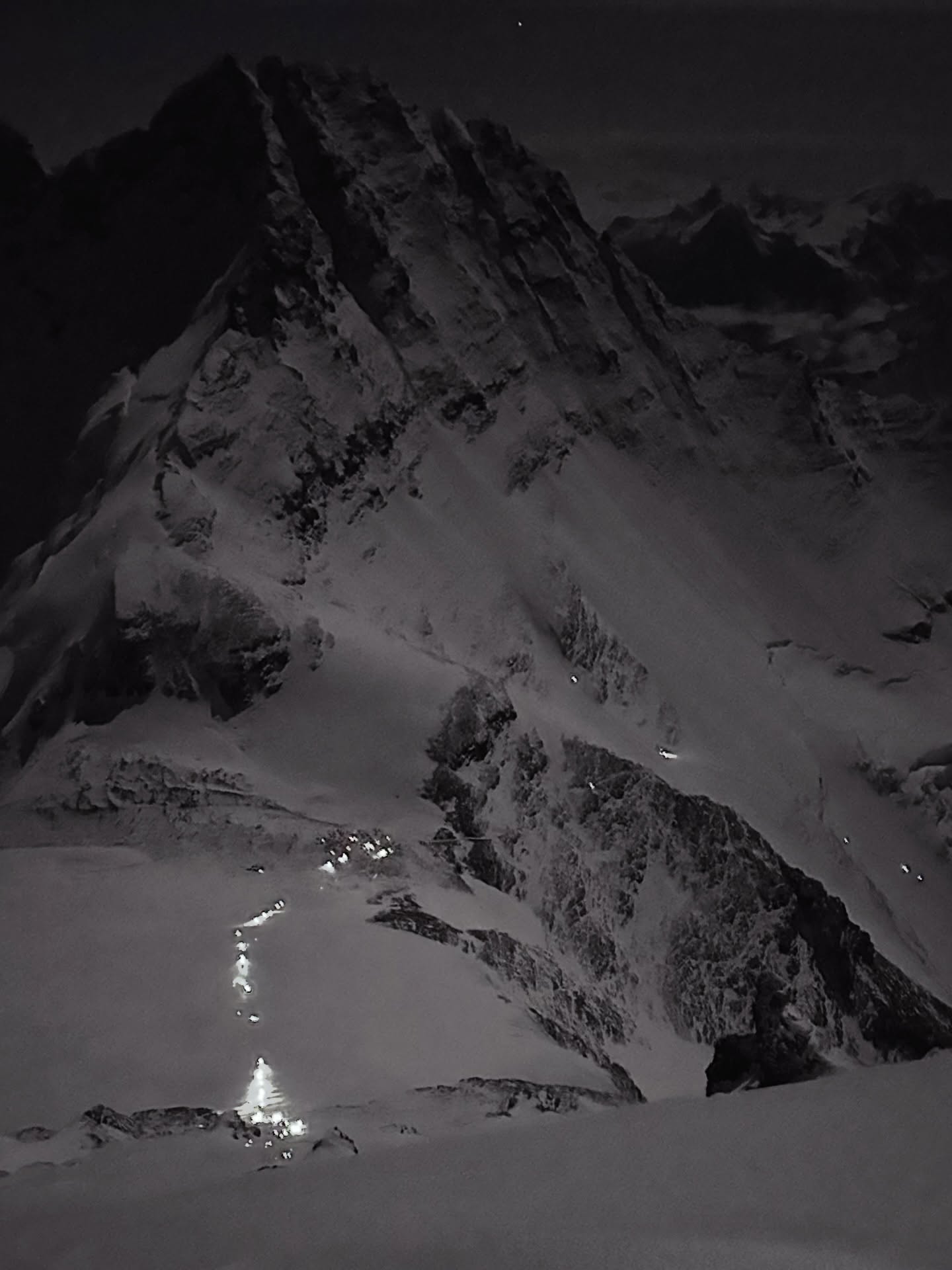
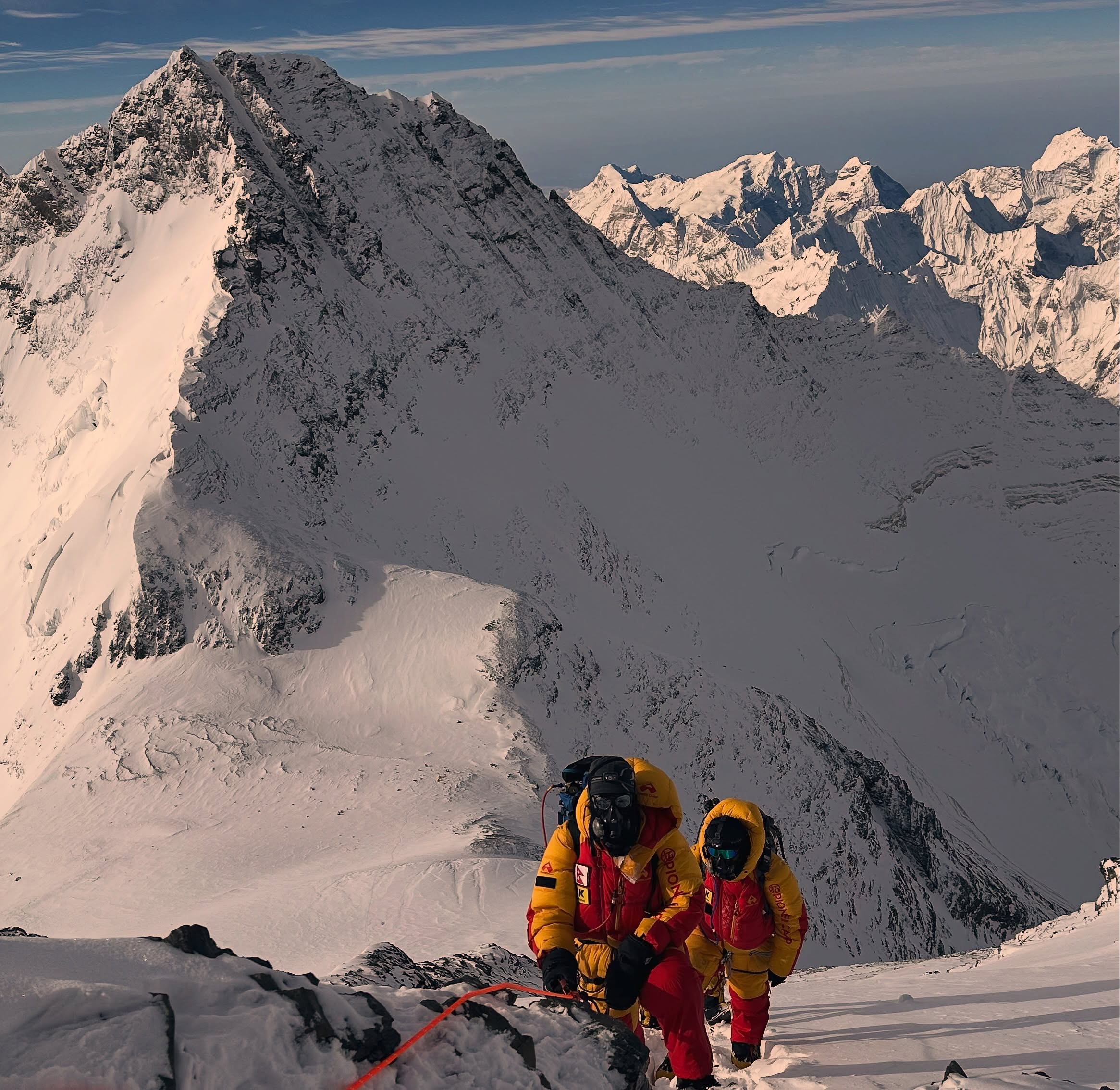
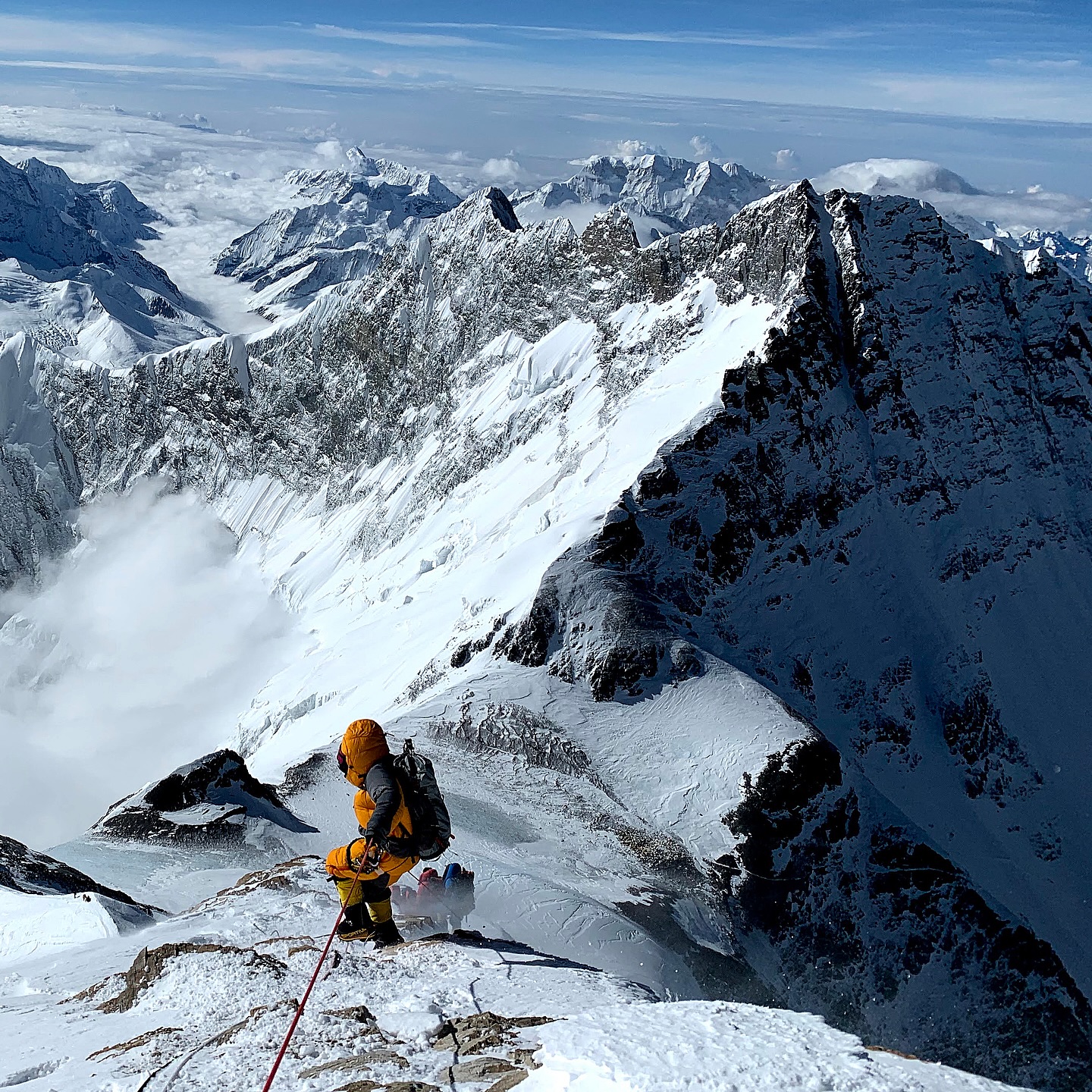
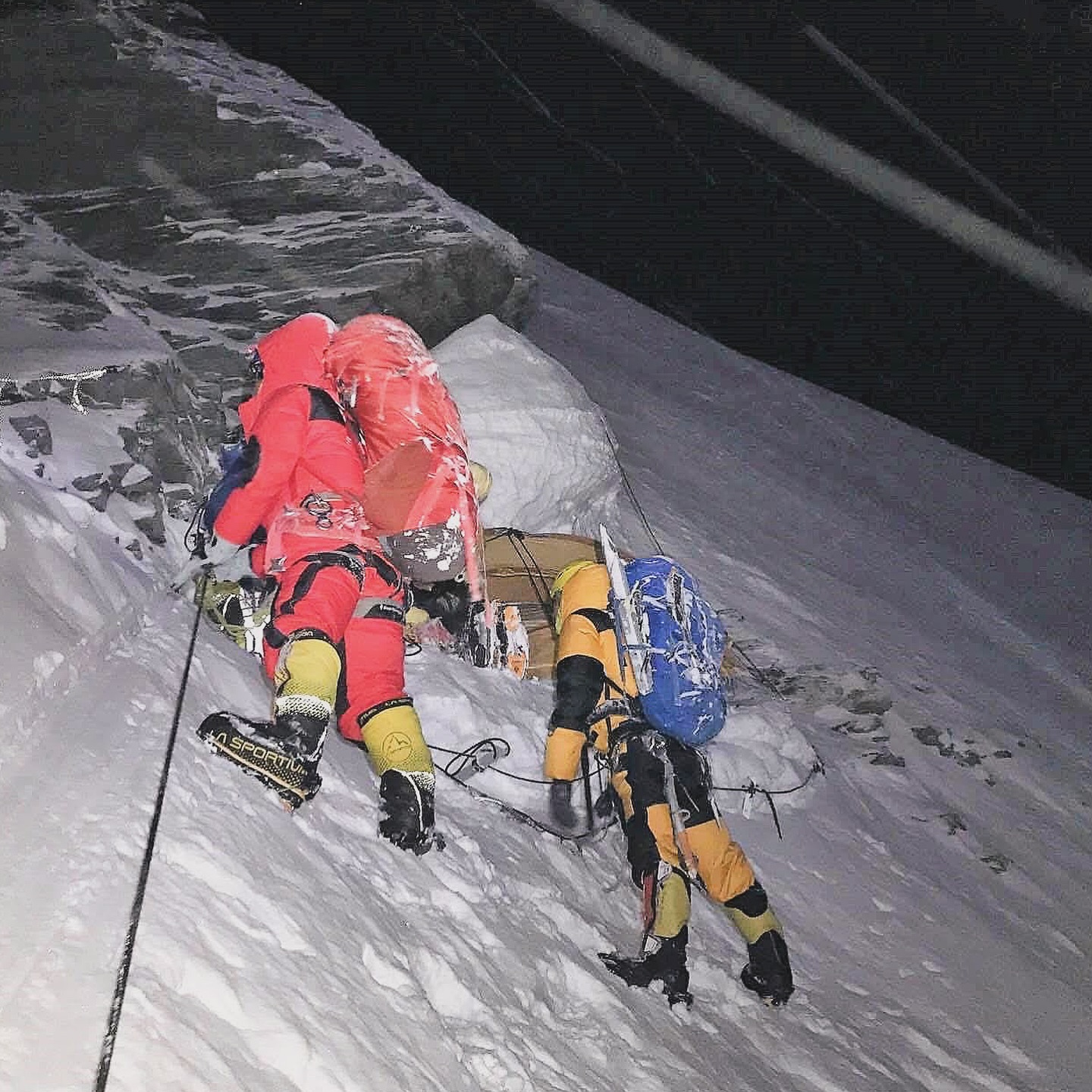
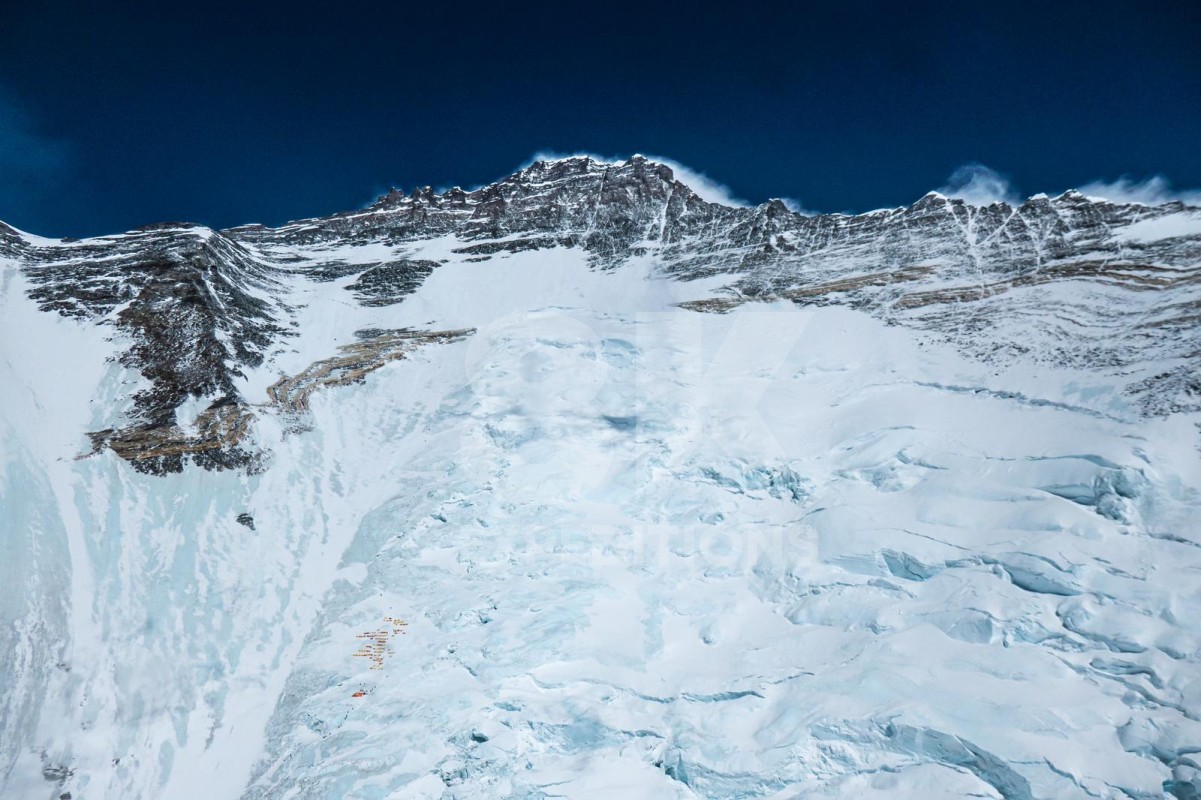
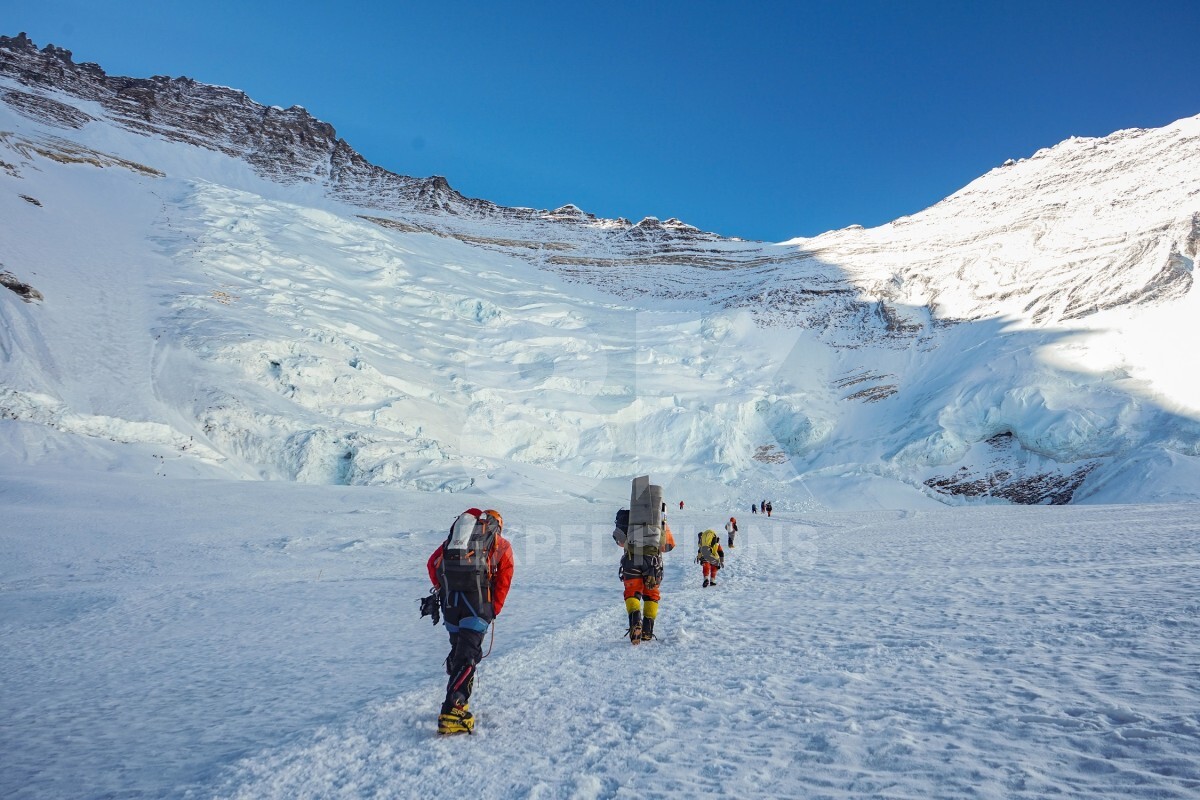
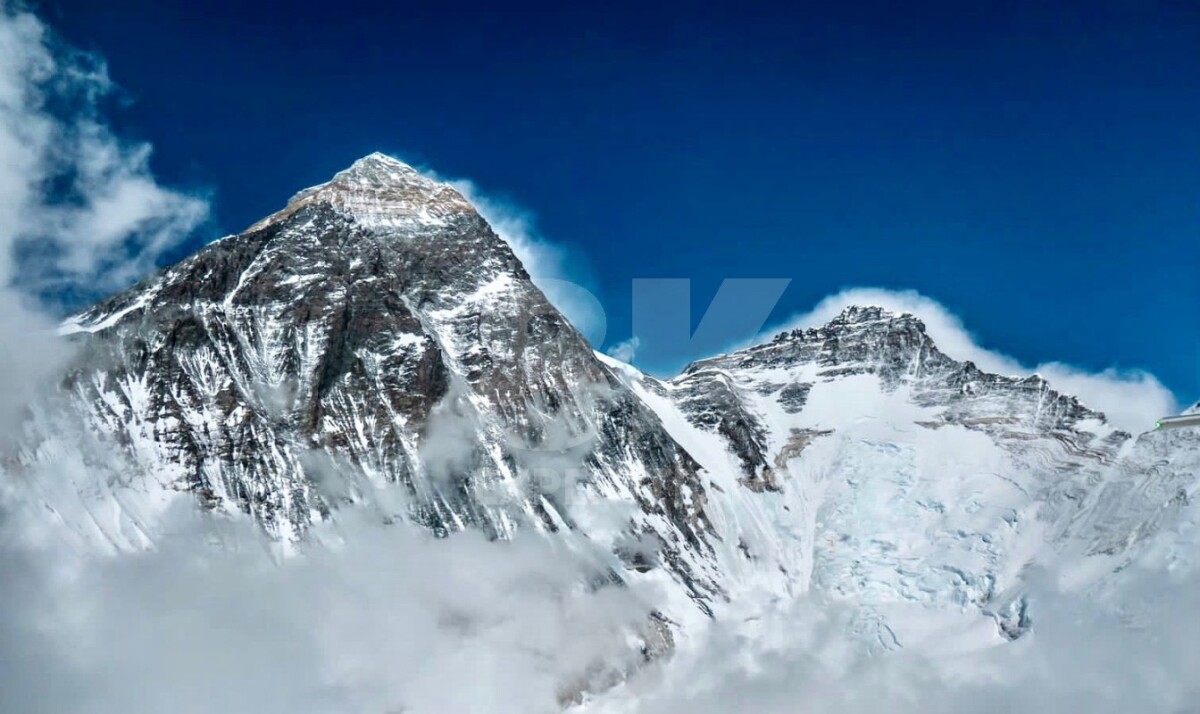
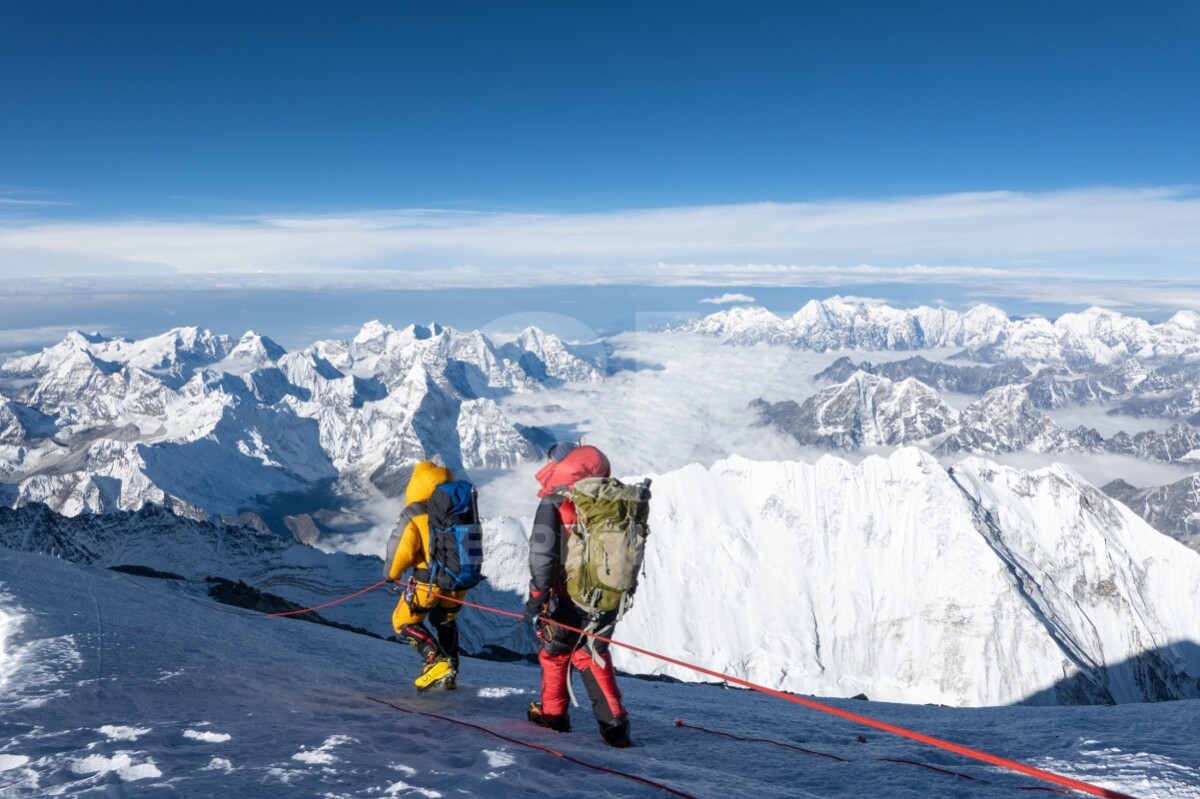
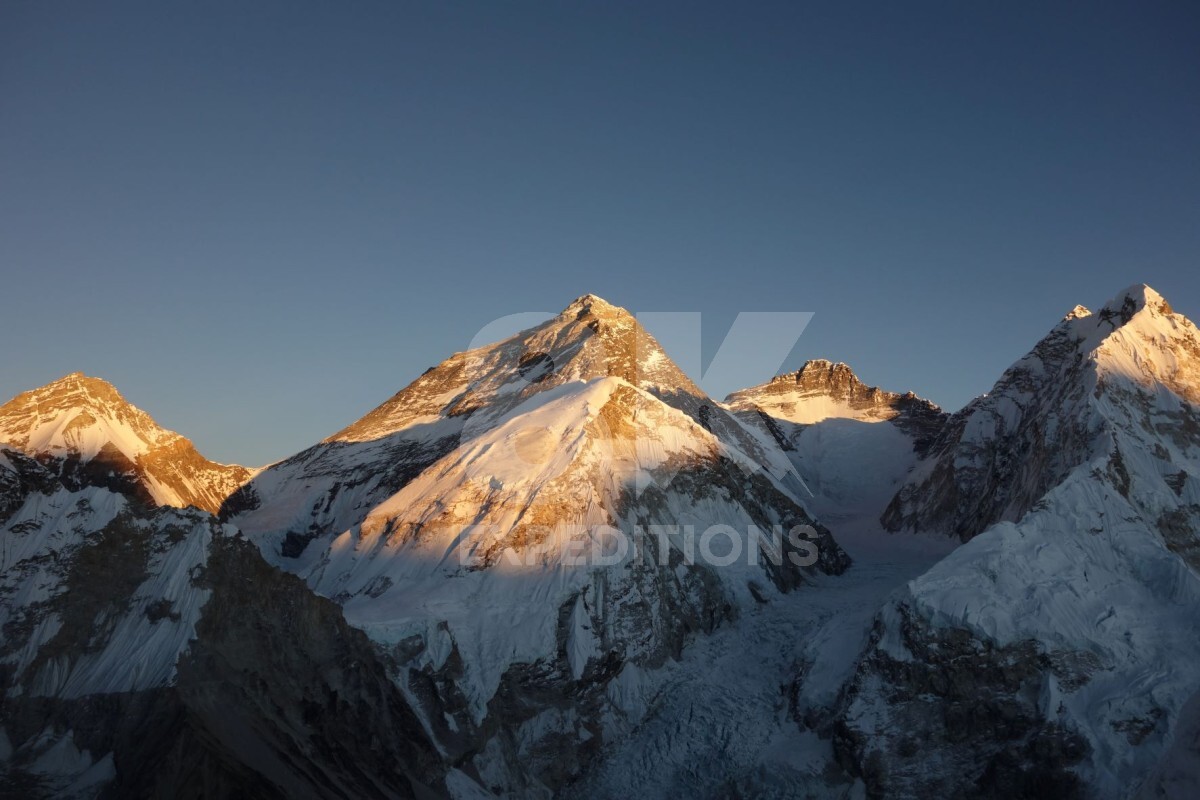
The Lhotse Expedition is a high-altitude mountaineering adventure to climb Mount Lhotse (8,516m), the fourth-highest mountain in the world. Located in Nepal's Khumbu Himalayas, just south of Mount Everest, Lhotse offers a demanding technical climbing experience involving the Lhotse Face, steep snow and ice slopes, and a narrow summit couloir.
Where is Mount Lhotse located?
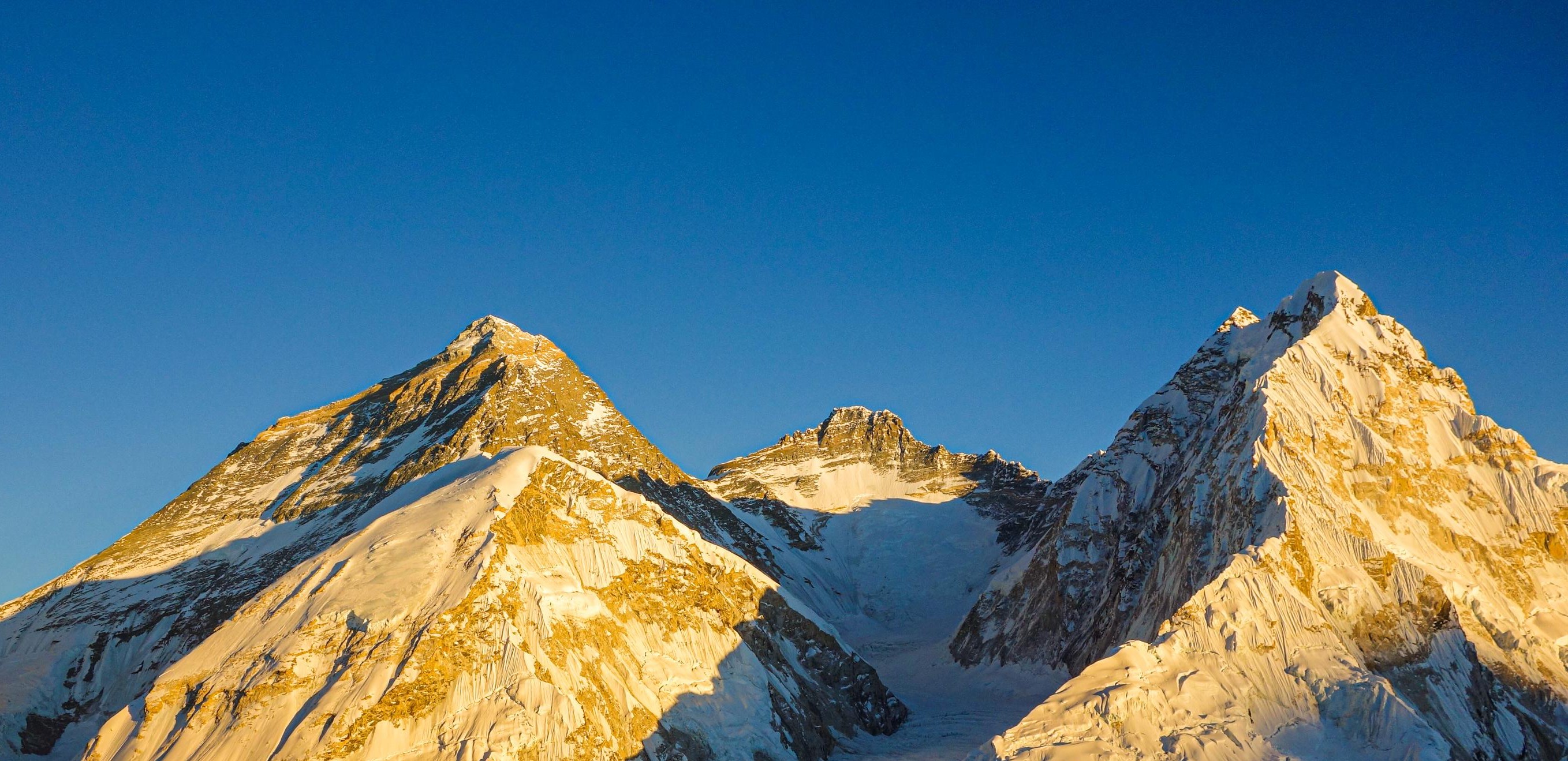
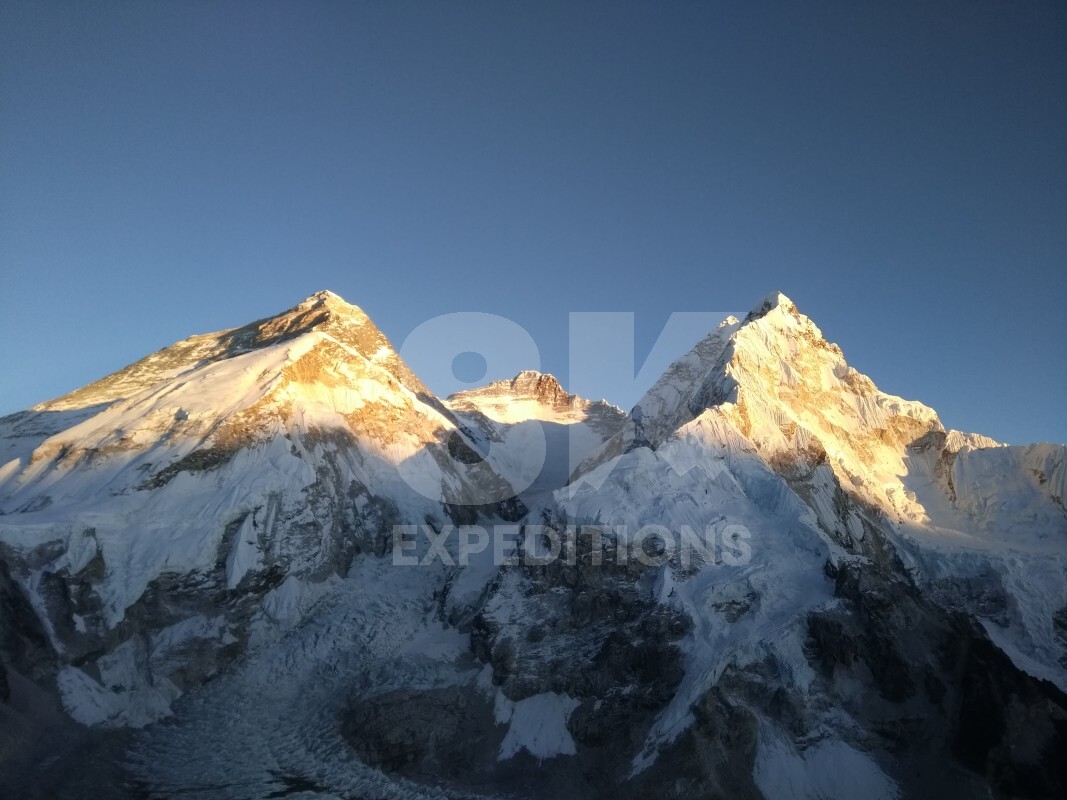
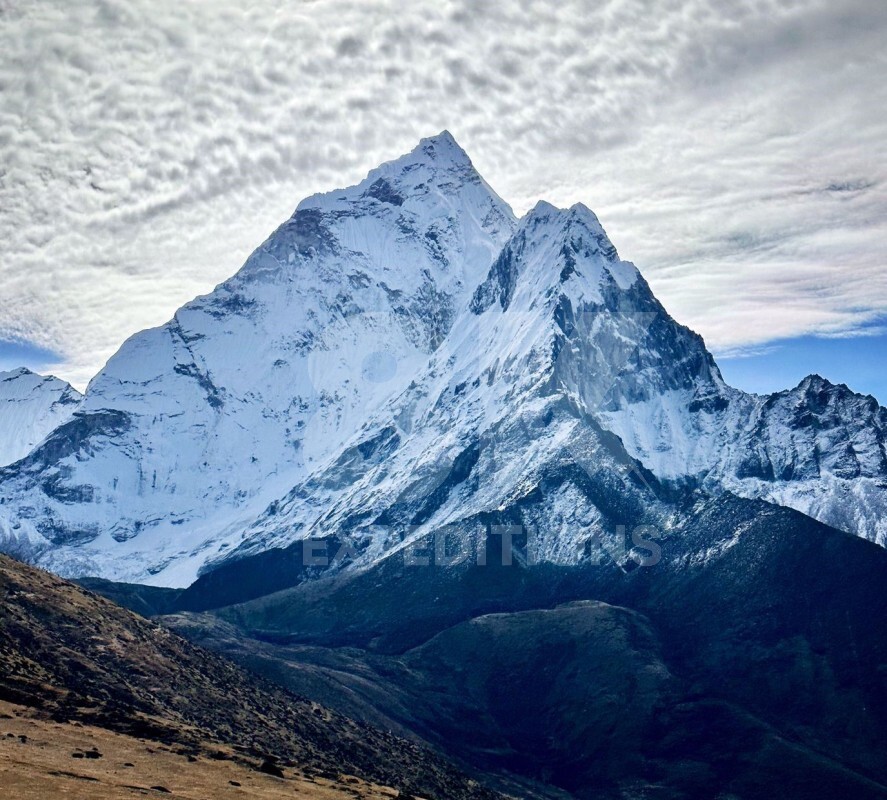
Mount Lhotse is located in the Mahalangur Himalayan range on the Nepal–Tibet (China) border, south of Mount Everest. It is connected to Everest by the South Col and is accessed from Nepal through the Everest region, following the Khumbu Valley to Everest Base Camp and Lhotse Base Camp.
How high is Mount Lhotse?
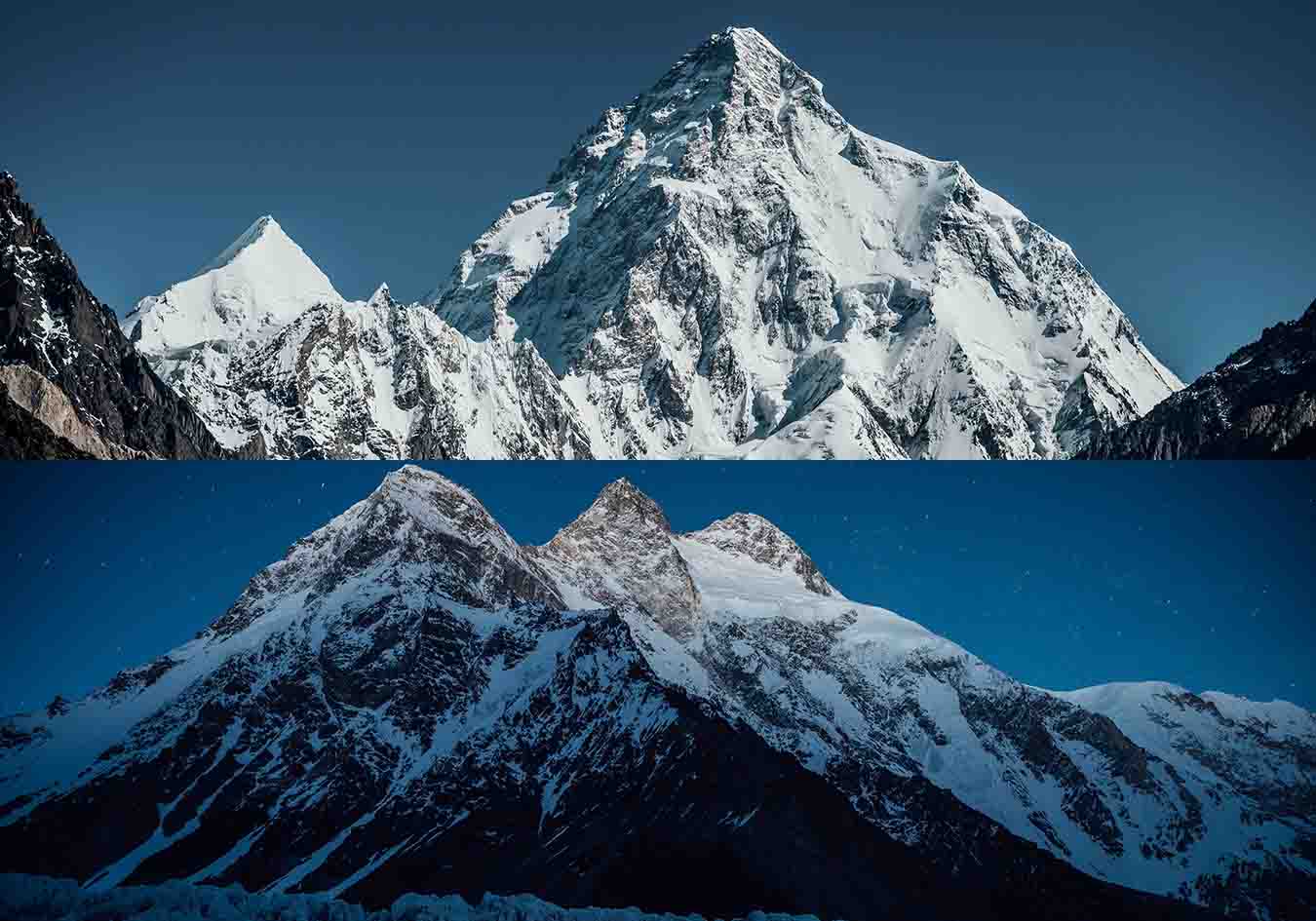
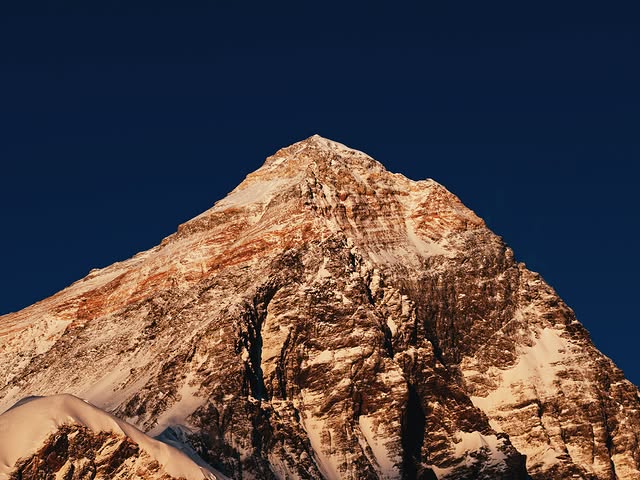
Mount Lhotse stands at 8,516 metres (27,940 feet) above sea level, making it the fourth-highest mountain in the world after Mount Everest (8,848.86m), K2 (8,611m) and Kangchenjunga (8,586m).
Why is Mount Lhotse famous among mountaineers?
Mount Lhotse is famous for its proximity to Mount Everest, its enormous icy Lhotse Face and its technically demanding summit route. The mountain shares much of the lower climbing approach with Everest before climbers follow the route toward the Lhotse summit couloir. Its combination of extreme altitude, steep terrain and technical climbing makes it an important objective for experienced high-altitude mountaineers.
What is the best season for the Lhotse Expedition in Nepal?
Spring (April–May) is the primary climbing season for Mount Lhotse. During this period, Himalayan weather conditions generally provide more suitable summit opportunities, although wind, snowfall, temperatures and climbing conditions can change rapidly.
How long does the Lhotse Expedition take?
The Lhotse Expedition takes approximately 42 days, including arrival in Kathmandu, preparation, trekking through the Everest region, acclimatization, climbing activities, descent and contingency days.
How difficult is climbing Mount Lhotse?
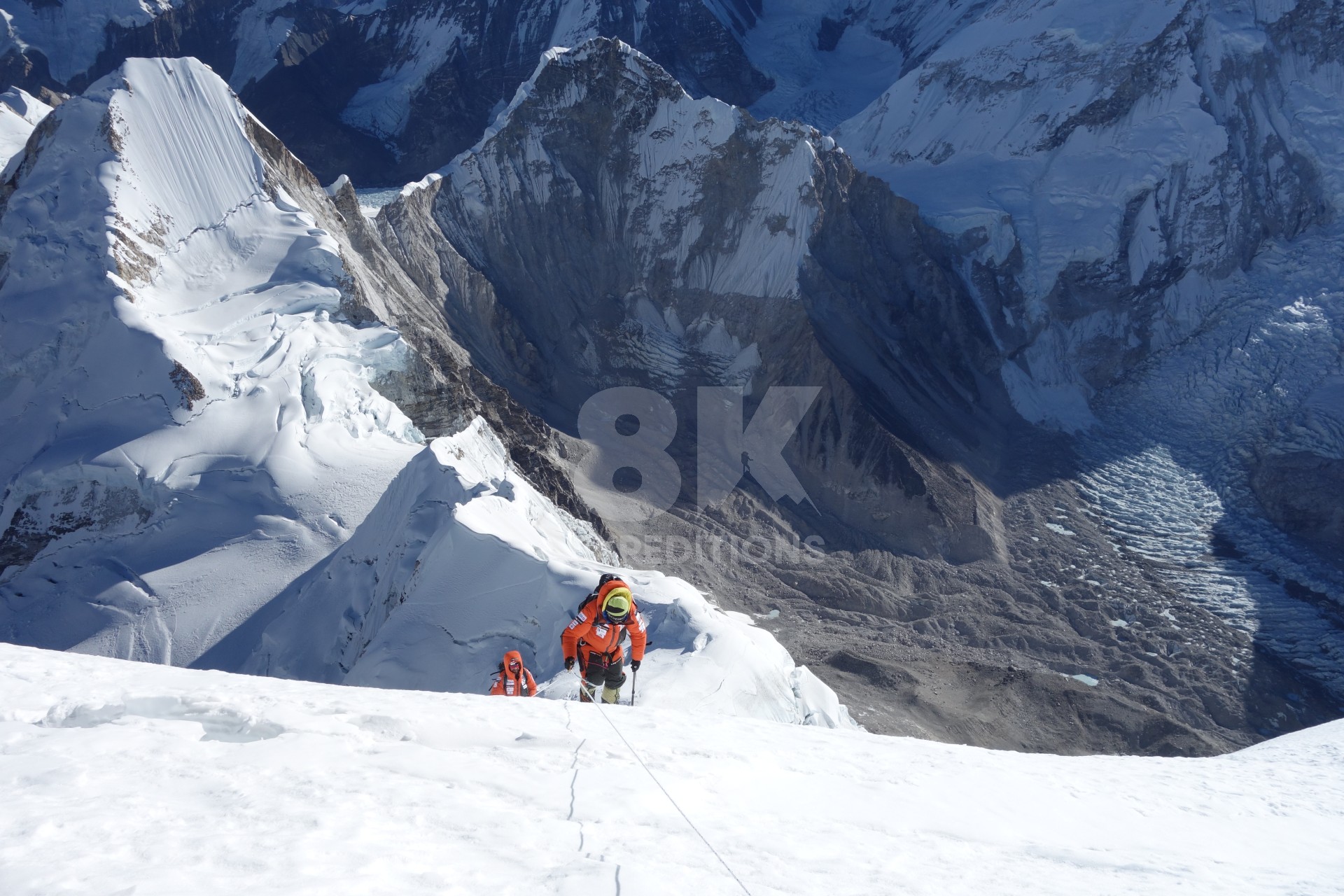
Climbing Mount Lhotse is extremely difficult and requires advanced mountaineering skills, excellent physical conditioning and previous high-altitude climbing experience. Climbers must negotiate steep snow and ice slopes, the Lhotse Face, extreme altitude and the exposed summit section. Previous experience on a 7,000-metre mountain is recommended as part of the preparation for this expedition.
What is the standard climbing route for Mount Lhotse?
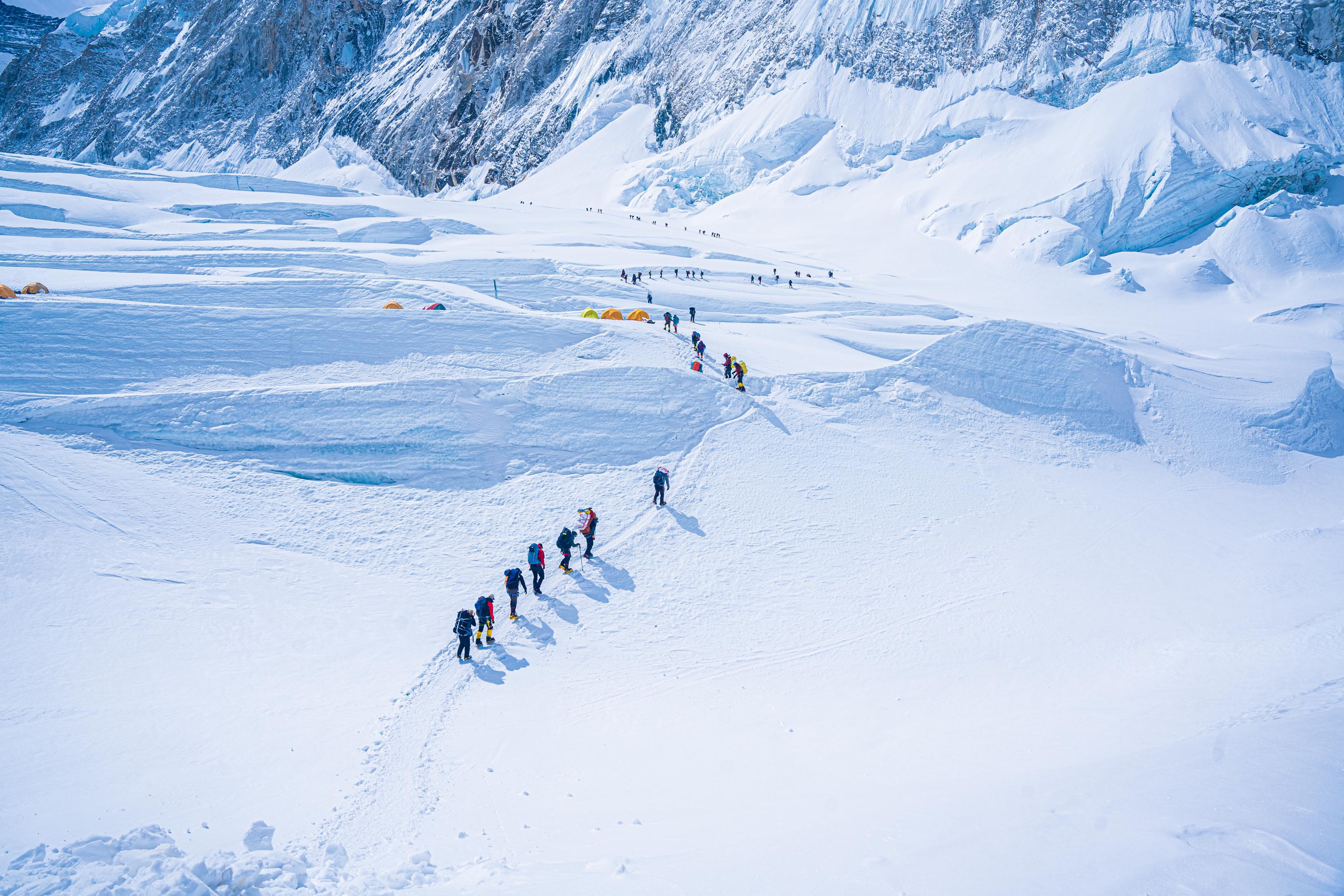
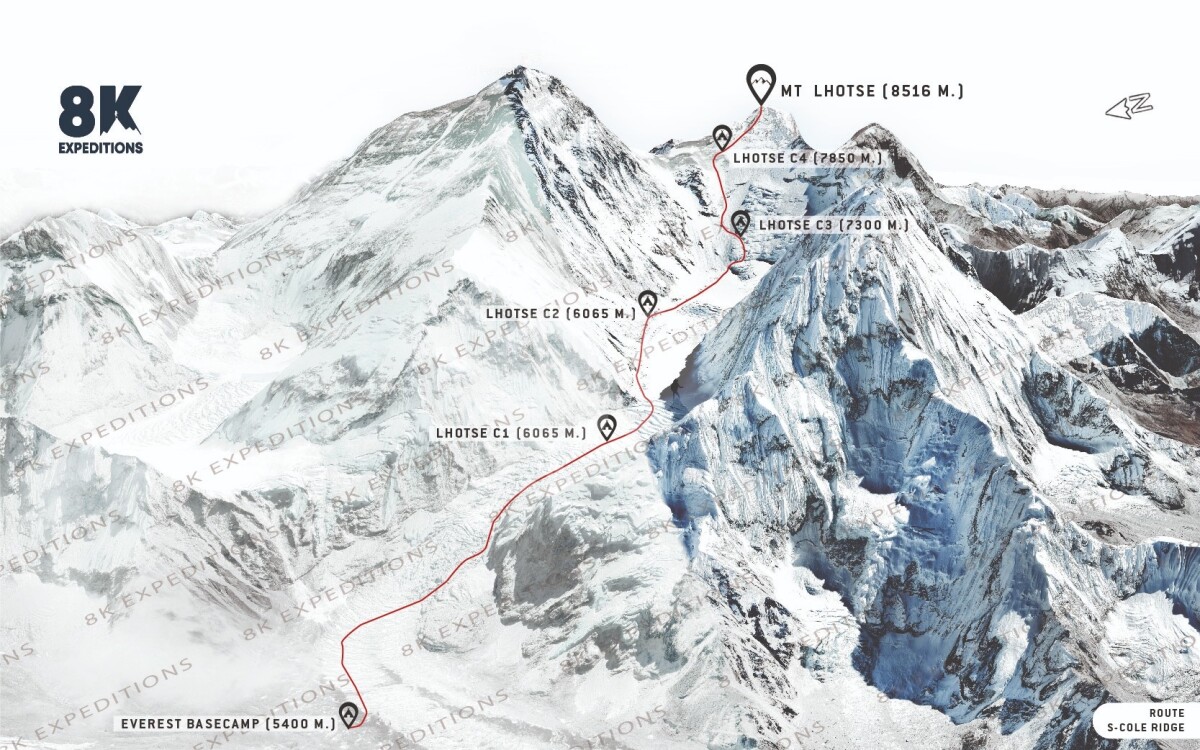
The standard Lhotse climbing route follows the southern approach through Nepal's Khumbu Valley. Climbers trek from Lukla through Namche Bazaar and Everest Base Camp before establishing Lhotse Base Camp. The climbing route shares much of the lower approach with Everest and then branches toward the Lhotse Face, leading through the higher camps and summit couloir to the summit at 8,516 metres.
Where is Lhotse Base Camp located?
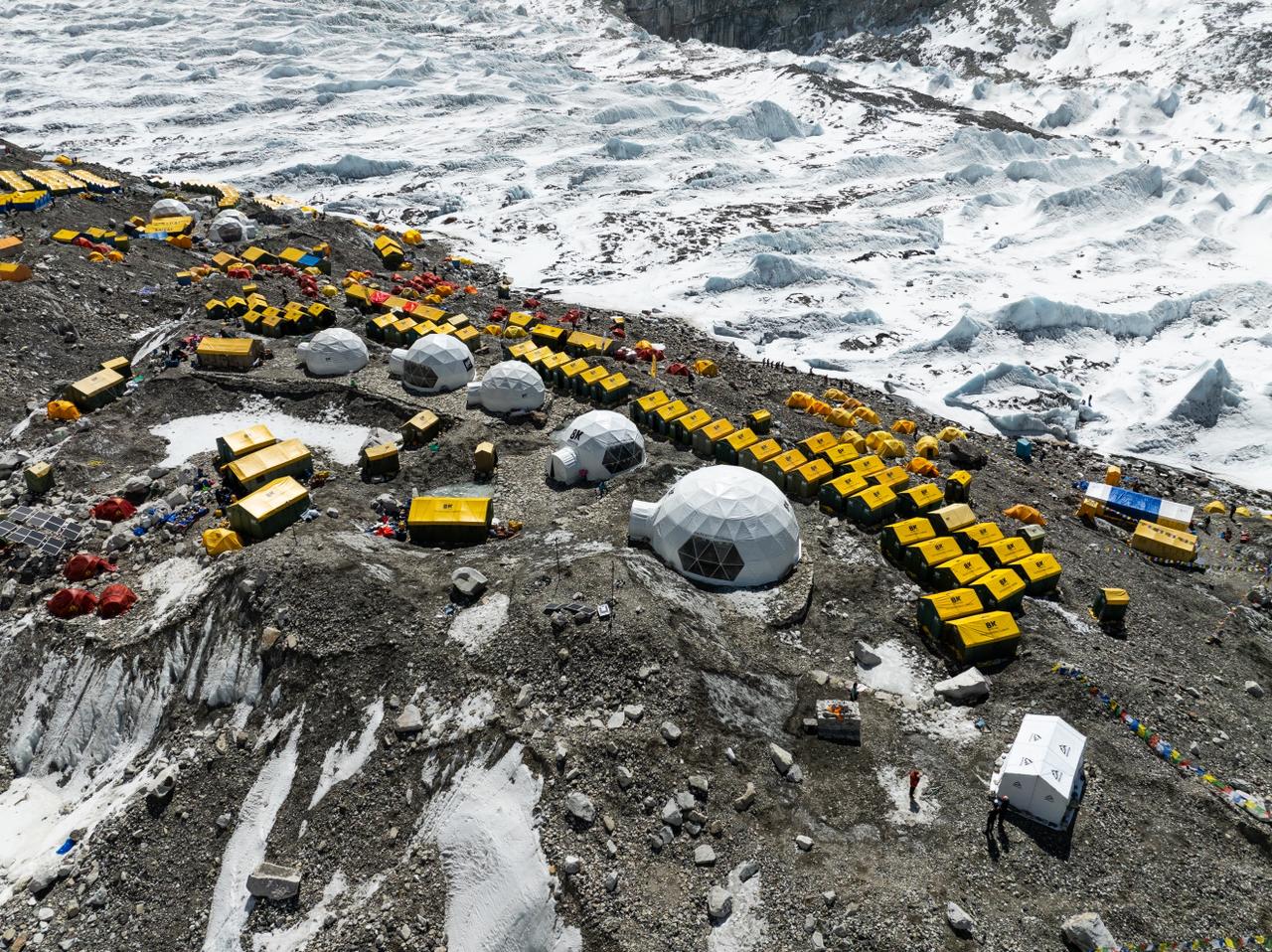
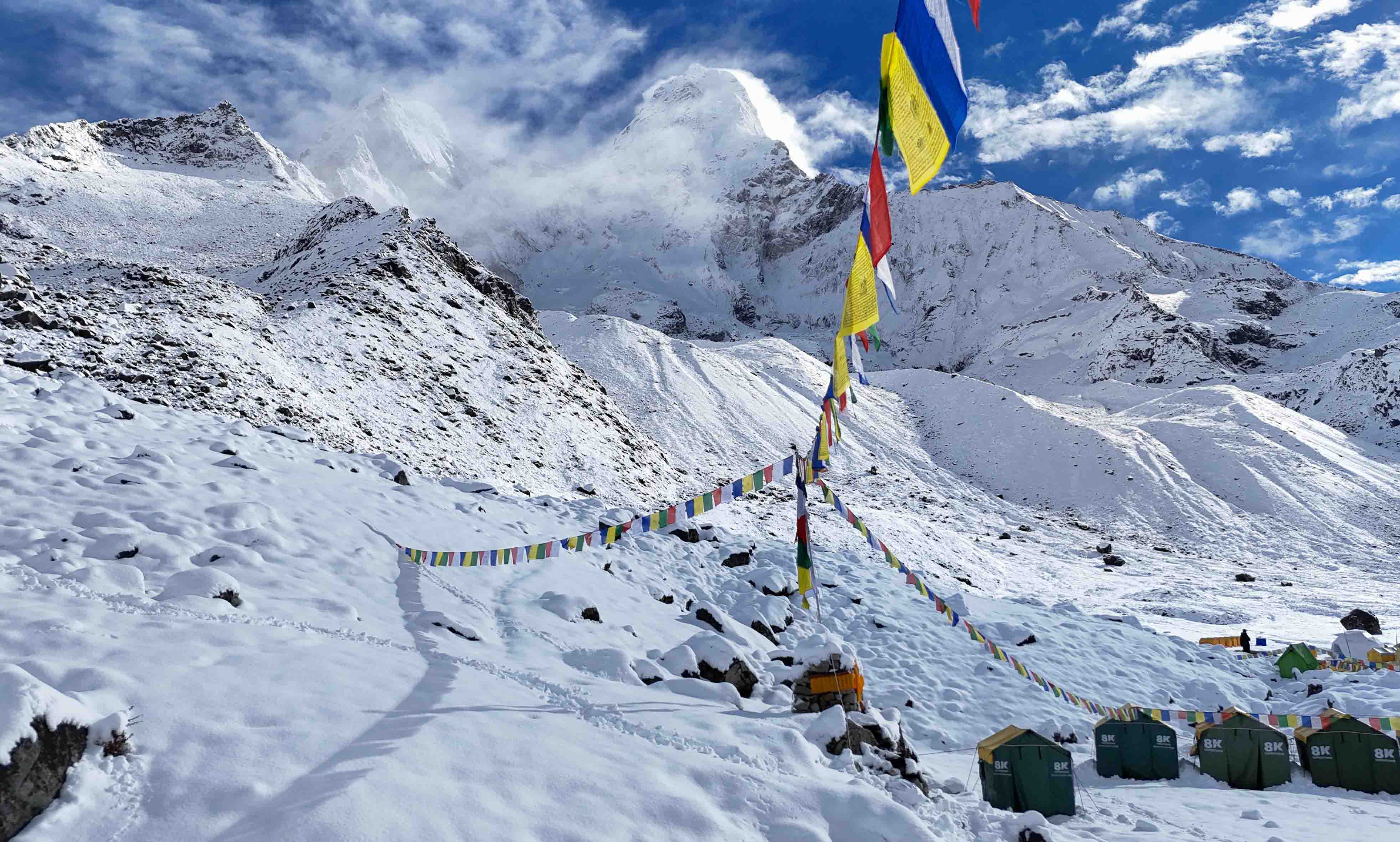
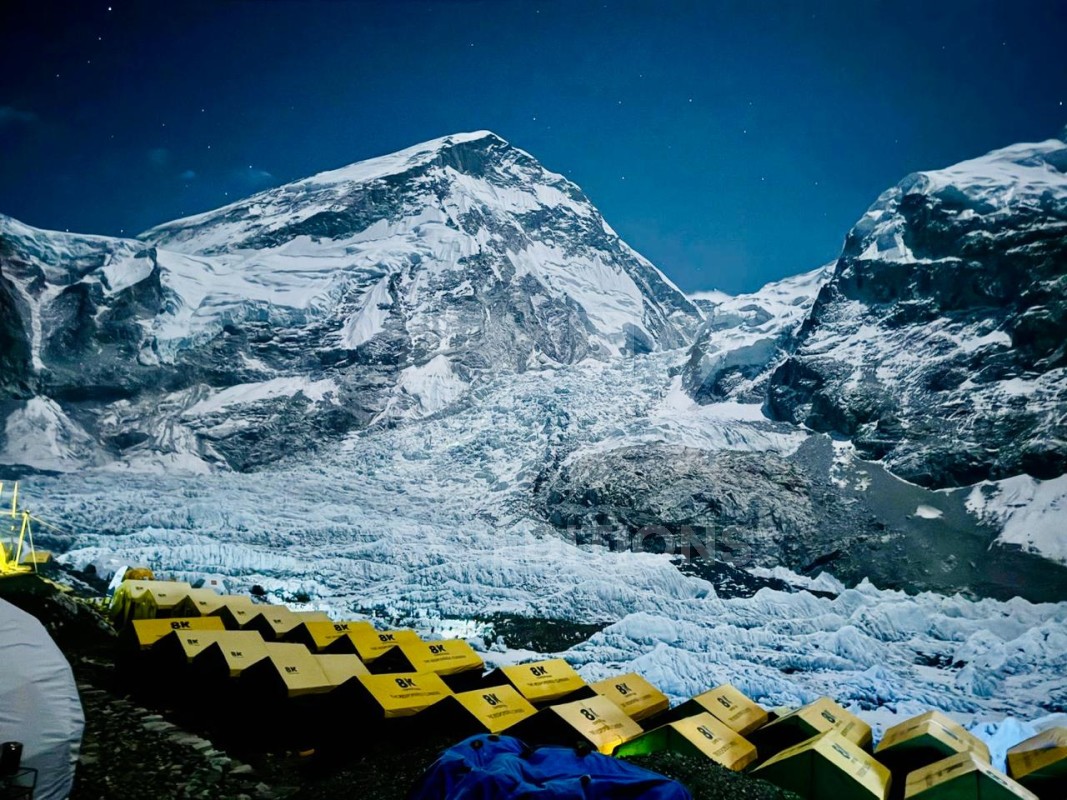
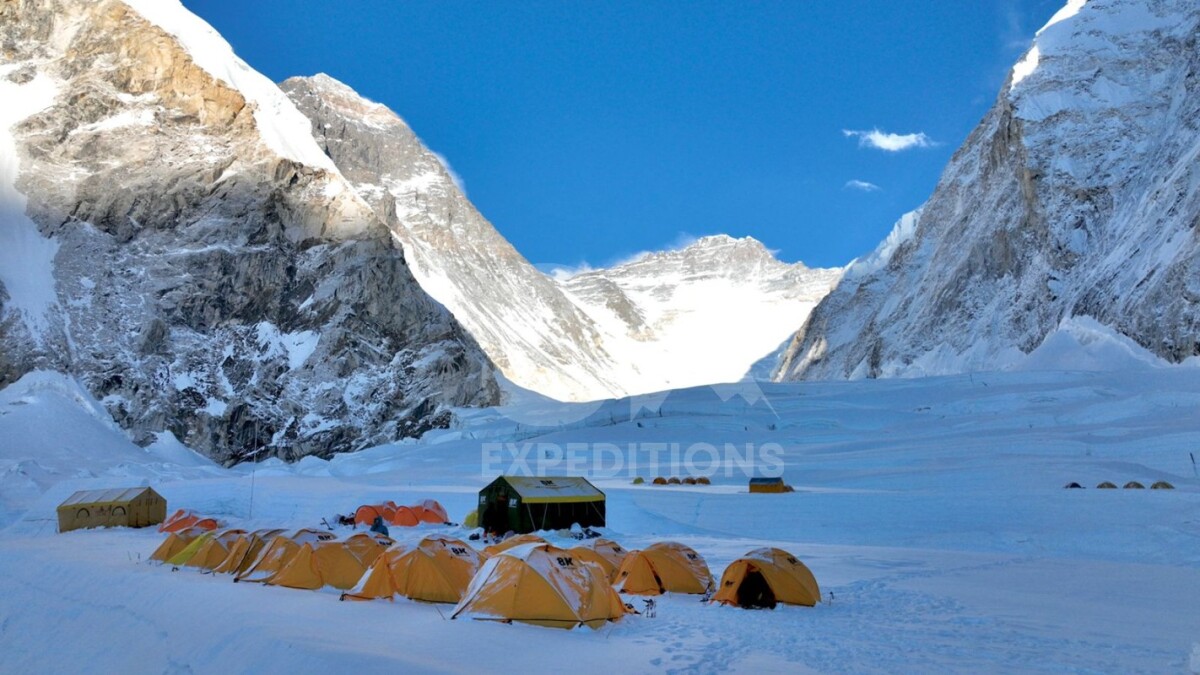
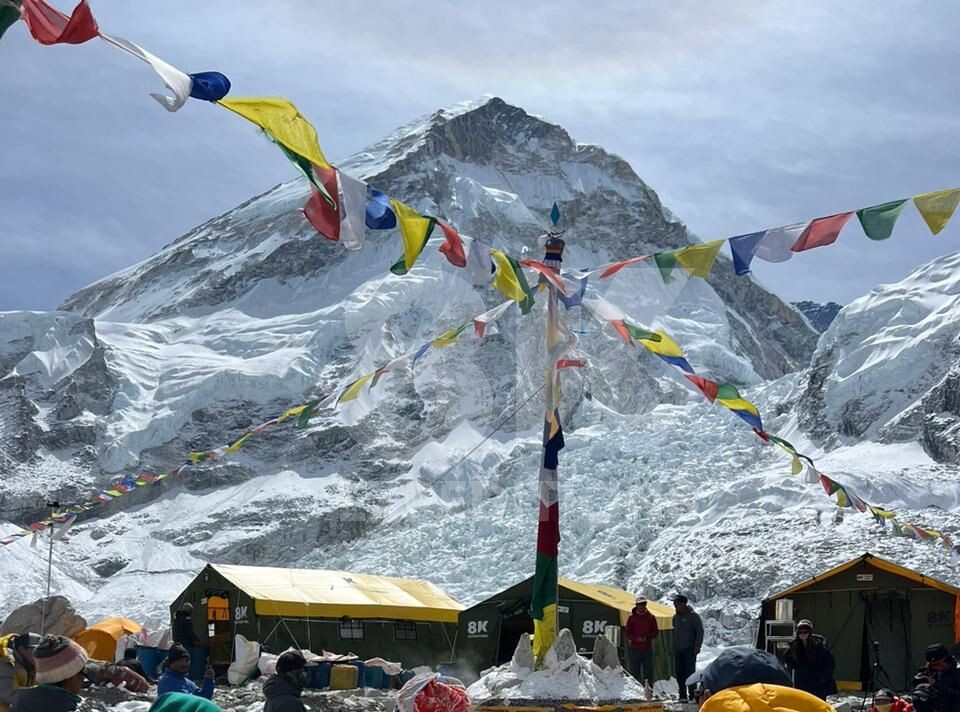
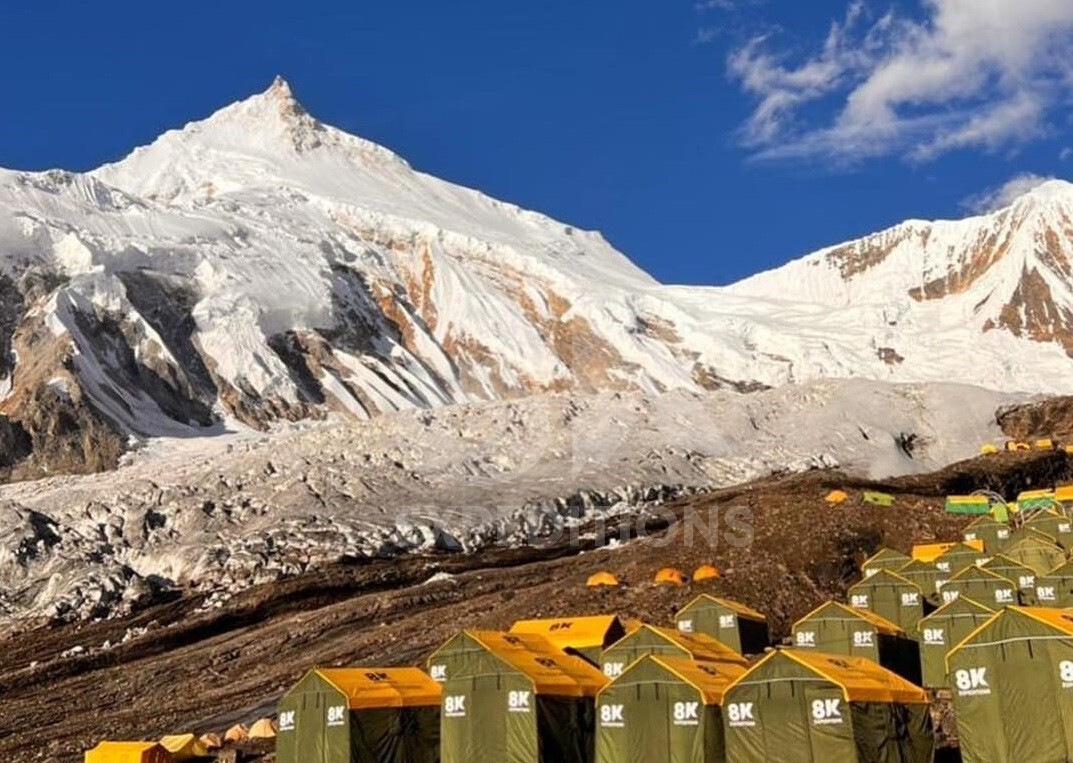
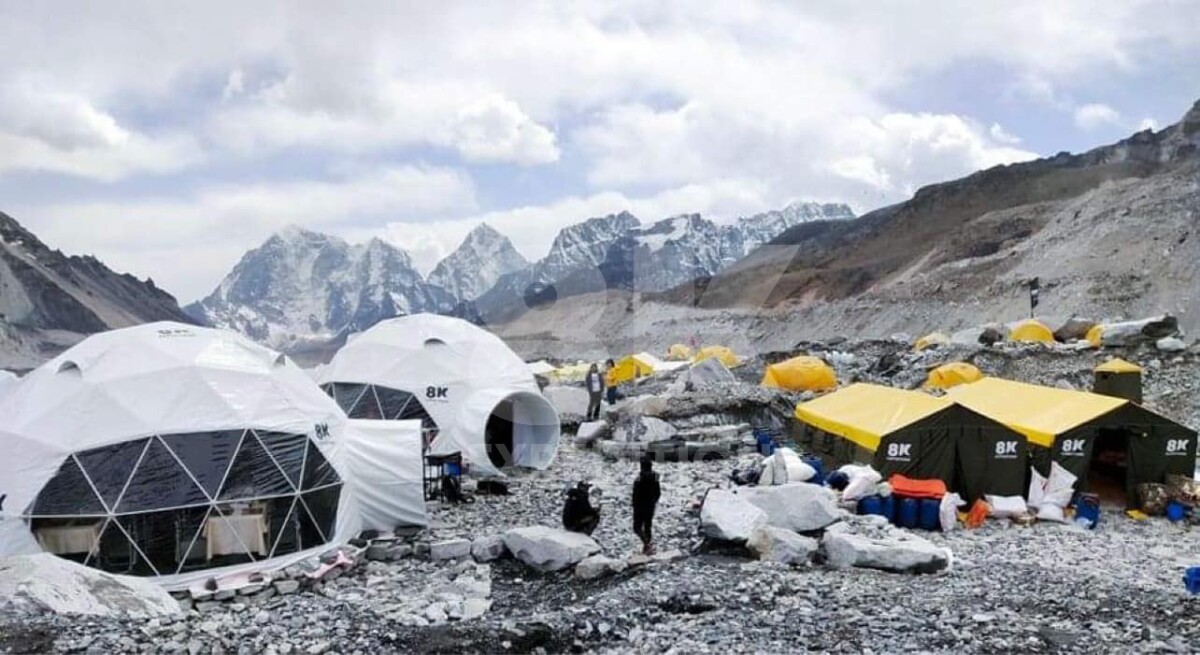
Lhotse Base Camp is located in the Everest region of Nepal at approximately 5,364 metres above sea level, close to Everest Base Camp. It serves as the primary expedition headquarters for acclimatization, climbing preparation, logistical coordination and high-altitude support.
How many camps are used during the Lhotse Expedition?
The standard southern climbing route uses a series of high-altitude camps above Base Camp, including Camp I, Camp II and Camp III, with Camp IV near the South Col serving as a staging point for the summit attempt. The exact camp arrangements and rotation schedules depend on route conditions, weather, acclimatization requirements and the expedition team's decisions.
Do I need previous mountaineering experience to climb Lhotse?
Yes, Previous high-altitude mountaineering experience is essential for a serious Lhotse attempt. Climbers should have experience with technical snow and ice climbing, fixed ropes, crampons, ice axes, high-altitude movement and supplemental oxygen systems. Experience on a 7,000-metre peak is particularly important, and climbers should demonstrate the physical and technical ability to operate safely above 8,000 metres.
Do I need supplemental oxygen to climb Mount Lhotse?
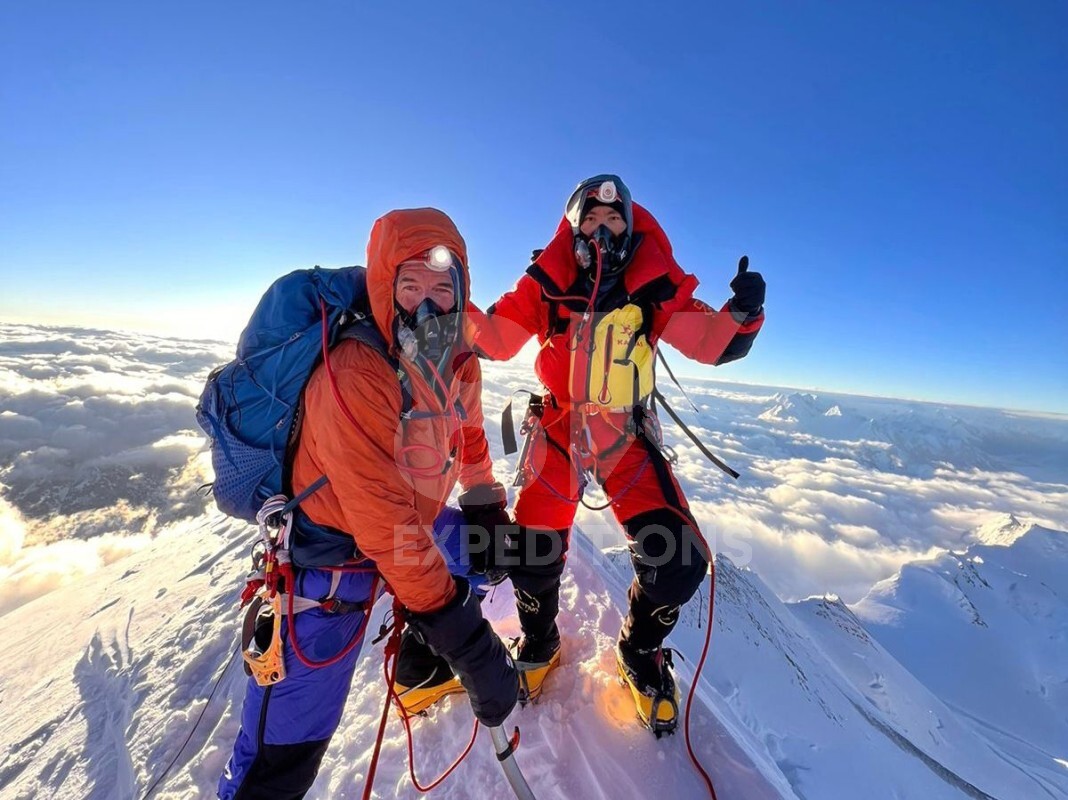
Supplemental oxygen is commonly used during Mount Lhotse expeditions because of the extreme altitude and reduced oxygen availability above 8,000 metres. The package includes four oxygen bottles per member, two bottles per climbing guide, and individual summit mask and regulator sets. Additional backup oxygen is available at an extra charge.
What equipment is required for the Lhotse Expedition?
Climbers need specialized high-altitude mountaineering equipment, including insulated down suits, high-altitude boots, crampons, ice axes, climbing harnesses, helmets, carabiners, ascenders, descenders, gloves, goggles and appropriate technical clothing. Personal climbing equipment is not included in the standard package, so climbers should prepare their gear according to the company's equipment checklist and guide recommendations.
How is acclimatization managed during the Lhotse Expedition?
Acclimatization is managed through a gradual ascent, scheduled rest periods and climbing rotations between Base Camp and higher camps. These rotations help climbers adapt to decreasing oxygen levels before attempting the summit. The expedition includes time for preparation and acclimatization, while the climbing team's decisions are adjusted according to individual health, weather and mountain conditions.
How much does the Lhotse Expedition cost?
The cost of the Lhotse Expedition in Nepal depends on group size, climbing permits, Sherpa guide allocation, oxygen requirements, accommodation, equipment and expedition logistics. 8K Expeditions provides customized Lhotse expedition quotations based on the climber's requirements, group size and preferred service arrangements.
Is the Lhotse climbing permit included in the expedition package?
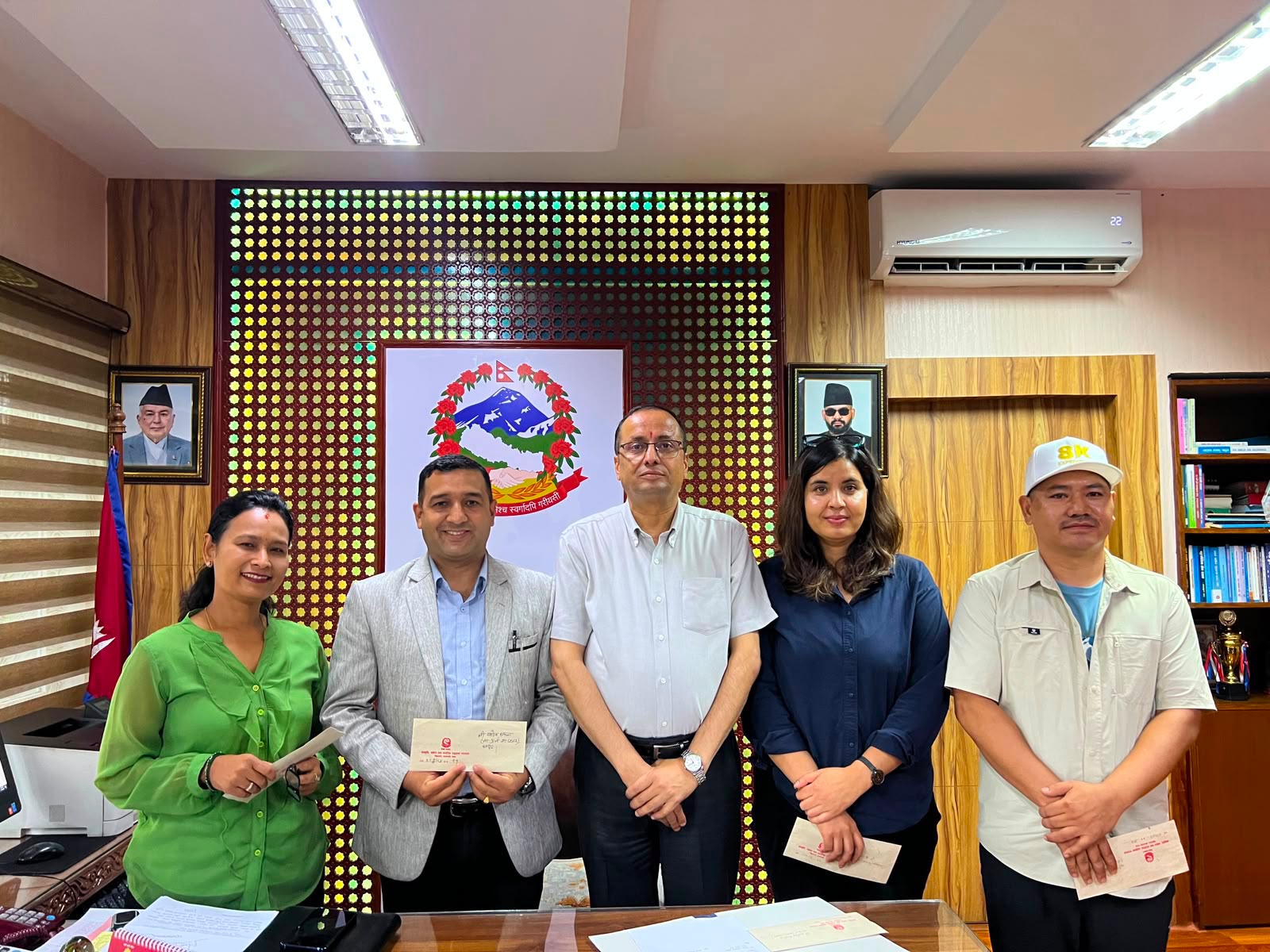
Yes, Lhotse Expedition package includes the Nepal government climbing permit for Mount Lhotse, along with the Khumbu Icefall fee and summit route-fixing charge. Applicable permit arrangements are handled by the expedition operator.
What services are included in the Lhotse package?
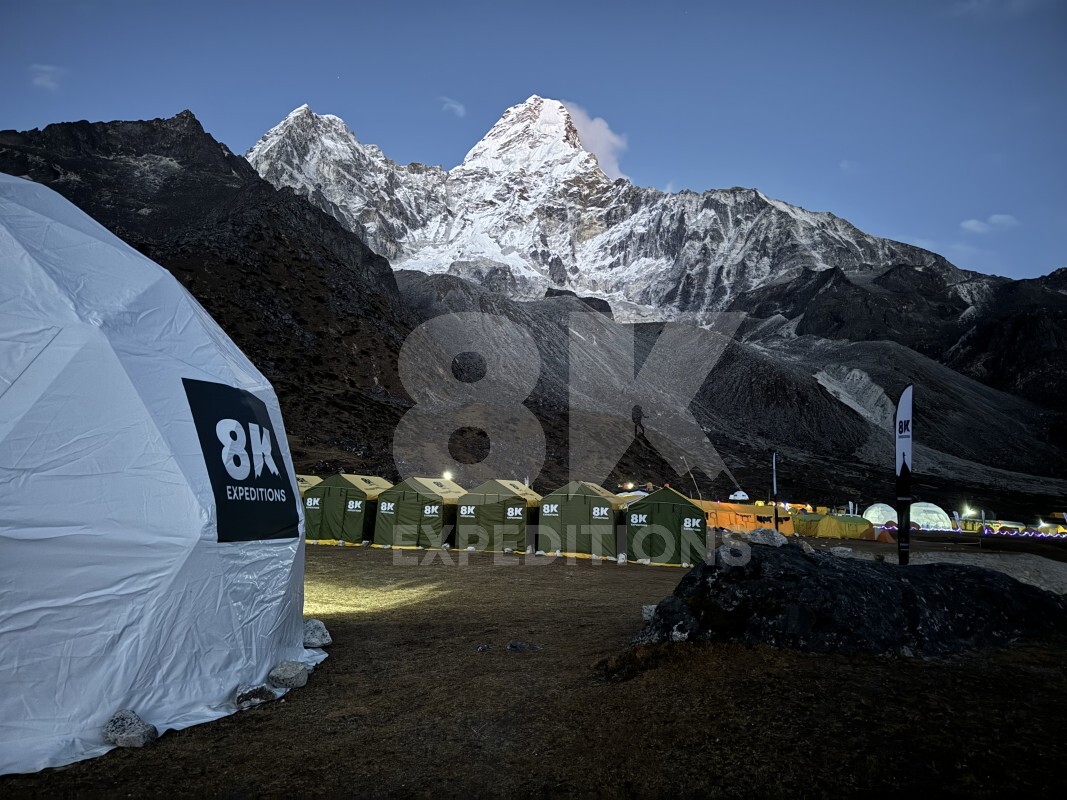
The Lhotse package includes airport transfers, Kathmandu hotel accommodation, domestic flights to Lukla, climbing permits, route-fixing charges, Base Camp accommodation and meals, high-altitude camps, experienced climbing guides, supplemental oxygen, summit mask and regulator sets, communication facilities, weather forecasts, a government liaison officer and emergency rescue support arrangements. The package also includes a dedicated rescue team on standby for emergencies.
Does the Lhotse Expedition package include helicopter rescue insurance?
The package includes high-altitude, medical and helicopter rescue insurance for field staff. However, individual climbers must arrange their own insurance with a minimum coverage of US$100,000 for medical treatment and helicopter rescue evacuation, as specified in the package exclusions.
Are personal climbing equipment and international flights included in the Lhotse package?
No, International flight tickets, Nepal entry visa fees and personal climbing equipment are excluded from the standard package. Climbers must also budget for Kathmandu lunches and dinners, personal expenses, additional services and applicable summit bonuses.
What additional summit bonuses should climbers’ budget for?
The climbers must budget for US$1,600 per climbing guide, US$350 per member for the cook and kitchen staff, and US$100 per member for porters. These amounts are payable in cash under the stated package conditions. The guide summit bonus remains mandatory once the summit push begins, even if the climb is discontinued.
Is Lhotse connected to Mount Everest?
Yes, Mount Lhotse is geographically connected to Mount Everest through the South Col, a high mountain pass between the two peaks. Both mountains share much of the southern climbing approach through the Khumbu region. However, their summit routes diverge, with Lhotse climbers following the Lhotse Face toward the Lhotse summit couloir.
Can I climb Mount Everest and Mount Lhotse together?
Yes, Experienced mountaineers can combine Mount Everest (8,848.86m) and Mount Lhotse (8,516m) in one expedition. Both mountains share much of their southern approach and lower climbing infrastructure. However, attempting both summits requires additional time, physical endurance, acclimatization, suitable weather conditions and carefully coordinated logistics.
What safety measures does 8K Expeditions provide during the Lhotse Expedition?
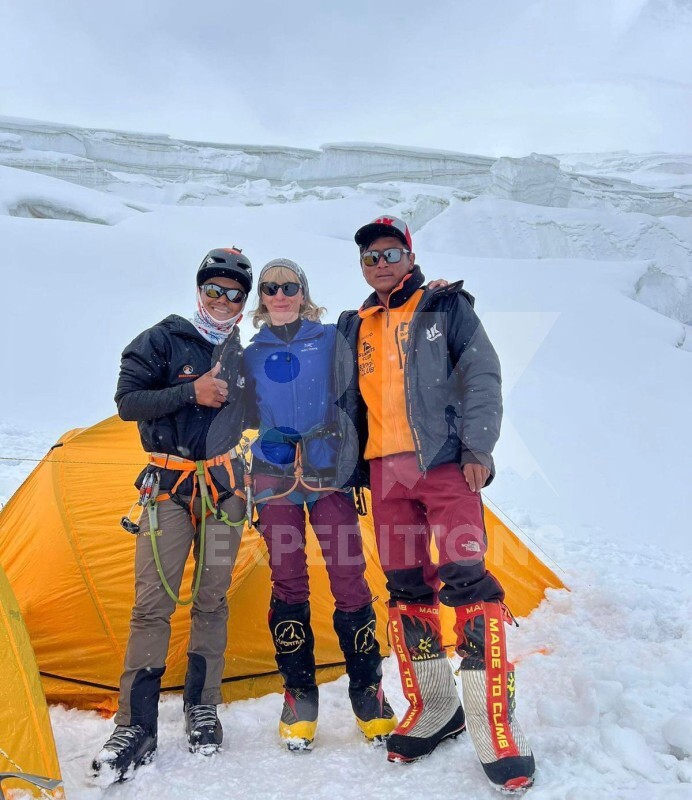
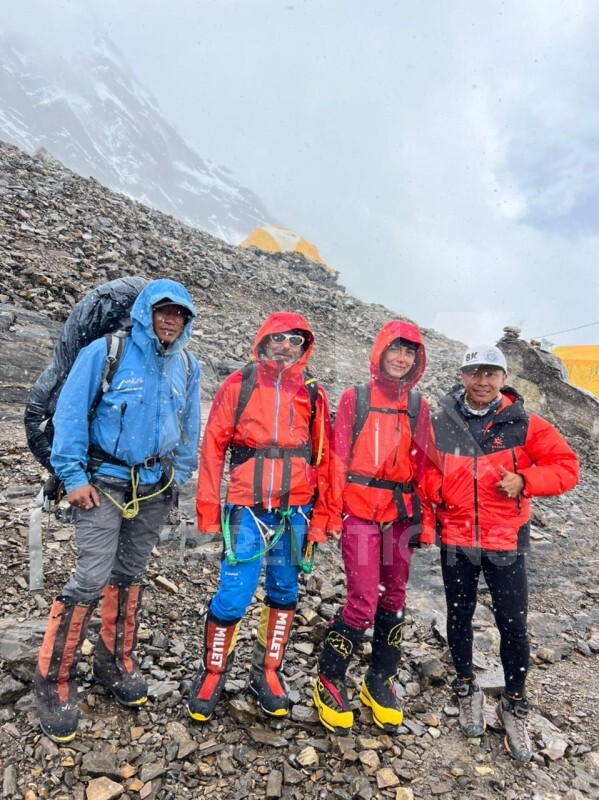
8K Expeditions provides experienced high-altitude climbing guides, one veteran climbing guide per member, supplemental oxygen, summit masks and regulators, communication equipment, weather forecasting, a first-aid kit and emergency rescue coordination. A dedicated rescue team is also kept on standby for emergencies. Safety decisions during the expedition depend on weather, route conditions and individual climber health.
Is helicopter rescue available during the Lhotse Expedition?
Helicopter rescue arrangements and a dedicated rescue team are included in the expedition's emergency support provisions. However, helicopter evacuation depends on weather, altitude, flying conditions, accessibility and operational availability. Climbers must maintain their own insurance covering medical treatment and helicopter rescue.
What happens if bad weather delays the Lhotse Expedition?
Mountain weather can cause delays to domestic flights, trekking schedules and summit attempts. It includes two contingency days to accommodate unexpected delays. If additional days are required beyond the scheduled itinerary, associated expenses are generally the responsibility of the climber. Alternative helicopter transportation may be arranged at an additional cost when operationally possible.
When does the Lhotse Expedition start?
The Lhotse Expedition departure runs from 12 April to 23 May 2027, with a total scheduled duration of 42 days. Climbers can contact the 8K Expeditions team for booking availability, customized arrangements and updated departure information.
How can I book the Lhotse Expedition with 8K Expeditions?
You can book the Lhotse Expedition by contacting 8K Expeditions through its official website, email or WhatsApp. The team can assist with expedition quotations, climbing permits, logistics, accommodation, climbing guides, oxygen arrangements and customized expedition services.
Why choose 8K Expeditions for the Lhotse Expedition in Nepal?
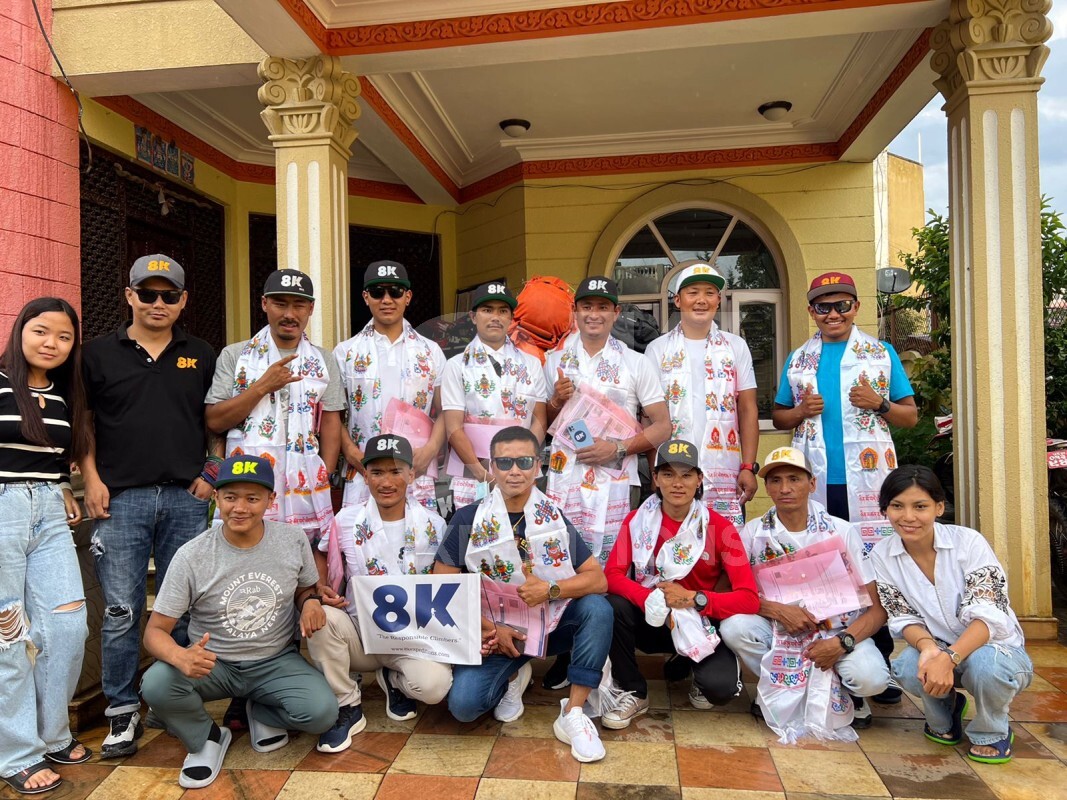
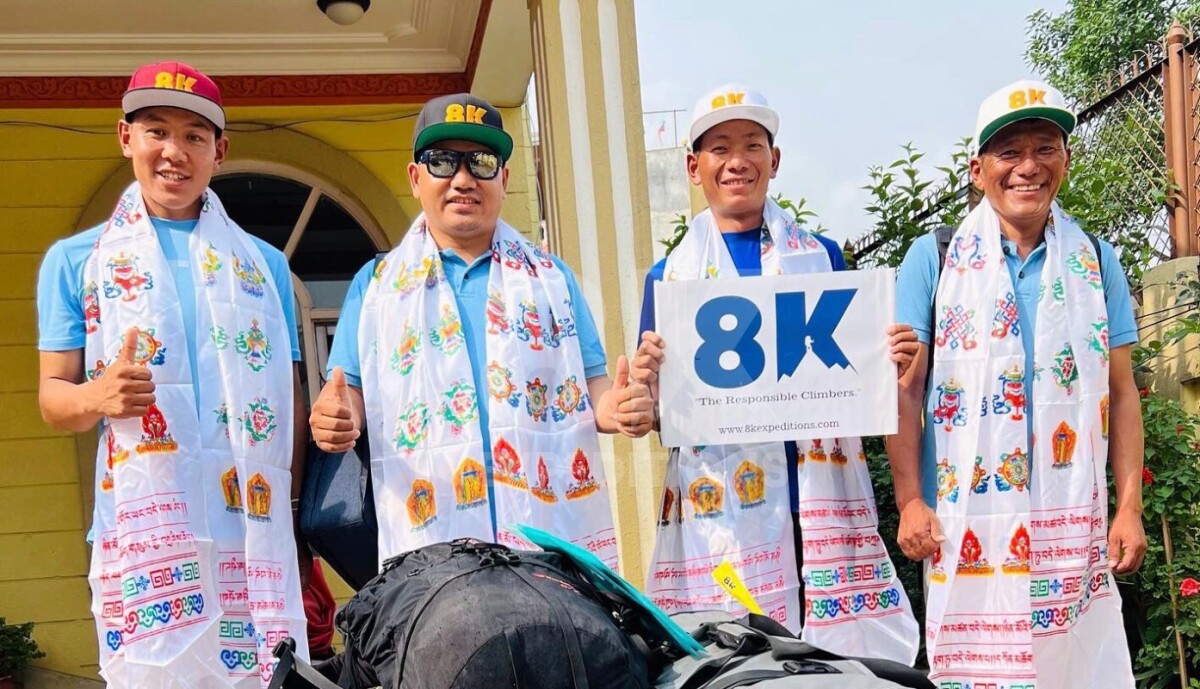
8K Expeditions offers organized Himalayan mountaineering expeditions with experienced Sherpa climbing guides, high-altitude logistical support, expedition management, supplemental oxygen, Base Camp facilities and emergency rescue coordination. Its Lhotse expedition package is designed for experienced mountaineers seeking a professionally supported attempt on the world's fourth-highest mountain.
Can international climbers join the Lhotse Expedition in Nepal?
Yes, International climbers can join the Lhotse Expedition organized by 8K Expeditions. The company assists with expedition permits, domestic transportation, accommodation, climbing logistics and high-altitude support. International participants must arrange their Nepal entry visa, international flights and required personal insurance.
Does 8K Expeditions provide customized Lhotse Expedition packages?
Yes, 8K Expeditions can customize Lhotse expedition arrangements according to group size, climbing experience, accommodation preferences, Sherpa guide allocation, oxygen requirements and logistical needs. Interested climbers can request an individual quotation for private or group expedition arrangements.
Plan your Lhotse Expedition with 8K Expeditions !