Please do
remember
these things.
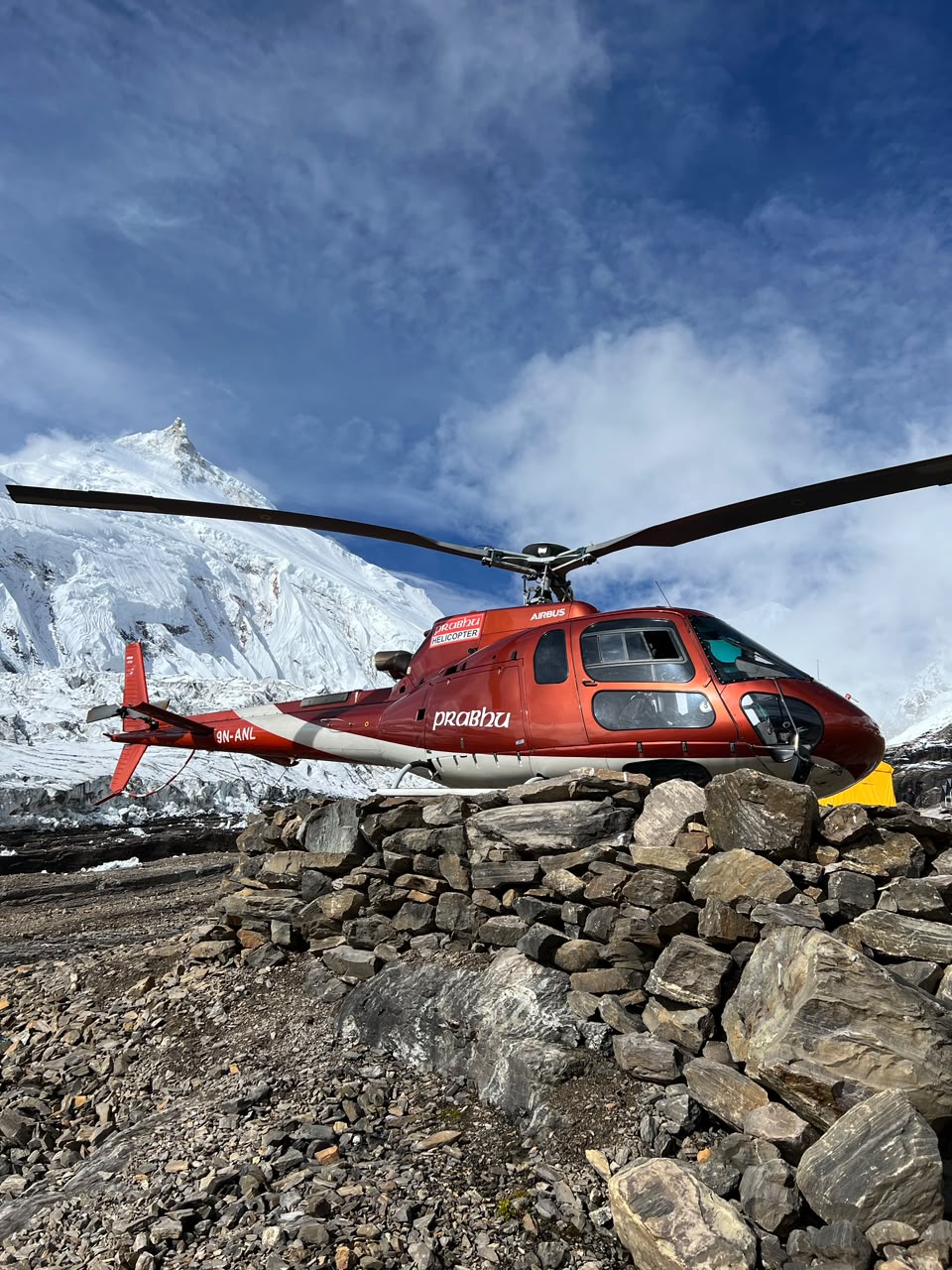
Trekking and mountain climbing in the Dhaulagiri region highly depend on weather conditions. We try to schedule our trips at the most favorable time, but domestic flights to Pokhara may be delayed or canceled in extreme scenarios. In cases as such this, we would like to notify you that except for the total number of days in the itinerary section, expenses of other extra days shall be borne by the client himself/herself. However, 8K Expeditions will make necessary arrangements for the accommodation of porters and guides. If you wish to make alternative arrangements such as a helicopter flight to avoid flight delays, we can arrange it at a nominal extra charge.
Also, 8K Expeditions shall not be liable for any compensation for losses due to missed International Flights but we will surely help to make necessary arrangements to minimize your loss. To avoid missing flights, we suggest keeping some flexible time frames before trip departure and after trip departure.
Also be notified that as we will be traveling in remote areas with extreme climatic conditions and geography where trails can be distorted at times, we might need to adjust our itineraries as required. But we assure you that the quality of service shall not be compromised at any cost.
DHAULAGIRI EXPEDITION FAQS
What is the Dhaulagiri Expedition (8,167m)?
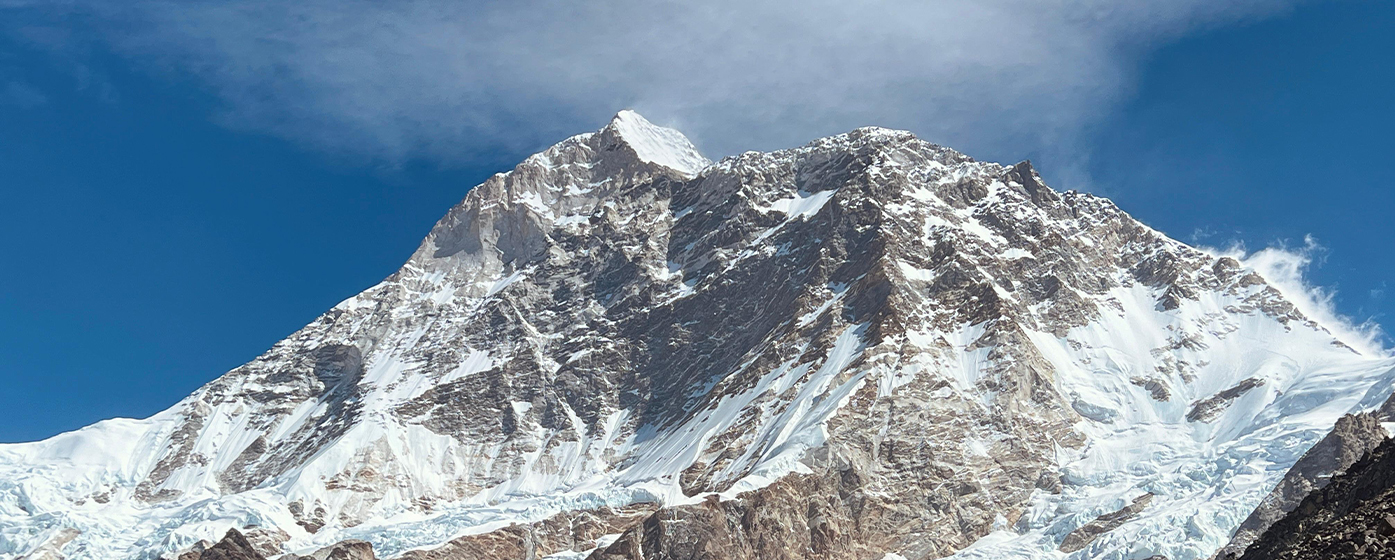
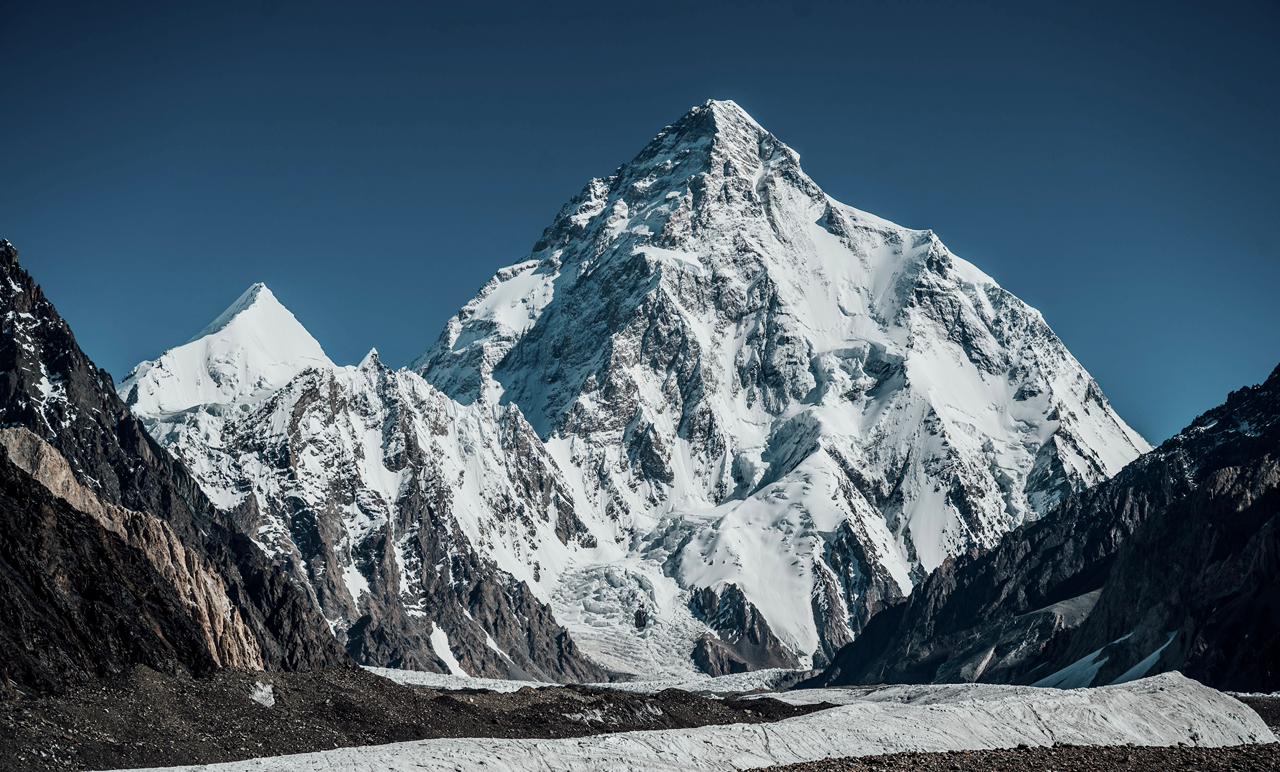
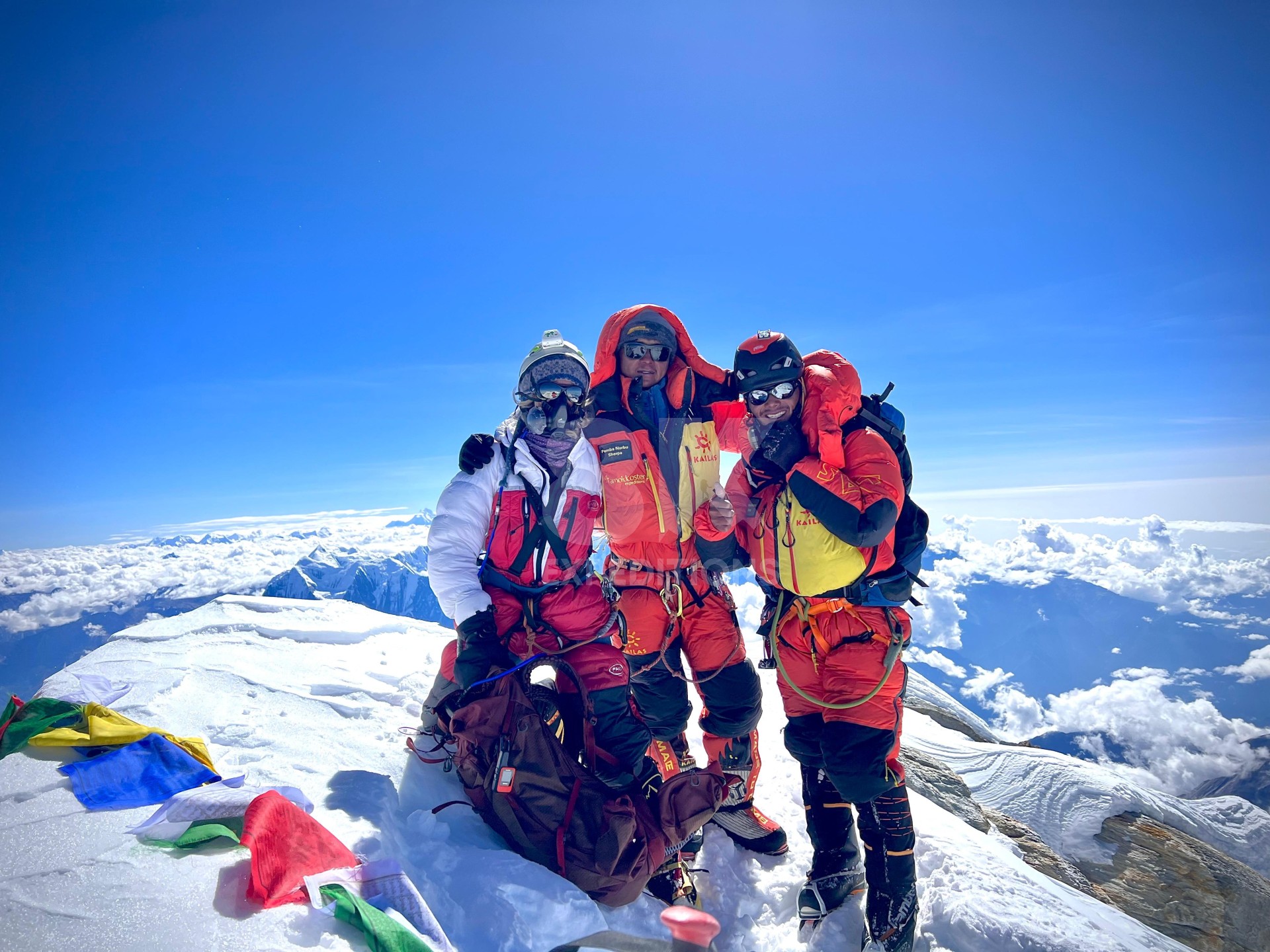
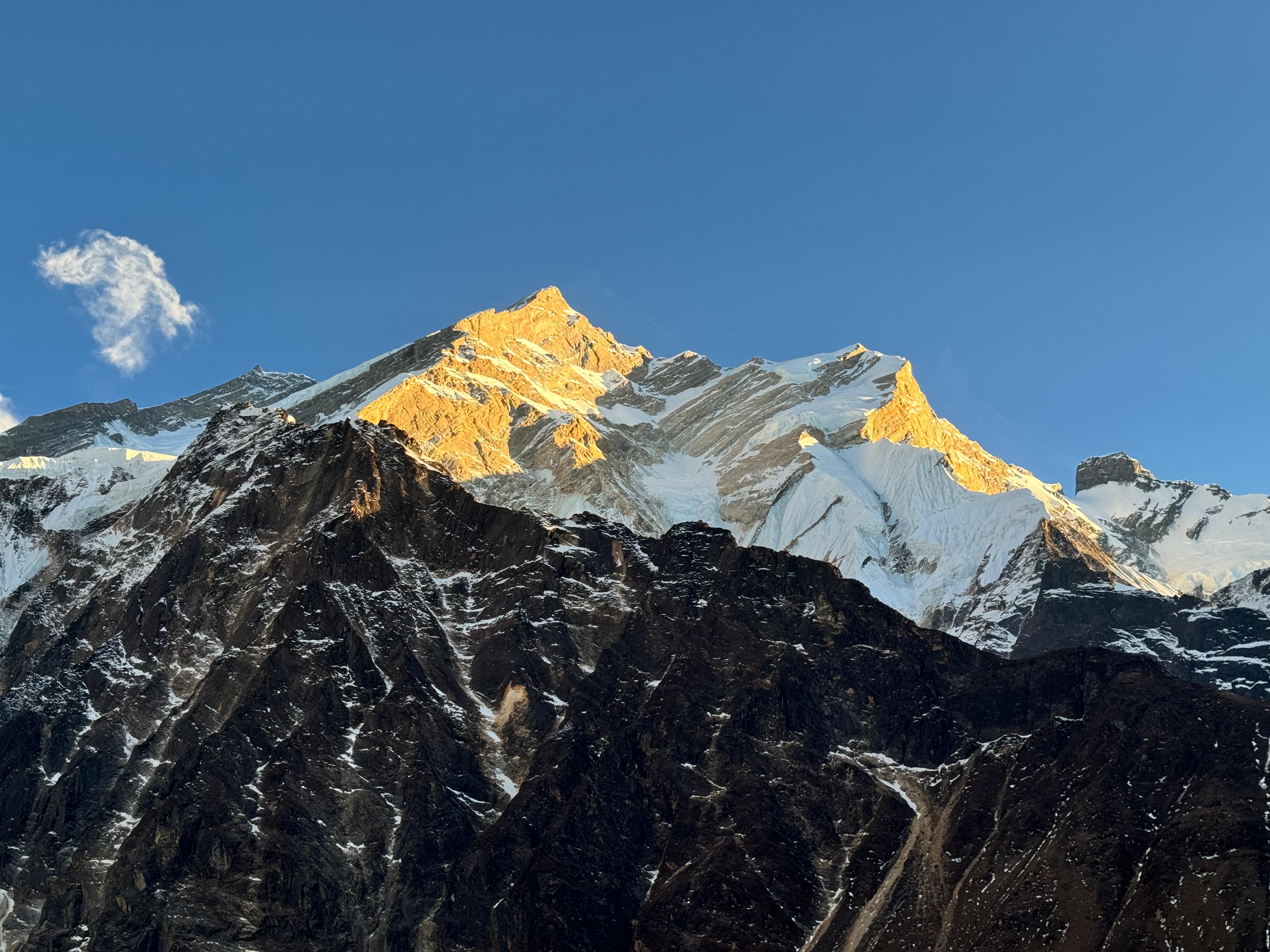
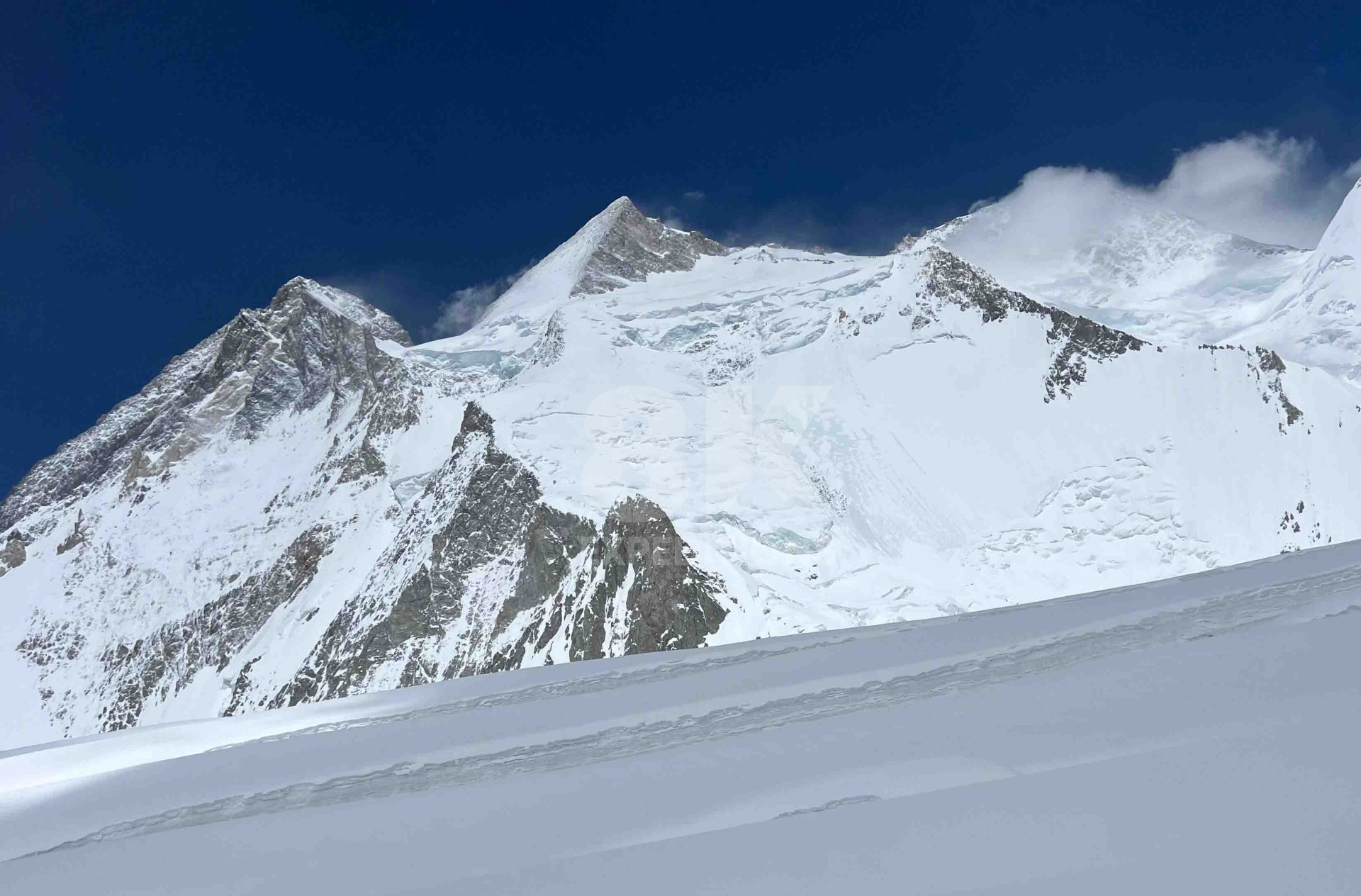
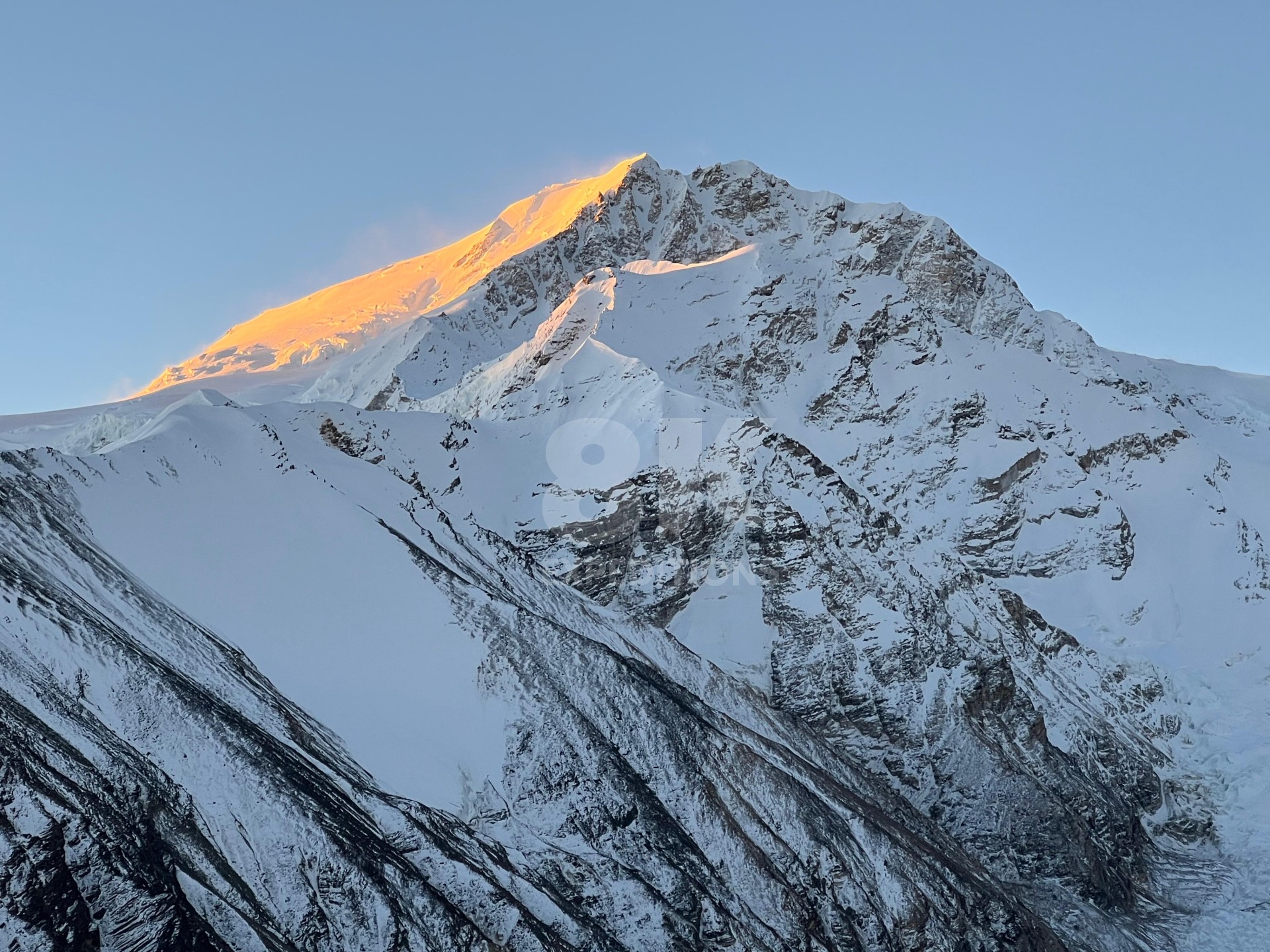
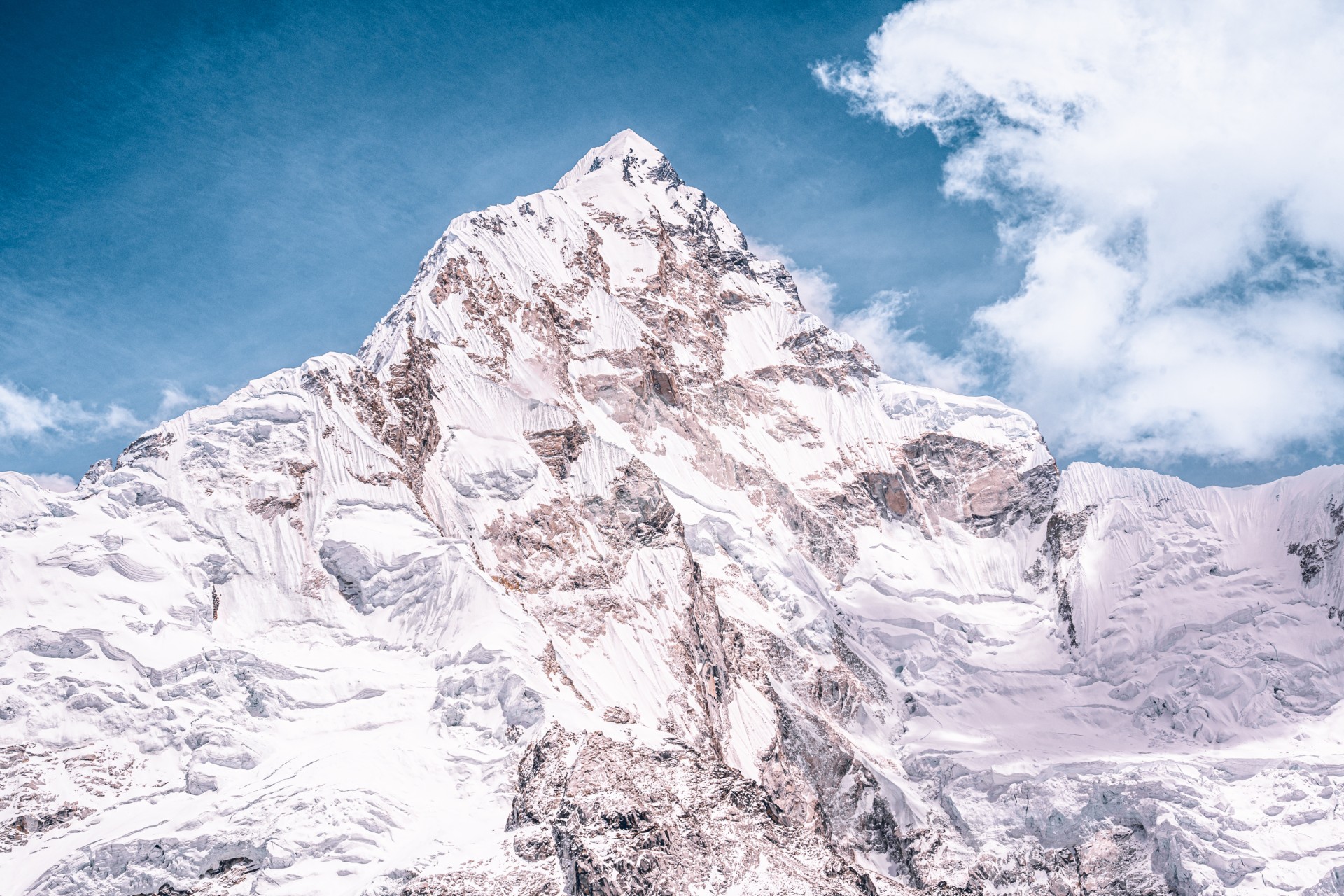
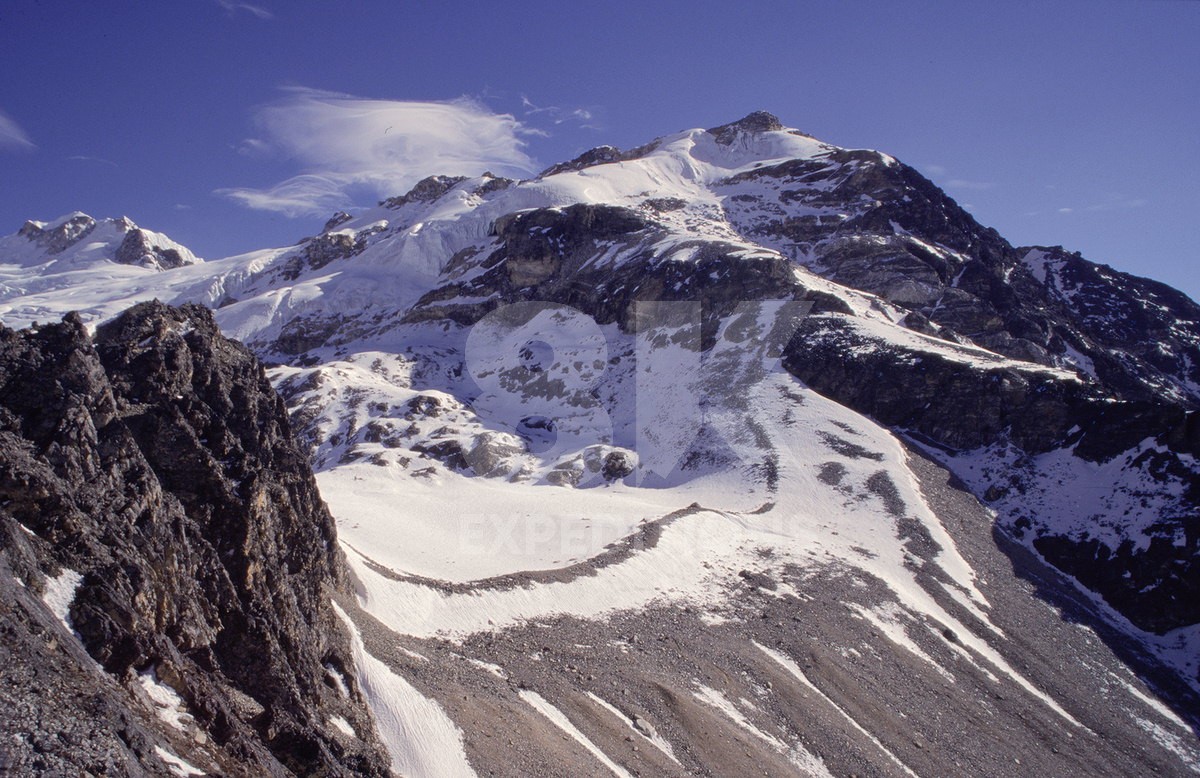
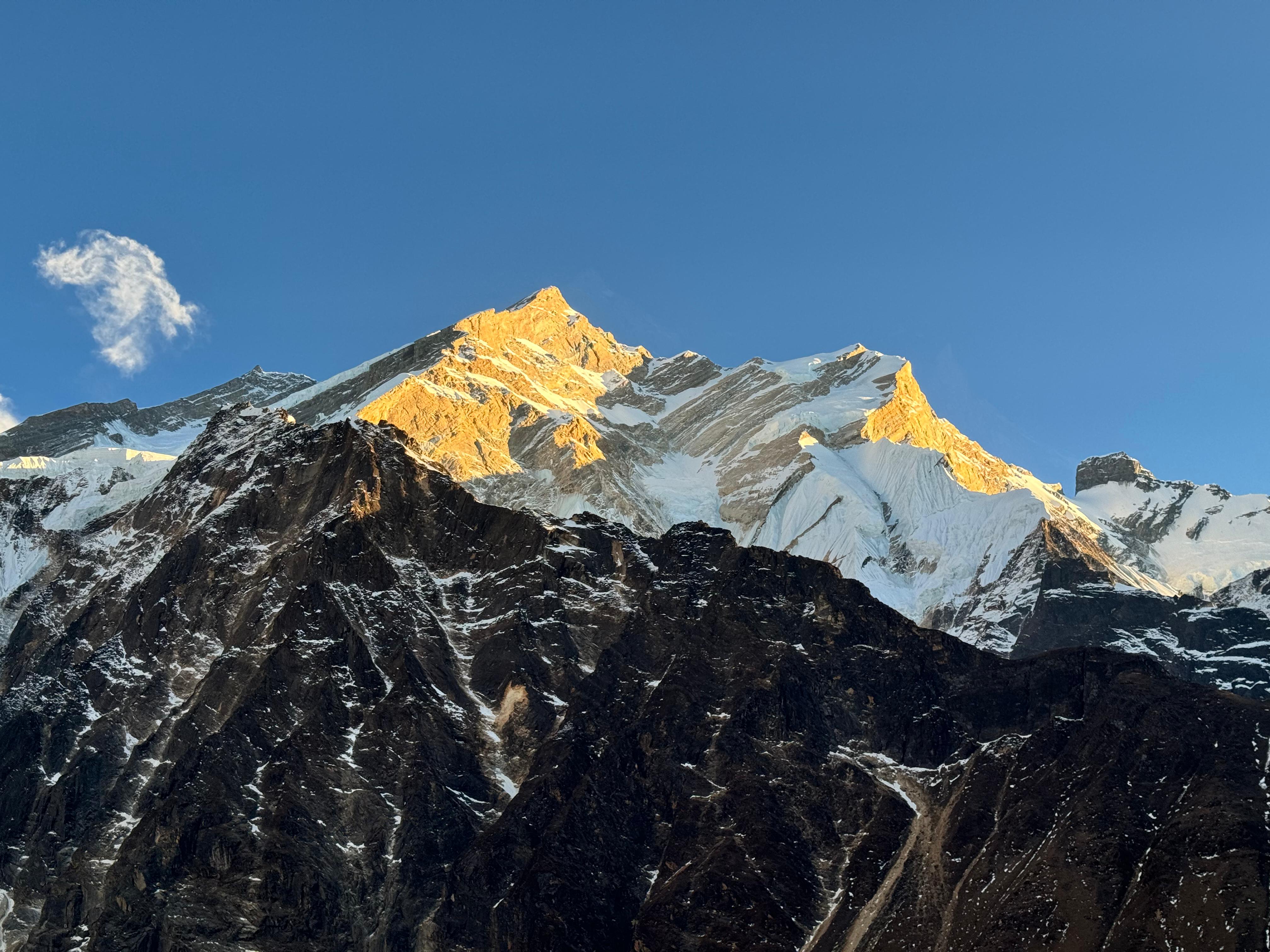
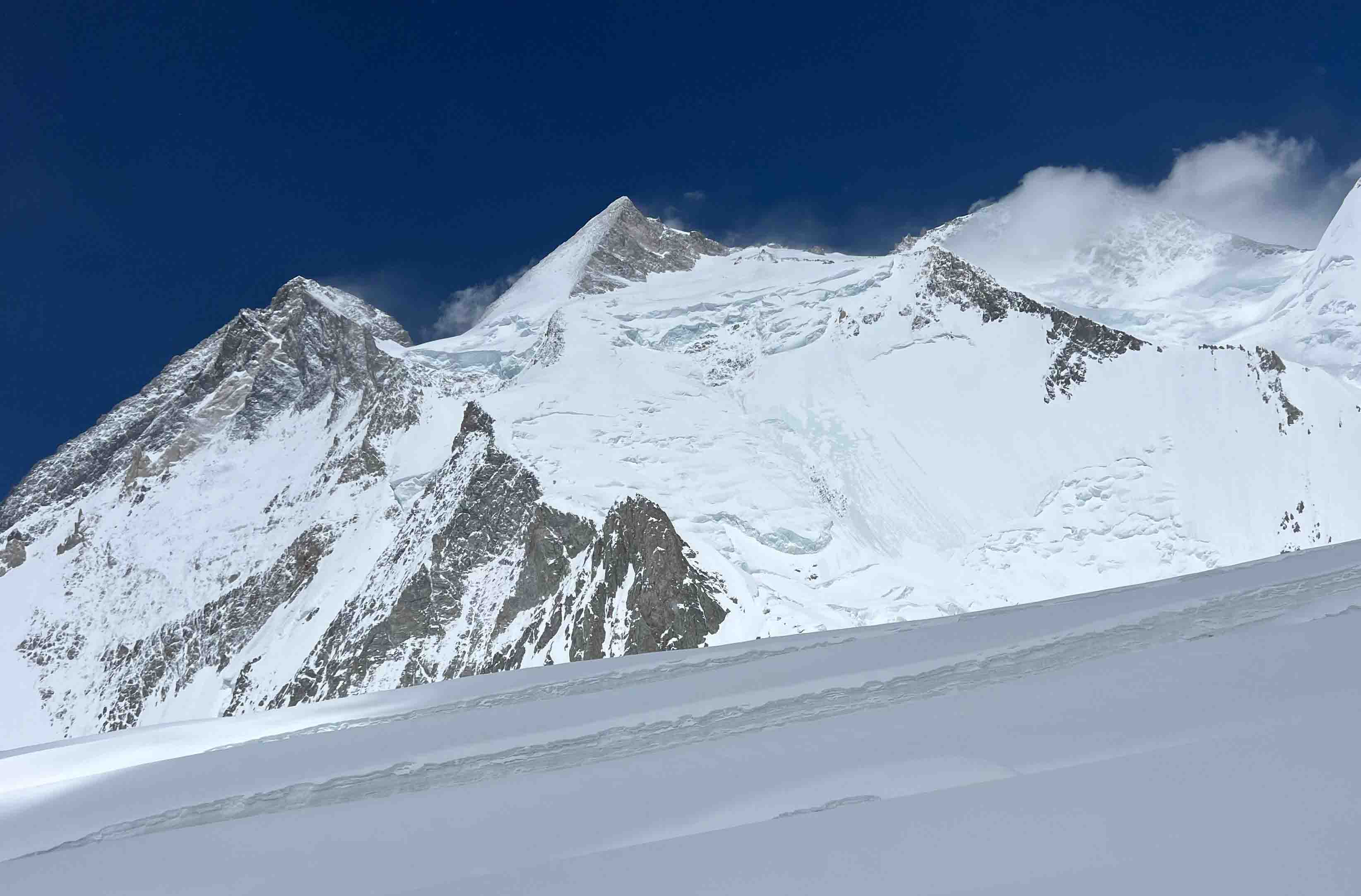
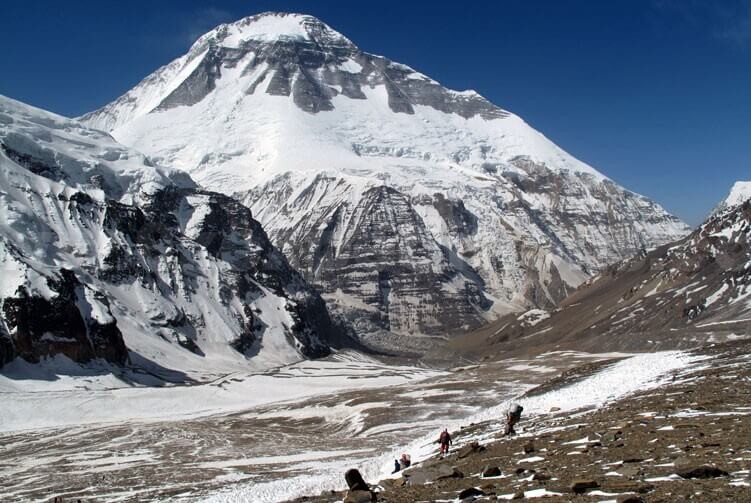
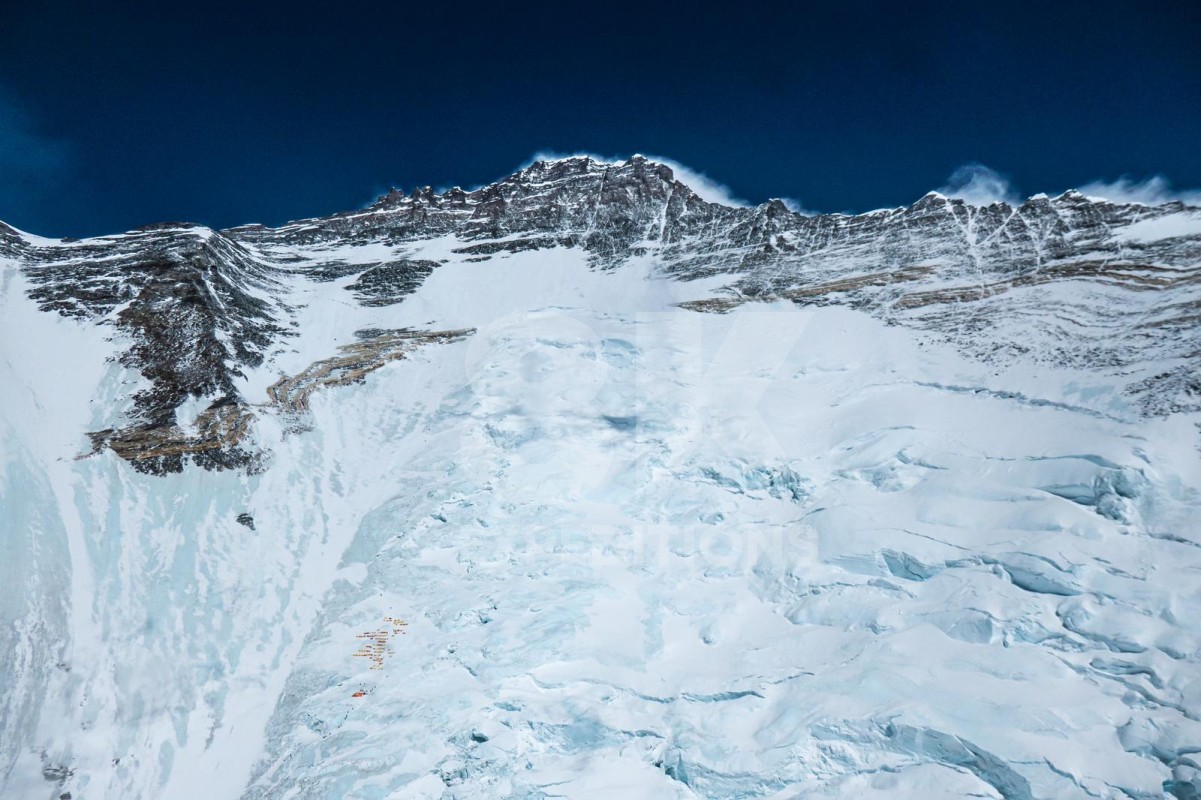
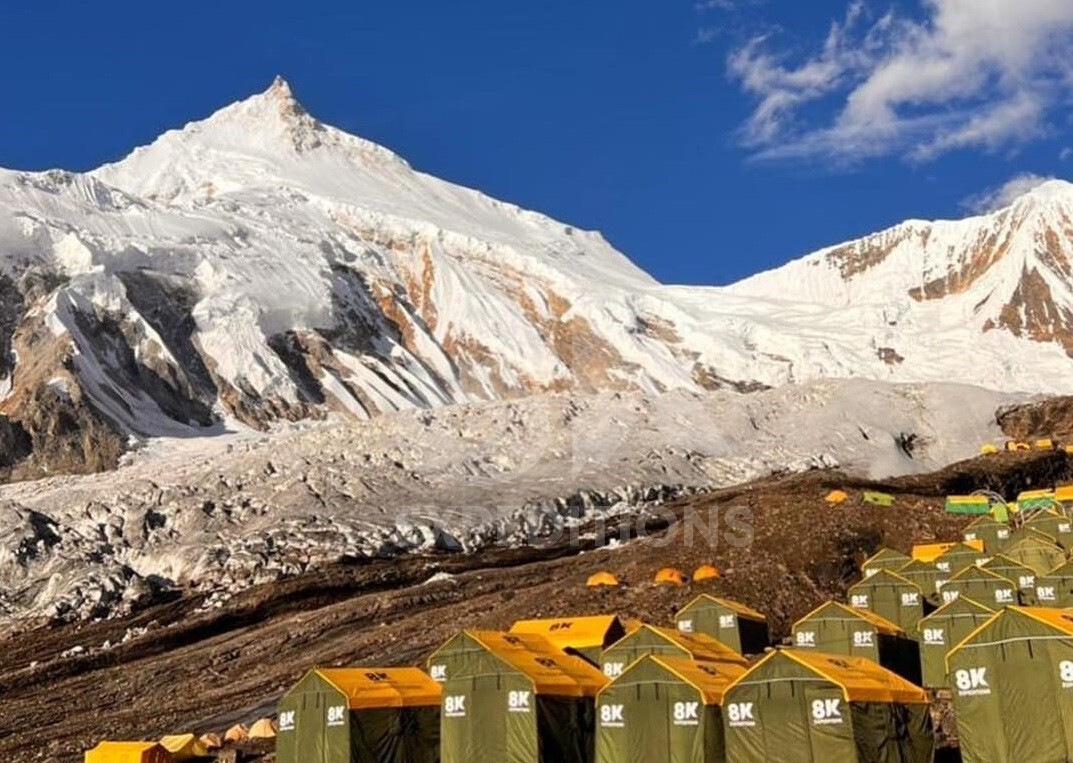
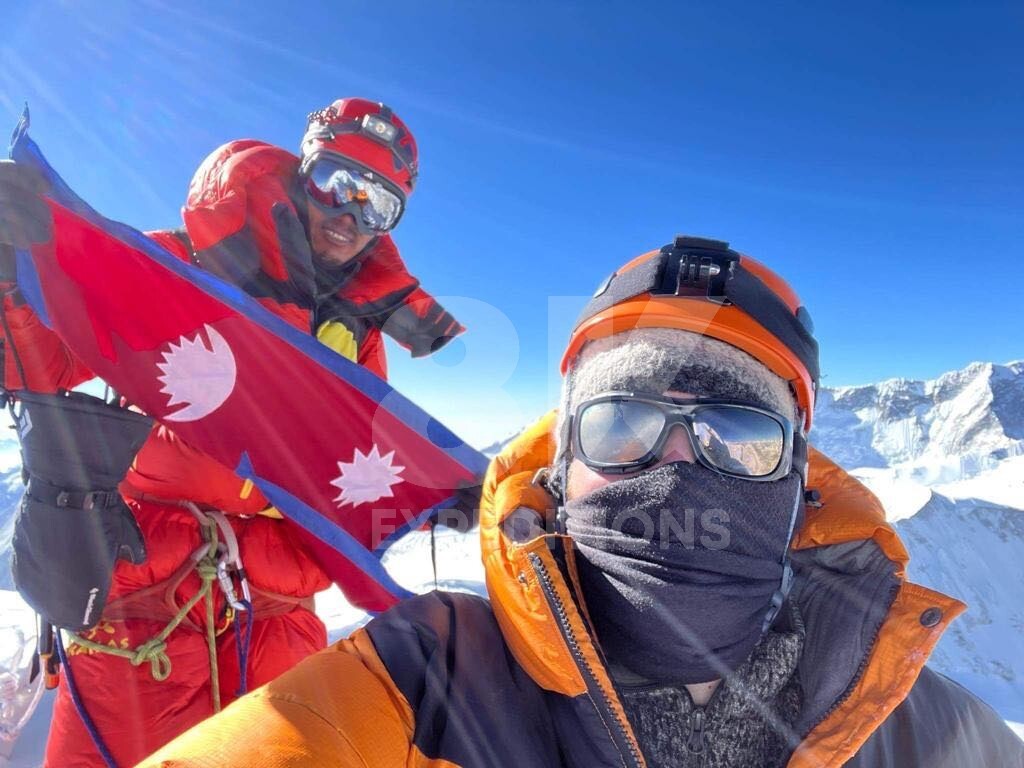
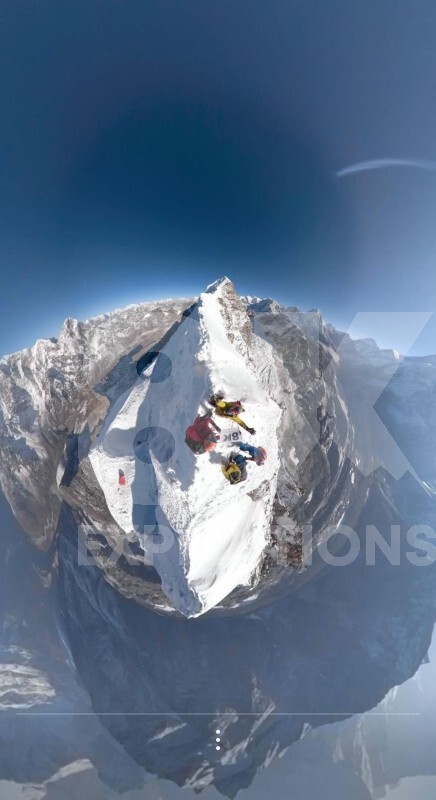
The Dhaulagiri Expedition is a high-altitude mountaineering adventure to the summit of Mount Dhaulagiri (8,167m), the seventh-highest mountain in the world. Located in western Nepal, Dhaulagiri is renowned for its remotna vaie Himalayan landscape, challenging climbing conditions and spectacular summit views. 8K Expeditions organizes supported Dhaulagiri expeditions with experienced climbing Sherpas, expedition logistics, base camp facilities, oxygen systems and summit route support.
Where is Mount Dhaulagiri located?
Mount Dhaulagiri is located in western Nepal, within the Dhaulagiri Himalayan range. It lies northwest of Pokhara and is separated from the Annapurna massif by the Kali Gandaki Gorge. The mountain is one of Nepal's most prominent 8,000-meter peaks and is known for its enormous snow-covered slopes and isolated climbing environment.
How high is Mount Dhaulagiri?
Mount Dhaulagiri stands at 8,167 meters (26,795 feet) above sea level. It is the seventh-highest mountain in the world and one of the 14 mountains exceeding 8,000 meters. Its exceptional elevation makes climbing Dhaulagiri a demanding high-altitude mountaineering challenge.
Why is Dhaulagiri called the White Mountain?
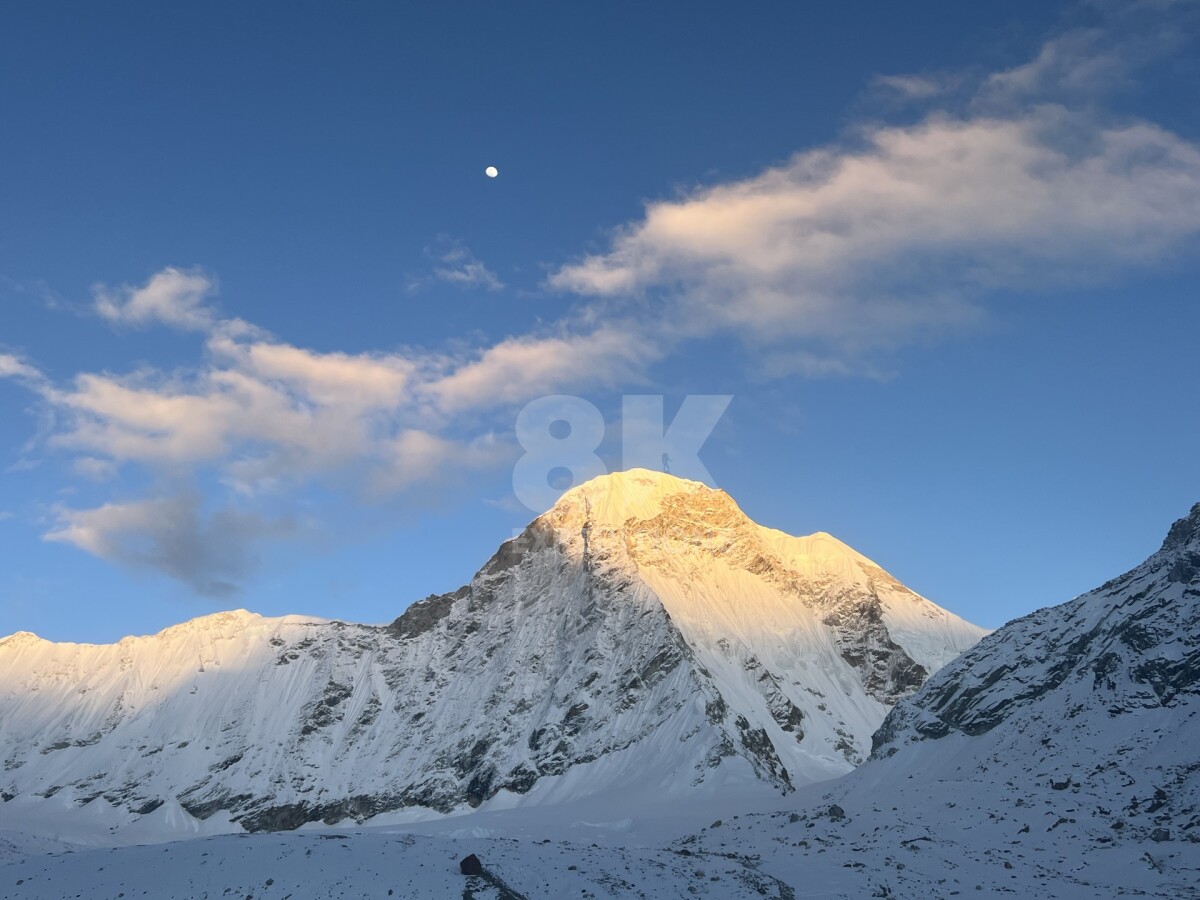
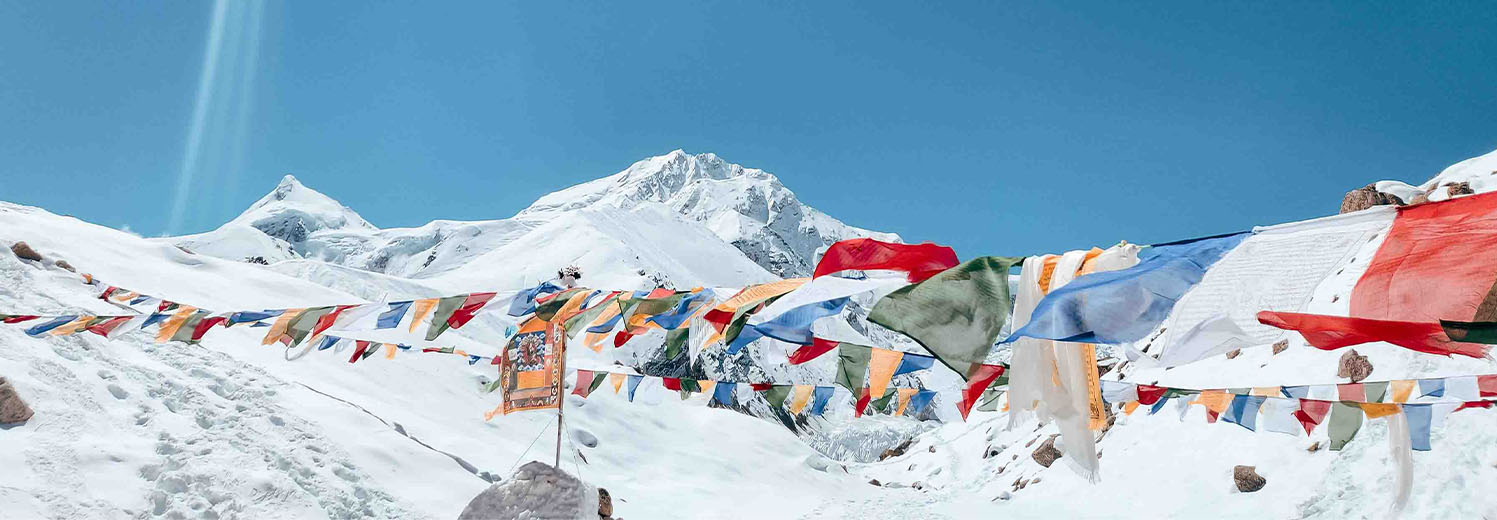
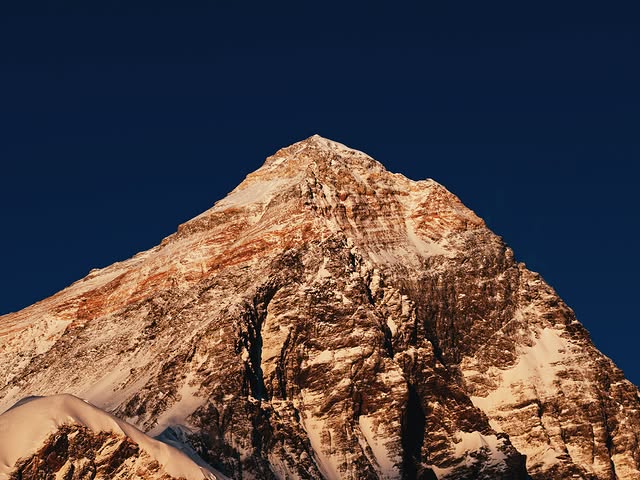
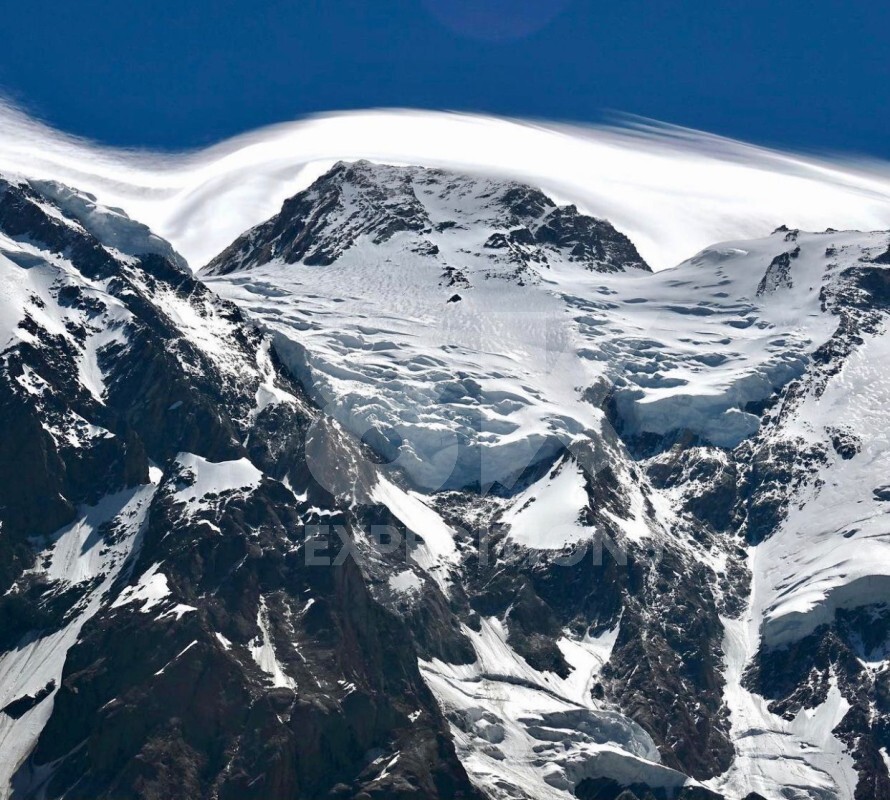
Dhaulagiri is commonly known as the White Mountain because of its extensive snow-covered slopes and impressive white appearance. Its name originates from Sanskrit, where Dhawala means white or shining and Giri means mountain.
When was Mount Dhaulagiri first successfully climbed?
Mount Dhaulagiri was first successfully summited on 13 May 1960 by a Swiss-Austrian-Nepali expedition. The successful ascent was an important milestone in Himalayan mountaineering history.
What is the standard climbing route for the Dhaulagiri Expedition?
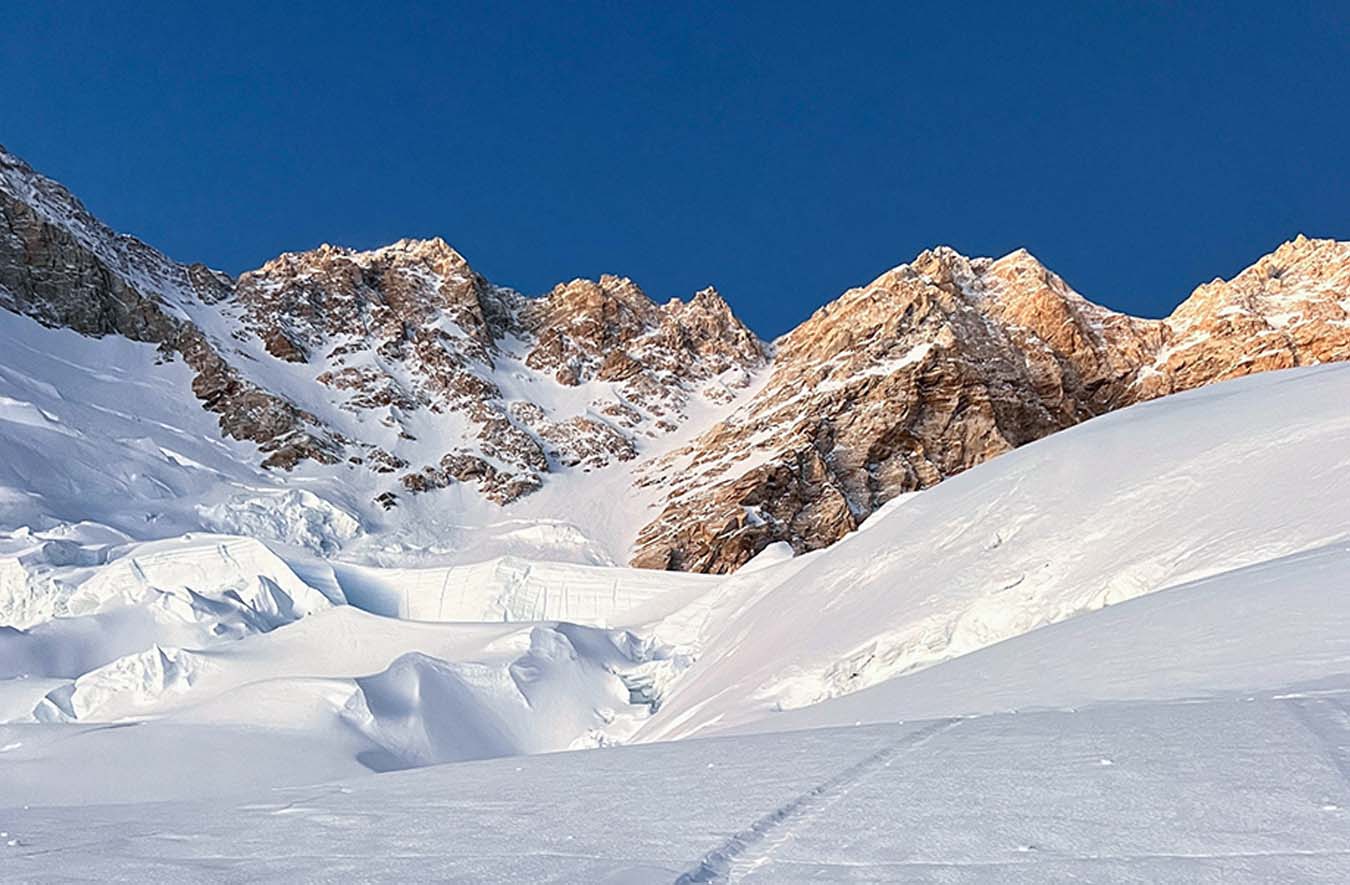
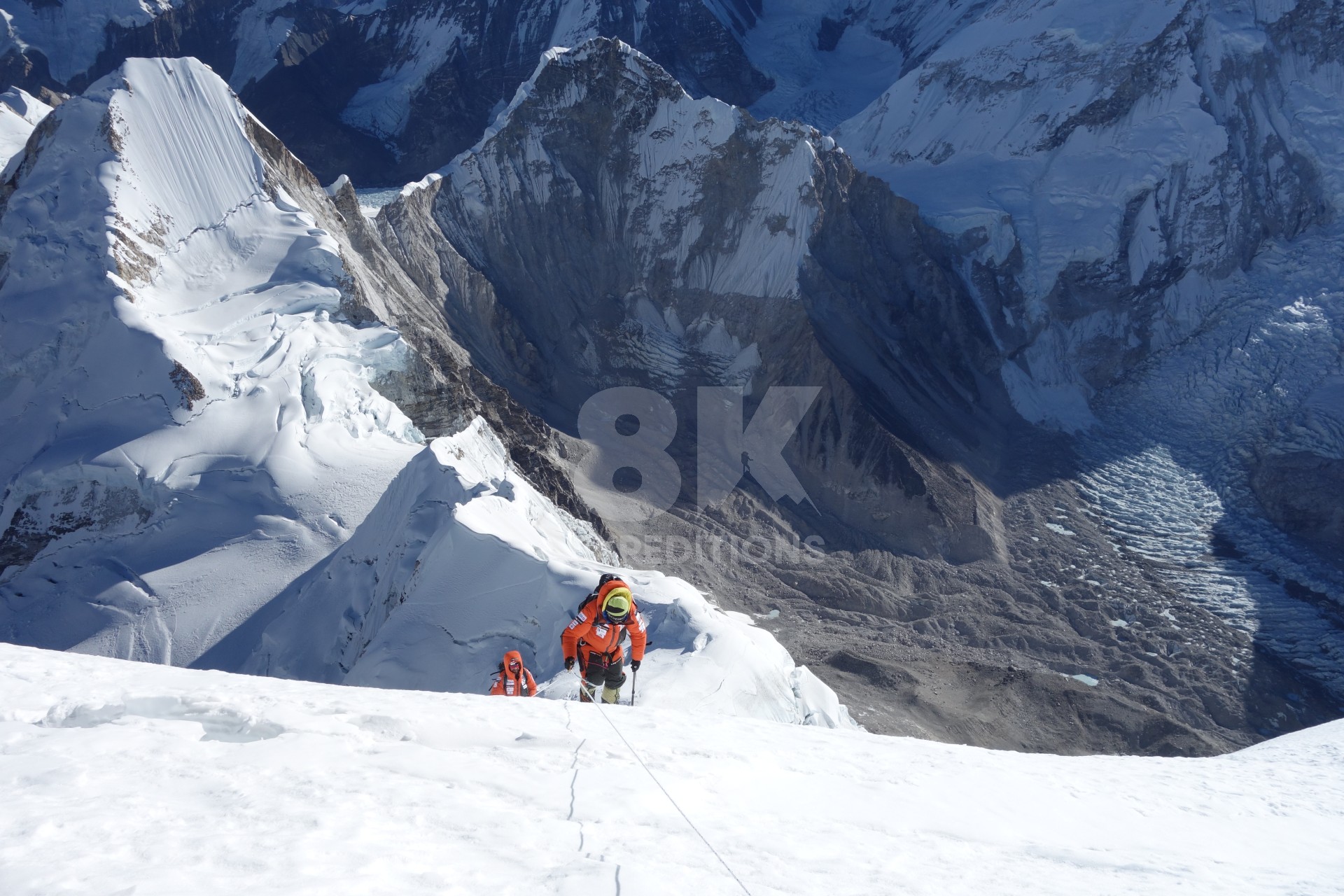
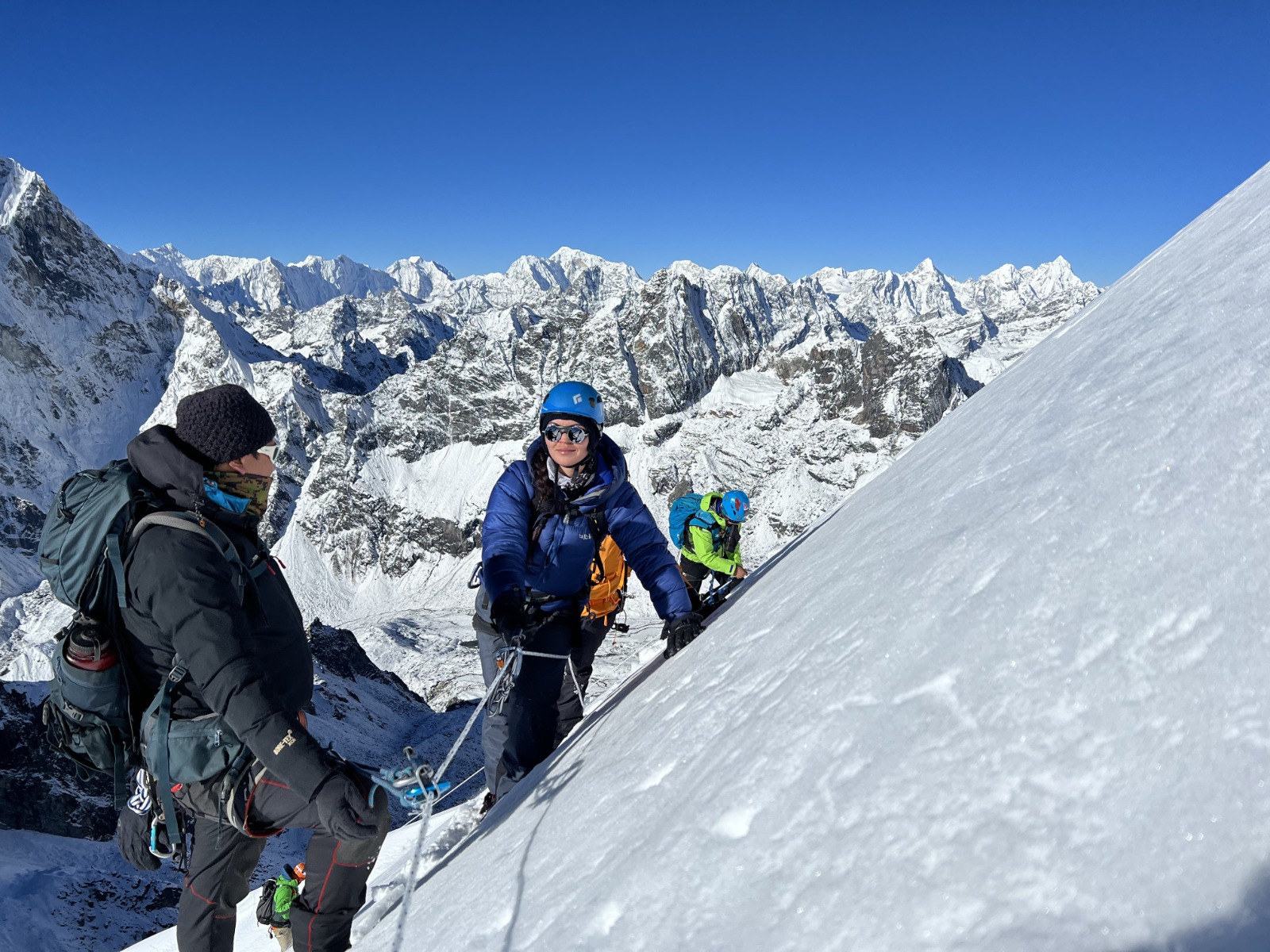
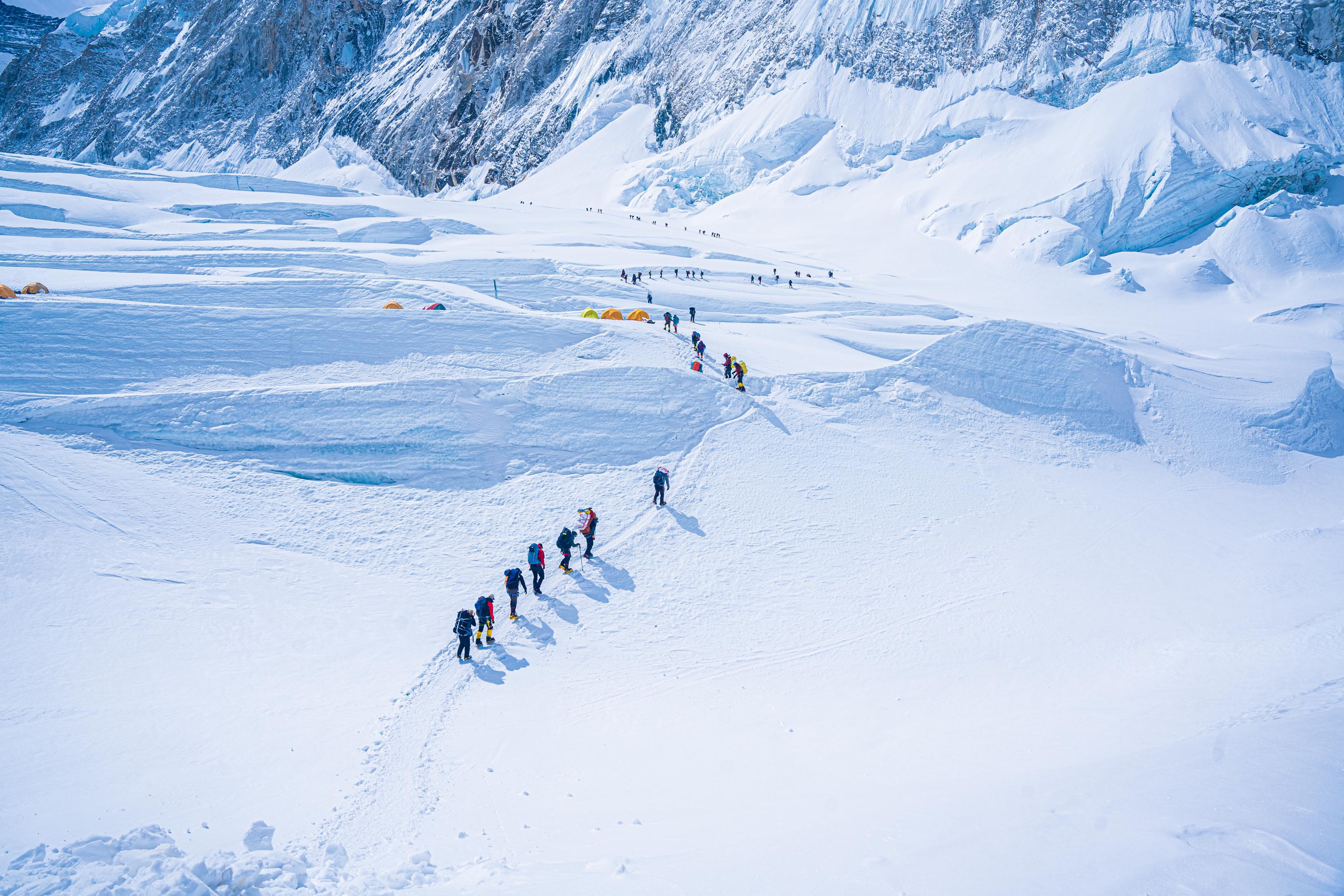
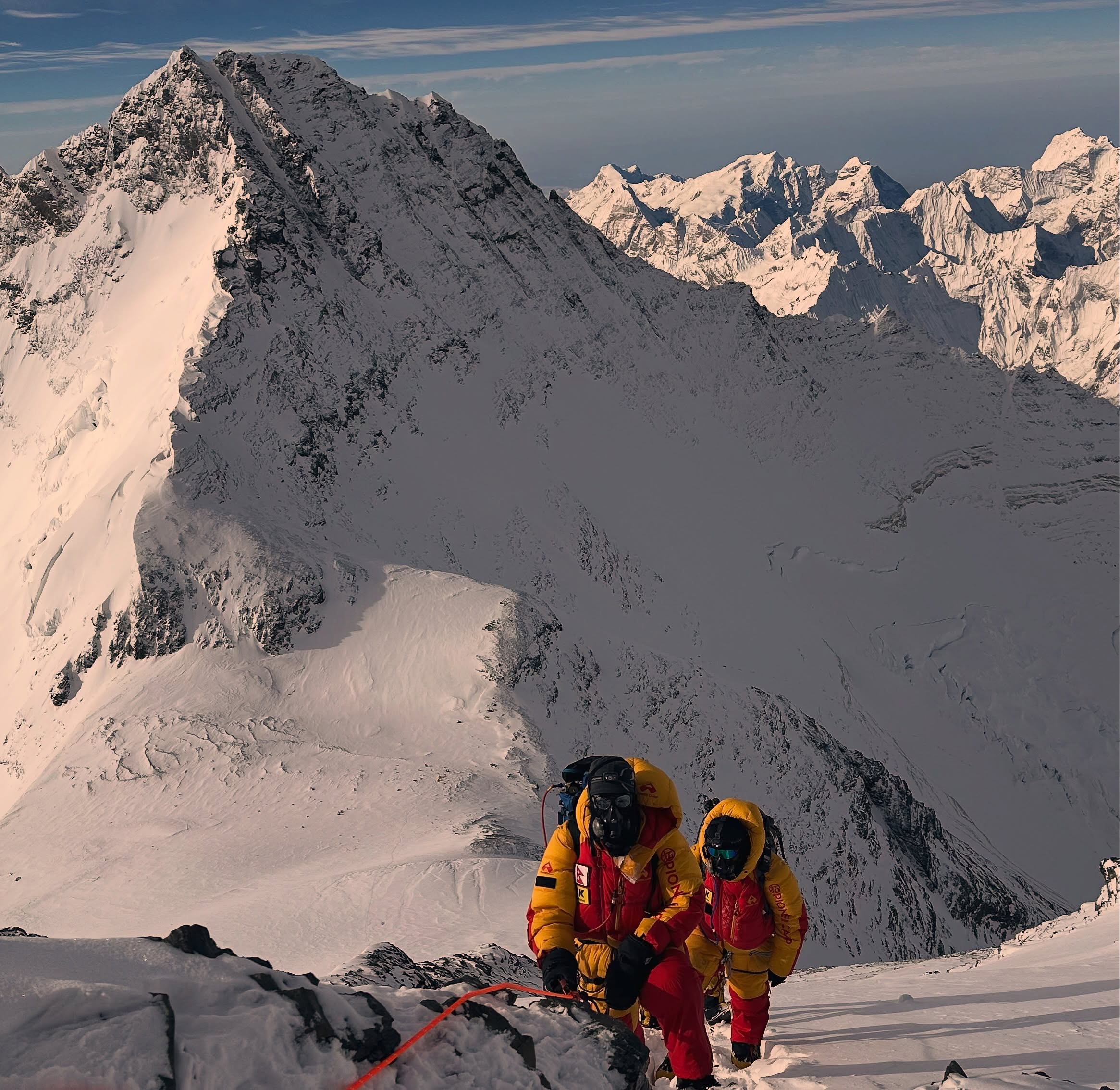
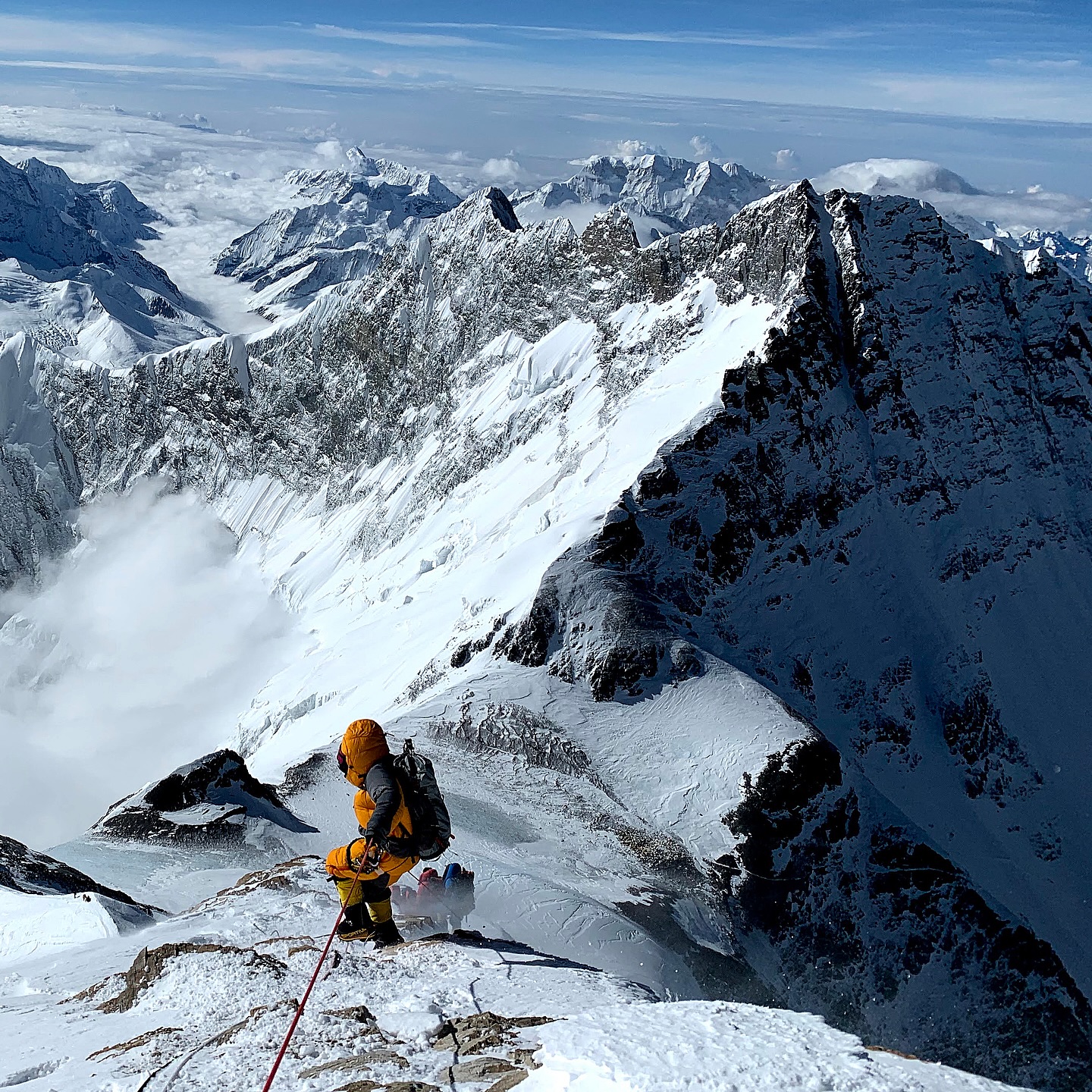
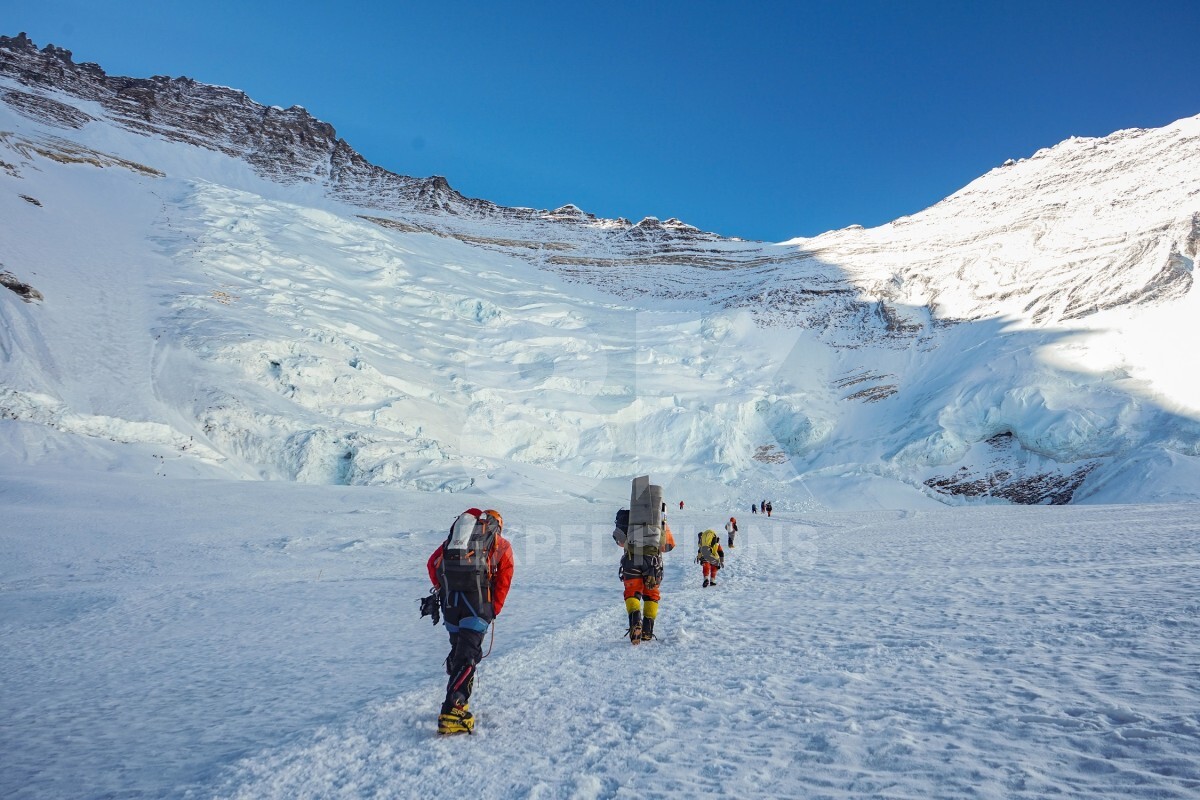
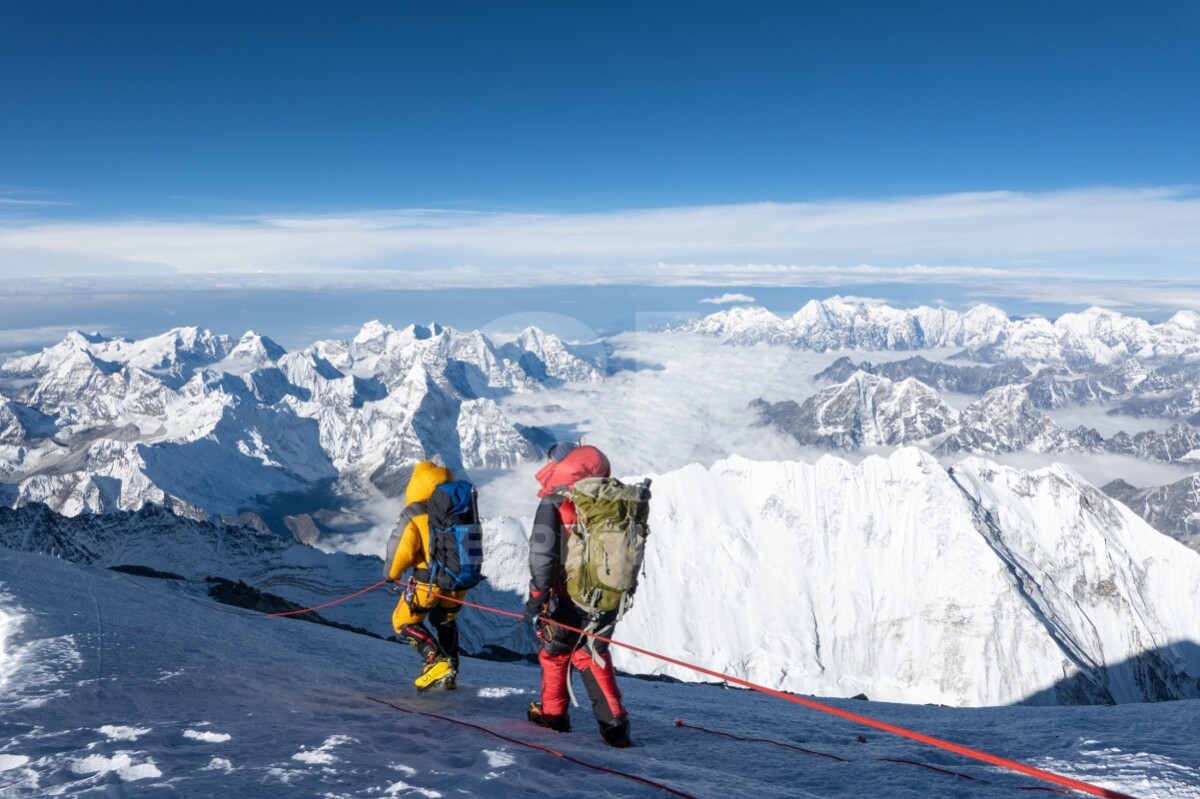
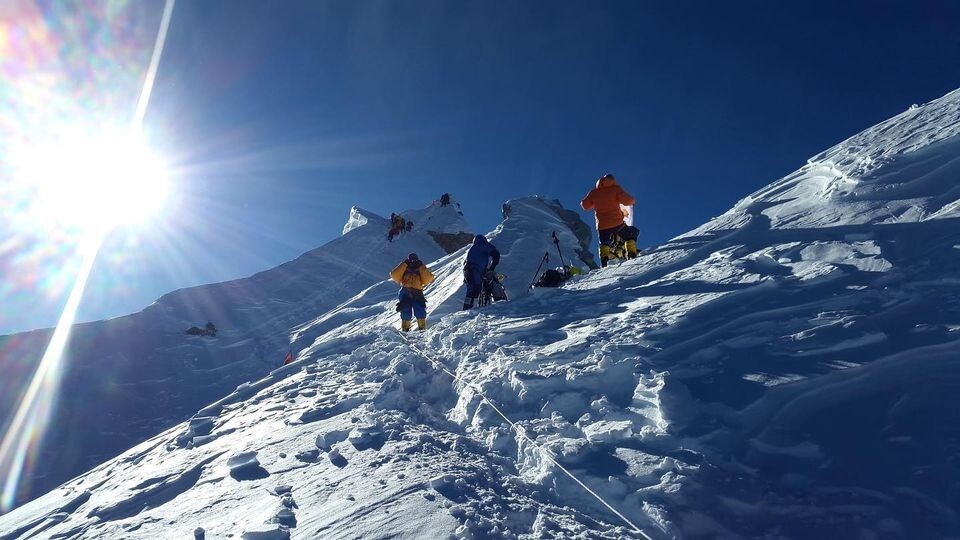
The Northeast Ridge is the most widely used route for climbing Mount Dhaulagiri. The ascent involves glacier travel, snow and ice slopes, fixed-rope sections and high-altitude camps. Climbers progress through successive camps before making their final summit attempt, depending on weather conditions, route preparation and the expedition team's assessment.
How long does the Dhaulagiri Expedition take?
The Dhaulagiri expedition takes 31-days. The expedition includes arrival and preparation in Kathmandu, travel to the mountain, trekking, acclimatization, climbing, summit attempts and return travel. The final duration should be confirmed against the updated departure itinerary before booking.
What is the Dhaulagiri Base Camp altitude?
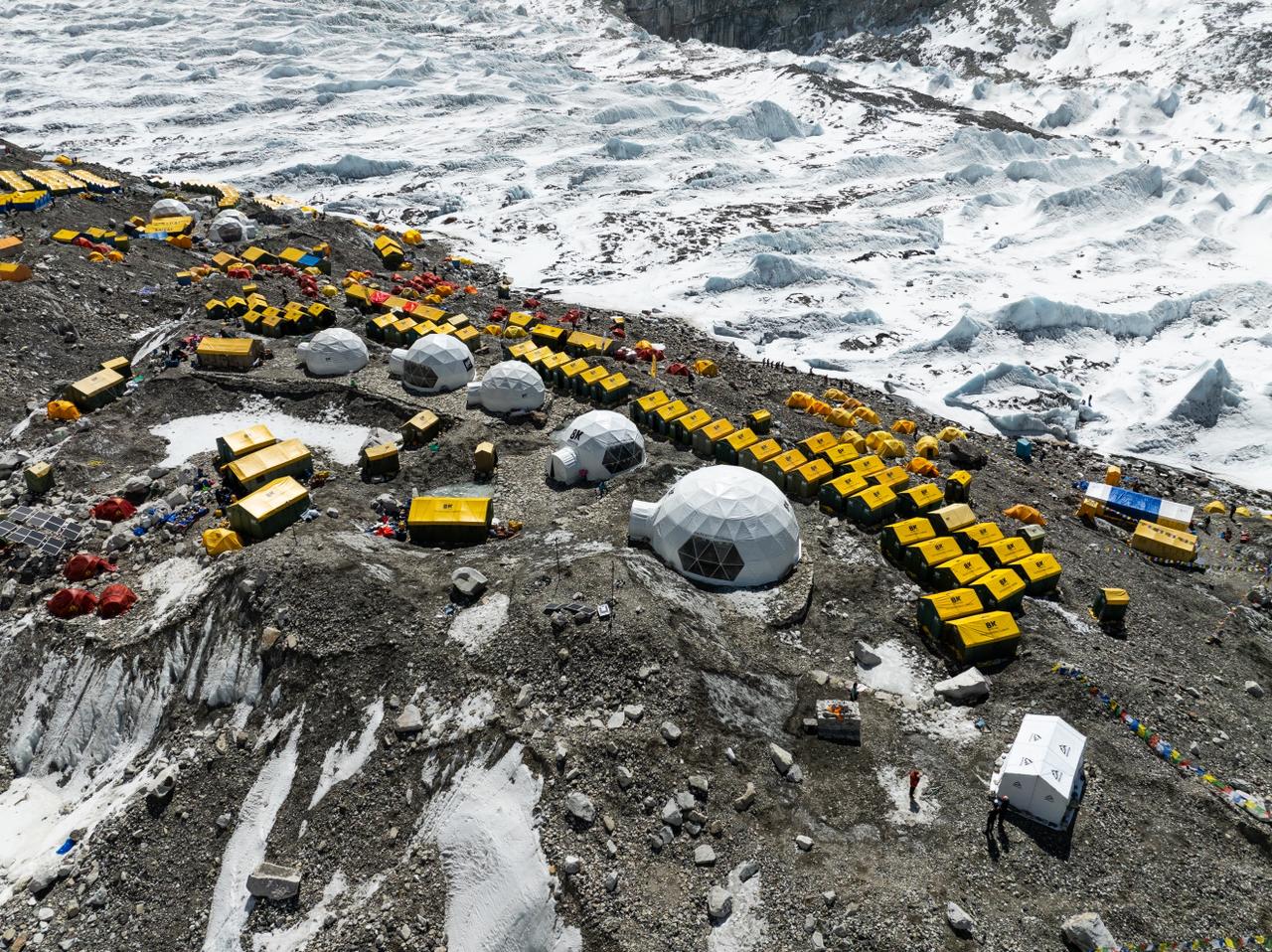
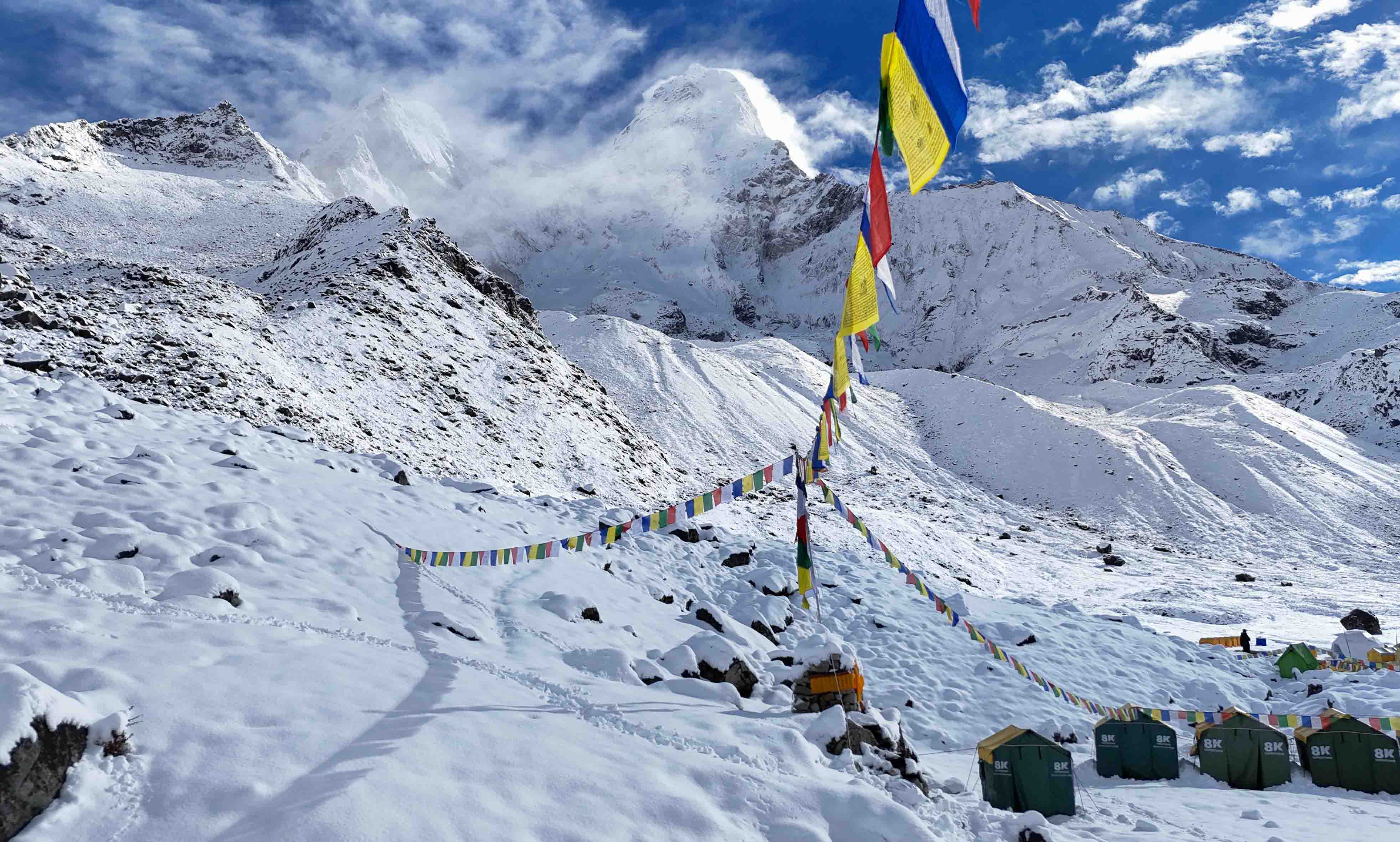
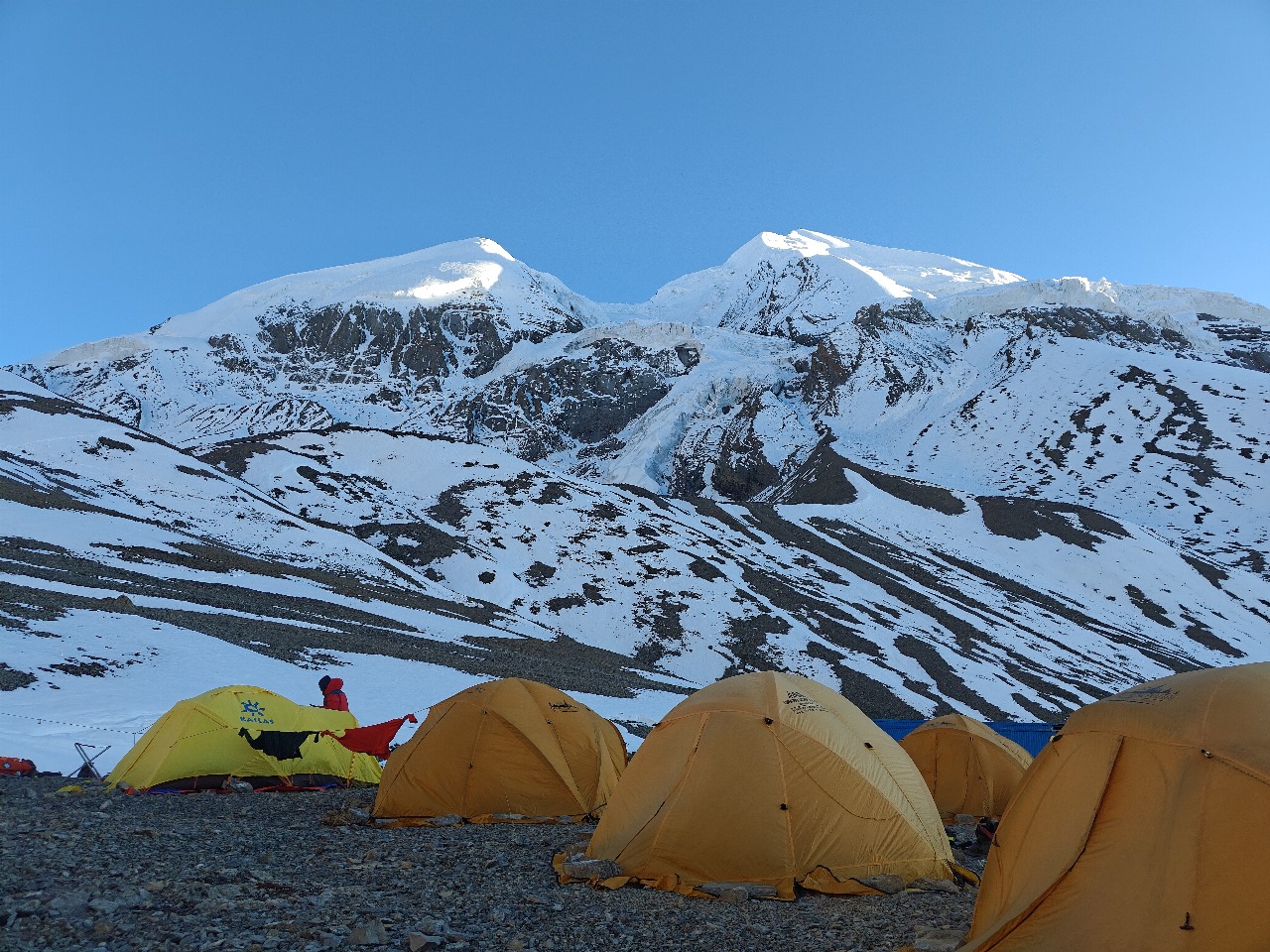
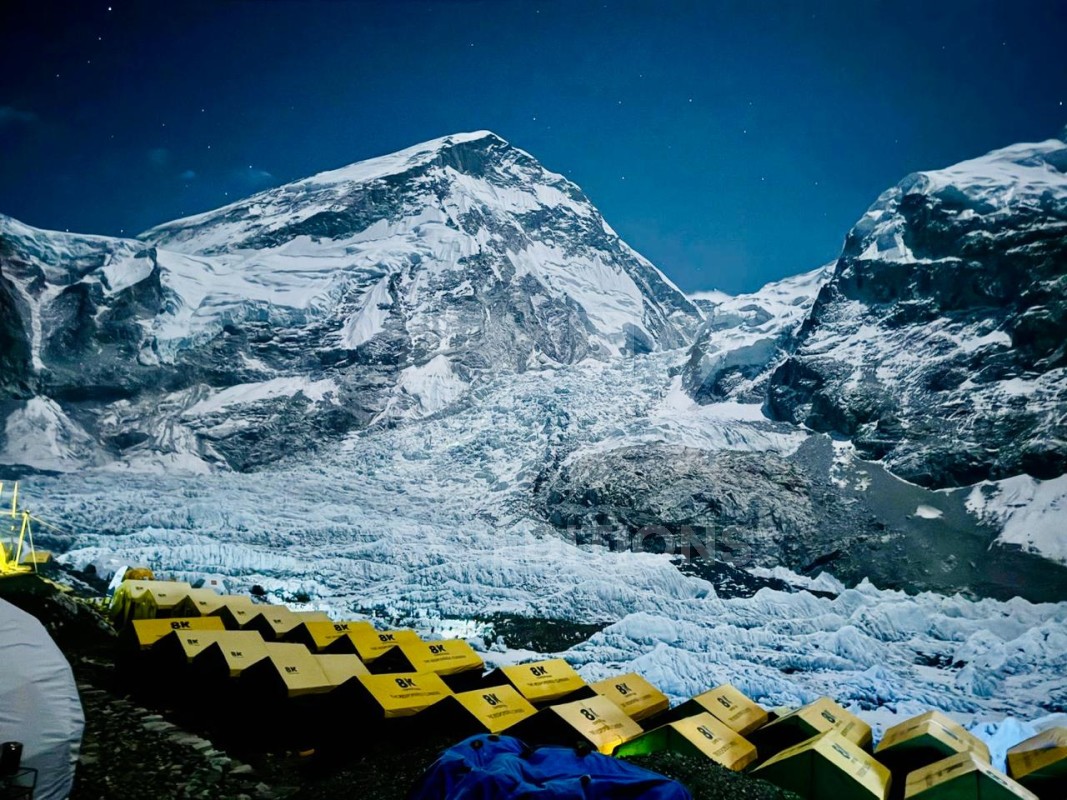
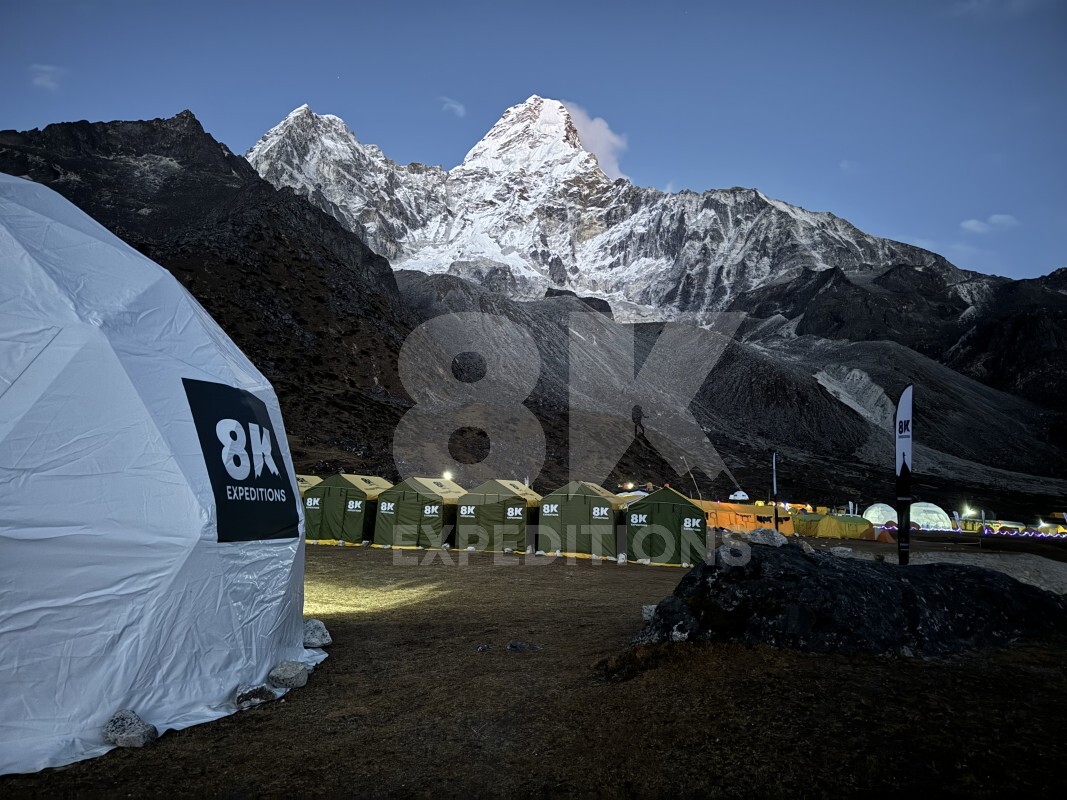
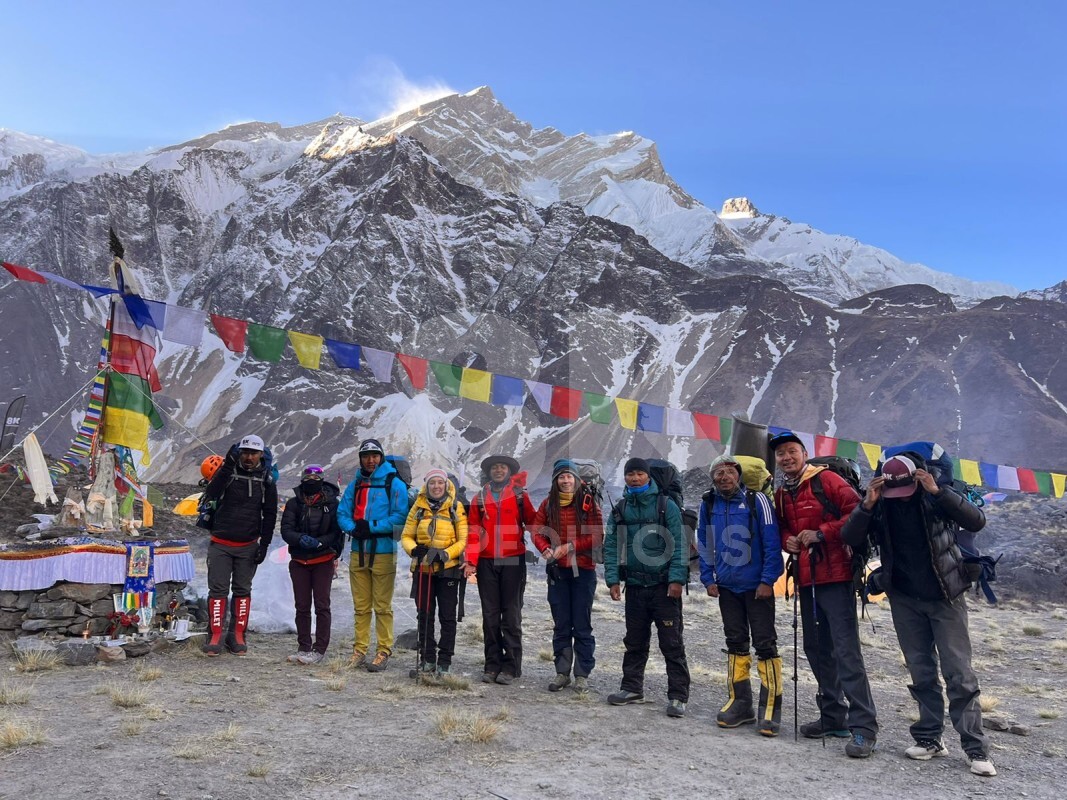
Dhaulagiri Base Camp is approximately 4,750 meters (15,584 feet) above sea level. It serves as the main operational center for acclimatization, expedition preparation, communication, equipment management and climbing rotations.
What are the main high-altitude camps on Dhaulagiri?
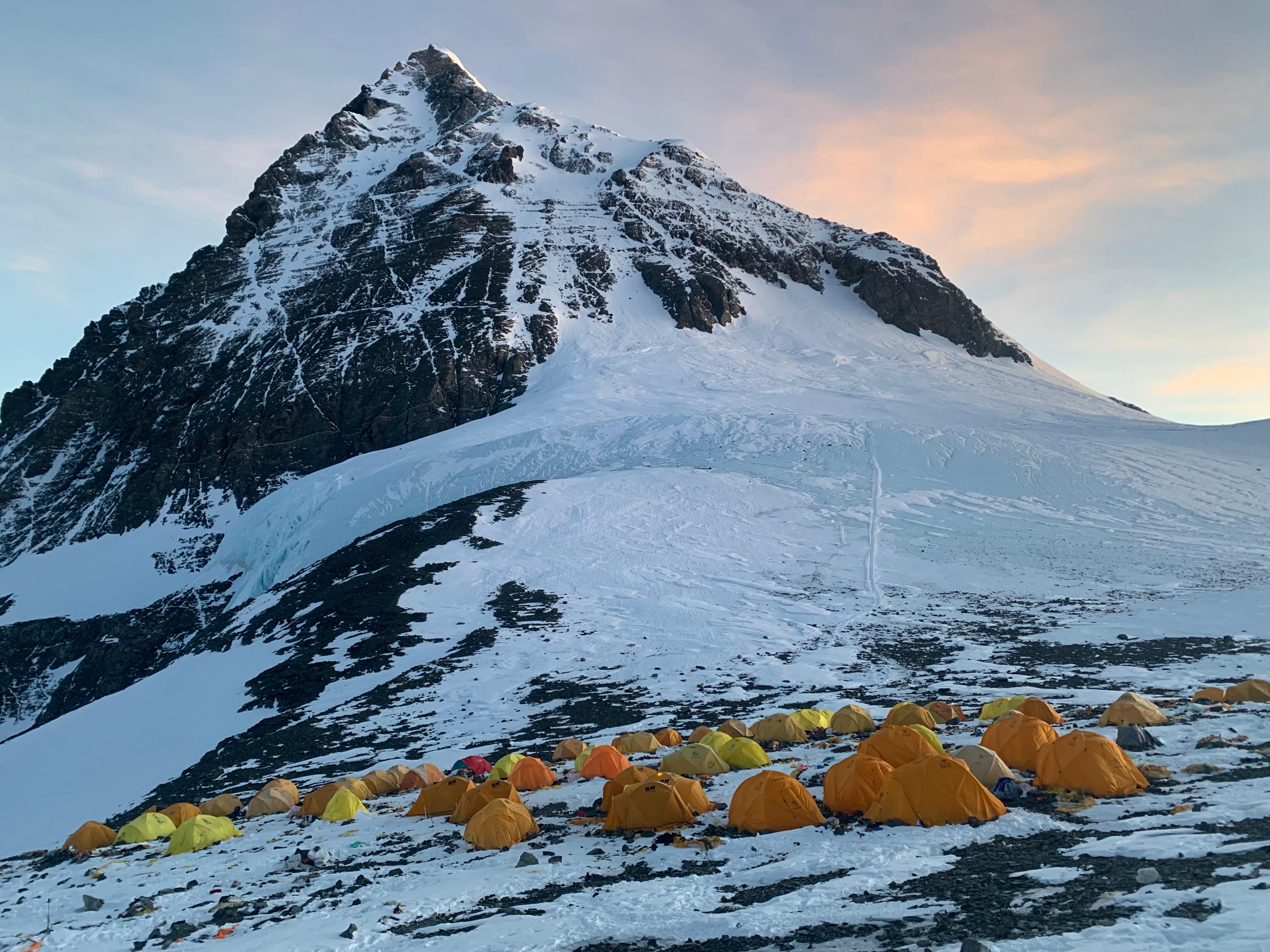
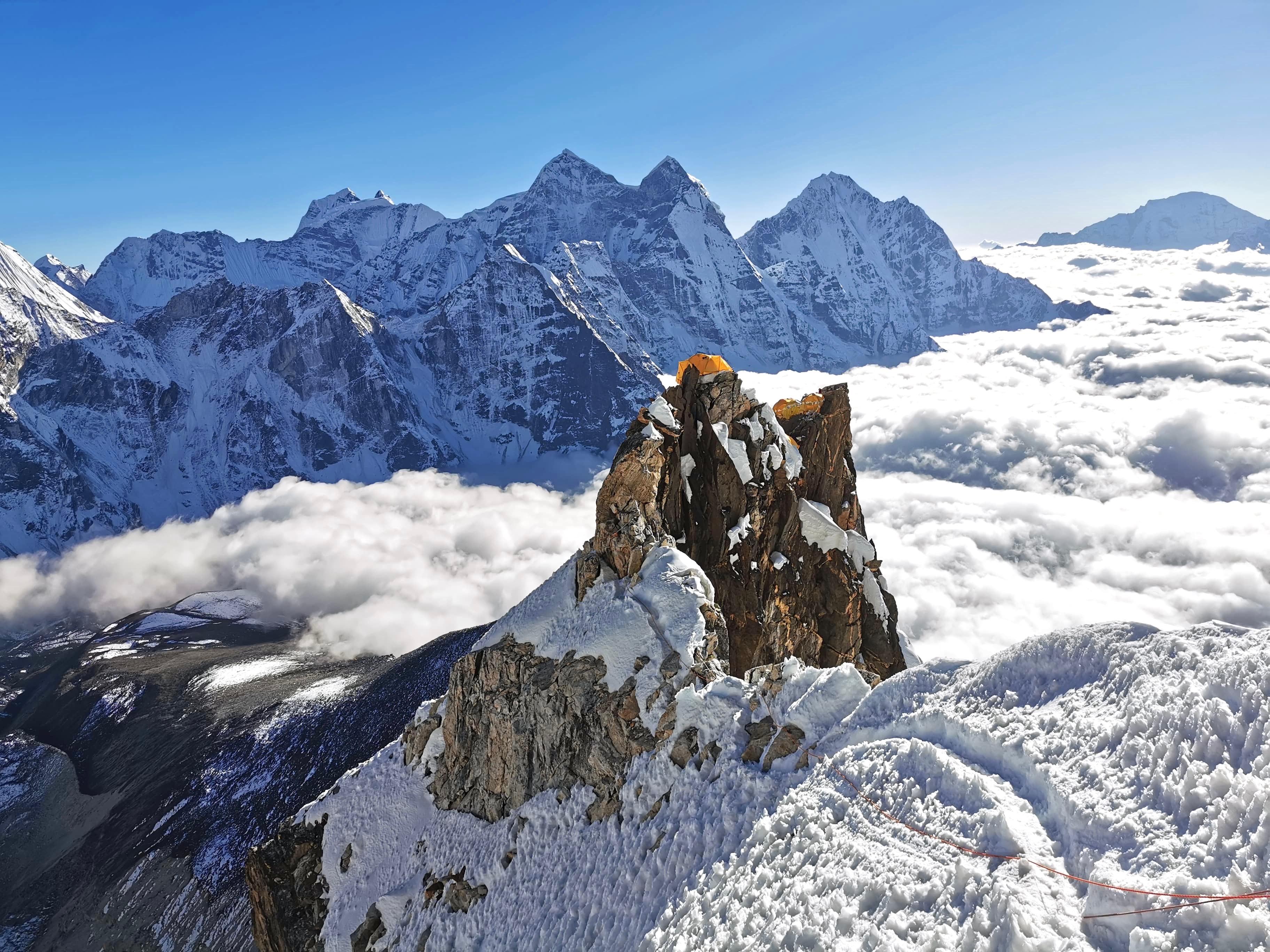
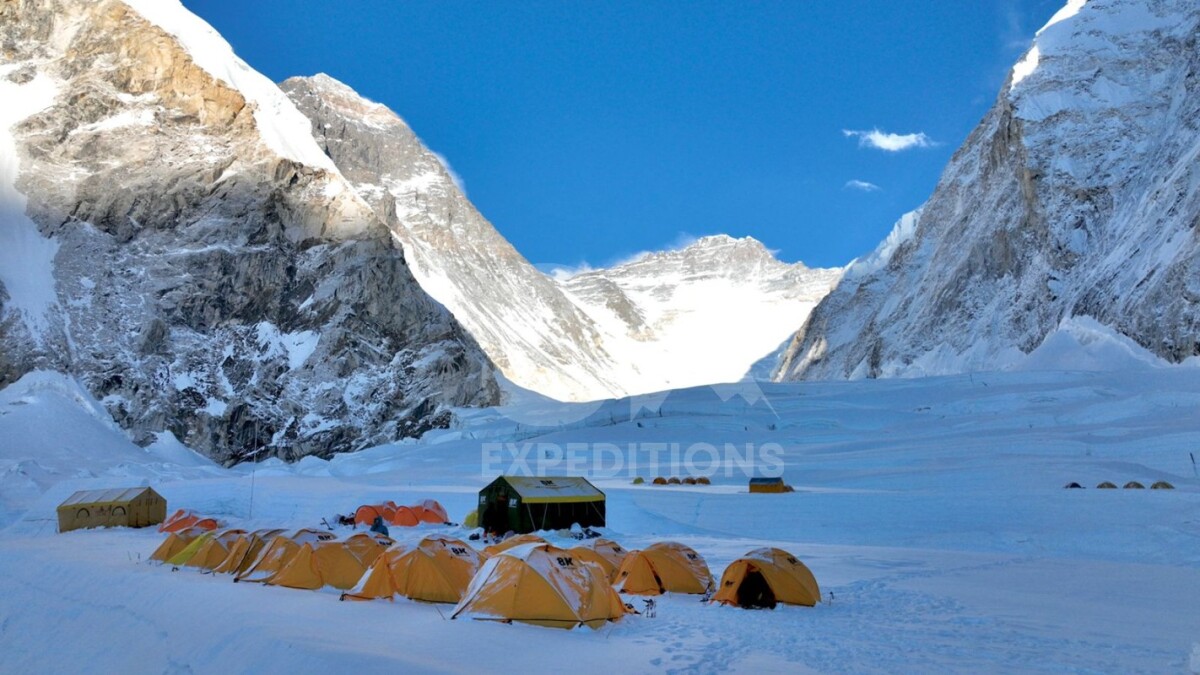
The Dhaulagiri climbing route uses a series of progressively higher camps to support acclimatization and summit preparation. Camp I around 5,900m, Camp II around 6,400–6,500m and Camp III around 7,400m, with a fallback camp planned around 7,900m. Actual camp placements can change according to route conditions and expedition logistics.
What is the best time to climb Mount Dhaulagiri?
Spring (April–May) and autumn (September–October) are the main climbing seasons for Mount Dhaulagiri. Spring generally offers favorable opportunities for high-altitude climbing, while autumn provides another potential summit window. Weather, wind conditions, snowfall and route stability determine the actual climbing opportunities.
How difficult is the Dhaulagiri Expedition?
The Dhaulagiri Expedition is an extremely challenging technical mountaineering undertaking. Climbers face extreme altitude, glacier travel, steep snow and ice slopes, fixed ropes, unpredictable weather and potential avalanche exposure. Participants should have strong physical fitness, technical mountaineering skills and previous experience on high-altitude mountains.
Do I need previous 8,000-meter climbing experience for Dhaulagiri?
Previous 8,000-meter climbing experience is strongly recommended for Dhaulagiri. Climbers should ideally have experience with technical high-altitude expeditions, glacier travel, crampons, ice axes, fixed ropes and prolonged exposure to extreme conditions. The expedition operator should evaluate each applicant's climbing background before confirming participation.
How is acclimatization managed during the Dhaulagiri Expedition?
Acclimatization is managed through gradual altitude gain, rest periods and climbing rotations between base camp and higher camps. Climbers progressively ascend to higher elevations before returning to lower camps for recovery. The schedule may be adjusted according to individual health, weather conditions and the expedition leader's assessment.
Is supplemental oxygen provided during the Dhaulagiri Expedition?
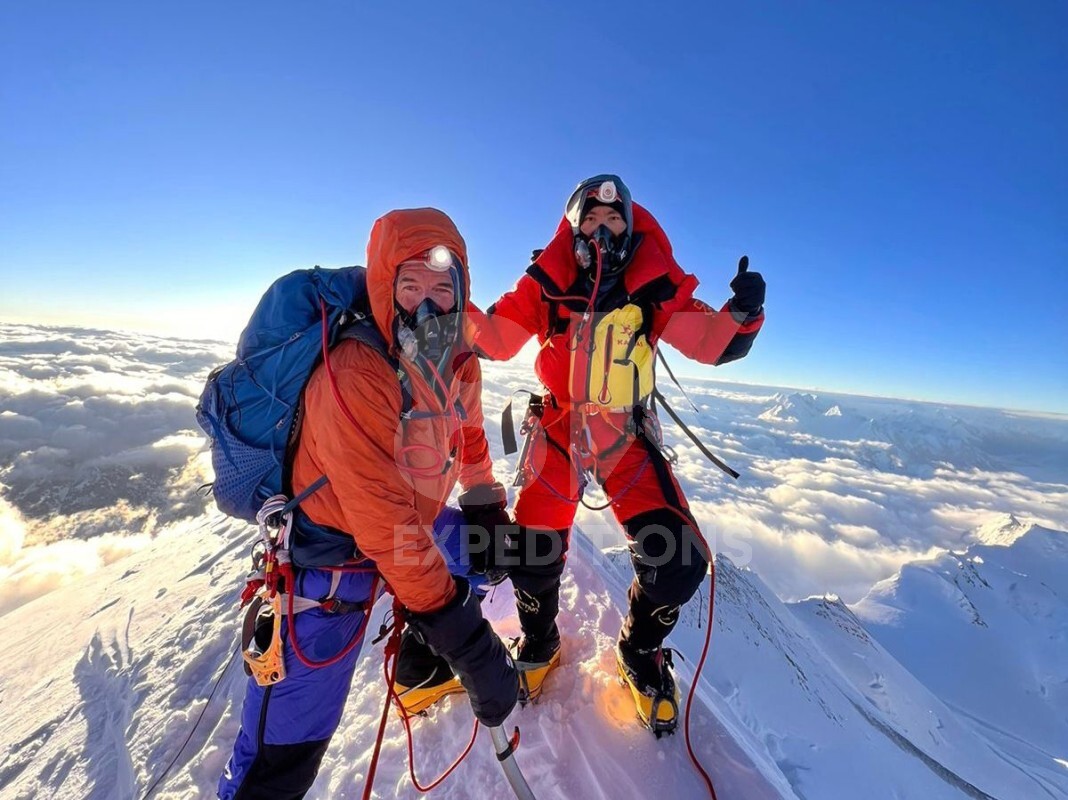
Yes, Dhaulagiri Expedition includes three oxygen bottles per member, two bottles per climbing guide, and an individual summit mask and regulator set. Additional backup oxygen equipment is also listed, with charges applying according to use. Oxygen requirements and deployment plans should be discussed with the expedition leader.
Is climbing Mount Dhaulagiri dangerous?
Yes, Dhaulagiri is a serious high-altitude mountain with risks including avalanches, falling ice, crevasses, severe cold, high winds, altitude-related illnesses and rapidly changing weather. Proper acclimatization, technical preparation, experienced mountain guides, communication systems, emergency planning and appropriate equipment are essential for managing these risks. No expedition operator can eliminate objective mountain hazards.
What safety arrangements does 8K Expeditions provide for Dhaulagiri?
8K Expeditions provides experienced climbing support, base camp management, fixed-rope route support, weather forecasting, satellite communication for emergencies, walkie-talkies, first-aid equipment and supplemental oxygen systems. The package also includes an official Nepal Government Mountaineering Liaison Officer and an experienced Dhaulagiri summiteer. These services support expedition coordination and safety, although actual rescue options depend on weather, altitude and operational conditions.
Is travel and helicopter rescue insurance mandatory for the Dhaulagiri Expedition?
Yes, participants must arrange travel, medical and emergency high-altitude helicopter rescue insurance with a minimum coverage of US$90,000. Climbers should ensure that their policy explicitly covers 8,000-meter mountaineering, emergency evacuation and high-altitude medical treatment.
What climbing equipment is required for Dhaulagiri?
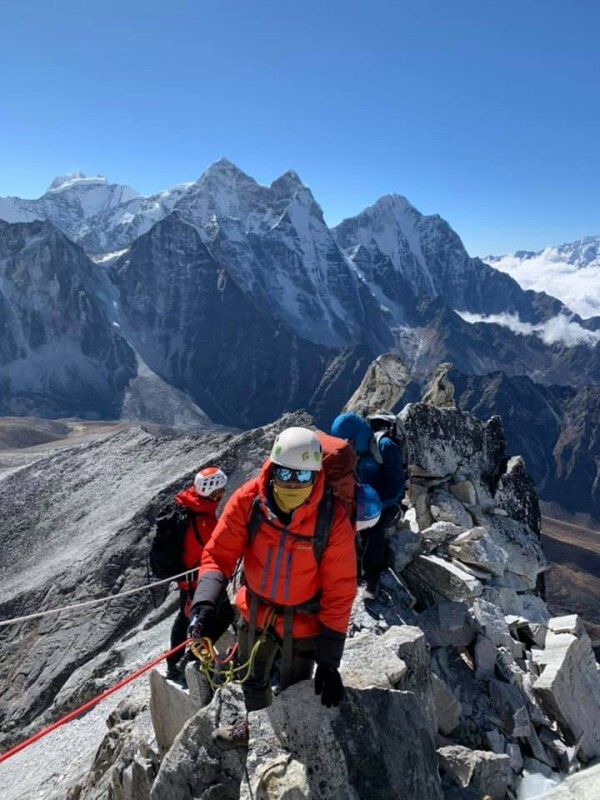
Climbers require specialized 8,000-meter mountaineering equipment, including double or triple mountaineering boots, crampons, ice axe, climbing harness, helmet, ascenders, descenders, high-altitude down suit, expedition gloves, goggles, sleeping bag and technical clothing. Personal climbing equipment is excluded from the package, so participants should prepare their own gear according to the company's equipment checklist.
How much does the Dhaulagiri Expedition cost?
The cost of the Dhaulagiri Expedition depends on group size, climbing season, Nepal government permit and royalty charges, accommodation standards, Sherpa support, oxygen arrangements and customized expedition services. Climbers can request a personalized quotation based on their preferred departure and service requirements.
What is included in the 8K Dhaulagiri Expedition package?
The Dhaulagiri Expedition package includes major expedition logistics such as:
- Nepal government climbing permits and required fees.
- Kathmandu hotel accommodation as specified in the itinerary.
- Domestic flights between Kathmandu and Pokhara.
- Ground transportation and expedition cargo arrangements.
- Government Mountaineering Liaison Officer.
- Summit route-fixing charges.
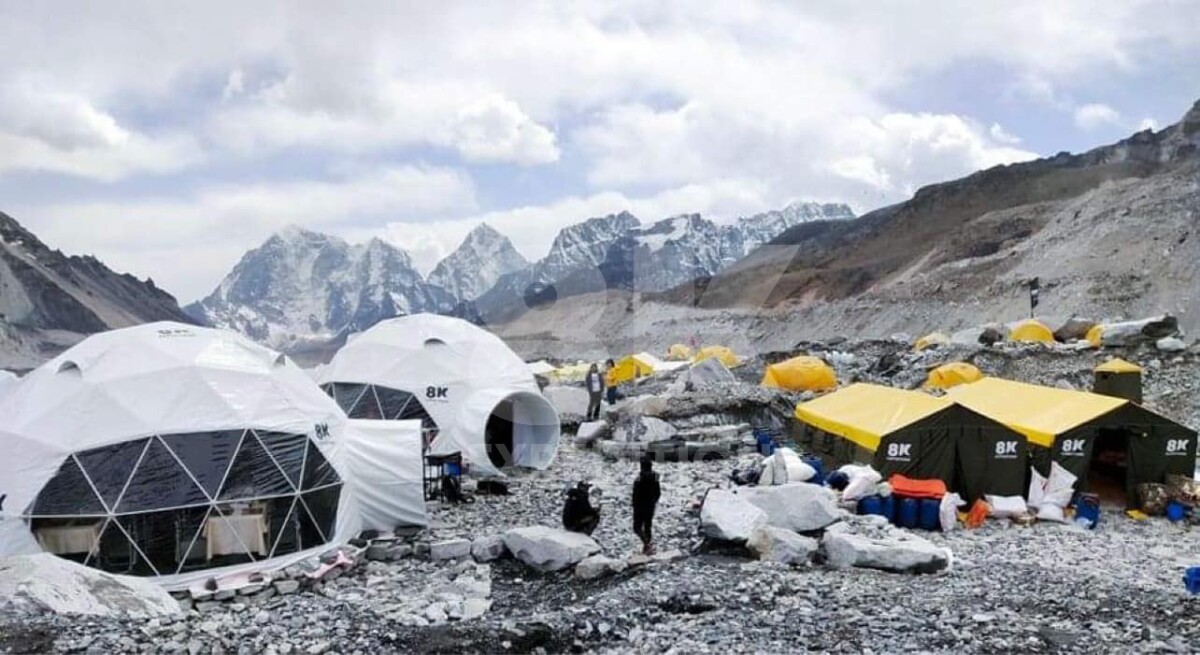
- Base camp accommodation and full-board meals.
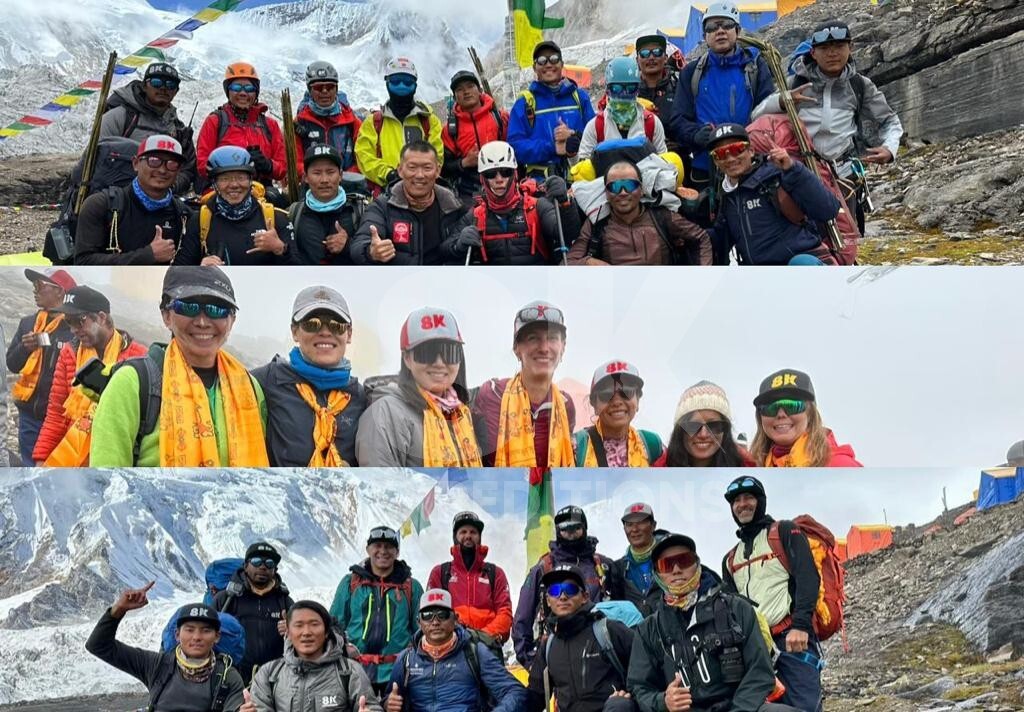
- Experienced climbing support and base camp staff.
- Porters and expedition kitchen facilities.
- High-altitude tents and climbing camp provisions.
- Oxygen bottles, masks and regulators.
- Satellite phone and walkie-talkie communication.
- Weather forecasting and first-aid equipment.
- Garbage management and disposal arrangements.
What expenses are excluded from the Dhaulagiri Expedition package?
The Dhaulagiri Expedition excludes international airfare, Nepal visa fees, personal climbing equipment, travel and emergency rescue insurance, Kathmandu lunches and dinners other than specified meals, special filming and drone permits, summit bonuses, gratuities and other services not specifically included in the package.
How can I book the Dhaulagiri Expedition with 8K Expeditions?
You can book the Dhaulagiri Expedition by contacting 8K Expeditions through its official website. Share your preferred climbing season, previous mountaineering experience, group size and service requirements. The team can provide an expedition proposal, customized quotation, itinerary and booking information. A confirmed booking is subject to the company's reservation terms and required deposit.
Is Dhaulagiri harder to climb than Manaslu?
Dhaulagiri and Manaslu are both demanding 8,000-meter expeditions, but they present different technical and environmental challenges. Dhaulagiri is known for its remote approach, serious avalanche exposure and challenging glacier and snow terrain. Manaslu is also technically demanding, with significant avalanche and altitude risks. The difficulty of either mountain depends on route conditions, weather, climber experience and expedition support.
Can beginners climb Mount Dhaulagiri?
Mount Dhaulagiri is not recommended for beginner mountaineers. Its extreme altitude, technical terrain, glacier hazards and unpredictable weather require substantial mountaineering experience. Climbers should develop their skills through progressively more demanding expeditions before attempting an 8,167-meter mountain.
Why choose 8K Expeditions for the Dhaulagiri Expedition in Nepal?
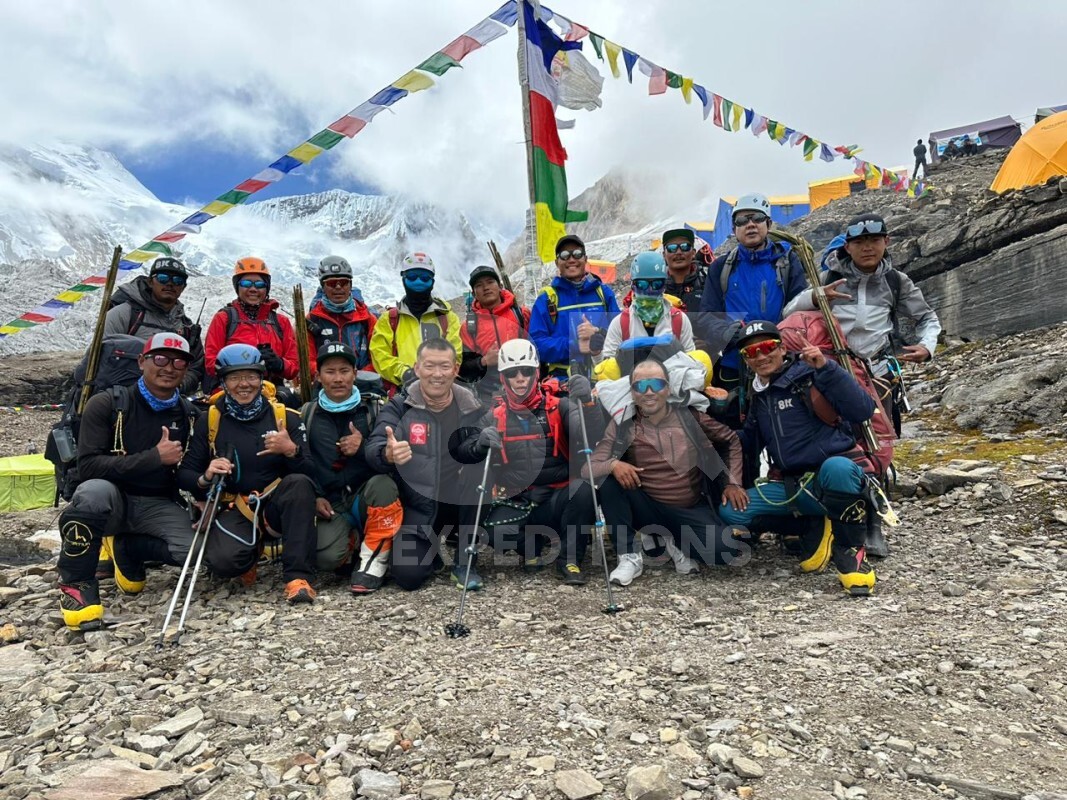
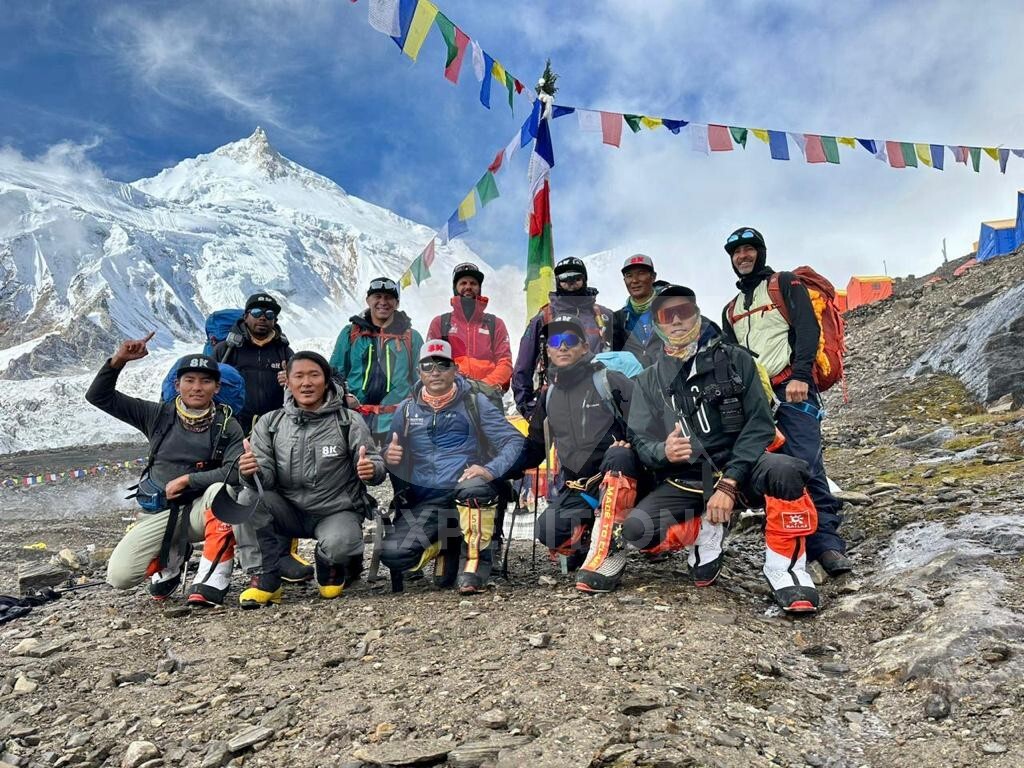
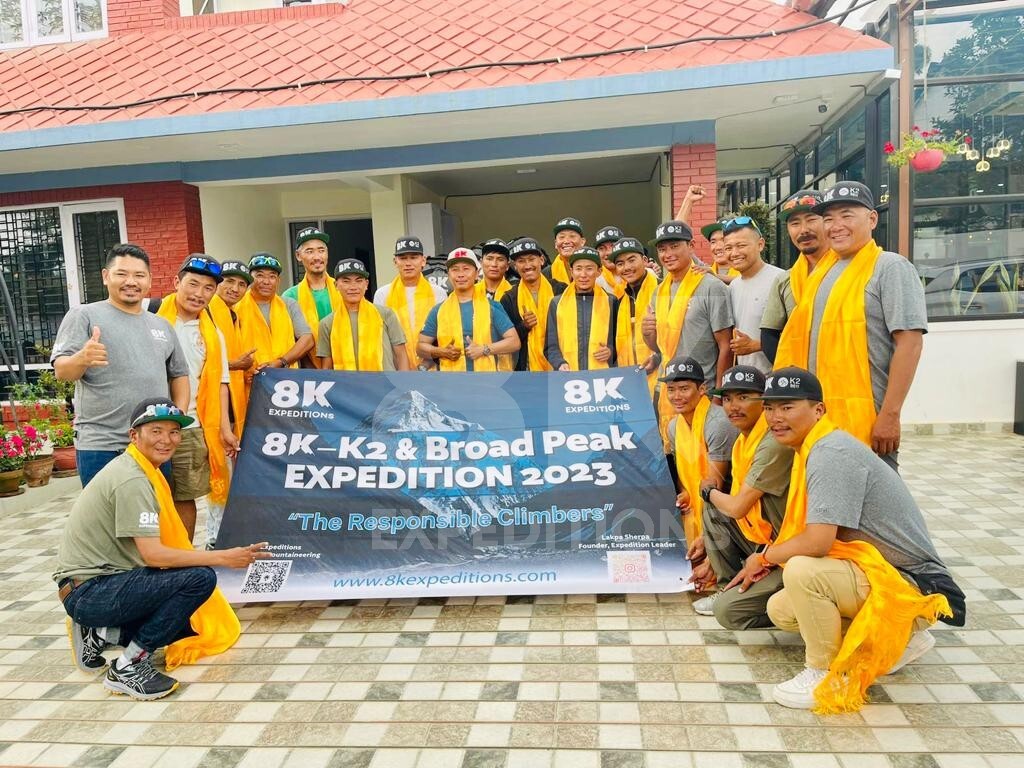
8K Expeditions provides organized Himalayan expedition services supported by experienced Sherpa climbing teams, expedition logistics, base camp facilities, oxygen systems, route-fixing arrangements and high-altitude communication. With a focus on safety, professional support and personalized expedition planning, 8K Expeditions helps climbers prepare for the demanding challenge of summiting Mount Dhaulagiri (8,167m).
Plan your Dhaulagiri Expedition with 8K Expeditions !