Trip Overview

MERA PEAK CLIMBING (6476 M) - 17 Days


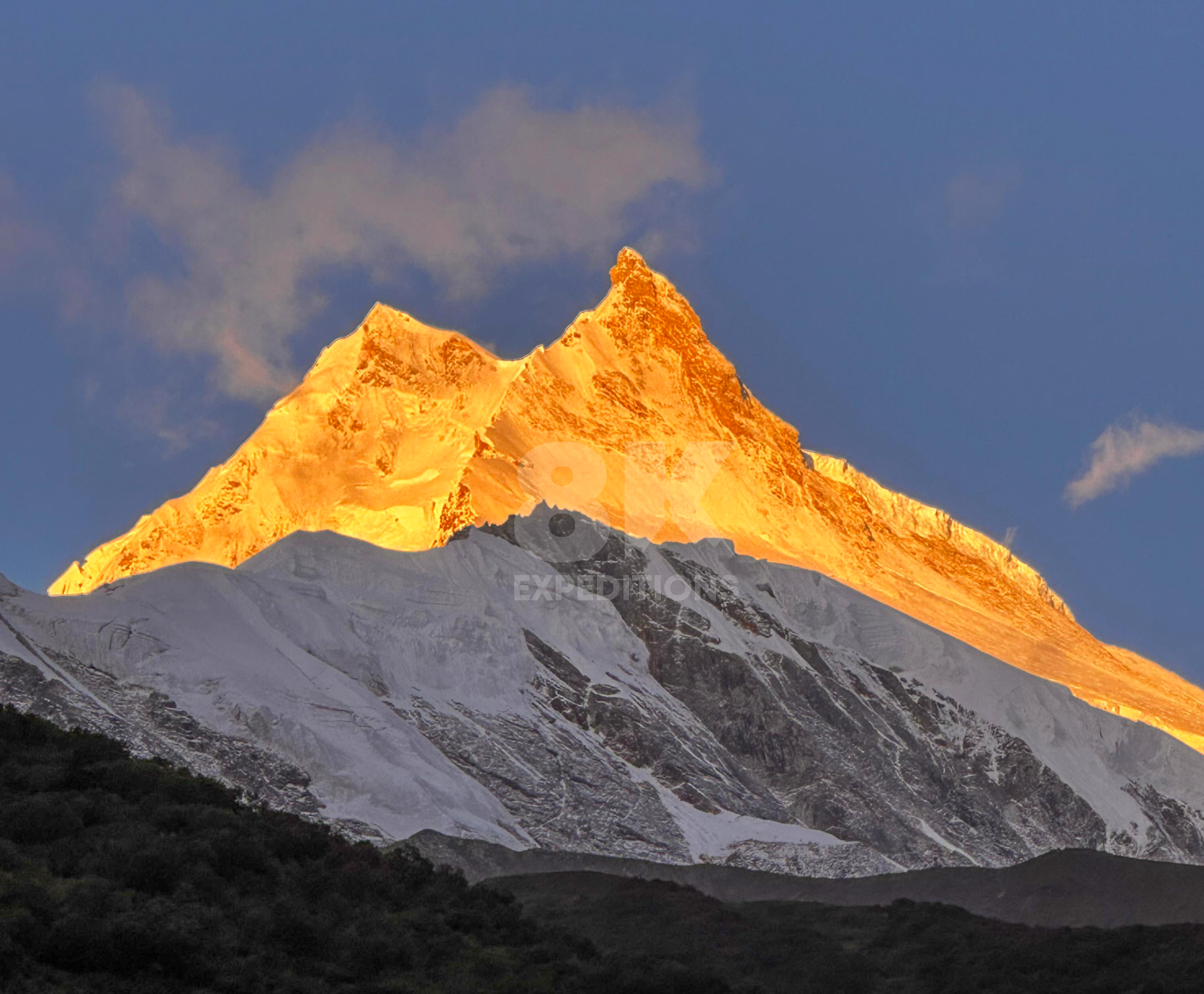
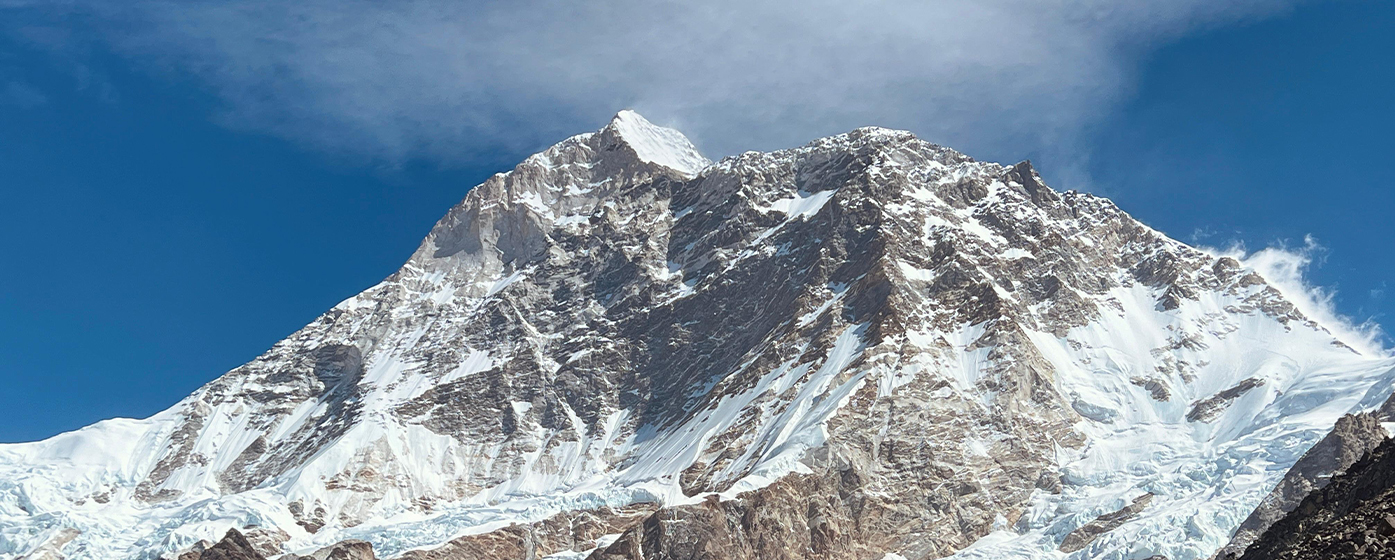
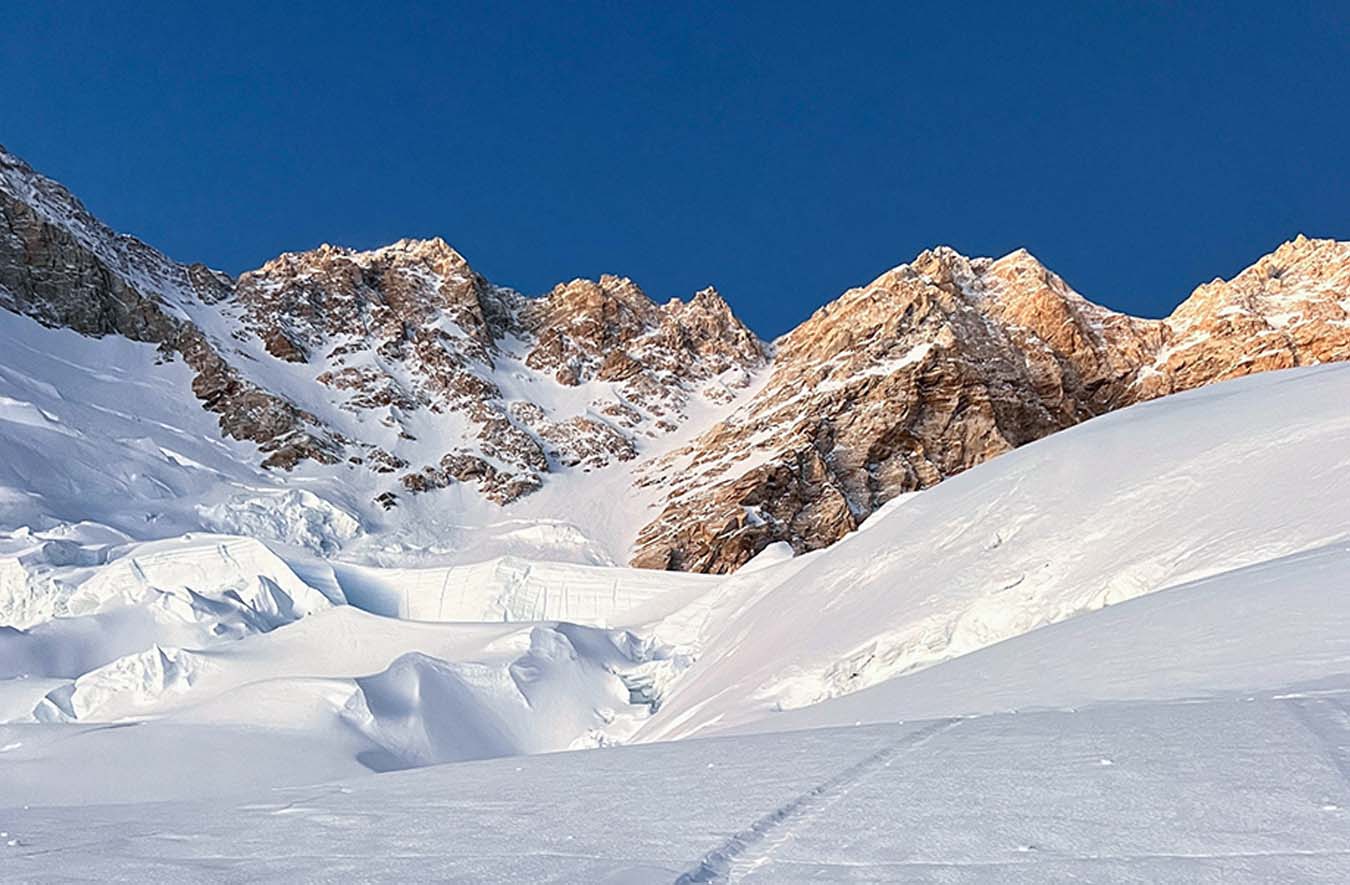
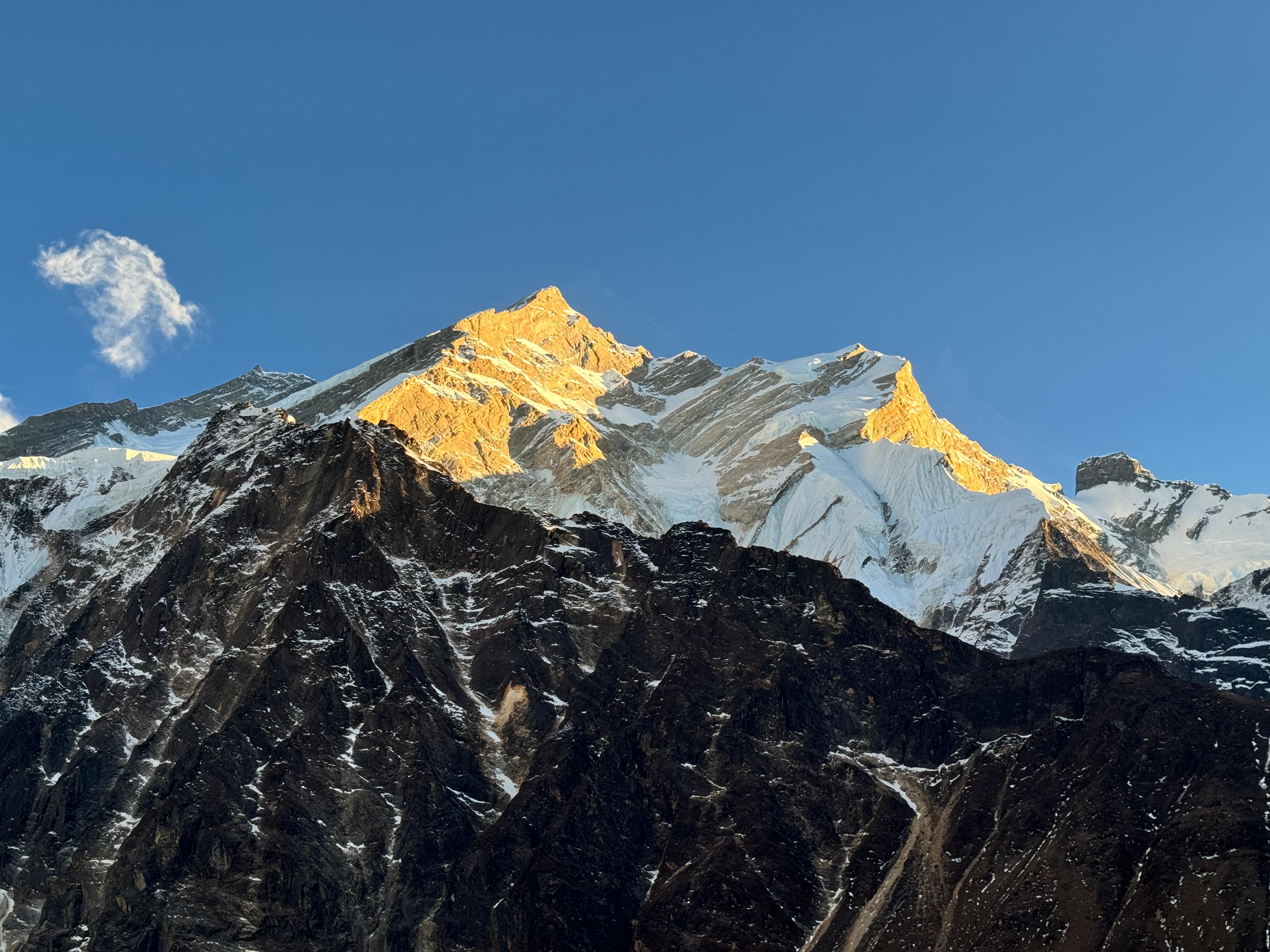
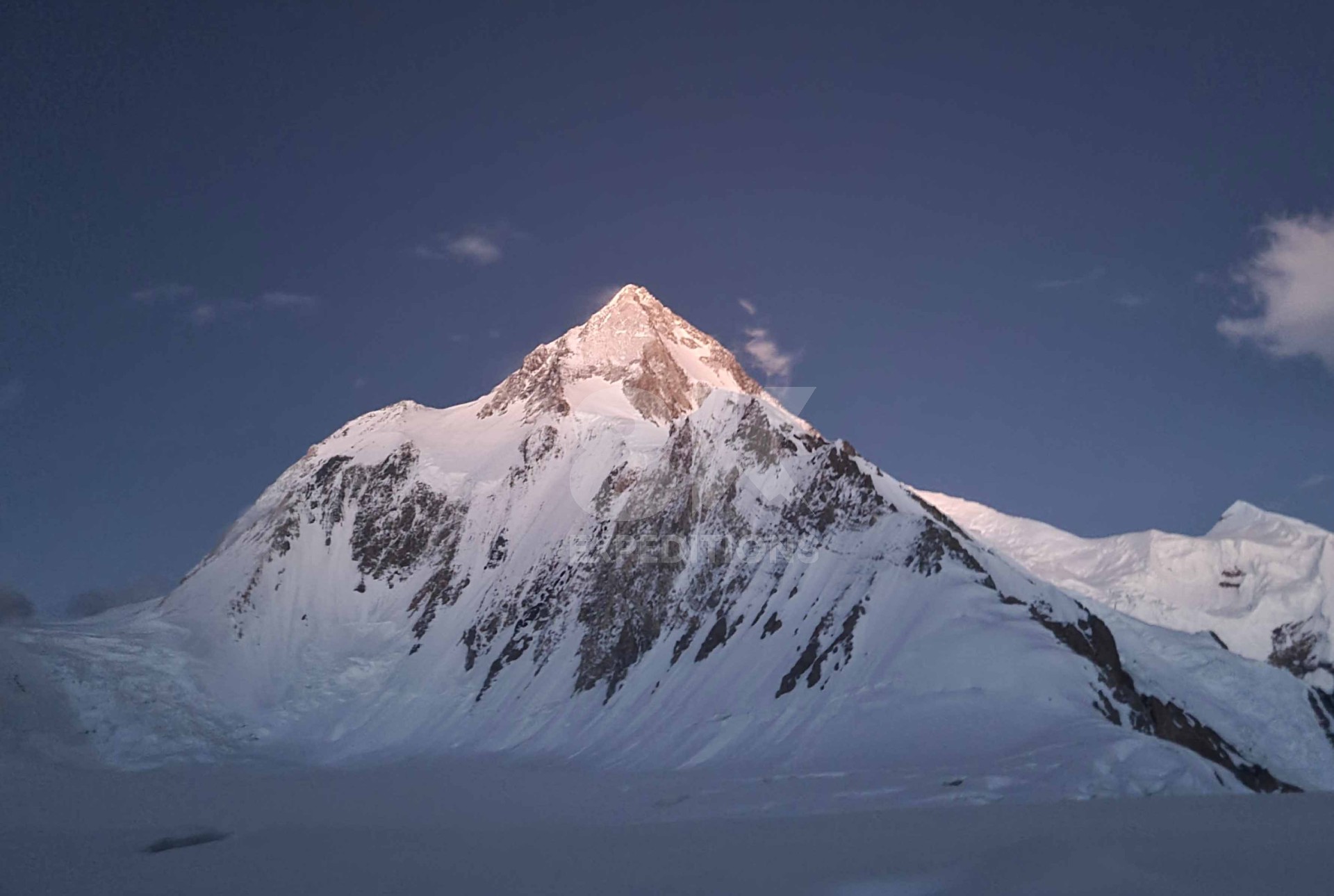
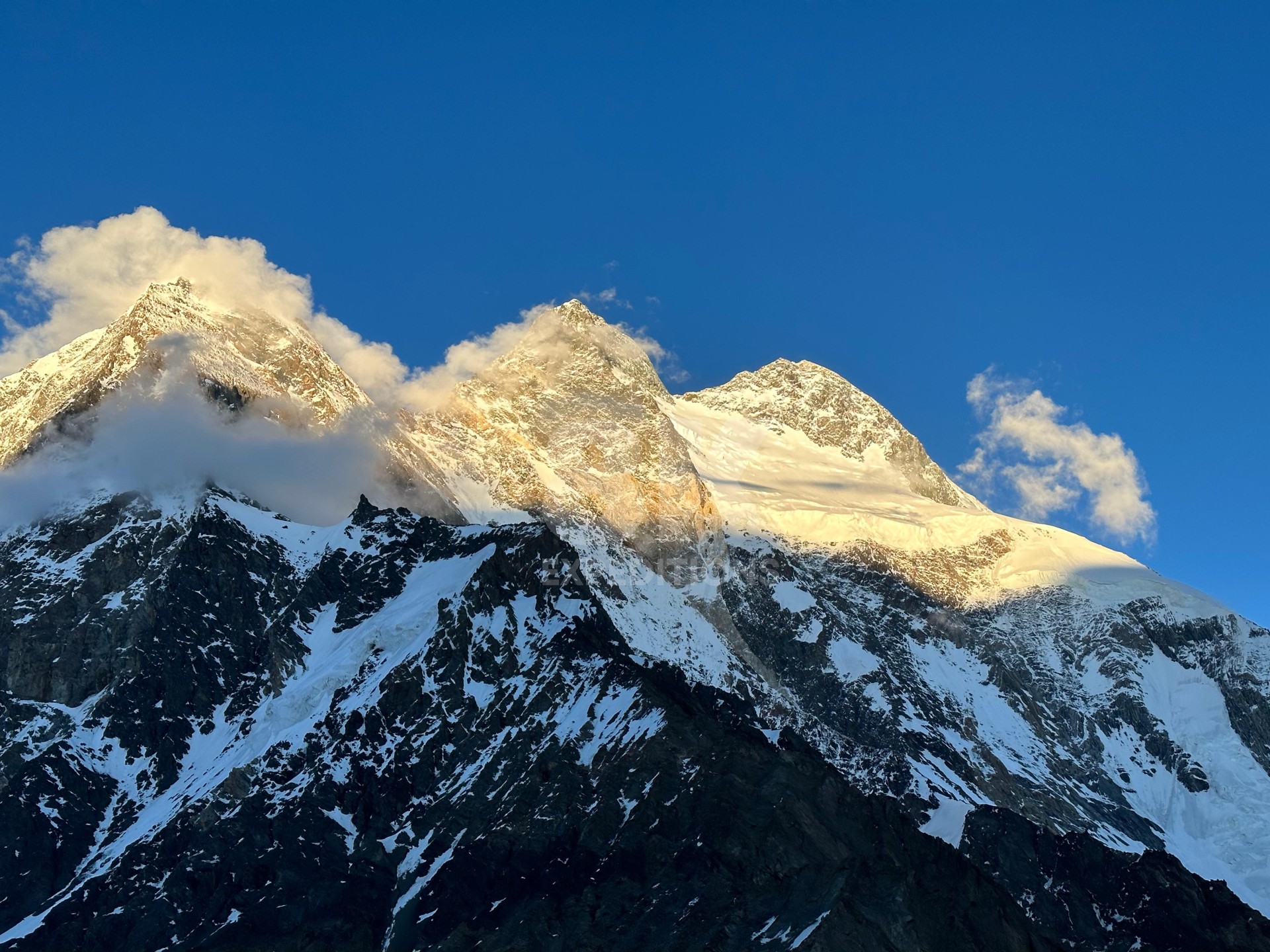
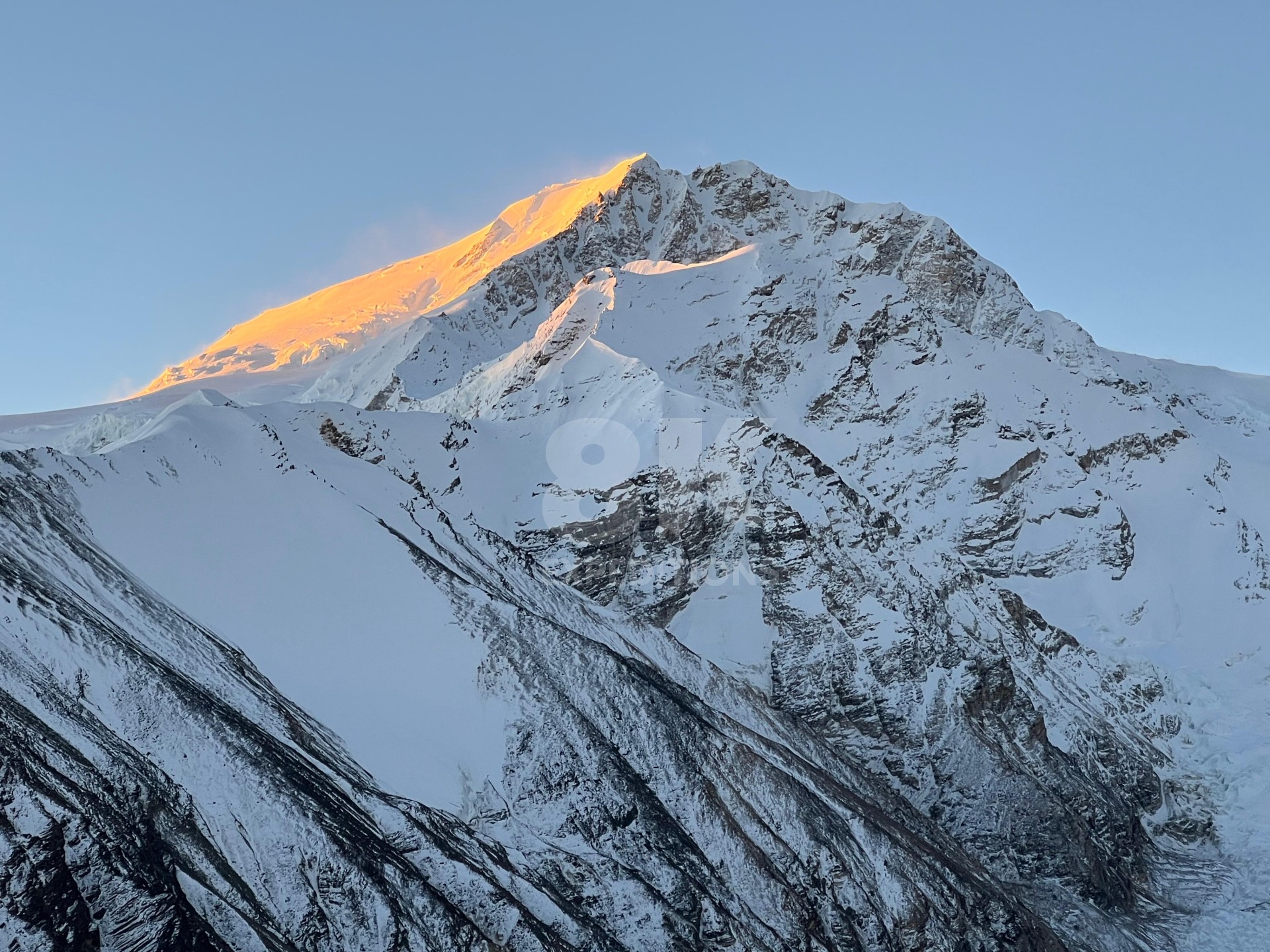
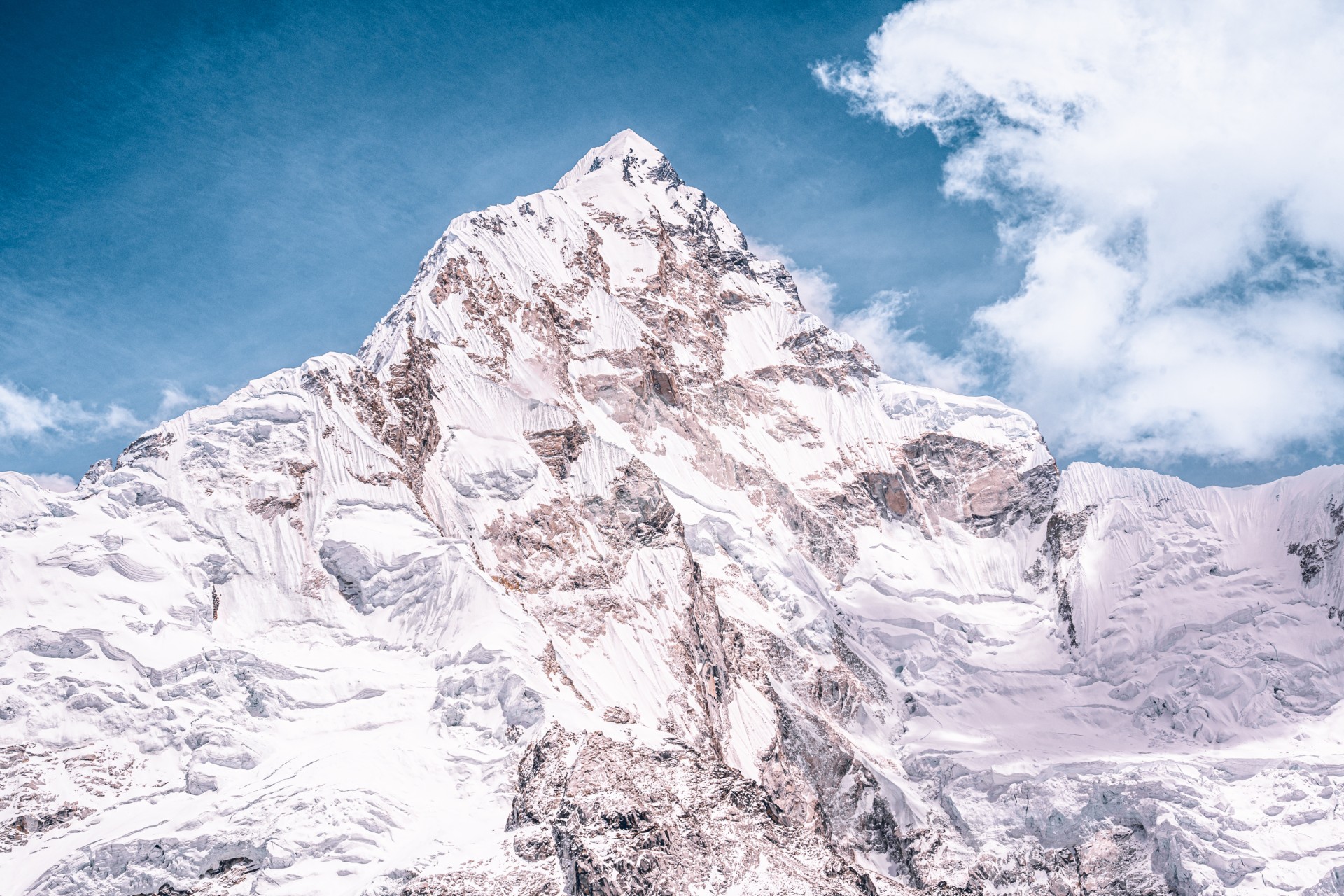
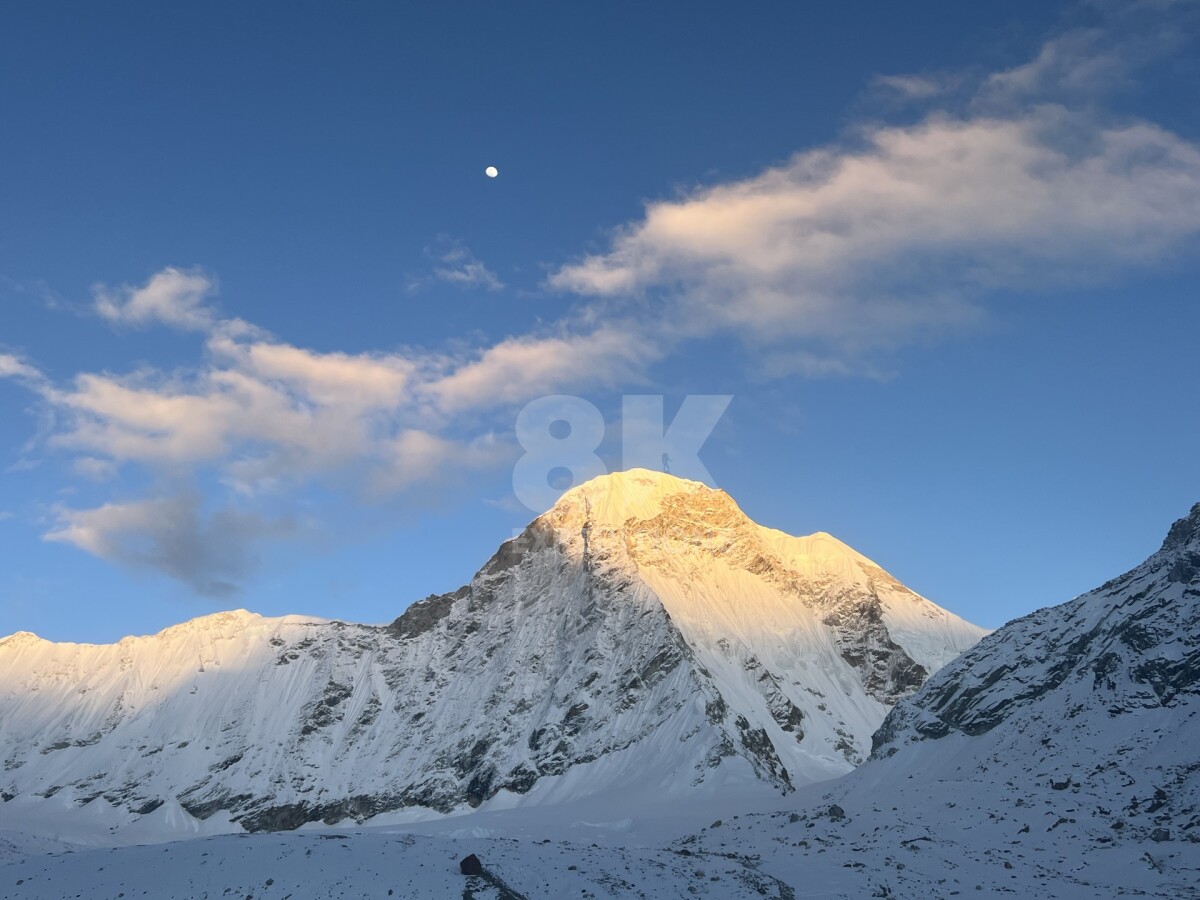
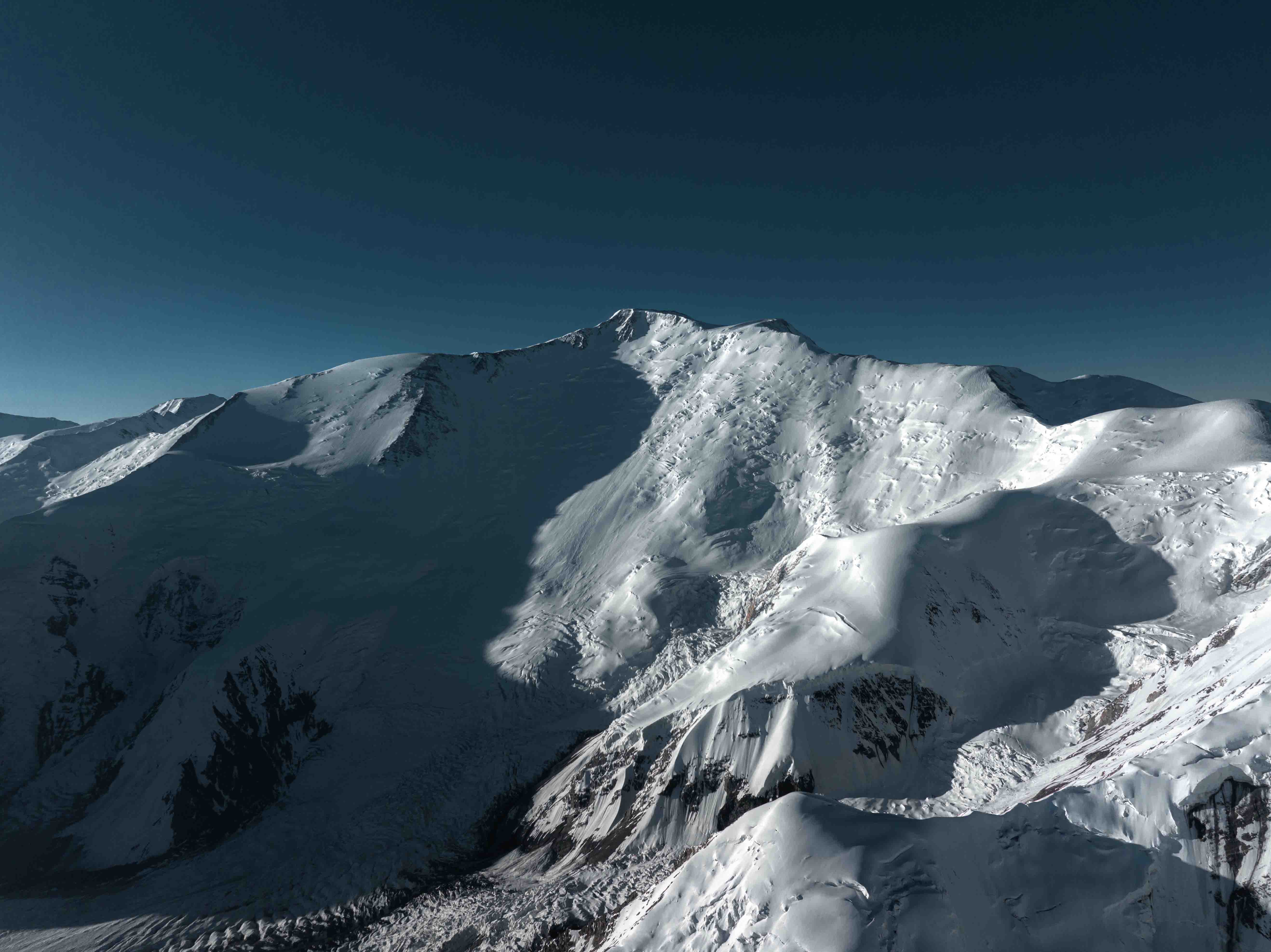
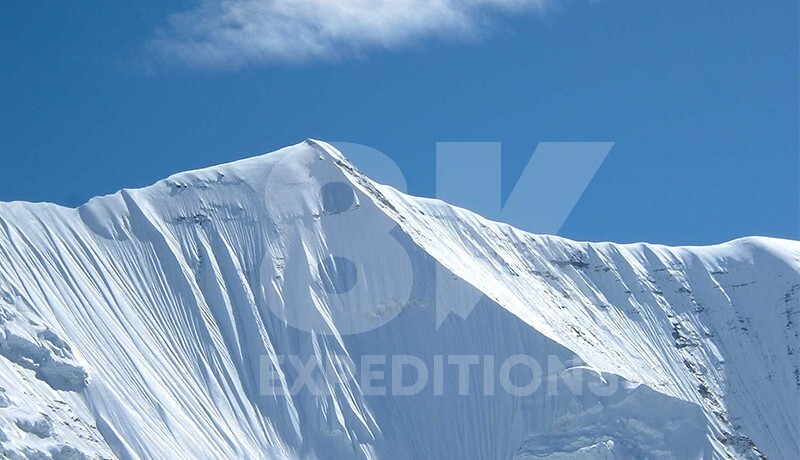
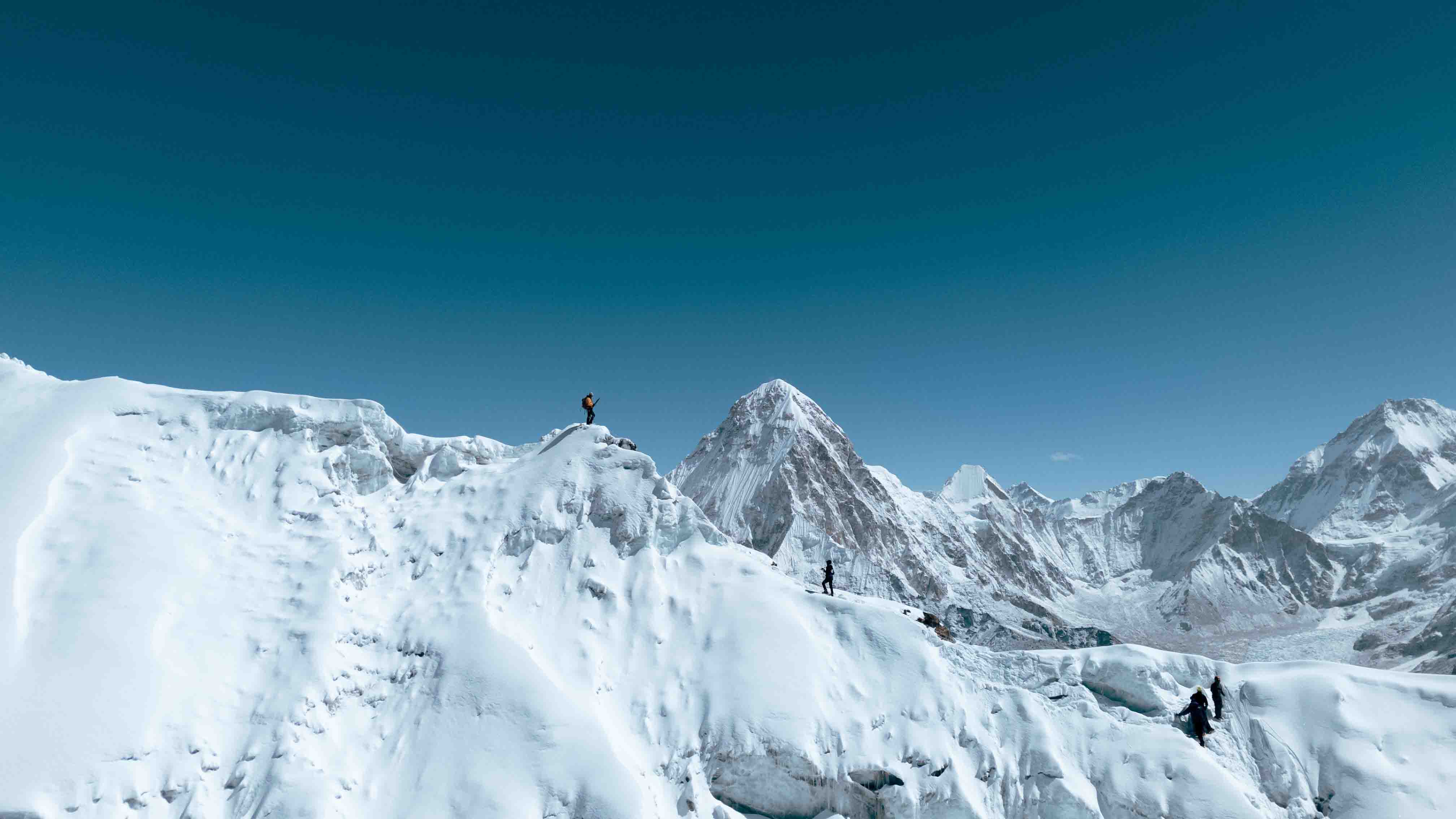
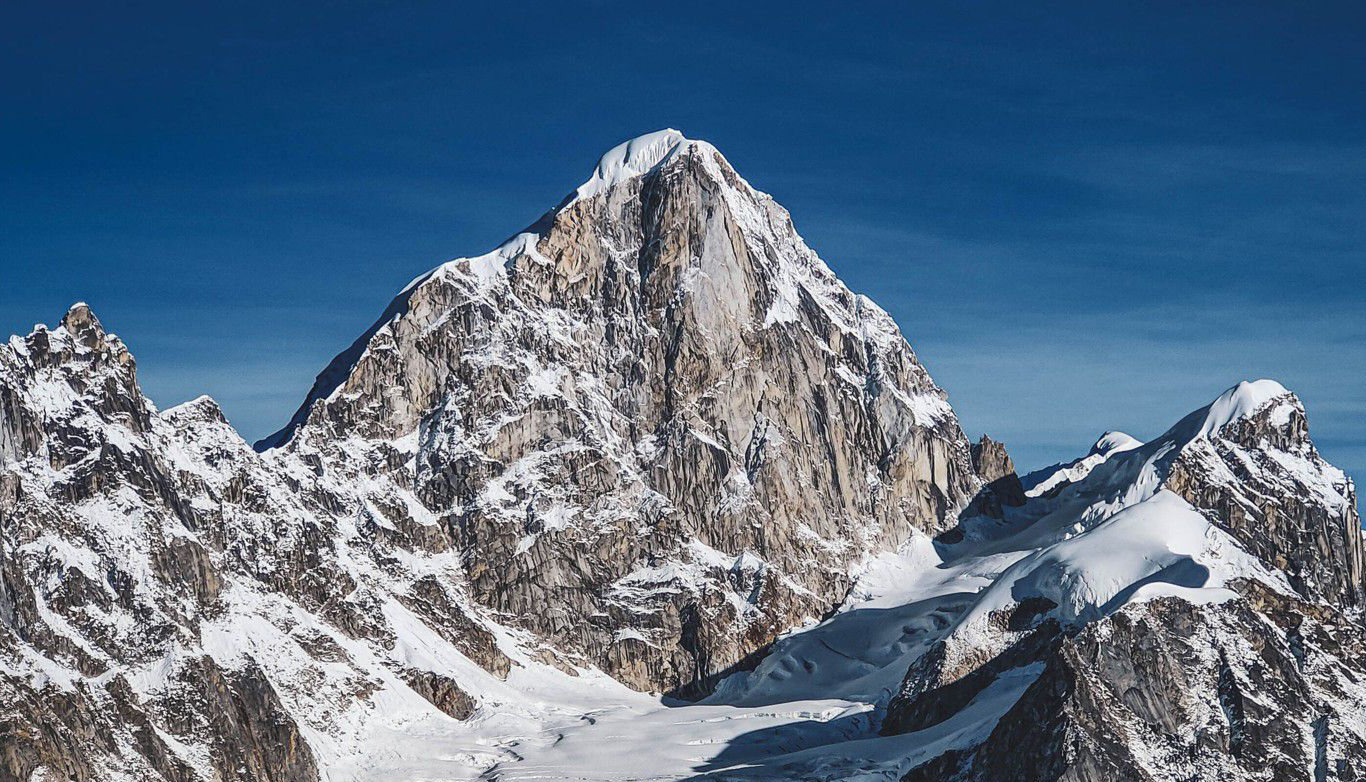
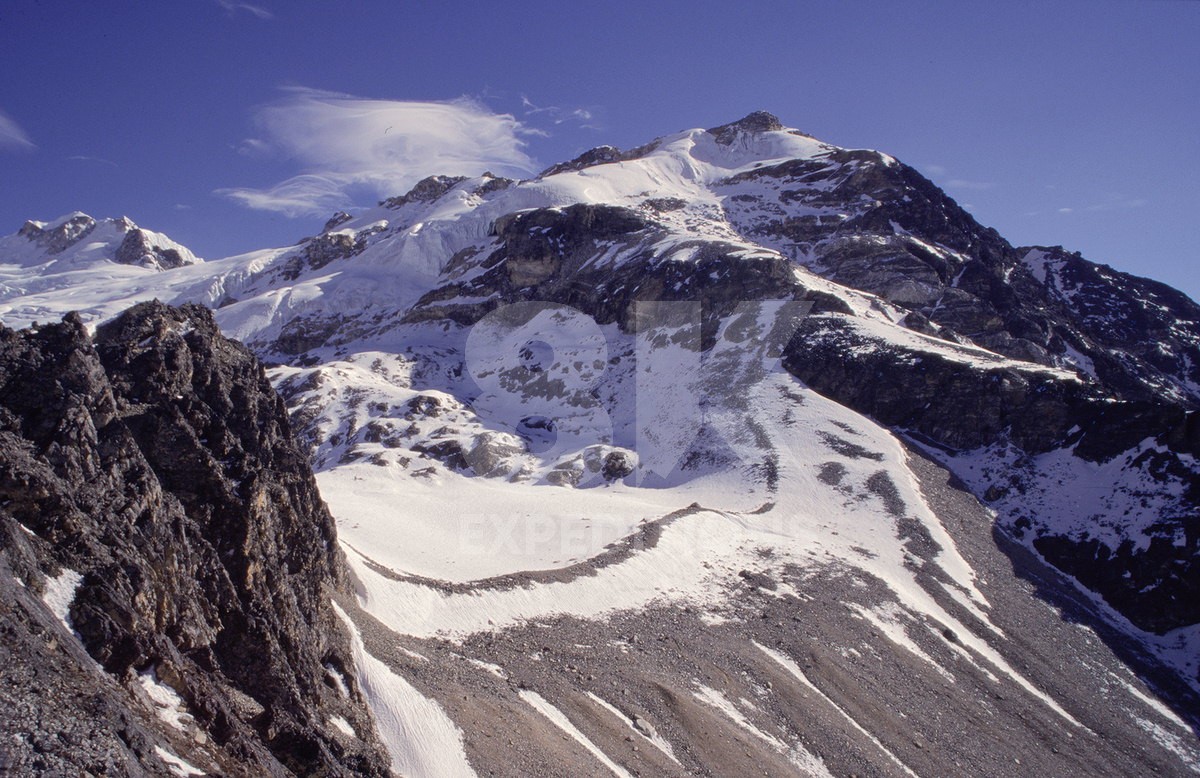
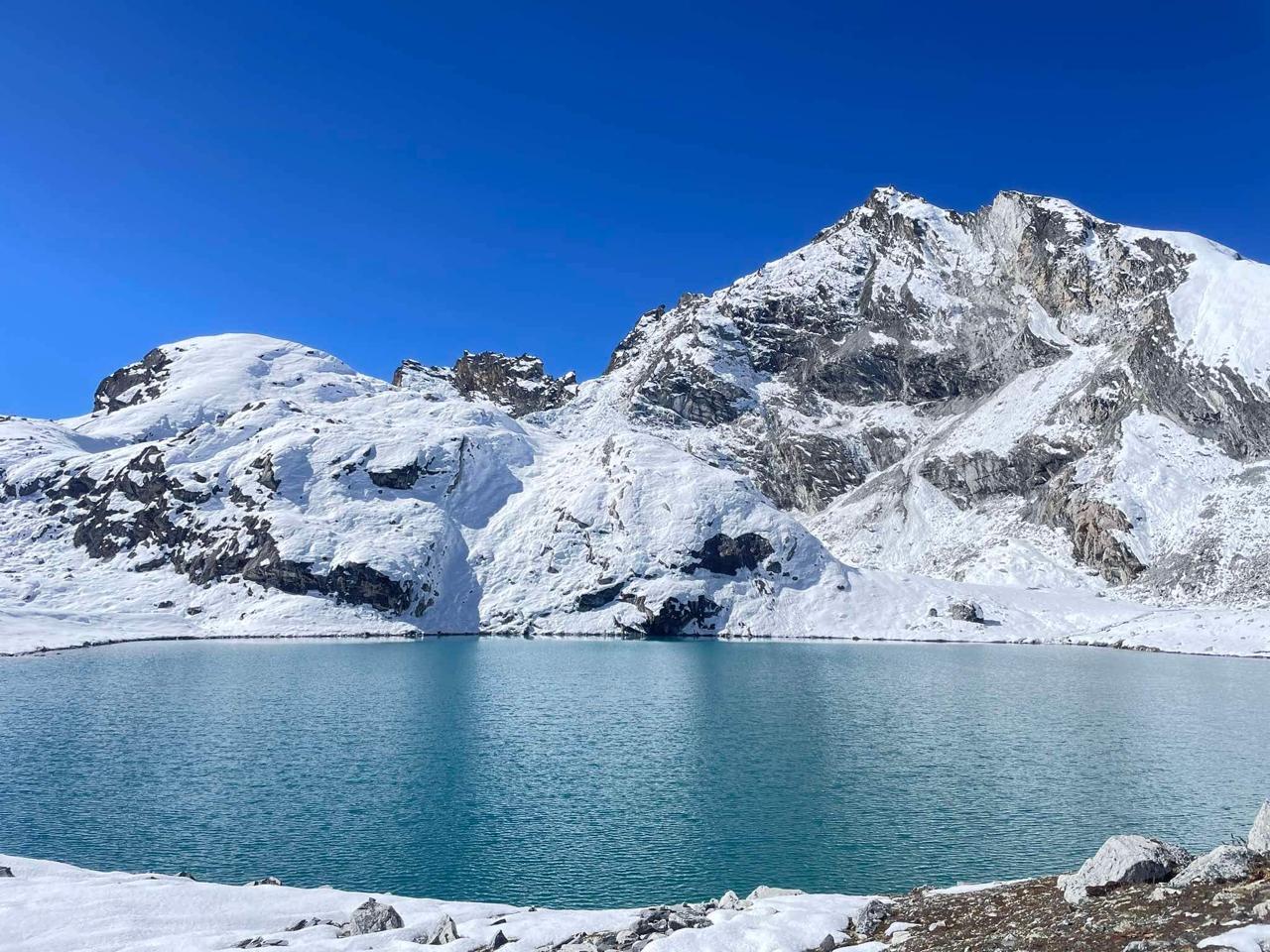
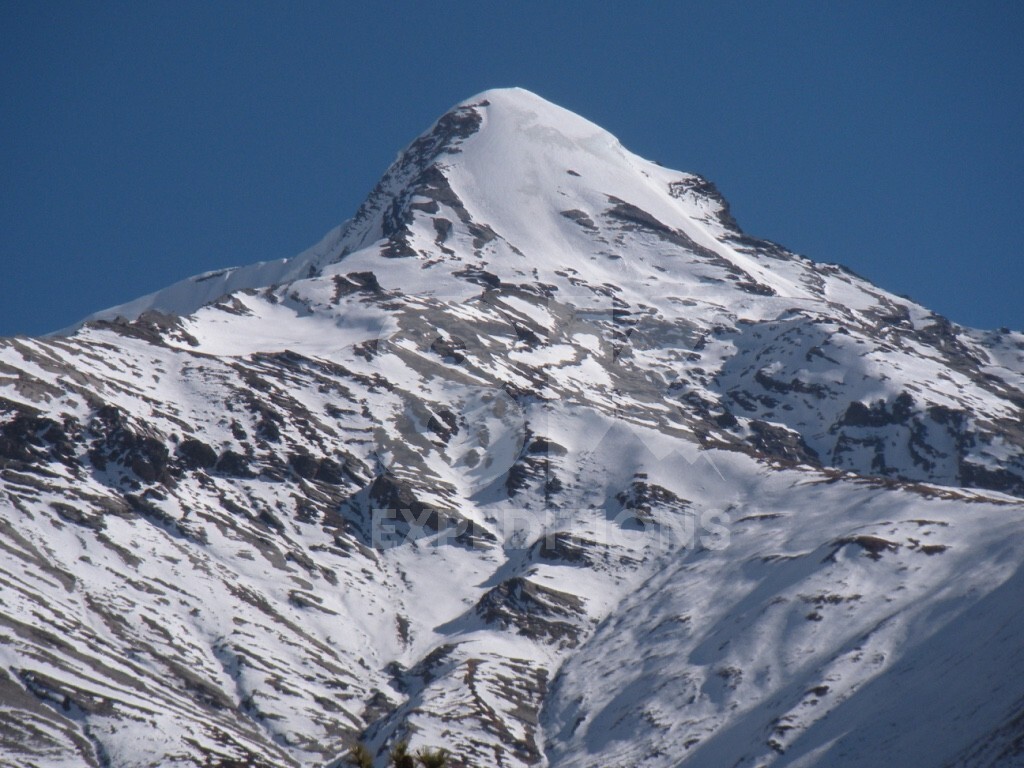
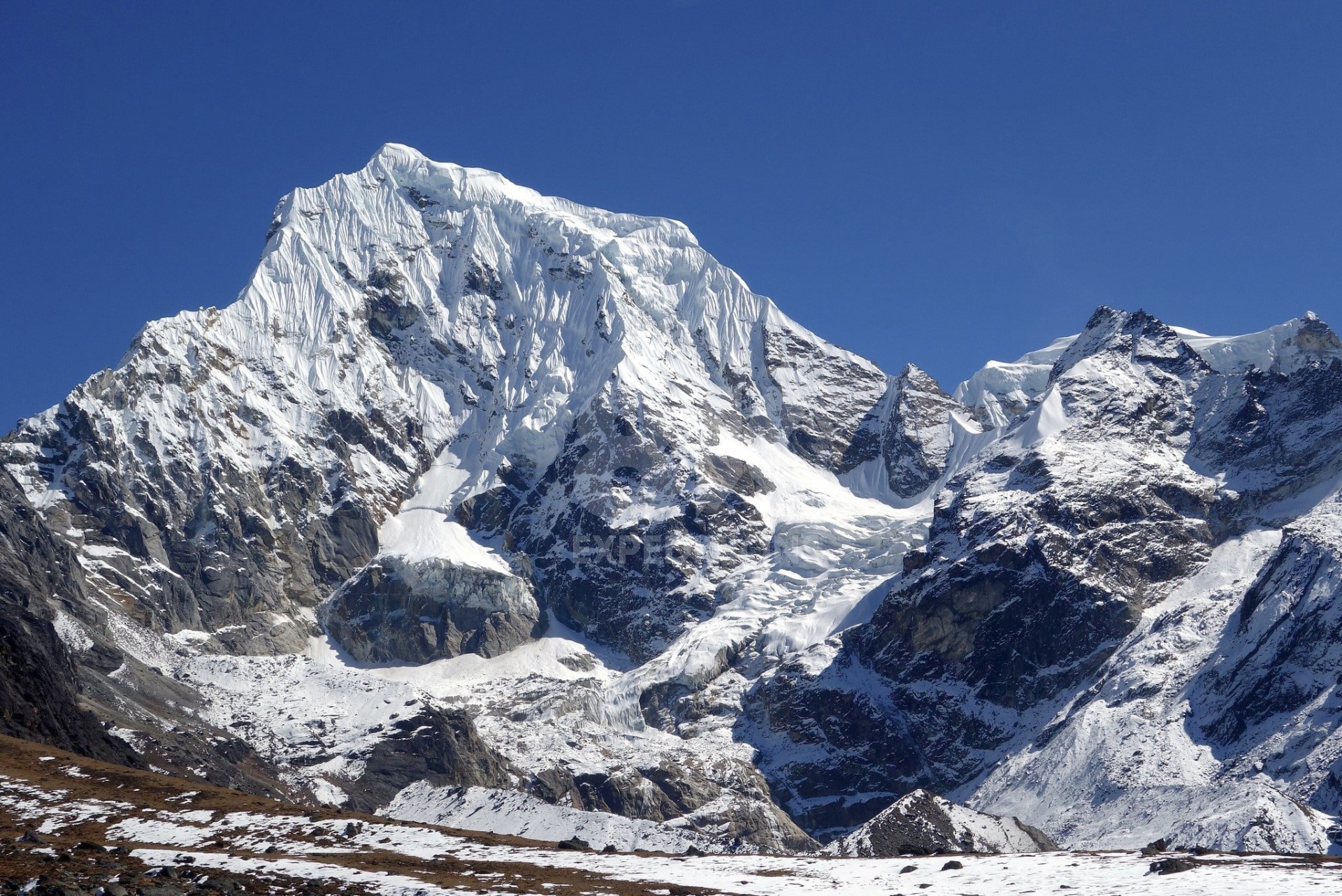
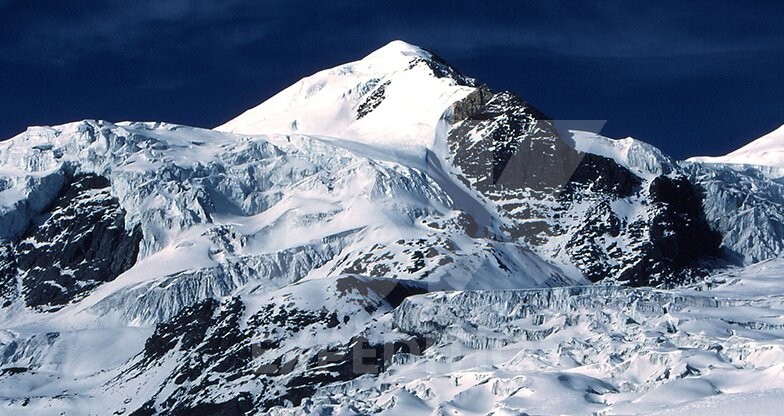
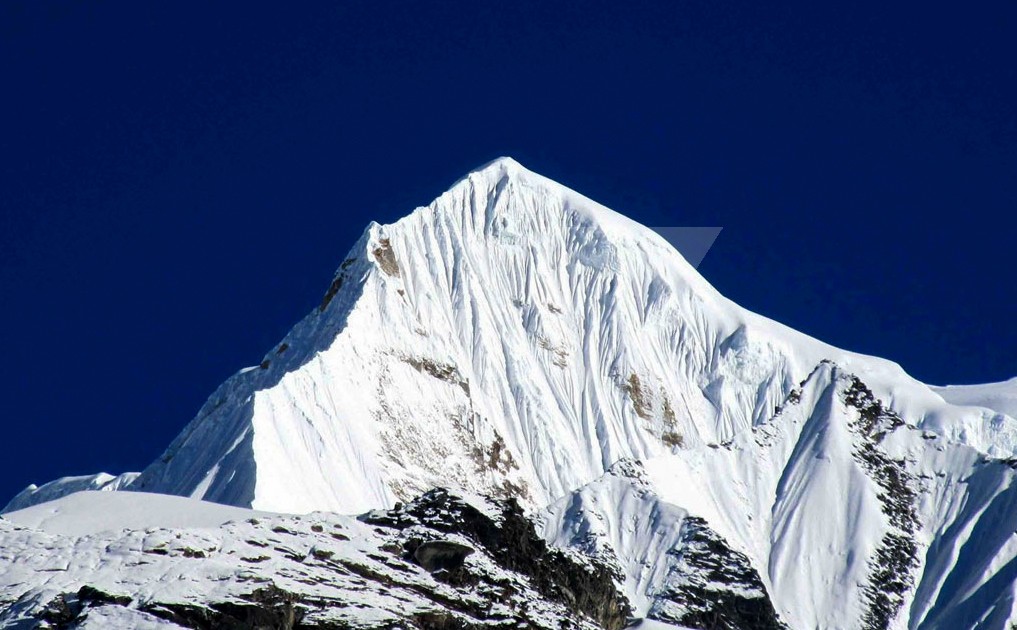
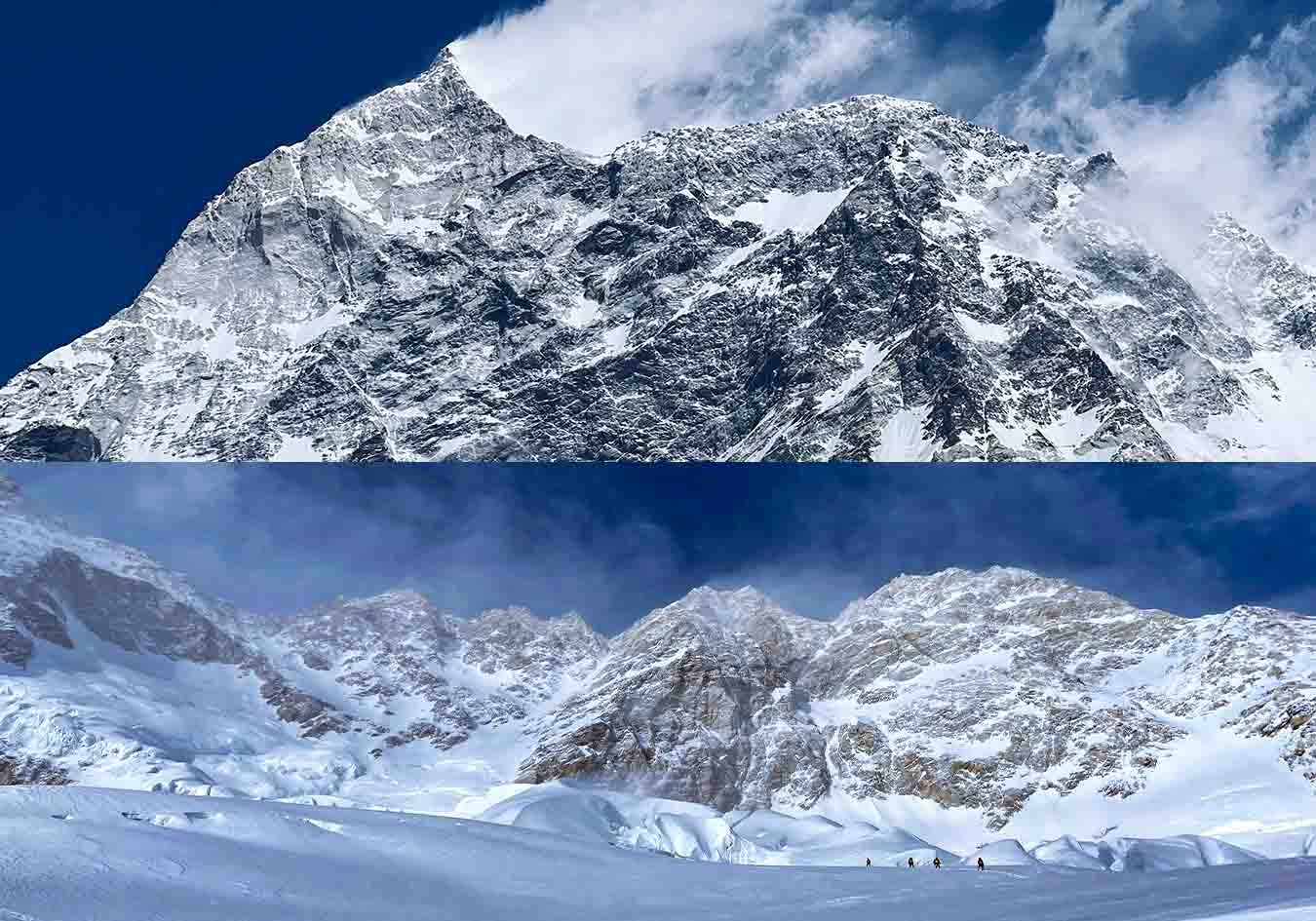
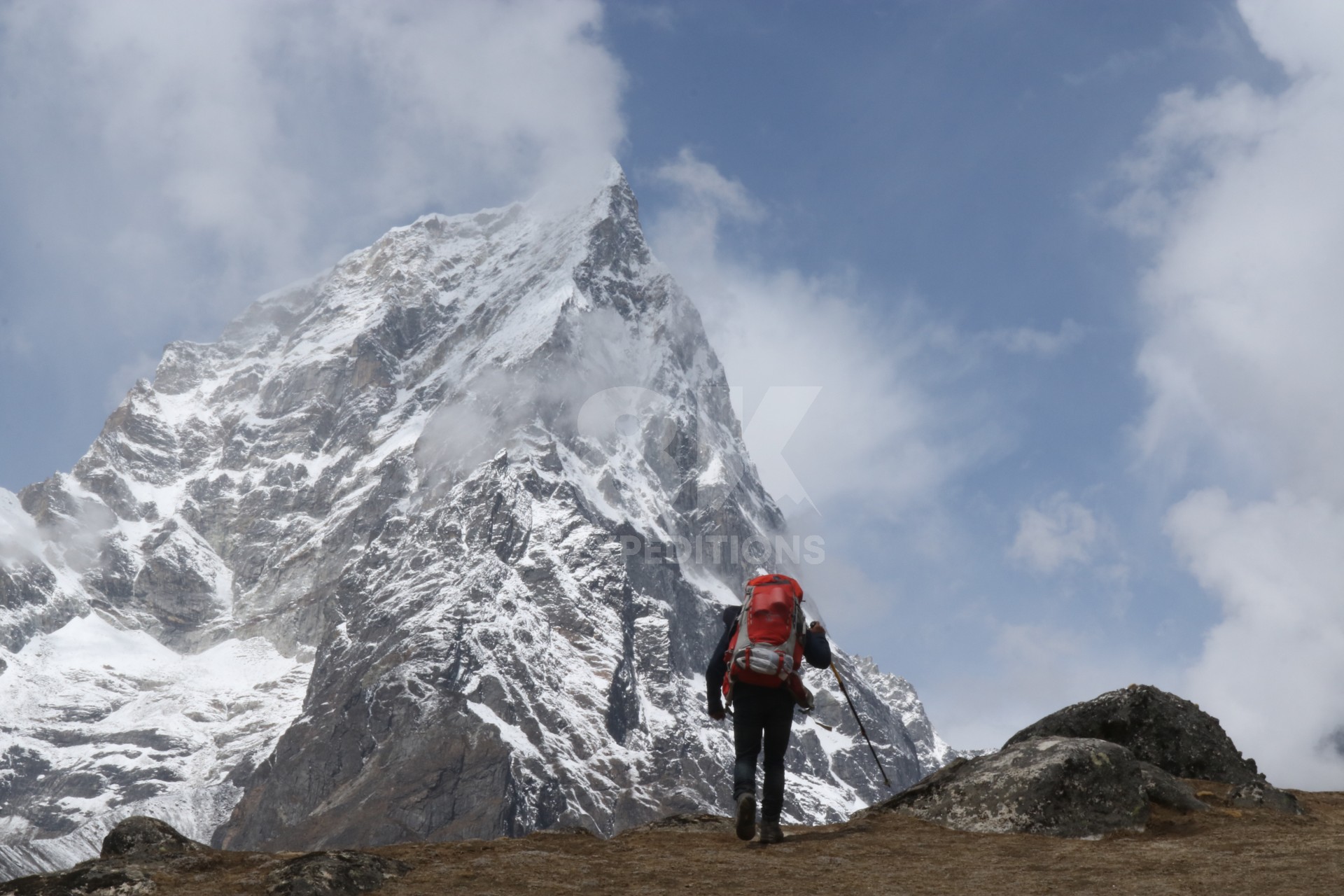
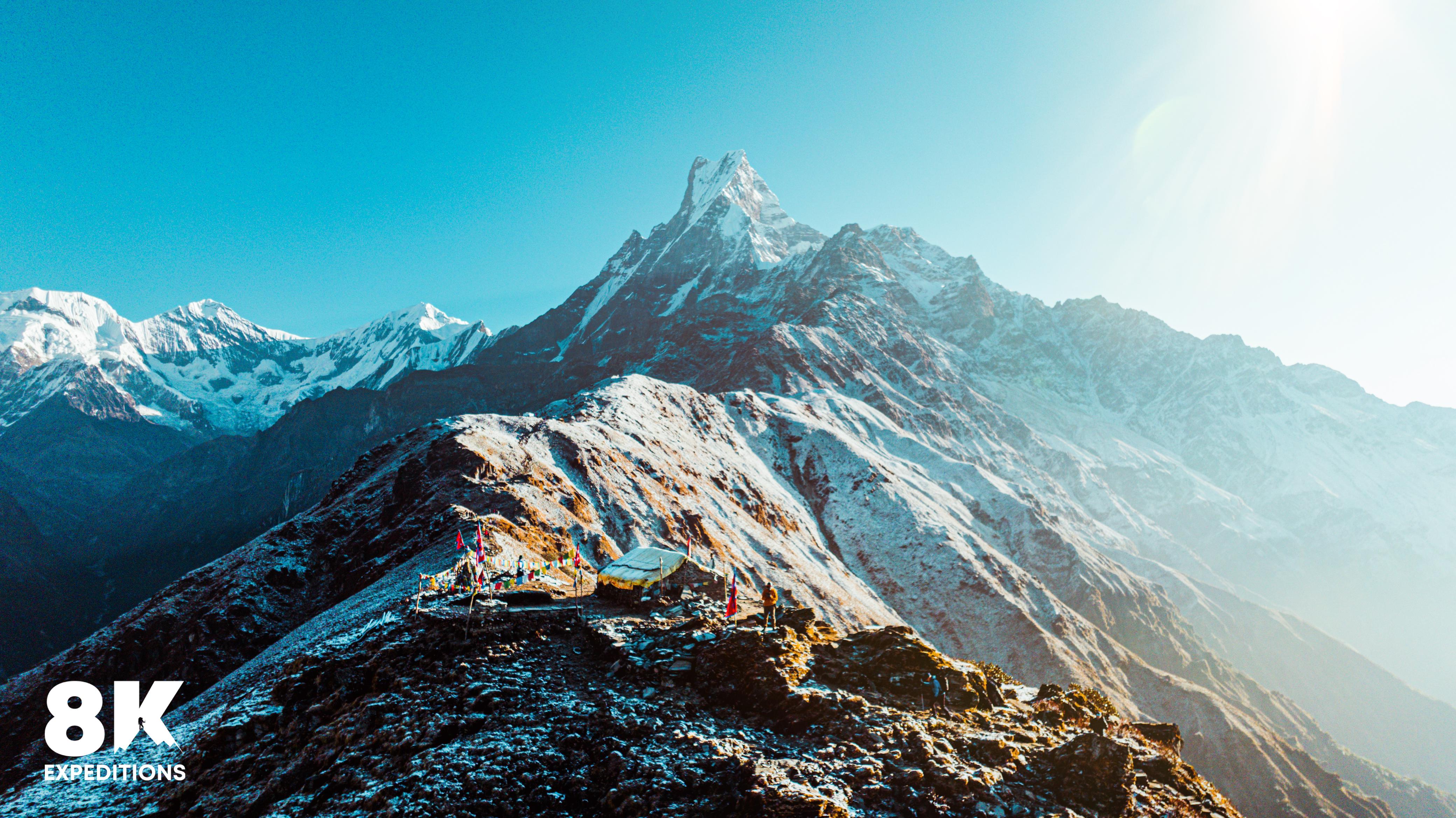
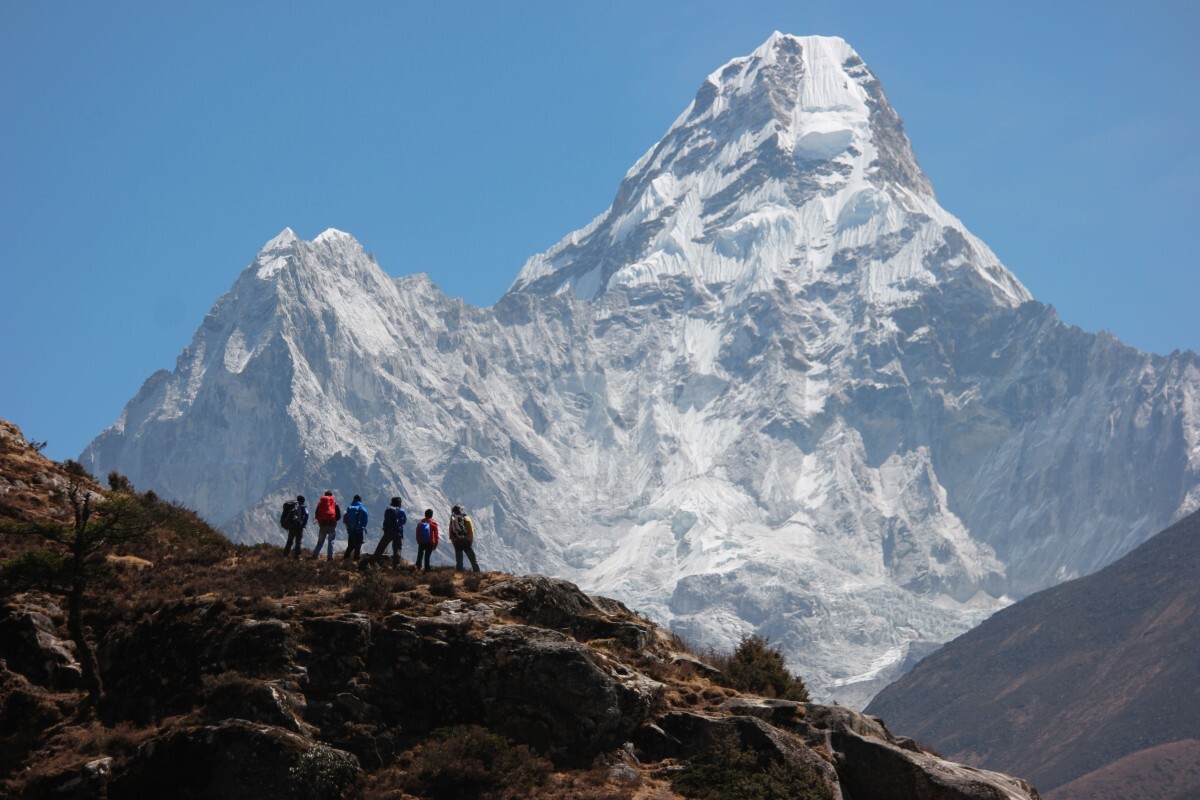
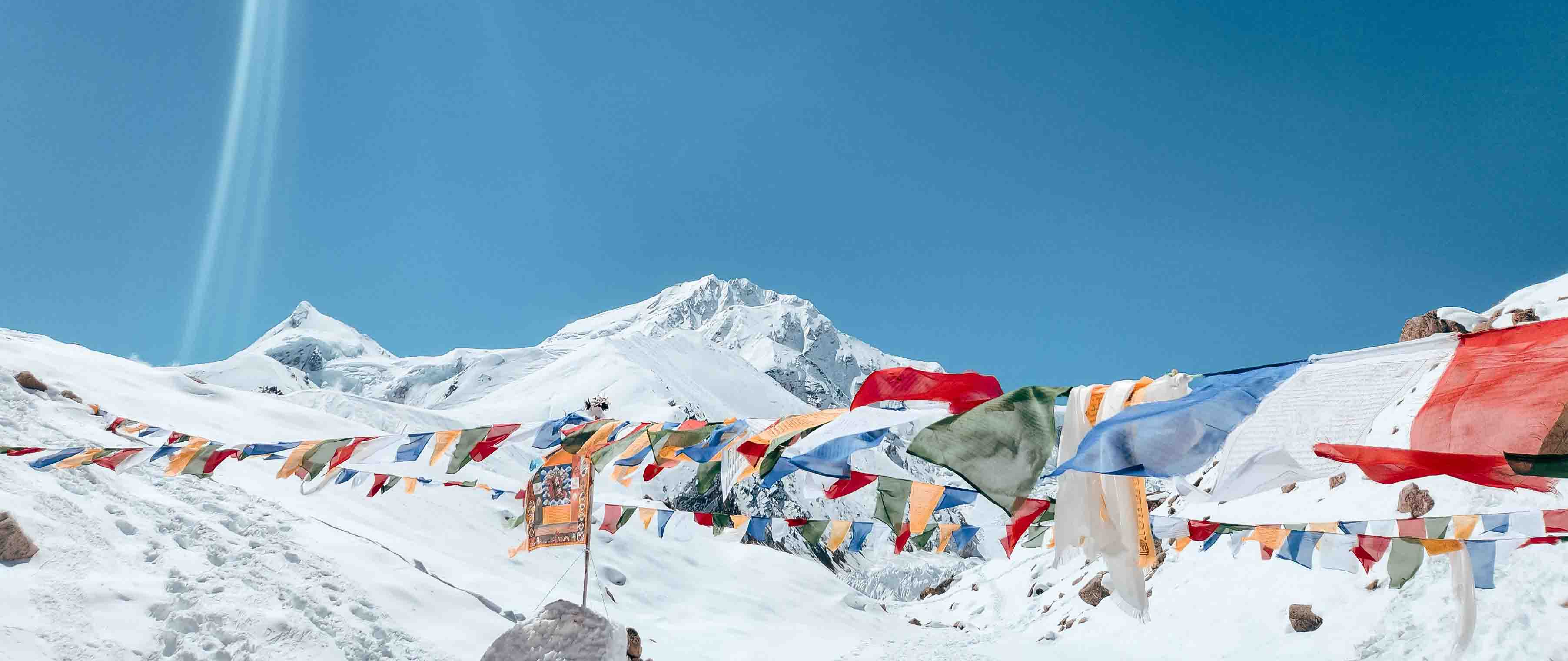
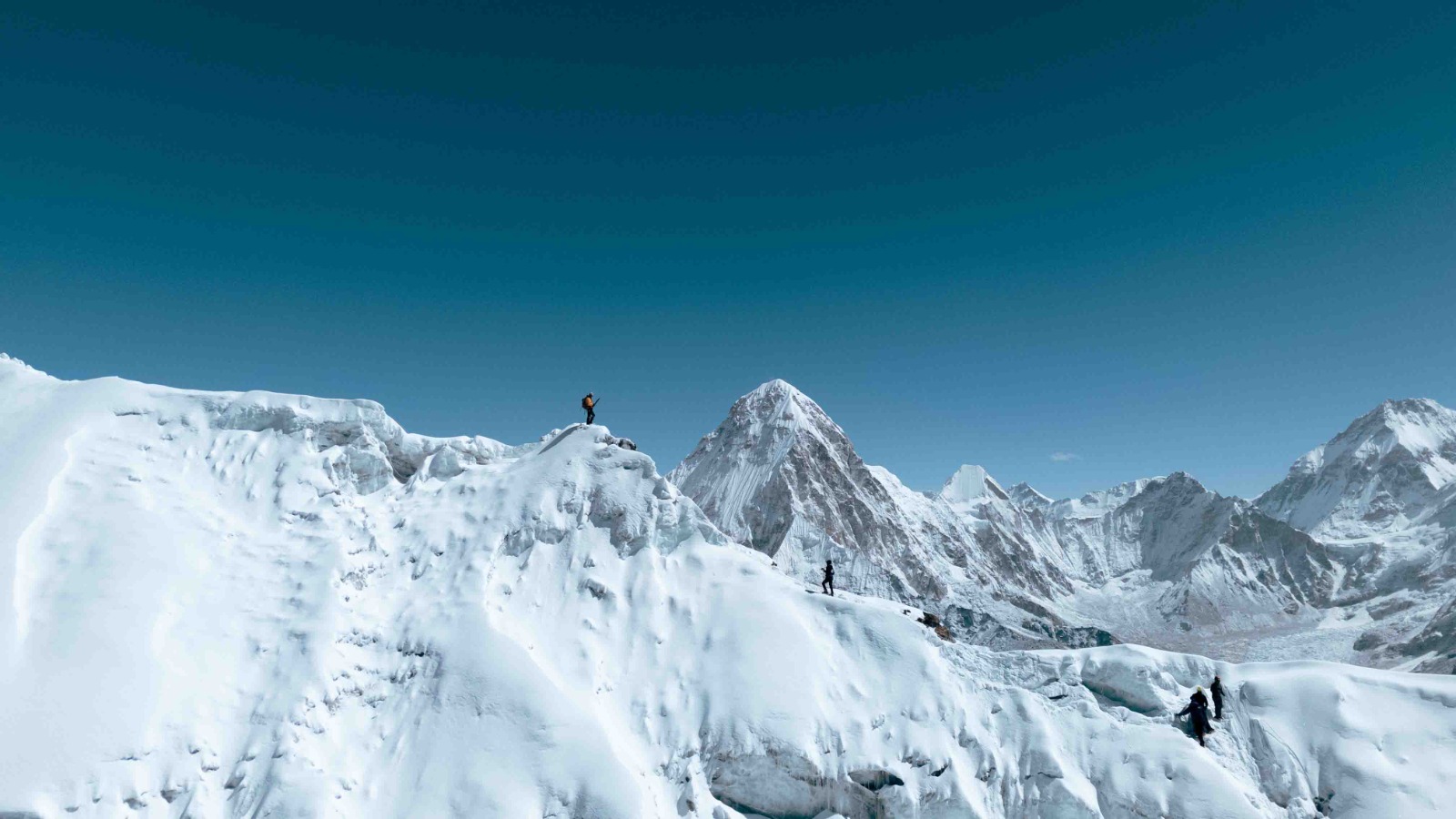
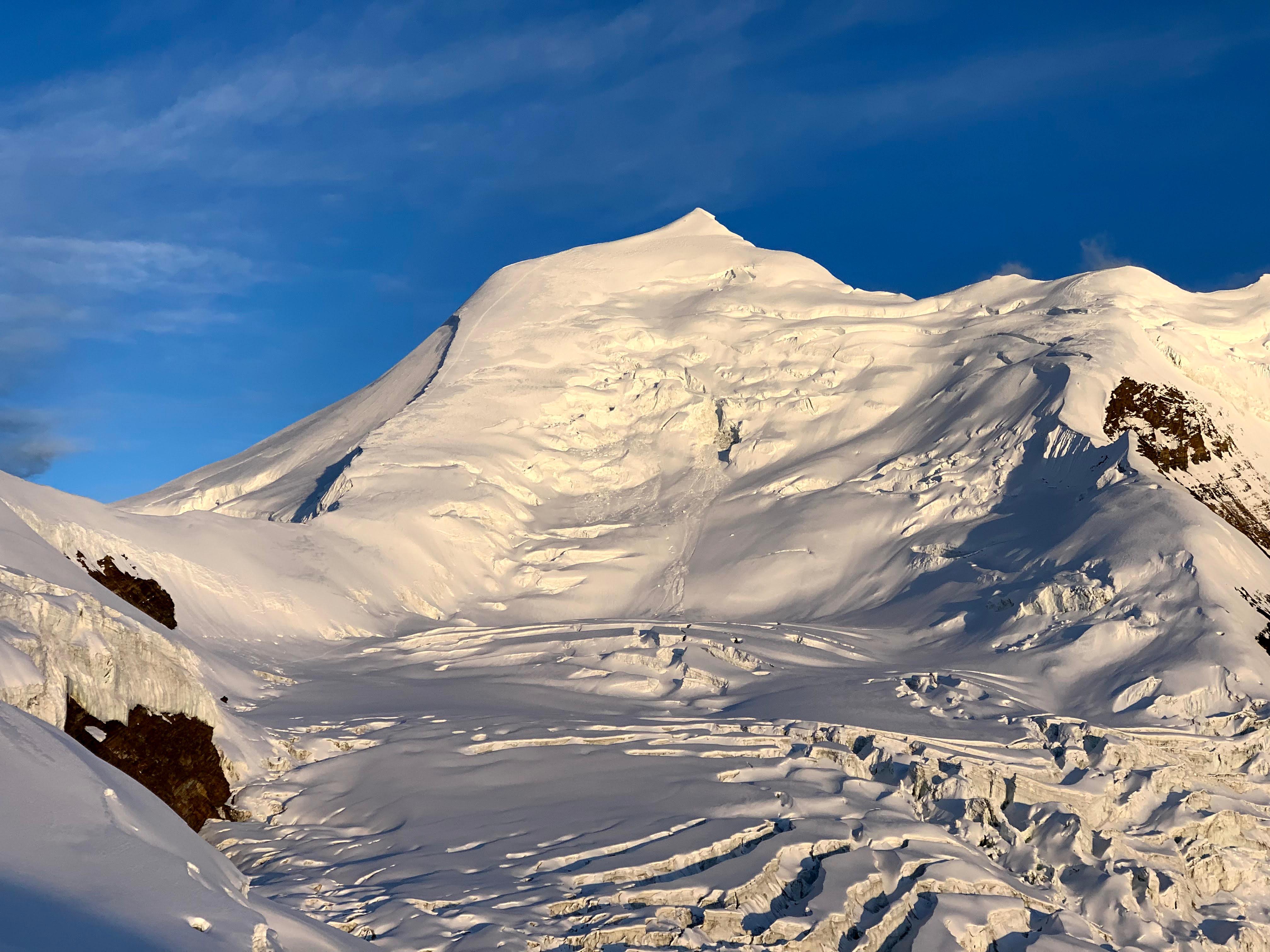
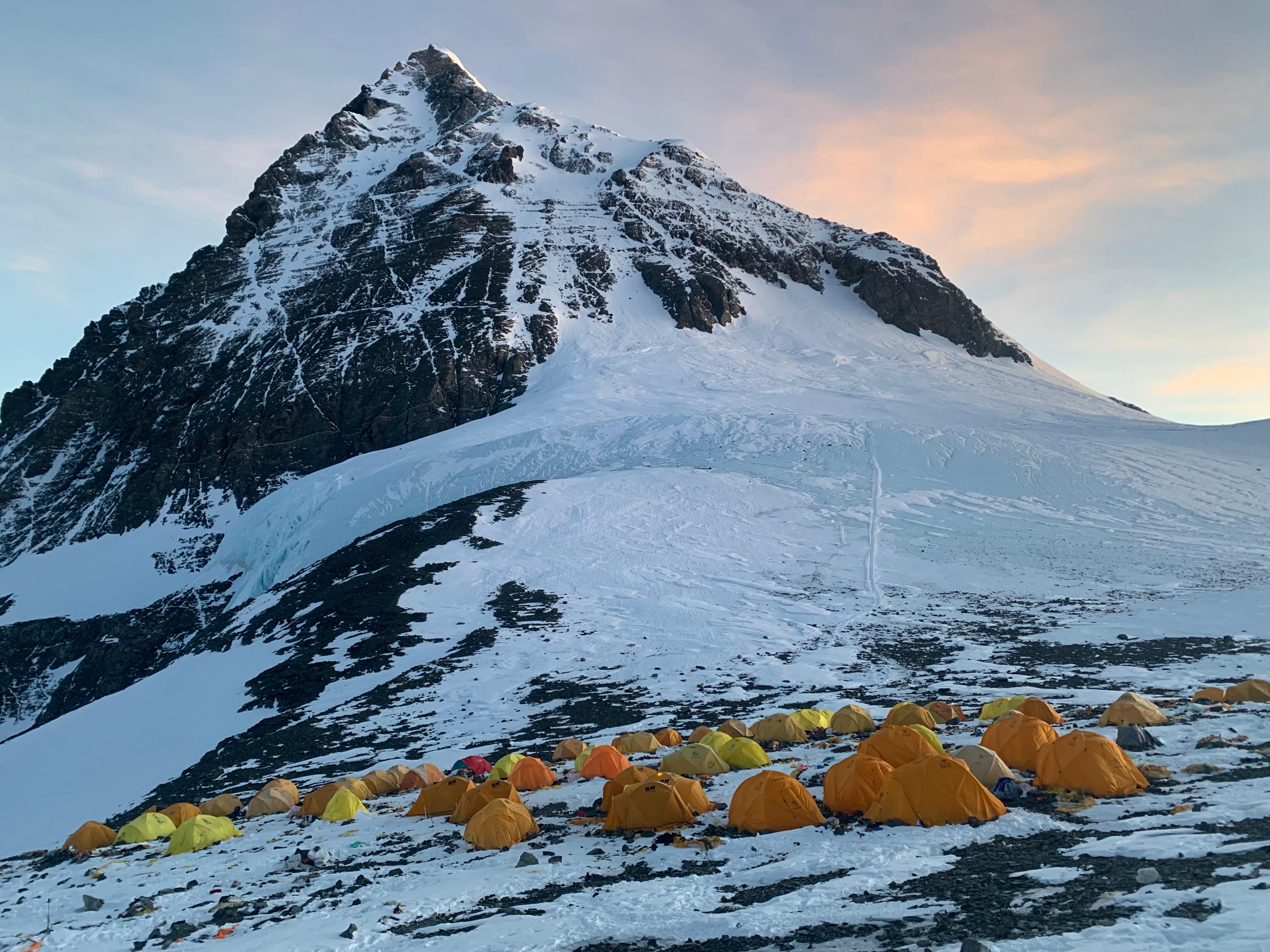
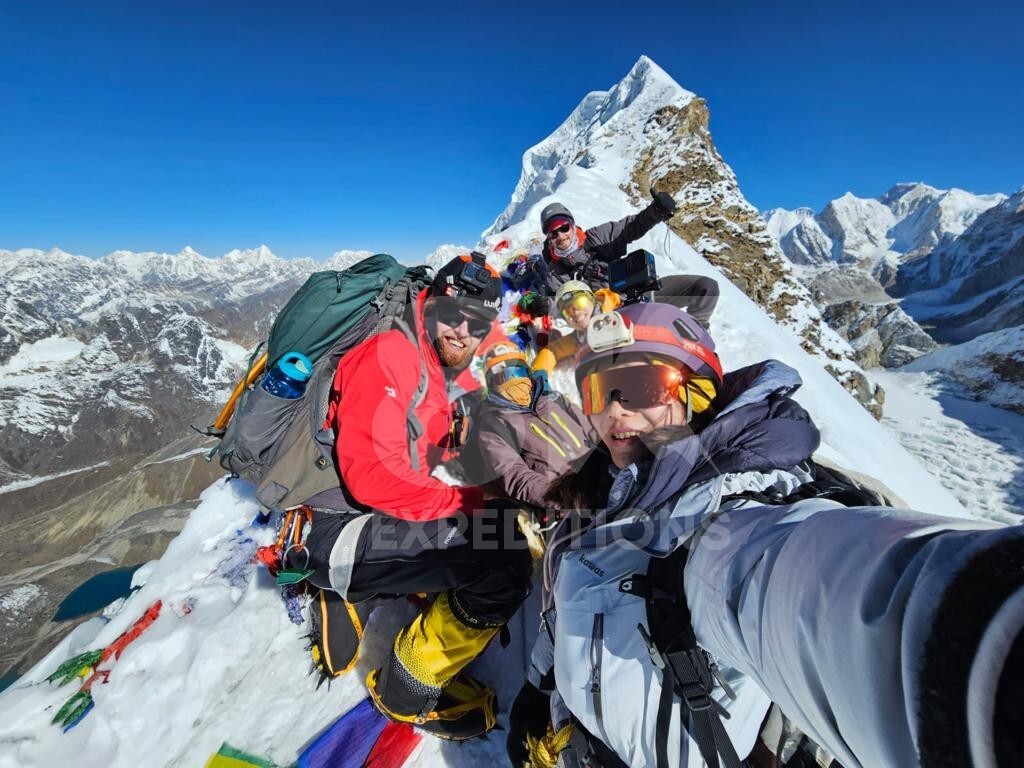
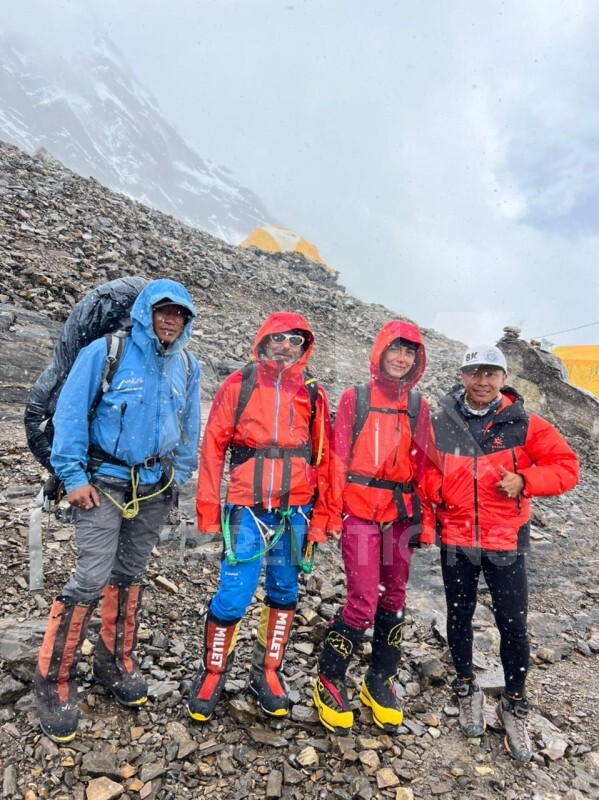
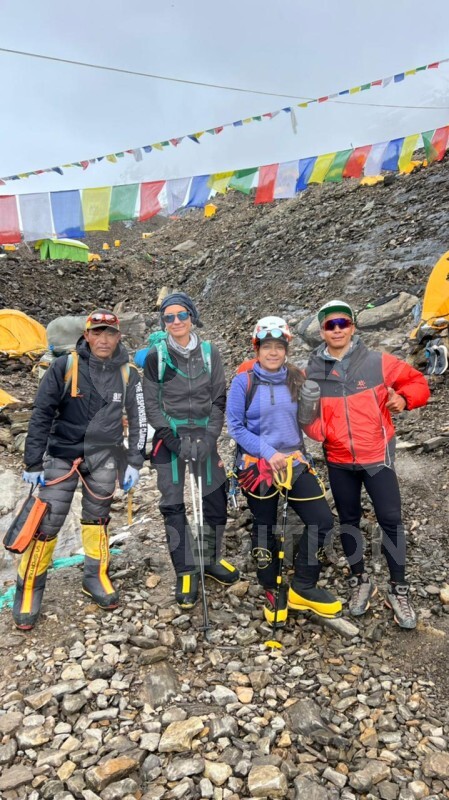
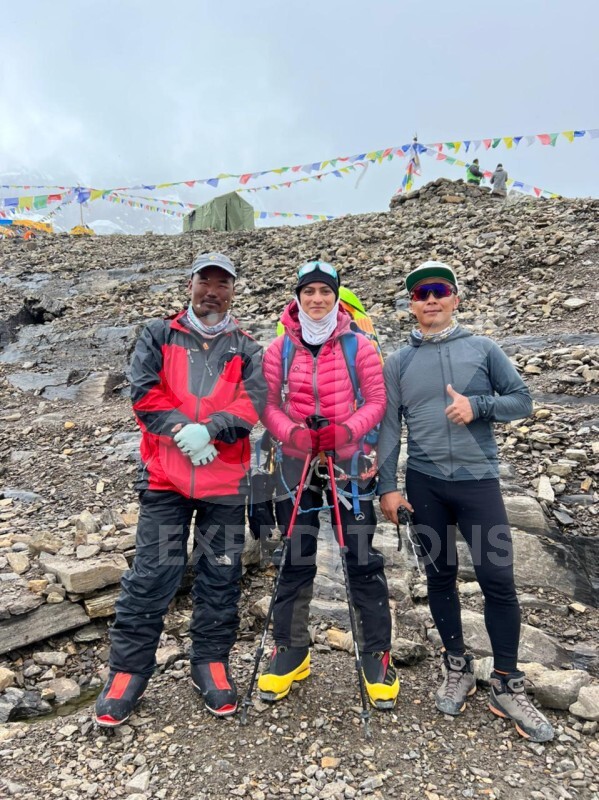
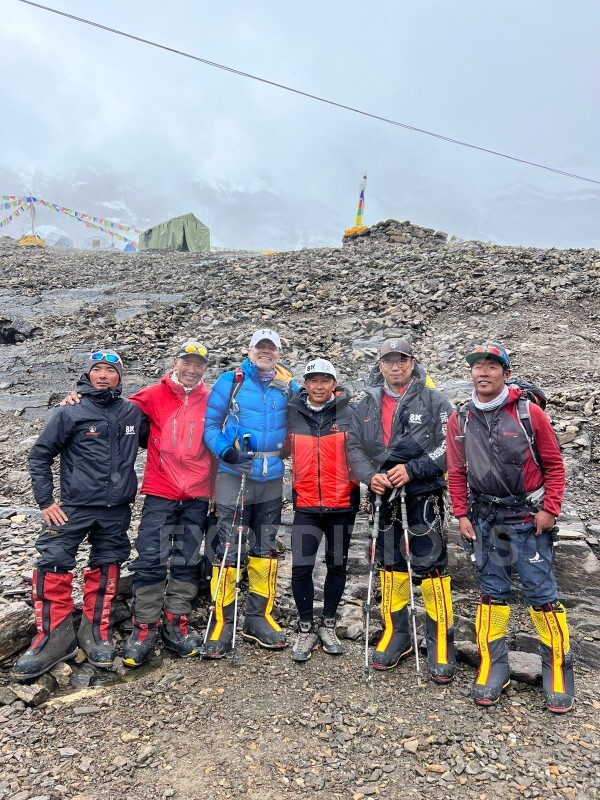
Mera Peak Climbing, the highest trekking peak, stands tall at the height of 6476 m from the sea level in the Mahalangur section, Barun sub-section of the Himalayas. Located in the isolated Hinku Valley towards the south of Mt. Everest, Mera Peak Climbing has three significant summits; namely Mera North (6476 m), Mera Central (6461 m), and Mera South at (6064 m). 


Extensively explored by the British Expedition team, including Edmund Hillary, Eric Shipton, George Lowe and Tenzing Norgay, before as well as after the successful ascent to Everest, Mera Peak (North) was first climbed in 1975 by Marcel Jolly, G. Baus, and L. Honills. However, Mera Central was climbed in May 1953 by Col. Jimmy Roberts and Sen Tenzing. 


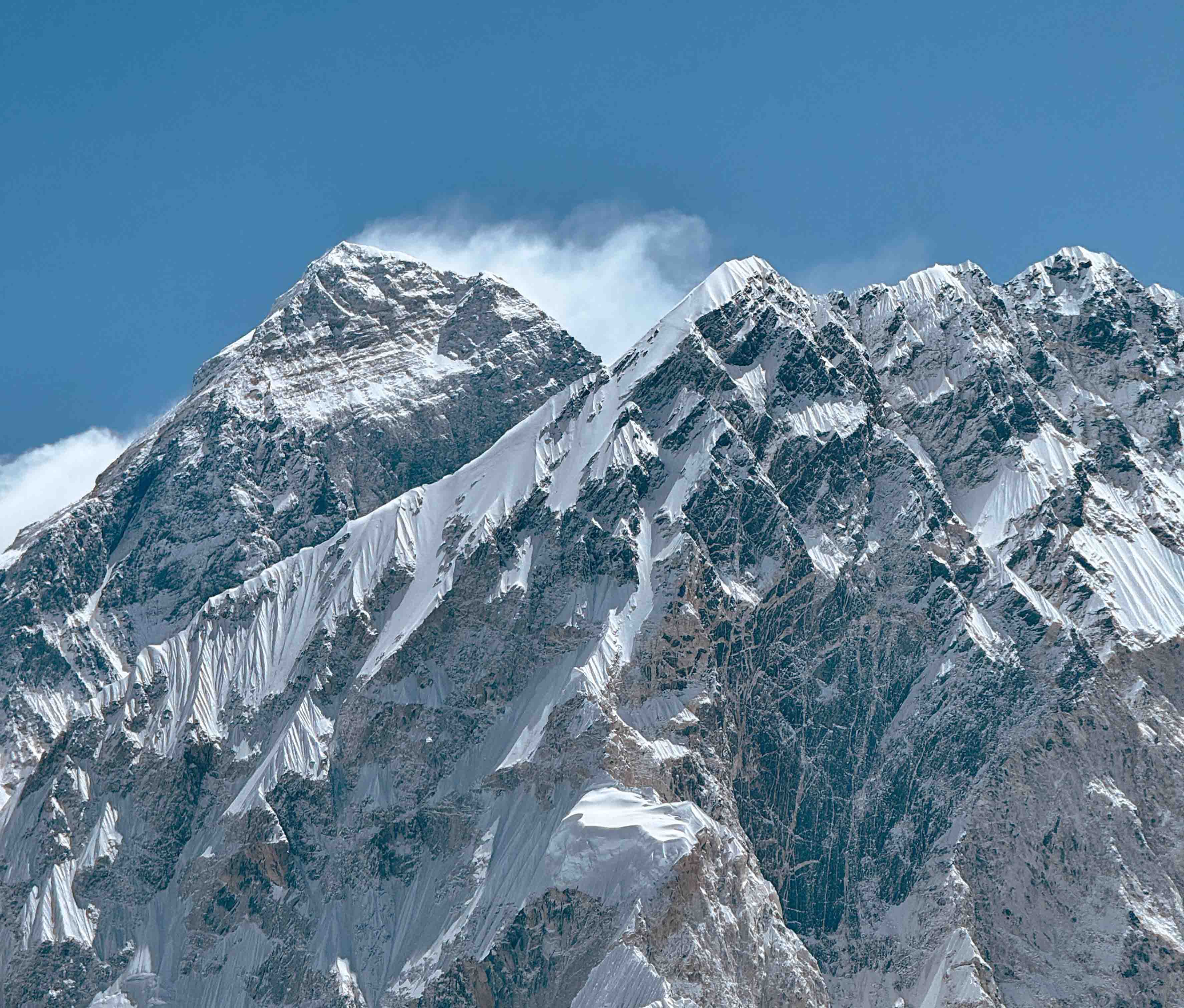
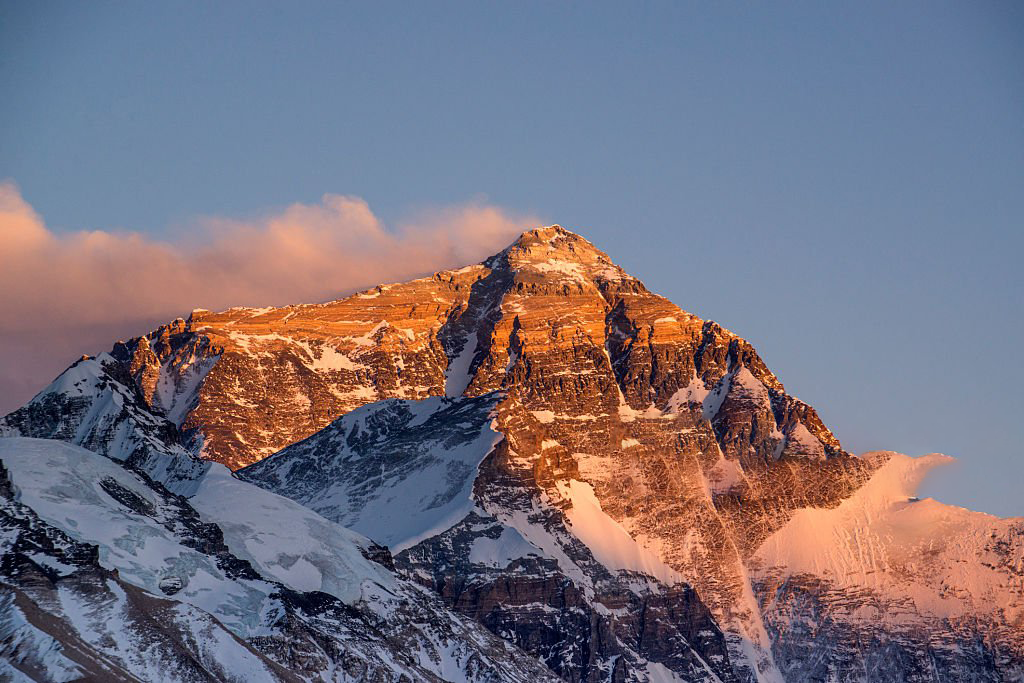
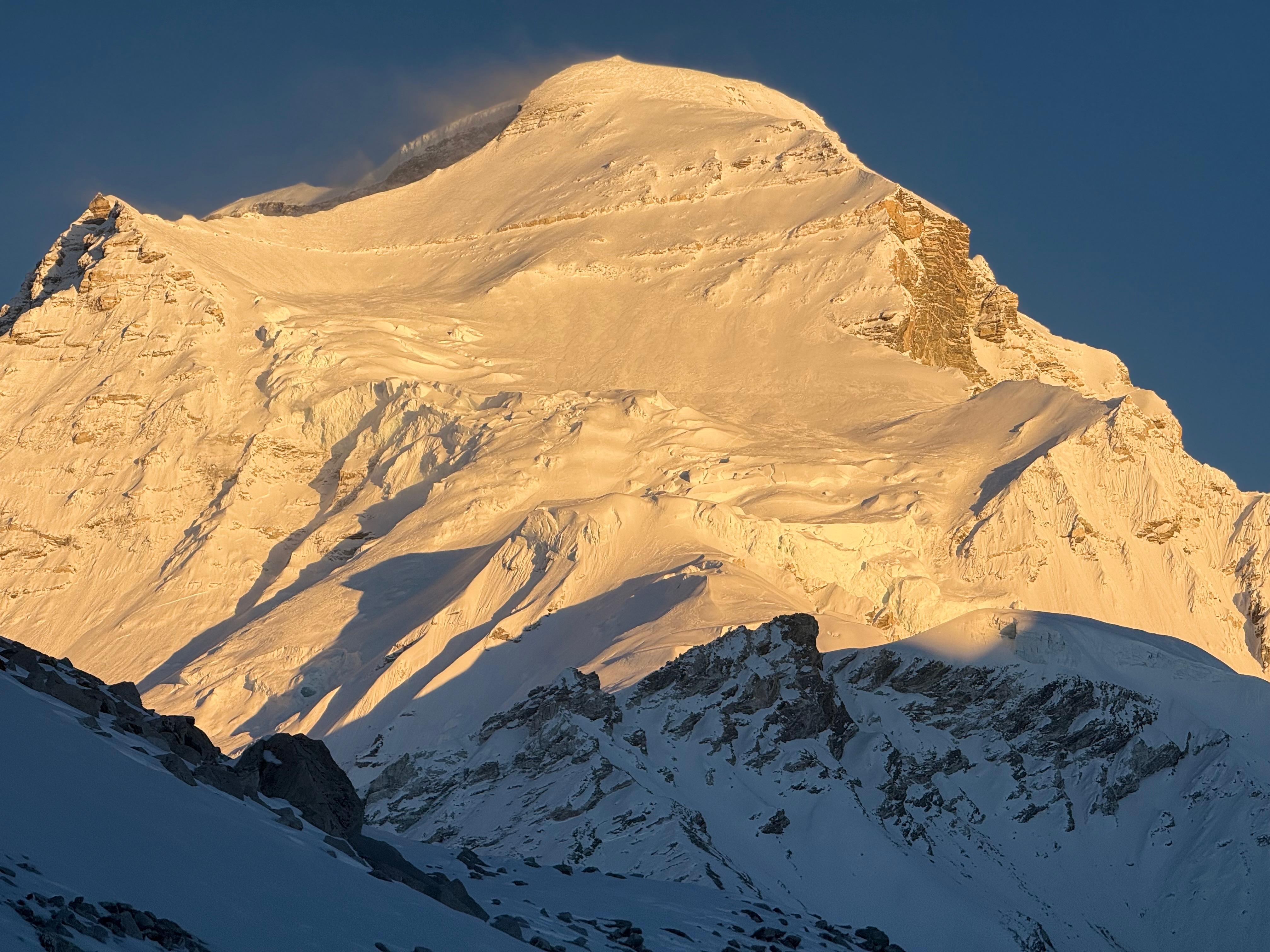
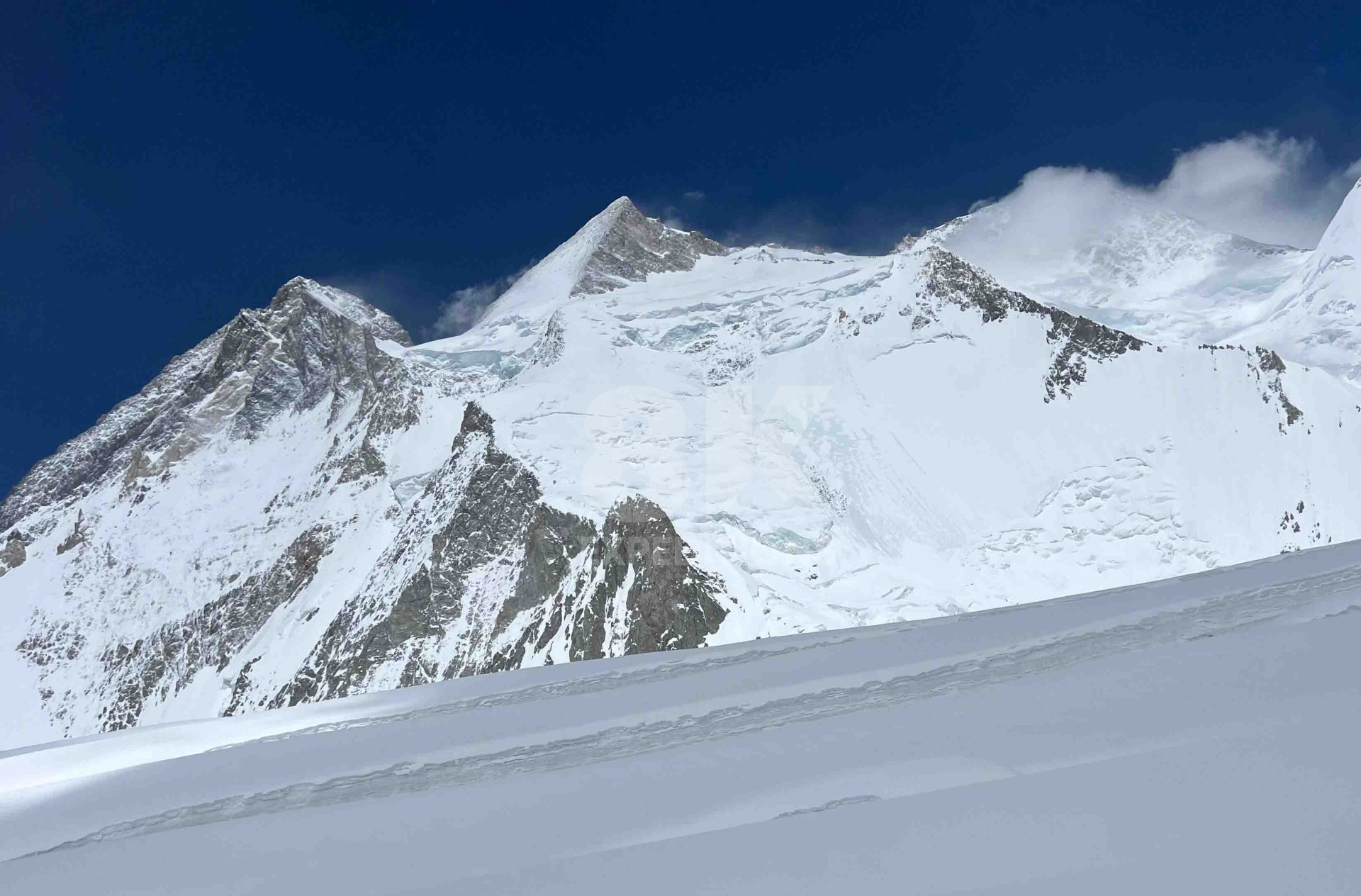
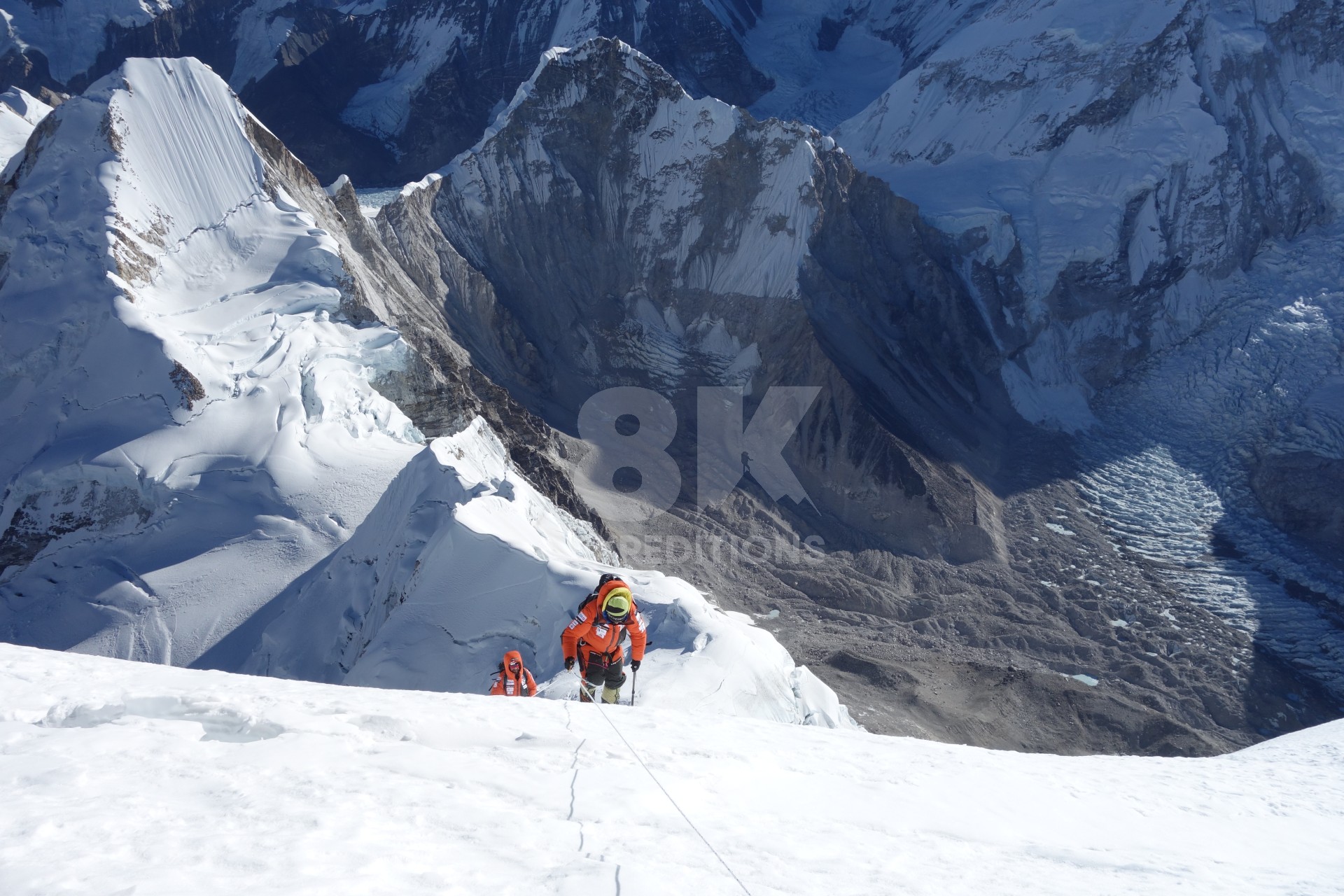
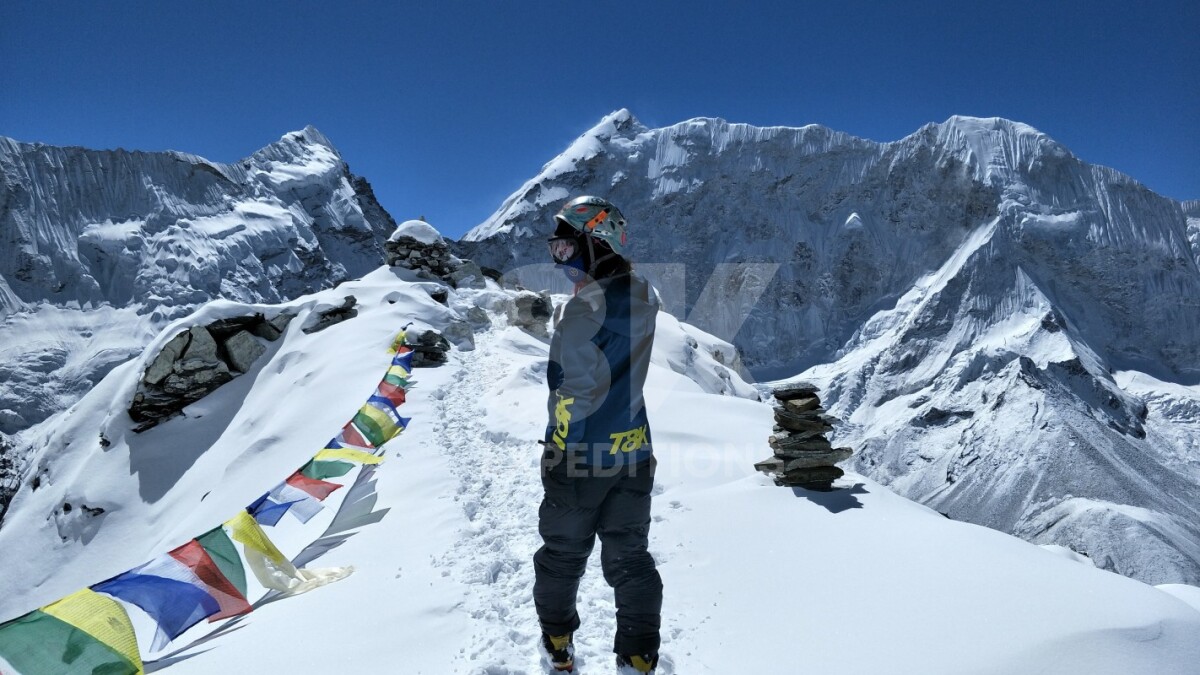
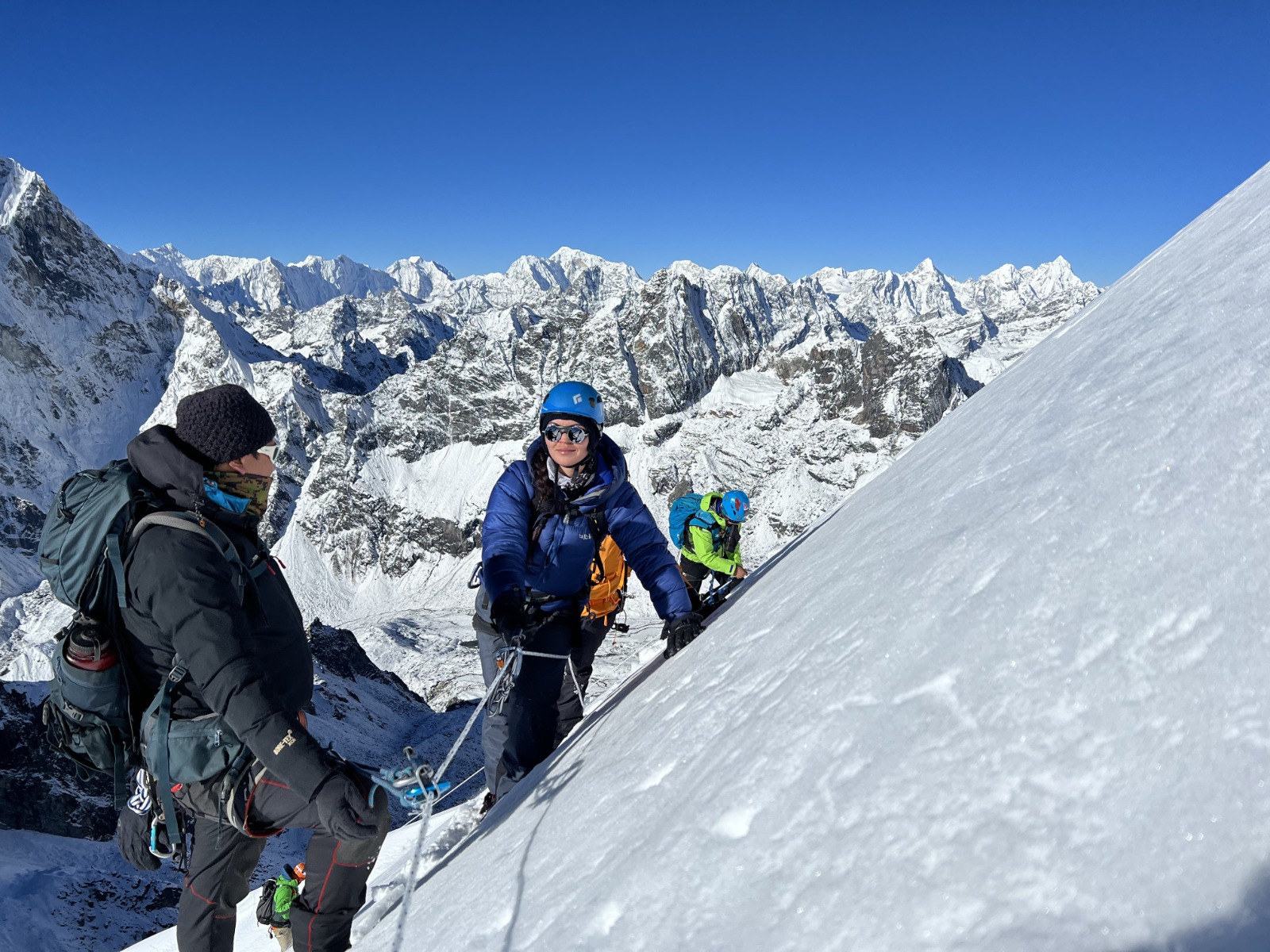
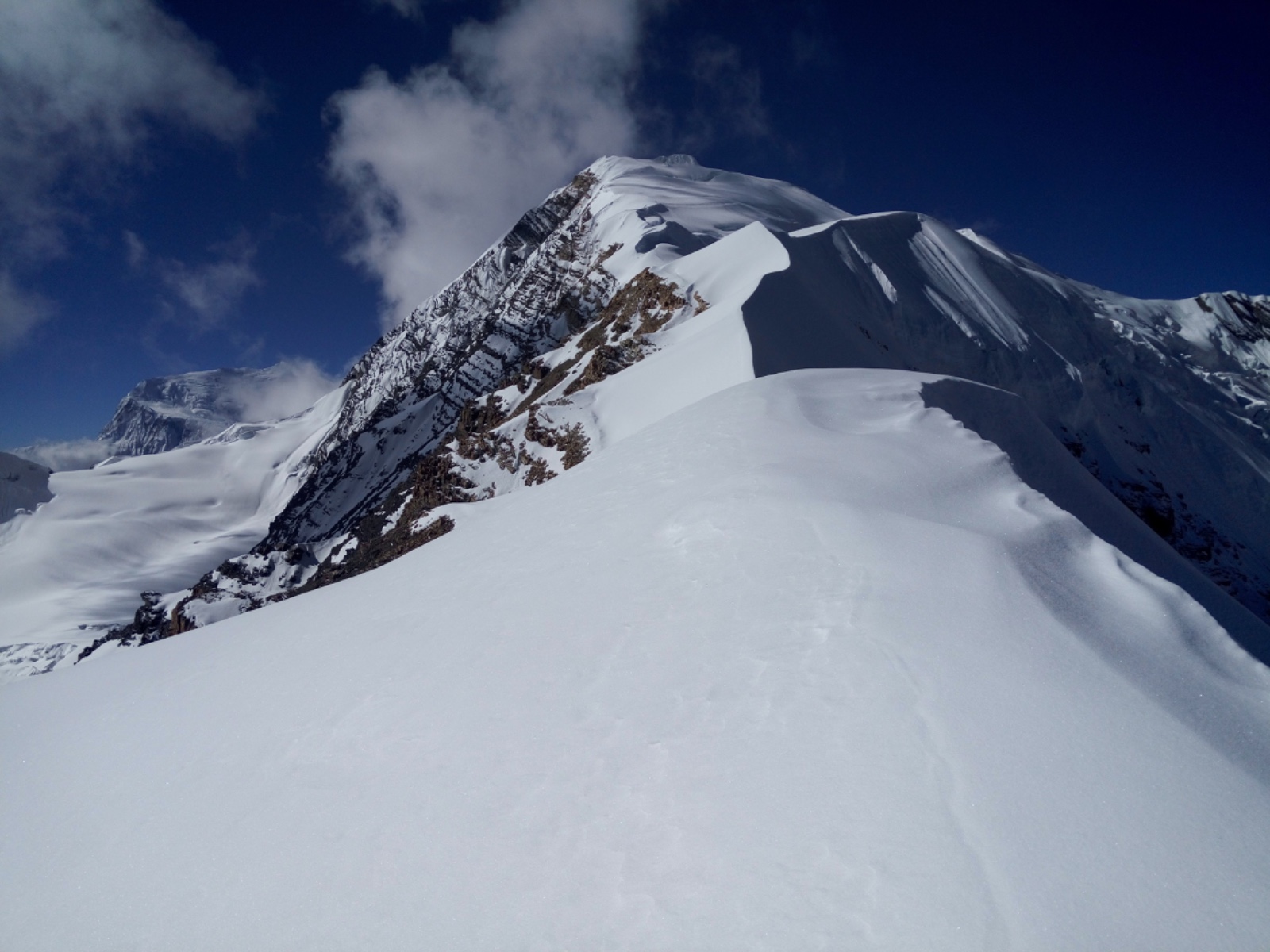
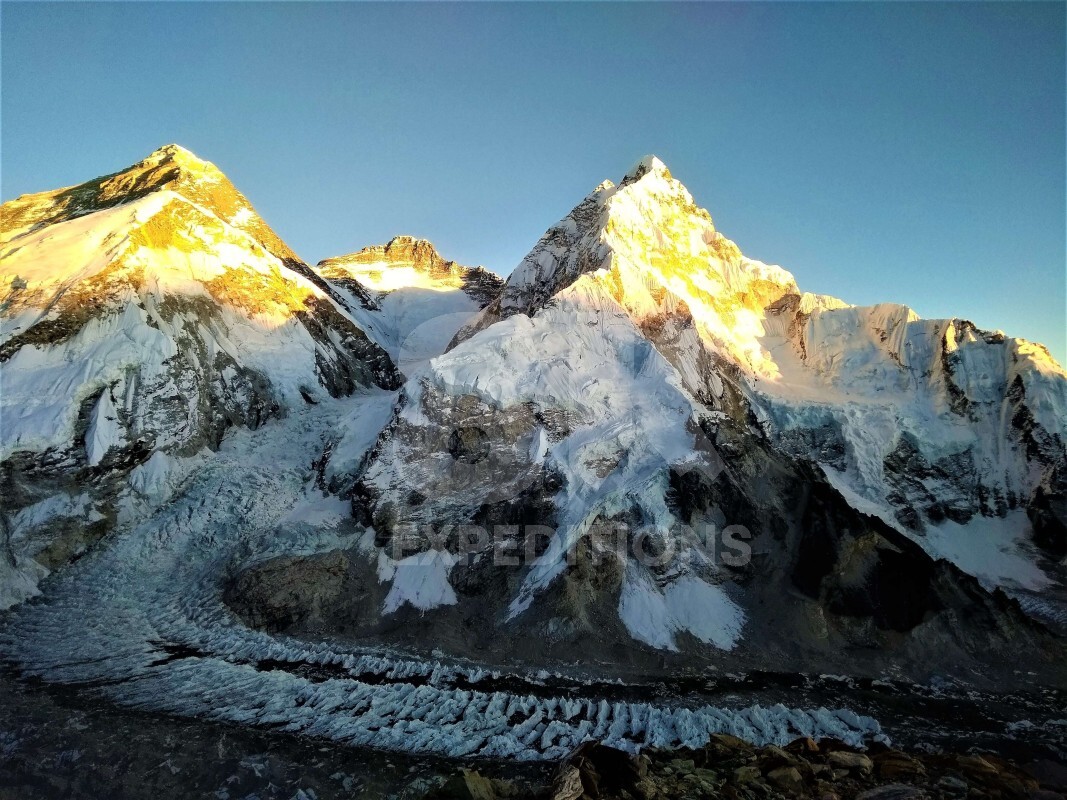
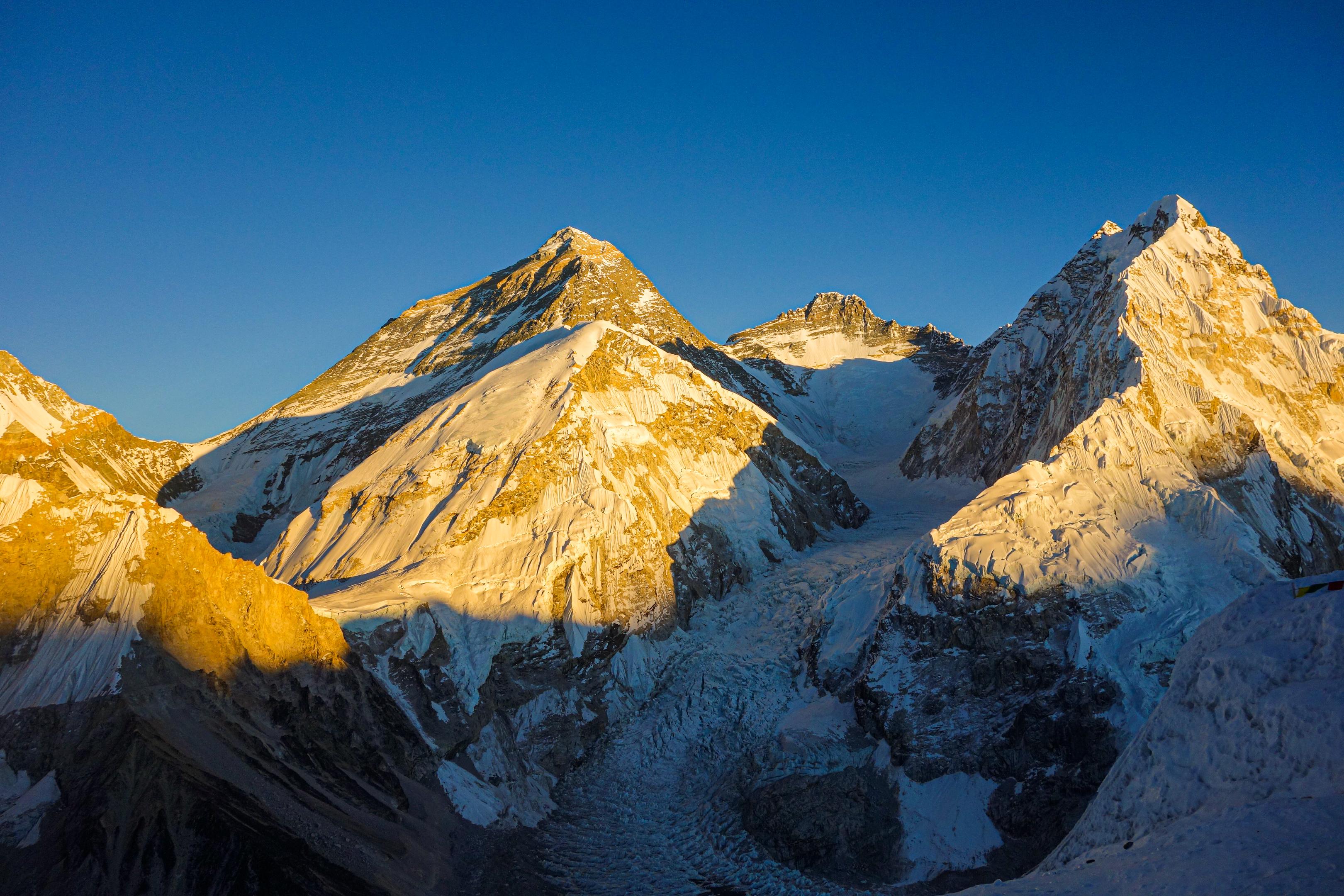
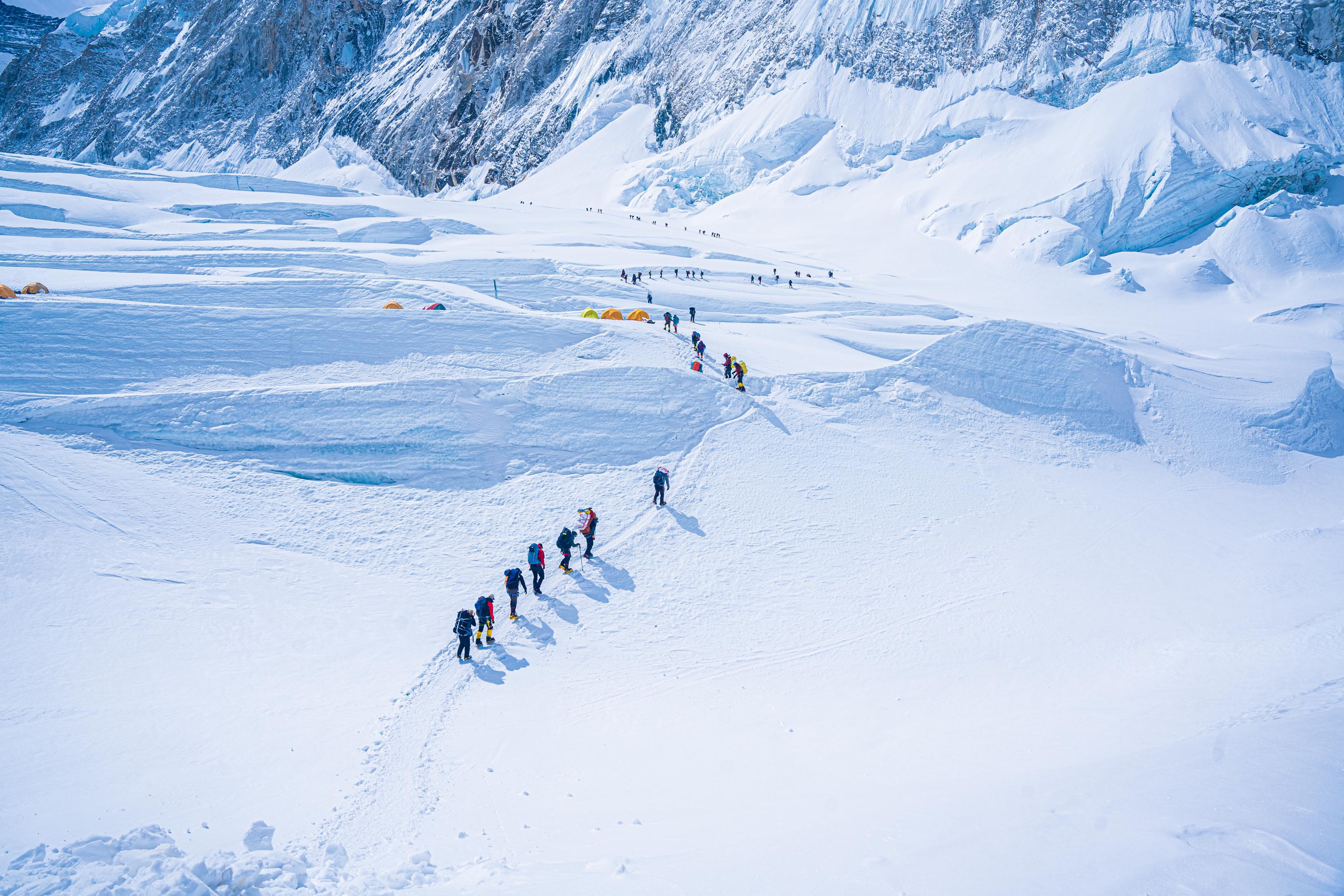
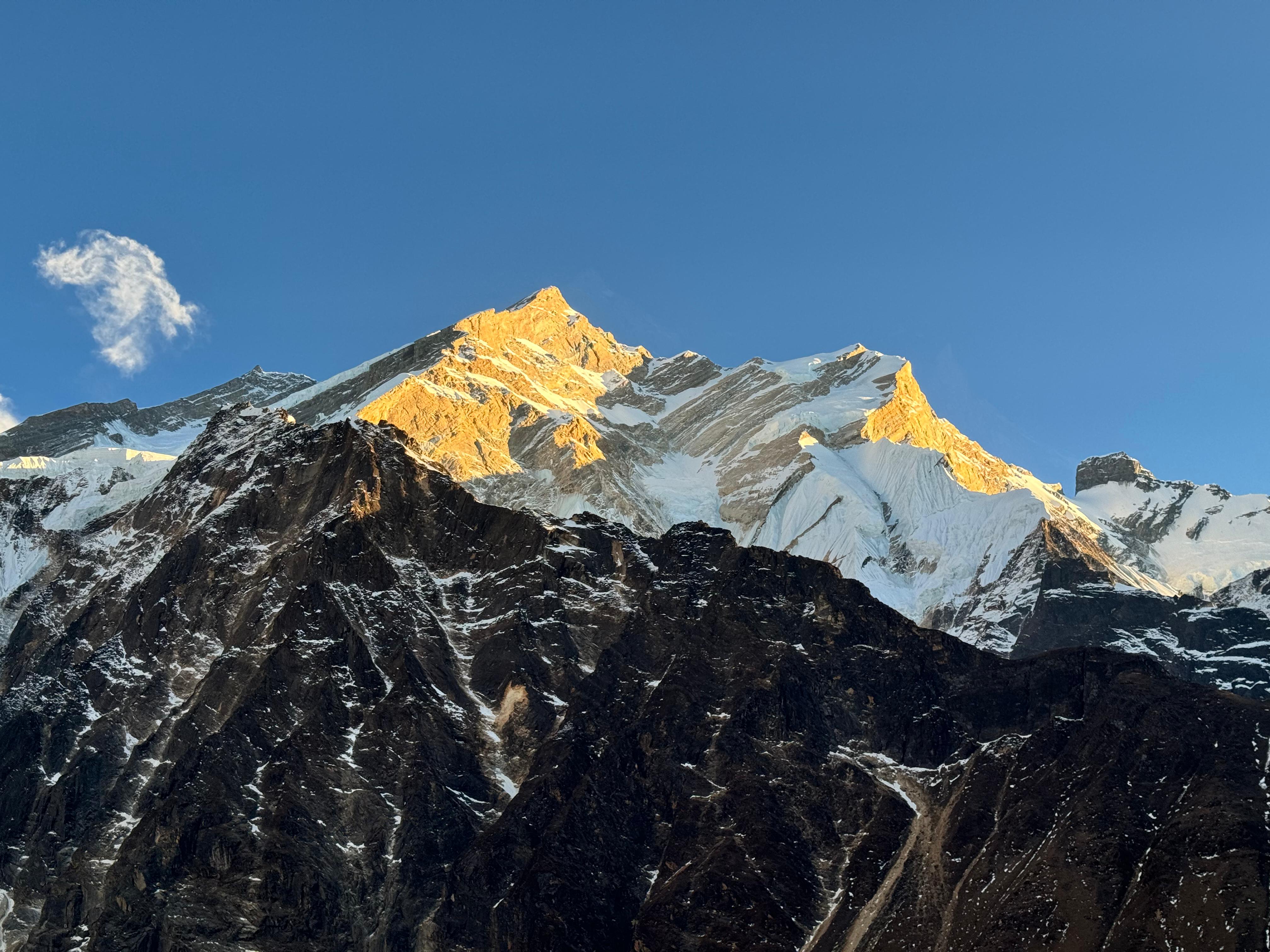
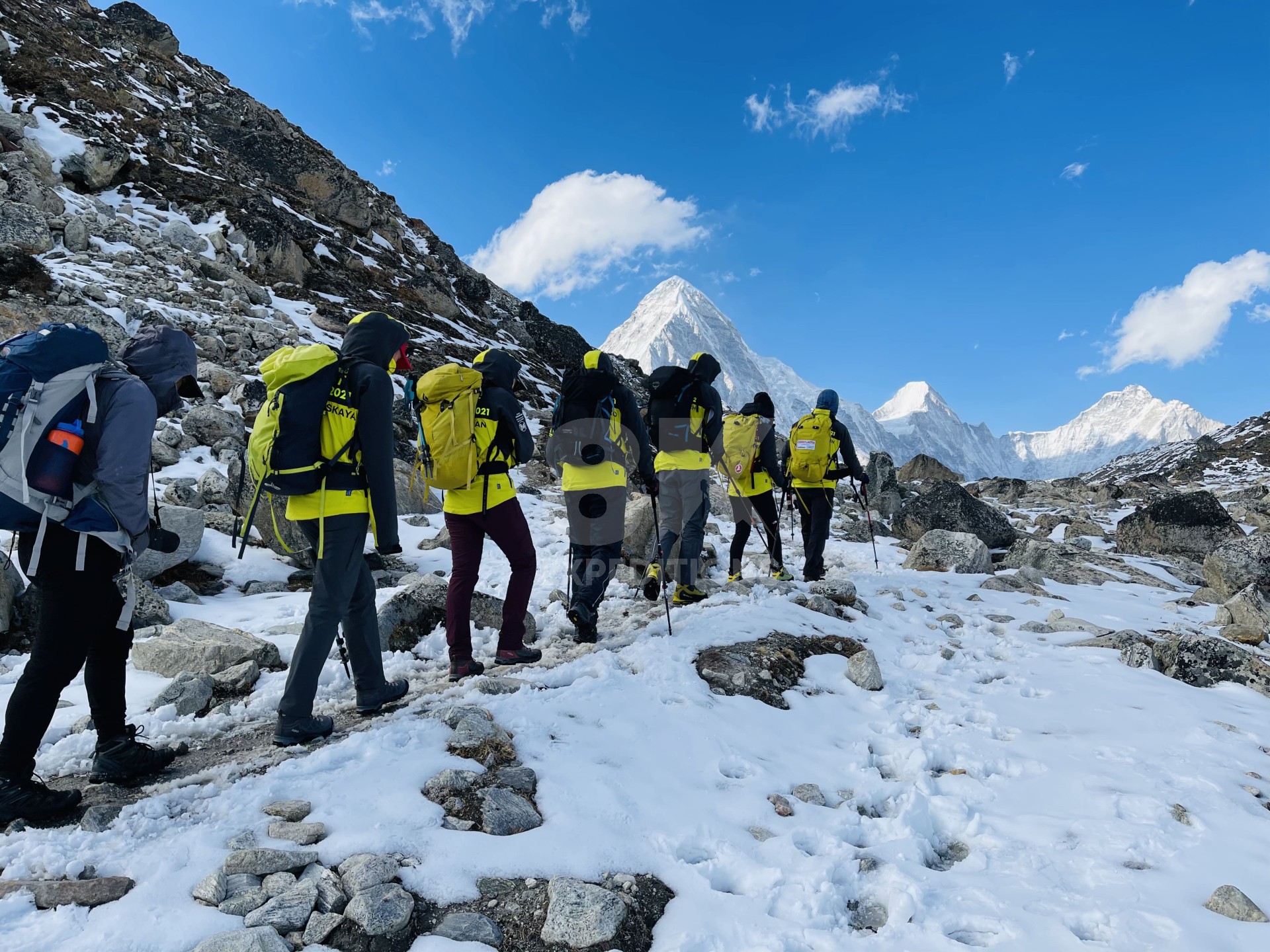
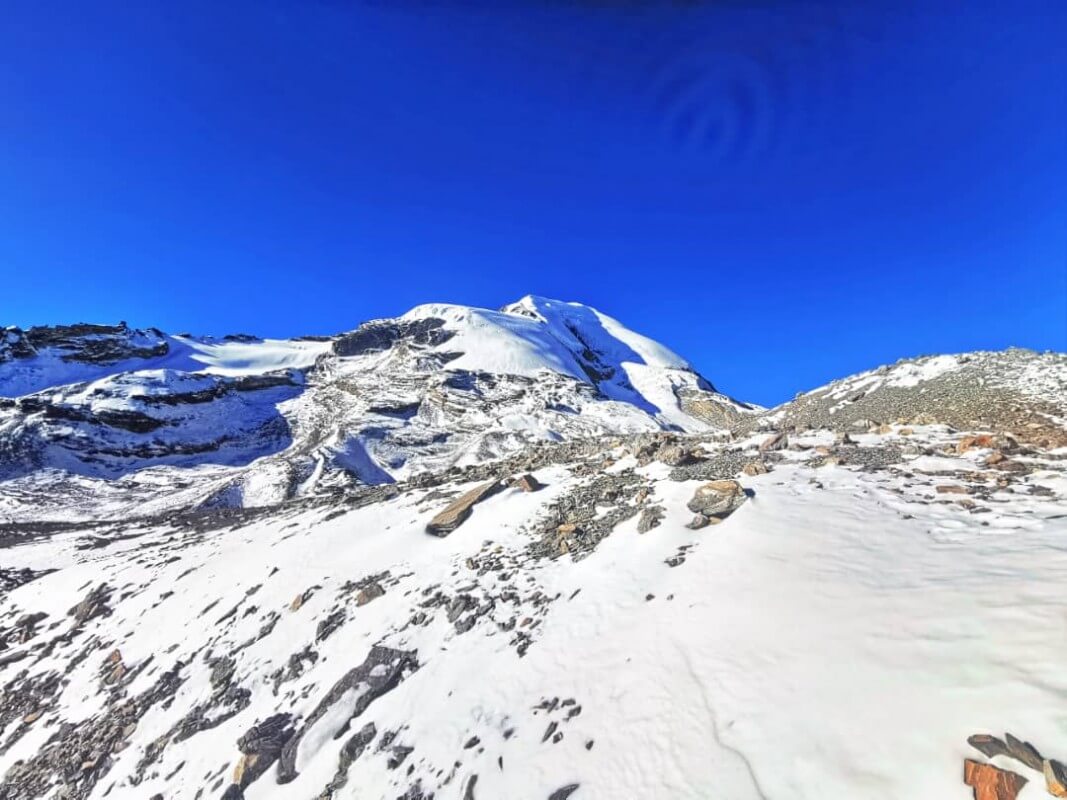
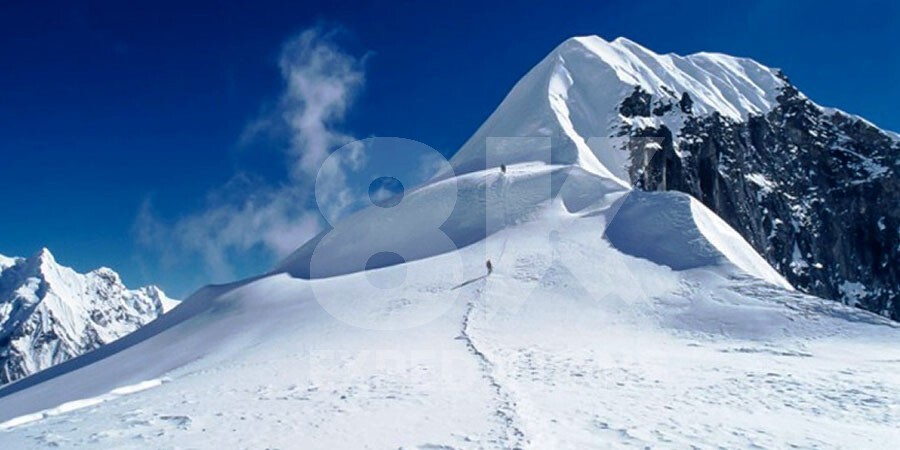
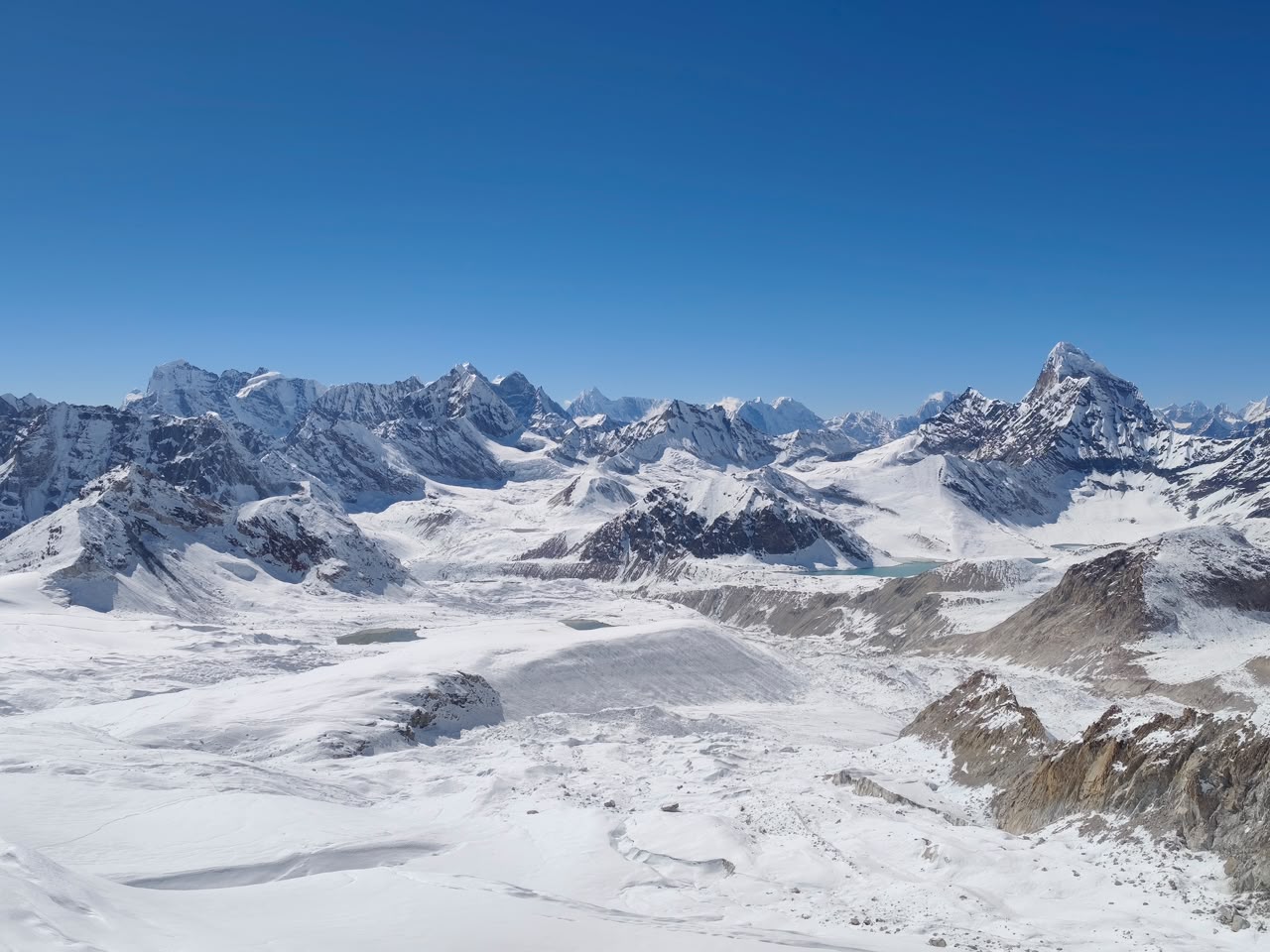
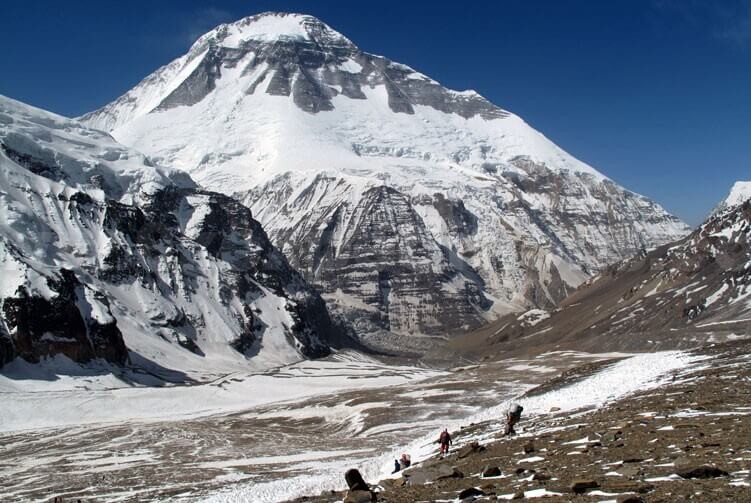
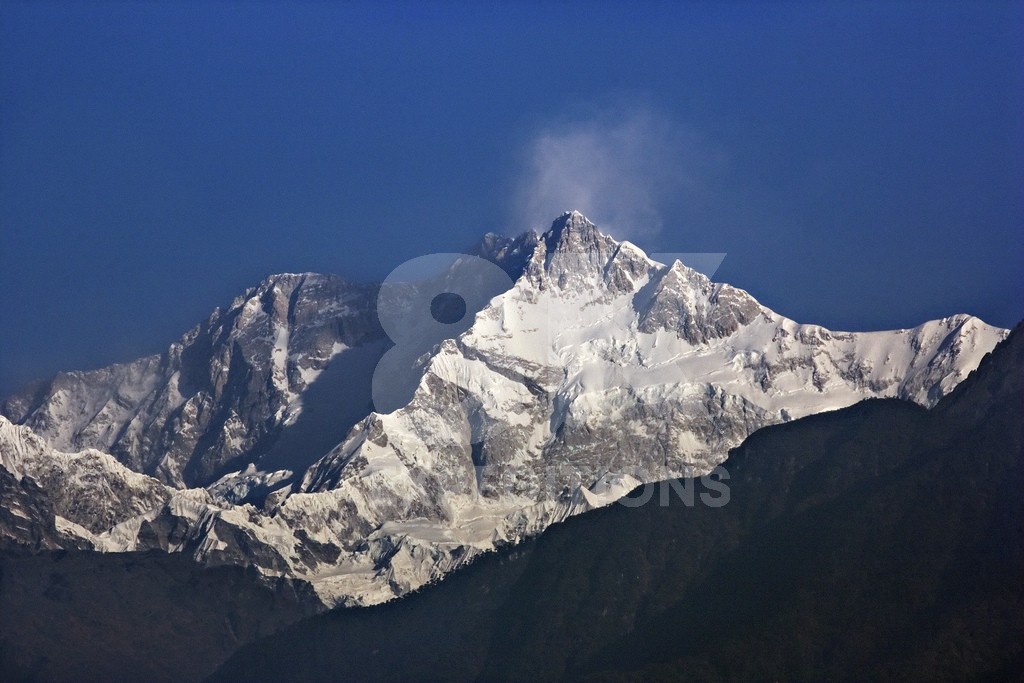
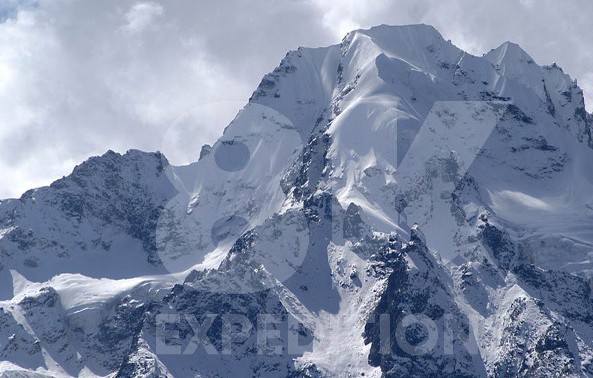
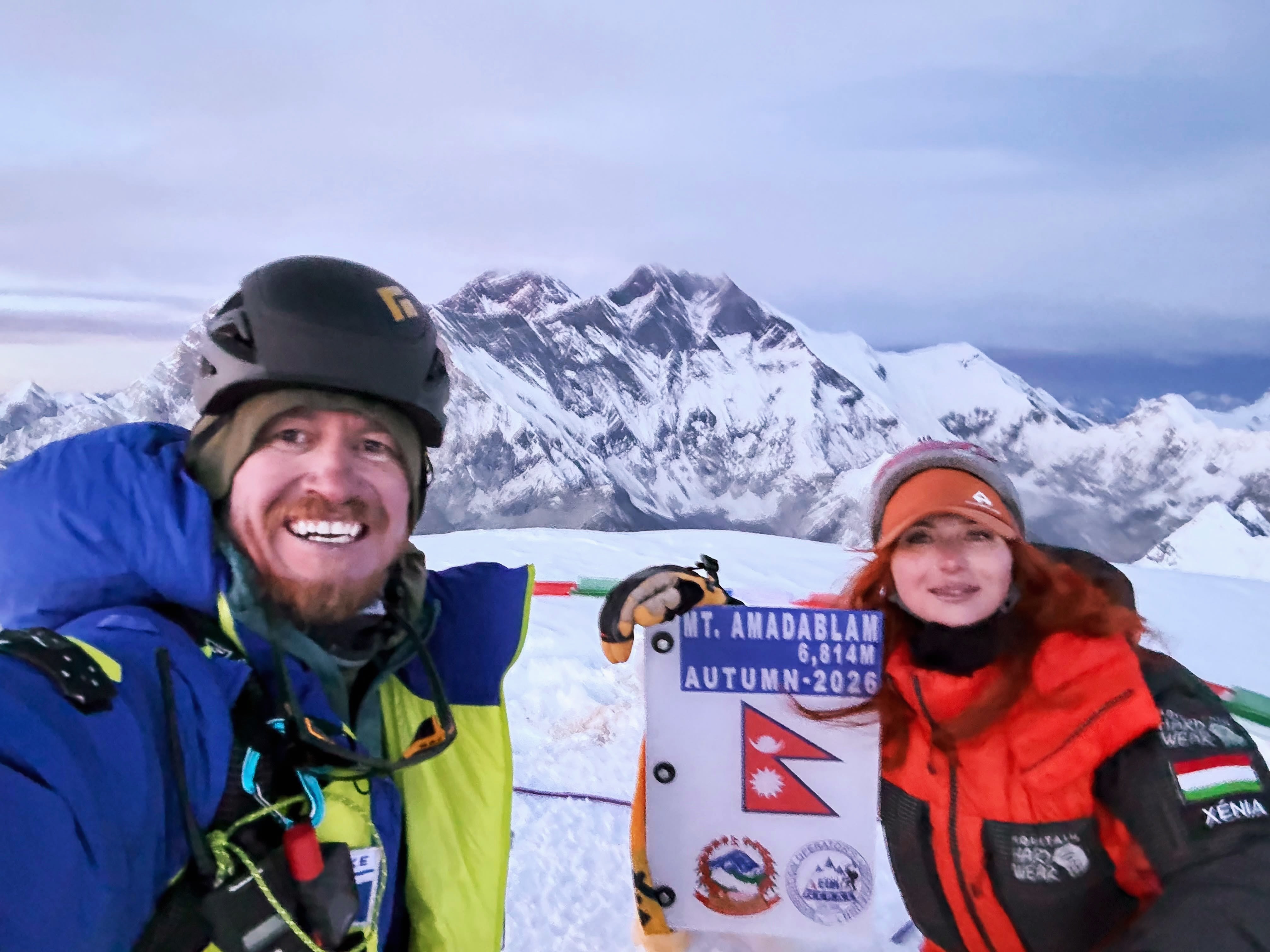
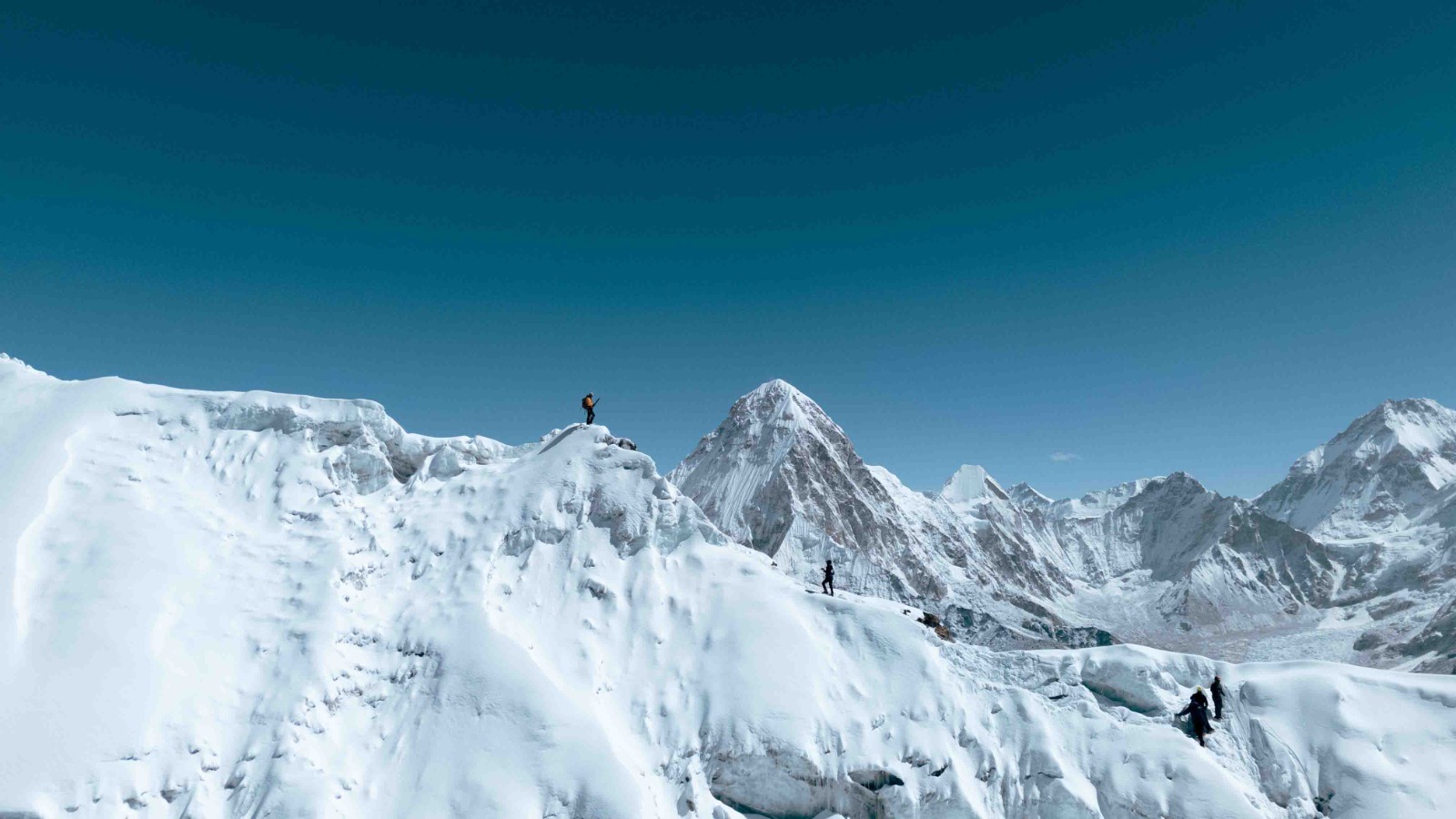
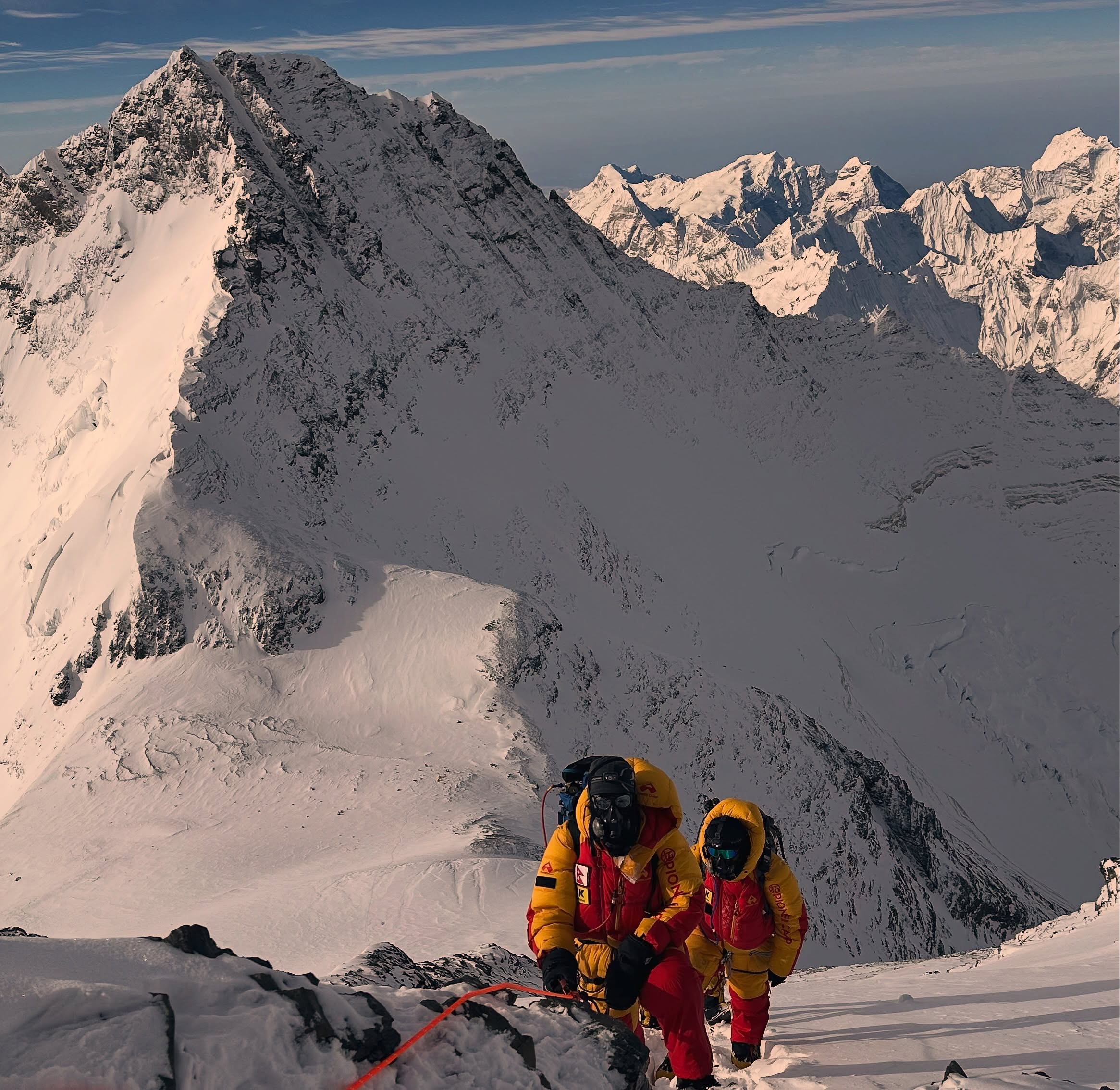
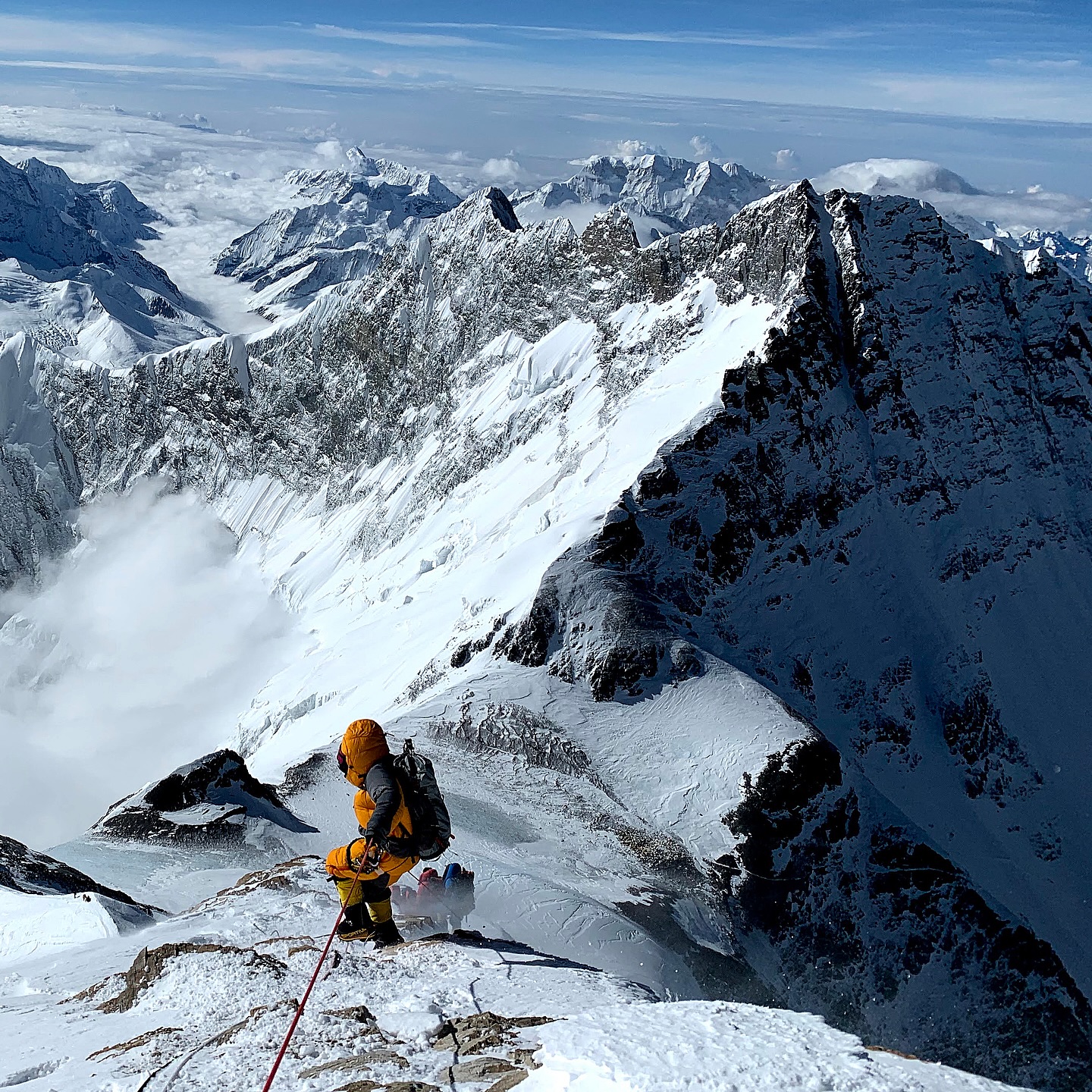
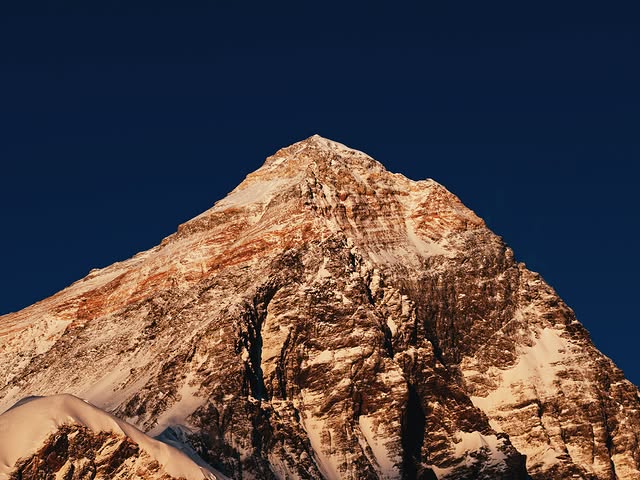
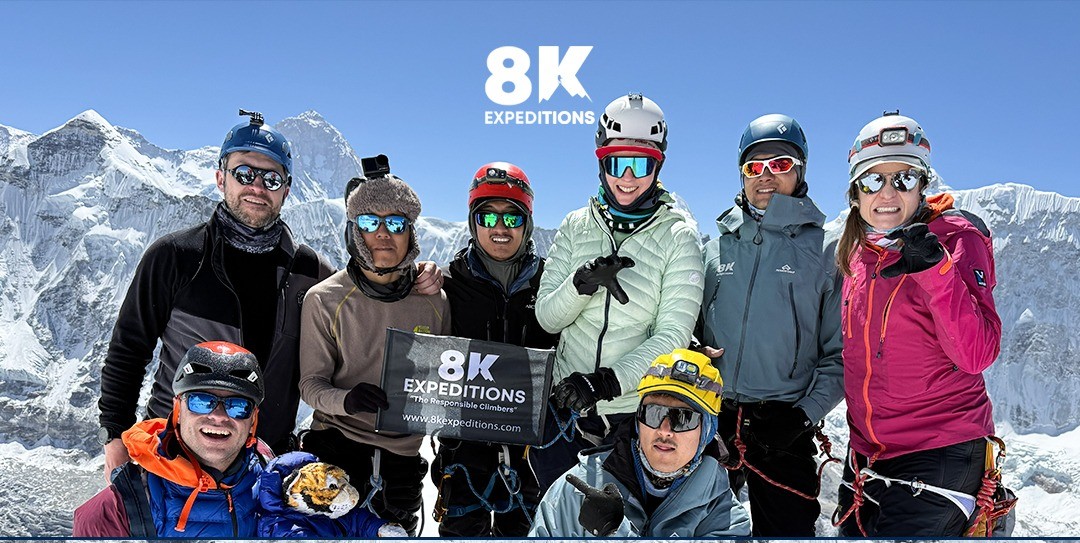
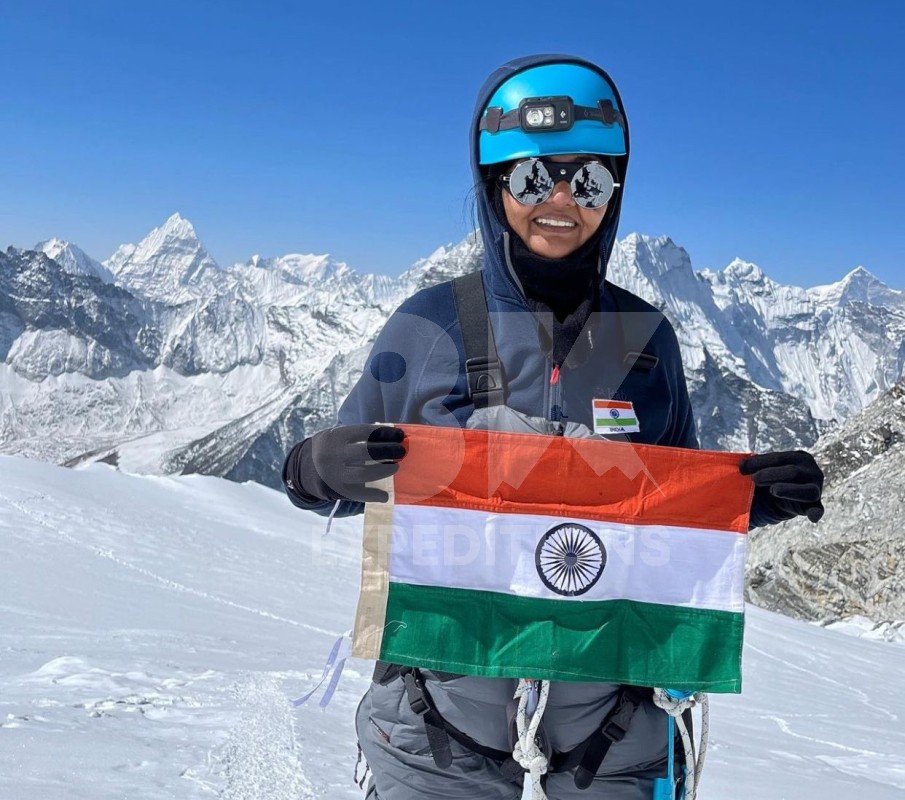
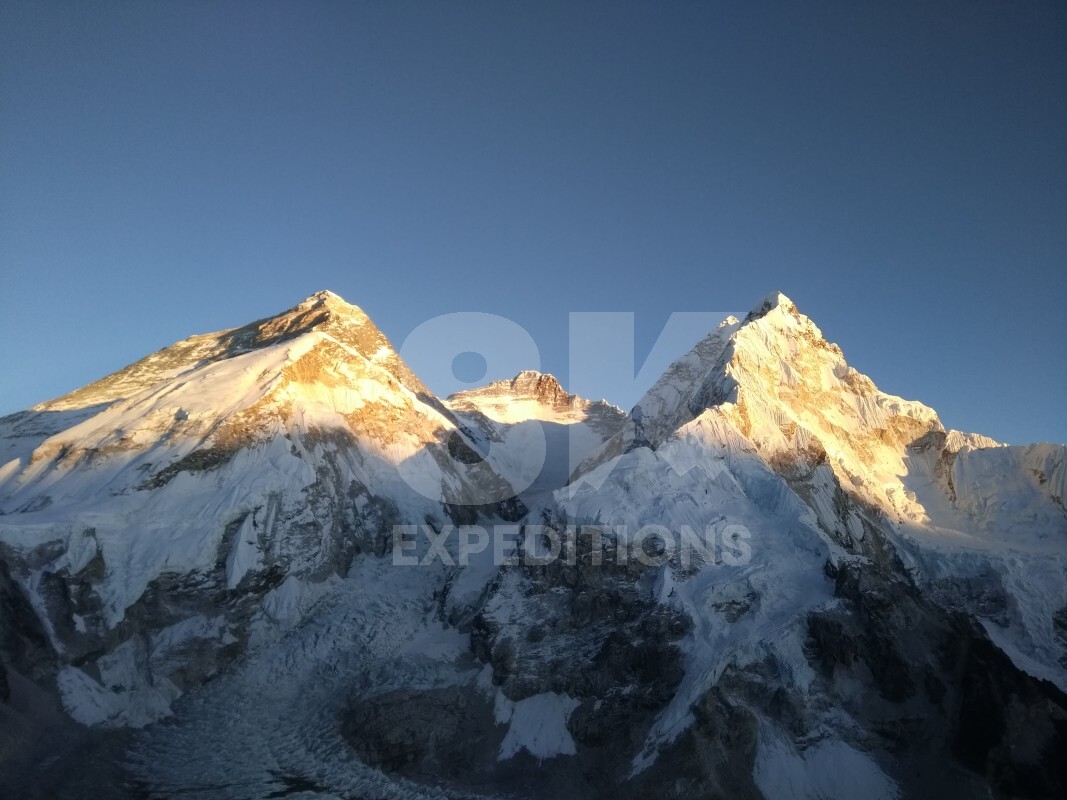
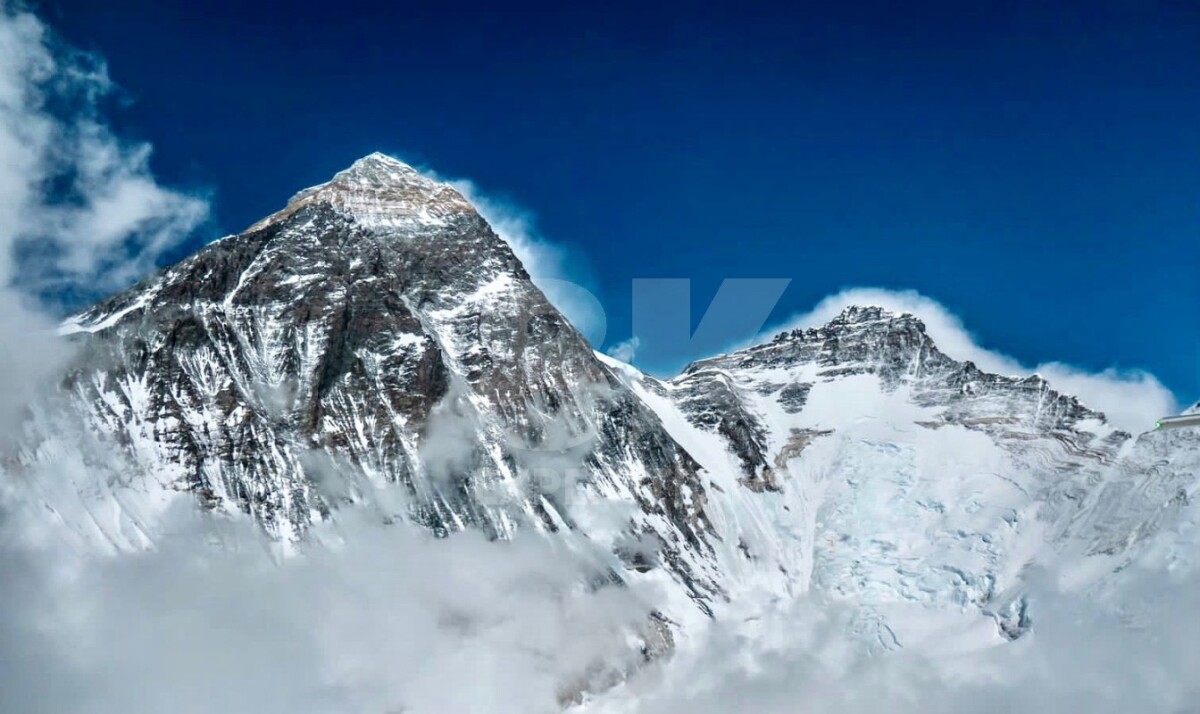
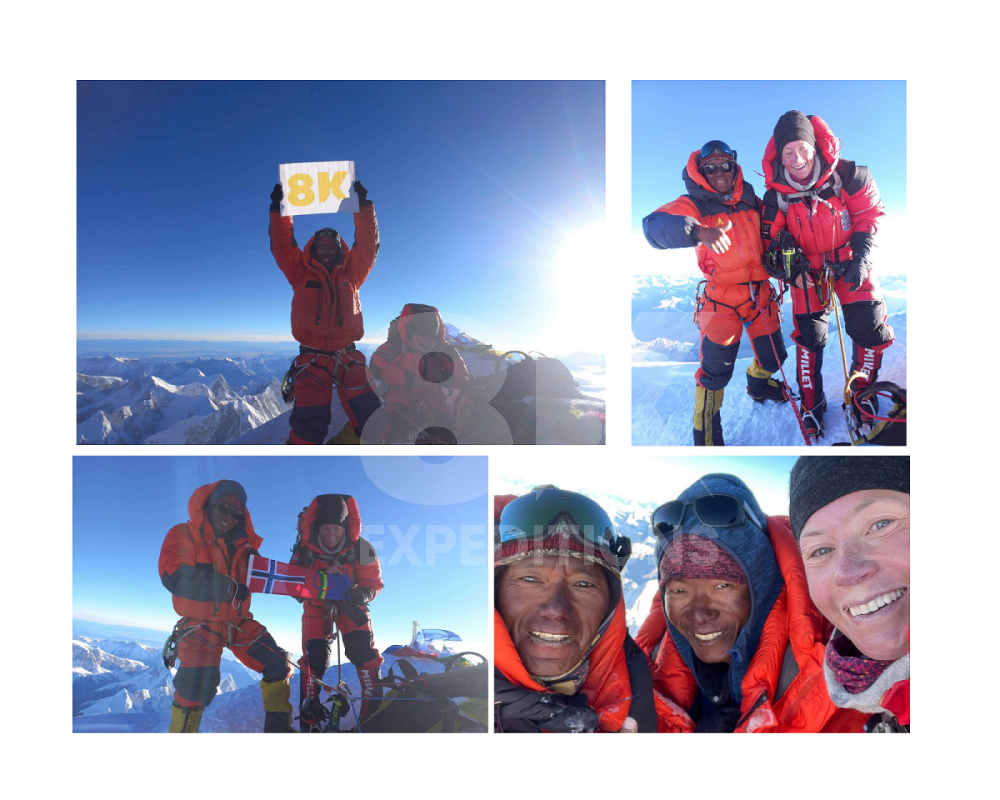
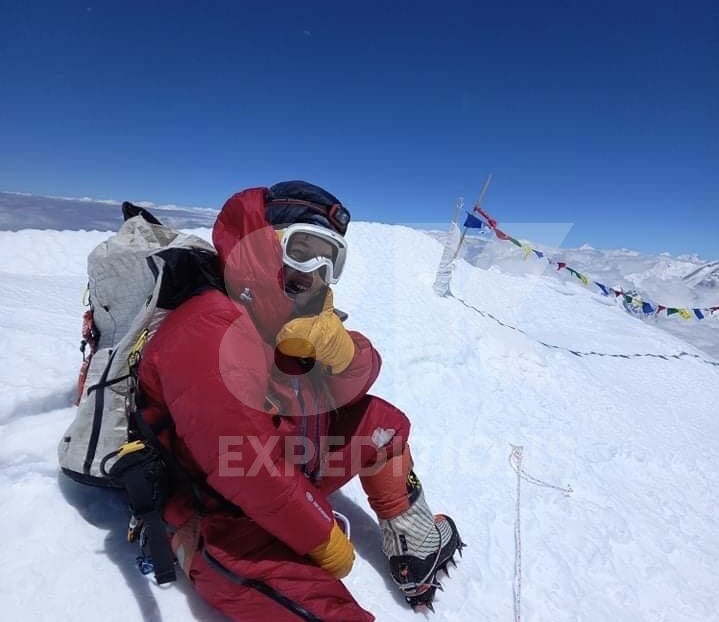
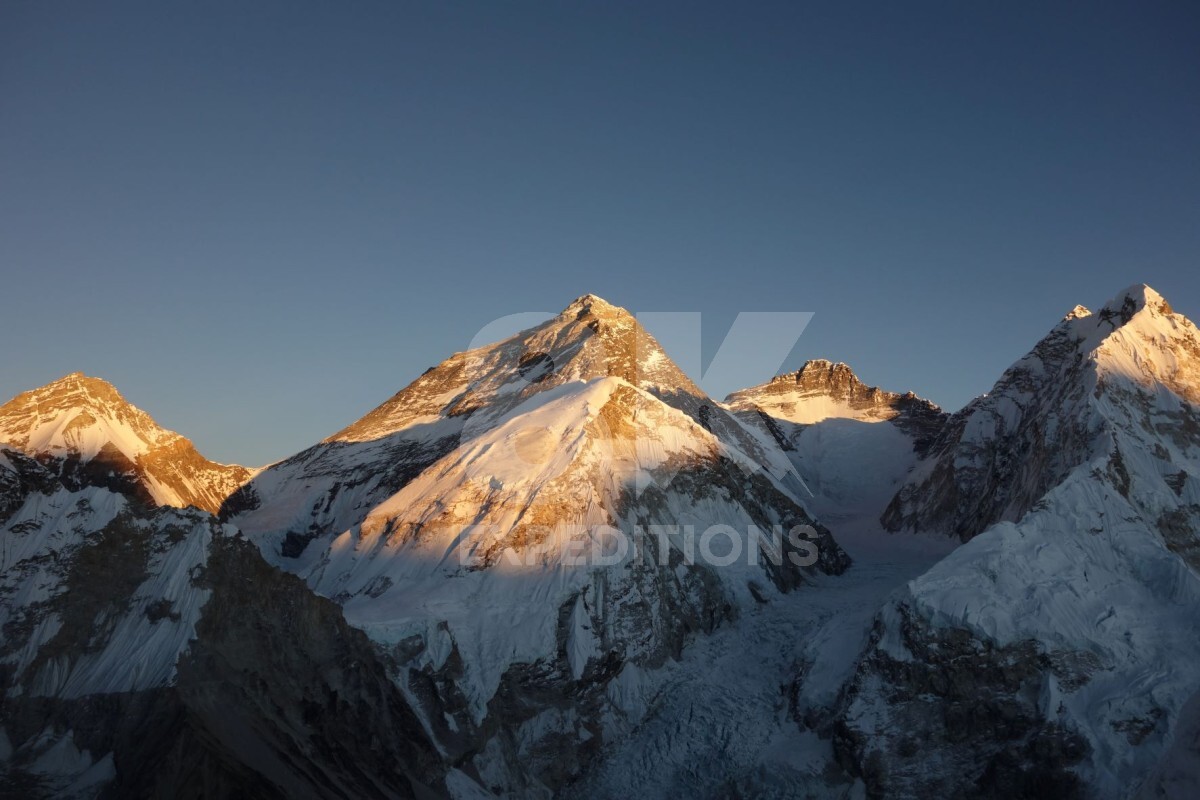
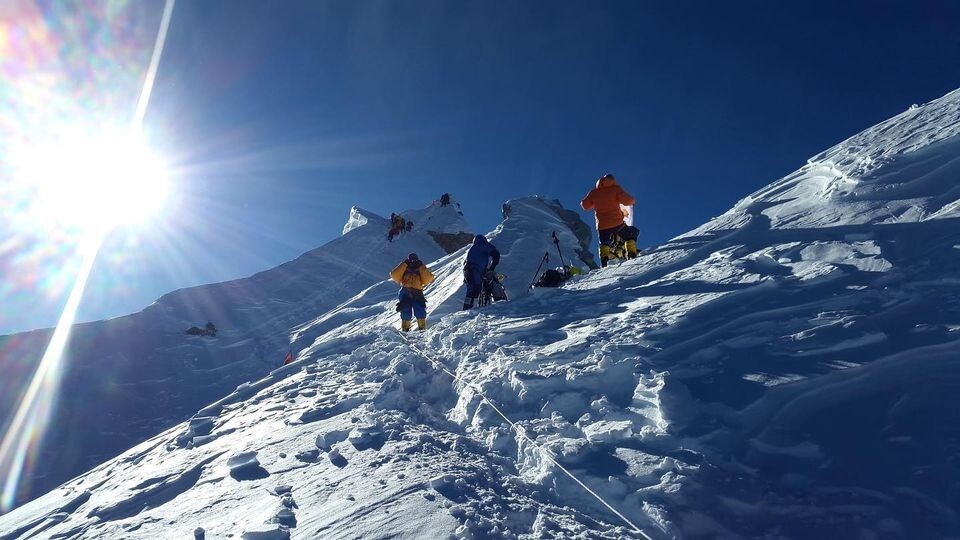
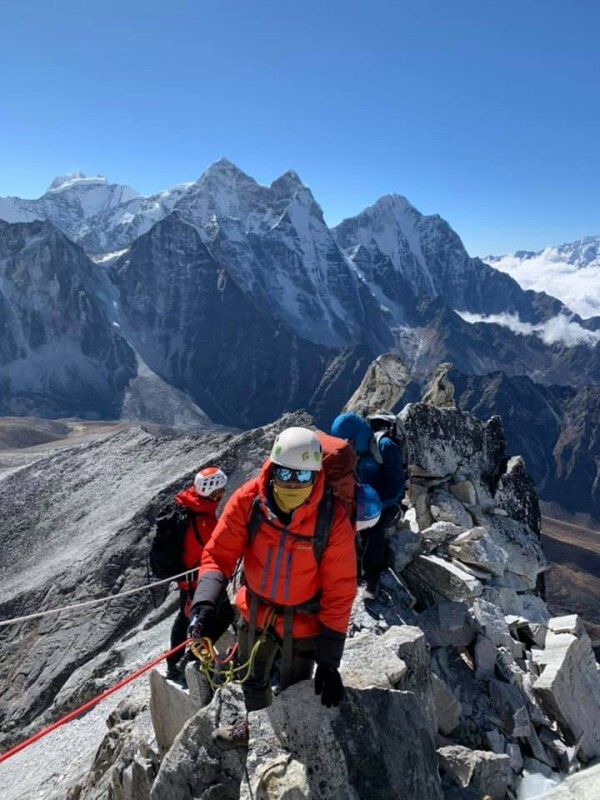
The standard route to the summit lies towards the North and involves high-altitude glacier walking. A number of routes have been discovered to the summit of Mera Peak, out of which West and South facing ridges are a bit tougher, demanding technical skills in peak climbing while the route towards the North is easier and standard. Any keen trekker with experience in high-altitude trekking can opt for Mera Peak climbing as it is a technically straightforward ascent. The top of the summit offers magnificent vistas of Mt Everest, Mt. Makalu, Mt. Lhotse, Mt. Cho Oyu, Mt. Kanchenjunga, and other snow-capped peaks in the Khumbu region. The challenge that it poses is worth the reward it offers upon successful ascent to the summit. 


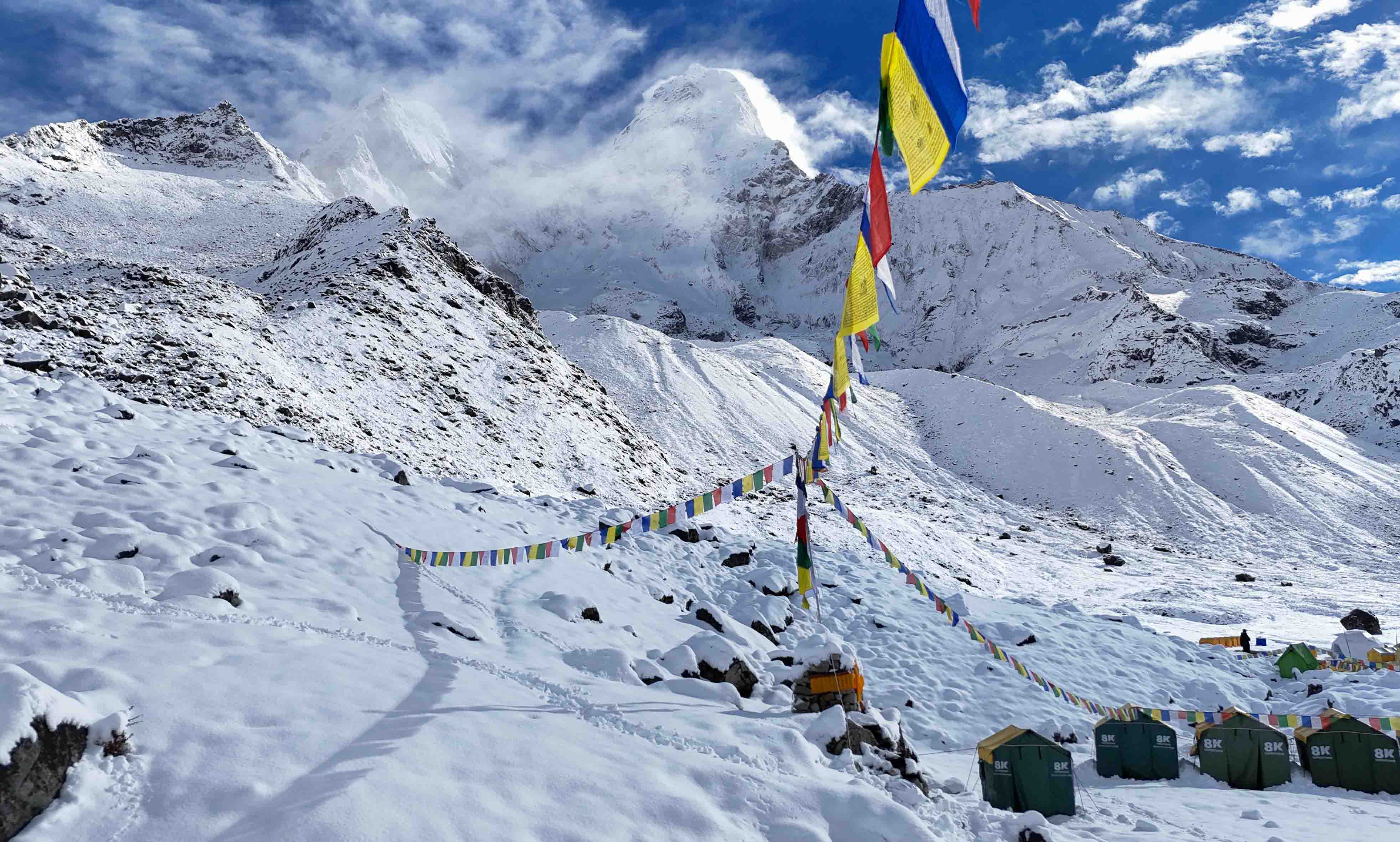
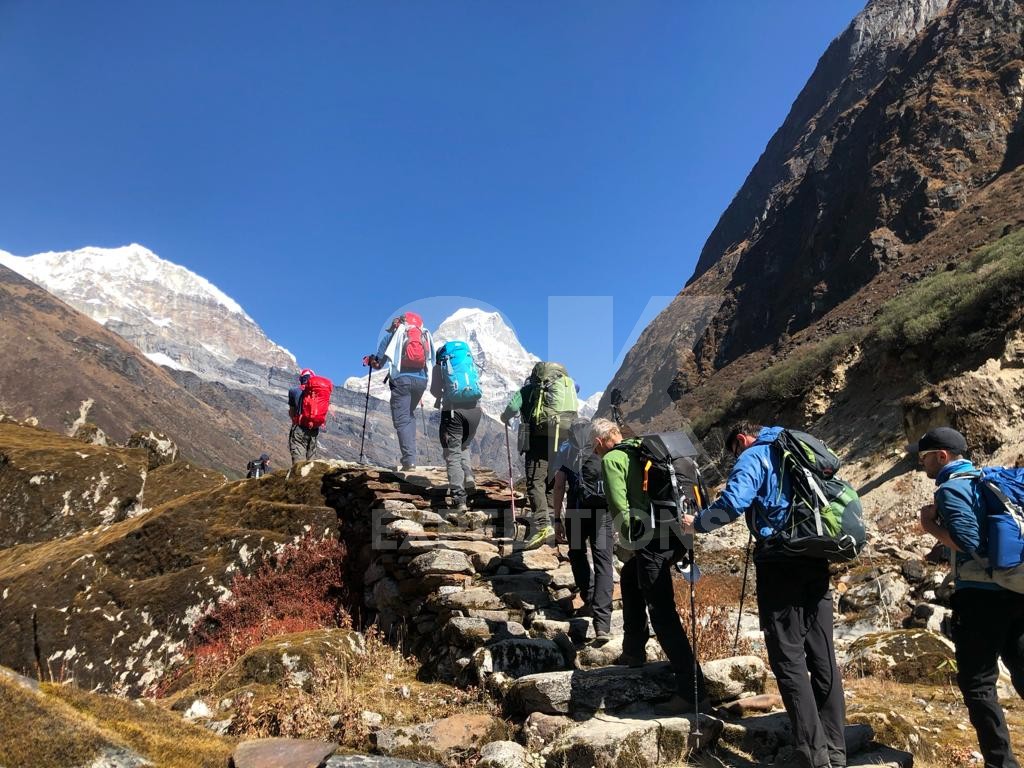
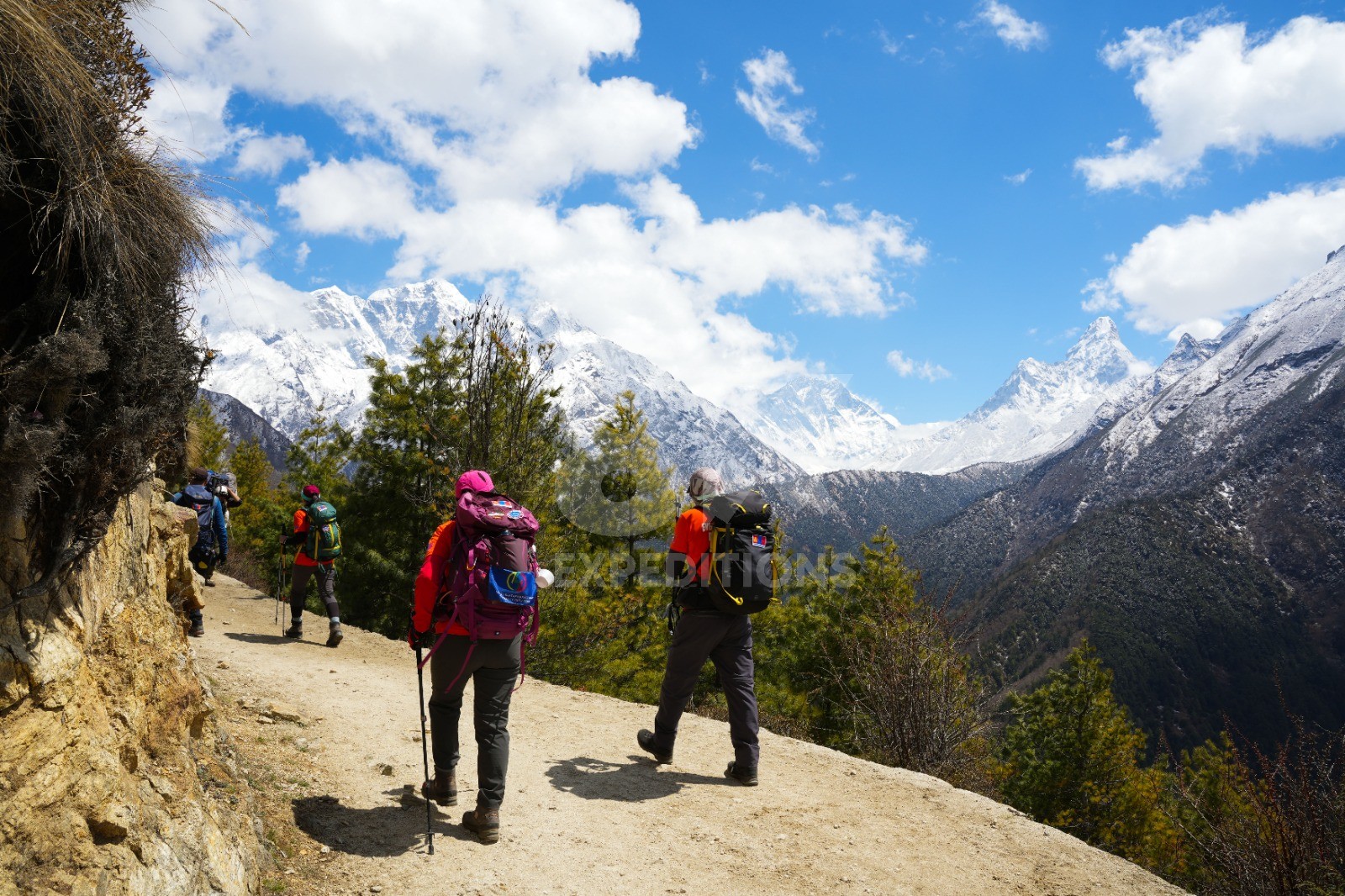
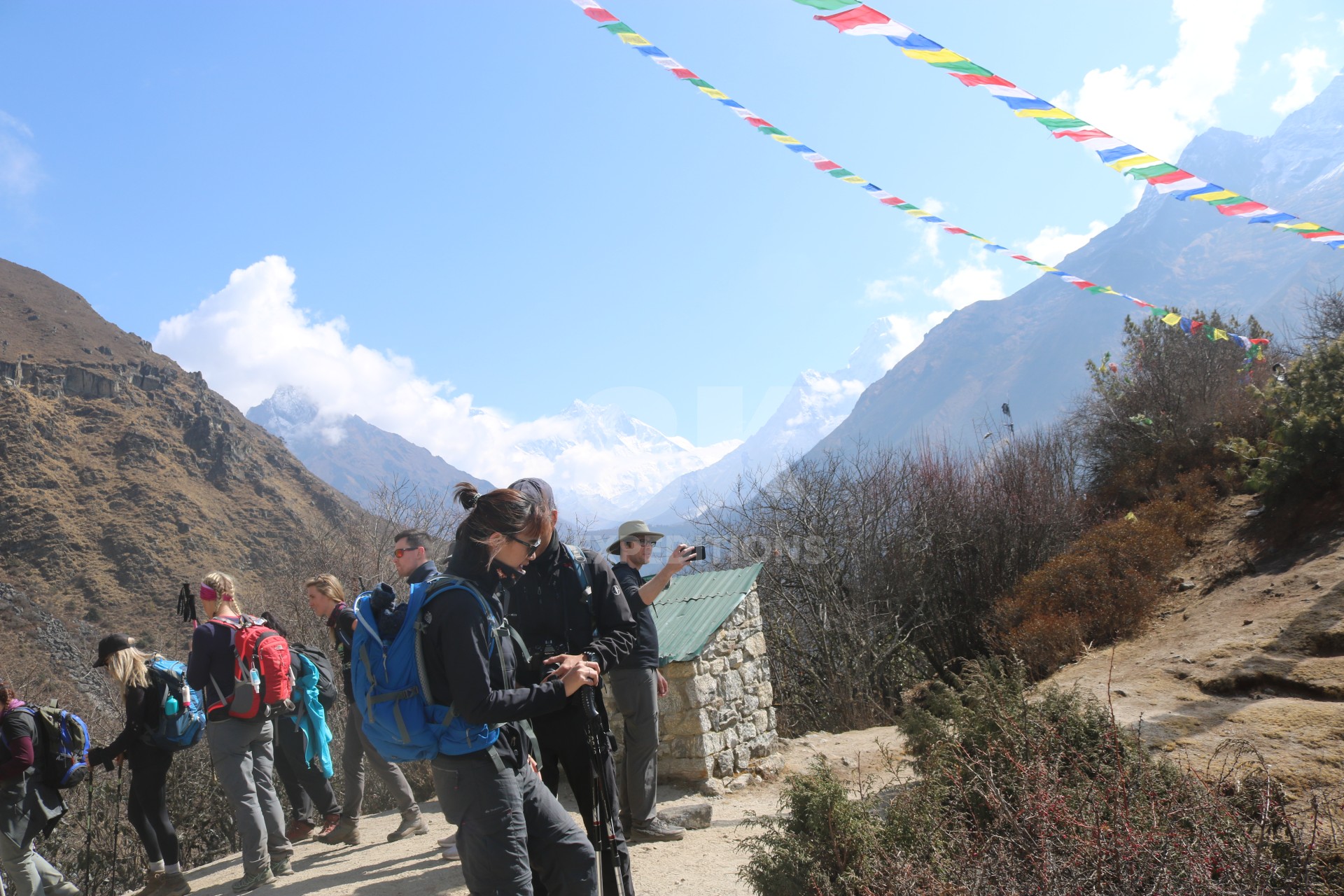
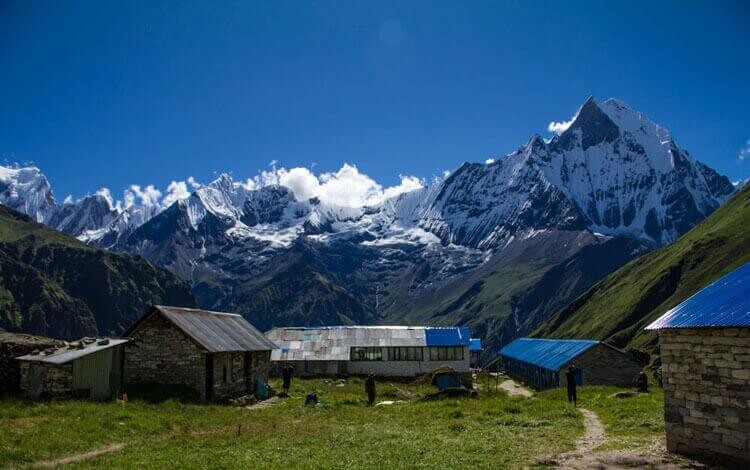
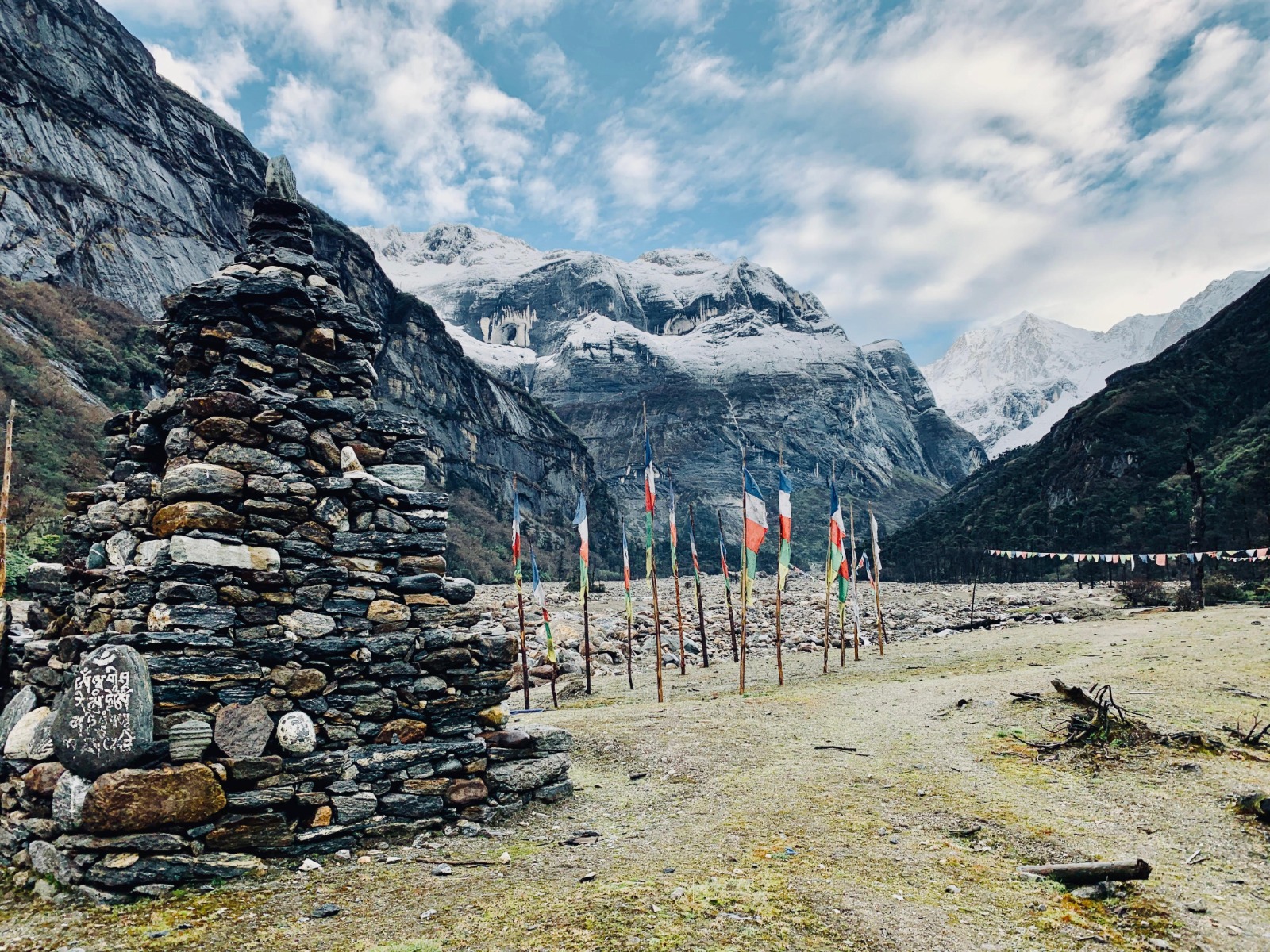
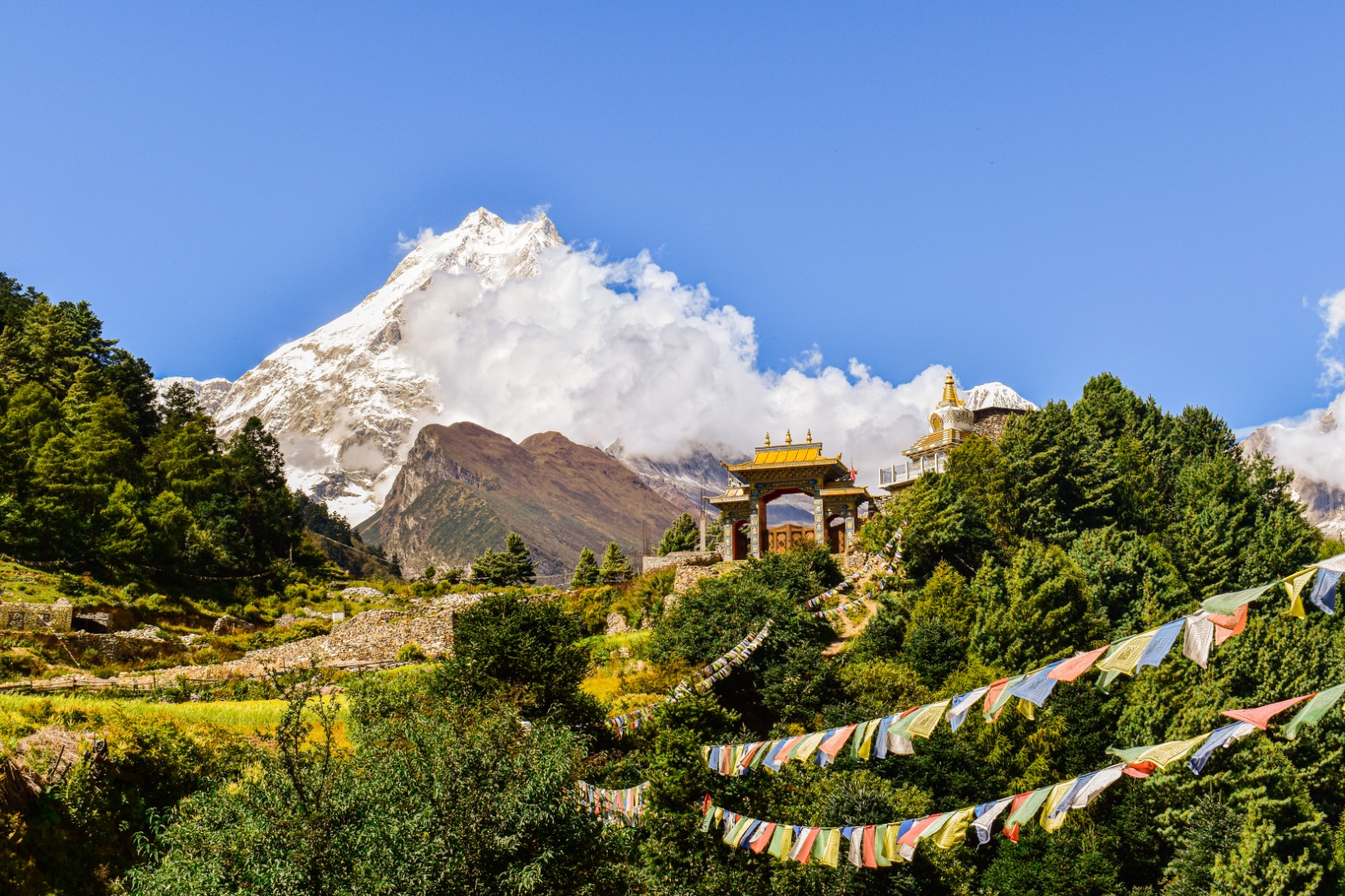
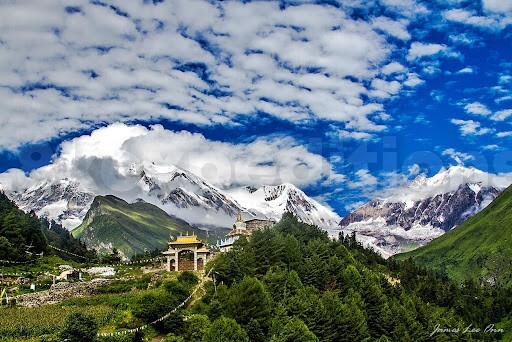
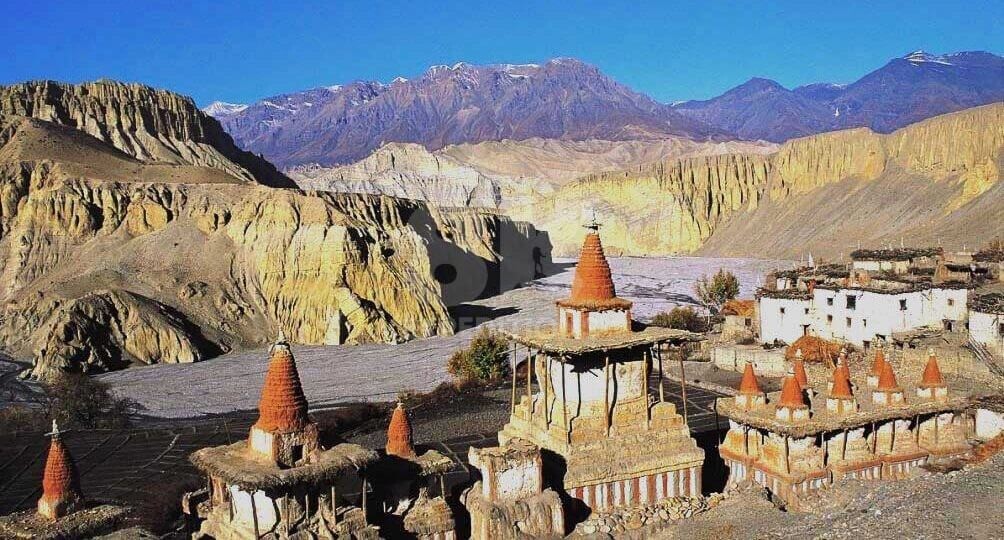
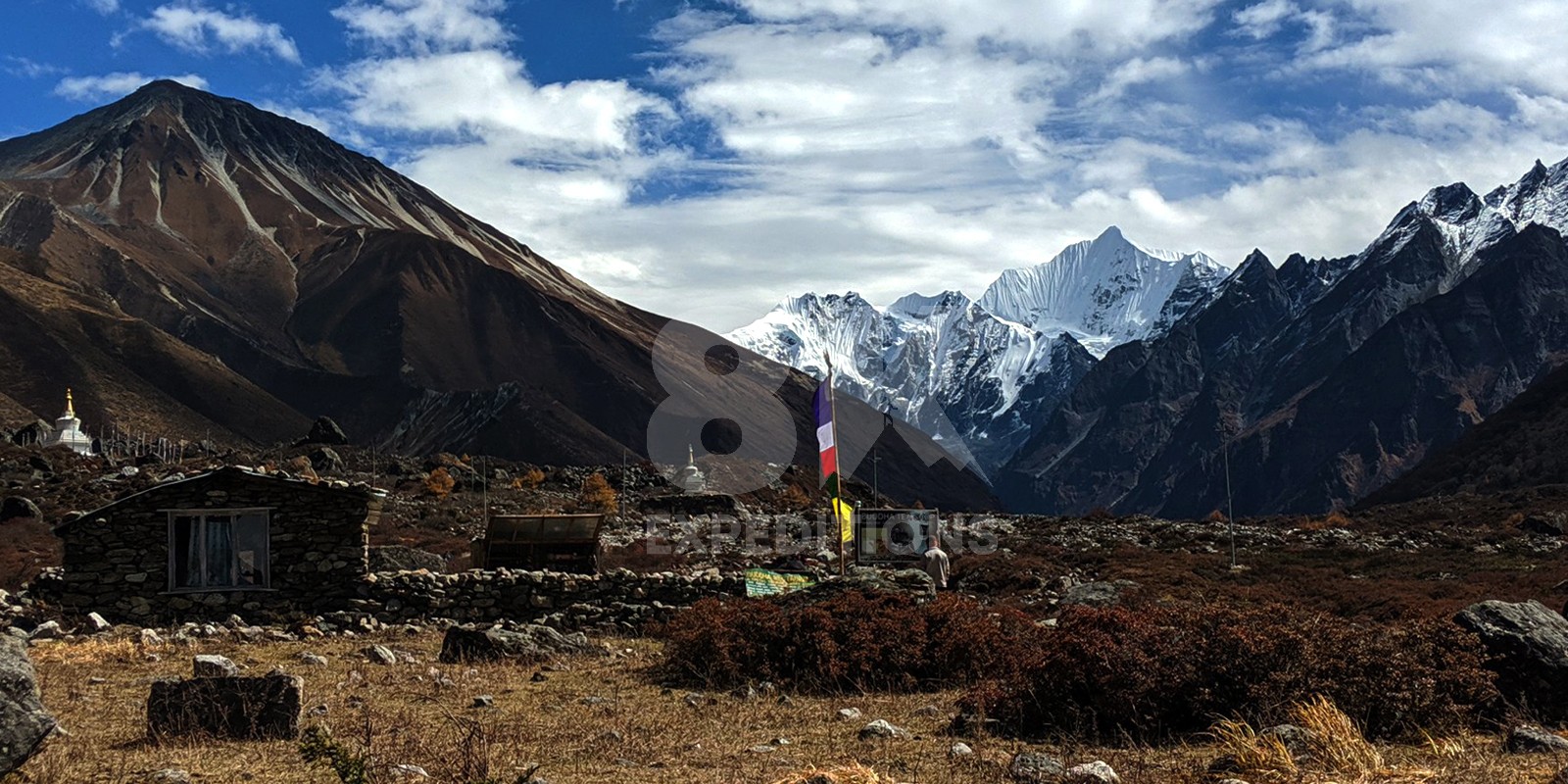
The standard route takes the climbers through the Zwatra La Pass at 4160 m presenting the opportunity to get acquainted with the local culture, traditions, and lifestyle of the local Sherpas. You will also be mesmerized by the diverse ecosystem, floras and faunas, and unique landscapes as you move along. You will have an opportunity to witness the remoteness and serenity of the lesser-visited Hinku Valley. Expect fewer teahouses as compared to the numbers on the trail to Everest. You will be walking on rugged and steep paths, so make sure you are physically strong and mentally prepared for the exotic yet challenging trip to Mera Peak.


Best Season to Climb Mera Peak Himalaya


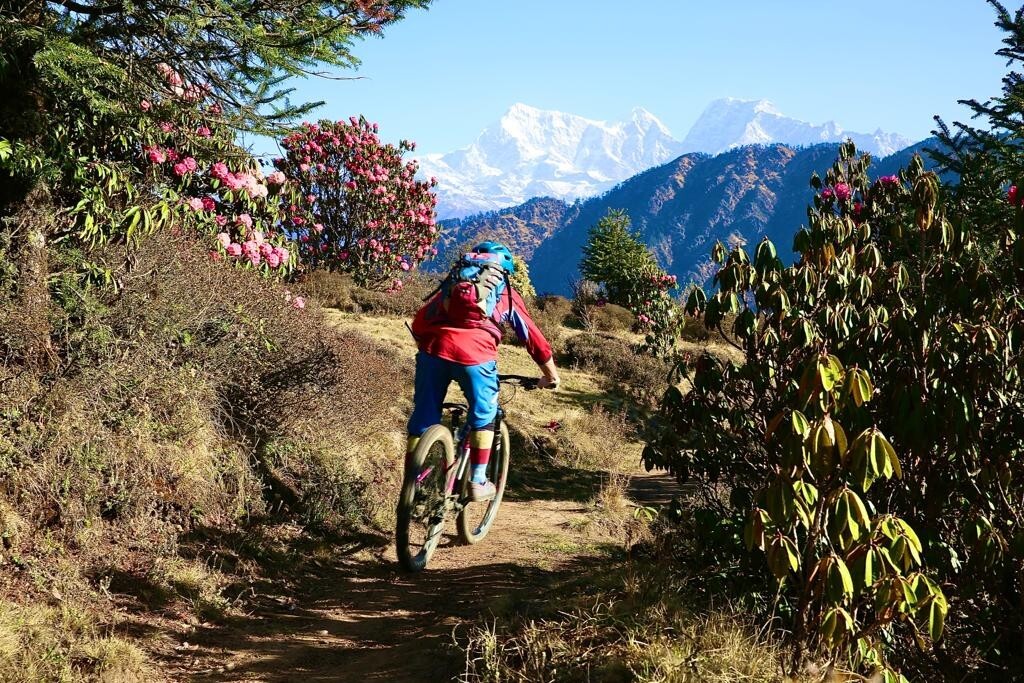
The best seasons to climb Mera Peak are during the spring (March to May) and autumn (September to November) seasons, when the weather is stable, and these seasons offer clear skies, beautiful views of the mountains, and beautiful beautiful rhododendron blooms in spring. 


After all, you will be gaining victory over the snowy peak above 6000 m with basic trekking skills. Join us on the adventurous journey to Mera Peak Climbing. We make your travel fun-filled and memorable as no one else does. 


Are you ready to prepare for the climb of a lifetime? Send us inquiry via

Trip Itinerary

DAY
  • 01
    Arrival In Kathmandu And Transfer To The Hotel

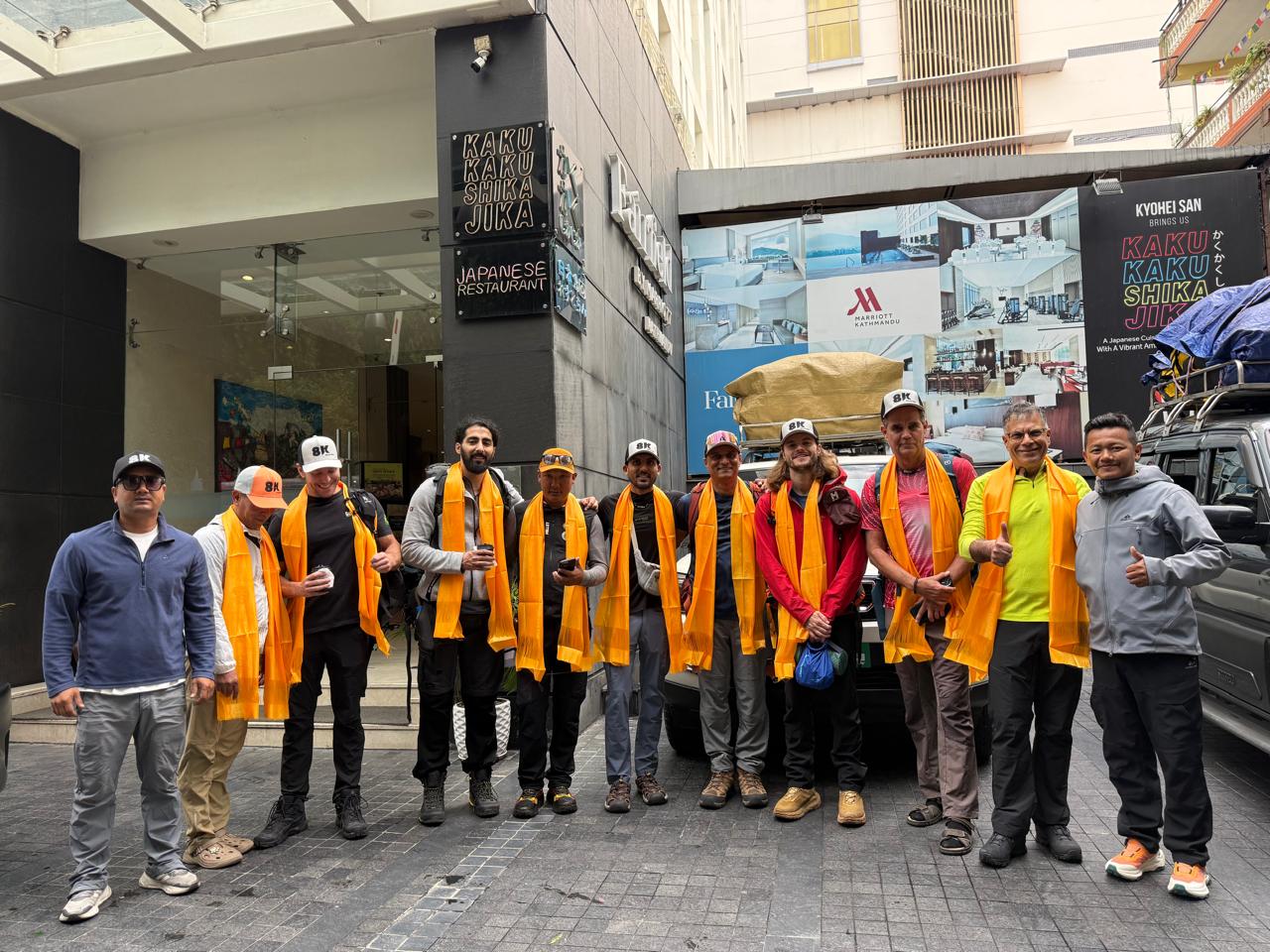
    Tracking the flight details that you provide, we will be waiting for you at the airport at your estimated arrival time. As soon as you complete your VISA obtaining procedure, we will meet and greet and transfer you to a cozy hotel where you can rest and relax. Exploring the streets of Thamel can be a good option for the evening.

    Altitude 1400 M
    Meals N/A
    Accommodation 3-5 Star Hotel
  • 02
    Prepare Permits, Expedition Briefing, Gear Check And Shopping.

    On the second day, we will complete all official formalities like obtaining permits to climb Mera Peak and other necessary documents. Our guide will take you around the city for general shopping. We will conduct a briefing in the evening and pack up everything for the trek and peak climbing. 

    Altitude 1400 M
    Meals Breakfast
    Accommodation Hotel
  • 03
    Domestic Fly To Lukla (2,860 M) And Trek To Chutanga (3,050 M).

    After early morning breakfast at the hotel, we take a short and scenic flight to Lukla, one of the highest altitude airports. As we land at Lukla, we will meet our local team members and porters who will carry our luggage to Chutenga. We will hike towards the south-east of Lukla that leads towards the Makalu Barun Conservation Area where we will obtain entry permits with nominal fees. We then follow a path that goes across small rivers and takes us past monasteries until we reach the Chutenga village. 


    We will spend our next day here to acclimatize our bodies. In the daytime, we will take a short hike to Zwatra La at 4000m and rest overnight at Chutenga. 

    Altitude 3050 M
    Meals BLD
    Accommodation Lodge/Teahouses
  • 04
    Rest Day At Chutanga.

    Rest day at Chutanga. 

    Altitude 3050 M
    Meals BLD
    Accommodation Lodge/Teahouses
  • 05
    Trek To Thuli Kharka (4,100 M) Via Zatrwa La Pass (4,610 M).

    Trek to Thuli Kharka (4,100 m) via Zatrwa La Pass (4,610 m).

    Altitude 4610 M
    Meals BLD
    Accommodation Lodge/Teahouses
  • 06
    Trek To Khote (3700m).

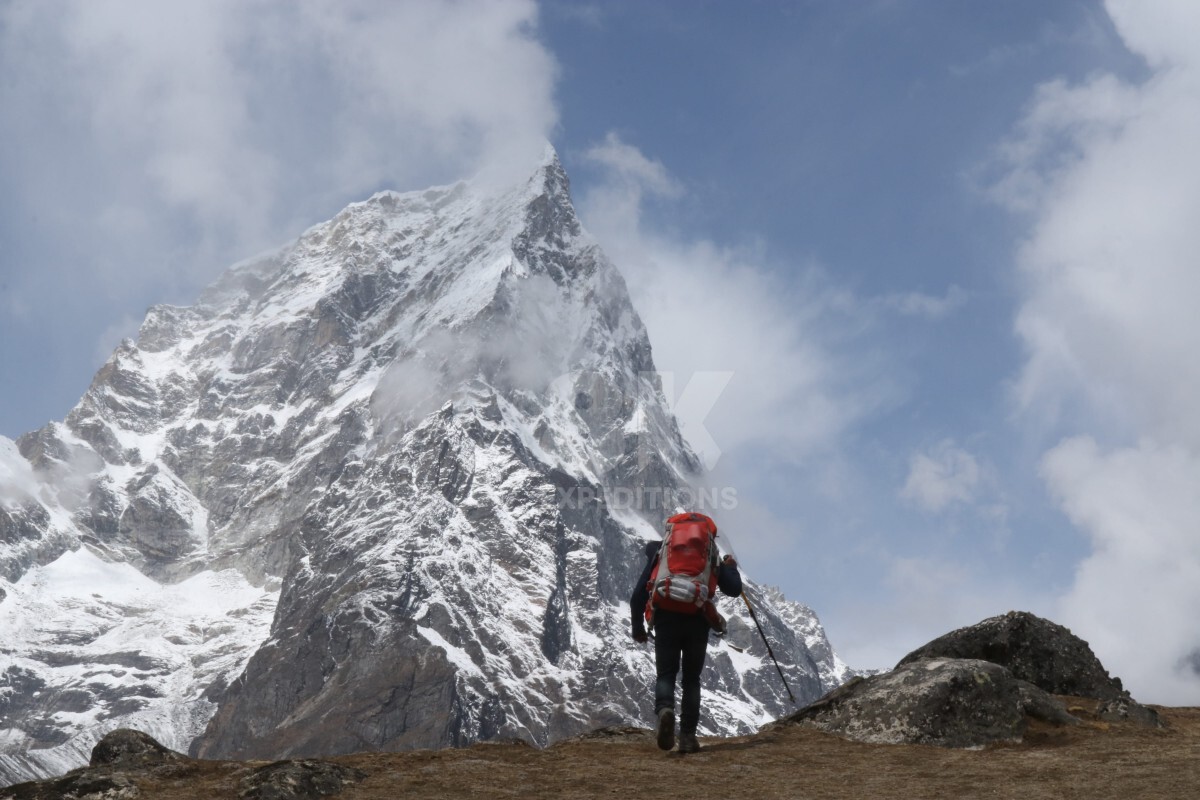
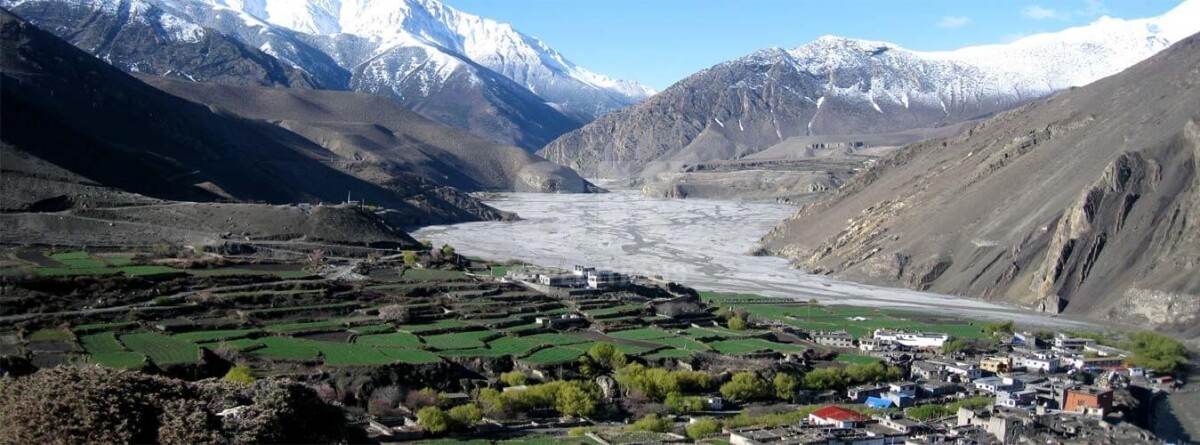
    After an appealing breakfast at the lodge in Jungle Camp, we will head towards Kothe. The trail passes through the Hinku Valley, starting with a decent downhill with mesmerizing views of mountains. As we walk along, we will be going up and down hills through the dense green forests. As we enter the Hinku valley, we will behold the sight of Mera Peak, our ultimate destination. Then, we make a steep descent to the Hinku River and climb a gentle steep uphill to reach our stop for the night. 

    Altitude 3,700 M
    Meals BLD
    Accommodation Lodge/Teahouses
  • 07
    Trek To Thaknak (4350m).

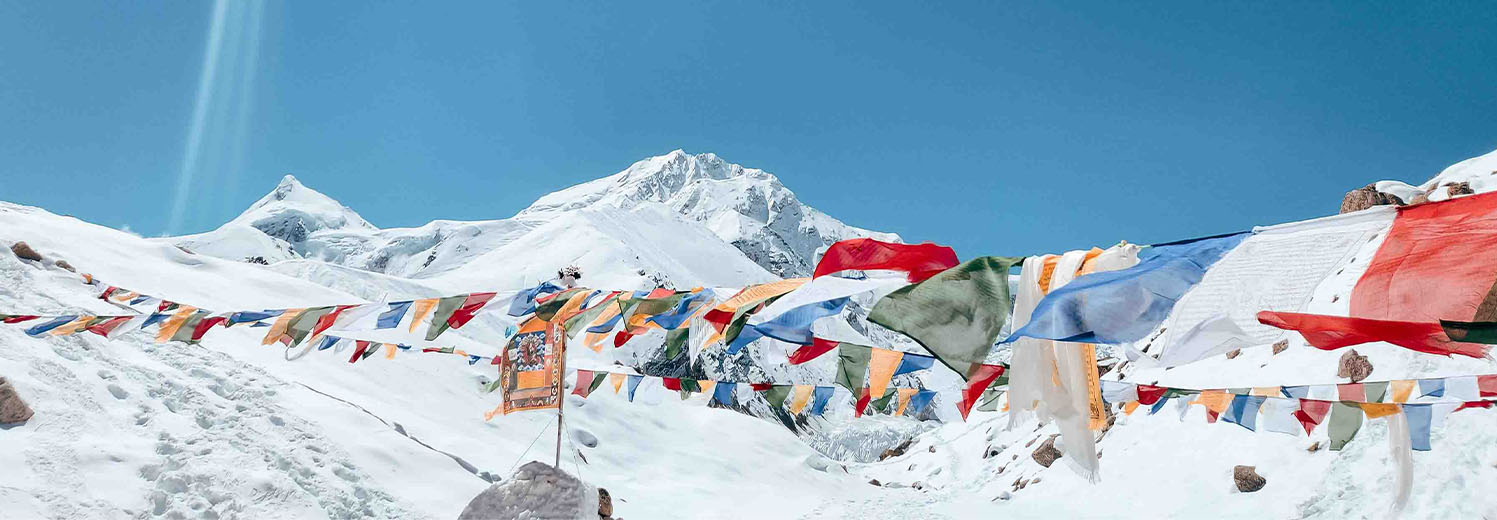
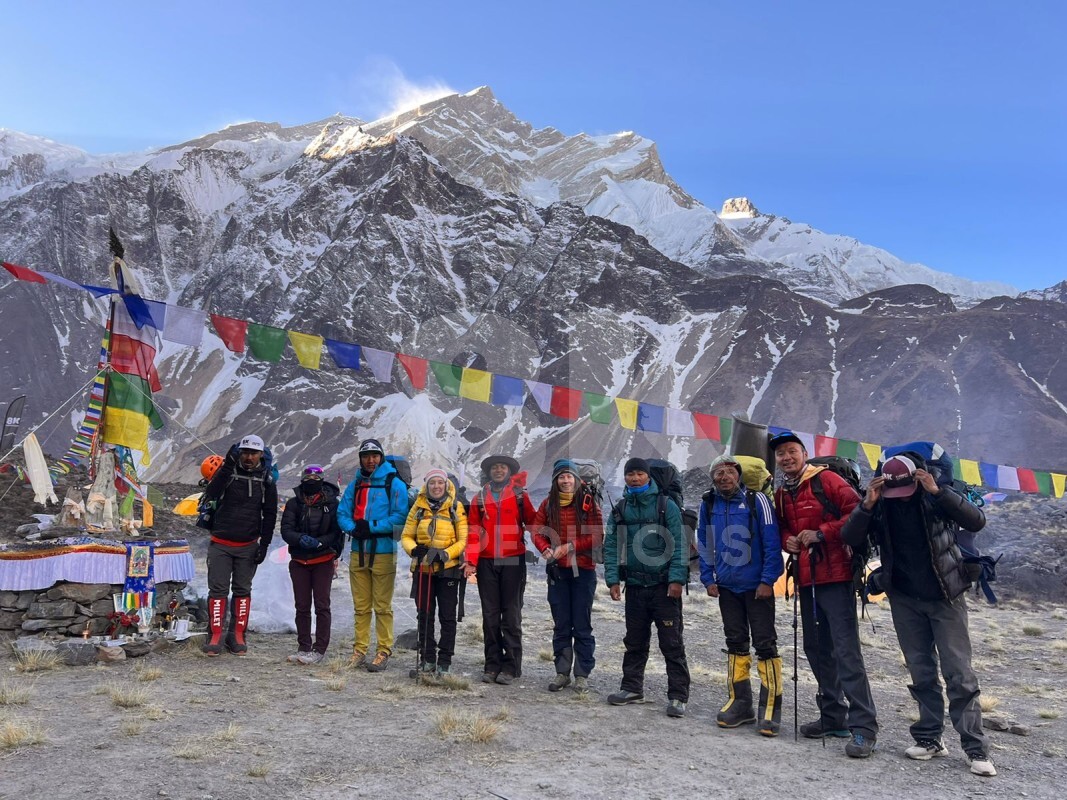
    After a night’s rest at Kothe, we move towards our next stop in the Mera Peak climbing journey. We will walk along the bank of the Hinku river towards Gondishung where we will stop for lunch. Gondishung is famous for a 200-year-old monastery, Lungsumgba Gompa, and other attractive heritages. It is believed that if one makes prayers at this Gompa, the Mera Peak climbing will be successful. We continue to walk until we reach Thangnak, a pasture land, used widely in summer to graze yaks. We will rest at a teahouse for the night. 

    Altitude 4,350 M
    Meals BLD
    Accommodation Camping
  • 08
    Trek To Khare (5045m).

    The next stop after Thangnak is Khare. The trail from Thangnak to Khare is a bit challenging and demanding as it requires travelers to walk on steep moraine ridges from Dig Glacier to Dig Kharka, right in front of the Charpate himal, meaning the four sided hill. 


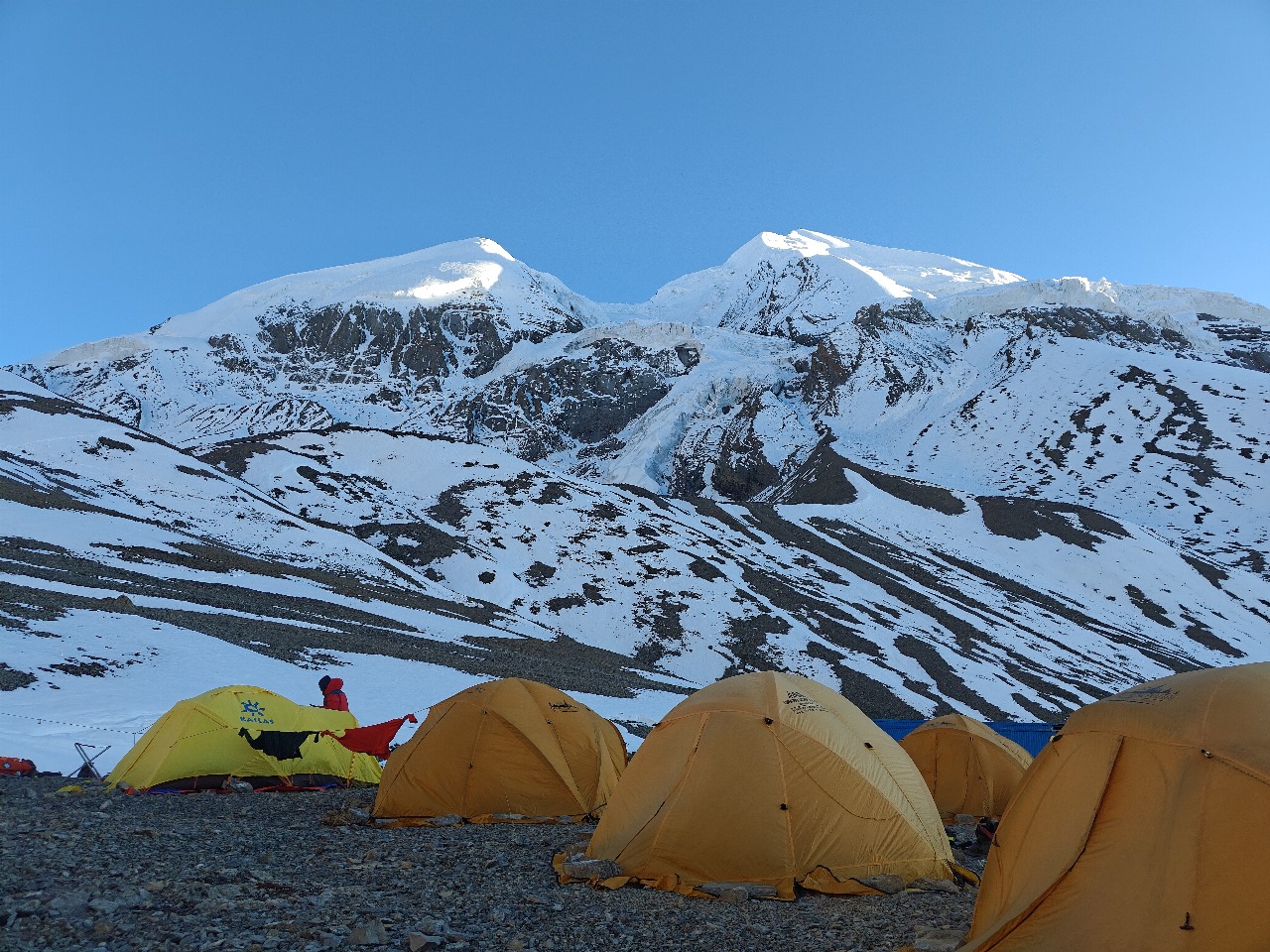
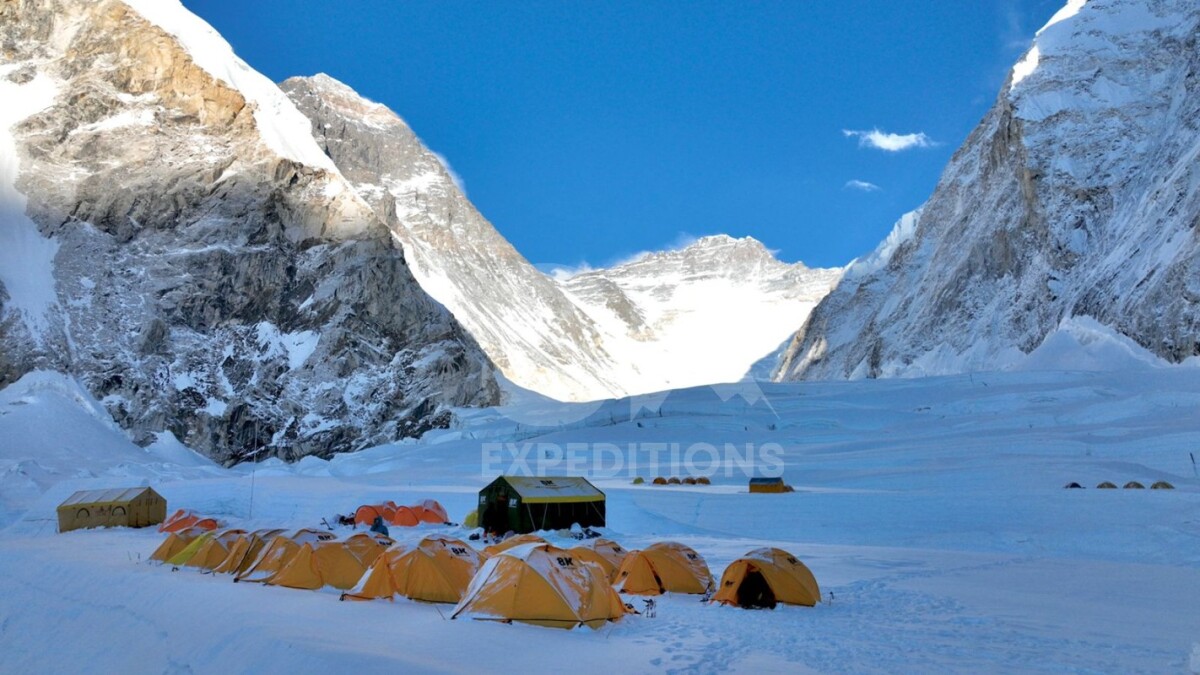
    Following the glacier is a 3-4 hours steep hill climb that leads to Khare. We will be walking above the tree line here. So, we will stay here for another day to acclimatize ourselves.

    Altitude 5,045 M
    Meals BLD
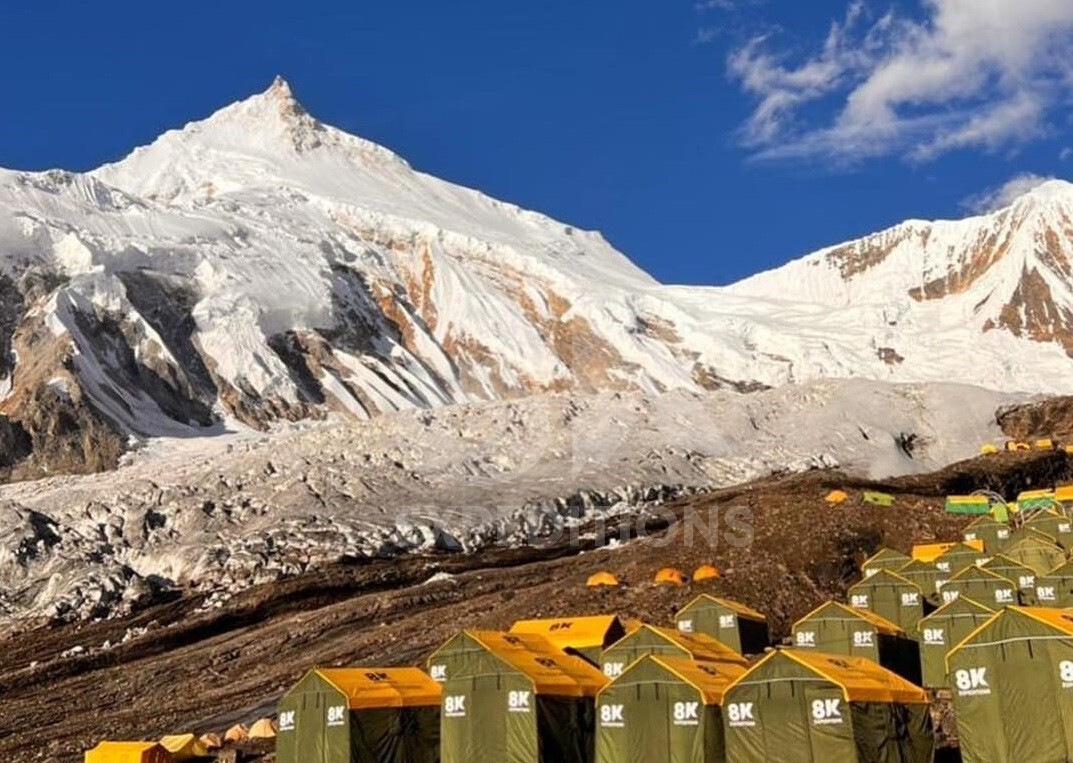
    Accommodation Full Board Camp Service
  • 09
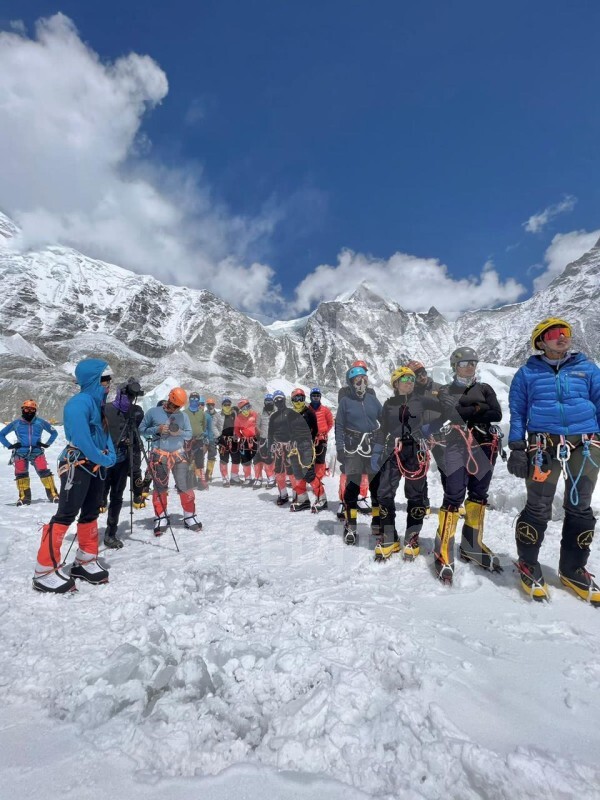
    Training And Acclimatization Day.

    Training & acclimatization. 

    Altitude 4,350 M
    Meals BLD
    Accommodation Teahouse/Tent
  • 10
    Climb To Mera High Camp (5,800 M).

    Climb to Mera High Camp (5,800 m).

    Altitude 5,780 M
    Meals BLD
    Accommodation Lodge/Teahouses
  • 11
    Mera Peak Summit (6476m) And Descend To Khare.

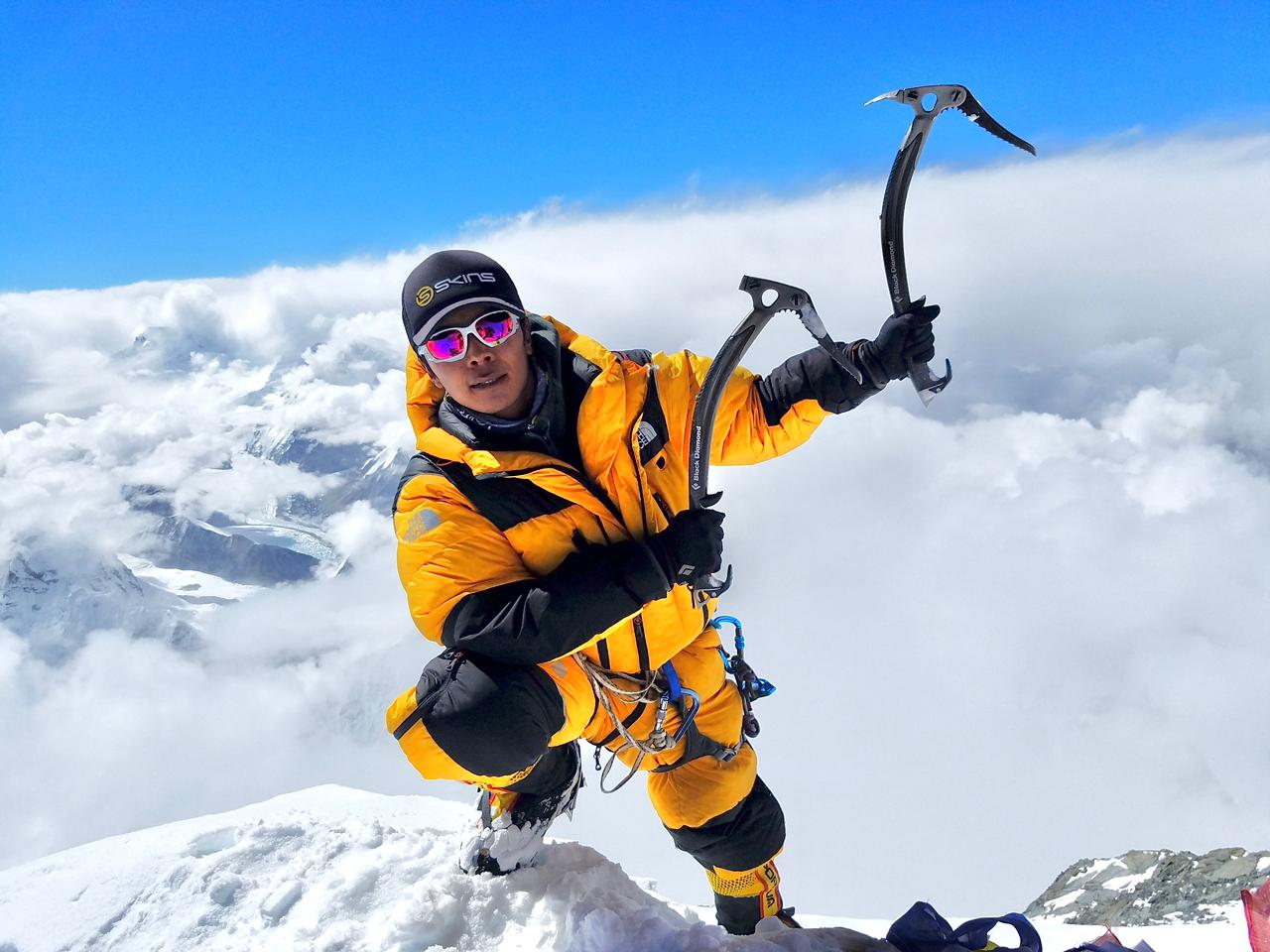
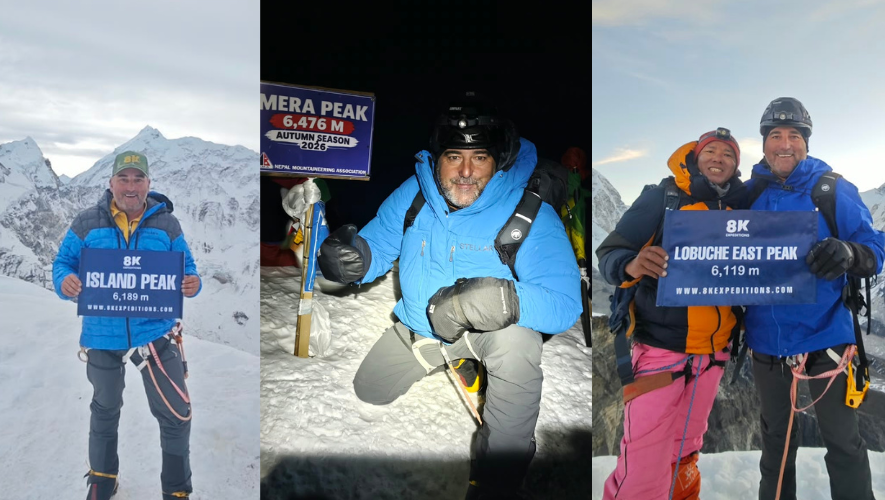
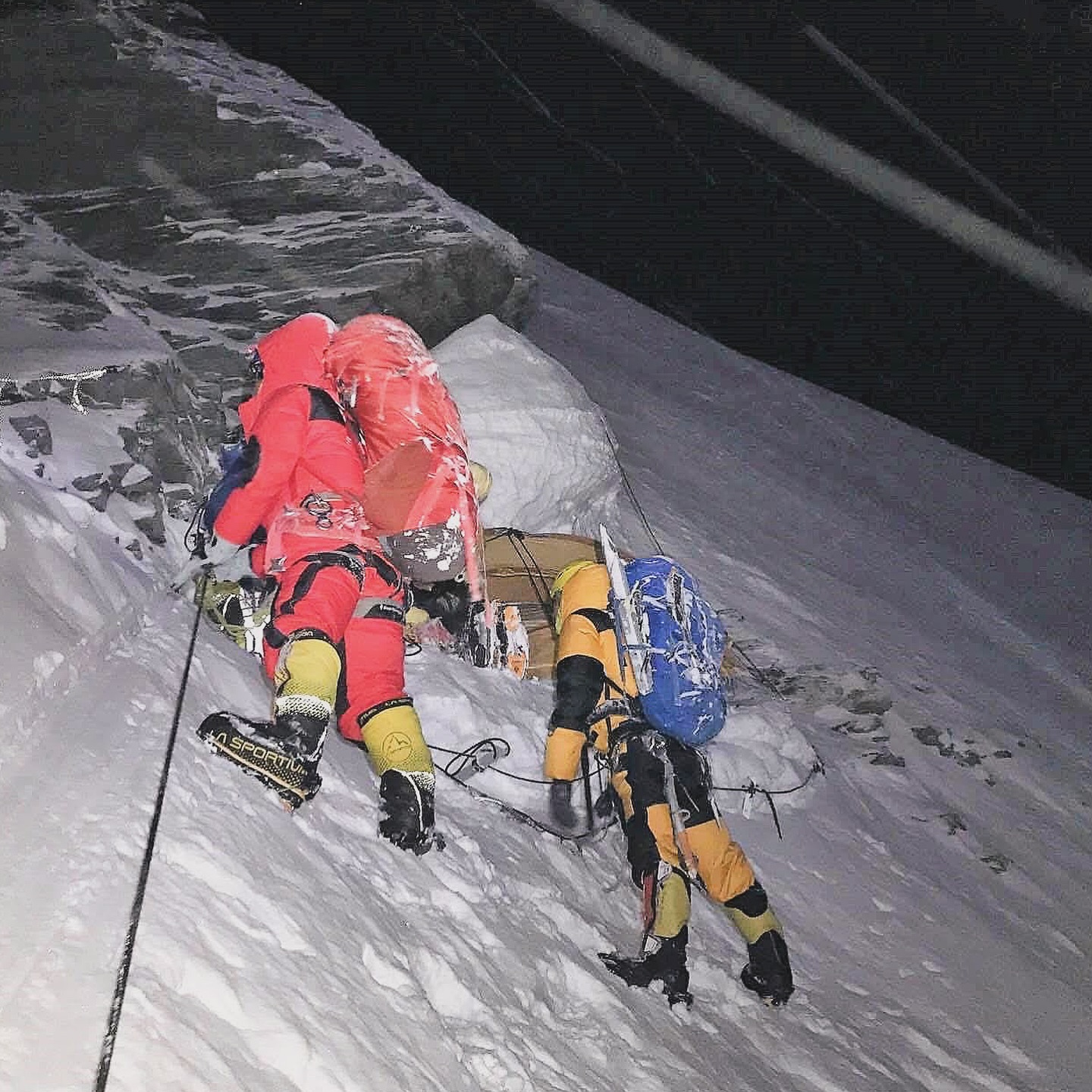
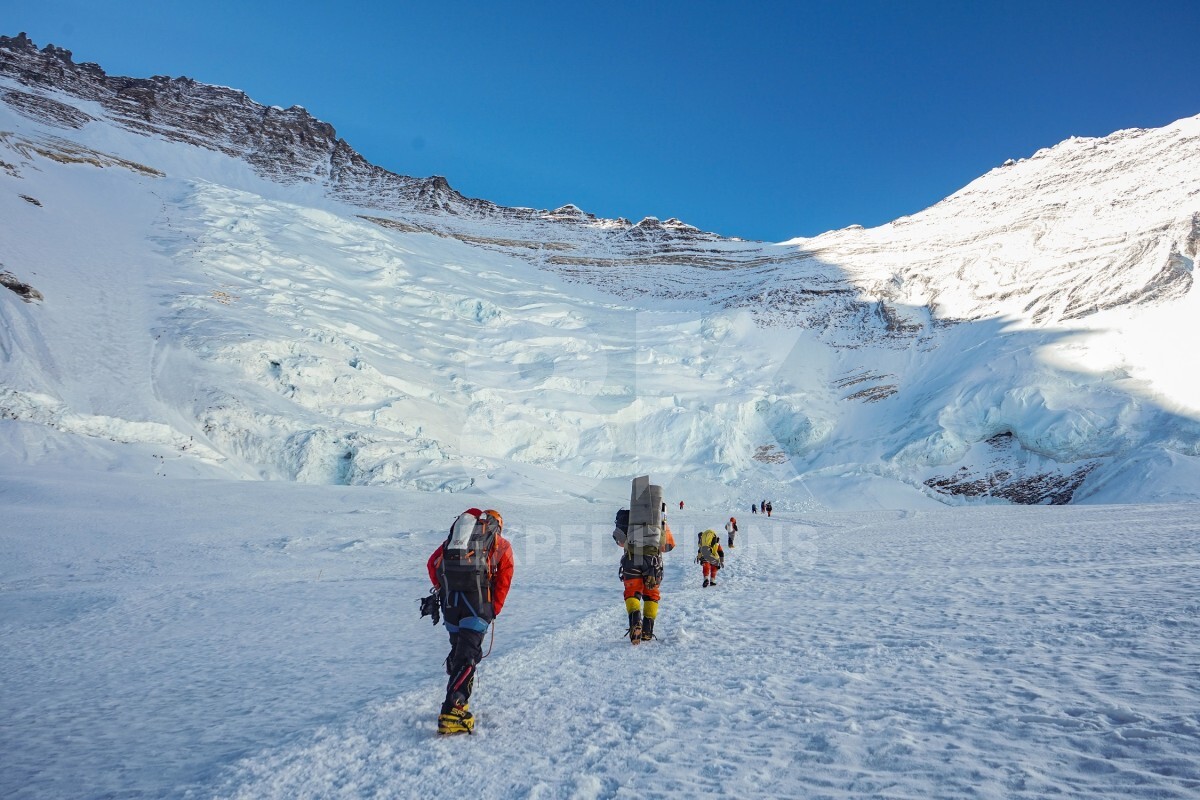
    This day is an important one as we will be climbing the highest trekking peak gauging at the height of 6476 meters from sea level. We wake up early at midnight, have breakfast, and start climbing at around 1 a.m. to reach before noon. High altitudes face strong winds in late afternoon which can cause difficulties to climbers.


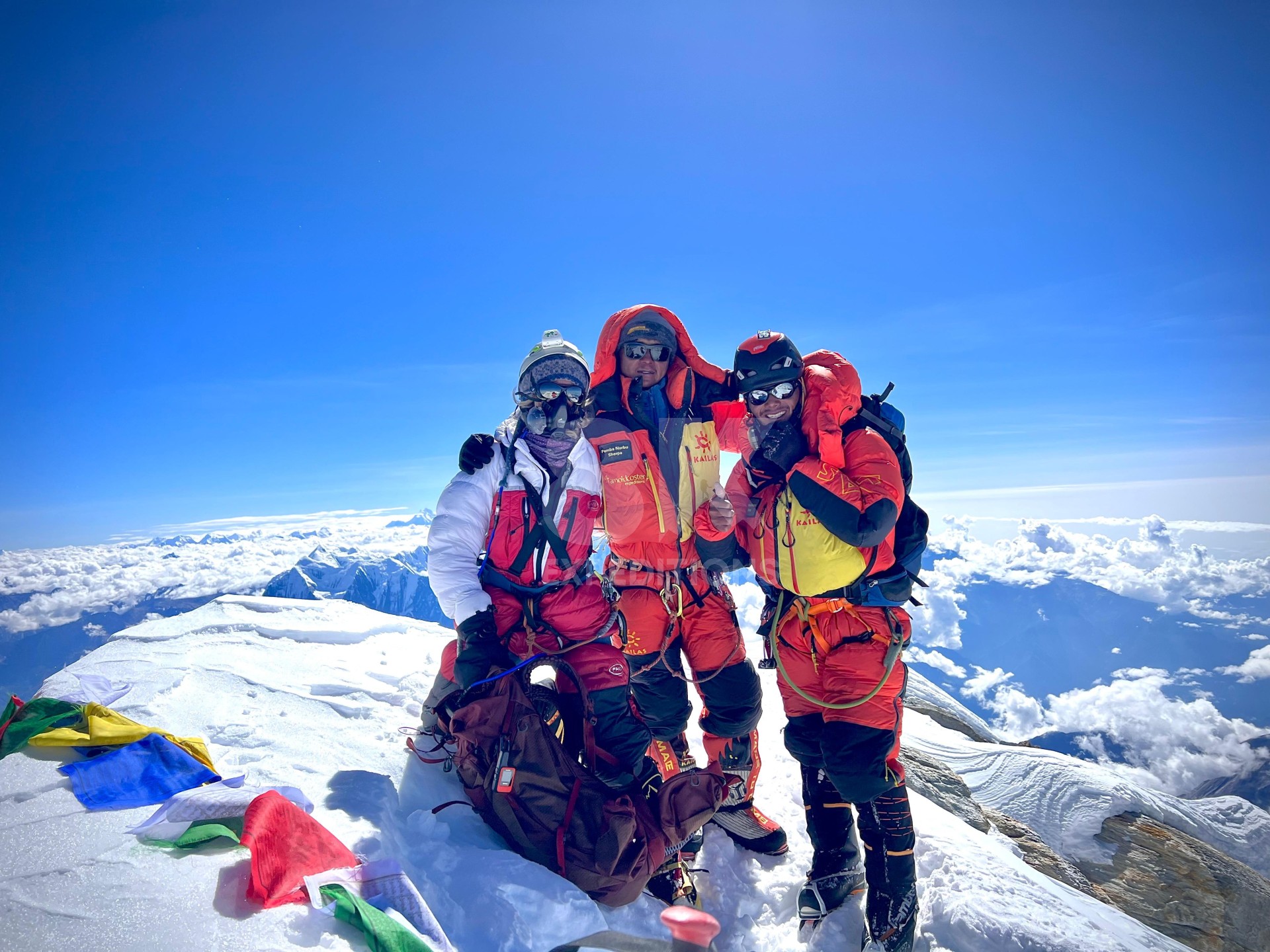
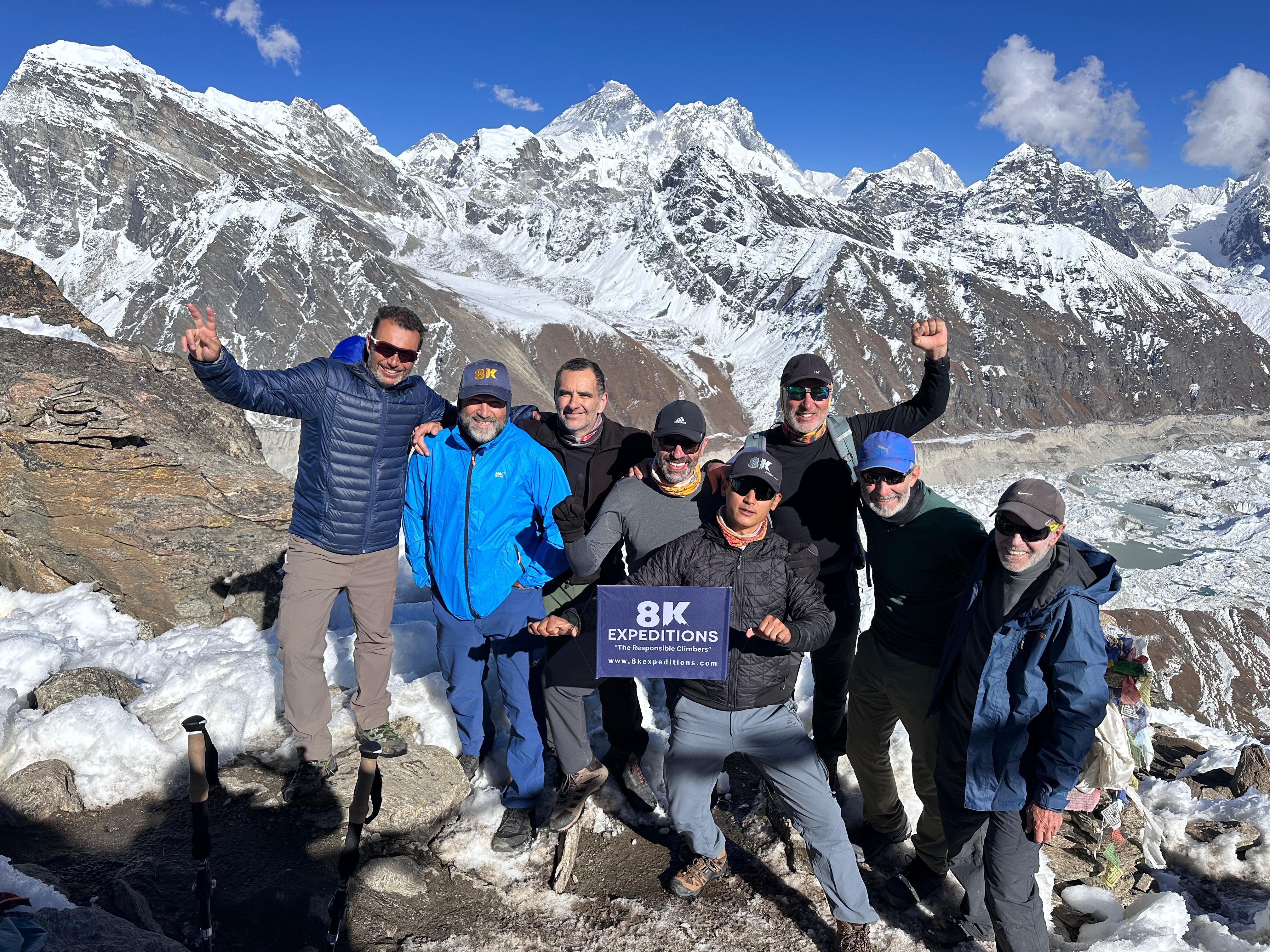
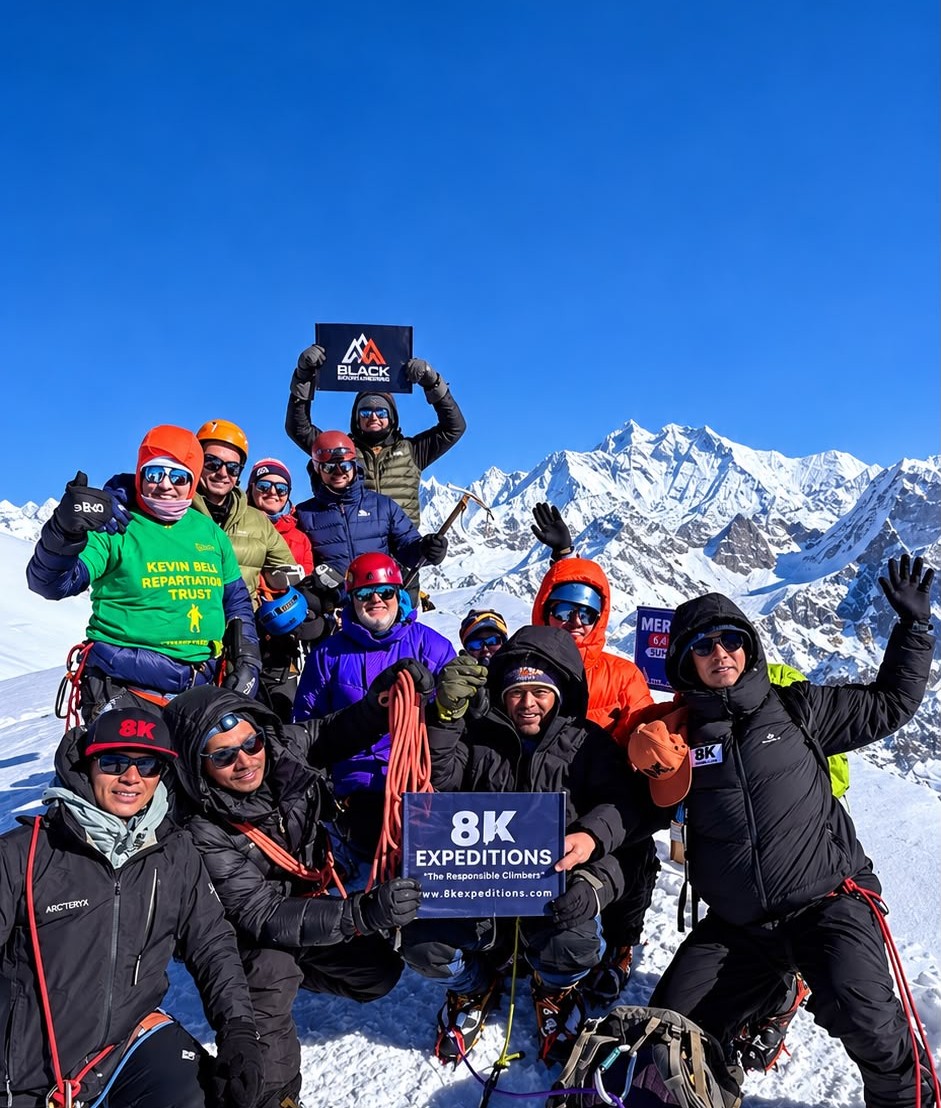
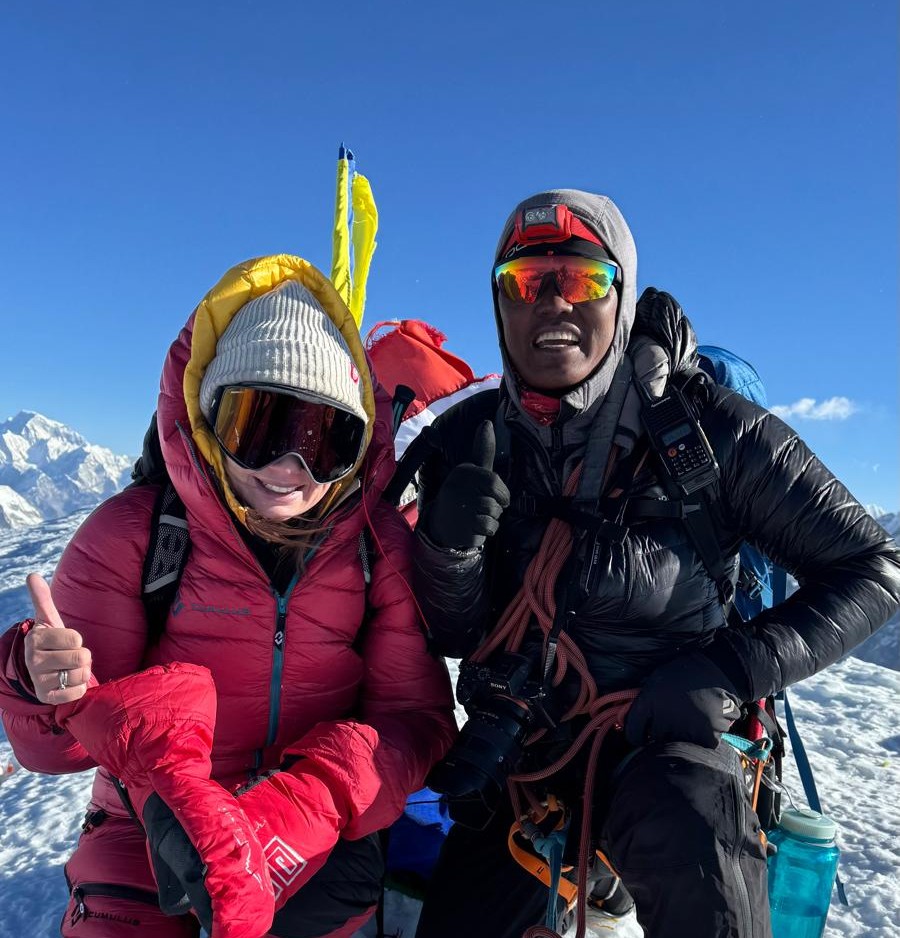
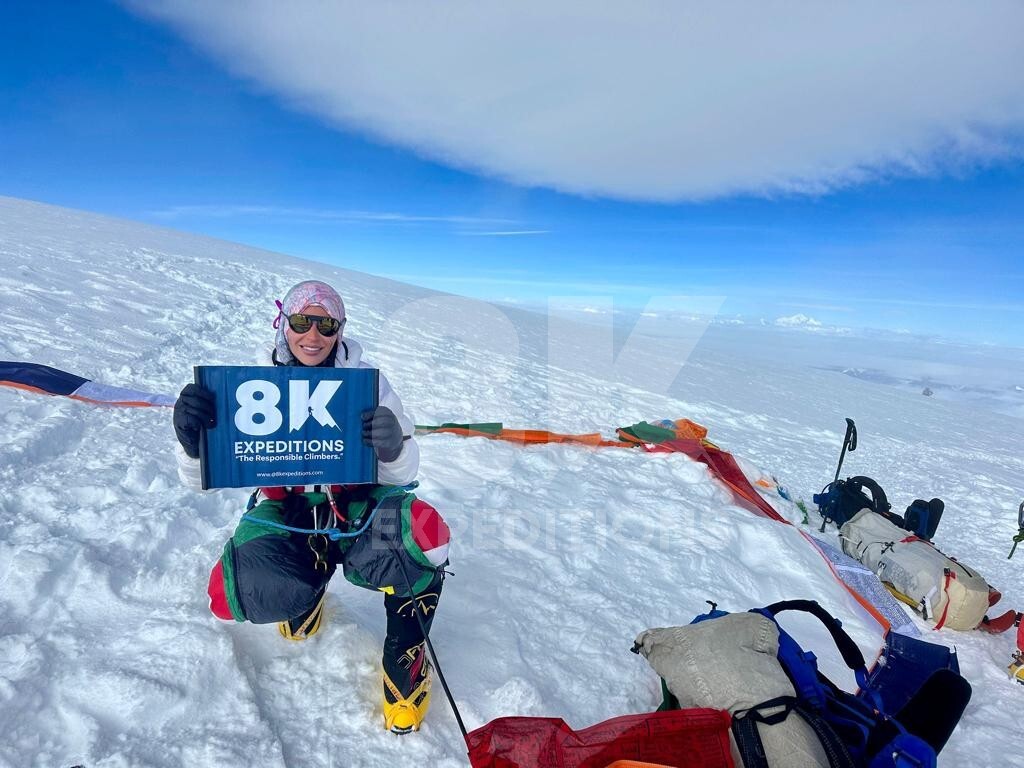
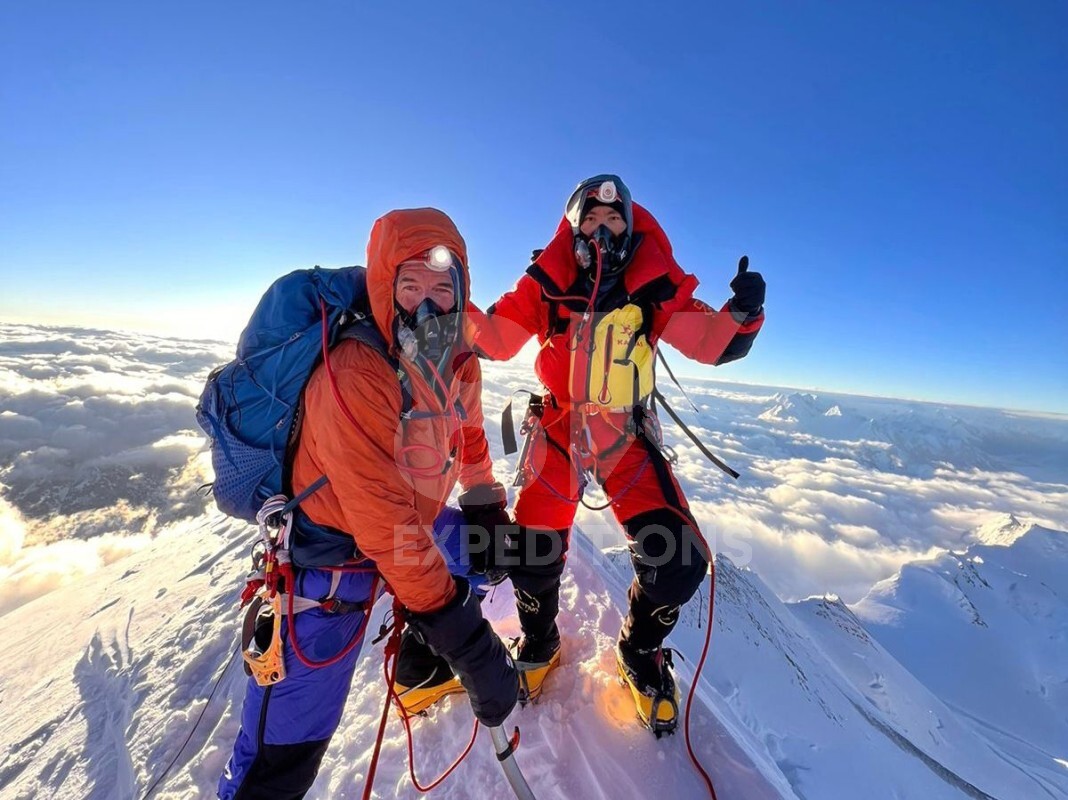
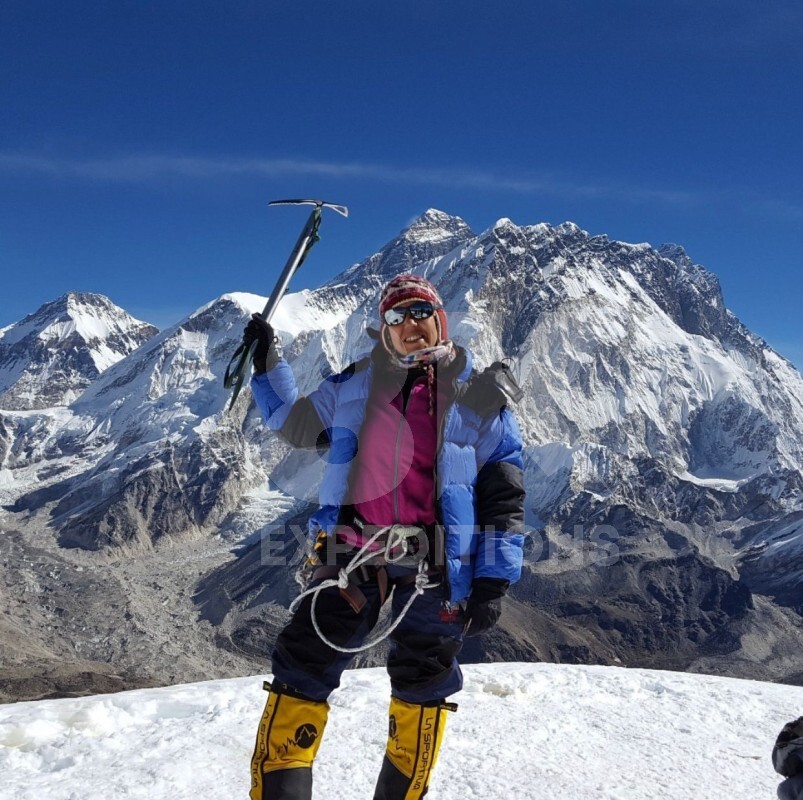
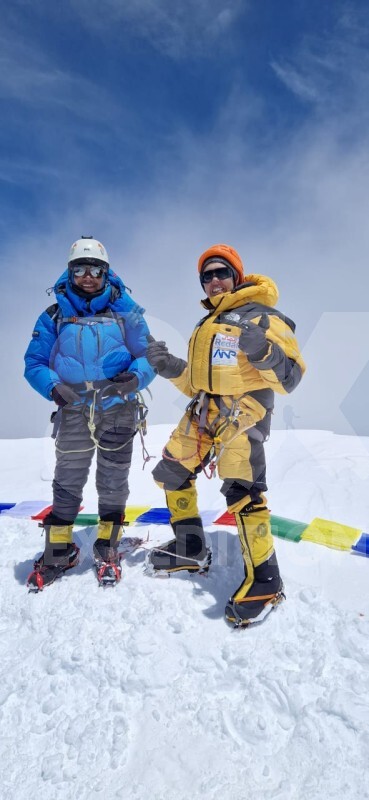
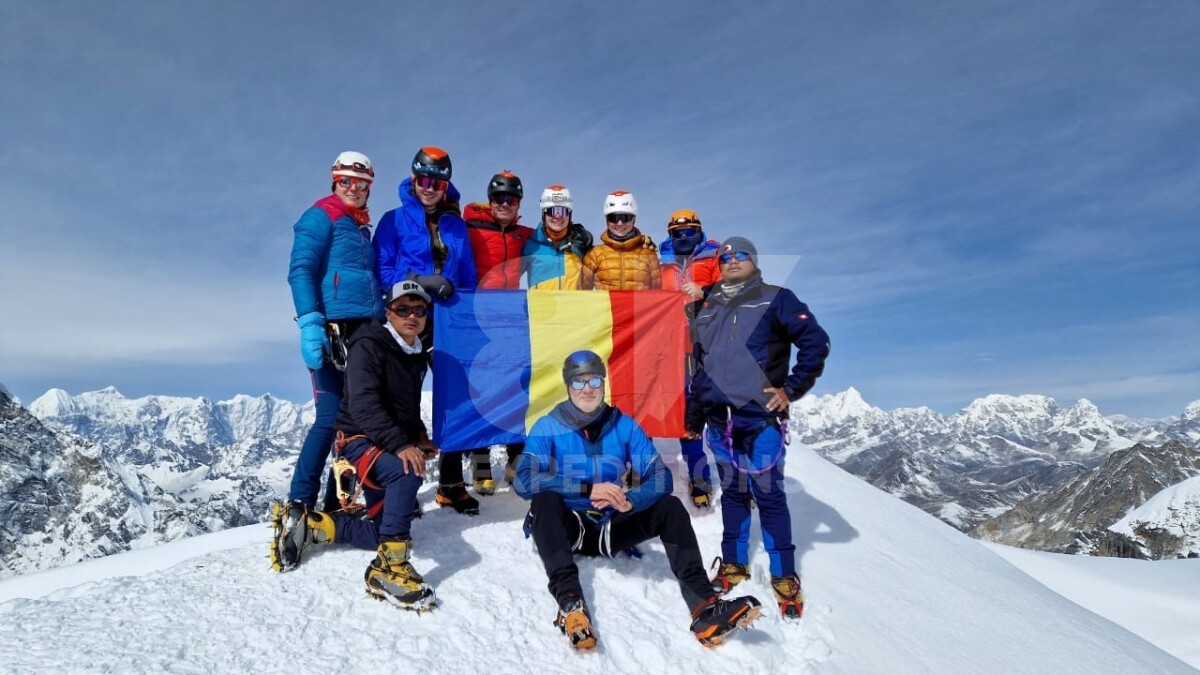
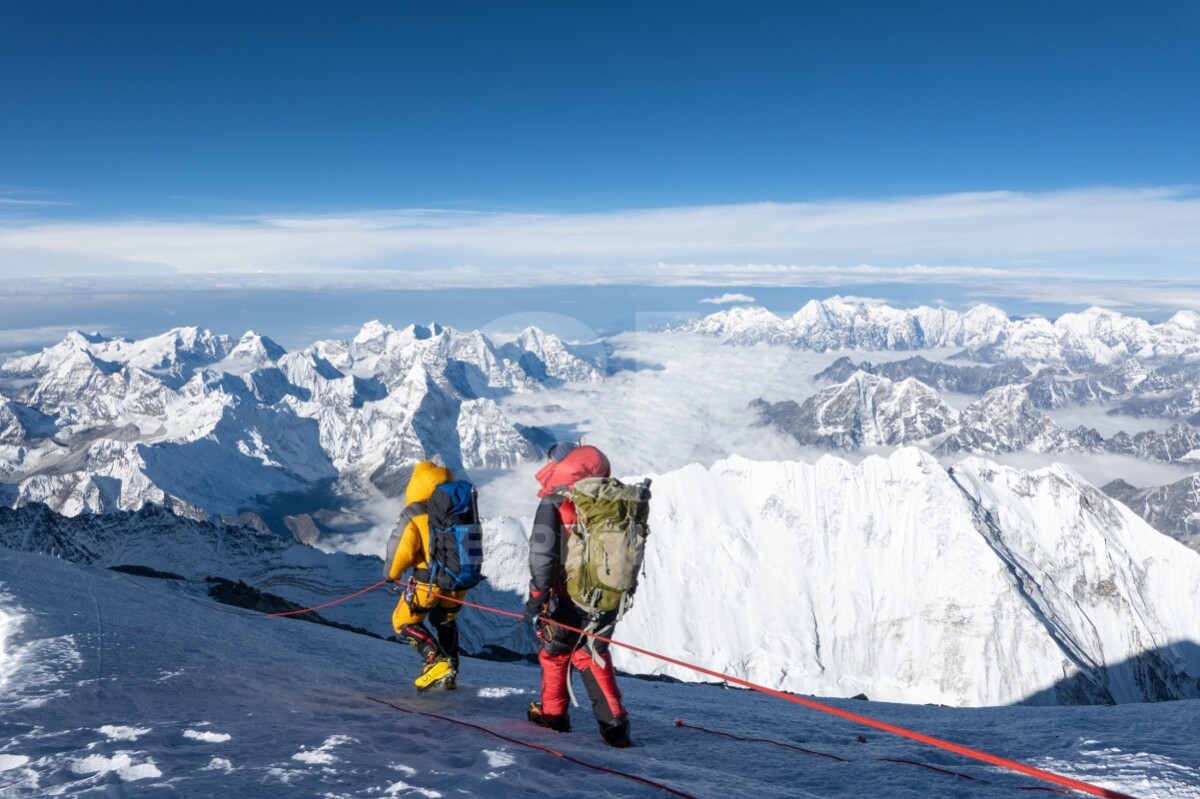
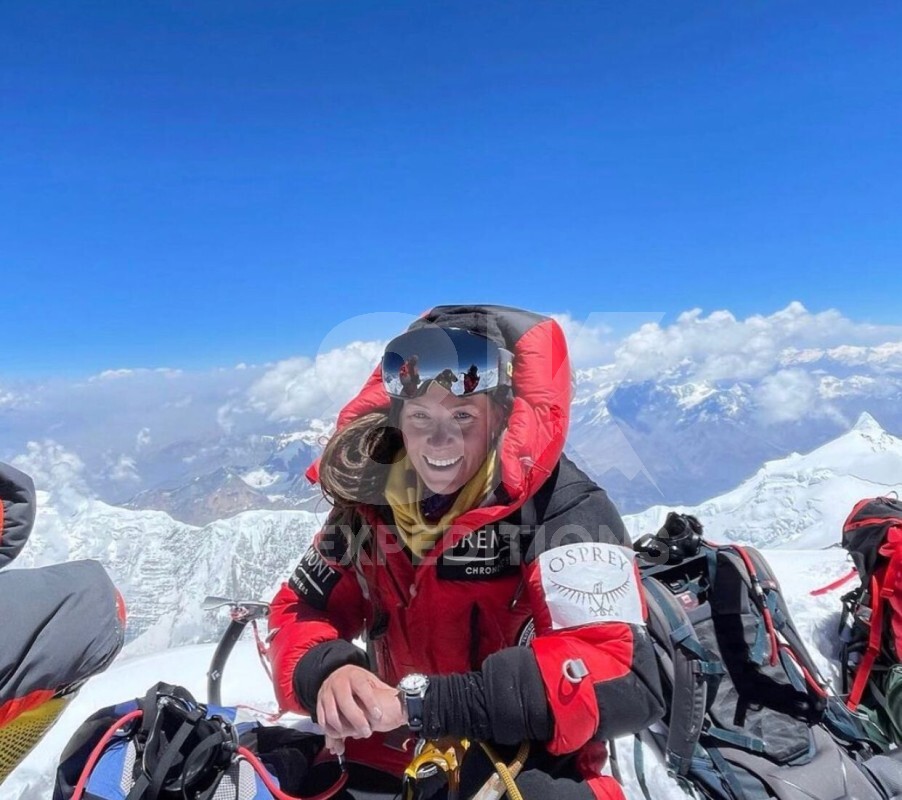
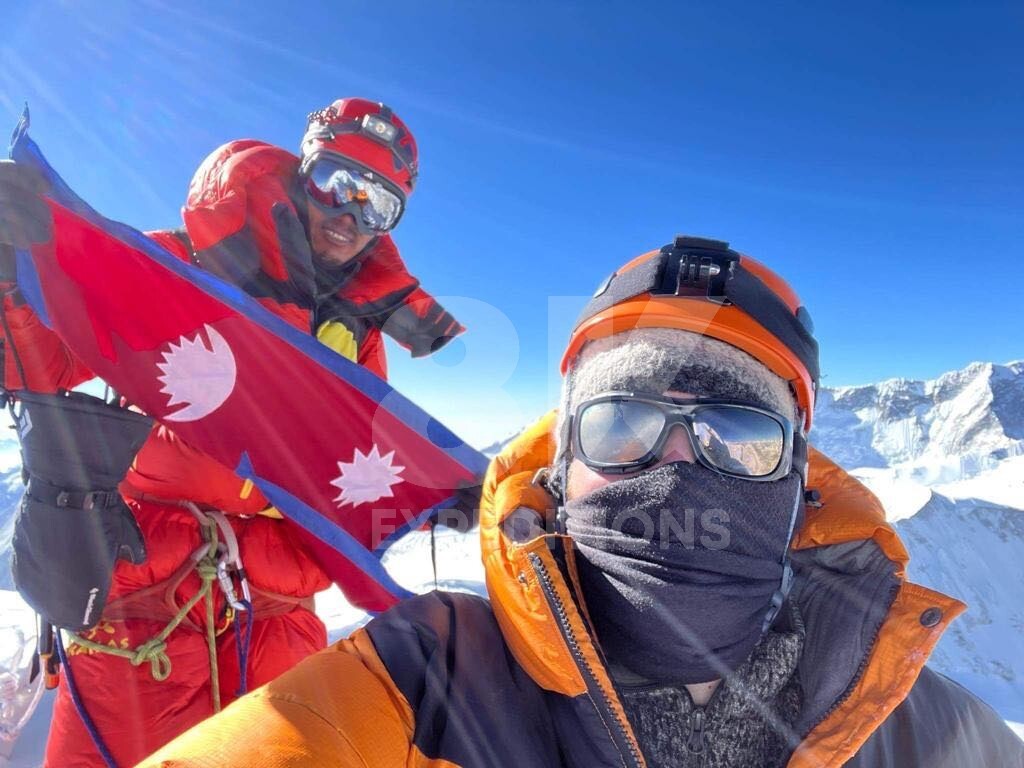
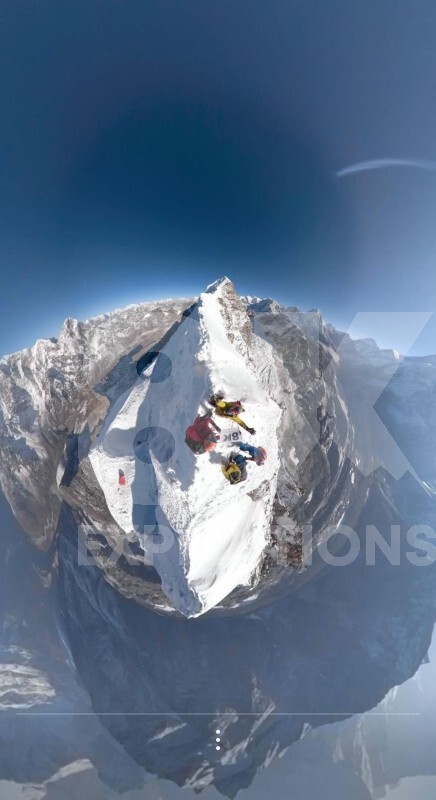
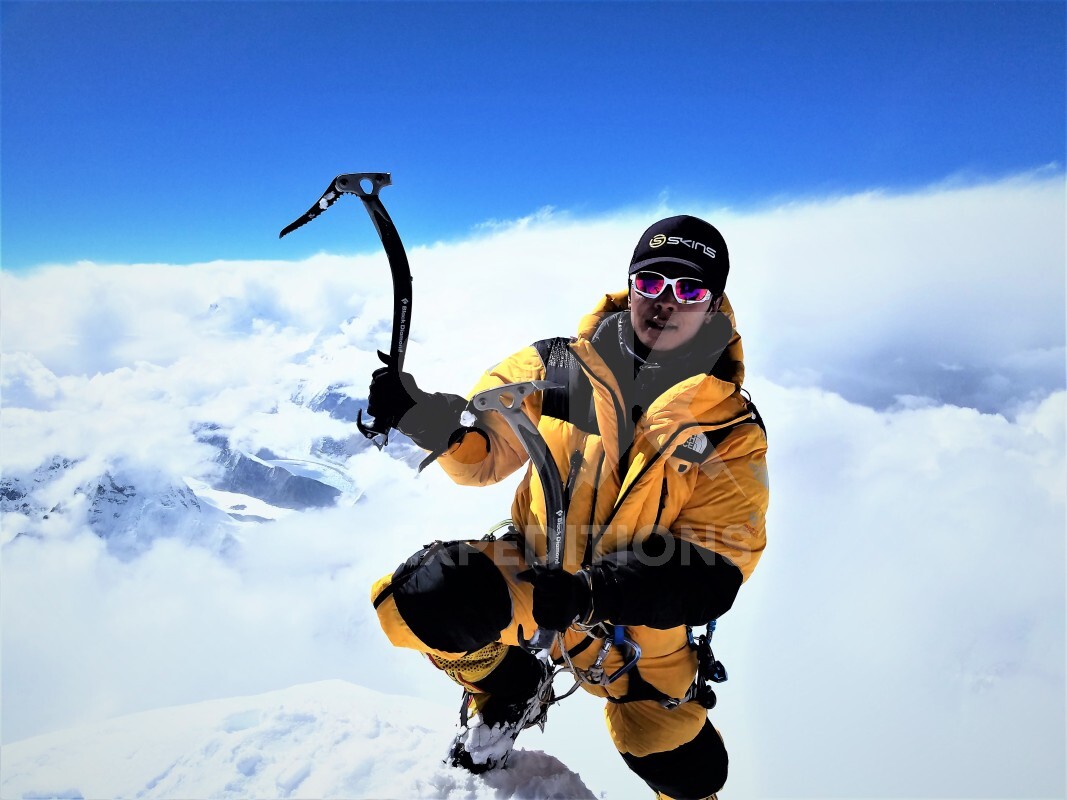
    We will follow our experienced guide/climber all the way to the Summit. Upon reaching the summit, you will be mesmerized to see the beauty of the Himalayas. Celebrate your victory and slowly descend down to Khare to rest in a teahouse. 

    Altitude 6,476 M
    Meals BLD
    Accommodation Lodge/Teahouses
  • 12
    Trek Back To Kothe (3700m).

    We will retrace the path back to Kothe. Walking alongside the riverbank of Hinku River, climbing uphill and going downhill through lush forests, we reach Kothe to rest overnight. 

    Altitude 3,691 M
    Meals BLD
    Accommodation Lodge/Hotel
  • 13
    Trek To Thuli Kharka (4300m) Via Zatrwa La Pass (4,610 M).

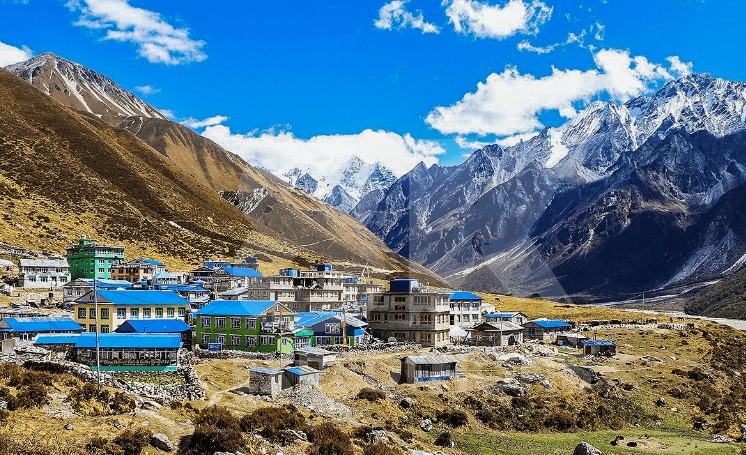
    After early morning breakfast at Kothe, we retrace our path back to Thuli Kharka through a steep climb uphill until we reach Thuli Kharka. Rest overnight at a teahouse.

    Altitude 4,300 M
    Meals Breakfast
    Accommodation 3-5 Star Hotel
  • 14
    Trek To Lukla (2610m).

    On our return, we trek to Zwatra La Pass and then descend to Chutenga. Then after lunch, we slowly head towards Lukla. The total walk will be around 6-7 hours. We will be amazed to see the settlements after being in the remote and isolated region for a long time. Rest at a hotel in Lukla. 

    Altitude 2,860 M
    Meals Breakfast And Farewell Dinner
    Accommodation BLD
  • 15
    Fly Back To Kathmandu.

    It's time to leave behind the exotic Khumbu Region and fly back to Kathmandu. Upon landing in Kathmandu, you can go sightseeing around the city. 

    Altitude 1400
    Meals Breakfast
    Accommodation N/A
  • 16
    Leisure Day.

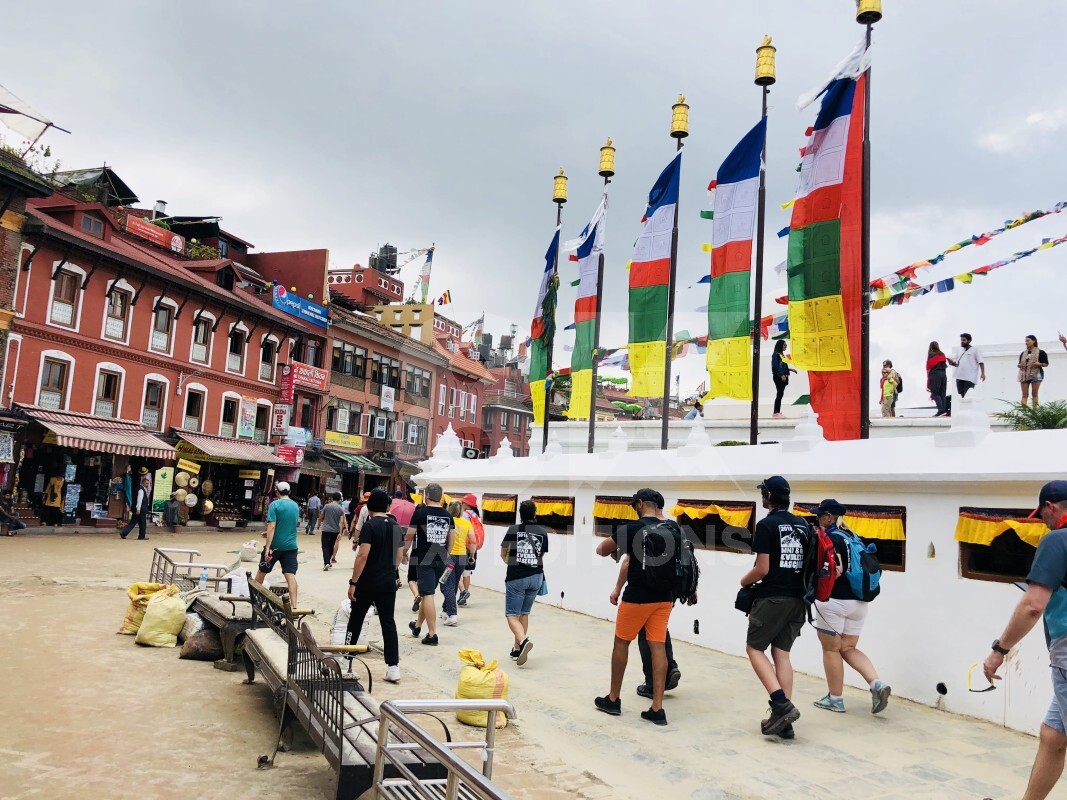
    Kathmandu is a beautiful city with numerous tourist destinations including but not limited to Boudhanath stupa, Swayambhunath, Pashupatinath, Patan Durbar Square, Basantapur, Thamel, Bhaktapur, and many more. You can enjoy your whole day and we will all meet for a farewell dinner at a typical Nepali restaurant.

    Altitude 1400
    Meals BLD
    Accommodation N/A
  • 17
    Final Departure

    With gratitude, we will drop you off at the airport for your final departure to your home destination. We hope to travel with you again.

    Altitude 1400
    Meals N/A
    Accommodation N/A
MERA PEAK CLIMBING, NEPAL-route-image

Want to customize your own trip?

PERSONALIZE YOUR TRIP

Includes

  • Airport pick-up & drop-off for both (International & Domestic).
  • 03-night stay in Kathmandu at 3-star hotel with bed and breakfast.
  • One welcome/farewell dinner in a typical Nepalese restaurant in Kathmandu.
  • Domestic flights via Ramechhap (Kathmandu–Lukla–Kathmandu) including airport taxes.
  • Land transportation is provided for all participants & outdoor Nepalese staff. 
  • All necessary permits required for the Mera Peak Climbing.
  • Tea house accommodation during the trek & camping in Mera High Camp. 
  • 03 meals a day (Breakfast, Lunch, Dinner) with tea/coffee during the trek. 
  • High Camp Service: Tent, Meals, Guide Ropes, Hot Water, Tea/Coffee, Soup Items, Chocolate Bars, Training, etc.
  • A certified trekking guide.
  • One highly experienced climbing guide per member during the peak climbing.
  • Required number of porters.   
  • 25 kg personal baggage allowance per member.
  • Insurance coverage for all involved outdoor Nepalese staff.
  • 8K duffle bag & 8K outdoor cap.
  • First aid medical kit & trek route map.
  • Applicable Nepal government taxes and Company service charges. 
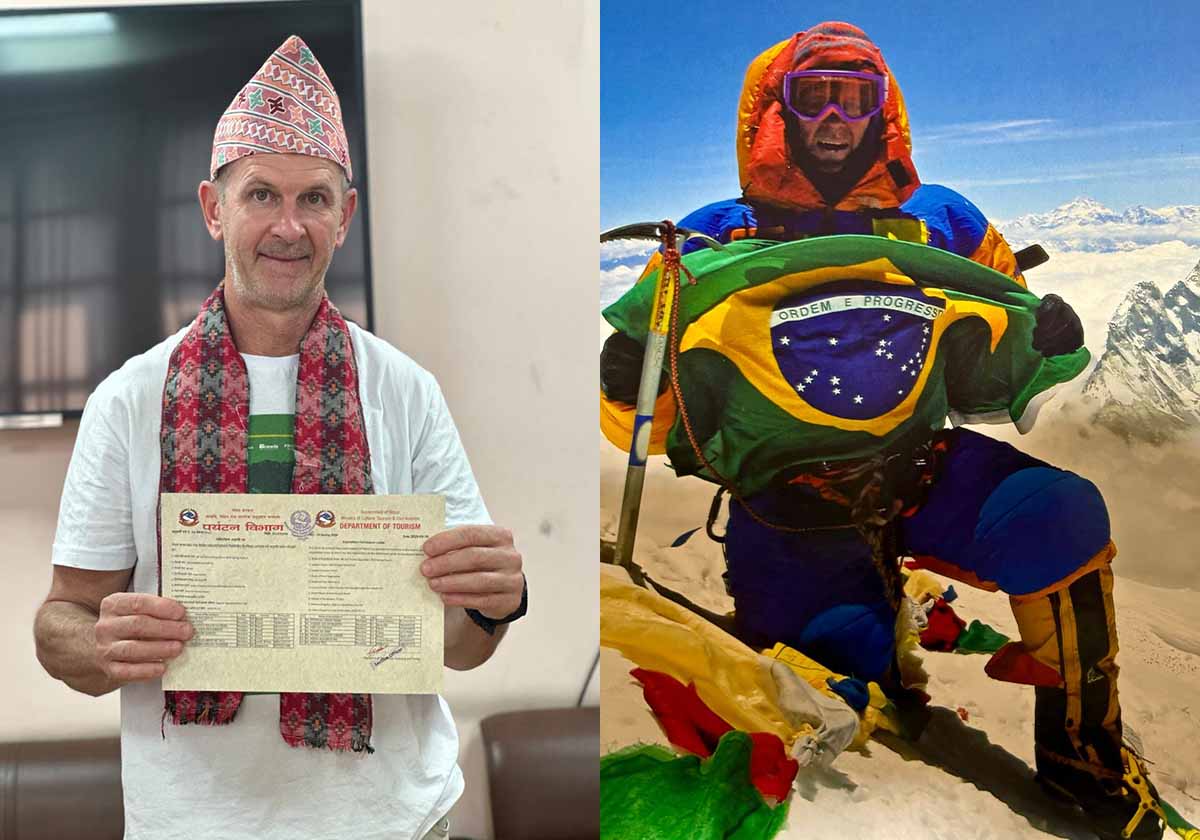
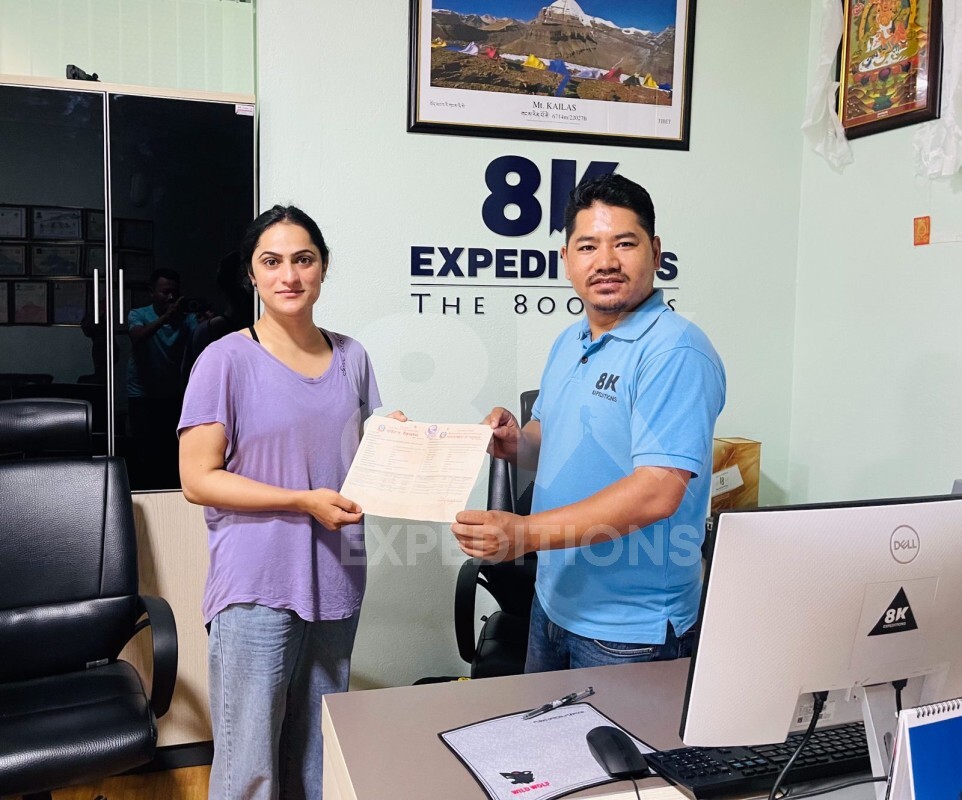
  • Mera Peak climbing certificate upon completion of the trek.

Excludes

  • International flights.
  • Drone & special filming permits.
  • Lunch & dinner during your stay in Kathmandu.
  • Travel & medical insurance (Minimum coverage of US$15,000/-).
  • Personal trekking gear & equipment.
  • Summit Bonus: US$250/- per member for you climbing guide.
  • Tips for the guide & porters (Minimum 10% of the total amount per member). 
  • Any other services not mentioned under “Service Includes”.

Departures

FROM 16 Mar 2027
TO 01 Apr 2027
DAYS 17
BOOK NOW
FROM 12 Apr 2027
TO 28 Apr 2027
DAYS 17
BOOK NOW
FROM 22 Apr 2027
TO 08 May 2027
DAYS 17
BOOK NOW
FROM 03 May 2027
TO 19 May 2027
DAYS 17
BOOK NOW
FROM 12 May 2027
TO 28 May 2027
DAYS 17
BOOK NOW
FROM 16 Sep 2027
TO 02 Oct 2027
DAYS 17
BOOK NOW
FROM 22 Sep 2027
TO 08 Oct 2027
DAYS 17
BOOK NOW
FROM 29 Sep 2027
TO 15 Oct 2027
DAYS 17
BOOK NOW
FROM 08 Oct 2027
TO 24 Oct 2027
DAYS 17
BOOK NOW
FROM 16 Oct 2027
TO 01 Nov 2027
DAYS 17
BOOK NOW
FROM 26 Oct 2027
TO 11 Nov 2027
DAYS 17
BOOK NOW
FROM 01 Nov 2027
TO 17 Nov 2027
DAYS 17
BOOK NOW
FROM 18 Nov 2027
TO 04 Dec 2027
DAYS 17
BOOK NOW

Trip Notes

Please do remember these things.

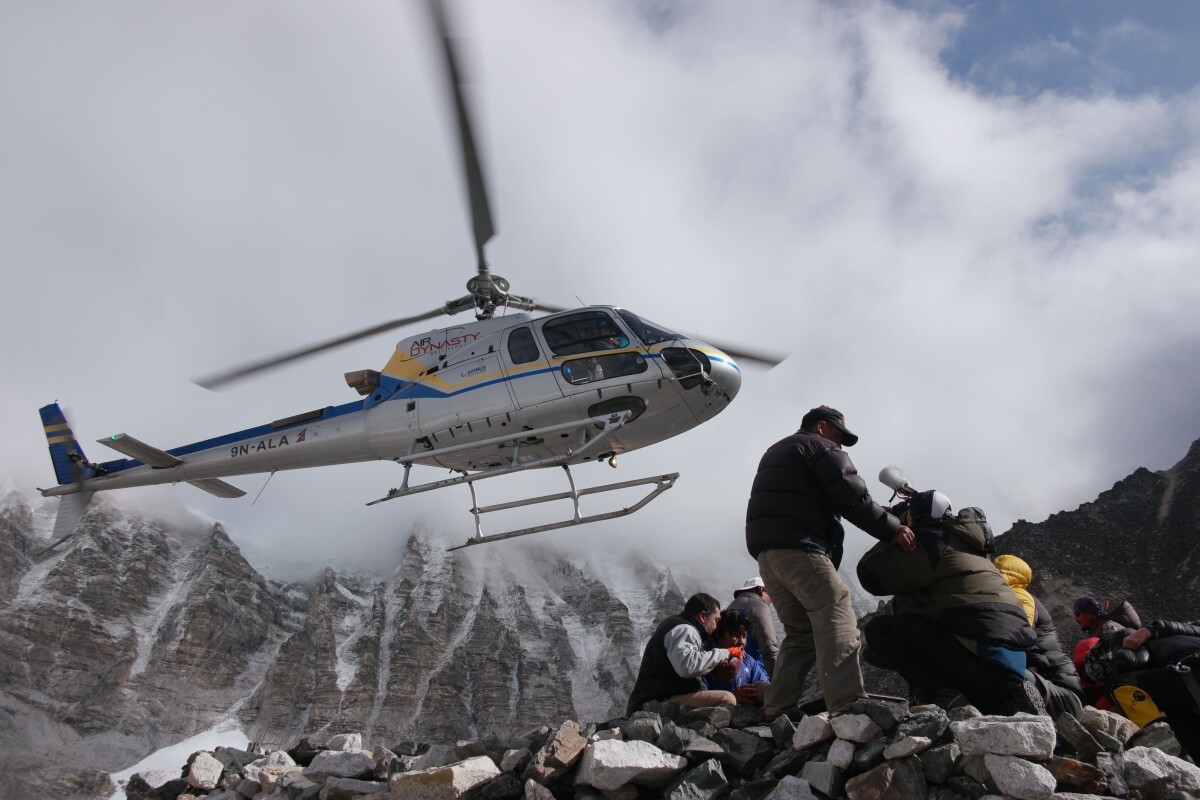
Trekking and mountain Expeditions in the Himalayas are highly dependent on weather conditions. We try to schedule our trips at the most favorable time but in case of extreme scenarios, domestic flights to Lukla may be delayed or canceled. In cases as such, we would like to notify you that except for the total number of days in the itinerary section, expenses of other extra days shall be borne by the client himself/herself. However, 8K Expeditions will make necessary arrangements for the accommodation of porters and guides. If you wish to make alternative arrangements, such as a helicopter flight to avoid flight delays, we can arrange it at a nominal extra charge. 


Also, 8K Expeditions shall not be liable for any compensation for losses due to missed international flights, but we will surely help to make necessary arrangements to minimize your loss. To avoid missing flights, we suggest keeping some flexible time frames before trip departure and after trip departure. Book Mera Trips 2026


MERA PEAK CLIMBING - FAQS

What is Mera Peak climbing in Nepal?

Mera Peak climbing is a high-altitude mountaineering adventure in Nepal that takes climbers to 6,476 metres (21,247 feet) above sea level. Located in the remote Hinku Valley south of Mount Everest, Mera Peak is known for its glacier ascent, beautiful Himalayan landscapes, and panoramic views of Everest, Lhotse, Makalu, Cho Oyu, and Kanchenjunga. 8K Expeditions offers a guided 17-day Mera Peak climbing package with trekking, acclimatization, climbing preparation and summit support.


How high is Mera Peak?

Mera Peak North reaches 6,476 metres (21,247 feet), making it Nepal's highest officially recognized trekking peak. The mountain also has Mera Central at approximately 6,461 meters and Mera South at approximately 6,065 metres. The standard climbing objective for the 8K Expeditions package is Mera Peak North.


How long does the Mera Peak climbing expedition take?

The Mera Peak climbing takes 17 days, beginning with arrival in Kathmandu and ending with departure. The itinerary includes preparation, a flight to Lukla, trekking through the Hinku Valley, acclimatization, climbing training, an overnight at high camp, the summit attempt and the return journey to Kathmandu.


Where is Mera Peak located?

Mera Peak is located in eastern Nepal's Mahalangur Himalayan region, south of Mount Everest, near the remote Hinku Valley. The climbing route approaches through the Lukla region and crosses the Zatrwa La Pass before continuing through forested trails, mountain settlements and high-altitude terrain toward Khare and Mera High Camp.


Why choose 8K Expeditions for Mera Peak climbing?

8K Expeditions offers a structured 17-day Mera Peak climbing package with experienced climbing-guide support, acclimatization days, pre-climb training, accommodation, meals during the trek, necessary permits and high-camp services. The itinerary is designed to help climbers prepare for the demands of a 6,476-metre ascent with local logistical support and guidance throughout the journey.


How difficult is Mera Peak climbing?

Mera Peak climbing is physically demanding because of the high altitude, long trekking days, cold temperatures, glacier travel, and summit ascent. Although the standard route is less technically demanding than many major Himalayan expedition peaks, climbers still need good fitness, appropriate equipment, acclimatization and guidance with basic mountaineering techniques.


Can beginners climb Mera Peak?

Yes, fit beginners with suitable preparation may be able to climb Mera Peak, even without extensive previous technical climbing experience. However, high-altitude trekking experience is beneficial and climbers must be prepared for strenuous days, cold conditions, glacier travel and the effects of altitude. Pre-climb training and guidance are important and reaching the summit cannot be guaranteed.


What level of fitness is required for Mera Peak climbing?

Climbers should have good cardiovascular endurance, strong legs, and the ability to hike for several consecutive days over steep and uneven terrain. Training can include hill walking, hiking with a backpack, stair climbing, cycling and endurance exercise. Previous high-altitude experience and medical advice before undertaking a demanding climb are recommended.


Do I need previous mountaineering experience to climb Mera Peak?

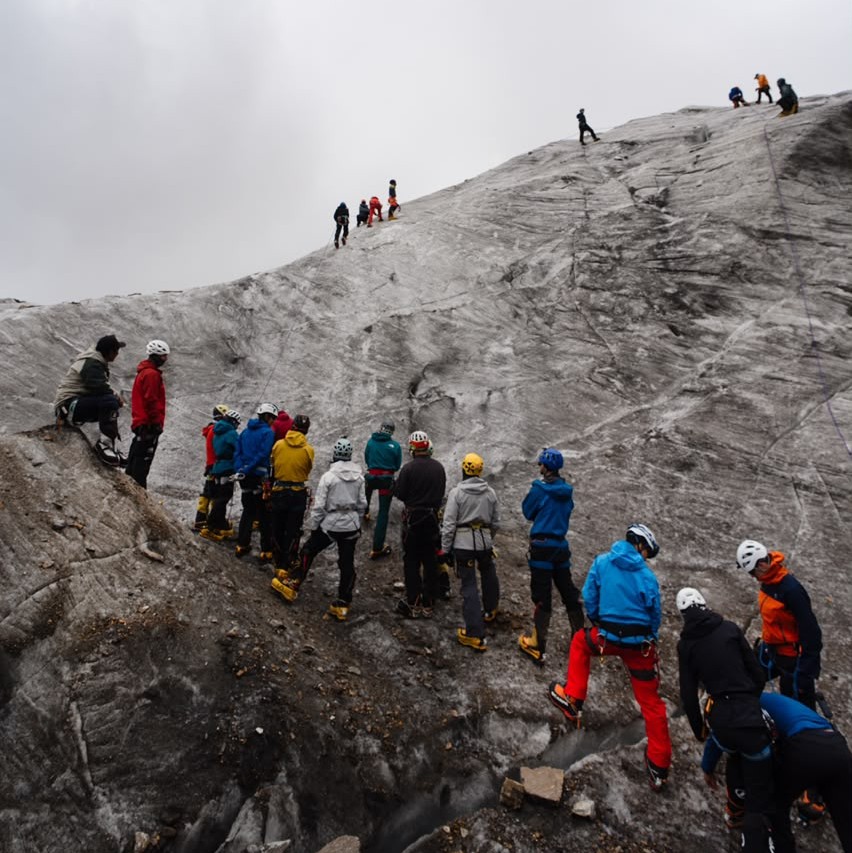
Previous technical mountaineering experience is not always mandatory for the standard route, but previous high-altitude trekking experience is recommended. Climbers should learn how to use crampons, an ice axe, a harness and other relevant equipment under qualified supervision.


Is altitude sickness a risk on Mera Peak?

Yes, Mera Peak reaches 6,476 metres, where altitude-related illness can become serious. The itinerary includes acclimatization and training days, but these do not eliminate the risk. Climbers should ascend gradually, report symptoms immediately to their guide, and descend when medically necessary. Severe symptoms require urgent medical assessment and descent; nobody should continue climbing simply to keep to the schedule.


What is the best time to climb Mera Peak in Nepal?

The main climbing seasons are spring (March–May) and autumn (September–November). Spring offers longer daylight hours and the possibility of favorable climbing conditions, while autumn often brings clearer post-monsoon mountain views. Weather, snow conditions and wind can vary, so the final summit attempt depends on conditions at the time.


What is the route to Mera Peak summit?

The standard approach begins with a flight to Lukla and a trek over Zatrwa La Pass into the Hinku Valley. From Khare, climbers prepare for the high-altitude ascent, move toward Mera High Camp, and follow the standard northern climbing route toward the summit. The upper route involves glacier and snow travel, with the exact approach and climbing arrangements determined by the guide and prevailing conditions.


What mountains can you see from Mera Peak summit?

On a clear day, the summit offers panoramic views of some of the world's highest mountains, including Mount Everest, Lhotse, Makalu, Cho Oyu and Kanchenjunga. Visibility depends on weather, cloud cover, and atmospheric conditions.


How much does Mera Peak climb cost?

The cost of Mera Peak climbing cost depends on group size, climbing season, permit charges, accommodation preferences, guide arrangements and any customized services. 


What is included in the 8K Expeditions Mera Peak climbing package?

The published package includes airport transfers, three nights in a Kathmandu hotel with breakfast, domestic flights between Kathmandu and Lukla via Ramechhap as required by the itinerary, necessary climbing permits, trekking accommodation, meals during the trek, high-camp services, climbing-guide support, porters, staff insurance, a first-aid kit and applicable government taxes and service charges. 


Do I need a permit to climb Mera Peak?

Yes, Climbers must obtain the applicable Mera Peak climbing permit and comply with the entry requirements for the relevant protected areas along the route. The required permits depend on the route and current regulations. 


What equipment do I need for Mera Peak climbing?

Essential equipment includes suitable mountaineering boots, crampons, an ice axe, a climbing harness, a helmet, warm layered clothing, insulated gloves, a down jacket, a sleeping bag suitable for extreme cold, sunglasses and other personal trekking and climbing essentials. The exact equipment list depends on the season and conditions. The package includes high-camp services and guide support, but personal trekking gear and equipment are listed as exclusions, so confirm rental and equipment arrangements before departure.


What accommodation and meals are provided during Mera Peak climbing?

The accommodation includes hotel in Kathmandu and a combination of trekking lodges or teahouses and camping at high camp, according to the itinerary. Breakfast, lunch and dinner are provided during the trek, along with specified high-camp food and hot drinks. 


Is travel insurance required for Mera Peak climbing?

Yes, Climbers should have travel and mountaineering insurance that explicitly covers high-altitude climbing up to at least 6,500 meters, emergency evacuation and helicopter rescue where available. 


How can I book Mera Peak climbing with 8K Expeditions?

You can book by Share your preferred departure date, number of climbers, climbing experience, and any special requirements so the team can confirm availability, pricing and package details. 


What is the Mera Peak climbing departure dates for 2027?

The 8K Expeditions schedule departures from 16 March to 1 April 2027, 12 April to 28 April 2027 and 22 April to 8 May 2027. Availability may change, so contact the company to confirm the latest group spaces and booking conditions.


What happens if bad weather delays the Lukla flight?

Flights to and from Lukla can be delayed or cancelled because of weather and operational conditions. Helicopter alternatives may be arranged at an additional cost, subject to conditions and availability. Travelers should leave a buffer before their international departure flight.


Can I book a private or customized Mera Peak climbing trip?

Yes, 8K Expeditions provides an option to personalize the trip. Travelers can enquire about private departures, group arrangements, preferred dates, accommodation preferences and other logistical requirements. 


What happens if I cannot reach the summit of Mera Peak?

Summit success depends on weather, snow conditions, health, acclimatization and the overall safety of the route. If conditions become unsafe or a climber develops symptoms of altitude illness, the guide may recommend postponing the attempt or descending. Safety takes priority over reaching the summit and no expedition operator can guarantee a successful ascent.

Plan your Mera Peak Climbing with 8K Expeditions !
Reviews

(No reviews yet)

Add Your Review

News and Events

Island Peak Summit

03 May 2022
VIEW ALL

Our Instagram

Similar Packages