Please do
remember
these things.
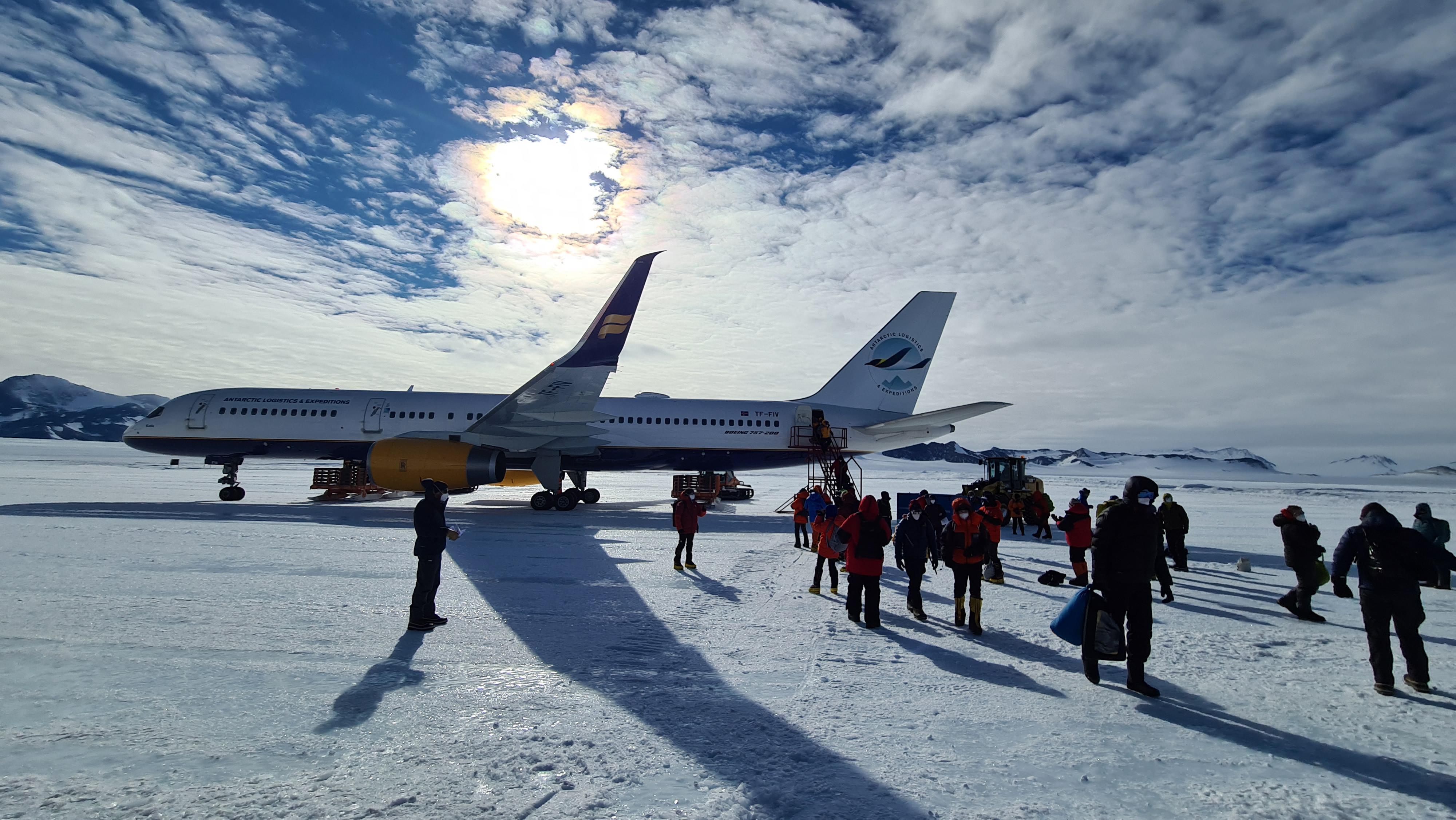
- Trekking and mountain climbing in the Everest region are subject to unpredictable conditions, especially when it comes to domestic flights. The Kathmandu–Lukla flight is highly weather-dependent. At times, adverse mountain weather can cause delays or cancellations of scheduled flights.
- In the event of a delay or cancellation, clients are responsible for all additional expenses, including meals and accommodations during the waiting period. However, 8K Expeditions will fully manage all other logistical arrangements, including guide and staff accommodations and wages, as per the itinerary.
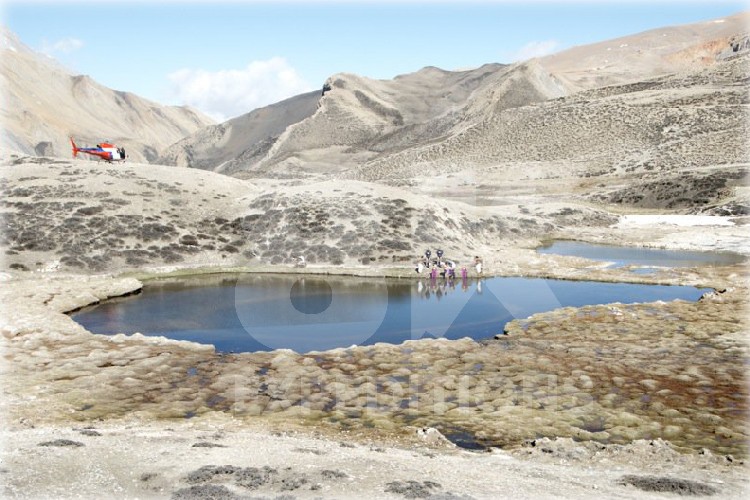
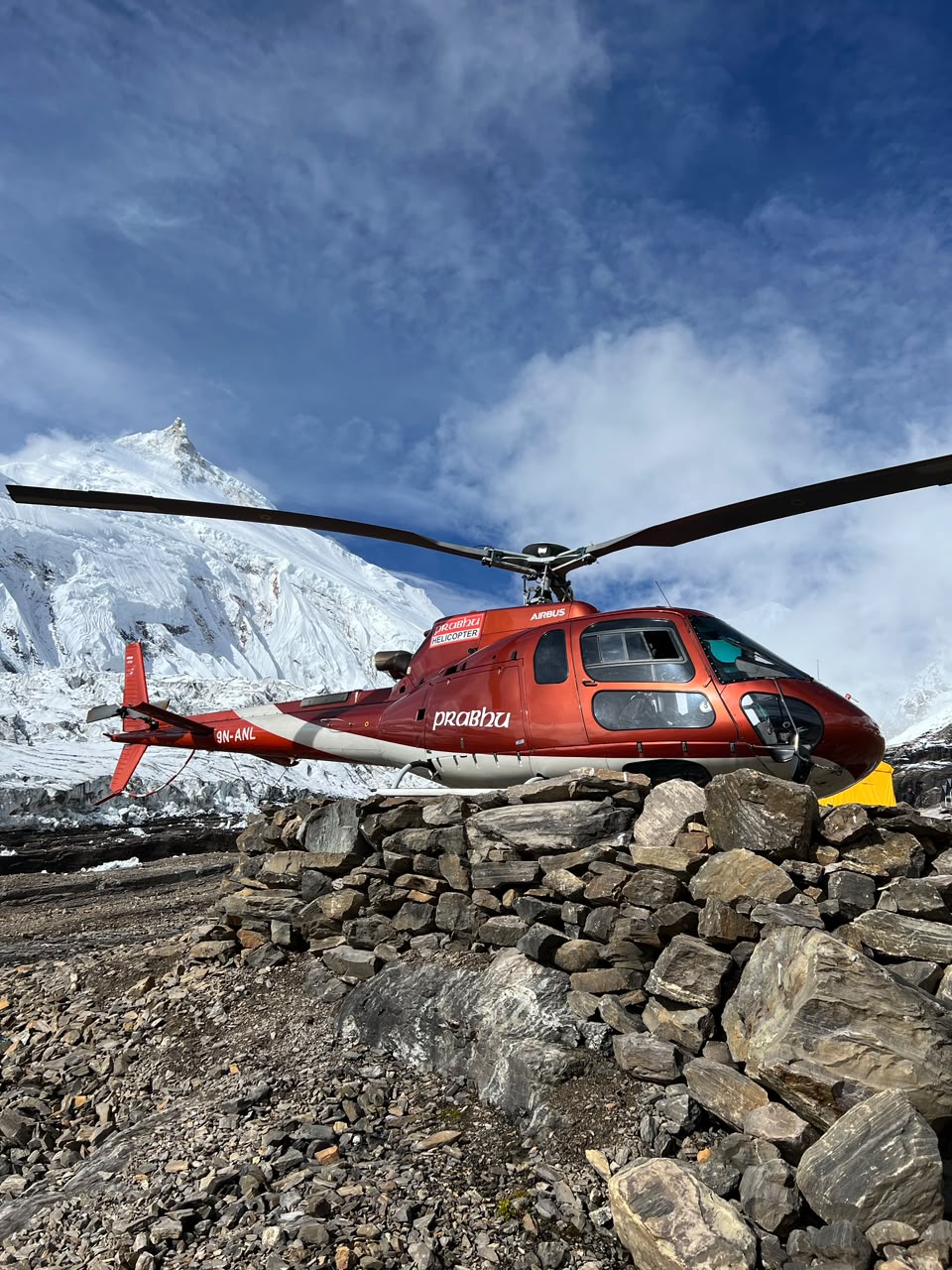
- Should you choose to avoid delays by opting for a helicopter flight, any additional cost must be covered by the client. Please note, 8K Expeditions does not accept responsibility for any missed international flights due to domestic delays, but we will assist you in making alternative arrangements wherever possible.
- We strongly recommend that you plan some extra buffer days into your itinerary and book international flights with flexible dates. Please also understand that during the journey, unforeseen circumstances such as bad weather, landslides, natural disasters, or medical conditions may require itinerary changes for the safety and success of the trip.
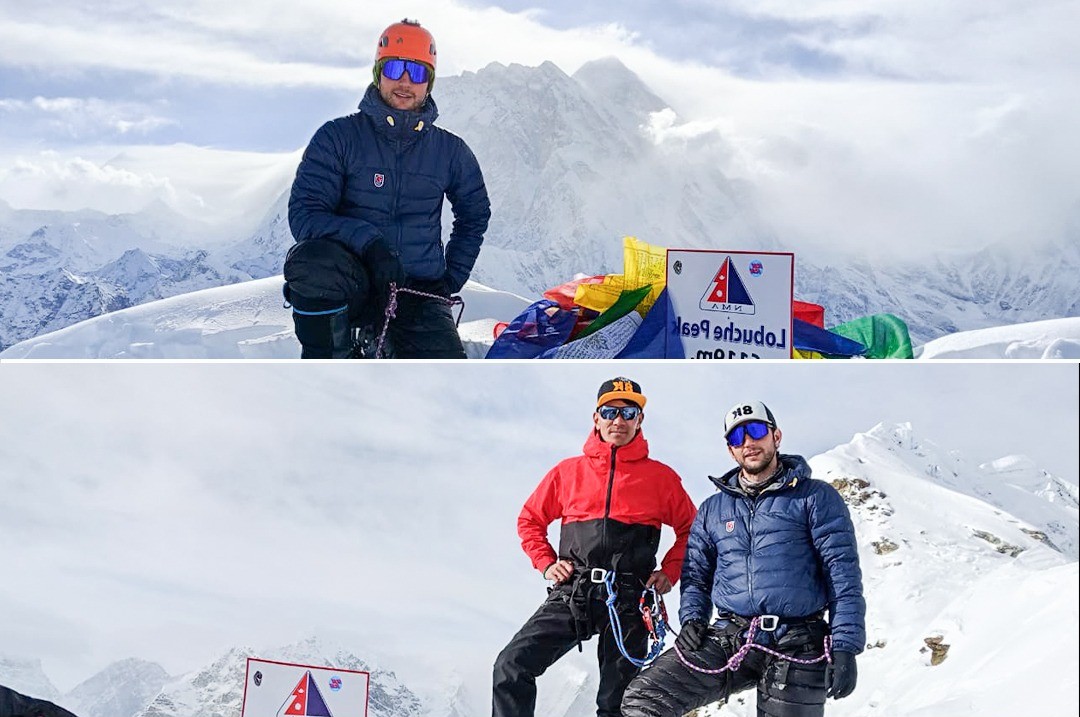
Also Read: Double Peak Summit Success: Lobuche And Island Peak Summit Success with 8K Expeditions.
Double 6000ers: Lobuche East and Island Peak FAQs
What is the Lobuche East and Island Peak Double 6000ers Climbing Expedition?
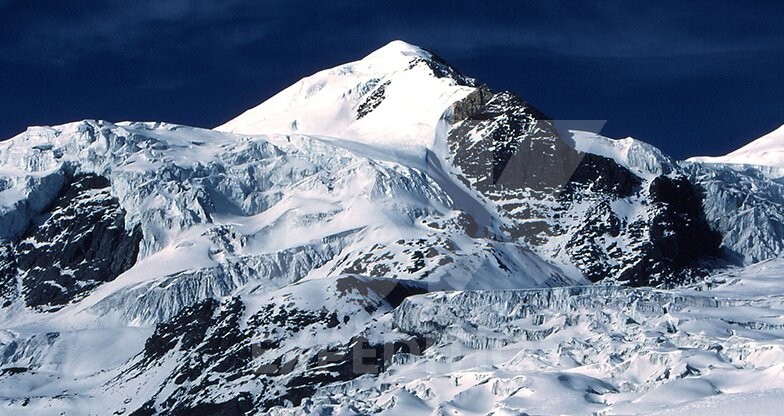
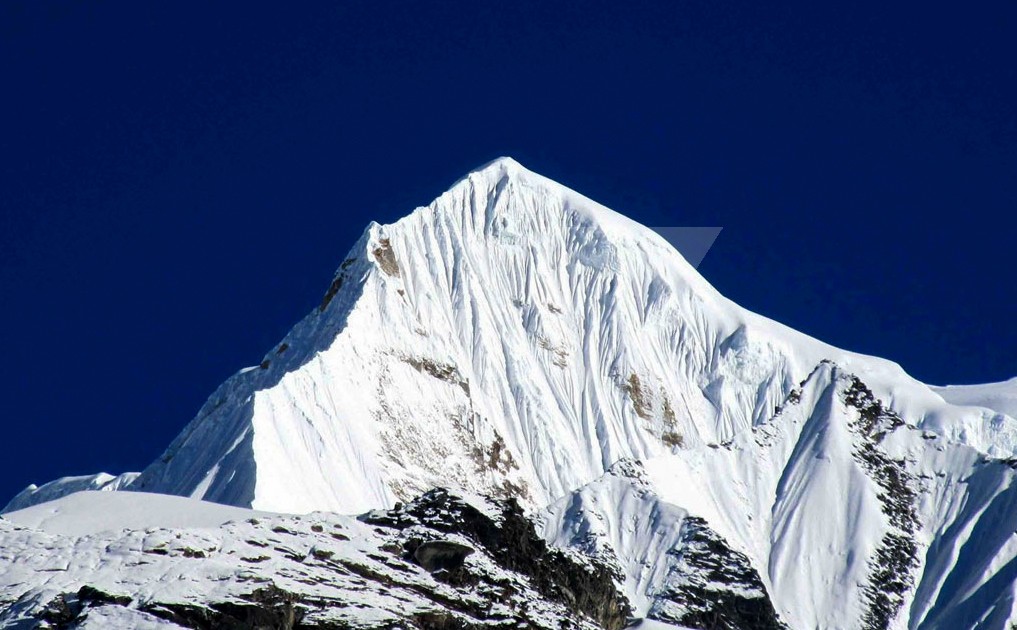
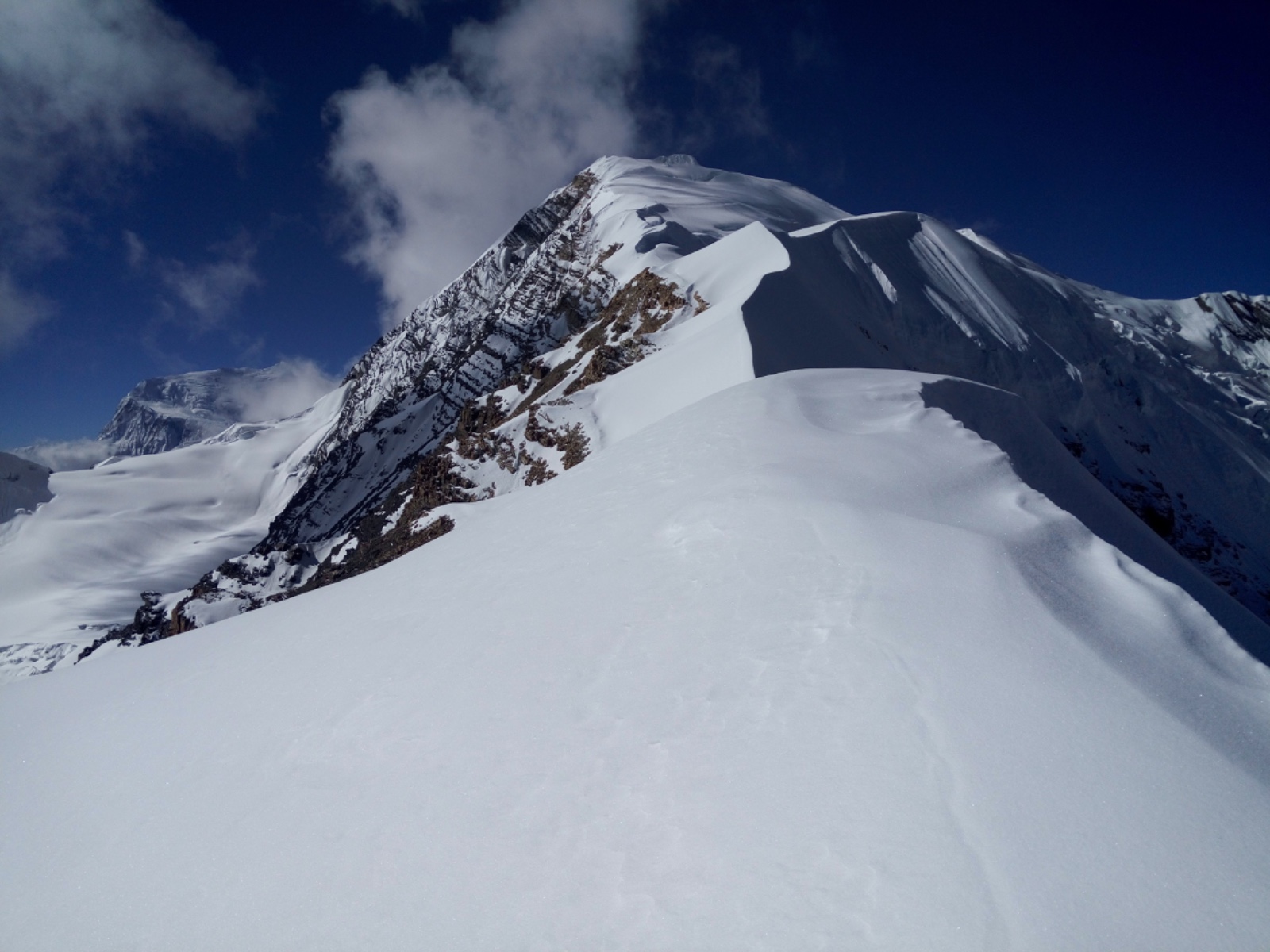
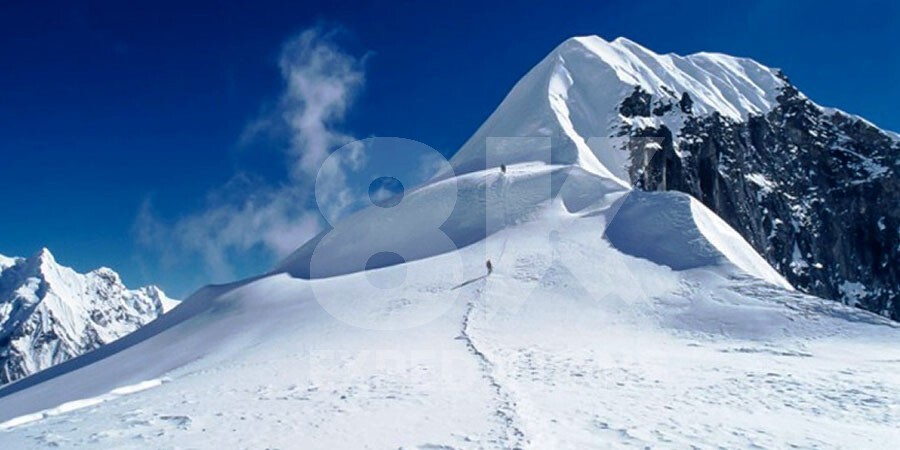
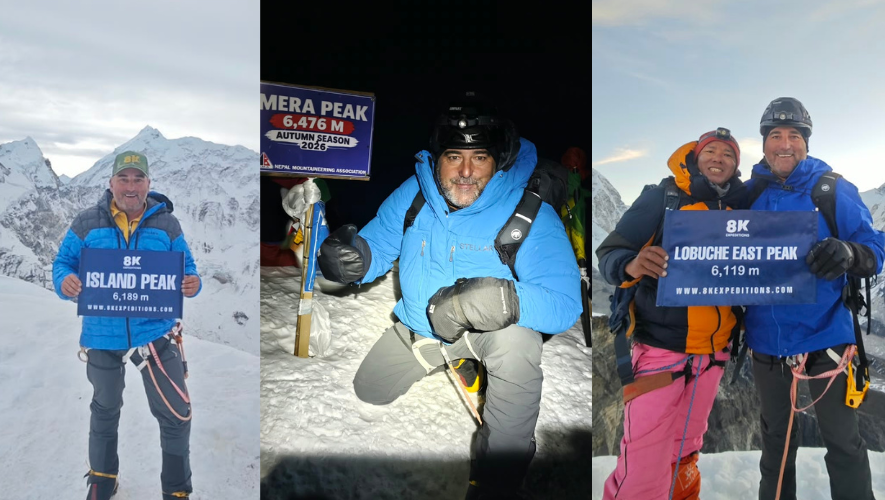
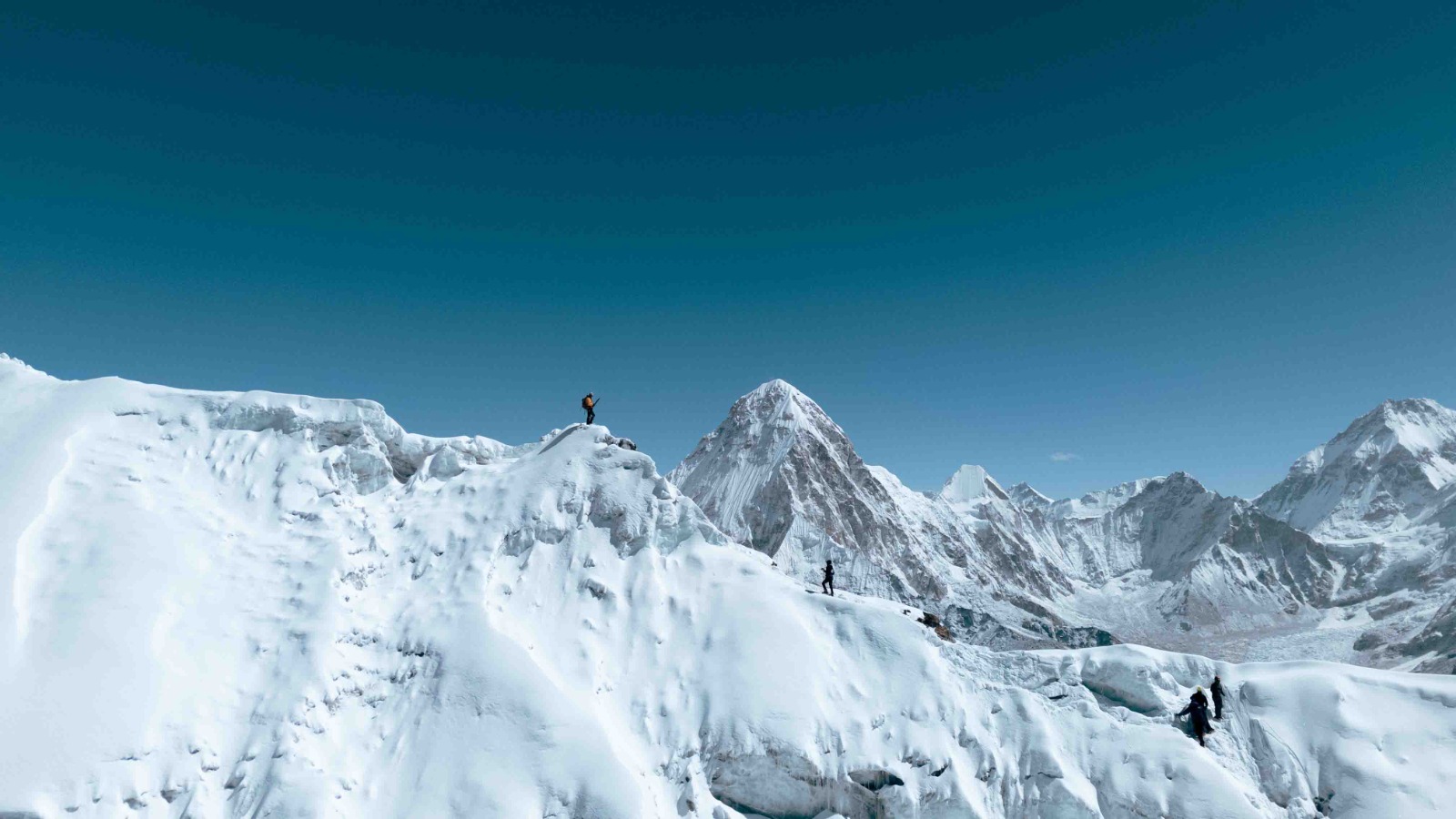
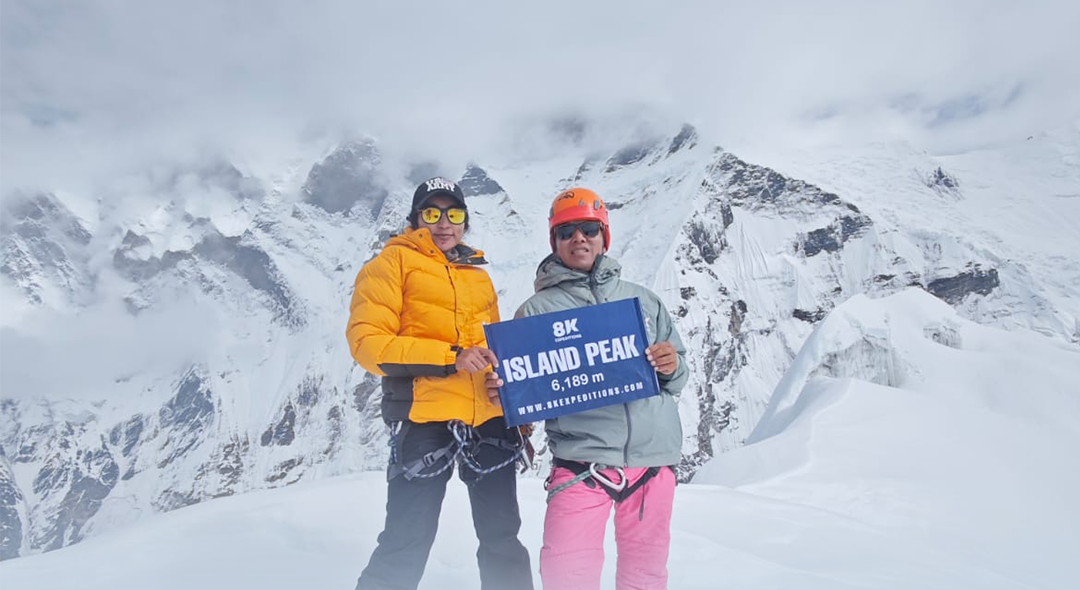
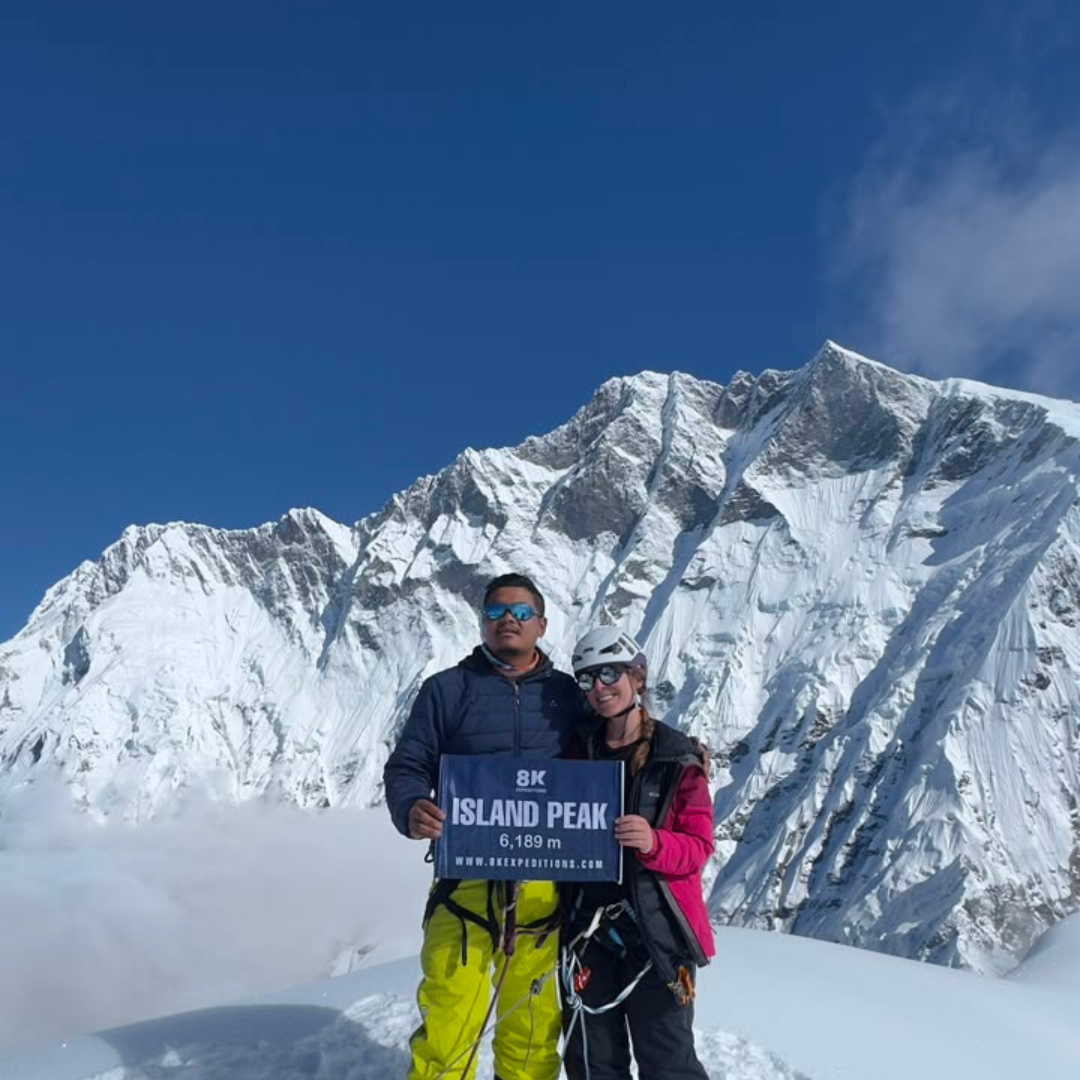
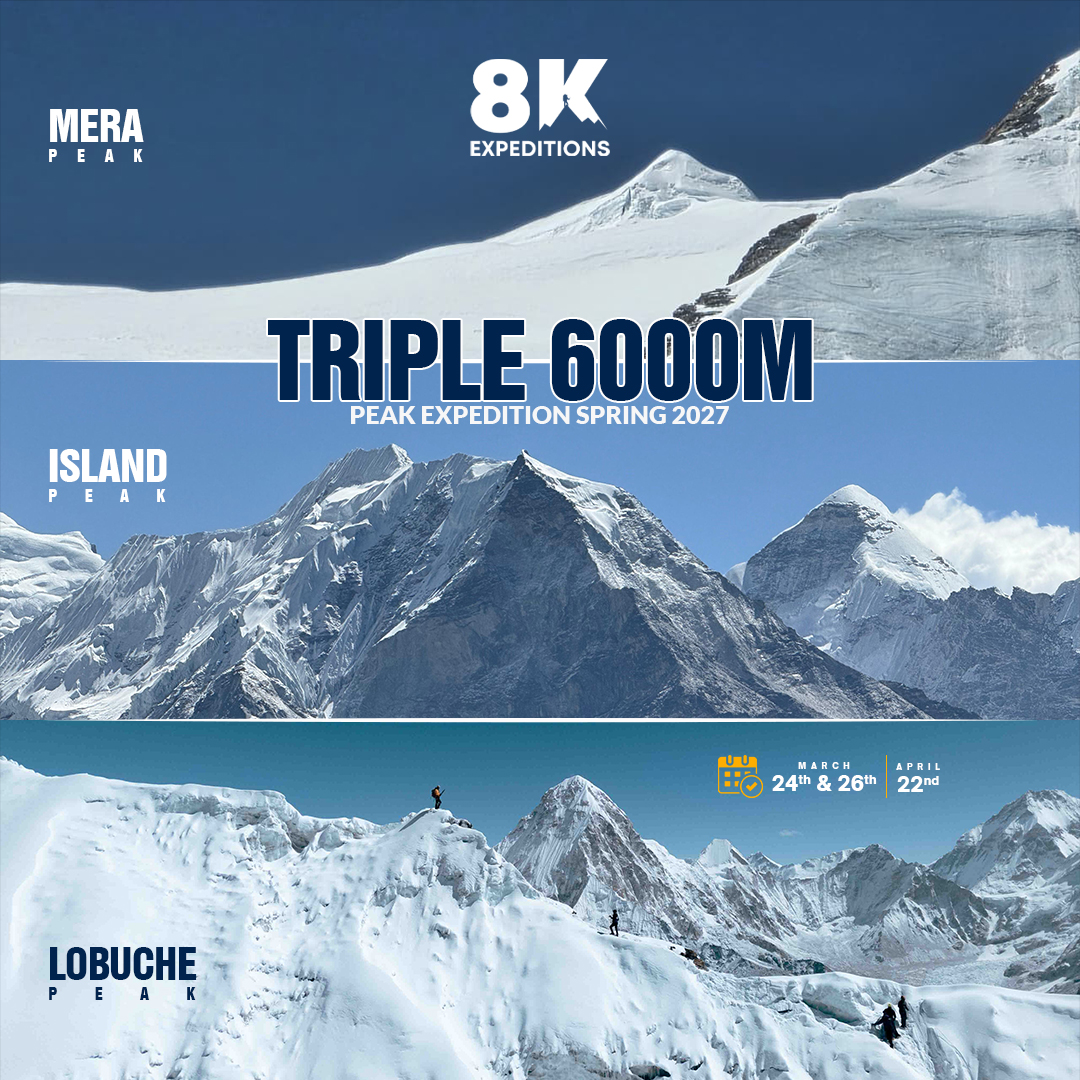
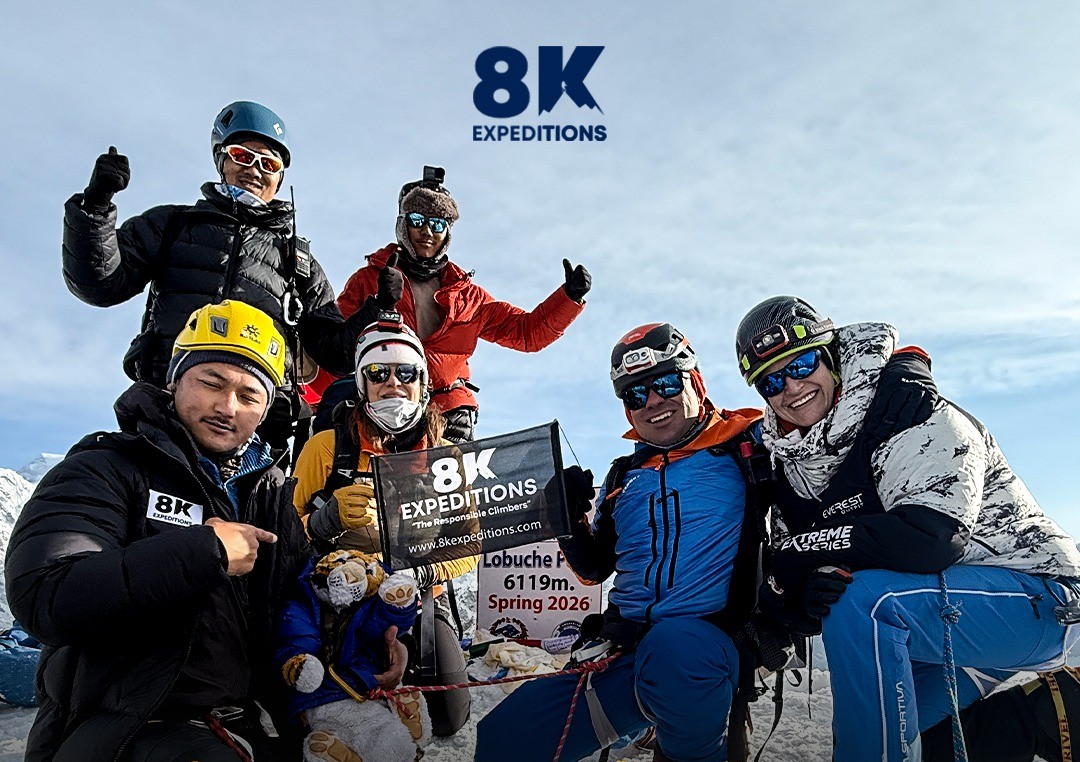
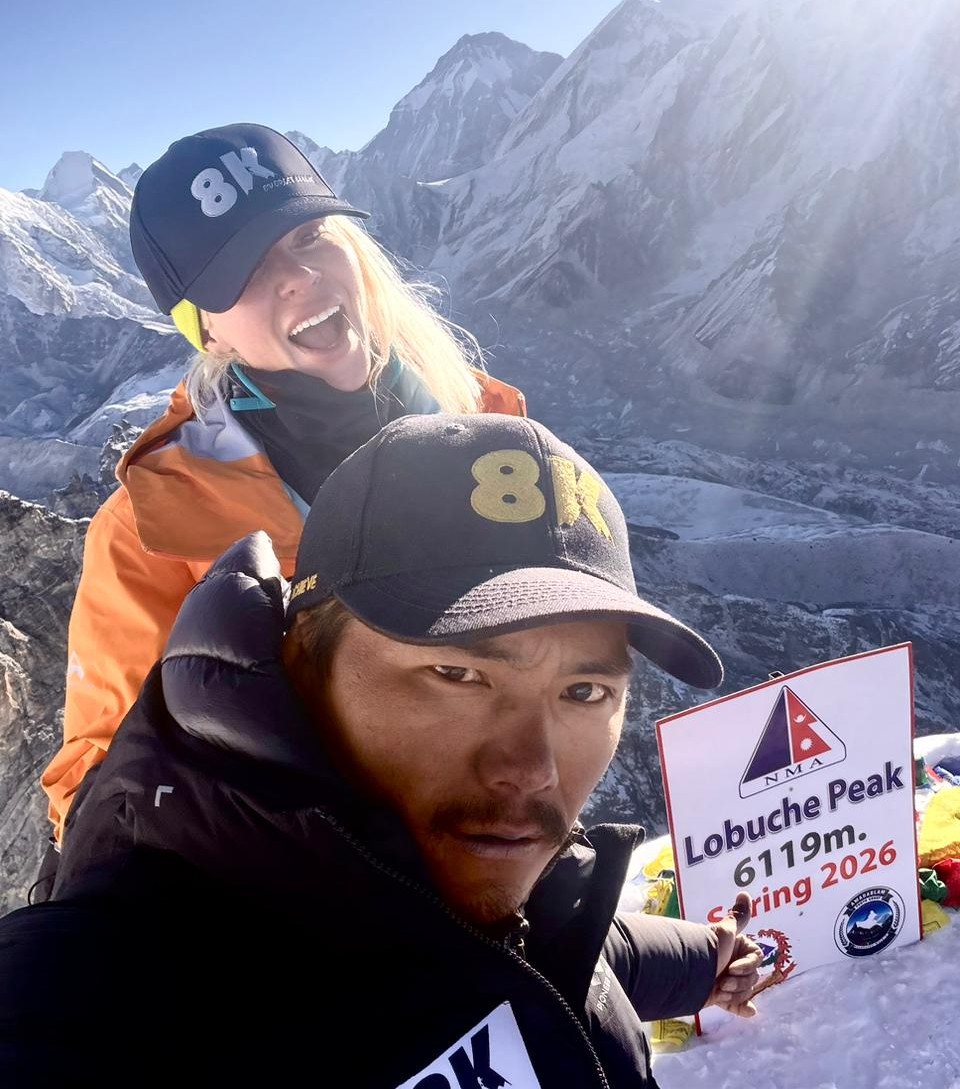
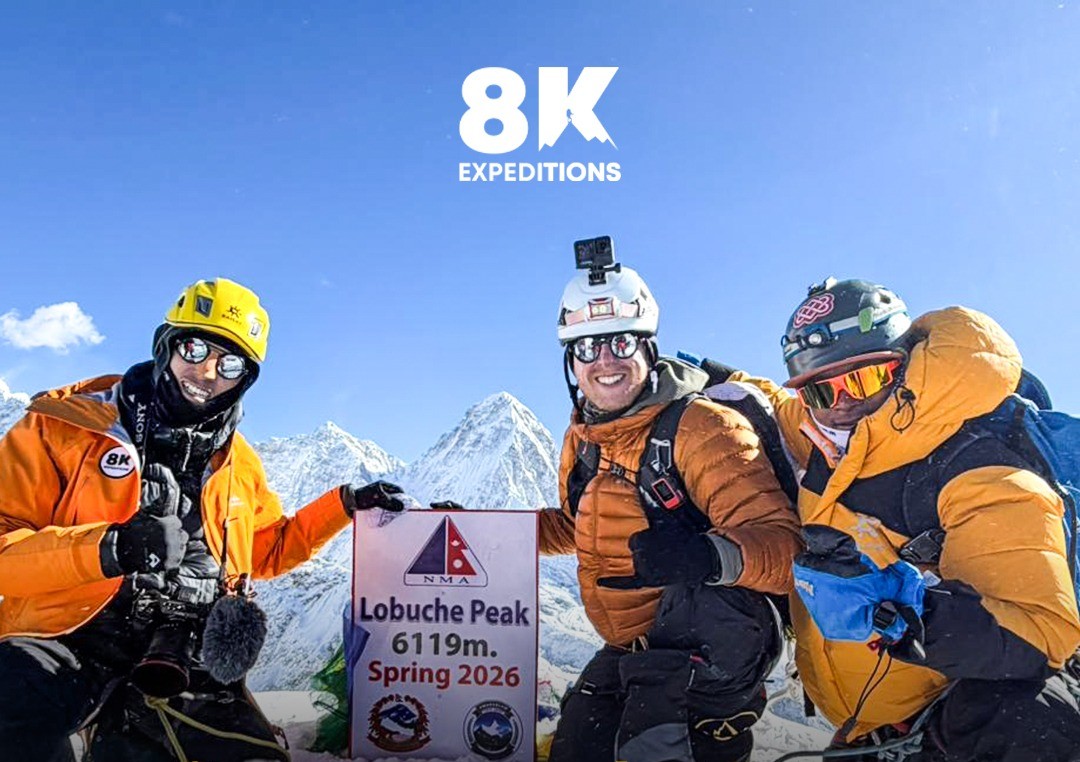
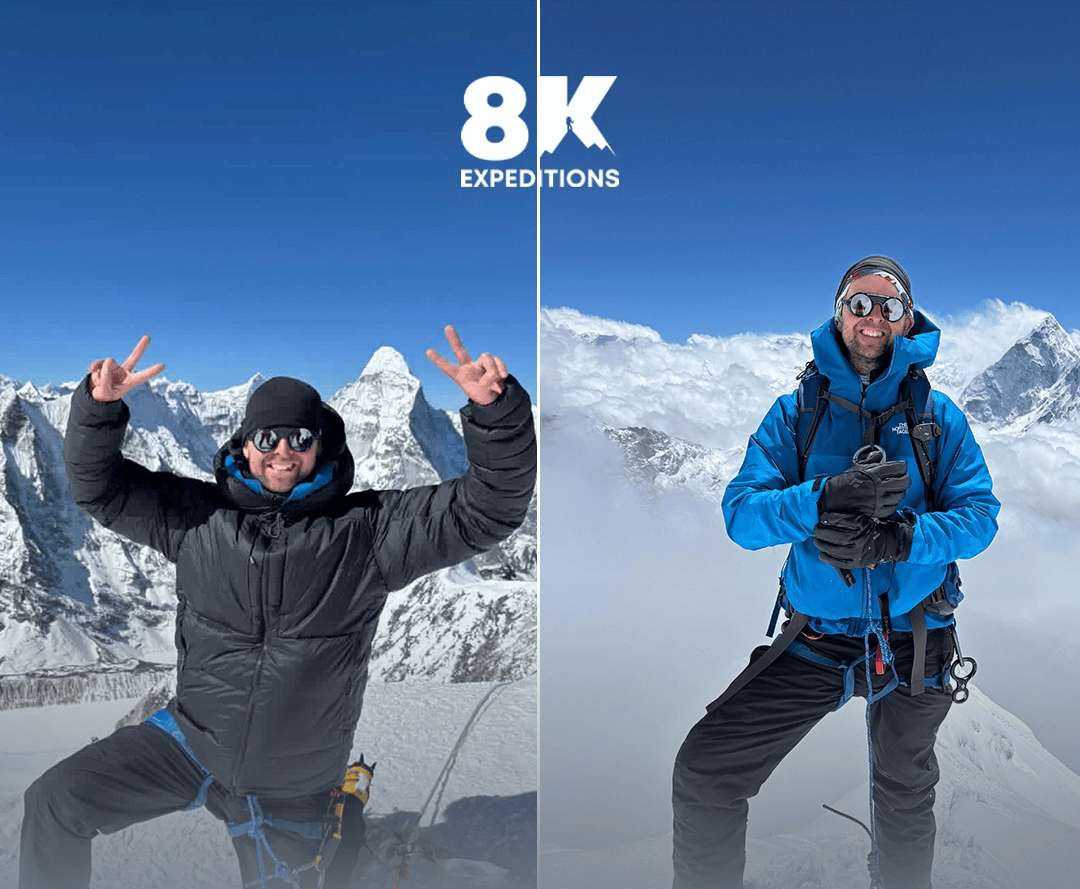
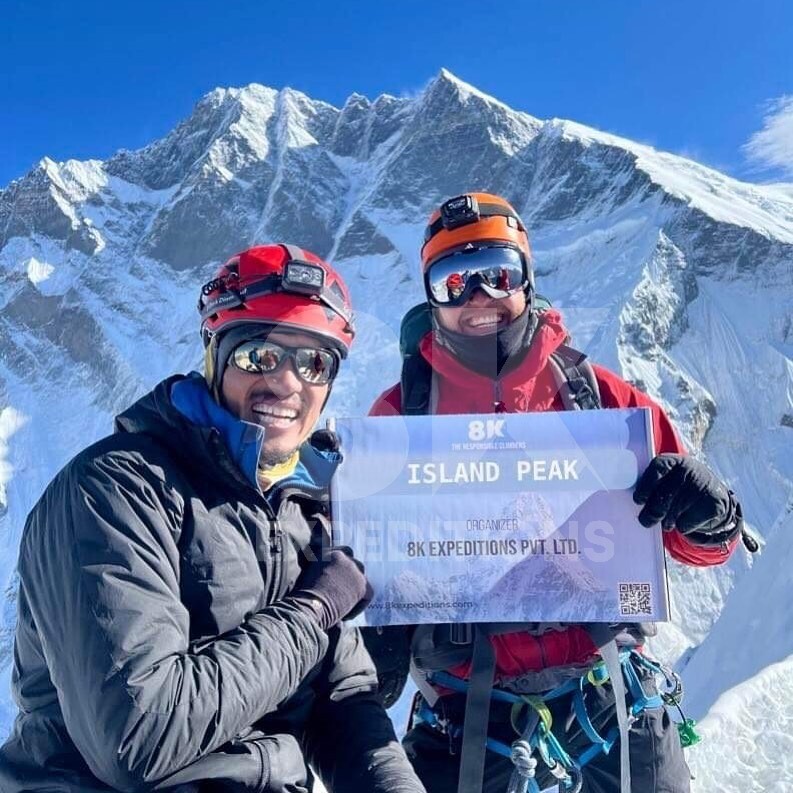
The Lobuche East and Island Peak Double 6000ers Climbing Expedition is a combined mountaineering adventure in Nepal's Everest region that offers climbers the opportunity to summit two iconic Himalayan peaks above 6,000 meters. The expedition includes Lobuche East (6,119 m) and Island Peak (6,189 m), also known as Imja Tse.
How high are Lobuche East Peak and Island Peak?
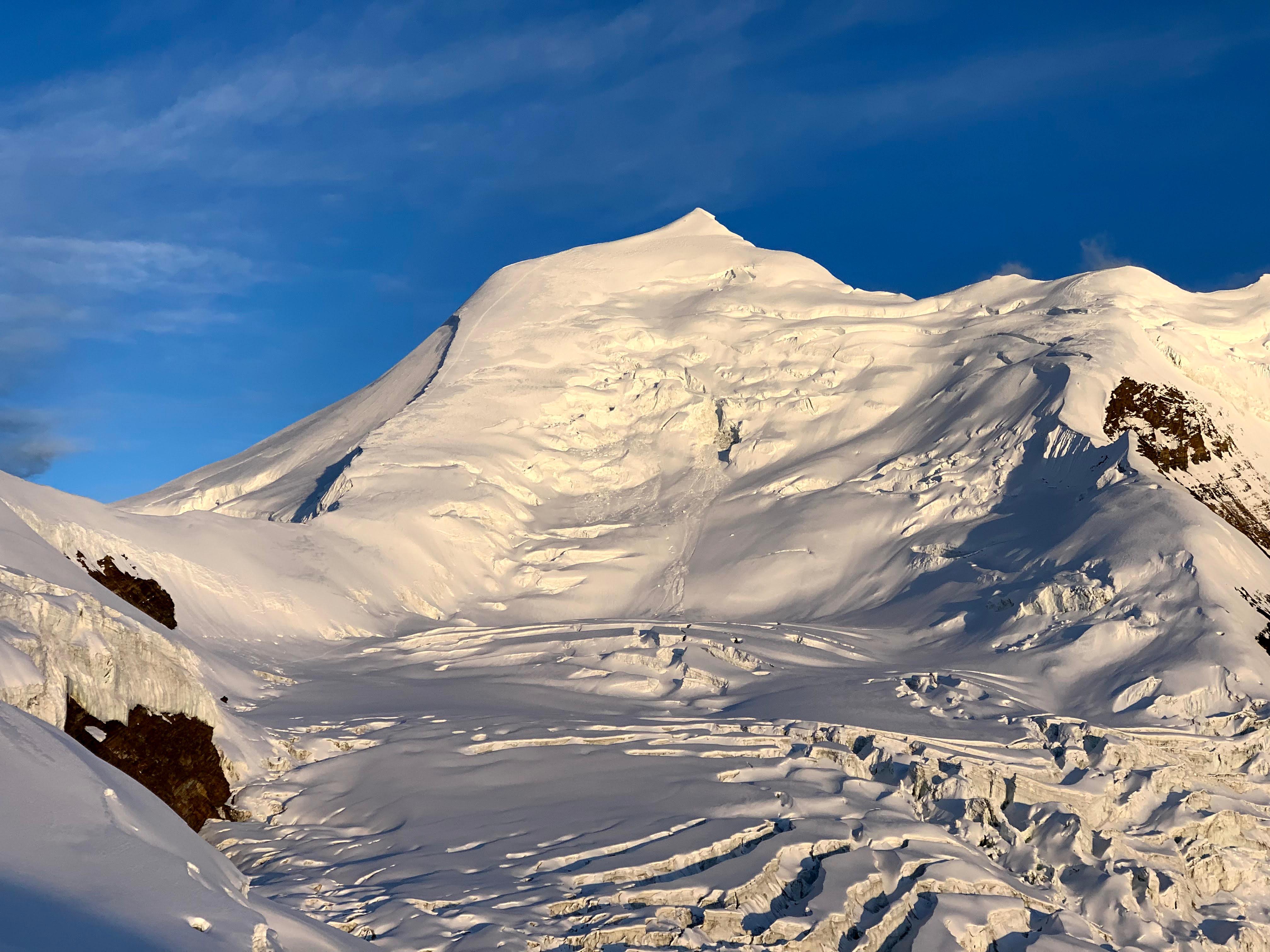
Lobuche East Peak stands at 6,119 meters (20,075 feet), while Island Peak, also known as Imja Tse, reaches 6,189 meters (20,305 feet) above sea level. Island Peak is 70 meters higher than Lobuche East. Both mountains are located in Nepal's Khumbu region within Sagarmatha National Park.
Where are Lobuche East and Island Peak located?
Lobuche East and Island Peak are located in the Khumbu region of Solukhumbu District, northeastern Nepal. Both peaks lie within Sagarmatha National Park in the Everest region. Lobuche East is situated near the Khumbu Glacier, while Island Peak is located in the Imja Valley, southeast of Dingboche and near Chhukung.
How long does the Lobuche East and Island Peak climbing expedition take?
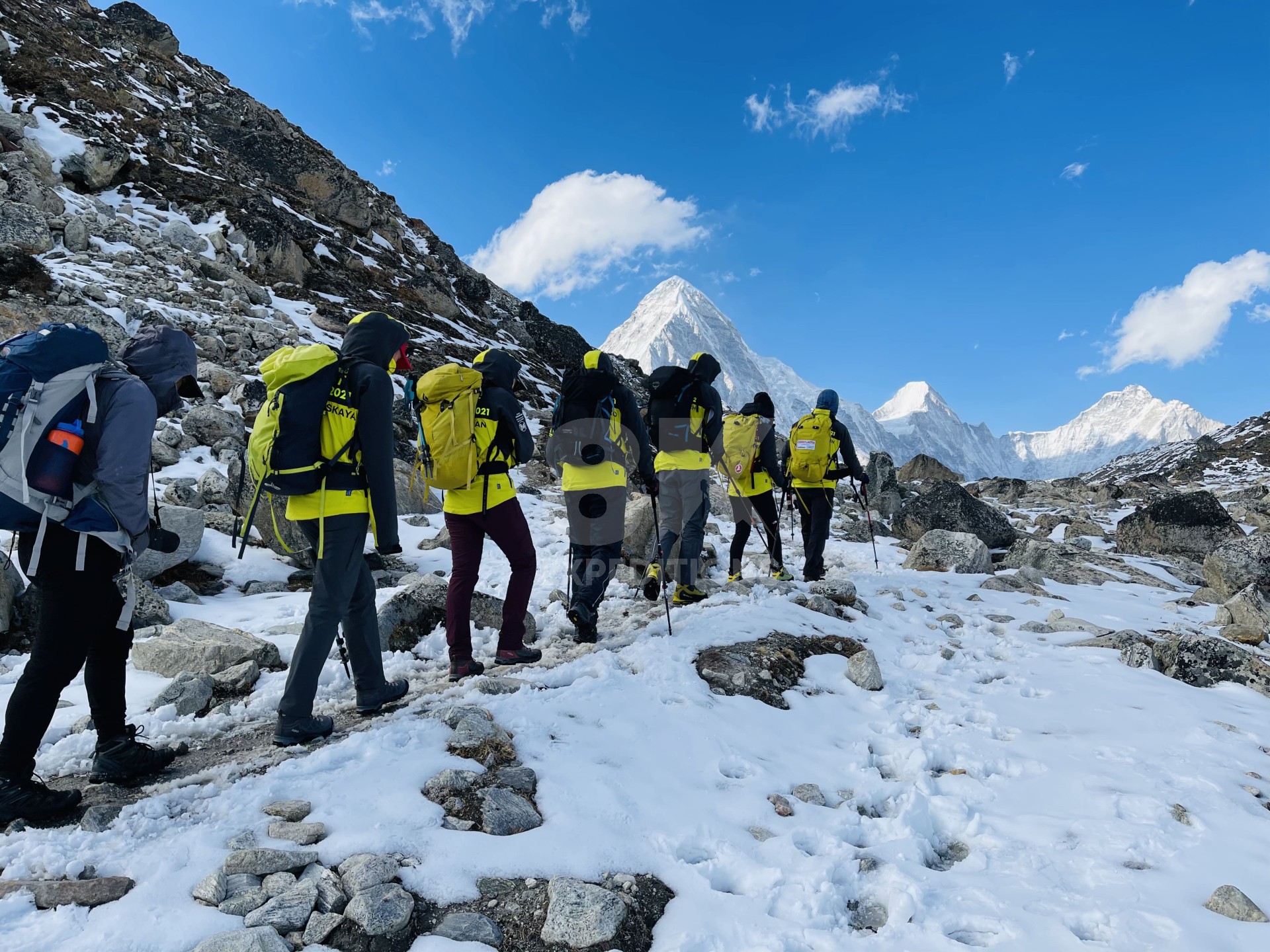
The standard Double 6000ers itinerary takes 24 days, starting and ending in Kathmandu. It includes arrival and preparation, the trek through the Everest region, Everest Base Camp, Kala Patthar, climbing preparation, two summit attempts and the return journey to Kathmandu.
Does the Lobuche and Island Peak climbing package include Everest Base Camp?
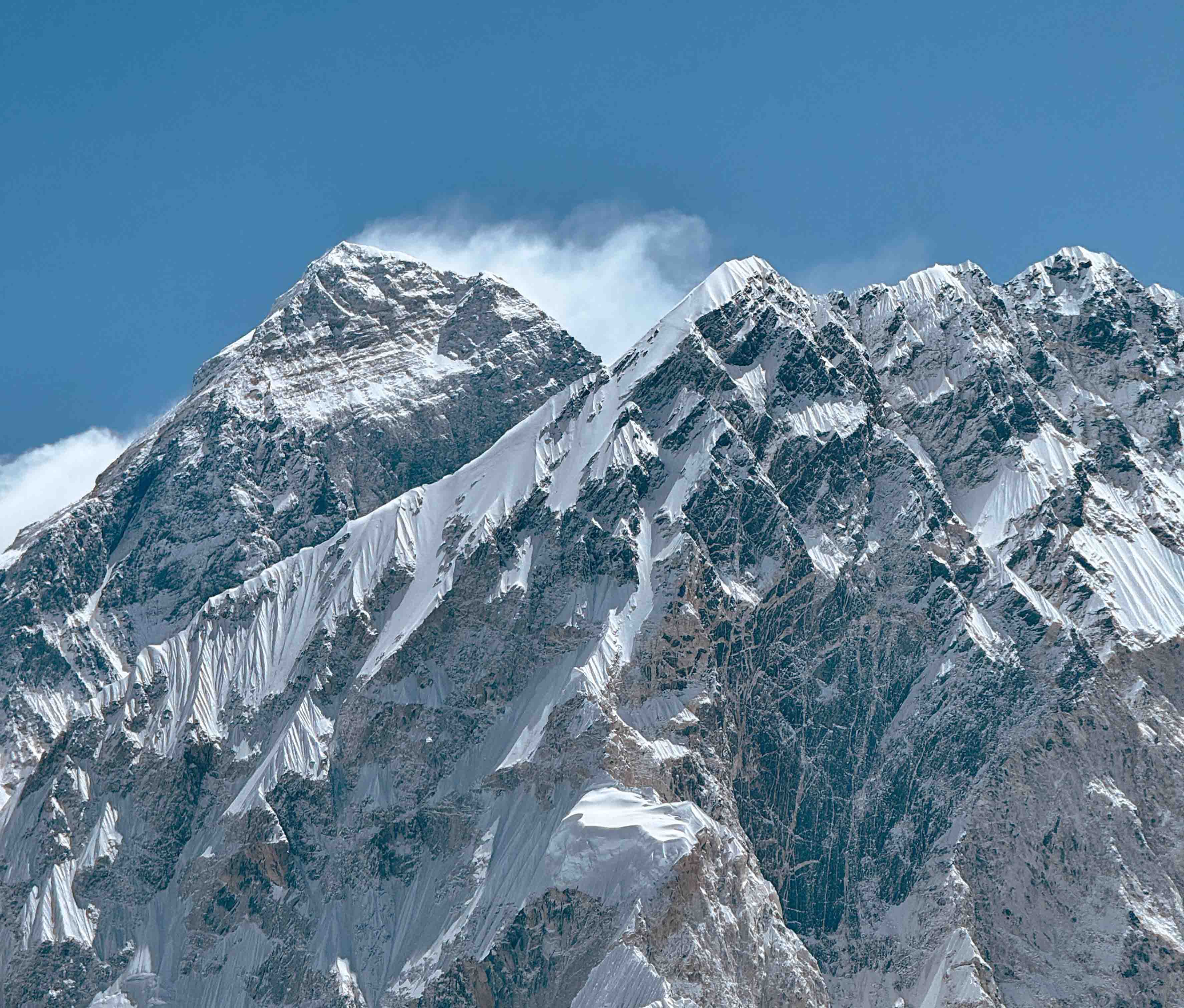
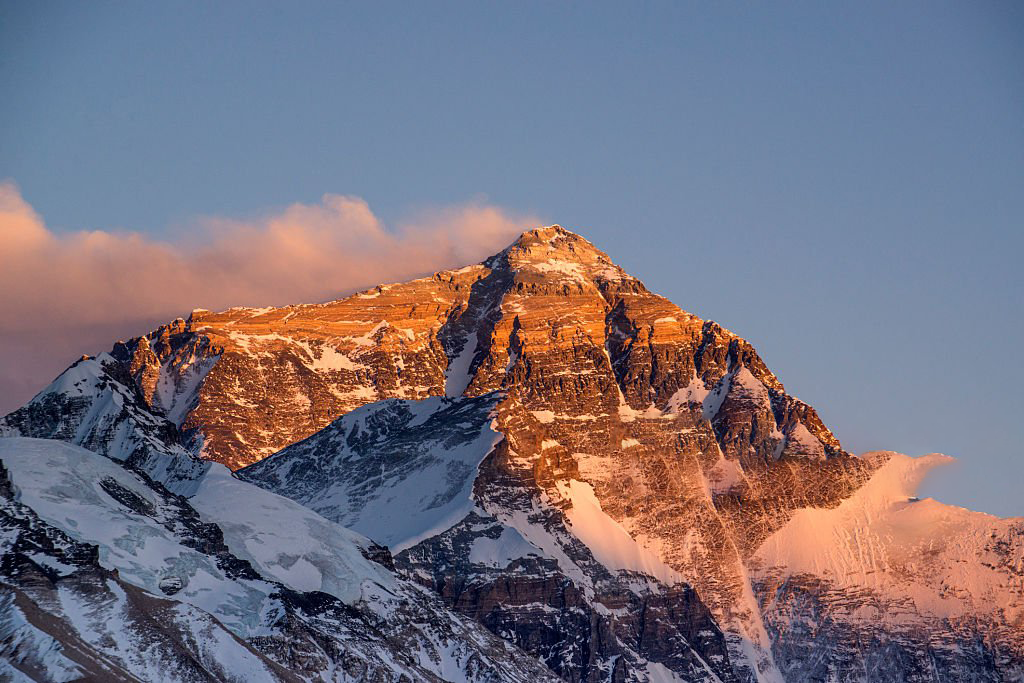
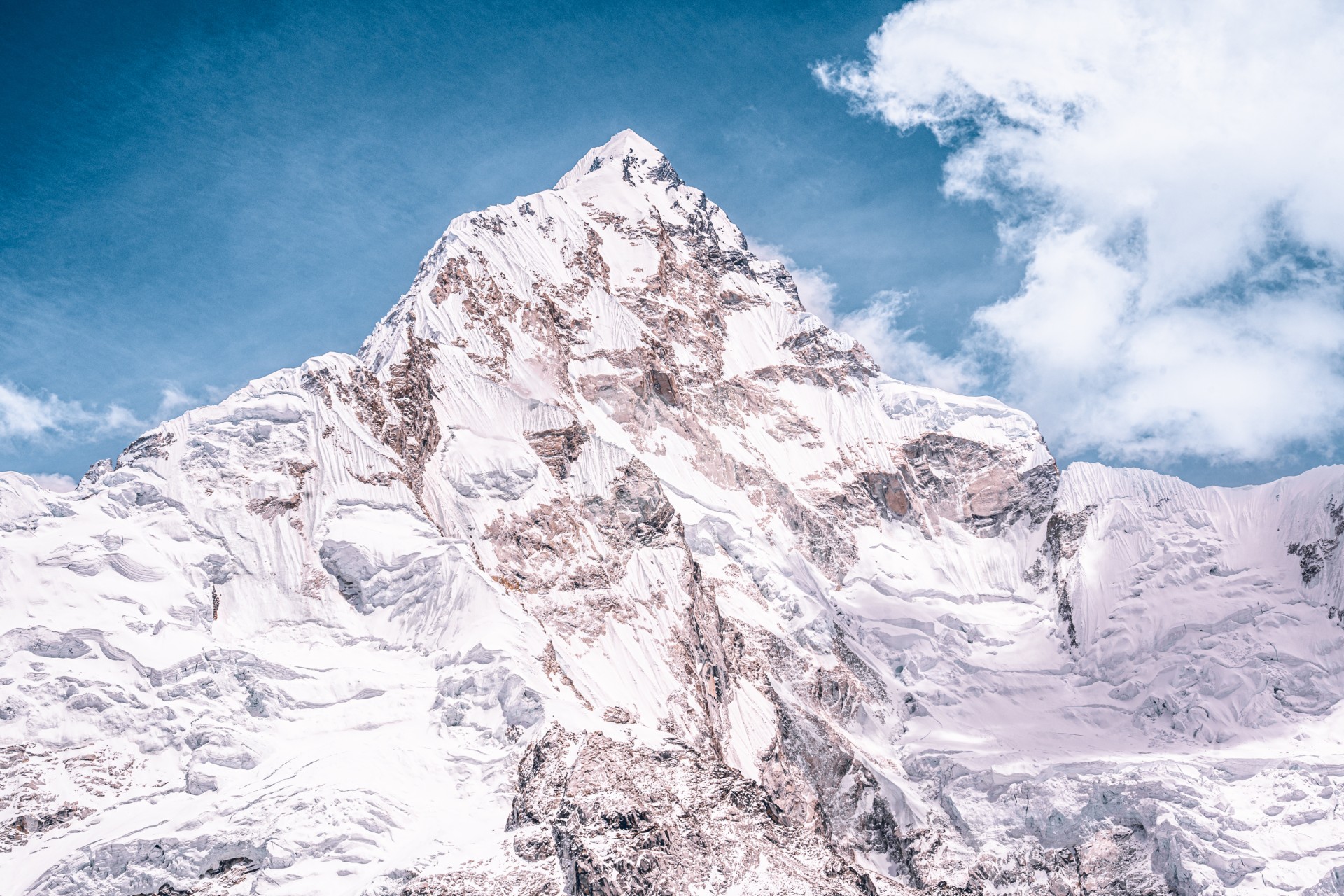
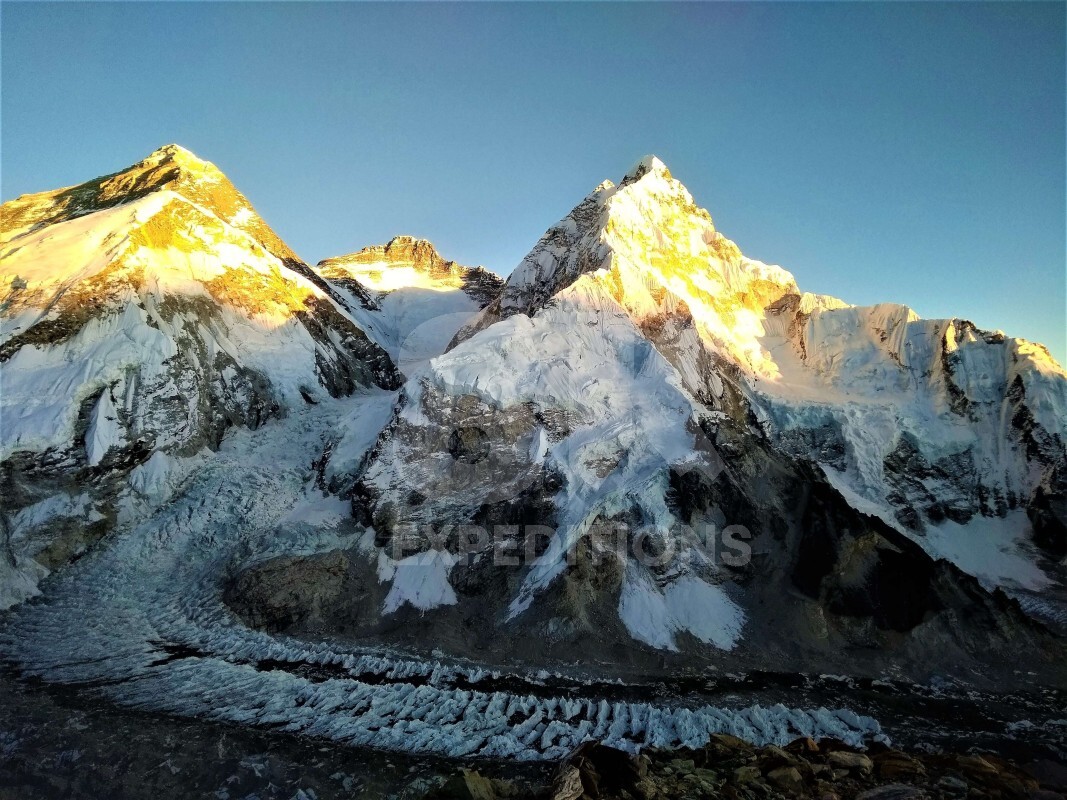
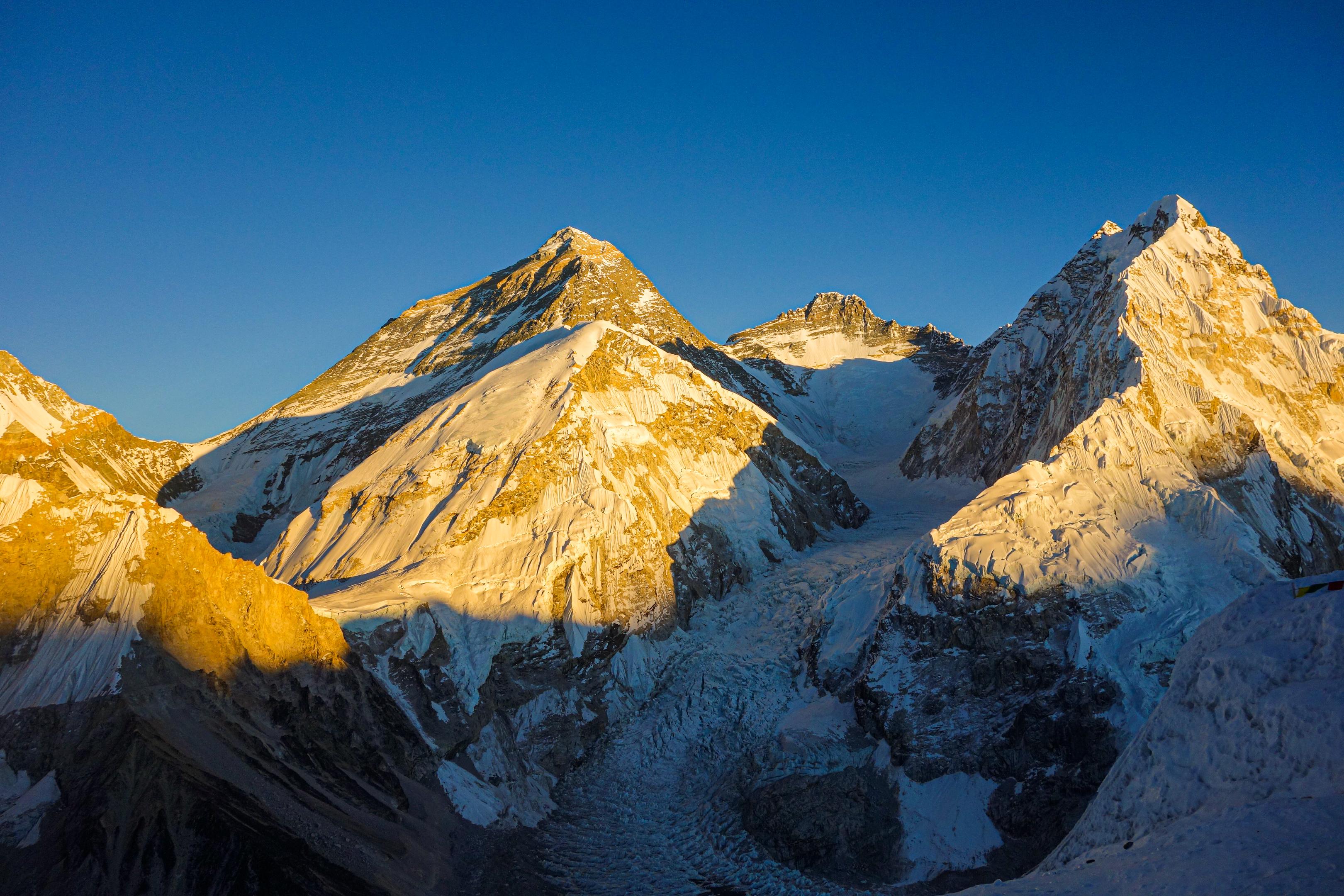
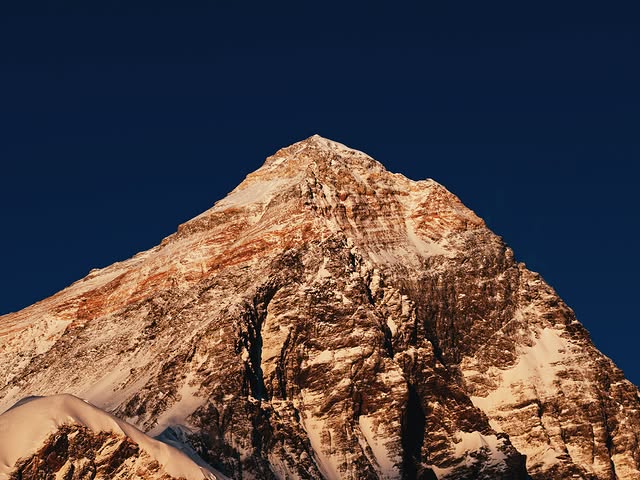
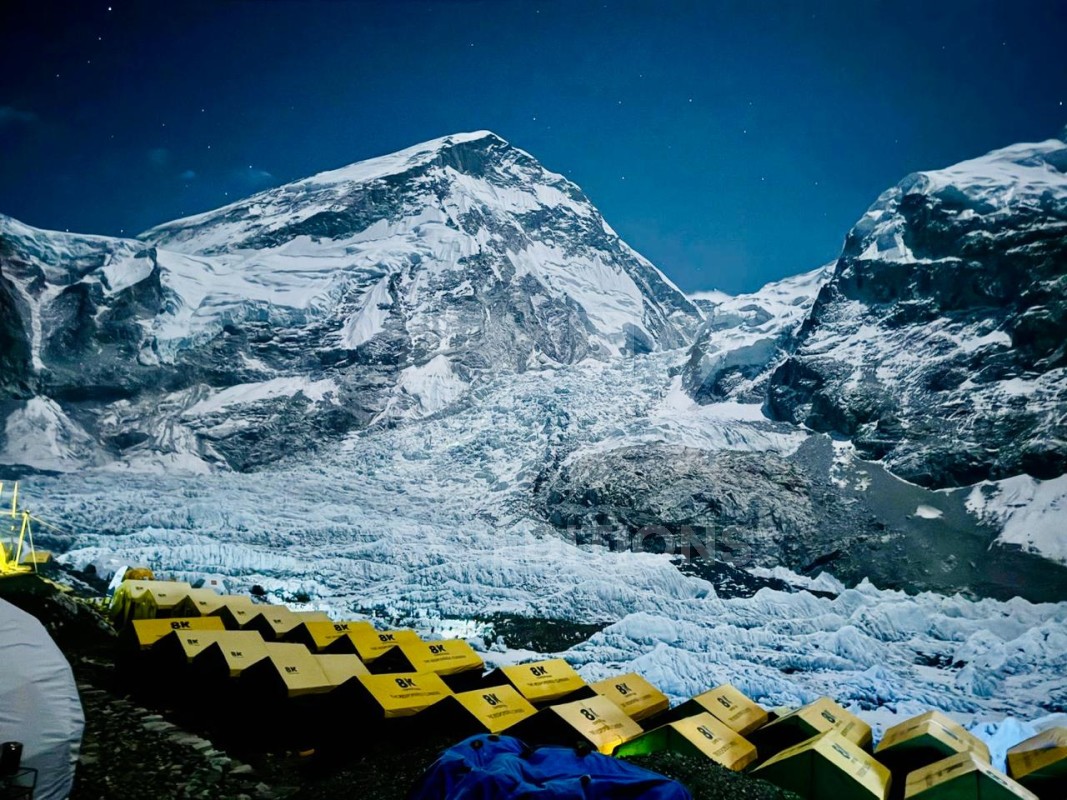
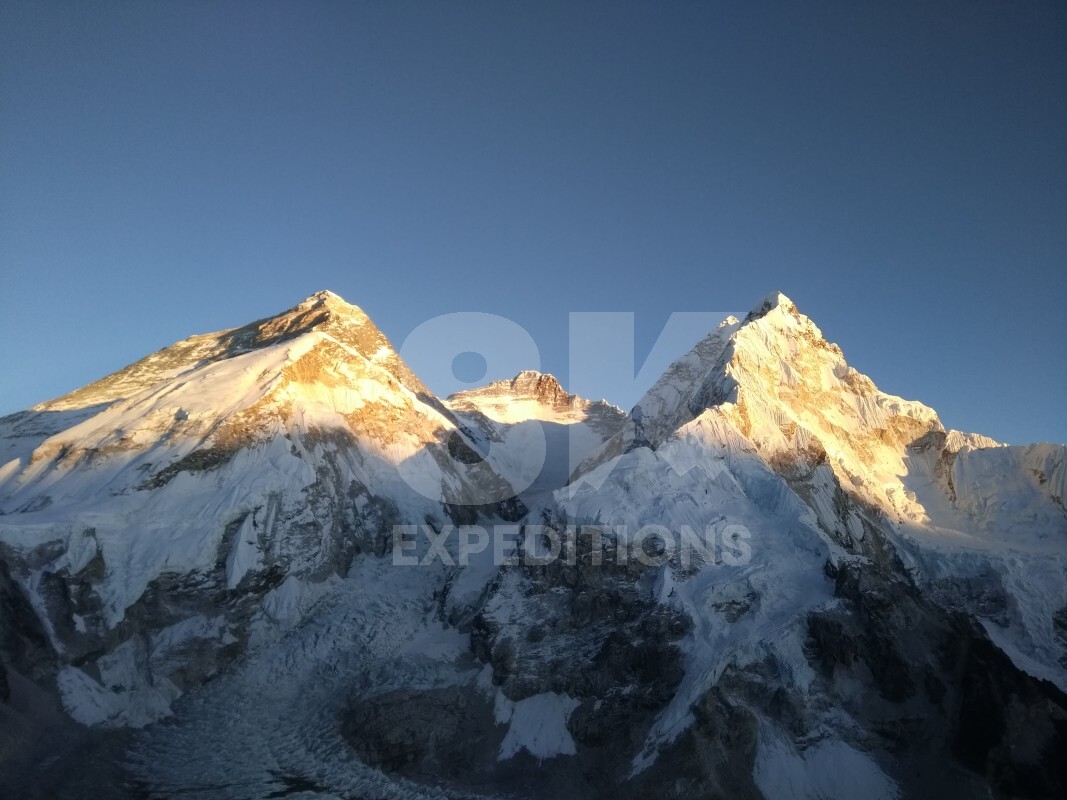
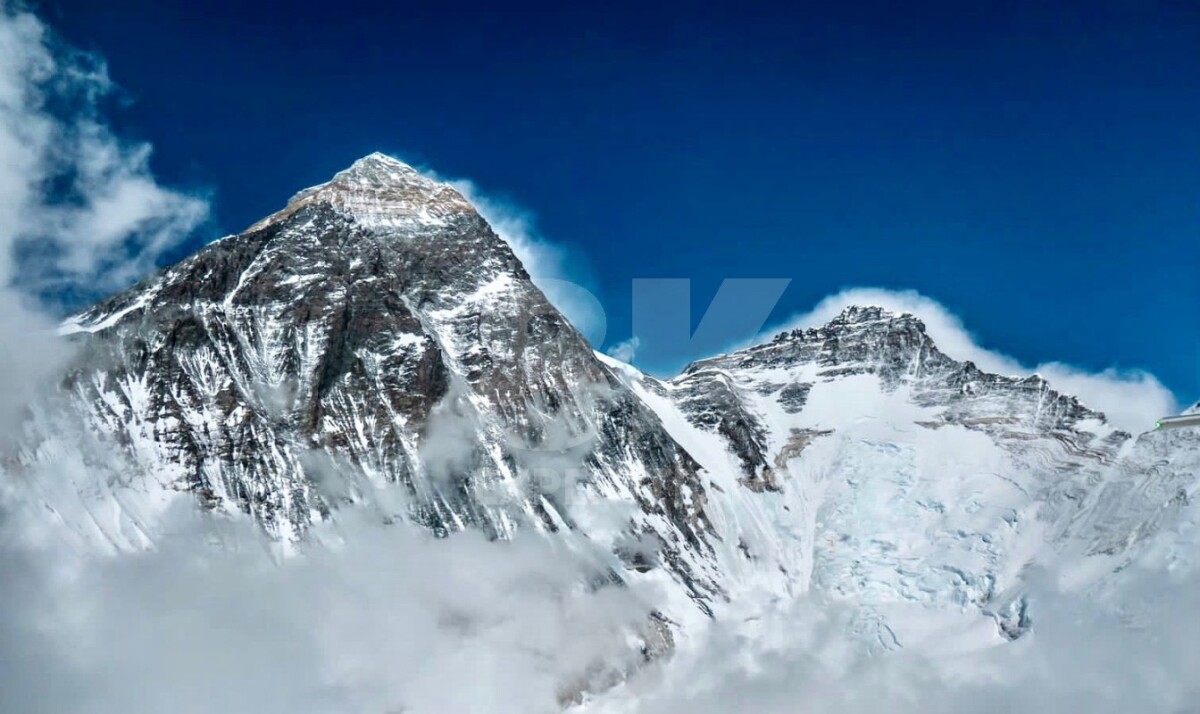
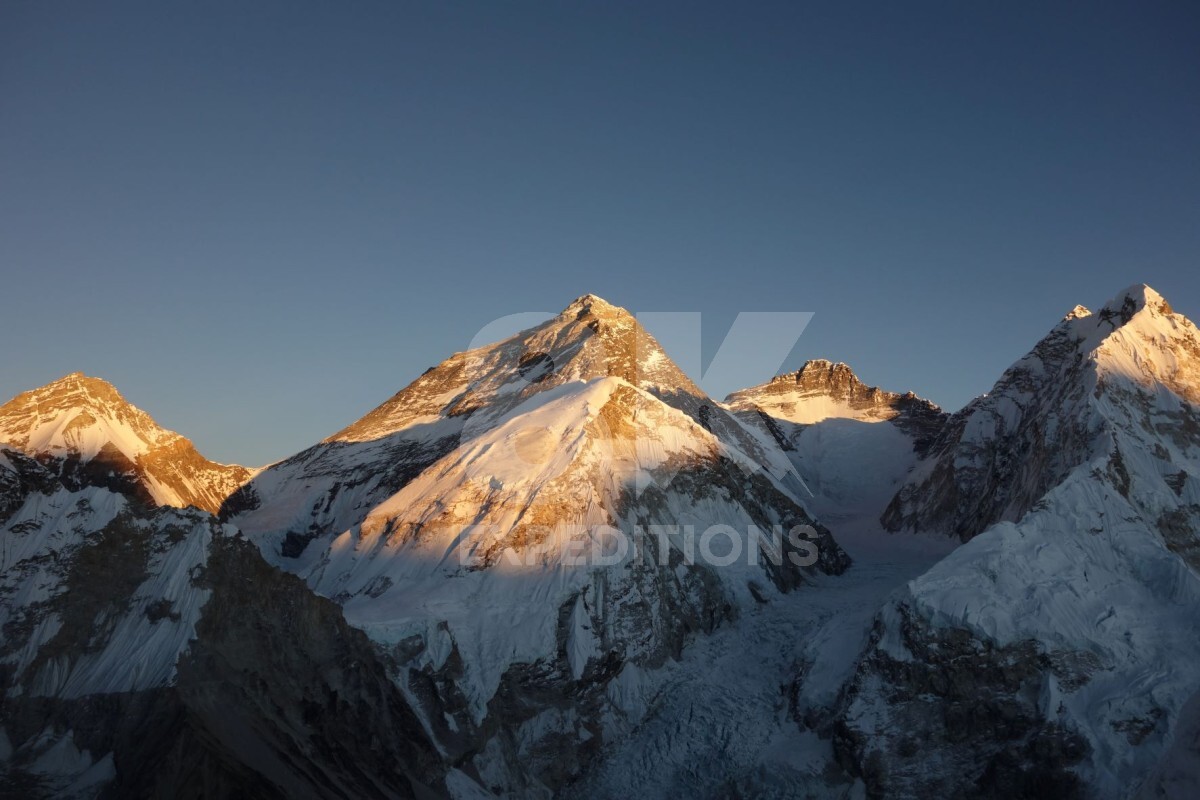
Yes, the 24-day itinerary includes a visit to Everest Base Camp (5,364 m) and a hike to Kala Patthar (5,445 m). These destinations provide spectacular views of Mount Everest, Lhotse, Nuptse and the surrounding Himalayan peaks while contributing to the expedition's gradual altitude progression.
How difficult is the Lobuche East and Island Peak climbing expedition?
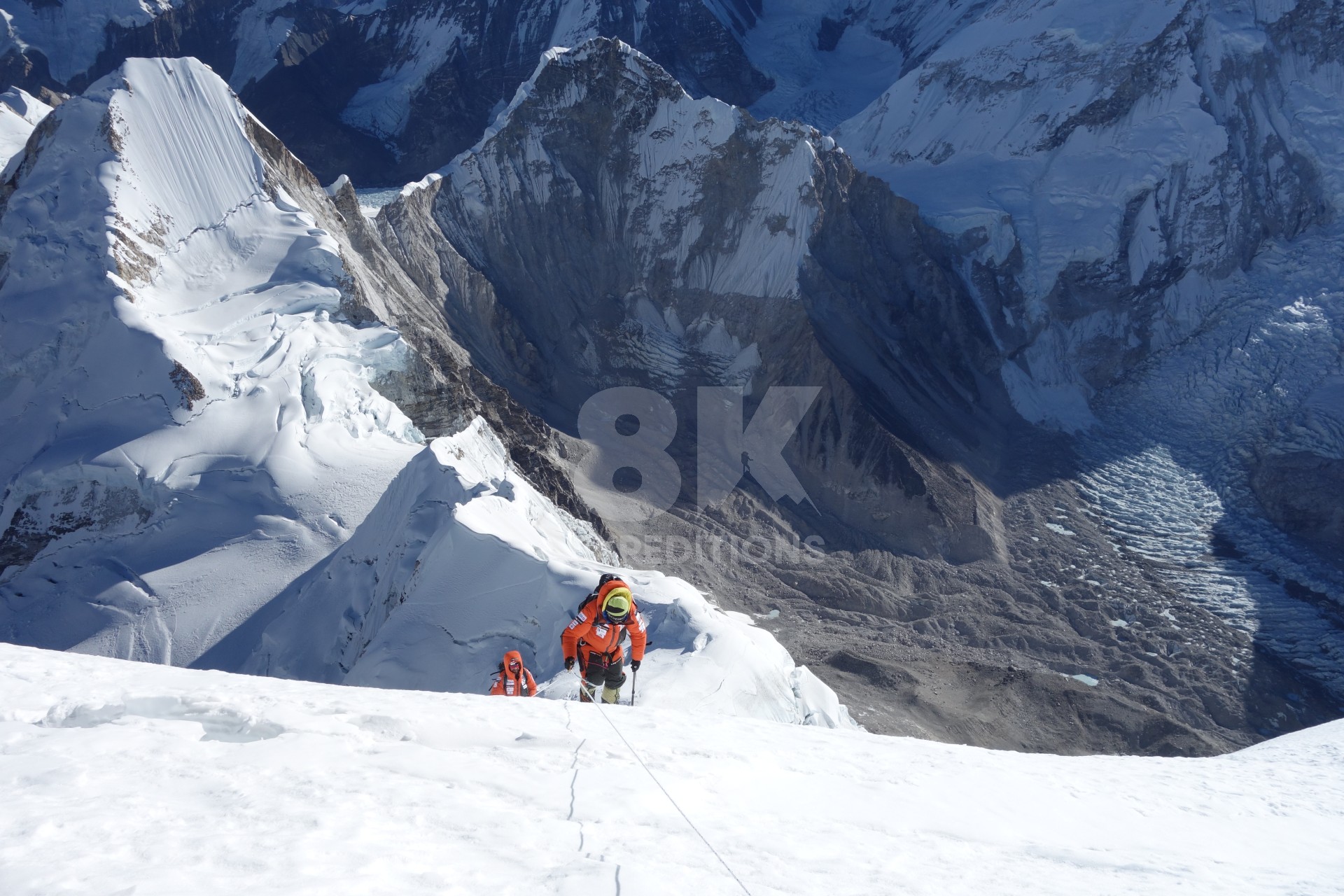
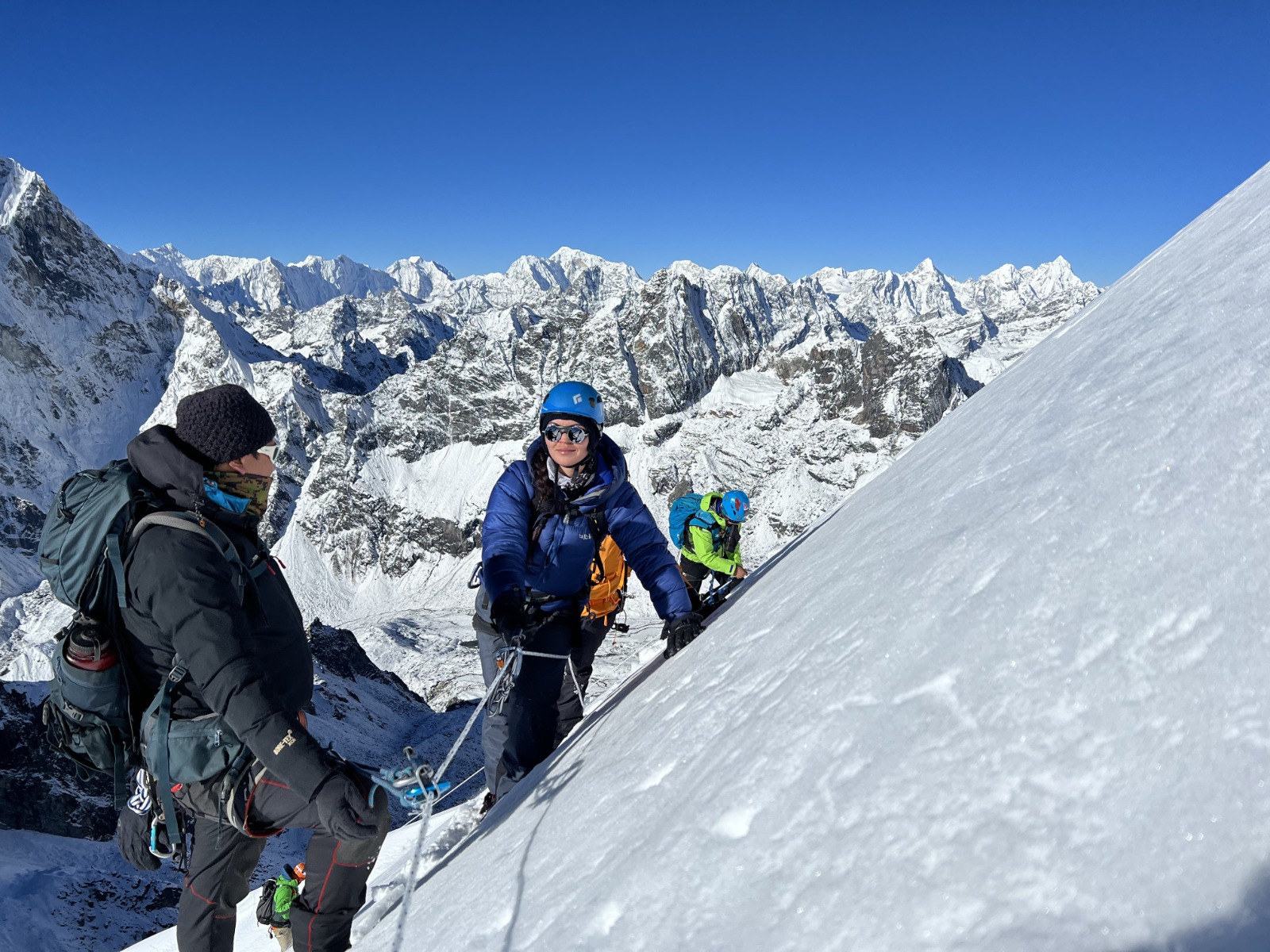
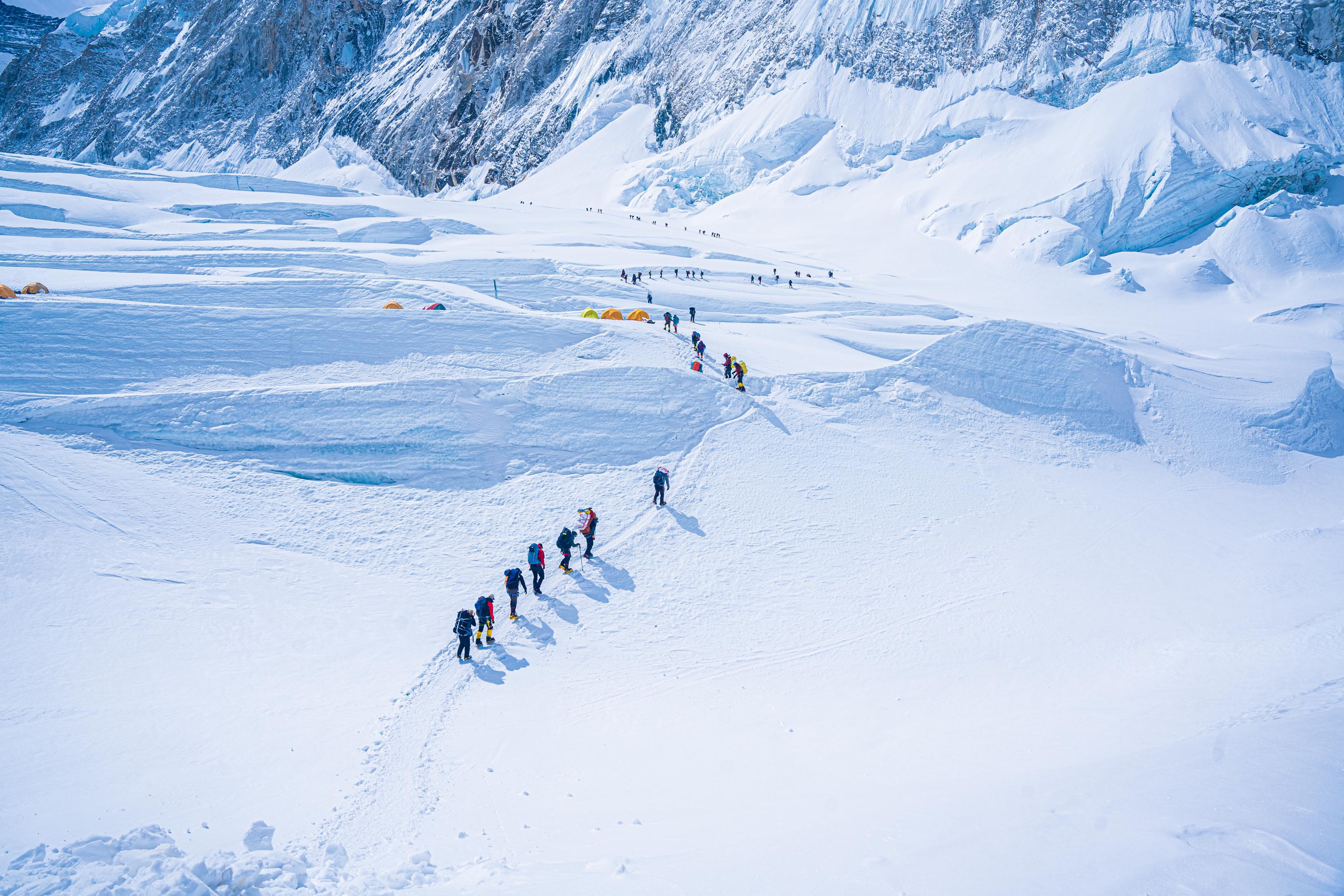
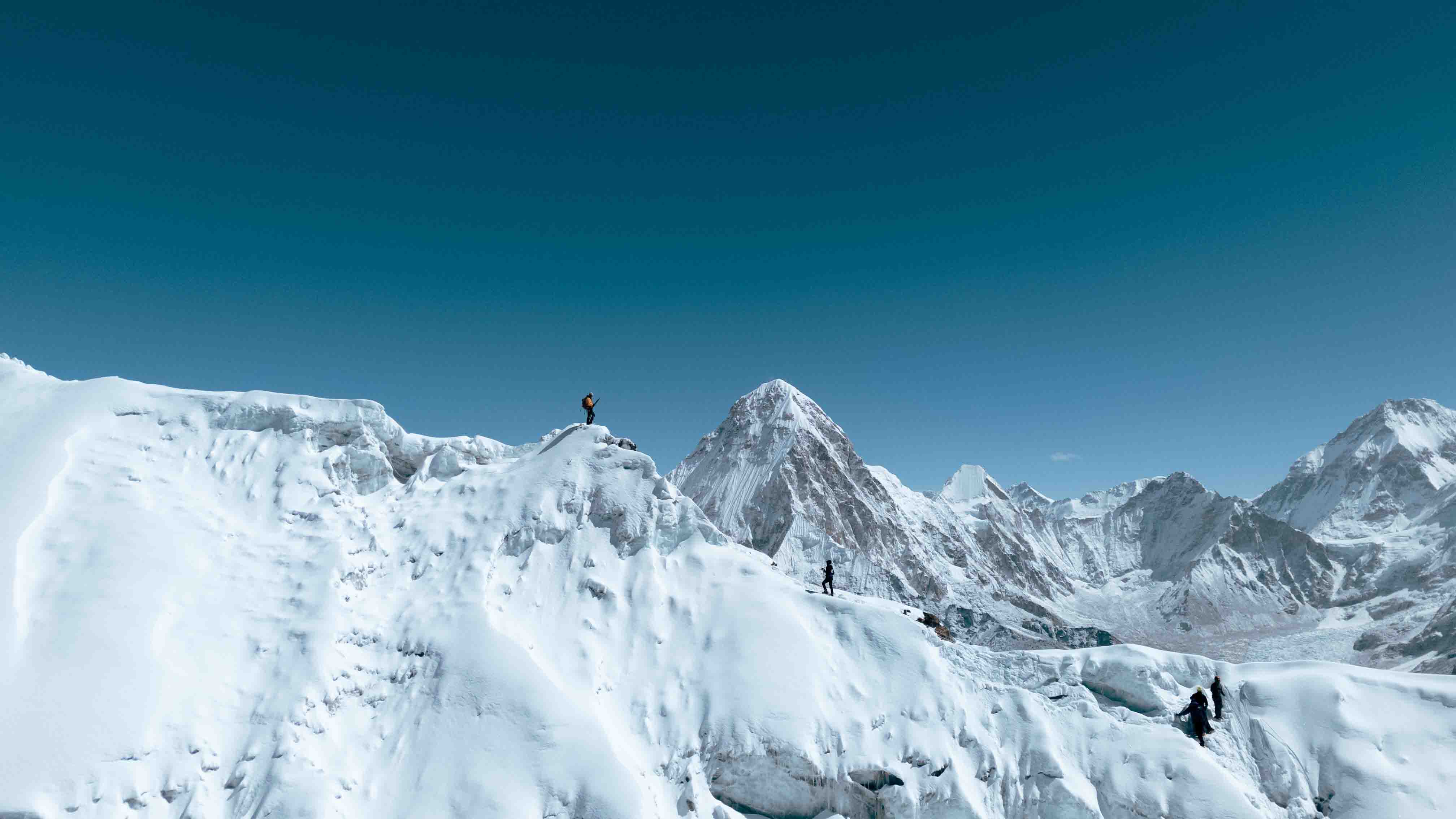
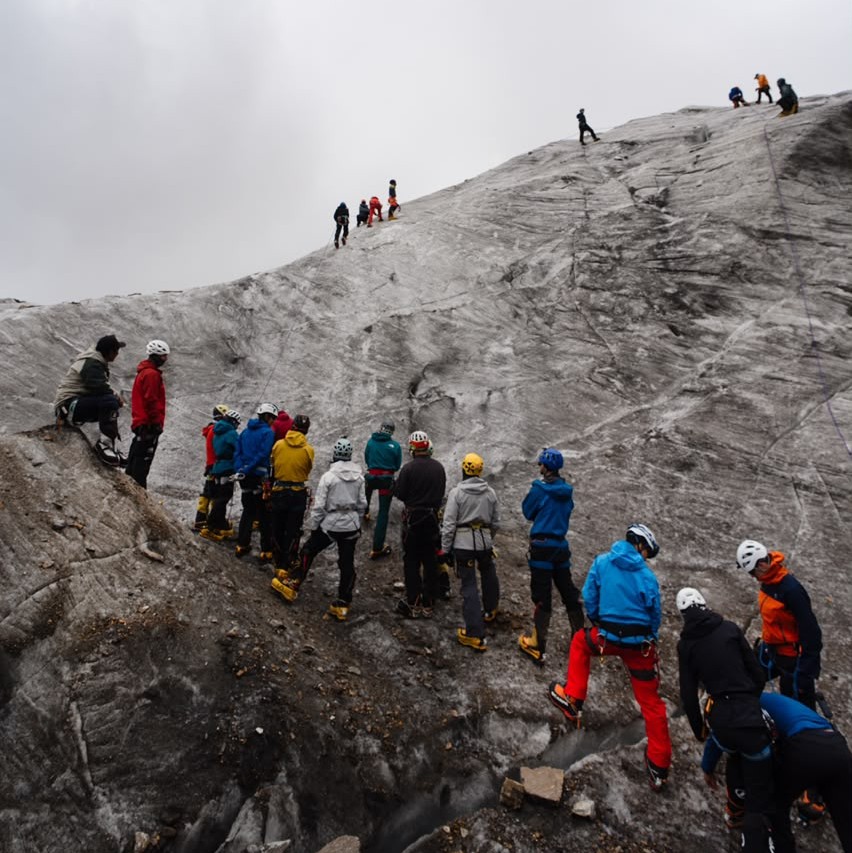
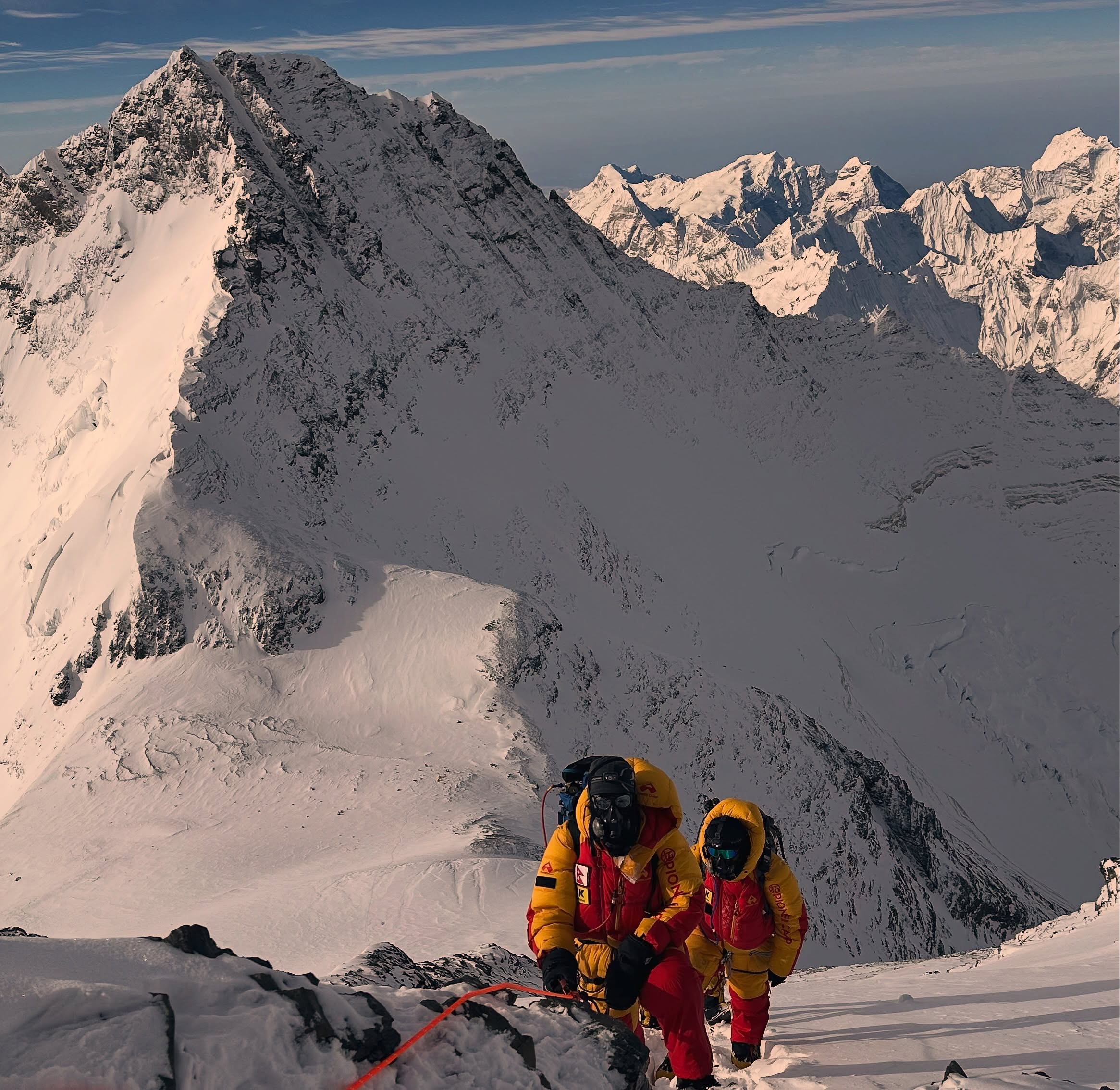
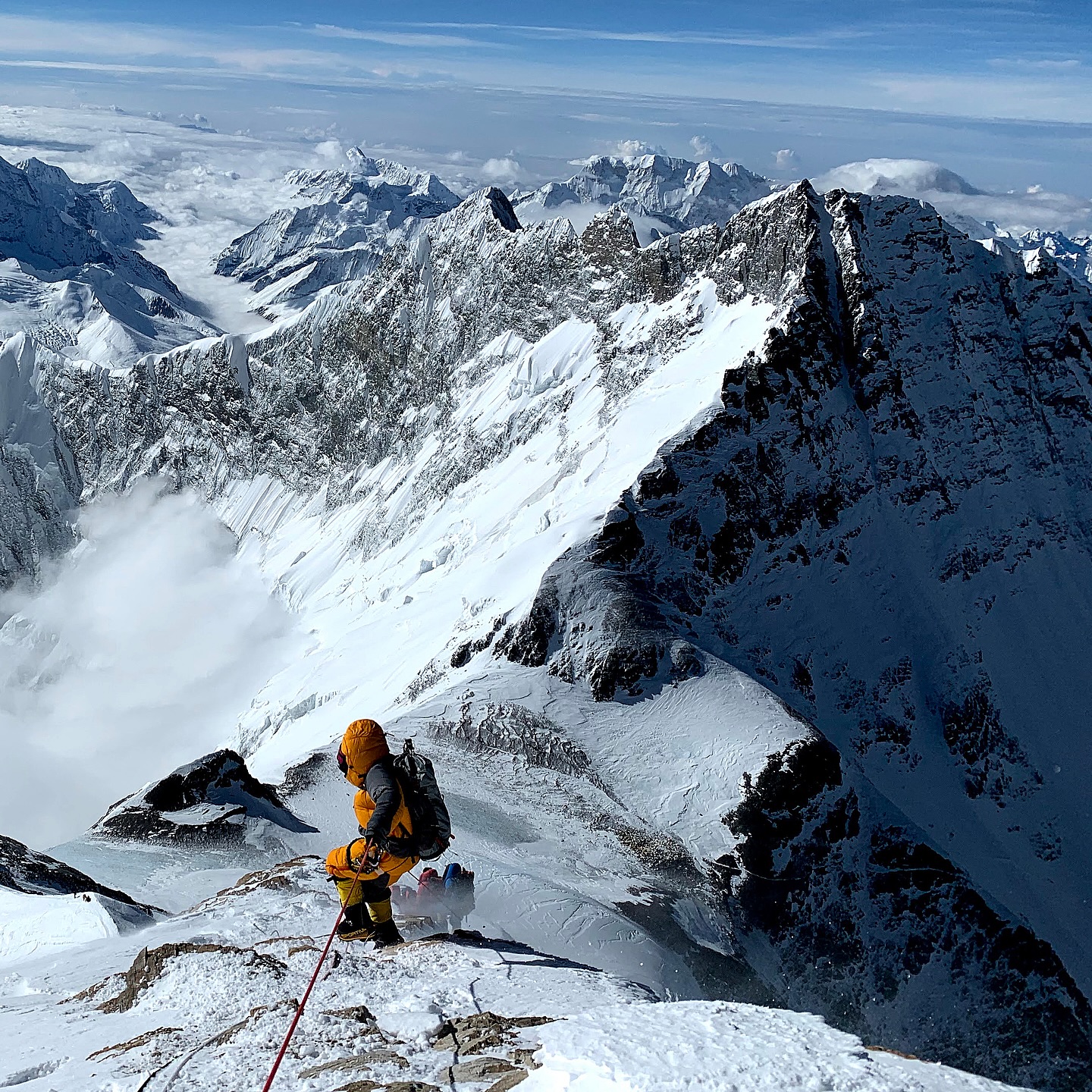
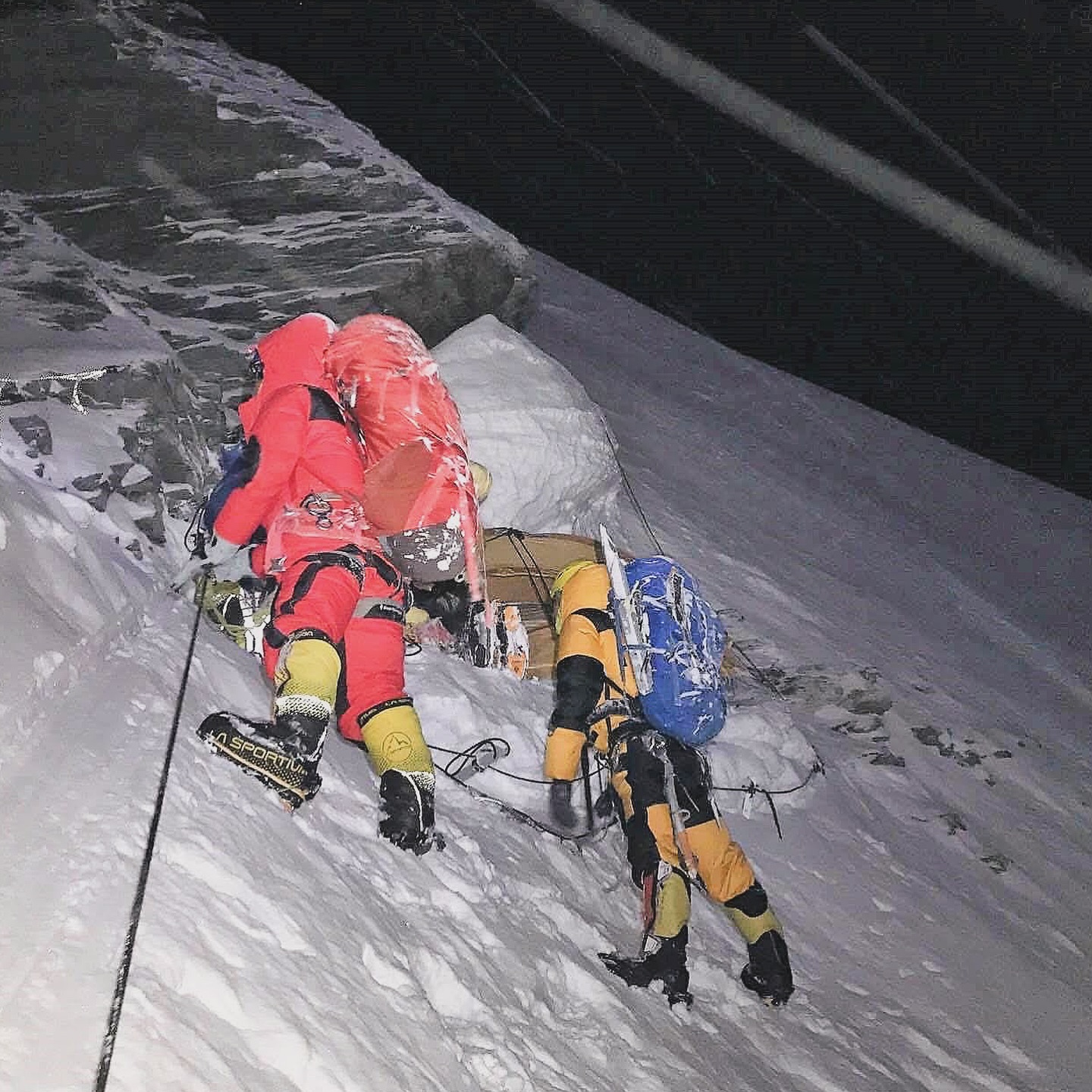
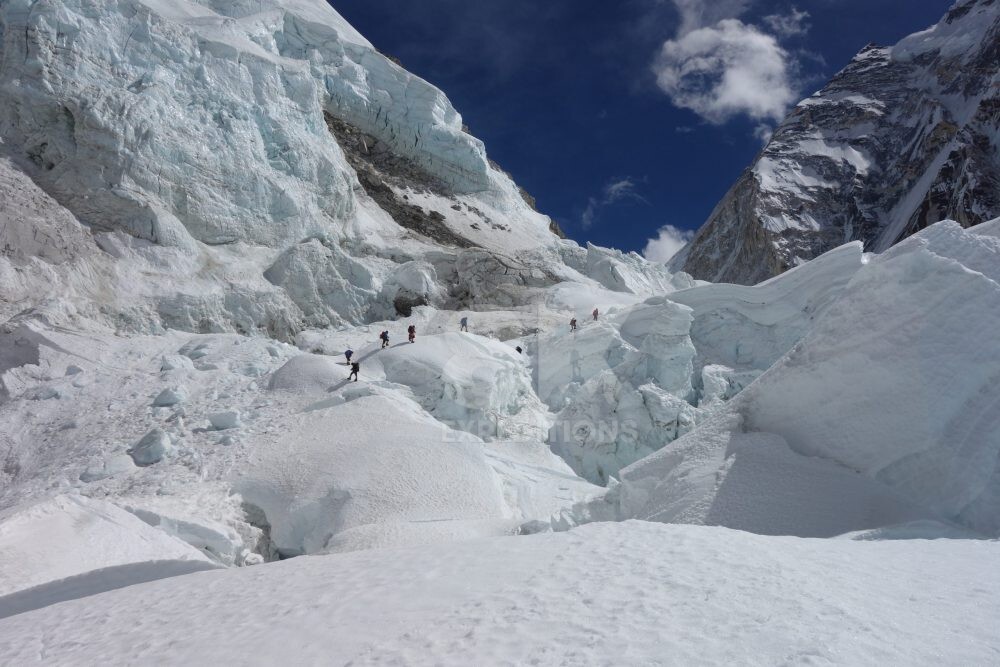
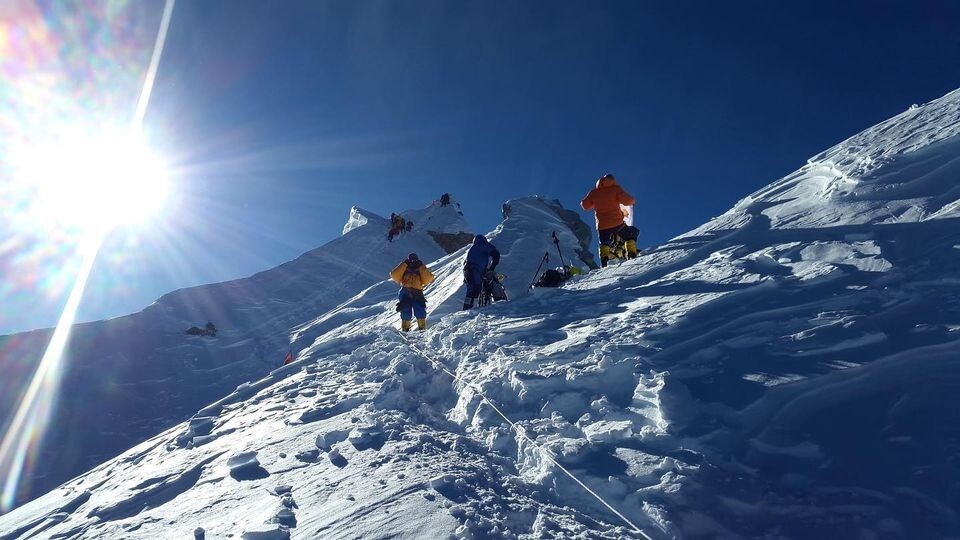
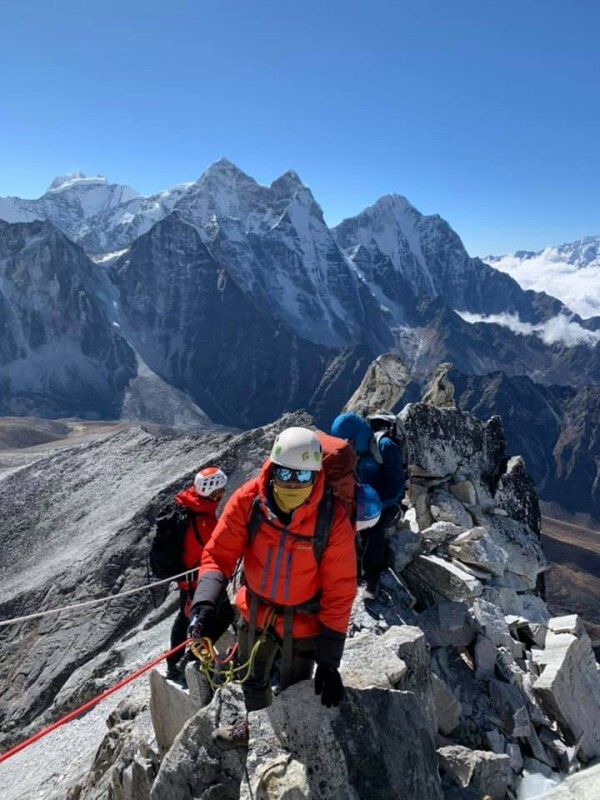
The combined Lobuche East and Island Peak expedition is a physically demanding, moderately to technically challenging high-altitude mountaineering adventure. It involves long trekking days, glacier travel, steep snow and ice slopes, fixed-rope sections and two summit attempts above 6,000 meters. Island Peak features a prominent ice headwall, while Lobuche East involves exposed snow and rock climbing. Climbers should have excellent physical fitness, good endurance and basic mountaineering skills.
Do I need previous mountaineering experience to climb Lobuche East and Island Peak?
Previous mountaineering experience is strongly recommended for this combined expedition. Participants should ideally have experience trekking above 5,000 meters and using essential climbing equipment such as crampons, ice axes, climbing harnesses, ascenders and fixed ropes. Basic glacier-travel and rope-management skills are particularly useful. Beginners with excellent fitness should first obtain appropriate climbing training and guidance before attempting both peaks.
Which peak is more difficult: Lobuche East or Island Peak?
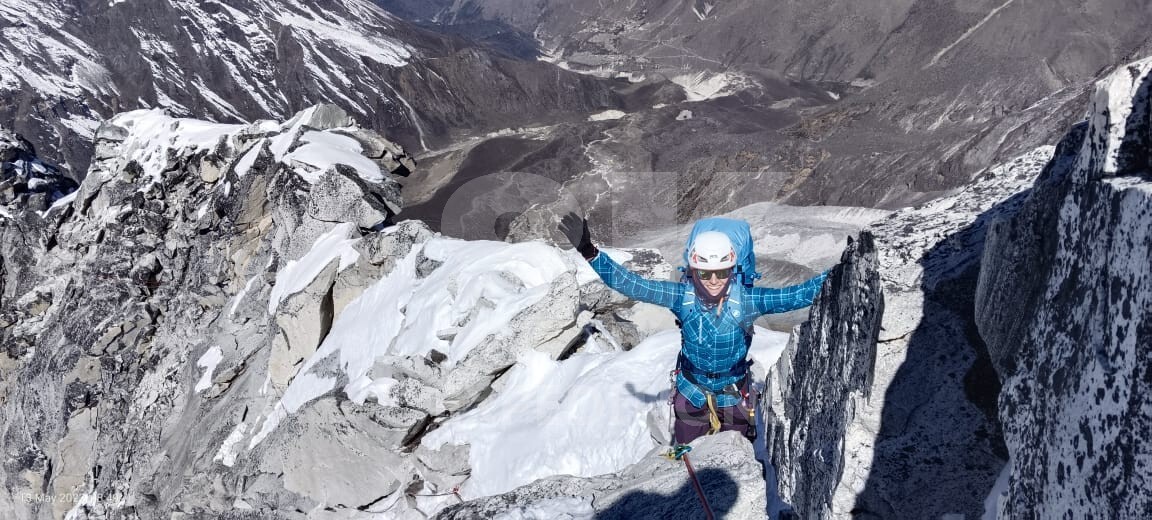
Lobuche East is generally considered more technically challenging because of its steep snow and ice sections, rocky terrain and exposed summit ridge. Island Peak also presents significant challenges, particularly its glacier crossing, crevasses and steep ice headwall. Both require proper acclimatization, technical preparation and professional climbing support.
How physically fit do I need to be for the Double 6000ers expedition?
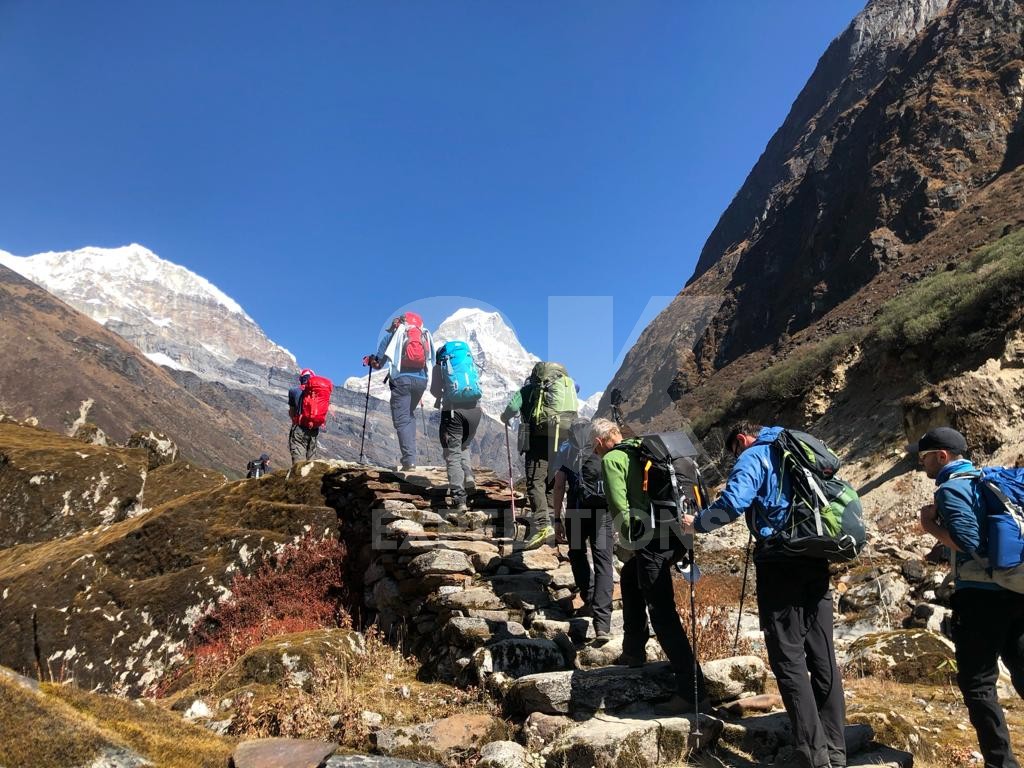
Climbers should have excellent cardiovascular endurance, leg strength, stamina and the ability to walk for approximately 5–8 hours on consecutive trekking days. Training should include hiking with a backpack, uphill walking, stair climbing, strength exercises and endurance activities. Previous high-altitude trekking experience is highly beneficial because both summit attempts take place above 6,000 meters.
Can beginners climb both Lobuche East and Island Peak?
Physically fit beginners can potentially participate, but this expedition is not recommended as a first-ever trekking or mountaineering experience without proper preparation. Both peaks involve technical climbing at high altitude. Beginners should develop basic mountaineering skills, gain high-altitude trekking experience and undertake appropriate pre-climb training under qualified professionals.
What is the best time to climb Lobuche East and Island Peak in Nepal?
The best seasons for climbing Lobuche East and Island Peak are spring (March to May) and autumn (September to November). Spring offers relatively warmer temperatures and longer daylight hours, while autumn generally provides clearer skies, good visibility and favorable climbing conditions. The final summit schedule depends on weather, snow conditions, wind speed and the overall safety assessment by the climbing team.
What is the route for the Lobuche East and Island Peak Double 6000ers expedition?
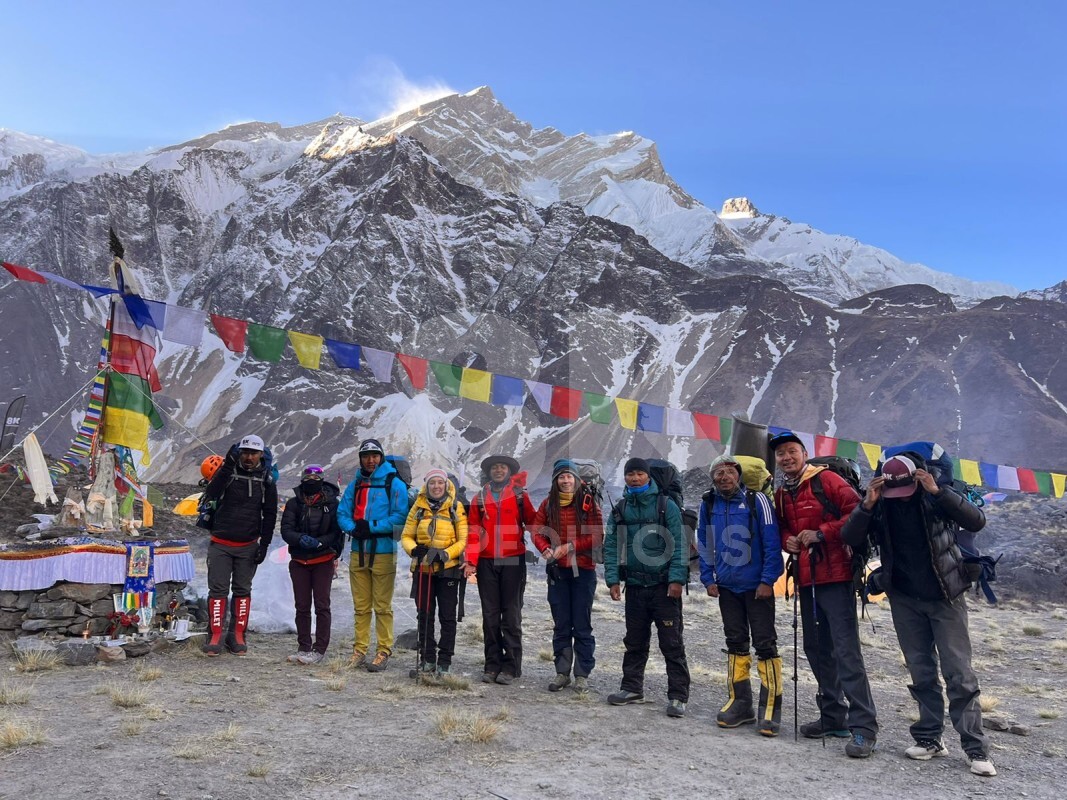
The expedition follows the classic Everest region trekking route, beginning in Kathmandu and continuing through Ramechhap and Lukla. The itinerary proceeds through Phakding, Namche Bazaar, Tengboche, Dingboche, Lobuche Village, Everest Base Camp and Kala Patthar before reaching Lobuche Base Camp for the first summit attempt. After climbing Lobuche East, the team crosses toward Chhukung and Island Peak Base Camp for the second summit attempt before returning through Tengboche, Namche Bazaar and Lukla to Kathmandu.
Which peak is climbed first during the Double 6000ers expedition?
Lobuche East (6,119 m) is climbed first, followed by Island Peak (6,189 m). The itinerary allows a rest day at Chhukung between the two climbing phases, providing an opportunity to recover and prepare for the second summit attempt.
How many acclimatization days are included in the expedition?
The itinerary includes progressive altitude exposure and dedicated acclimatization opportunities, including a rest and acclimatization hike at Namche Bazaar, a hike toward Nagarjun from Dingboche, a training and acclimatization day at Lobuche Base Camp, and a rest day at Chhukung before the Island Peak summit attempt. These activities help the body adapt to increasing elevations, although acclimatization cannot eliminate the risk of altitude sickness.
What happens if bad weather prevents a summit attempt?
Summit attempts depend on weather, mountain conditions and the climbers' physical health. If conditions become unsafe, the climbing guide may postpone, modify or cancel the summit attempt. Additional contingency days are recommended because weather-related delays can affect both climbing schedules and domestic flights between Lukla and Kathmandu. The safety of the climbing team must always take priority over reaching the summit.
What permits are required for Lobuche East and Island Peak climbing?
Climbers require the respective climbing permits for Lobuche East and Island Peak, along with the applicable Sagarmatha National Park entry permit and Khumbu Pasang Lhamu Rural Municipality entry permit.
What climbing equipment is required for Lobuche East and Island Peak?
Essential equipment includes mountaineering boots, crampons, ice axes, climbing harnesses, helmets, locking carabiners, ascenders (jumars), descenders, slings, glacier glasses, insulated clothing, gloves, sleeping bags and appropriate high-altitude mountaineering clothing. Technical equipment should be compatible, properly fitted and checked before departure.
Is altitude sickness a risk during the Double 6000ers expedition?
Yes, Acute Mountain Sickness (AMS) and other altitude-related illnesses are potential risks when climbing above 6,000 meters. Common symptoms include headache, nausea, dizziness, fatigue and difficulty sleeping. The expedition follows a gradual ascent with acclimatization opportunities, but climbers must monitor their health, stay hydrated and immediately inform their guide about symptoms.
Is travel insurance compulsory for Lobuche East and Island Peak climbing?
Yes, Comprehensive travel and mountaineering insurance are essential. Climbers should obtain insurance that explicitly covers trekking and mountaineering above 6,000 meters, emergency medical treatment, helicopter evacuation, trip interruption and cancellation.
How much does the Lobuche East and Island Peak climbing package cost?
The cost of the Lobuche East and Island Peak Double 6000ers expedition depends on the departure season, group size, services and level of climbing support. It includes climbing permits, domestic transportation via Ramechhap and Lukla, accommodation, trekking and climbing meals, guide and porter services and other listed logistical arrangements.
What is included in the 8K Expeditions Double 6000ers package?
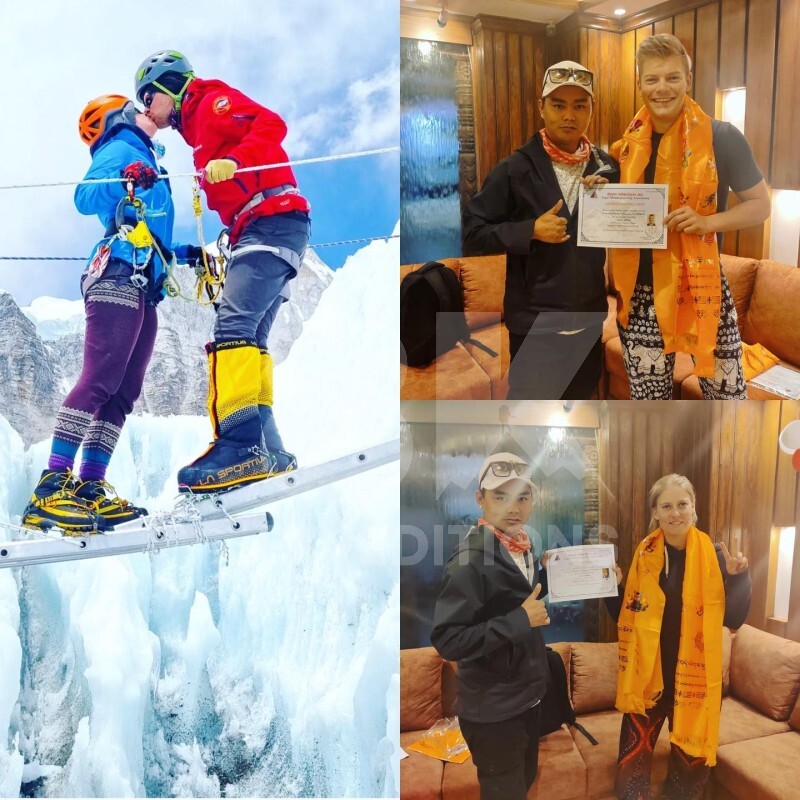
The package includes airport transfers, three nights of Kathmandu hotel accommodation with breakfast, domestic flights between Kathmandu and Lukla via Ramechhap, expedition transportation, applicable climbing and Everest Base Camp permits, accommodation during trekking and climbing, three meals daily during the trek and climbing period, an experienced guide, porter services, staff insurance, a first-aid medical kit, 8K duffle bag and cap, government taxes and company service charges. Successful climbers also receive the applicable climbing certificates.
What is excluded from the Lobuche and Island Peak climbing package?
The package excludes international flights, Nepal visa fees, personal trekking and climbing equipment, personal medical and emergency rescue insurance, lunch and dinner in Kathmandu, drone and special filming permits, tips for guides and porters, and any services not specifically listed under the inclusions.
What is the maximum group size for the 8K Expeditions Double 6000ers package?
The group size of 1–10 participants. Private and customized arrangements can be discussed directly with the expedition team depending on the departure date and required climbing support.
How can I book the Lobuche East and Island Peak Double 6000ers expedition with 8K Expeditions?
You can book the Lobuche East and Island Peak Double 6000ers expedition directly through 8K Expeditions by submitting an inquiry on the official package page. The team can provide departure availability, updated pricing, itinerary details, permit arrangements, equipment guidance and personalized expedition support.
Can I customize the Lobuche East and Island Peak climbing itinerary?
Yes, 8K Expeditions offers a trip customization option. Climbers can discuss preferred departure dates, group arrangements, additional acclimatization days, accommodation preferences and other logistical requirements with the expedition team, subject to feasibility and mountain conditions.
Are Lobuche East and Island Peak suitable preparation for Everest?
Yes, Climbing Lobuche East and Island Peak can help develop high-altitude experience, technical climbing skills, glacier-travel knowledge and physical endurance before attempting larger Himalayan expeditions.
What mountains can be seen from the summits of Lobuche East and Island Peak?
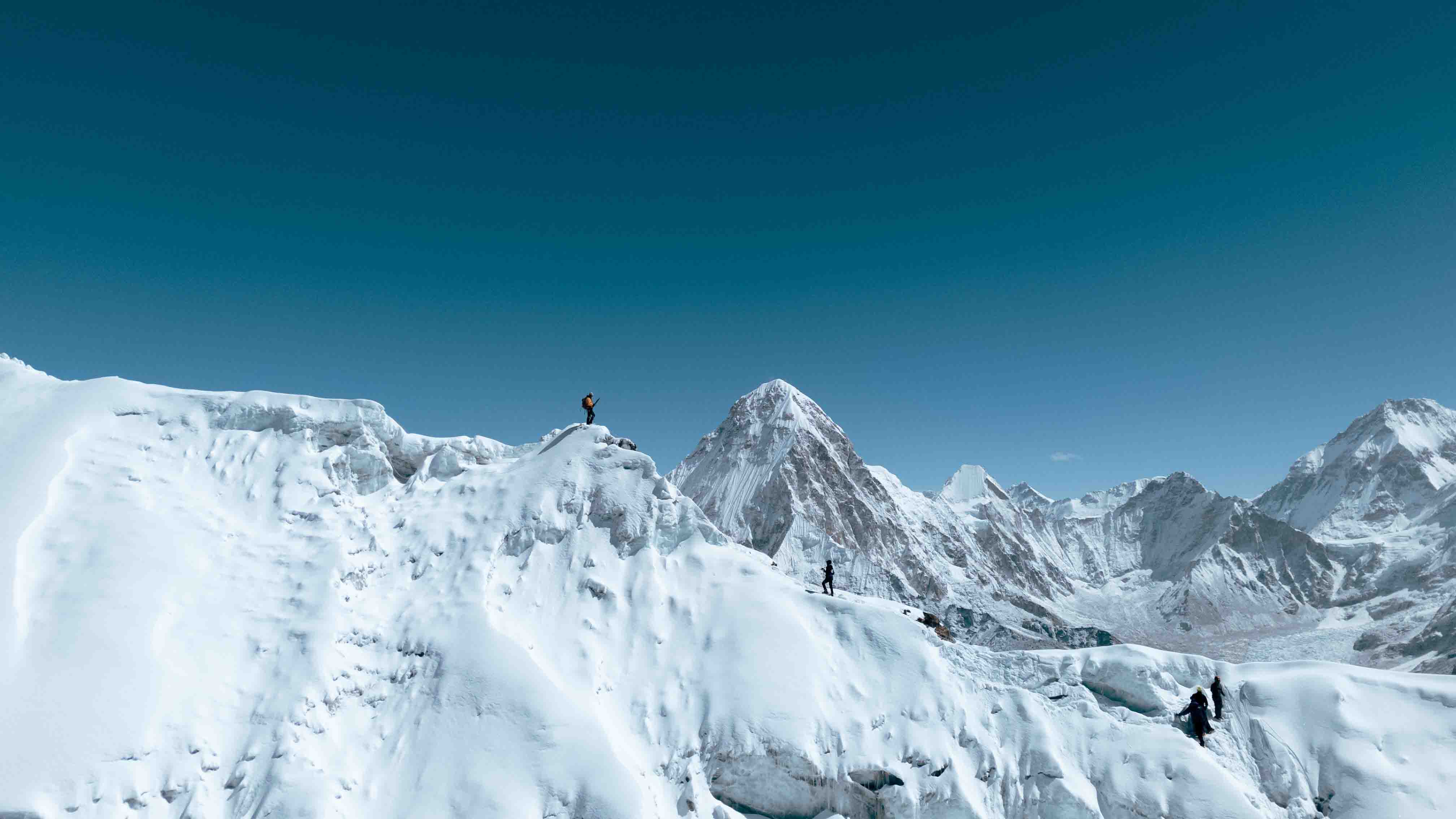
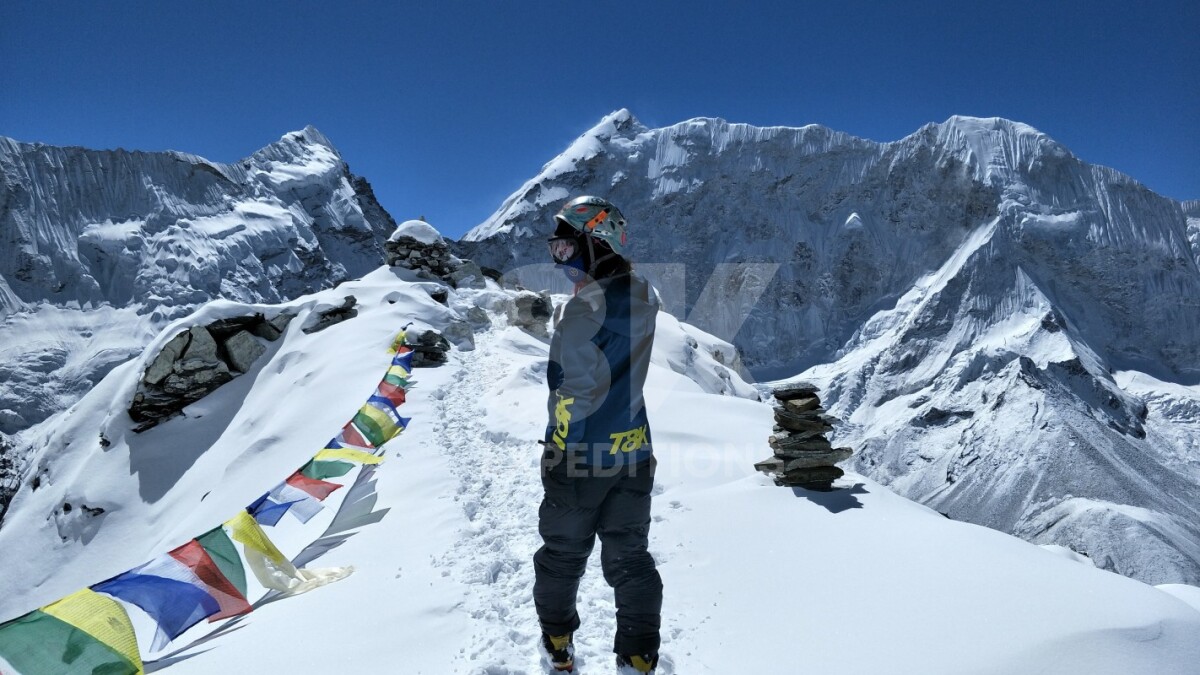
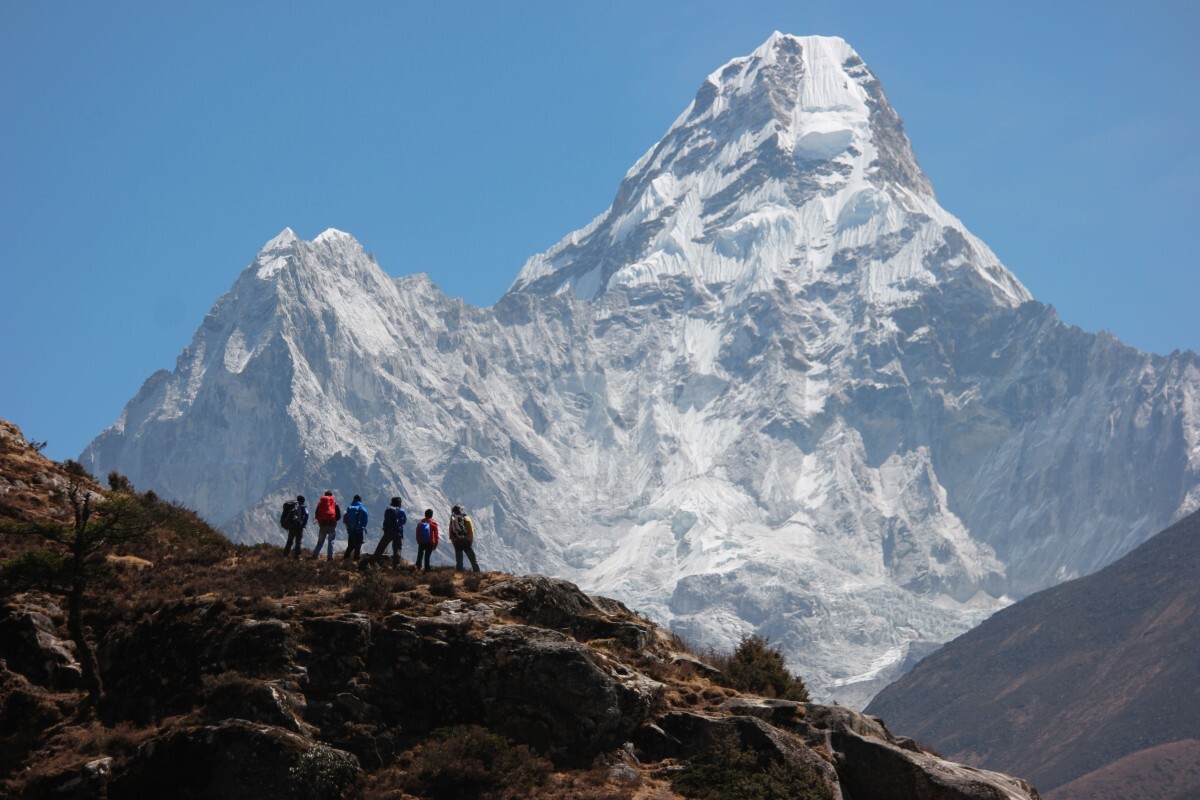
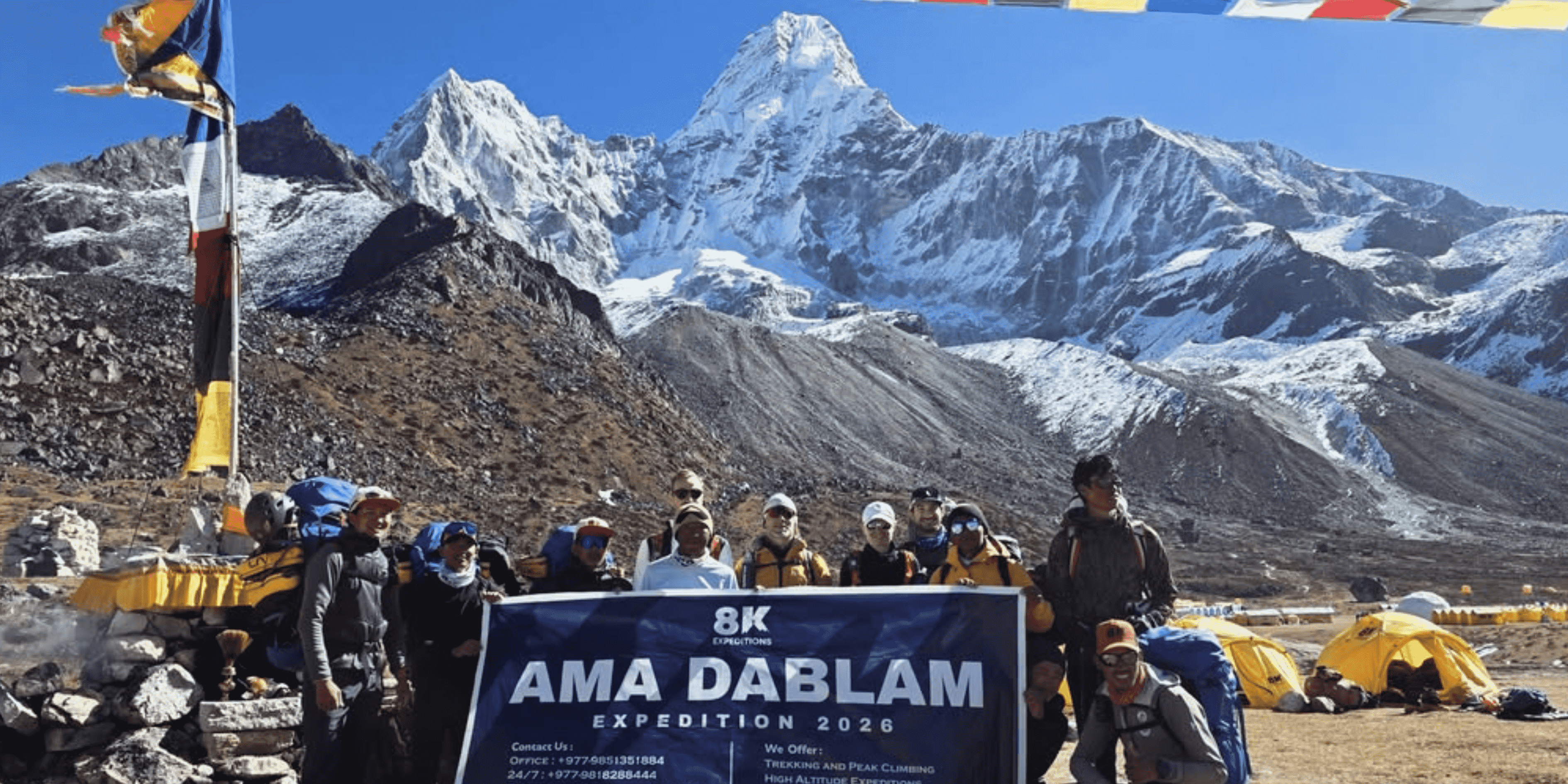
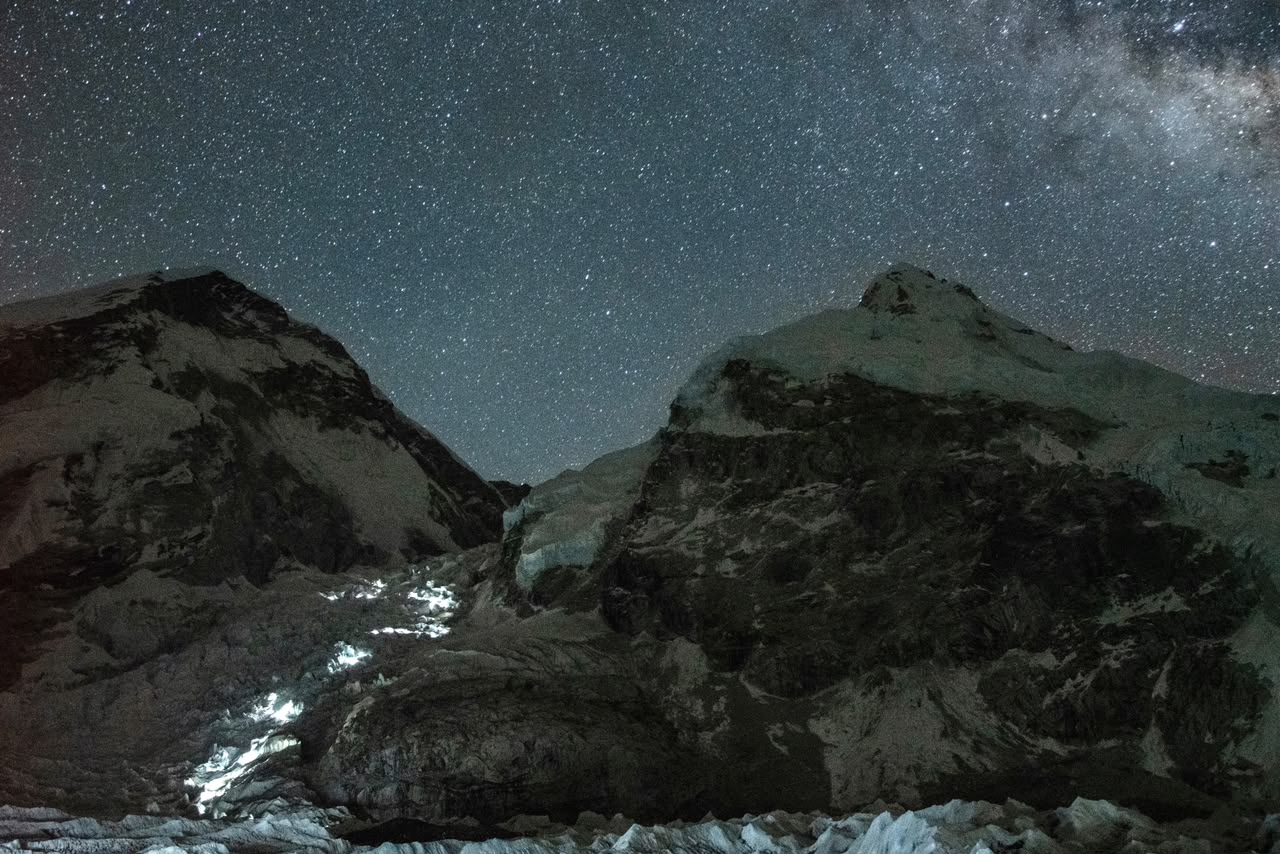
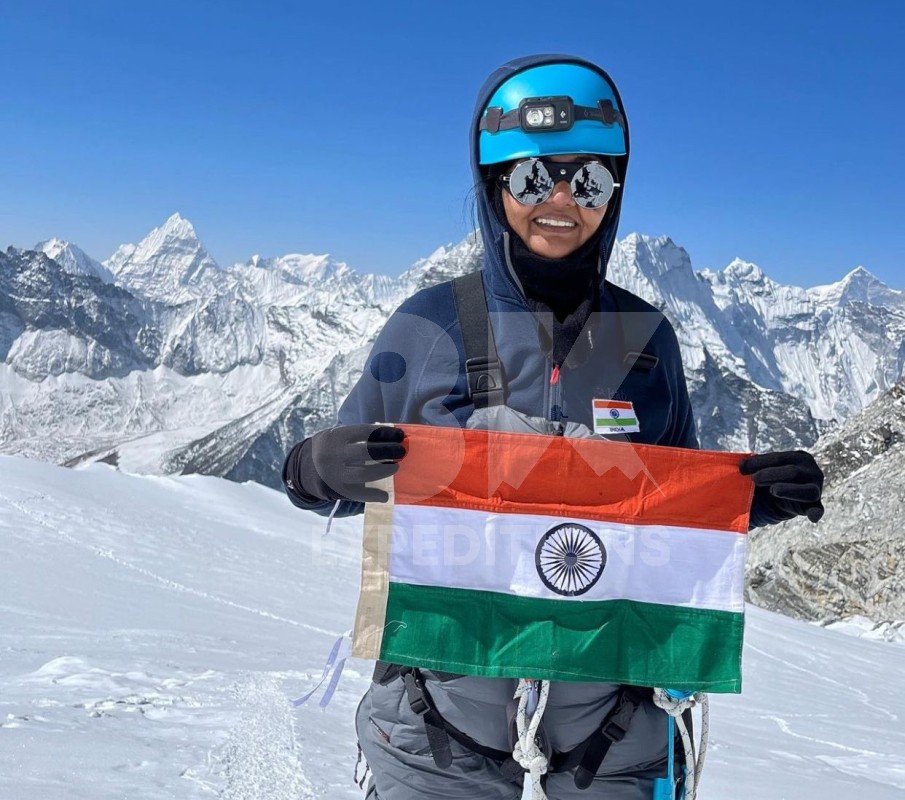
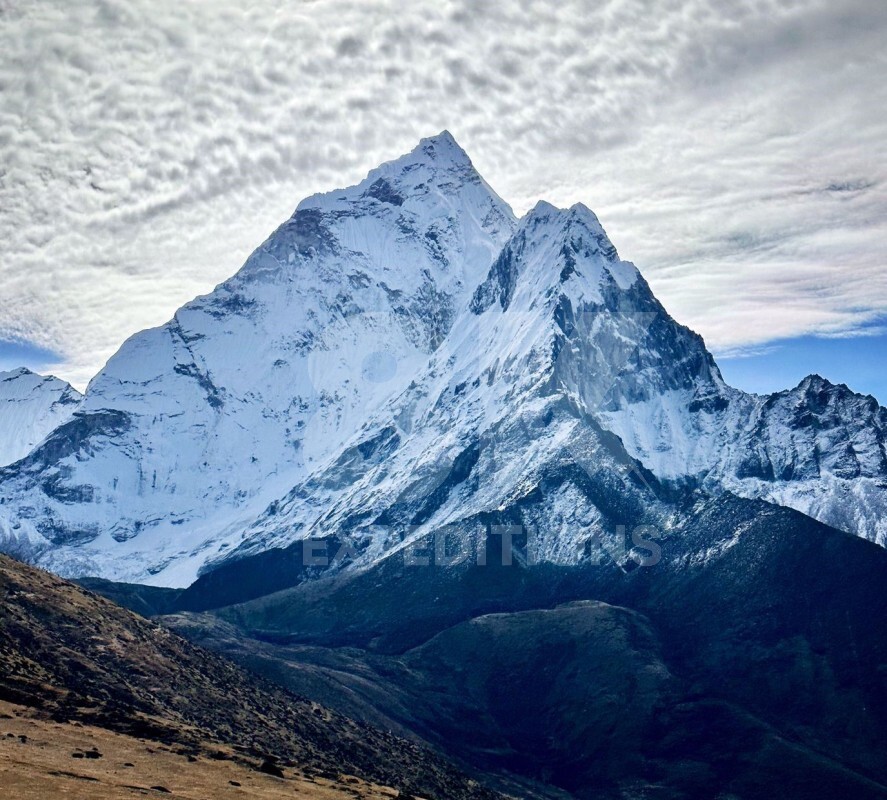
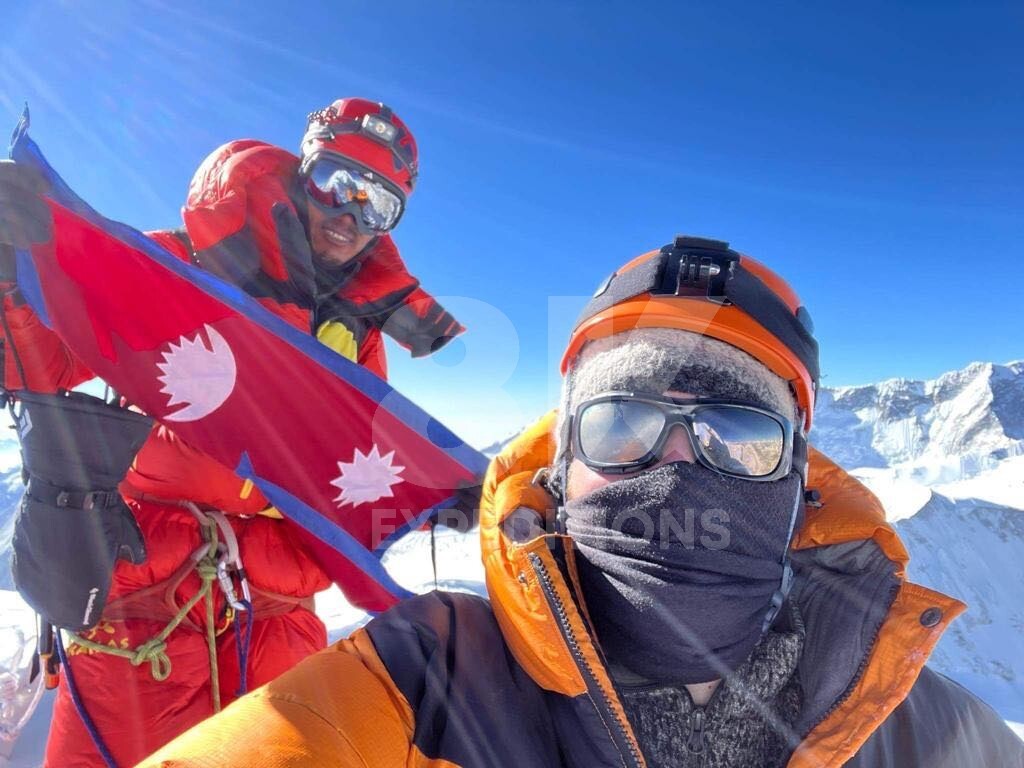
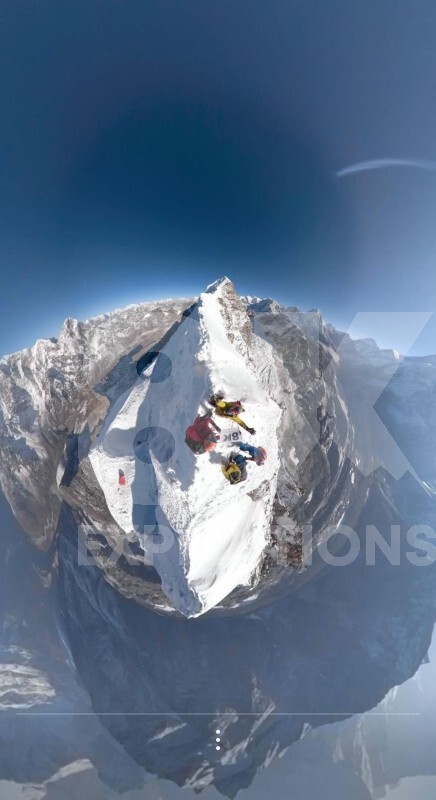
Both summits offer spectacular Himalayan panoramas. Depending on weather and visibility, climbers can see Mount Everest, Lhotse, Nuptse, Makalu, Ama Dablam, Pumori and other surrounding Himalayan peaks.
Why climb Lobuche East and Island Peak together instead of separately?
Combining both peaks allows climbers to experience two different mountaineering challenges in one expedition. The itinerary shares the Everest region approach and acclimatization journey while providing separate summit attempts. It is also an excellent opportunity to gain experience on two iconic 6,000-meter Himalayan peaks in a single trip.
What accommodation and meals are provided during the Double 6000ers expedition?
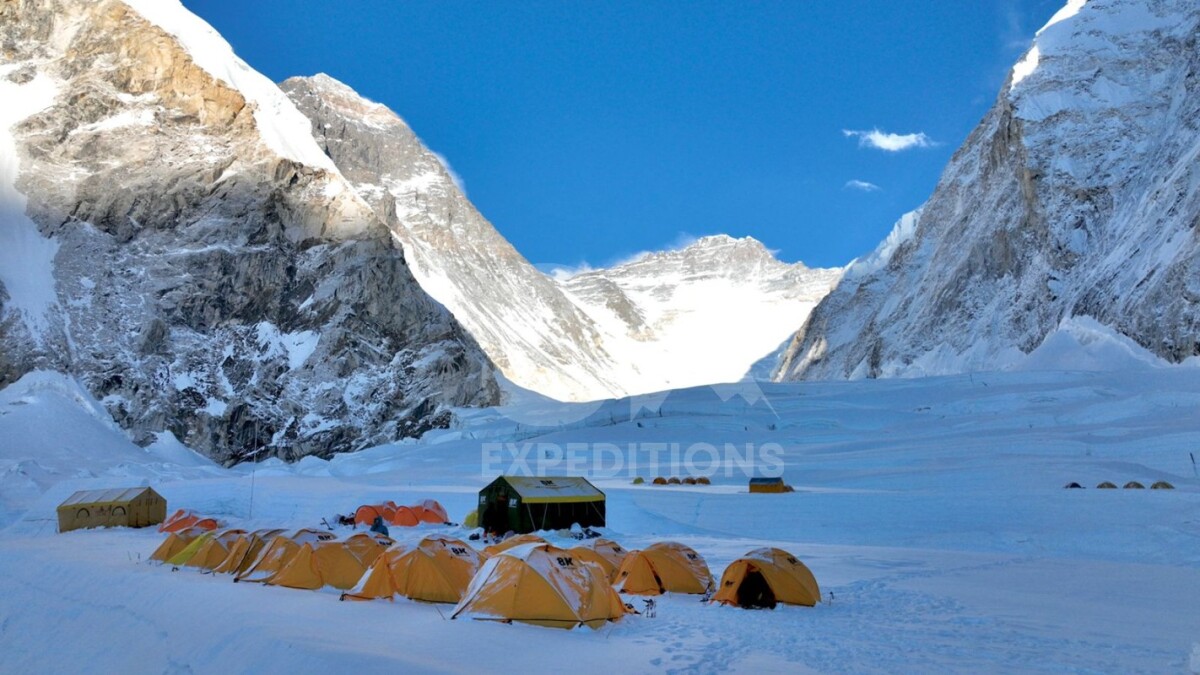
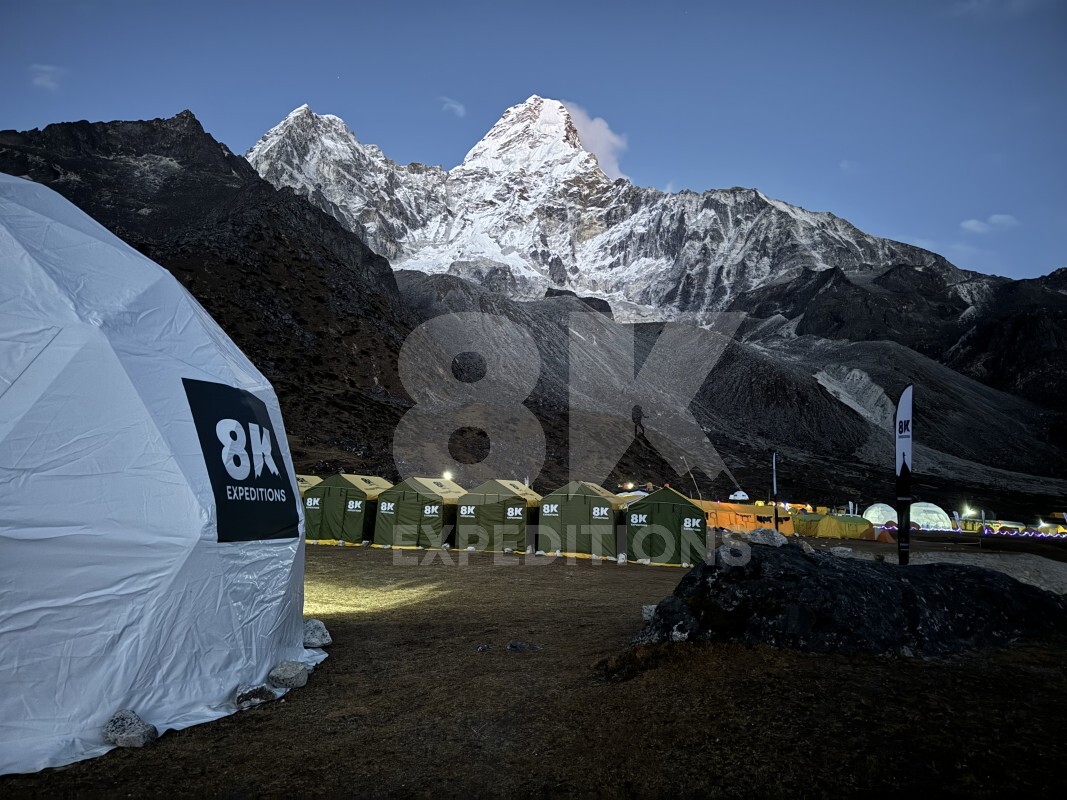
Accommodation includes hotels in Kathmandu, mountain lodges during the trekking section and camping arrangements at the climbing base camps. Three daily meals, including breakfast, lunch and dinner, with tea or coffee are provided during the trekking and climbing periods. Kathmandu accommodation includes breakfast, while lunch and dinner are excluded.
Does 8K Expeditions provide professional climbing guides for both peaks?
Yes, the package lists an experienced guide for trekking and peak climbing, together with porter support. Climbers should confirm the summit-day guide-to-client ratio and dedicated technical support arrangements with 8K Expeditions before booking.