Please do
remember
these things.
Climbers are advised to prepare and train their bodies and minds in a perfect way to adapt to the remoteness, high altitude, and distance from their families. It is also advised to carry lesser amounts of valuable belongings. Also, pack in some cotton clothes for your stay in Kathmandu and some warm ones for the Himalayas. Always keep a copy of your passport and photos with you.
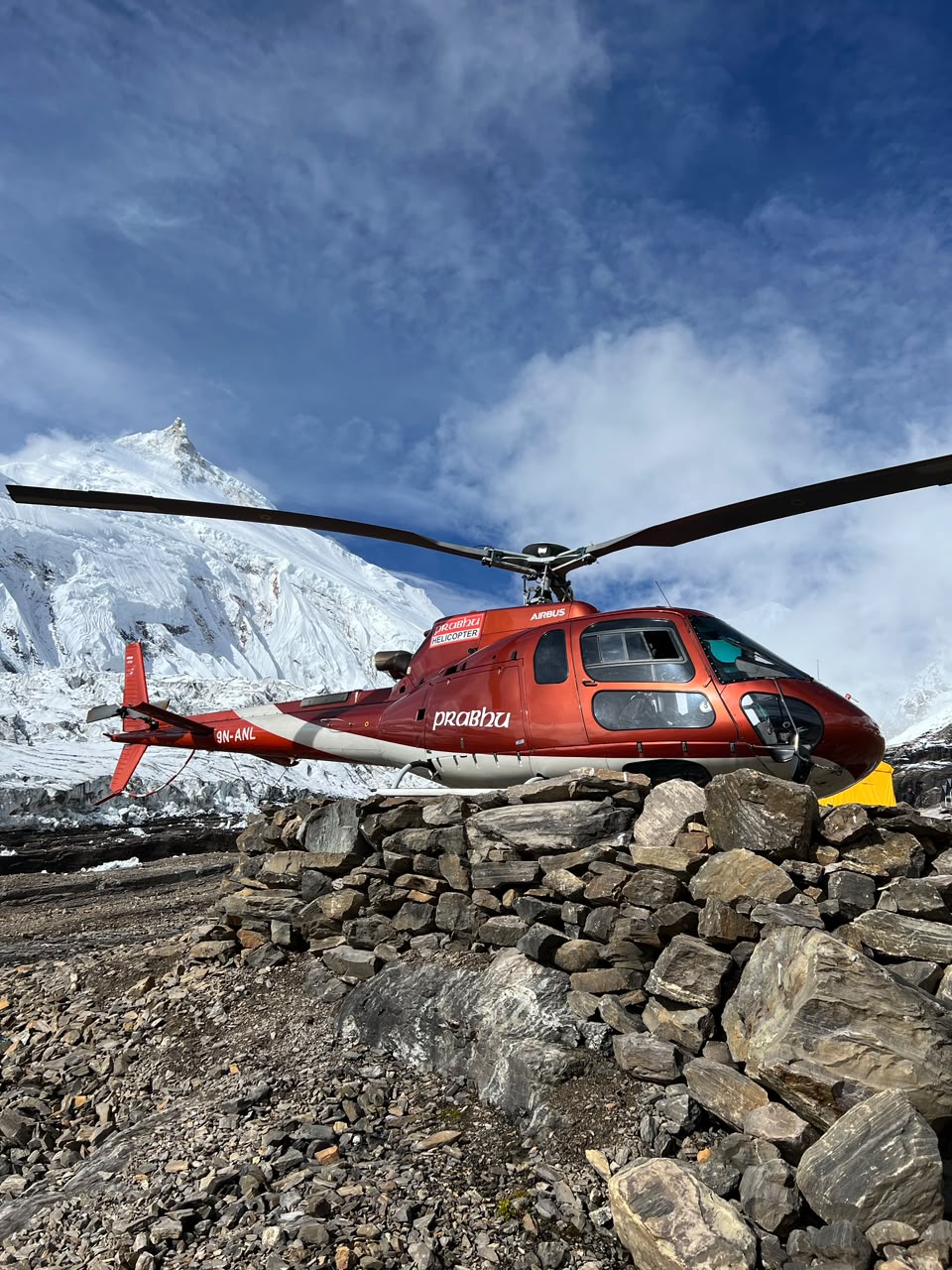
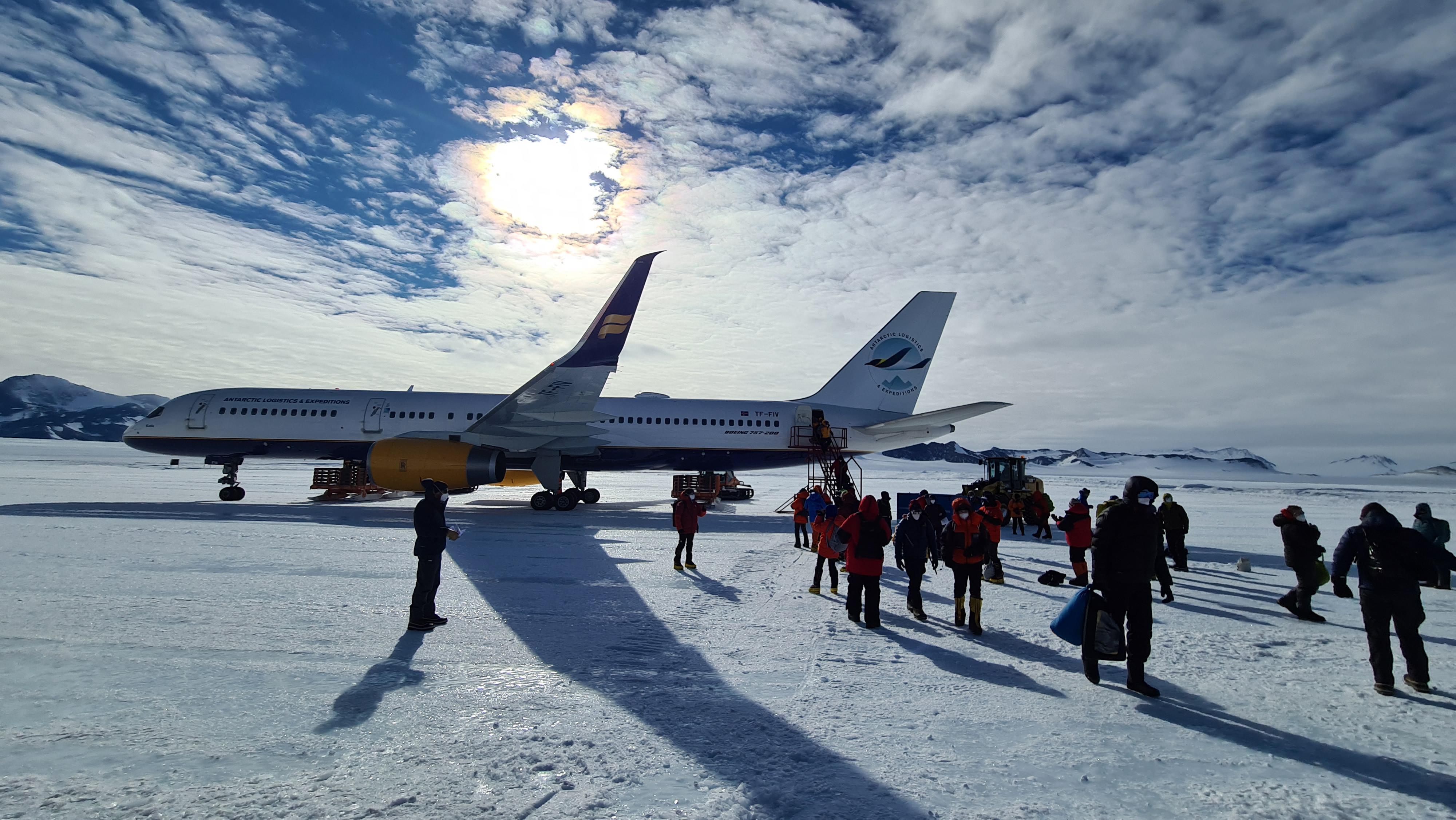
Trekking and mountain climbing in the Everest Region are highly dependent on weather conditions. We try to schedule our trips at the most favorable time, but in case of extreme scenarios, domestic flights to Lukla may be delayed or canceled. In cases such as these, we would like to notify you that, except for the total number of days in the itinerary section, expenses of other extra days shall be borne by the client himself/herself. However, 8K Expeditions will make necessary arrangements for the accommodation of porters and guides. If you wish to make alternative arrangements, such as a helicopter flight to avoid flight delays, we can arrange it at a nominal extra charge.
Also, 8K Expeditions shall not be liable for any compensation for losses due to missed international flights, but we will surely help to make necessary arrangements to minimize your loss. To avoid missing flights, we suggest keeping some flexible time frames before trip departure and after trip departure.
Also be notified that as we will be traveling in remote areas with extreme climatic conditions and geography where trails can be distorted at times, we might need to adjust our itineraries as required. But we assure you that the quality of service shall not be compromised at any cost.
MOUNT PUMORI EXPEDITION FAQS
What is the Mount Pumori Expedition (7,161m) in Nepal?
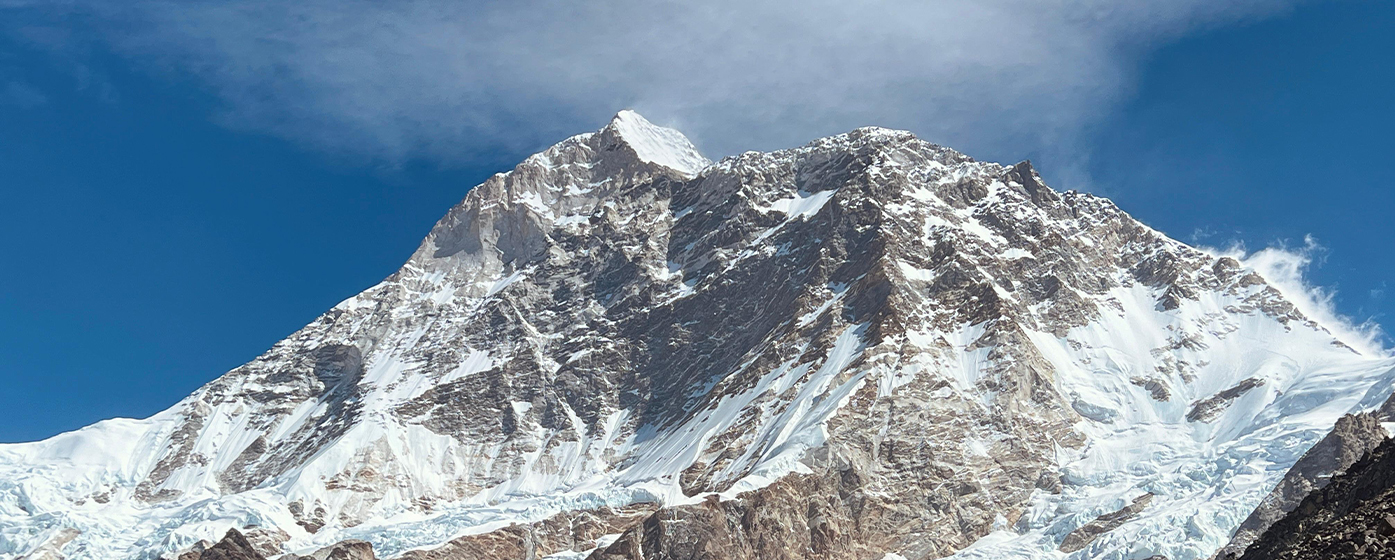
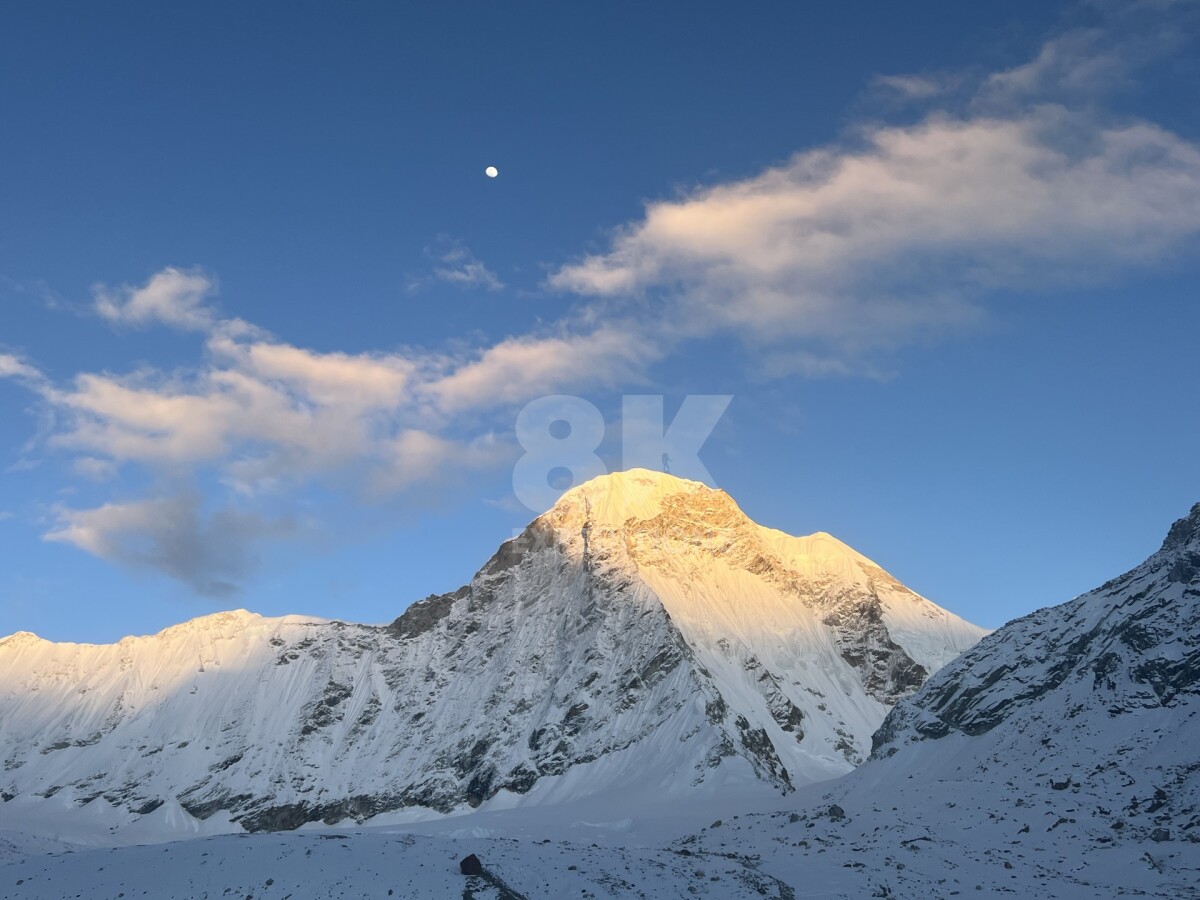
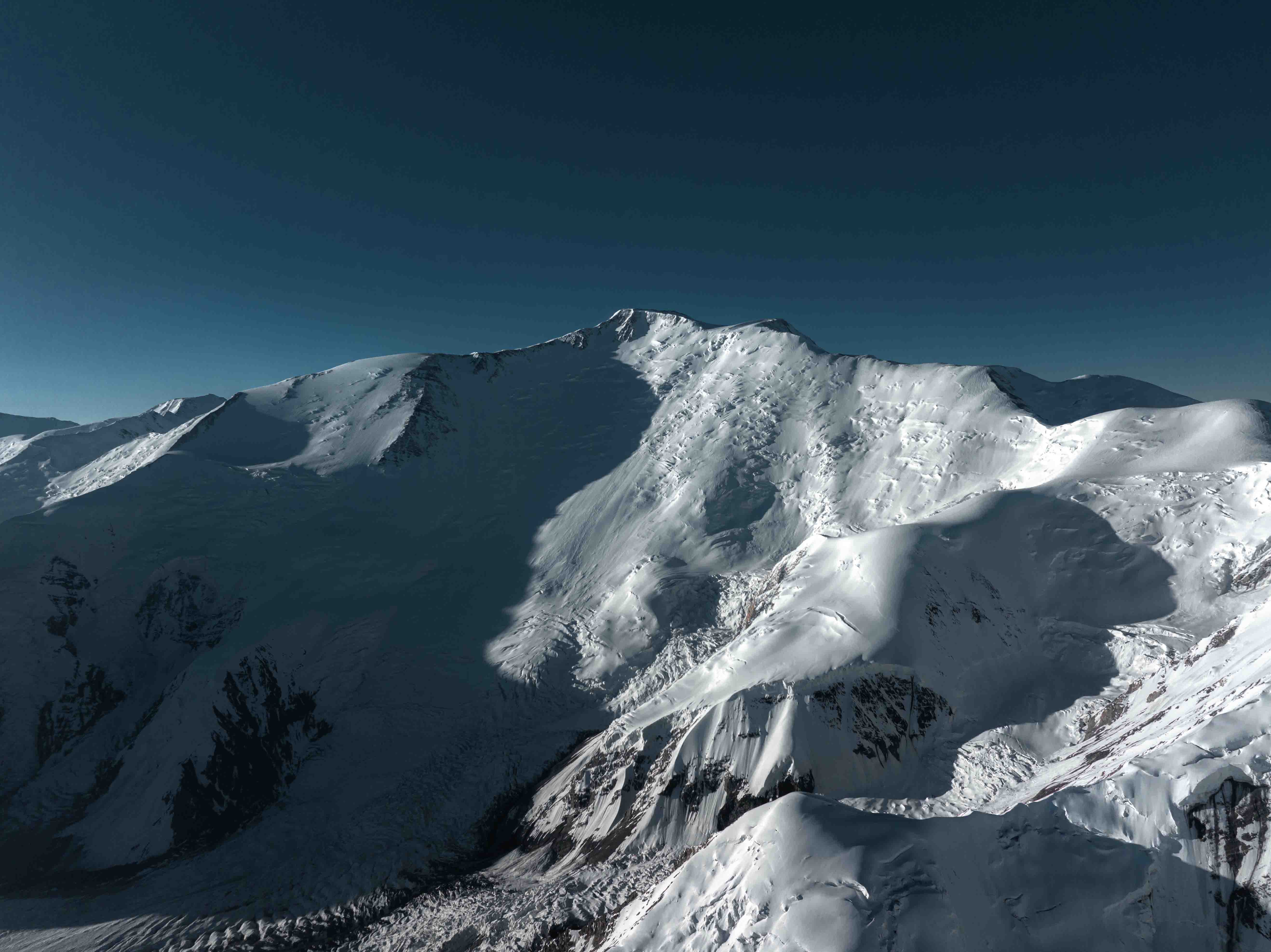
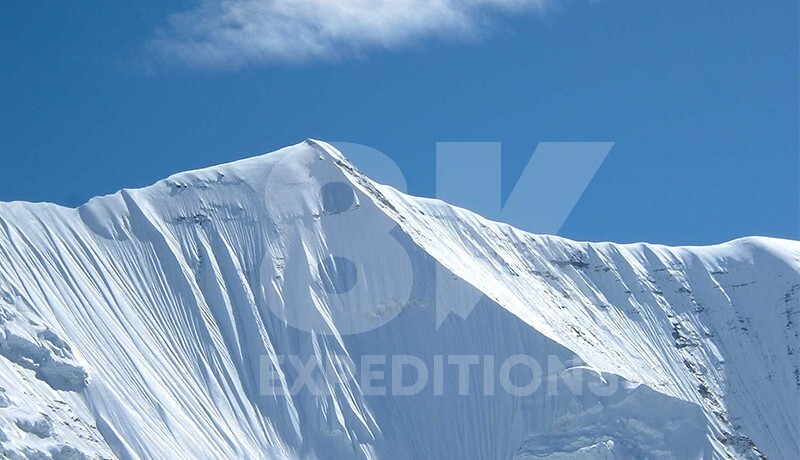
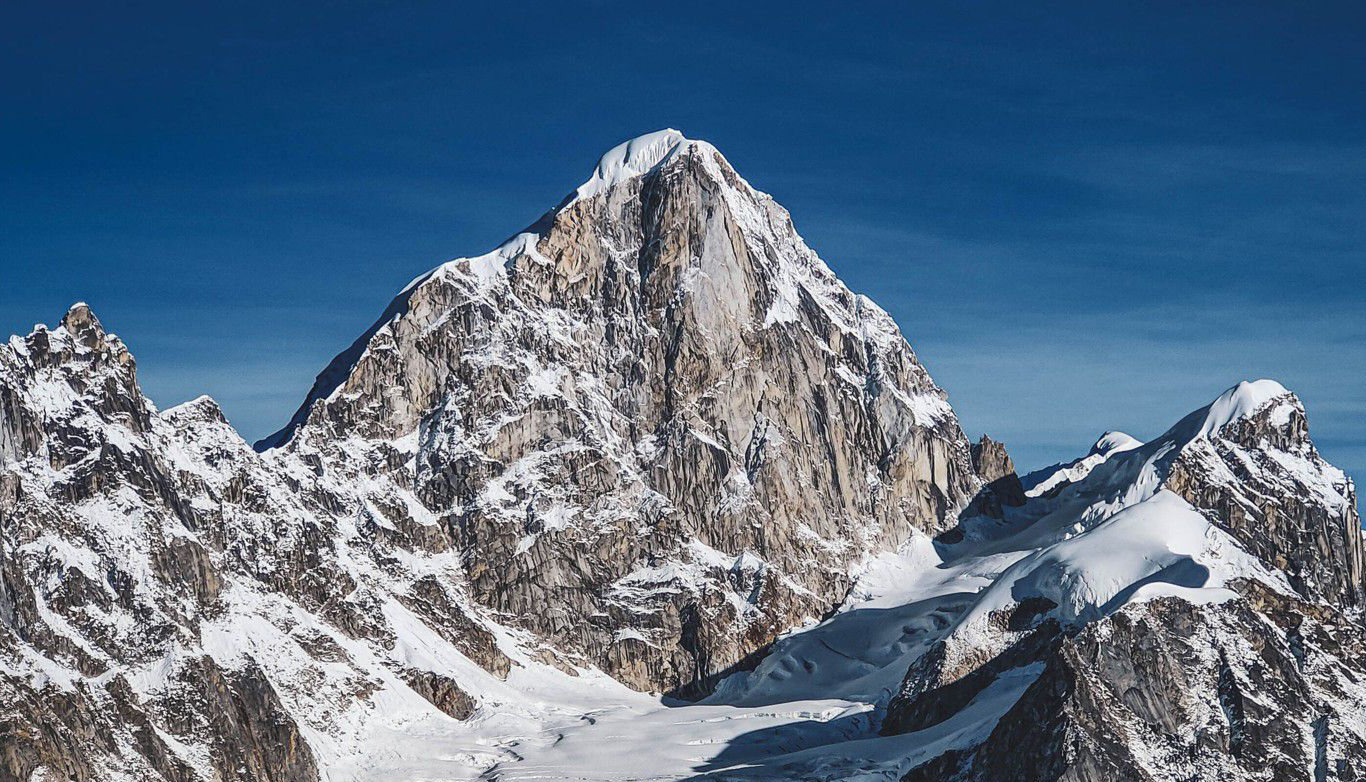
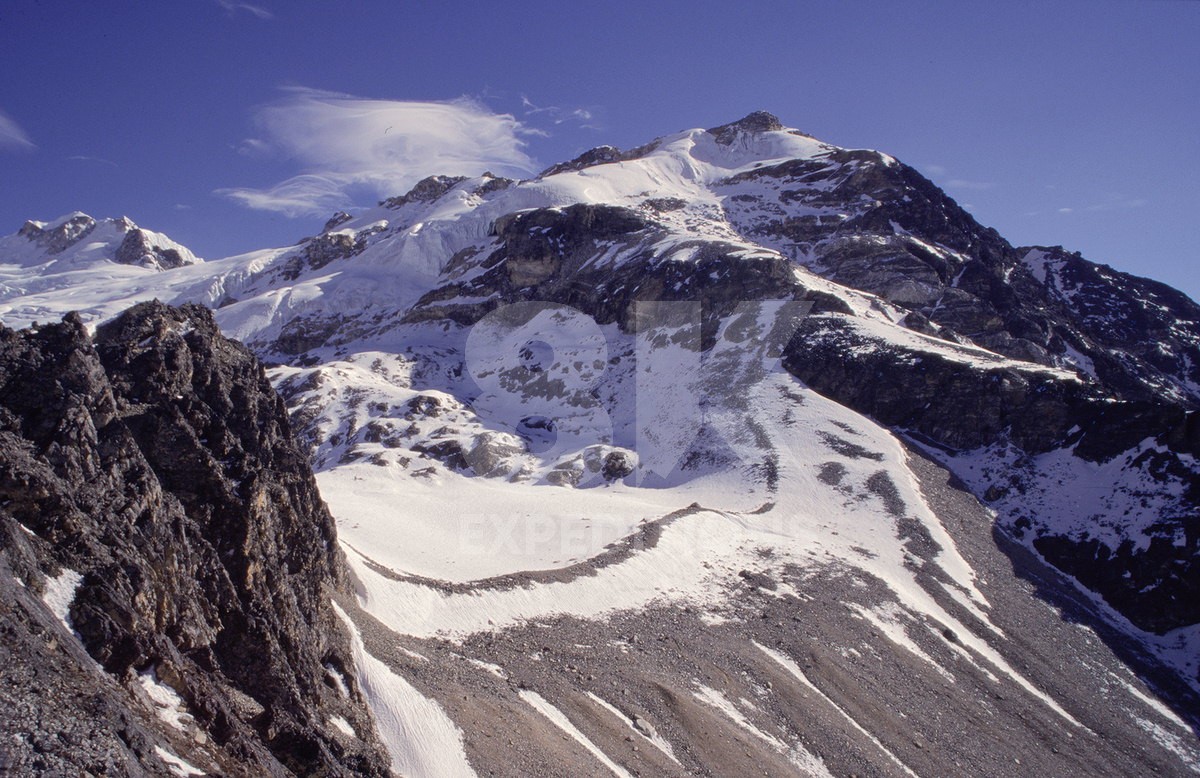
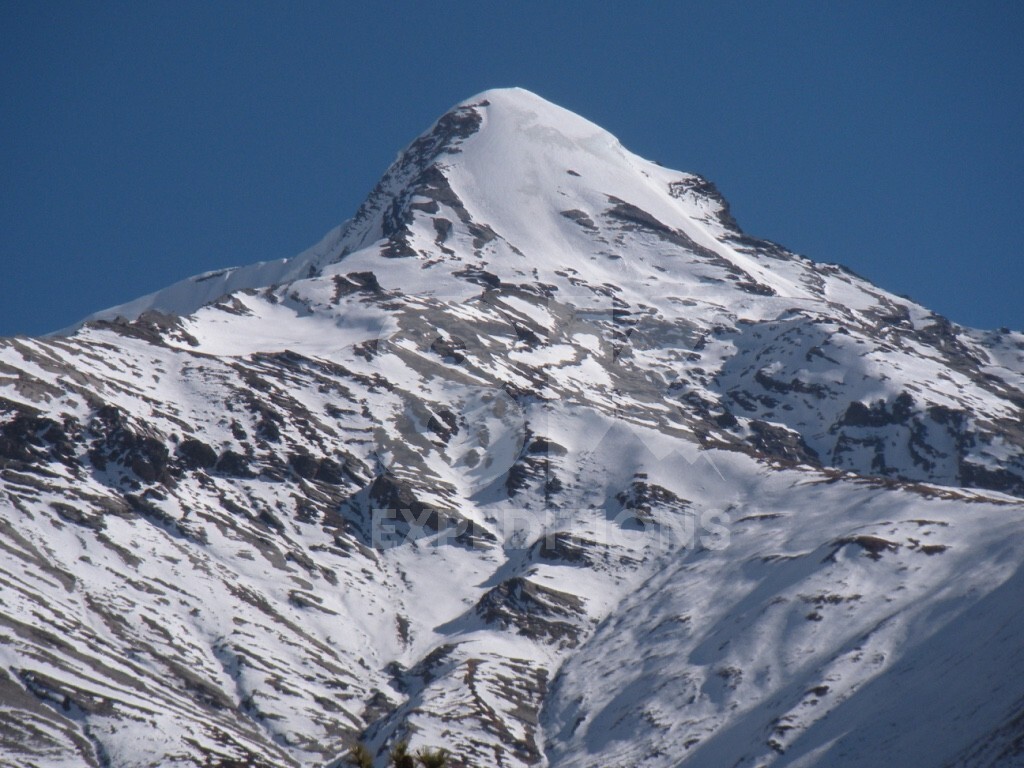
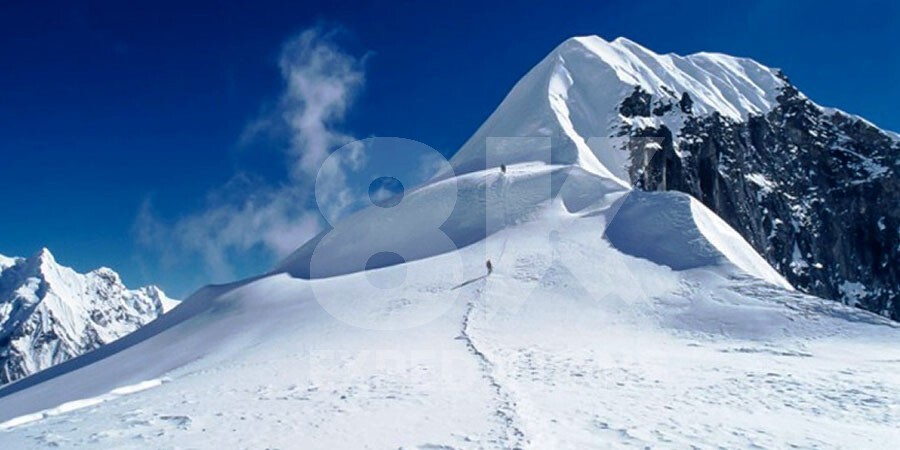
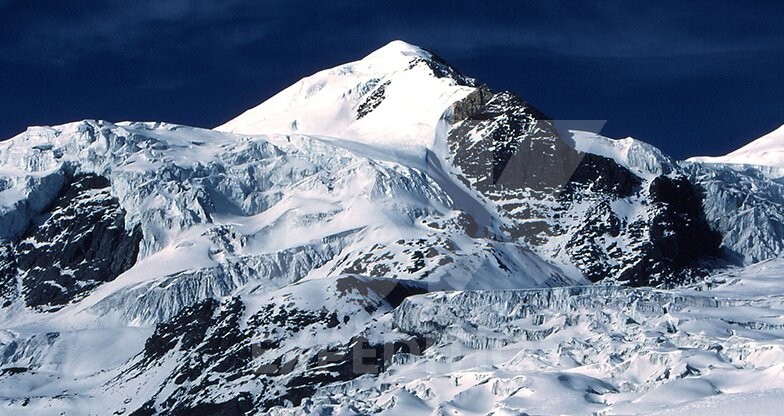
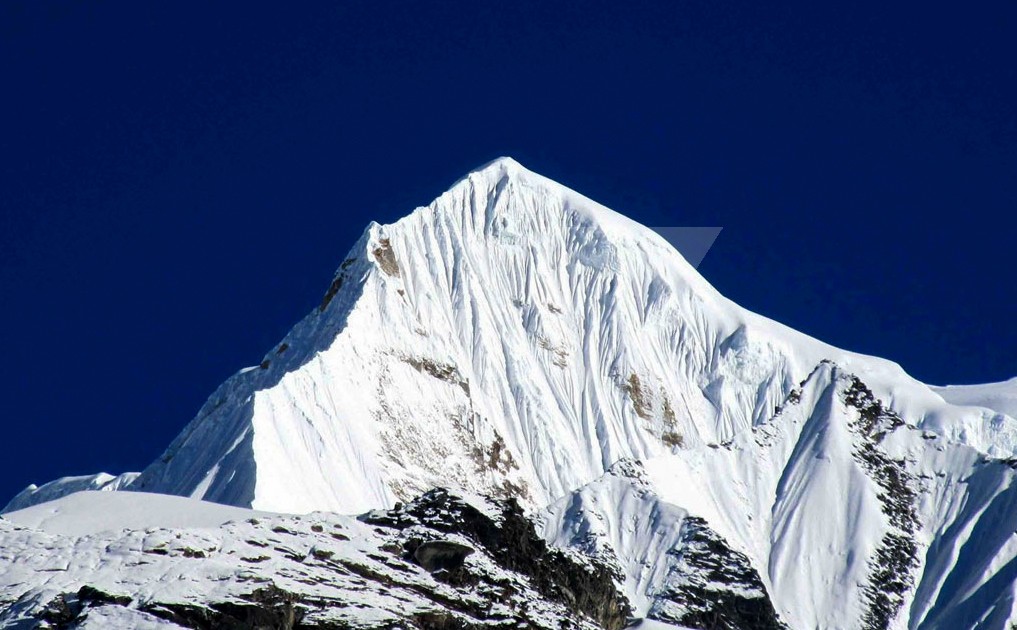
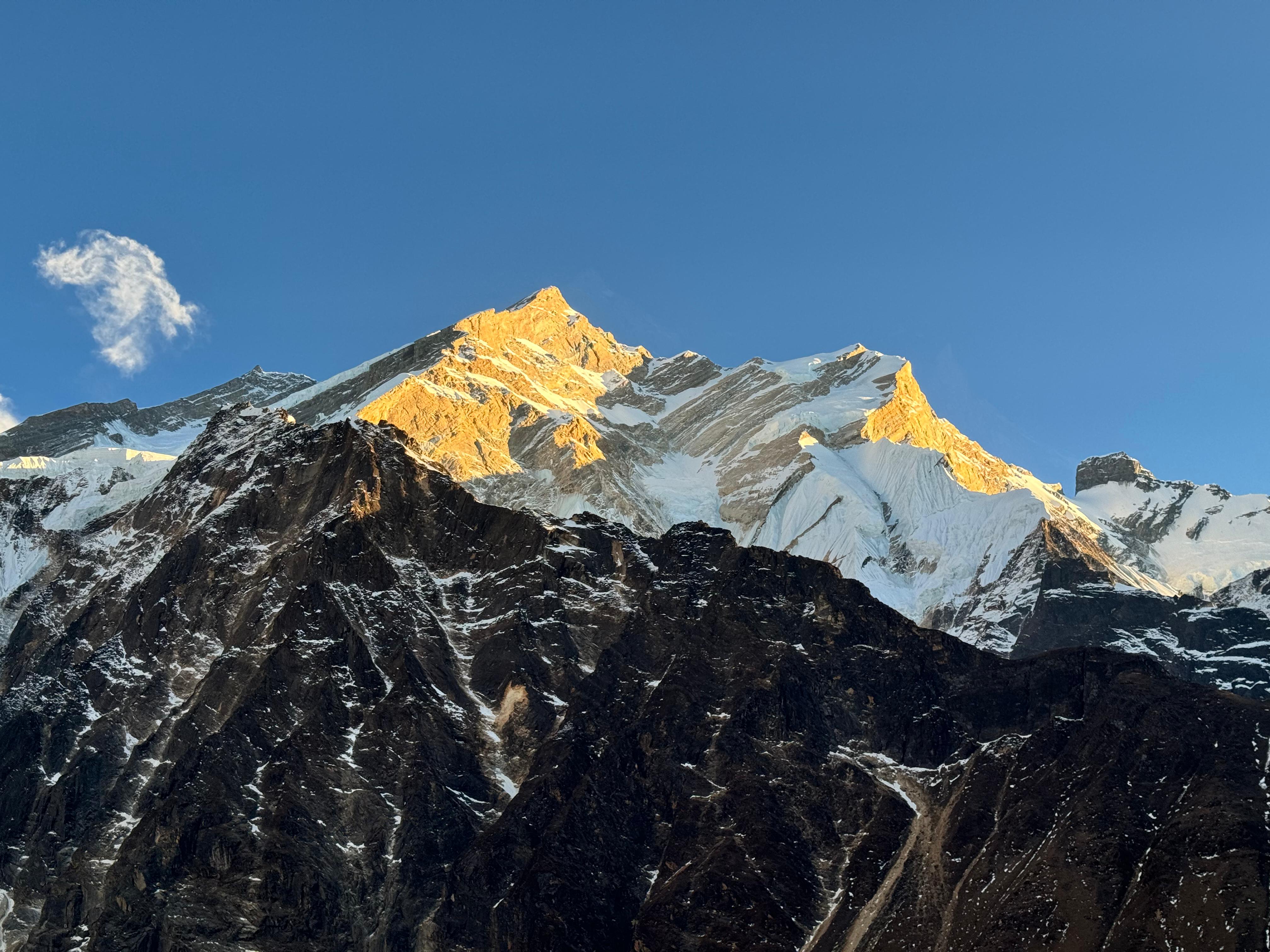
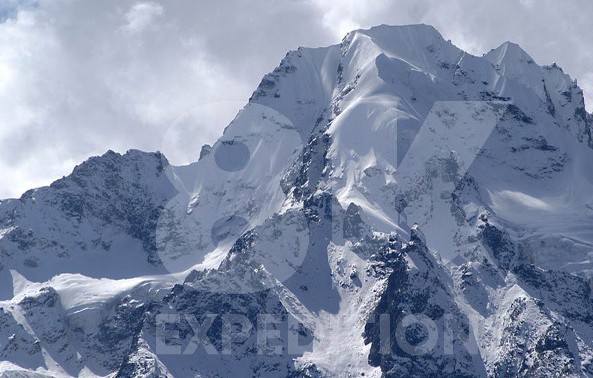
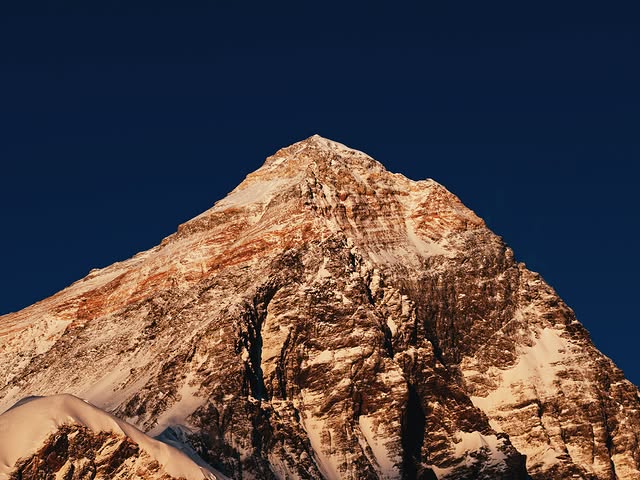
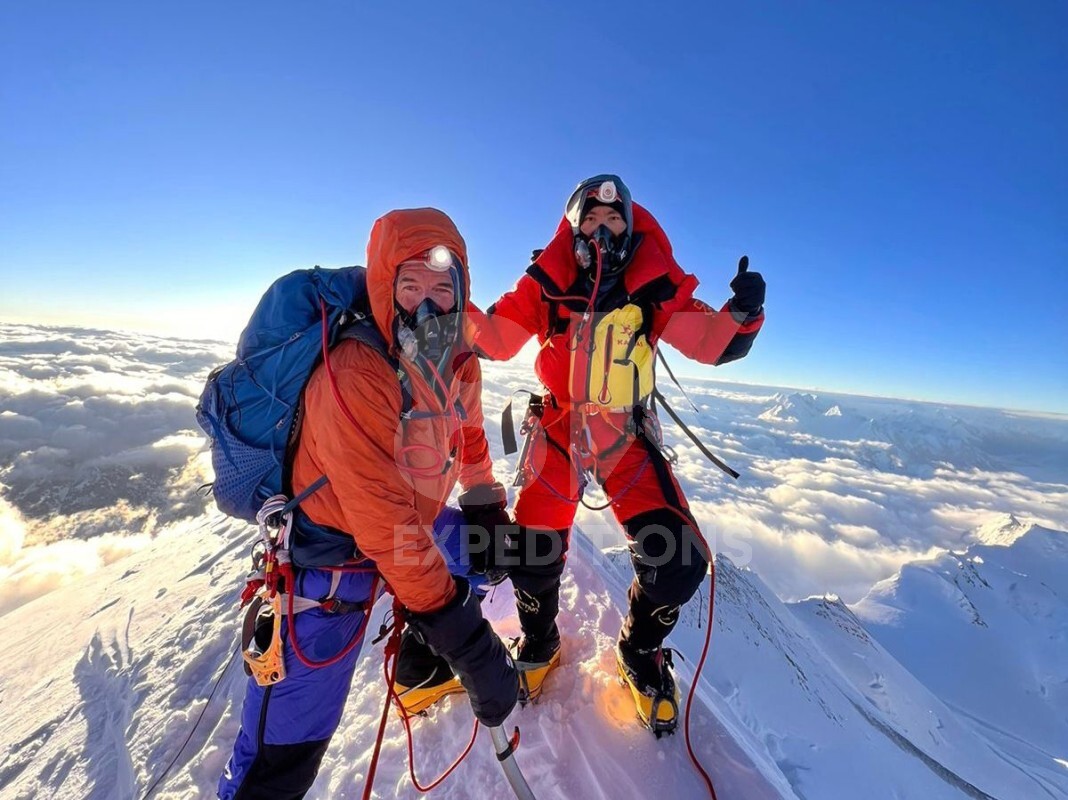
The Mount Pumori Expedition is a challenging high-altitude mountaineering adventure to the summit of Mount Pumori (7,161m), located in the Mahalangur Himalayan range on the Nepal–China border, approximately 8 km west of Mount Everest. Known as the "Mountain Daughter," Pumori is renowned for its steep snow and ice slopes, exposed ridges and spectacular views of the Everest region. The expedition is ideal for experienced mountaineers seeking technical Himalayan climbing experience.
Where is Mount Pumori located?
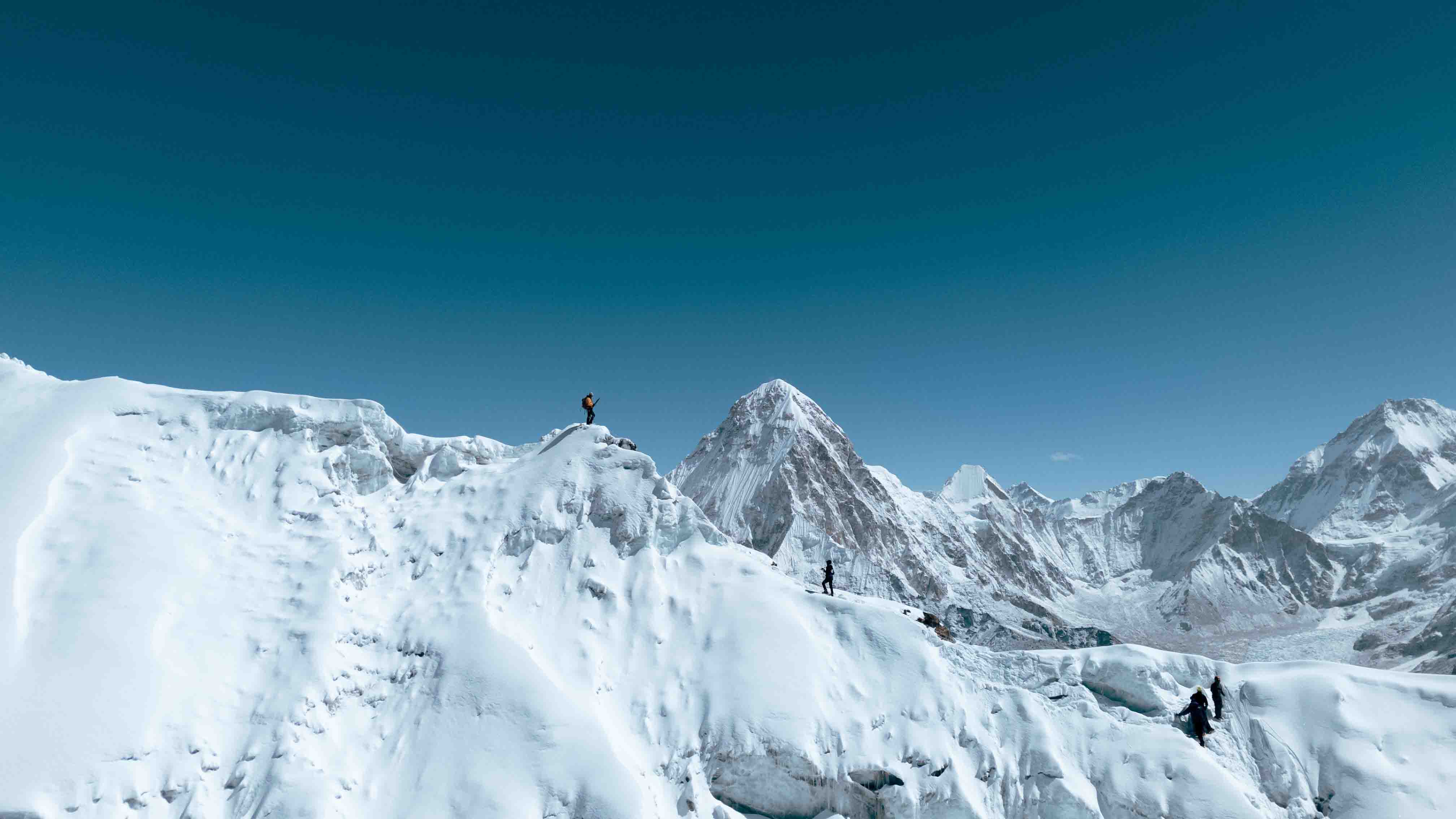
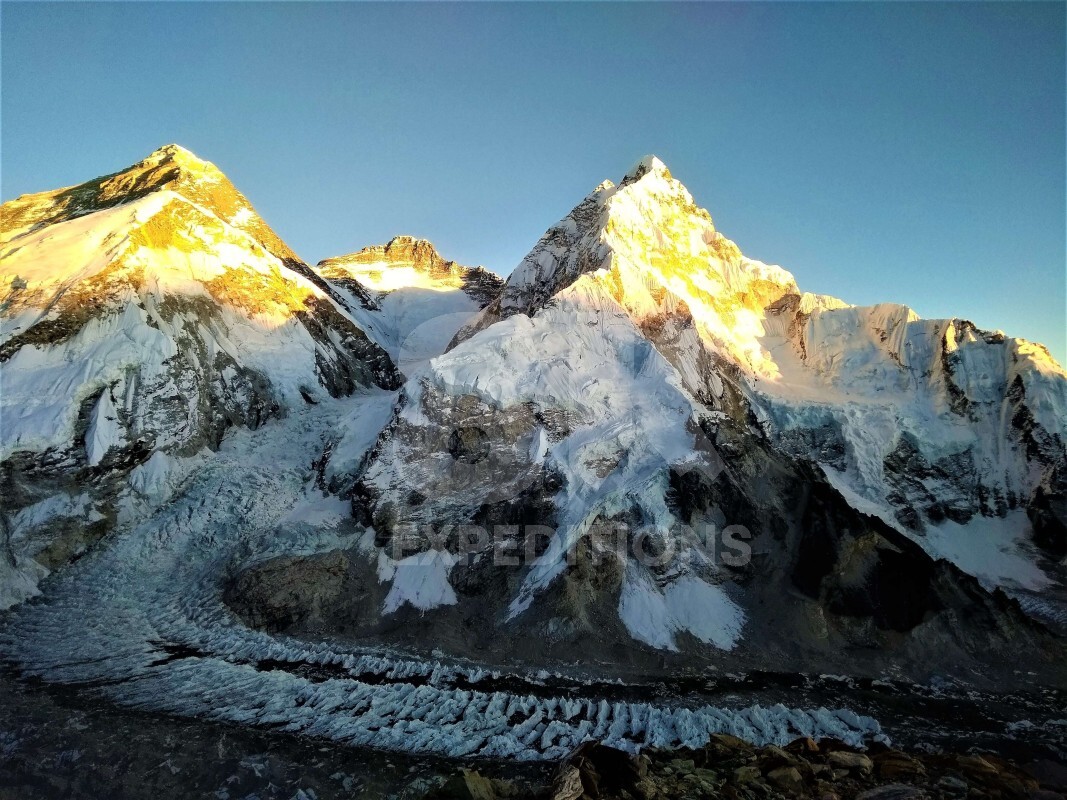
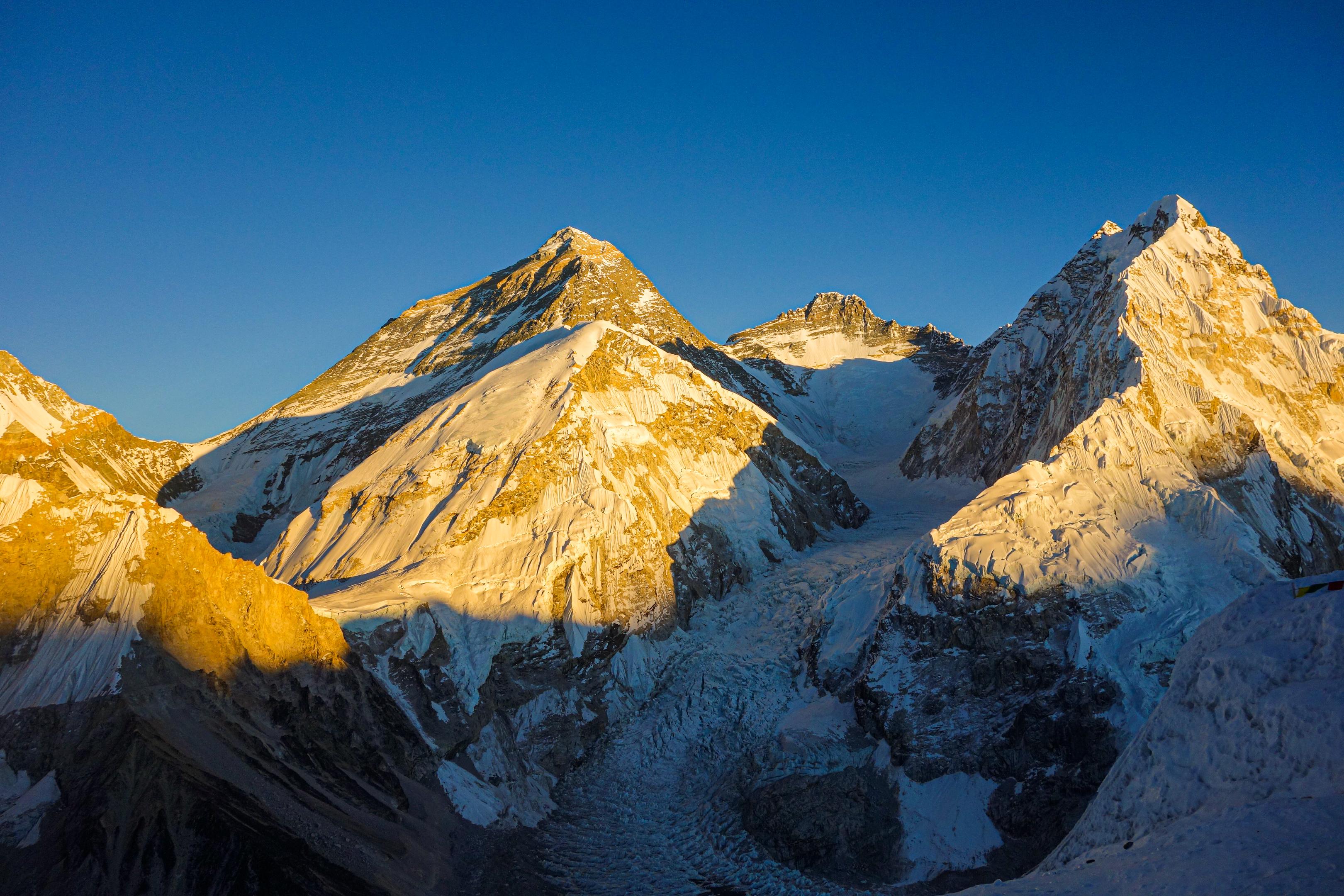
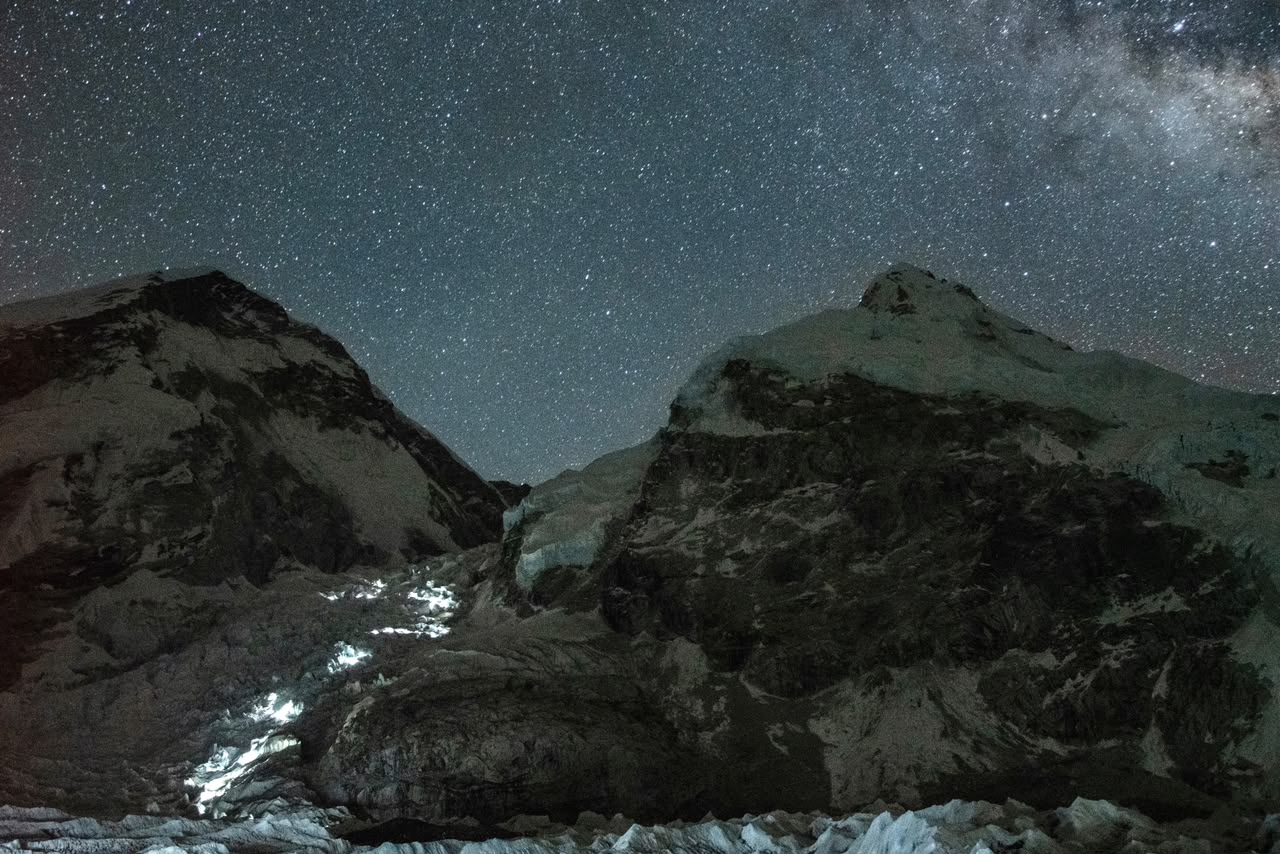
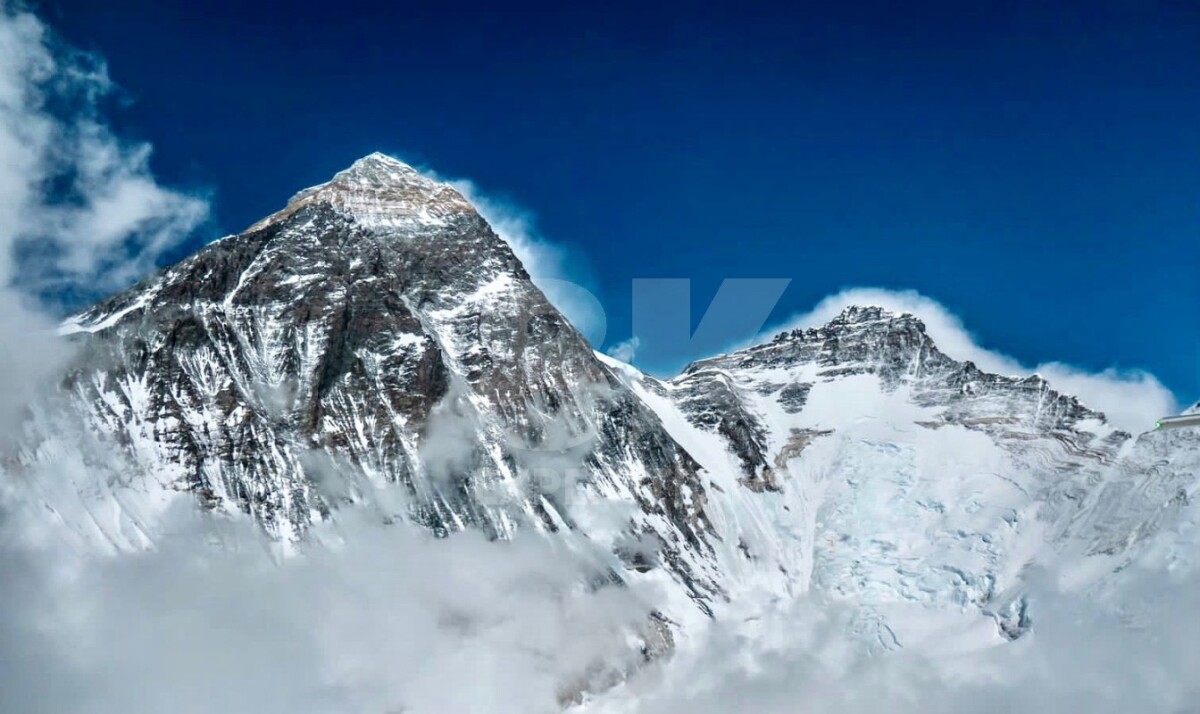
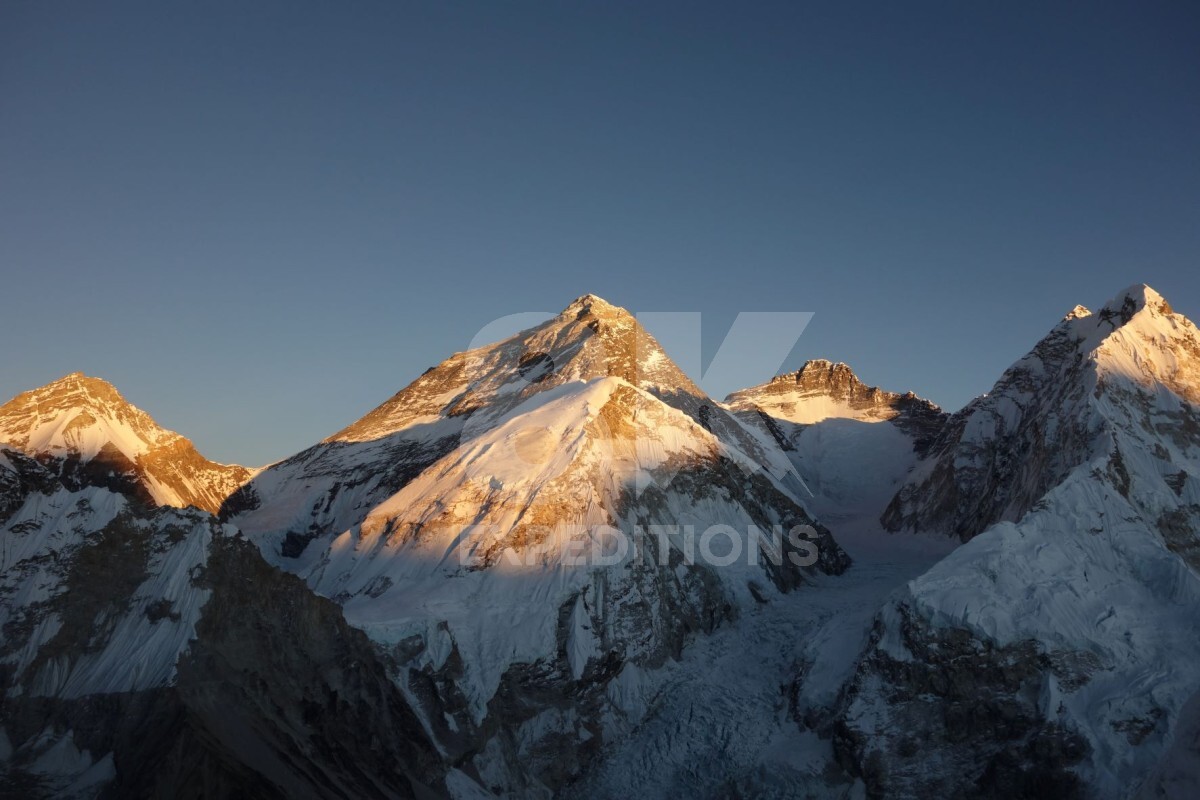
Mount Pumori is situated in the Mahalangur section of the Himalayas, near the Nepal–China border, in Nepal's Everest region. It lies approximately 8 km west of Mount Everest and overlooks the Khumbu Glacier and Everest Base Camp area. The mountain offers spectacular views of Everest, Lhotse, Nuptse Cho Oyu and other Himalayan peaks.
How high is Mount Pumori?
Mount Pumori stands at 7,161 metres (23,494 feet) above sea level. It is one of Nepal's prominent 7,000-metre peaks and is considered a technically demanding Himalayan mountaineering objective.
Why is Mount Pumori called the Mountain Daughter?
Mount Pumori is popularly known as the "Mountain Daughter" The name comes from the Sherpa language, where "Pumo" means young girl and "Ri" means mountain. The name was given by British mountaineer George Mallory and reflects the mountain's distinctive beauty and prominence near Mount Everest.
When was Mount Pumori first climbed?
Mount Pumori was first successfully climbed in 1962 by Gerhard Lenser (also spelled Lesner in some accounts) as part of a German-Swiss expedition. The mountain has since become an important objective for experienced Himalayan mountaineers.
How difficult is the Mount Pumori Expedition?
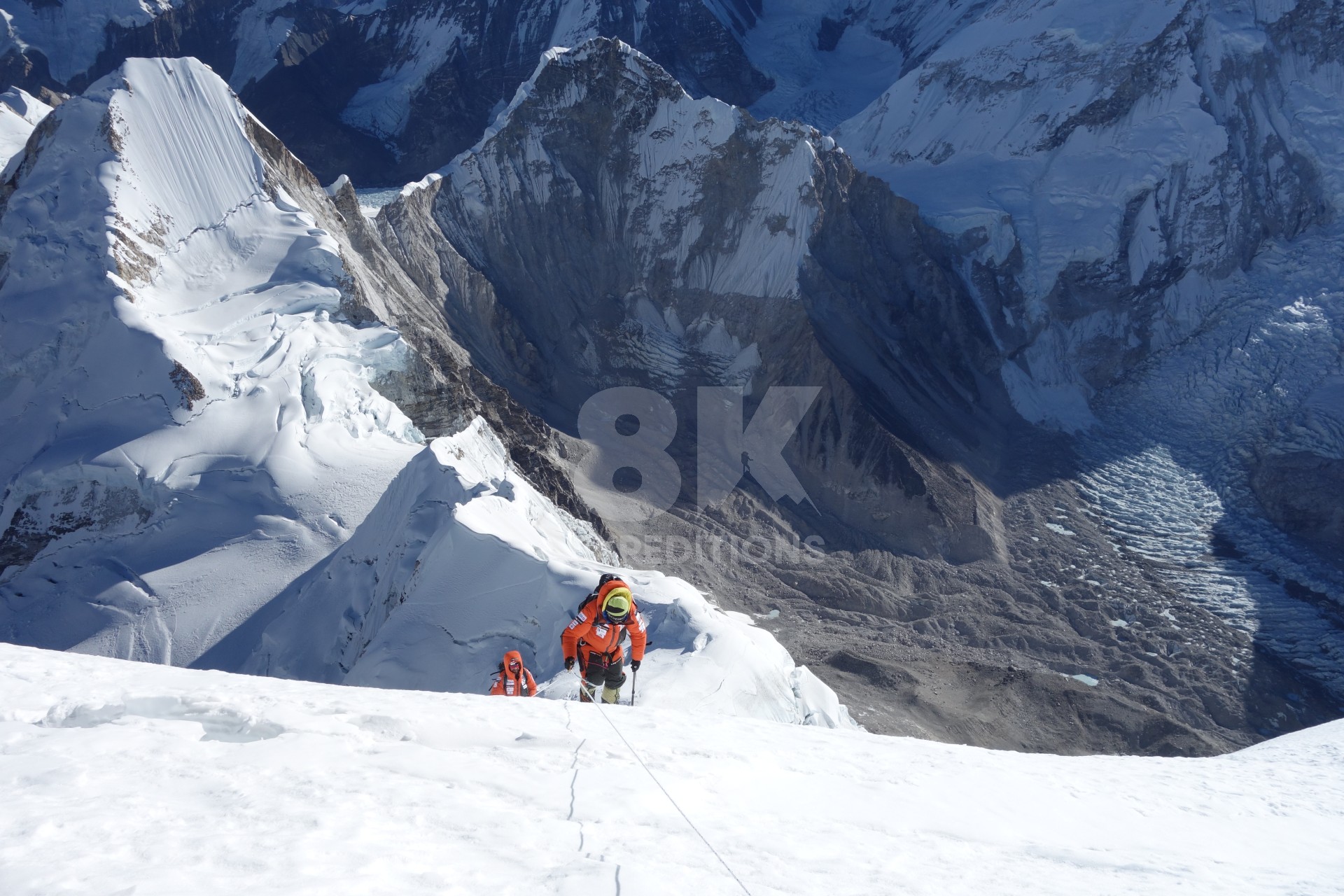
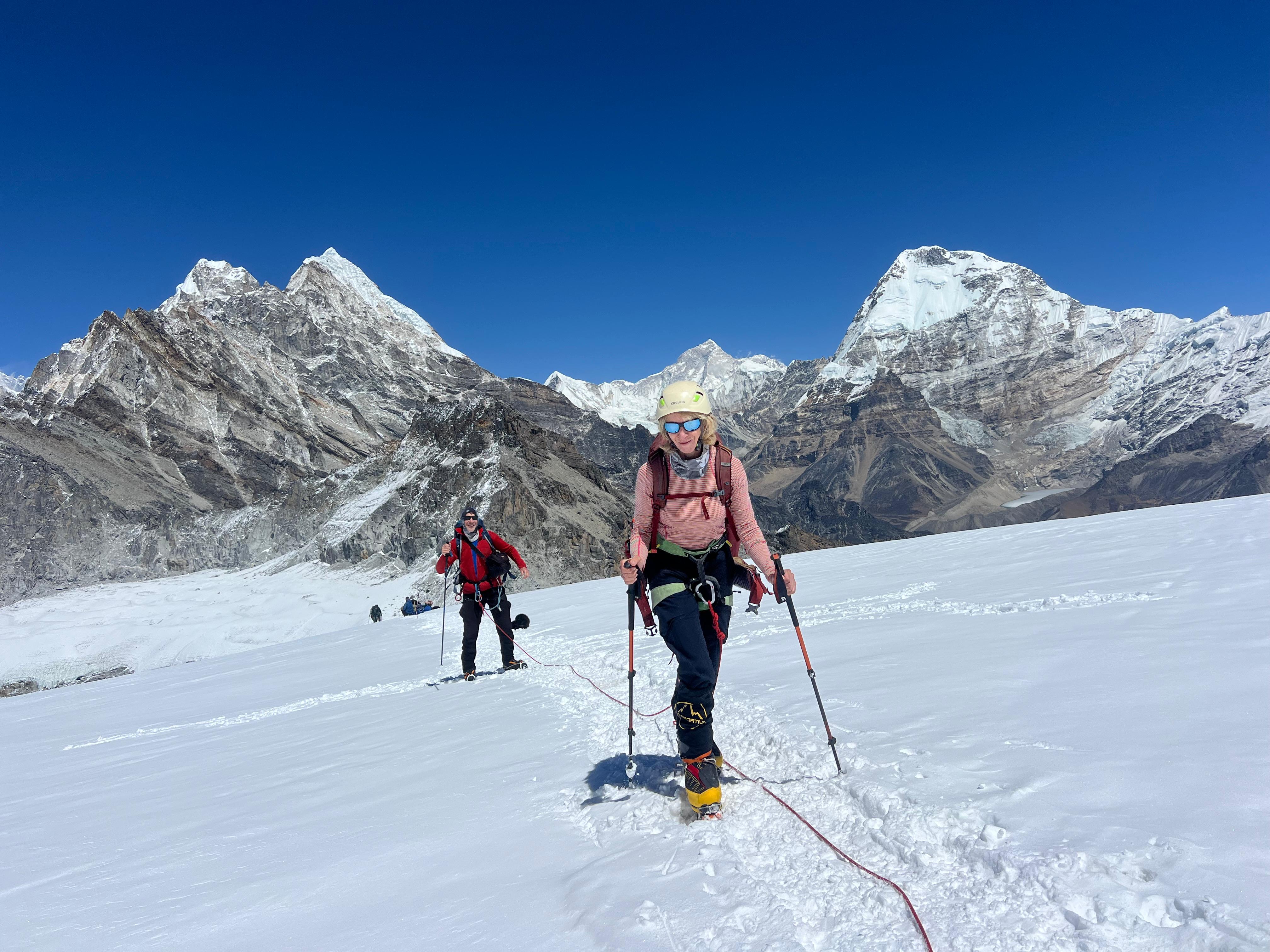
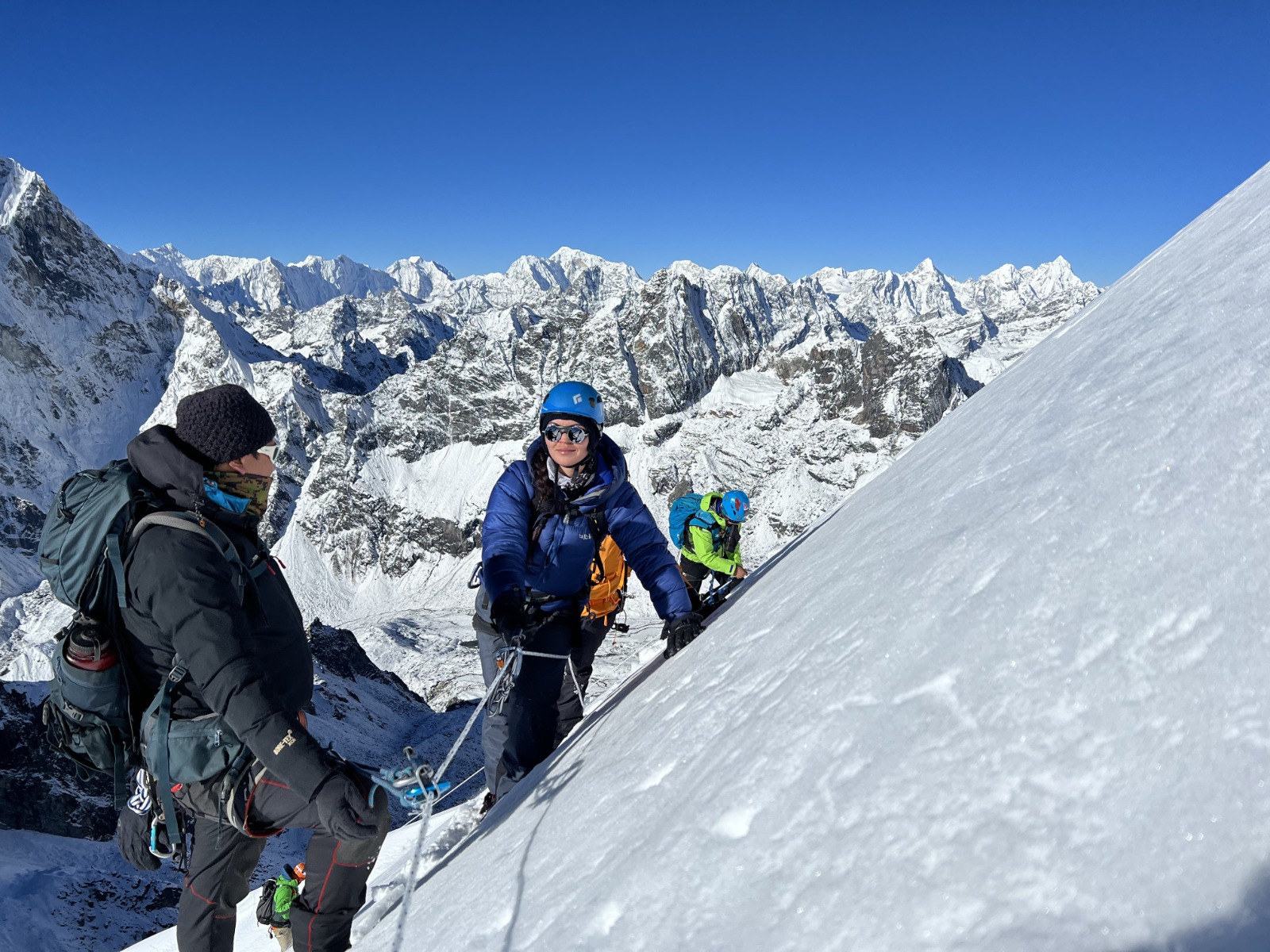
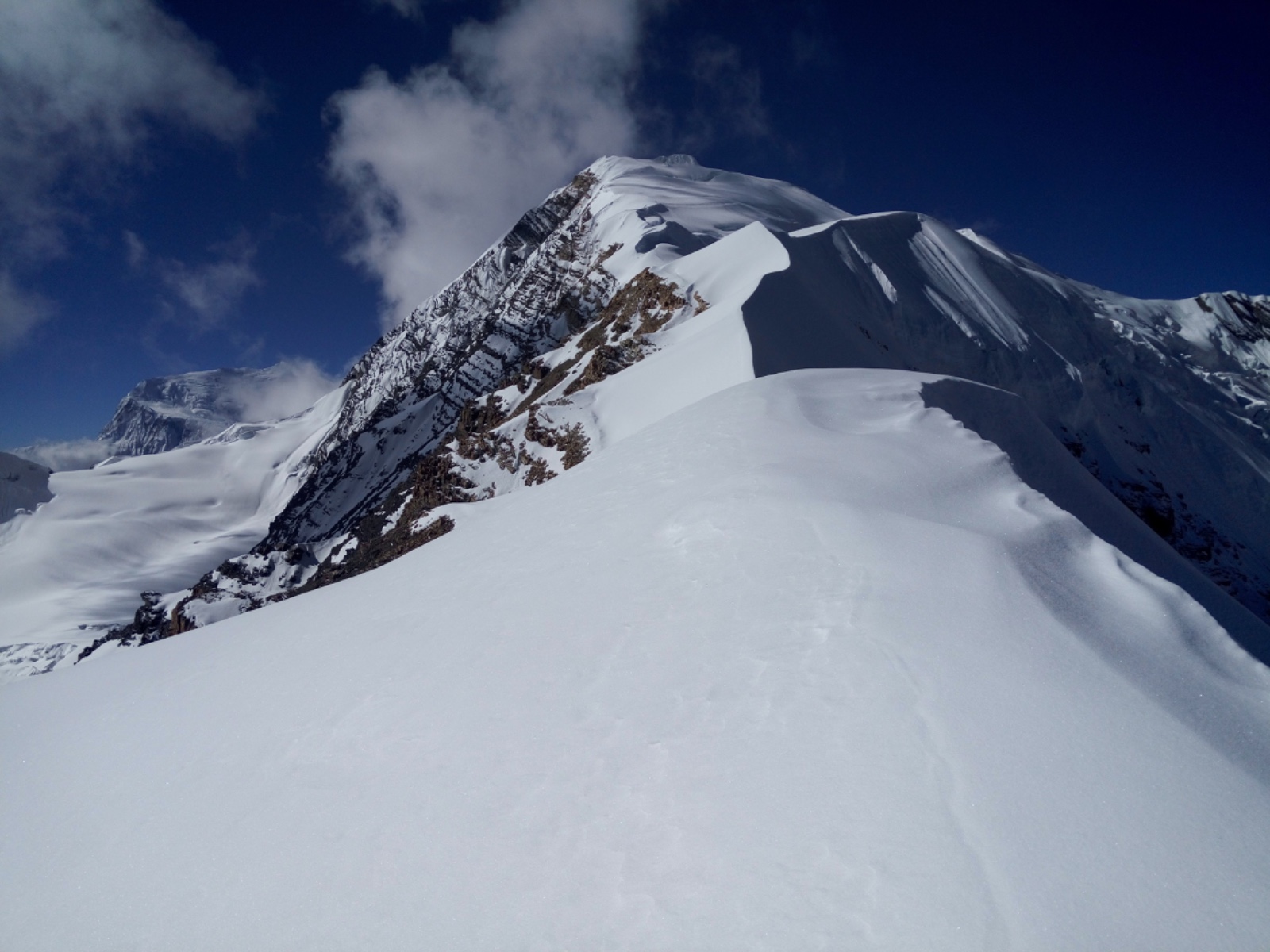
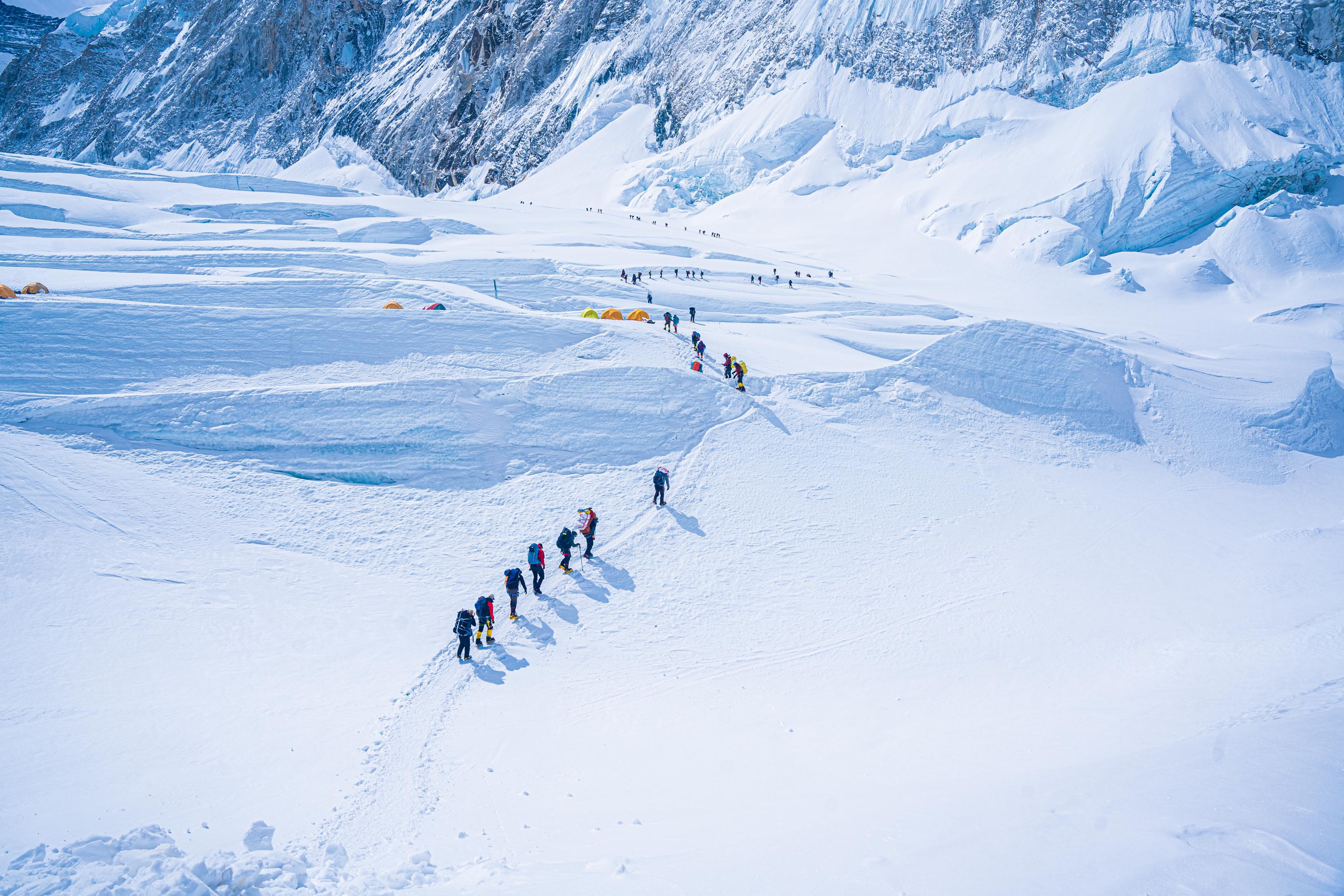
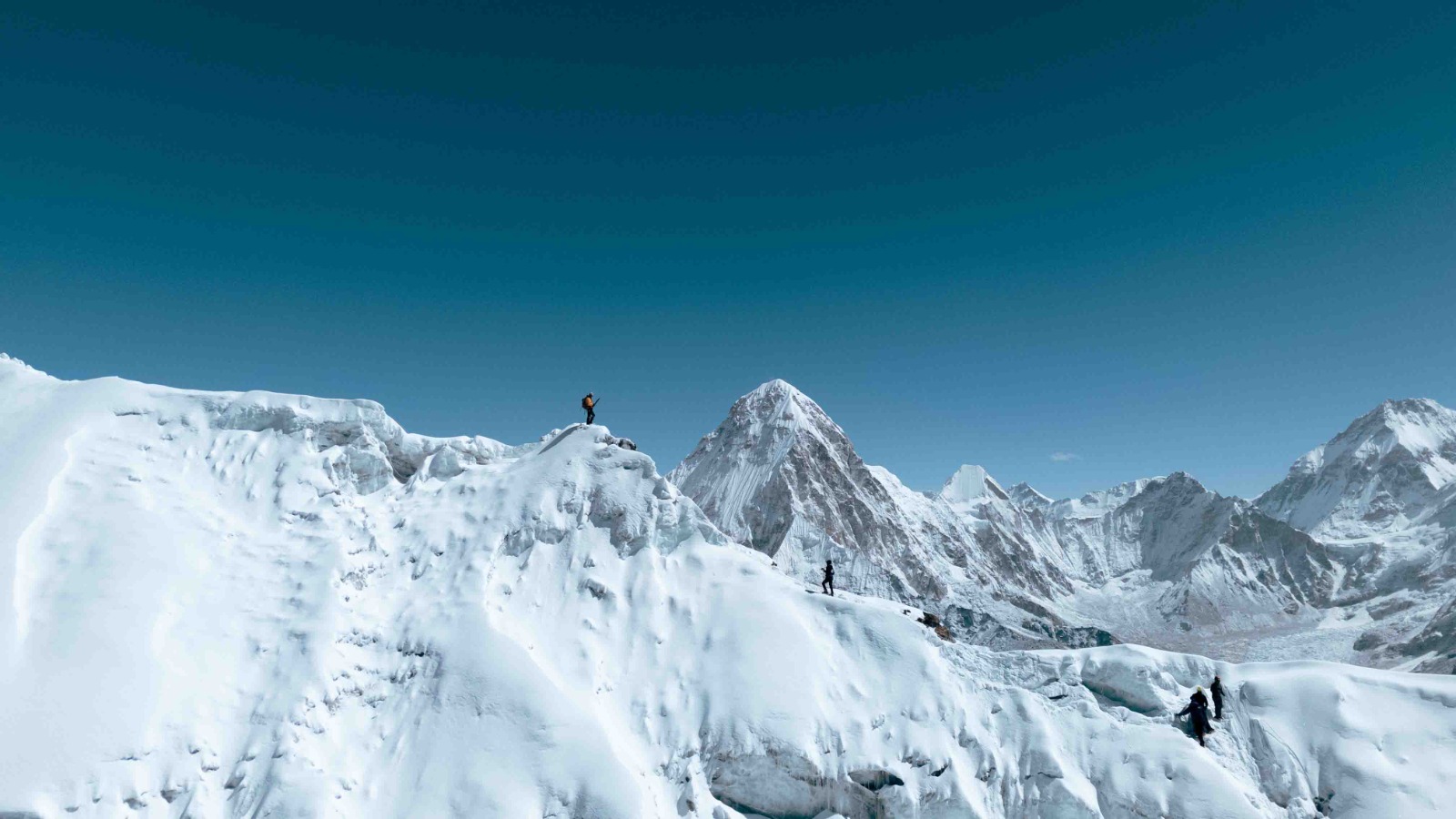
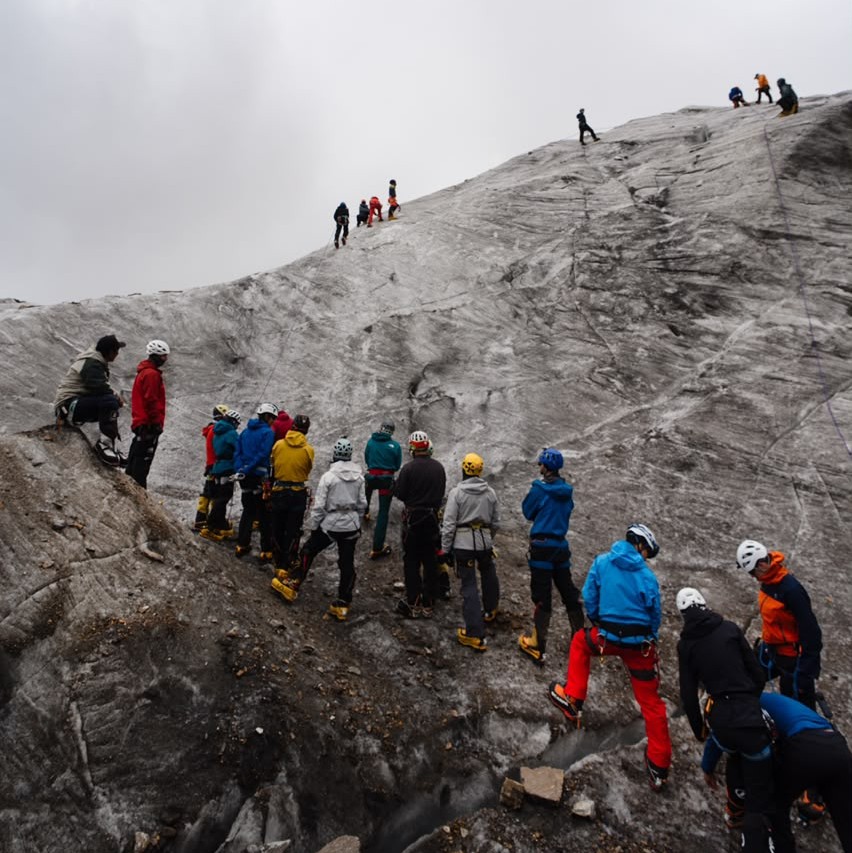
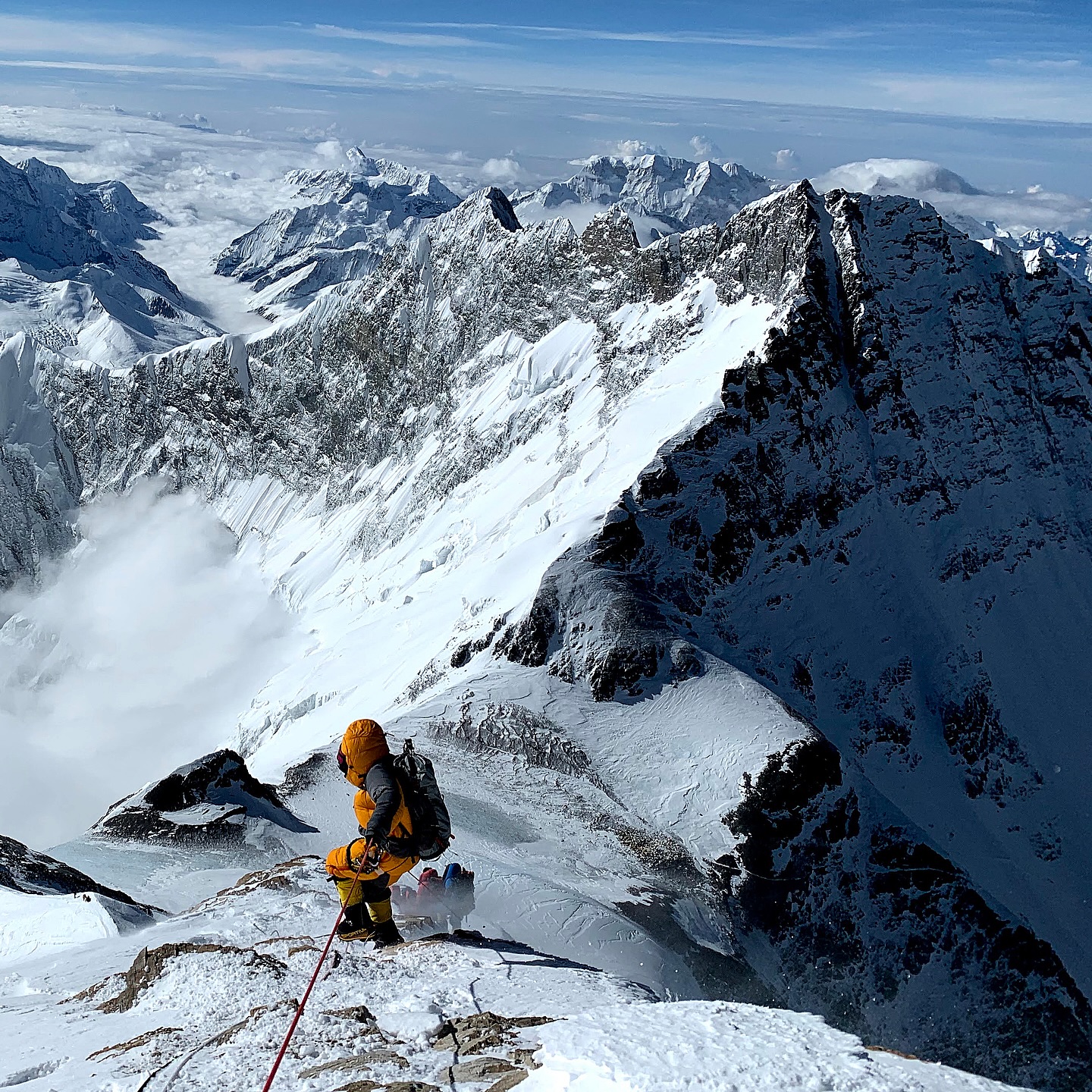
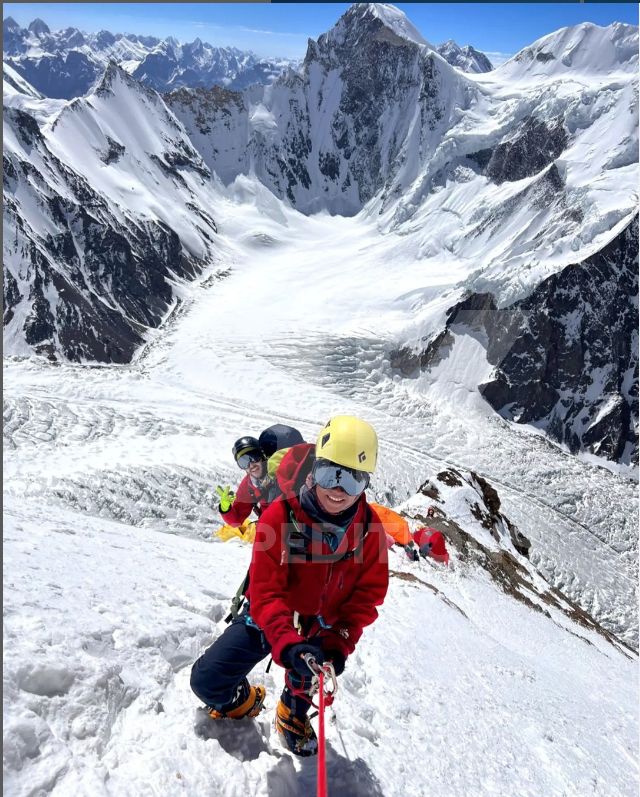
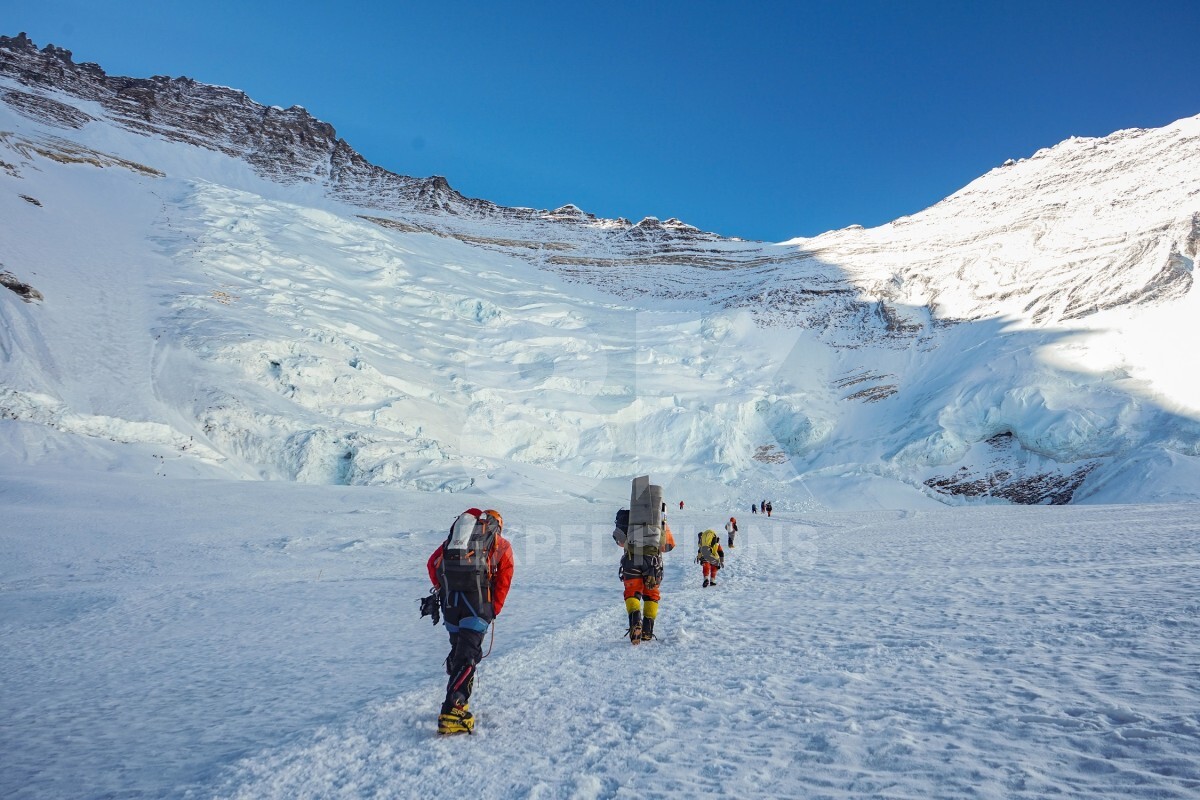
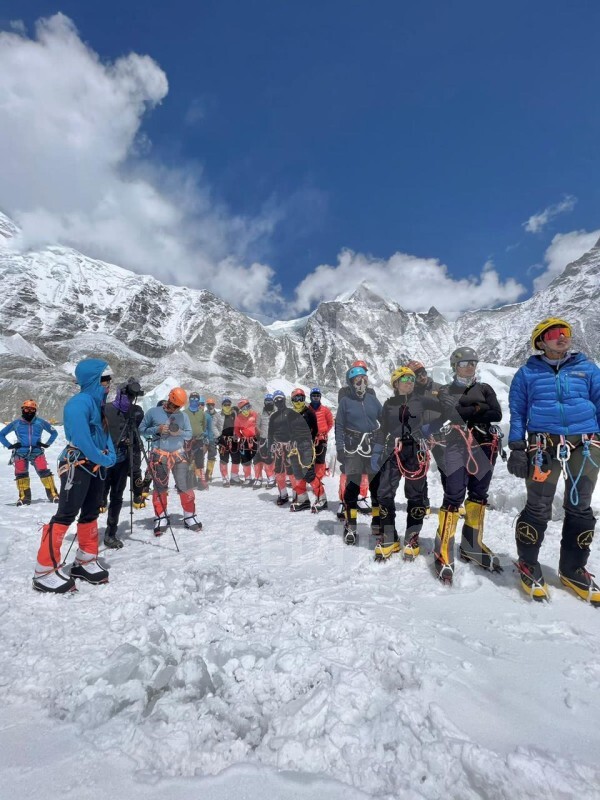
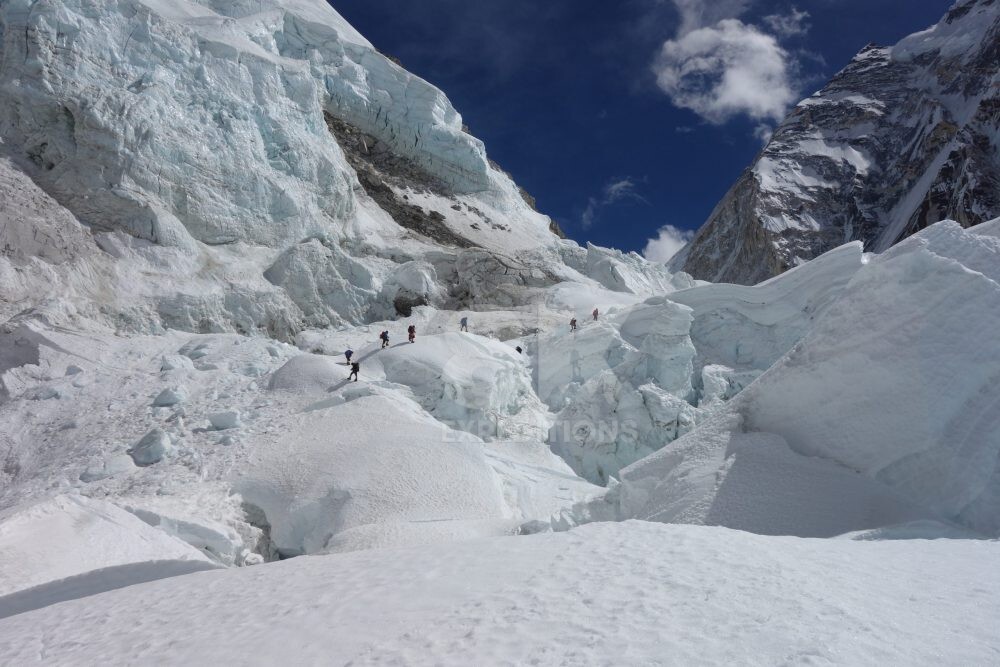
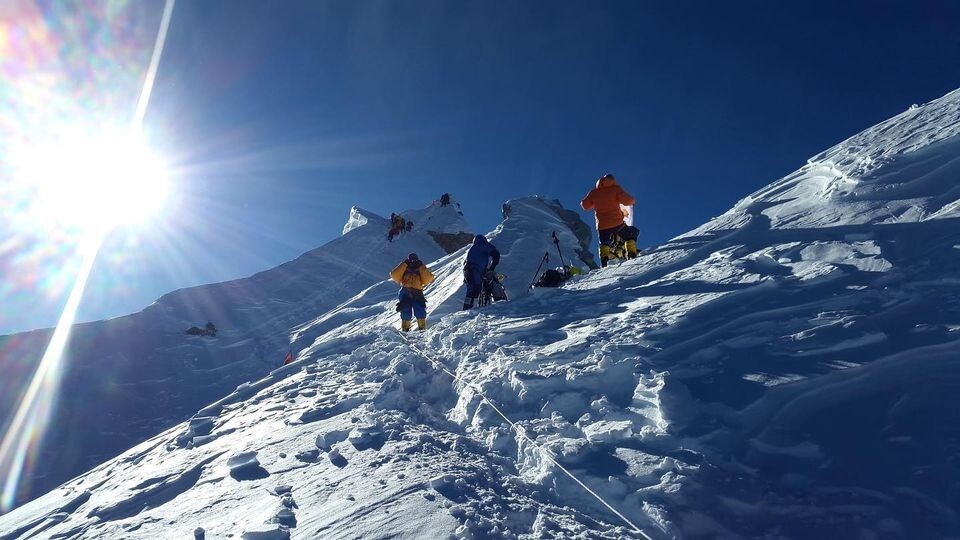
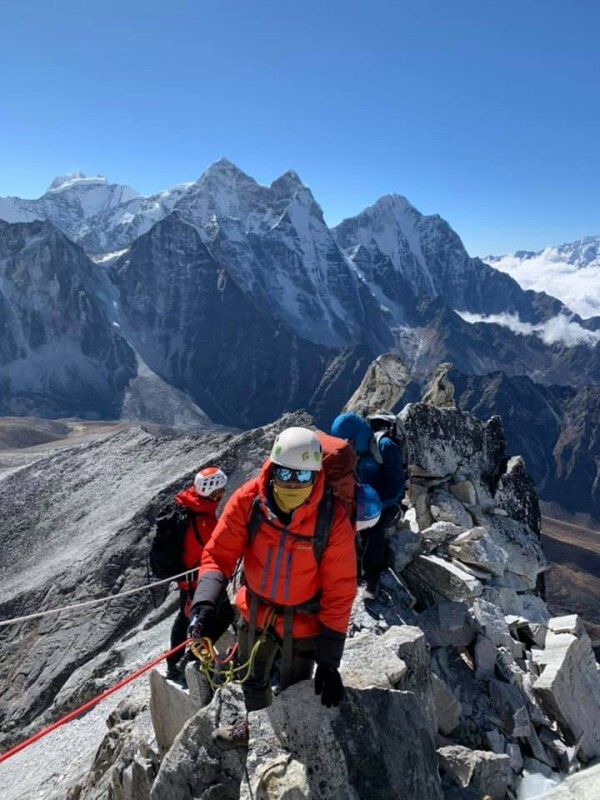
The Mount Pumori Expedition is an extremely challenging technical climb requiring advanced mountaineering skills, excellent physical conditioning, and previous high-altitude climbing experience. The route involves steep snow and ice slopes, glacier crossings, exposed ridges and sections with inclines of approximately 40–60 degrees. Climbers must be confident using crampons, ice axes, fixed ropes and technical climbing equipment.
What is the best season for the Mount Pumori Expedition?
The two primary climbing seasons for Mount Pumori are spring (March–May) and autumn (September–October). Sprifacng generally offers favorable Himalayan climbing conditions, while autumn can provide stable weather and clear mountain views. Actual summit opportunities depend on snowfall, wind speed, avalanche conditions and the overall weather window.
Which route is used to climb Mount Pumori?
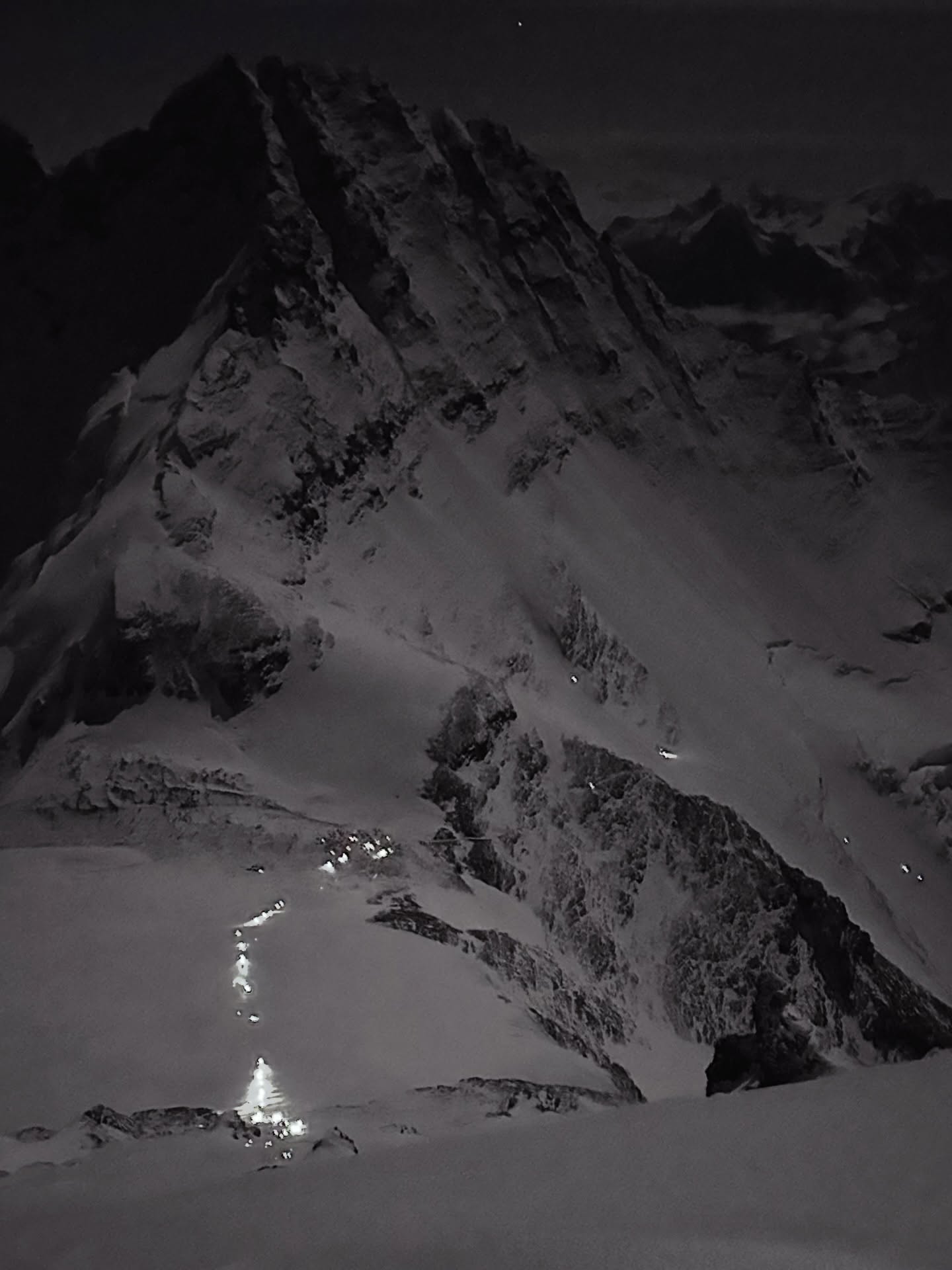
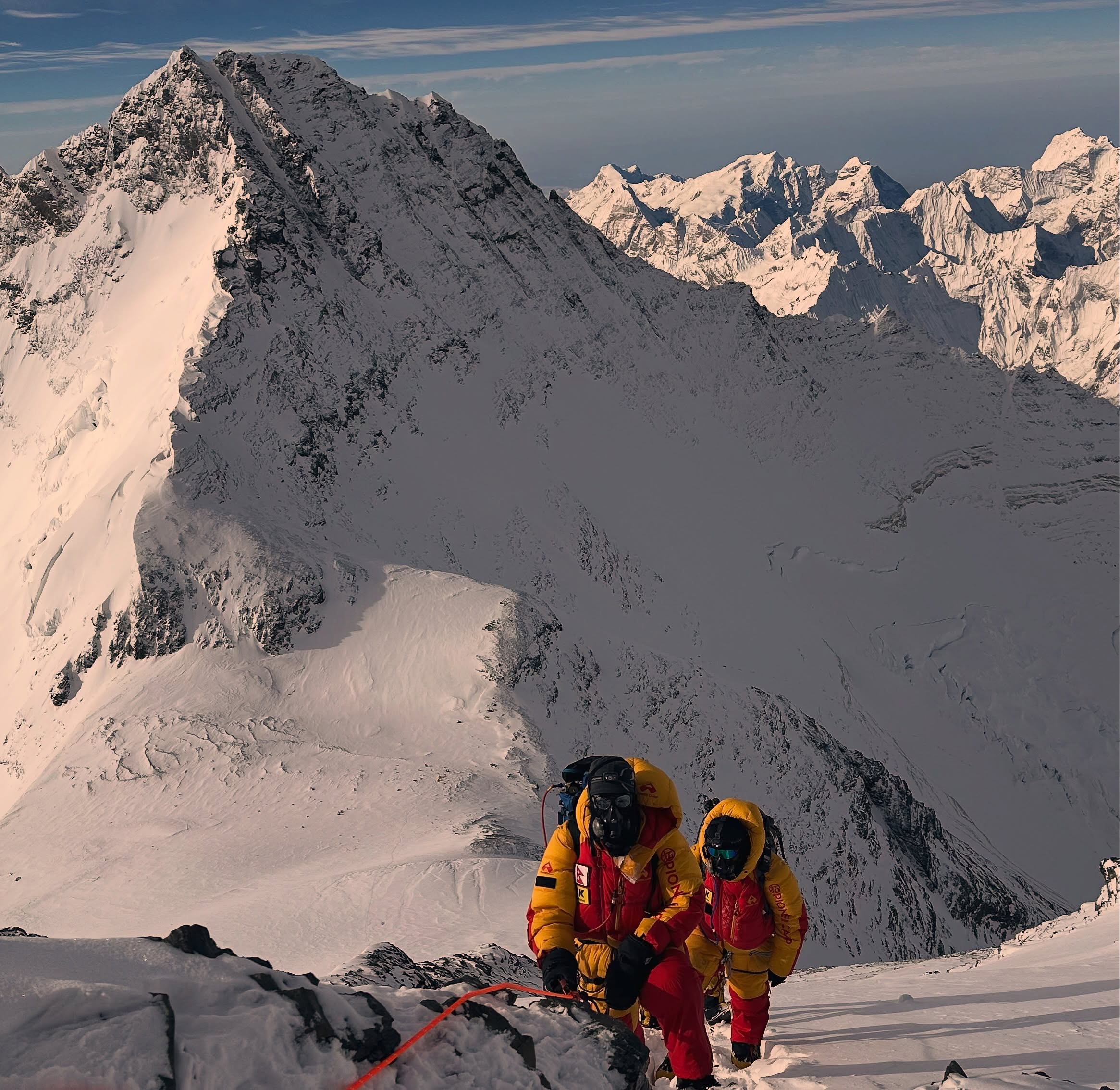
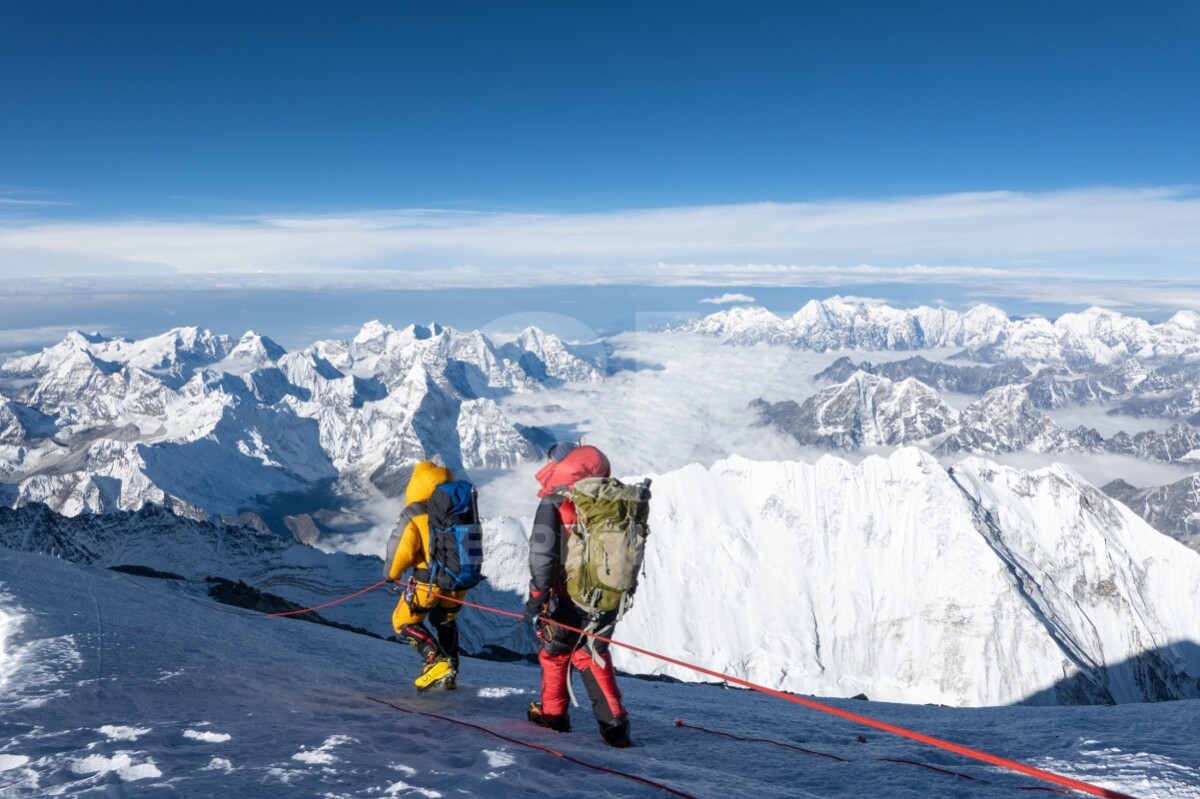
The Southeast Ridge route is the commonly used climbing route for the Mount Pumori Expedition. It involves glacier travel, steep snow and ice sections, exposed ridges and fixed-rope climbing. Climbers establish multiple high-altitude camps before attempting the summit, with support from experienced high-altitude Sherpa guides.
How many camps are required for the Mount Pumori climb?
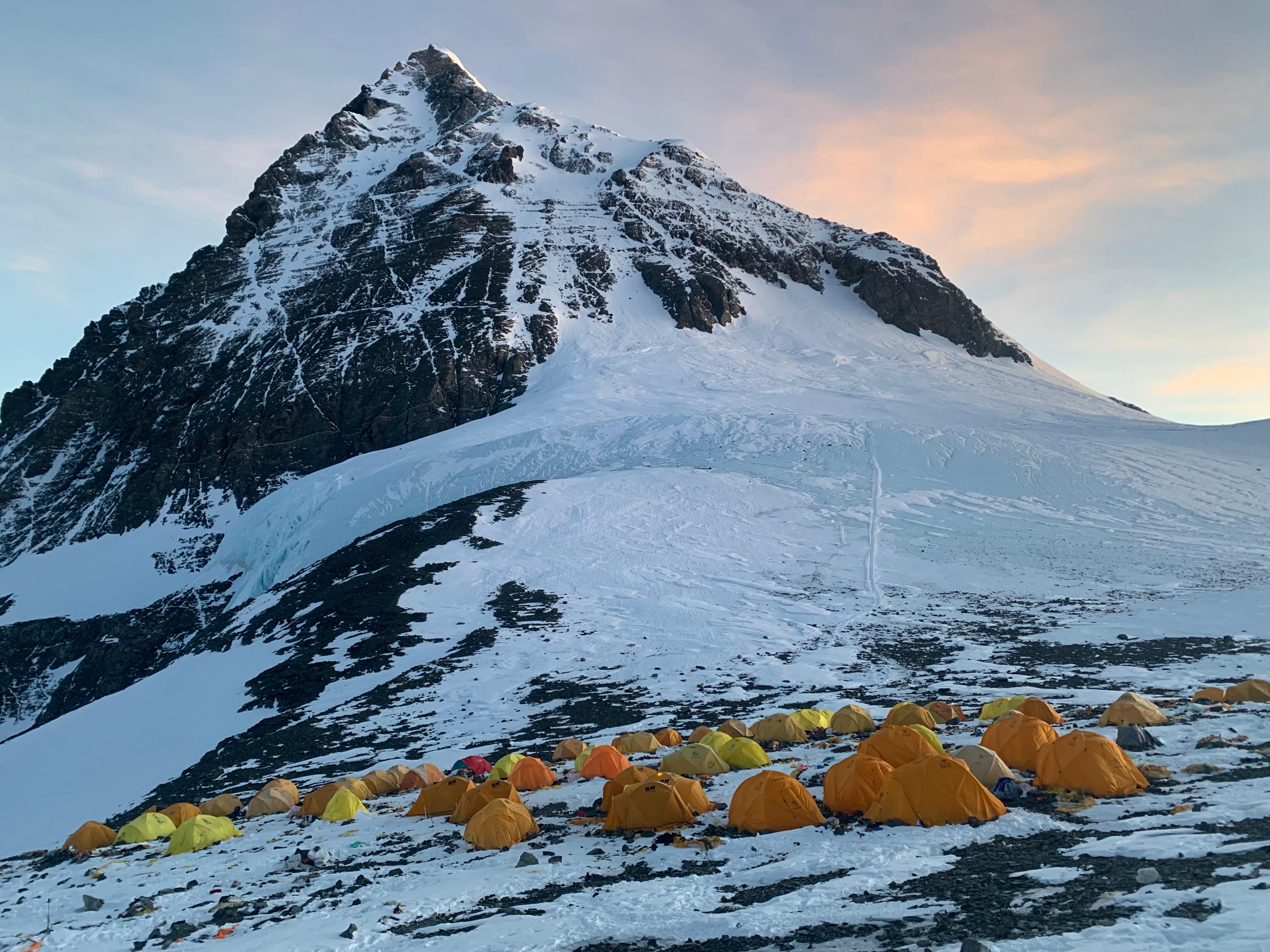
The expedition generally uses three high-altitude camps above Pumori Base Camp. The climbing plan identifies:
- Base Camp: approximately 5,300m
- Camp I: approximately 5,650m
- Camp II: approximately 6,200m in the overview
- Camp III: approximately 6,500m
- Summit: 7,161m
The exact camp positions and number of rotations may change according to snow conditions, route fixing and expedition strategy.
How long does the Mount Pumori Expedition take?
The Mount Pumori Expedition follows a 35-day itinerary. It includes arrival in Kathmandu, expedition preparation, trekking through the Everest region, acclimatization, the base camp approach, the climbing period, summit attempts, descent and return to Kathmandu. The itinerary also provides time for acclimatization and climbing rotations.
What mountaineering experience is required to climb Mount Pumori?
Climbers should have substantial experience on technical alpine and high-altitude mountains before attempting Mount Pumori. Previous experience on 6,000m and 7,000m peaks, proficiency in crampon and ice-axe techniques, fixed-rope ascents and descents, glacier travel and the ability to function safely at extreme altitude are strongly recommended. Experience on comparable technical Himalayan peaks is particularly valuable.
How physically fit should I be for the Pumori Expedition?
Participants need excellent cardiovascular endurance, leg strength, muscular stamina and mental resilience. Preparation should include long-distance hiking, uphill training, strength conditioning, endurance workouts and technical mountaineering practice. Climbers should also be prepared for prolonged physical activity in freezing temperatures and at elevations above 6,000m.
What are the major challenges and risks of climbing Mount Pumori?
The major challenges include extreme altitude, avalanche exposure, steep snow and ice slopes, crevasses, exposed ridges, severe weather, high winds, and rapidly changing mountain conditions. Altitude-related illnesses, exhaustion, frostbite and technical climbing accidents are additional risks. Proper acclimatization, experienced guides, suitable equipment and careful weather-based decision-making are essential.
How do I reach Mount Pumori Base Camp?
The journey begins in Kathmandu with a domestic flight to Lukla, generally via Ramechhap depending on flight operations. From Lukla, climbers trek through Phakding, Namche Bazaar, Tengboche, Dingboche, and Lobuche before reaching Pumori Base Camp at approximately 5,300m. The trekking approach provides time for gradual altitude acclimatization.
Where is the Mount Pumori Base Camp located?
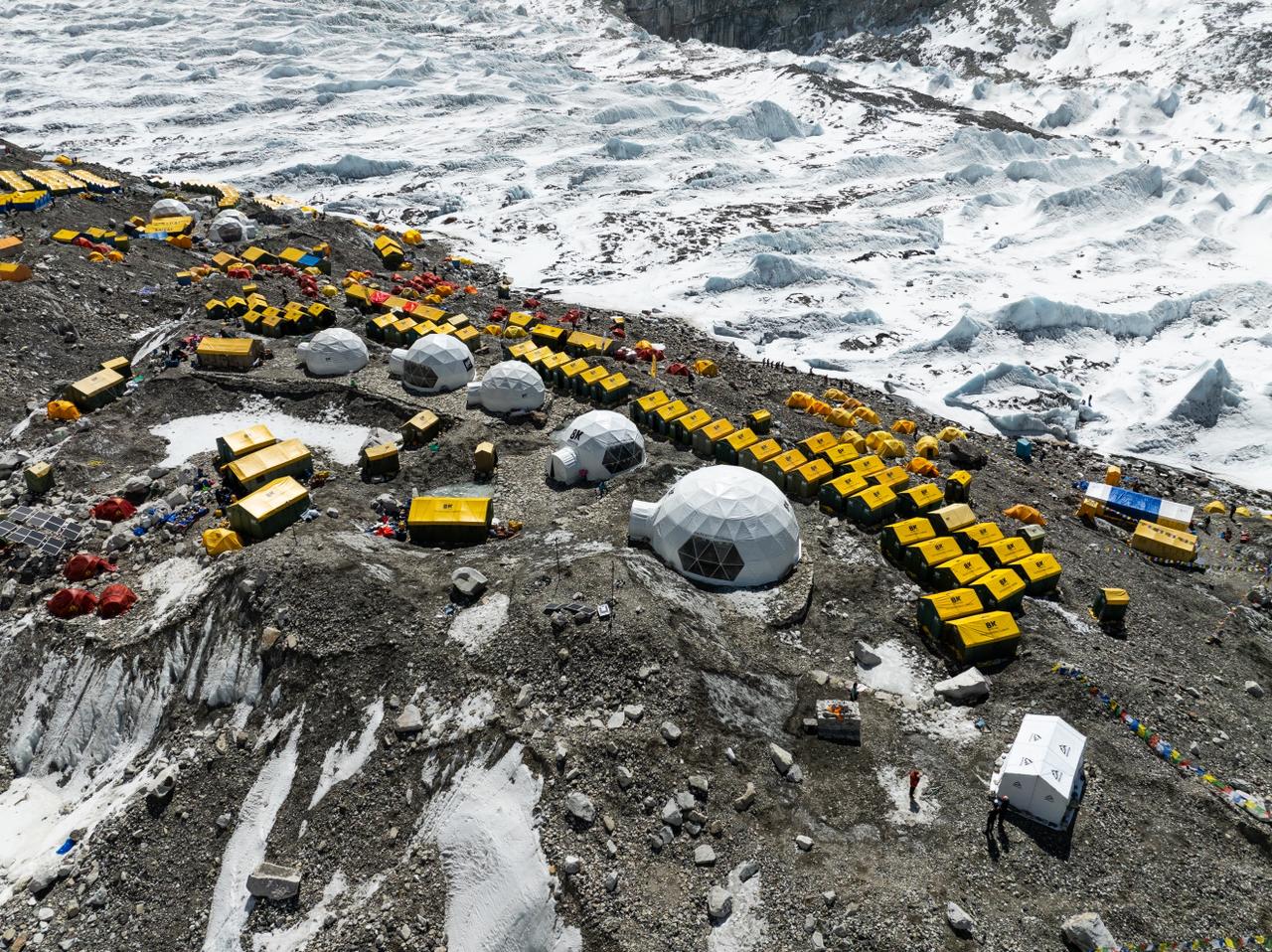
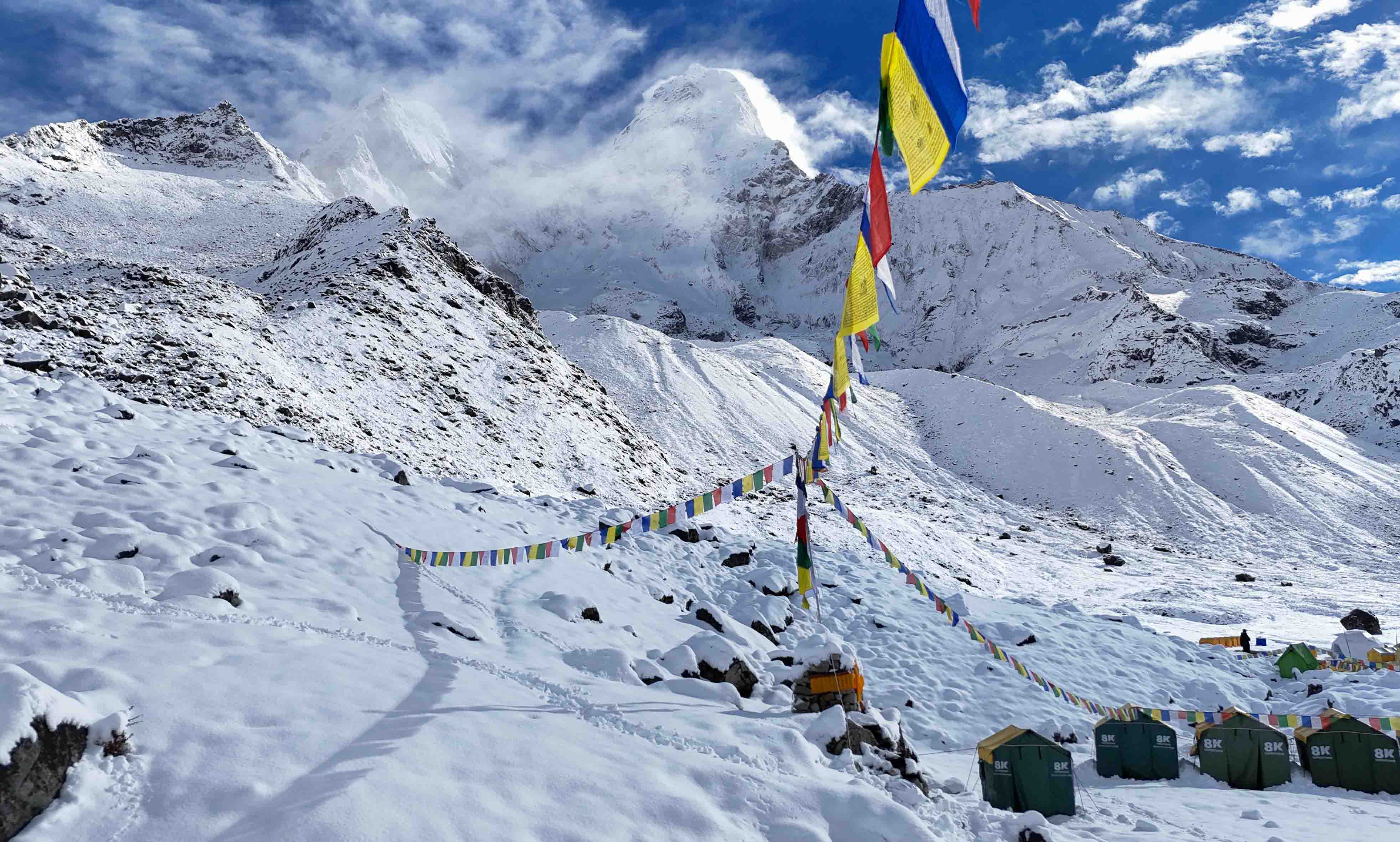
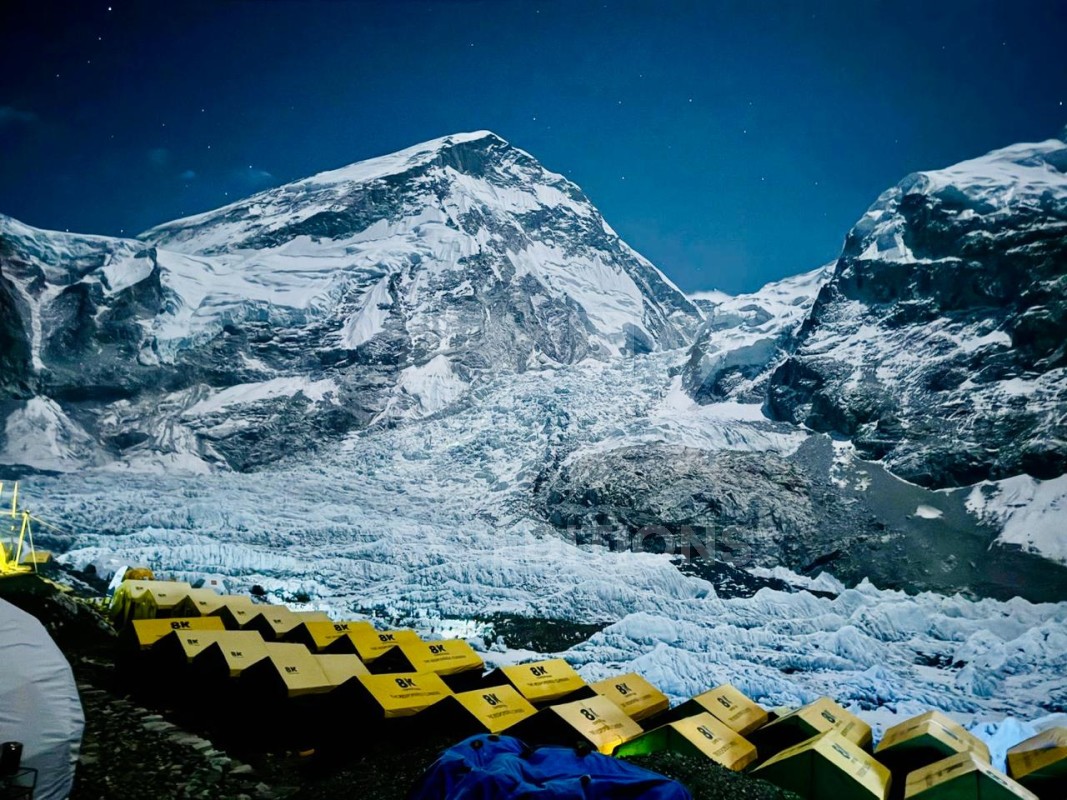
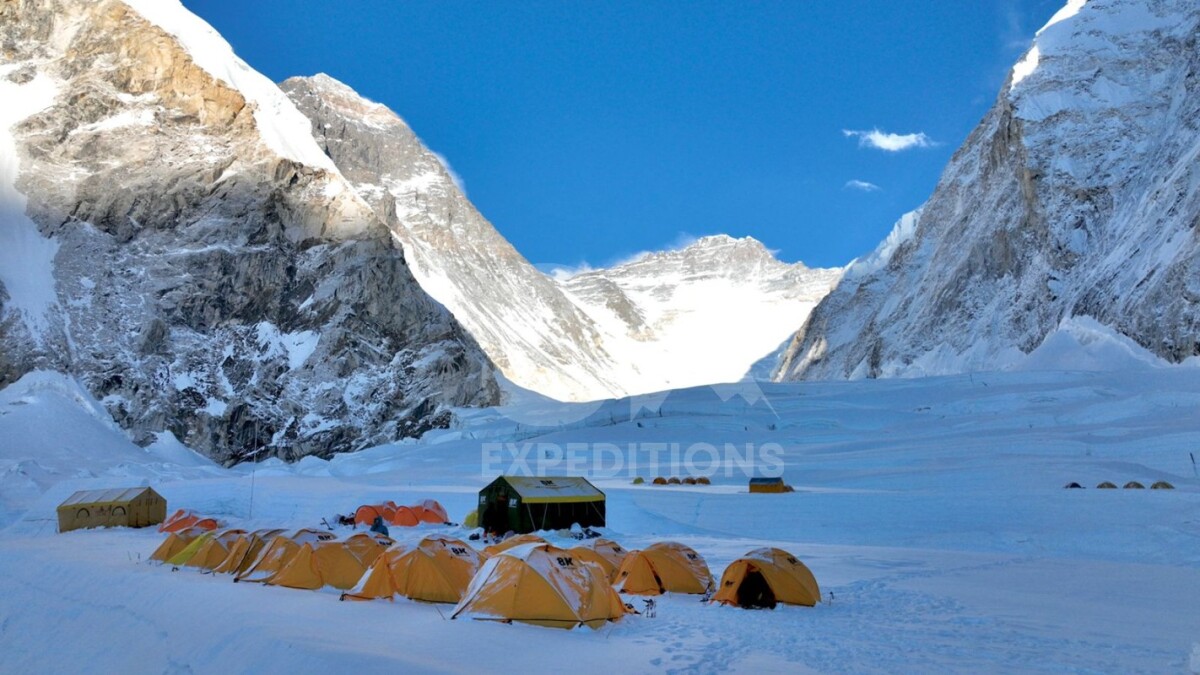
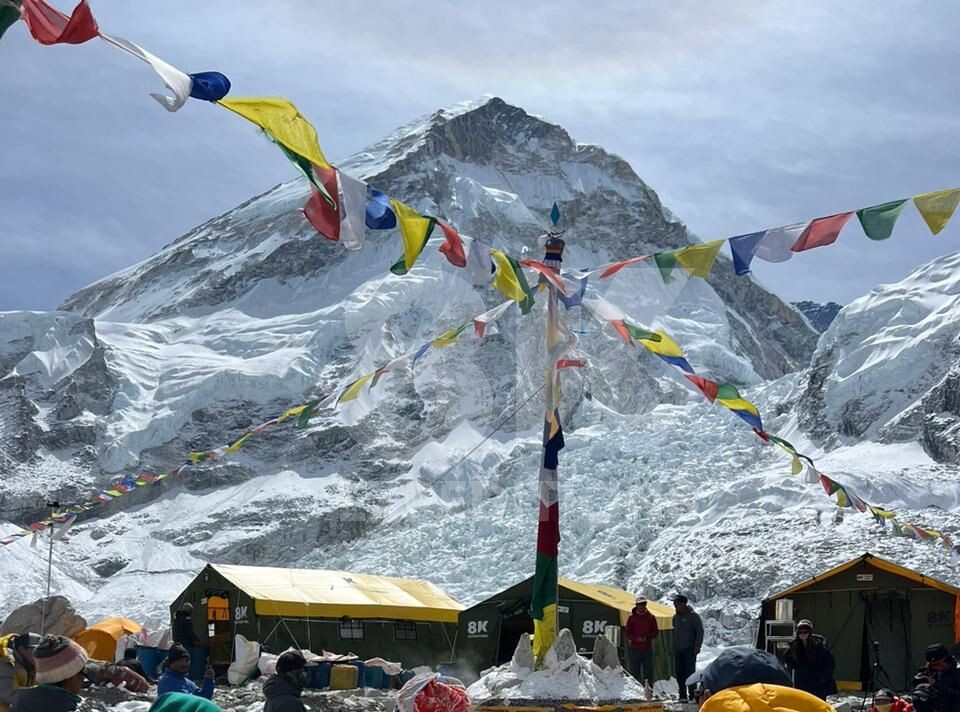
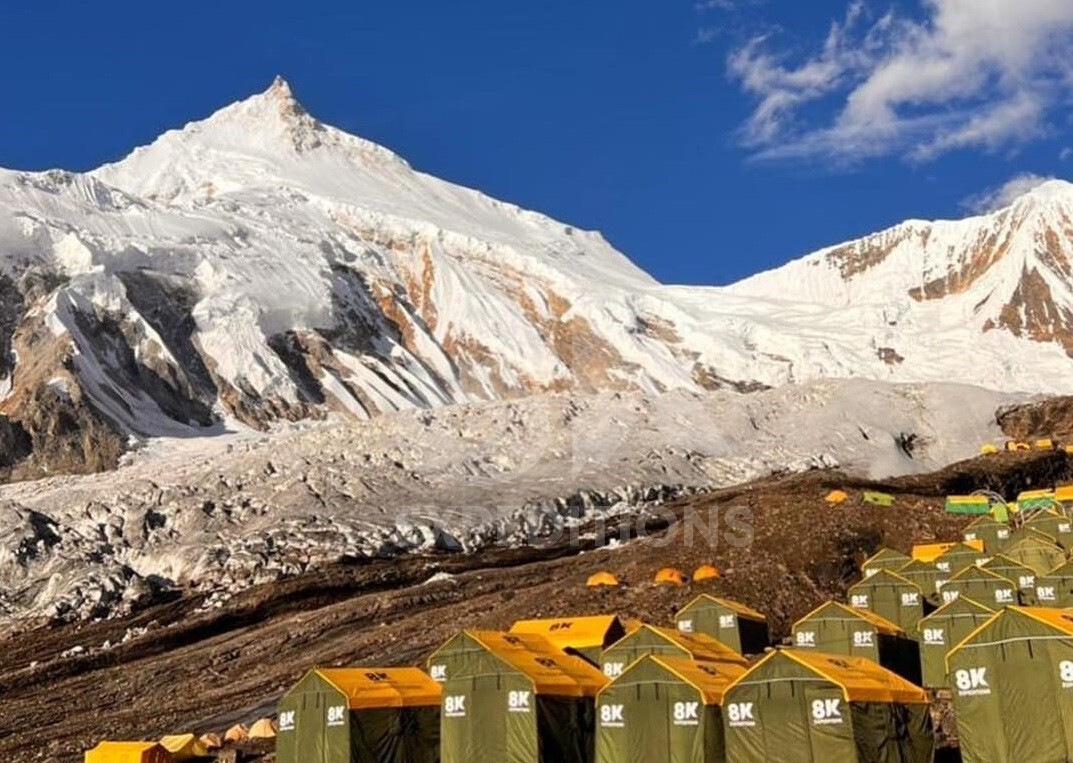
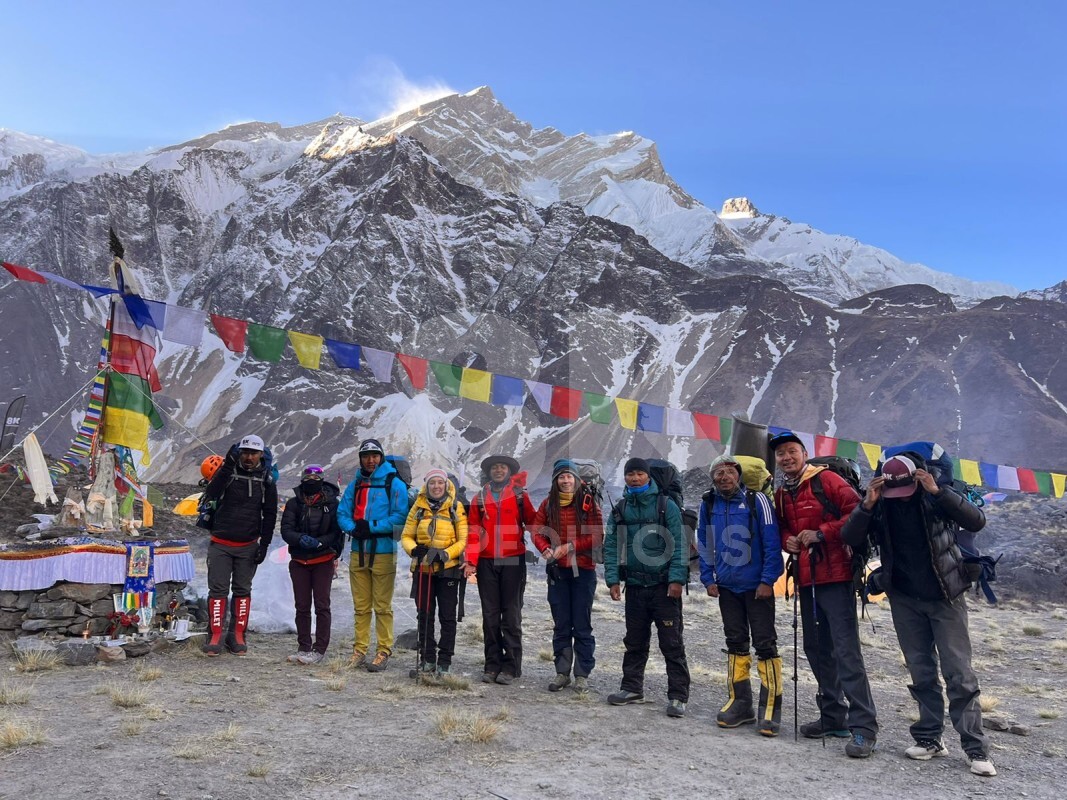
Mount Pumori Base Camp is located at approximately 5,300 metres in the Everest region of Nepal, near the Khumbu Glacier and the Everest Base Camp area. It serves as the primary operational center for acclimatization, expedition preparation, equipment management and coordination of the summit attempt.
What is the summit view from Mount Pumori?
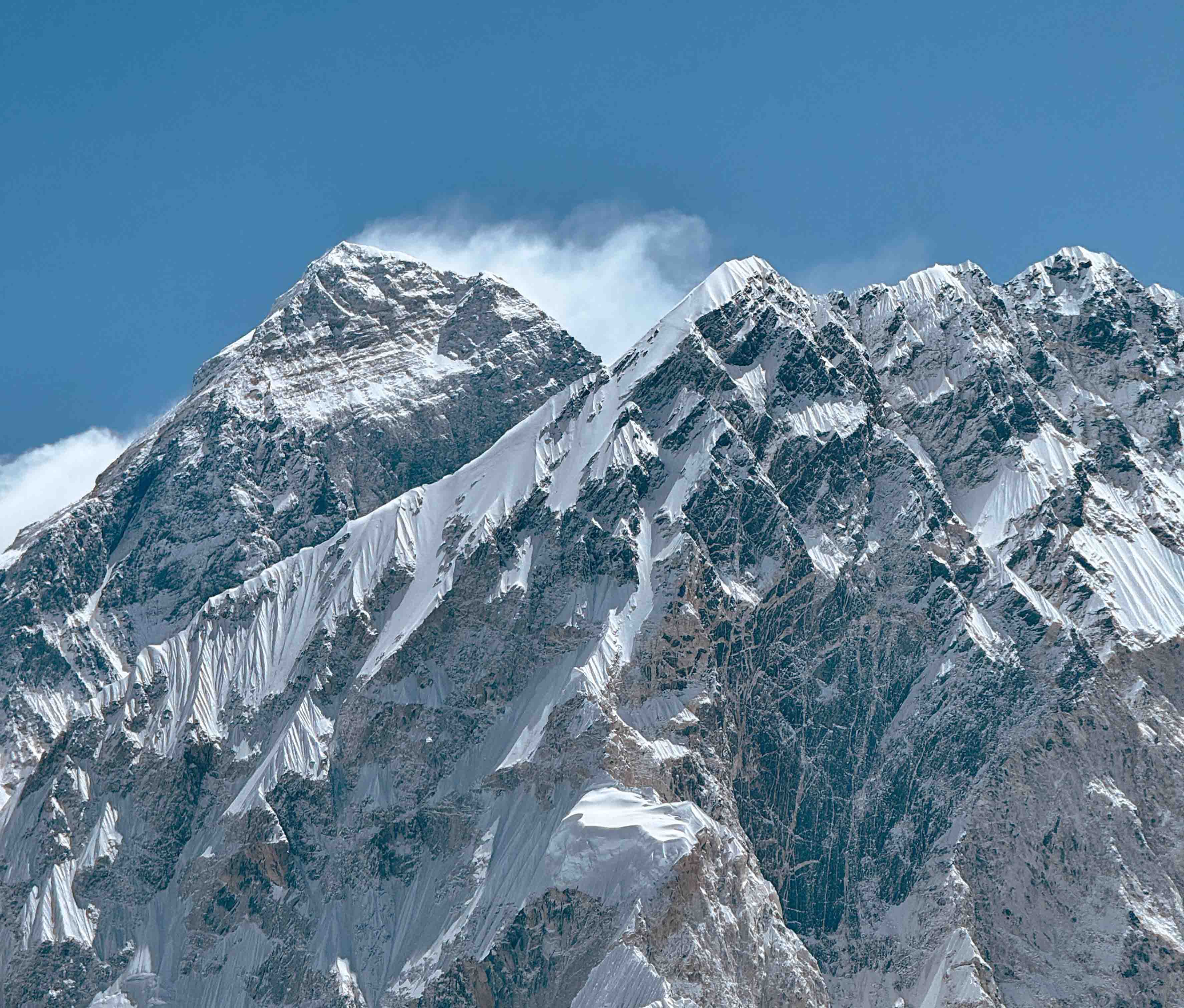
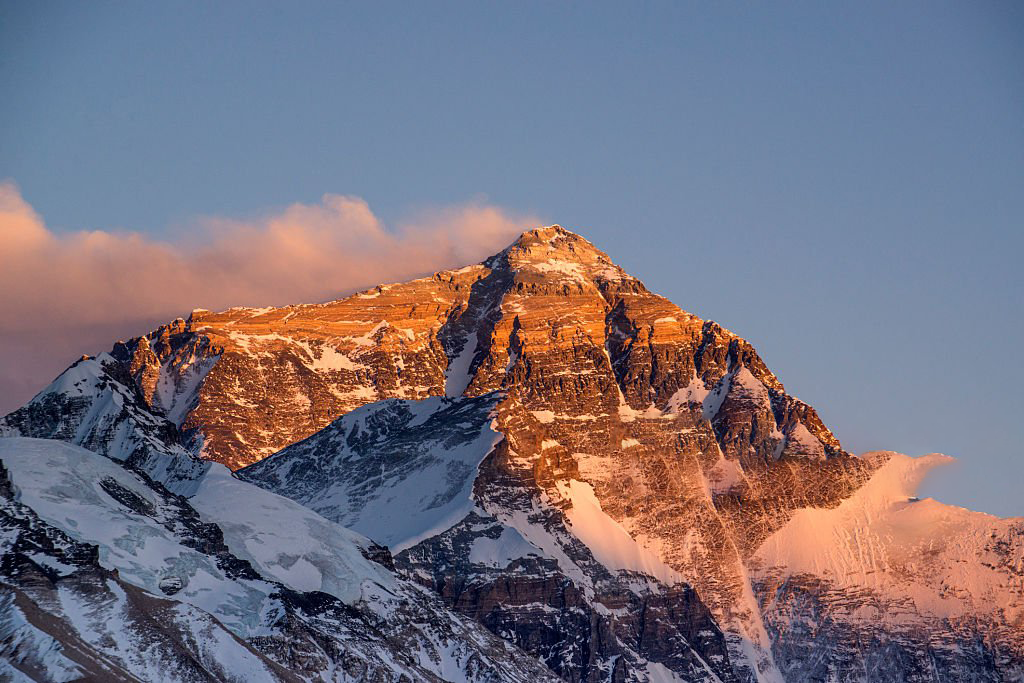
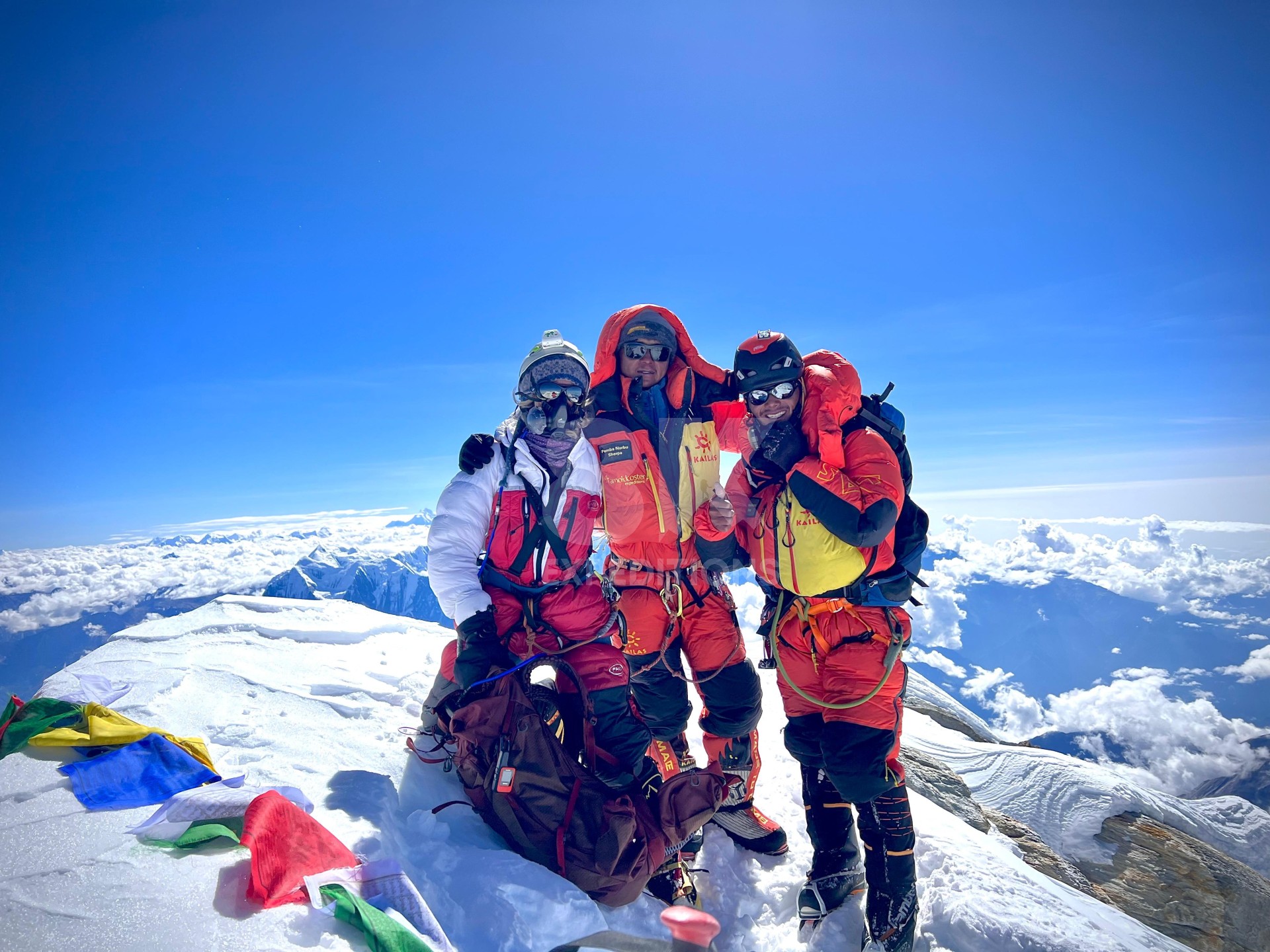
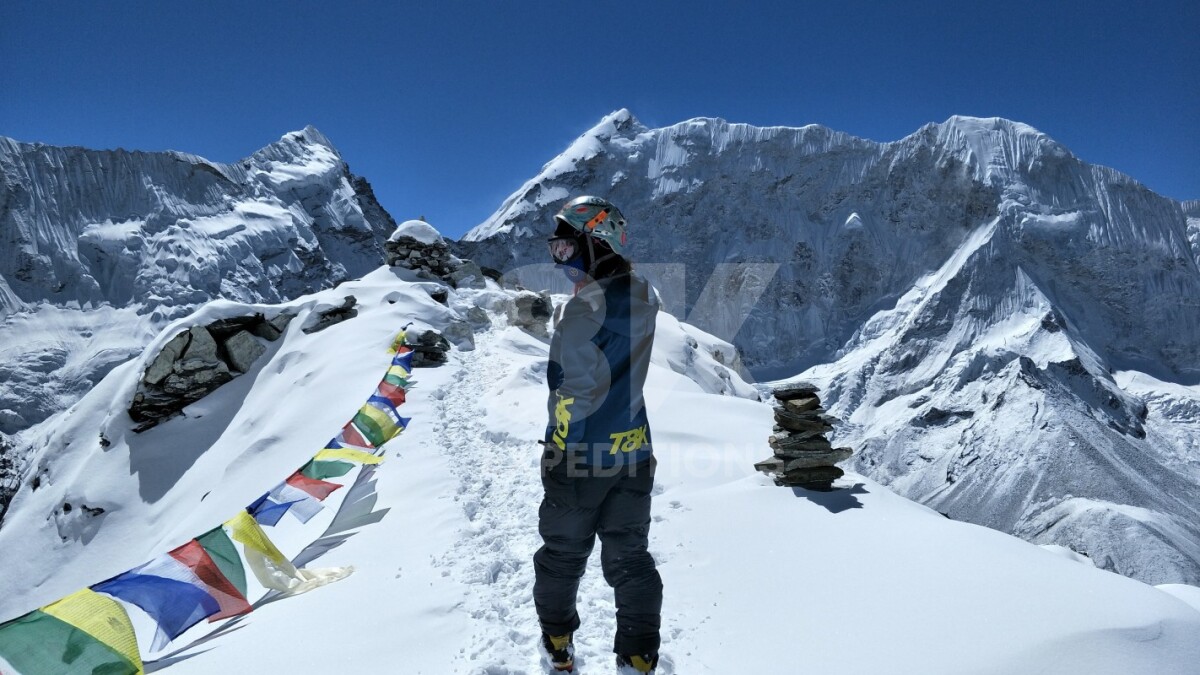
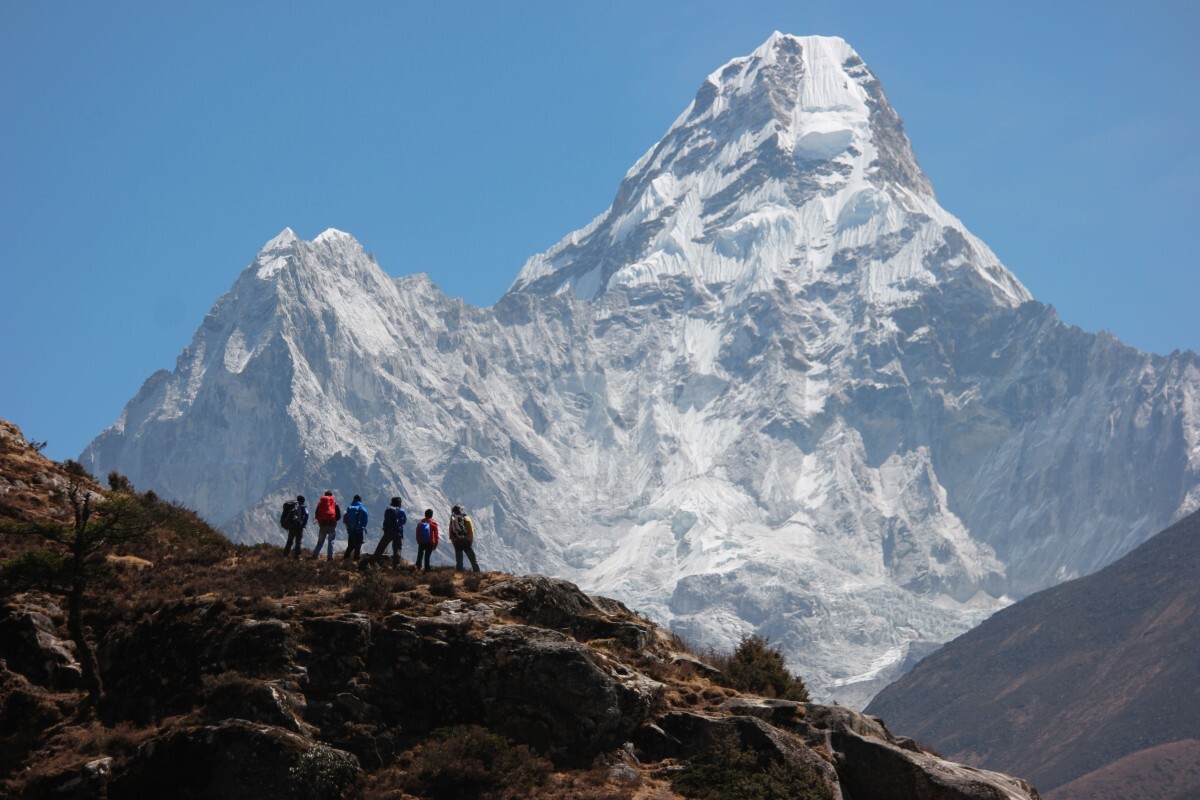
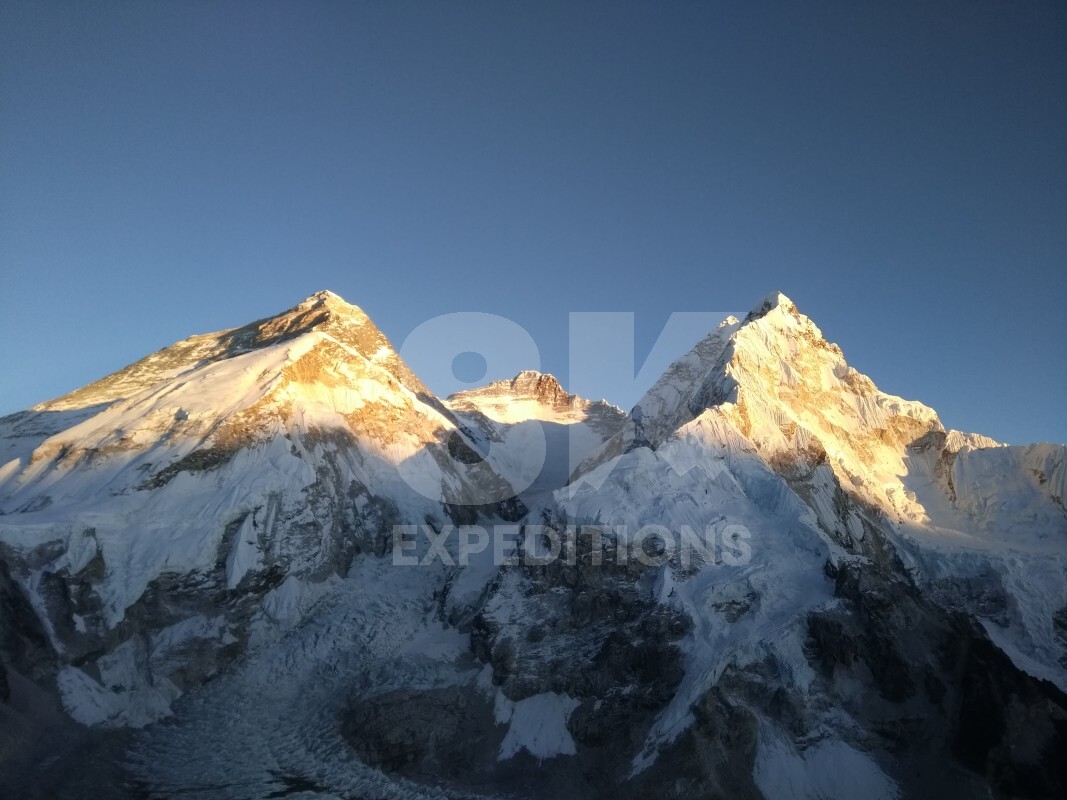
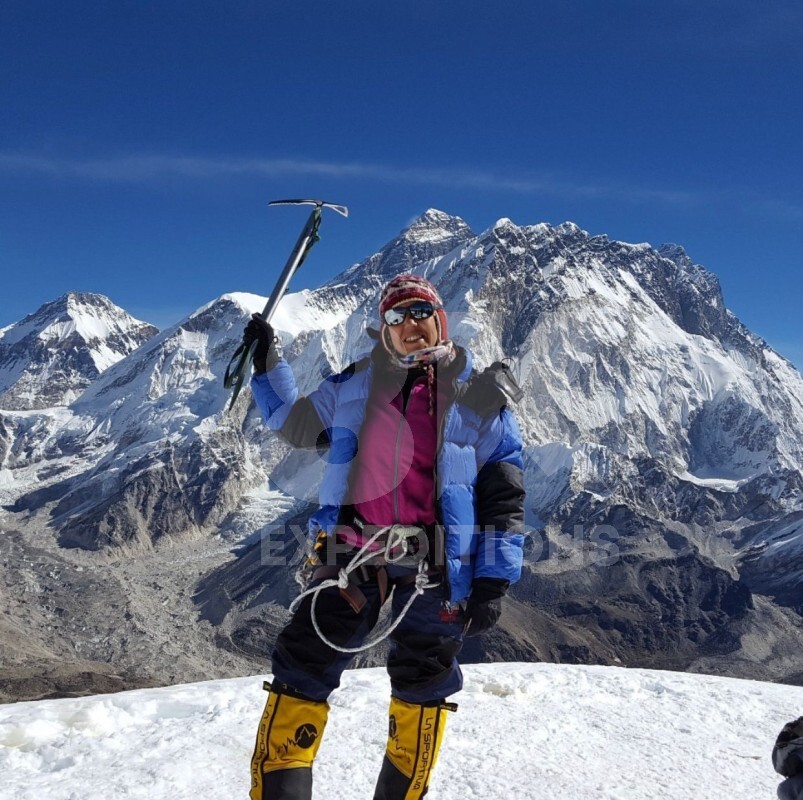
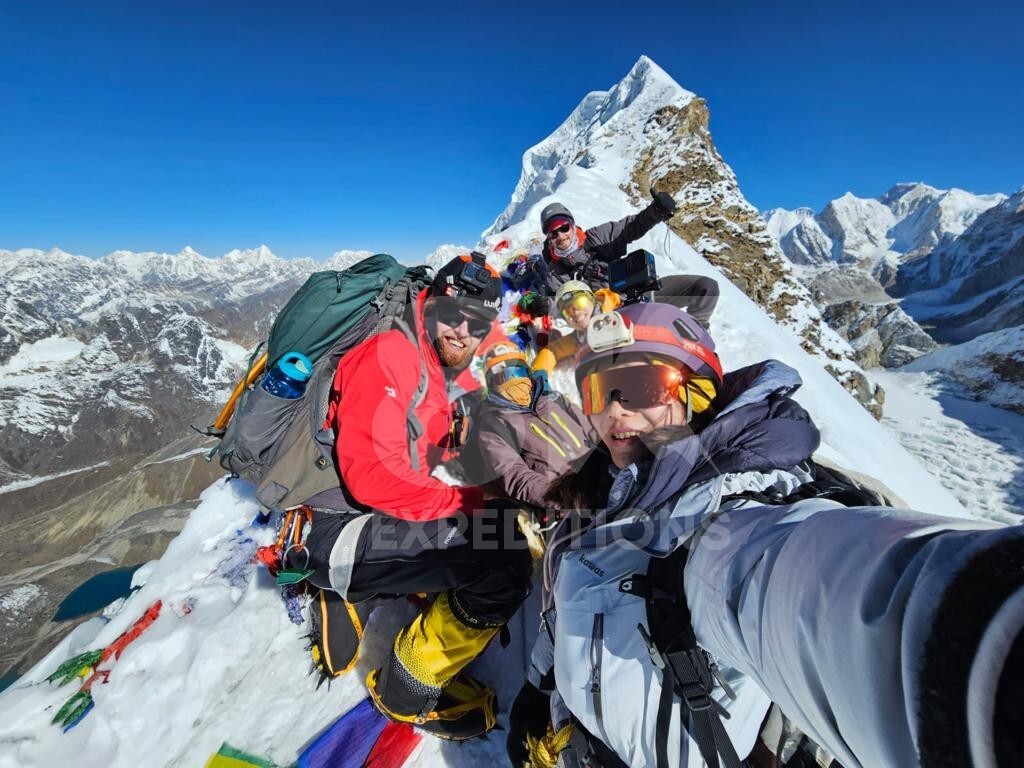
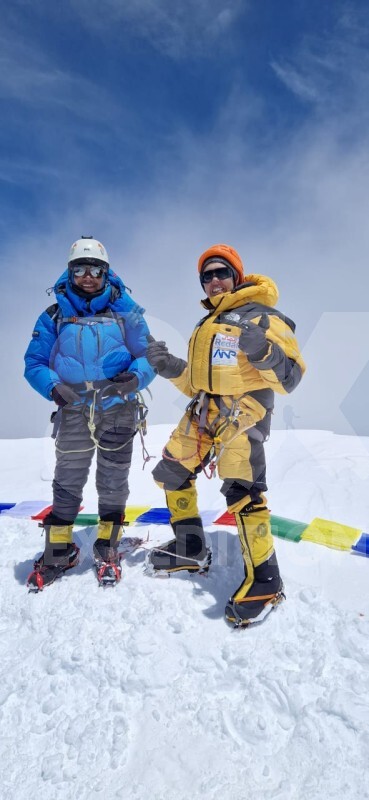
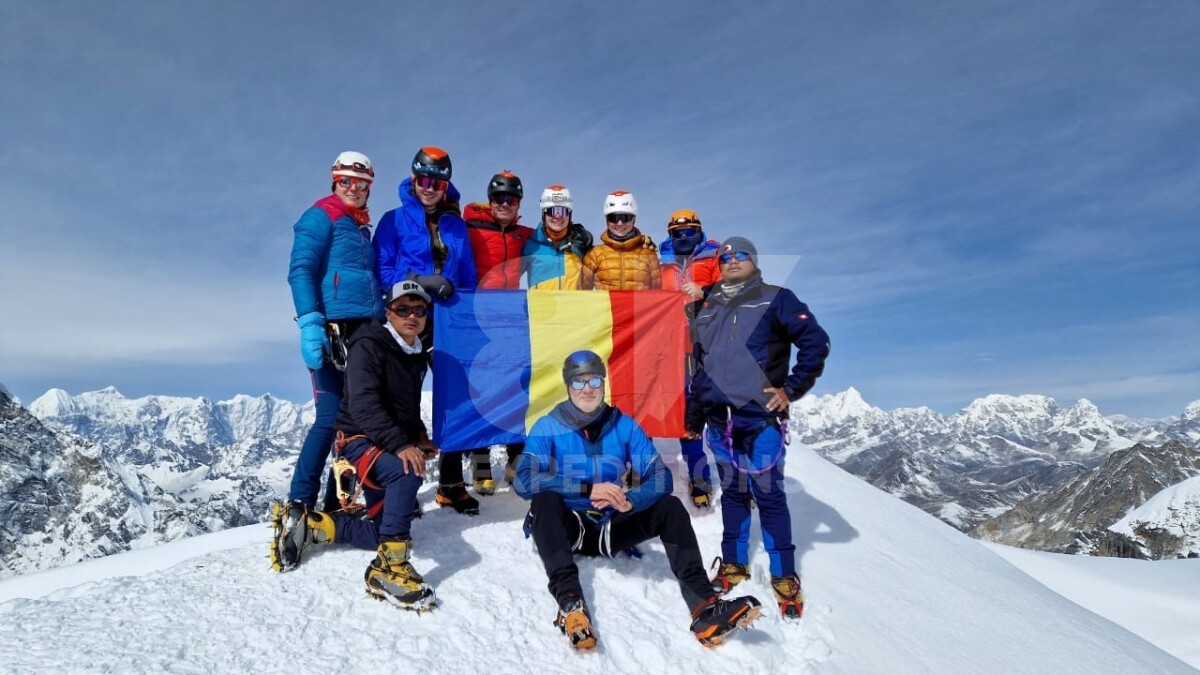
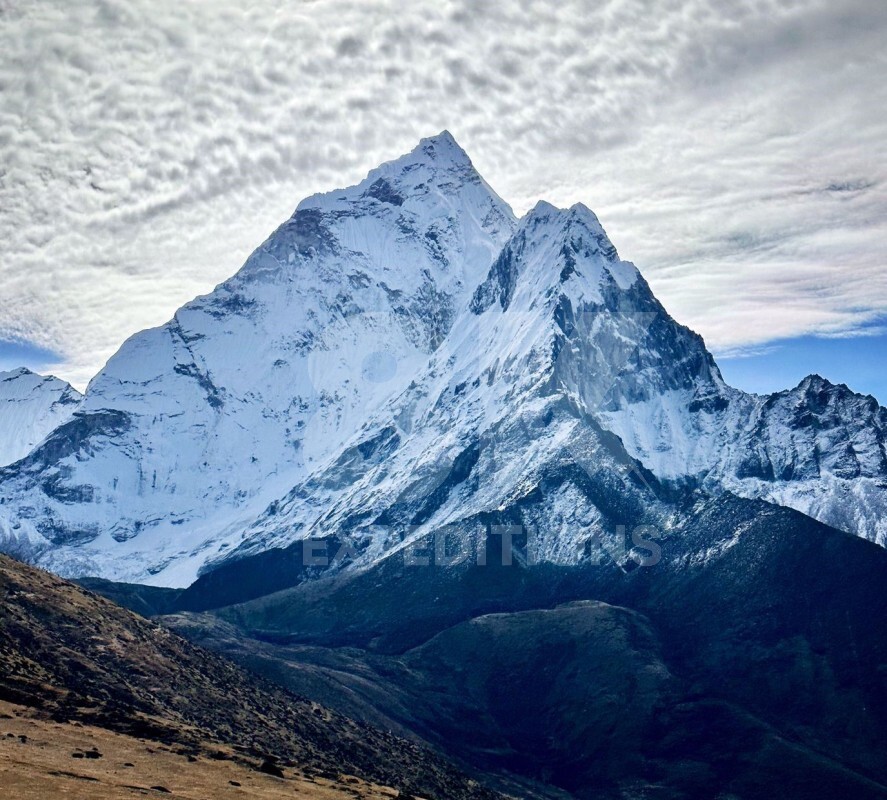
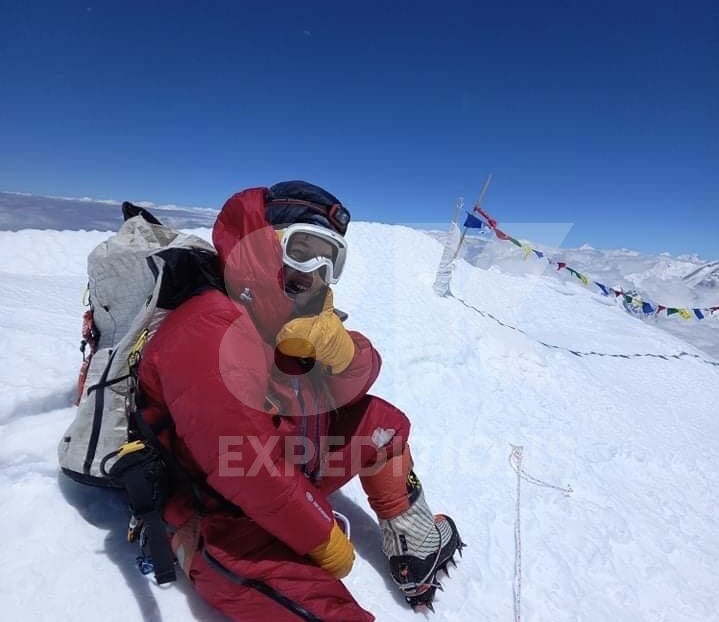
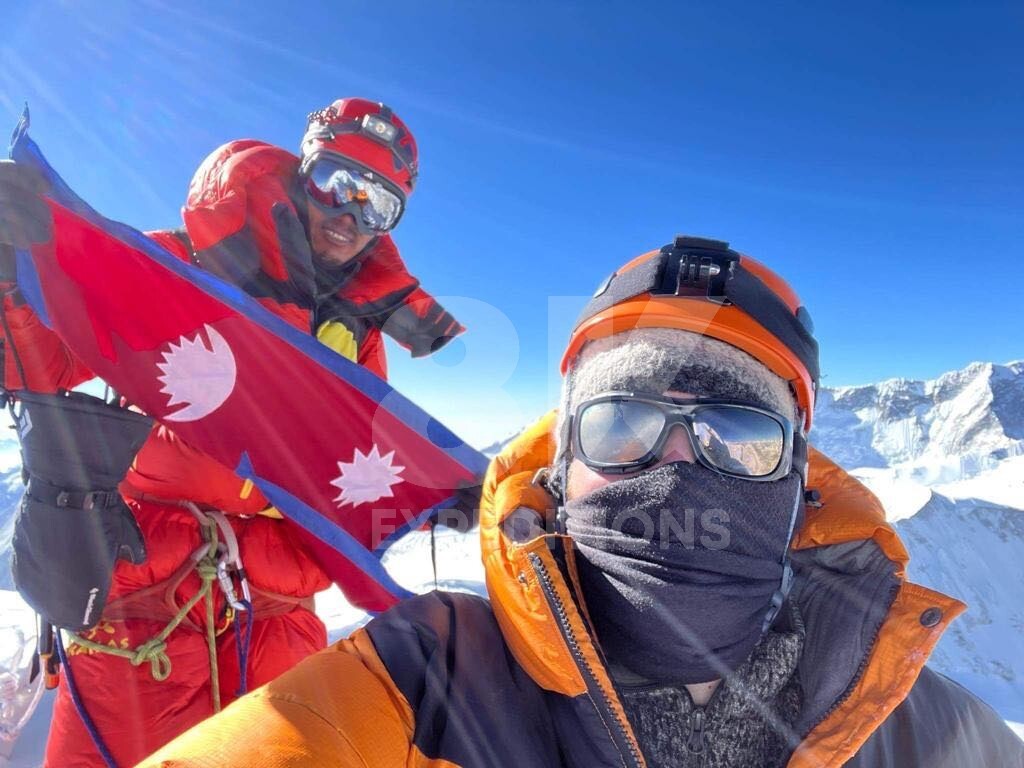
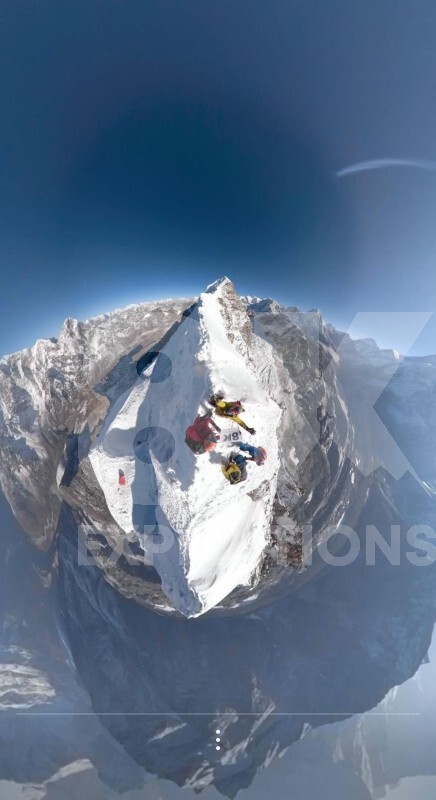
The summit of Mount Pumori offers spectacular panoramic views of some of the world's most famous Himalayan mountains, including Mount Everest, Lhotse, Nuptse, Makalu, Cho Oyu, and Ama Dablam. Its elevated position above the Khumbu region makes it an exceptional viewpoint for experienced Himalayan climbers.
Is Mount Pumori suitable for beginners?
No, Mount Pumori is not recommended for beginner mountaineers. Its steep technical terrain, extreme altitude, exposed ridges, and avalanche hazards require advanced climbing skills and substantial high-altitude experience. Climbers should first develop their technical abilities and experience on suitable lower-altitude and comparable Himalayan peaks.
How much does the Mount Pumori Expedition cost?
The cost of the Mount Pumori Expedition with 8K Expeditions varies according to group size, climbing season, permit and royalty fees, accommodation standards, Sherpa support, equipment requirements, and customized services. Since expedition requirements differ between climbers, 8K Expeditions provides personalized quotations based on the selected itinerary and service arrangements.
What is included in the Mount Pumori Expedition package?
The 8K Expeditions package includes essential expedition logistics and support services, such as:
- Airport transfers and four nights of Kathmandu hotel accommodation with breakfast.
- Kathmandu–Lukla–Kathmandu domestic flights, subject to the published itinerary.
- Required expedition permits and applicable government fees.
- Trekking and base camp accommodation and full-board meals as specified.
- One experienced trekking/climbing guide per member as listed in the package.
- Common climbing equipment, including ropes, ice bars, and ice screws.
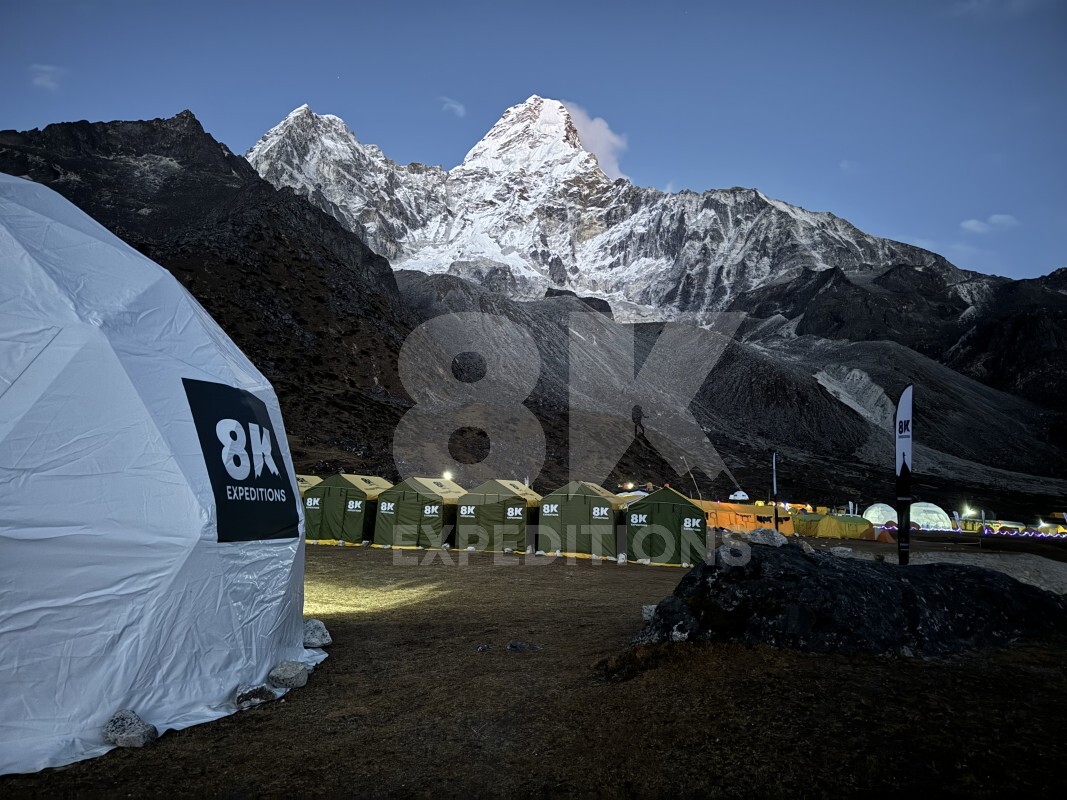
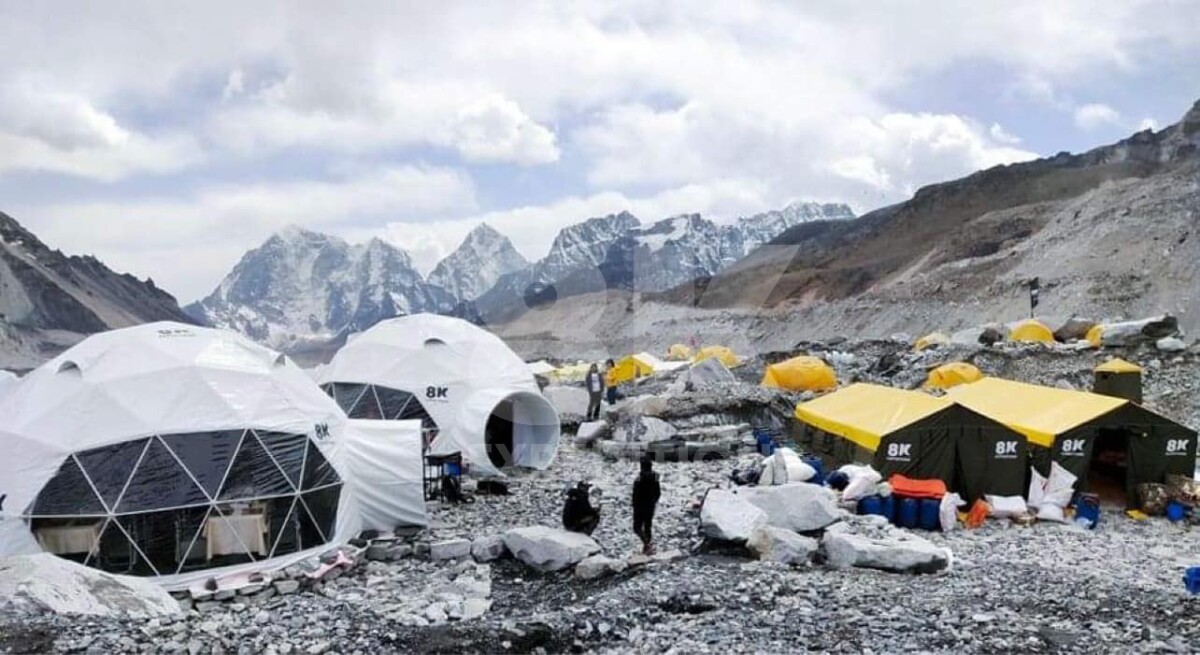
- High-altitude tents and base camp facilities.
- Climbing Sherpa, kitchen, and expedition staff services.
- Route-fixing and higher-camp support charges.
- Emergency oxygen at base camp and higher camps.
- Daily weather reports and expedition logistics.
Are climbing Sherpas and high-altitude guides provided during the Pumori Expedition?
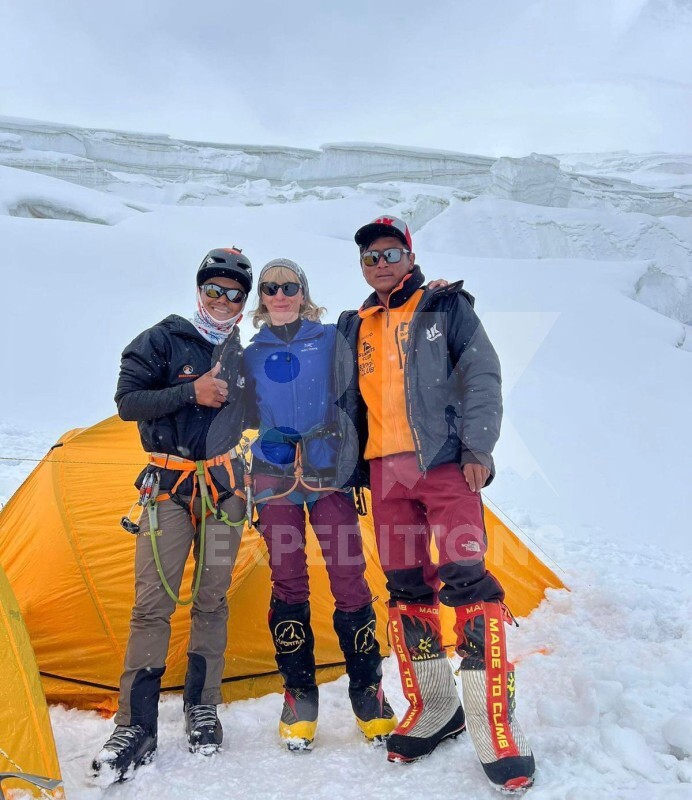
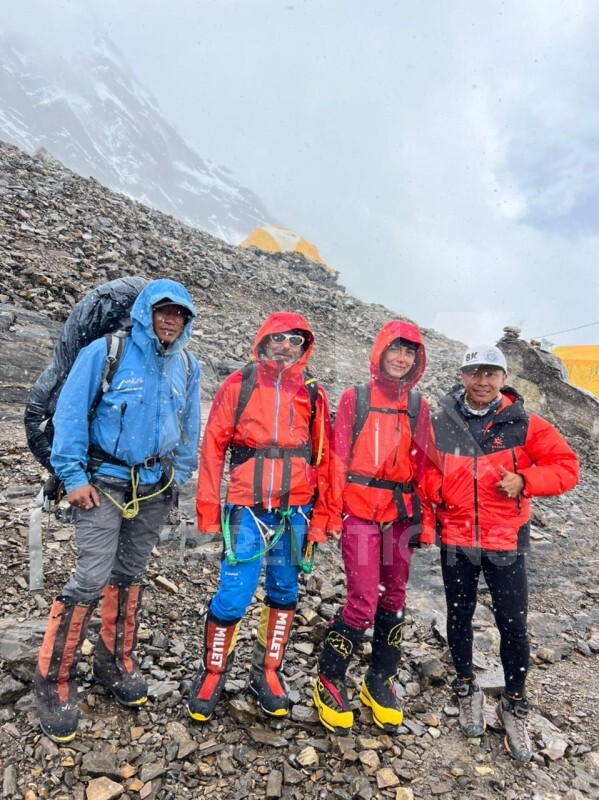
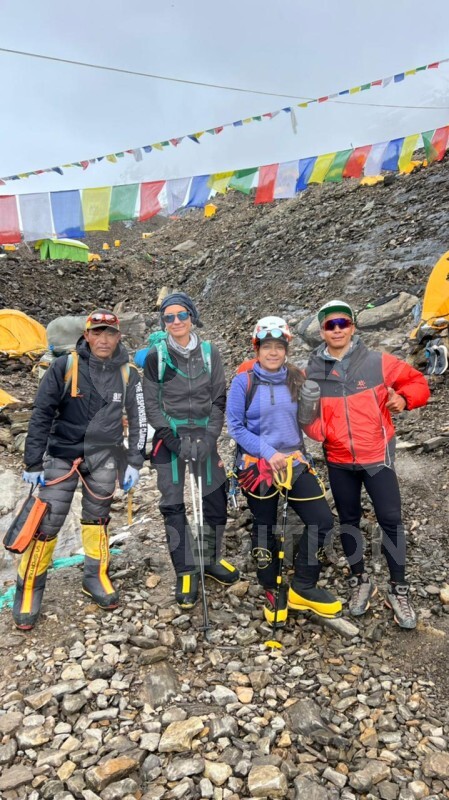
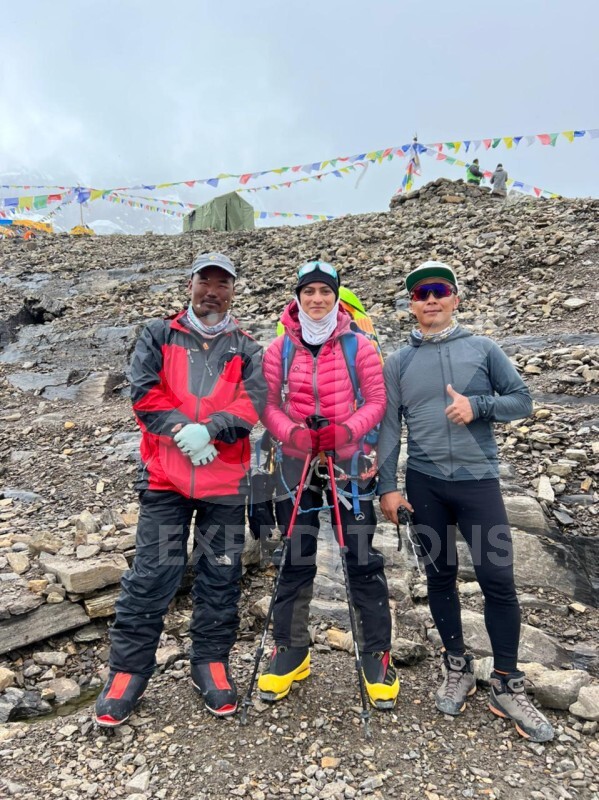
Yes, 8K Expeditions provides experienced trekking and climbing guide support, with the published package specifying one guide per member. Climbing Sherpas assist with route preparation, fixed-rope installation, high-altitude camp establishment, climbing support and summit logistics. The exact allocation of climbing Sherpas should be confirmed before booking.
Is emergency oxygen available during the Mount Pumori Expedition?
Yes, package includes emergency oxygen facilities at Base Camp and higher camps. However, emergency oxygen availability should not be considered a substitute for acclimatization, proper medical preparation and an appropriate emergency evacuation plan.
What permits are required to climb Mount Pumori in Nepal?
Climbers must obtain the applicable Nepal government mountaineering expedition permit and comply with the relevant Sagarmatha National Park, local authority and expedition regulations. Permit requirements and royalty rates may vary according to season and applicable government regulations.
Is travel and helicopter rescue insurance included in the Pumori Expedition package?
No, Personal travel, mountaineering accident, medical, and emergency helicopter evacuation insurance are listed under the exclusions of the published package. Every climber should arrange comprehensive insurance that explicitly covers technical mountaineering above 7,000m and emergency helicopter evacuation in Nepal.
Can I book a private or customized Mount Pumori Expedition with 8K Expeditions?
Yes, you can discuss customized Mount Pumori Expedition arrangements based on your preferred climbing season, group size, accommodation category, Sherpa support requirements and expedition logistics. Climbers can request a personalized quotation and itinerary through the company's official website.
How can I book the Mount Pumori Expedition with 8K Expeditions?
You can book the Mount Pumori Expedition directly through 8K Expeditions by visiting the official Pumori Expedition package page and submitting a booking or quotation request. The expedition team will assist with itinerary details, pricing, permits, climbing logistics, equipment requirements, and preparation for your Himalayan expedition.
Is Mount Pumori a good preparation climbs for an 8,000m expedition?
Mount Pumori can provide valuable preparation for experienced mountaineers planning future 8,000m expeditions. Its technical climbing sections, high-altitude exposure, glacier travel, and challenging summit approach help climbers develop important Himalayan mountaineering skills. However, successful completion does not automatically qualify someone for every 8,000m mountain; each expedition has its own technical and experience requirements.
What climbing equipment is needed for the Mount Pumori Expedition?
Essential equipment includes double mountaineering boots, crampons, ice axes, climbing harnesses, helmets, ascenders, descenders, carabiners, technical clothing, expedition sleeping bags, insulated gloves, goggles and high-altitude protective equipment. Additional equipment requirements depend on the climbing season and route conditions.
How long is the summit rotation on Mount Pumori?
The summit rotation depends on weather conditions, acclimatization, snow stability, and the expedition team's climbing strategy. Climbers generally move between Base Camp and higher camps to acclimatize, establish camps, and prepare for the summit attempt. The Expedition itinerary allocates Days 13–30 for the climbing period.
What is the first successful ascent and winter ascent of Mount Pumori?
Mount Pumori was first successfully climbed in 1962 by a German-Swiss expedition led by Gerhard Lenser. The first winter ascent was achieved in 2017 by Pakistani mountaineer Ali Sadpara, according to the historical information presented on the 8K Expeditions page.
Why choose 8K Expeditions for the Mount Pumori Expedition in Nepal?
8K Expeditions offers organized Himalayan expedition services, including climbing guides, Sherpa support, expedition logistics, fixed-rope coordination, high-altitude camp facilities, permits and weather monitoring. Its expedition arrangements are designed to support climbers throughout the approach, acclimatization, climbing period and summit attempt, with an emphasis on safety, professional coordination and personalized service.
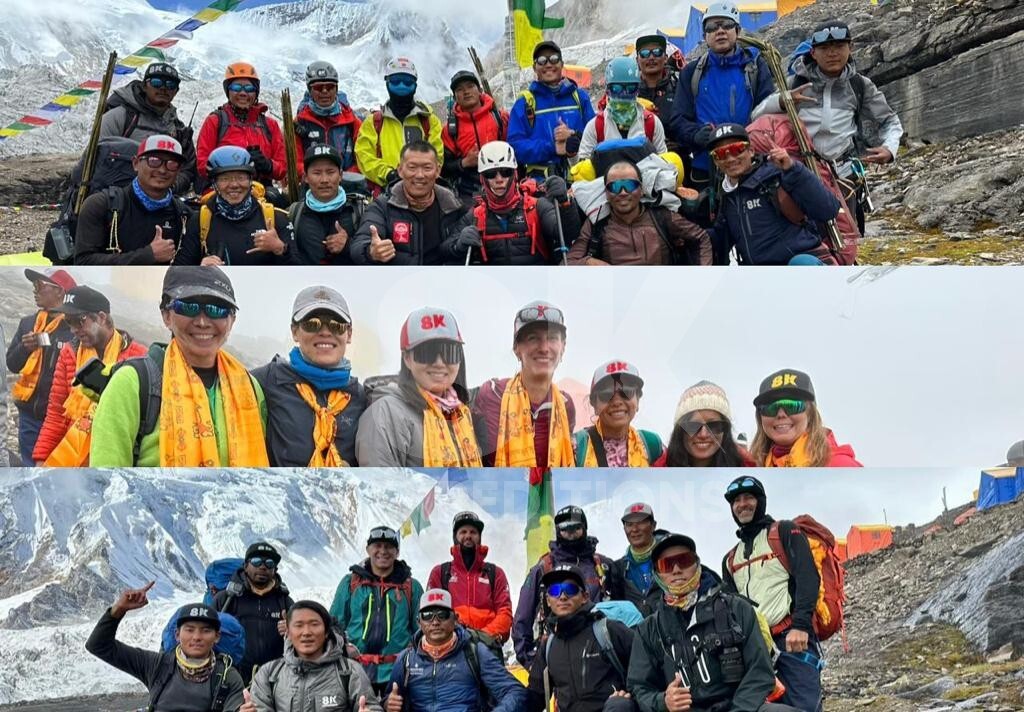
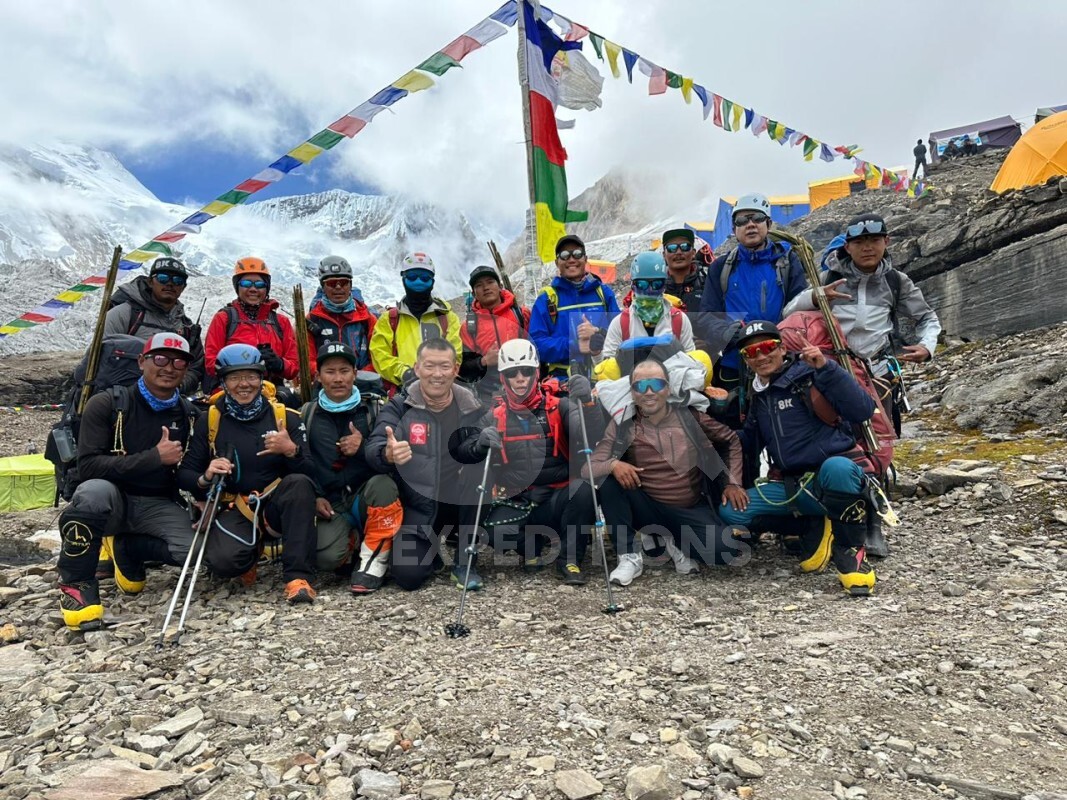
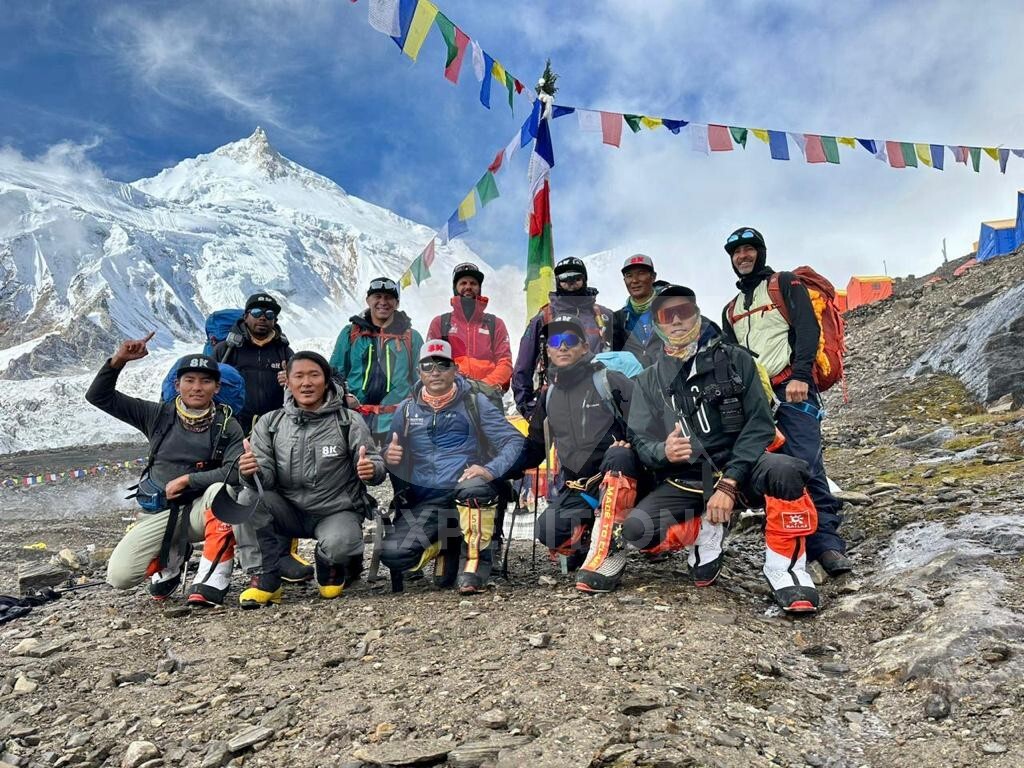
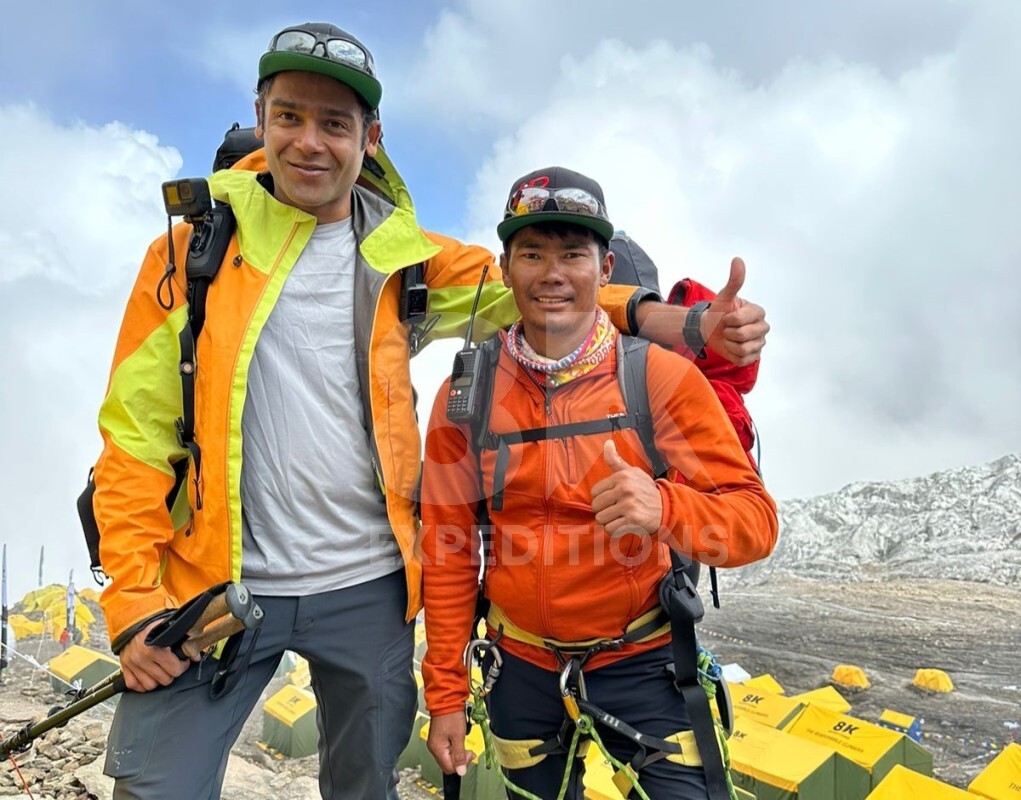
Thank you for joining us on our Mt. Pumori Expedition (7,161 m)!!