Please do
remember
these things.
We schedule our trips in the most favorable seasons. However, the above-mentioned itinerary may change as per the expedition’s obstructions, but the quality of our service is guaranteed. In case of delayed transportation, we are obliged to inform you that besides the total number of days included in the itinerary, clients are compelled to bear the expenses of the extra days themselves. Apparently, 8k Expeditions will assist necessary arrangements for your comfort.
Trekkers are advised to schedule their flights at convenient time frames, as we shall not be responsible for missed international flights or luggage before our reception. You are also suggested not to carry insignificant materials for your own ease.
PISANG PEAK CLIMBING - FAQs
What is Pisang Peak and how high is it?
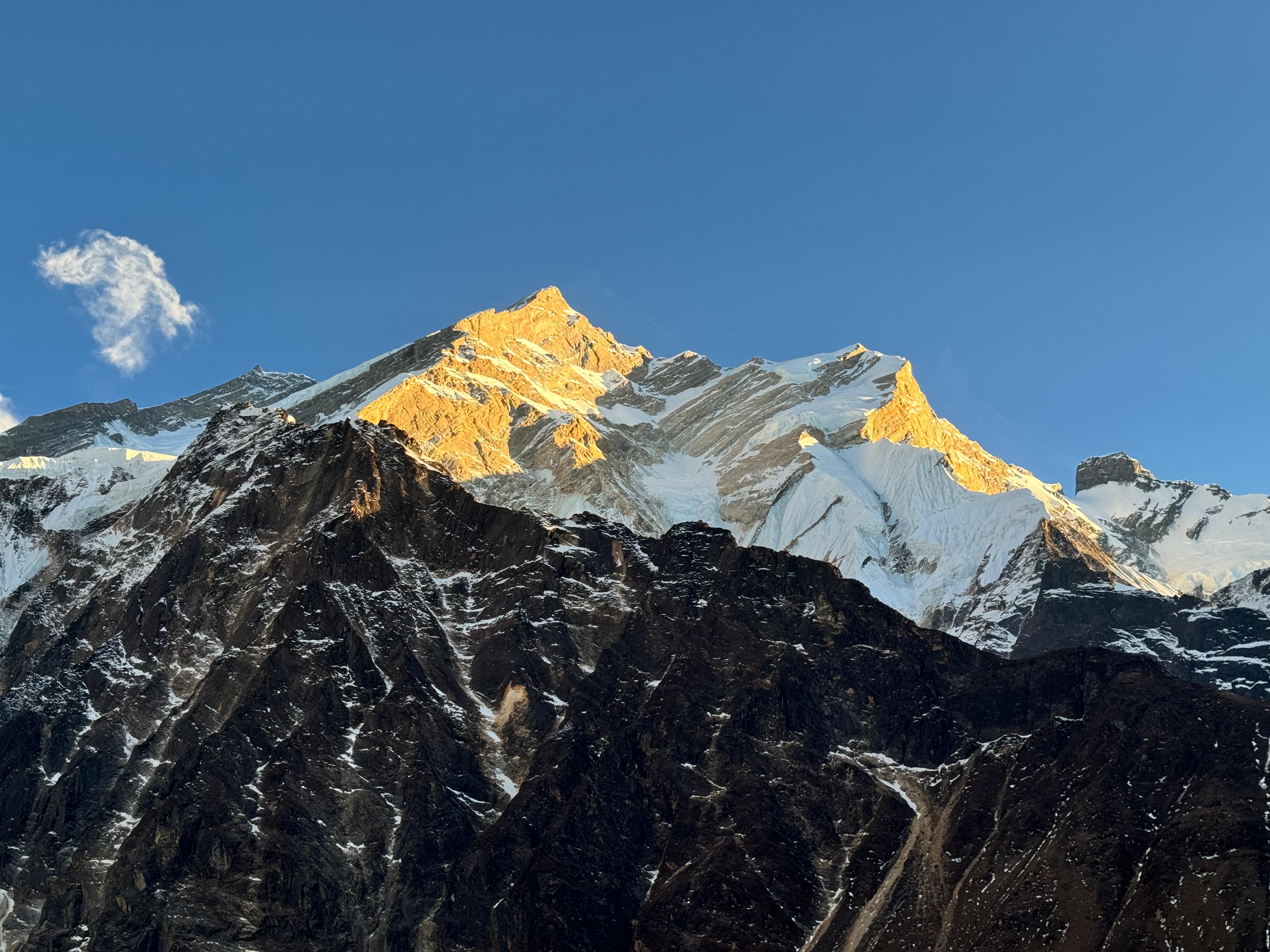
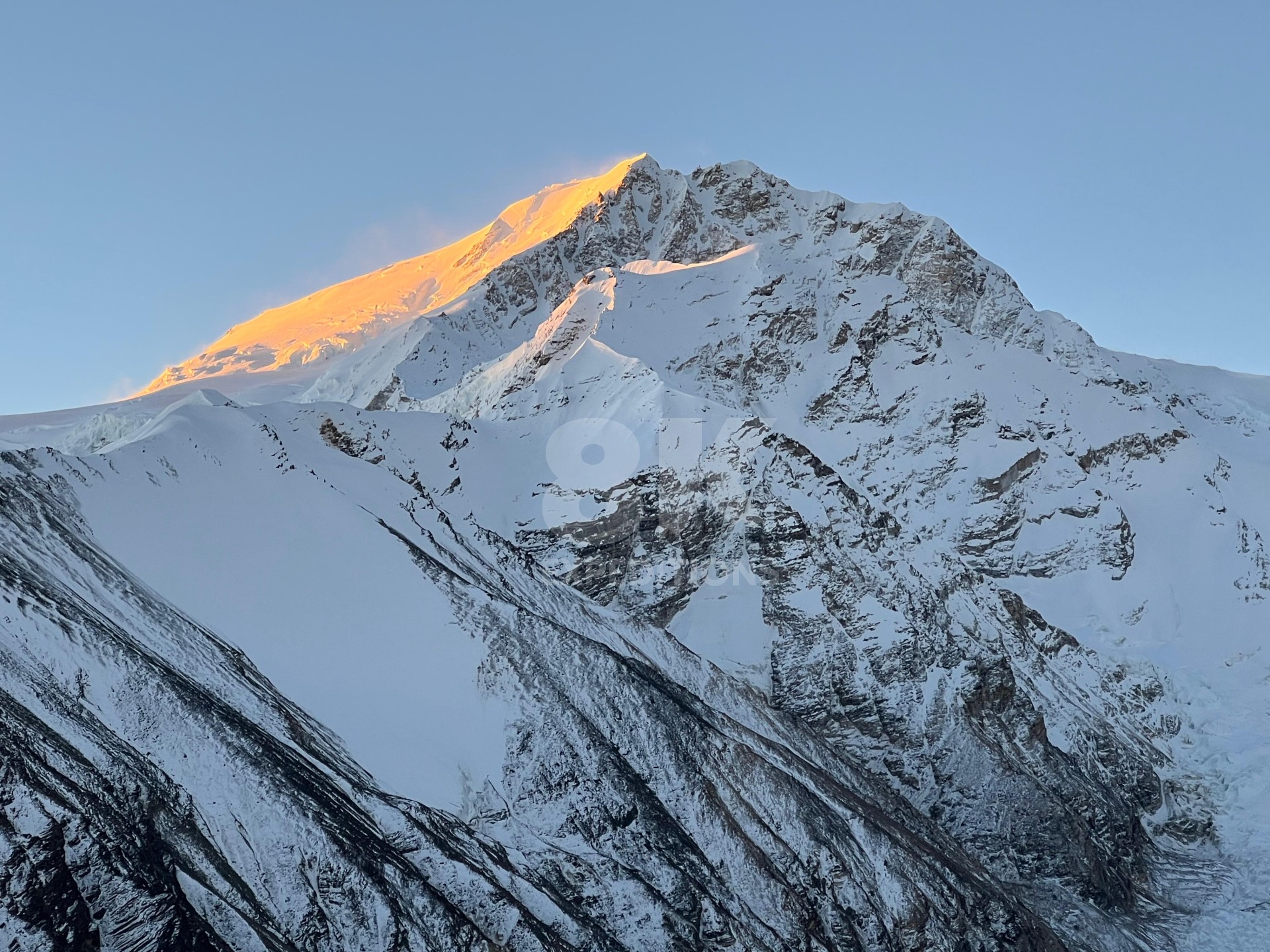
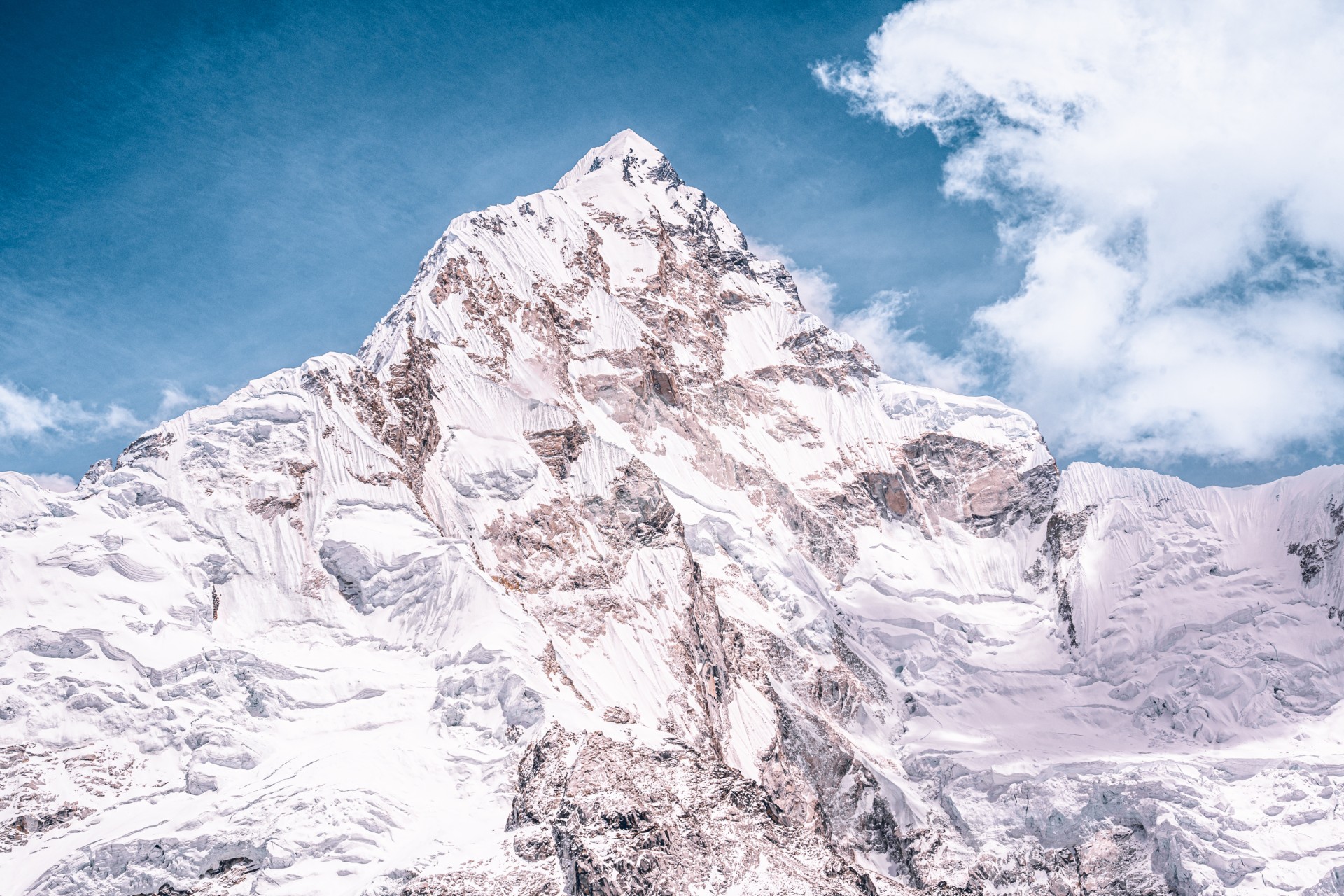
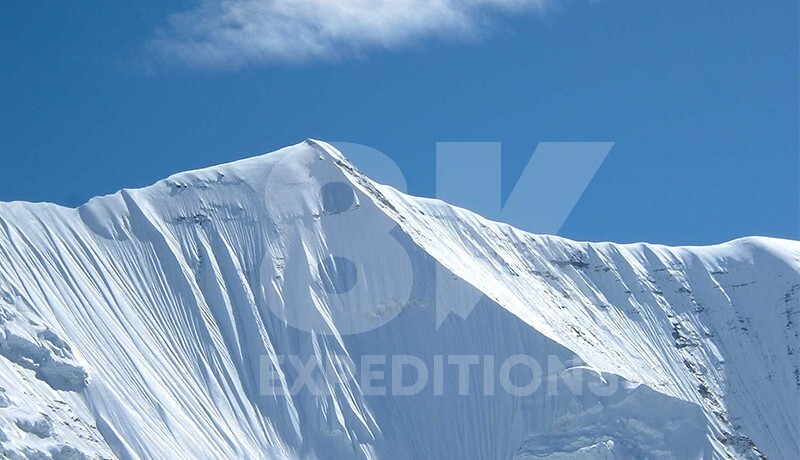
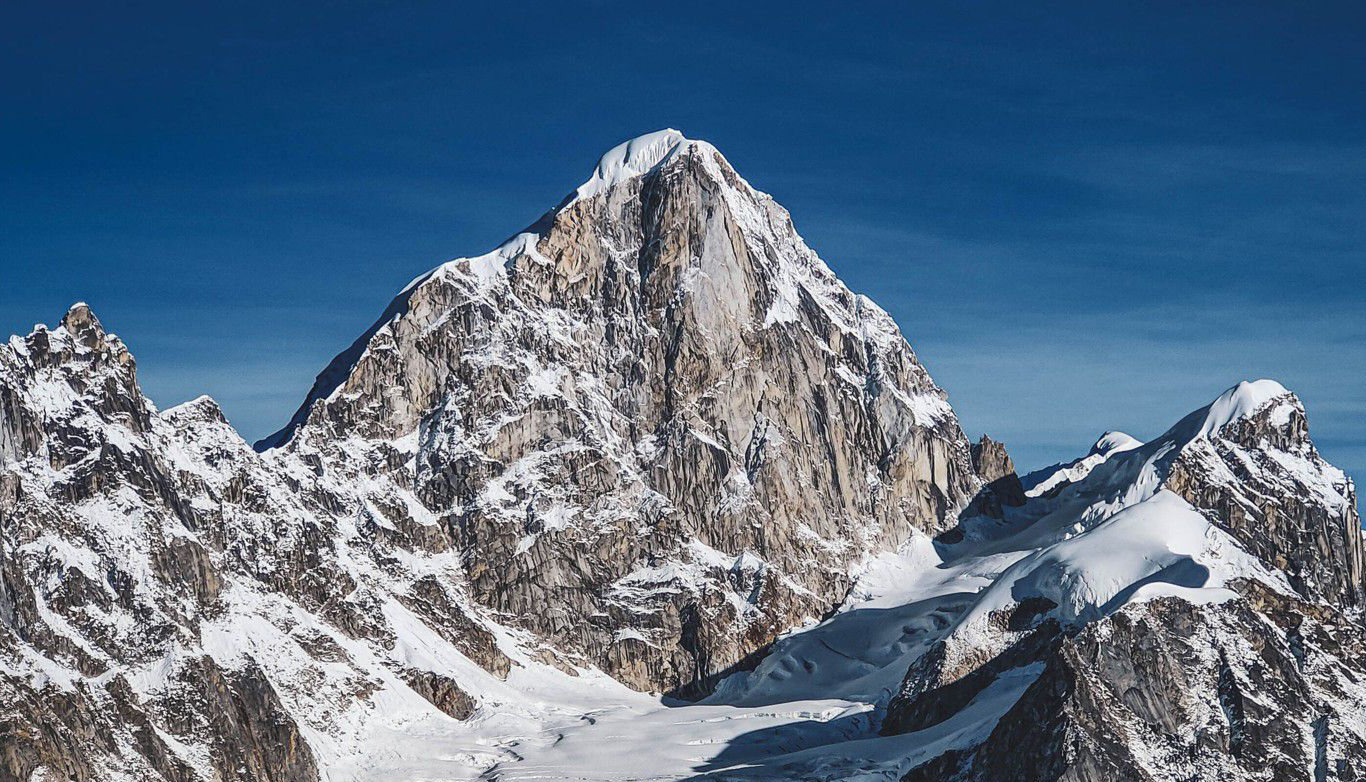
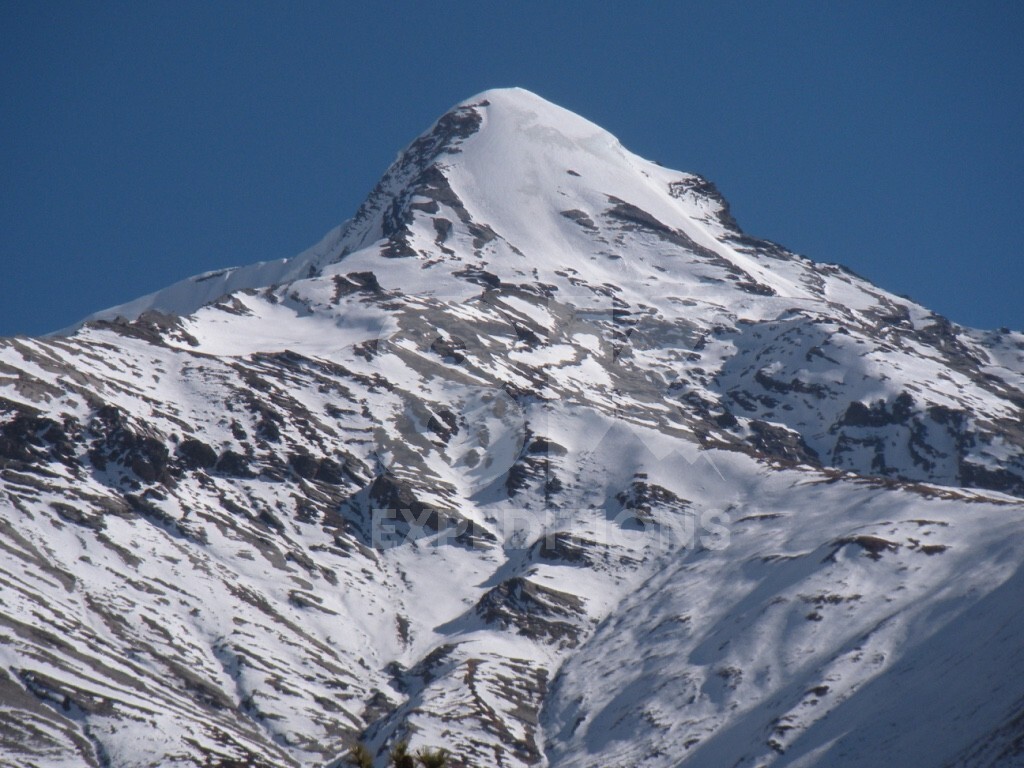
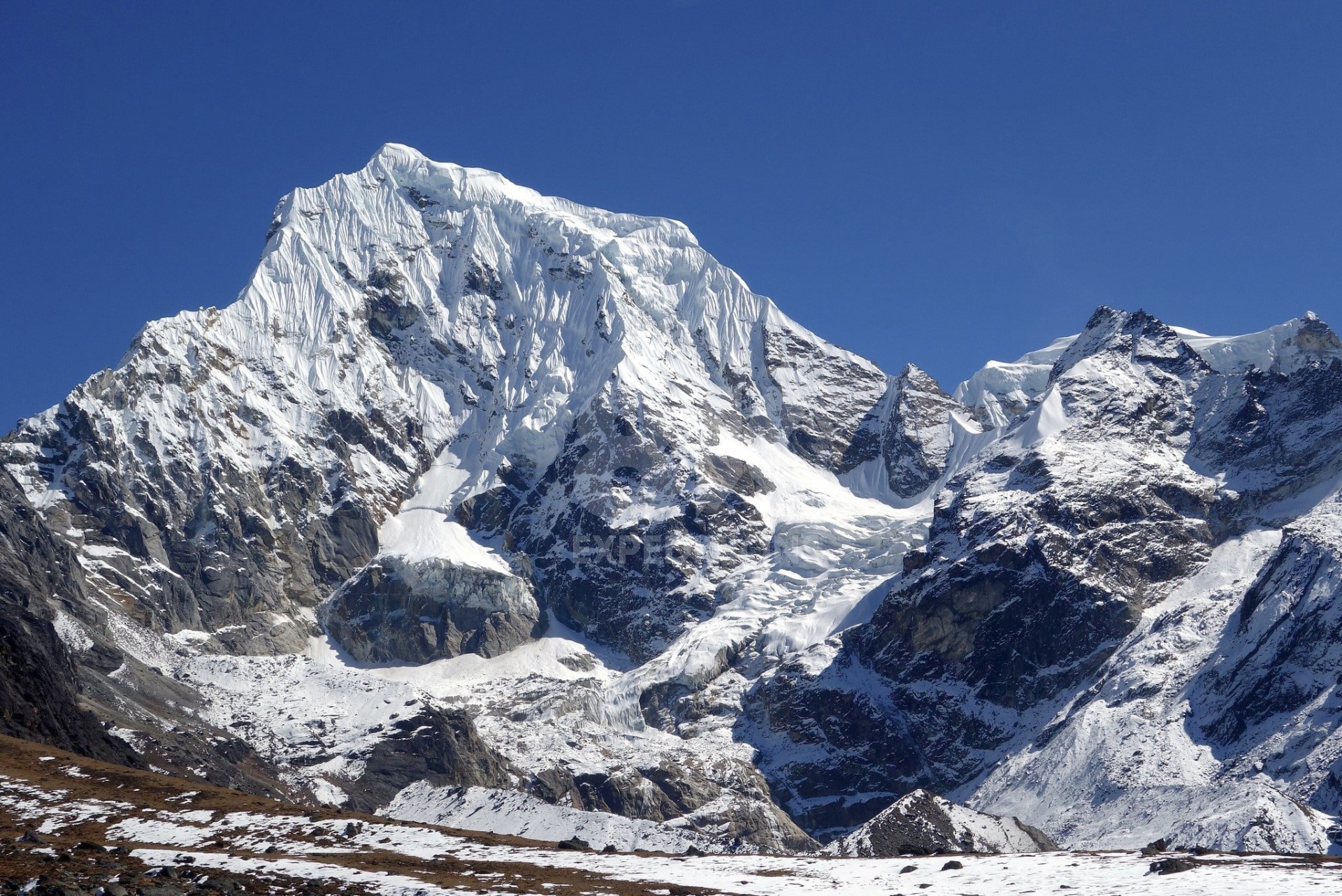
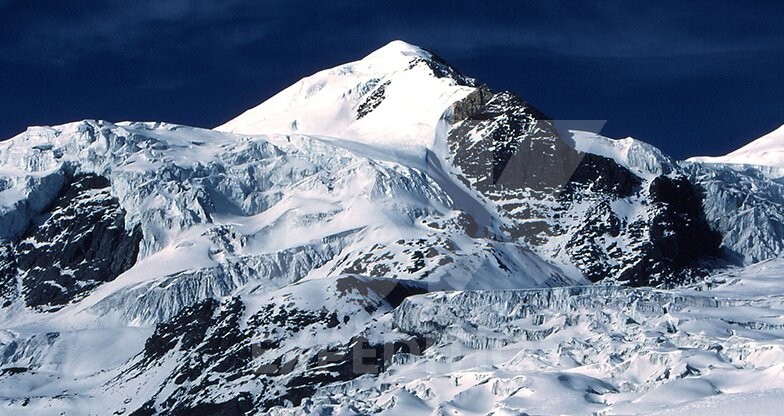
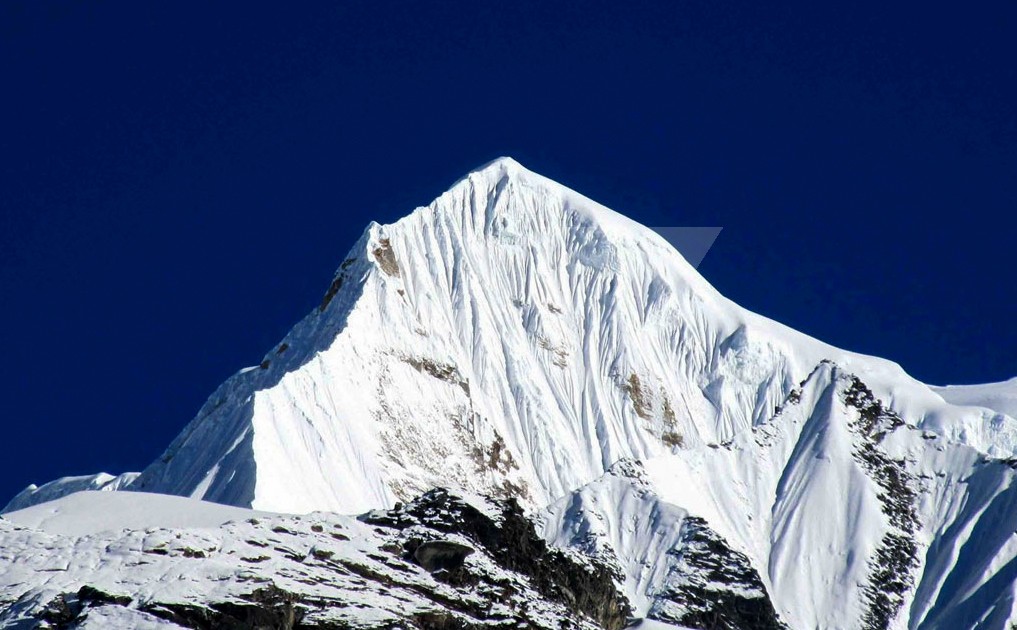
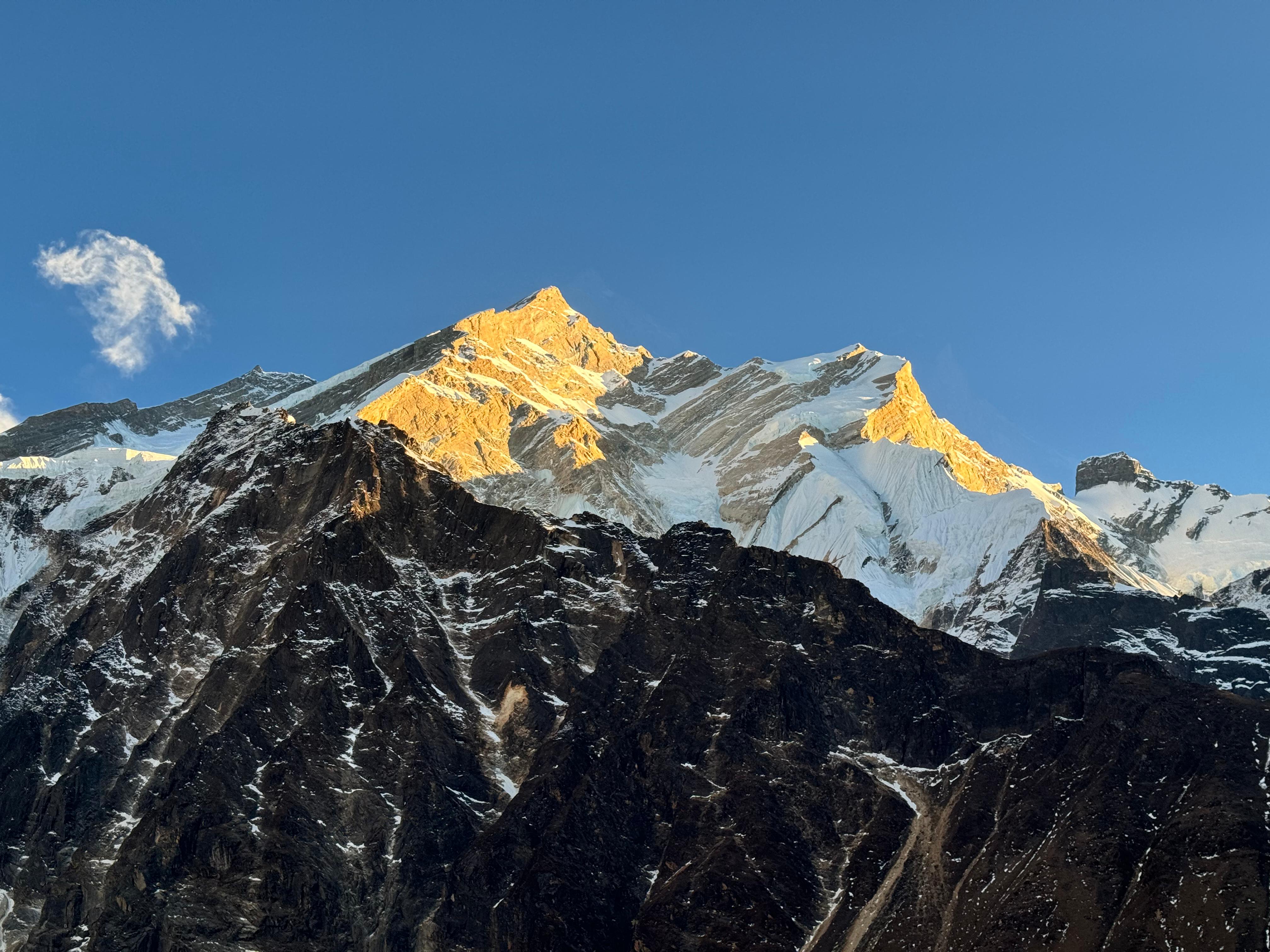
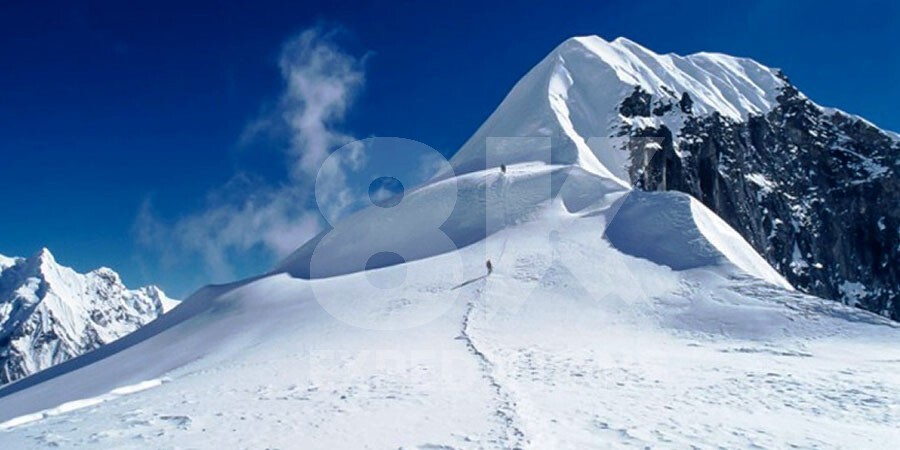
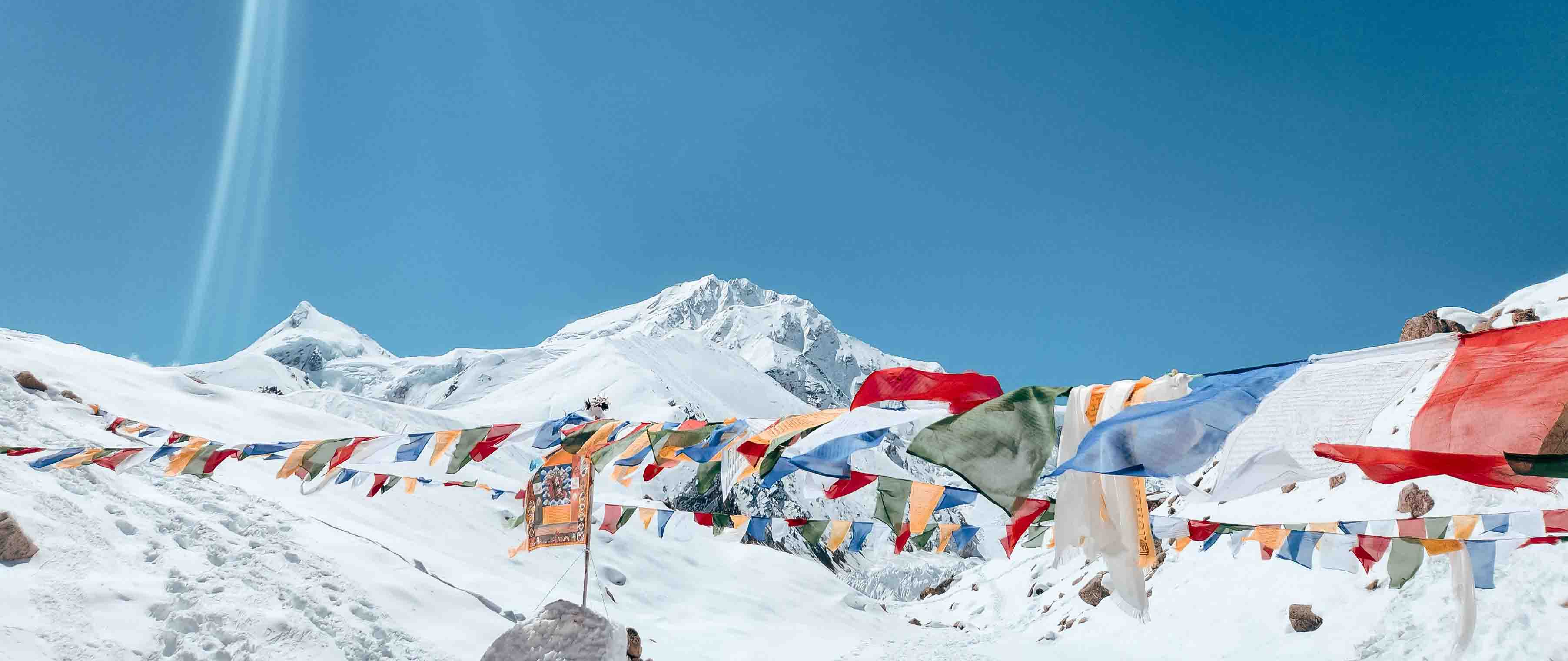
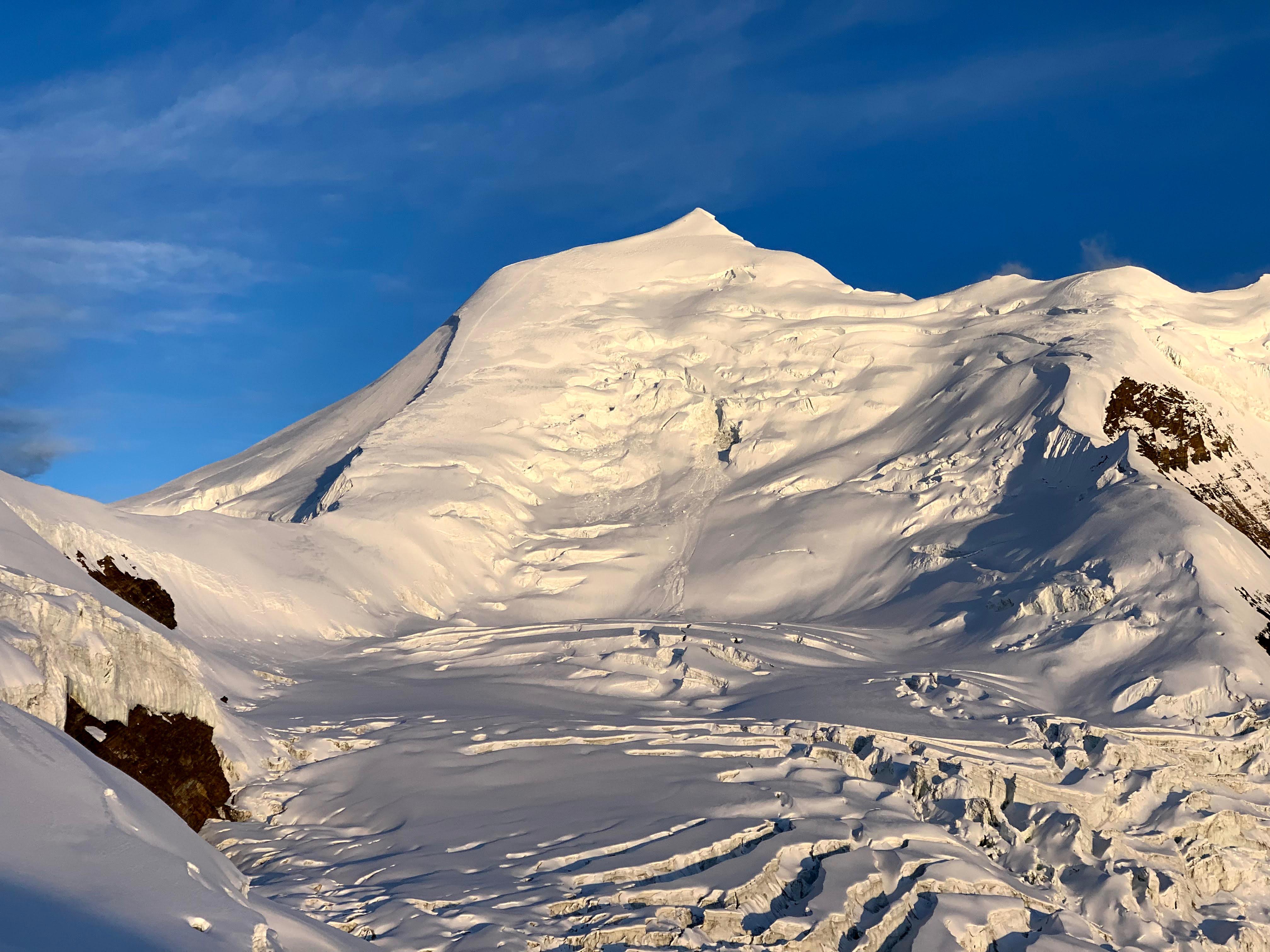
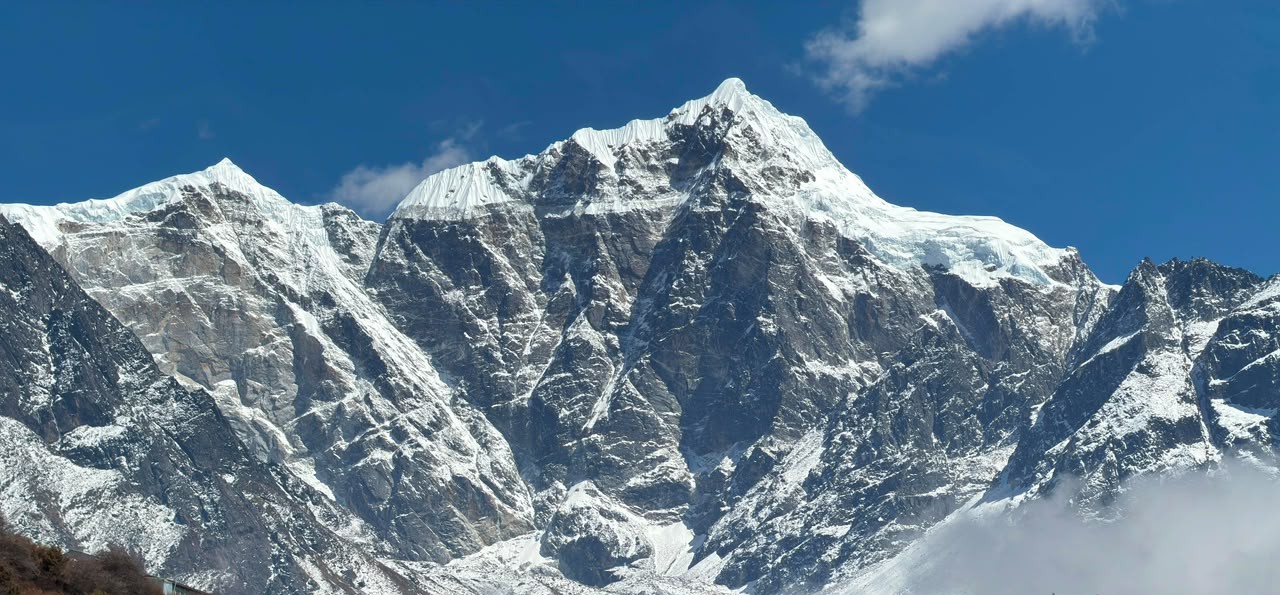
Pisang Peak is a popular trekking peak in the Annapurna region of Nepal, standing at an elevation of 6,091 meters (19,980 feet) above sea level. Also known locally as Jong Ri, this pyramidal-shaped Himalayan Mountain is located in the Manang district and offers spectacular views of the Annapurna and surrounding Himalayan ranges.
Where is Pisang Peak located in Nepal?
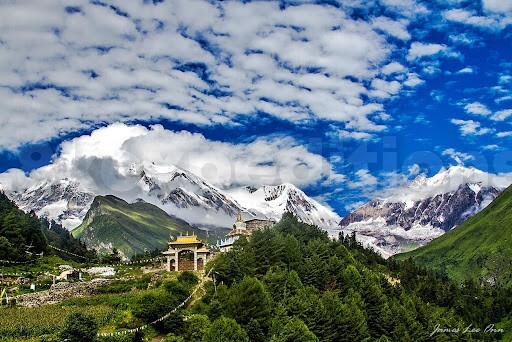
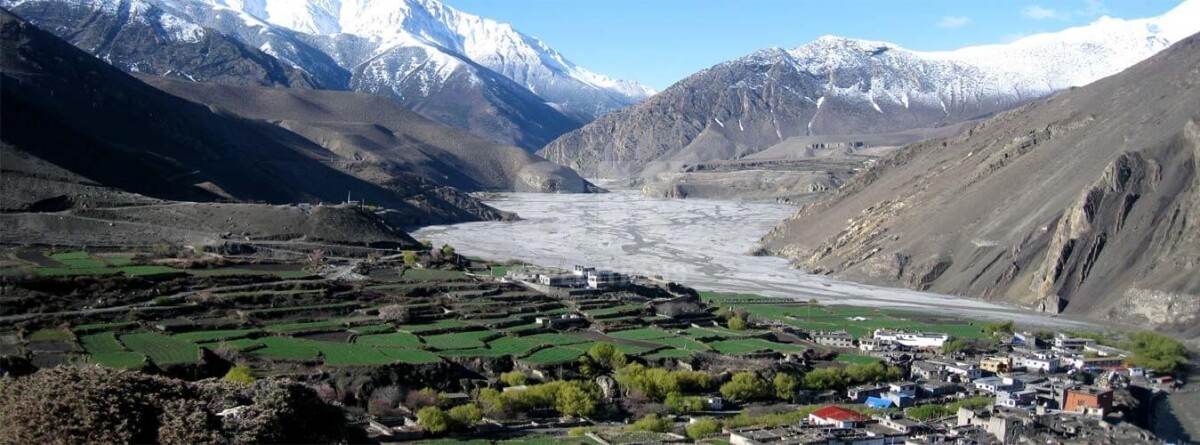
Pisang Peak is located in the Manang district of Gandaki Province, within Nepal's Annapurna region. The mountain lies above the traditional villages of Lower and Upper Pisang along the Annapurna Circuit trekking route. Its location provides climbers with access to the beautiful landscapes of the Marsyangdi Valley and the surrounding Himalayan mountains.
Why is Pisang Peak famous among climbers?
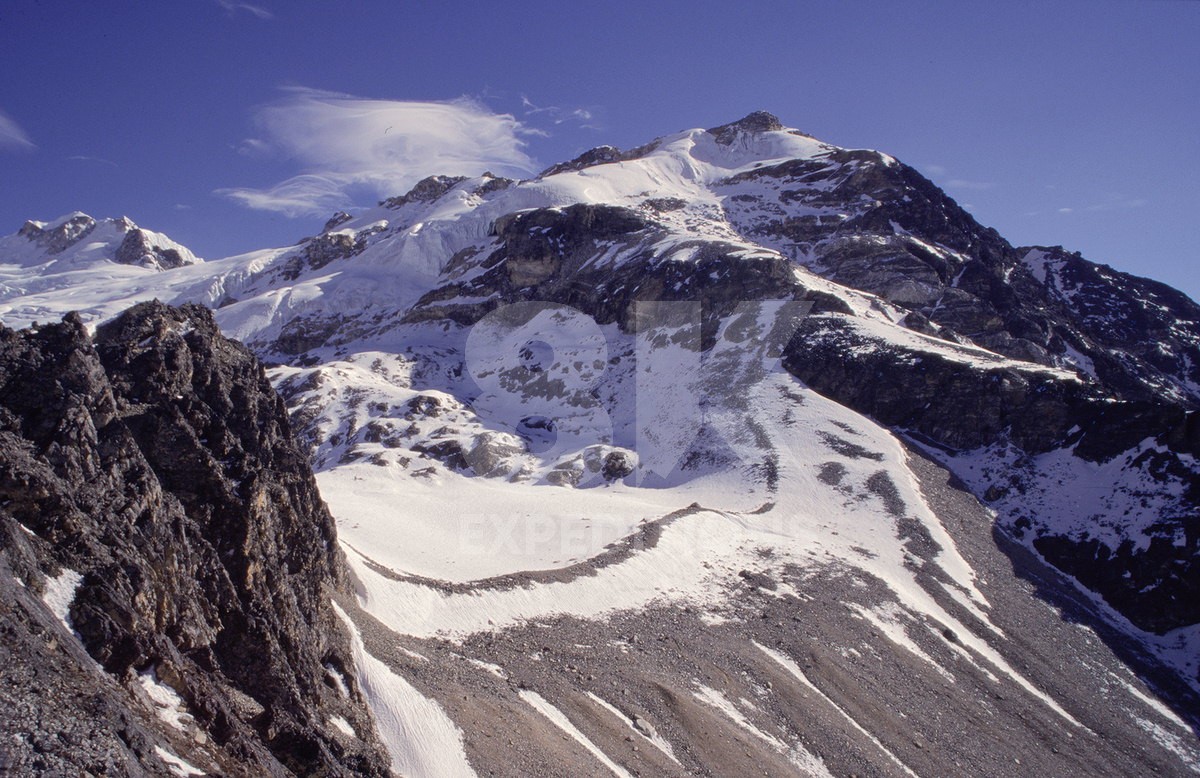
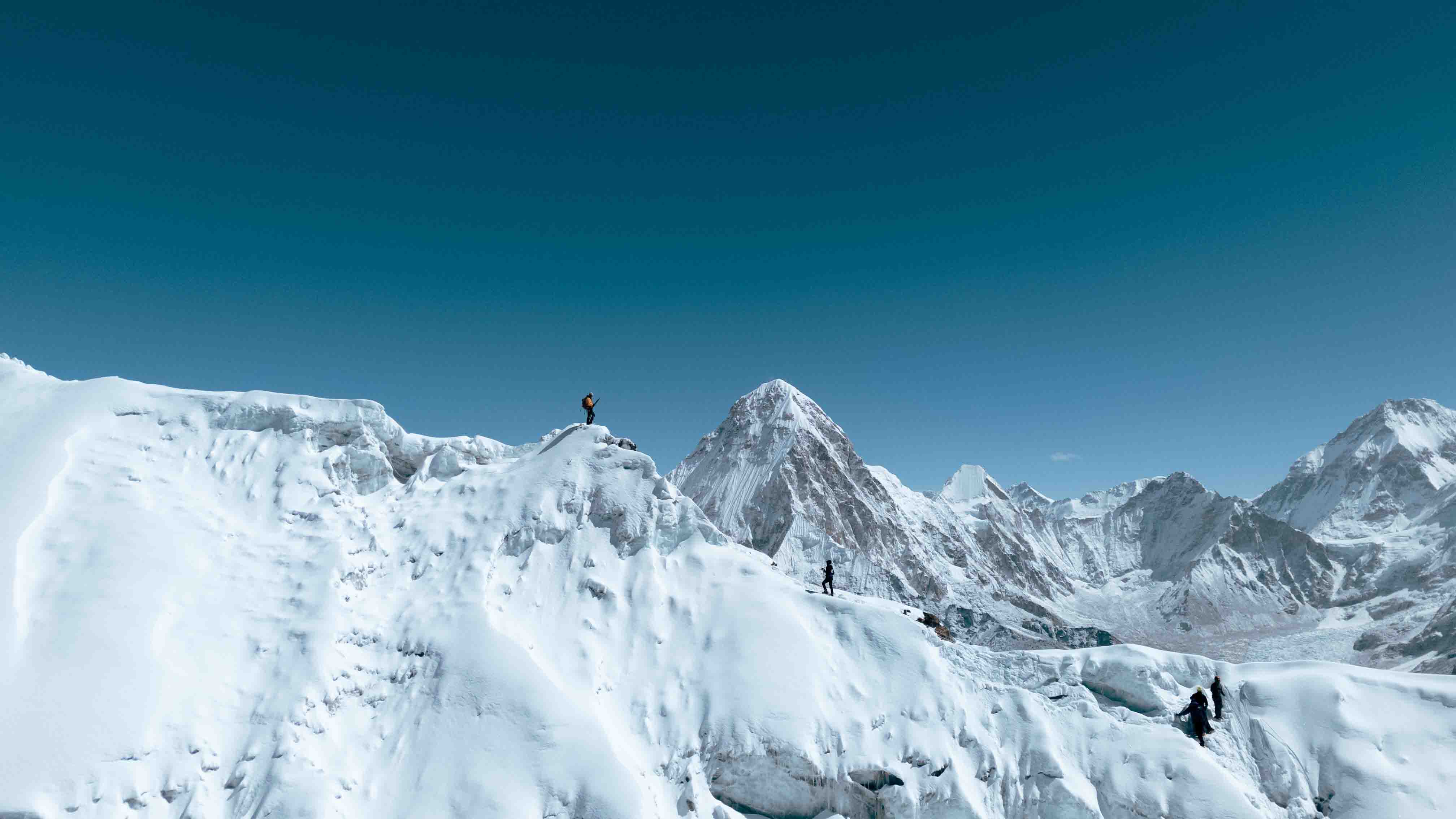
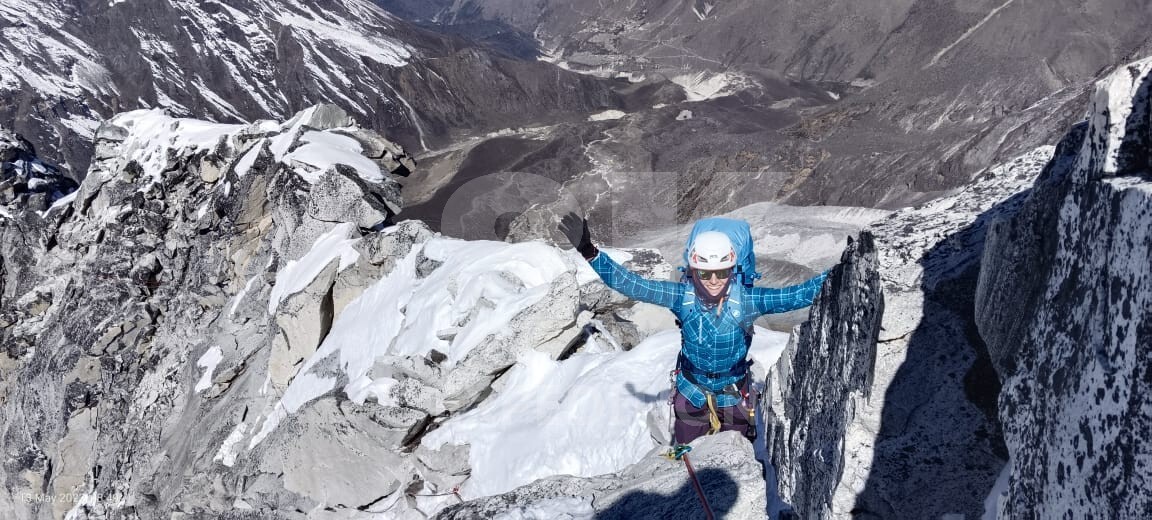
Pisang Peak is famous for its distinctive pyramidal summit, beautiful Annapurna region scenery and rewarding combination of high-altitude trekking and alpine climbing. Its climbing route offers a combination of rocky terrain, snow slopes and glacier sections, making it an attractive objective for mountaineers seeking a 6,000-meter Himalayan climbing experience.
Is Pisang Peak suitable for beginner climbers?
Pisang Peak can be suitable for physically fit beginners who have proper preparation, adequate acclimatization and professional climbing support. However, it is not simply a trekking destination. Climbers should be prepared for snow and ice conditions, crampon use, fixed ropes and high-altitude challenges. Previous mountaineering experience is beneficial.
What mountains can you see from the summit of Pisang Peak?
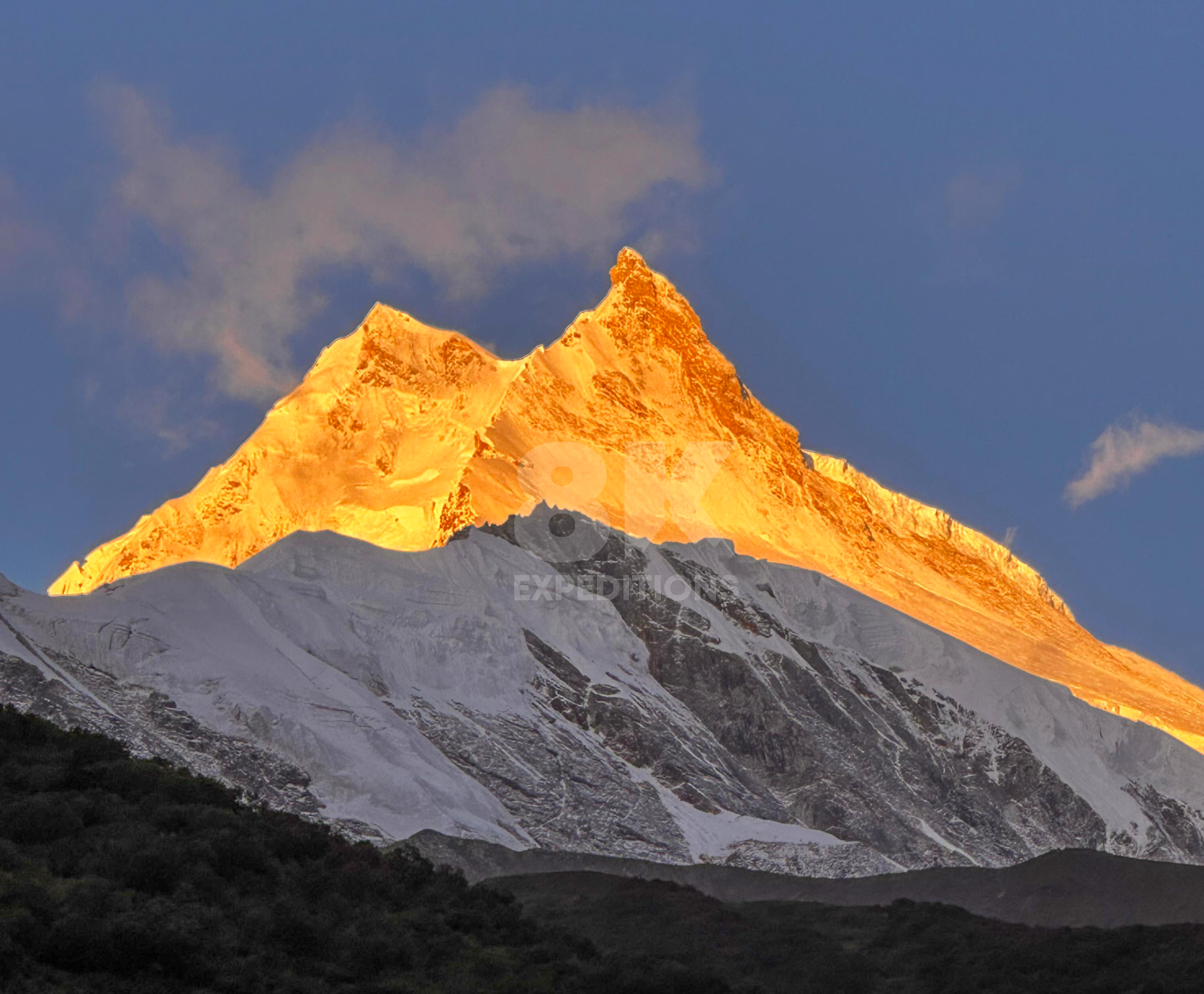
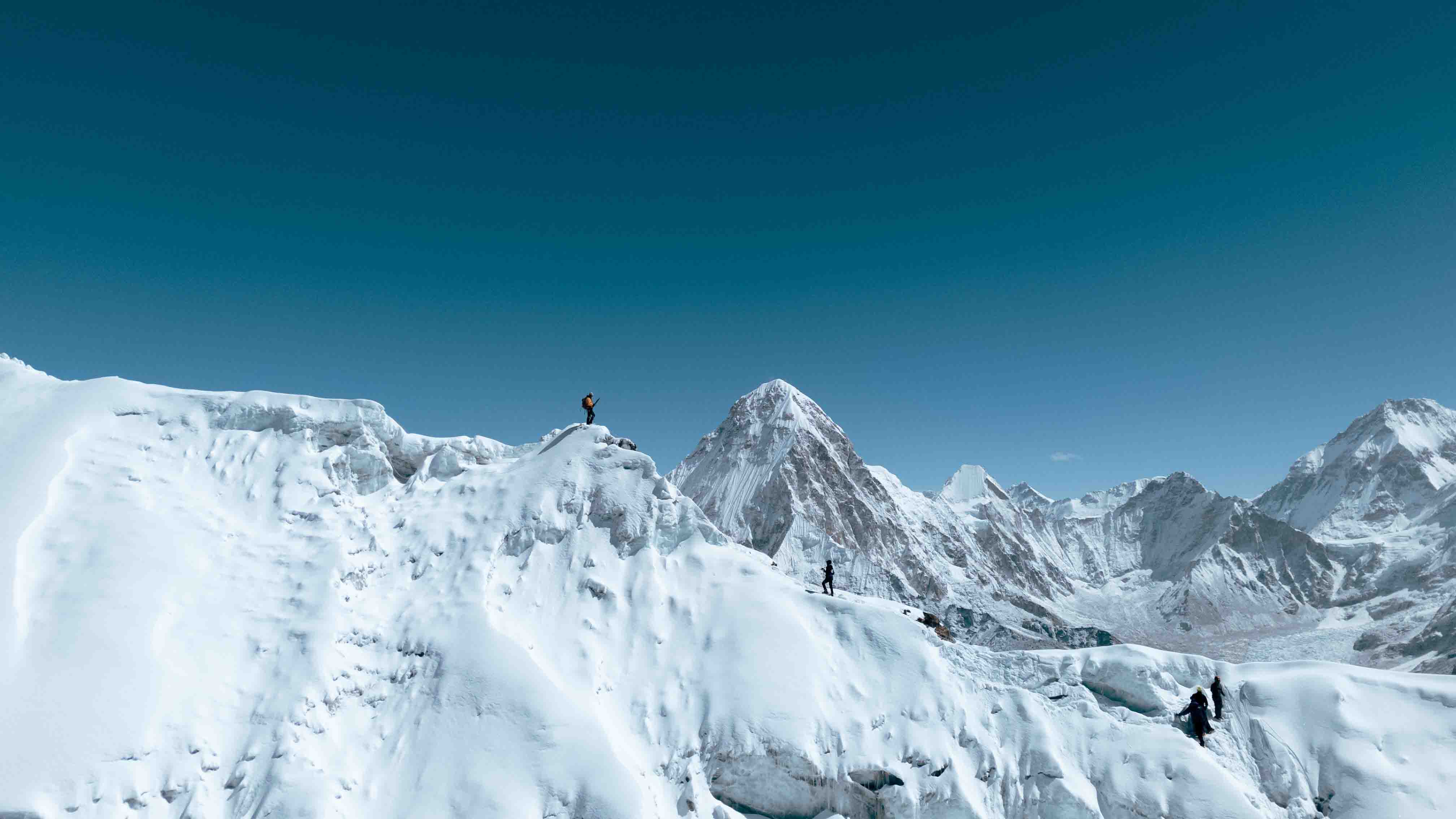
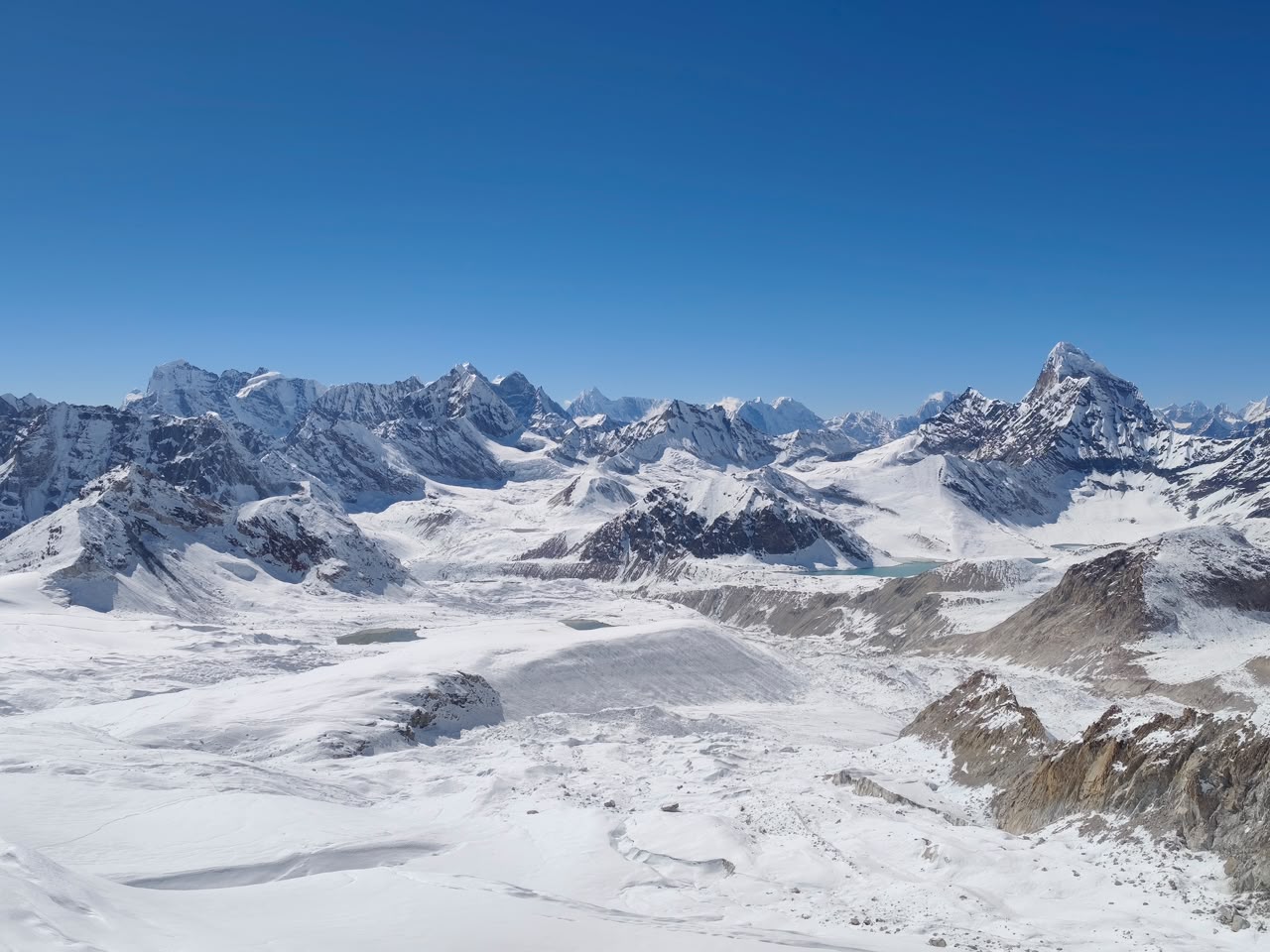
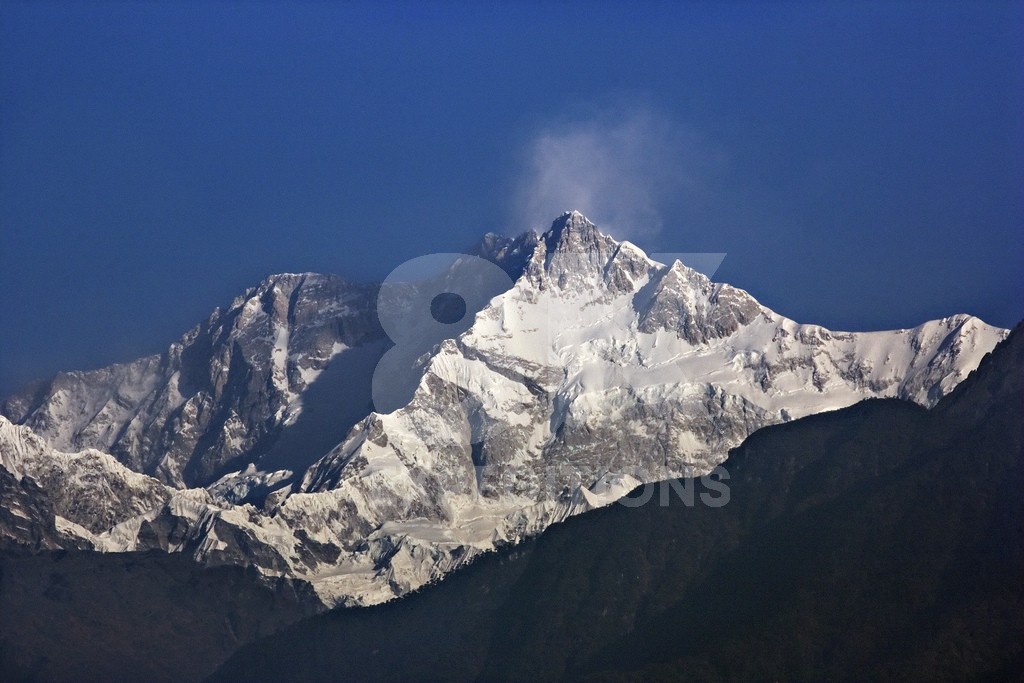
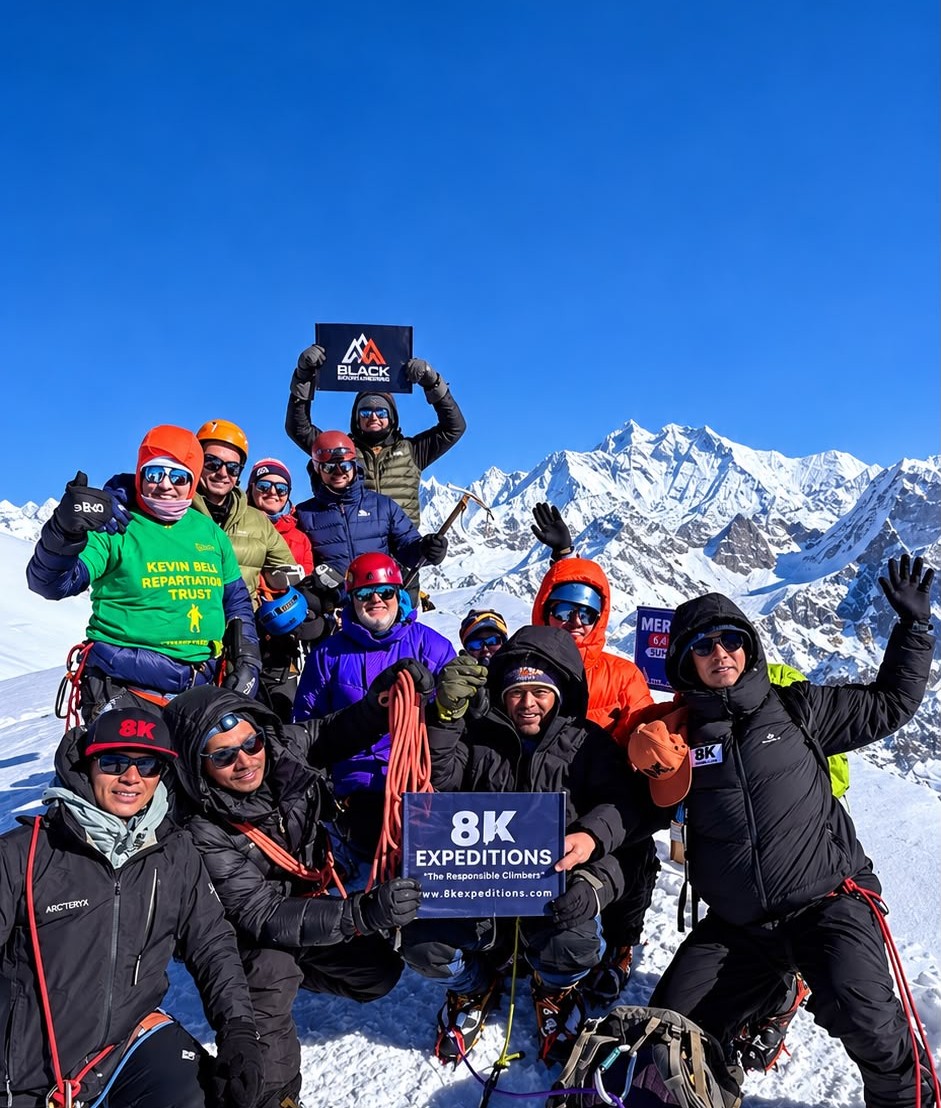
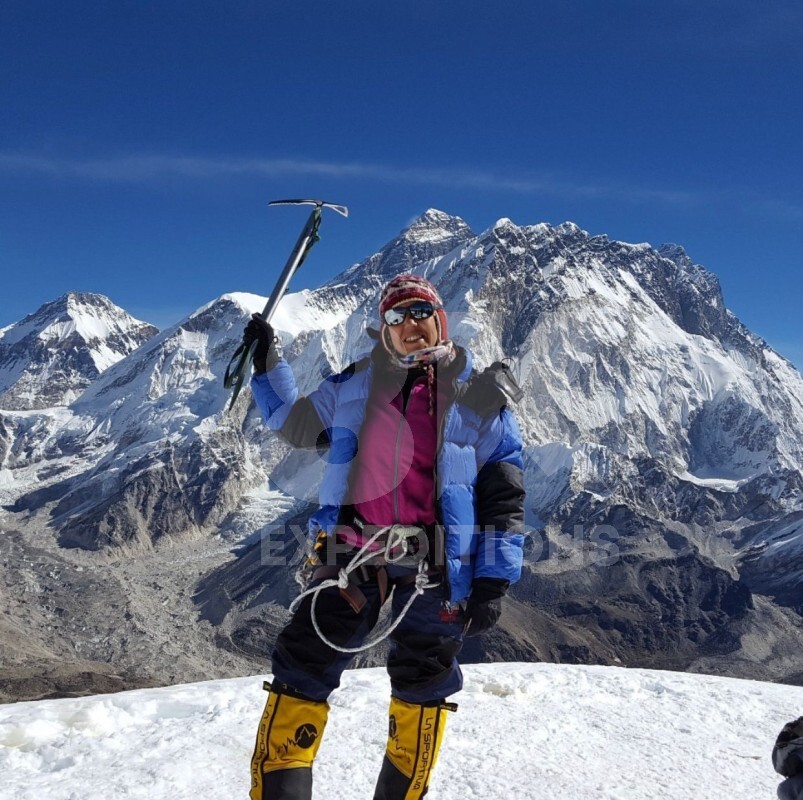
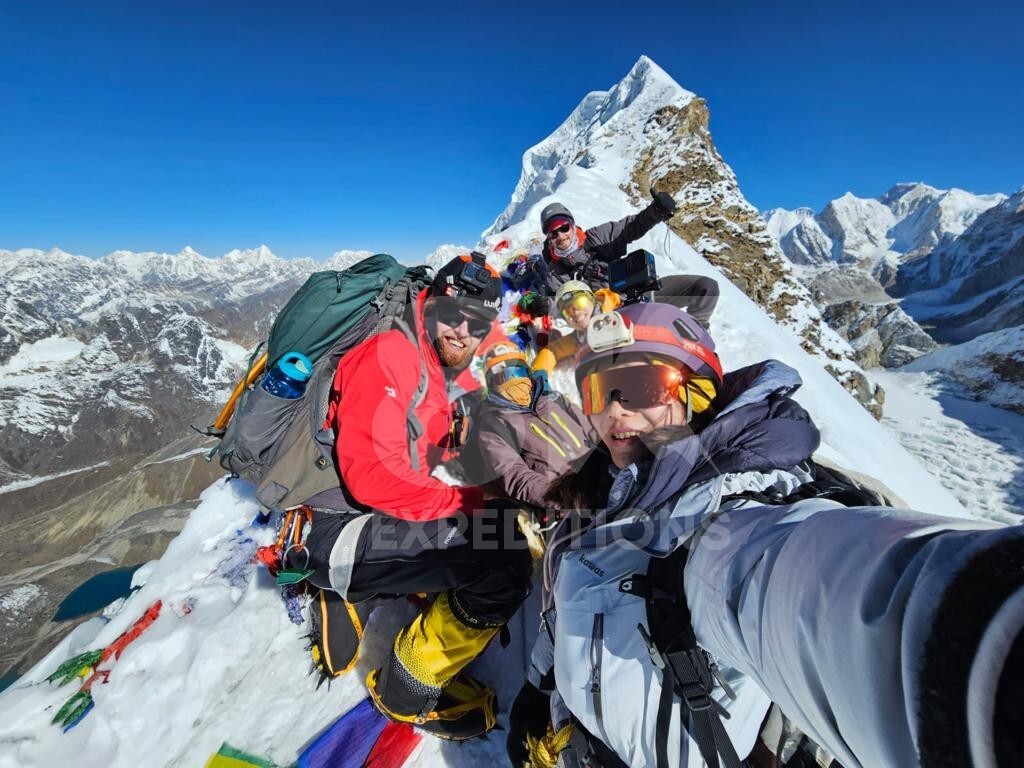
The summit of Pisang Peak offers spectacular panoramic views of the Annapurna massif, Chulu range, Damodar Himal, Mount Manaslu, Tilicho Peak and Glacier Dome. These Himalayan views make Pisang Peak a rewarding destination for mountaineers exploring Nepal's Annapurna region.
How difficult is Pisang Peak climbing?
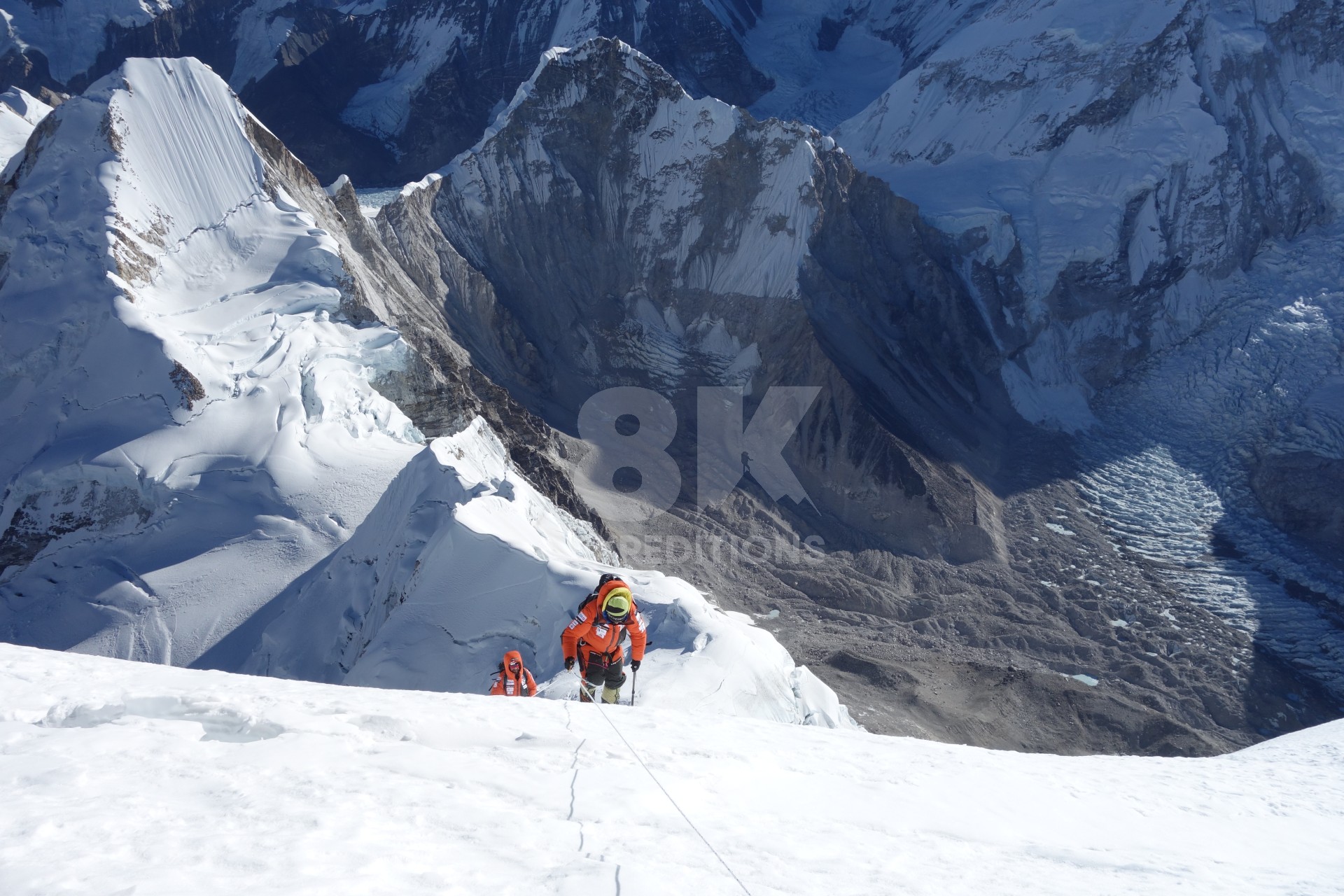
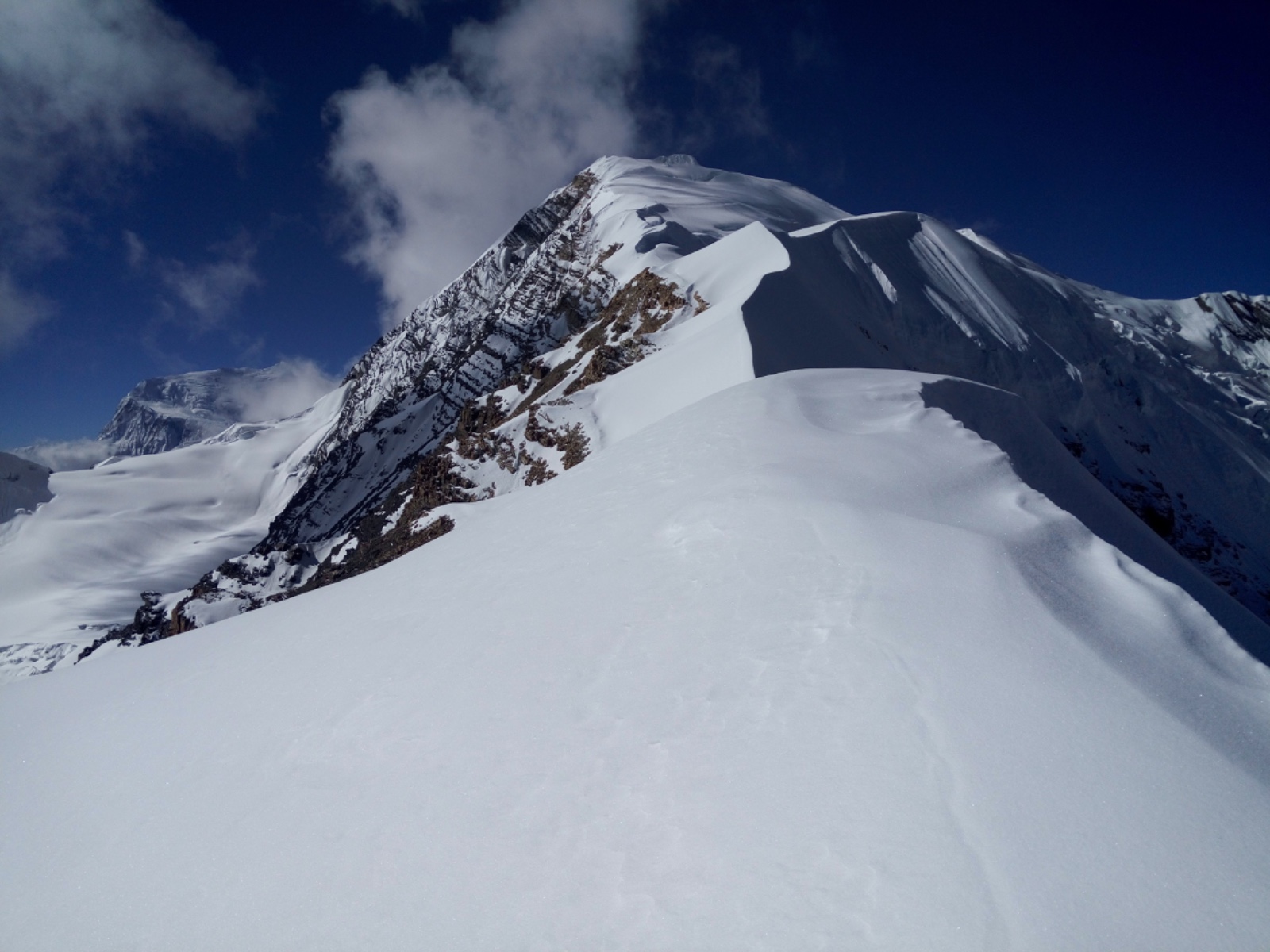
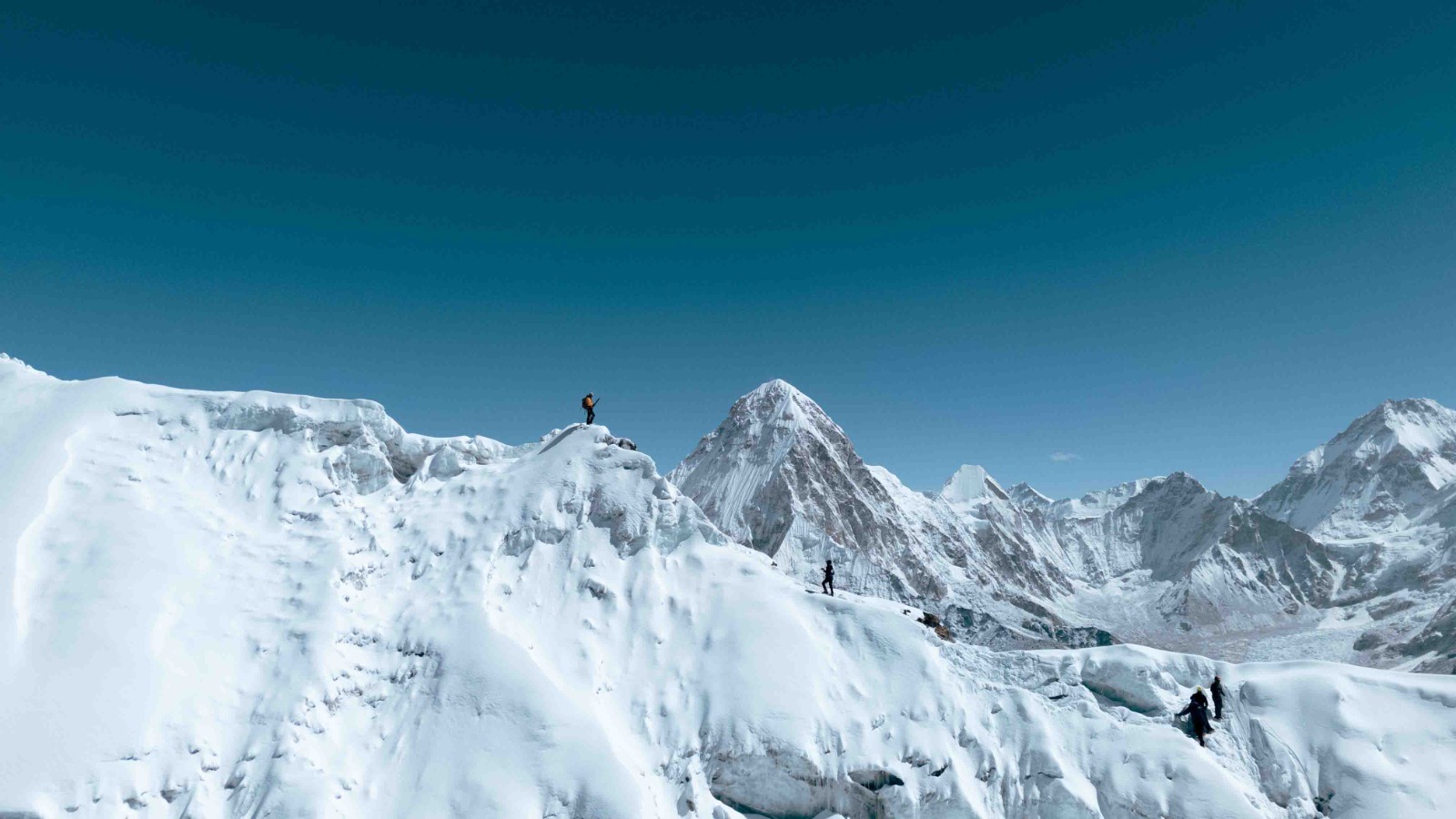
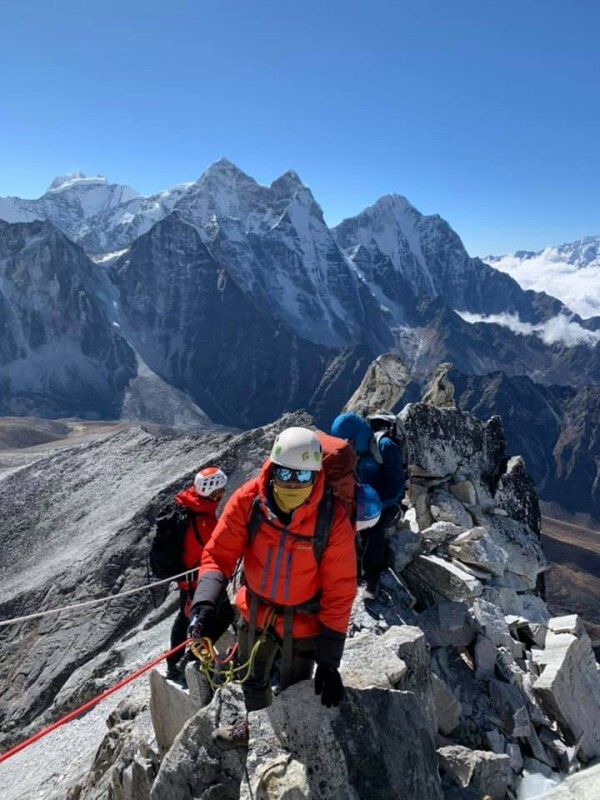
Pisang Peak climbing is generally considered a moderate alpine climbing adventure. Although the approach involves trekking through the Annapurna region, the summit route requires physical endurance and basic mountaineering skills. Climbers may encounter steep snow slopes, icy terrain, glacier sections and fixed ropes, depending on prevailing mountain conditions.
Do you need previous climbing experience for Pisang Peak?
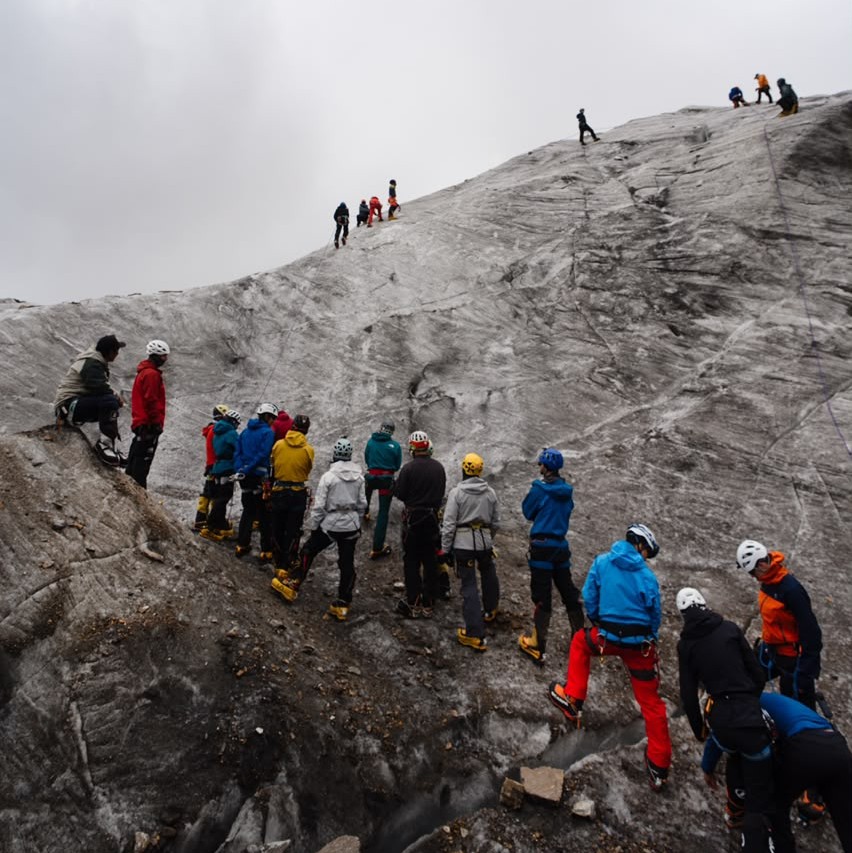
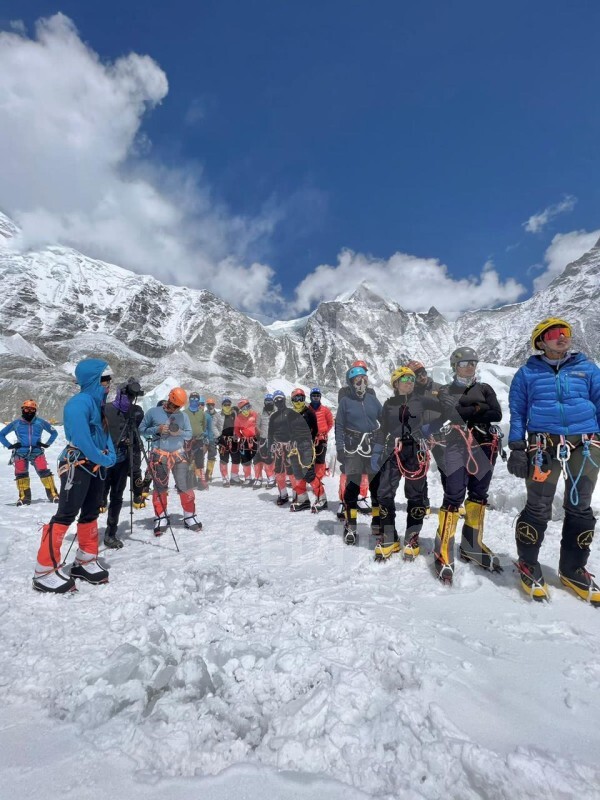
Previous mountaineering experience is recommended but is not necessarily mandatory for every participant. Climbers should have good physical fitness and be willing to learn essential skills, including using crampons, ice axes, climbing harnesses and fixed ropes. Proper training and guidance from experienced climbing professionals are important.
How physically fit do you need to be to climb Pisang Peak?
Climbers should have good cardiovascular endurance, leg strength and the ability to walk for several consecutive days at high altitude. Regular hiking, uphill walking, stair climbing, strength training and endurance exercises are recommended before the expedition. Summit day can involve approximately 8–12 hours of climbing and descending, depending on conditions and individual pace.
What technical climbing skills are required for Pisang Peak?
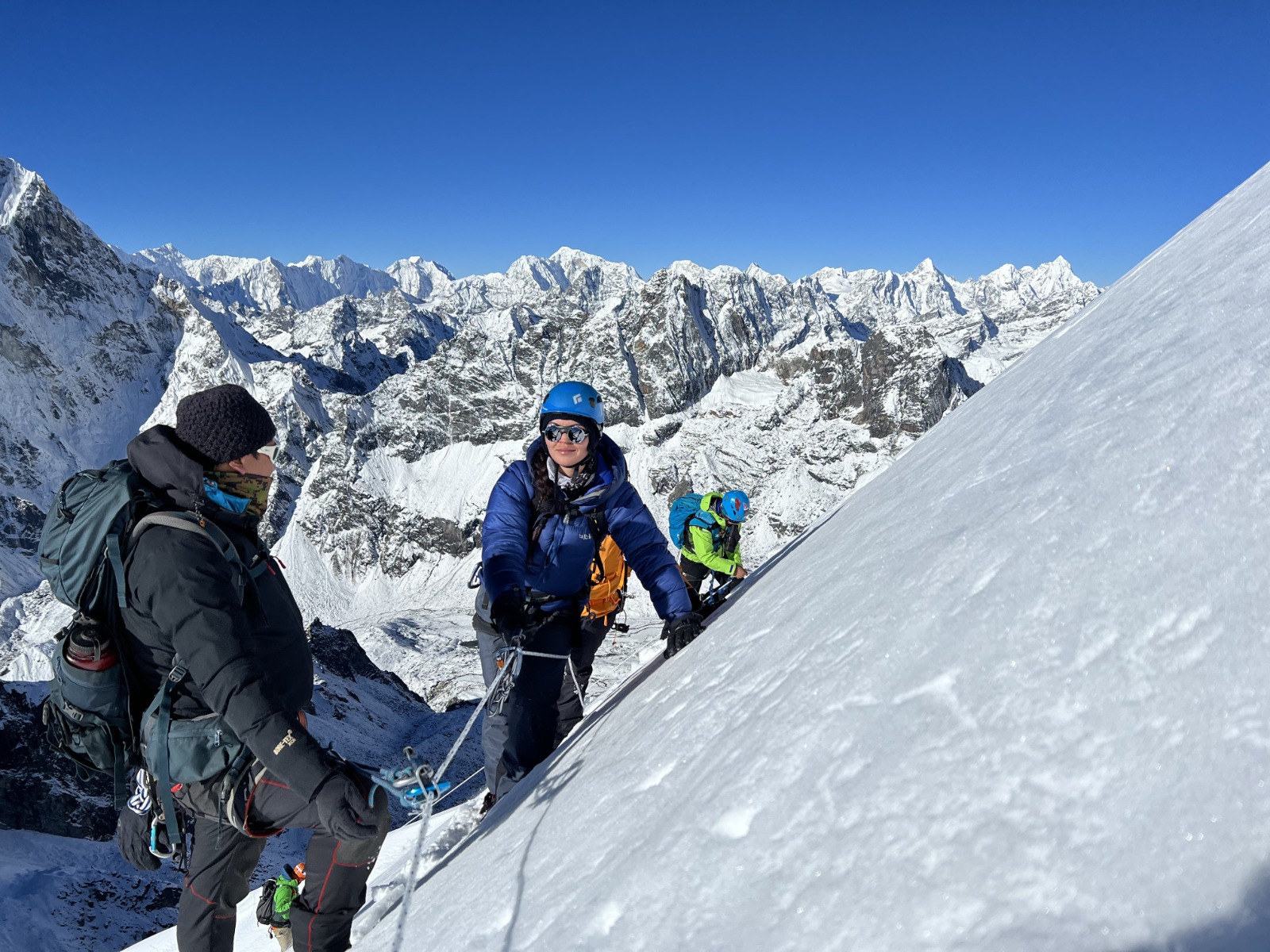
Climbers should understand the basic use of mountaineering equipment, including crampons, ice axes, climbing harnesses, helmets, ascenders and fixed-rope systems. They should also receive guidance on rope safety, movement on snow and ice, and safe descending techniques. The climbing guide will provide necessary instructions and practical preparation.
Is altitude sickness a risk during Pisang Peak climbing?
Yes, altitude sickness is a potential risk because Pisang Peak reaches 6,091 meters. Symptoms may include headaches, nausea, dizziness, fatigue and difficulty sleeping. Proper acclimatization, gradual altitude gain, hydration and monitoring of symptoms are essential. Climbers experiencing symptoms should inform their guide immediately, and descent may be necessary.
How many days does it take to climb Pisang Peak?
The Pisang Peak climbing package is a 14-day itinerary, starting and ending in Kathmandu. It includes travel to the Annapurna region, trekking through the Pisang villages, acclimatization, high camp preparation, a summit attempt and the return journey to Kathmandu.
What is the climbing route to Pisang Peak?
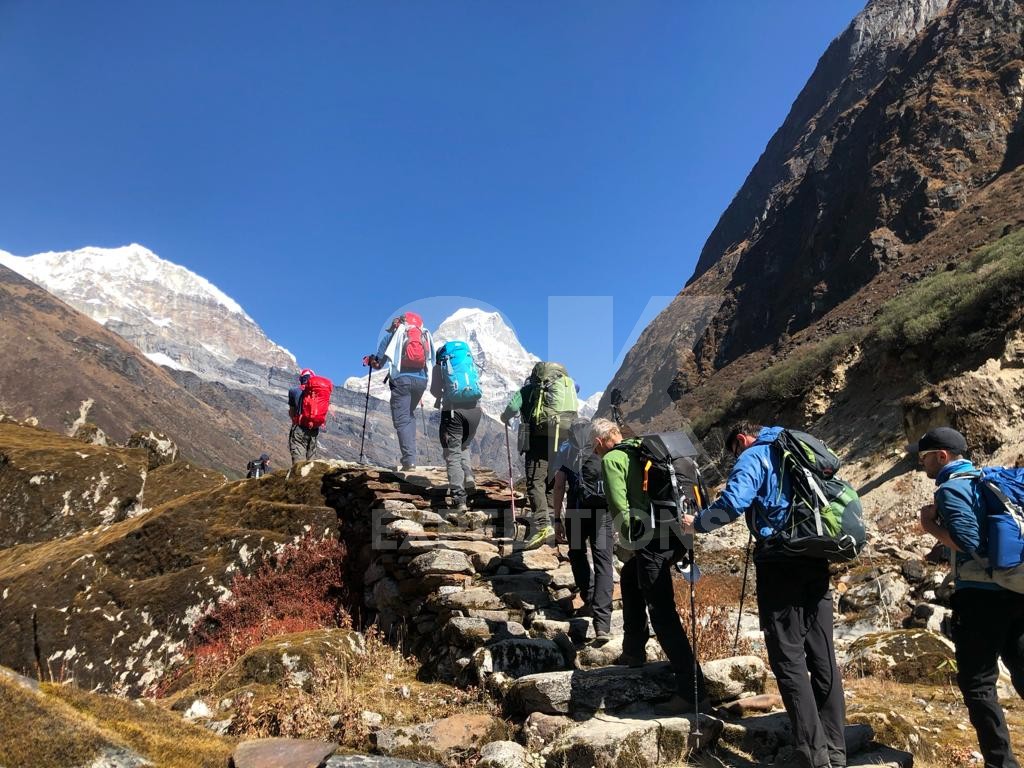
The standard approach to Pisang Peak follows the Kathmandu–Besisahar–Chame–Lower Pisang–Upper Pisang route. From the Pisang area, climbers proceed towards the peak's base camp and high camp before attempting the summit at 6,091 meters. After the summit attempt, the team descends and returns through the Annapurna region.
Where does the Pisang Peak climbing expedition start?
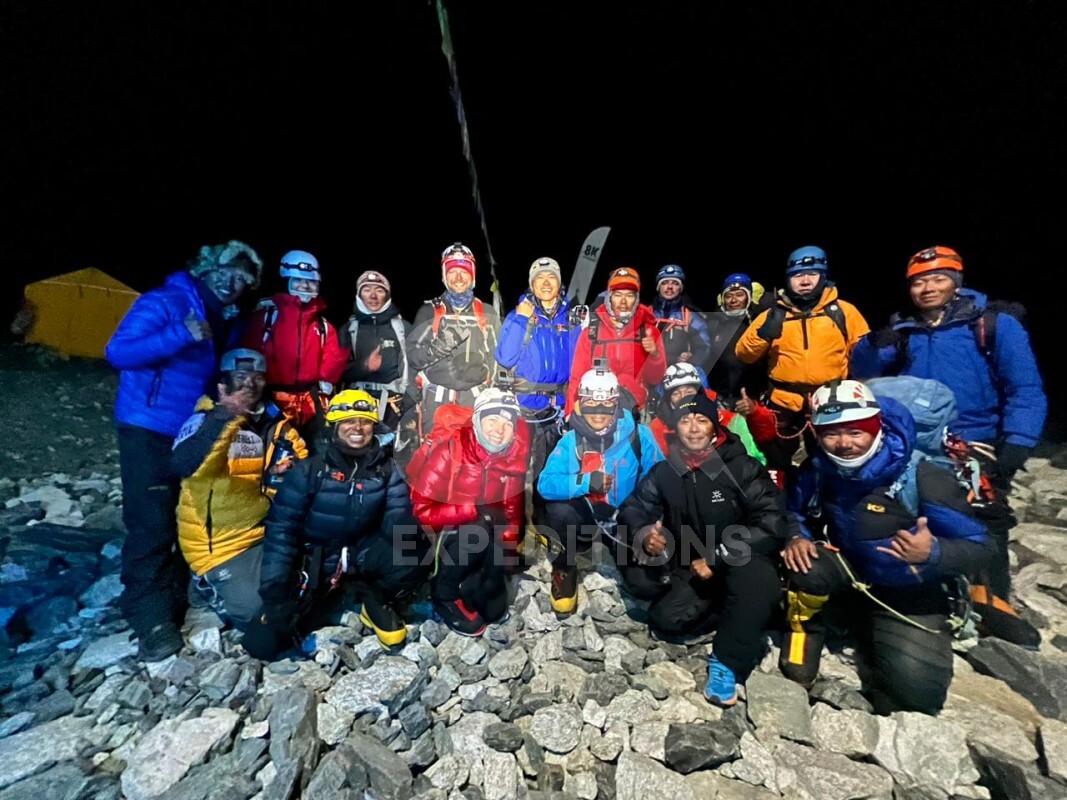
The expedition starts in Kathmandu, Nepal, where climbers meet the 8K Expeditions team, complete trip preparations and receive a briefing. The journey continues by road towards Besisahar and Chame before reaching the trekking trails of Lower and Upper Pisang in the Manang district.
What is the highest altitude reached during Pisang Peak climbing?
The highest altitude reached during the expedition is the summit of Pisang Peak at 6,091 meters (19,980 feet). The climbing itinerary also includes a high camp at approximately 5,400 meters, providing an important staging point for the summit attempt.
Does Pisang Peak climbing include the Annapurna Circuit?
Pisang Peak climbing follows part of the Annapurna Circuit approach through the Manang region, including the traditional settlements of Chame, Lower Pisang and Upper Pisang. However, the 14-day package is primarily designed for the Pisang Peak summit objective and should not be confused with the complete Annapurna Circuit trek over Thorong La Pass.
What is the best time to climb Pisang Peak in Nepal?
The best time to climb Pisang Peak is during spring (April–May) and autumn (October–November). These seasons generally offer more favorable weather conditions, better mountain visibility and suitable opportunities for high-altitude climbing. Actual summit conditions depend on snowfall, wind, temperature and the prevailing weather.
Can you climb Pisang Peak in October and November?
Yes, October and November are among the preferred months for Pisang Peak climbing in Nepal. Autumn generally provides clearer skies and favorable trekking conditions in the Annapurna region. However, climbers must still prepare for cold temperatures, strong winds and changing conditions at higher elevations.
What permits are required for Pisang Peak climbing?
Pisang Peak climbing requires the applicable Nepal climbing peak permit and the necessary Annapurna Conservation Area entry permit. Additional documentation or requirements may apply depending on current regulations and the expedition arrangements.
How much does Pisang Peak climbing cost in Nepal?
The cost of Pisang Peak climbing depends on group size, climbing season, accommodation standards, transportation, guide arrangements, climbing equipment and expedition services. 8K Expeditions offers customized pricing for its 14-day Pisang Peak climbing package.
What is included in the 8K Expeditions Pisang Peak climbing package?
The Pisang Peak climbing package includes airport transfers, hotel accommodation in Kathmandu, ground transportation, required permits, teahouse accommodation during the trek, camping services at high camp, three meals daily during the trek, an experienced climbing guide, porters, technical climbing equipment, staff insurance and applicable government taxes.
What accommodation is available during Pisang Peak climbing?
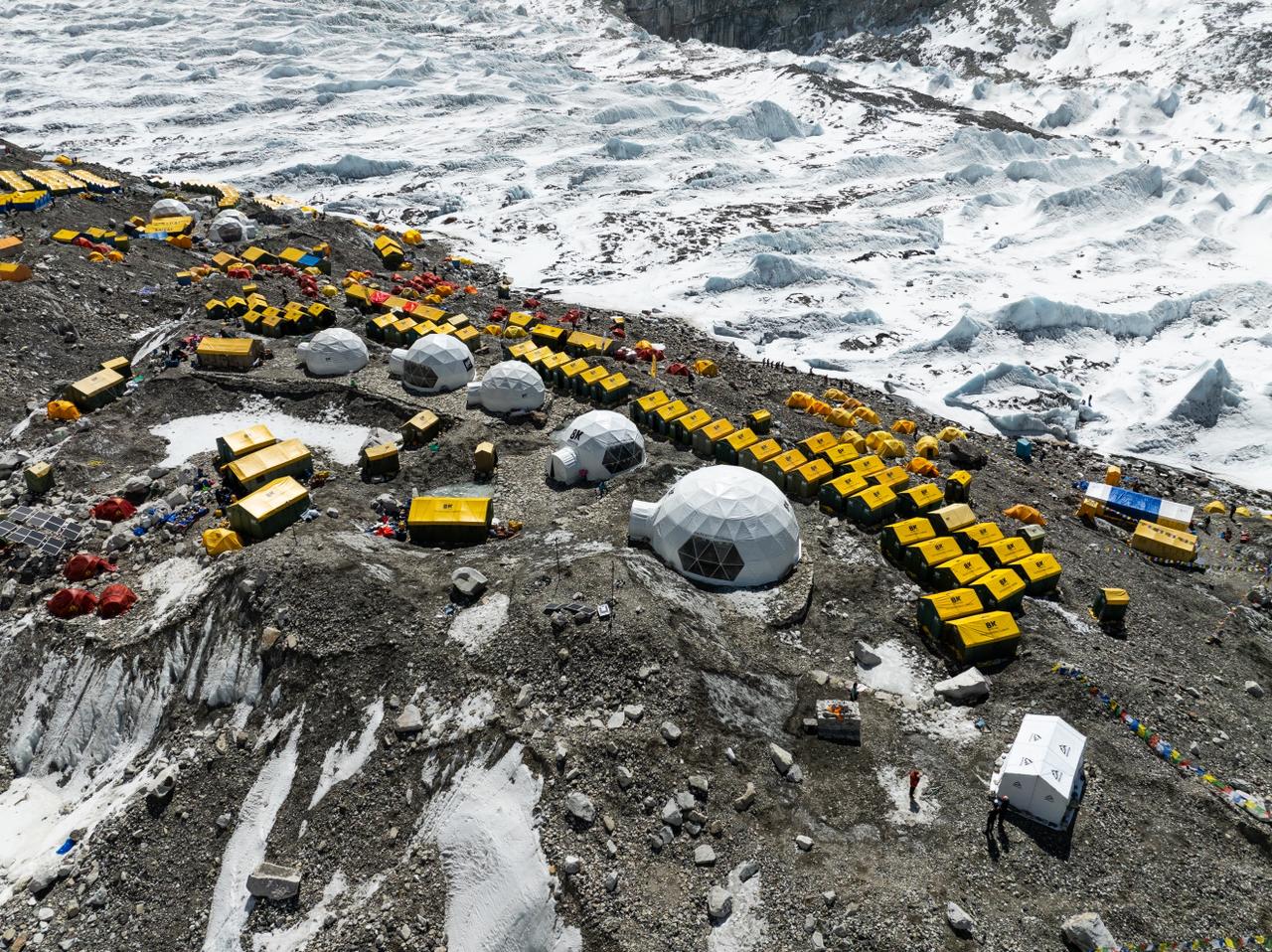
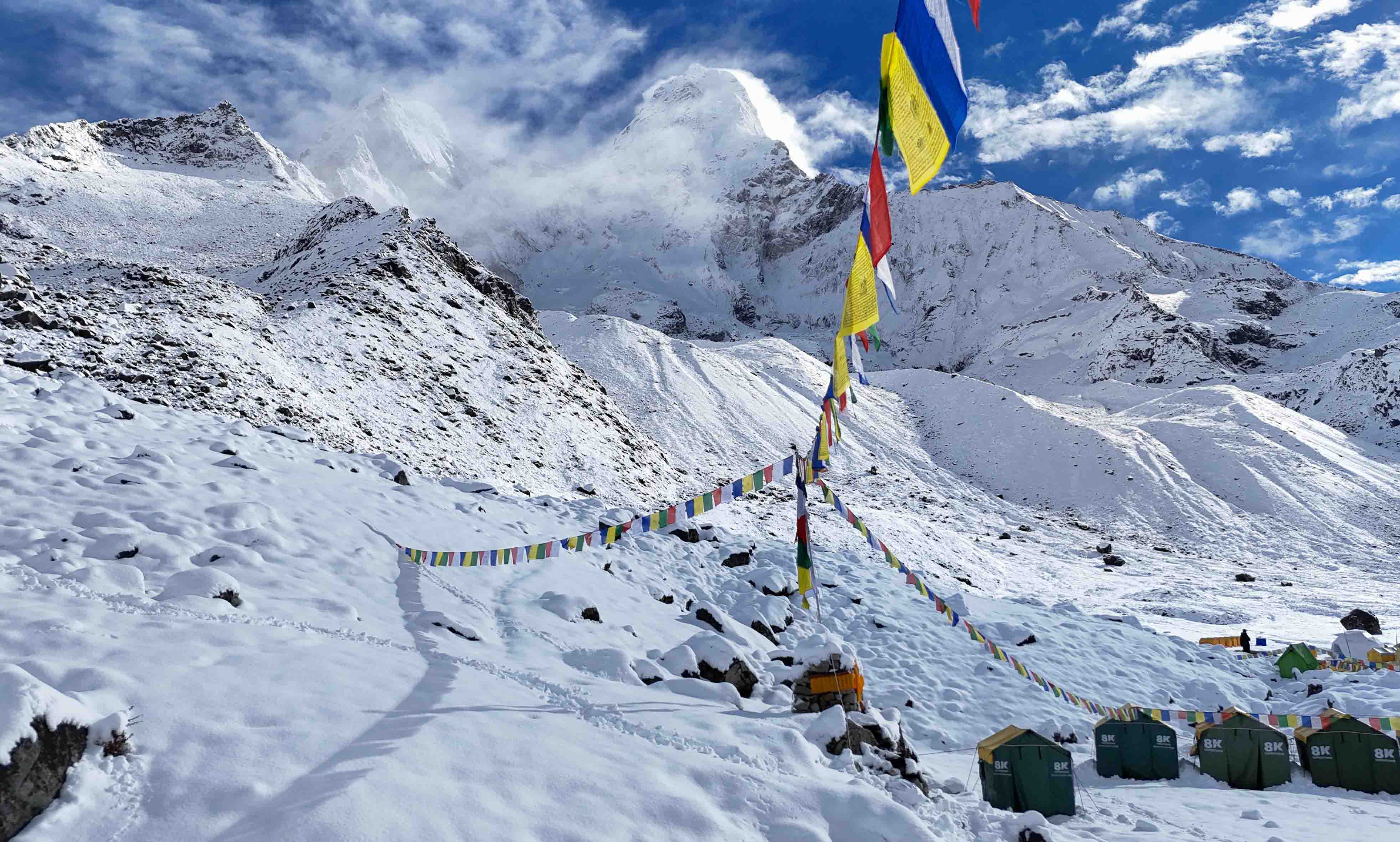
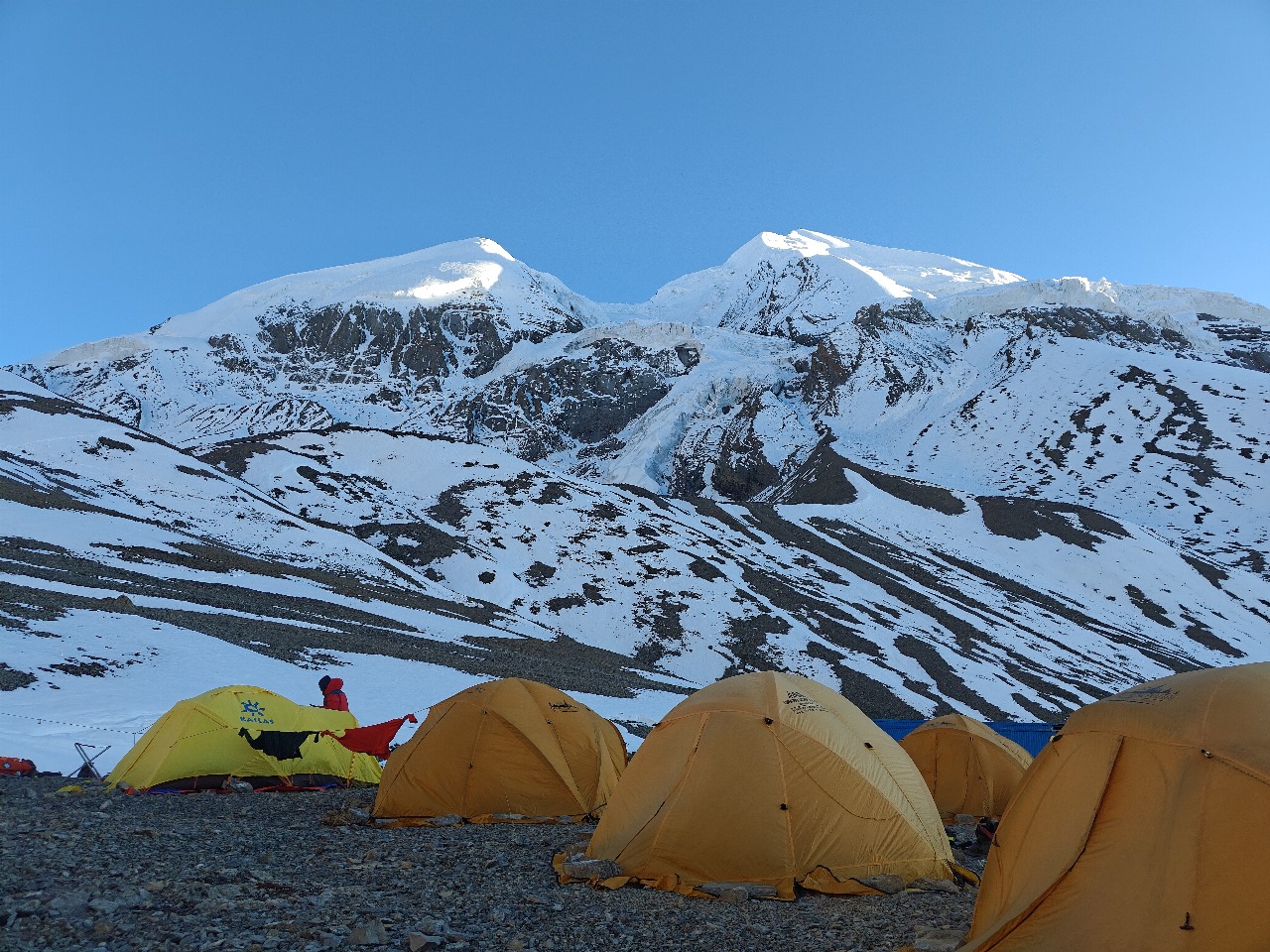
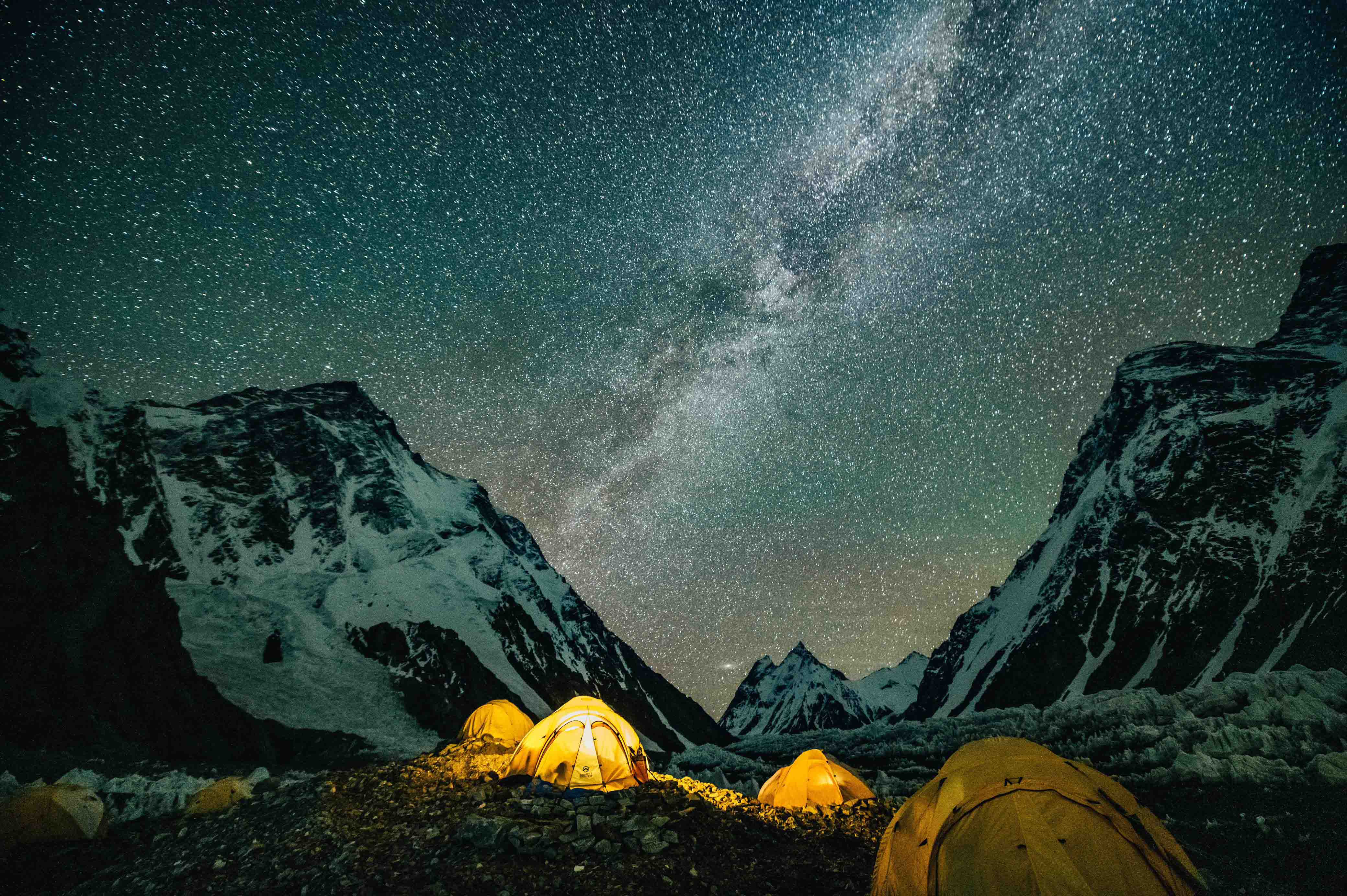
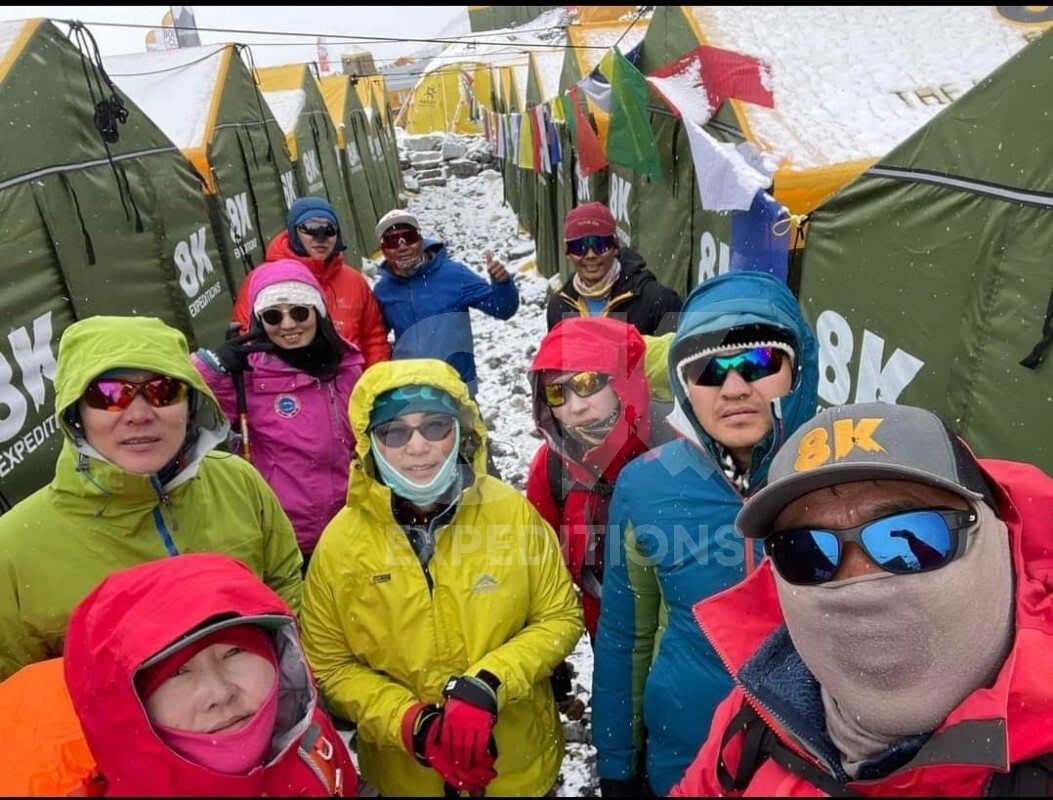
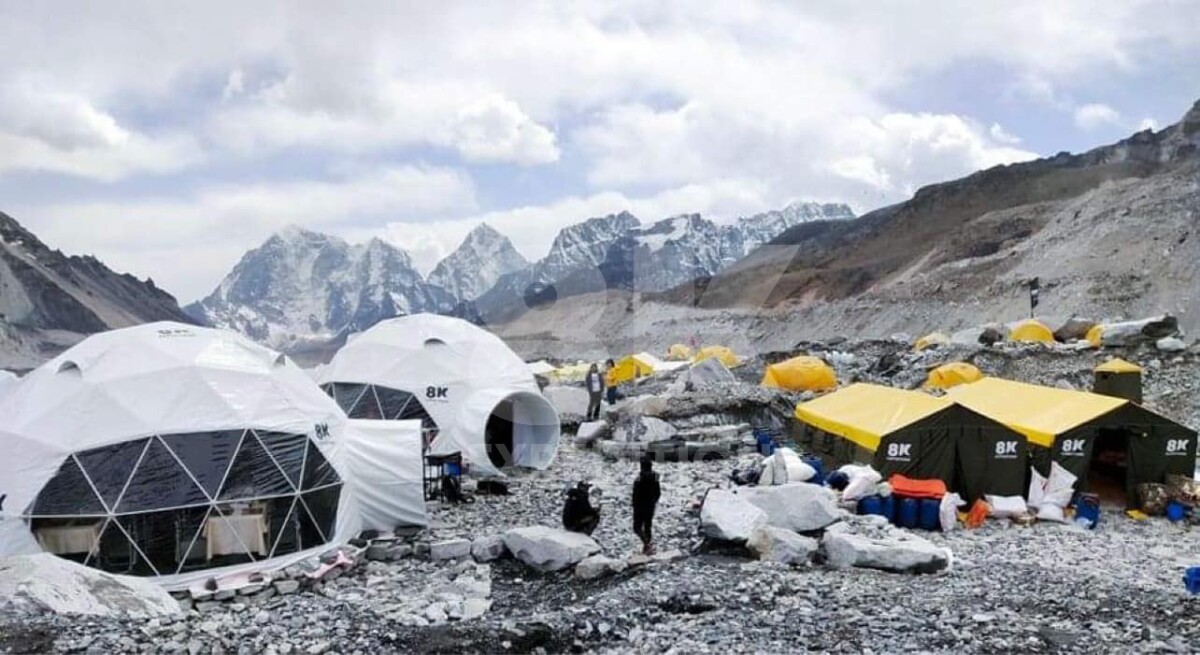
Accommodation during Pisang Peak climbing includes hotel stays in Kathmandu, teahouses or lodges along the Annapurna trekking route and camping facilities at high camp. The camping arrangements include essential services such as tents, meals, hot drinks and climbing preparation support.
What equipment is required for Pisang Peak climbing?
Essential equipment includes mountaineering boots, crampons, an ice axe, climbing harness, helmet, insulated clothing, gloves, sleeping bag, headlamp, sunglasses and other personal climbing gear. Technical equipment such as ropes and other climbing protection systems are arranged according to the expedition package and route requirements.
Do I need travel insurance for Pisang Peak climbing?
Yes, comprehensive travel and mountaineering insurance is strongly recommended and required for this expedition. Your policy should specifically cover high-altitude mountaineering up to at least 6,100 meters, emergency medical treatment and helicopter evacuation in Nepal. Standard trekking insurance may not provide adequate coverage for technical climbing activities.
Is Pisang Peak climbing safe with a professional climbing guide?
Pisang Peak climbing can be undertaken with appropriate safety preparation and professional climbing support. An experienced climbing guide helps manage the route, assess mountain conditions, provide technical climbing instructions and monitor the team's progress. However, high-altitude mountaineering always involves inherent risks and reaching the summit cannot be guaranteed.
How can I book Pisang Peak climbing with 8K Expeditions?
You can book Pisang Peak climbing directly through 8K Expeditions by visiting the official package page, submitting an inquiry or contacting the expedition team. Share your preferred climbing season, departure date and group size to receive a customized itinerary, detailed cost breakdown and booking information.