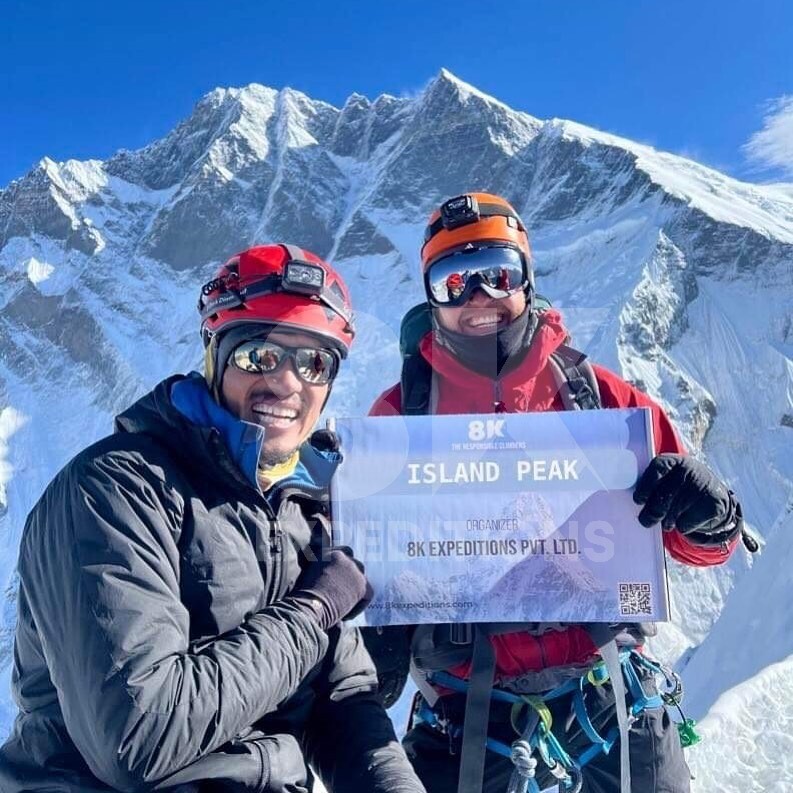
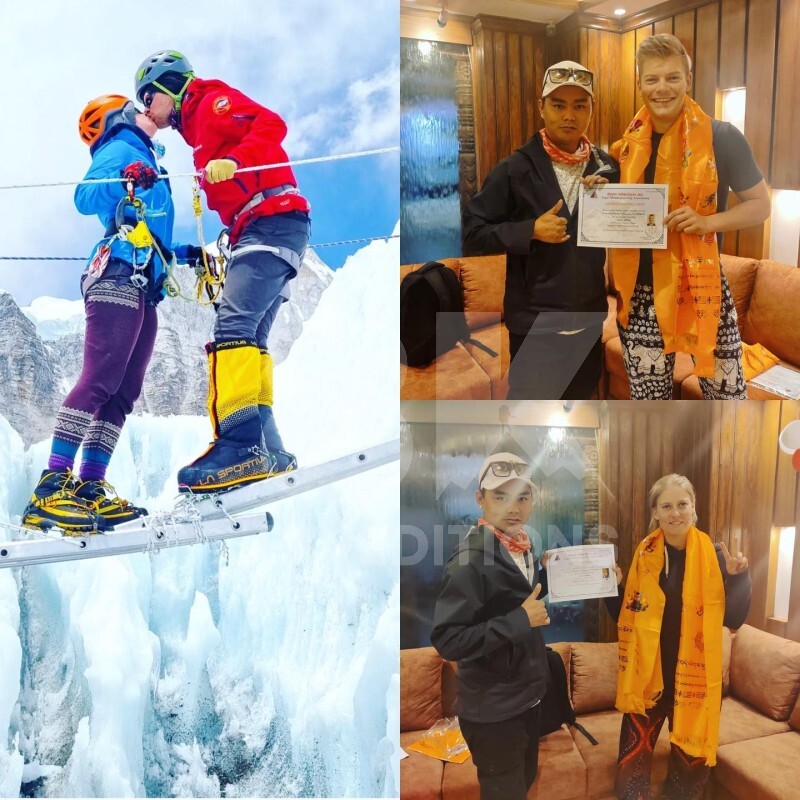
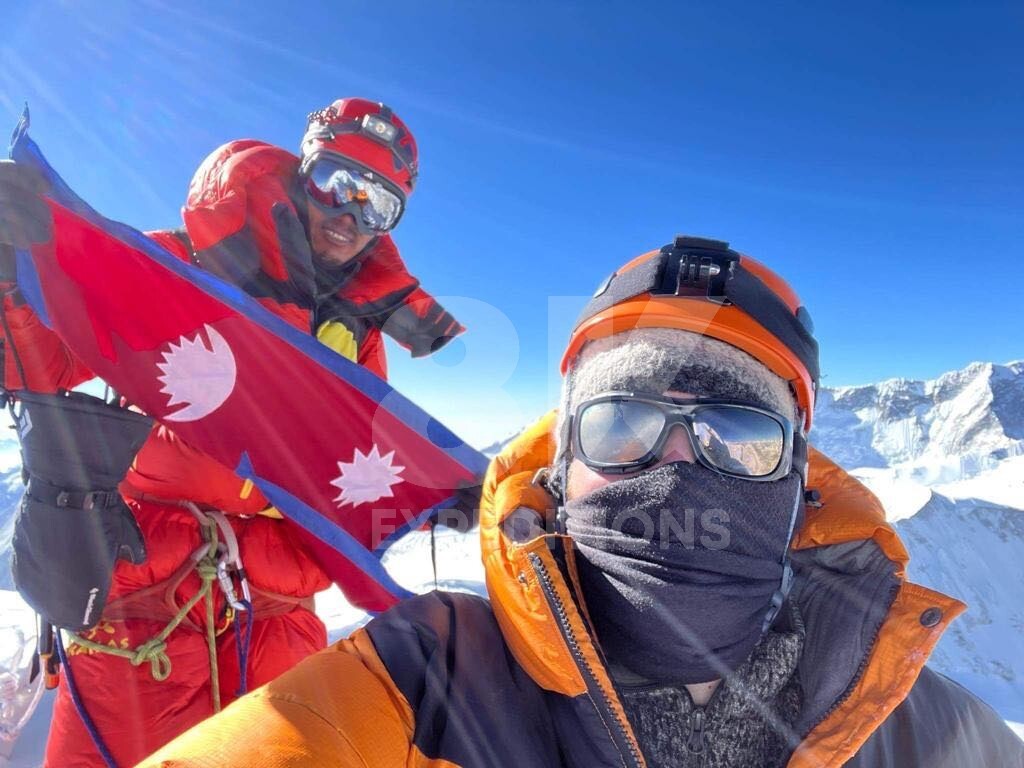
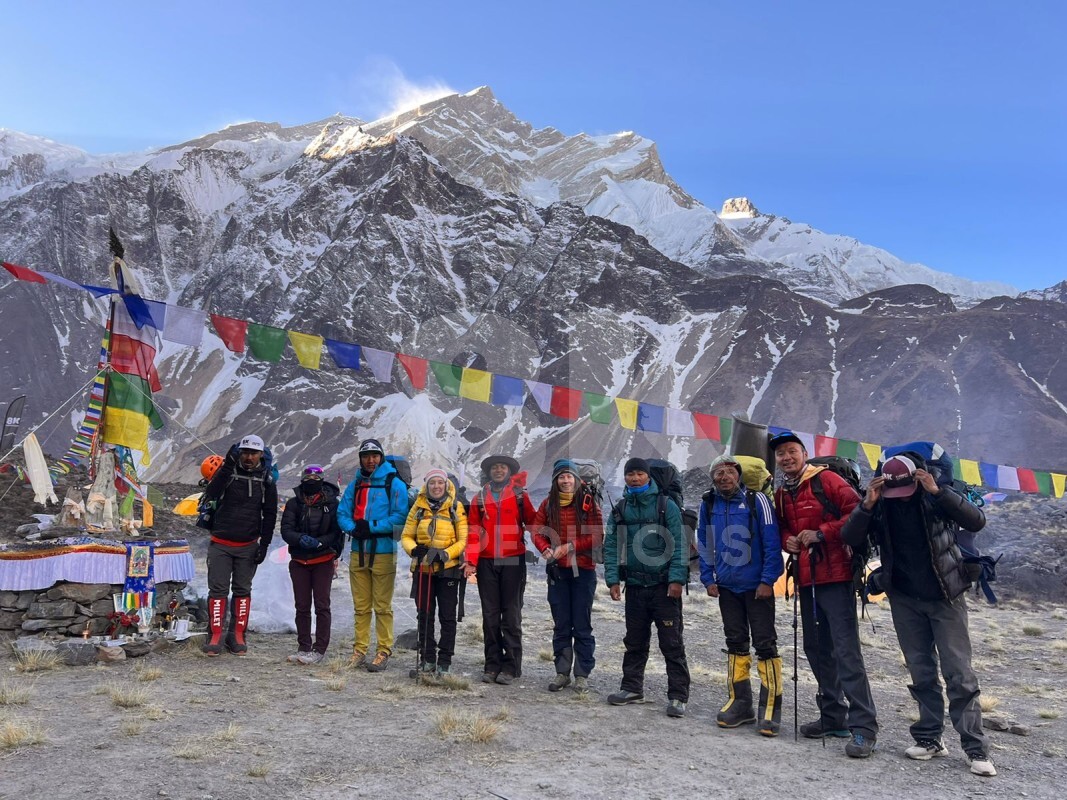
Trip Overview

BARUNTSE EXPEDITION - 7129 M


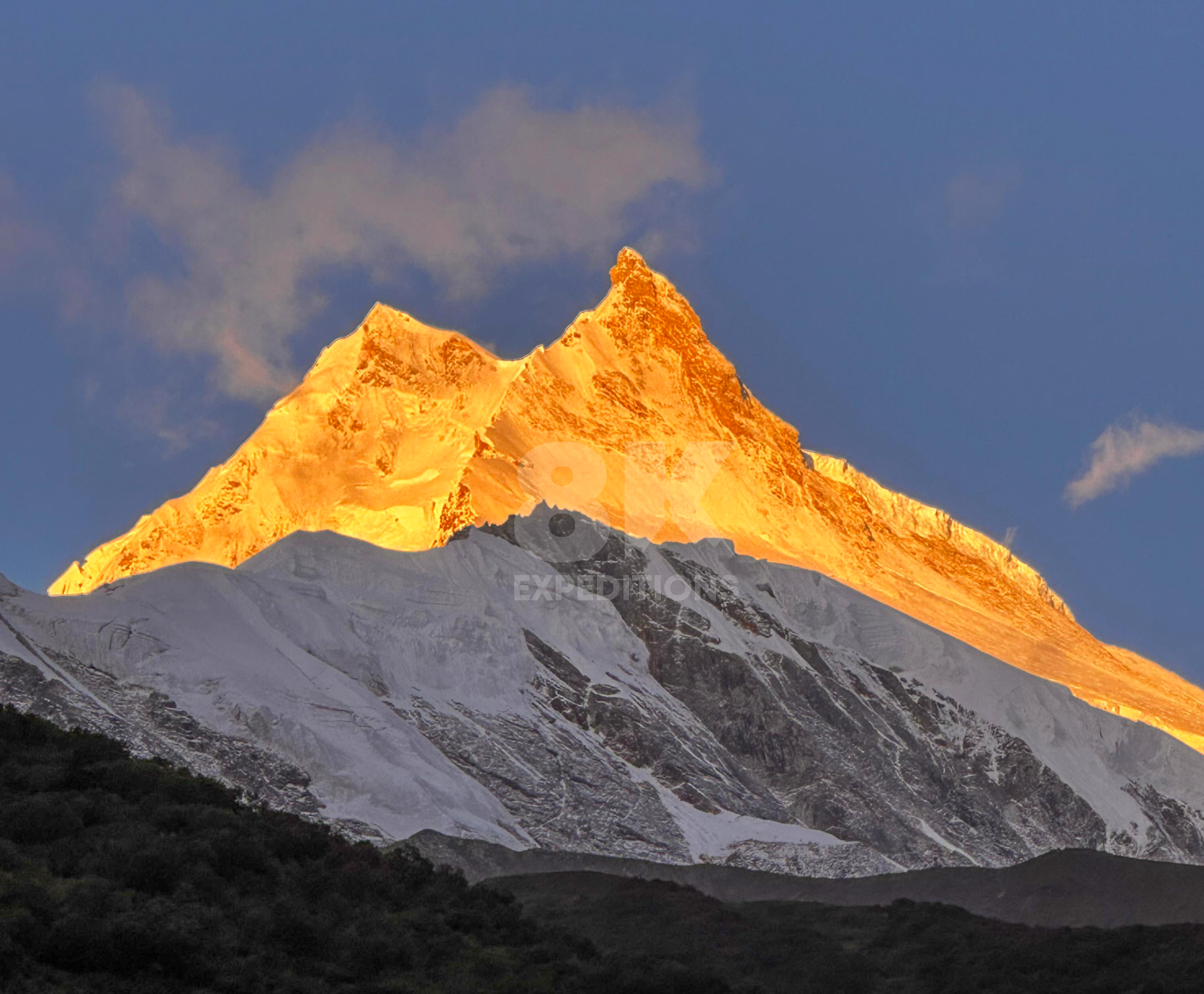
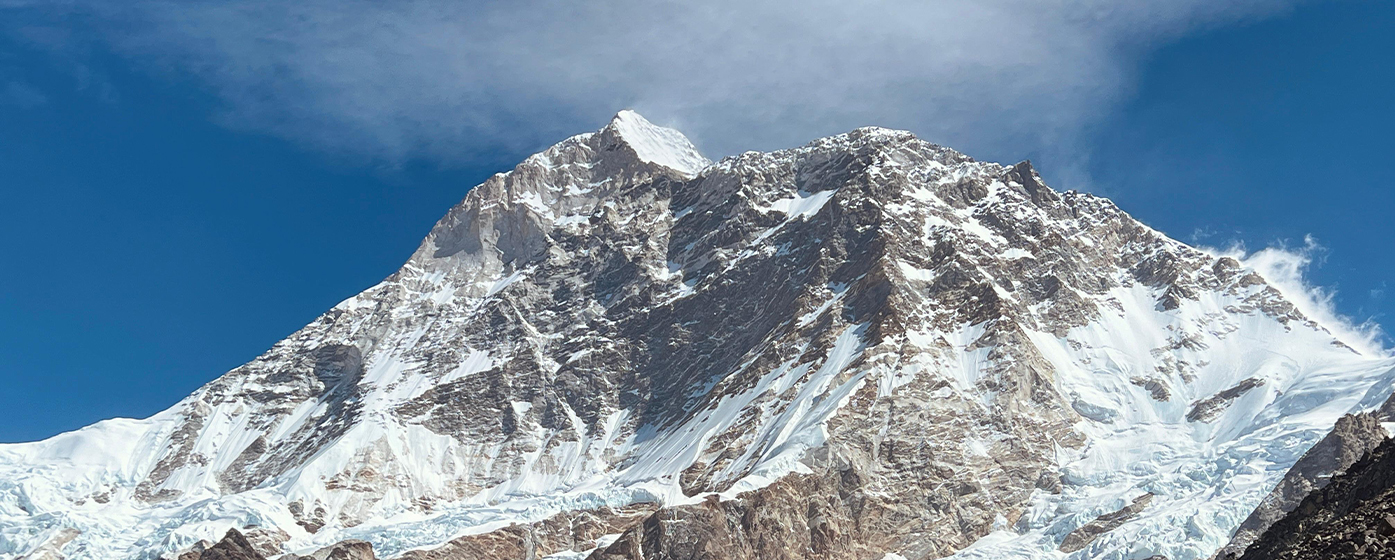
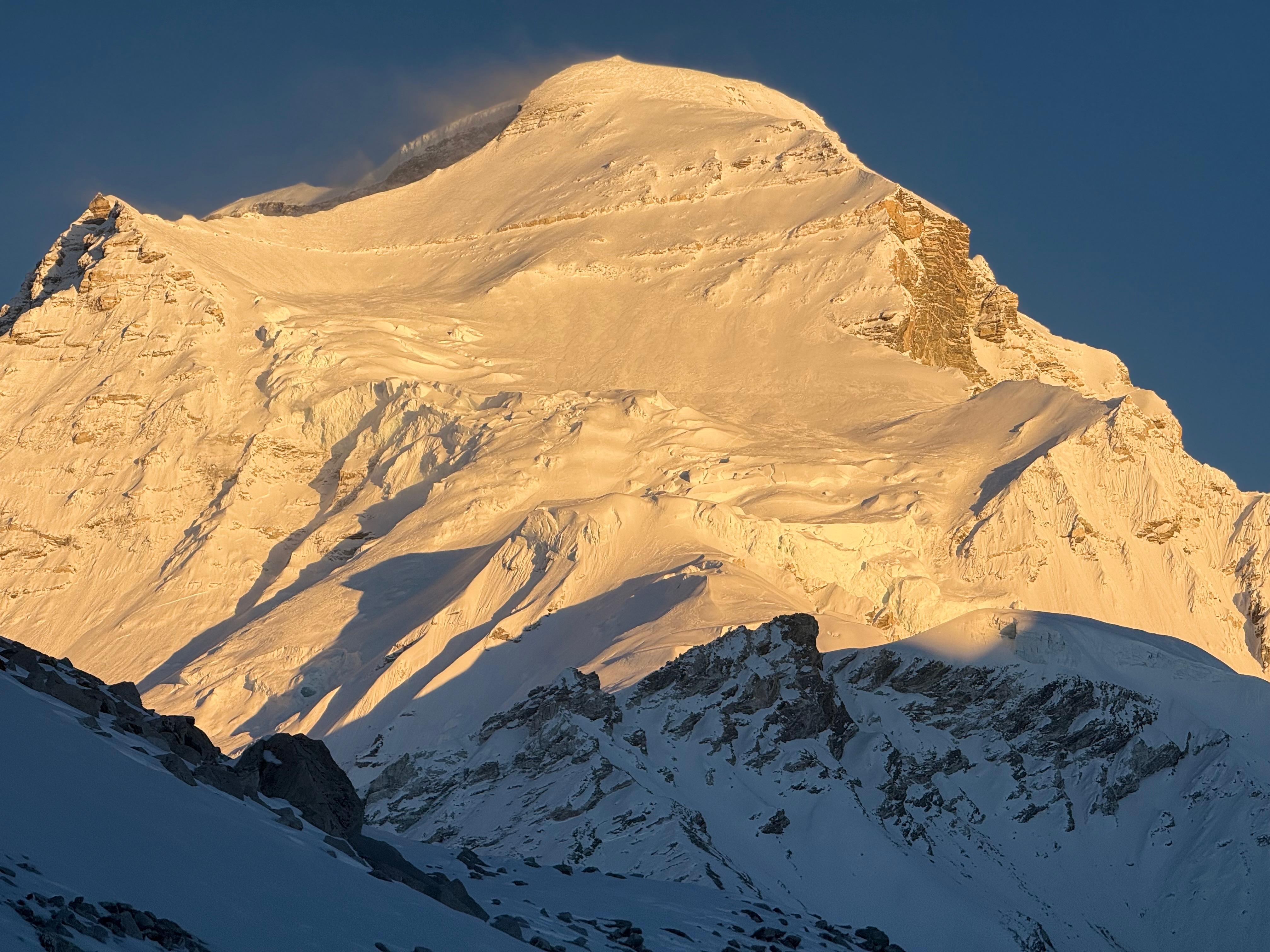
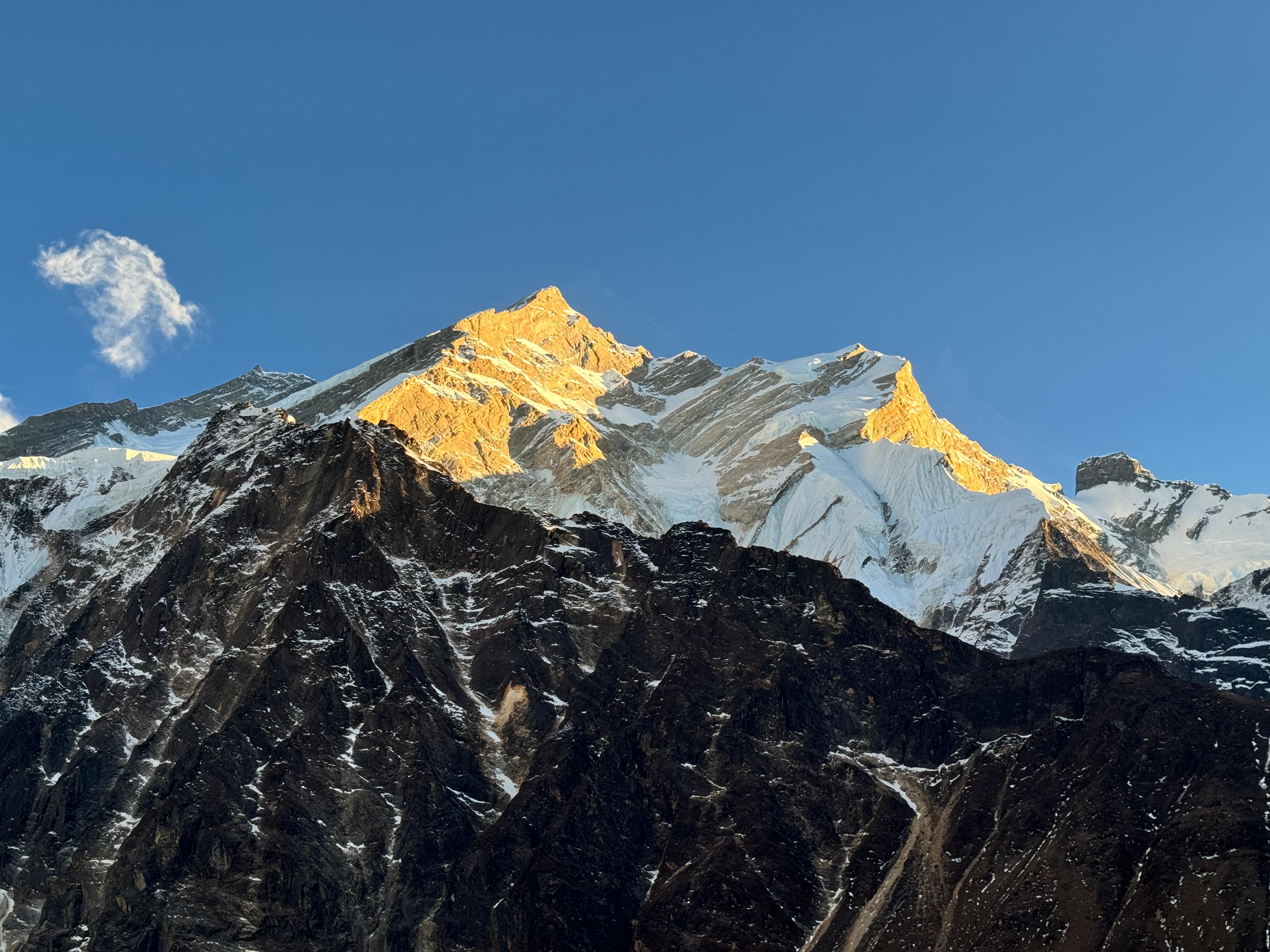
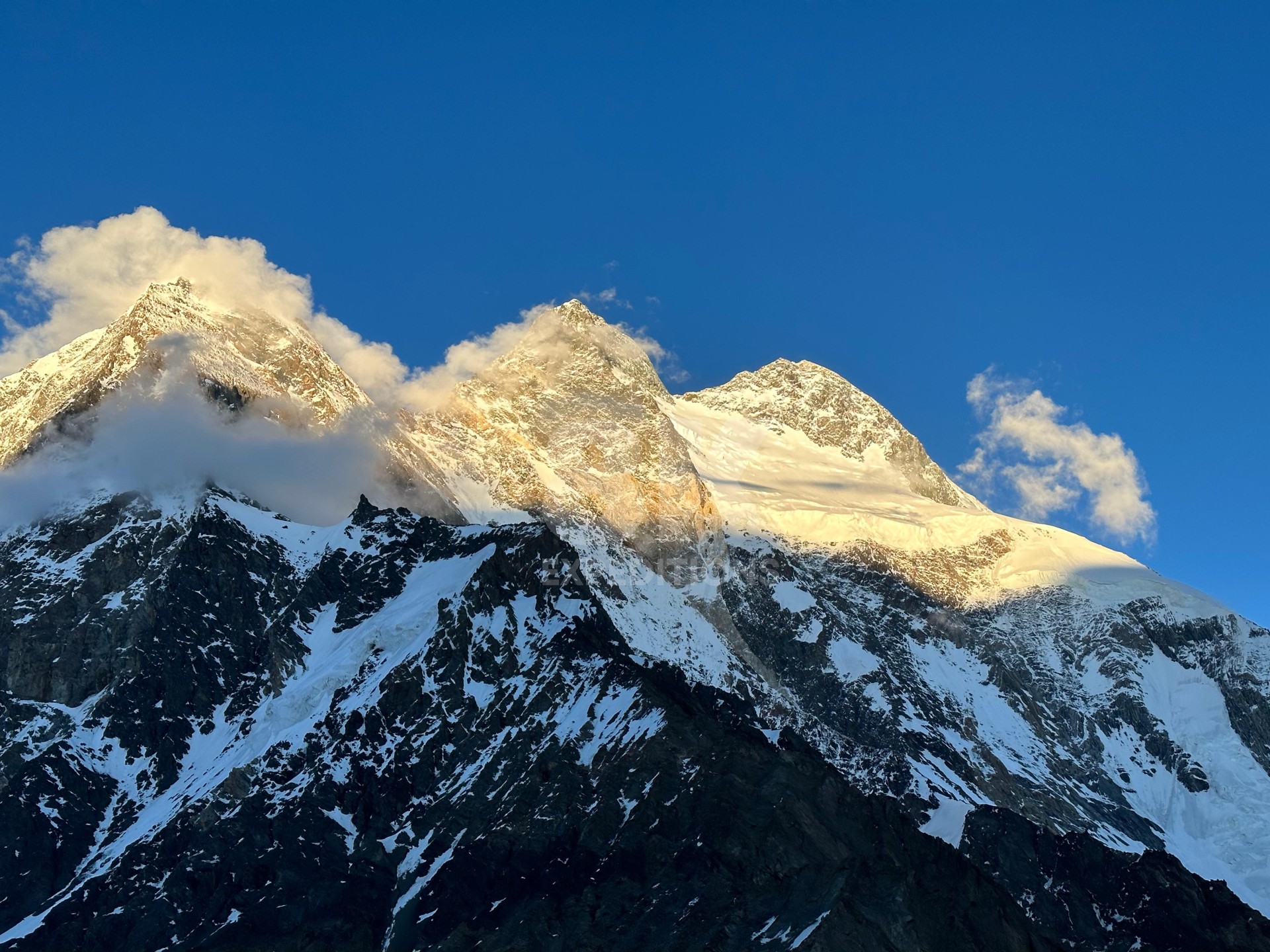
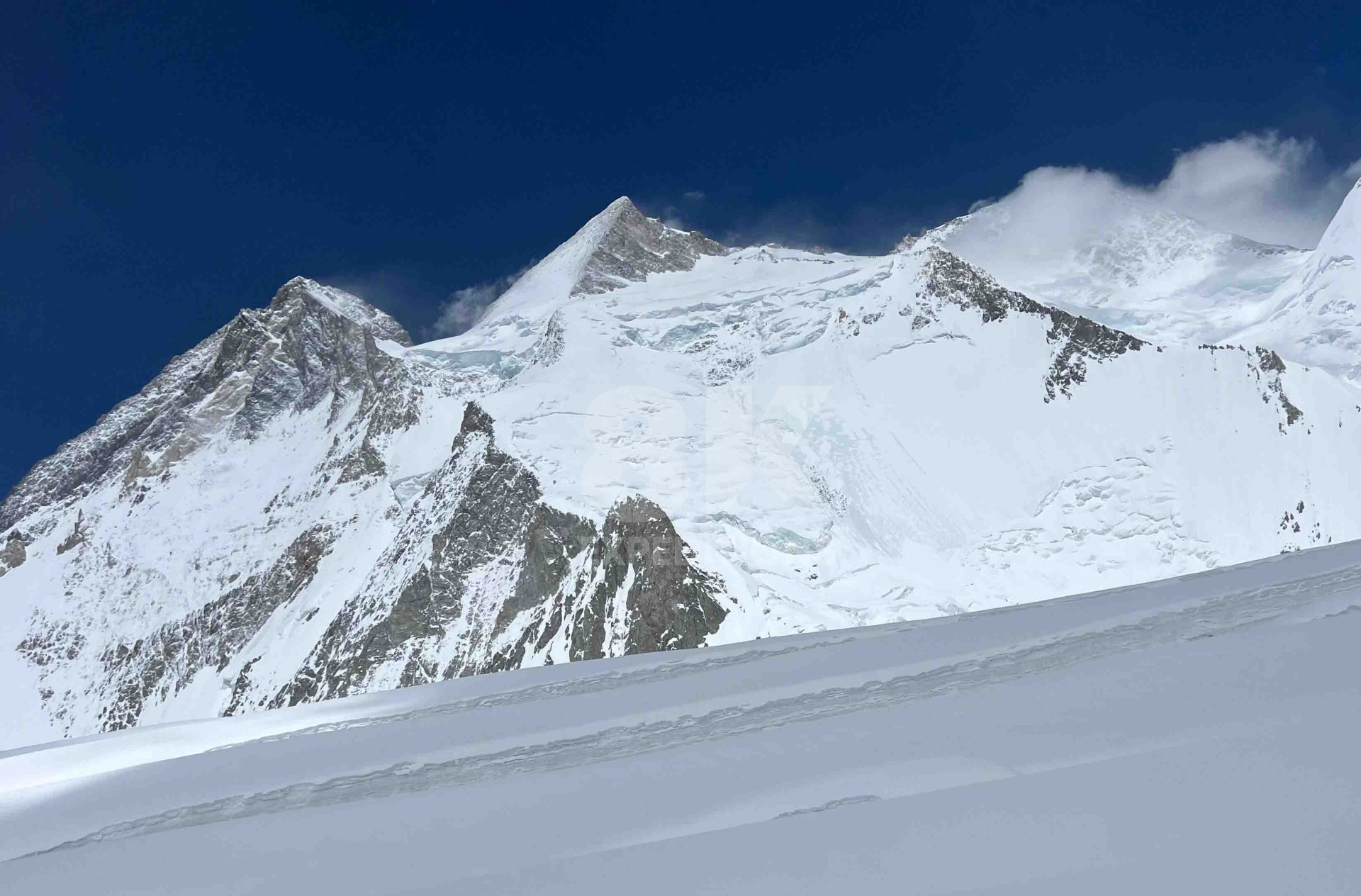
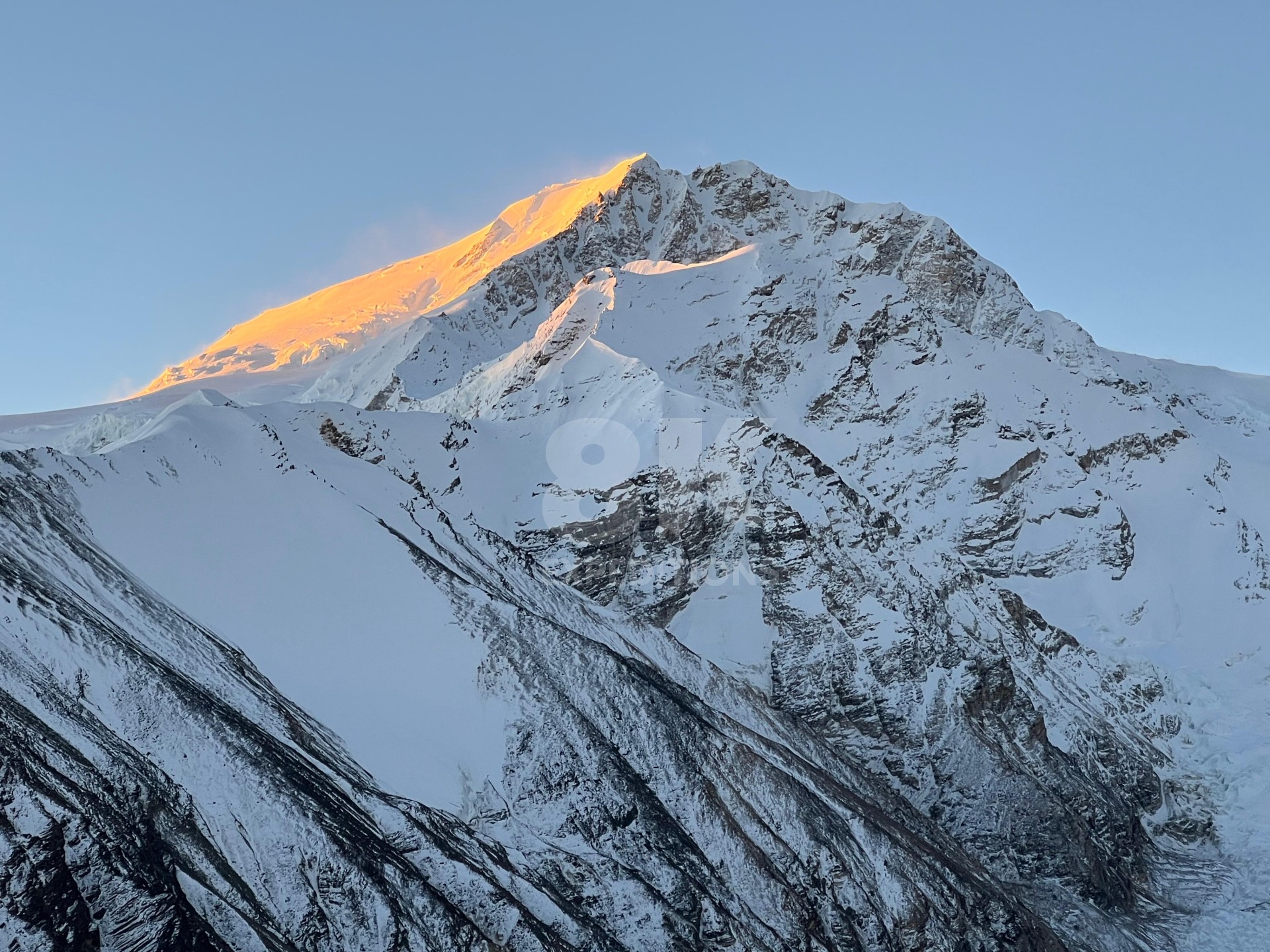
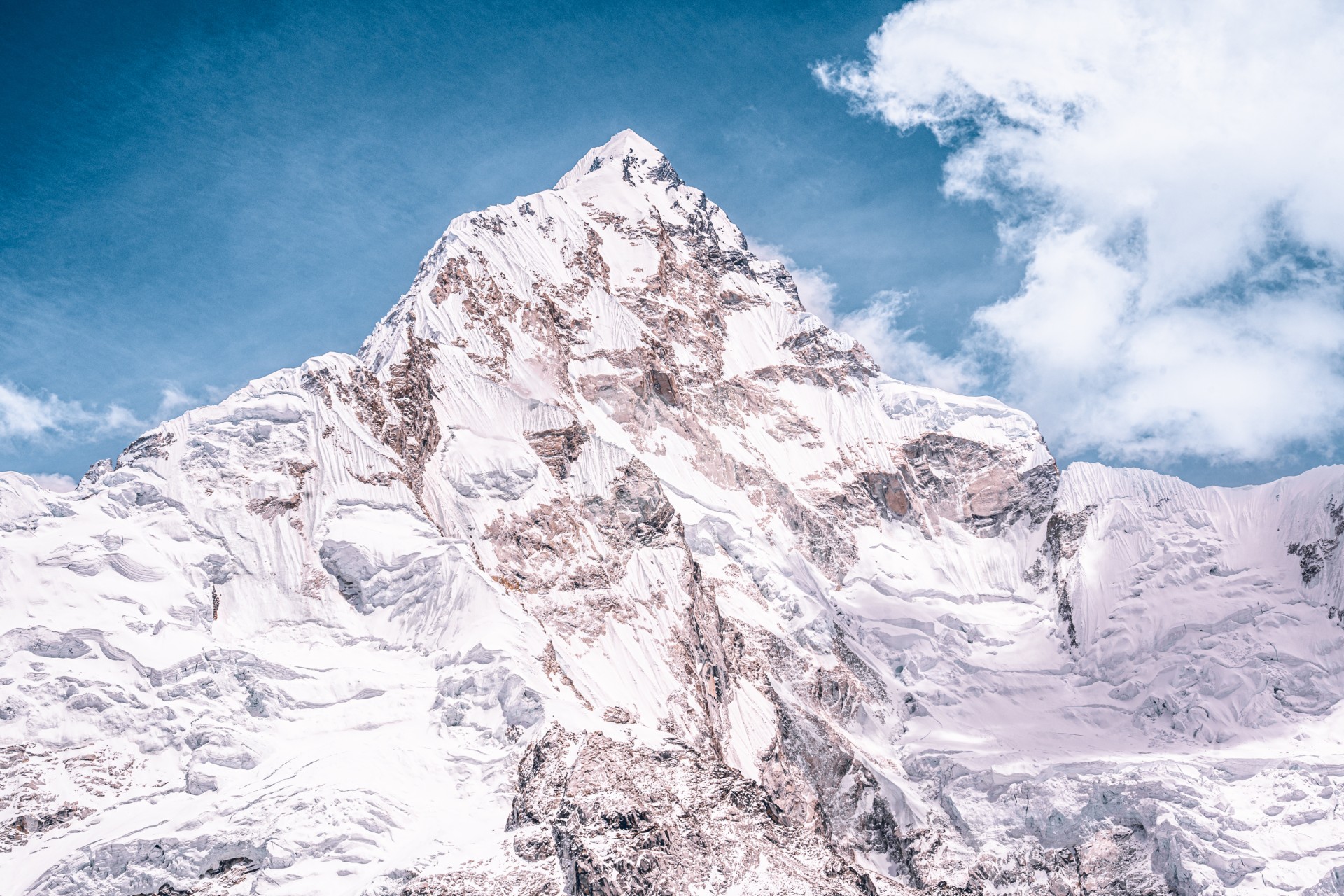
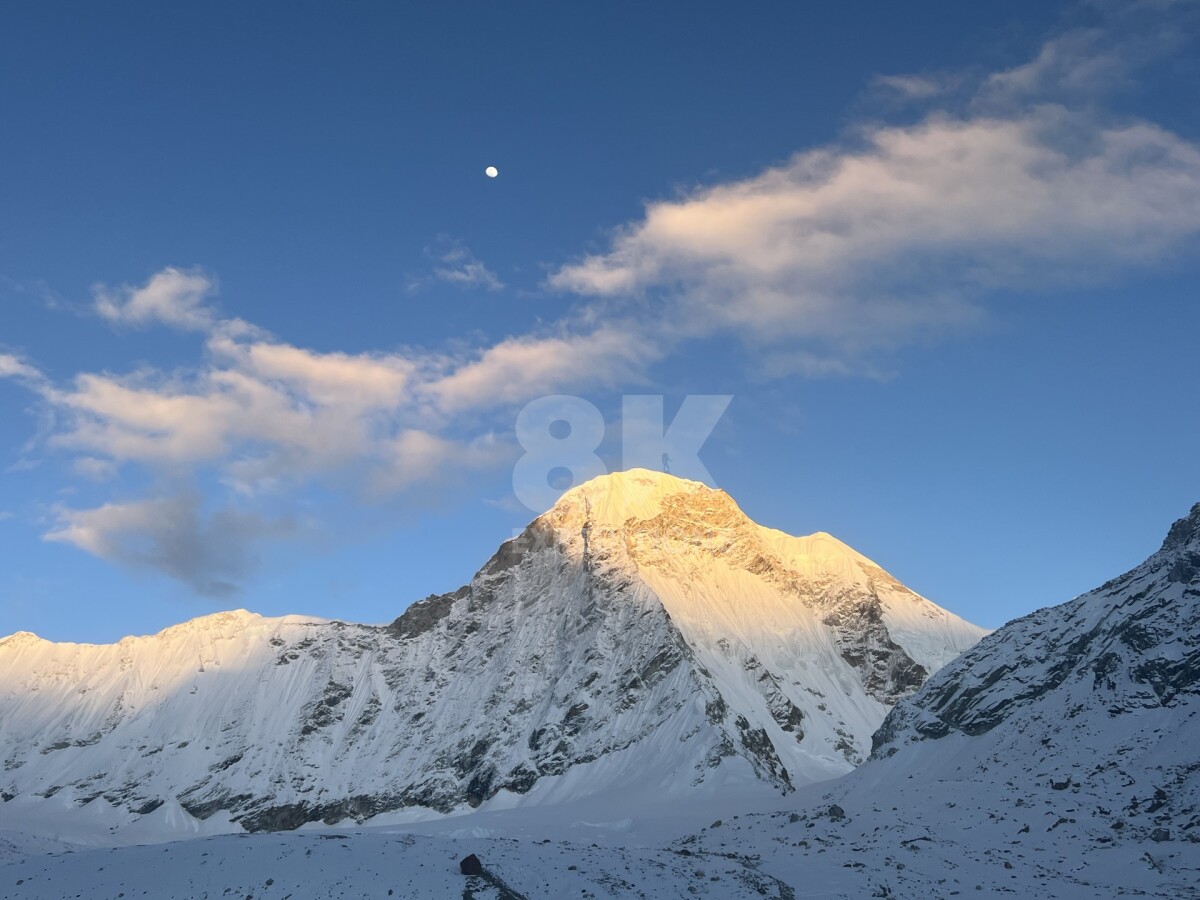
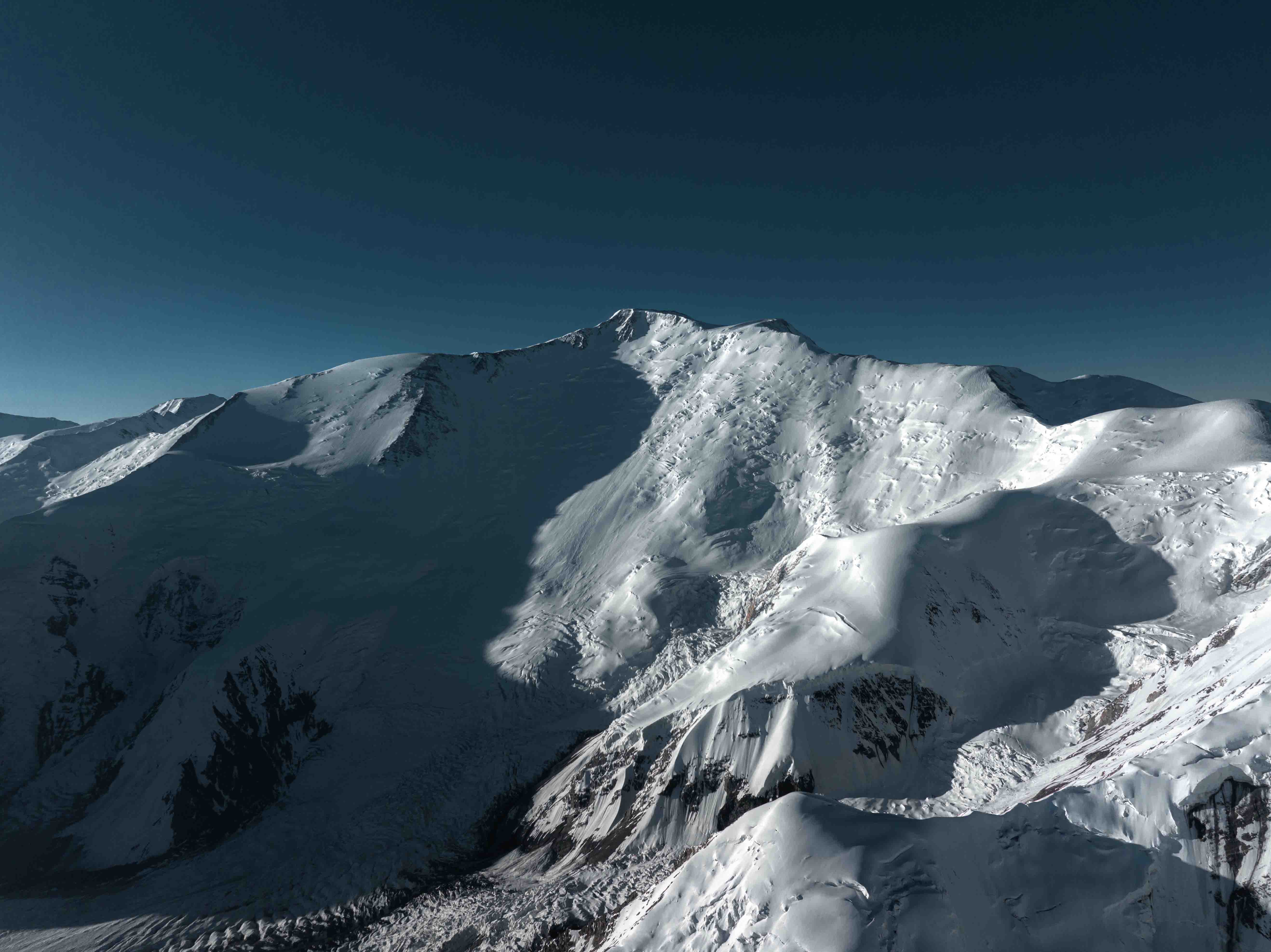
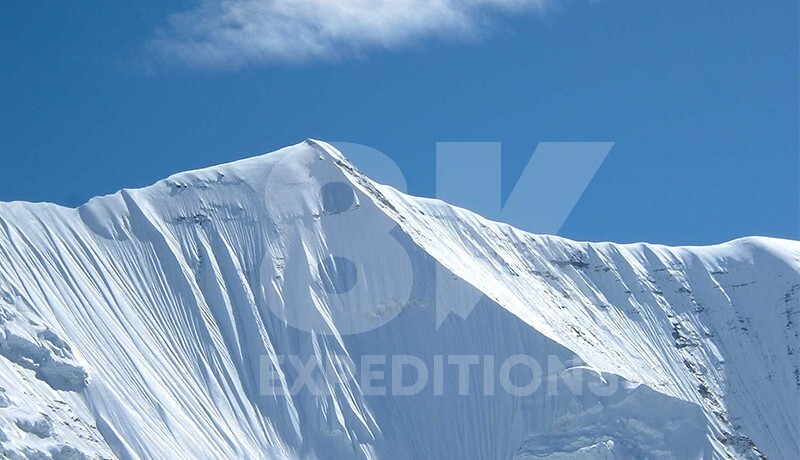
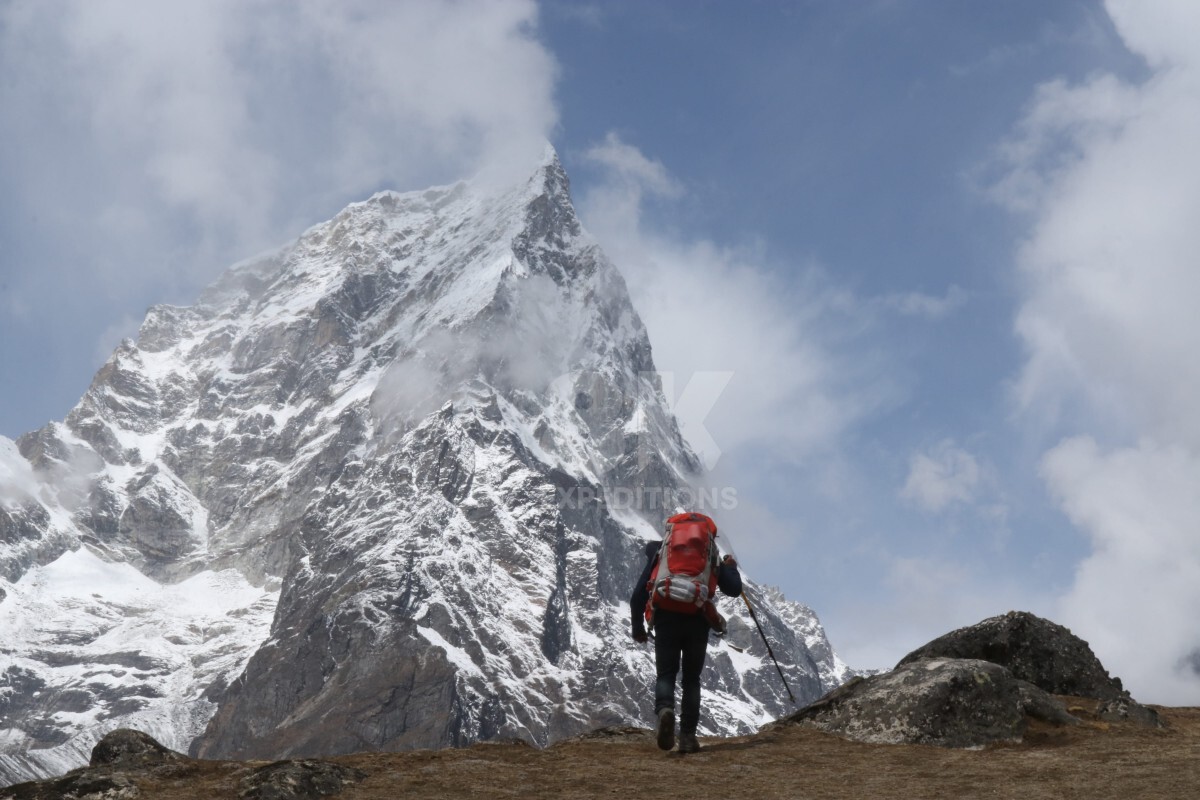
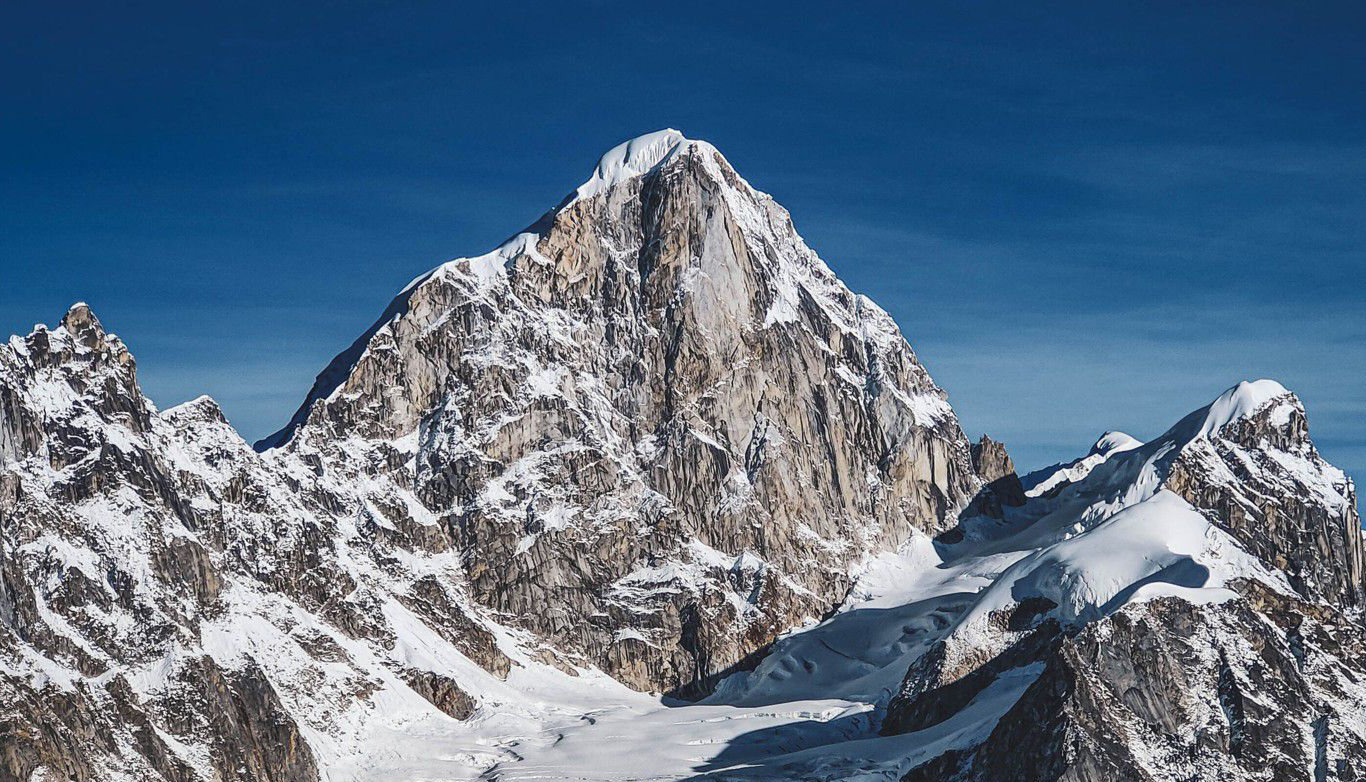
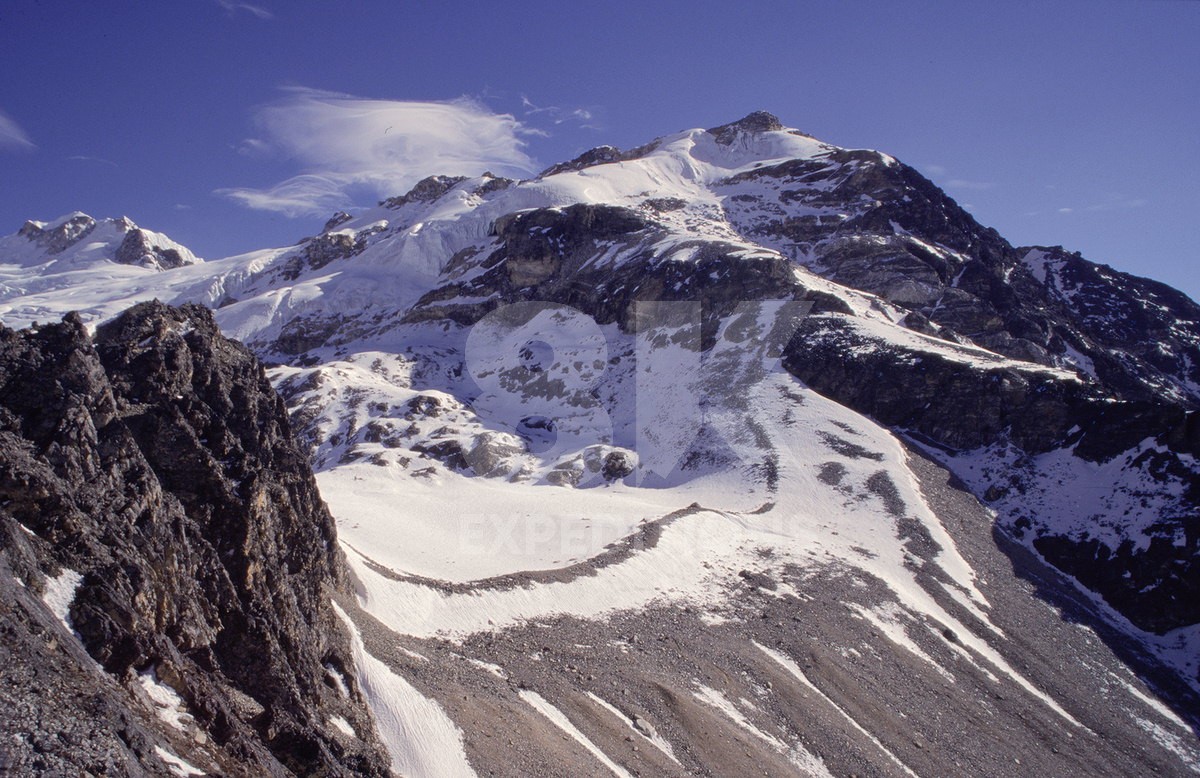
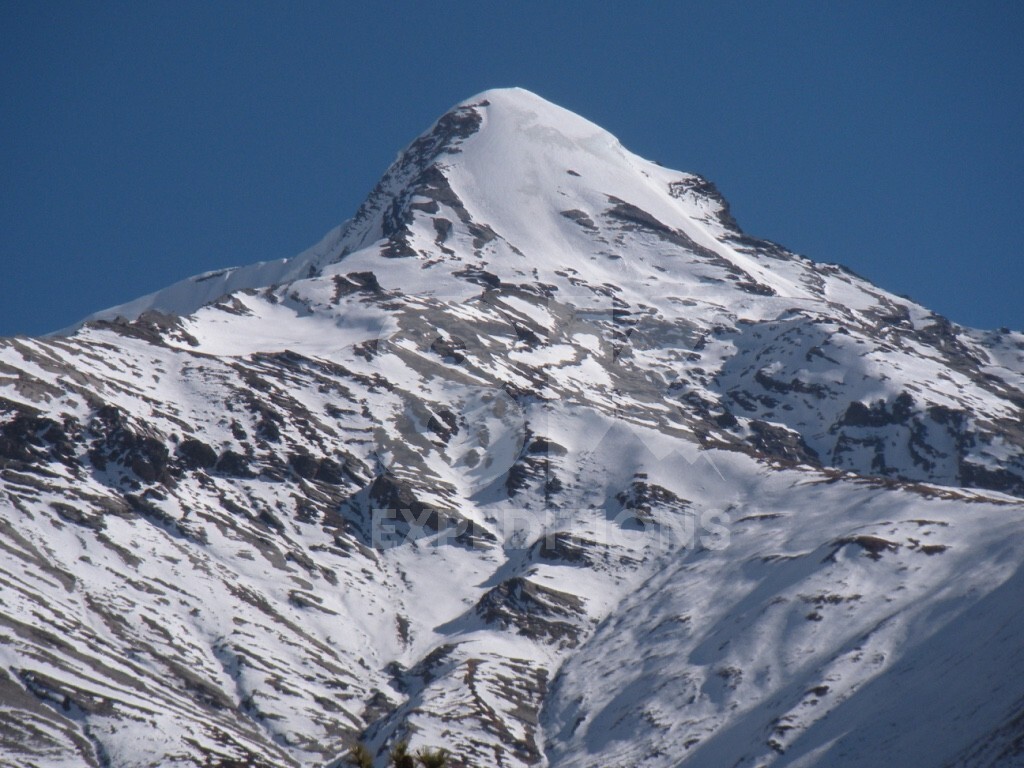
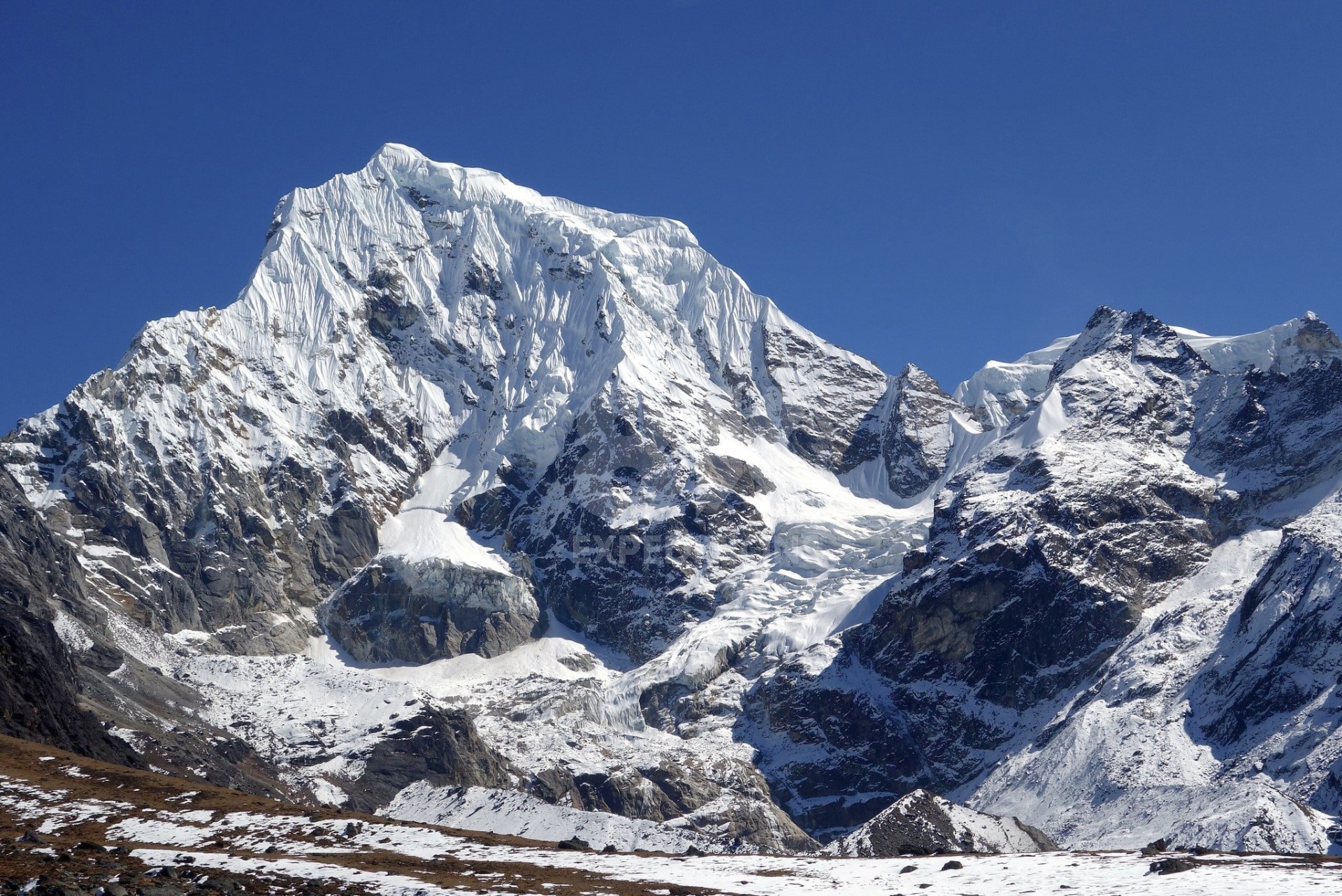
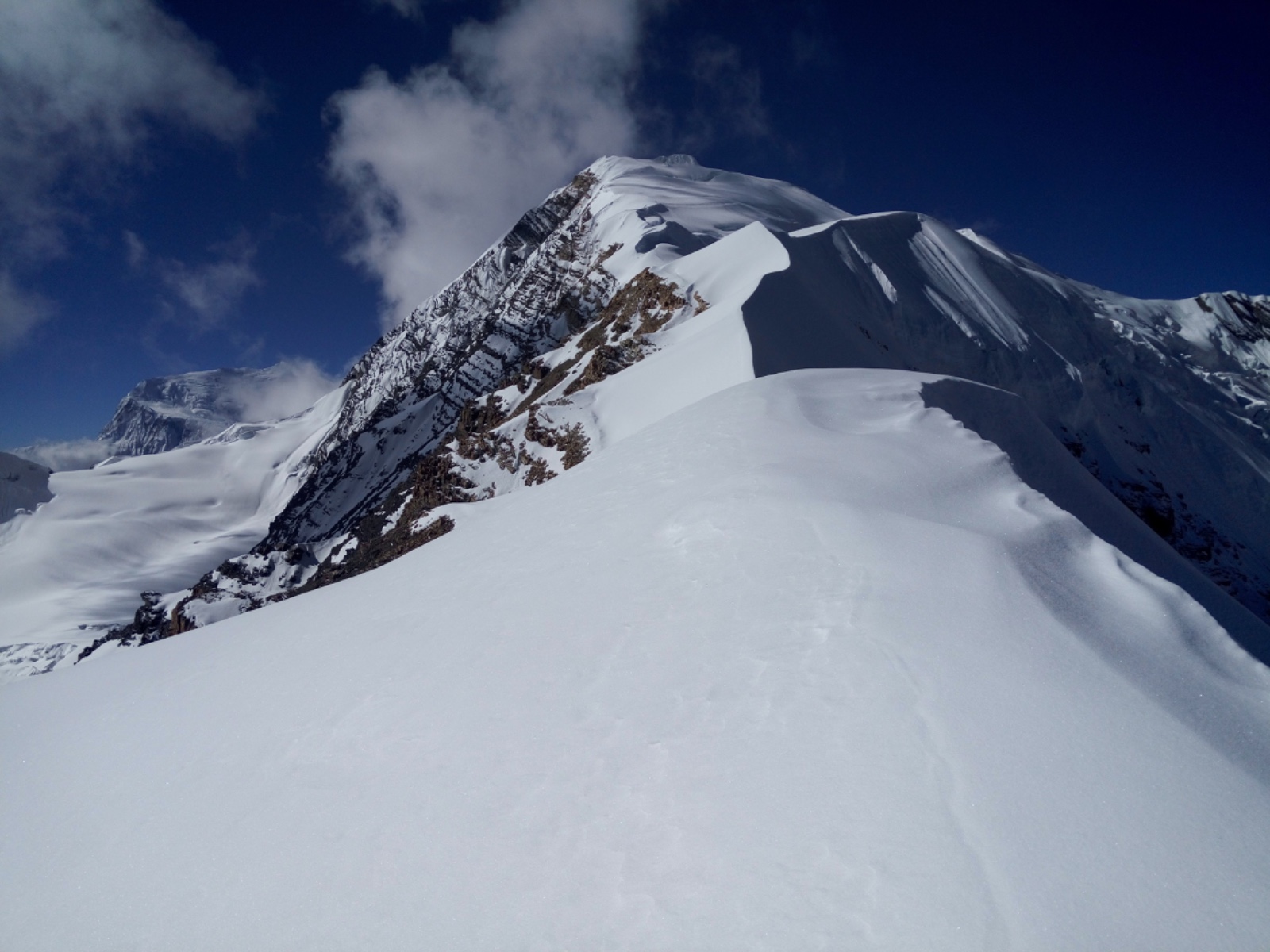
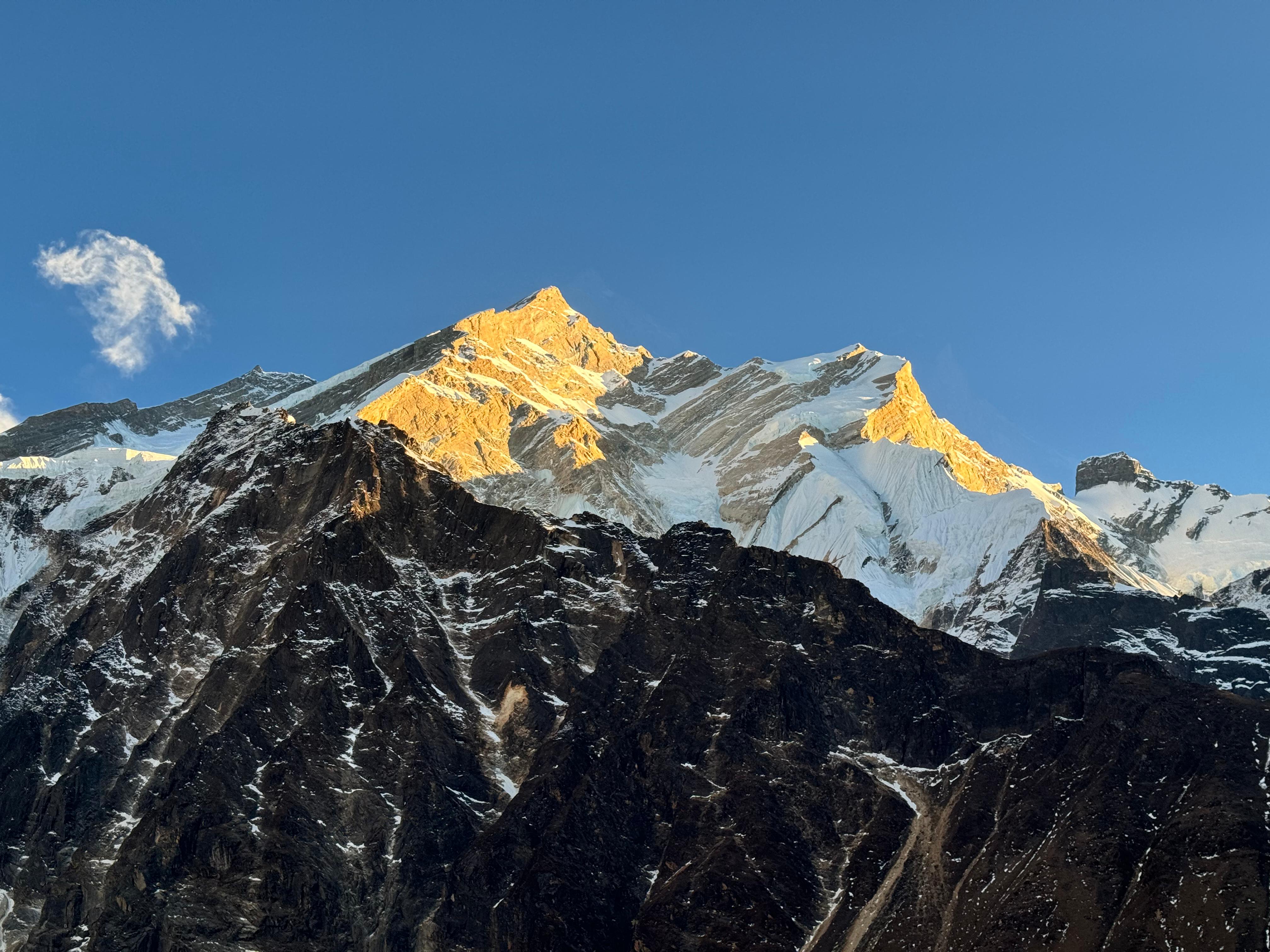
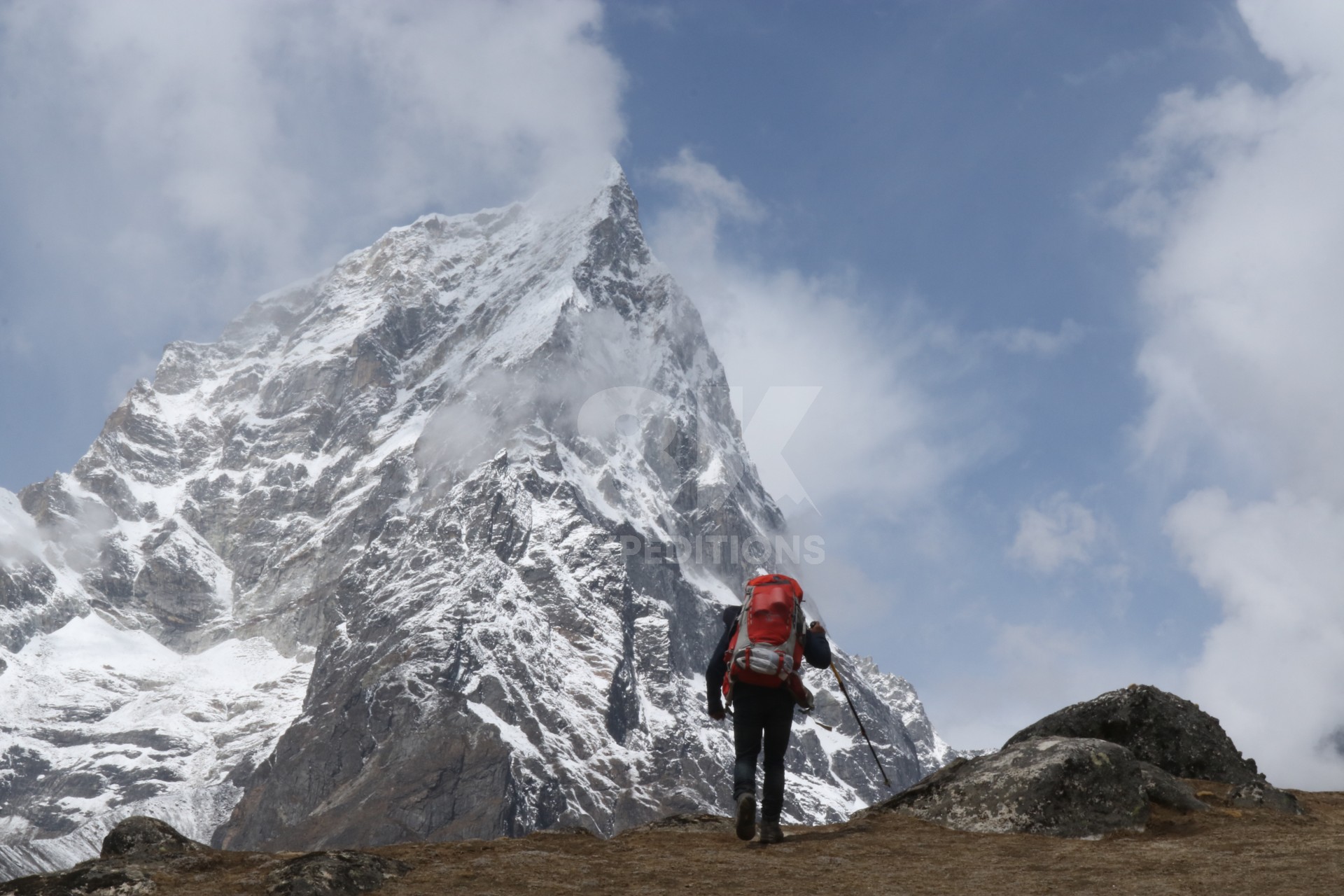
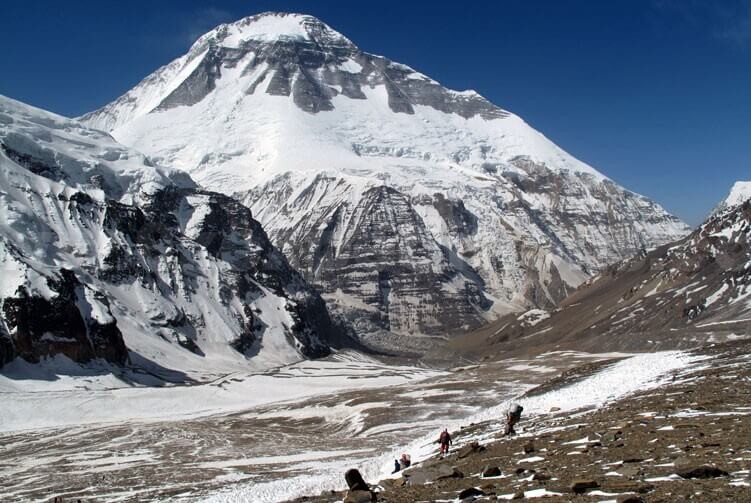
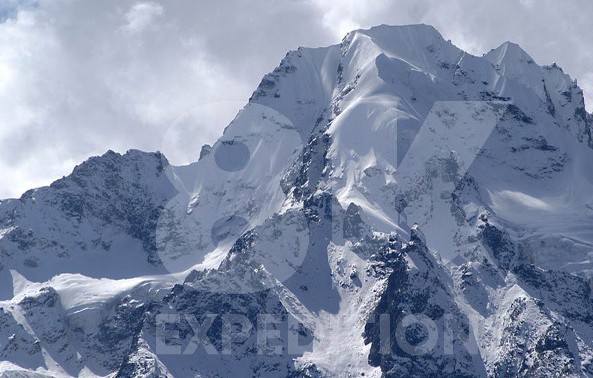
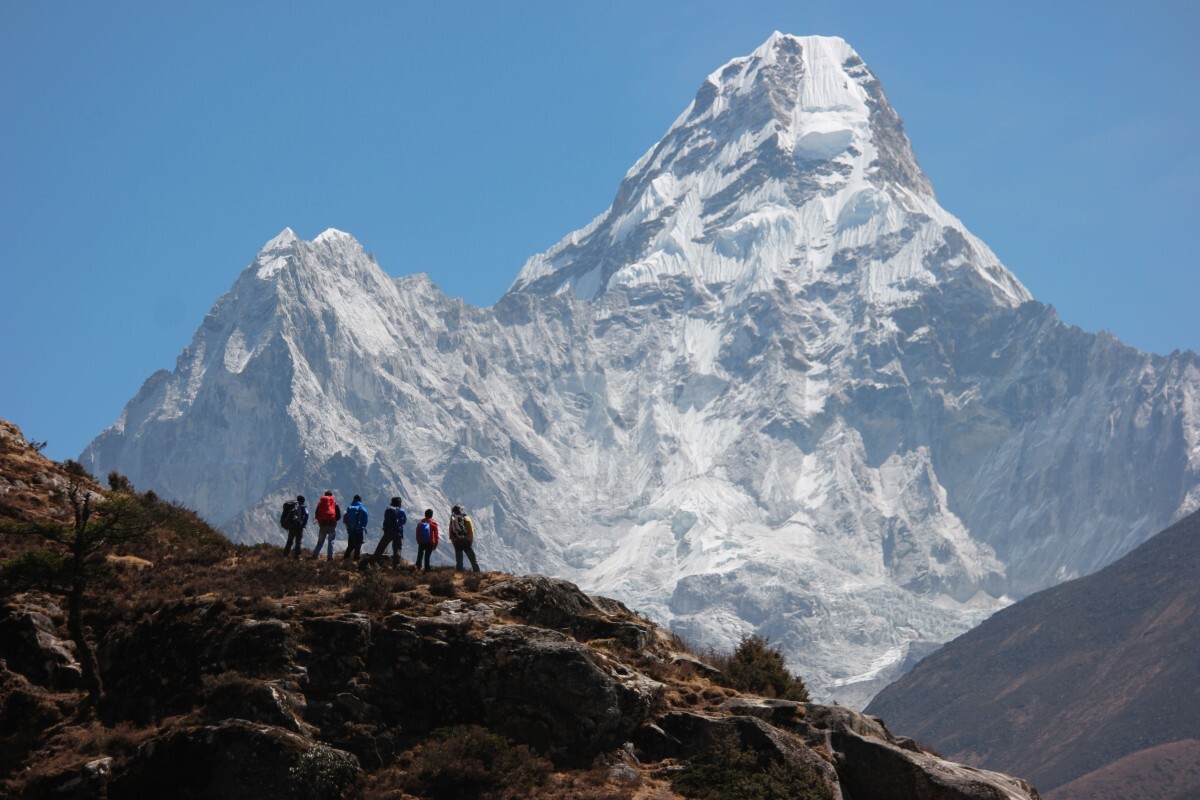
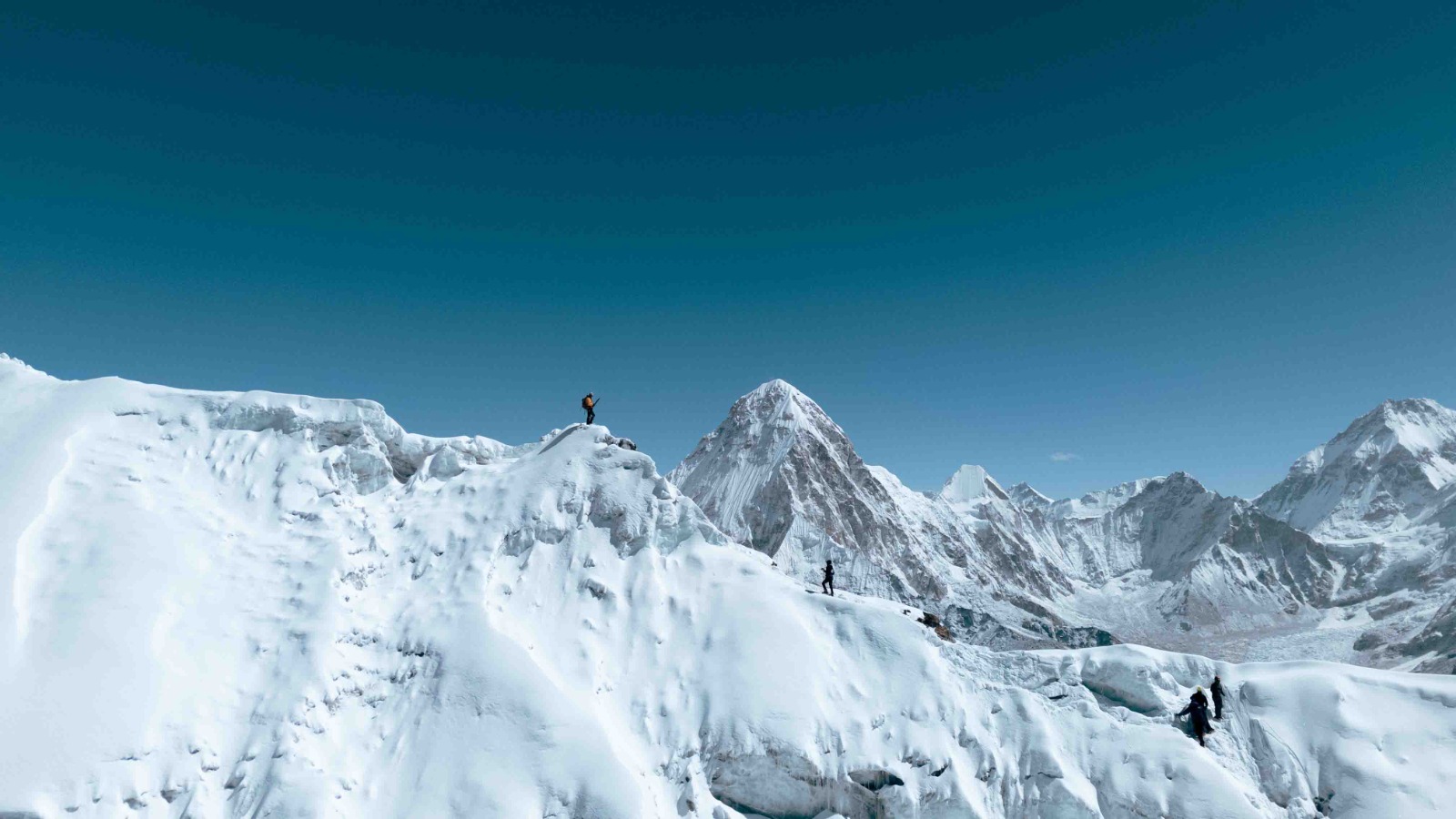
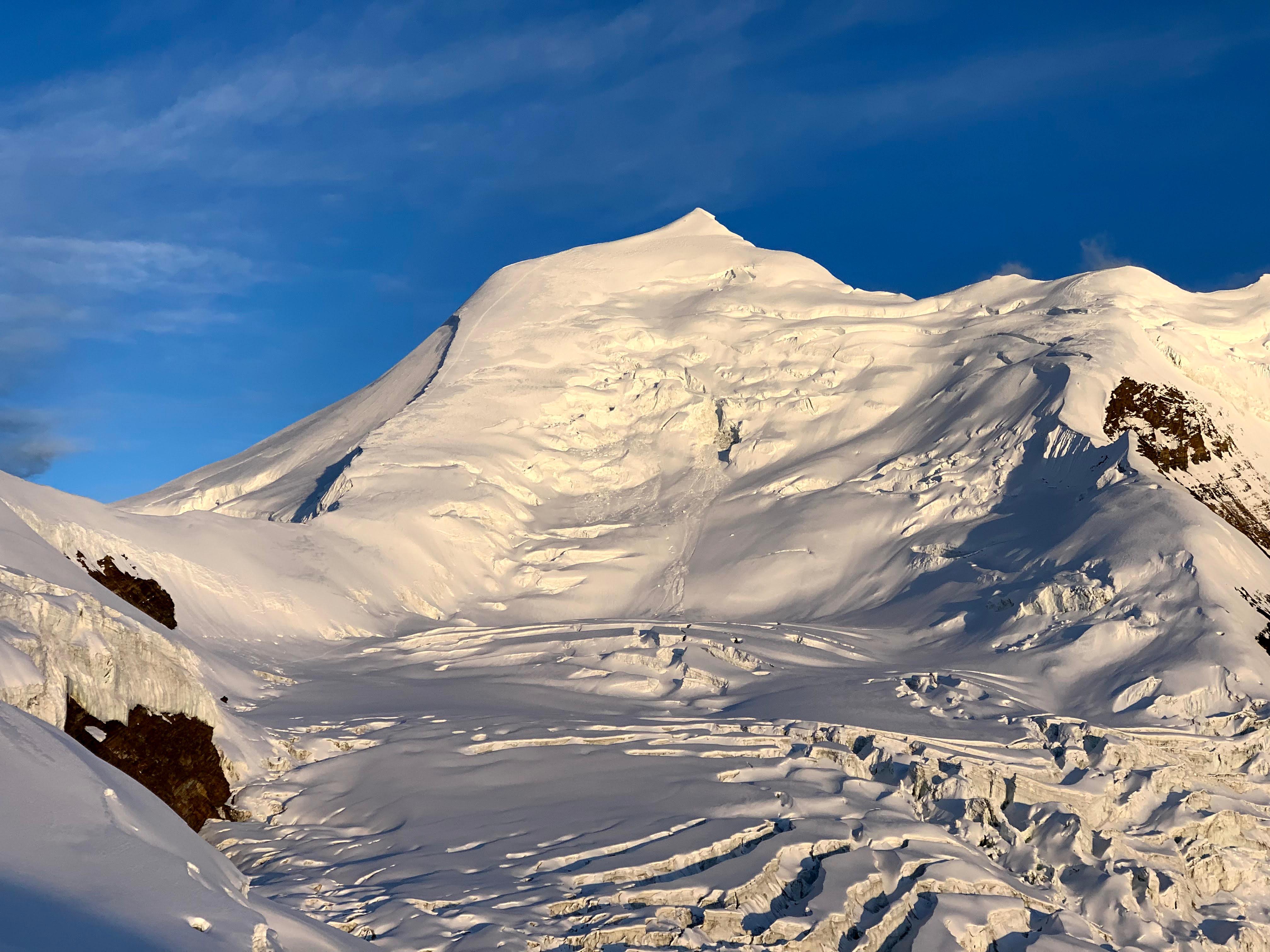
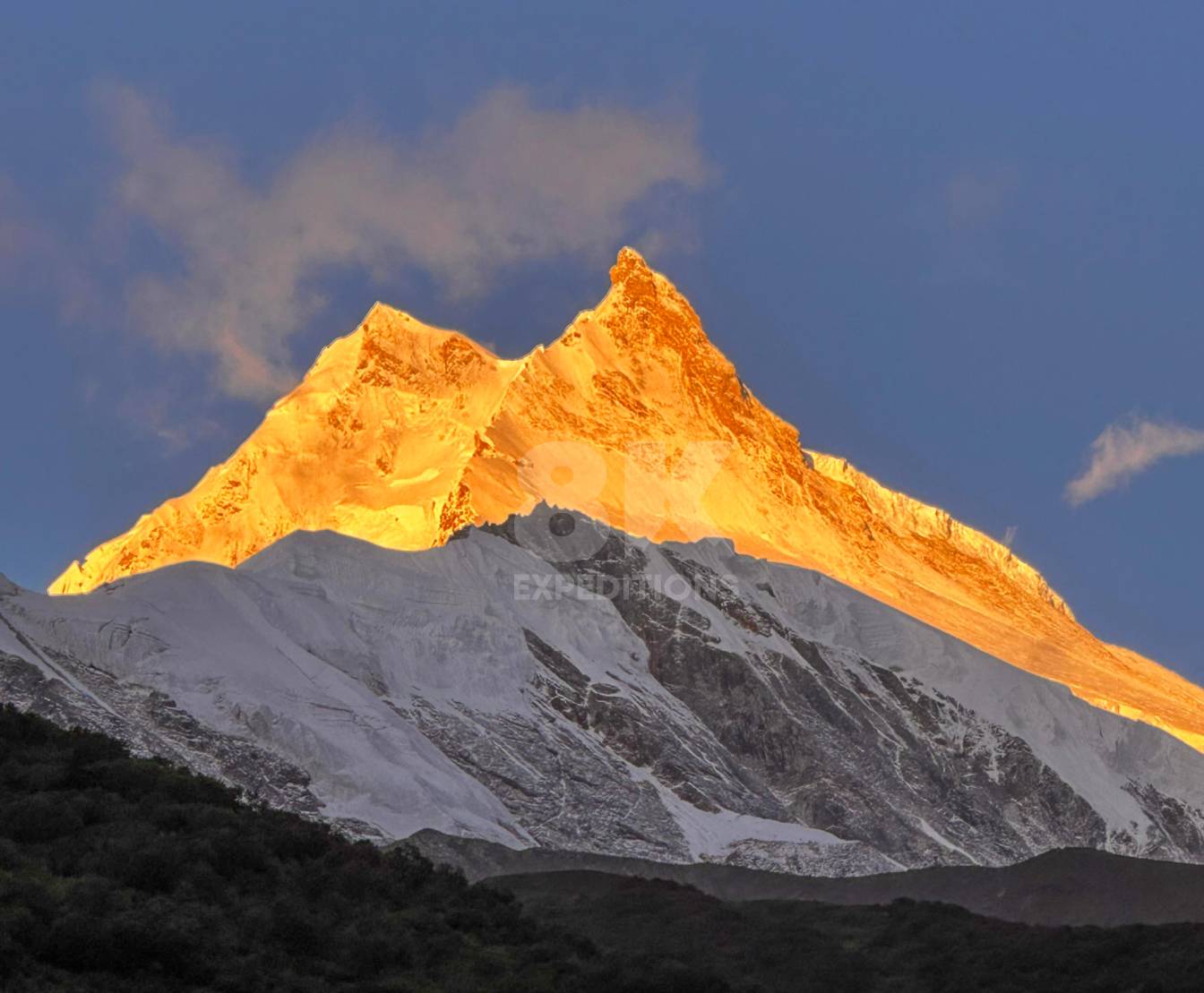
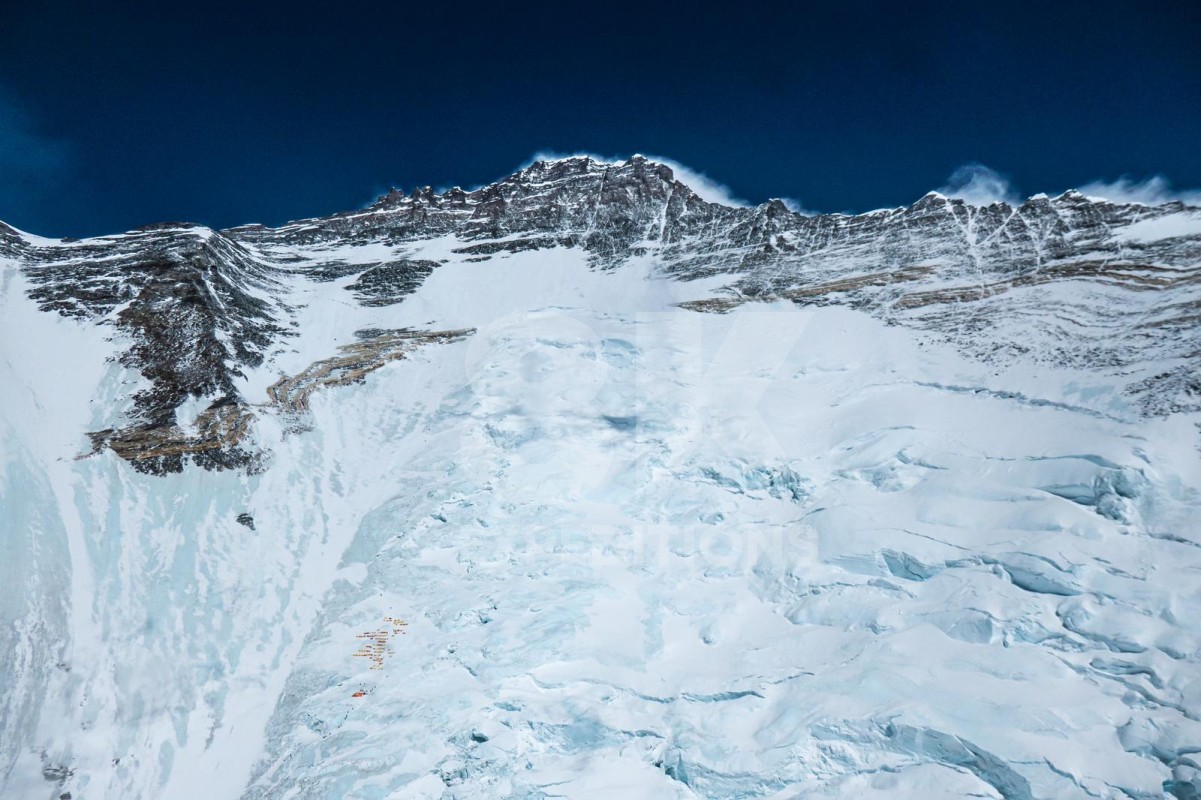
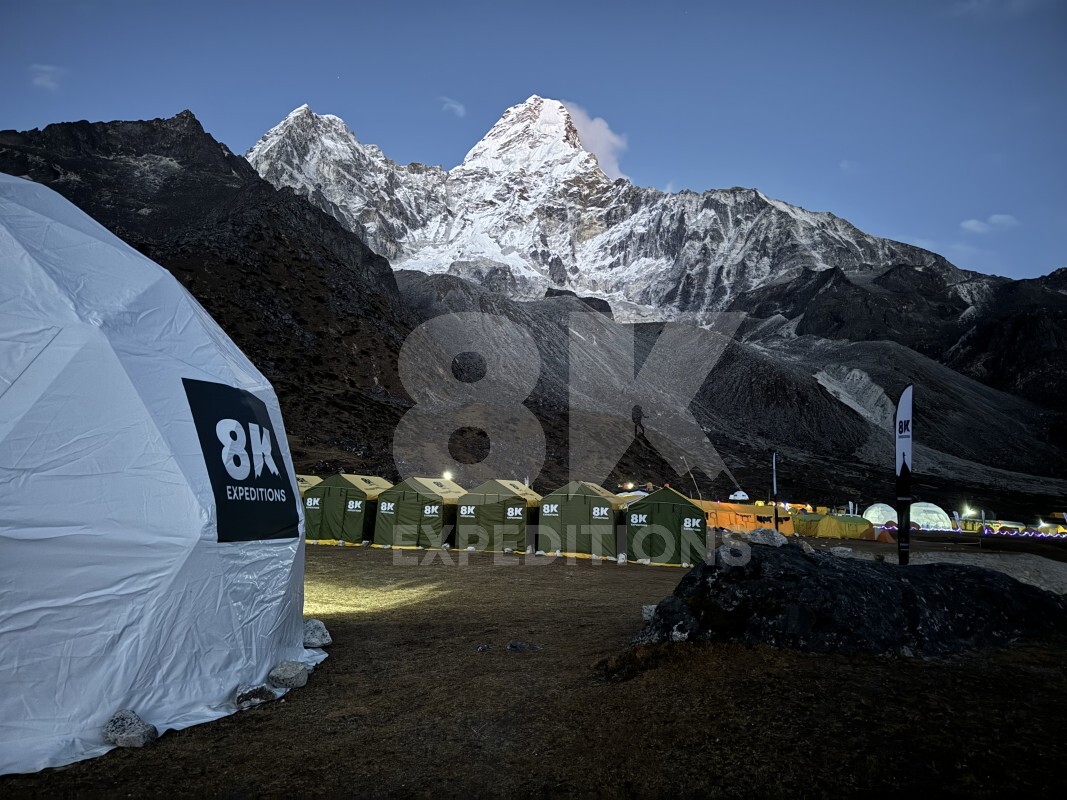
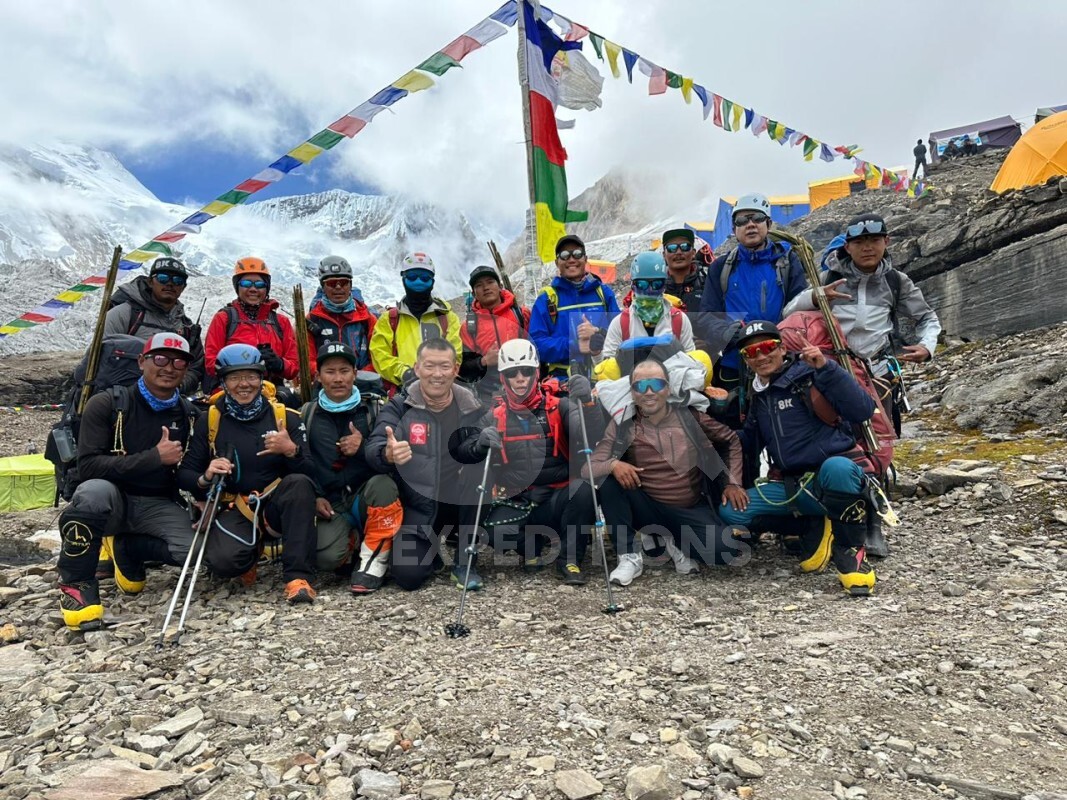
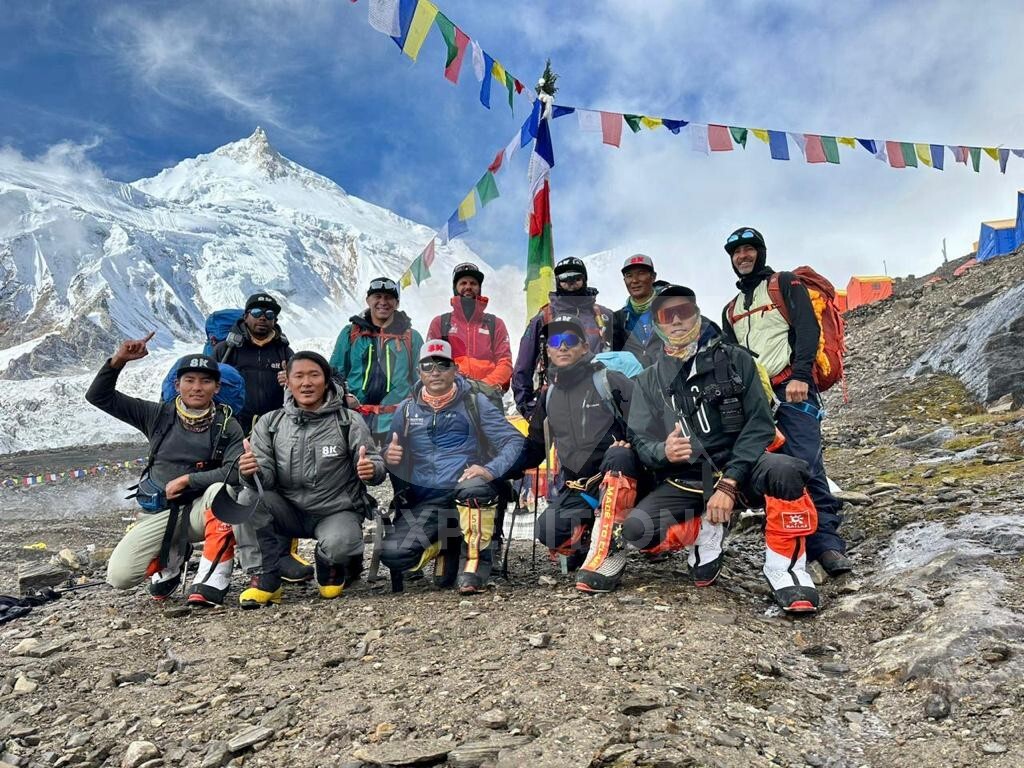
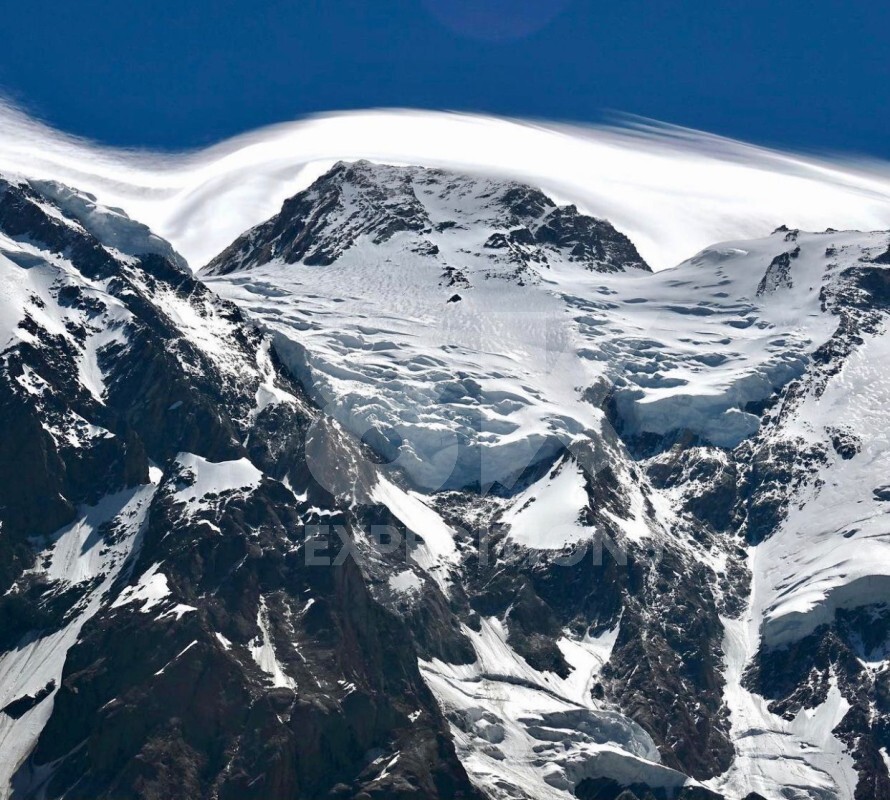
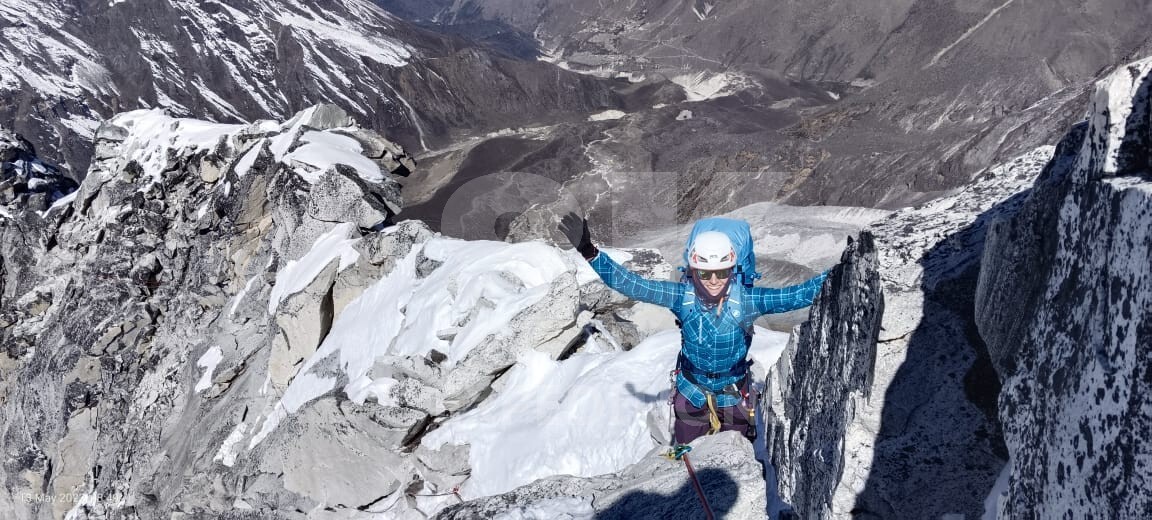
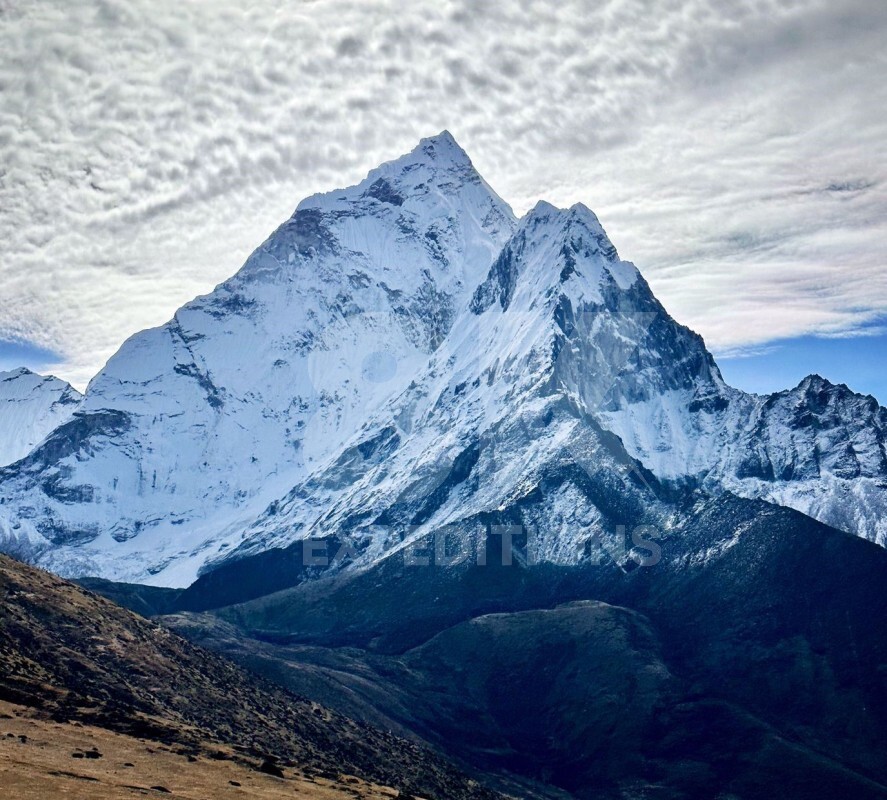
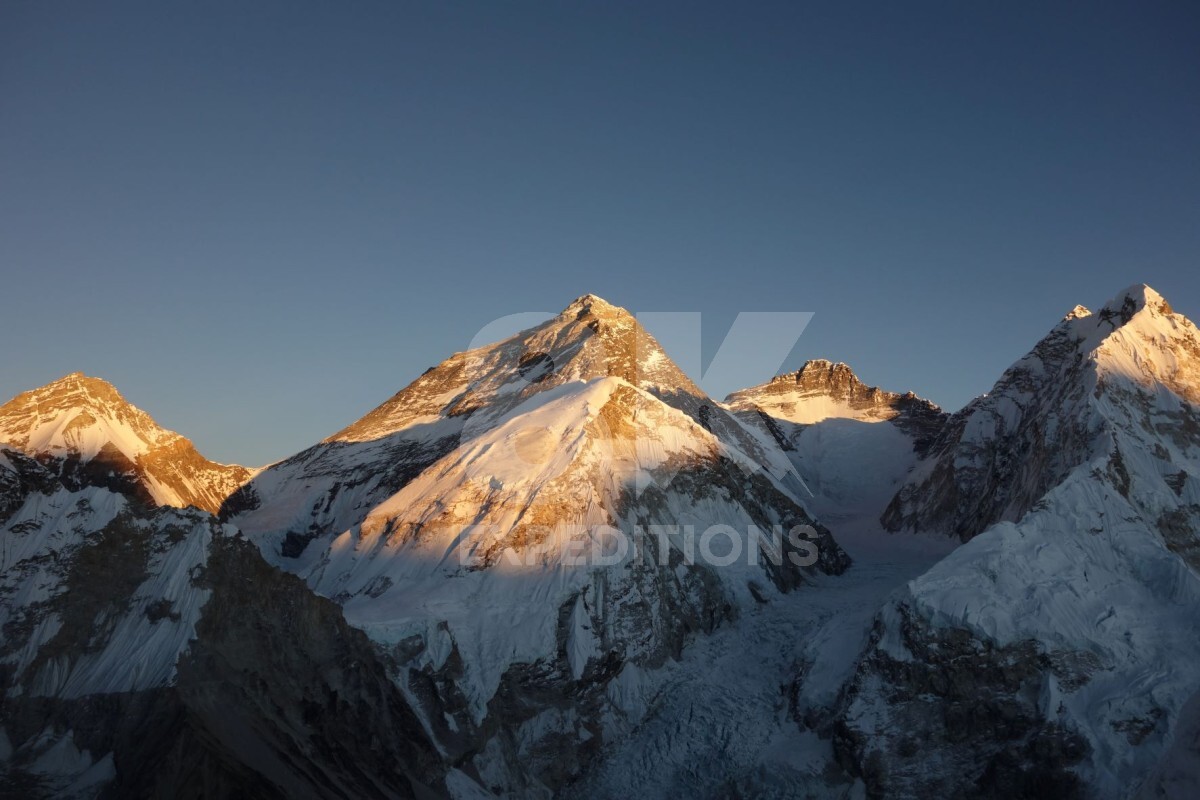
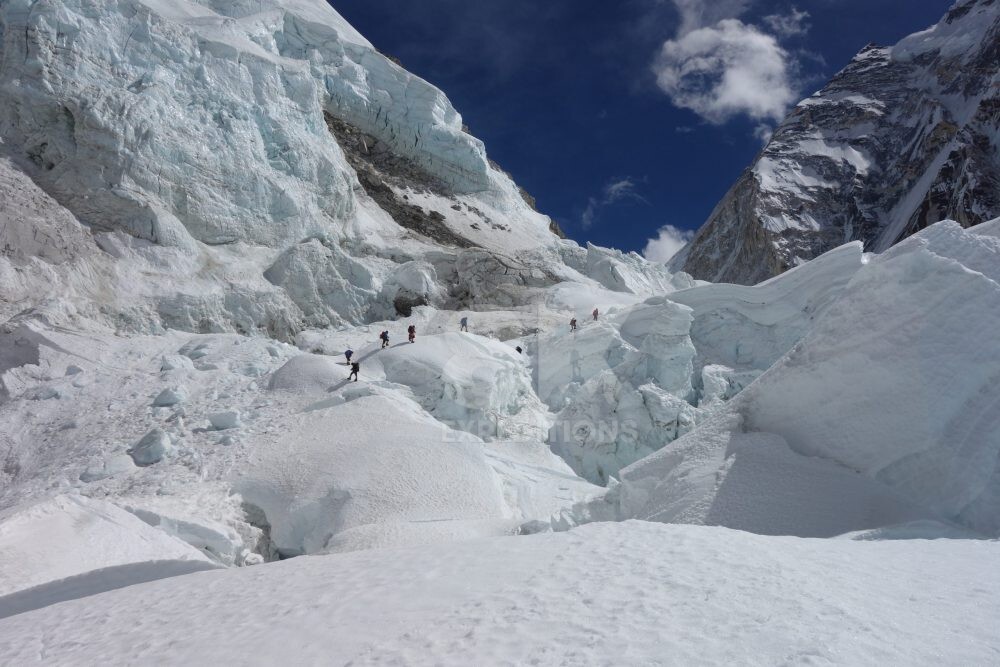
Baruntse Expedition (7129m) in the heart of the Khumbu region is comparatively an easier peak with similar altitudes. "Barun-Tse", as its name implies, is the peak in the western part of the Barun Glacier Valley. Towards the south of Baruntse lies the Hunku Glacier while Imja Glacier limits it towards the Northwest. Crowned by four peaks, Baruntse has four routes that lead to the summit, the South one being the popular one. However, the route via Southeast Ridge is a bit challenging as it is a straightforward climb that goes through hard sections of an ice cliff that rises up to 50 degrees and also poses the risk of avalanches. 


Successfully ascended for the first time on May 30, 1954, by Colin Todd and Geoff Harrow from the Expedition team led by Sir Edmund Hillary, Baruntse Peak (7129m) is an ideal choice for those wanting to leap from 6000 m to 7000 meters peaks. With a higher rate of success than other peaks above 7000 m, Mt. Baruntse (7129m) is a spectacular peak to prepare for an 8000-meter peak.


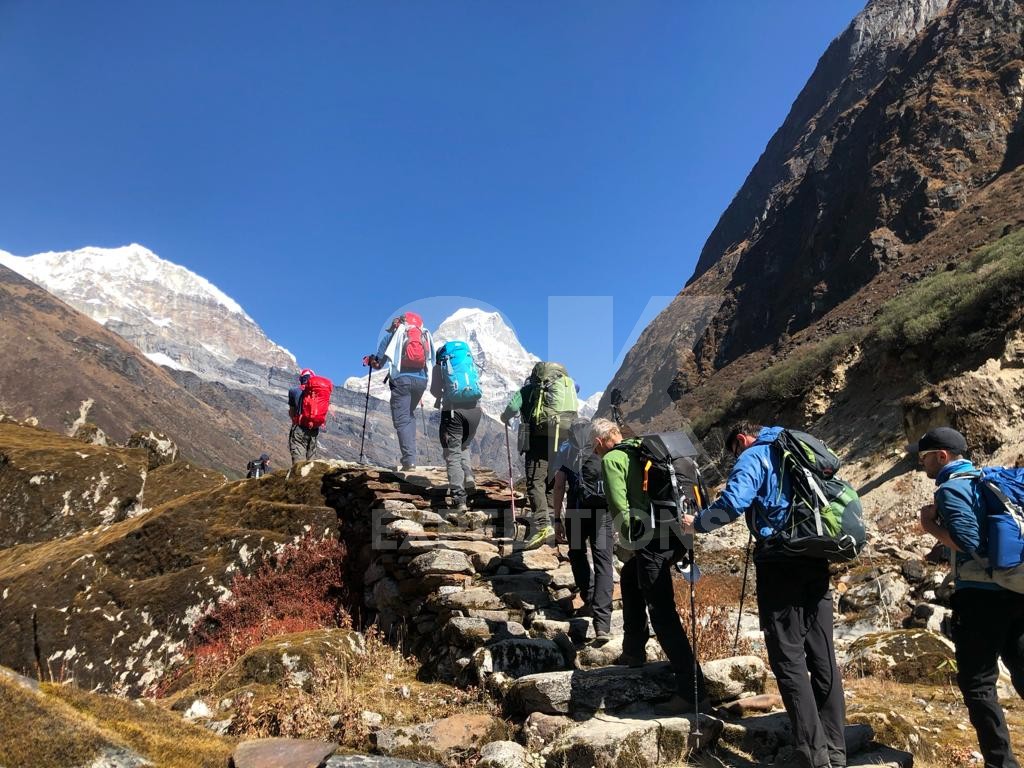
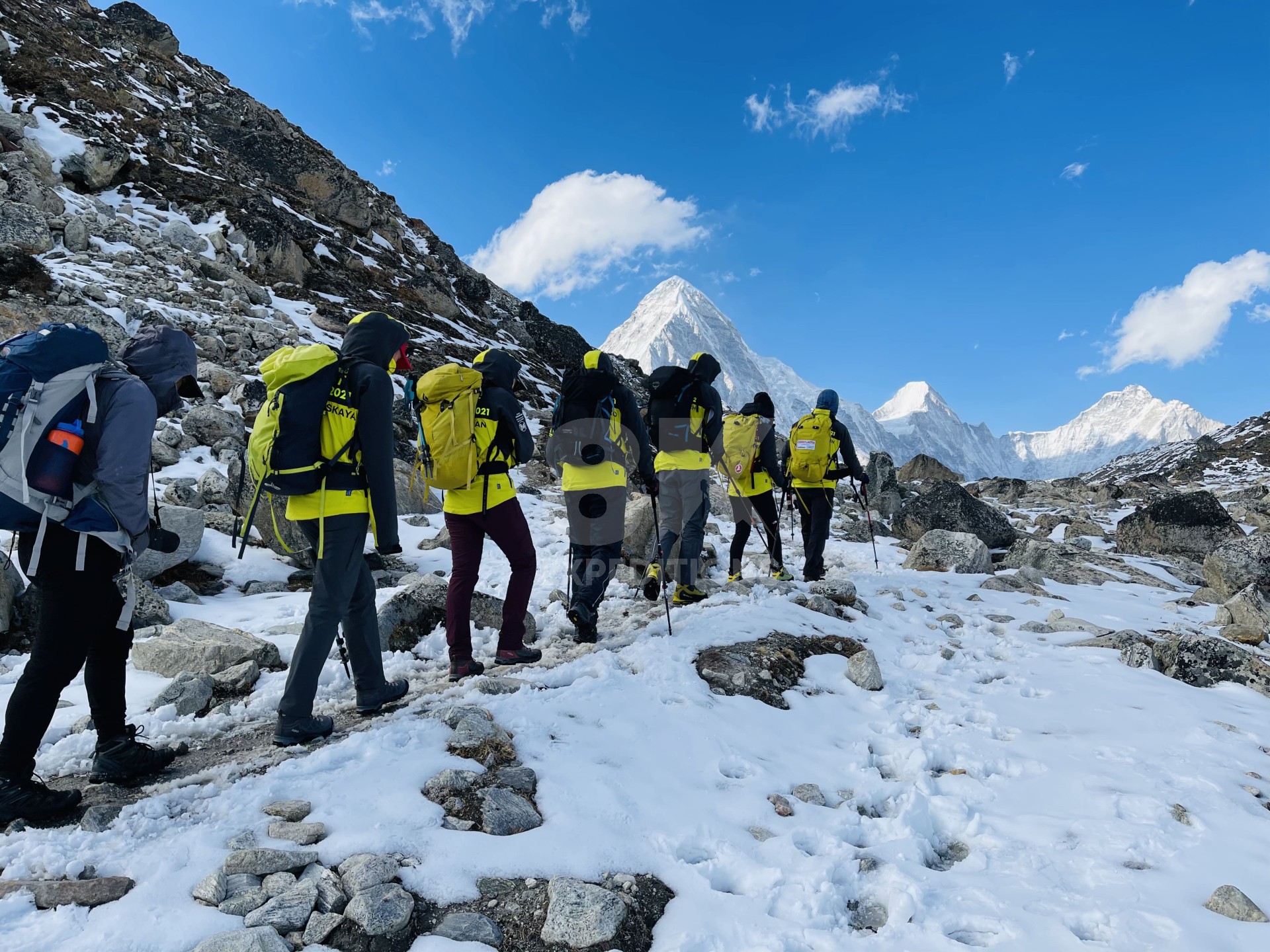
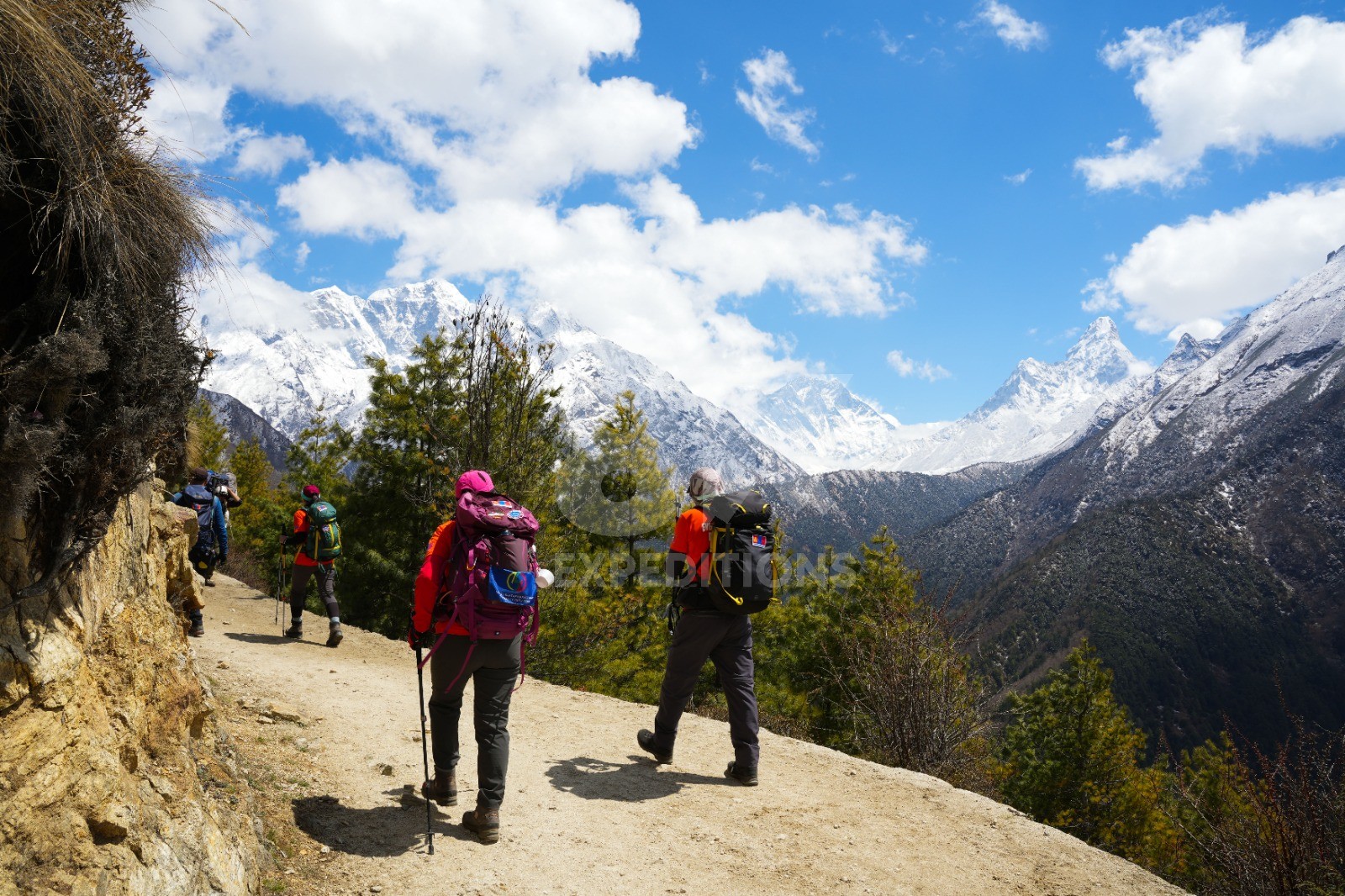
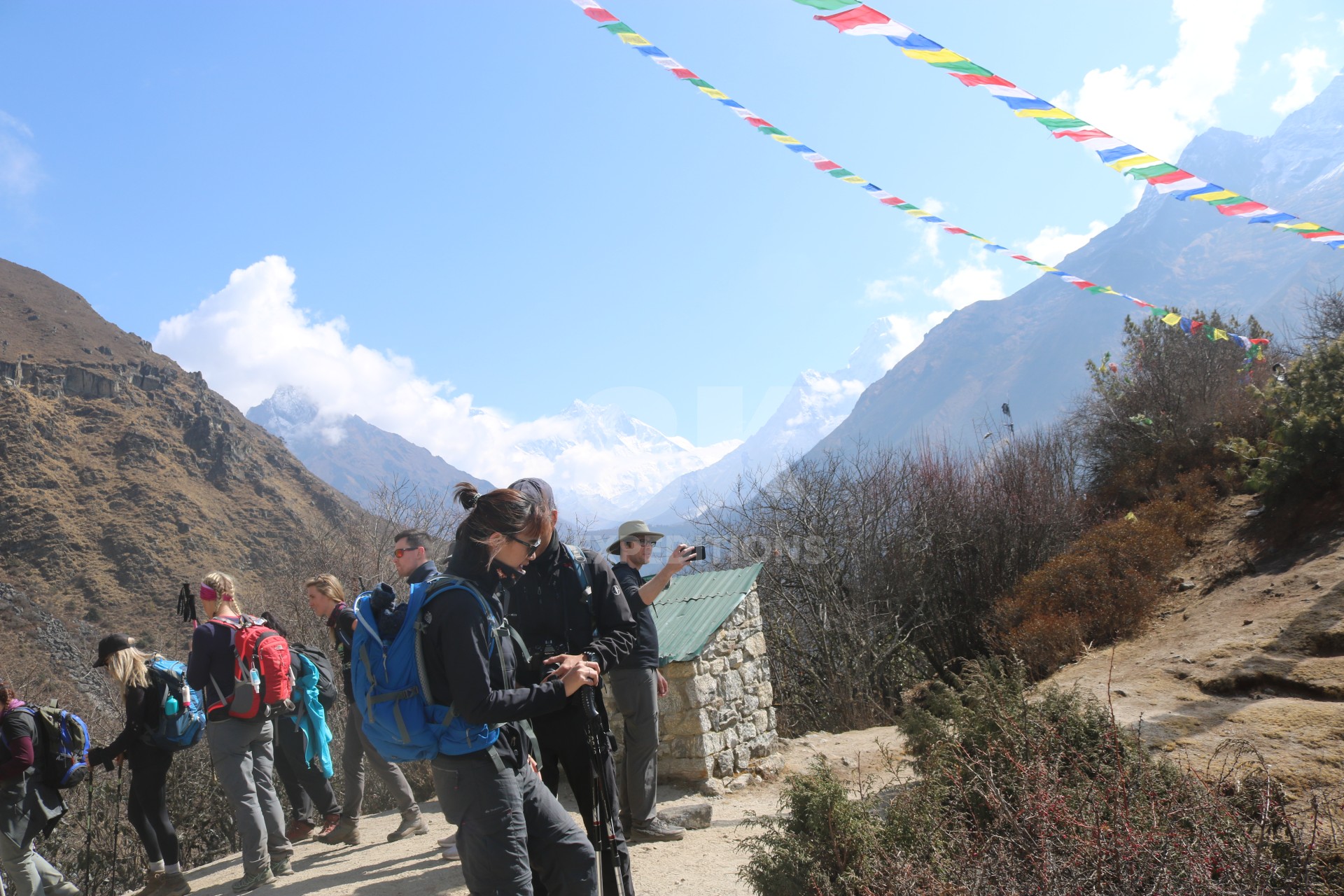
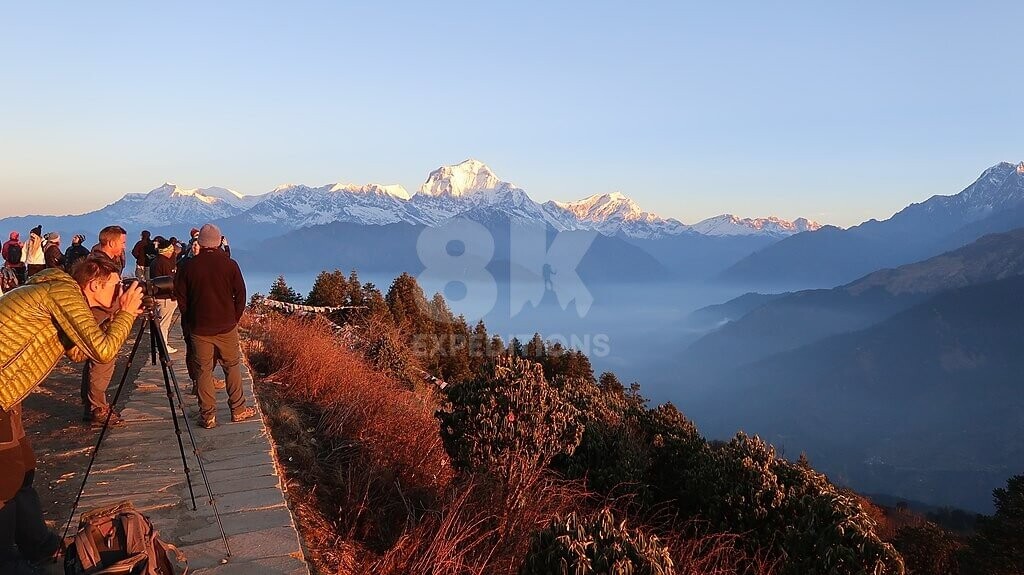
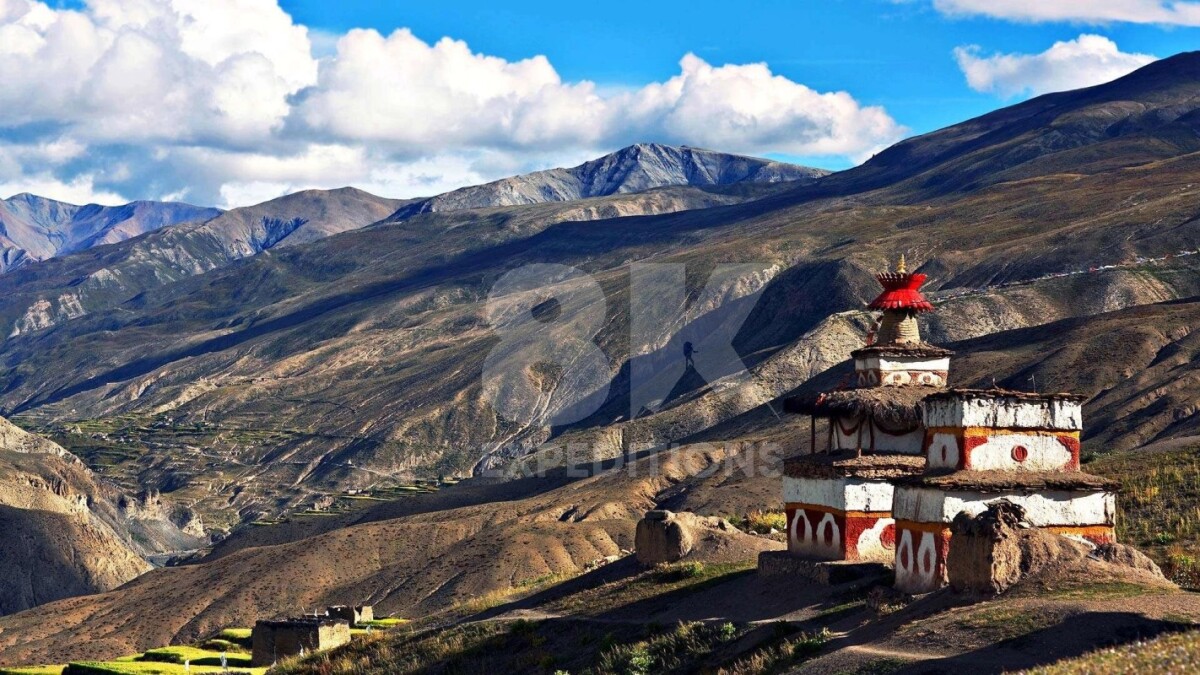
Baruntse Expedition (7129 m) is led through two significant trekking routes. The first one goes through Lukla to Zwatra La Pass all the way to Mera La Pass and turns to Hunku Glacier up to the Base Camp. The other route goes through Makalu Trail across the West Barun Glacier. Whichever route you take, you will be mesmerized by the pristine beauty and tranquility that the region houses. Walking through the ancient Sherpa settlements, grassy meadows, and high pass that offers majestic views of high mountain peaks of the Khumbu region. 


Perfect physical fitness and adequate experience in high-altitude trekking are required to go on Baruntse Expedition (7129m) expedition. Proper acclimatization will be very handy in making the expedition memorable and successful. 


Best Season for Baruntse Expedition (7129m)


The best seasons to go on Baruntse Expedition (7129m) in Nepal are Spring and Autumn when the weather is moderate, the skies are clear, the days are longer and there is less risk of extreme snowfall, storms, and winds. However, a competent team of 8K Expeditions can organize expeditions to Baruntse Expedition even in Autumn and Winters. 


Available bookings for our upcoming Autumn expeditions.


Are you ready to prepare for the climb of a lifetime? Send us inquiry via

Trip Itinerary

DAY
  • 01
    Arrival In Kathmandu (1,400 M) & Transfer To Hotel.

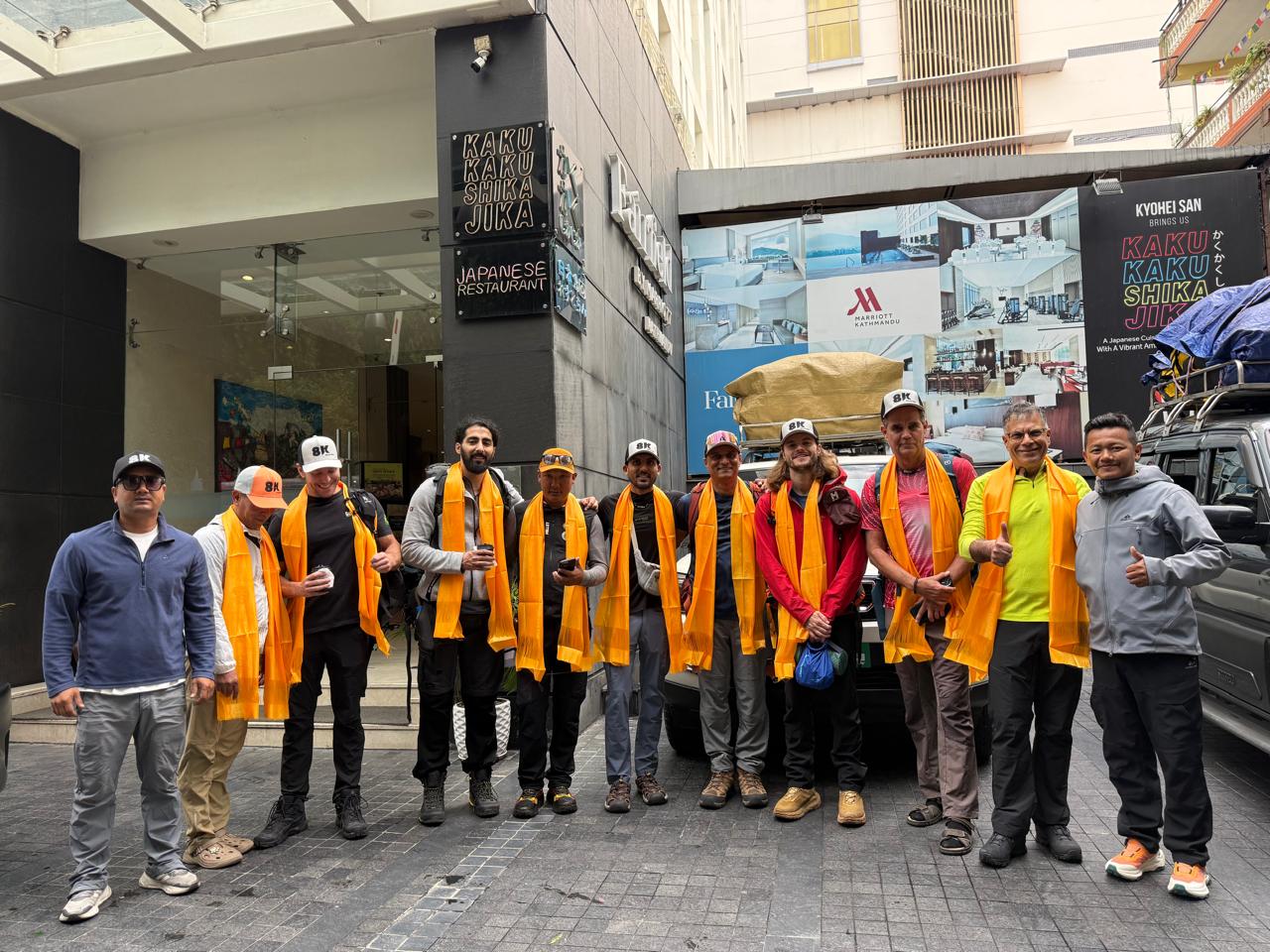
    Tracking the details that you provide, we will be waiting for you at the airport at your estimated arrival time. As soon as you complete your VISA obtaining procedure, we will meet and greet and transfer you to a cozy hotel where you can rest and relax. Exploring the streets of Thamel can be a good option for the evening. 


    Altitude 1400 M
    Meals Breakfast
    Accommodation 3-5 Star Hotel
  • 02
    Official Formalities, Gear Check, Kathmandu Sightseeing & Preparation.

    Official formalities, gear check, Kathmandu sightseeing & preparation.

    Altitude 1,400 M
    Meals BLD
    Accommodation Hotel
  • 03
    Domestic Fly To Lukla (2,860 M) & Trek To Chutanga (3,050 M).

    After early morning breakfast at the hotel, we take a short and scenic flight to Lukla, one of the highest altitude airports. As we land at Lukla, we will meet our local team members and porters who will carry our luggage to Chutenga. We will hike towards the southeast of Lukla that leads towards Makalu Barun Conservation Area where we will obtain entry permits with nominal fees. We then follow a path that goes across small rivers and takes us past monasteries until we reach the Chutenga village.

    Altitude 3050 M
    Meals BLD
    Accommodation Lodge/Teahouses
  • 04
    Trek To Thuli Kharka (4,100 M) Via Zatrwa La Pass (4,610 M).

    After Chutenga, we will slowly move towards Zwatra La Pass that lies at 4610 m. After the steep ascent, our trail descends towards Thuli Kharka. We walk on barren lands down the hills until we reach our destination. Walking slowly and steadily for about 6-7 hours we finally reach Thuli Kharka. 

    Altitude 4610 M
    Meals BLD
    Accommodation Lodge/Teahouses
  • 05
    Trek To Kothe (3,700 M).

    After an appealing breakfast at the lodge in Thuli Kharka, we will head towards Kothe. The trail passes through the Hinku Valley, starting with a decent downhill with mesmerizing views of mountains. As we walk along, we will be going up and down hills through the dense green forests. As we enter the Hinku Valley, we will behold the sight of Mera Peak, our ultimate destination. Then, we make a steep descent to the Hinku River and climb a gentle steep uphill to reach our stop for the night.

    Altitude 3700 M
    Meals BLD
    Accommodation Lodge/Teahouses
  • 06
    Trek To Thangnak (4,350 M).

    After a night’s rest at Kothe, we move towards our next stop in the Mera Peak climbing journey. We will walk along the bank of the Hinku river towards Gondishung where we will stop for lunch. Gondishung is famous for a 200-year-old monastery, Lungsumgba Gompa, and other attractive heritages. It is believed that if one makes prayers at this Gompa, the Mera Peak climbing will be successful. We continue to walk until we reach Thangnak, a pasture land, used widely in summer to graze yaks. We will rest at a teahouse for the night.

    Altitude 4350 M
    Meals BLD
    Accommodation Lodge/Teahouses
  • 07
    Tre To Khare & Acclimatize (5,054 M).

    The next stop after Thangnak is Khare. The trail from Thangnak to Khare is a bit challenging and demanding as it requires travelers to walk on steep moraine ridges from Dig Glacier to Dig Kharka, right in front of the Charpate Himal, meaning the four-sided hill. 

    Following the glacier is a 3-4 hours steep hill climb that leads to Khare. We will be walking above the tree line here. So, we will stay here for another day to acclimatize ourselves. 

    Altitude 5054 M
    Meals BLD
    Accommodation Lodge/Teahouses
  • 08
    Rest & Acclimatization Day.

    Rest & acclimatization day.

    Altitude 5054 M
    Meals BLD
    Accommodation Lodges
  • 09
    Trek To Kongma Dingma (4,900 M).

    From Khare, the route diverges towards Baruntse and Mera Peak.  If you wish to add Mera Peak to the trip, we will head towards Mera Base Camp. In other cases, we will move forward to Khamedingma. We walk steadily to acclimatize our bodies and avoid hazards. We set up our camp and rest overnight.

    Altitude 5200
    Meals BLD
    Accommodation Lodge/Teahouses
  • 10
    Trek To Seto Pokhari (5,035 M).

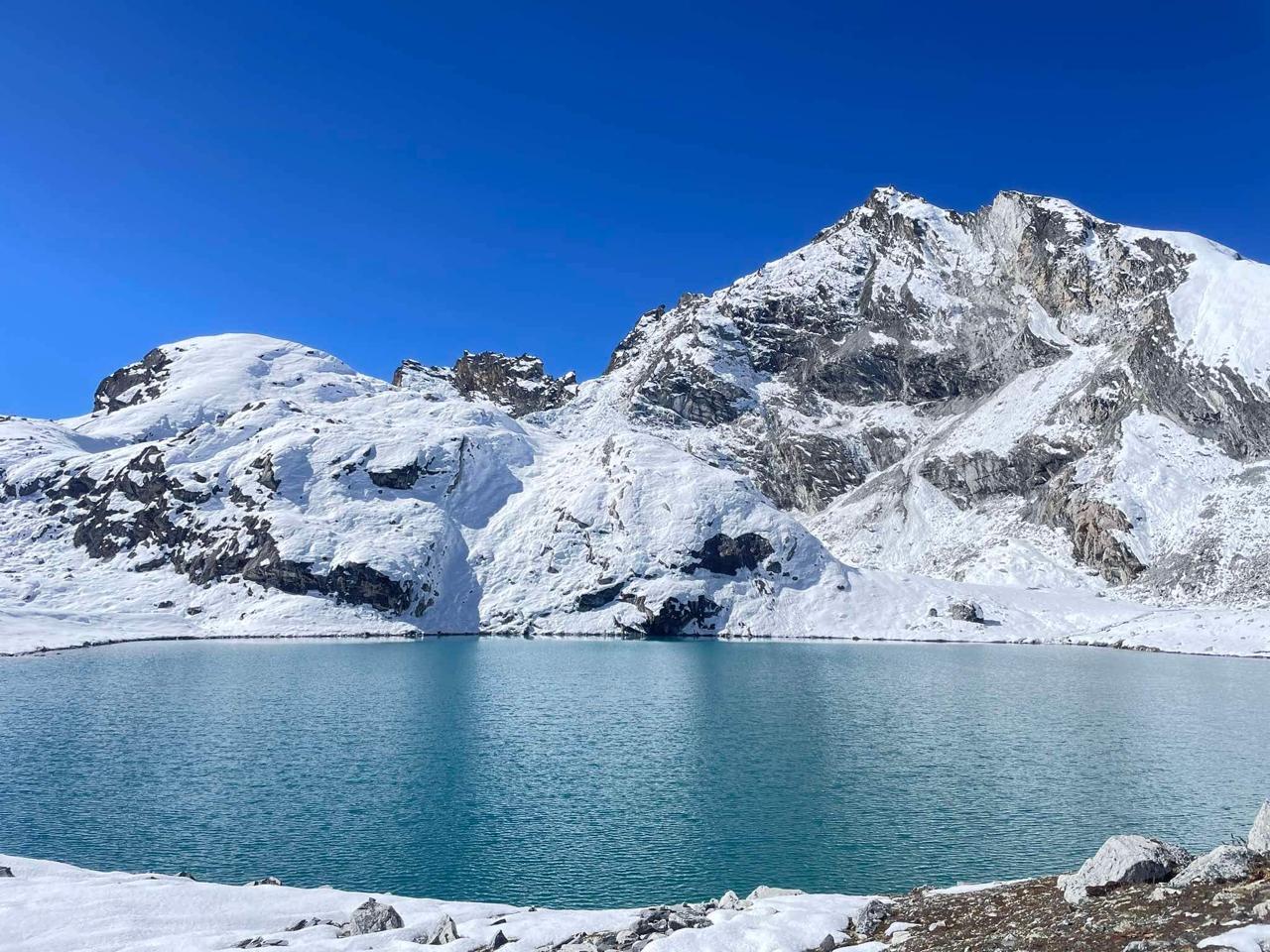
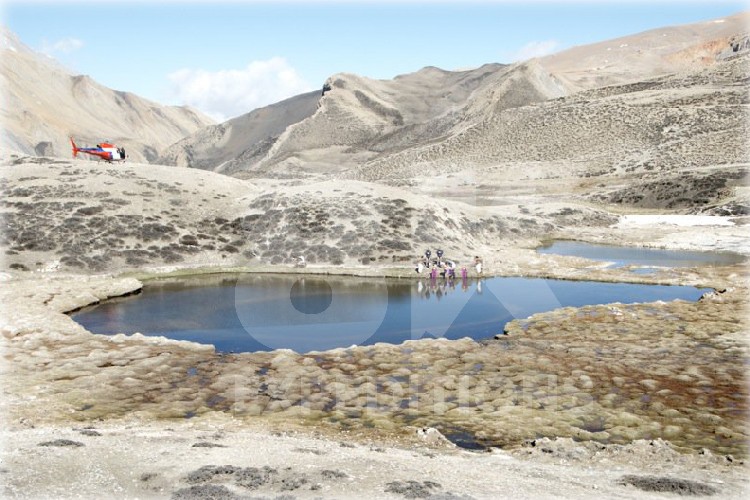
    After resting at Khamedingma, we head towards Seto Pokhari, meaning the White Lake. It is an eye-pleasing sight of a wonderful lake at a high altitude that appears white. Our trail will be braced by the beauty of this region.

    Altitude 5035 M
    Meals BLD
    Accommodation Lodge/Teahouses/Camping
  • 11
    Trek To Base Camp (5,400 M).

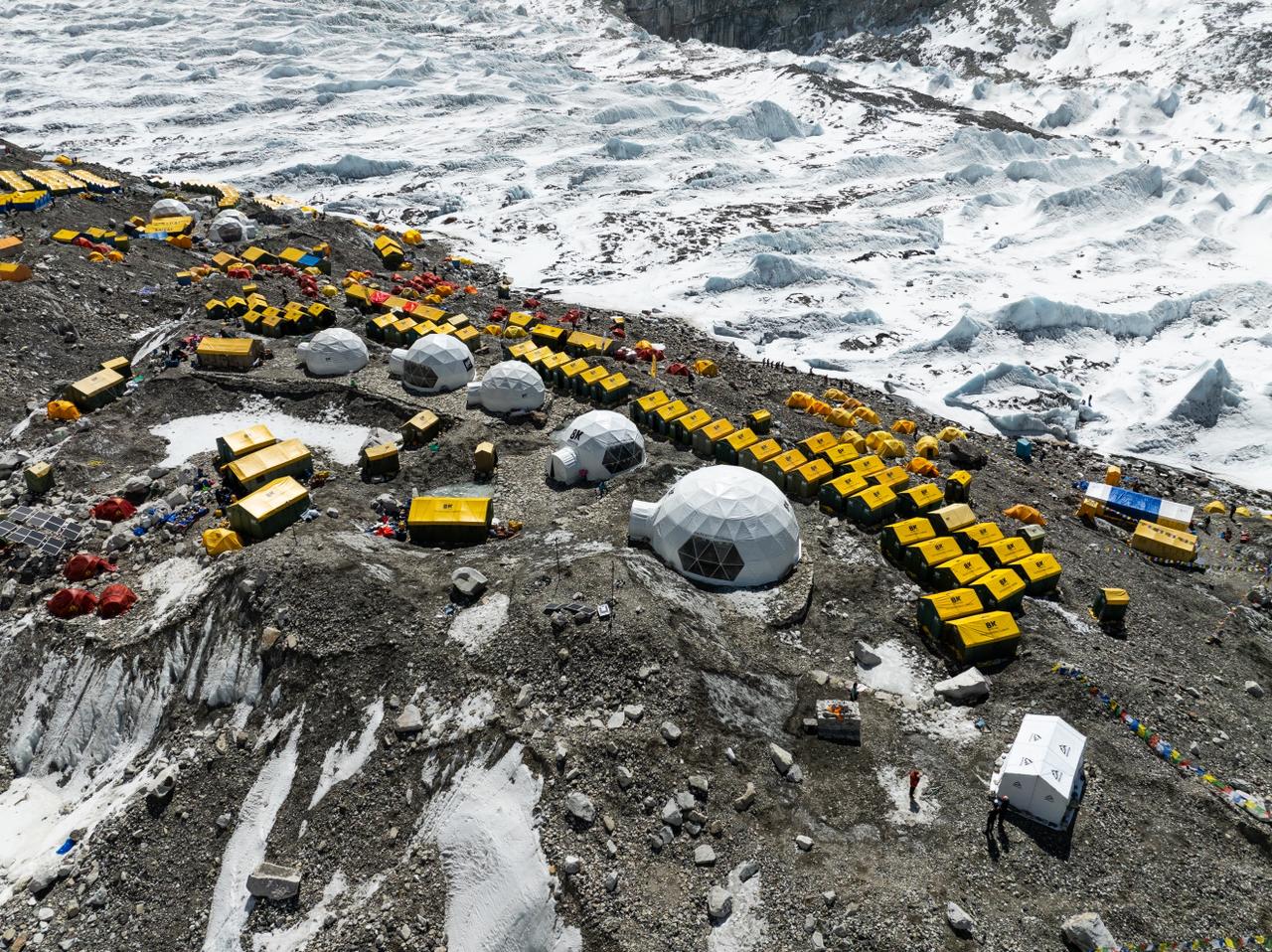
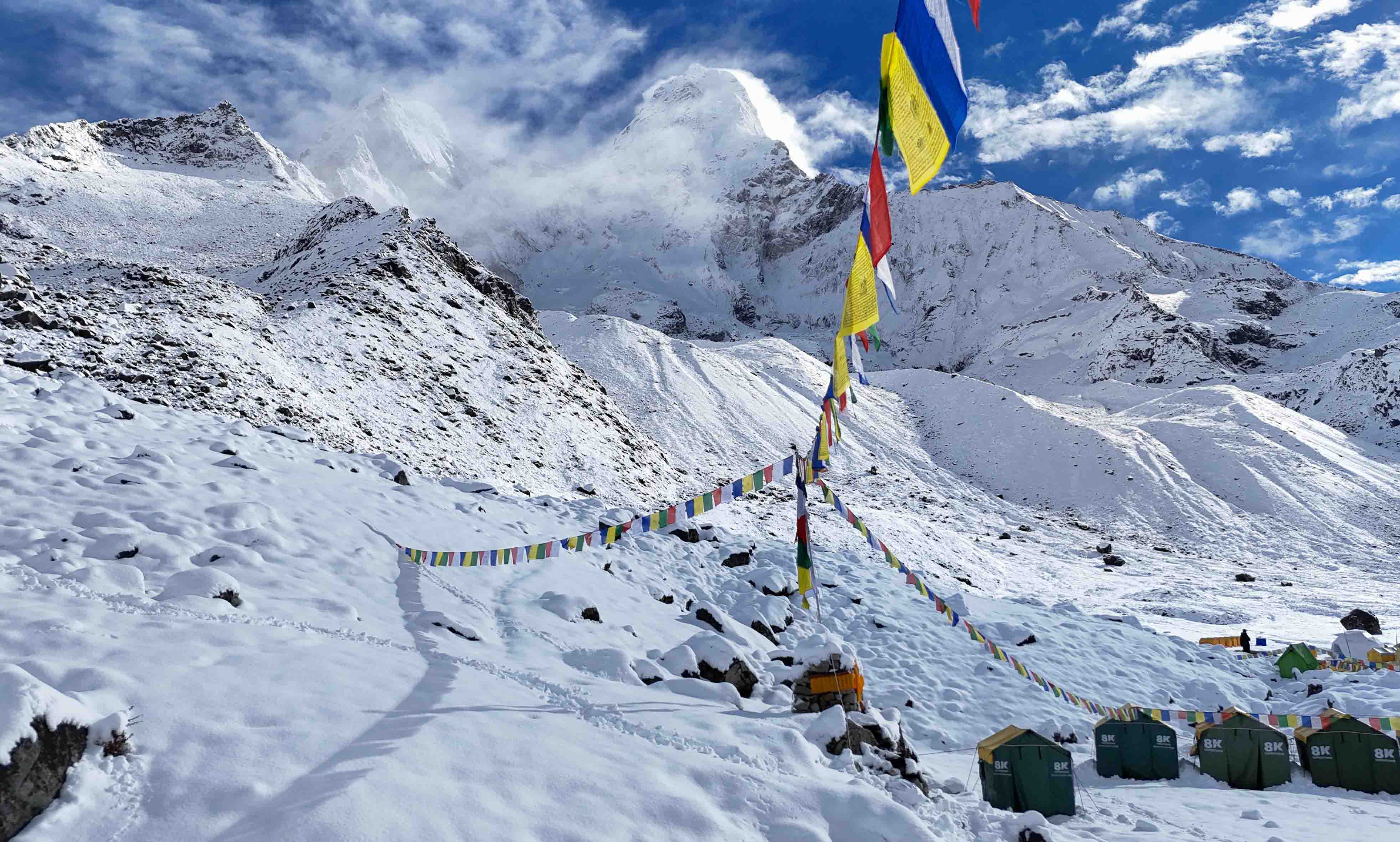
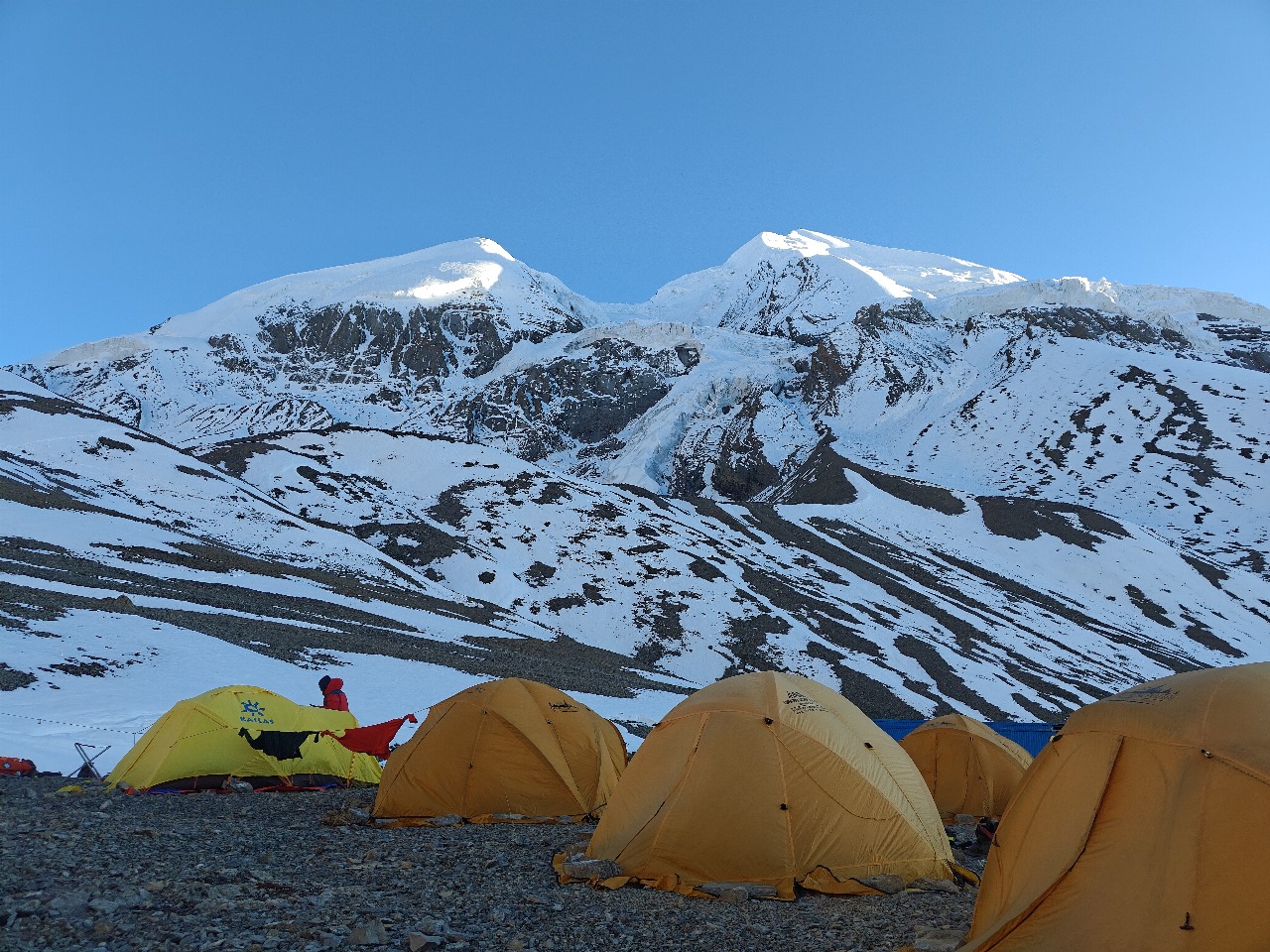
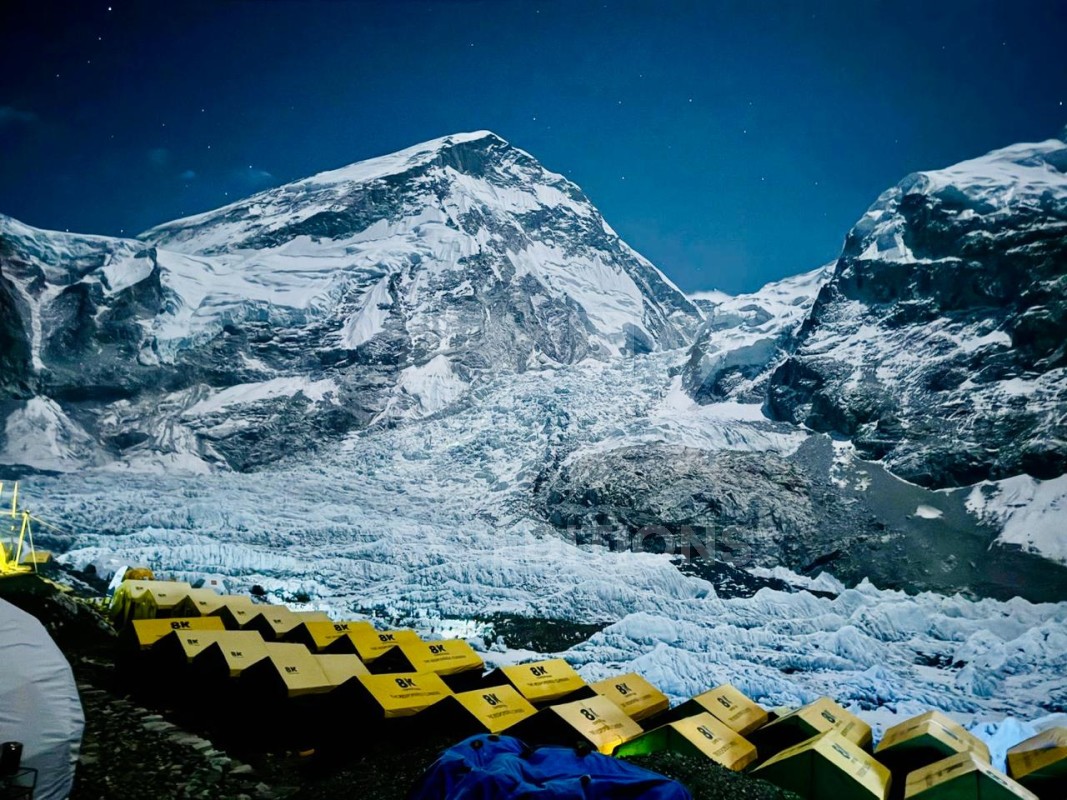
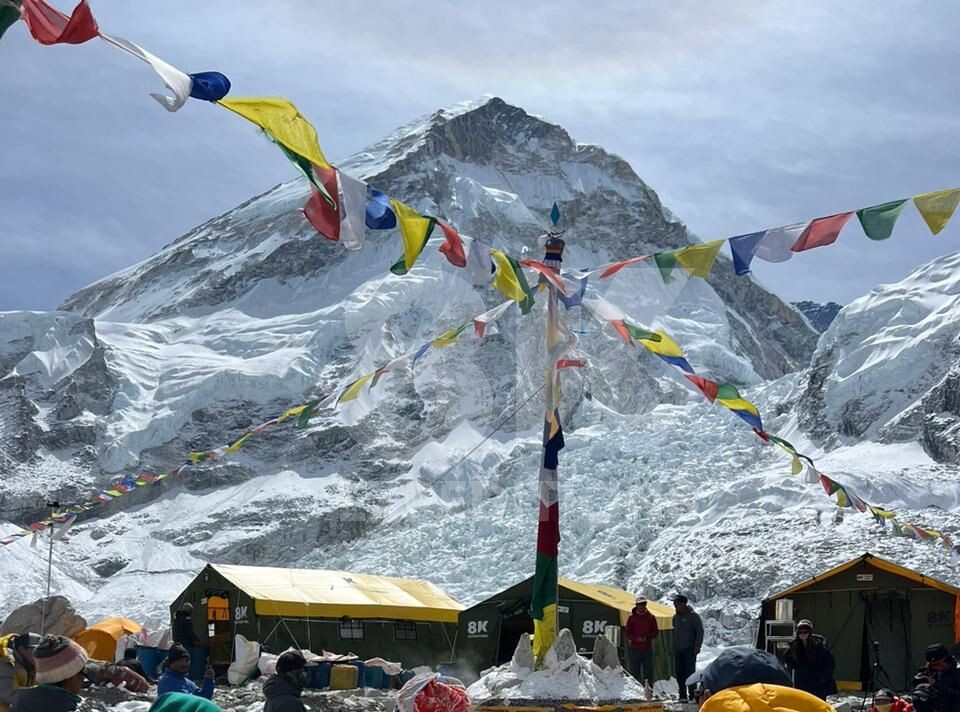
    From Seto Pokhari, we walk through rugged terrain and rocky paths above the treeline. With big boulders all around, we will cross several passes until we reach the Base camp for Baruntse.

    Altitude 5400 M
    Meals BLD
    Accommodation Full Board Camp Service
  • 12-27
    Climbing And Summit Of Barutnse (7129m)

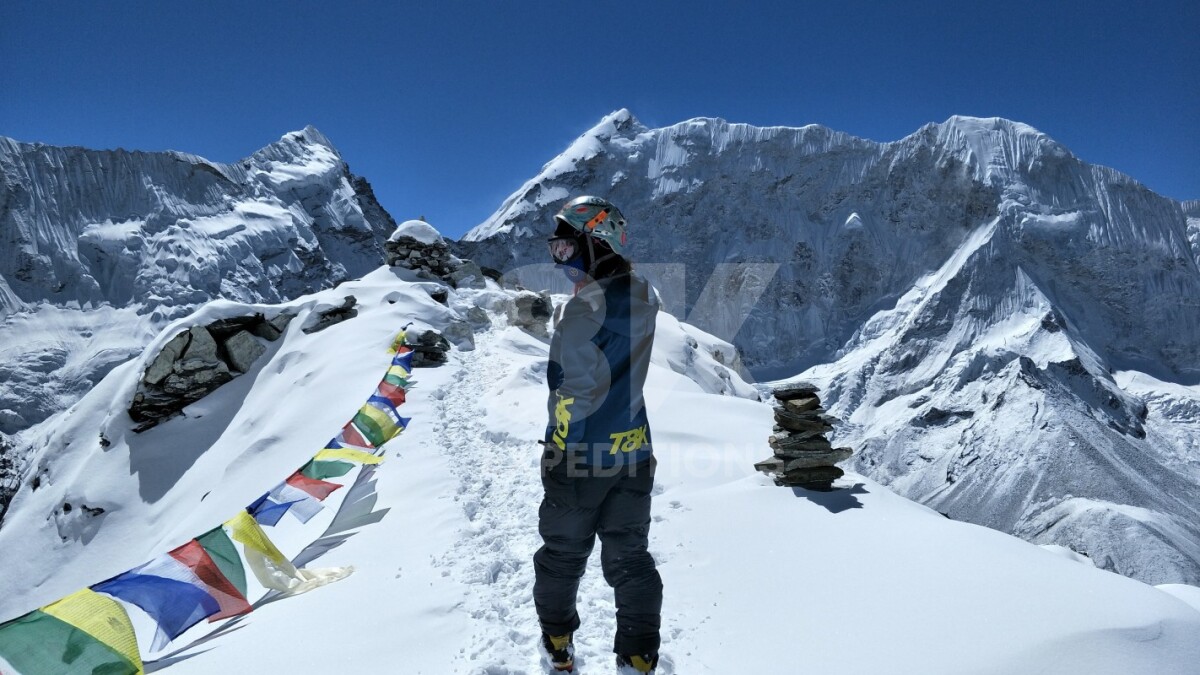
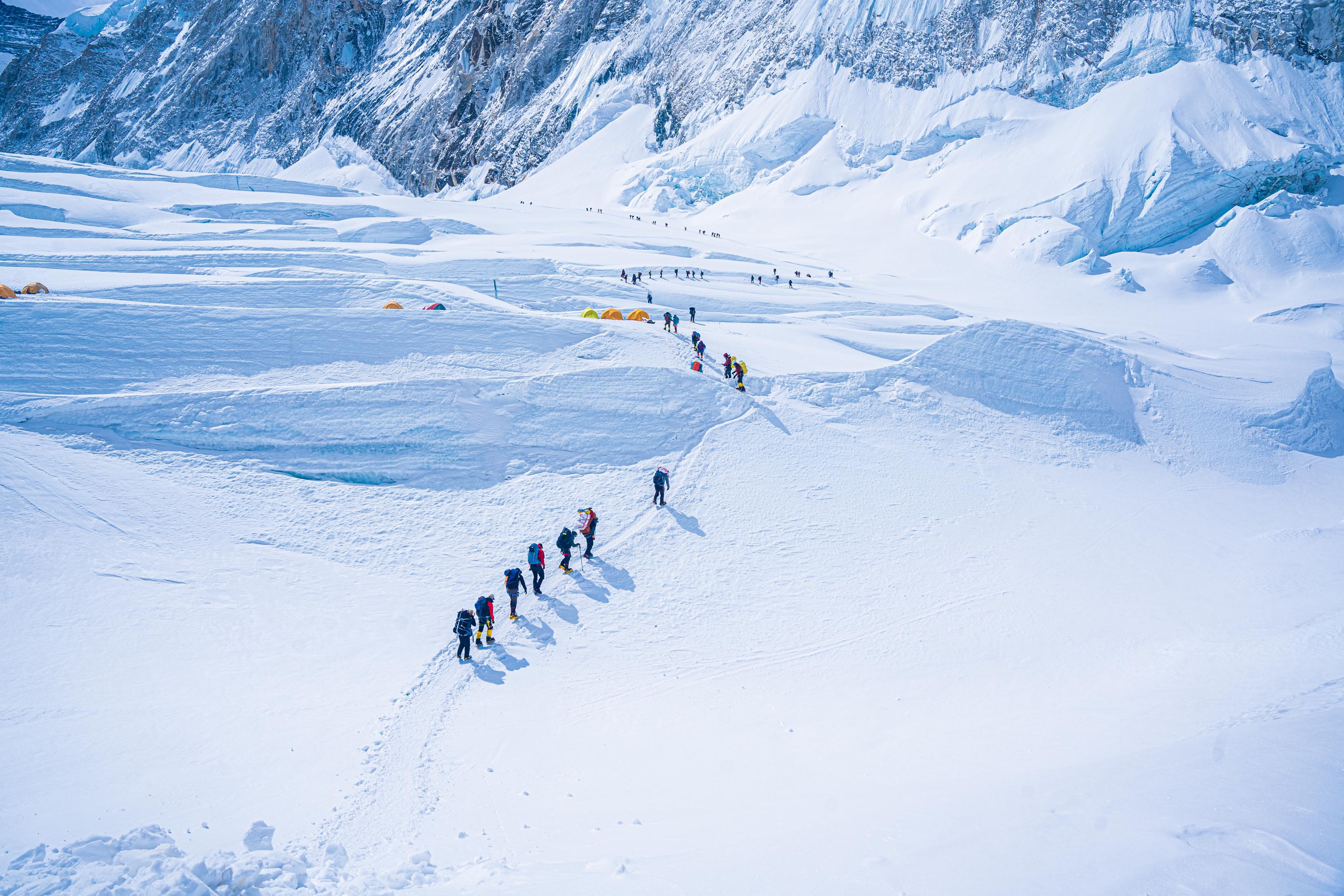
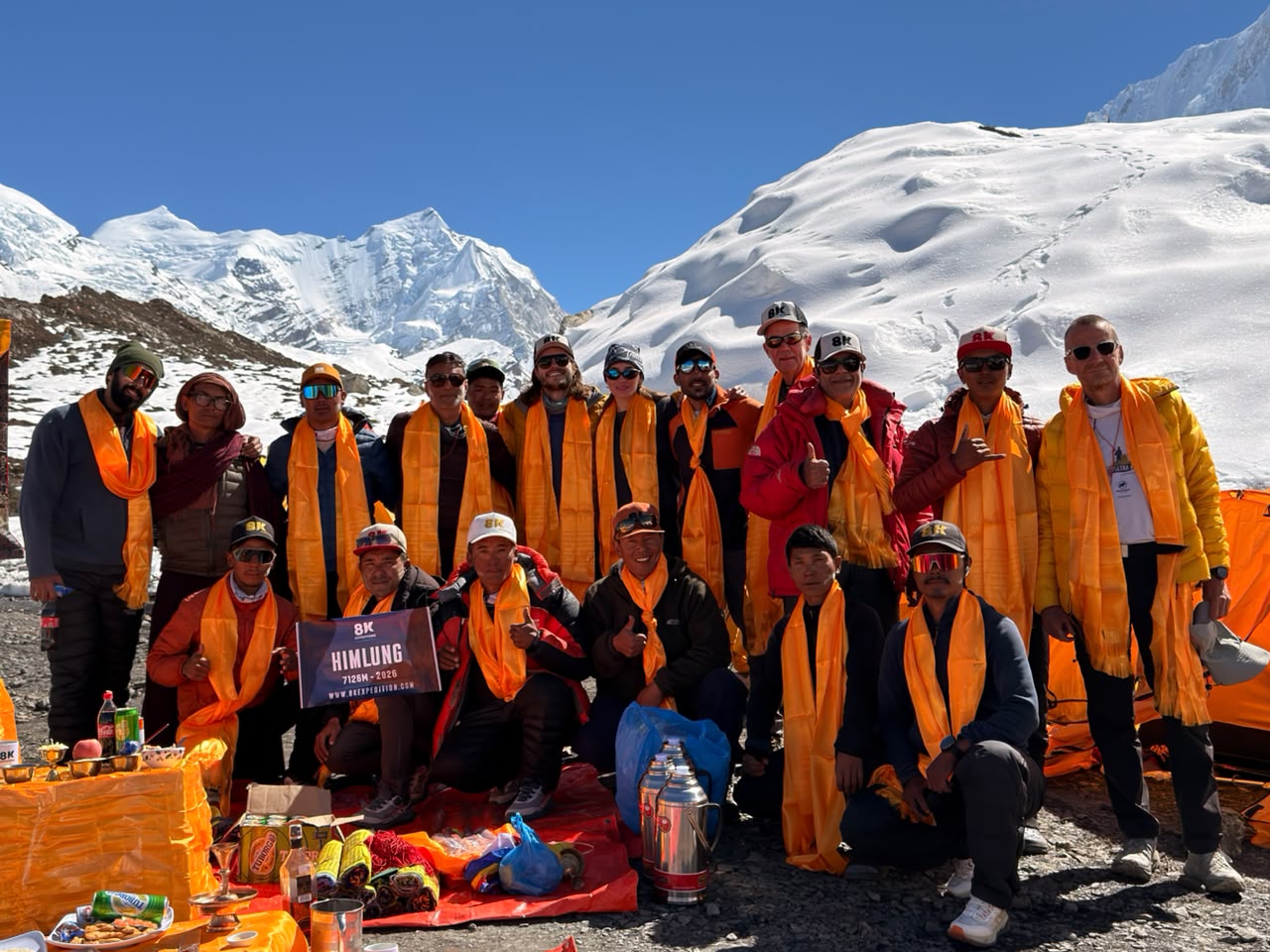
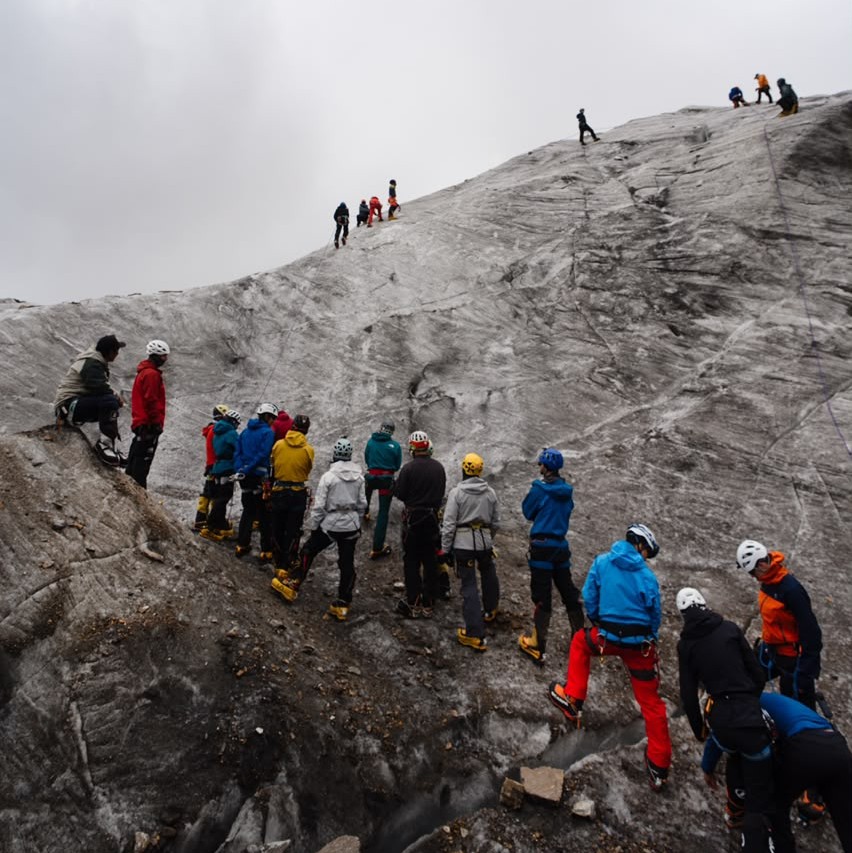
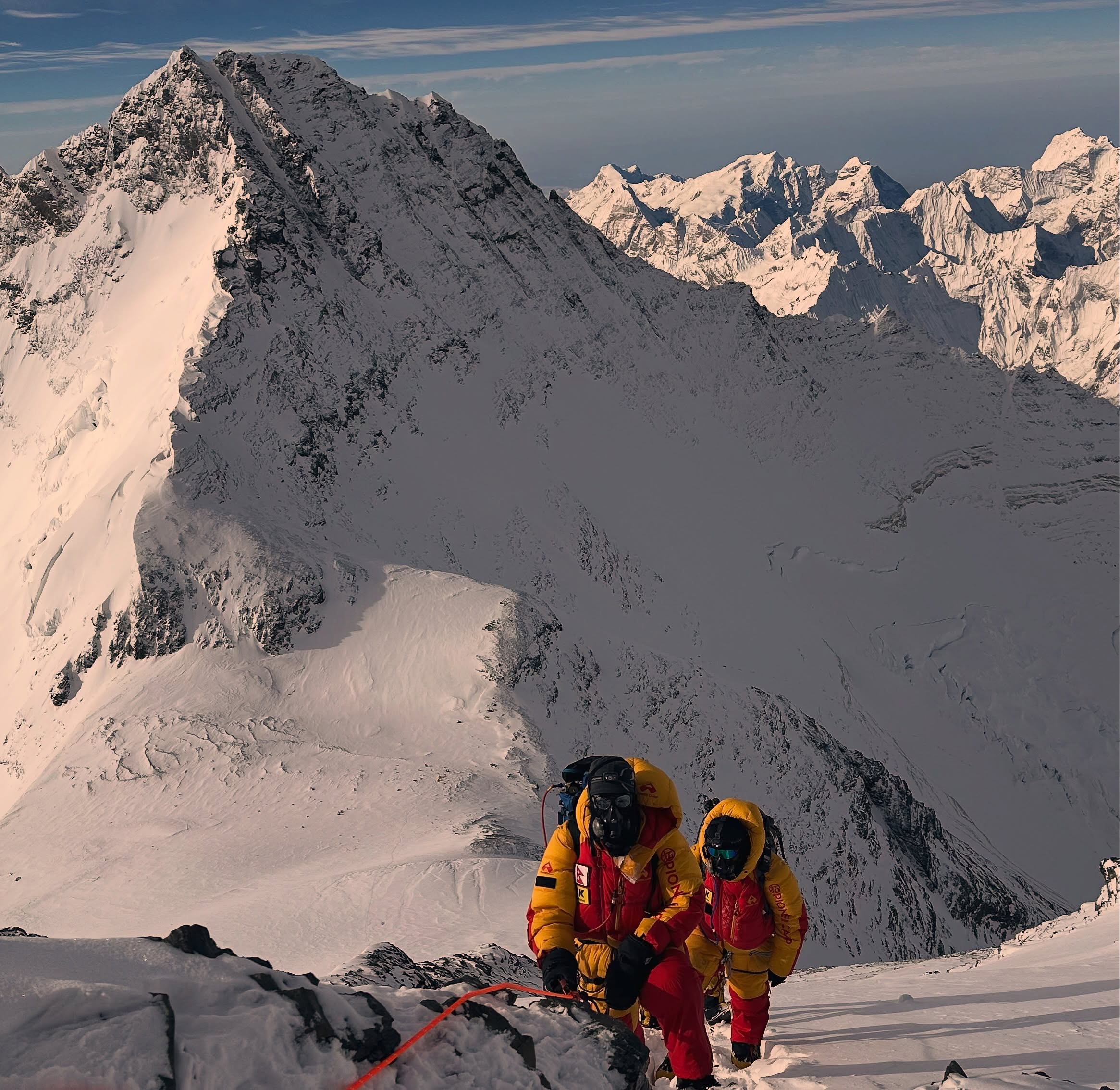
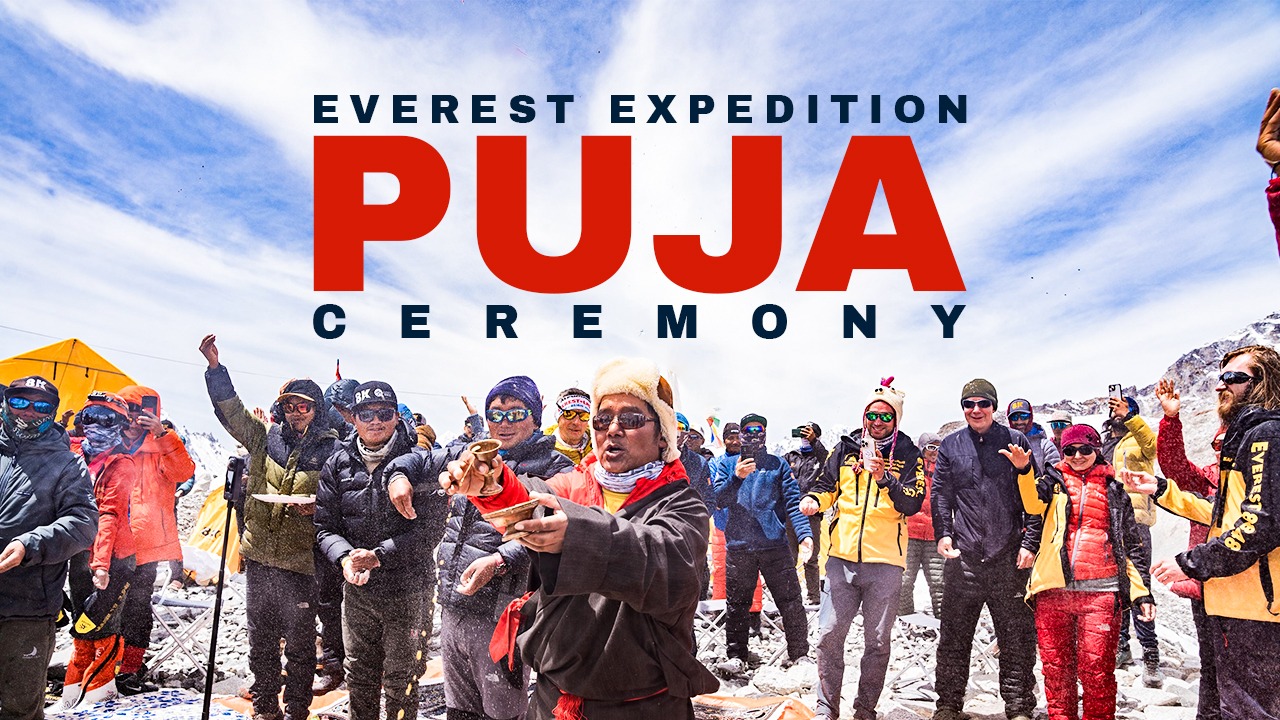
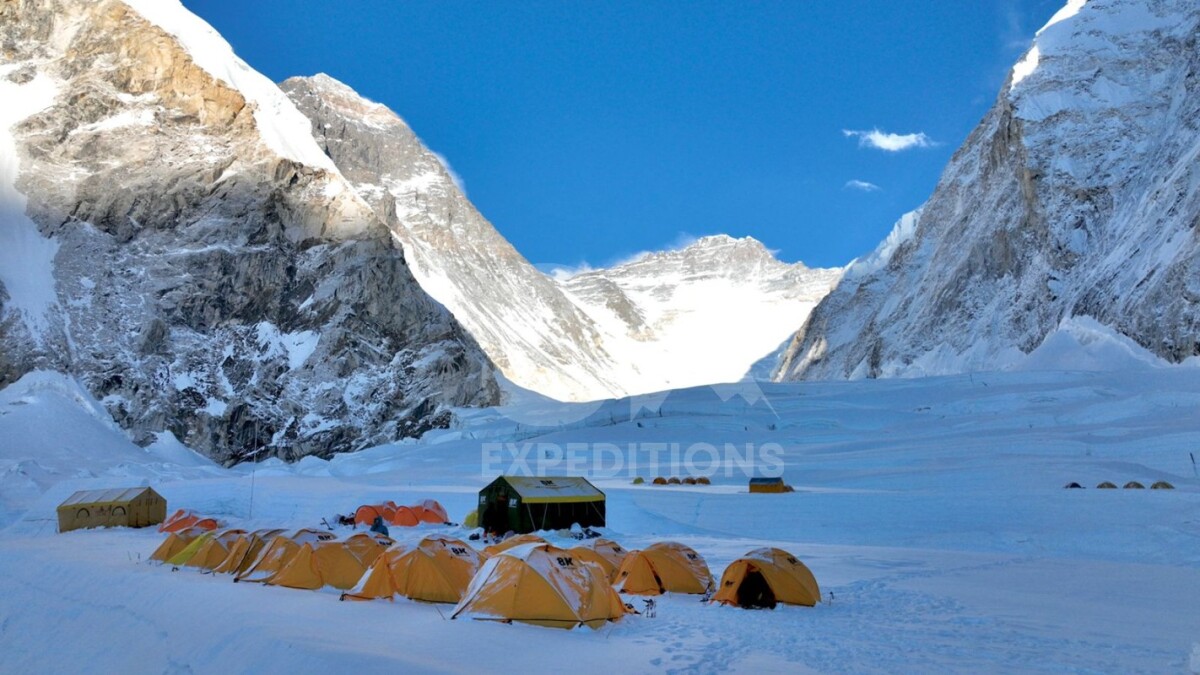
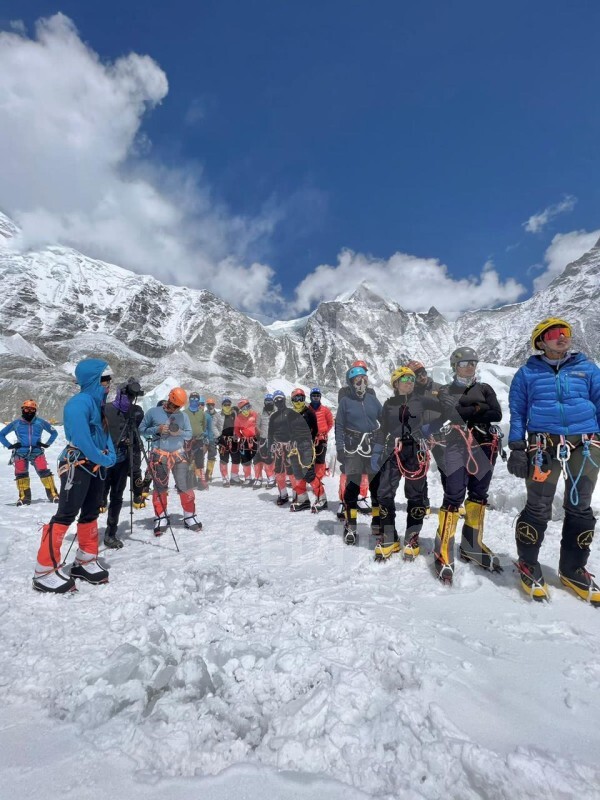
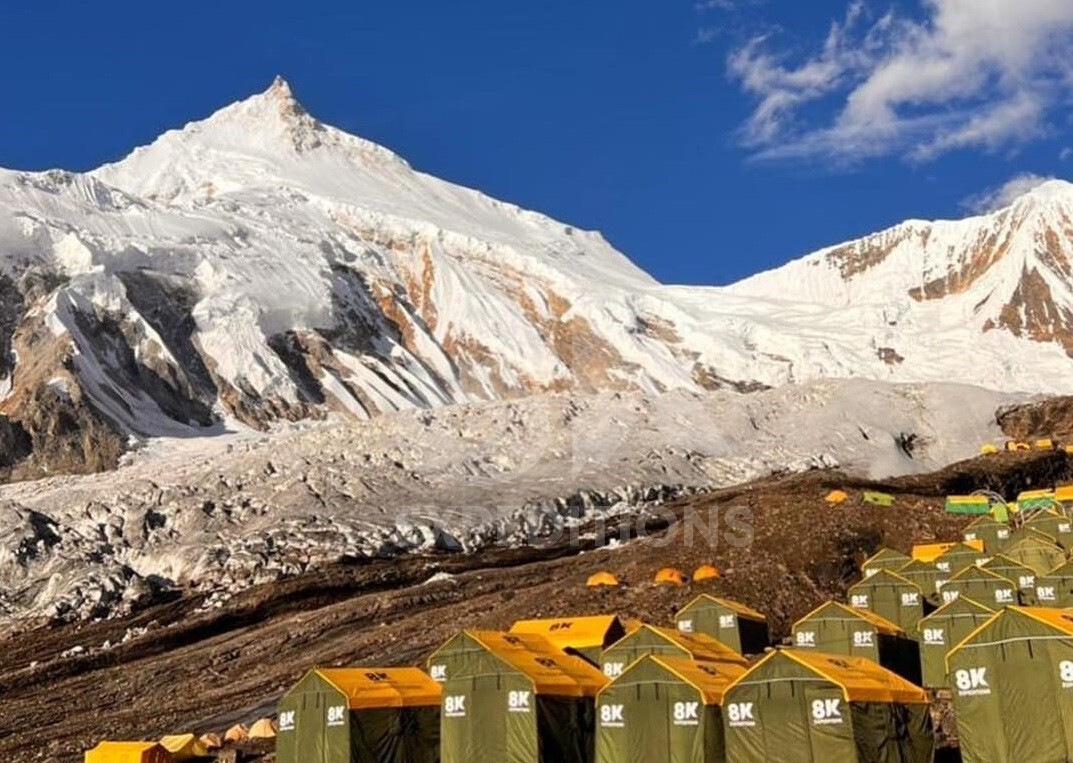
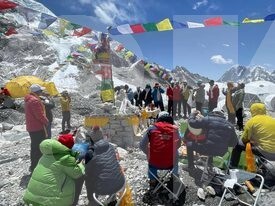
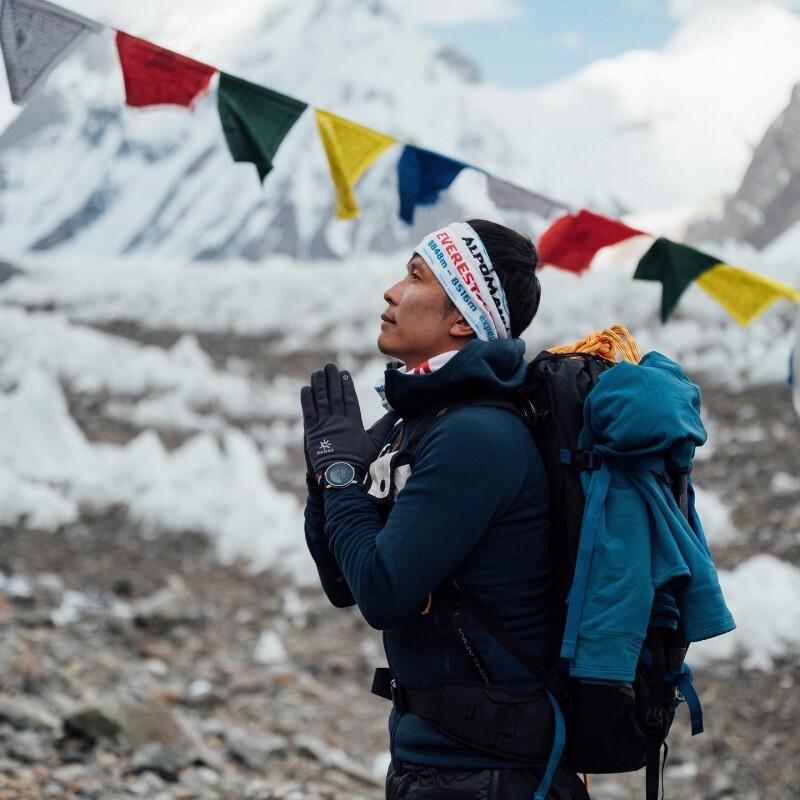
    Our climbing routine starts on the 12th day. We will start with the prayer rituals at the base camp and conduct some basic training and practice with our climbing gear. Our team will set up ropes and explore various routes for climbing, while we conduct rotations and enjoy nutritious meals prepared by our kitchen team. We will ascend to higher camps and return to lower camps to rest overnight for proper acclimatization. Even if we are fully prepared, we must wait for favorable weather for the summit. 


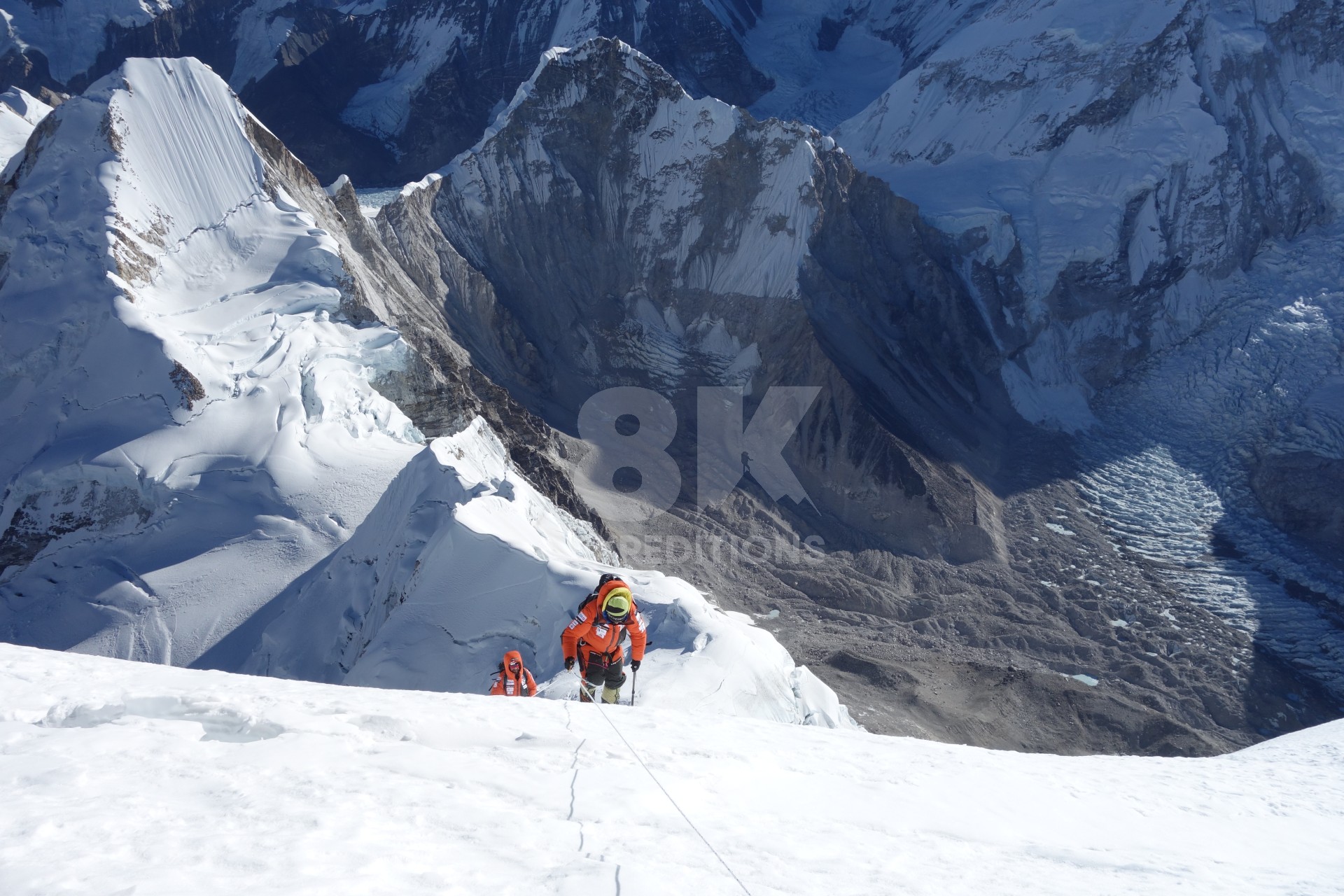
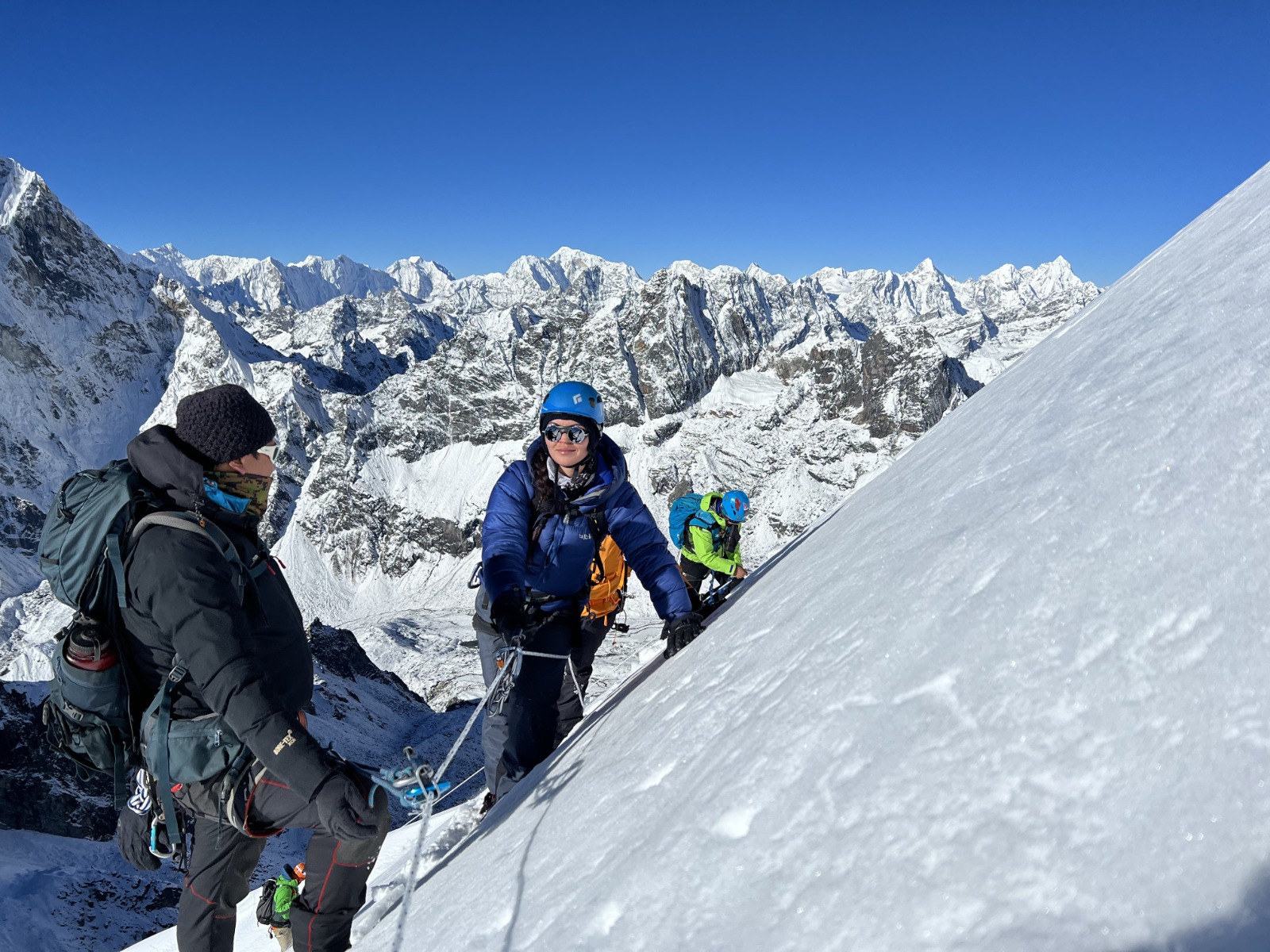
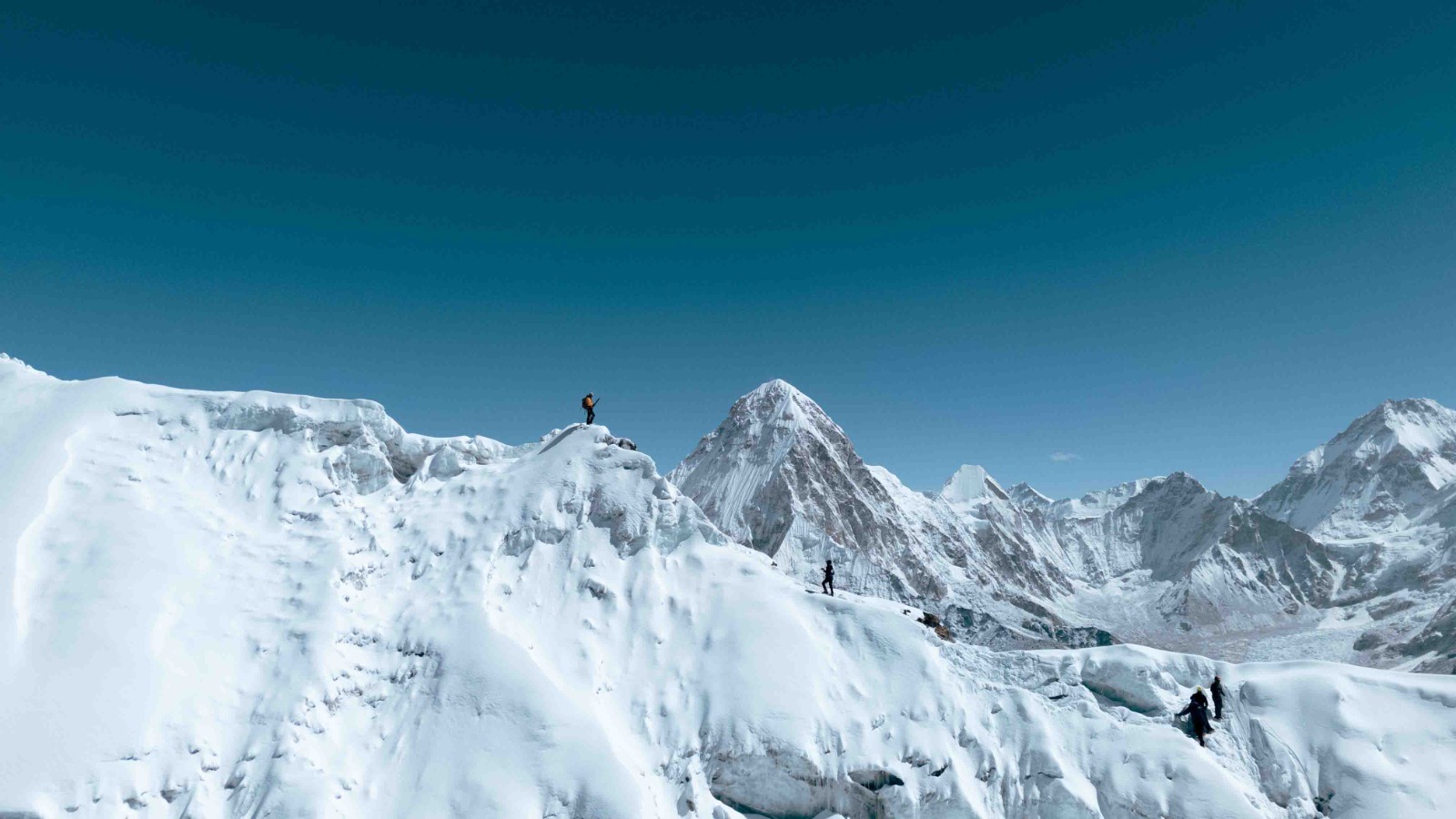
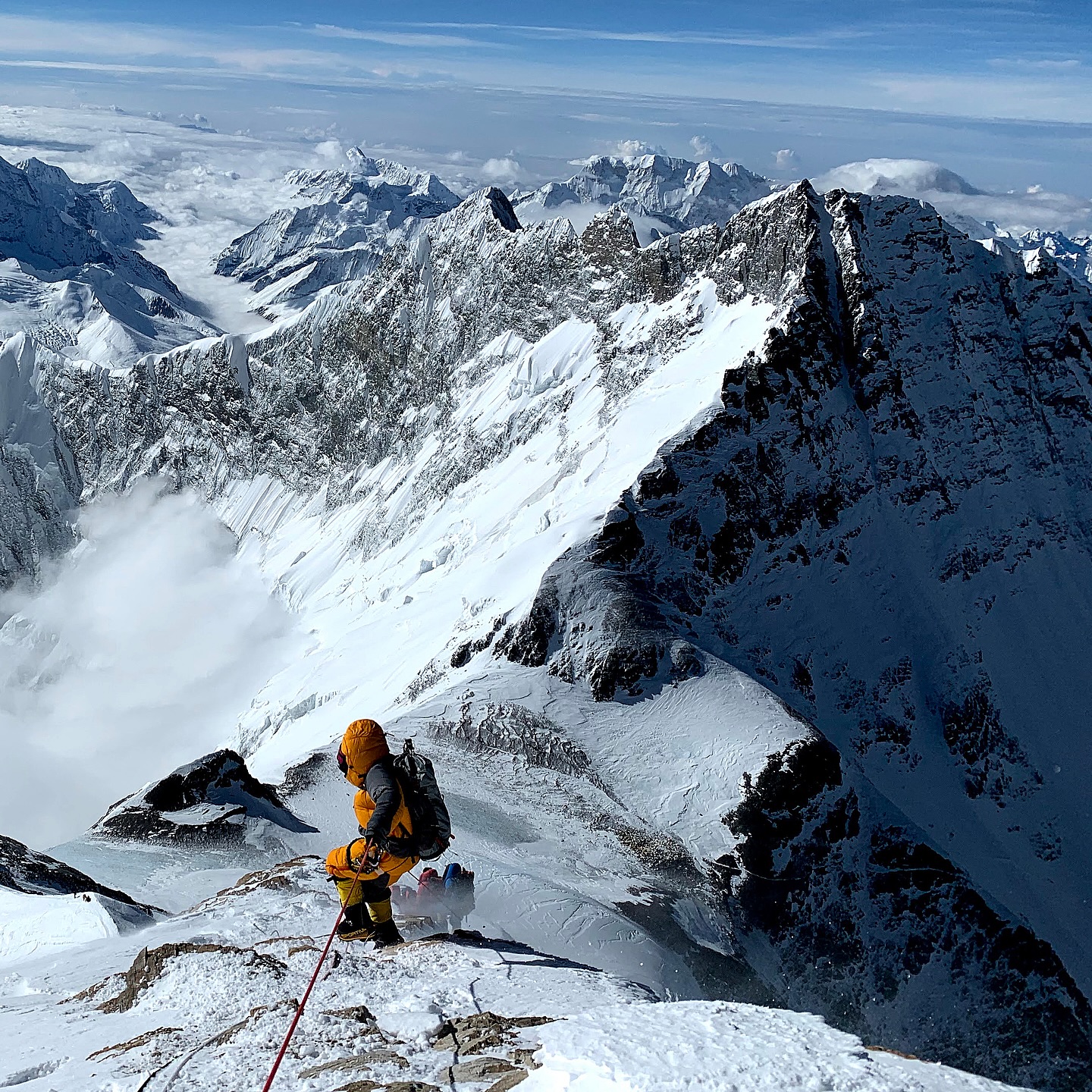
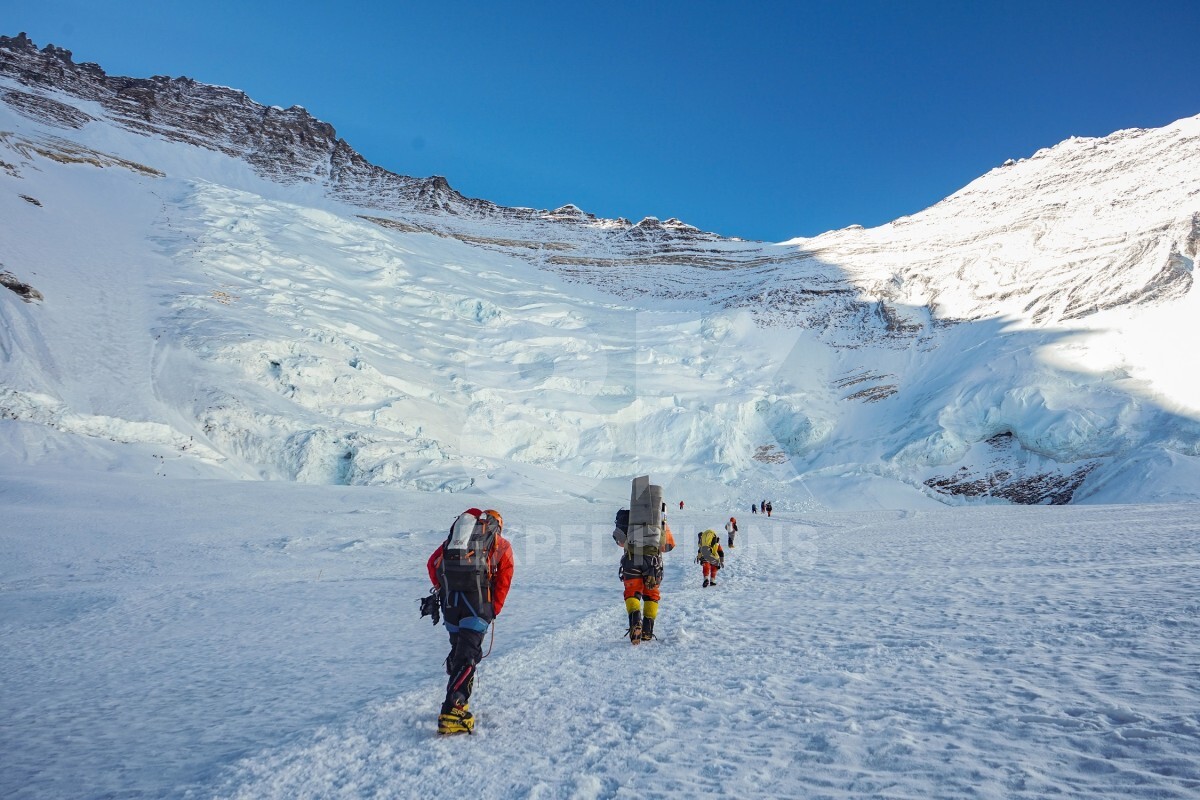
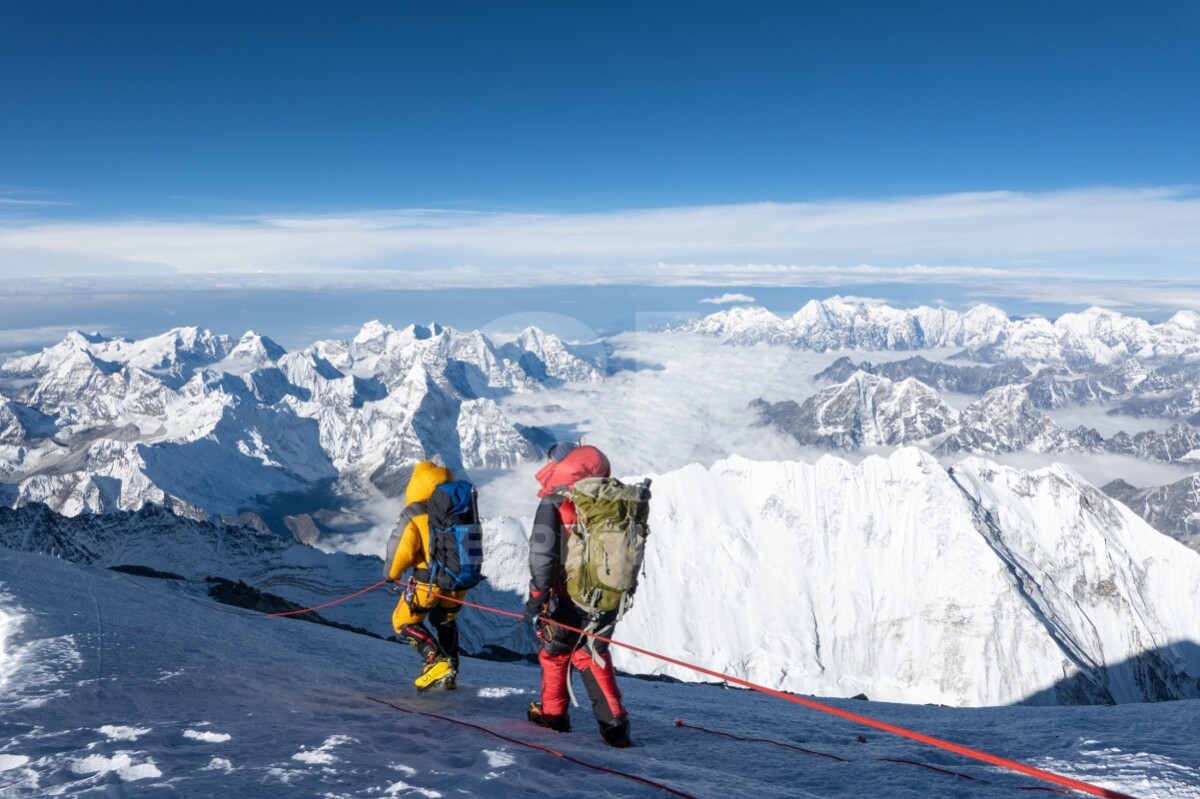
    We will set up camp 1 at 6100 m altitude on the South-East ridge of the peak. The slopes rise up to 45 degrees which is why we need to fix ropes all the way up to the West Col through the Upper Barun Glacier traversing a steep 50-degree snowy slope.


    Camp 2 is set up at 6400 m in the Upper Barun Glacier that is led by an uphill climb on a glacial slope from Camp 1. We must follow the fixed line as we must pass through numerous crevasses and there are also the risks of avalanches at times. 


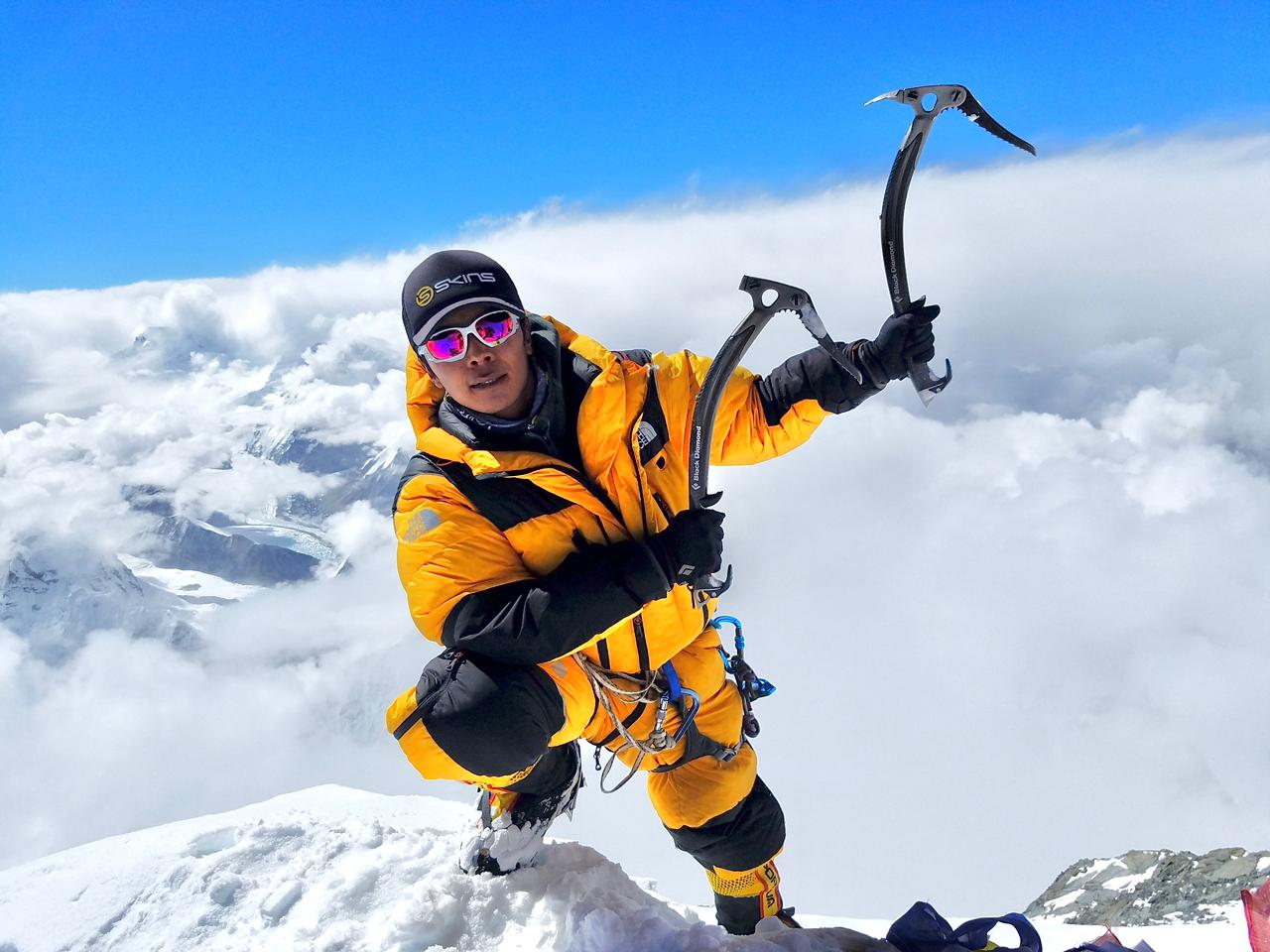
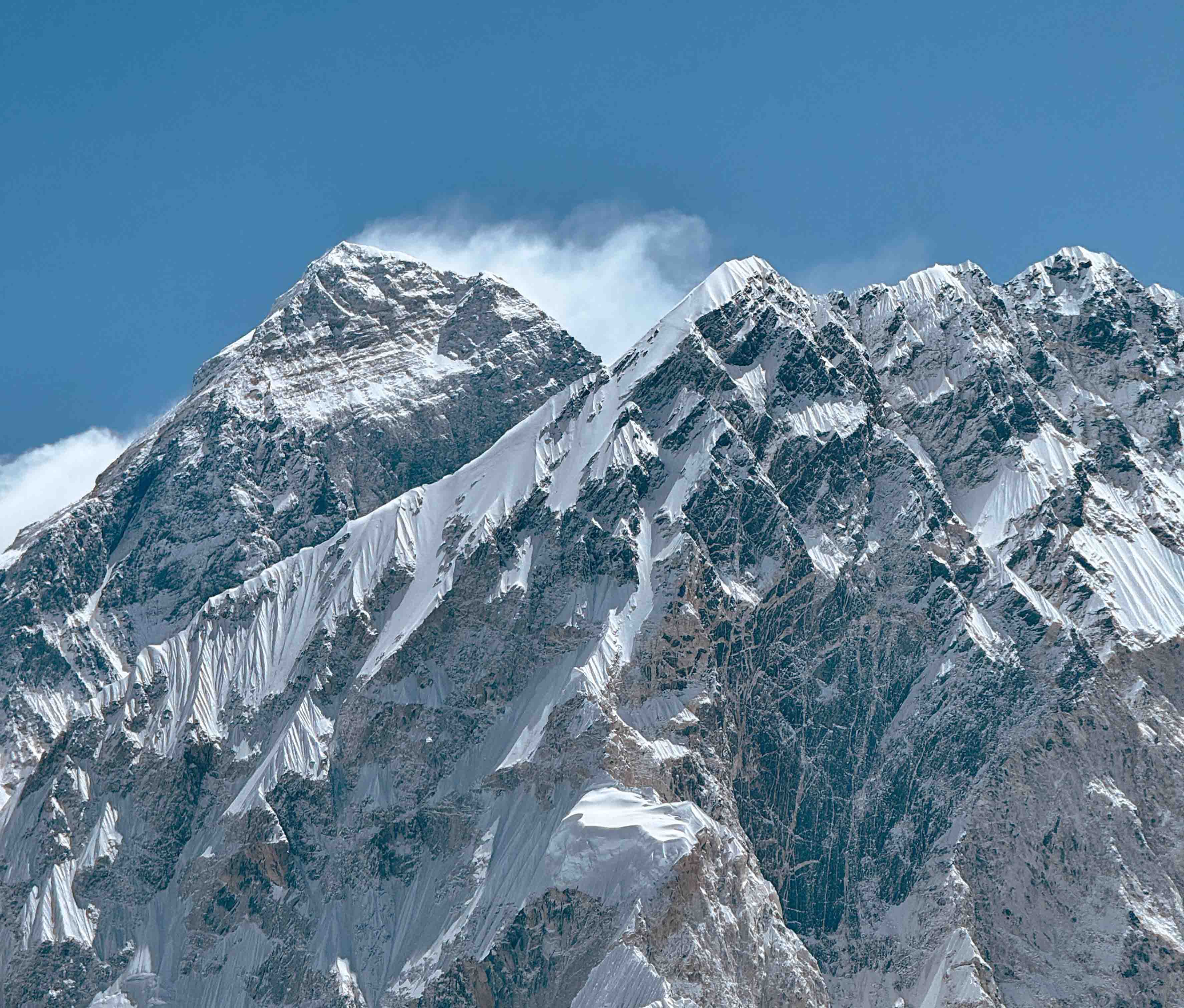
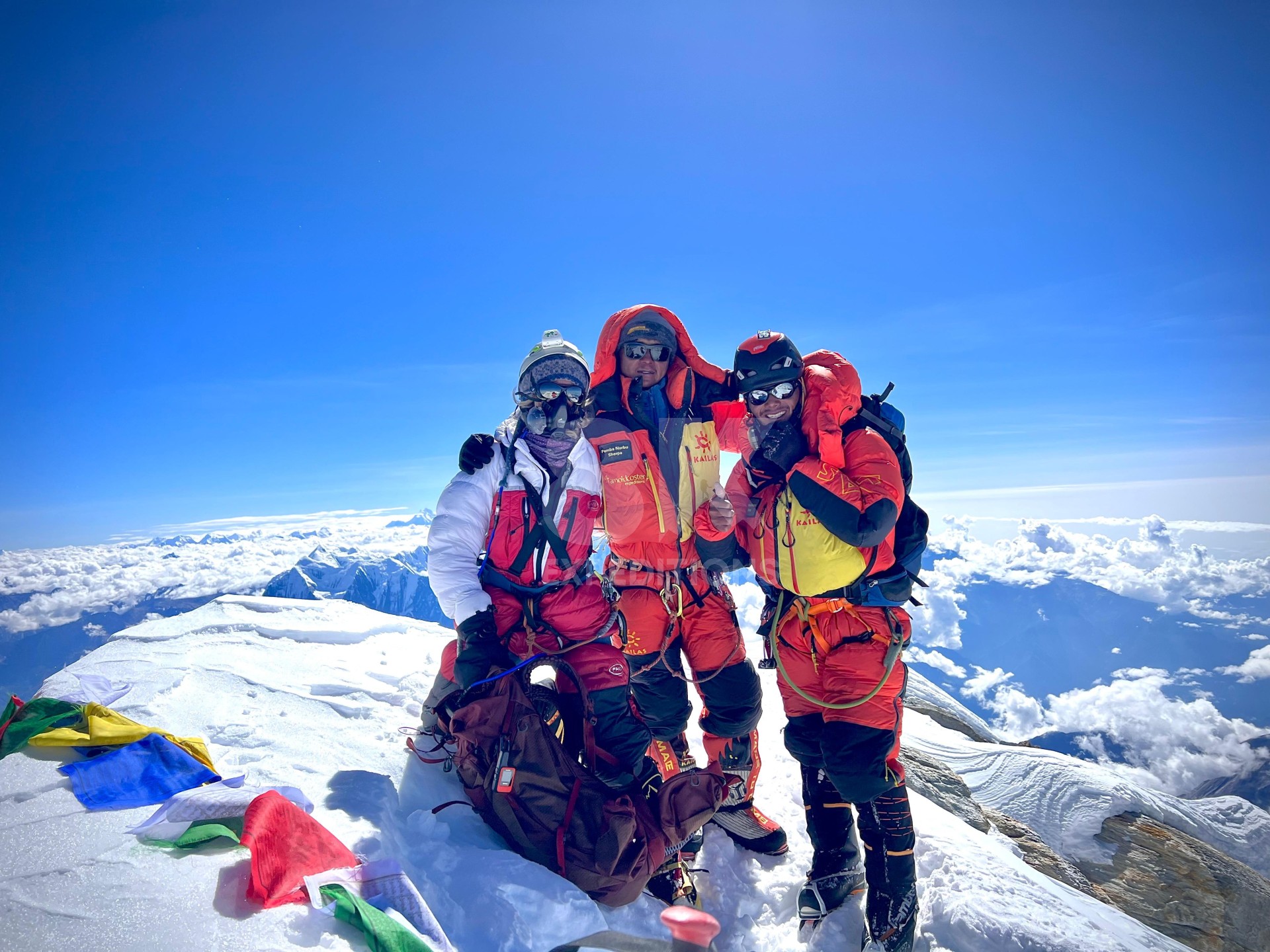
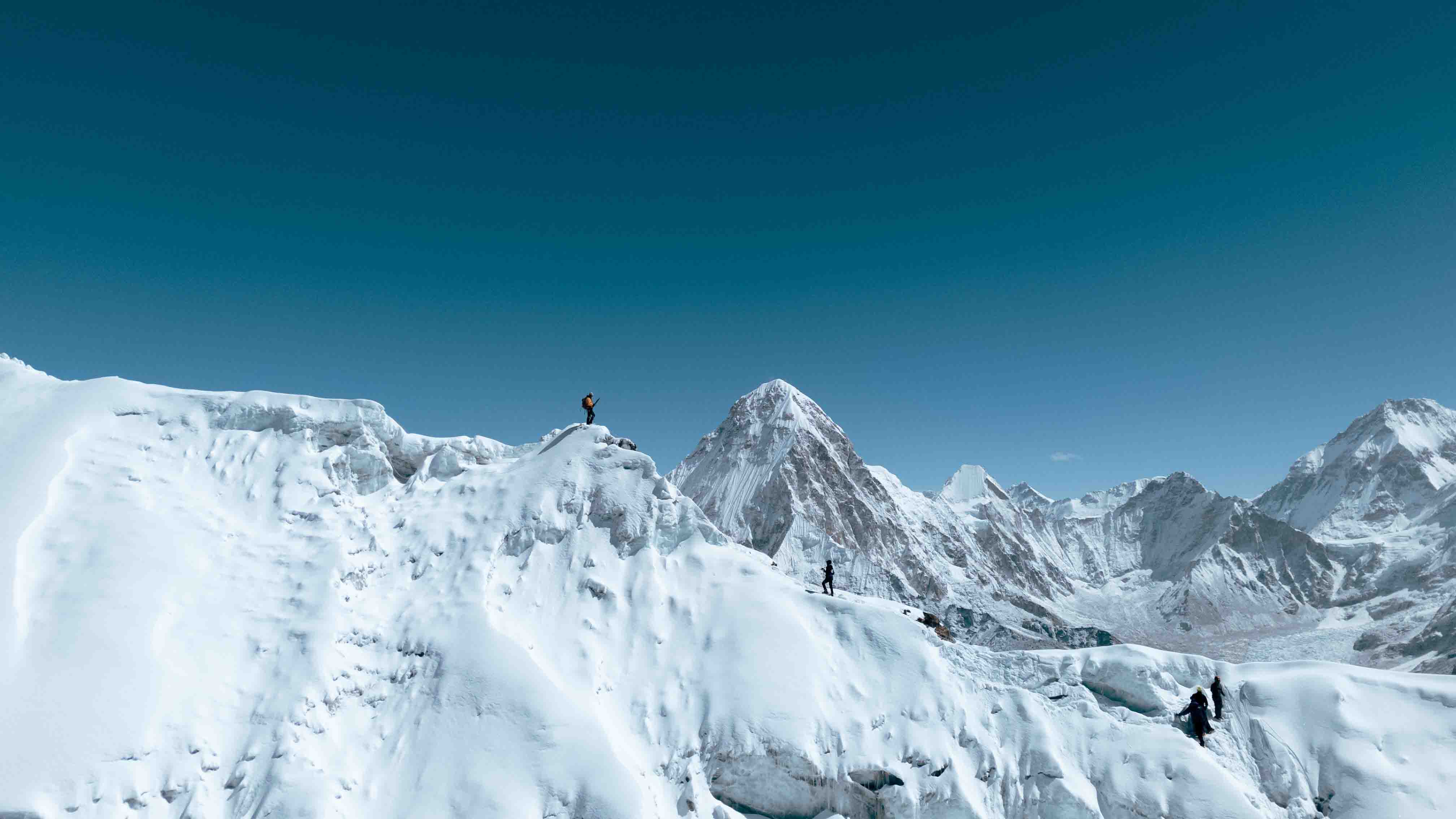
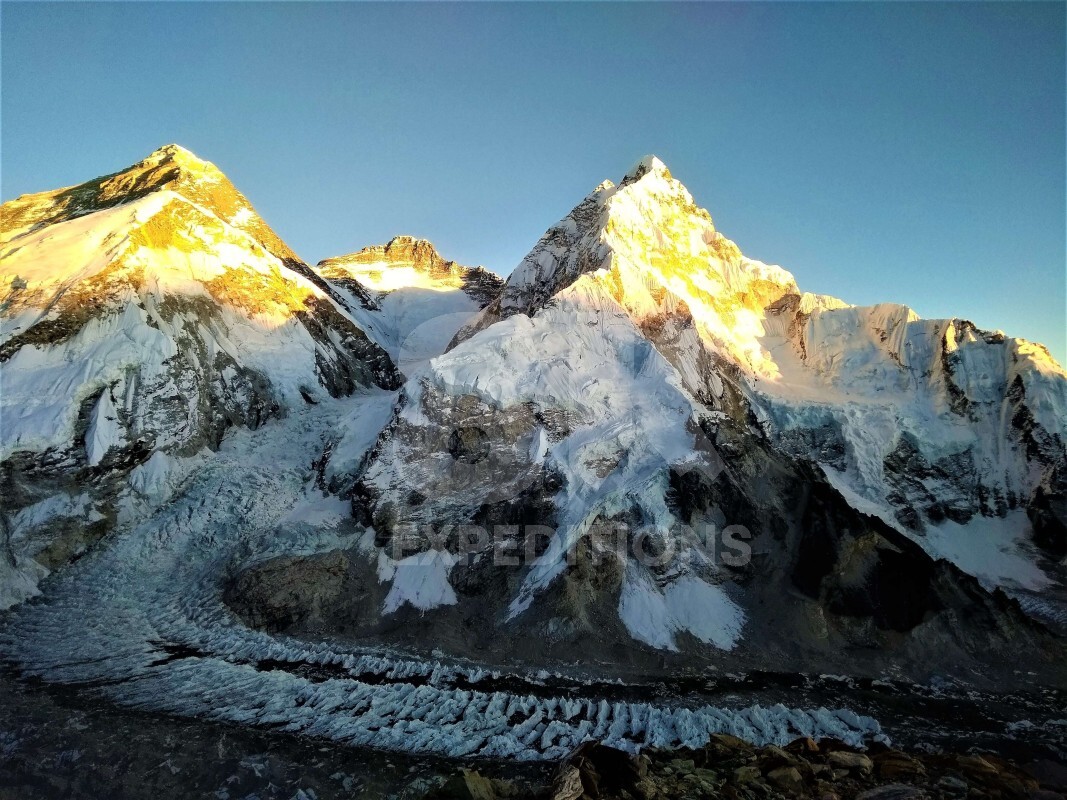
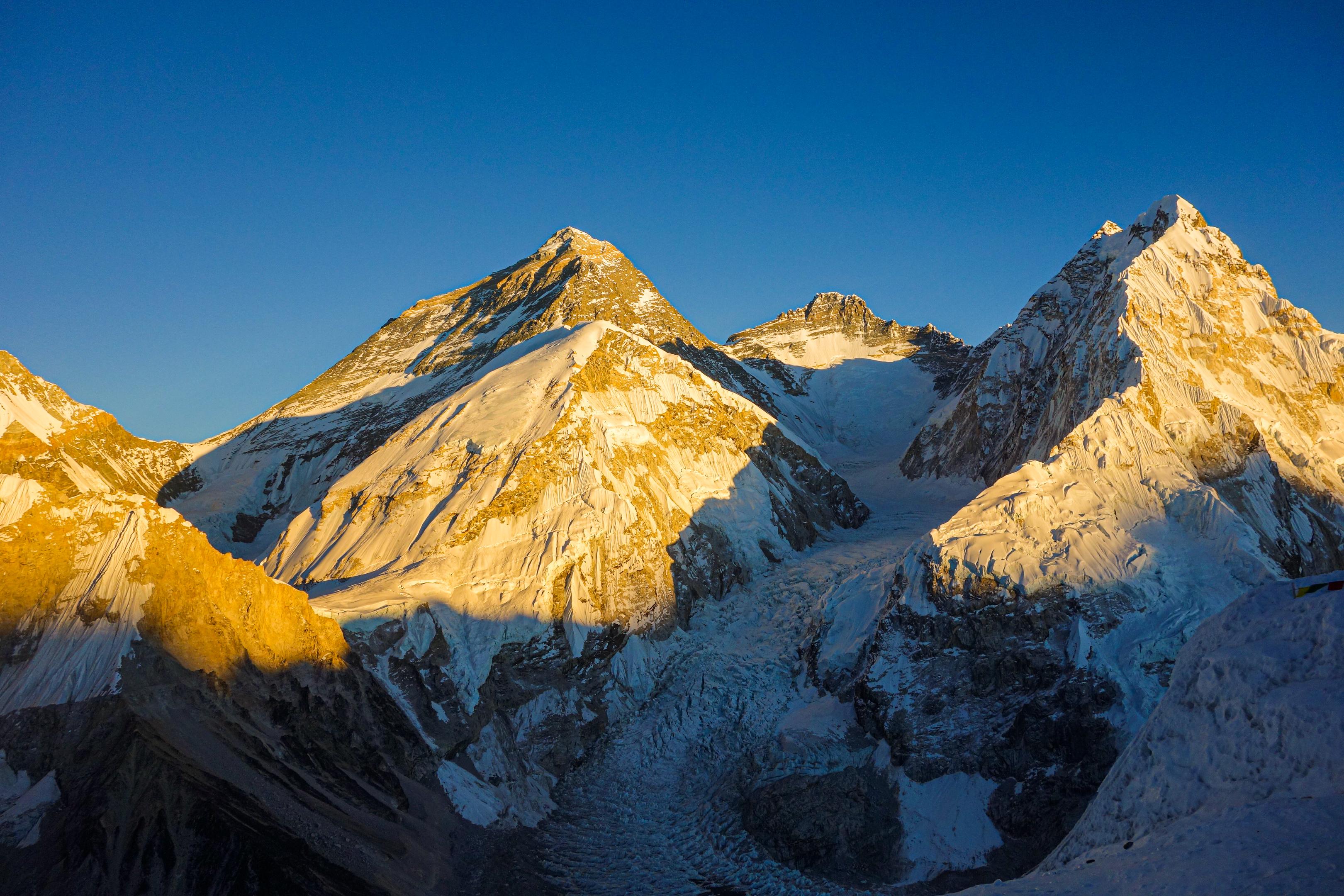
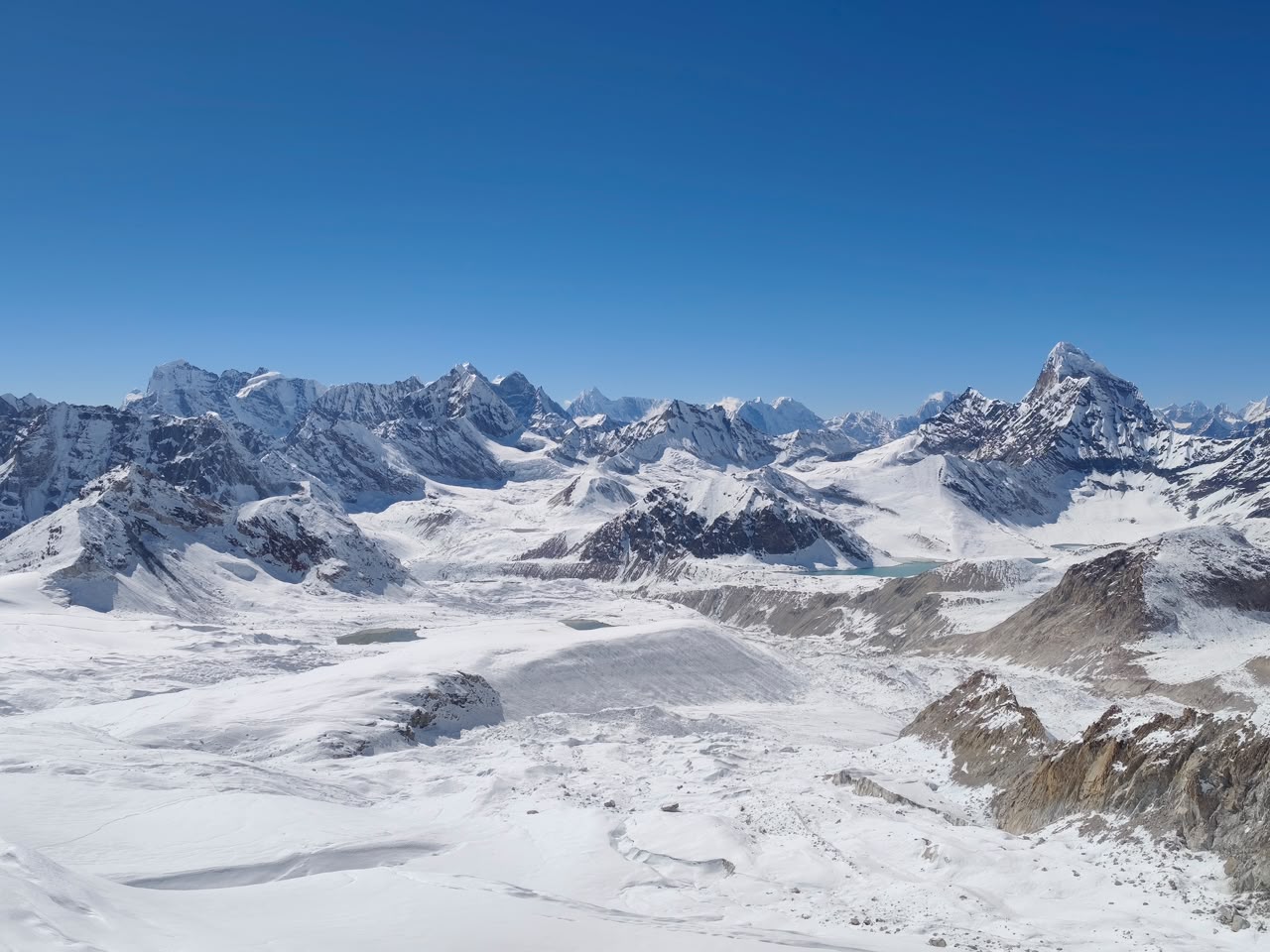
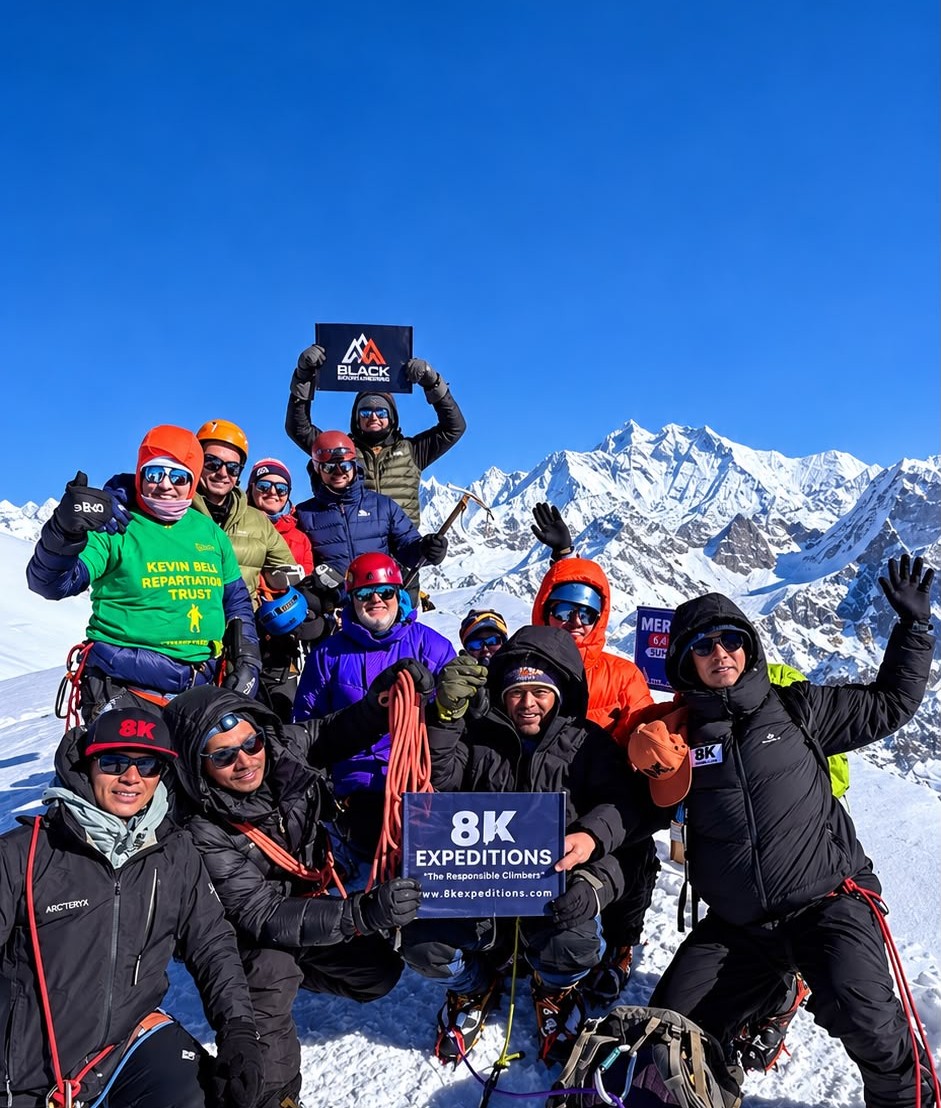
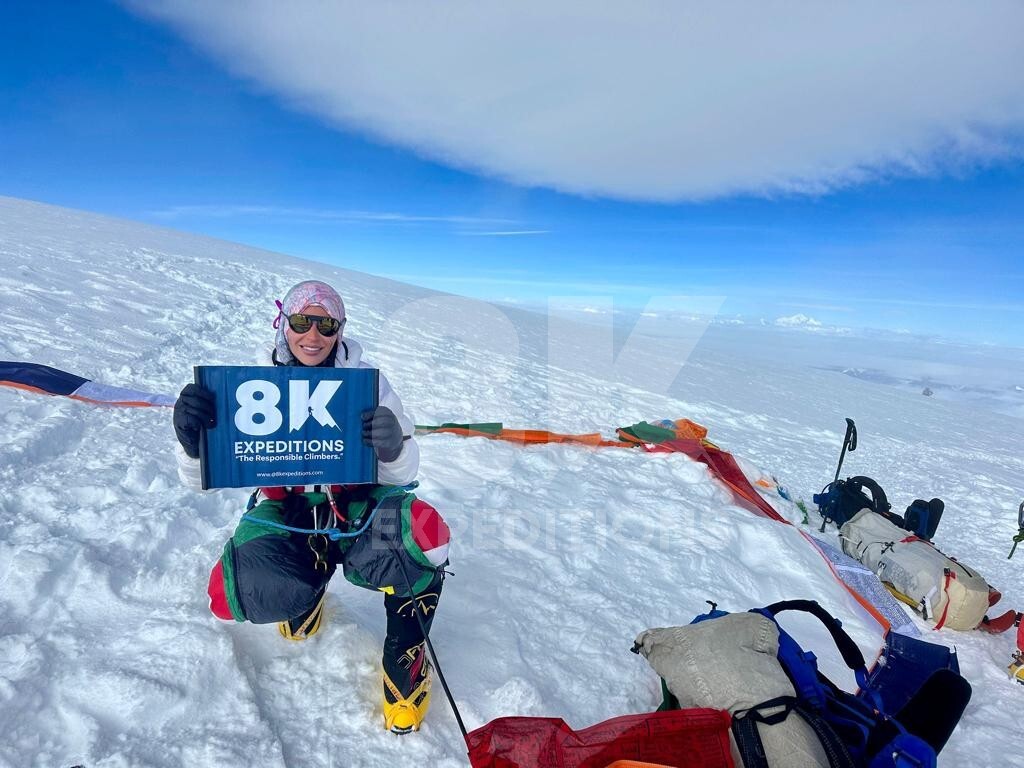
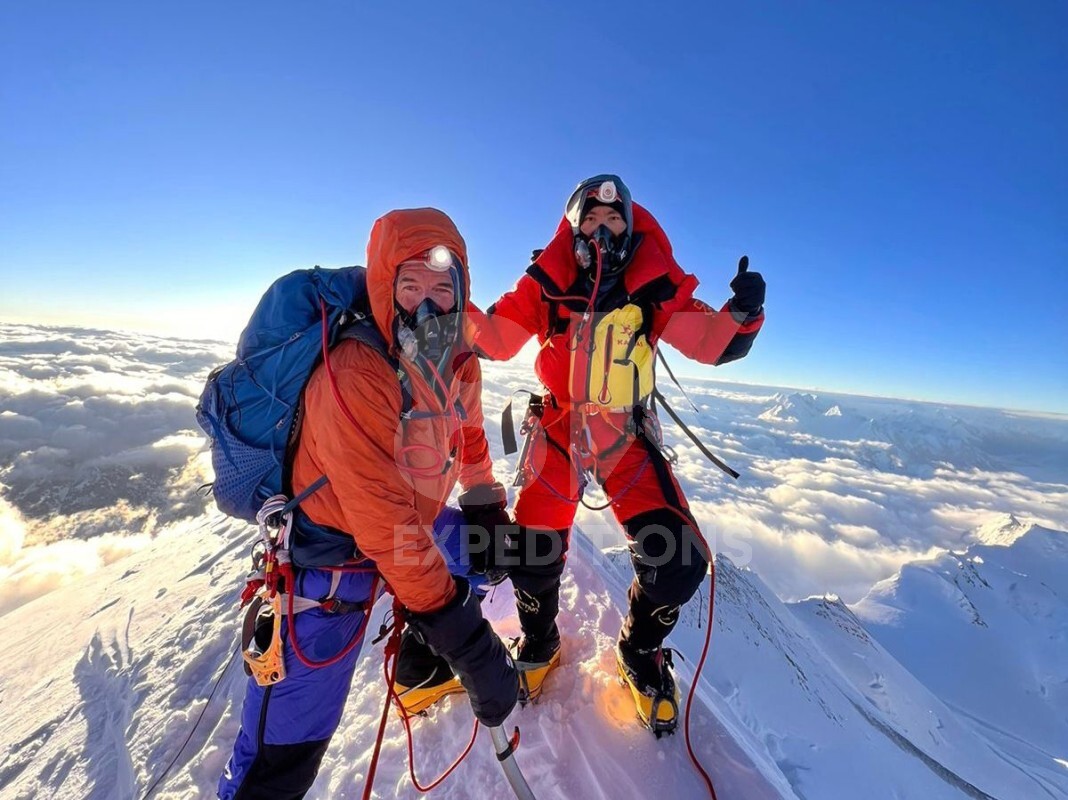
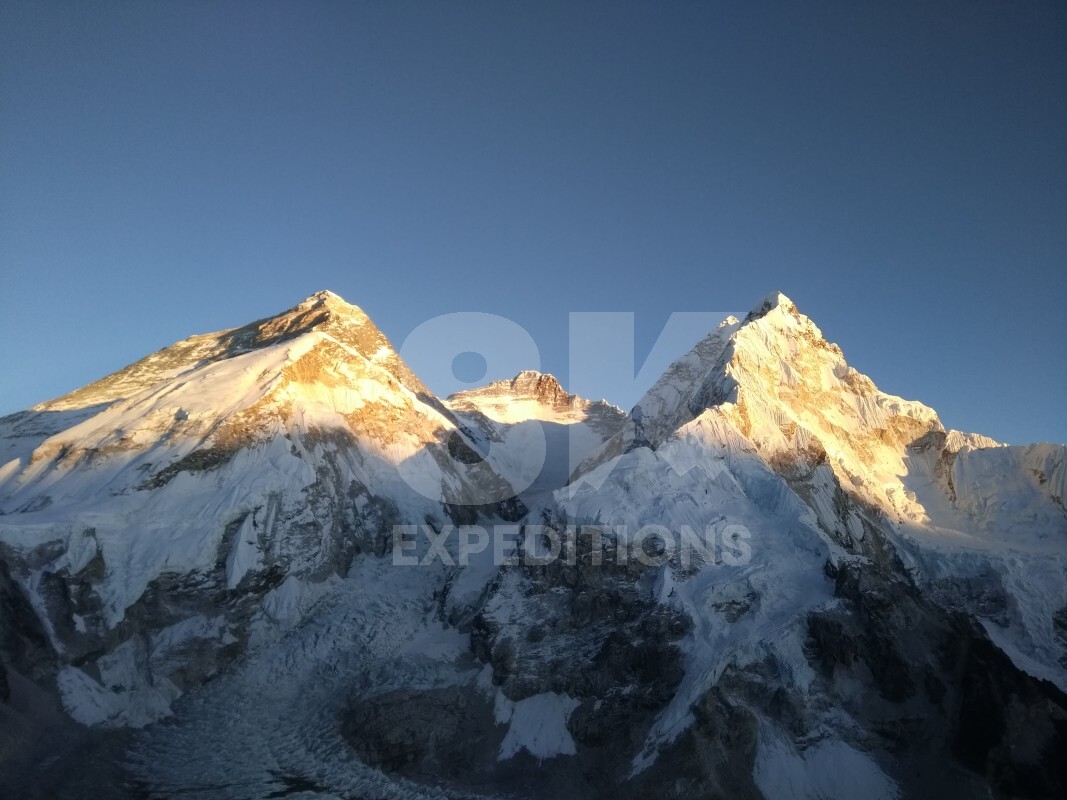
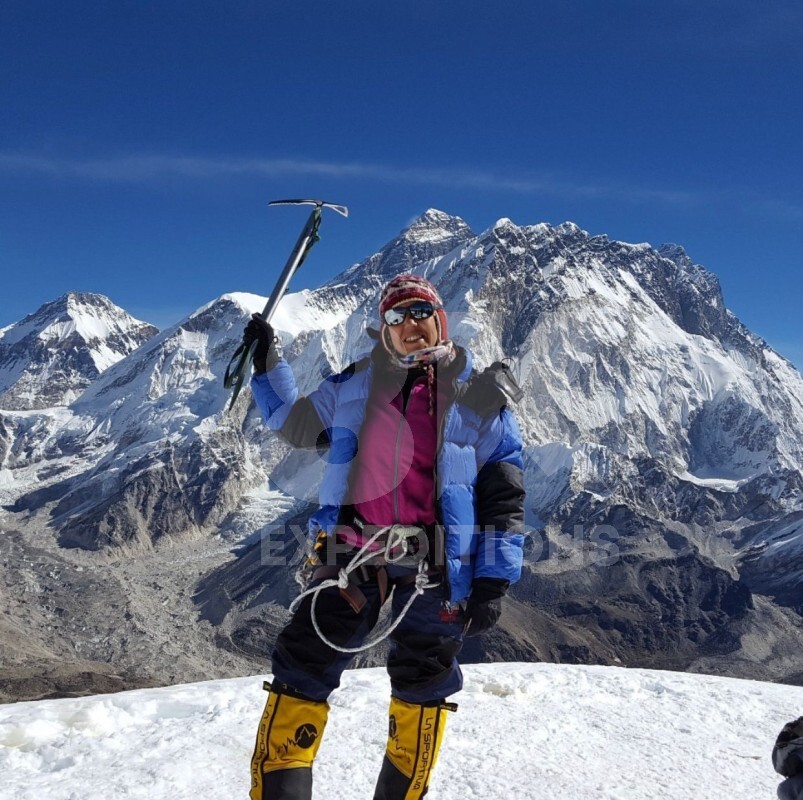
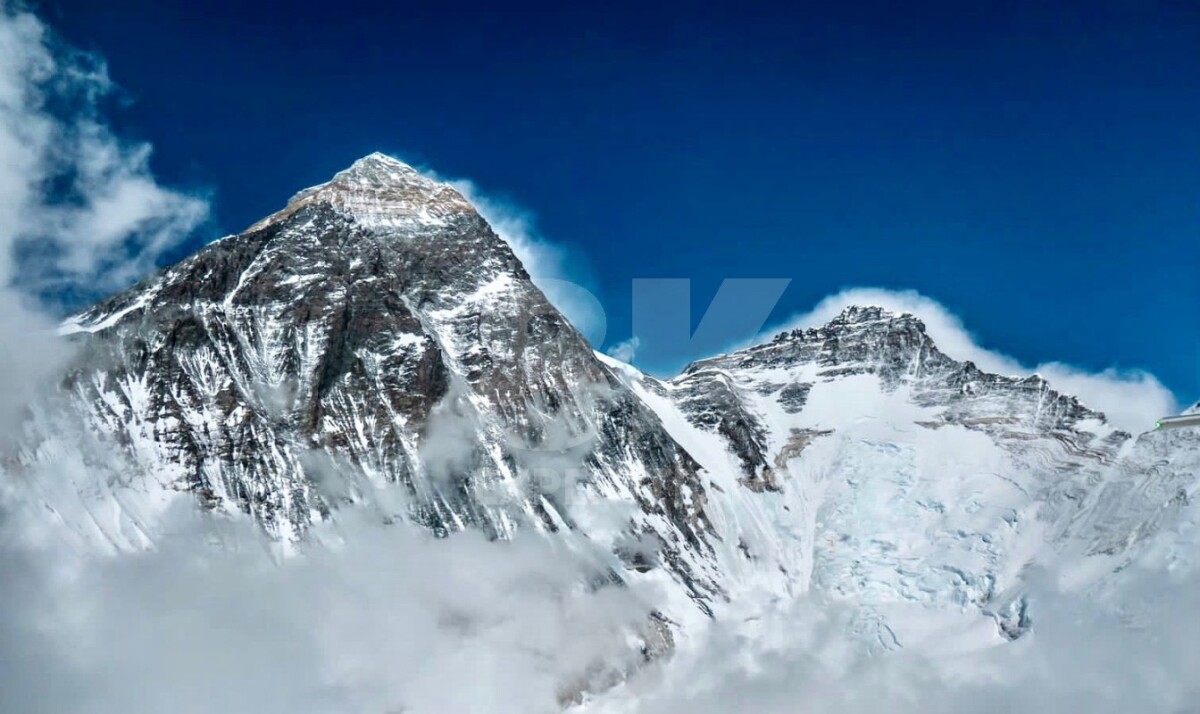
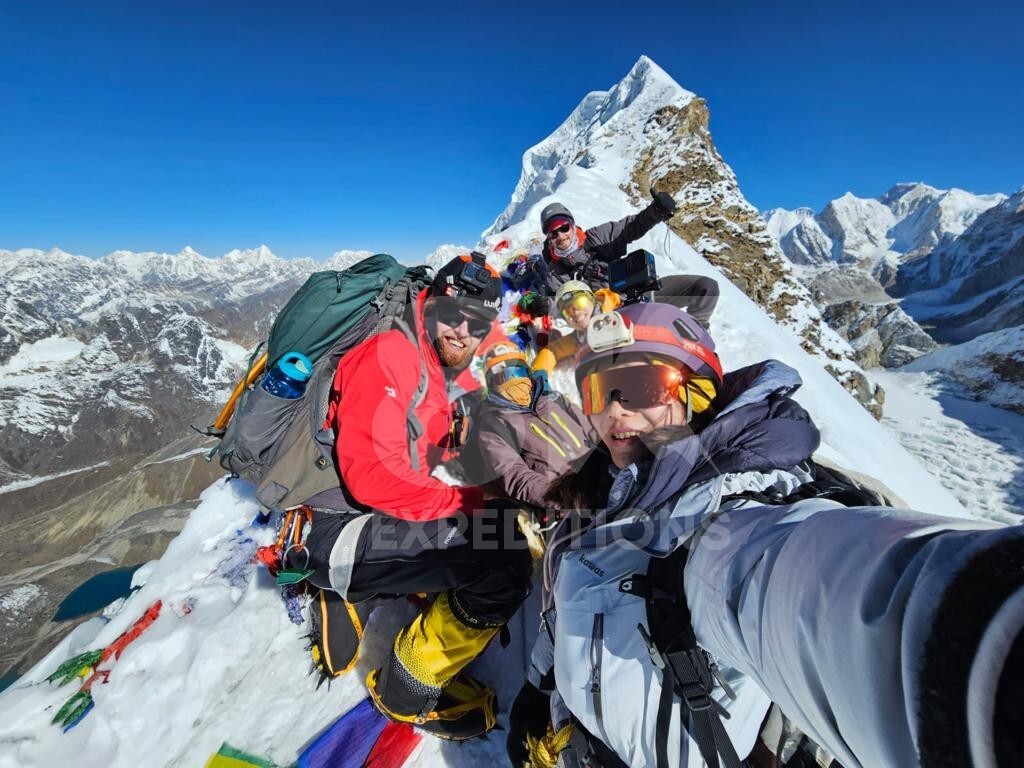
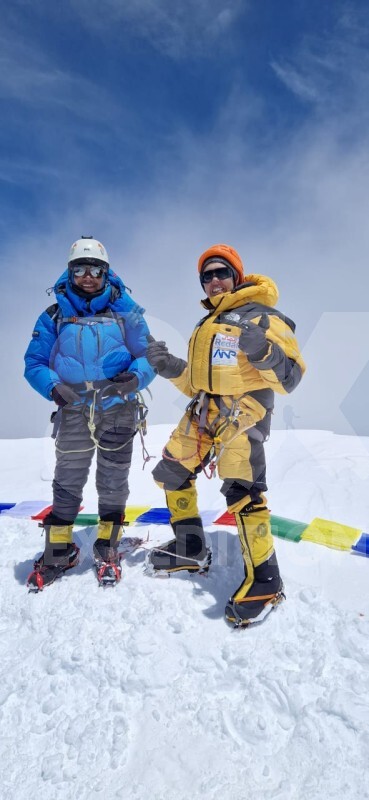
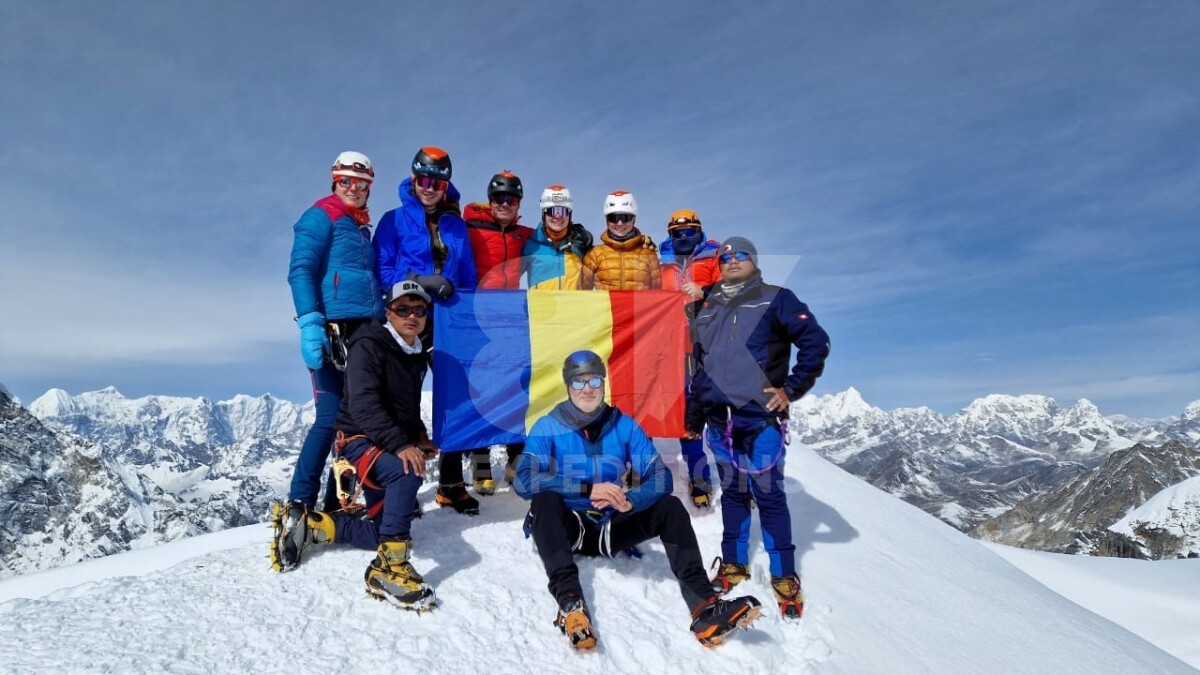
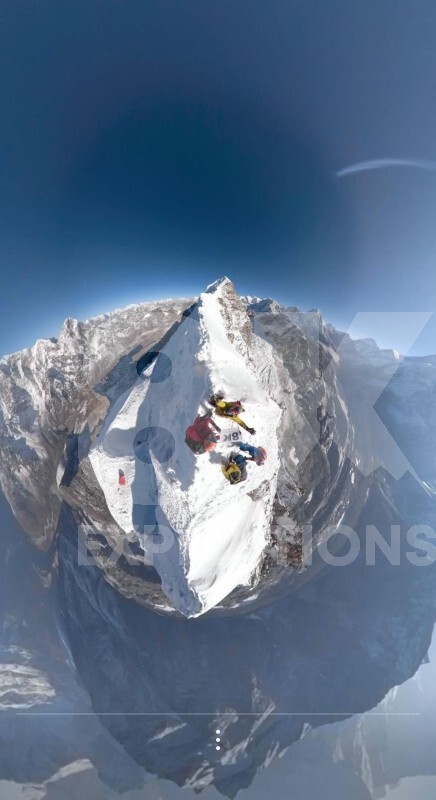
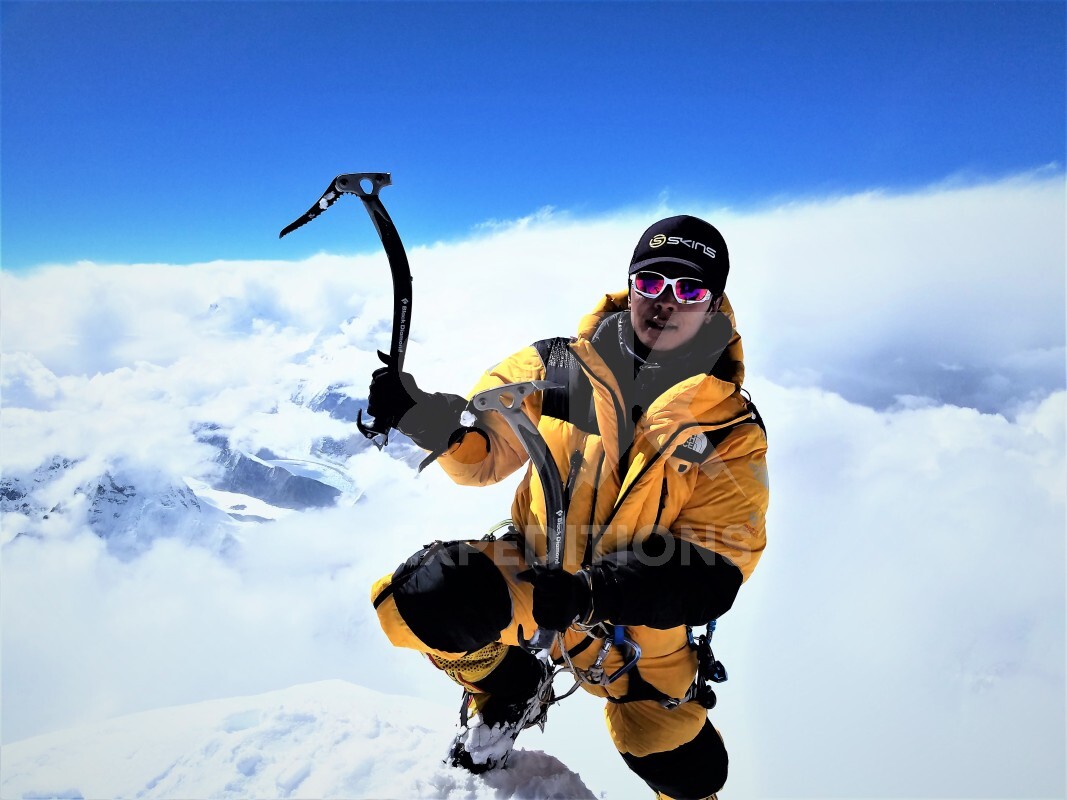
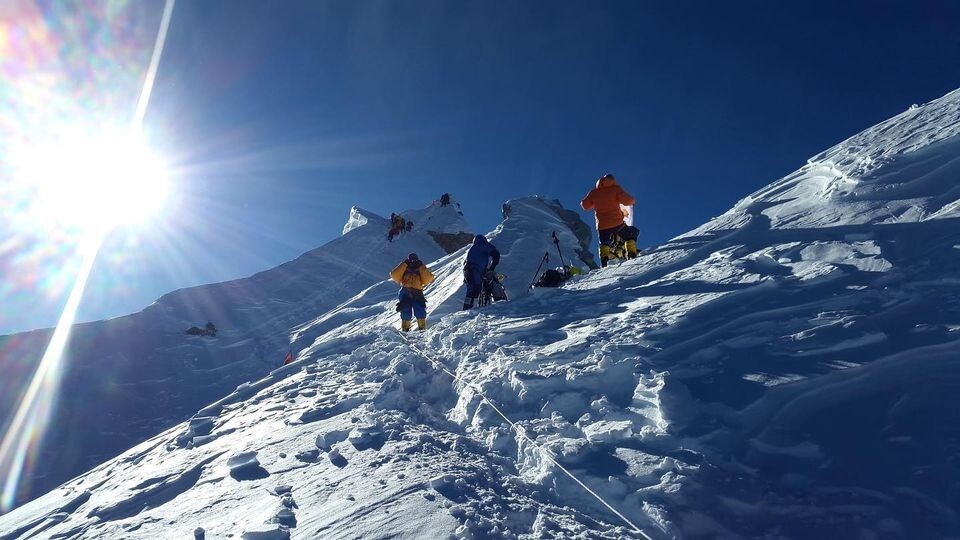
    Finally, from Camp 2, we will climb an ice wall as steep as 75 degrees to reach a small Col at 6500 m. After reaching the Col, we follow the ridge to the Summit peak of Baruntse. The panoramic views of Mt. Everest, Mt. Cho Oyu, Mt. Lhotse, Kanchenjunga, Makalu, Mera Peak, Nuptse, and others can be clearly seen from the top of this peak. We will then prepare to descend to lower camps. 

    Altitude 7129 M
    Meals BLD
    Accommodation Full Board Camp Service
  • 28
    Trek To Amphu Lapcha Base Camp (5,400 M).

    On this day, we will clean up the base camp, manage the garbage and tip our staff. Then we will return down to Khamedingma to rest overnight.

    Altitude 5400
    Meals BLD
    Accommodation Lodge/Teahouses/Camping
  • 29
    Trek To Chukhung (4,730 M) Via Amphu Lapcha Pass (5,845 M).

    Trek to Chukhung (4,730 m) via Amphu Lapcha Pass (5,845 m).

    Altitude 5,845 M
    Meals BLD
    Accommodation Lodges
  • 30
    Trek To Namche Bazar (3,440 M).

    Trek to Namche Bazar (3,440 m).

    Altitude 3440 M
    Meals BLD
    Accommodation Lodges
  • 31
    Trek Back To Lukla (2610 M)

    From Chatrabu, we descend back to Lukla and rest in a cozy hotel.

    Altitude 2,680 M
    Meals BLD
    Accommodation Hotel/Lodge
  • 32
    Fly Back To Kathmandu & Transfer To Hotel.

    It's time to leave the Khumbu region and fly back to the Capital city. As we reach Kathmandu, you are free to explore around and go shopping for souvenirs. You can chill in Thamel or go sightseeing around the World Heritage Sites. On the 33rd day, we will all get together for a farewell dinner at a typical Nepali restaurant. 

    Altitude 1400
    Meals 2 Breakfasts And Farewell Dinner
    Accommodation 3-5 Star Hotel
  • 33
    Final Departure To Home.

    After a wonderful journey and teamwork for 33 days, it's the day when we will need to say goodbye until next time. You will be dropped at the airport by one of our representatives 3 hours prior to your scheduled departure. 

    Altitude 1400
    Meals Breakfast
    Accommodation N/A
BARUNTSE EXPEDITION, NEPAL-route-image

Want to customize your own trip?

PERSONALIZE YOUR TRIP

Includes

  • Airport pick-up and drop-off for both (International and Domestic).
  • 03 nights hotel in Kathmandu on bed and breakfast basis with single occupancy.
  • 01 welcome/farewell dinner in a typical Nepali restaurant in Kathmandu. 
  • Domestic flight via Ramechhap (Ktm – Lukla – Ktm) with airport tax. Early morning 5 hrs. drive from Kathmandu to Ramechhap and further domestic flight to Lukla.
  • Land and Air domestic transportation and cargo for our overall expedition crew.
  • All the necessary permits for Baruntse expedition. 
  • One Nepal Government Liaison officer.
  • Summit Route Fixing Charge.
  • Garbage disposal and management fees.
  • High altitude, medical and helicopter rescue insurance for involved Nepalese Staff.
  • Base Camp Cook and Kitchen Helpers.
  • 03 meals a day (Breakfast, Lunch and Dinner) with Tea/Coffee during the trekking to Base Camp and vice-versa. 
  • Freshly Cooked Meals (Breakfast, Lunch and Dinner): Continental, Nepali, Indian with Hot Drinks, Tea and Coffee.
  • High Camp Services: Member Sleeping Tent (02 Members: 01 Tent), Shovel, Extra Ropes, EPI Gas, Gas Burner (MSR Rector) and Coffle Set.
  • High Food: Readymade Meals (Rice, Meat, Pasta), Muesli, Porridge, Oats, Noodles, Plain Rice, Soup Items, Green Tea, Milk, Coffee, Dry Fruits, Chocolate Bar etc. 
  • 01 highly experienced veteran climbing guide.
  • Each member is allowed up to 45 kg of personal baggage.
  • Each member will be provided an Individual Tent, Mattress and Pillow at Base Camp.
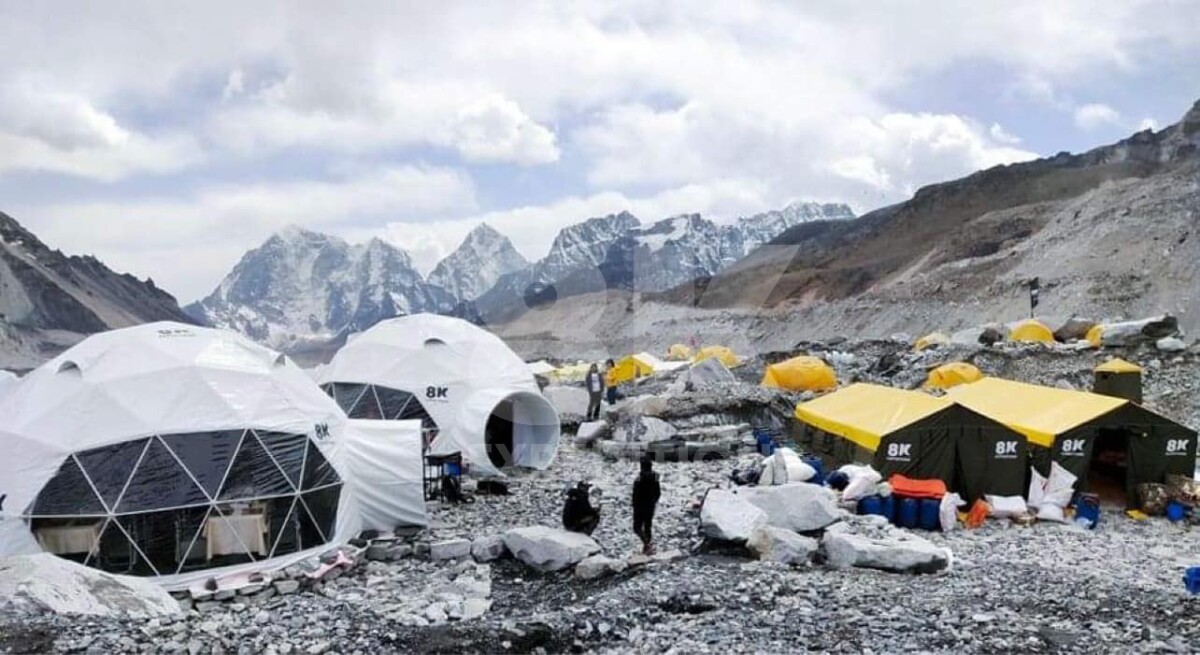
  • Common Equipment at Base Camp: Dinning Tent, Kitchen Tent, Toilet Tent, Shower Tent, Tables and Chairs, Heater etc.
  • Walkie-talkie for communication during the entire expedition.
  • Satellite phone is available for emergency use.
  • Weather forecast during the entire expedition.
  • Backup oxygen bottles and mask regulator set at Base Camp (Chargeable as per use).
  • First aid medical kits.
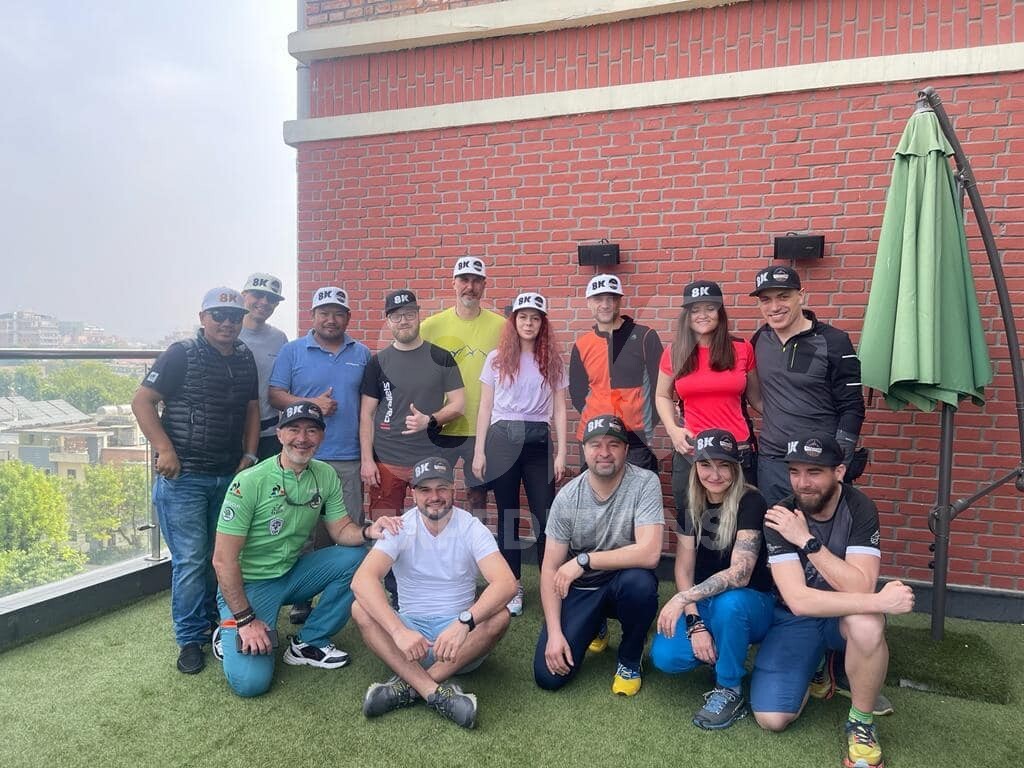
  • 8K Duffle bag and 8K outdoor cap.
  • Applicable Nepal Government Taxes and Company Service Charges.
  • Mount Baruntse summit certificate is issued upon successful climb, with photos and videos required for verification.

Excludes

  • Nepal entry visa fee (to be applied for 60 days).
  • International flights.   
  • Drone and Special Filming Permit.   
  • Lunch and Dinner during stay in Kathmandu. 
  • All the personal climbing gears and equipment. 
  • Insurance minimum US$90,000/- coverage for medical and helicopter rescue. 
  • Baruntse Summit Bonus: US$700/- per member per guide. 
  • Tips: US$250/- for Kitchen Staffs and US$100/- per member for the porters. 
  • Any other services which are not mentioned in the “Service Includes”.

Note: The Sherpa summit bonus is mandatory once the summit push begins, even if the climb is discontinued due to the client’s condition or any other reason.

Departures

FROM 14 Oct 2027
TO 15 Nov 2027
DAYS 33
BOOK NOW

Trip Notes

Please do remember these things.

Trekking and mountain Expeditions in the Himalayas are highly dependent on weather conditions. We try to schedule our trips at the most favorable time, but in case of extreme scenarios, domestic flights to Lukla may be delayed or canceled. In cases such as this, we would like to notify you that except for the total number of days in the itinerary section, expenses of other extra days shall be borne by the client himself/herself. However, 8K Expeditions will make necessary arrangements for the accommodation of porters and guides. If you wish to make alternative arrangements, such as a helicopter flight to avoid flight delays, we can arrange it at a nominal extra charge. 


Also, 8K Expeditions shall not be liable for any compensation for losses due to missed International Flights but we will surely help to make necessary arrangements to minimize your loss. To avoid missing flights, we suggest keeping some flexible time frames before trip departure and after trip departure. 


Also, be notified that as we will be traveling in remote areas with extreme climatic conditions and geography where trails can be distorted at times, we might need to adjust our itineraries as required. But we assure you that the quality of service shall not be compromised at any cost.


BARUNTSE EXPEDITION FAQs


Where is Mount Baruntse located?

Mount Baruntse is located in the eastern Himalayas of Nepal, in the Khumbu region near the Makalu-Barun area. Situated between the Hunku Glacier, Barun Glacier and Imja Glacier, Baruntse offers spectacular views of surrounding Himalayan peaks, including Everest, Lhotse, Makalu and Cho Oyu. The mountain is a popular destination for experienced mountaineers seeking a challenging 7,000-meter expedition in Nepal.


How high is Mount Baruntse?

Mount Baruntse stands at 7,129 meters (23,389 feet) above sea level. It is one of Nepal's prominent 7,000-meter Himalayan peaks and offers a demanding high-altitude mountaineering experience involving glacier travel, steep snow and ice slopes and exposed ridge climbing.


Is Baruntse a good first 7,000-meter mountain to climb?

Baruntse can be a suitable first 7,000-meter expedition for climbers with substantial high-altitude mountaineering experience, technical climbing skills, and previous experience on demanding 6,000-meter peaks. However, it is not recommended for beginners. Climbers should have experience using crampons, ice axes, fixed ropes and ascending steep snow and ice terrain before attempting Baruntse.


How difficult is the Baruntse Expedition?

The Baruntse Expedition is graded very difficult because of its extreme altitude, technical climbing sections, glacier crossings, crevasses, steep ice slopes, and potential avalanche hazards. The Southeast Ridge involves challenging snow and ice climbing, requiring excellent physical fitness, mountaineering experience and the ability to use technical climbing equipment. Proper acclimatization and professional Sherpa support are essential.   


What is the best season for the Baruntse Expedition in Nepal?

Spring (April–May) and autumn (September–November) are the two main climbing seasons for the Baruntse Expedition. Spring generally offers longer daylight hours and comparatively moderate temperatures, while autumn provides clear post-monsoon mountain views and suitable climbing conditions. The final summit attempt depends on snow conditions, wind speed, visibility and the availability of a safe weather window.


How long does the Baruntse Expedition take?

The Baruntse Expedition organized by 8K Expeditions takes approximately 33 days, including arrival in Kathmandu, expedition preparation, trekking to Baruntse Base Camp, acclimatization, climbing rotations, summit attempts and return to Kathmandu. Additional days may be necessary if weather conditions or logistical circumstances affect the itinerary.


Which climbing route is used for the Baruntse Expedition?

Baruntse Expedition primarily follows the Southeast Ridge route, one of the mountain's established climbing approaches. The route involves glacier travel, fixed-rope sections, steep snow and ice slopes and exposed ridge climbing before reaching the 7,129-meter summit. The route requires technical mountaineering skills and careful attention to changing mountain conditions.


How do climbers reach Baruntse Base Camp?

The standard itinerary begins in Kathmandu with a domestic flight to Lukla. From Lukla, climbers trek through Chutanga, Thuli Kharka, Kothe, Thangnak, Khare, Kongma Dingma and Seto Pokhari before reaching Baruntse Base Camp at approximately 5,400 meters. The approach involves crossing high mountain passes and traversing remote Himalayan landscapes.


What is the altitude of Baruntse Base Camp?

Baruntse Base Camp is situated at approximately 5,400 meters above sea level. It serves as the primary expedition headquarters for acclimatization, climbing preparation, equipment management and coordination of summit rotations. 


How many high-altitude camps are required to climb Baruntse?

The 8K Expeditions itinerary identifies two principal high-altitude camps above Base Camp:

  • Camp I: Approximately 6,100 meters.
  • Camp II: Approximately 6,400 meters.

Climbers ascend through these camps as part of their acclimatization and summit preparation. Additional staging or temporary camps may be established depending on route conditions, weather and the expedition team's climbing strategy.   


What are the major technical challenges of climbing Baruntse?

The major challenges of climbing Baruntse include steep snow and ice slopes, glacier crossings, crevasses, exposed ridges, fixed-rope climbing and potential avalanche conditions. The Southeast Ridge contains technically demanding ice sections, with the upper route requiring strong climbing skills and careful movement at extreme altitude. Climbers must be comfortable using crampons, ice axes, harnesses, ascenders and other technical mountaineering equipment.


Is acclimatization included in the Baruntse Expedition itinerary?

Yes, the 33-day Baruntse Expedition itinerary includes acclimatization and rest periods before the summit attempt. Climbers gradually gain altitude while trekking through the Hinku and Hunku regions, followed by climbing rotations between Base Camp and higher camps. Proper acclimatization helps the body adjust to reduced oxygen levels and reduces the risk of altitude-related illness.


How long does it take to summit Mount Baruntse from Base Camp?

The climbing period from Baruntse Base Camp is allocated approximately 16 days. This period includes climbing preparation, acclimatization rotations, movement between high-altitude camps, waiting for suitable weather, summit attempts and descent. The actual summit push generally takes more than one day of climbing activity and depends on conditions and the team's progress.


What mountains can climbers see from the summit of Baruntse?

From the summit of Mount Baruntse, climbers can enjoy magnificent Himalayan panoramas featuring Mount Everest, Lhotse, Makalu, Cho Oyu, Kanchenjunga, Nuptse and Mera Peak, along with surrounding Himalayan landscapes. The summit provides an extraordinary perspective of Nepal's high mountain ranges.


What previous climbing experience is required for the Baruntse Expedition?

Climbers should have previous high-altitude mountaineering experience, preferably including successful ascents of demanding 6,000-meter peaks or equivalent alpine objectives. Experience with glacier travel, fixed ropes, crampon techniques, ice-axe use and high-altitude camping is strongly recommended. 


How physically fit should I be for climbing Baruntse?

Climbers need excellent cardiovascular endurance, muscular strength, stamina, and mental resilience. Training should include long-distance hiking, uphill endurance exercises, strength conditioning, stair climbing and carrying a weighted backpack. Preparation should also include technical mountaineering practice and training at altitude whenever possible.


Is supplemental oxygen available during the Baruntse Expedition?

Yes, backup oxygen bottles and mask-regulator set at Base Camp for emergency use. These are chargeable according to usage. The need for supplemental oxygen during climbing depends on individual health, acclimatization, altitude and the expedition leader's assessment. 


What safety arrangements are provided during the Baruntse Expedition?

8K Expeditions provides an experienced climbing guide, mountain weather forecasting, communication equipment, first-aid medical kits, Base Camp facilities and backup oxygen equipment for emergency use. Satellite phone access is also available for emergencies on a chargeable basis. Climbers must additionally arrange mandatory high-altitude medical and helicopter rescue insurance with minimum coverage of US$50,000 as specified on the package page.


What climbing equipment is required for the Baruntse Expedition?

Climbers need specialized high-altitude mountaineering equipment, including insulated climbing boots, crampons, ice axes, a climbing harness, helmet, ascenders, carabiners, ropes-compatible equipment, high-altitude clothing, expedition sleeping bags and protective eyewear. Personal climbing equipment is not included in the package, so participants should prepare their own equipment according to the company's recommended 7,000-meter gear list.


How much does the Baruntse Expedition cost?

The cost of the Baruntse Expedition depends on group size, climbing season, Nepal government royalty and permit fees, accommodation preferences, Sherpa support, equipment requirements and customized expedition arrangements. The company provides personalized quotations based on each climber's requirements.


What is included in the 8K Expeditions Baruntse climbing package?

Baruntse package includes expedition arrangements such as Kathmandu accommodation, domestic transportation as specified in the itinerary, trekking and climbing support, meals during the expedition, Base Camp and high-camp facilities, an experienced climbing guide, communication facilities, weather forecasting, first-aid supplies, and backup oxygen equipment at Base Camp. 


What is excluded from the Baruntse Expedition package?

The package excludes international airfare, Nepal entry visa fees, personal climbing equipment, lunch and dinner in Kathmandu, mandatory medical and helicopter rescue insurance, special filming and drone permits, summit bonuses and services not specifically mentioned in the inclusions. Additional expenses may apply for extra accommodation, delays or optional helicopter arrangements.


When is the next fixed departure for the Baruntse Expedition?

Baruntse Expedition departure is from 14 October to 15 November 2027. The expedition lasts 33 days. 


Can I join a private or customized Baruntse Expedition?

Yes, 8K Expeditions can discuss private and customized Baruntse Expedition arrangements depending on the climber's experience, preferred departure dates, group size, accommodation requirements, and desired expedition services. 


How can I book the Baruntse Expedition with 8K Expeditions?

You can book the Baruntse Expedition by contacting 8K Expeditions through its official website, email or WhatsApp. Share your preferred departure dates, previous mountaineering experience, group size, and expedition requirements. The team can then provide the itinerary, package inclusions, pricing and booking procedure for your Baruntse climbing adventure in Nepal.


Plan your Baruntse Expedition with 8K Expeditions !
 

Reviews

(No reviews yet)

Add Your Review

News and Events

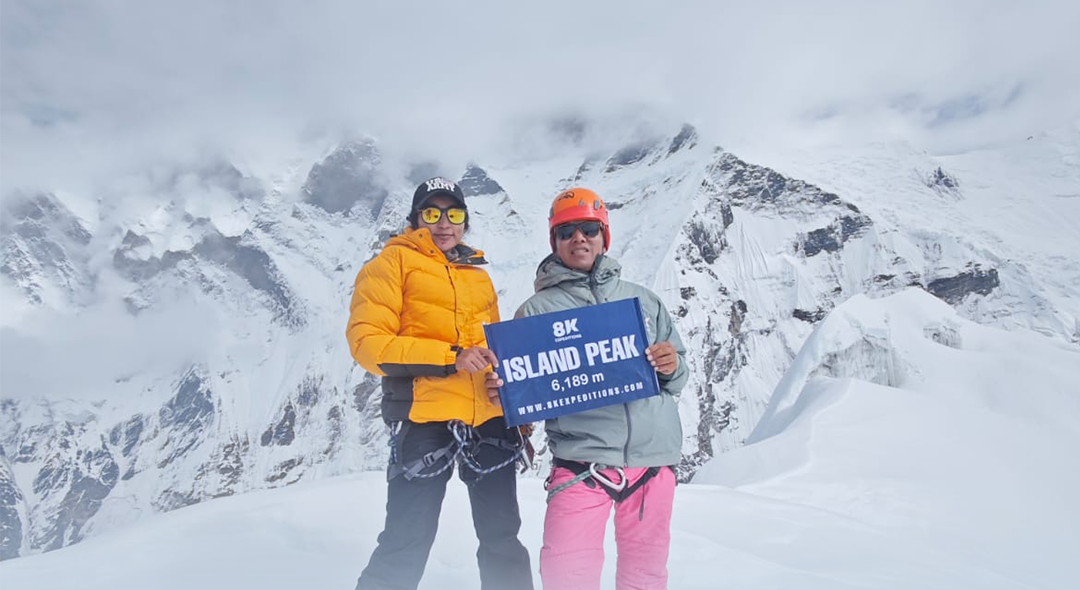
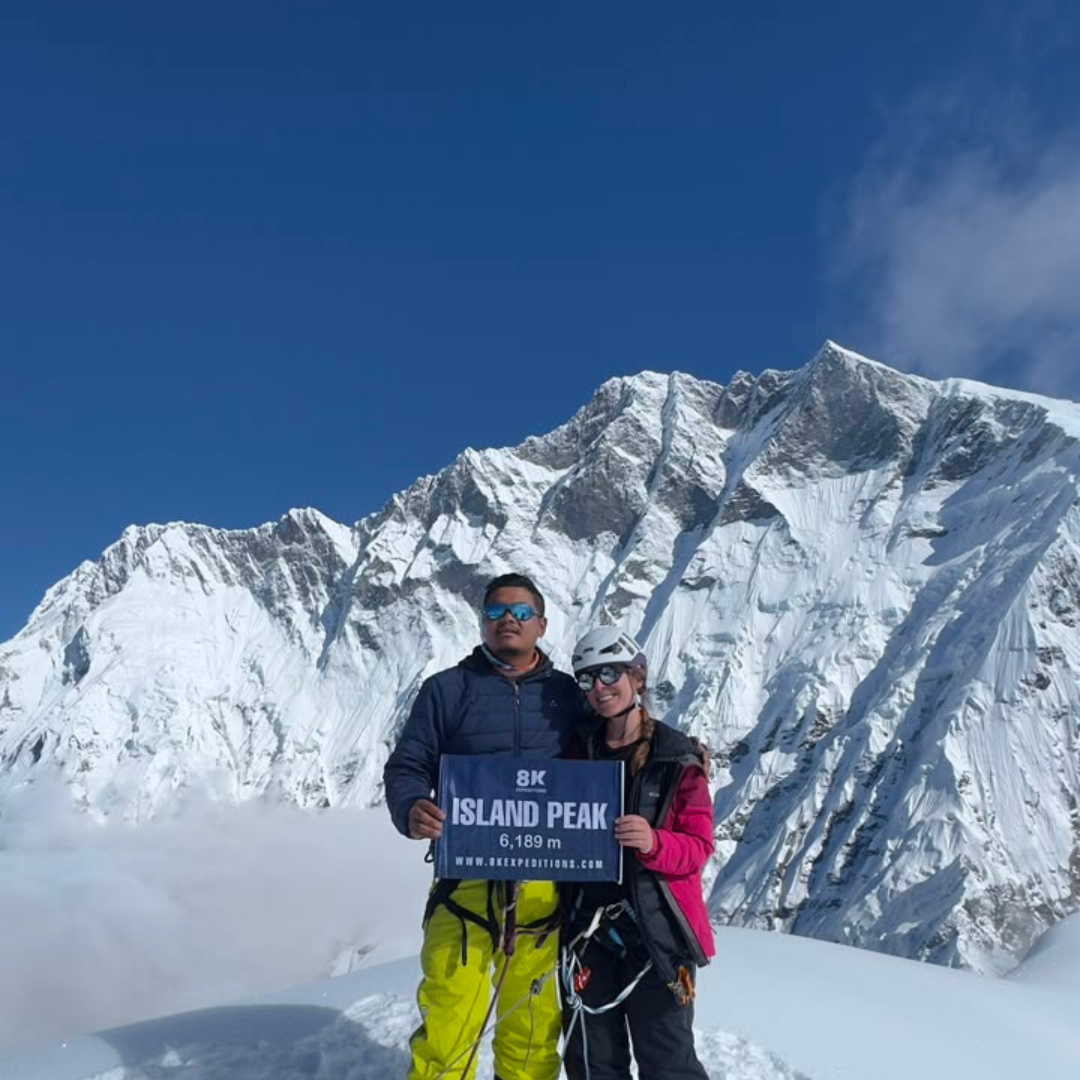
Island Peak Summit

03 May 2022
VIEW ALL

Our Instagram

Similar Packages