Please do
remember
these things.
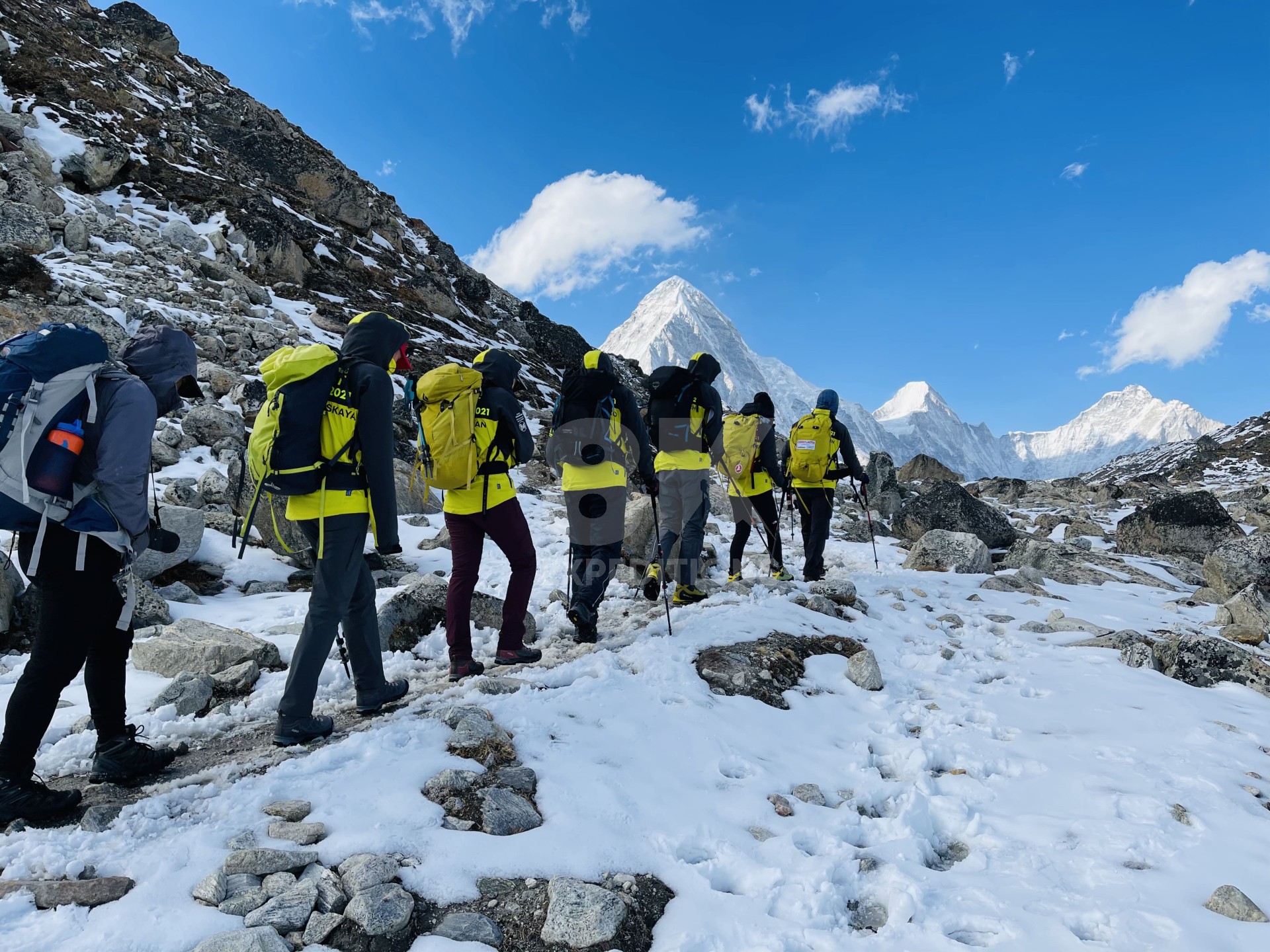
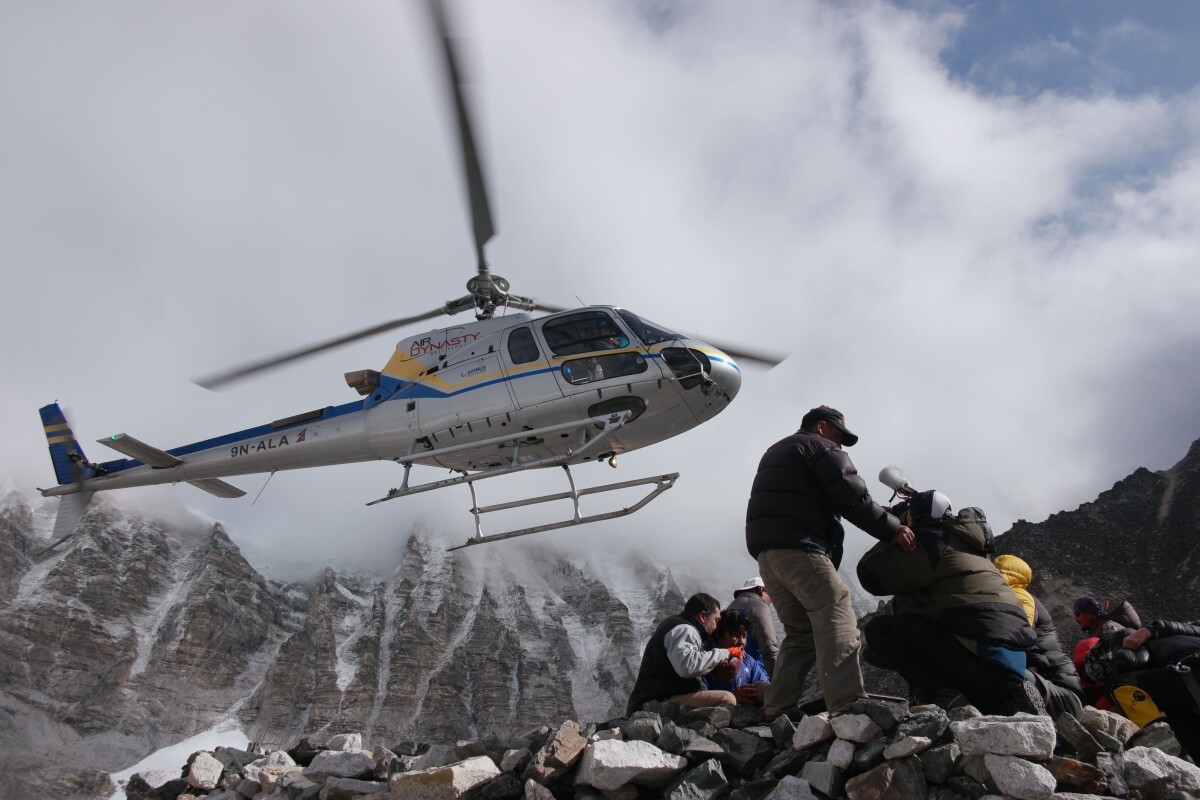
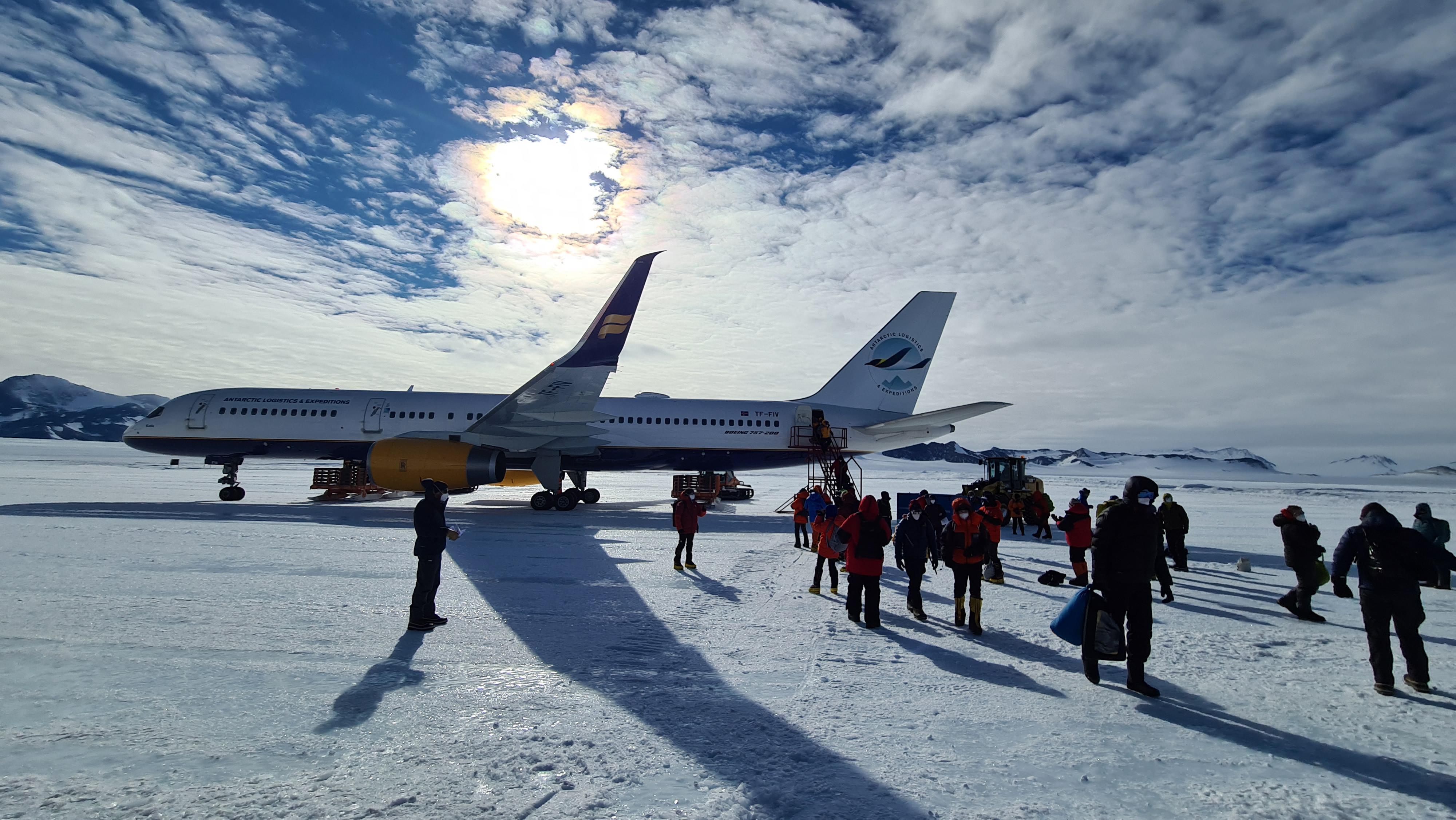
Trekking and mountain Expeditions in the Mt. Everest Region are highly weather-dependent activities. We try to schedule our trips at the most favorable time but in case of extreme scenarios, domestic flights to Lukla may be delayed or canceled. In cases as such, we would like to notify you that except for the total number of days in the itinerary section, expenses of other extra days shall be borne by the client himself/herself. However, 8K Expeditions will make necessary arrangements for the accommodation of porters and guides. If you wish to make alternative arrangements, such as a helicopter flight to avoid flight delays, we can arrange it at a nominal extra charge.
Also, 8K Expeditions shall not be liable for any compensation for losses due to missed international flights, but we will surely help to make necessary arrangements to minimize your loss. To avoid missing flights, we suggest keeping some flexible time frames before trip departure and after trip departure.
Also be notified that as we will be traveling in remote areas with extreme climatic conditions and geography where trails can be distorted at times, we might need to adjust our itineraries as required. But we assure you that the quality of service shall not be compromised at any cost.
Cost of Lobuche East (6119m) Peak Climbing
The cost to Climb Lobuche East (6119m) Peak vary depending on factors including: group size, royalty and permit costs in different seasons, category of hotel accommodation, numbers of Sherpas allocated and equipment, type of arrangement and package customization. So, we would like to discuss with our client before offering the cost. Please feel free to contact 8K Expedition for any information about in your selected package.
LOBUCHE EAST PEAK CLIMBING - FAQ
What is Lobuche East Peak and how high is it?
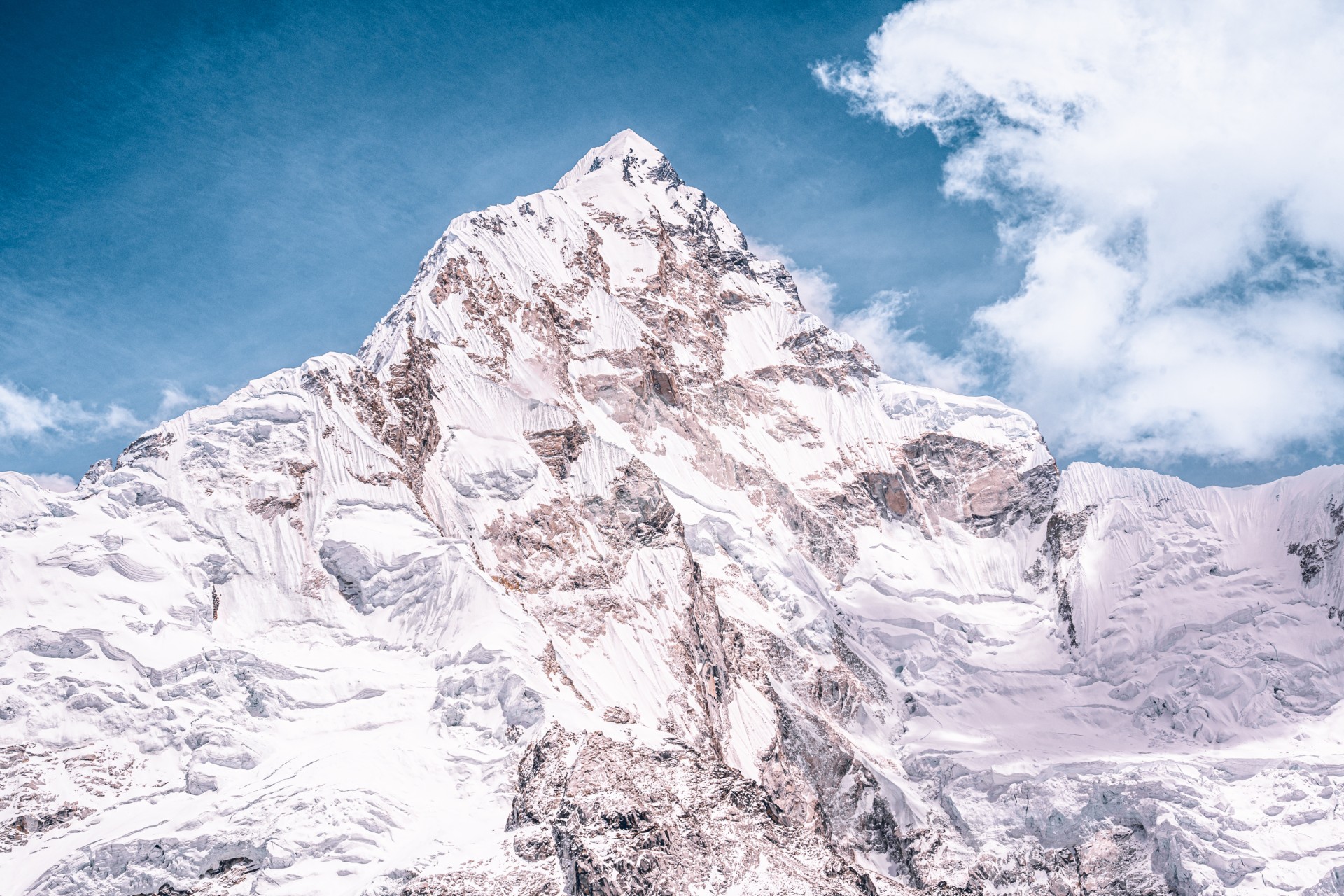
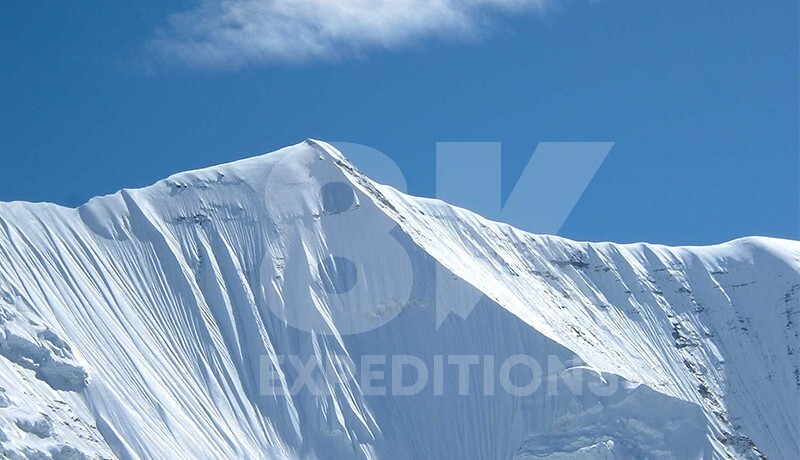
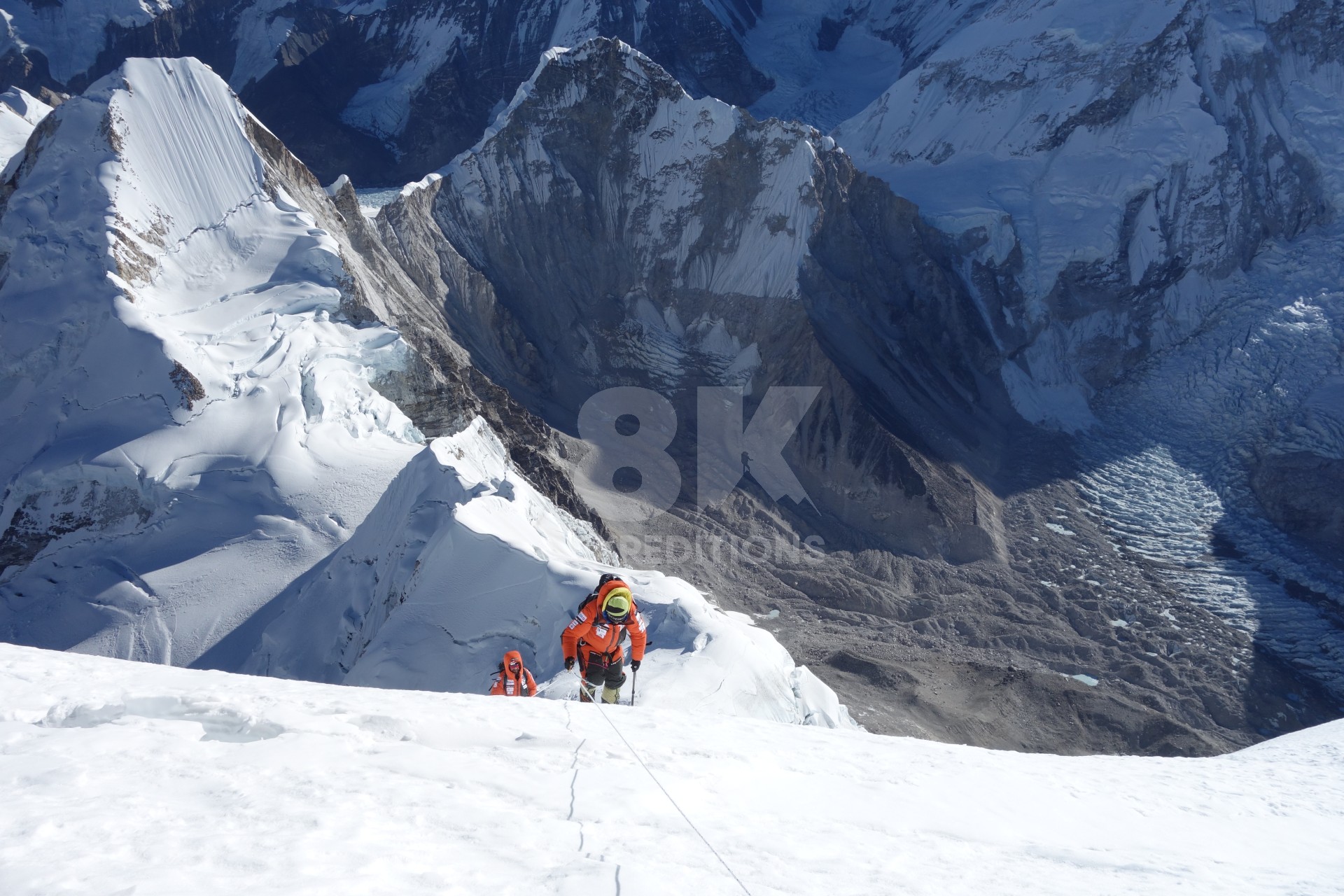
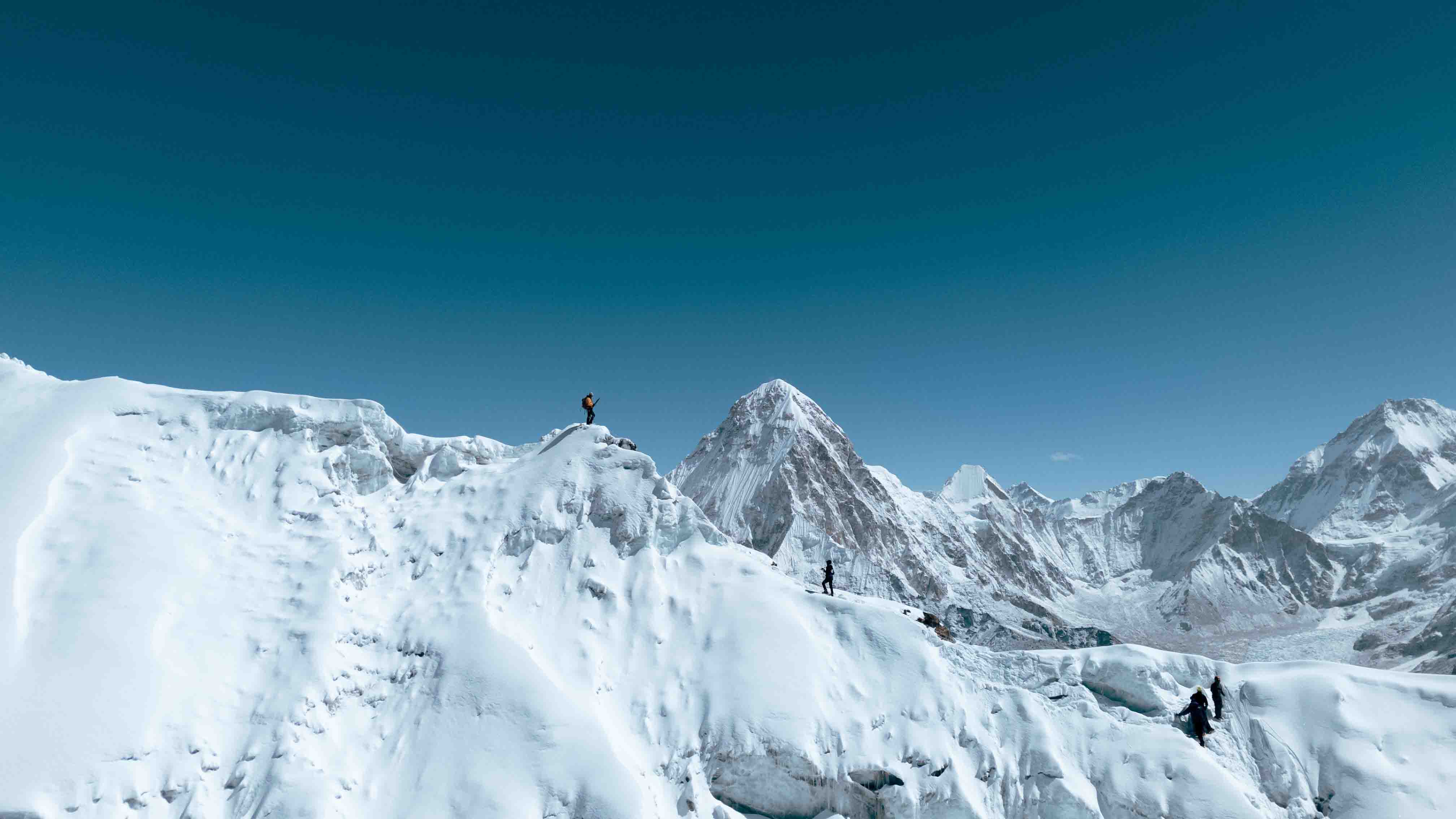
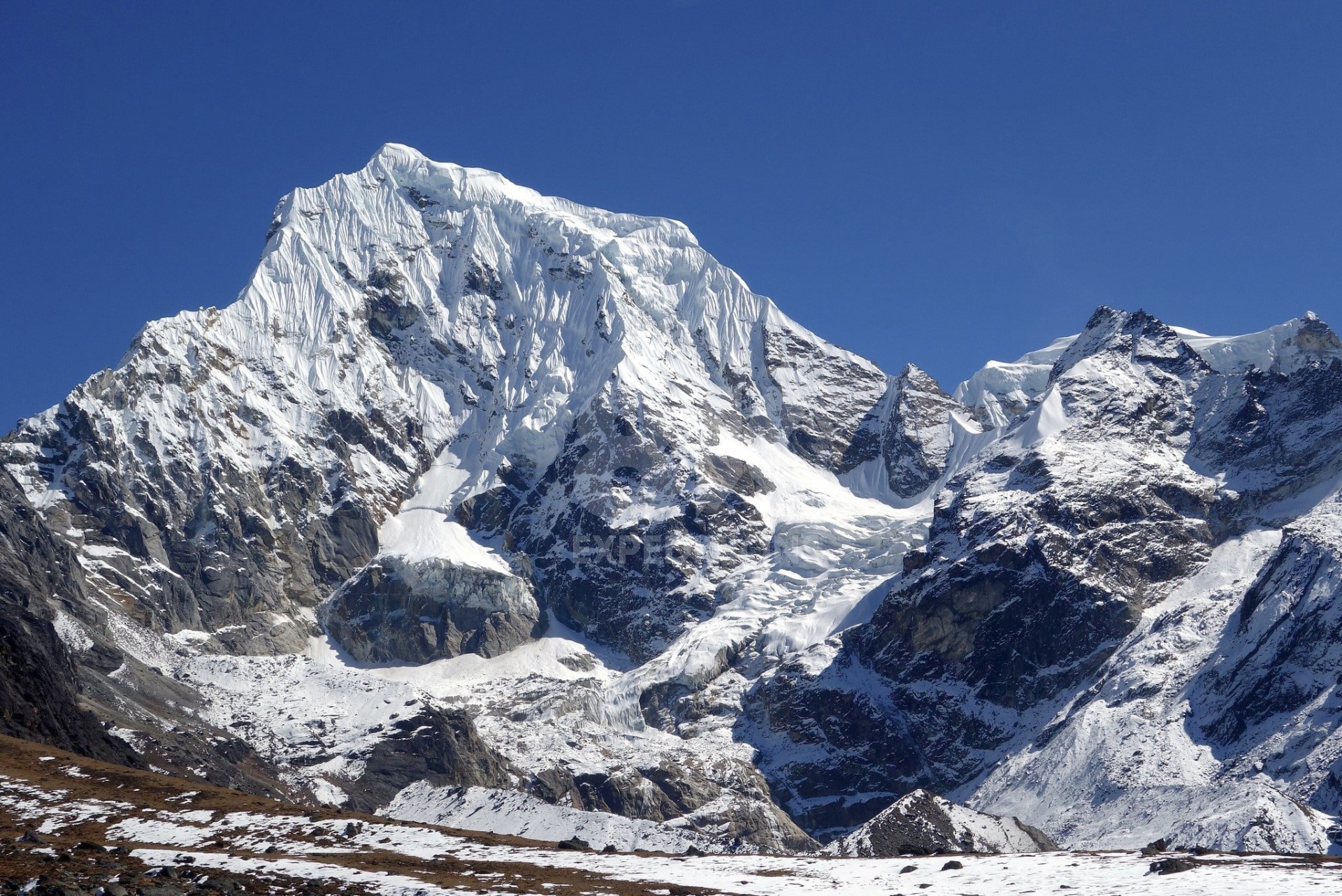
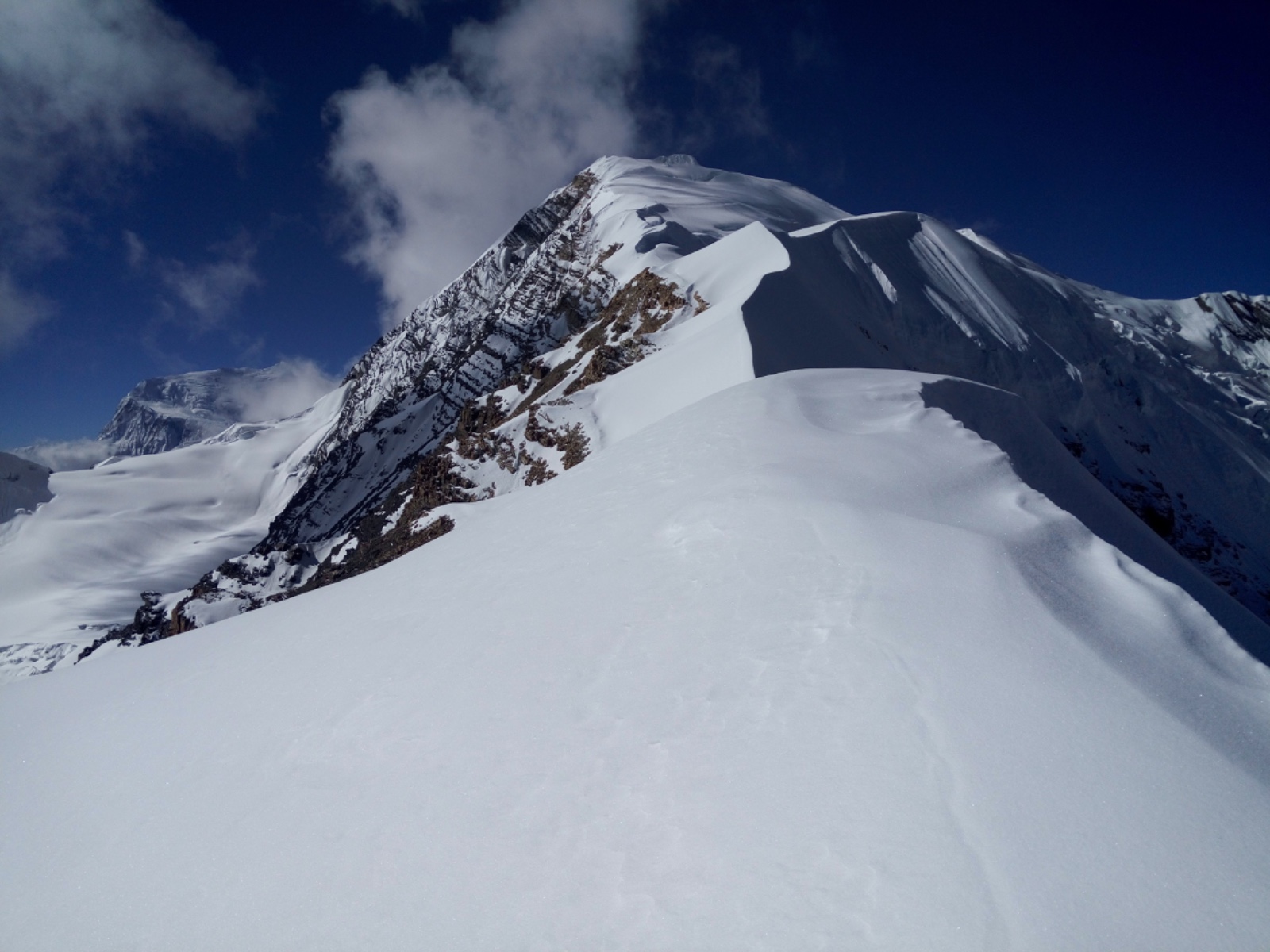
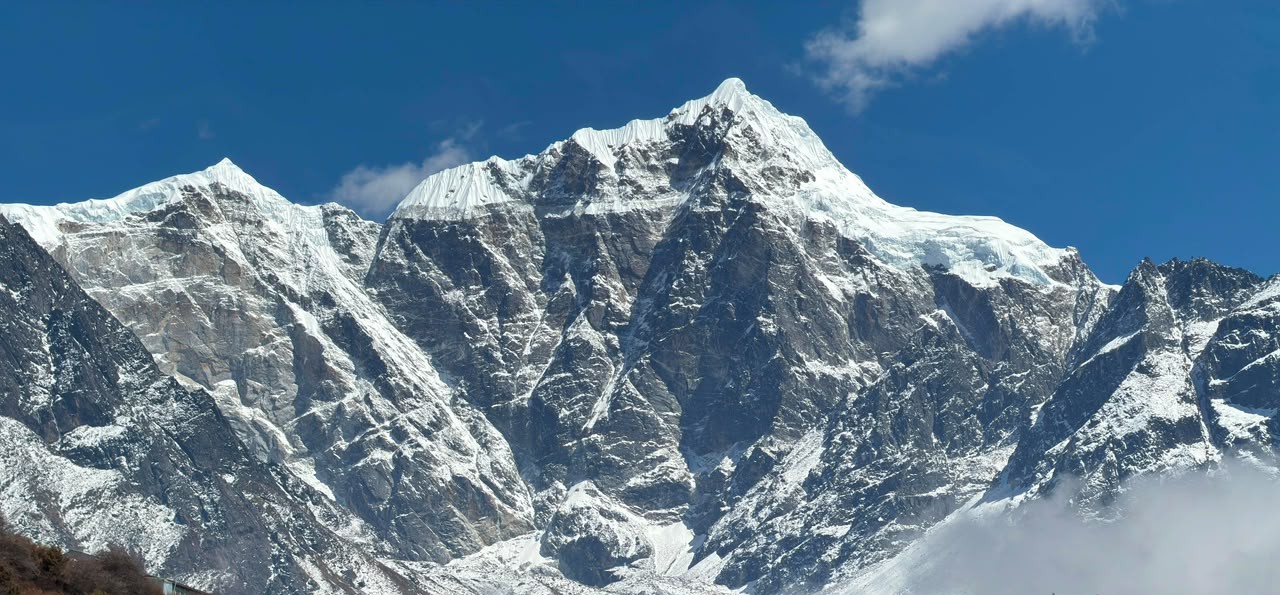
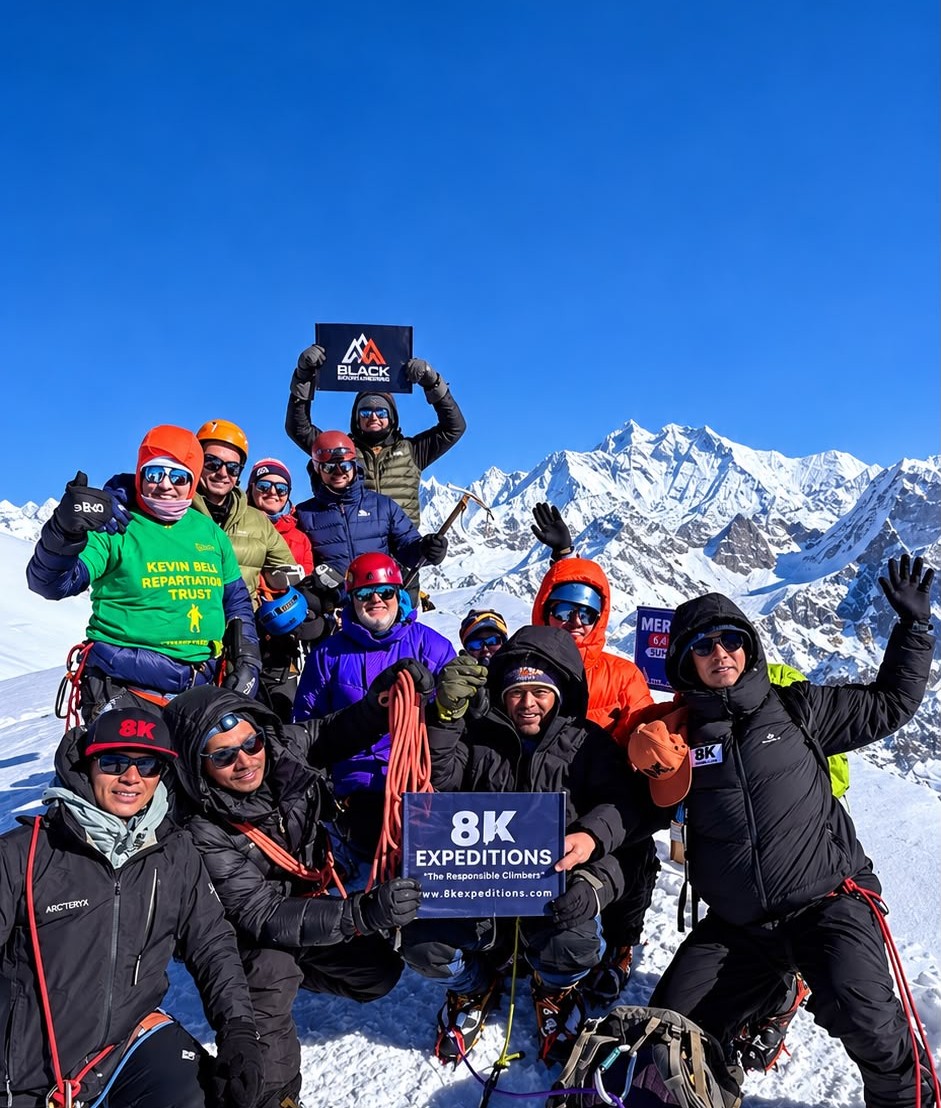
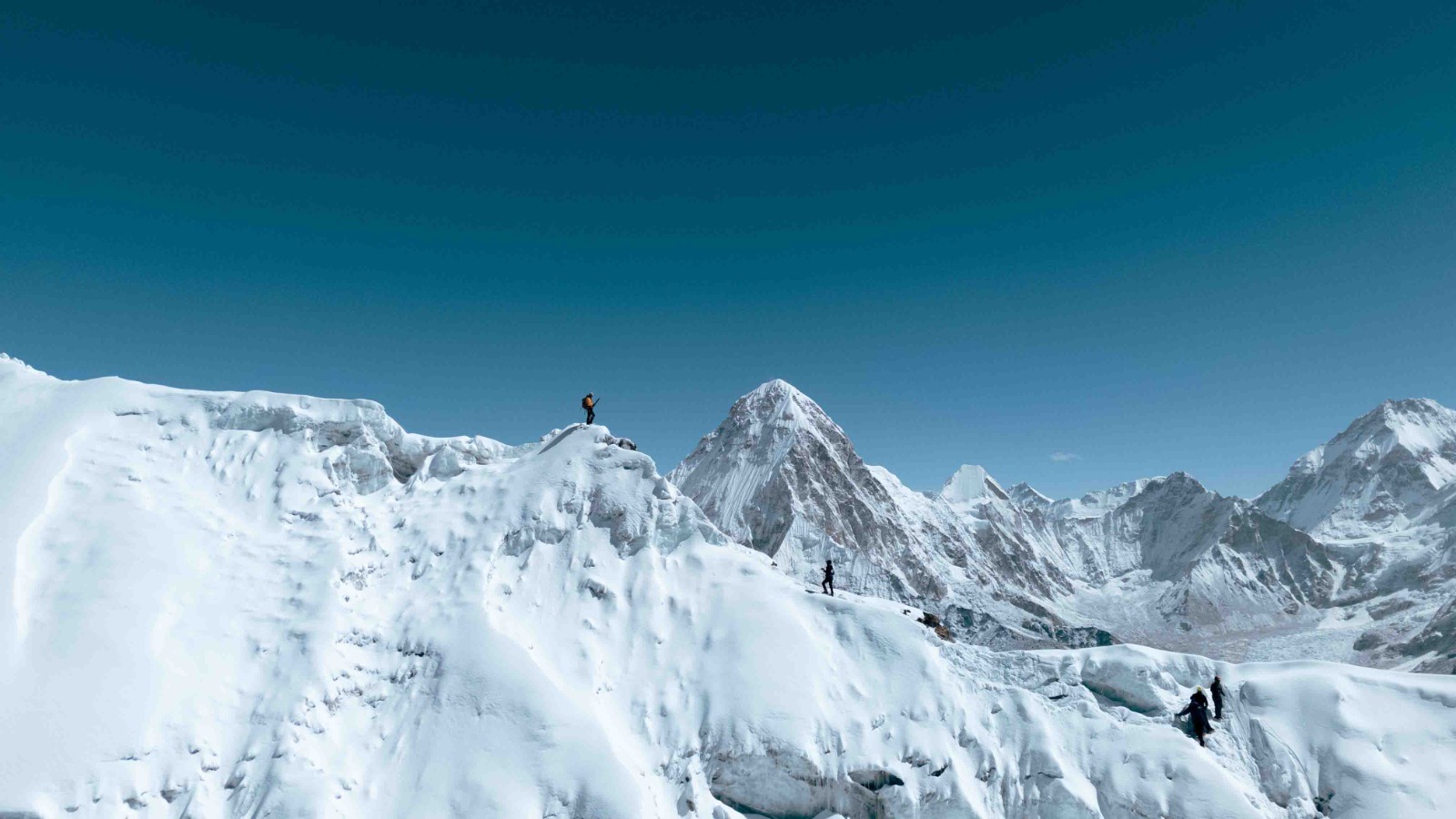
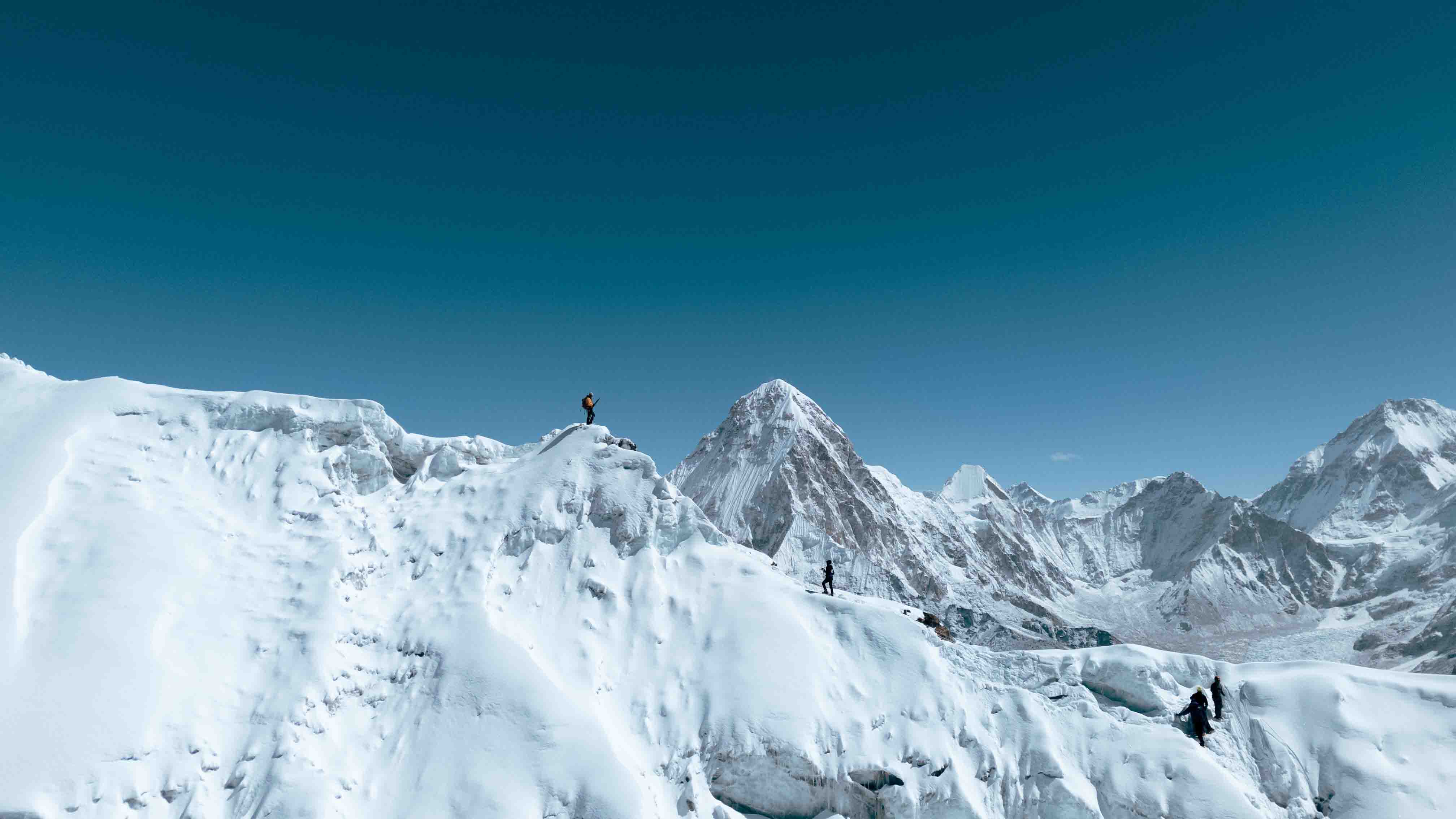
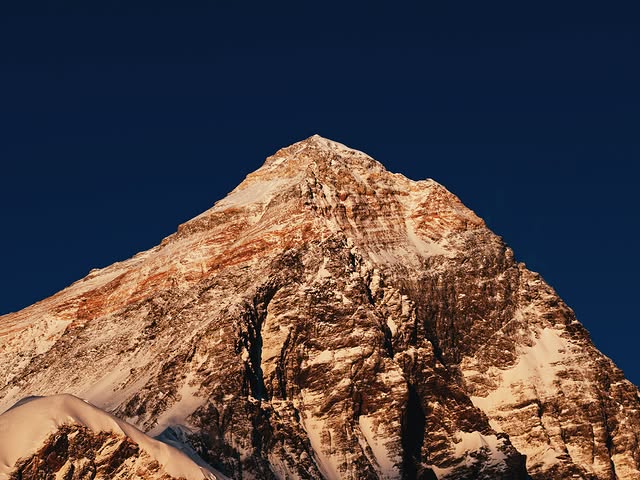
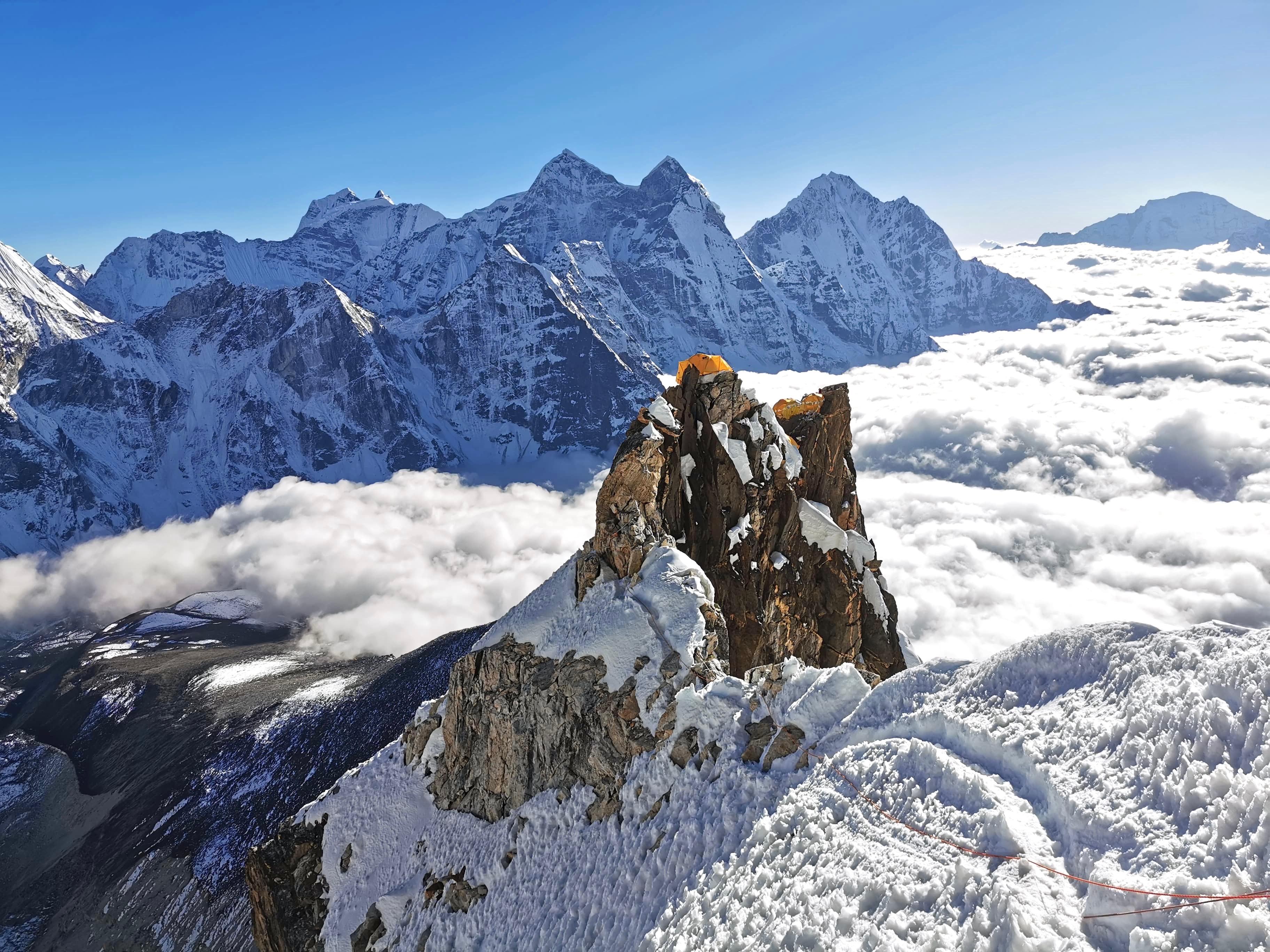
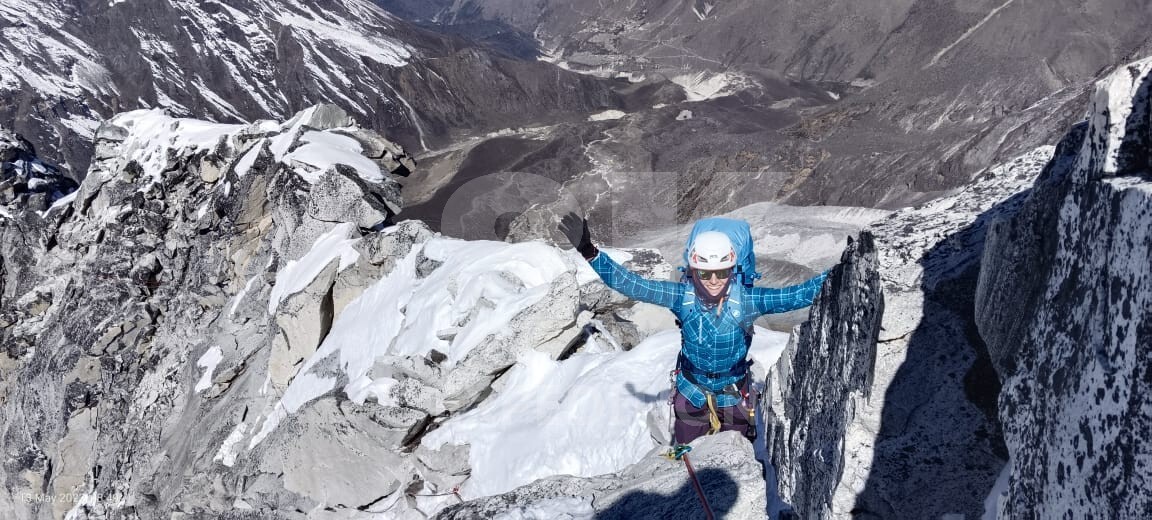
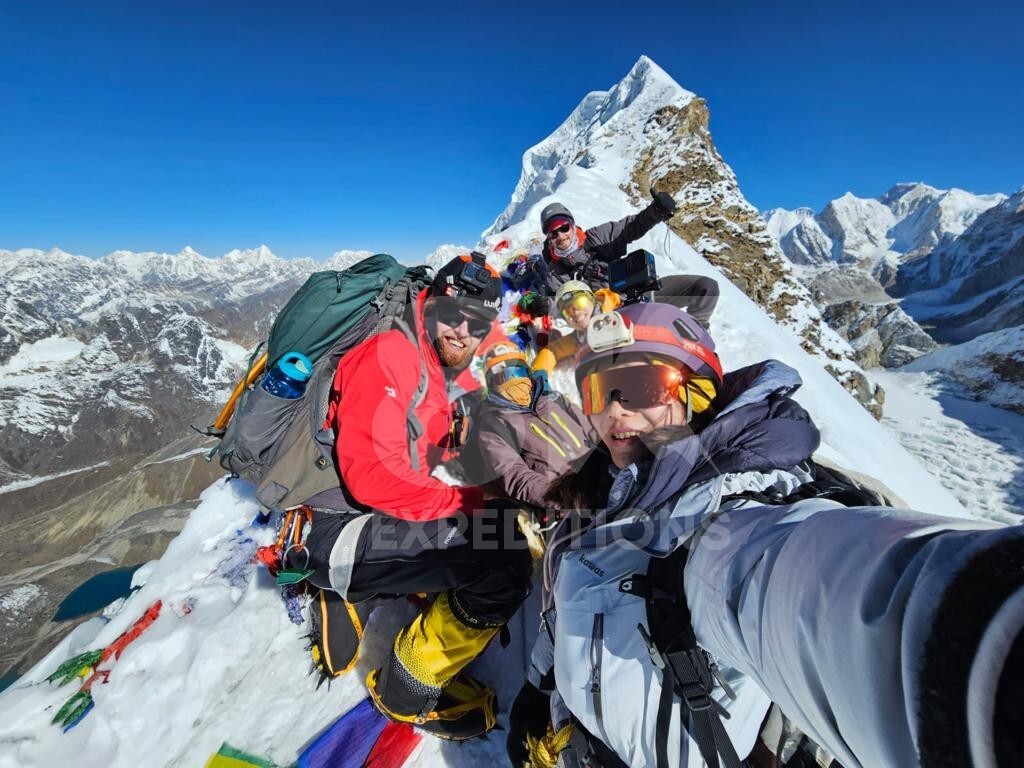
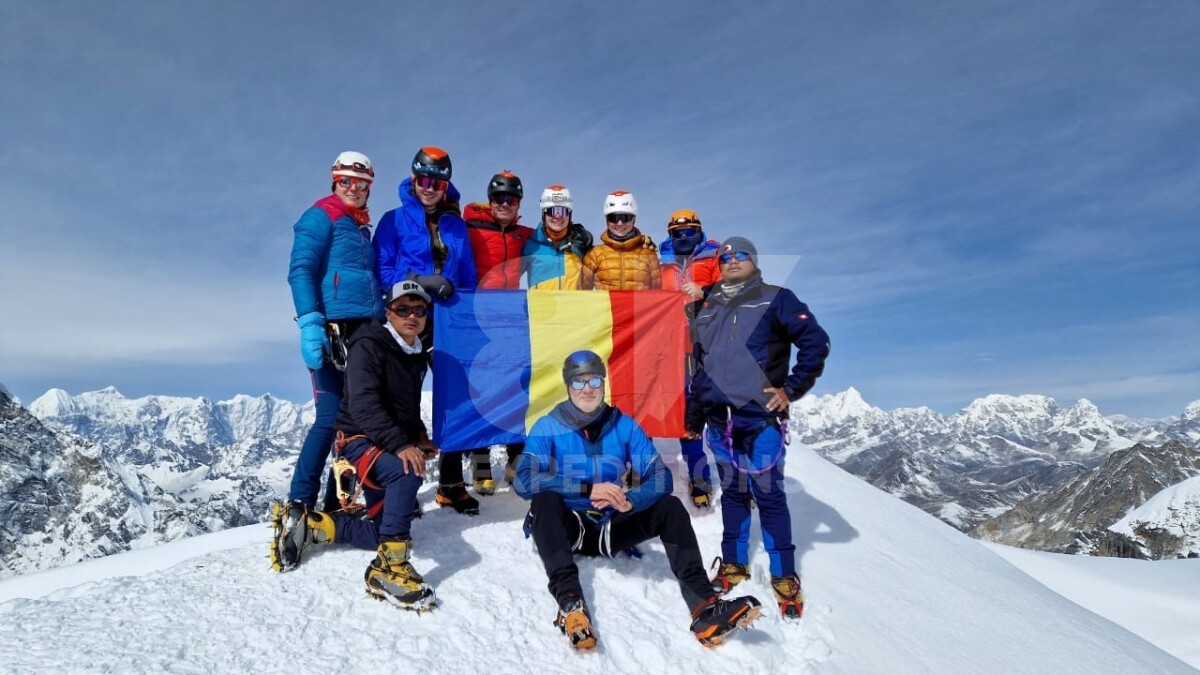
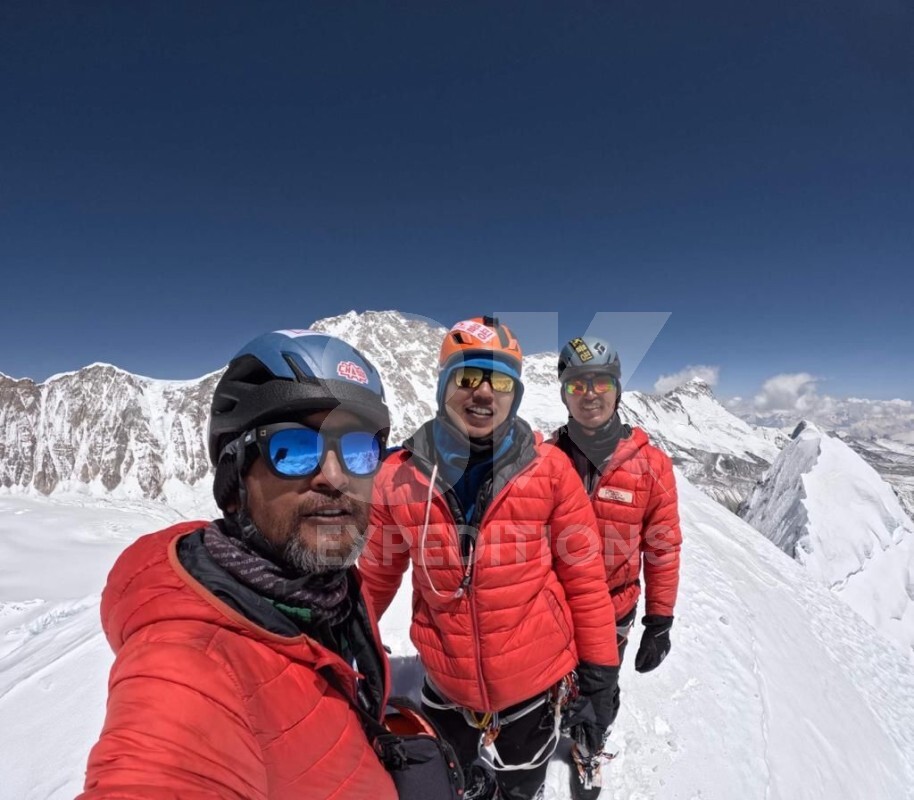
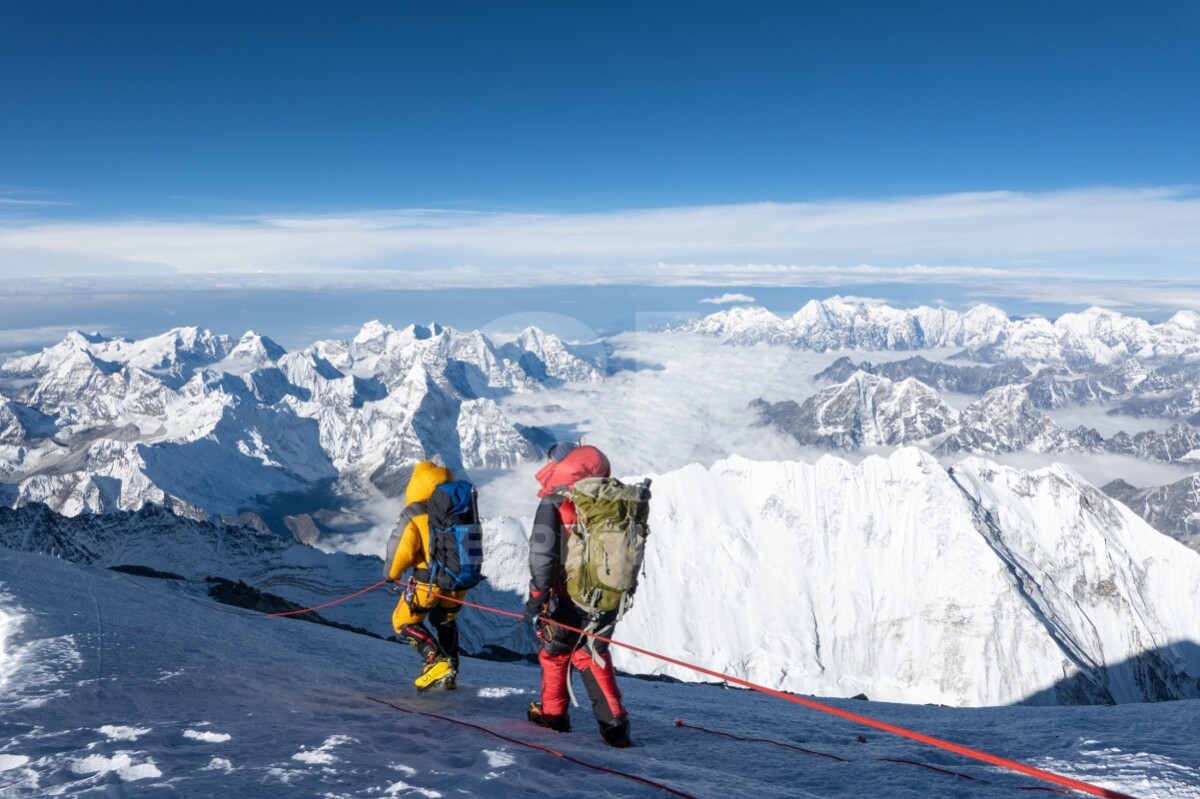
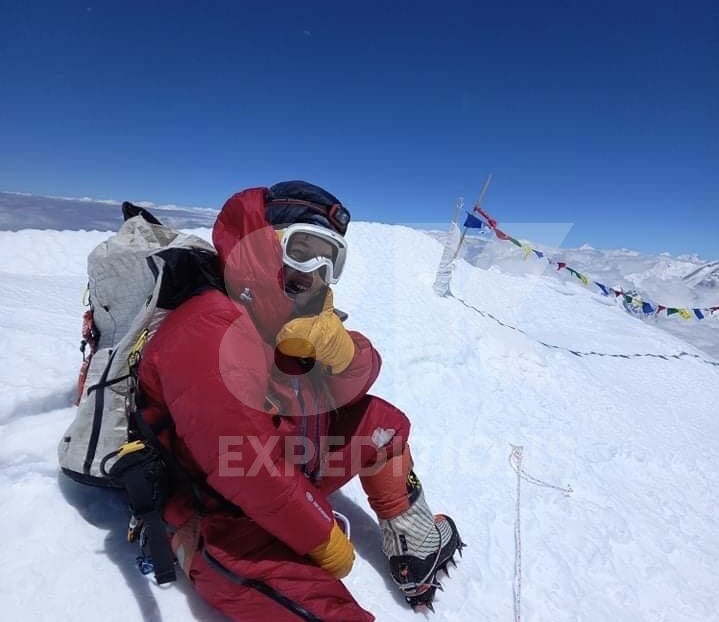
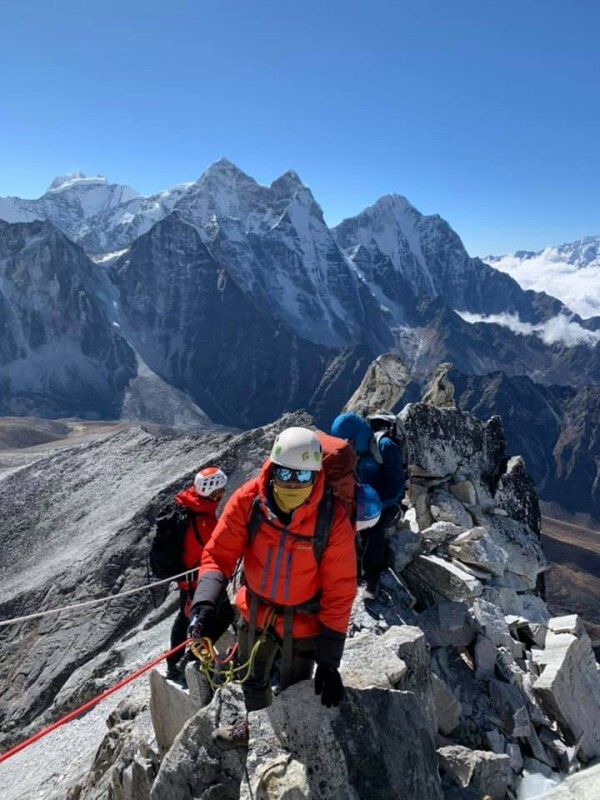
Lobuche East Peak is a 6,119-metre trekking peak in Nepal’s Khumbu region, near Everest Base Camp. It offers a challenging Himalayan climbing experience with snow, ice, rock and exposed ridge sections, along with panoramic views of Everest and surrounding Himalayan mountains.
How long does it take to climb Lobuche East Peak?
The Lobuche East Peak climbing takes 16 days from arrival in Kathmandu to final departure. The itinerary includes trekking through the Everest region, acclimatization, climbing training, a summit attempt and return travel.
How difficult is Lobuche East Peak climbing?
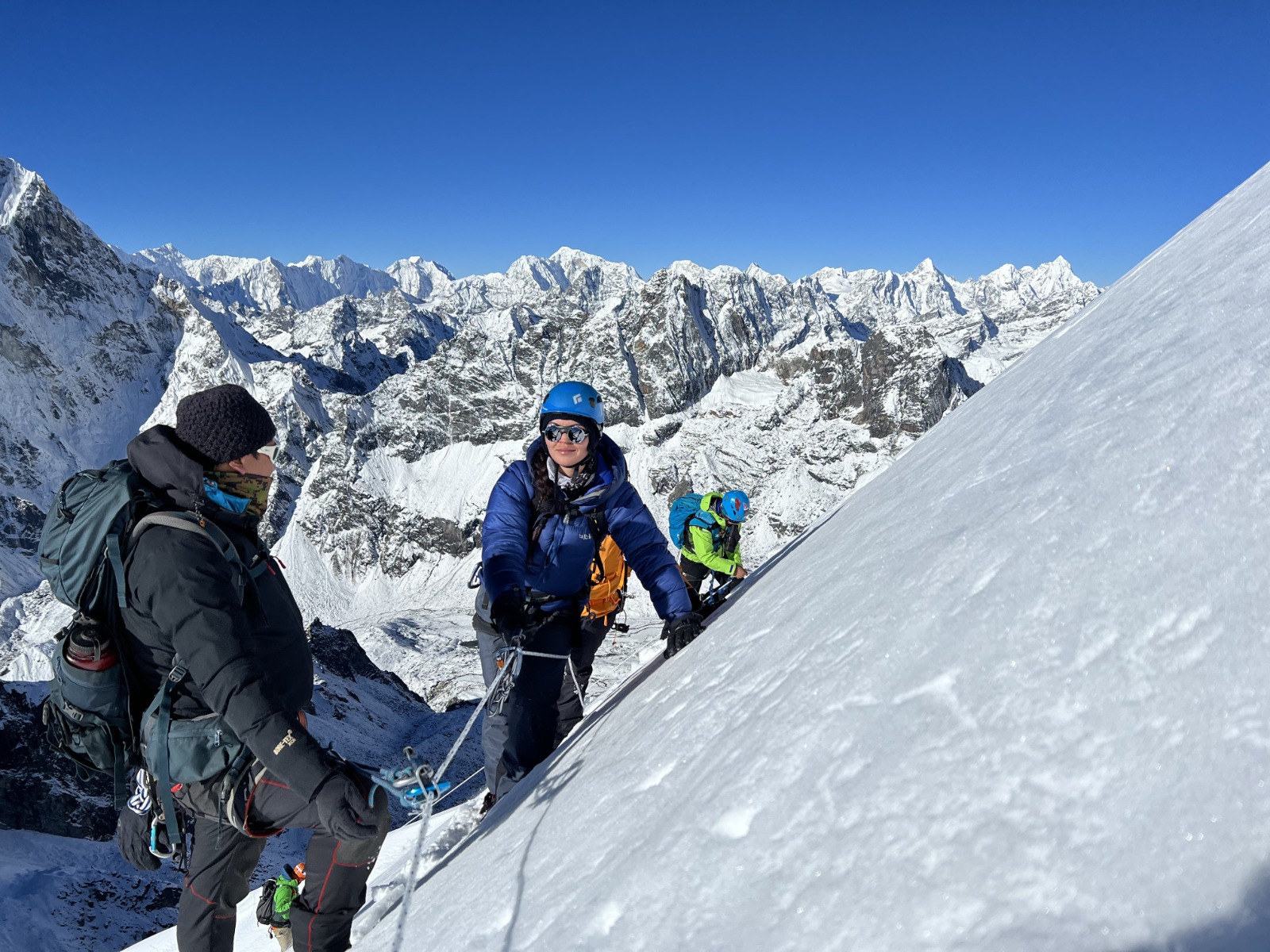
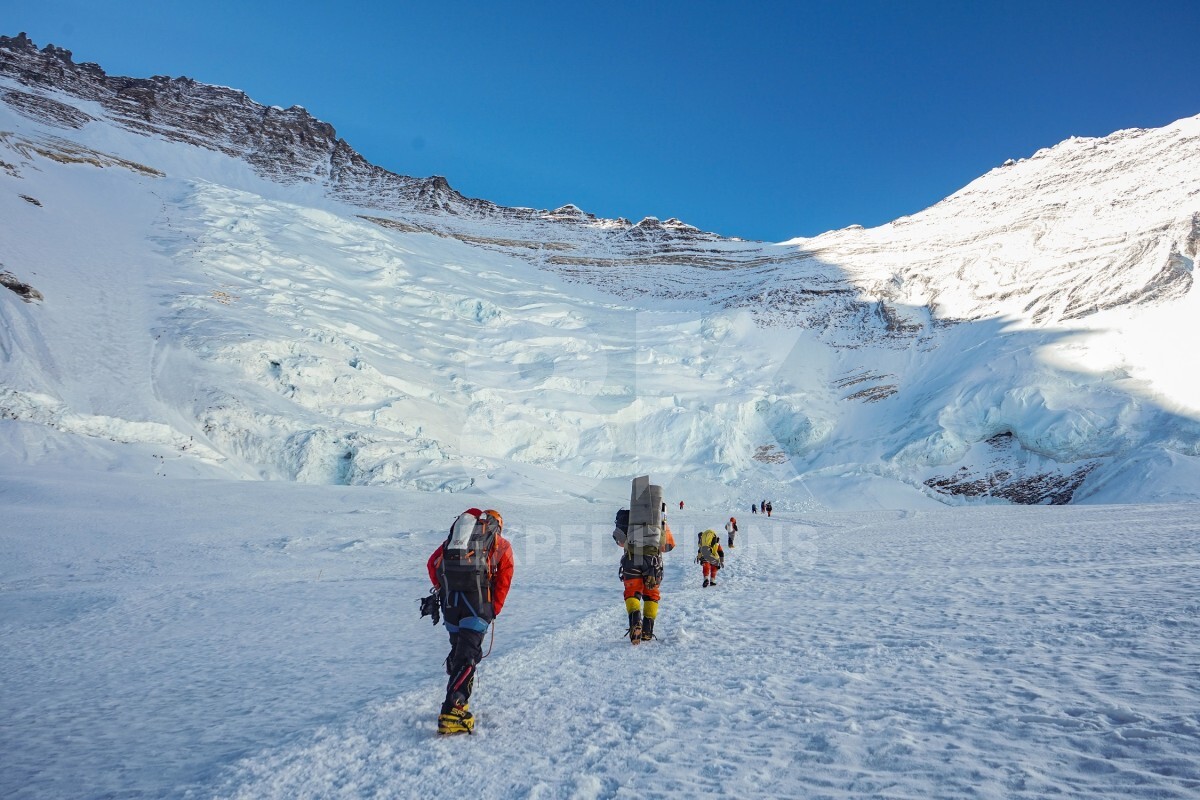
Lobuche East is a physically demanding, moderately to technically challenging trekking peak. Climbers must be prepared for high altitude, steep snow and ice, rocky terrain and fixed-rope sections. Good fitness, previous high-altitude trekking experience and basic mountaineering skills are strongly recommended.
Do I need previous climbing experience to climb Lobuche East?
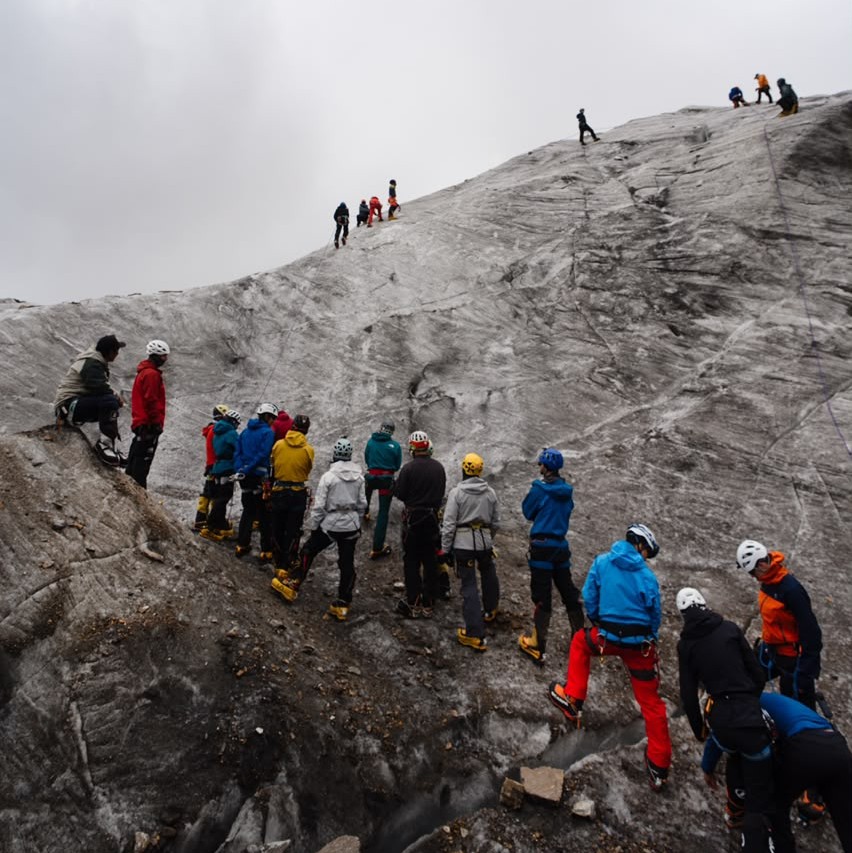
Previous mountaineering experience is highly beneficial. Climbers should ideally have experience trekking at high altitude and using equipment such as crampons, an ice axe, a climbing harness, and fixed ropes. Guided instruction and practical training can help prepare climbers but training does not replace appropriate experience and fitness.
What is the best time to climb Lobuche East Peak in Nepal?
Spring (March to May) and autumn (September to November) are the main seasons for Lobuche East Peak climbing. Spring offers relatively favorable climbing conditions during the pre-monsoon season, while autumn often brings clearer skies after the monsoon. Weather, wind, snow conditions and summit forecasts determine the actual climbing window.
How much does the Lobuche East Peak climbing package cost?
The cost of Lobuche East Peak climbing depends on group size, season, permits, accommodation, climbing support and the services selected.
Which permits are required to climb Lobuche East Peak?
Climbers generally need a Lobuche East climbing permit and the applicable entry permits for the Everest region, including Sagarmatha National Park and local-area access requirements. Permit fees and requirements may change by season and nationality.
Where is Lobuche East Peak located?
Lobuche East Peak is located in the Khumbu region of northeastern Nepal, within the Everest trekking area. The usual approach follows the trail from Lukla through settlements such as Phakding, Namche Bazaar, Tengboche, Dingboche and Lobuche before proceeding to high camp and the summit route.
Does the Lobuche East climbing itinerary include Everest Base Camp?
The standard 16-day itinerary focuses on reaching Lobuche East High Camp and climbing the peak. Everest Base Camp is not listed as a separate scheduled stop in this itinerary.
What is included in the Lobuche East package?
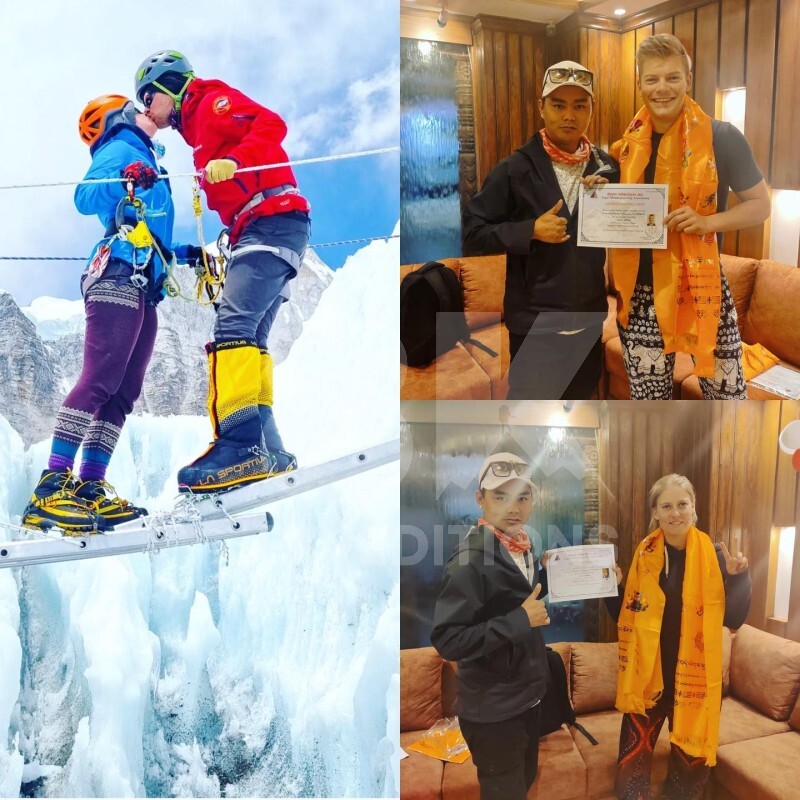
Lobuche East Peak includes airport transfers, selected Kathmandu hotel accommodation, domestic transport and flights via Ramechhap where applicable, trekking accommodation and meals, climbing permits, high-camp services, a guide, porter support, staff insurance and a climbing completion certificate.
What equipment is needed for Lobuche East Peak climbing?
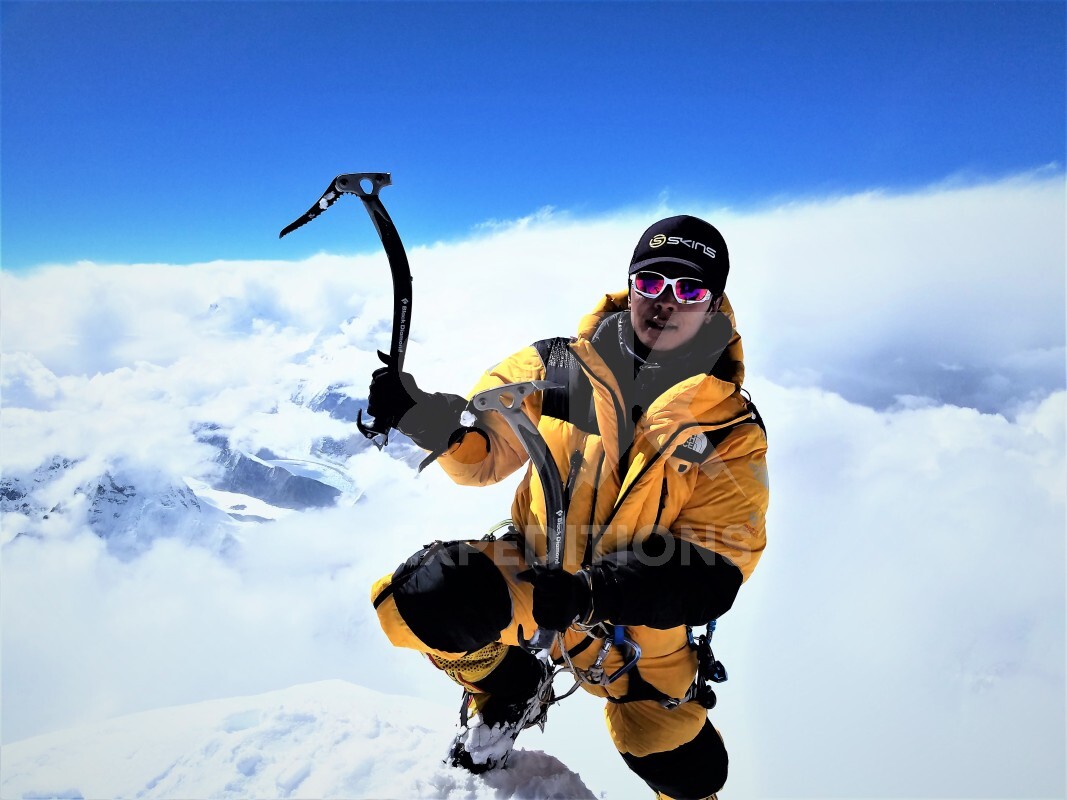
Essential equipment generally includes mountaineering boots, crampons, an ice axe, a climbing harness, a helmet, a headlamp, insulated clothing, gloves, goggles and suitable technical layers. A climbing rope system and ascender may also be required.
What happens if bad weather delays the Lukla flight?
Flights to and from Lukla can be delayed or cancelled because of mountain weather. Helicopter transfers may be arranged at additional cost, subject to availability and conditions. Keep buffer days before international flights.
Is Lobuche East Peak suitable for beginners?
Lobuche East may suit physically fit aspiring mountaineers who have high-altitude trekking experience and receive appropriate technical preparation. However, it is not an easy hiking peak. Beginners without experience using mountaineering equipment should develop basic skills and discuss their readiness with a qualified climbing guide before booking.
How should I prepare physically for Lobuche East Peak climbing?
Prepare with regular aerobic exercise, uphill hiking, stair climbing, leg-strength training, and longer hikes carrying a backpack. Build endurance gradually and, if possible, gain experience at altitude and practice basic mountaineering techniques before the expedition. Consult a qualified medical professional about your fitness for high-altitude climbing.
What are the main risks of climbing Lobuche East Peak?
The main risks include altitude sickness, severe cold, strong winds, falls on snow or ice, crevasses, changing weather, exhaustion and difficult evacuation conditions. Proper acclimatization, appropriate equipment, experienced guides, weather assessments and conservative summit decisions are essential. A summit is never guaranteed.
What mountains can you see from the summit of Lobuche East?
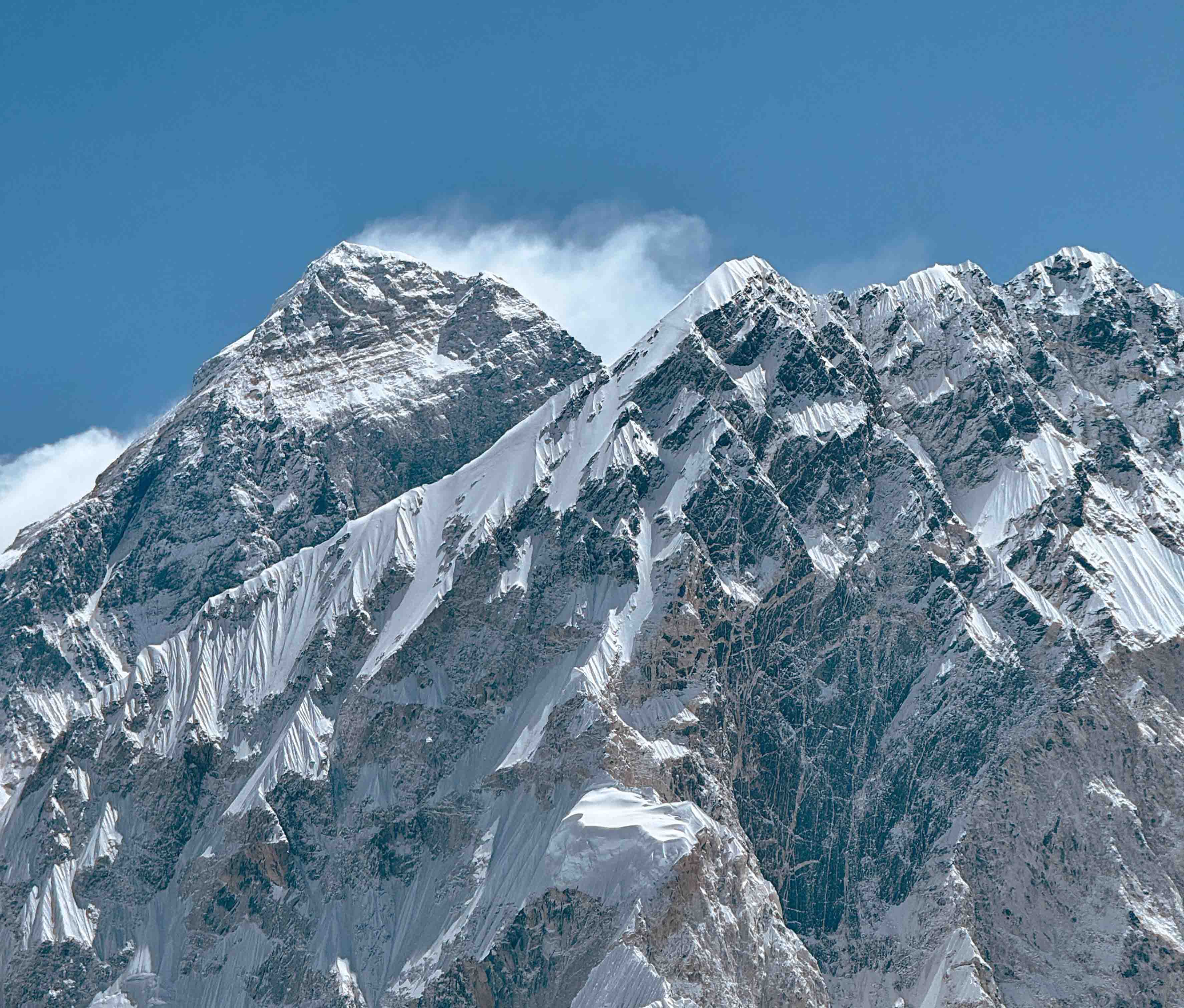
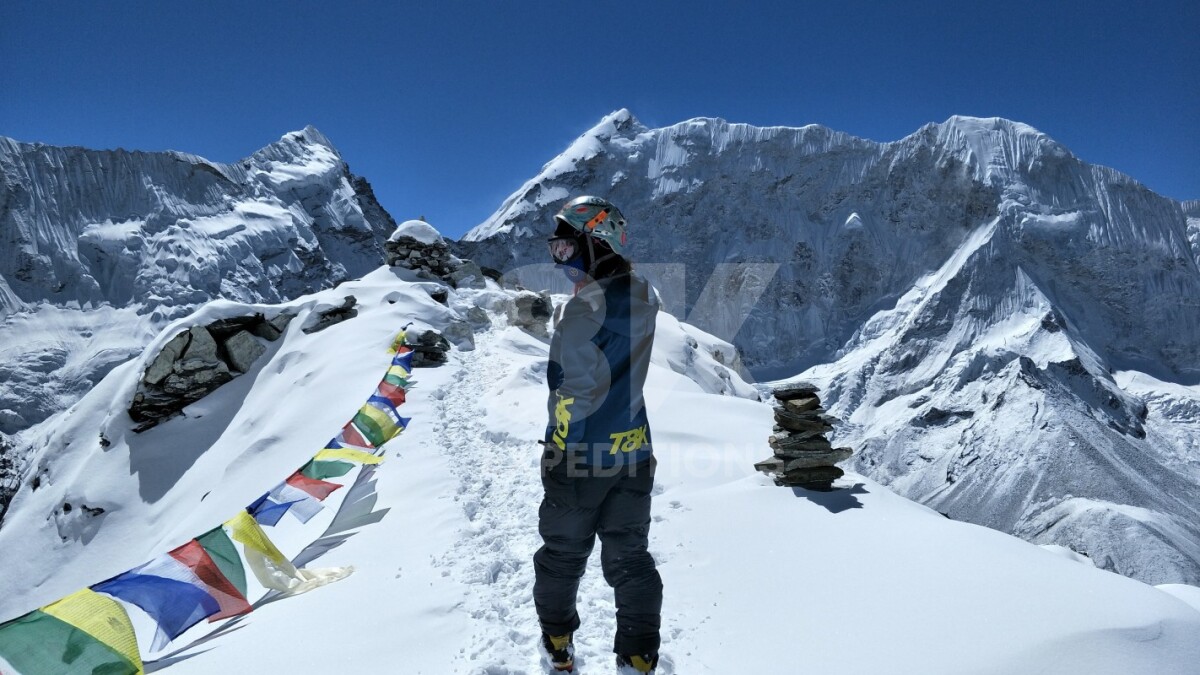
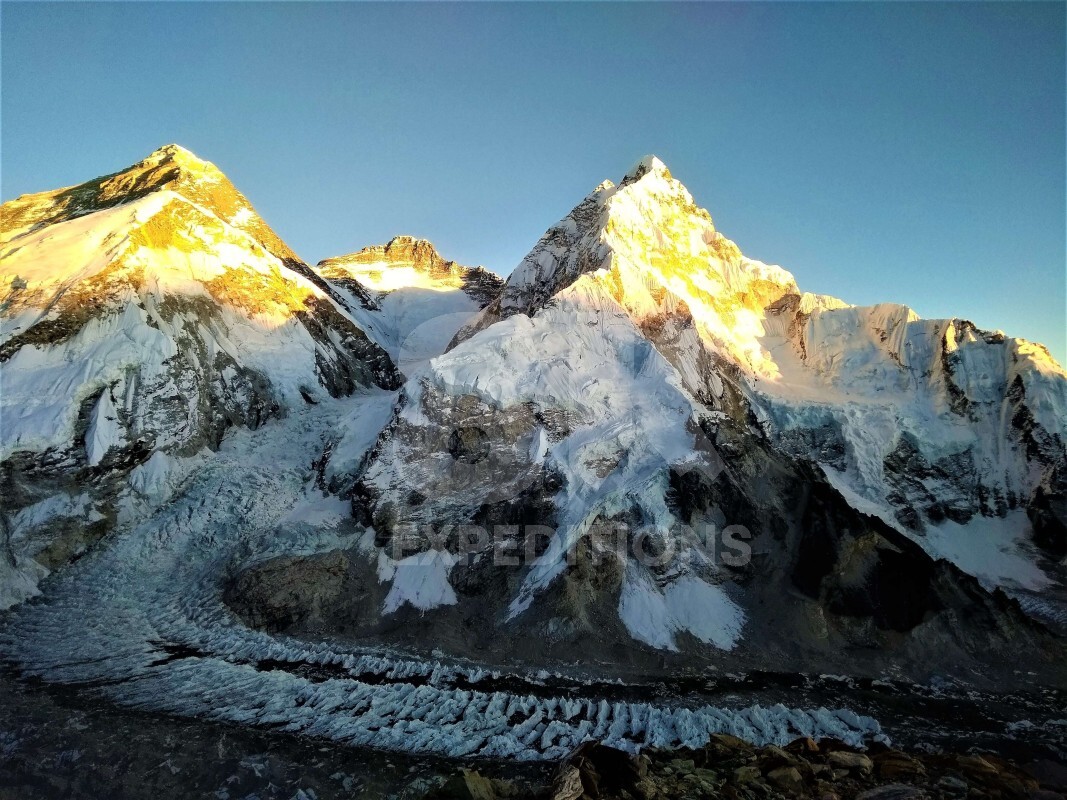
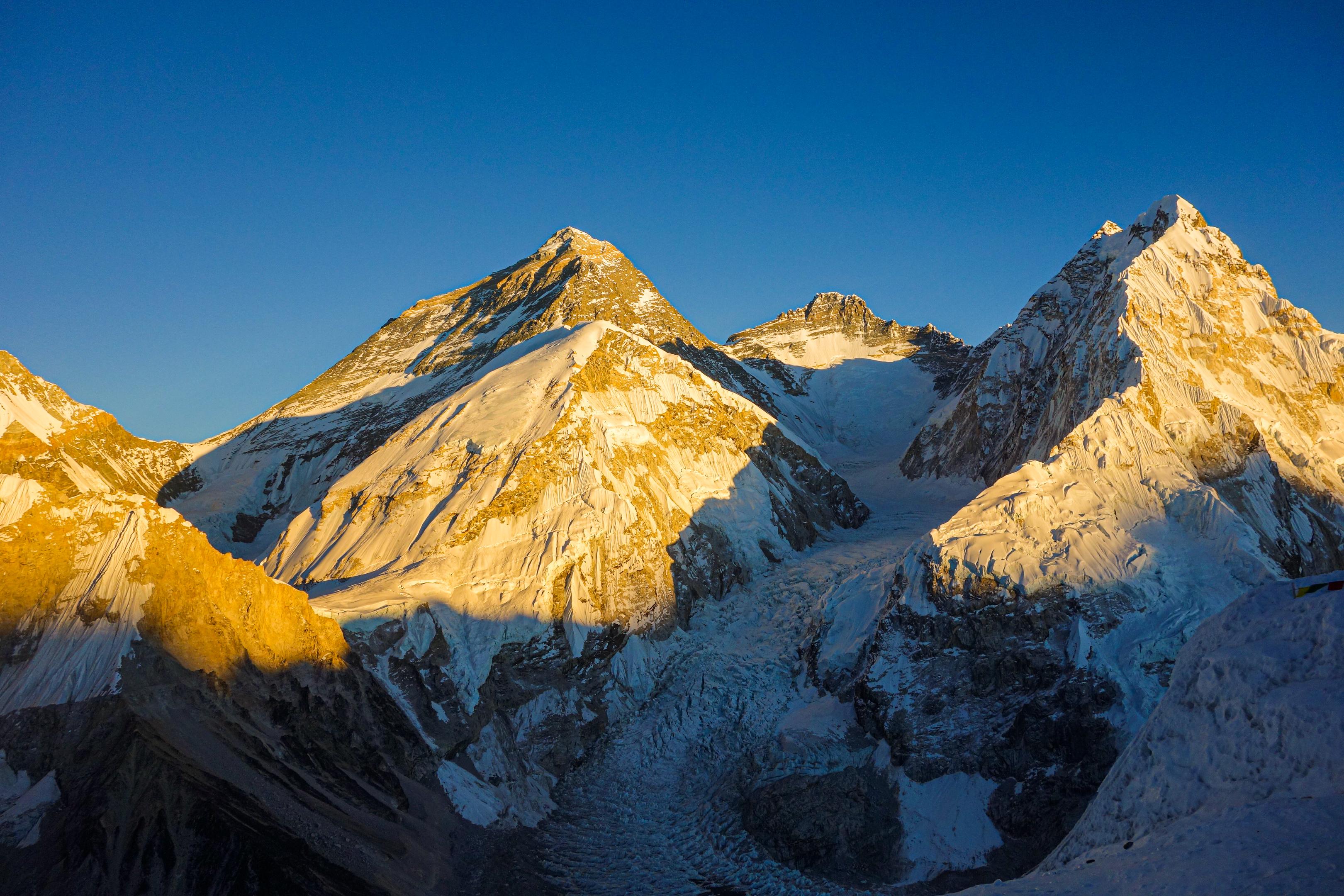
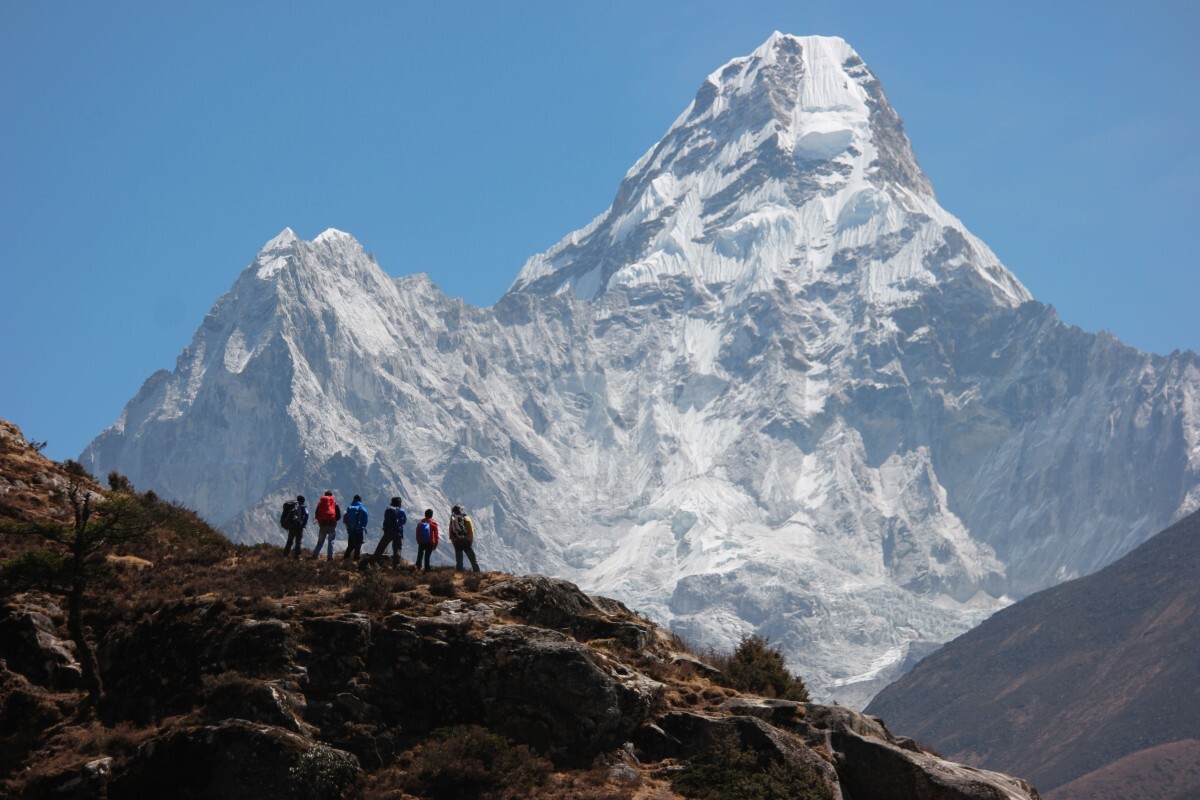
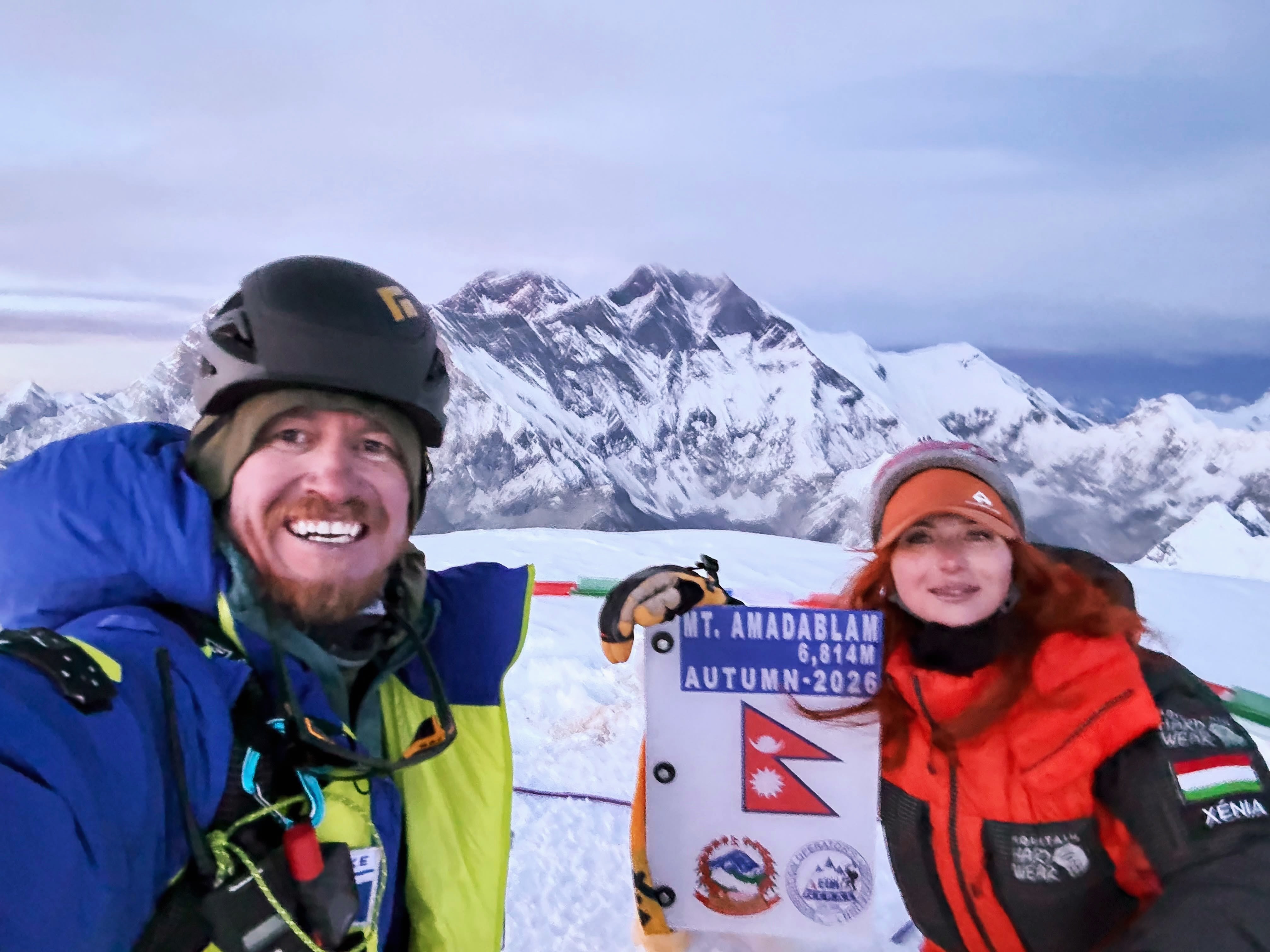
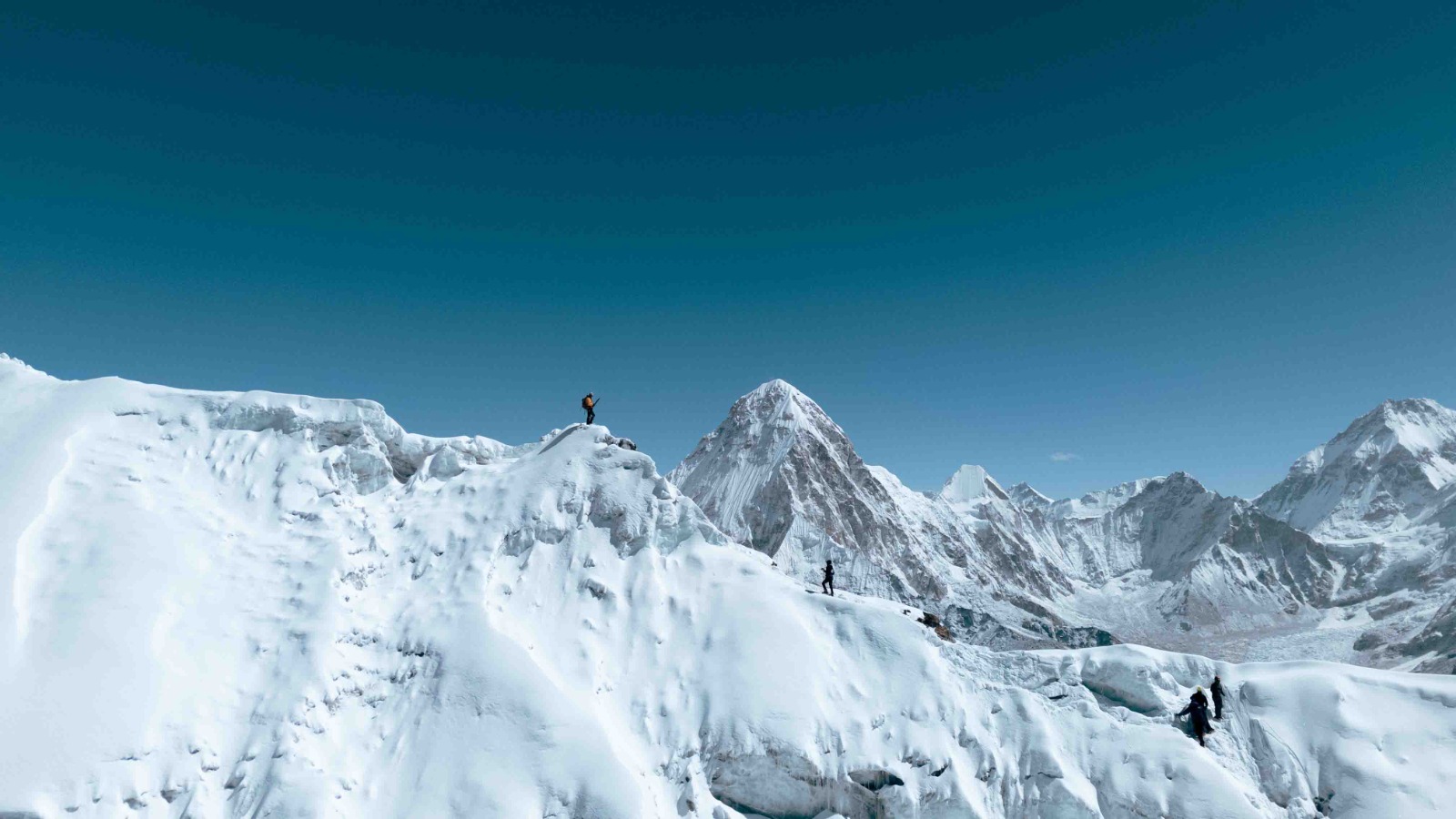
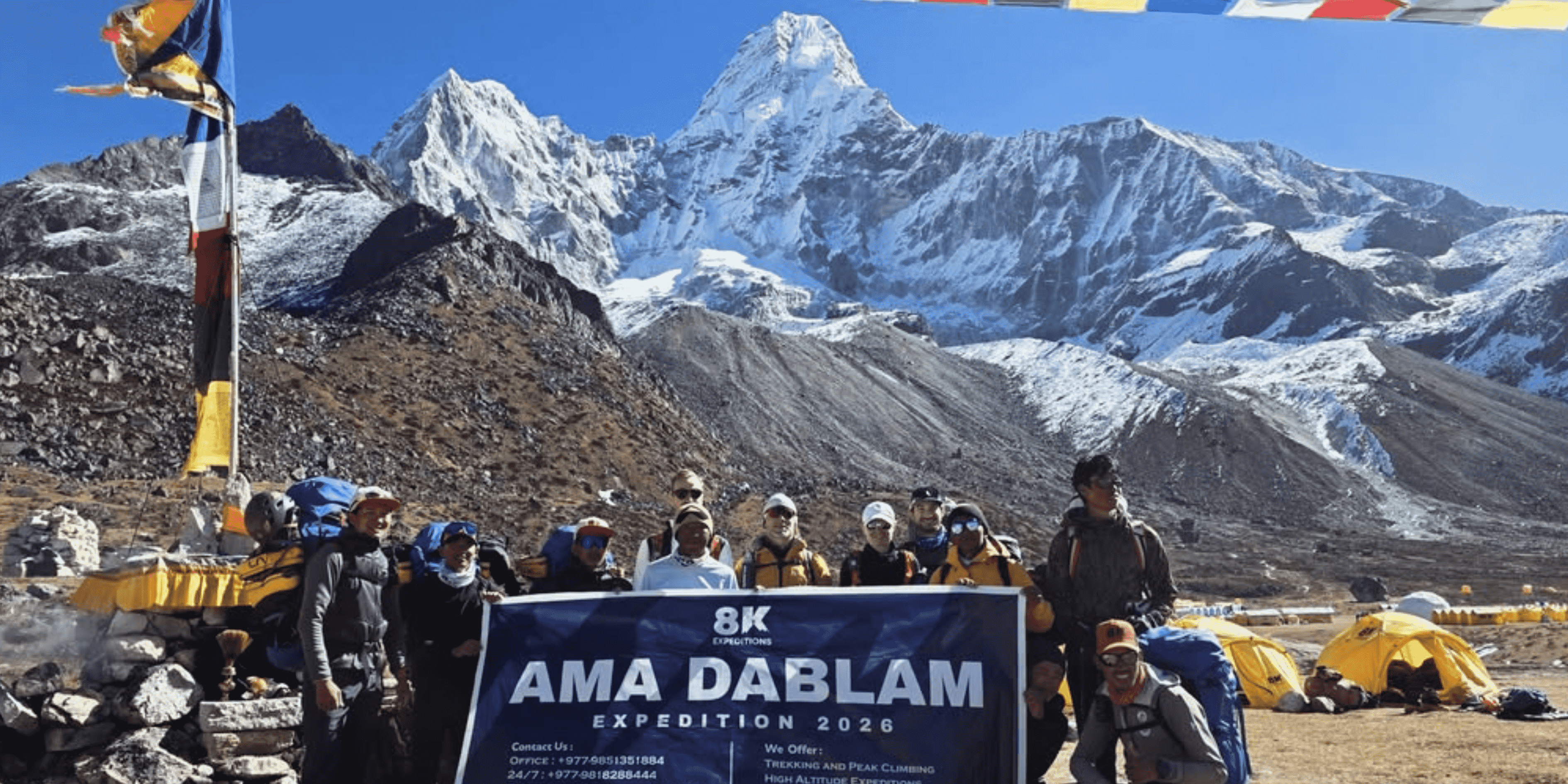
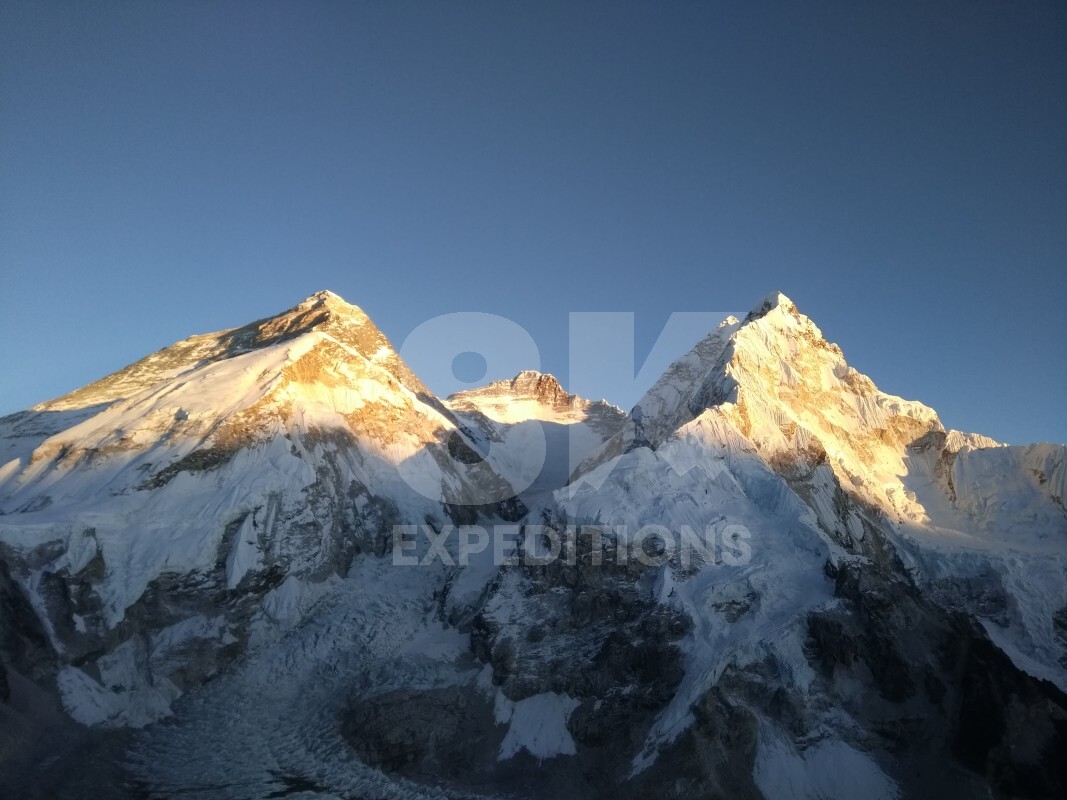
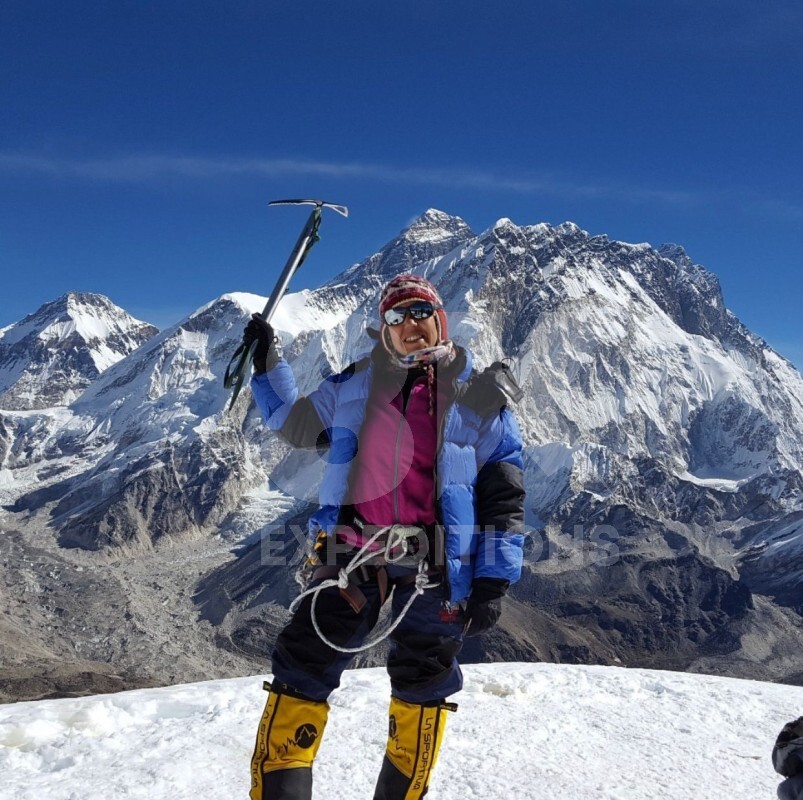
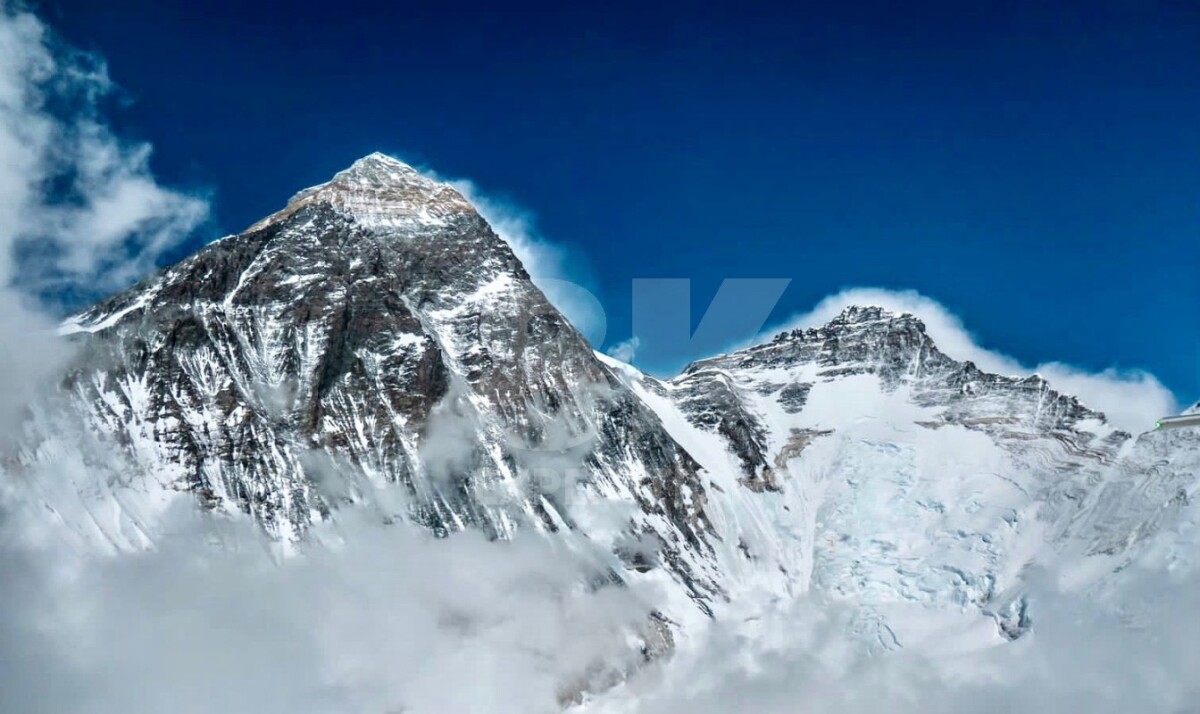
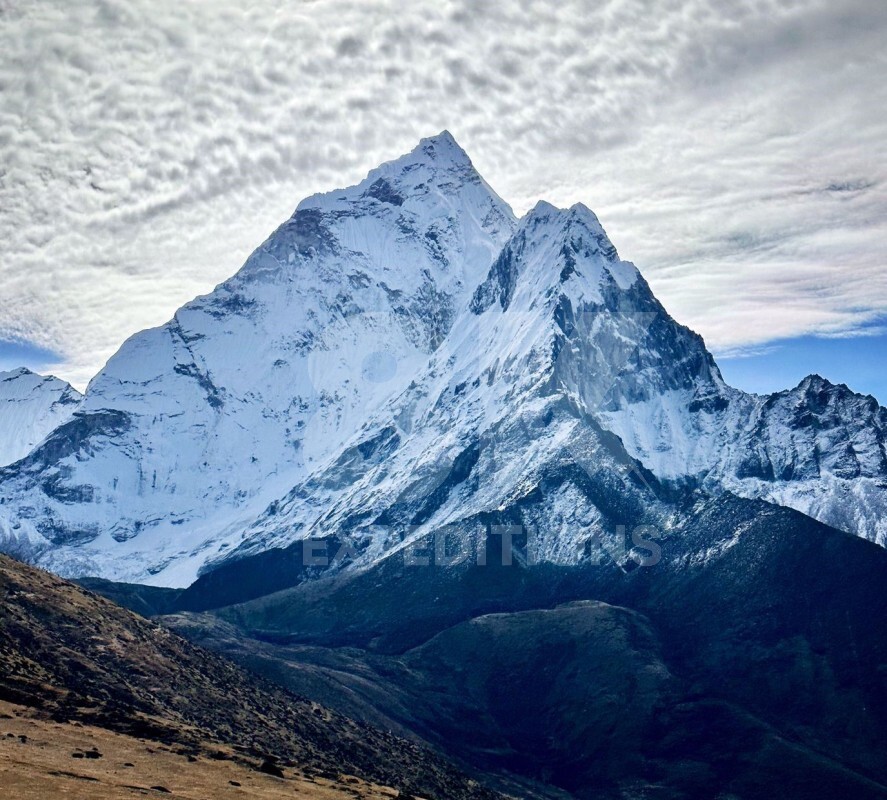
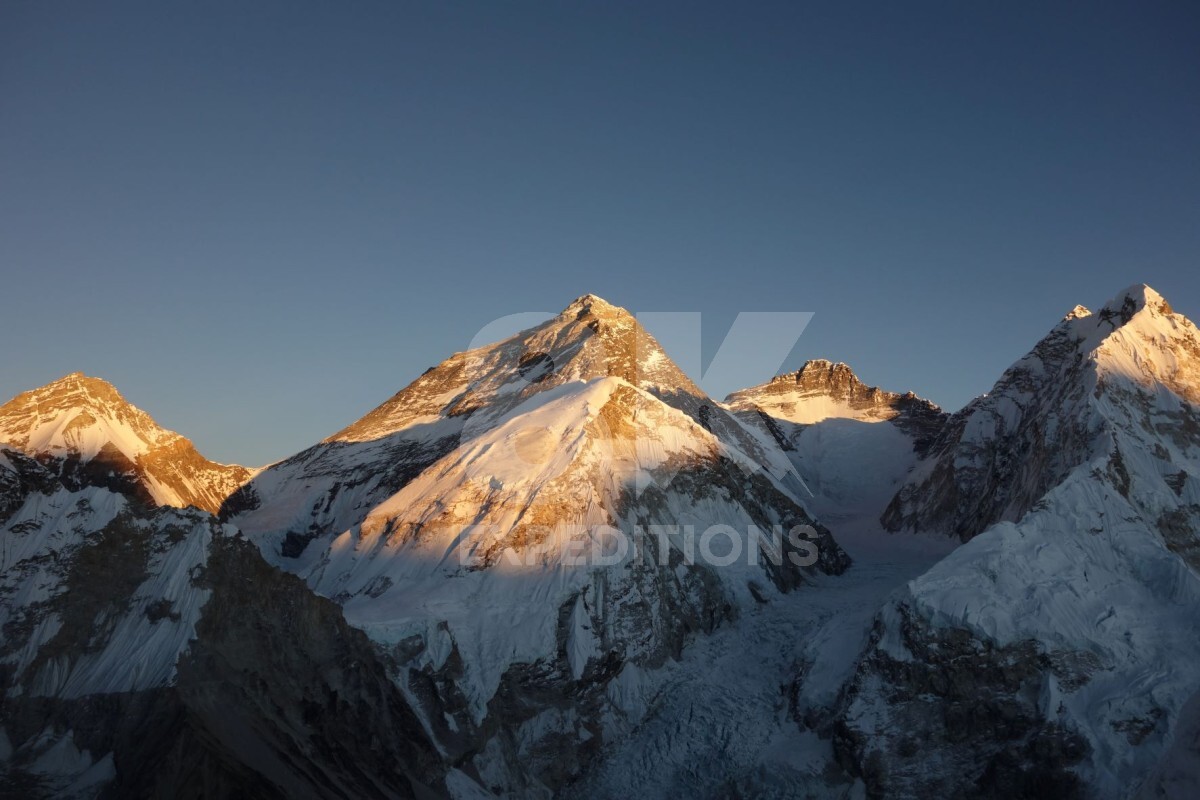
On a clear day, climbers may enjoy views of Mount Everest, Lhotse, Nuptse, Ama Dablam, Pumori, Cholatse and other Himalayan peaks. Visibility depends on weather and atmospheric conditions on summit day.
Can Lobuche East Peak be combined with Island Peak?
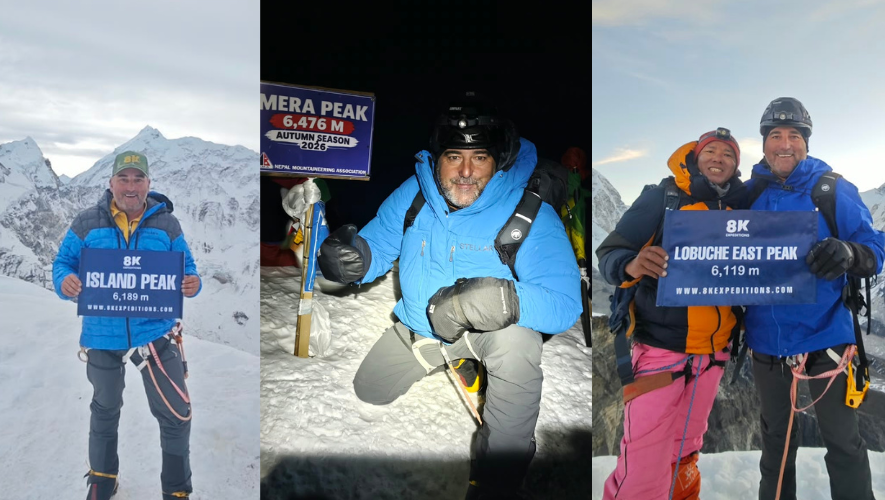
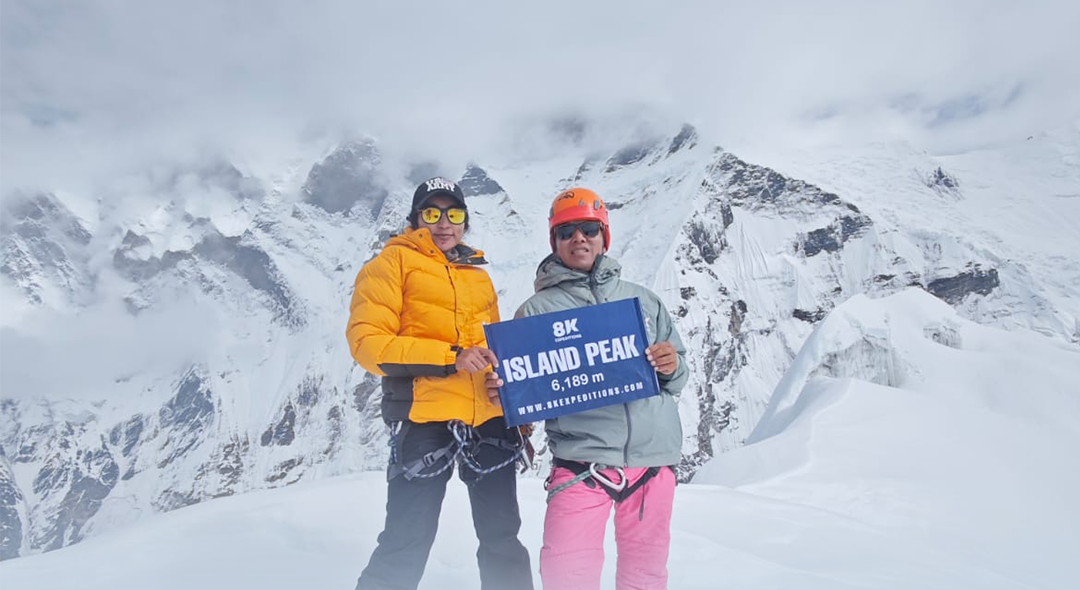
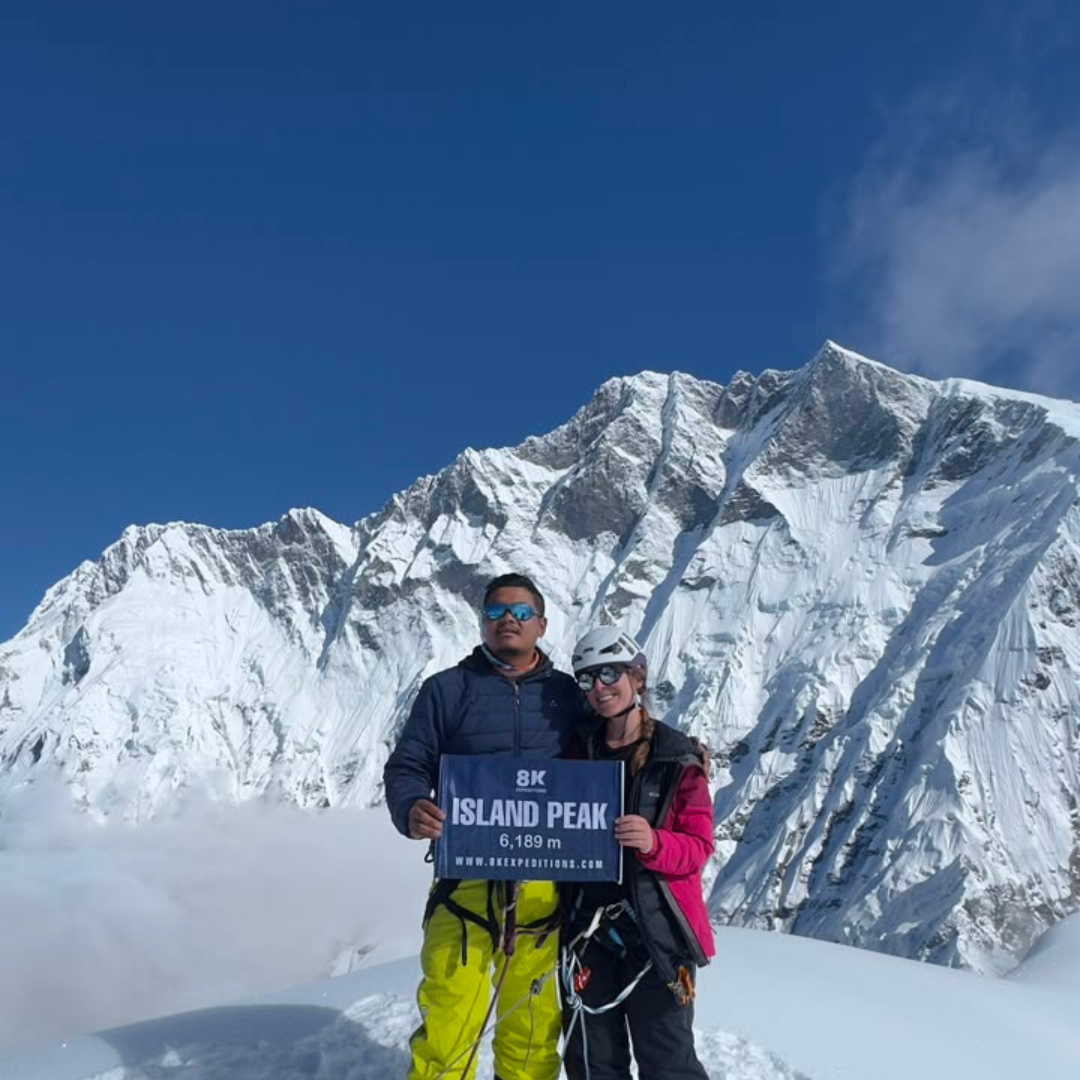
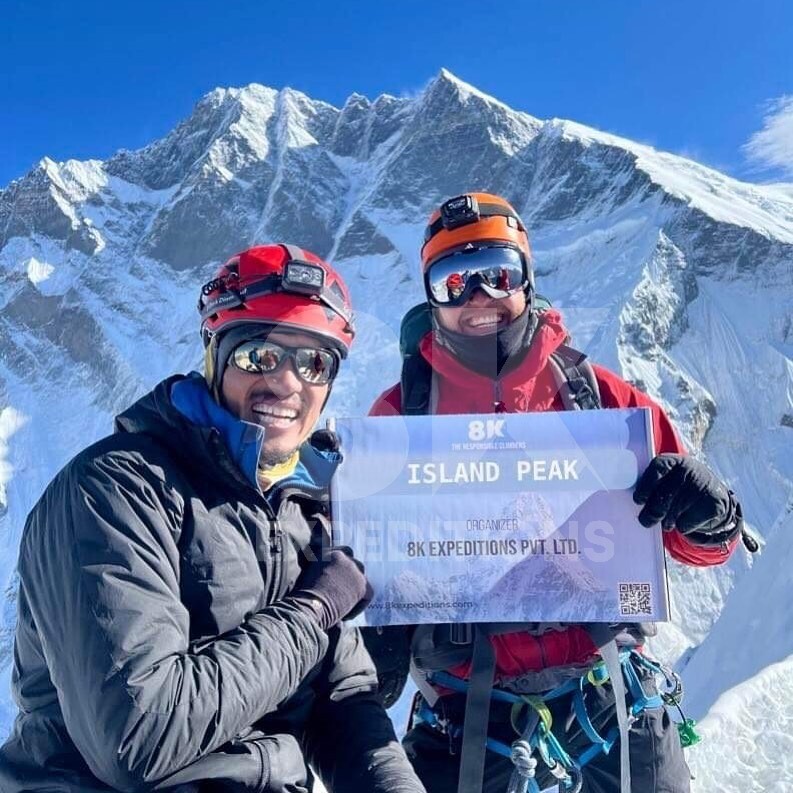
Yes, Climbers can combine Lobuche East (6,119 m) with Island Peak (6,189 m) in a longer expedition. The combined journey requires additional time, acclimatization, logistics, and physical preparation.
How do I book a Lobuche East Peak climbing expedition with 8K Expeditions?
Visit the 8K Expeditions website, review the itinerary and departure dates, and submit a booking inquiry or request a quote. Share your preferred season, previous trekking or climbing experience, group size and any additional services you need to receive a suitable expedition proposal.
Plan your Lobuche East Peak with 8K Expeditions !