Please do
remember
these things.
We schedule our trips in the most favorable seasons. However, the above-mentioned itinerary may change as per the expedition’s obstructions, but the quality of our service is guaranteed. In case of a delayed flight, we are obliged to inform you that besides the total number of days included in the itinerary, clients are compelled to bear the expenses of the extra days themselves. Apparently, 8k Expeditions will assist necessary arrangements for your comfort.
Trekkers are advised to schedule their flights at convenient time frames, as we shall not be responsible for missed international flights or luggage before our reception. You are also suggested not to carry insignificant materials for your own ease.
LARKYA PEAK CLIMBING - FAQS
What is the altitude of Larkya Peak in Nepal?
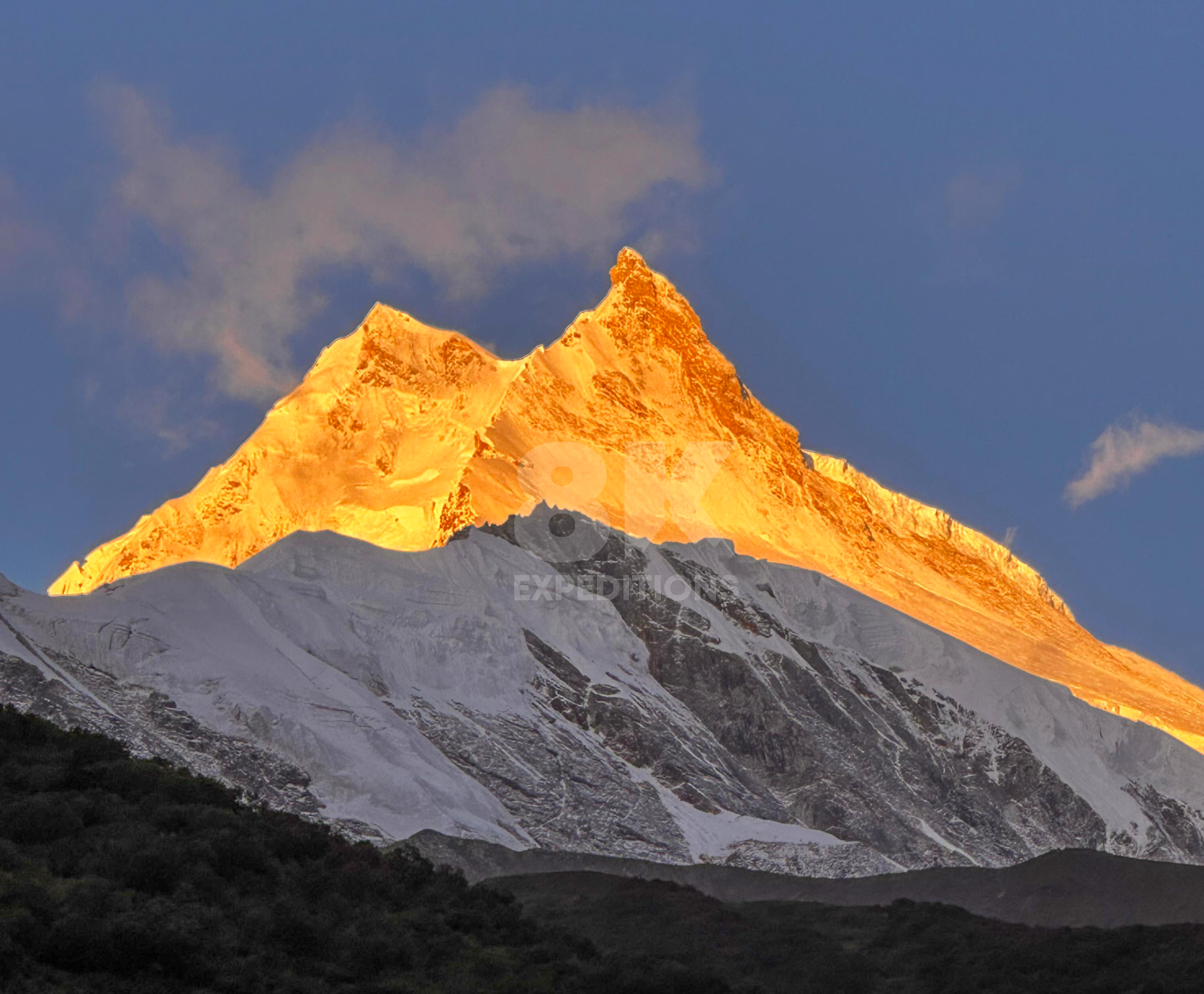
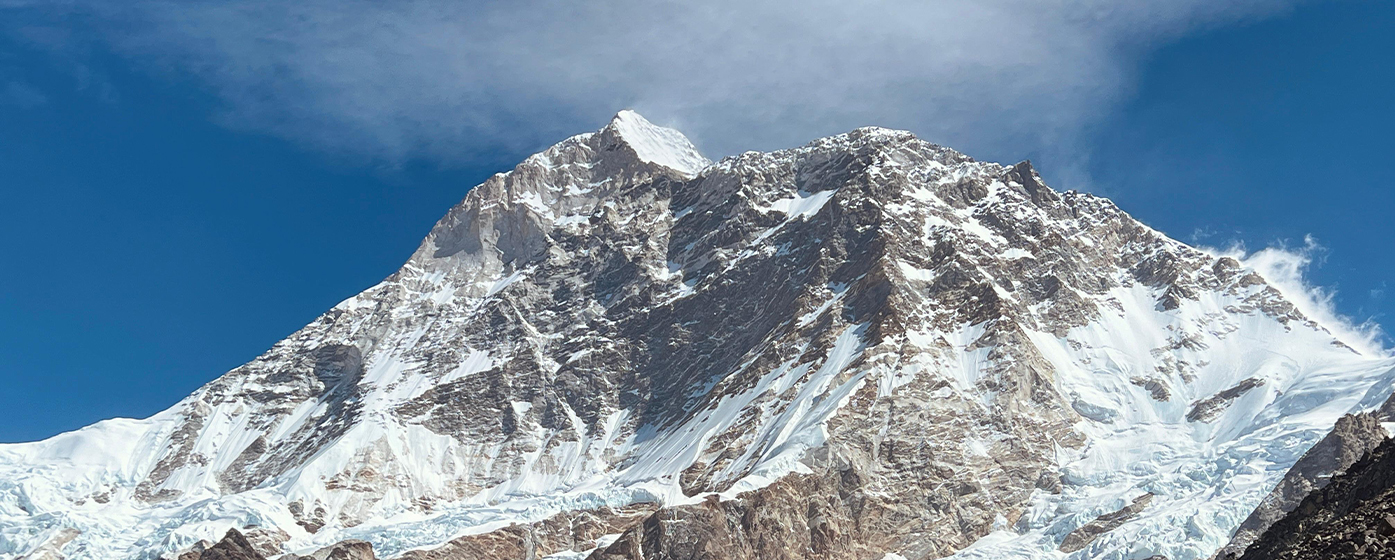
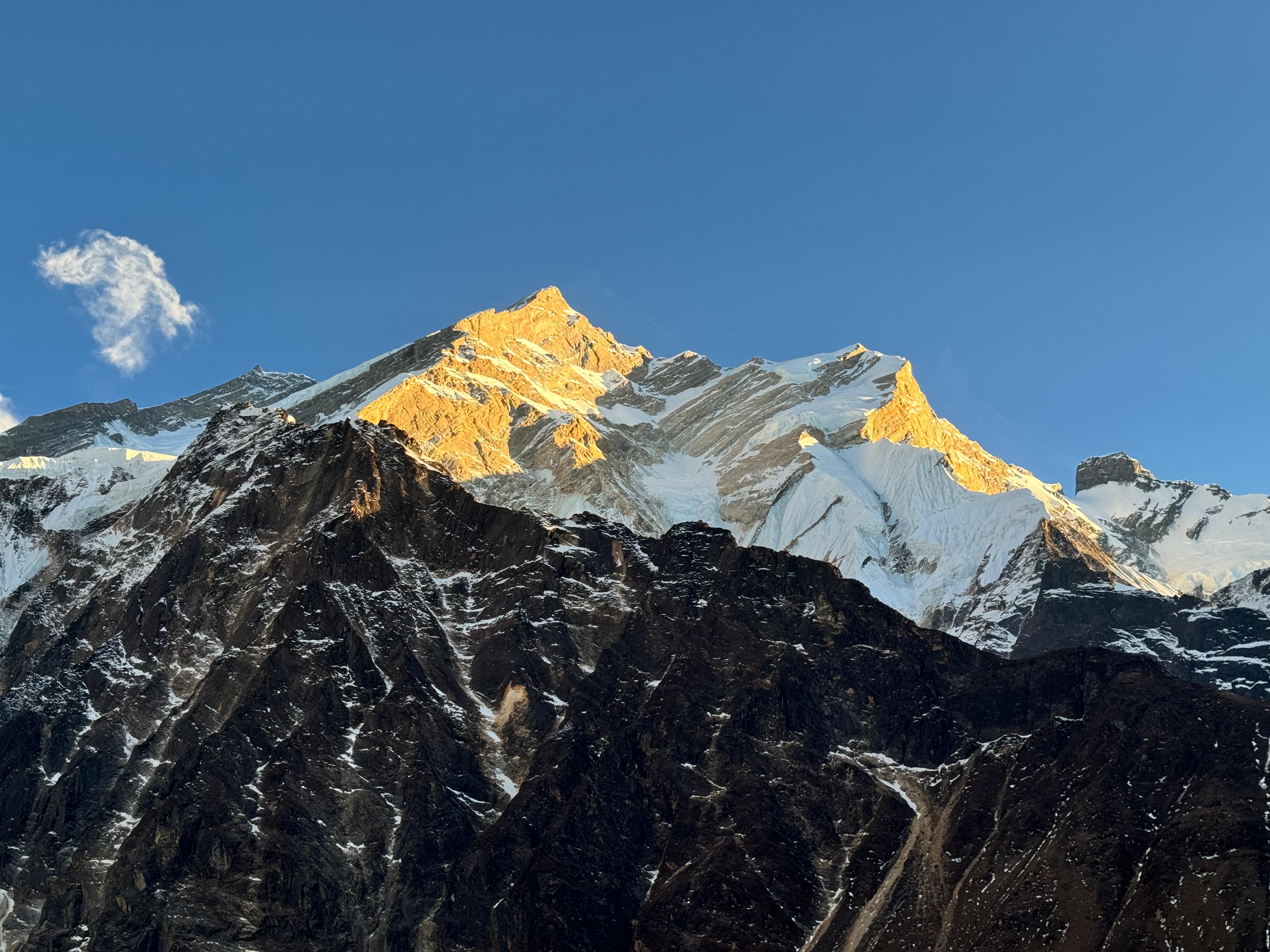
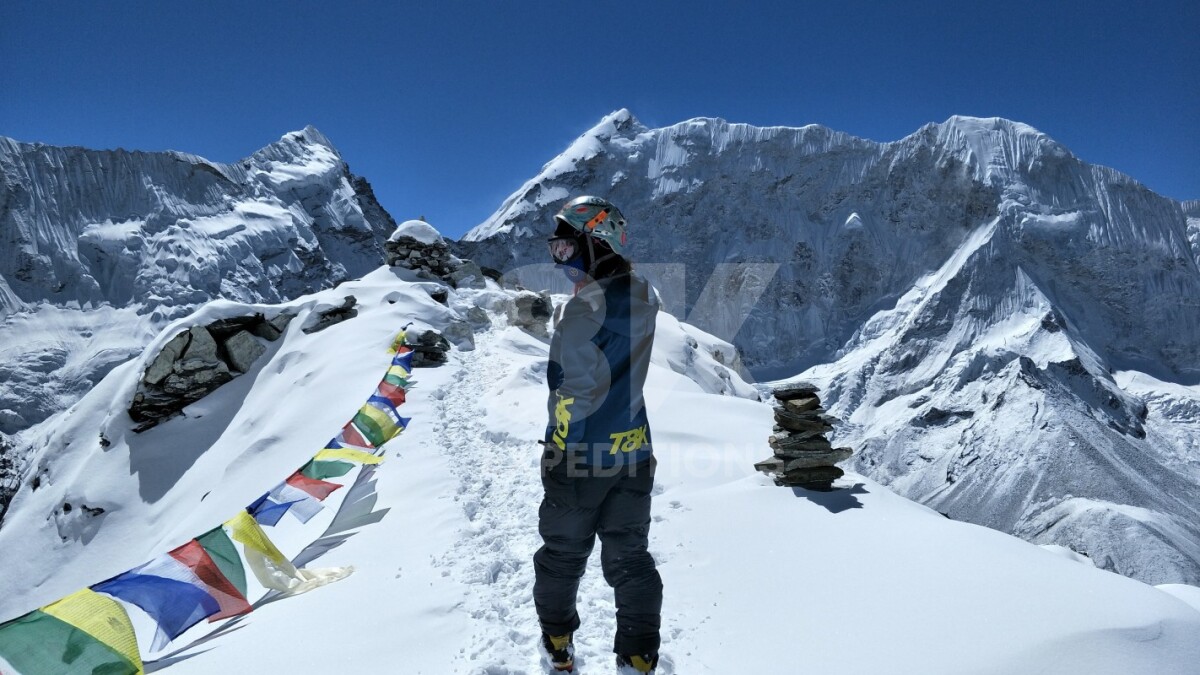
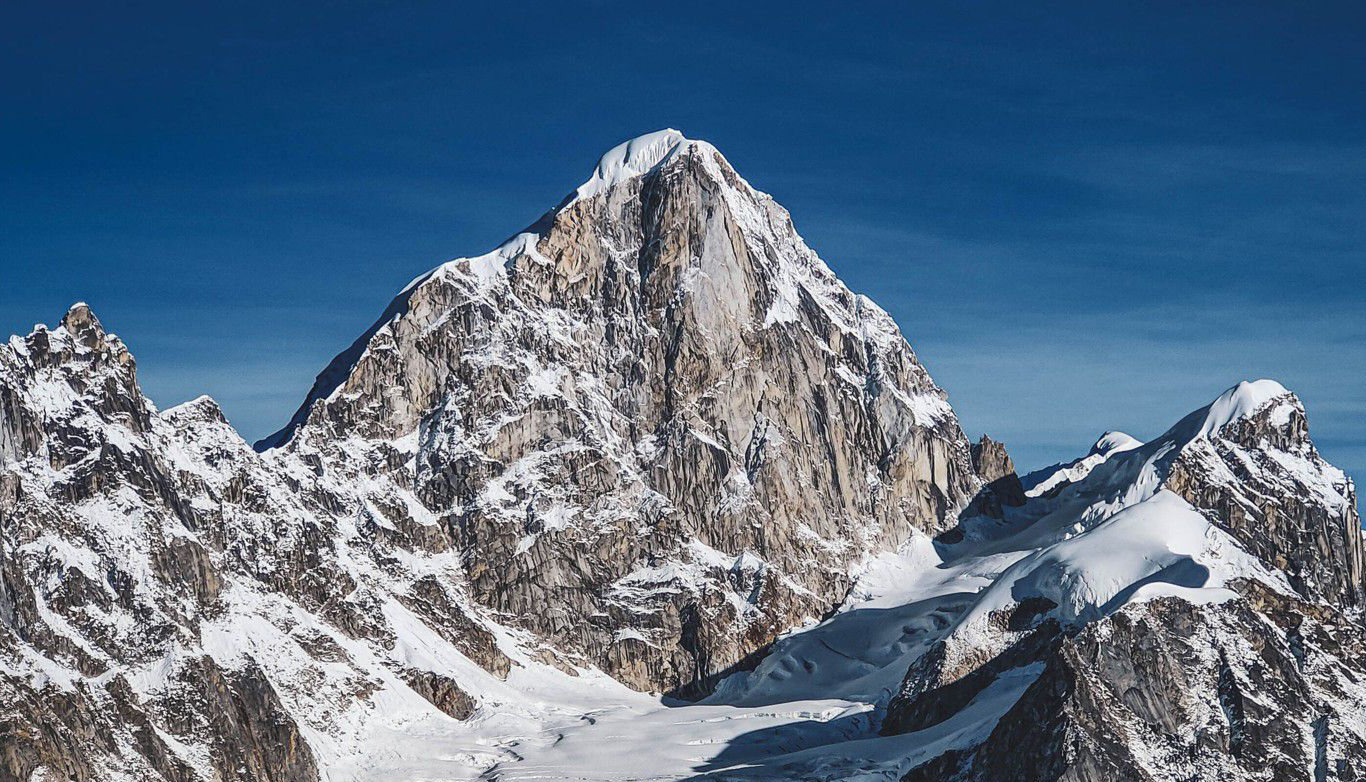
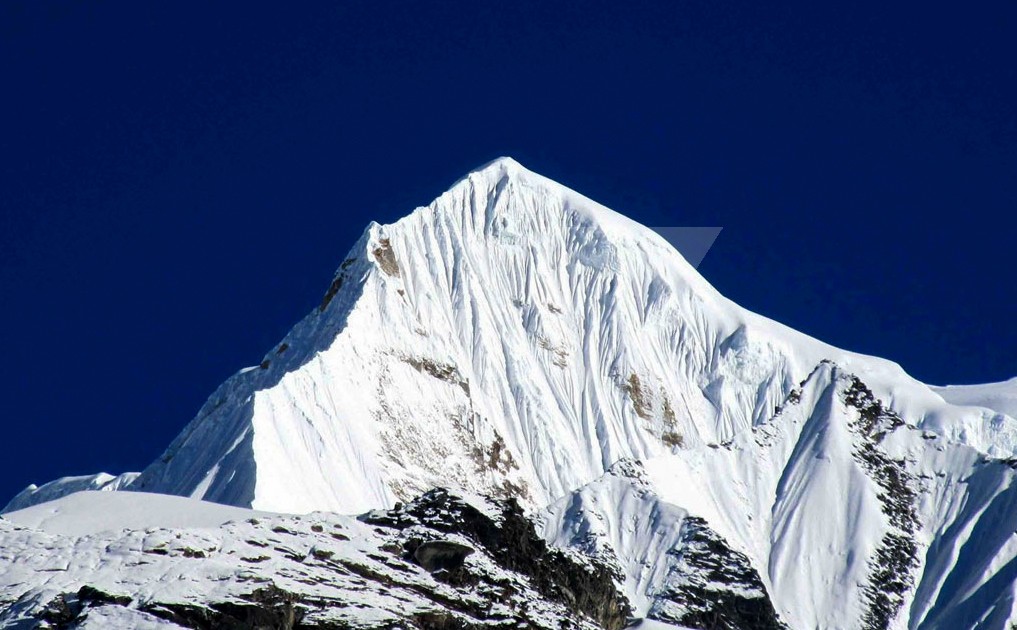
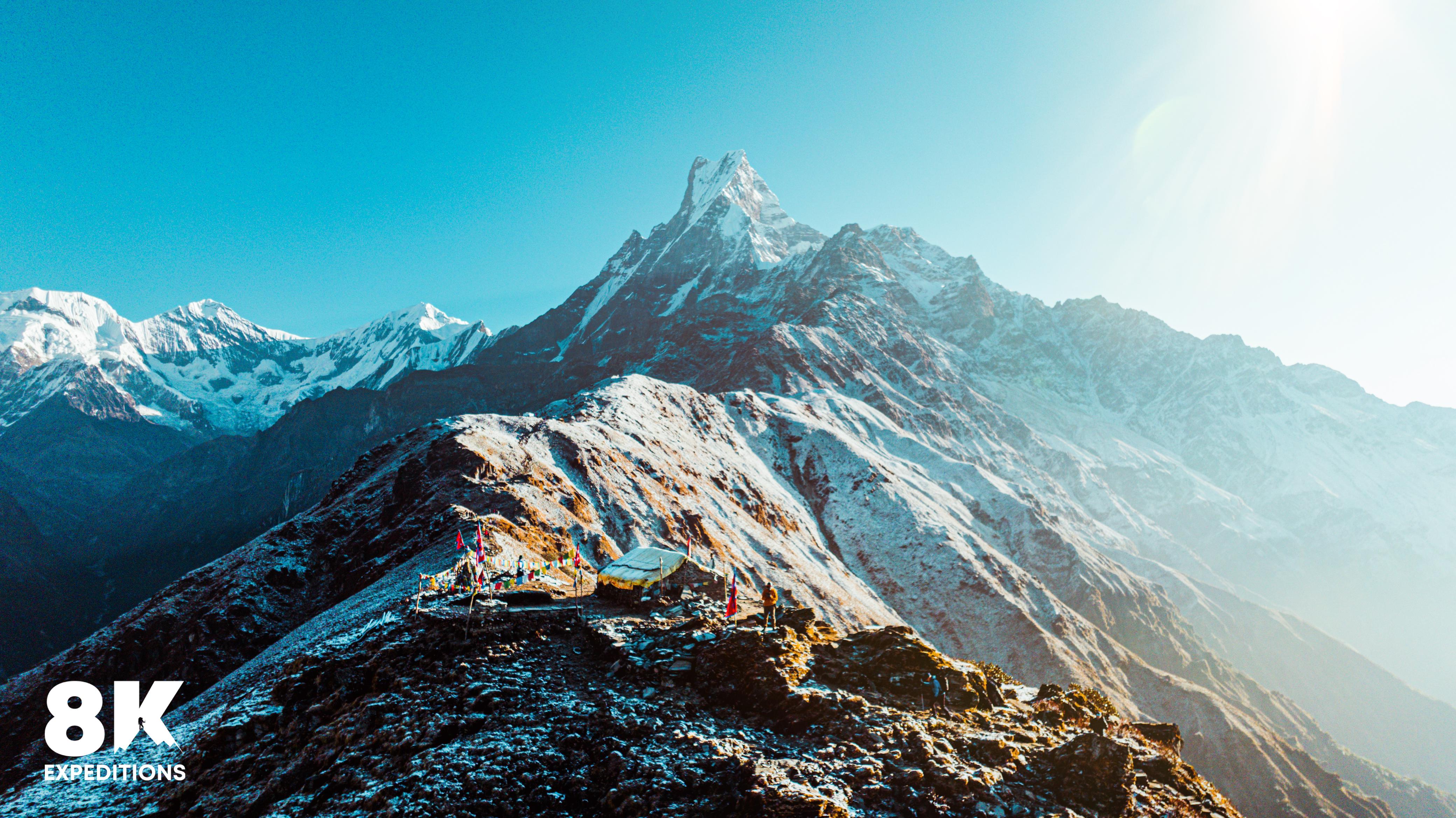
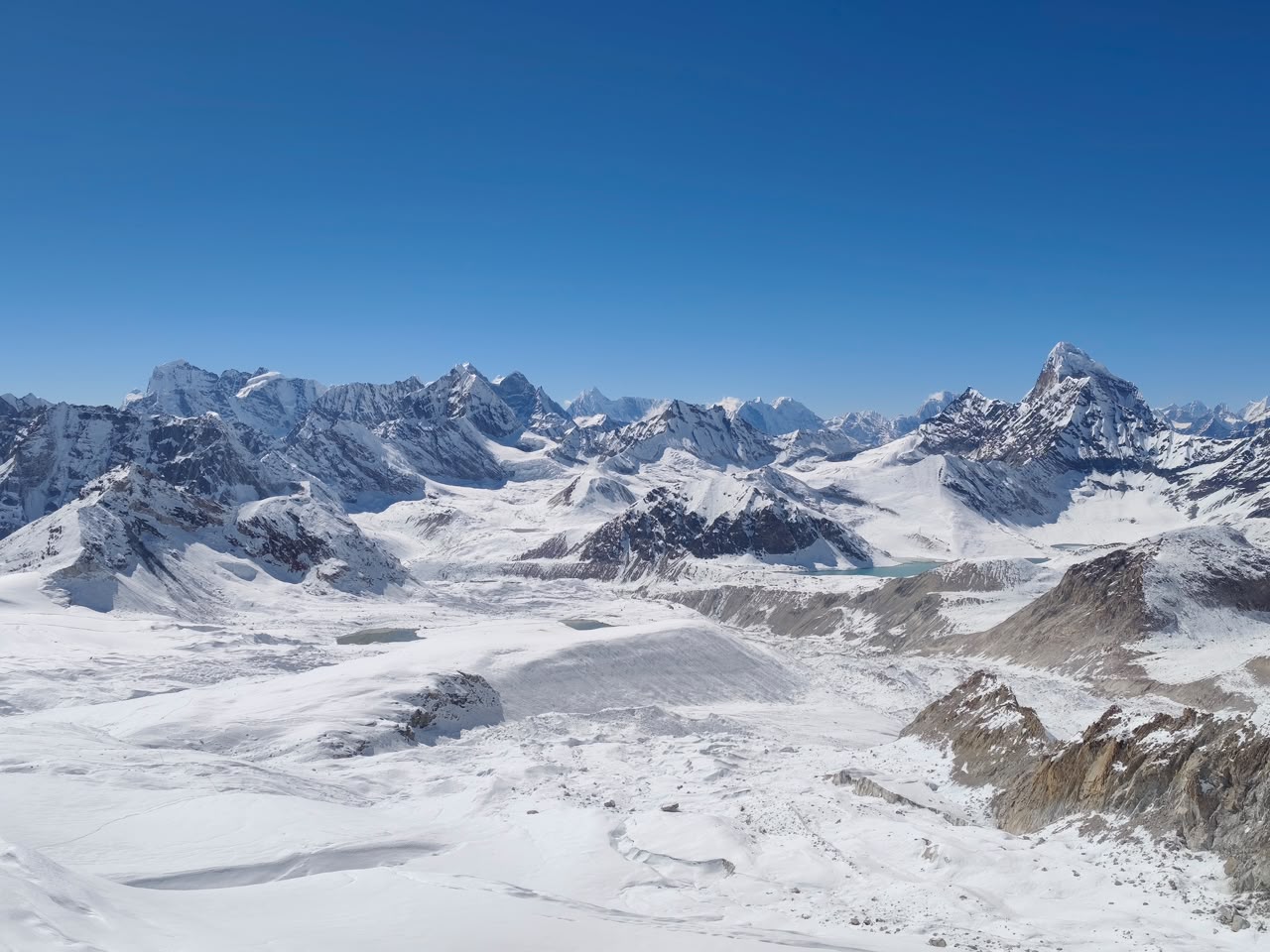
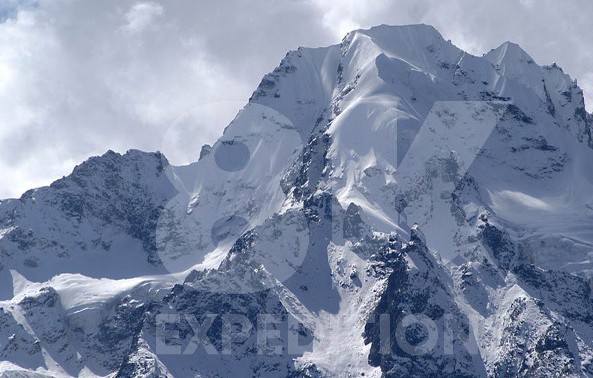
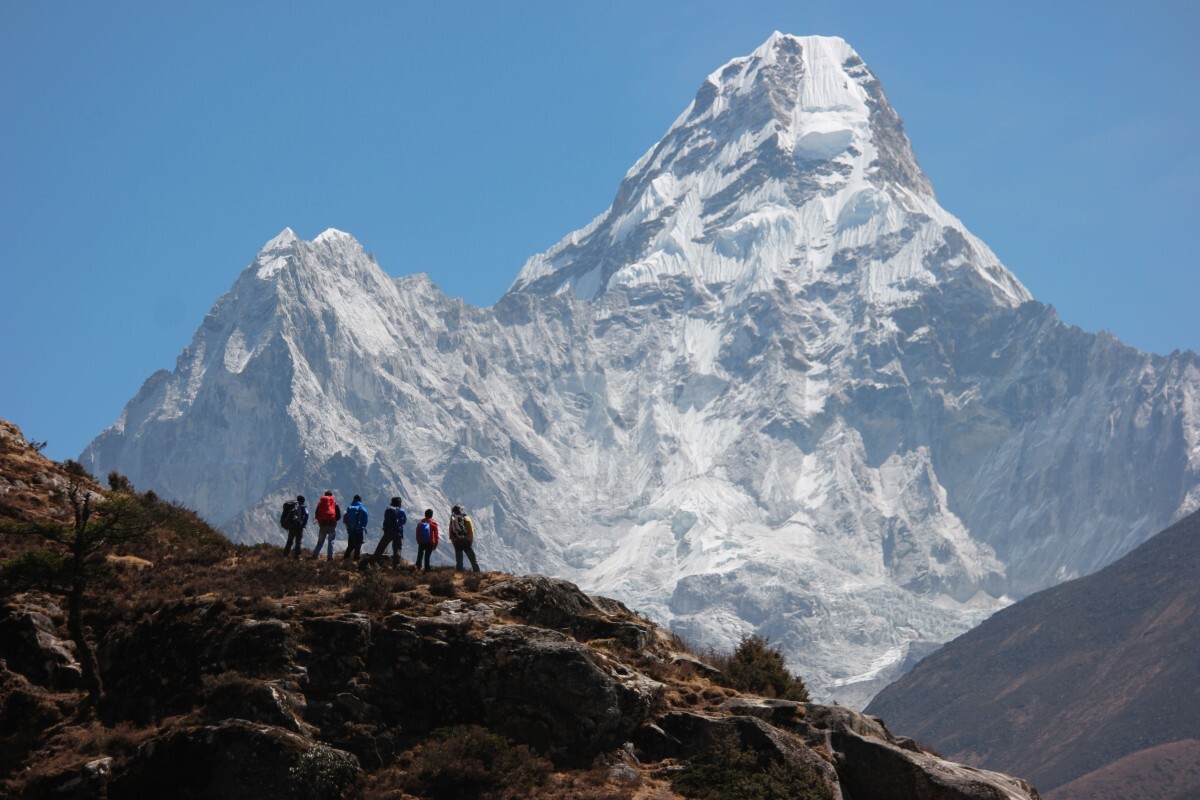
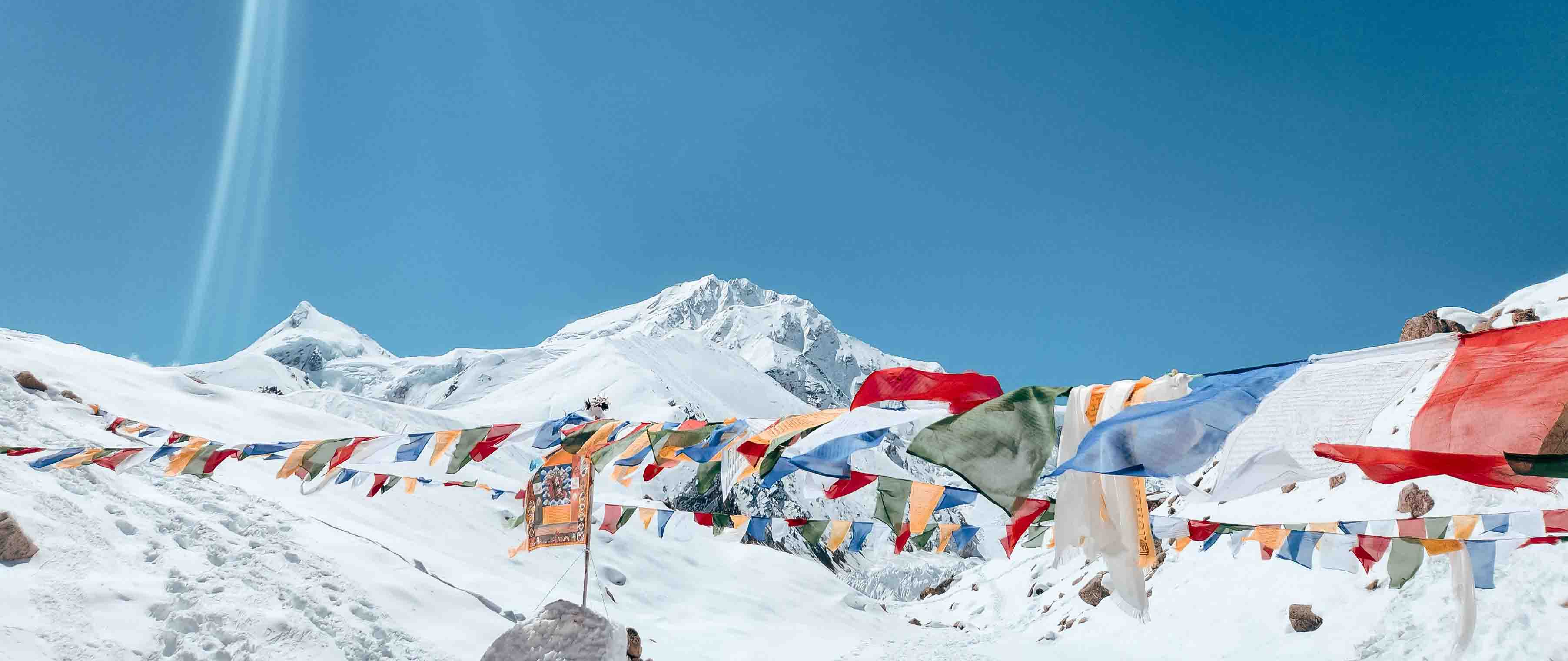
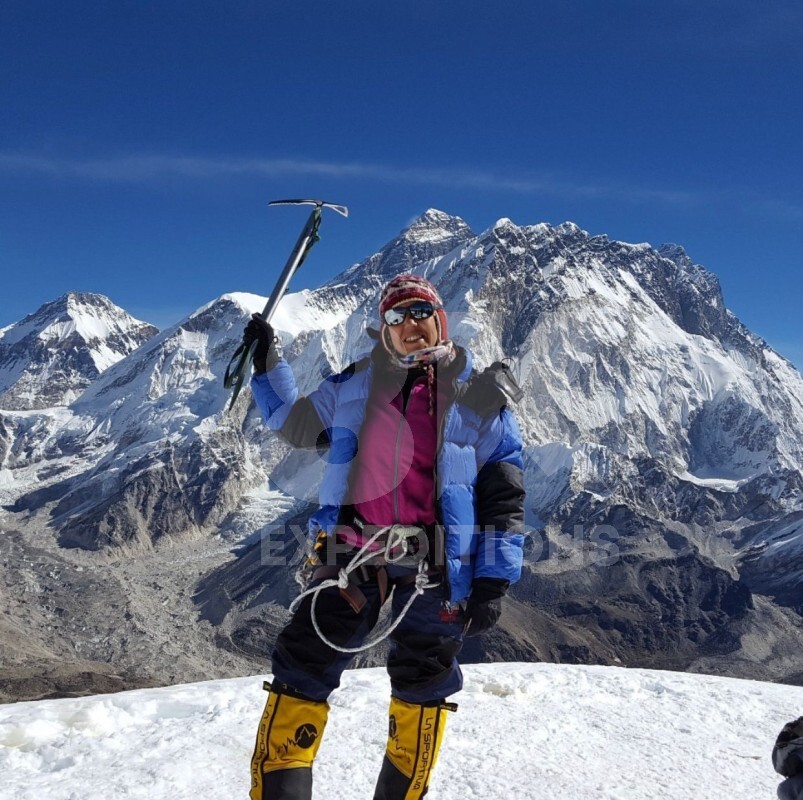
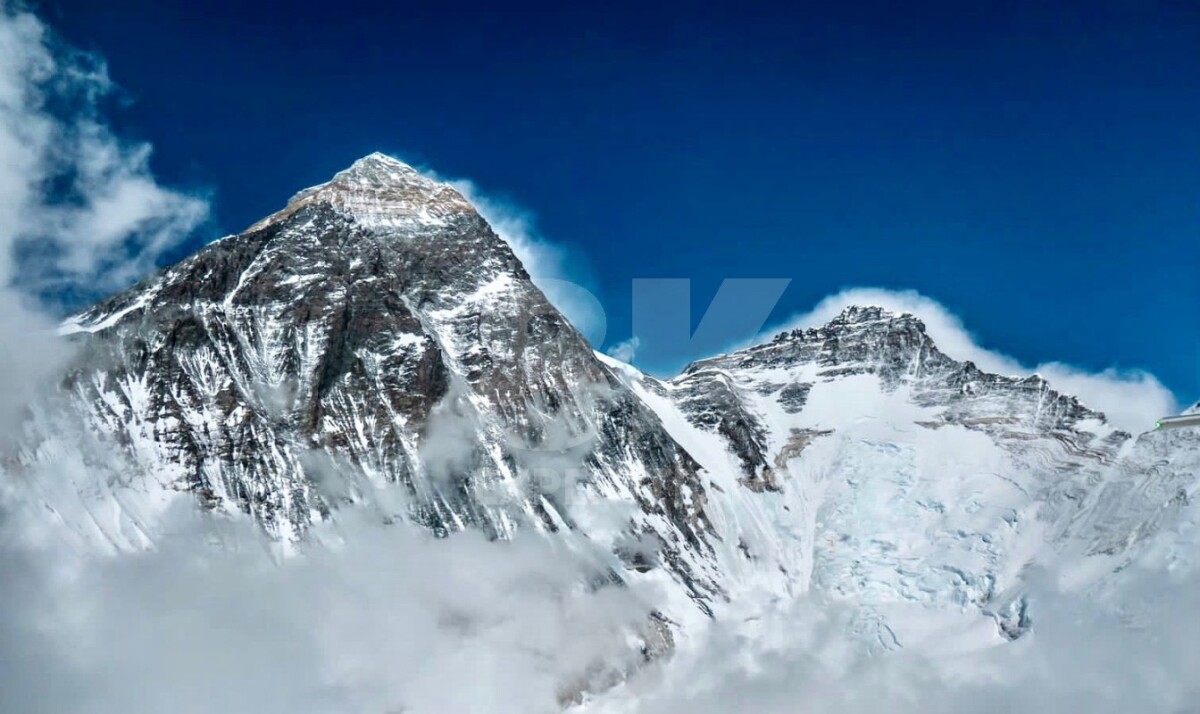
Larkya Peak stands at an altitude of 6,249 meters (20,502 feet) above sea level in Nepal's Manaslu Region, Gorkha District. It is an attractive 6,000-meter Himalayan climbing destination offering spectacular views of Mount Manaslu, Annapurna, Lamjung Himal and surrounding Himalayan peaks.
Where is Larkya Peak located?
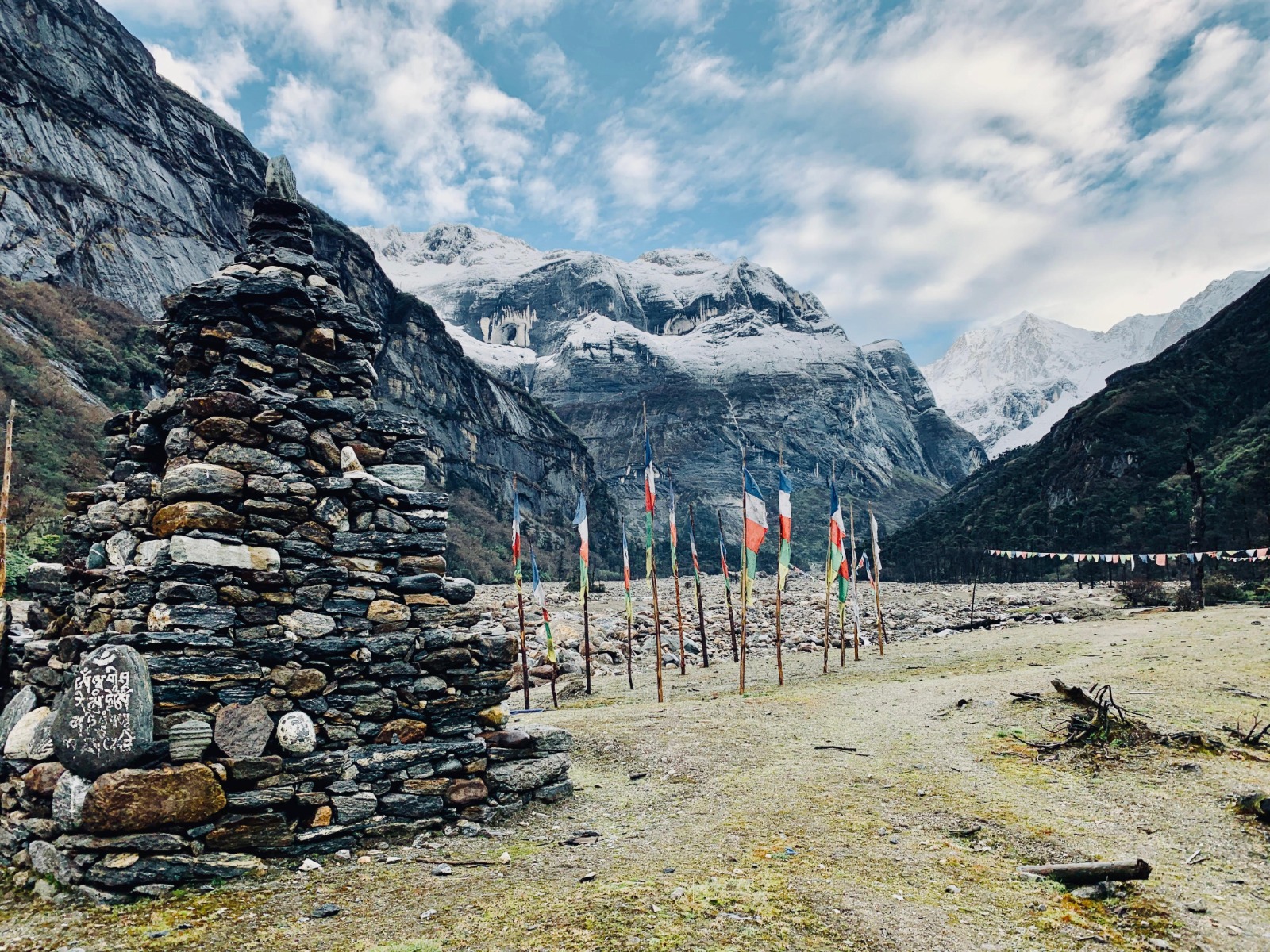
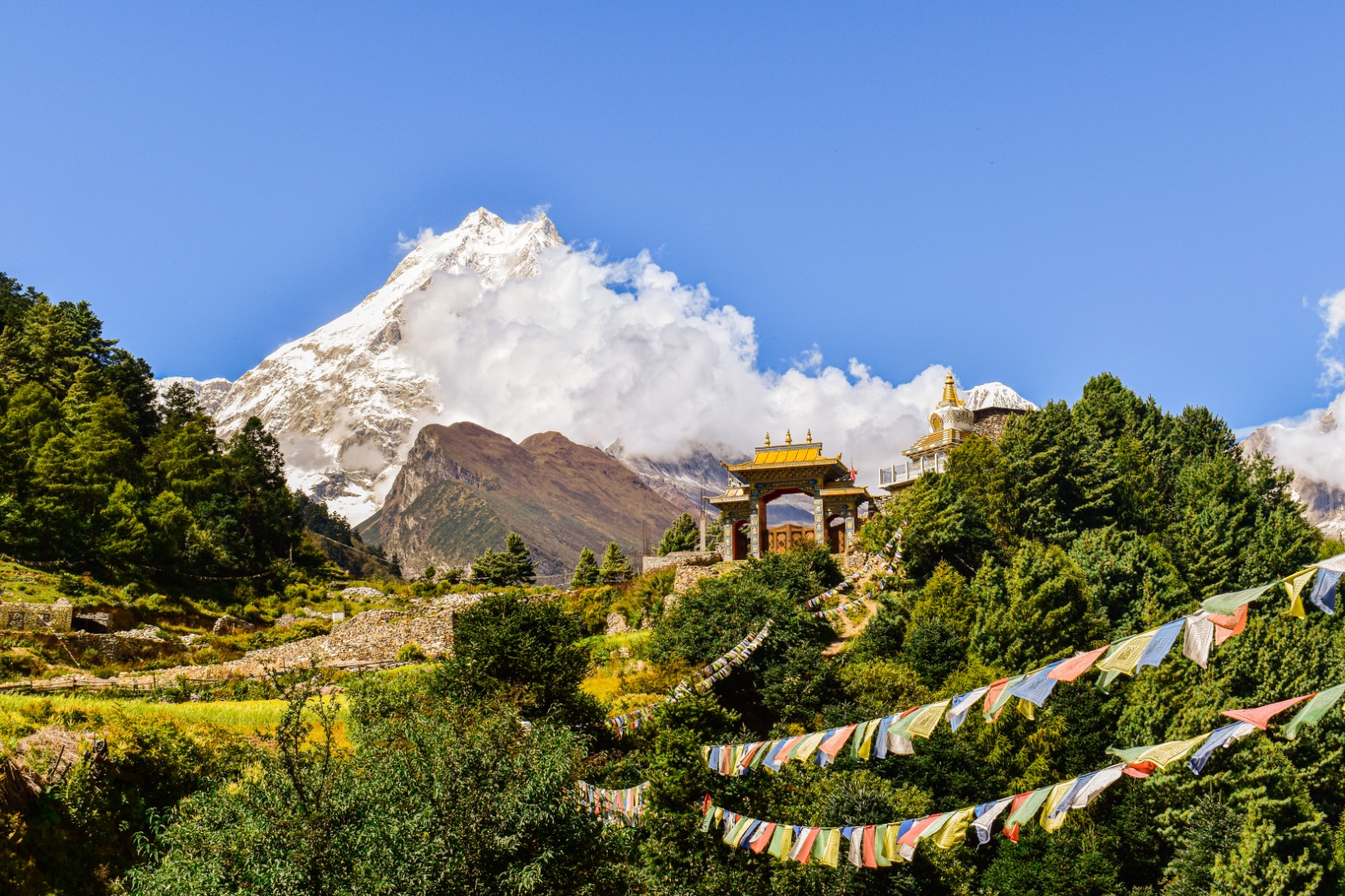
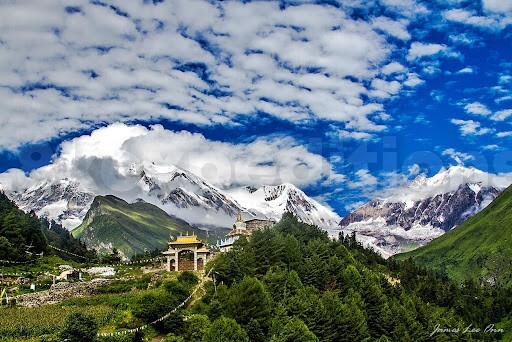
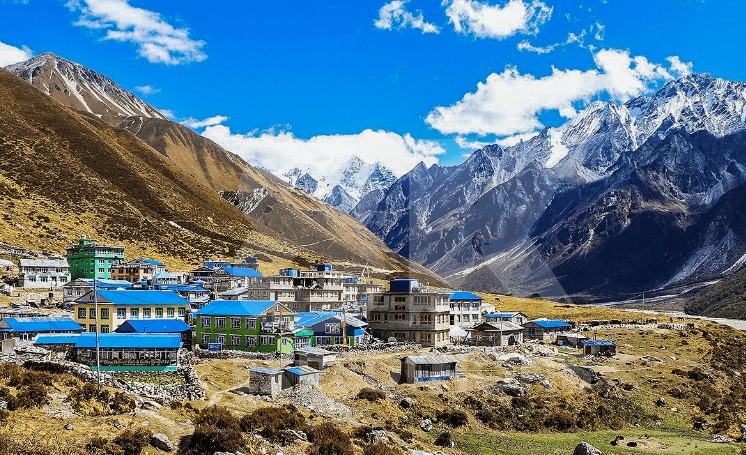
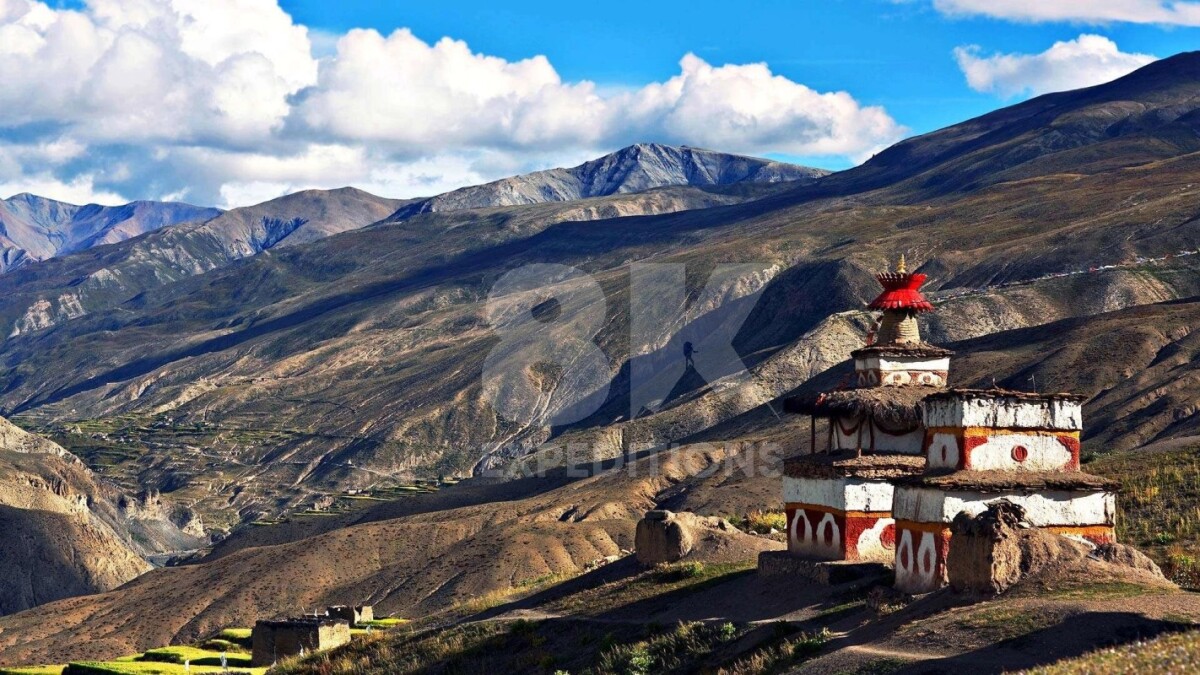
Larkya Peak is located in the Manaslu Region of northern Nepal, within Gorkha District. The mountain lies along the Manaslu Circuit trekking area, near the famous Larkya La Pass. The climbing journey passes through traditional Himalayan settlements, Buddhist monasteries, remote valleys and spectacular mountain landscapes.
What makes Larkya Peak climbing special?
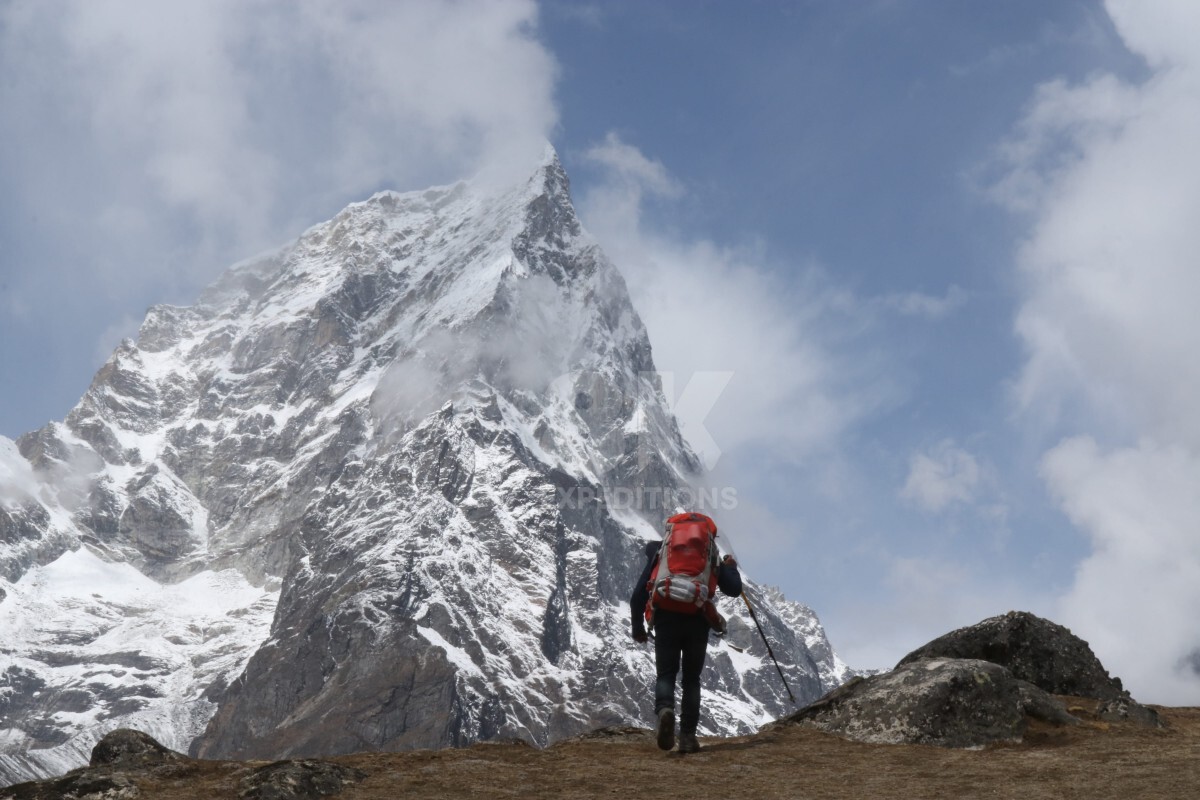
Larkya Peak climbing combines a remote Himalayan trekking experience with an exciting 6,249-meter summit attempt. Climbers experience traditional Tibetan-influenced Mountain villages, the spectacular Manaslu landscape, high-altitude glaciers and panoramic views of the surrounding Himalayan ranges. Its combination of cultural exploration, high-altitude trekking and mountaineering makes it a distinctive adventure in Nepal.
Is Larkya Peak the same as Larke Peak or Larkey Peak?
Yes, Larkya Peak, Larke Peak and Larkey Peak are commonly used alternative spellings referring to the 6,249-meter climbing destination in the Manaslu Region.
How long does Larkya Peak climbing take?
The Larkya Peak climbing package is designed as a 19-day journey, starting and ending in Kathmandu. It includes arrival arrangements, preparation, transportation, trekking through the Manaslu Region, climbing activities and the return journey. The itinerary may be adjusted depending on weather, trail conditions and acclimatization requirements.
How difficult is Larkya Peak climbing?
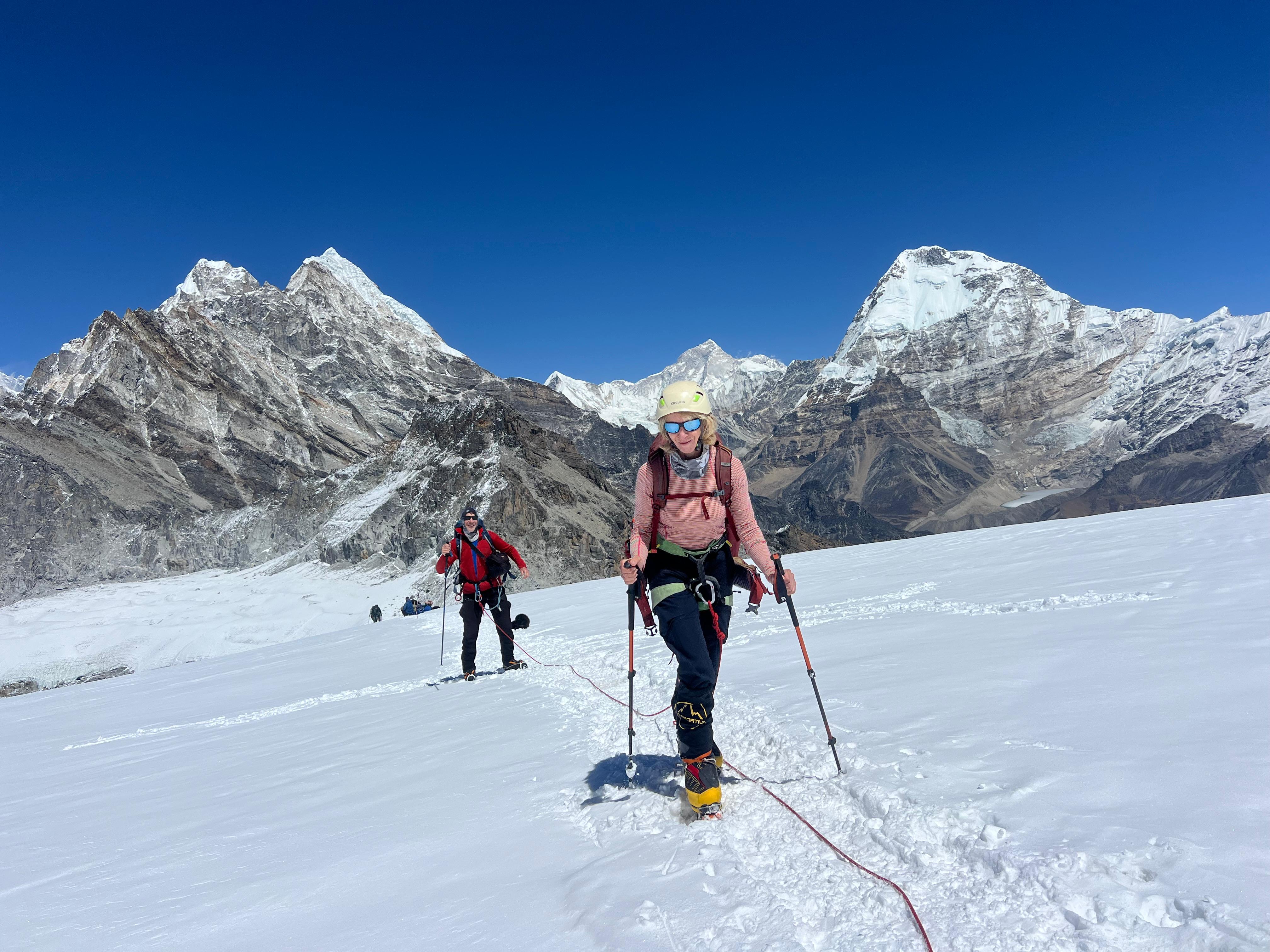
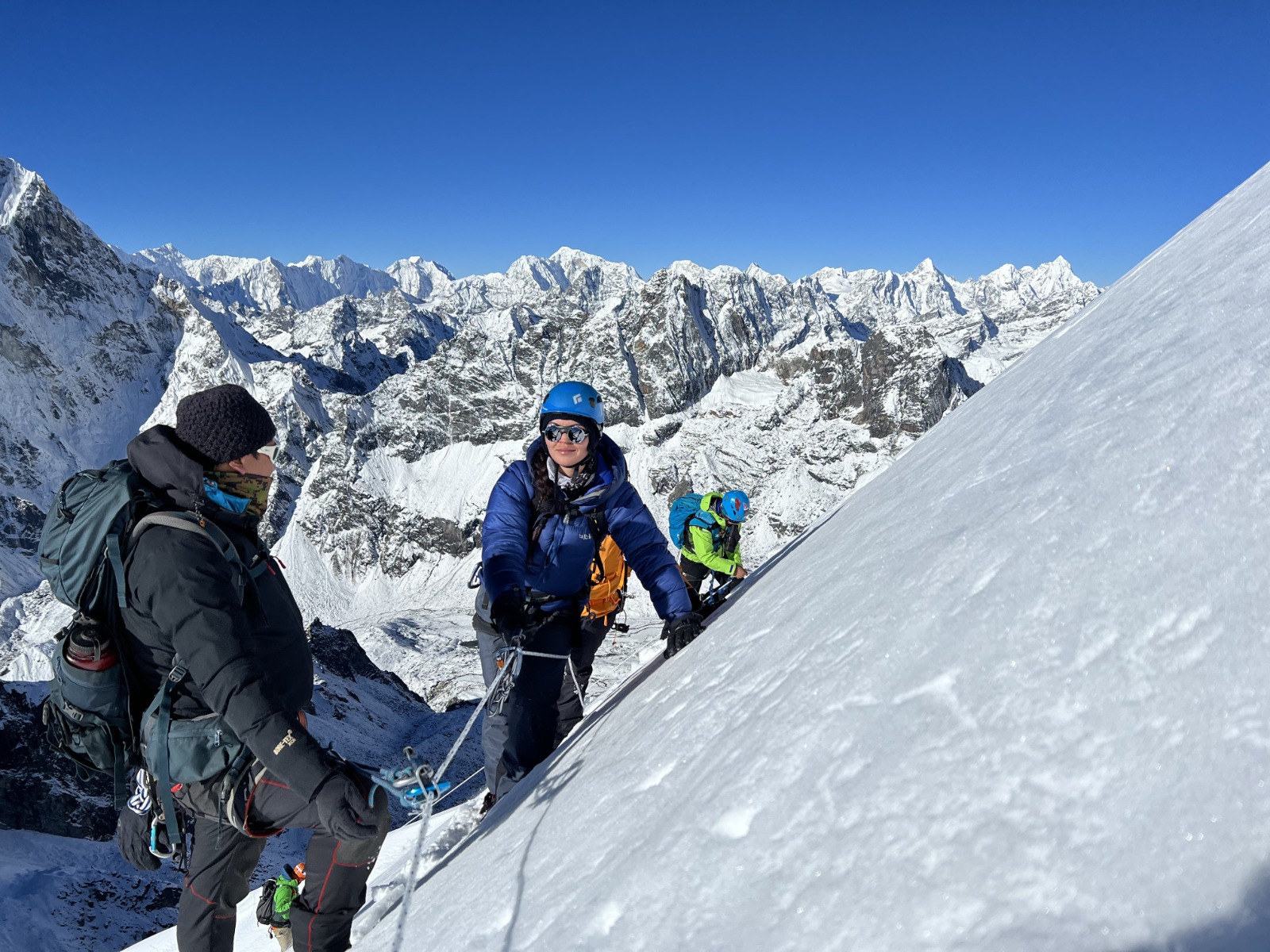
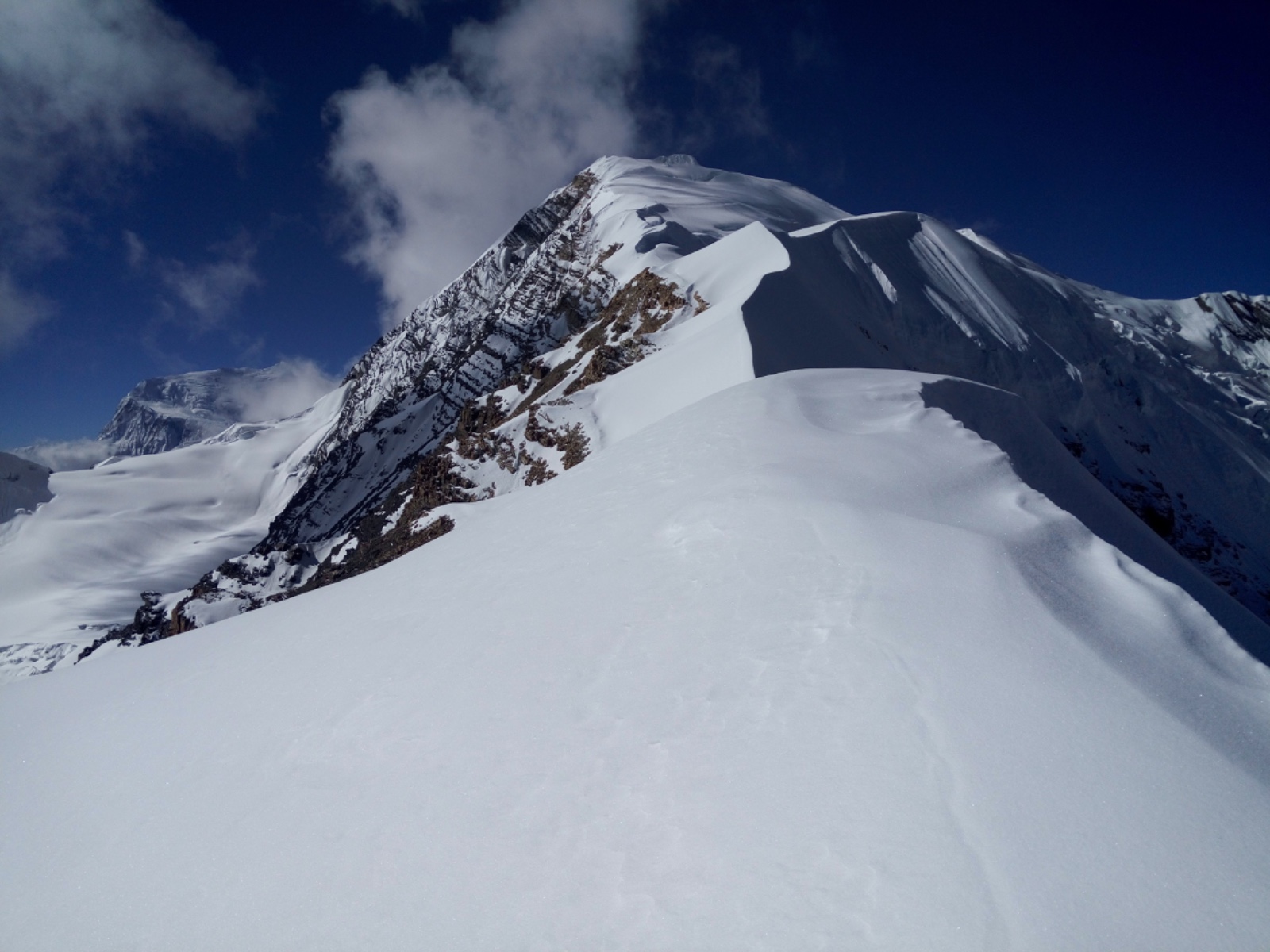
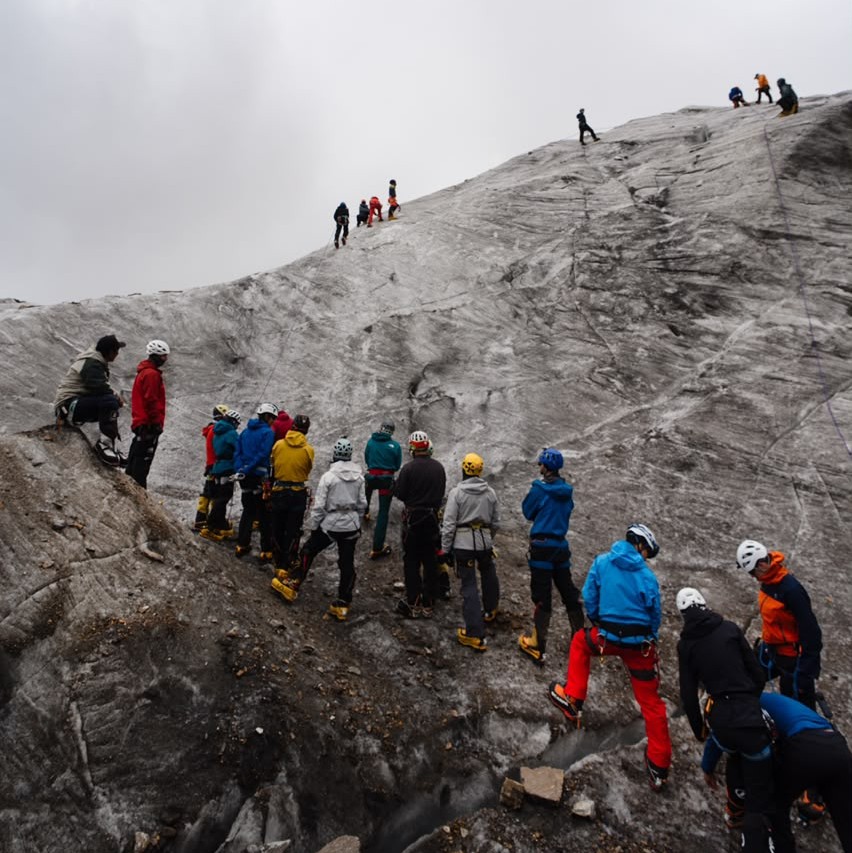
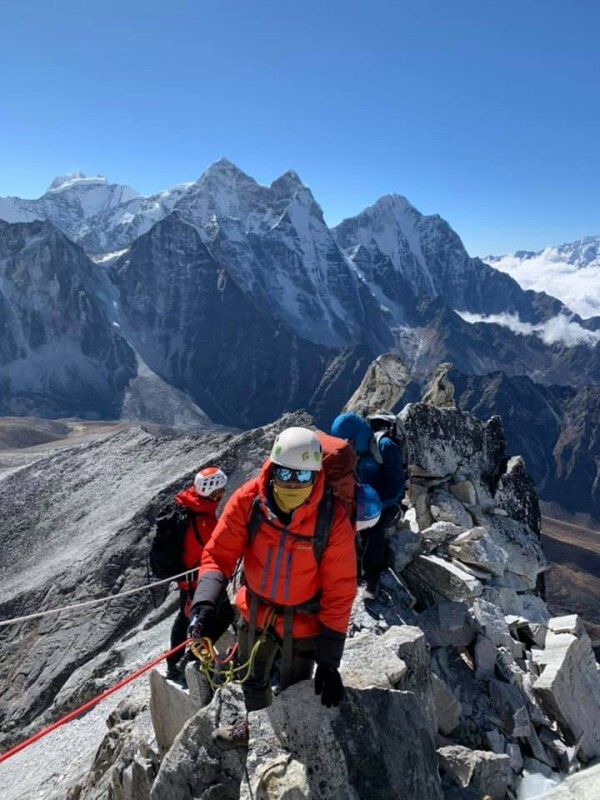
Larkya Peak climbing is graded Alpine PD+ (Peu Difficile Plus), indicating a moderately challenging to challenging mountaineering experience. Climbers should be prepared for long trekking days, steep snow and icy sections, glacier travel and rope-assisted climbing. Good physical fitness, proper acclimatization and basic mountaineering skills are essential.
Do I need previous mountaineering experience to climb Larkya Peak?
Previous mountaineering experience is strongly recommended. Climbers should ideally have experience using crampons, ice axes, harnesses and climbing ropes on snow or glacier terrain. Although the expedition can be considered by developing mountaineers with appropriate preparation, participants must be physically fit and capable of handling demanding high-altitude conditions.
Is Larkya Peak suitable for beginners?
Larkya Peak is not recommended for completely inexperienced trekkers without mountaineering preparation. However, motivated beginners who have strong physical fitness, previous high-altitude trekking experience and basic technical climbing training may consider the climb with professional guidance and appropriate preparation.
What physical fitness is required for Larkya Peak climbing?
Climbers should have good cardiovascular endurance, leg strength, balance and stamina for consecutive days of walking at high altitude. Preparation should include hiking, uphill training, stair climbing, strength exercises and endurance activities. Training for at least 8–12 weeks before departure is a useful starting point, with the program adapted to individual fitness levels.
Do I need to know how to use crampons and an ice axe?
Yes, basic knowledge of crampon walking, ice axe use, harness systems, rope handling and glacier safety is important for Larkya Peak climbing. The package includes high-camp support and climbing preparation but participants should develop these skills before the expedition.
What is the best season for Larkya Peak climbing?
The best seasons for Larkya Peak climbing are spring (March–May) and autumn (October–November). These periods generally offer more favorable weather conditions, better mountain visibility and suitable climbing windows. Actual summit conditions depend on snowfall, wind, temperature and weather forecasts.
Can I climb Larkya Peak in spring?
Yes, Spring, particularly March, April and May, is a popular season for Larkya Peak climbing. Climbers can experience improving weather conditions, longer daylight hours and beautiful Himalayan landscapes. However, snow conditions and summit weather must be assessed throughout the expedition.
Is autumn a good season for Larkya Peak climbing?
Yes, Autumn, especially October and November, is another excellent period for Larkya Peak climbing. The season generally offers clear skies and impressive mountain visibility. However, temperatures can be very cold at higher elevations, particularly around base camp and summit altitude.
What is the weather like during Larkya Peak climbing?
Weather conditions vary significantly with altitude and season. Lower trekking areas can be relatively mild, while high-altitude camps and summit sections experience freezing temperatures, strong winds and snowfall. Climbers should carry suitable insulated clothing, waterproof layers and high-altitude mountaineering equipment.
What is the standard climbing route for Larkya Peak?
The Larkya Peak climbing journey follows the Manaslu Circuit approach from the lower Budhi Gandaki Valley through settlements such as Machha Khola, Jagat, Deng, Namrung, Lho and Samagaon. The route continues towards Samdo and the mountain's climbing area before the summit attempt. The return route follows the expedition's planned itinerary, which may incorporate the Larkya La crossing.
Does Larkya Peak climbing include Larkya La Pass?
The Manaslu Circuit approach is closely associated with Larkya La Pass, one of the region's major high-altitude trekking crossings. The itinerary also highlights this pass as part of the regional adventure. Whether the pass is crossed on the return journey depends on the final route plan and prevailing mountain conditions.
What type of accommodation is available during Larkya Peak climbing?
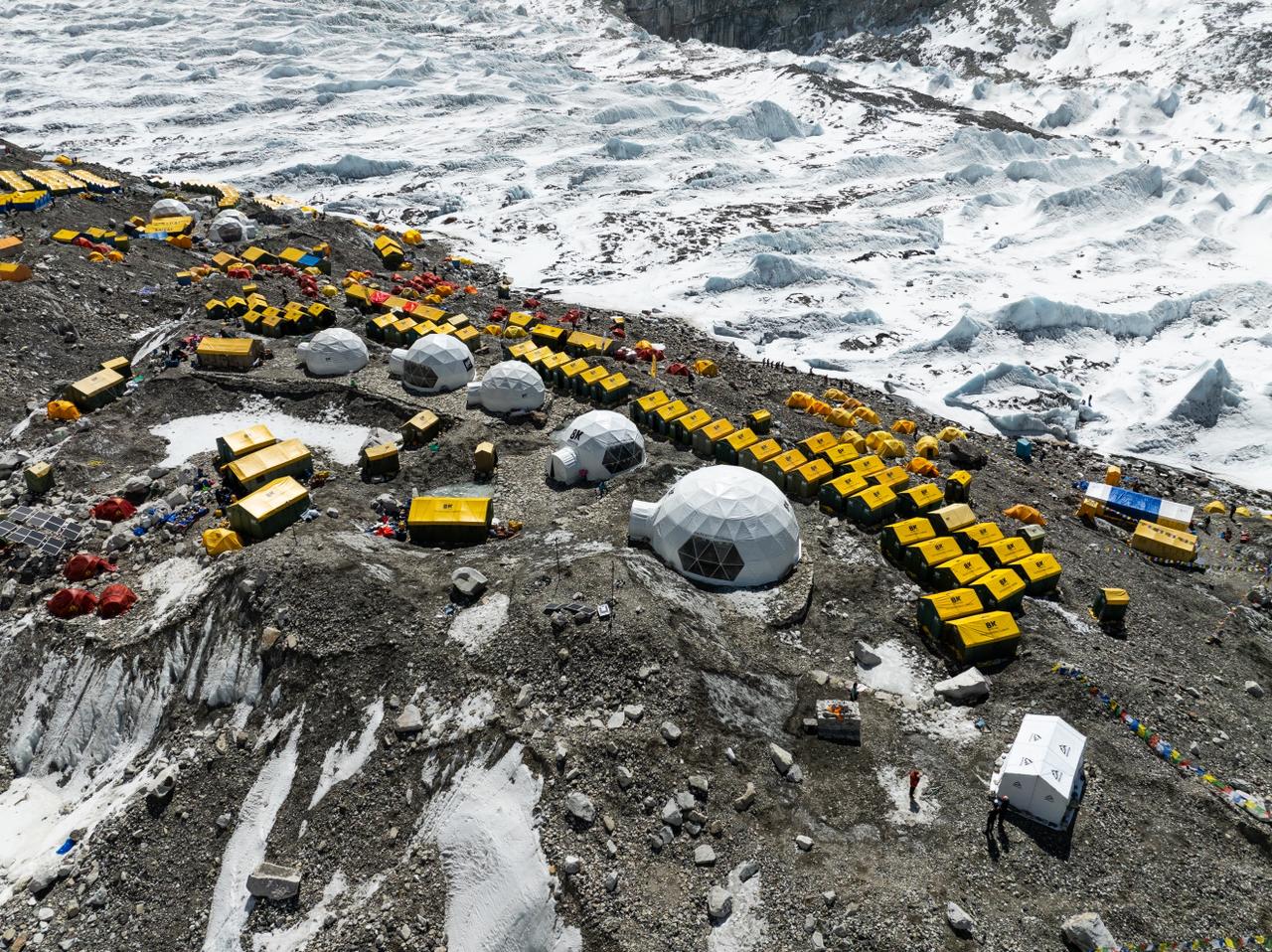
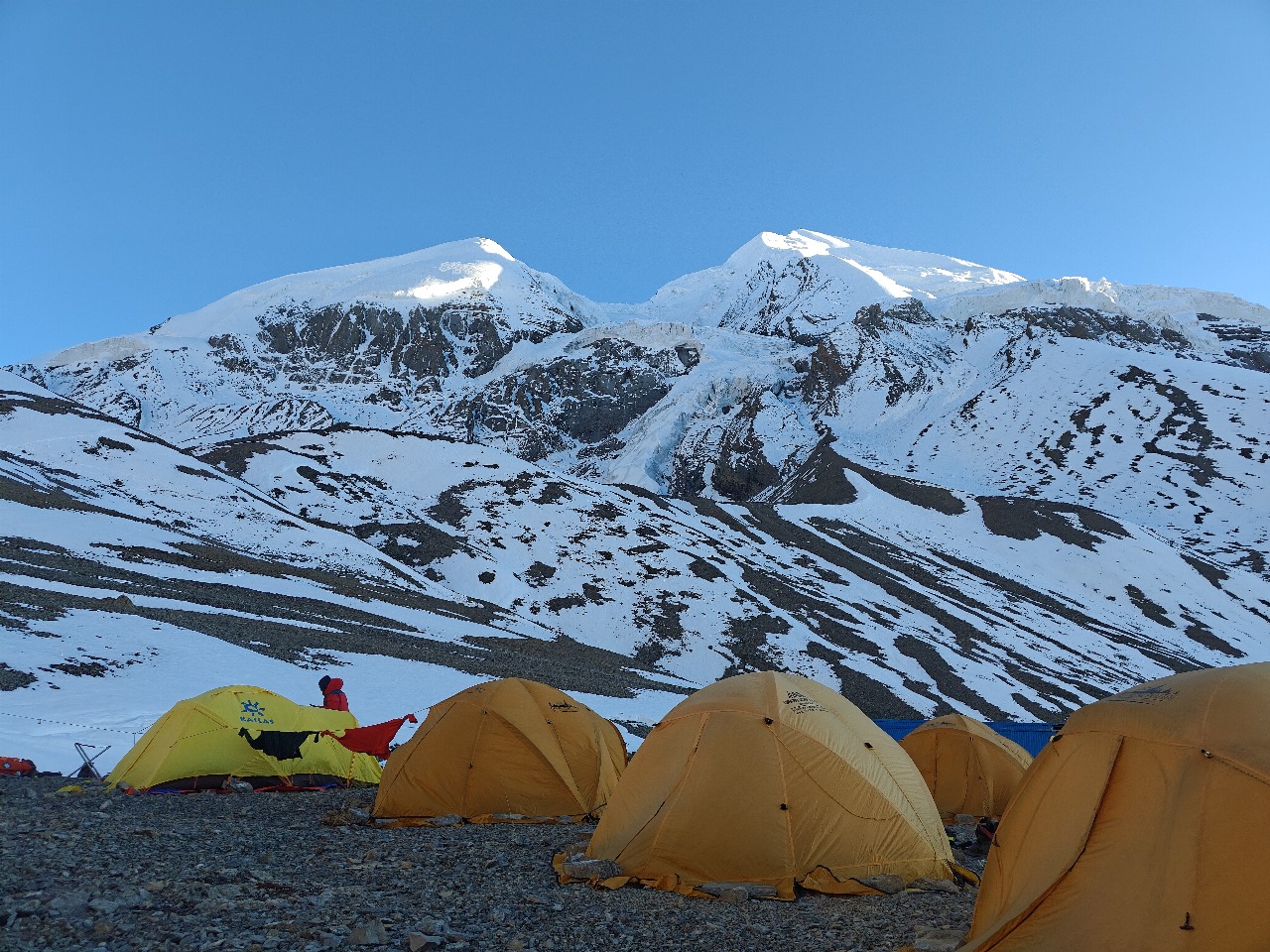
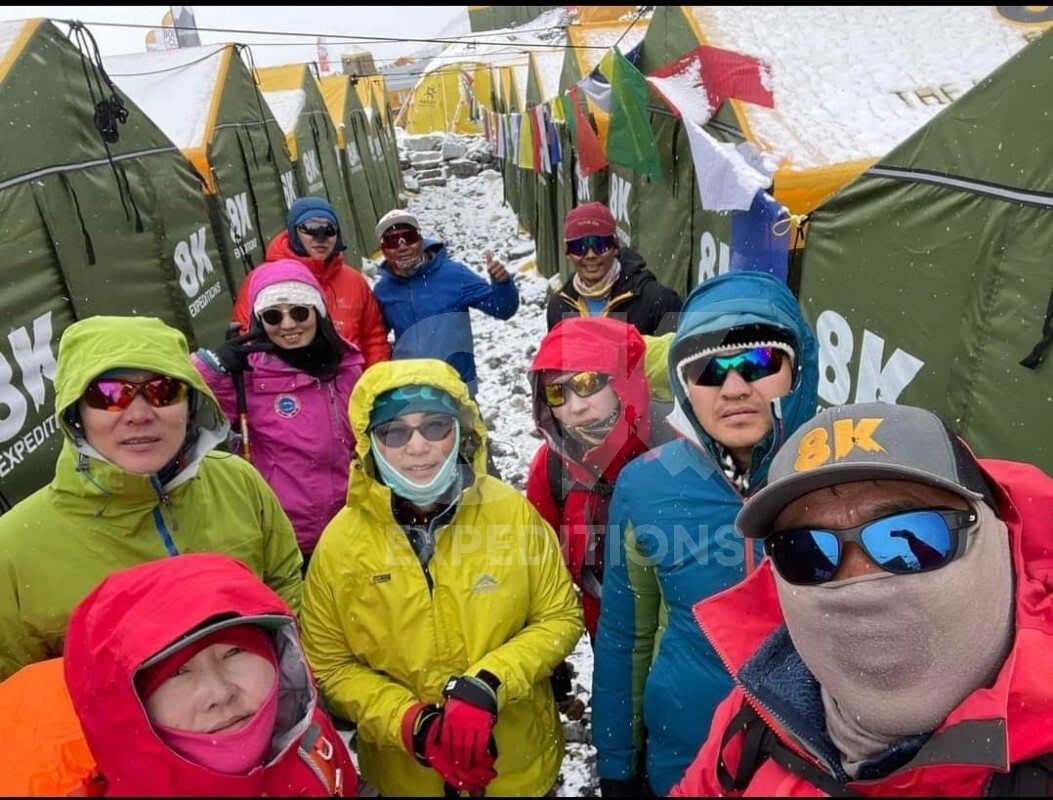
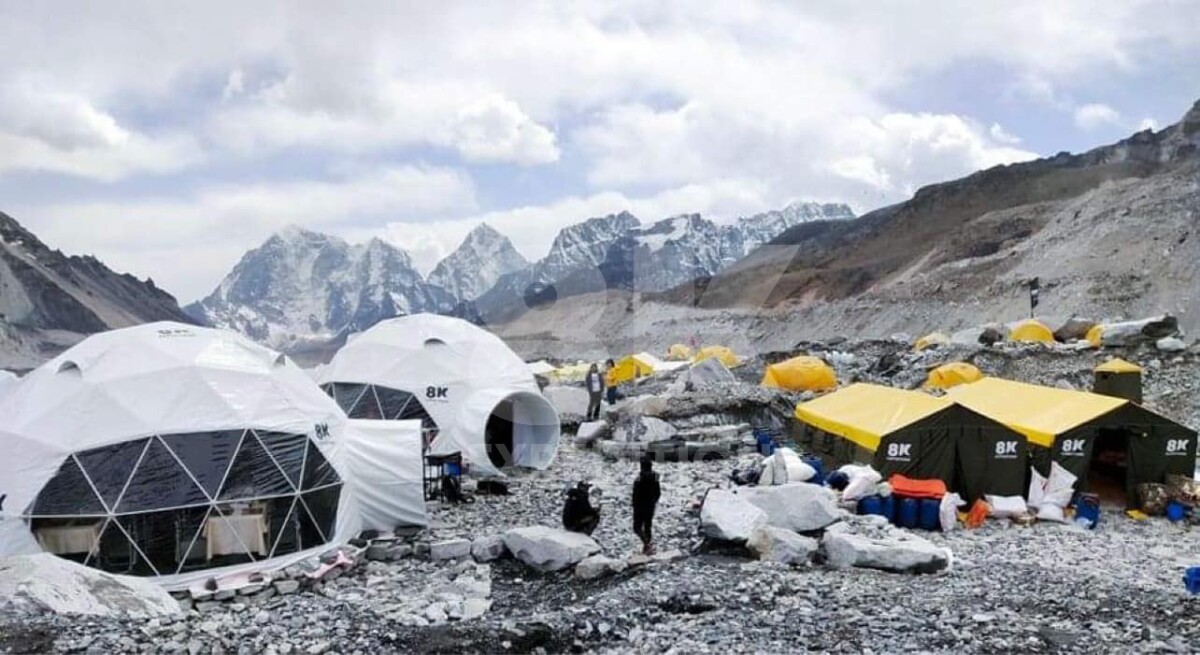
The Larkya Peak climbing package includes hotel accommodation in Kathmandu, tea-house or lodge accommodation during the trekking section and one night of camping accommodation at Manaslu Base Camp. High-camp arrangements include tents and expedition meal services.
What is included in the Larkya Peak climbing package?
The package includes airport transfers, Kathmandu hotel accommodation, necessary climbing permits, ground transportation, trekking accommodation, three meals per day during the trek, base-camp camping, high-camp services, climbing and trekking guides, required porters, staff insurance, a first-aid kit and applicable government taxes and company service charges.
How many climbers are assigned to one guide during Larkya Peak climbing?
The guide arrangement is two members per guide (2:1). This provides organized climbing support during the expedition. The final guide allocation and technical support arrangements should be confirmed according to the group's size and requirements.
How much does Larkya Peak climbing cost?
The cost of Larkya Peak climbing depends on group size, climbing permits and royalty fees, accommodation category, guide and Sherpa allocation, equipment and customized services. The company provides customized quotations rather than publishing one fixed price.
What permits are required for Larkya Peak climbing?
Larkya Peak climbing requires the applicable Nepal government climbing authorization and regional access permits. Depending on the final route and current regulations, these may include the Nepal Mountaineering Association peak permit, Manaslu restricted-area permit and relevant conservation-area entry permits.
Is travel insurance mandatory for Larkya Peak climbing?
Comprehensive travel and mountaineering insurance are essential. Minimum insurance coverage of US$15,000 for medical expenses and helicopter rescue. Climbers should confirm that their policy explicitly covers mountaineering up to 6,249 meters, emergency evacuation and high-altitude medical treatment.
Can I book a private Larkya Peak climbing expedition?
Yes, climbers can book a private or customized Larkya Peak climbing arrangement. Group size, guide allocation, departure dates, accommodation and expedition logistics can be discussed according to individual requirements.
What equipment do I need for Larkya Peak climbing?
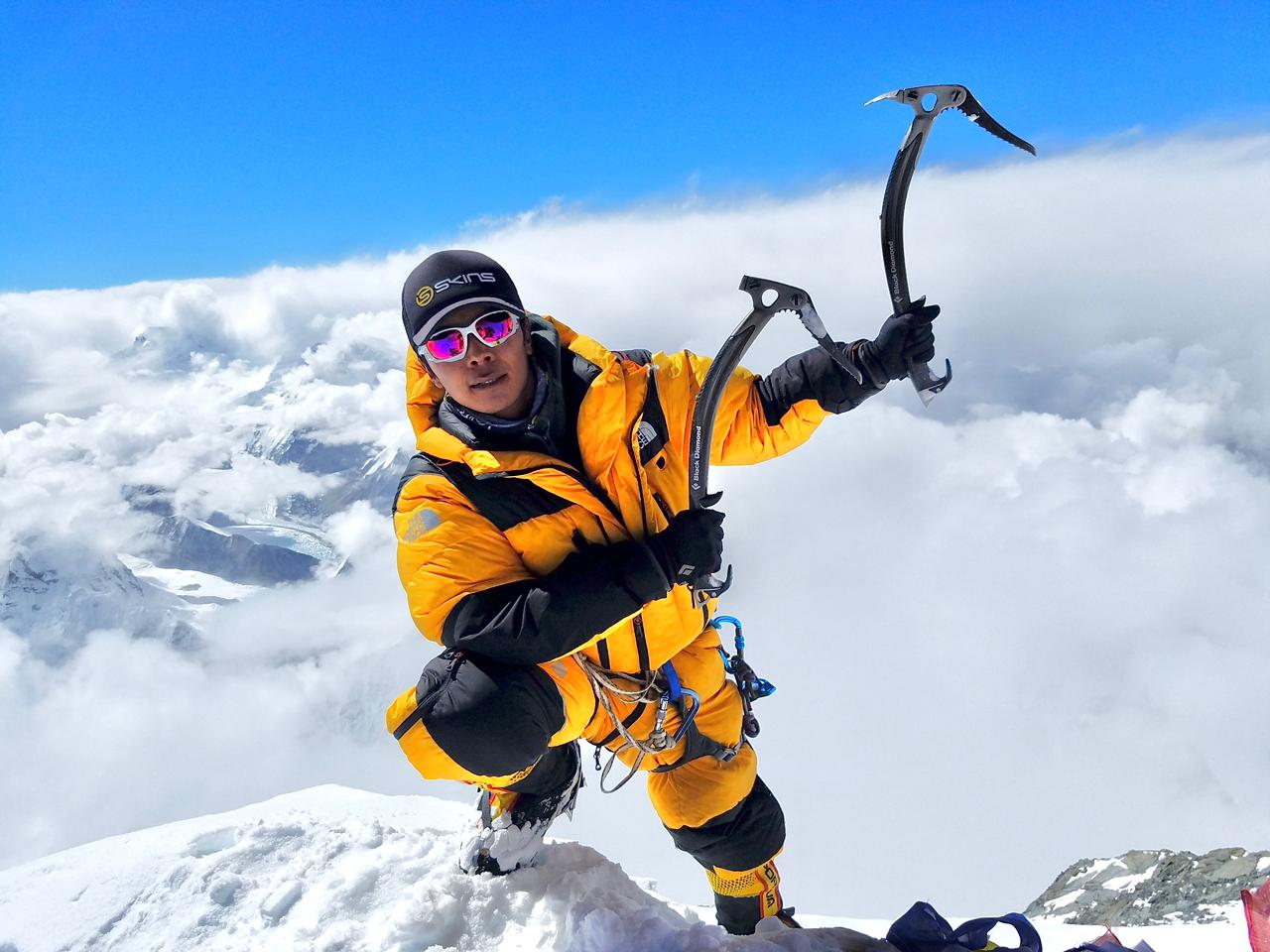
Essential equipment includes mountaineering boots, crampons, an ice axe, climbing harness, helmet, carabiners, suitable ropes and technical clothing. Climbers also require a four-season sleeping bag, insulated down jacket, waterproof outerwear, gloves, sunglasses, headlamp and personal trekking equipment. The final equipment list should be confirmed with the expedition team before departure.
Why choose 8K Expeditions for Larkya Peak climbing in Nepal?
8K Expeditions offers organized Himalayan climbing and trekking services with professional mountain guides, high-altitude logistics, accommodation, transportation, permit arrangements and expedition support. Its Larkya Peak package includes a dedicated climbing and trekking guide arrangement, high-camp services and logistical support throughout the journey. Climbers can contact the team for customized expedition planning and booking assistance.
How does Larkya Peak compare with Mera Peak and Island Peak?
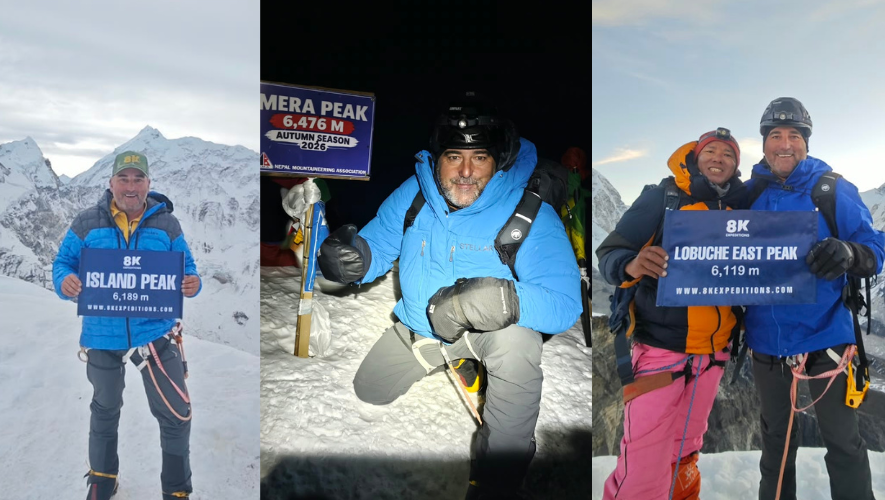
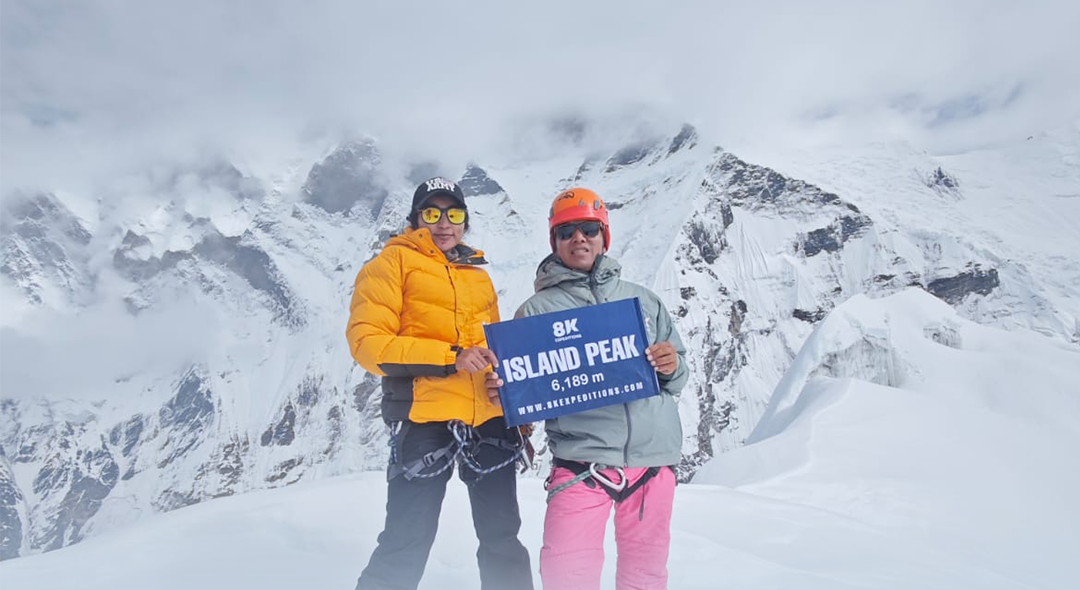
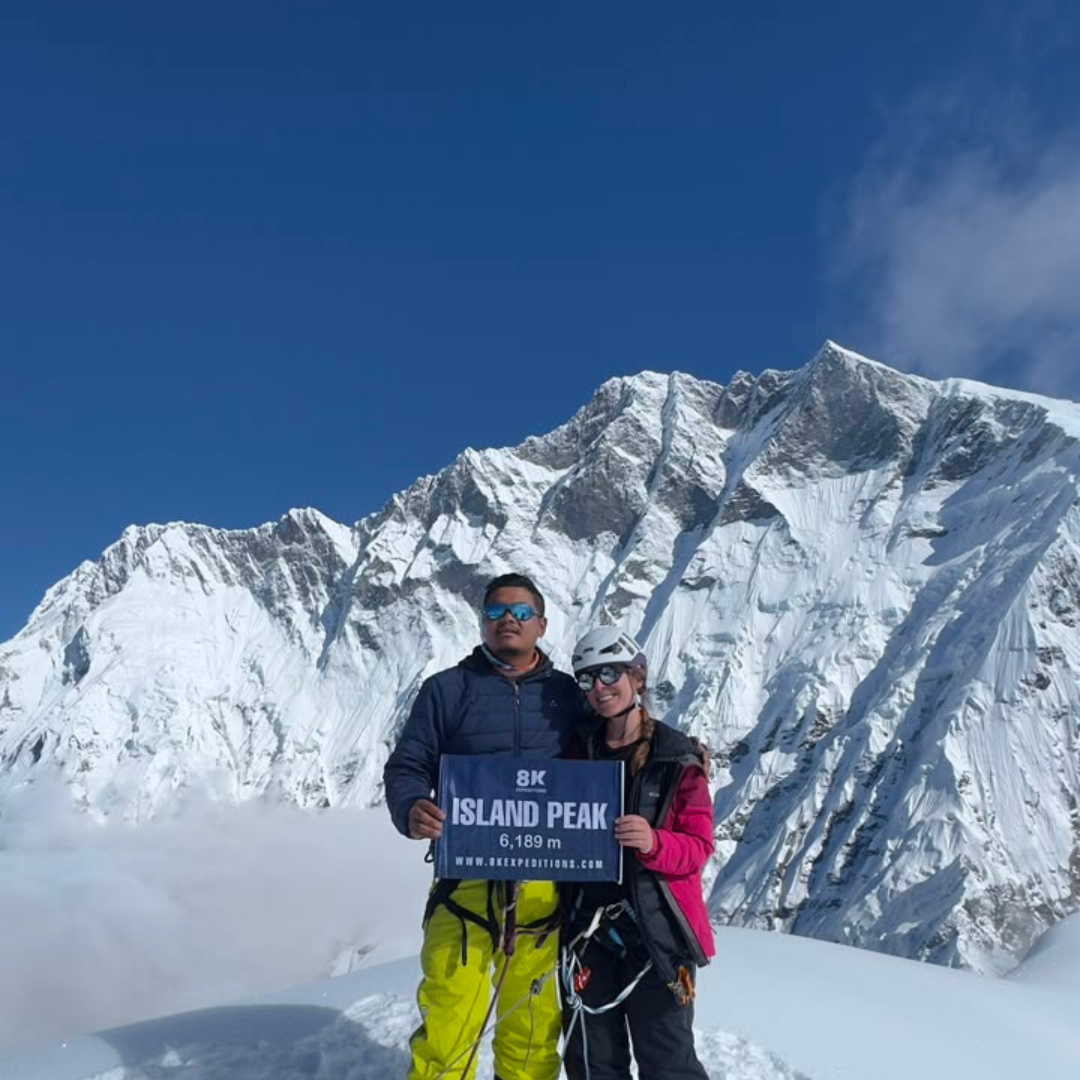
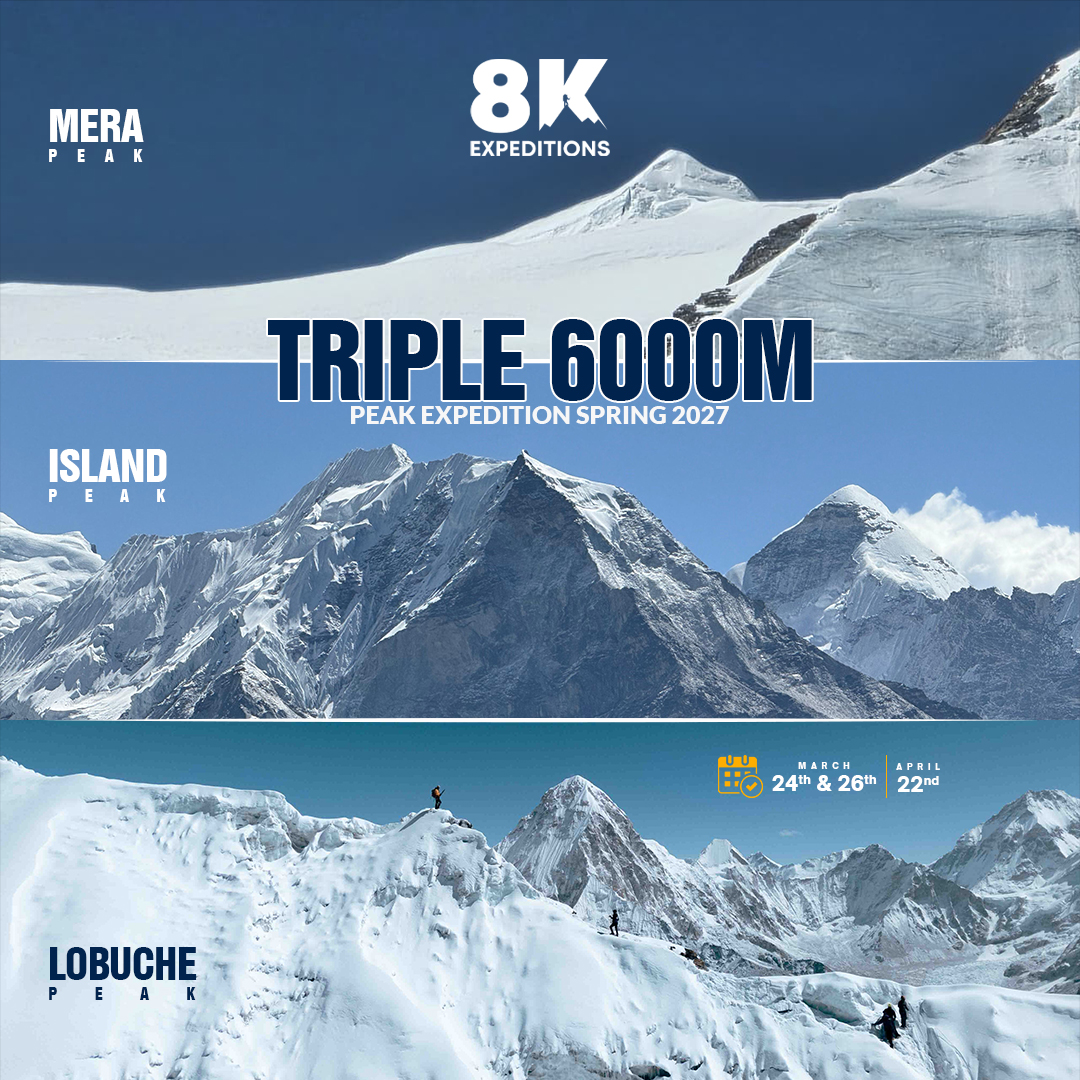
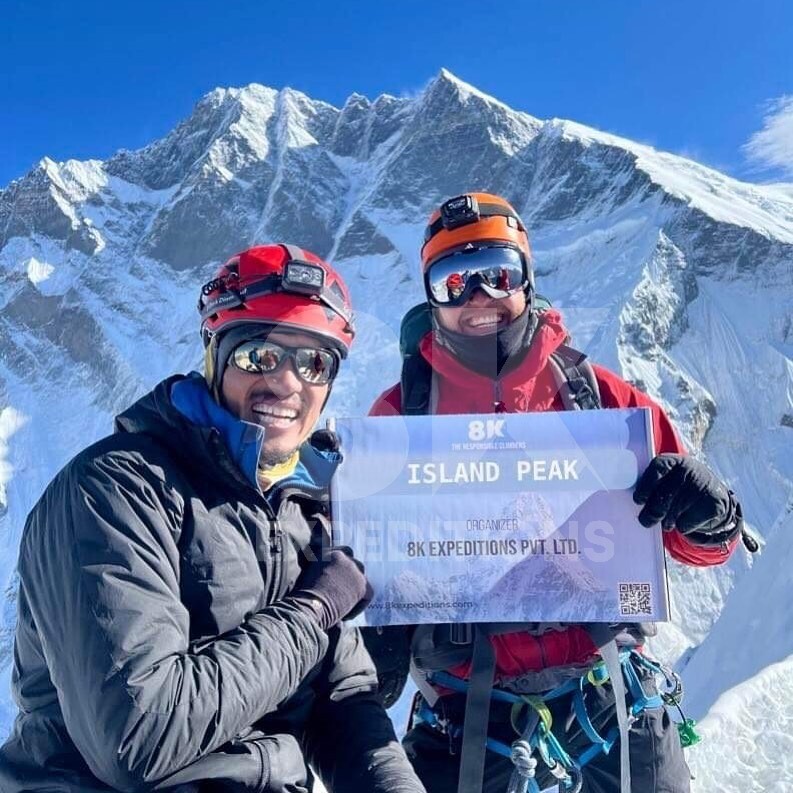
Larkya Peak (6,249m), Mera Peak (6,476m) and Island Peak (6,189m) are popular 6,000-meter climbing destinations in Nepal. Larkya Peak offers a remote Manaslu-region experience with glacier and snow climbing, Mera Peak is known for its high-altitude trekking approach and panoramic summit views, while Island Peak involves more technical climbing sections. The best choice depends on climbing experience, fitness and expedition objectives.
Can Larkya Peak climbing help prepare me for higher Himalayan expeditions?
Yes, Larkya Peak can provide valuable experience in high-altitude trekking, acclimatization, glacier travel, technical equipment handling and expedition logistics. It can be a useful stepping stone towards more demanding Himalayan climbs, although successful completion does not automatically qualify someone for every higher-altitude expedition.
What happens if the weather is unsuitable for the Larkya Peak summit attempt?
The summit attempt depends on weather conditions, snow stability, wind speed and the assessment of the climbing guides. If conditions are unsafe, the expedition leader may postpone or cancel the summit attempt. Additional contingency days and flexible planning are important for high-altitude safety.
Is helicopter evacuation available during Larkya Peak climbing?
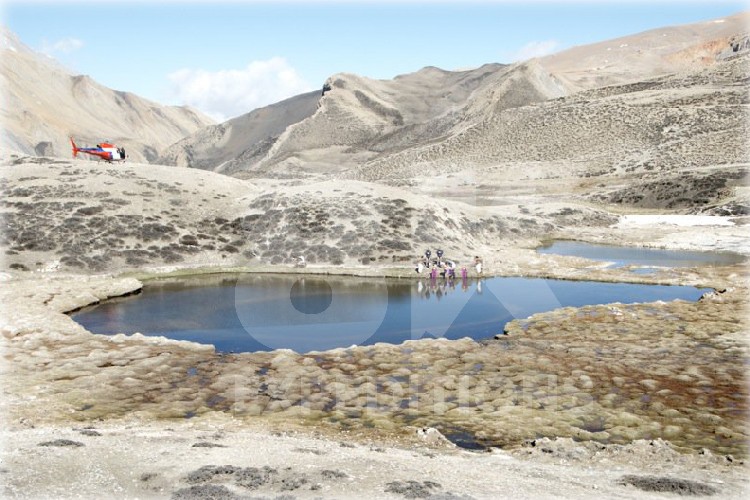
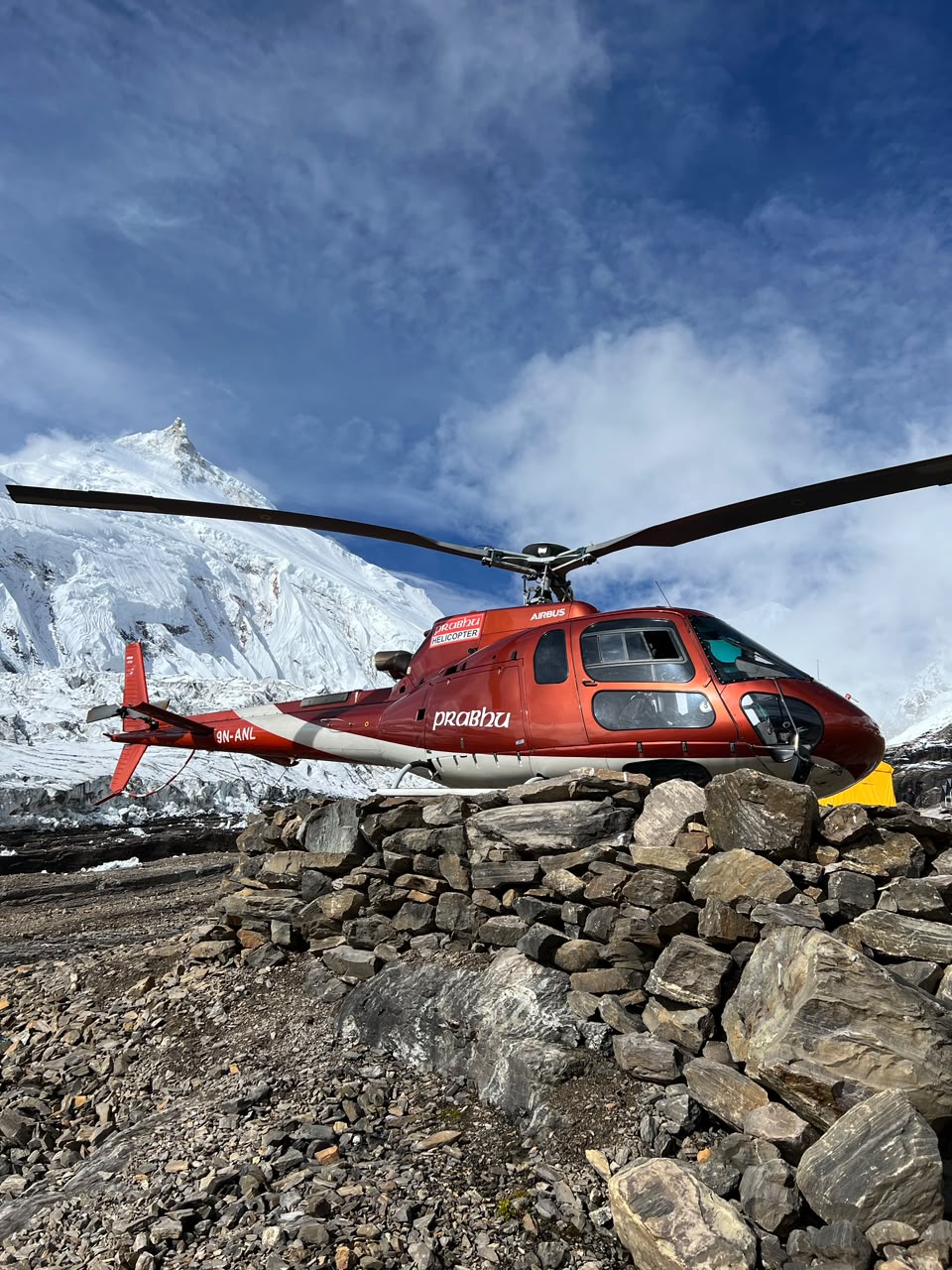
Helicopter evacuation can be arranged in emergencies, subject to weather, aircraft availability, altitude limitations and operational conditions. Climbers should carry comprehensive insurance that covers high-altitude helicopter rescue and emergency medical evacuation.
How can I book Larkya Peak climbing with 8K Expeditions?
You can book Larkya Peak climbing by contacting 8K Expeditions through its official website, email or WhatsApp. Share your preferred departure season, group size and mountaineering experience to receive a customized itinerary, package quotation and expedition arrangements.