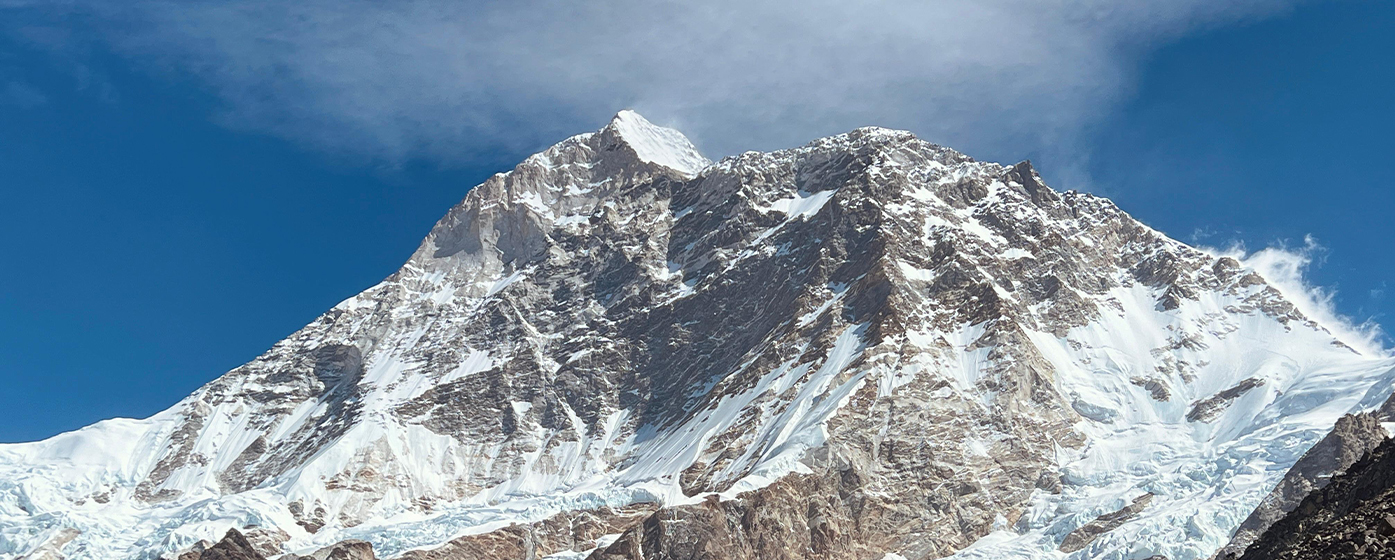
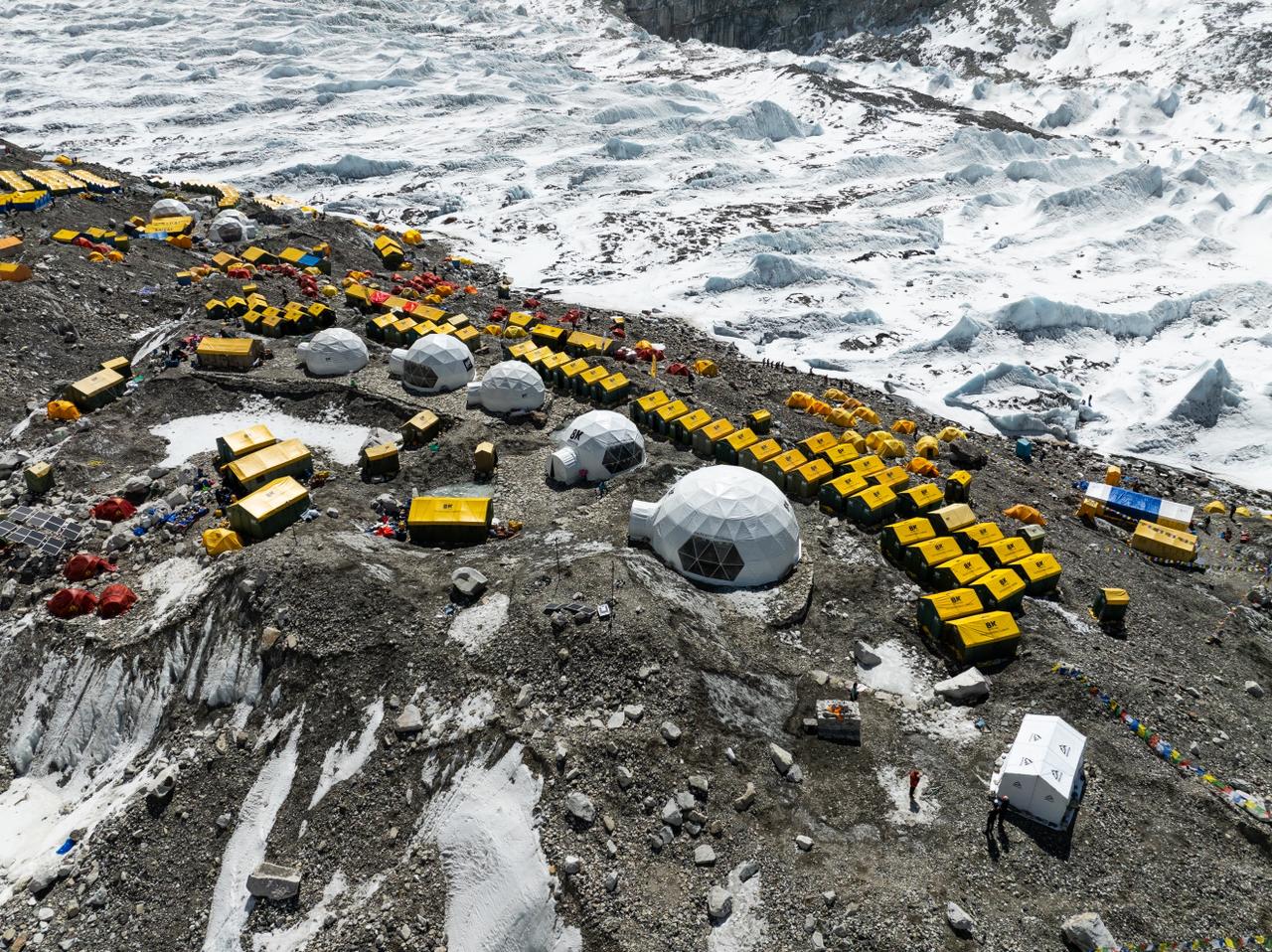
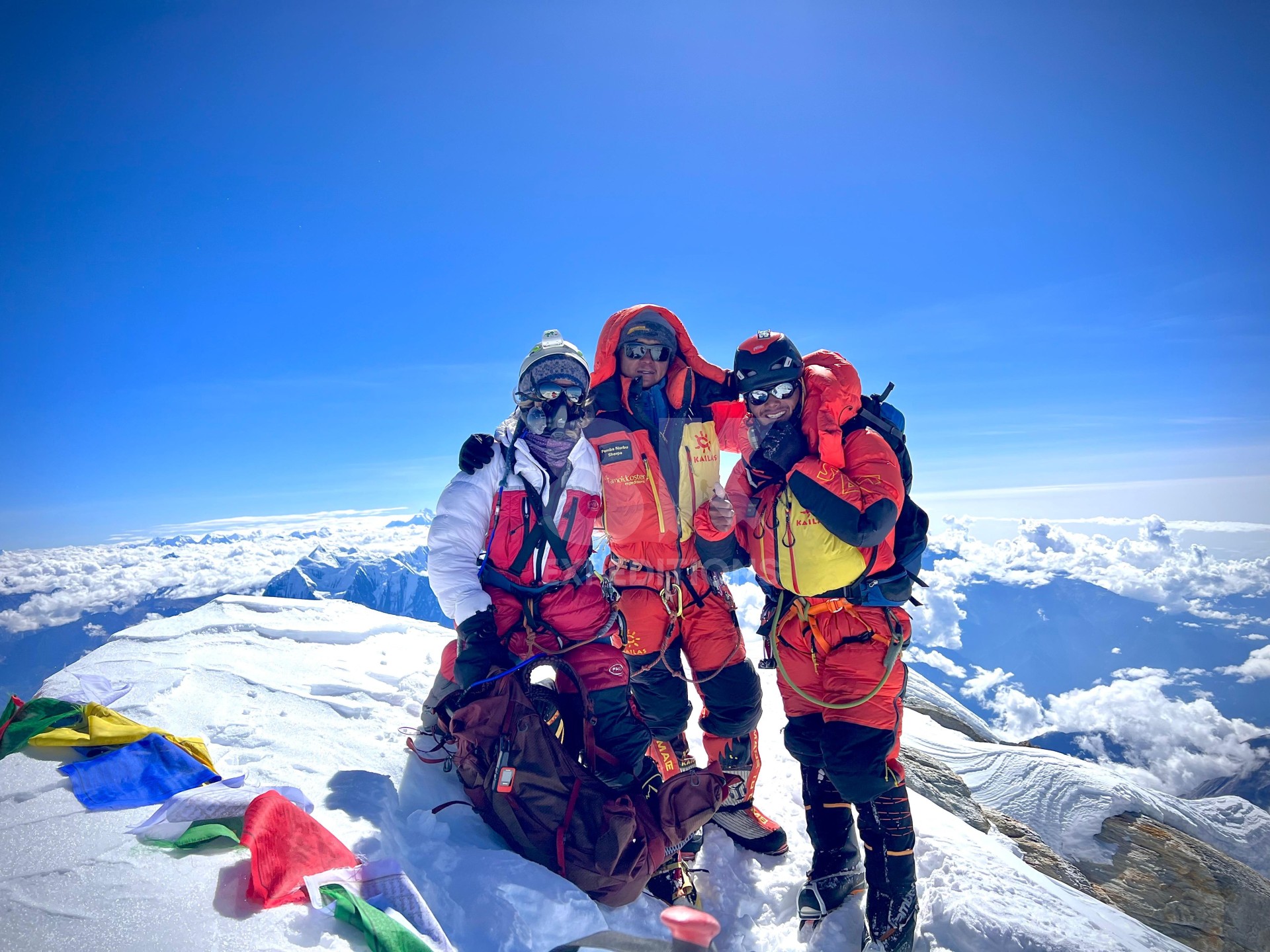
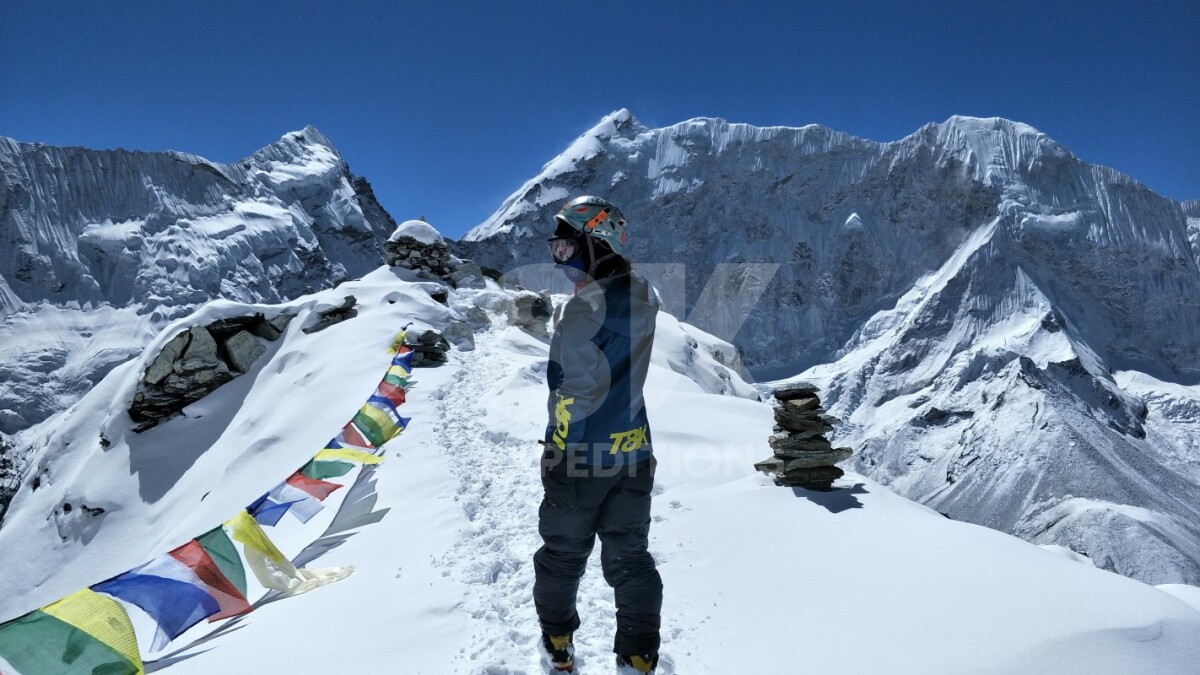
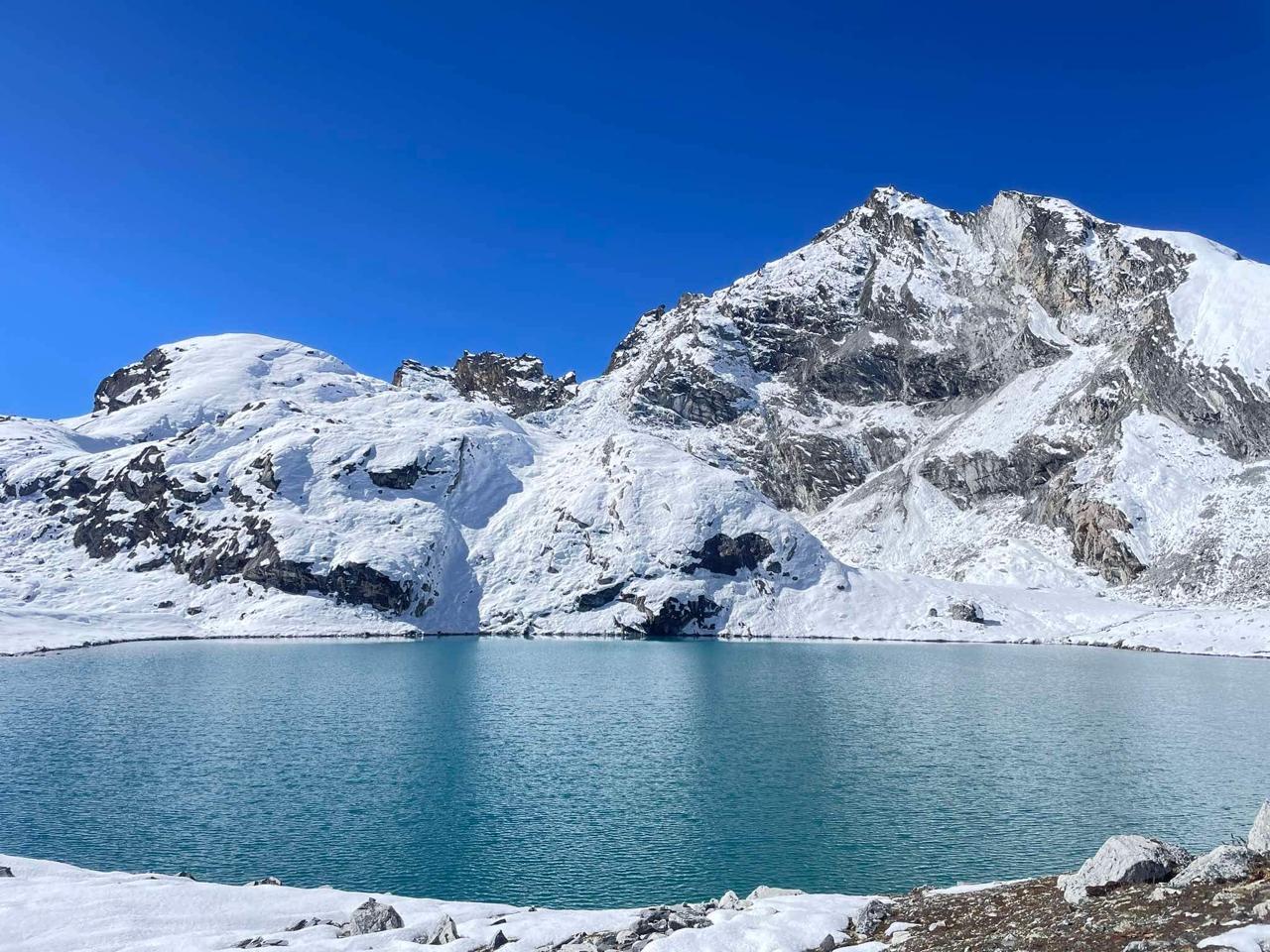
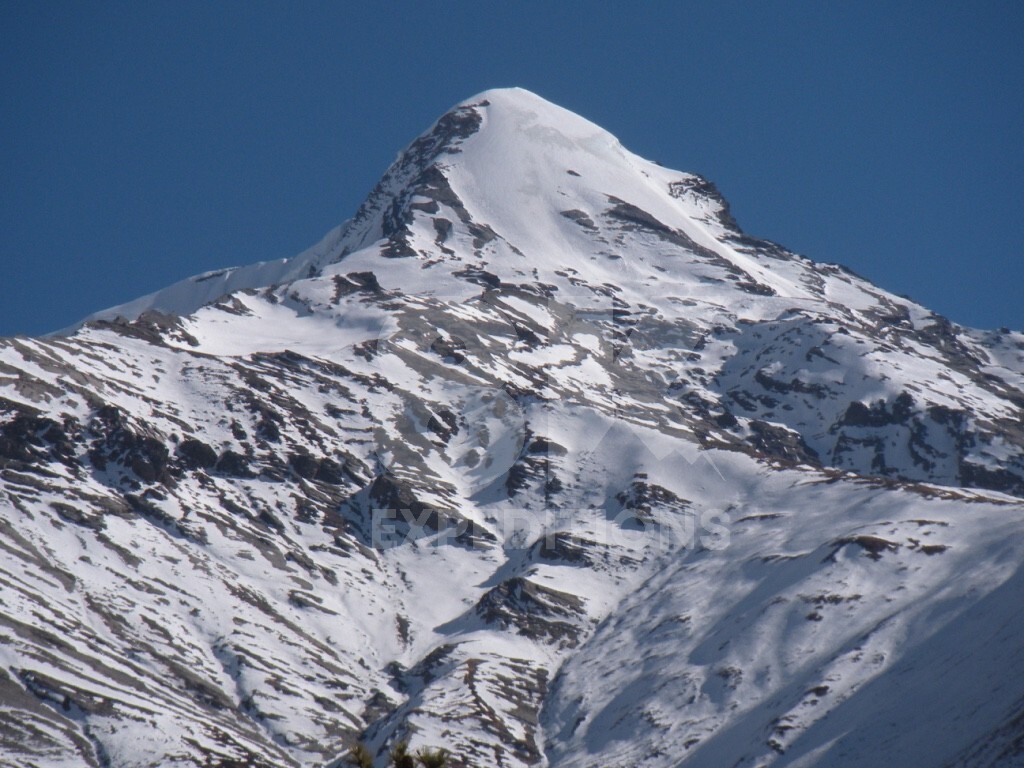
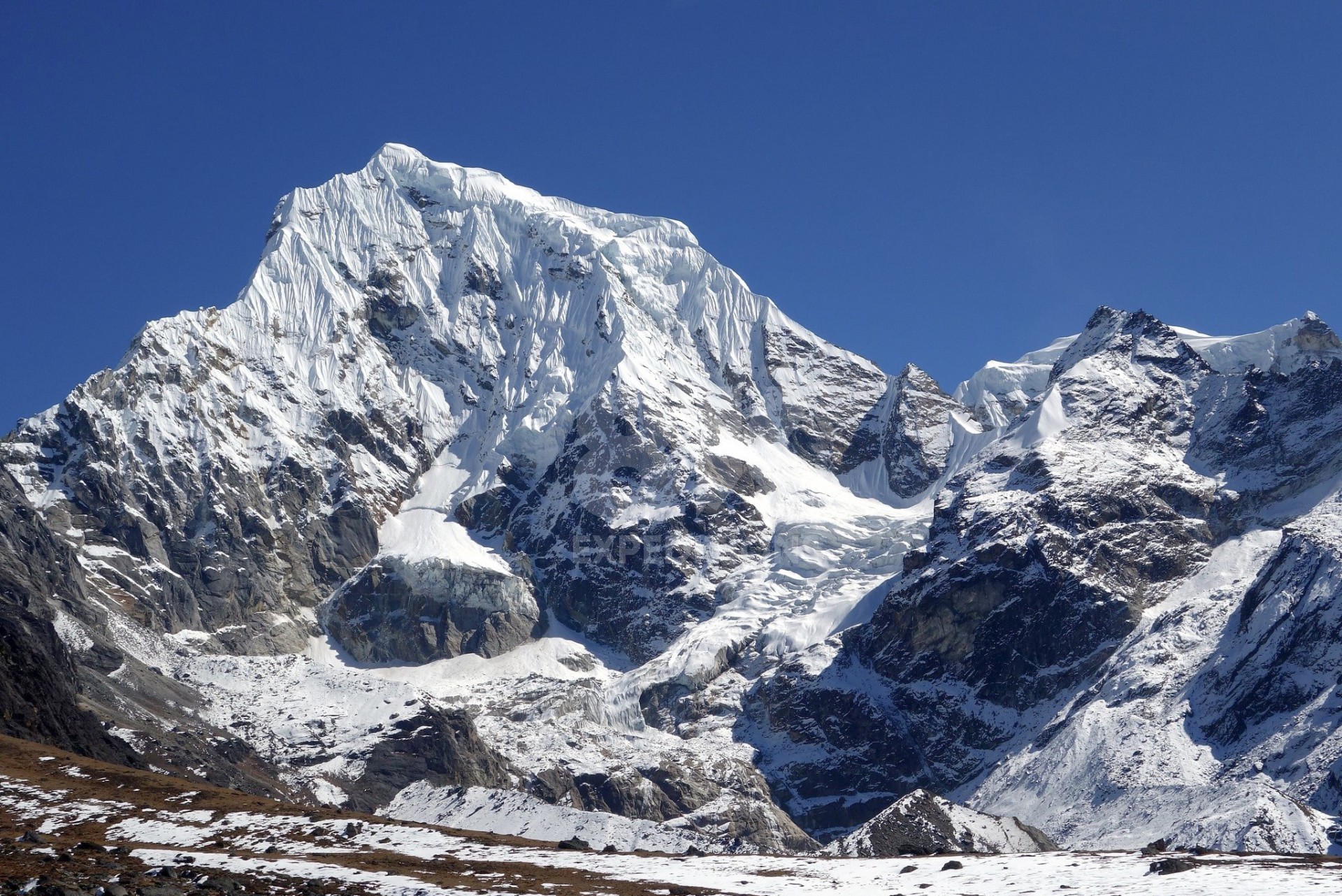
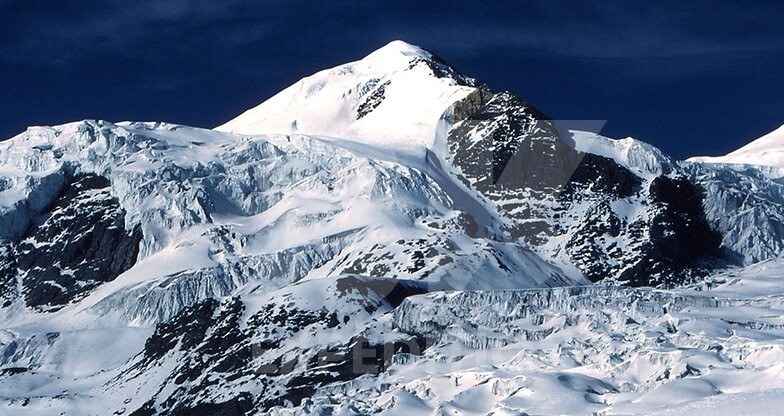
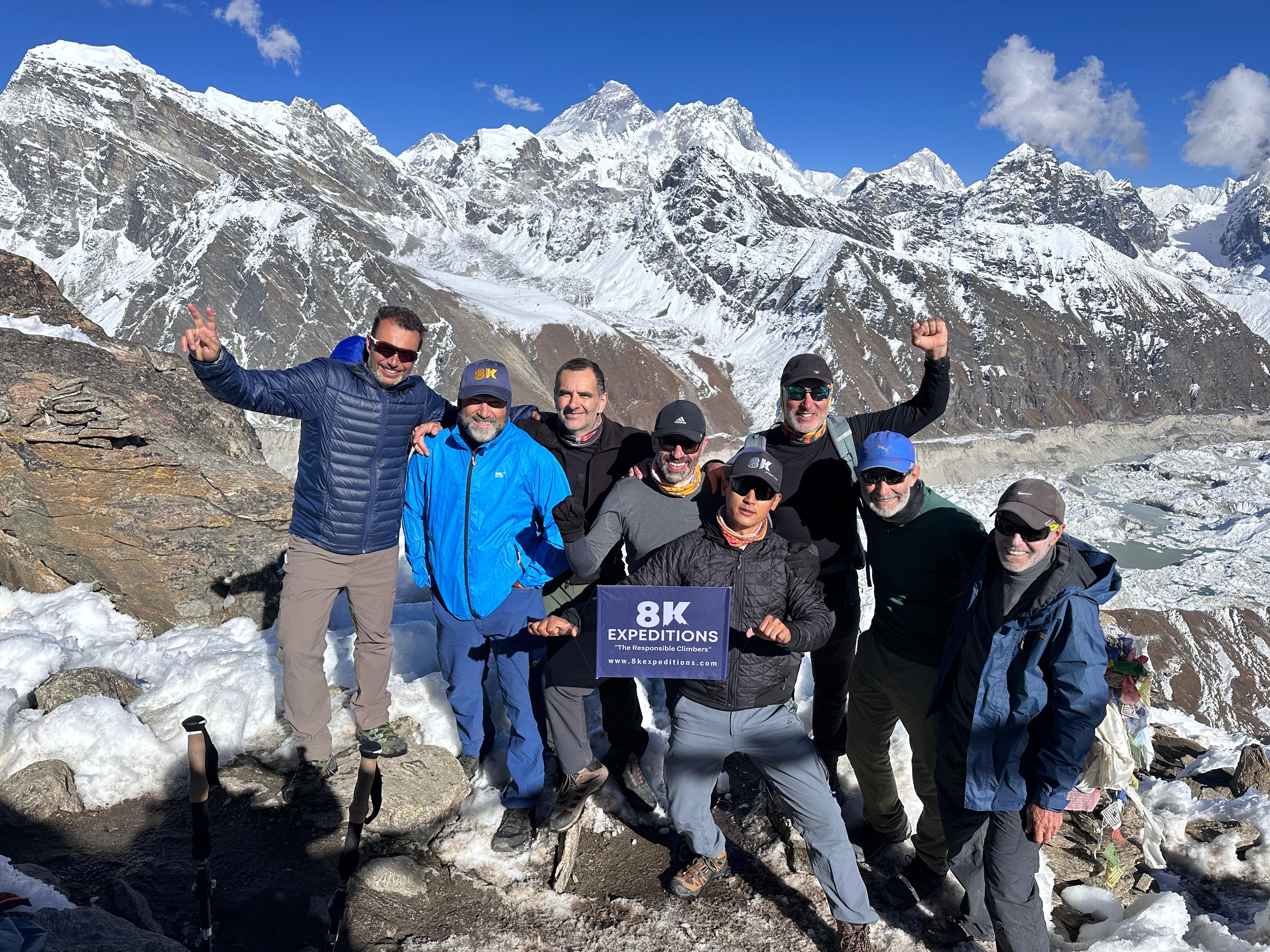
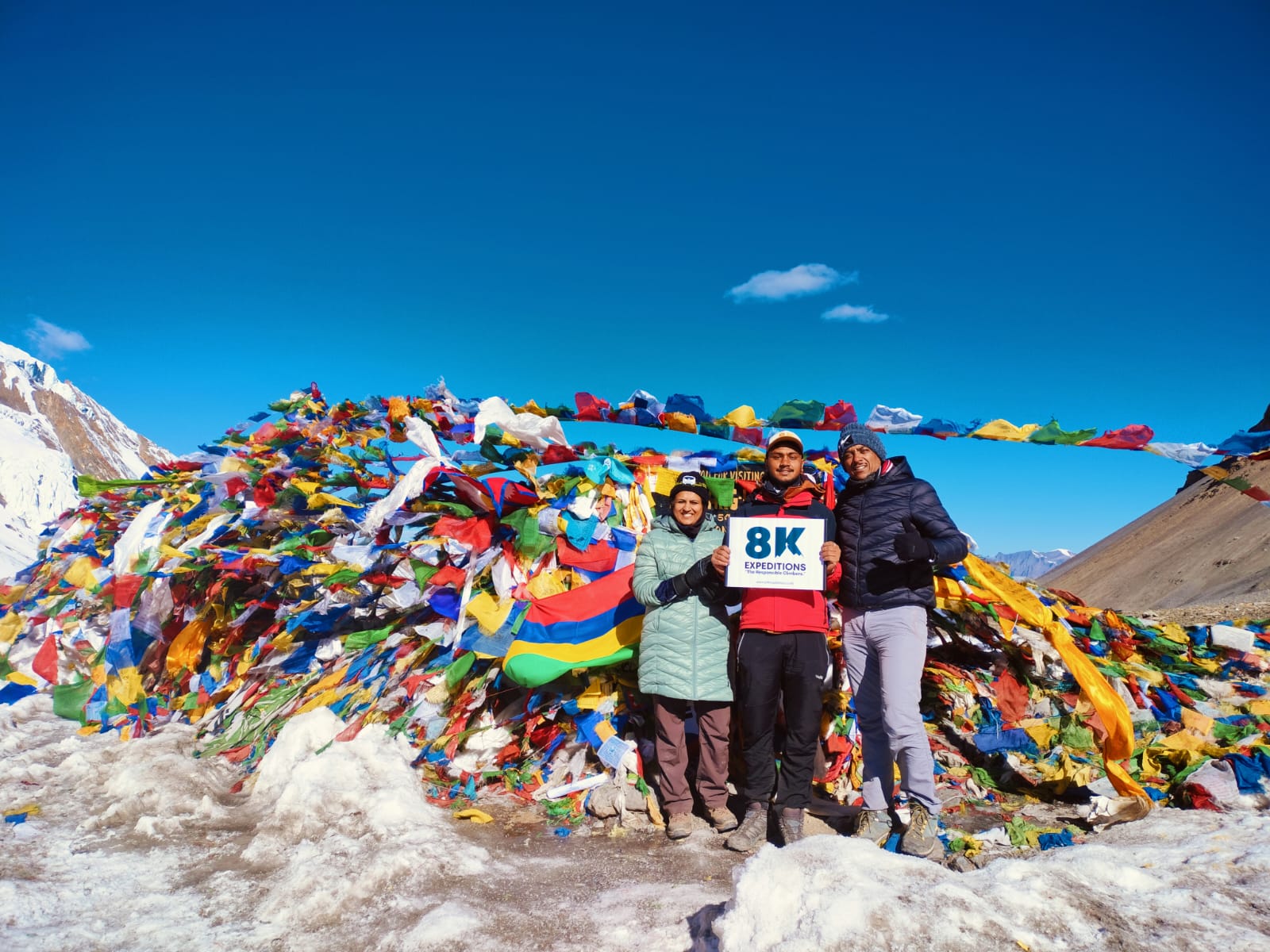
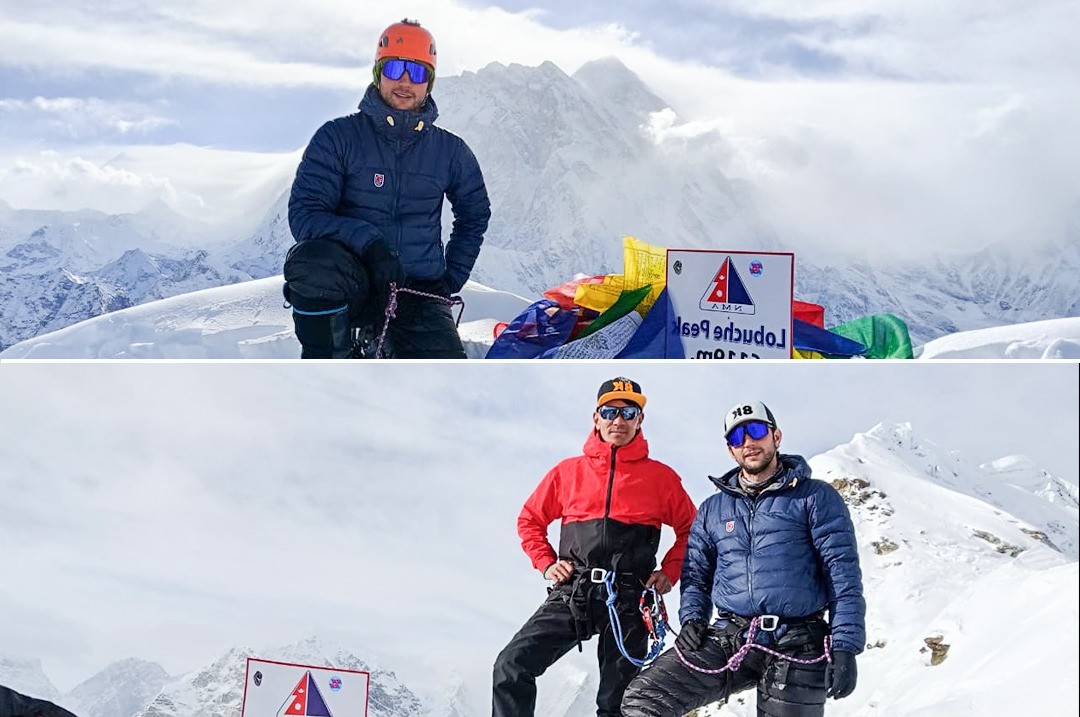
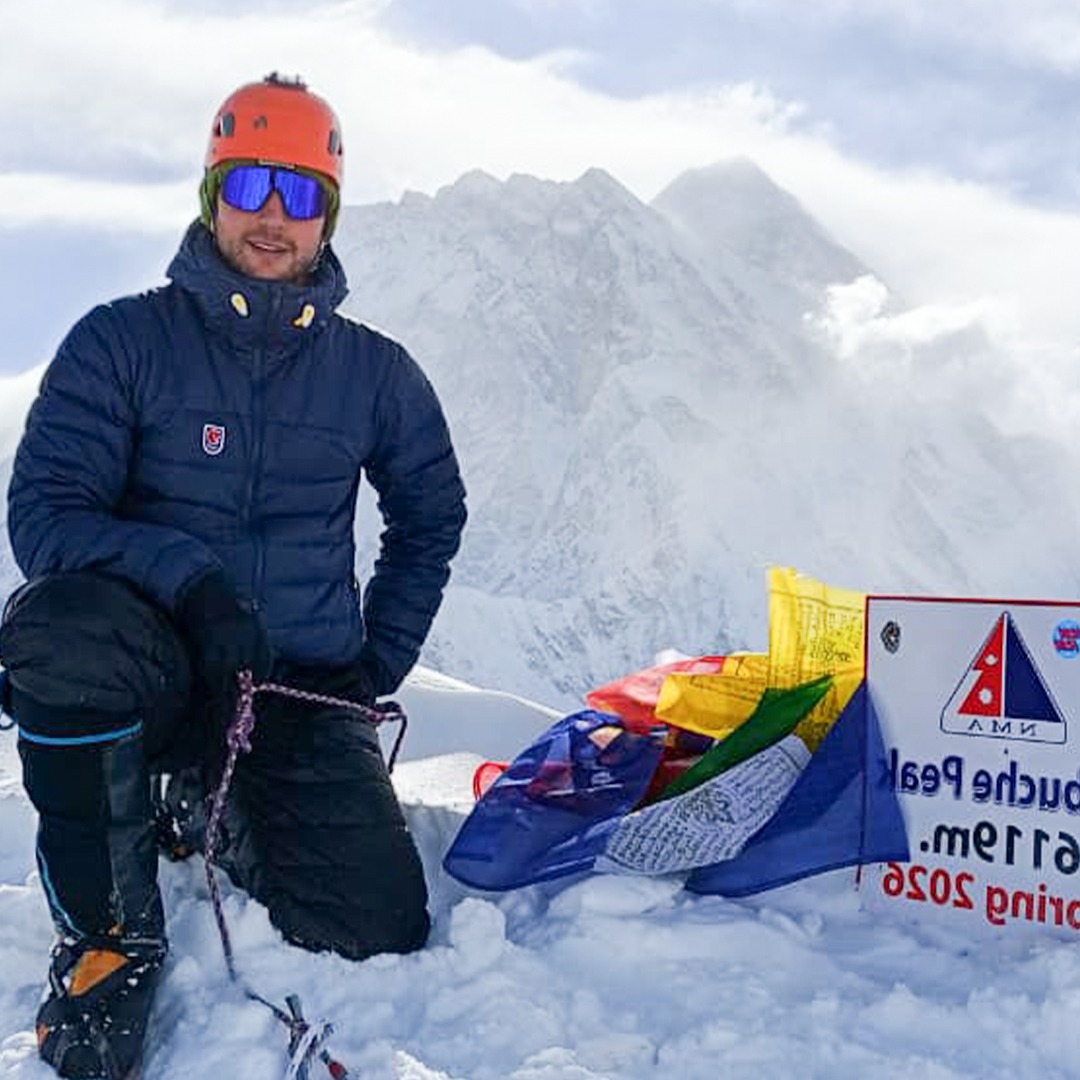
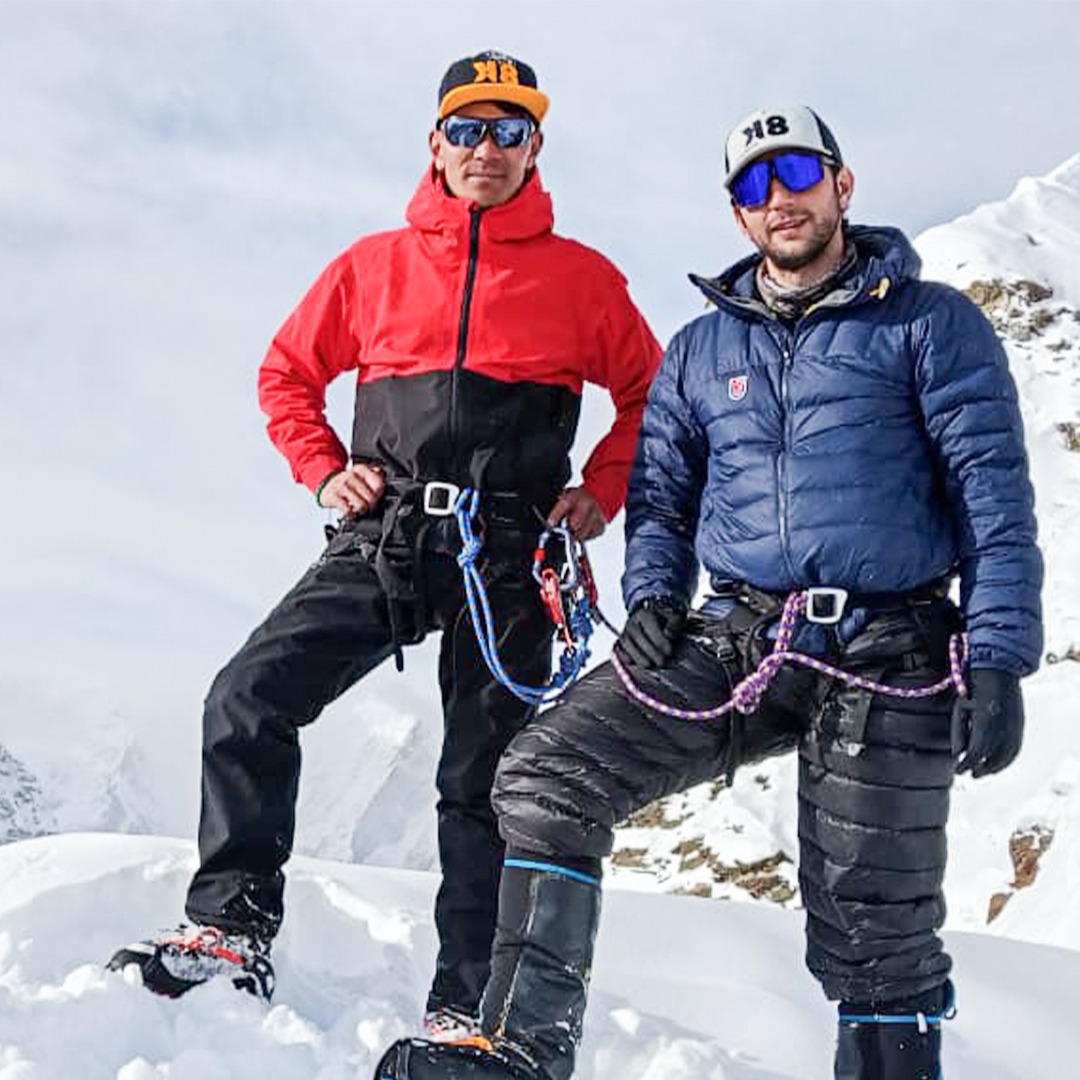
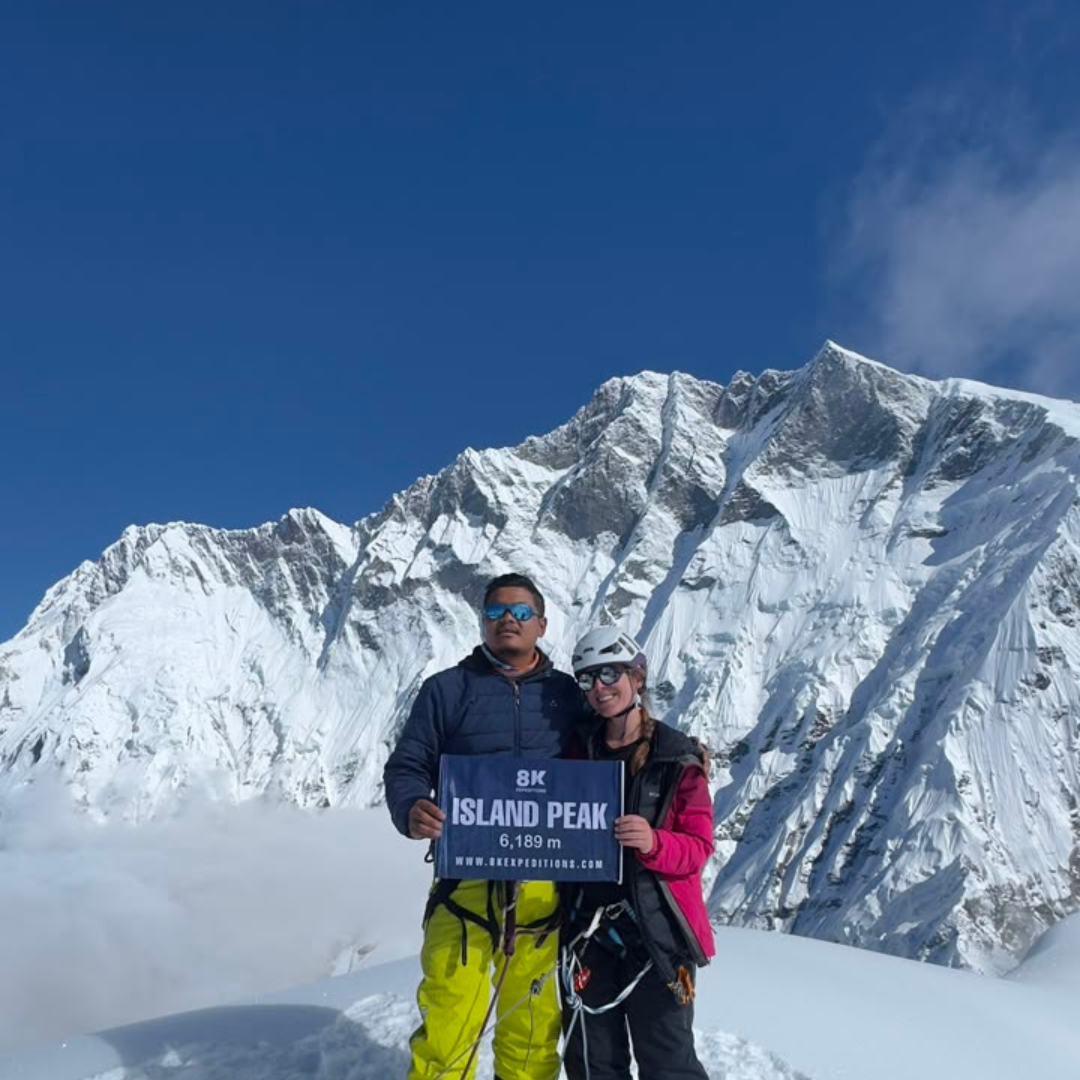
At 7:00 AM on May 10, 2026, Mr. Lewis AF from the United Kingdom stood on the summit of Lobuche East Peak (6,119m). Beside him was his 8K Expeditions climbing guide, Mr. Pema Sherpa.
Mr. Lewis AF and 8K Expeditions climbing guide Mr. Pema Sherpa on the summit of Lobuche East Peak.
If you've completed the Everest Base Camp trek and felt that quiet question, what's next?
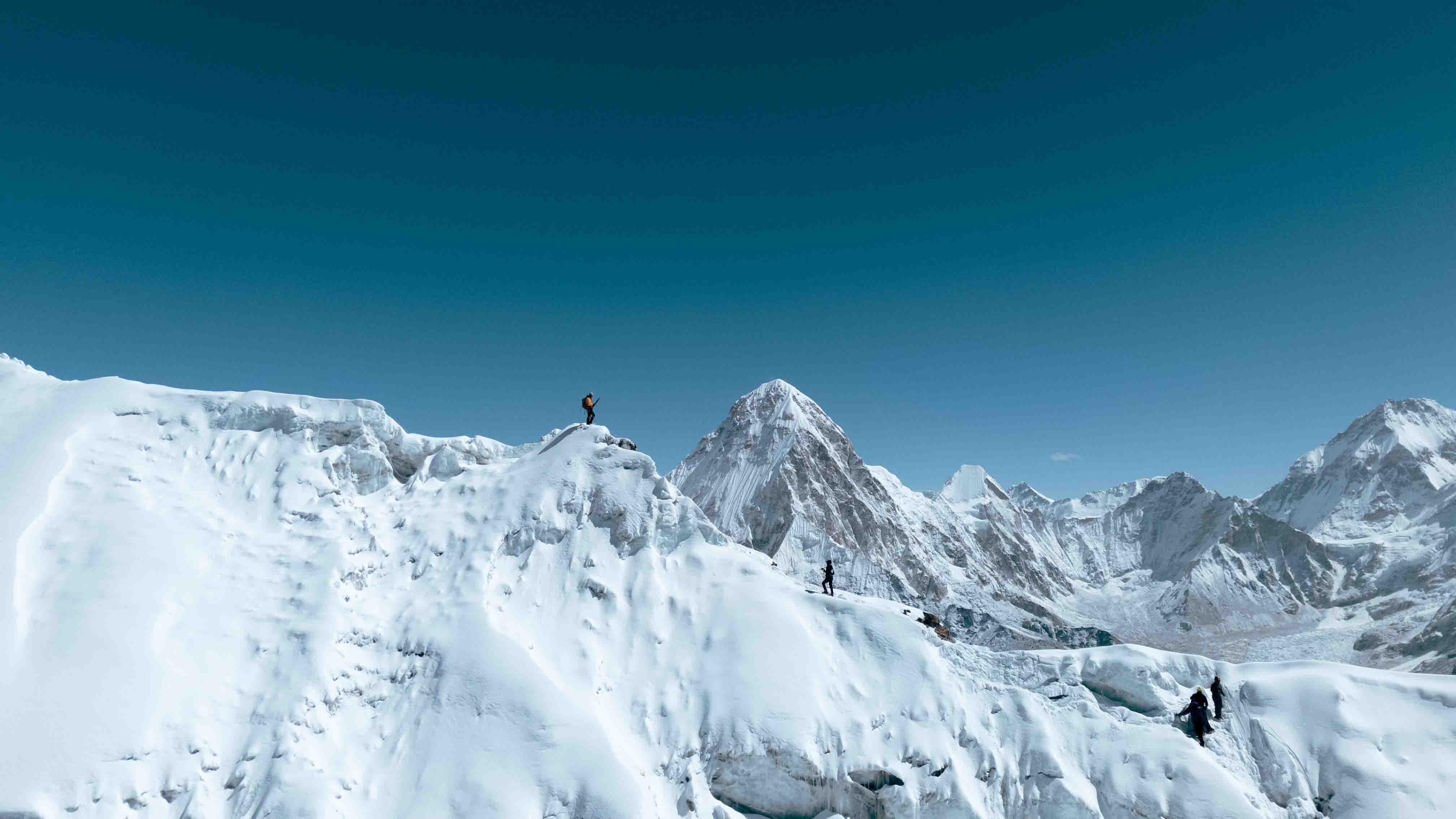
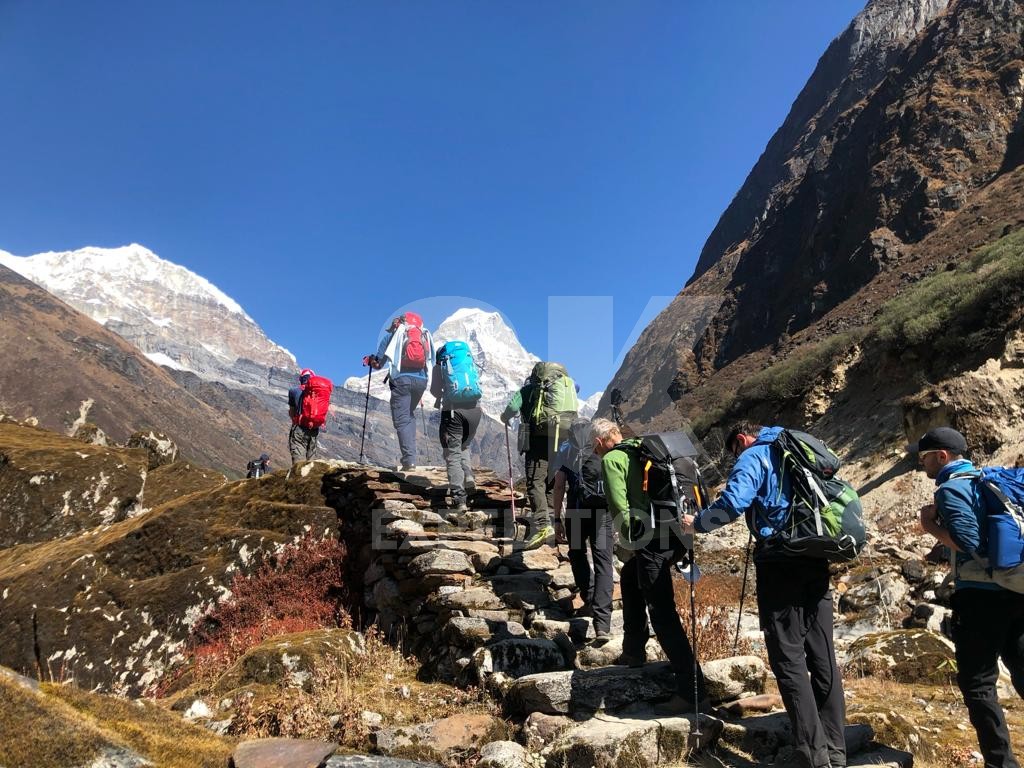
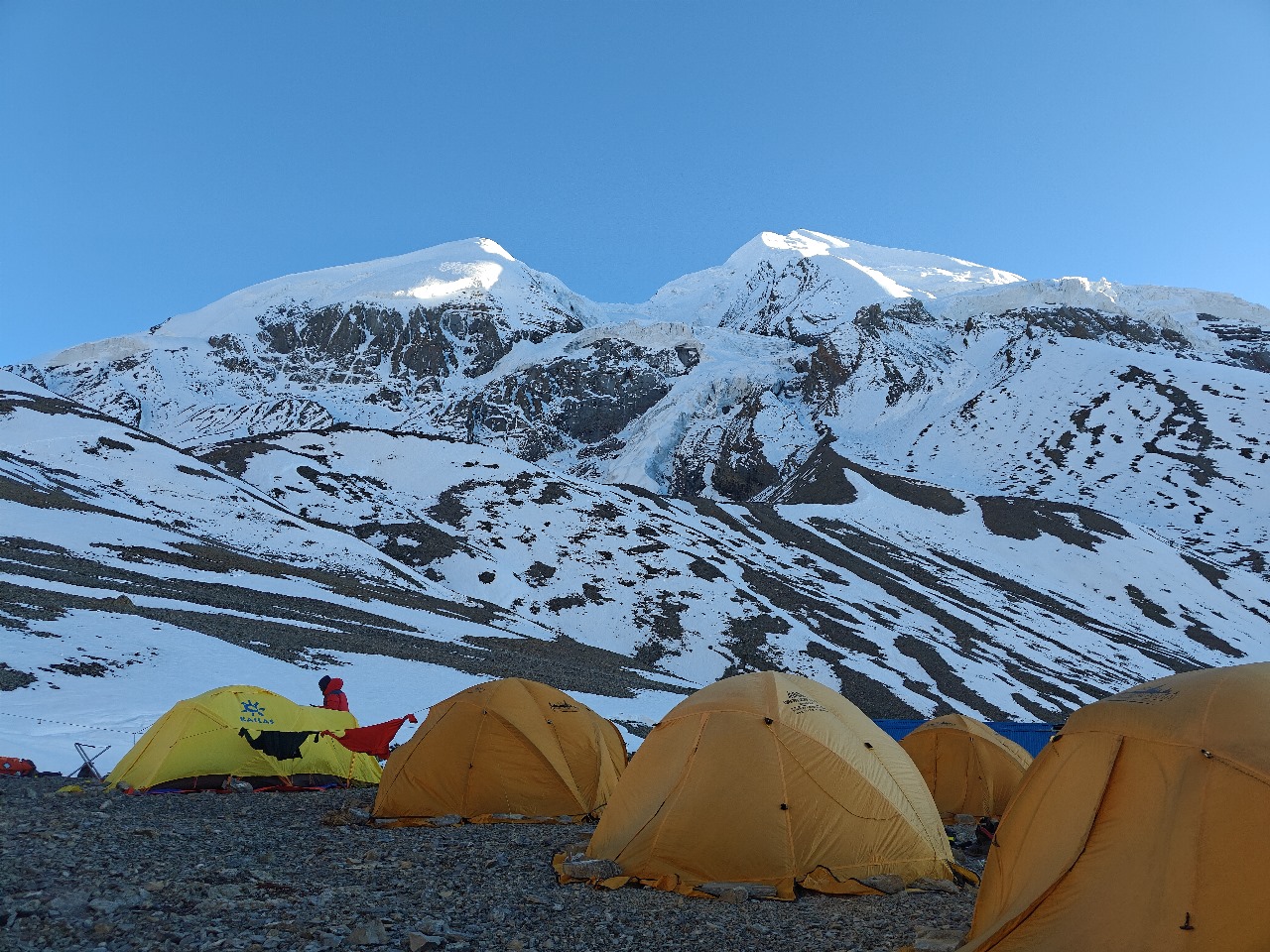
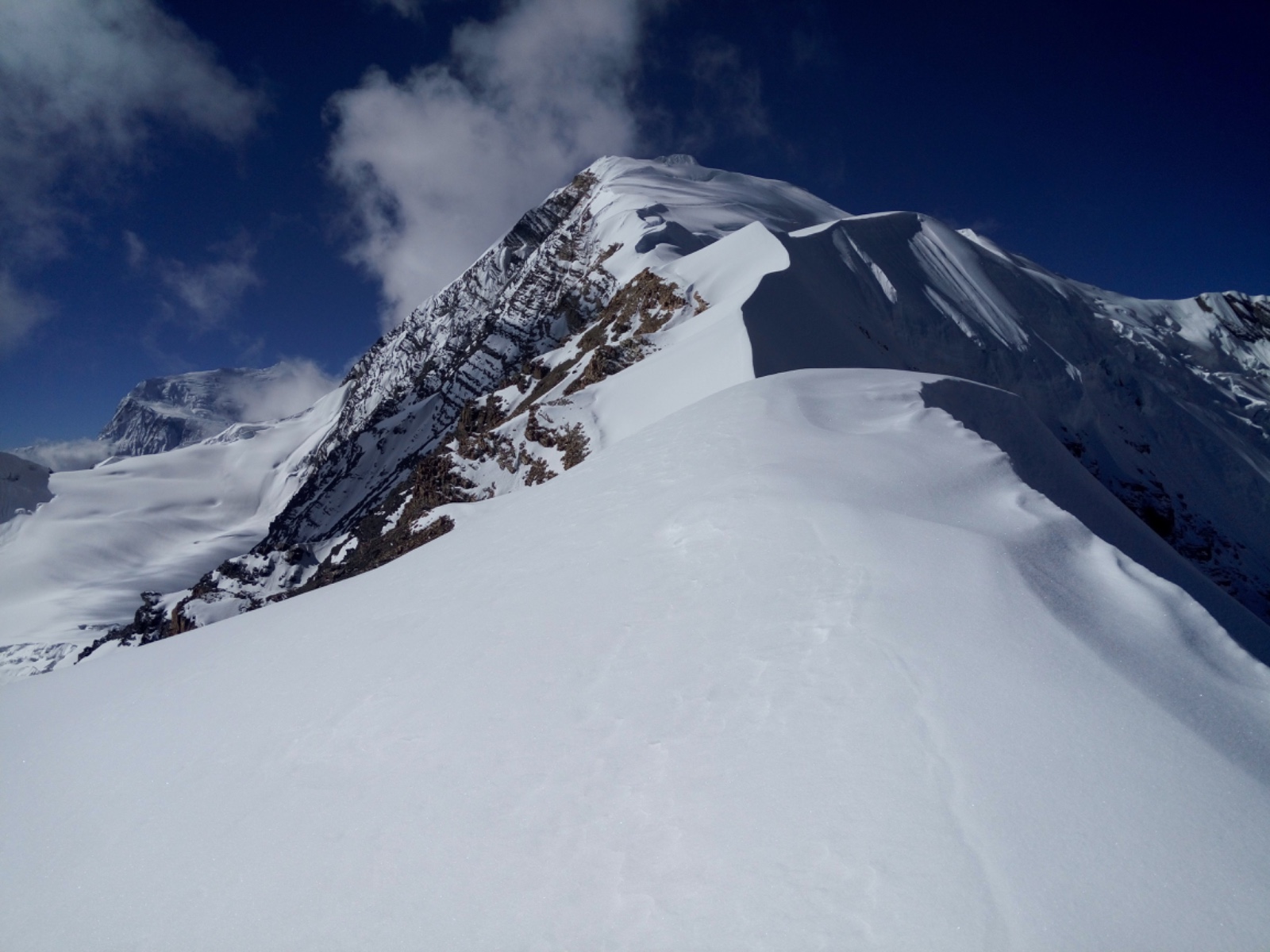
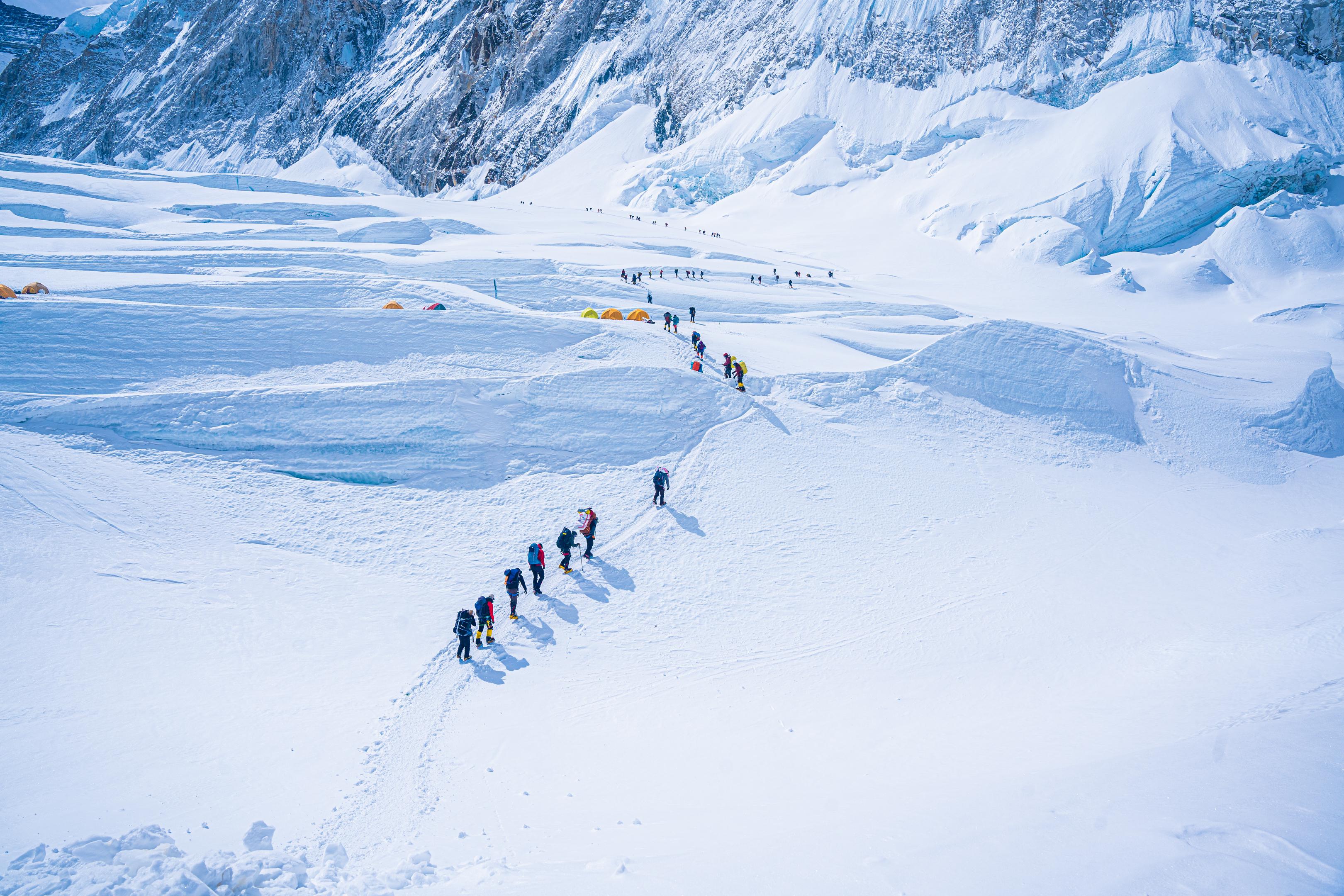
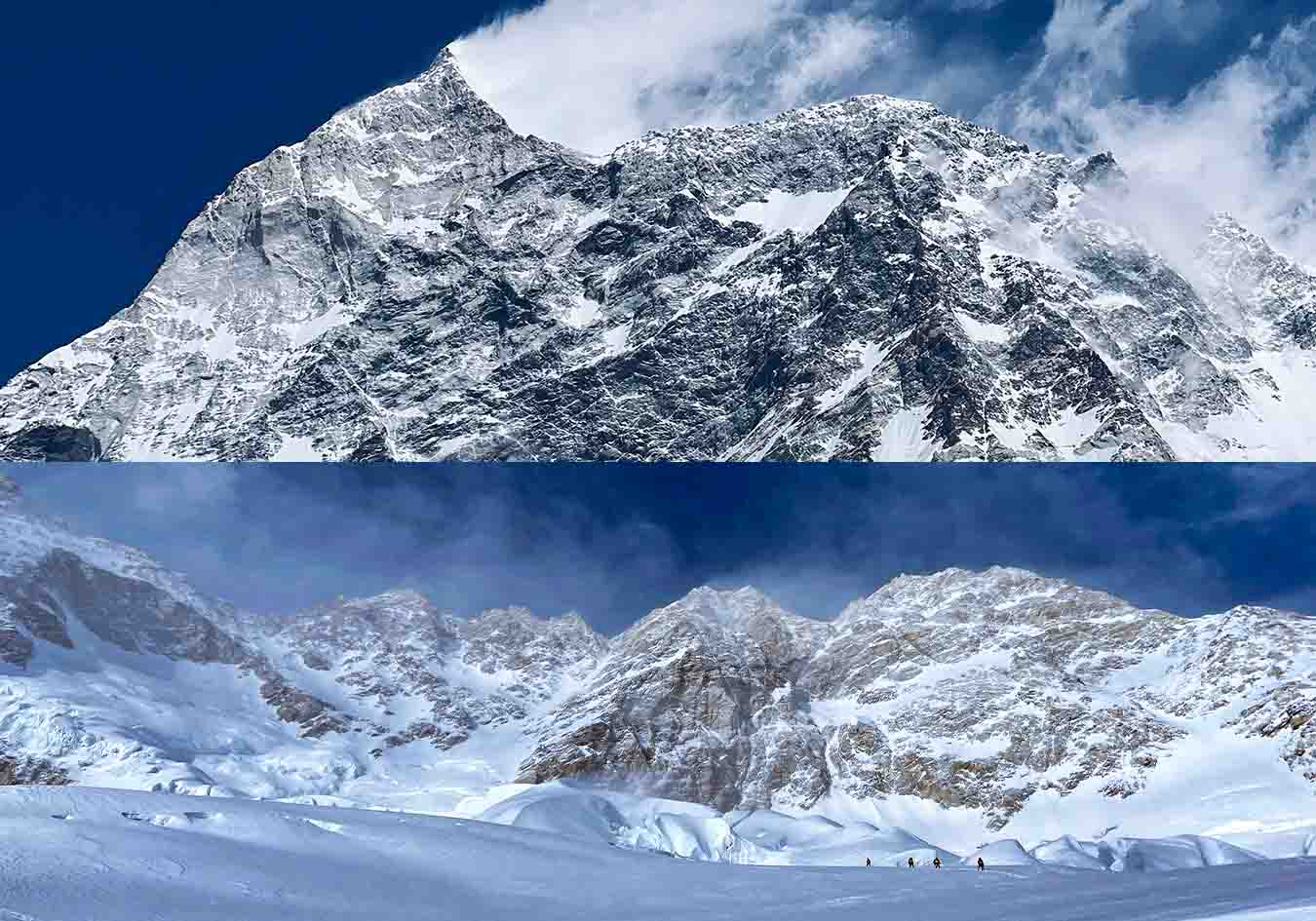
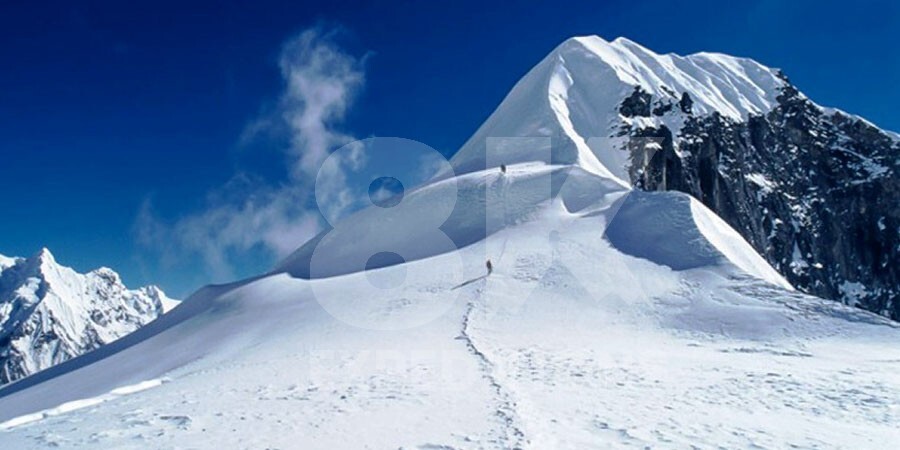
Climbing Lobuche East Peak (6,119 m) might be your answer. It's the step that takes you from trekker to climber. Not an easy step. But a very achievable one. In this post, we break down everything you need to know: what makes Lobuche East special, whether it's right for you as a beginner, what summit day actually feels like, when to go, and how to prepare.
What Makes Lobuche East Peak Climbing So Special?
There are a number of peaks you could attempt in Nepal. So why do so many climbers, season after season, choose Lobuche East?
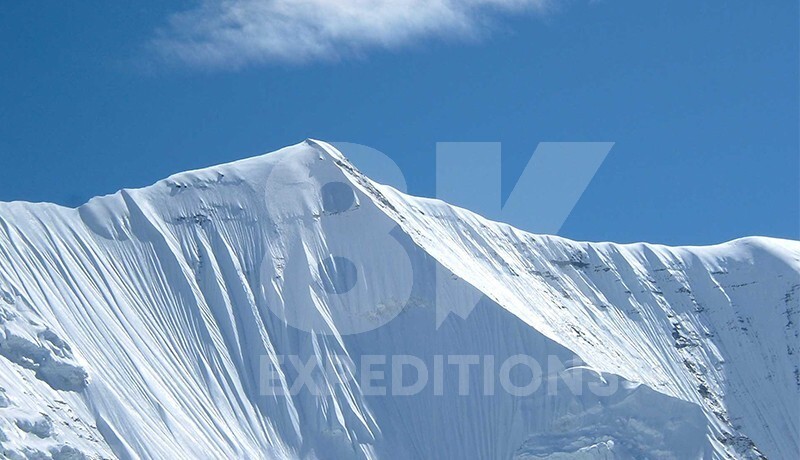
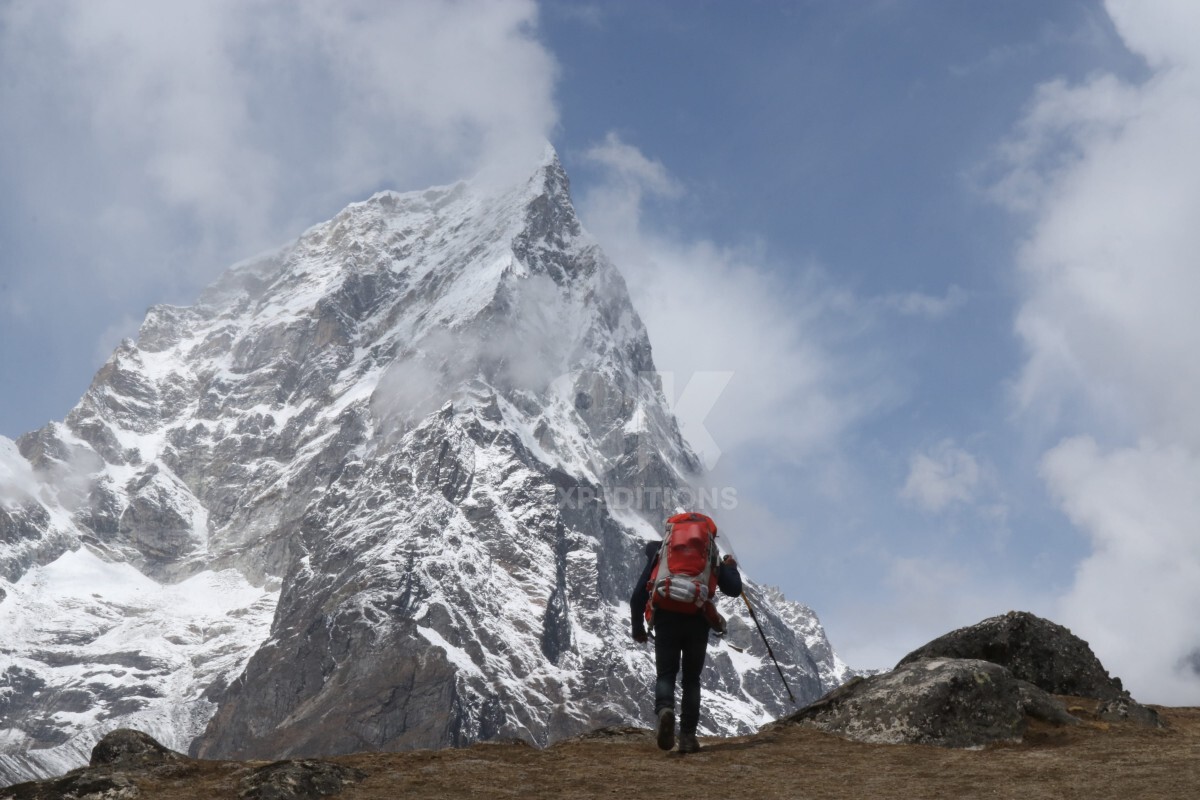
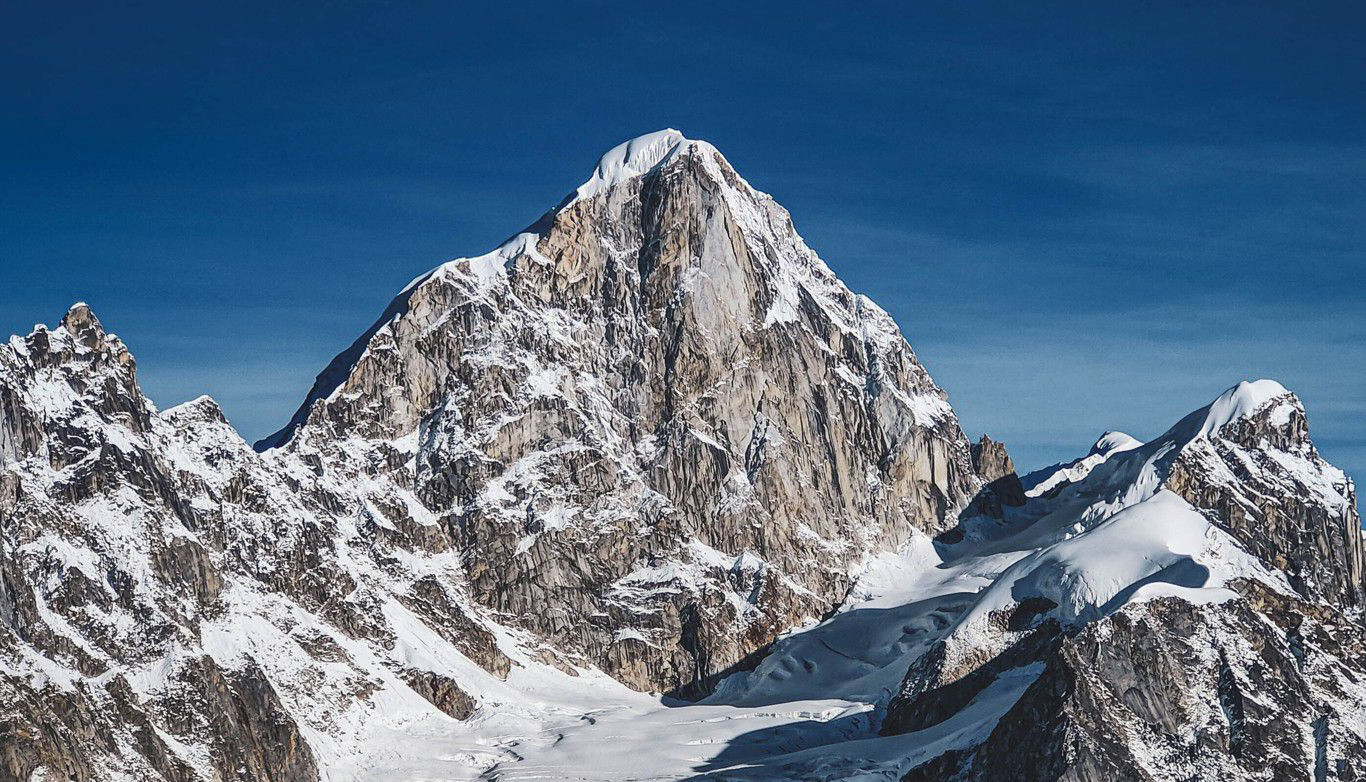
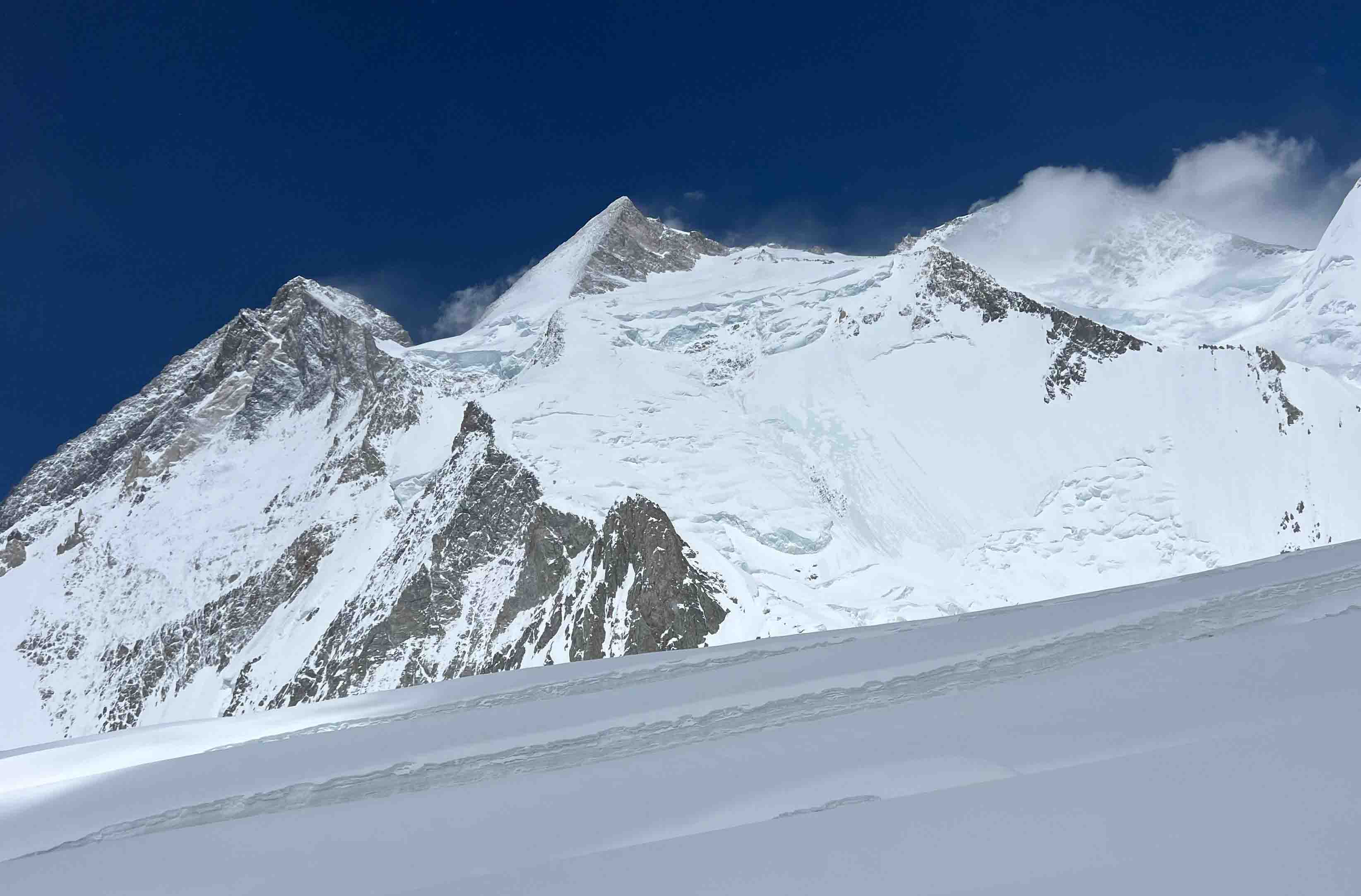
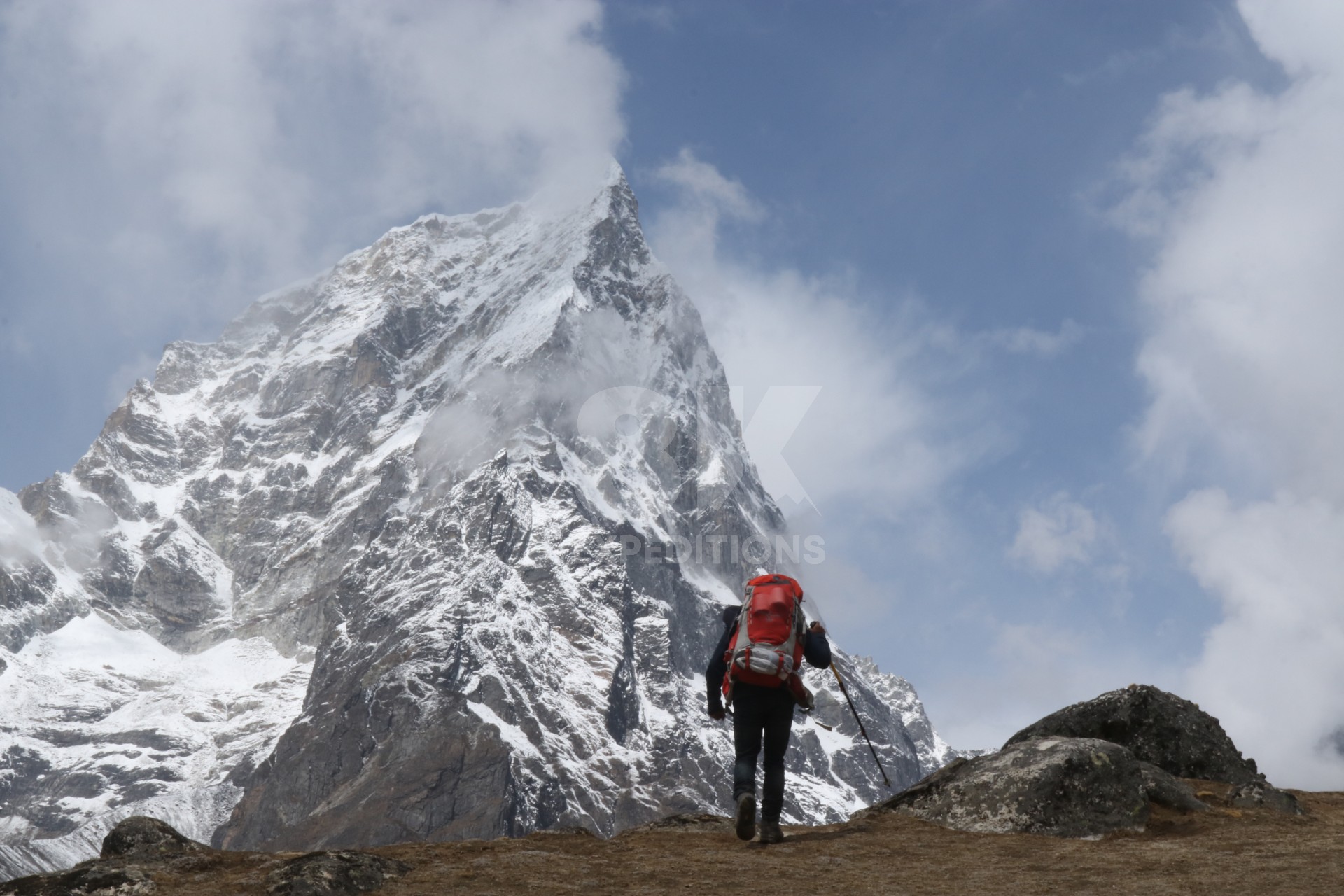
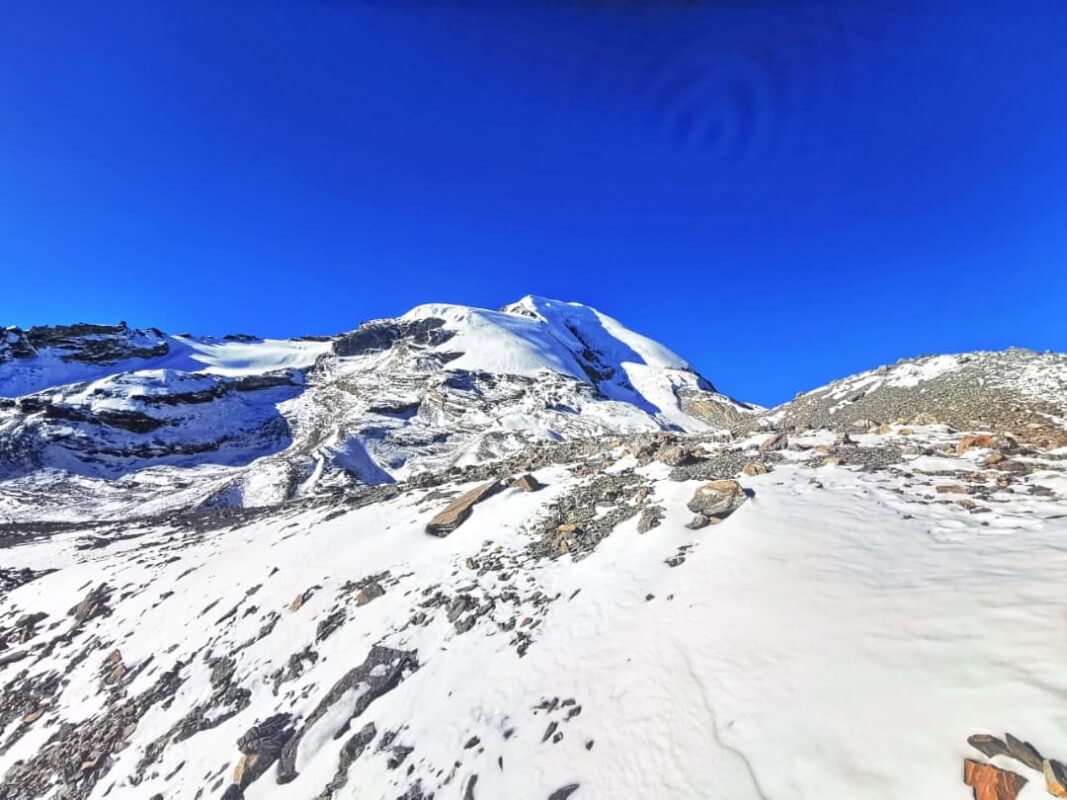
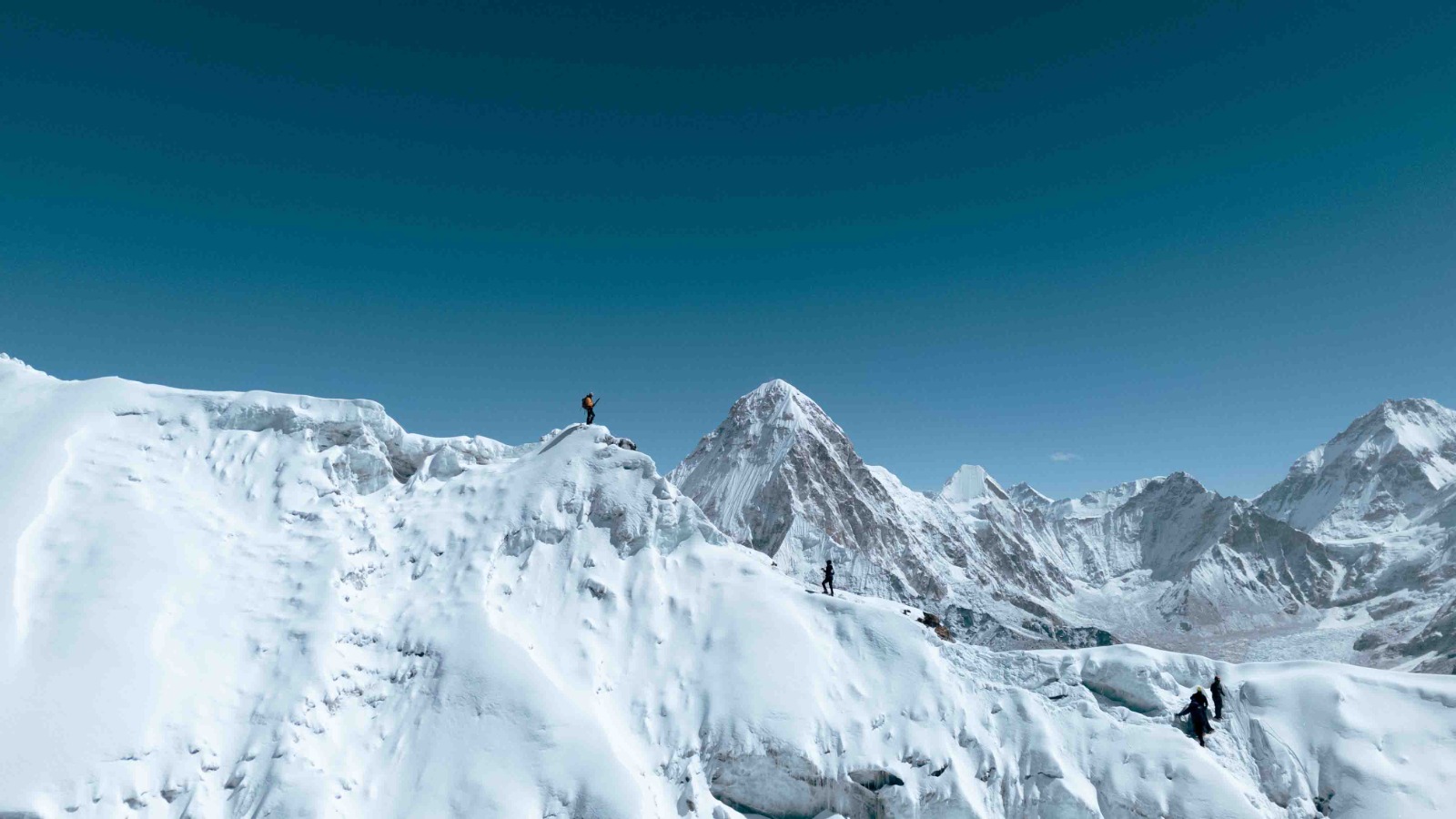
Peak climbing in Nepal covers a remarkable range of options, from gentle 5,000m trekking summits to technical 6,000 m and 7,000m objectives. Lobuche East sits at a particular sweet spot in that range, demanding enough to feel like a real mountaineering expedition and accessible enough that a well-prepared beginner can reach the top.
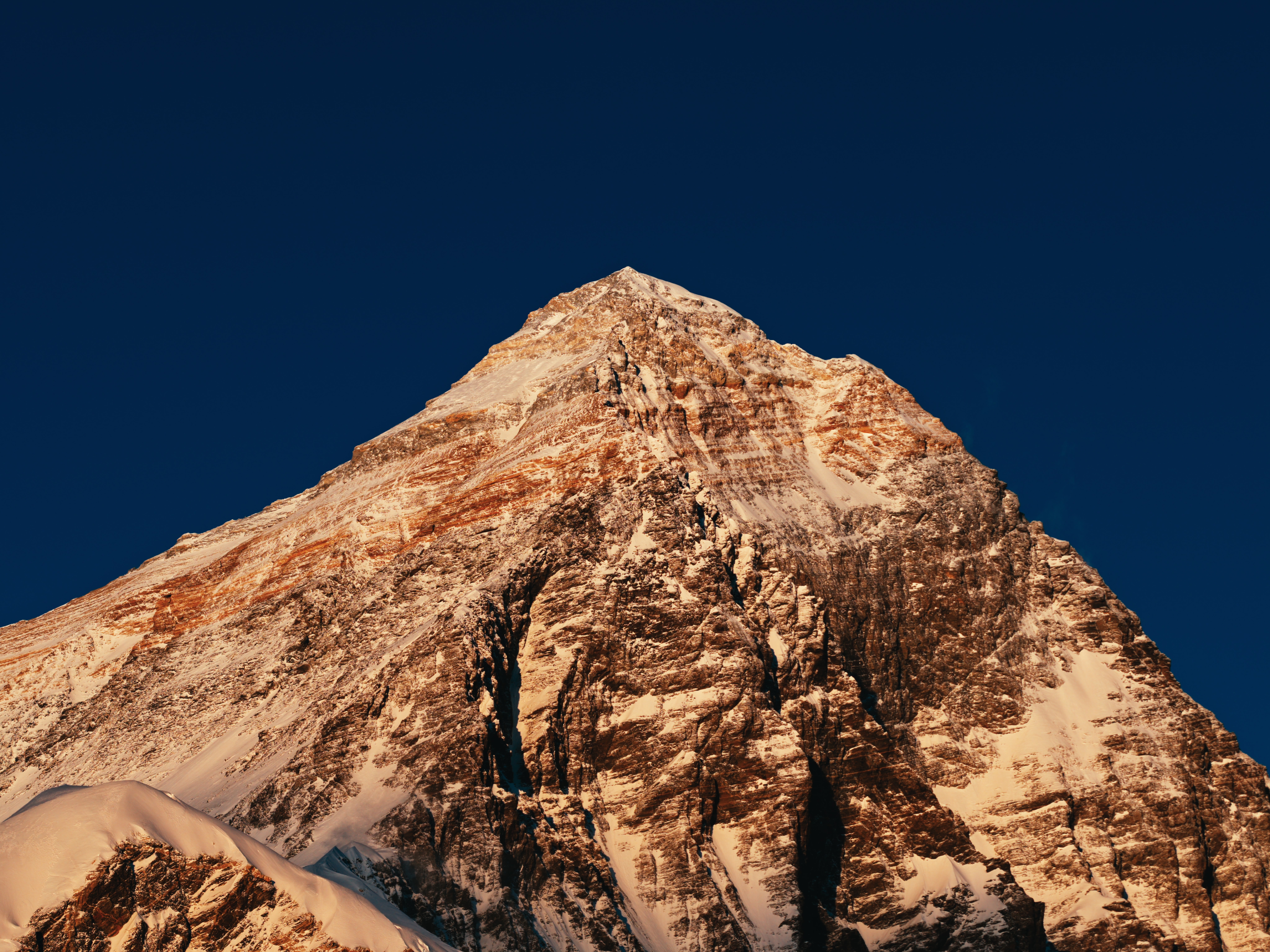
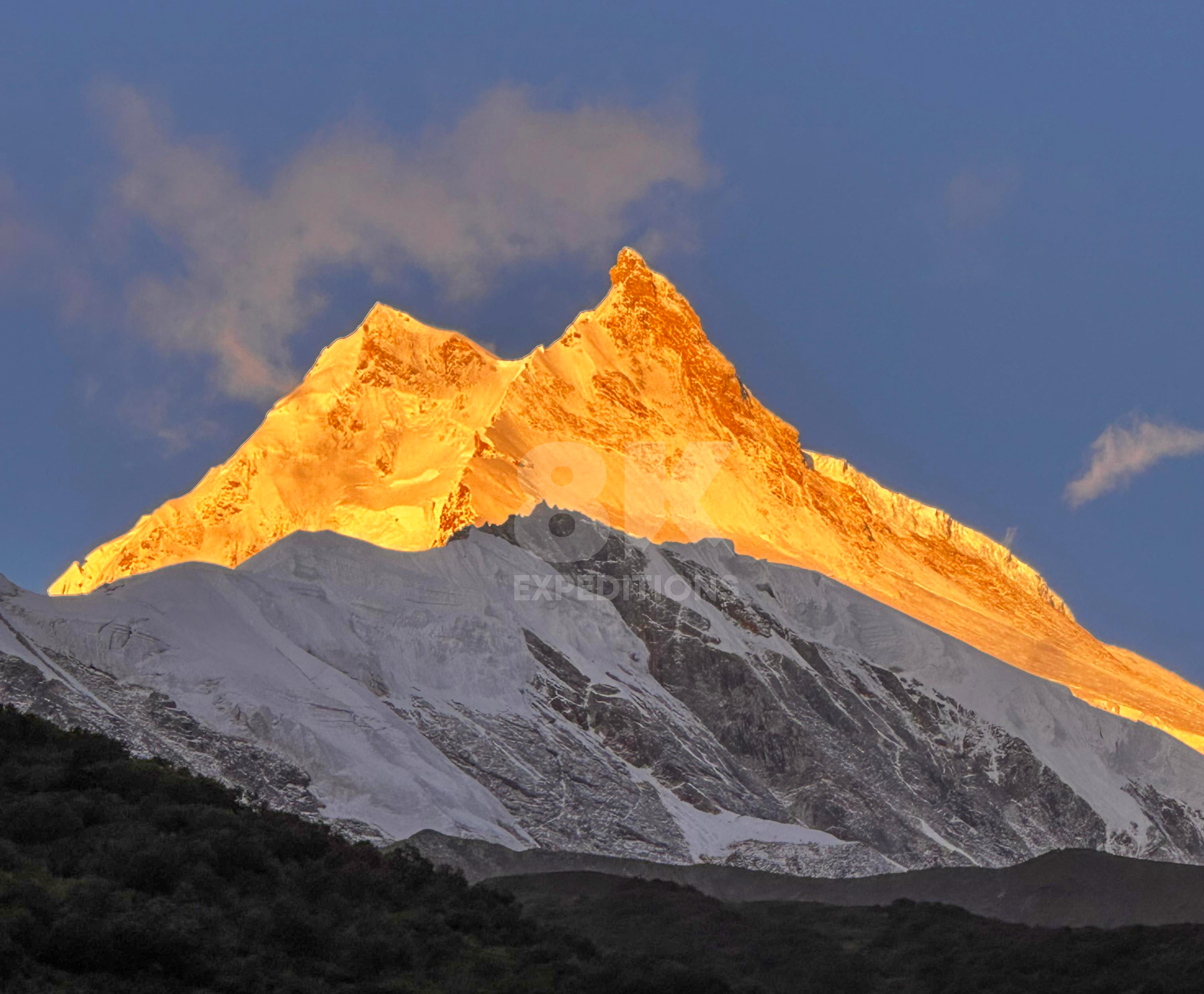
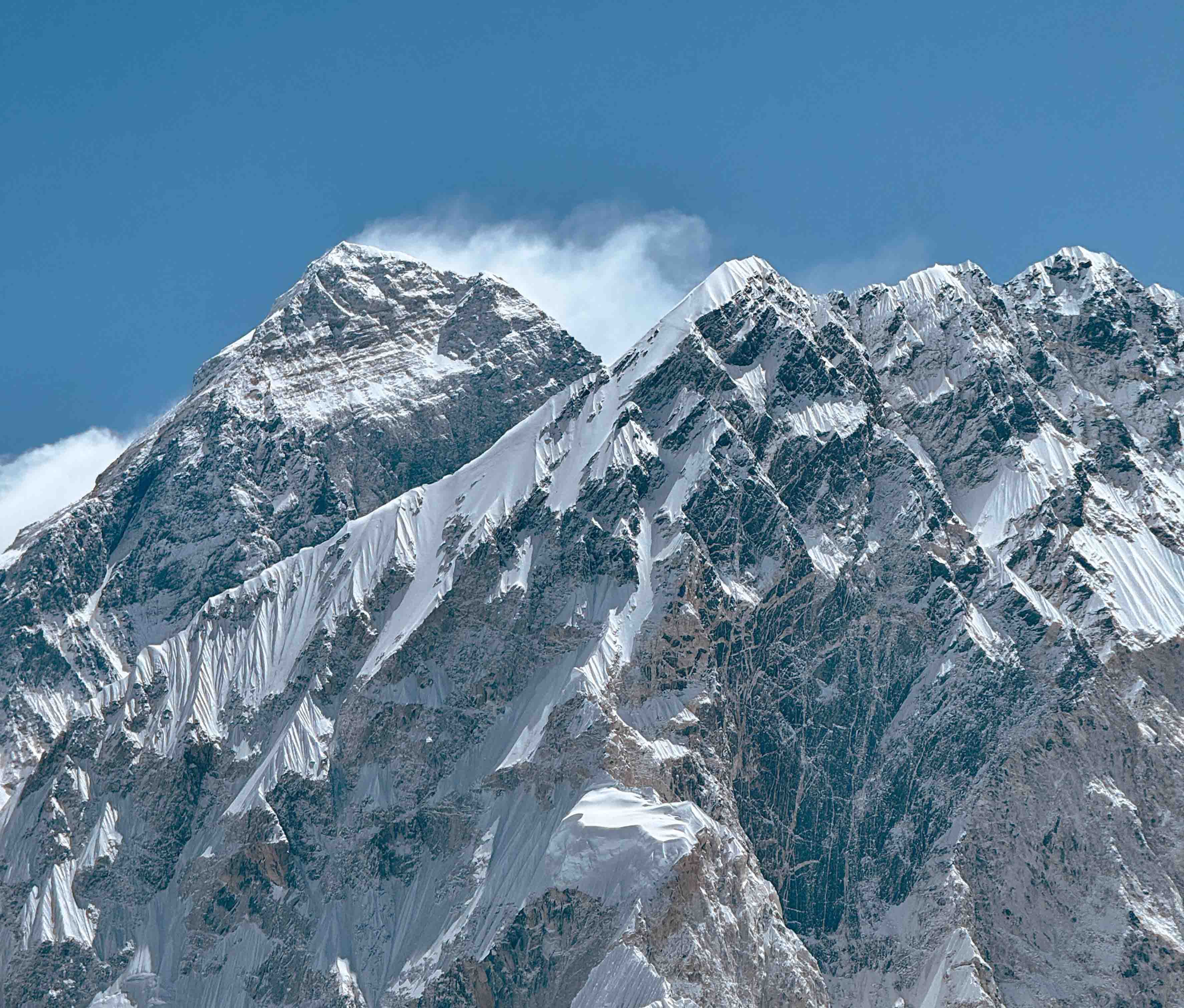
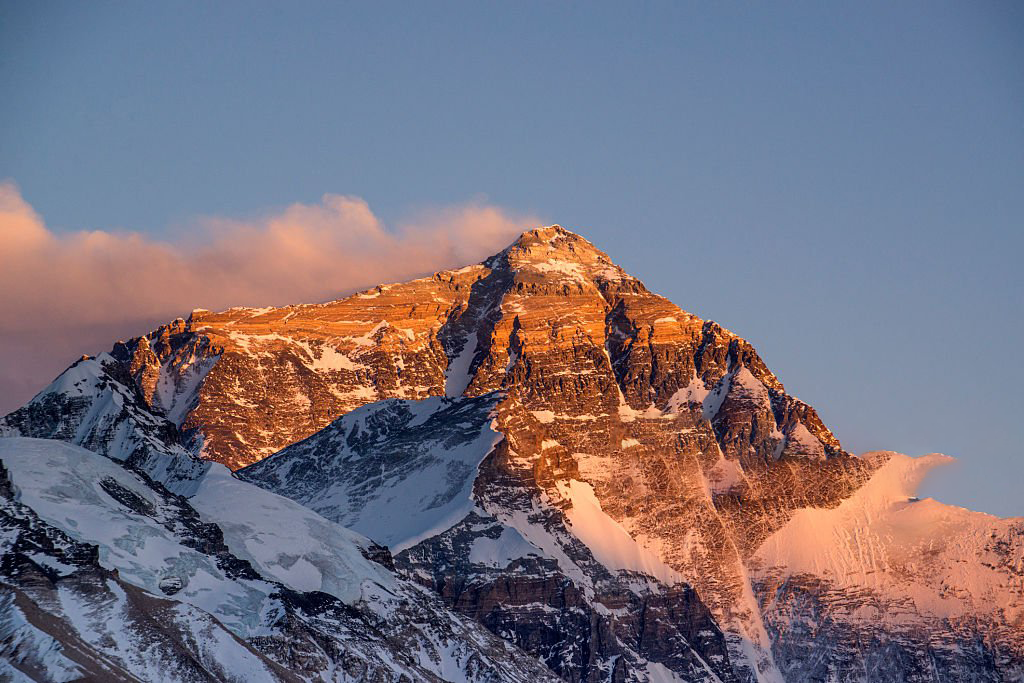
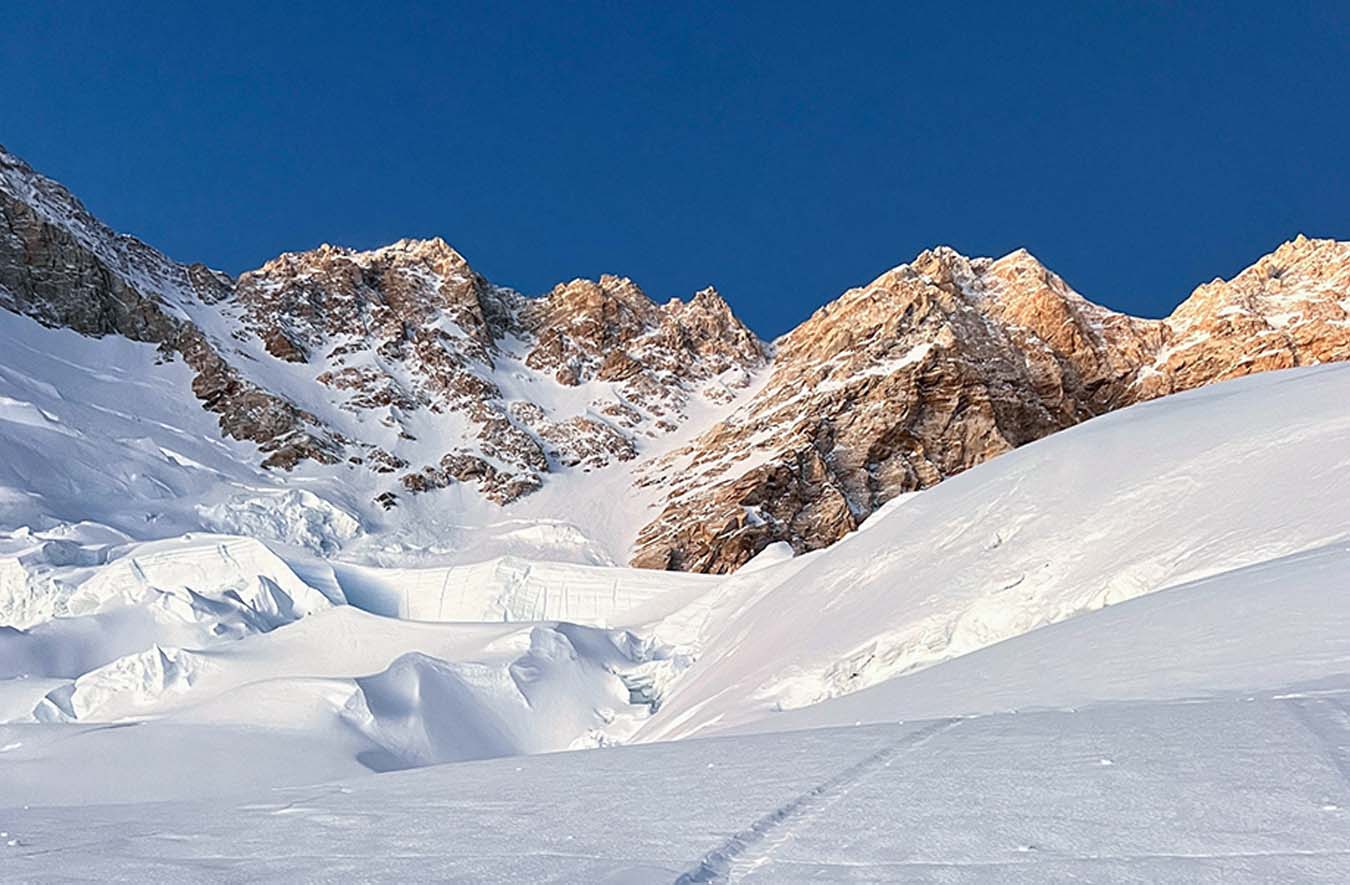
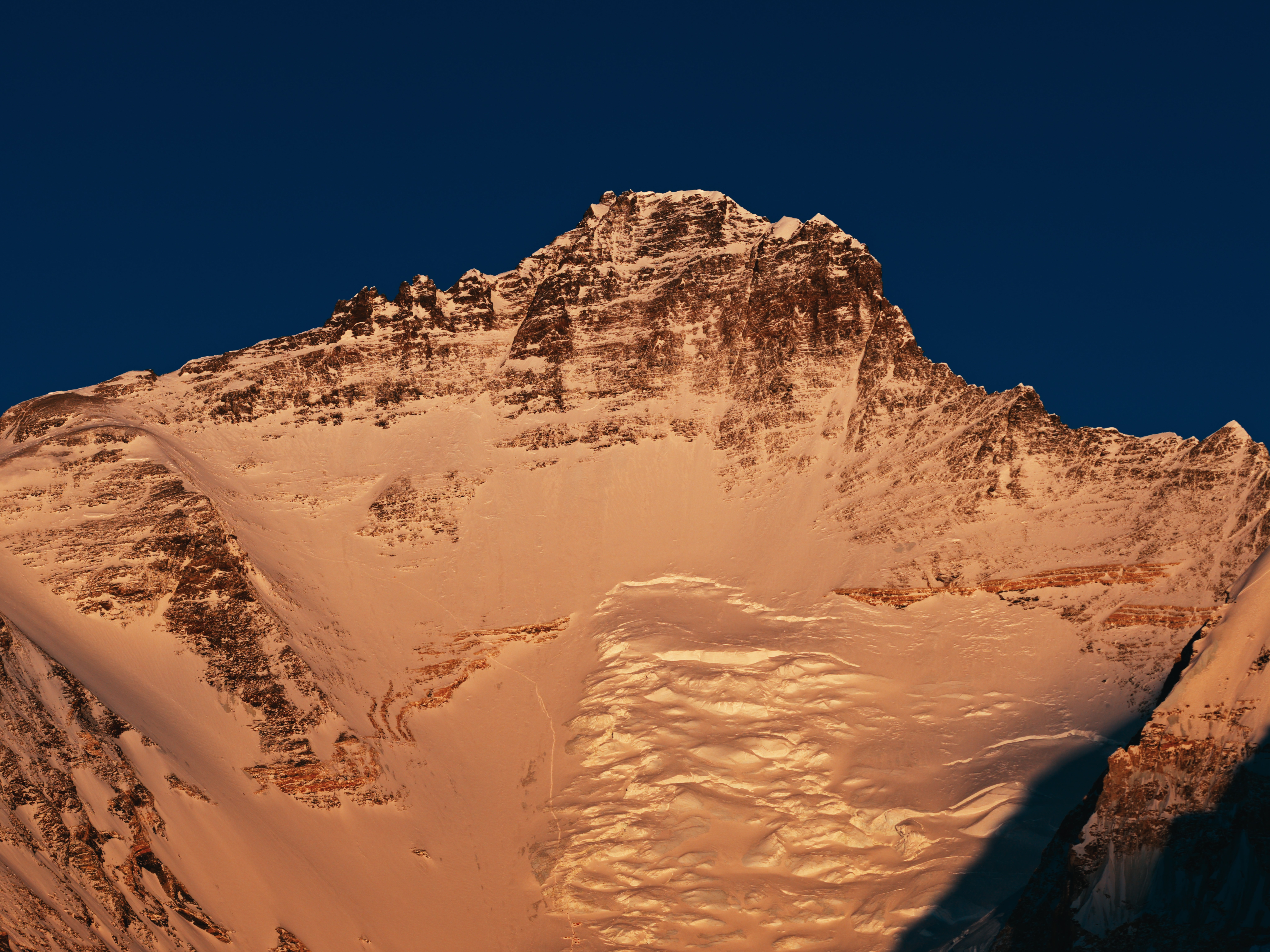
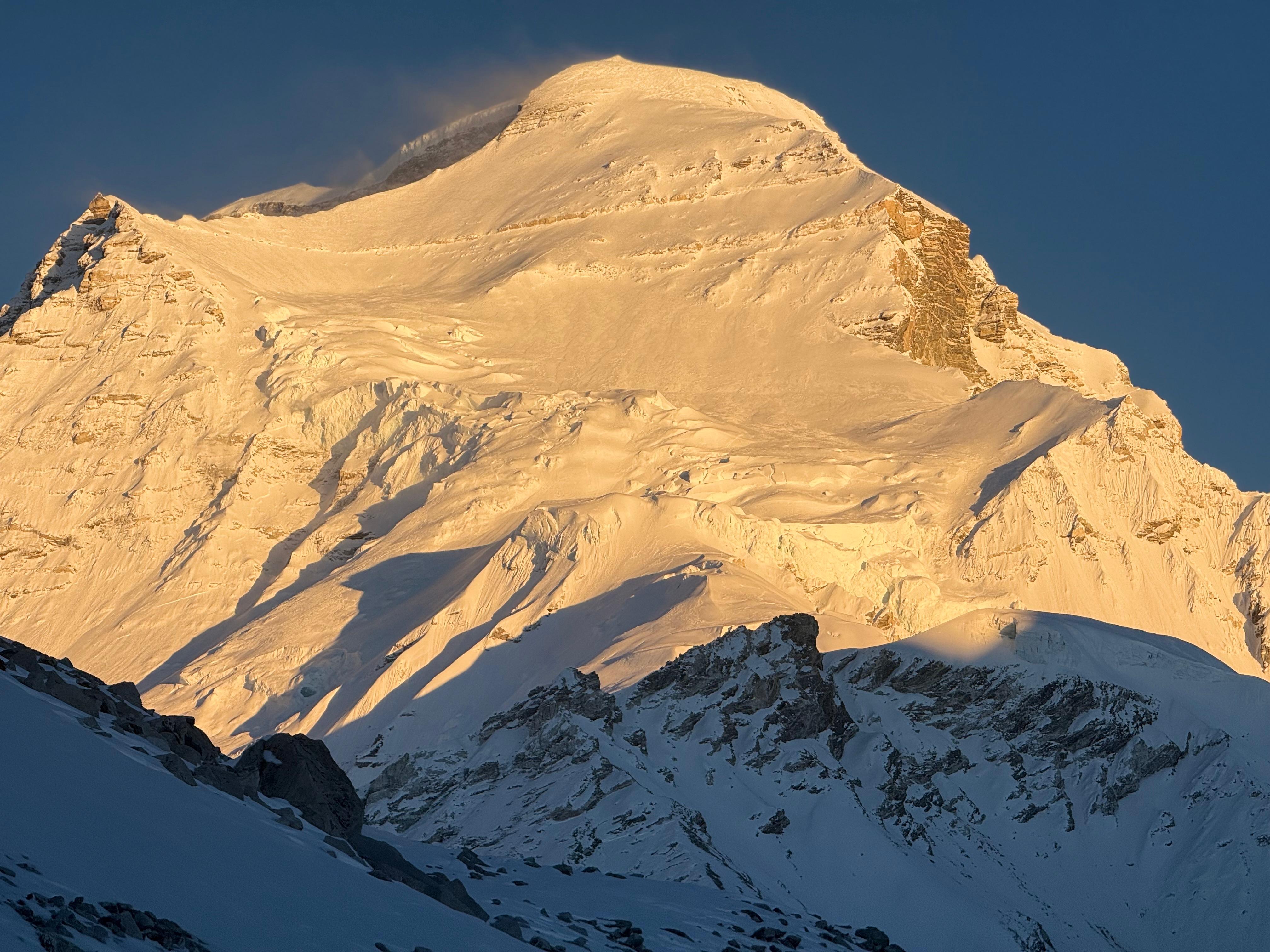
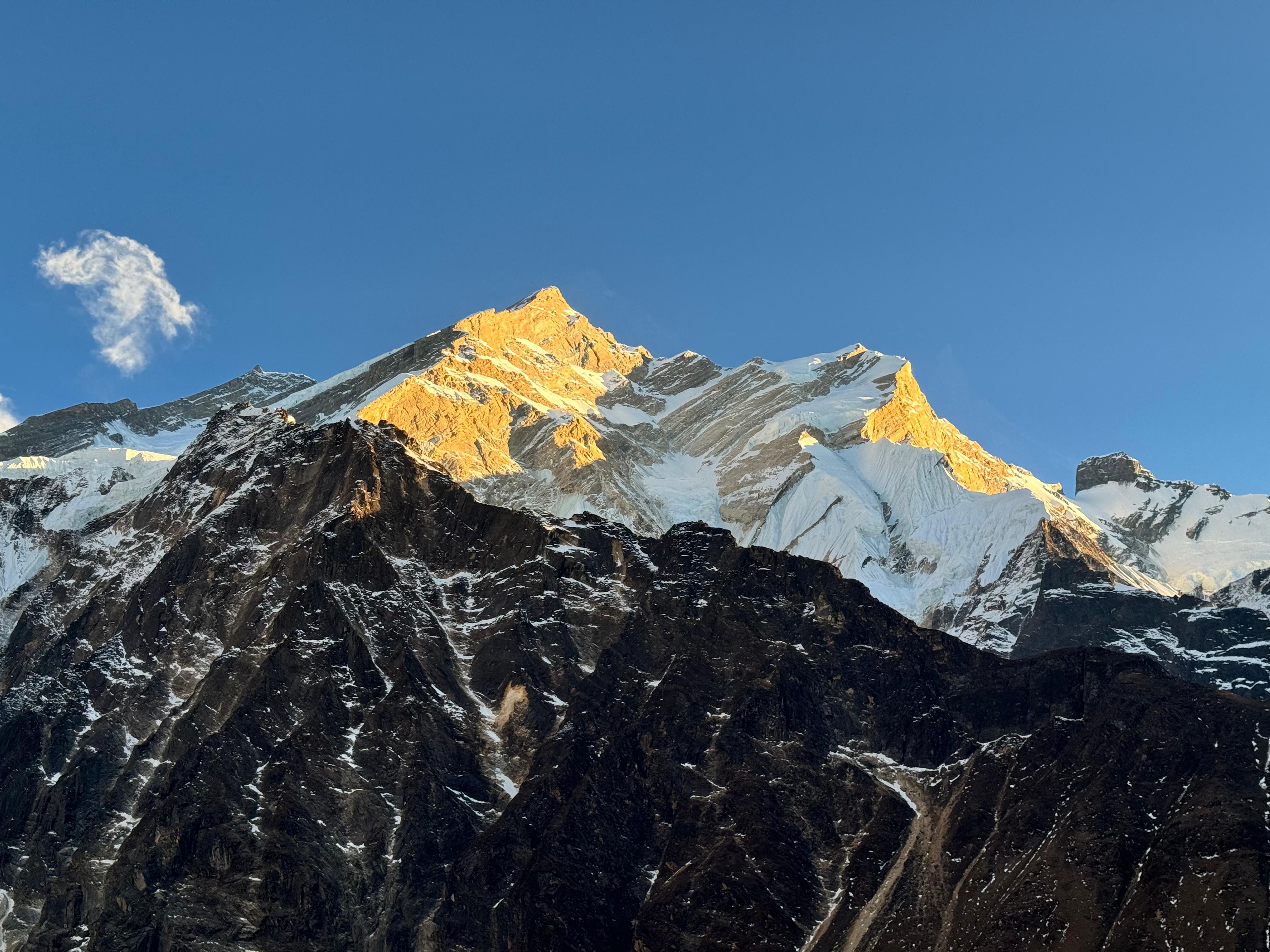
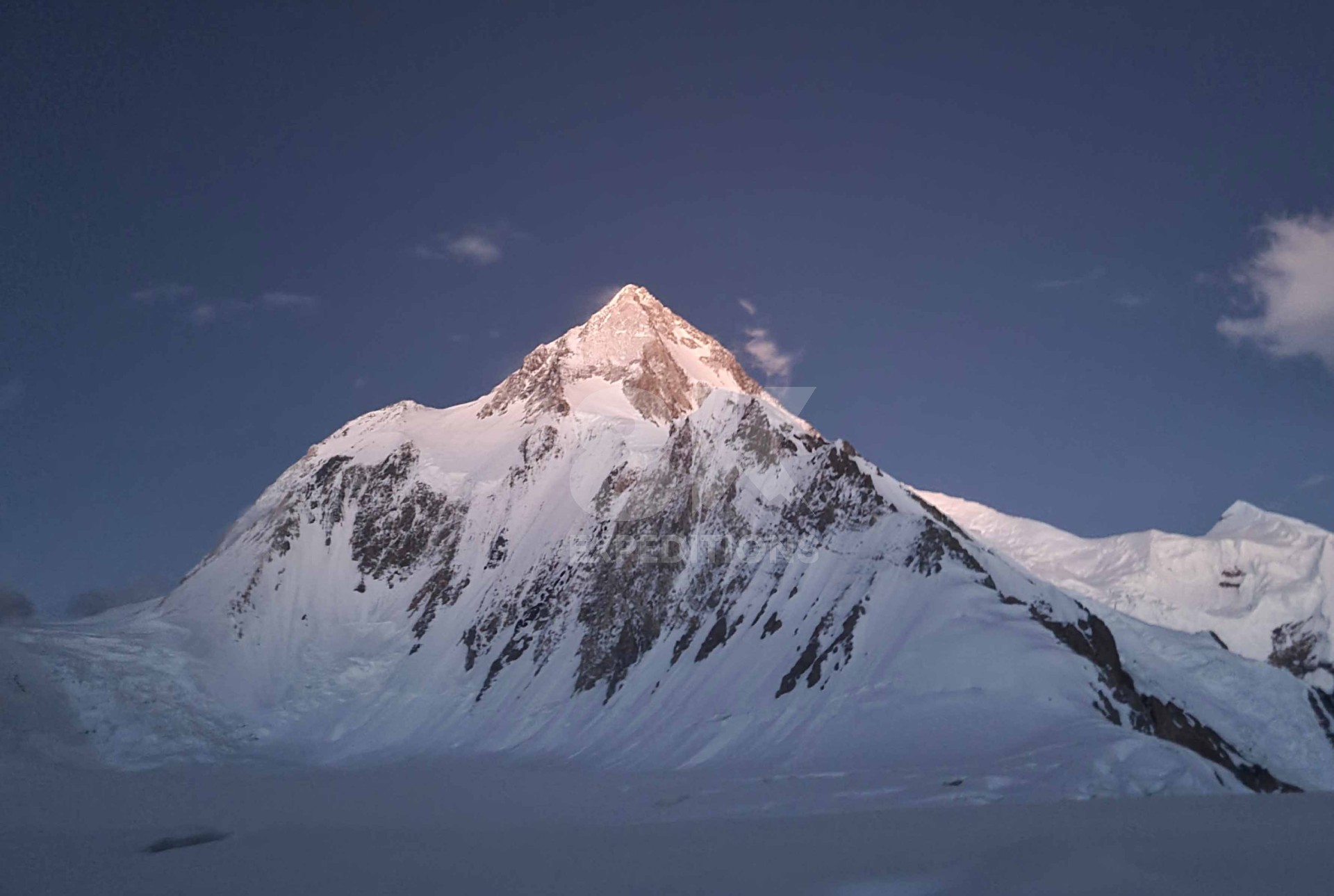
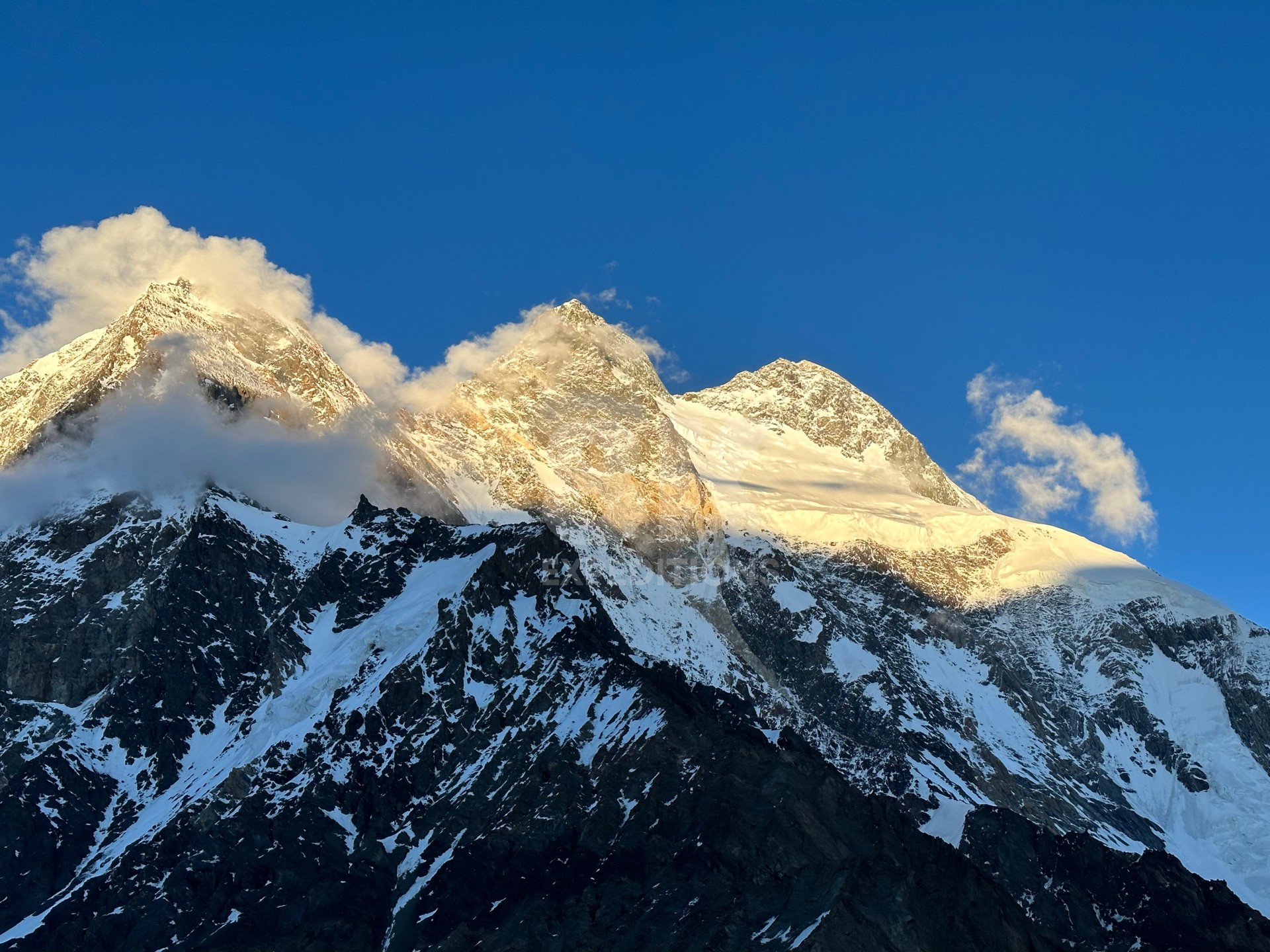
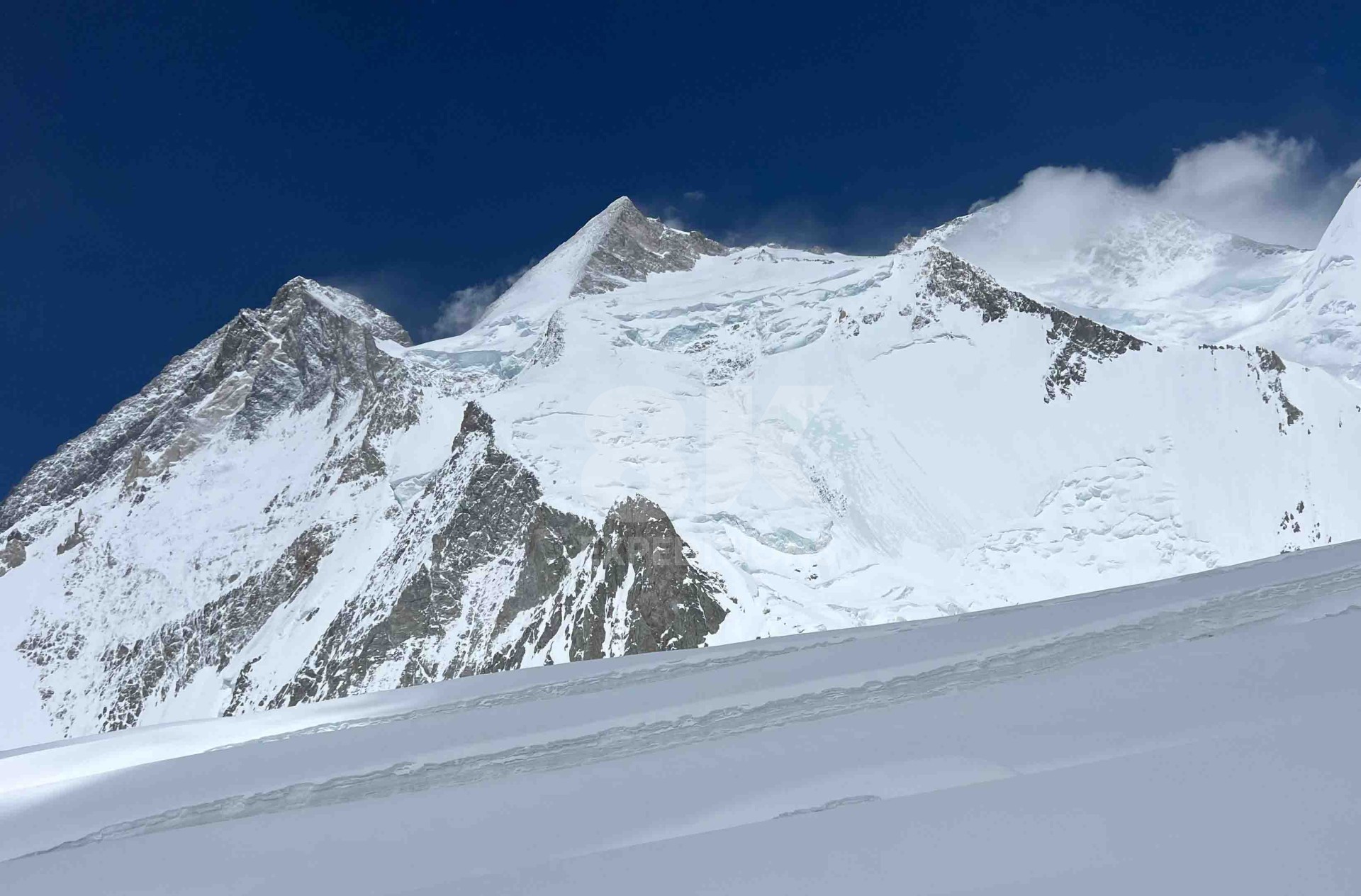
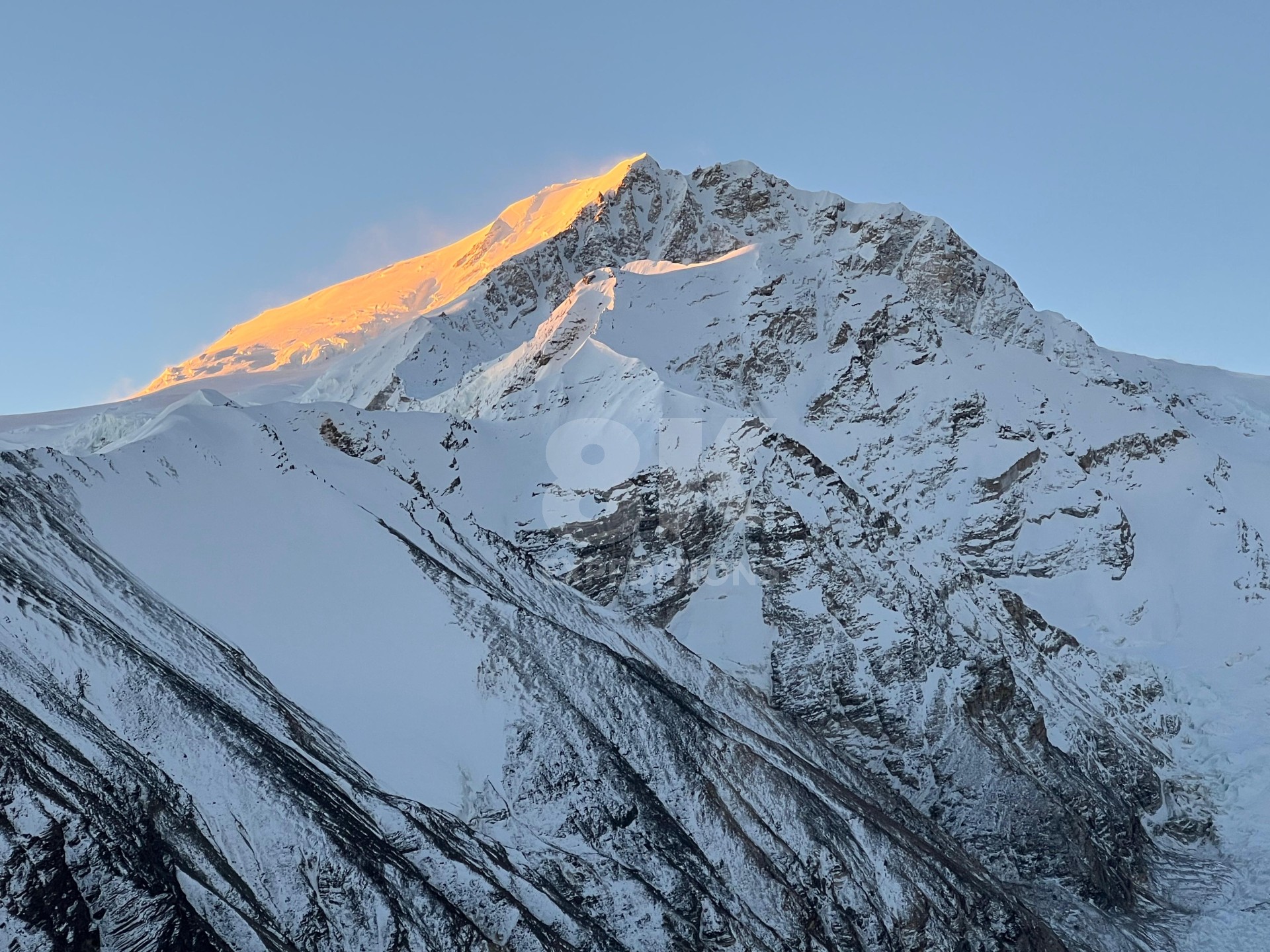
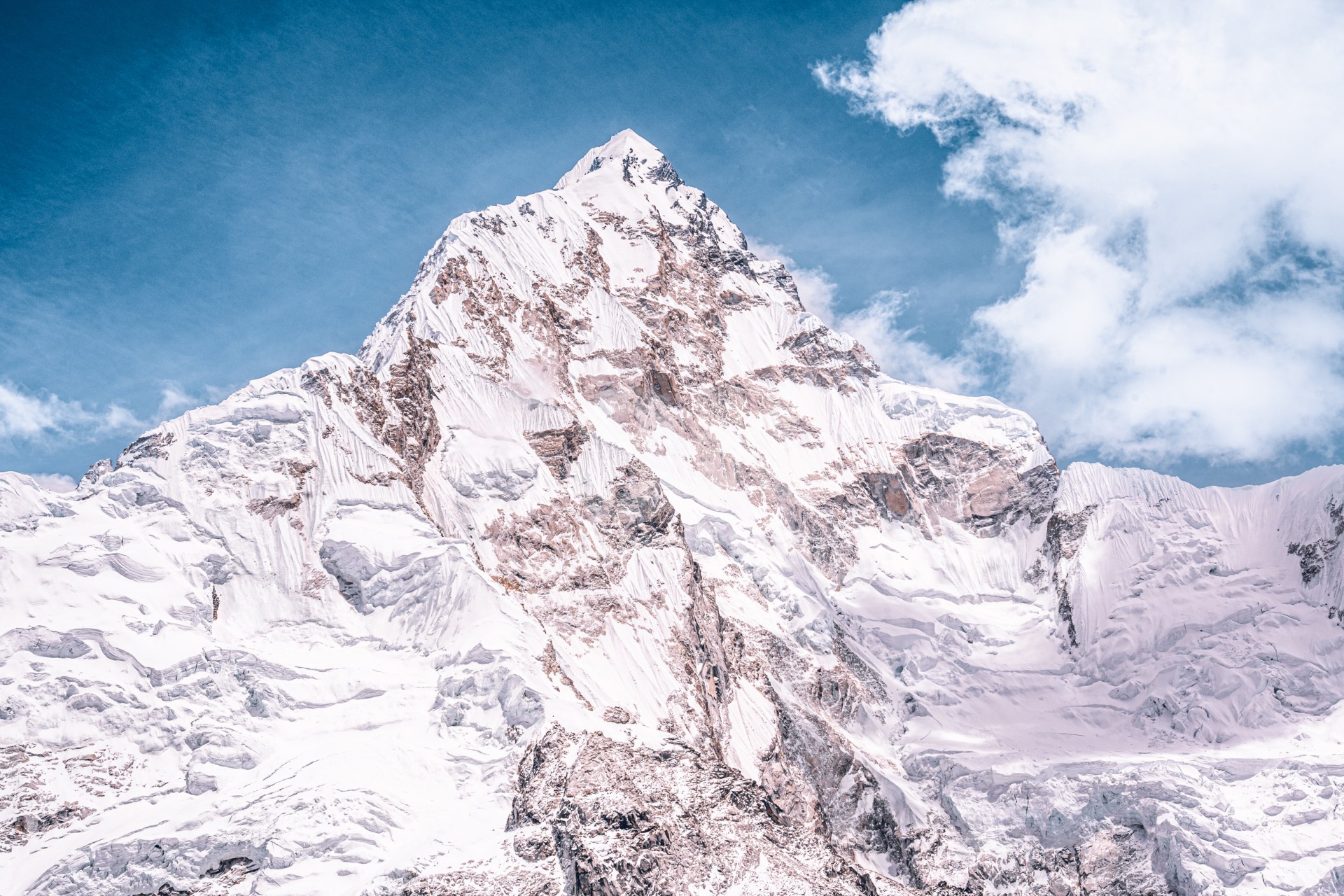
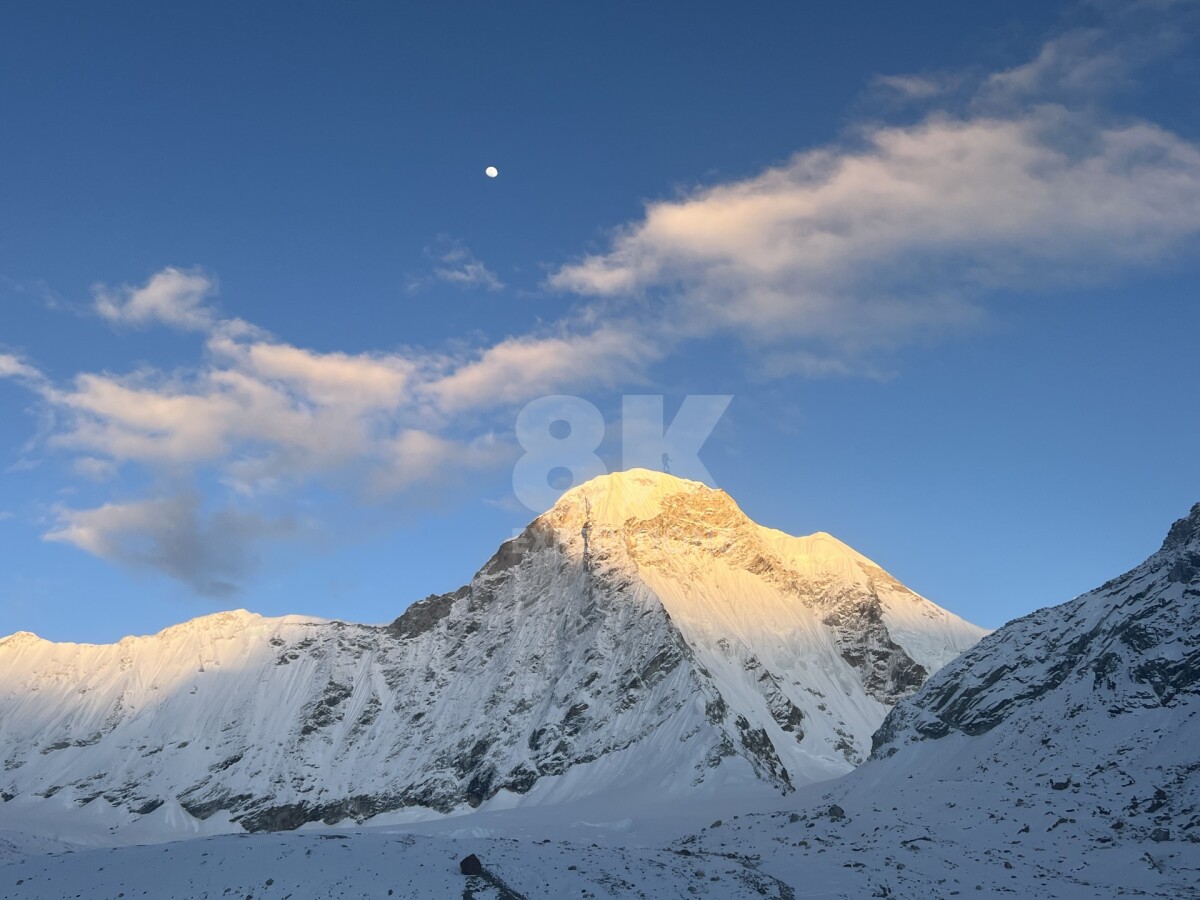
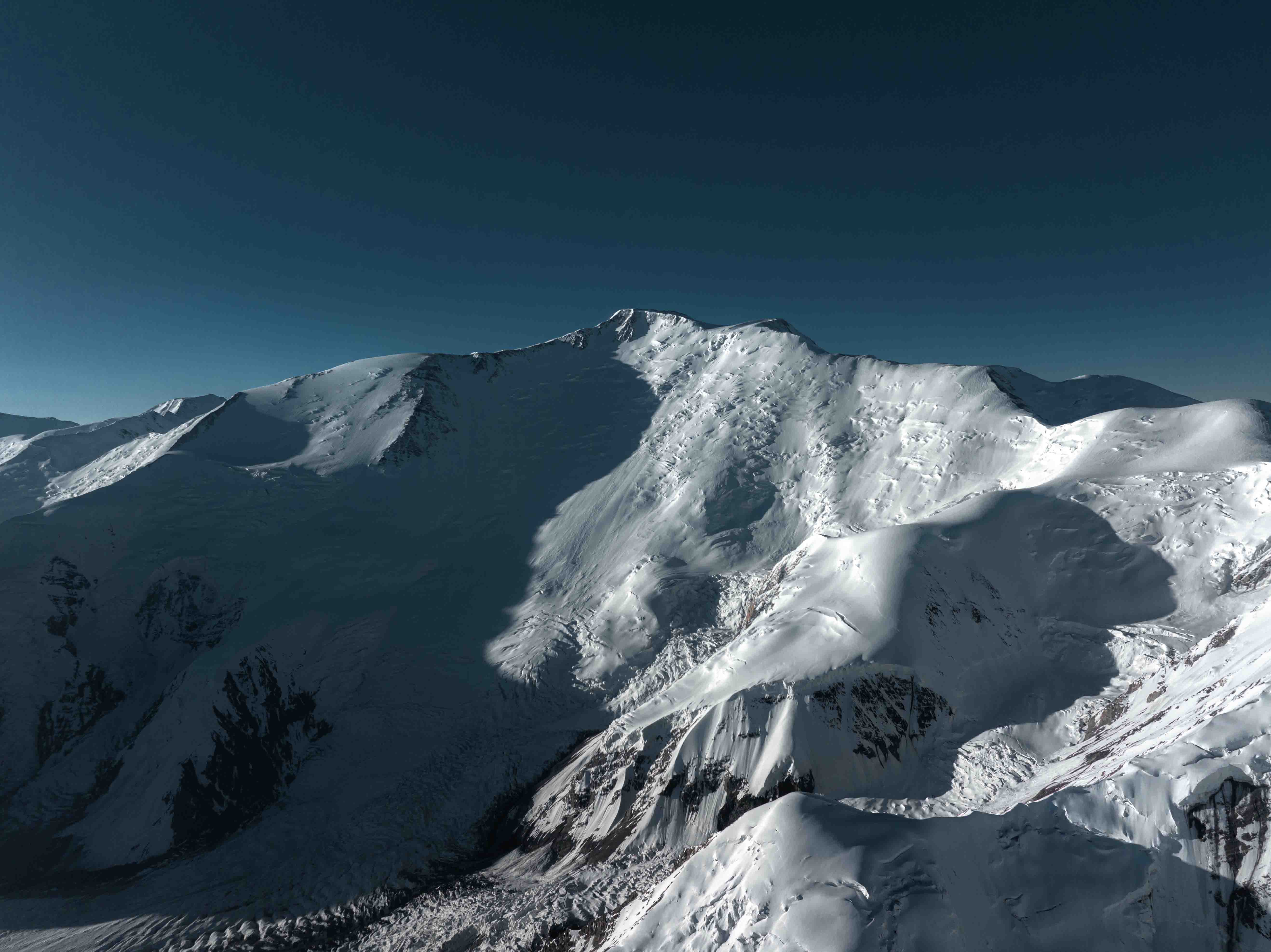
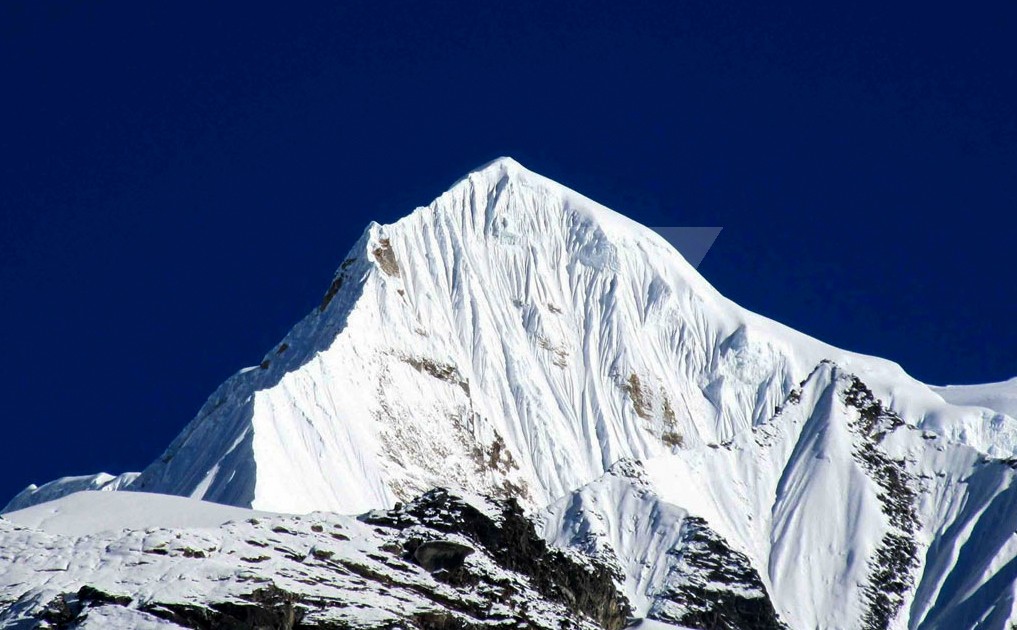
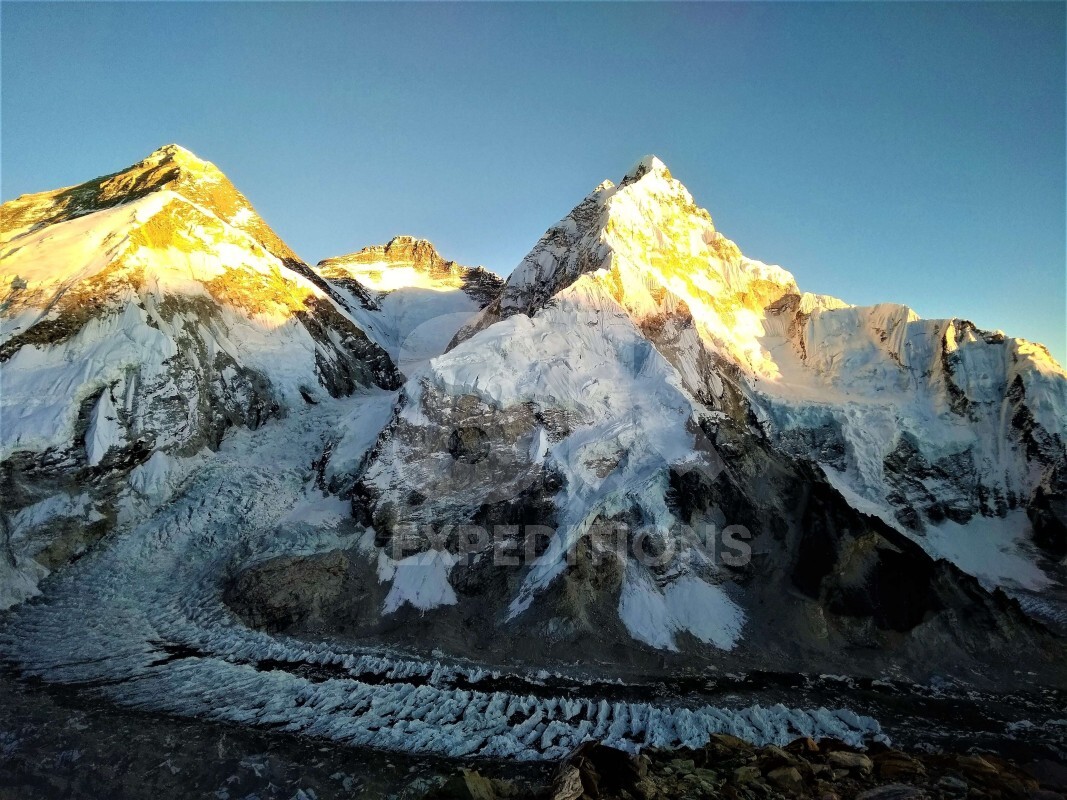
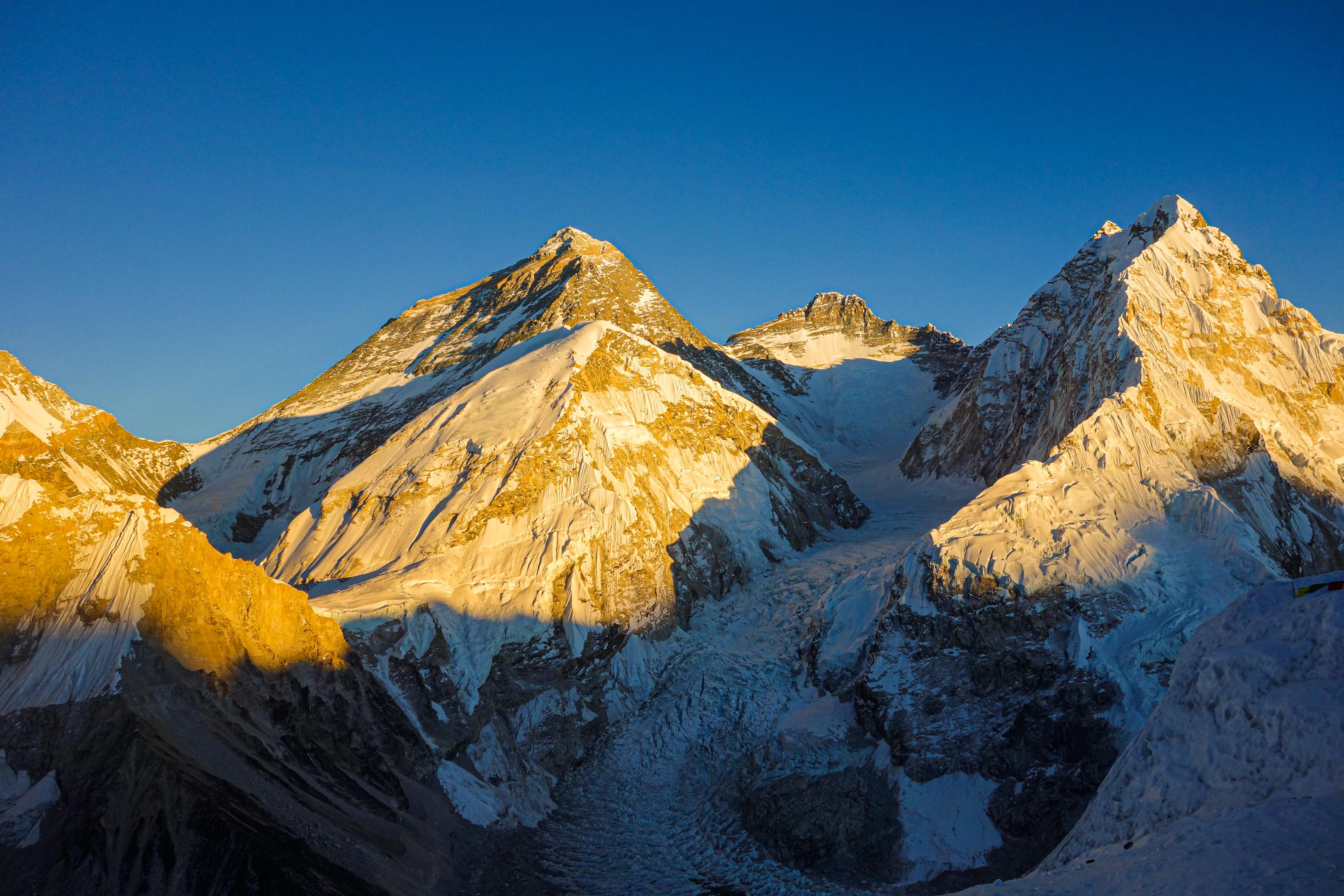
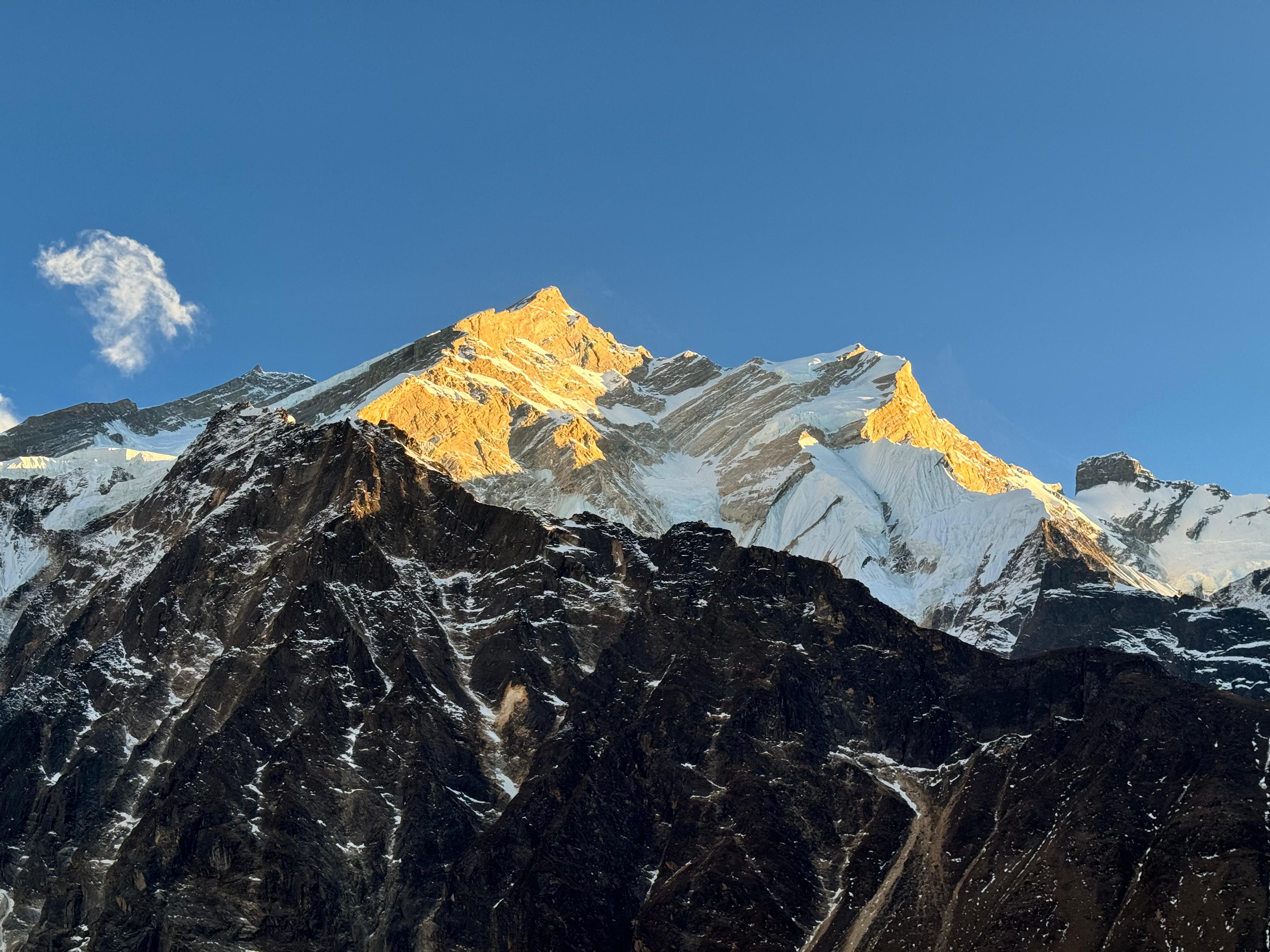
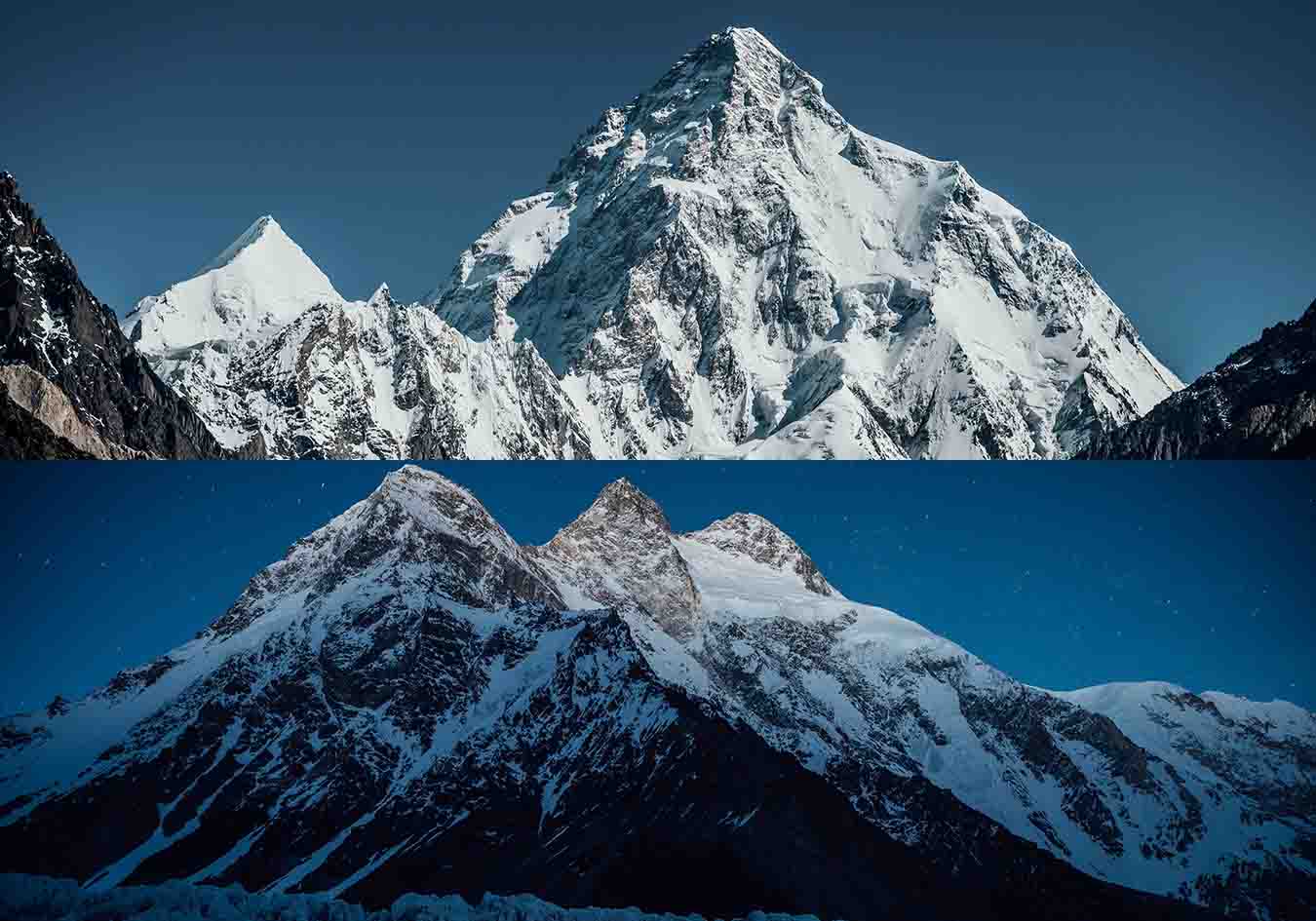
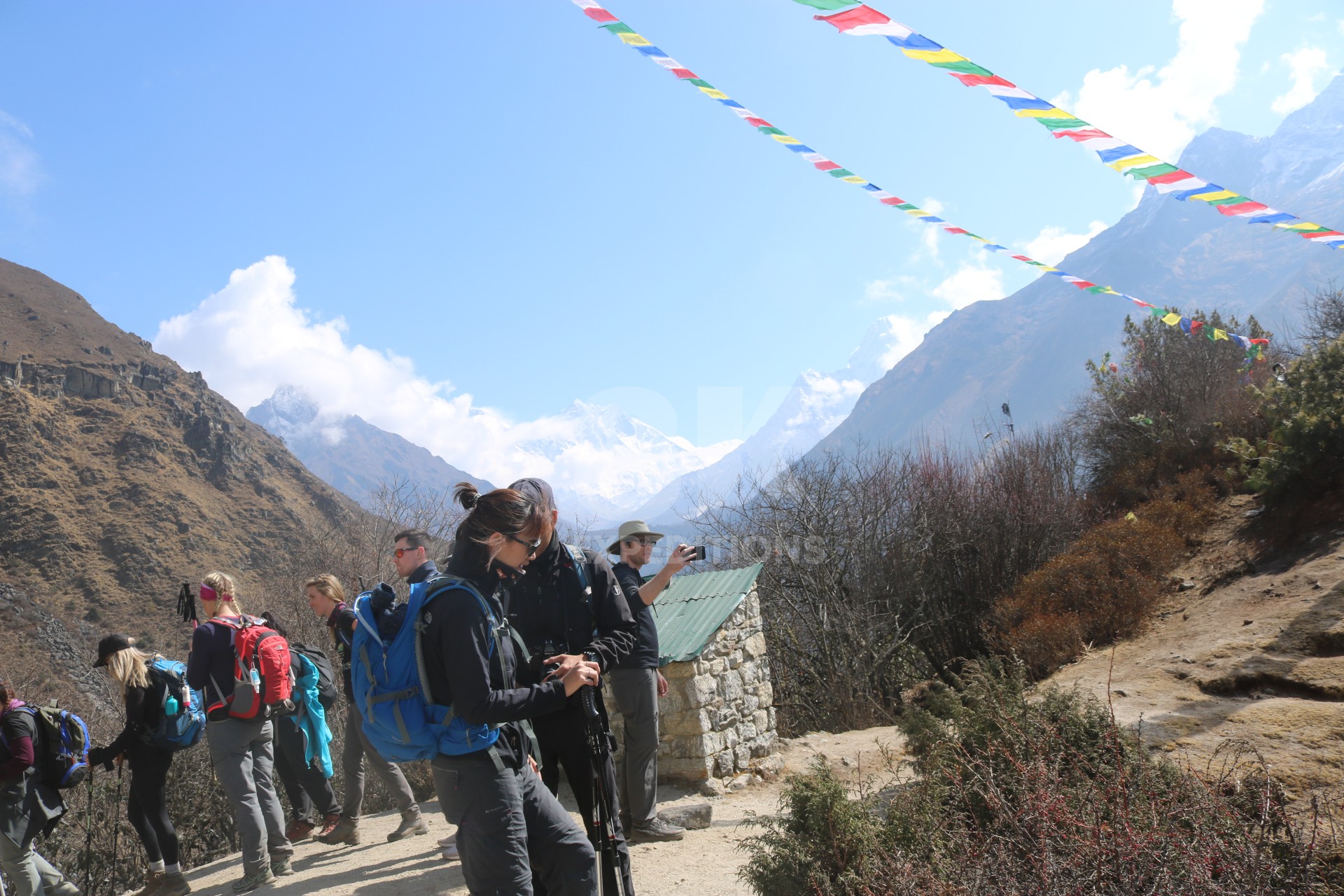
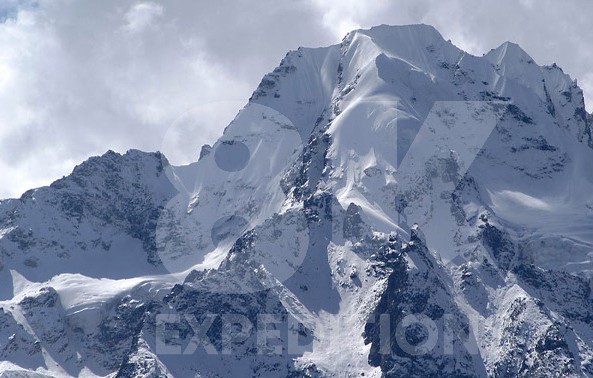
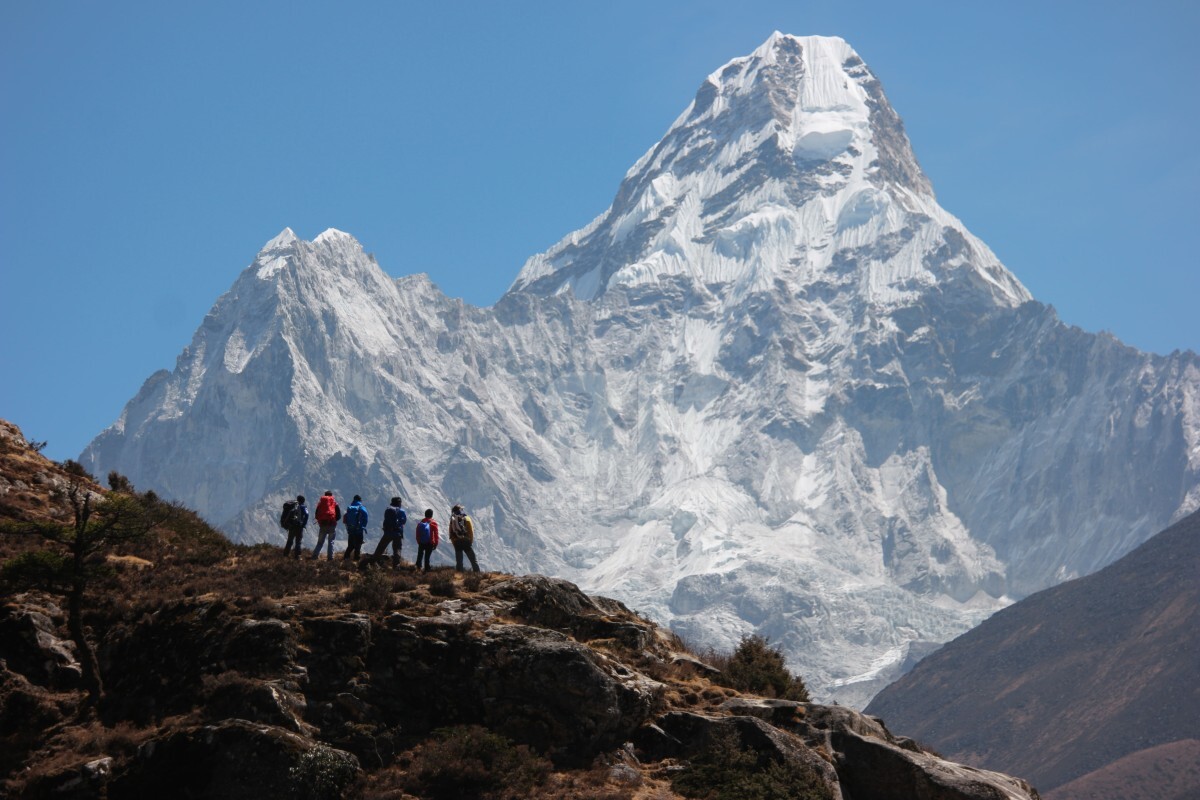
The summit views are arguably the finest of any trekking peak in Nepal. Standing on top, you can see Everest (8,848 m), Lhotse (8,516 m), Nuptse (7,861 m), Ama Dablam (6,812 m), Makalu (8,485 m), Pumori (7,161 m), and Cho Oyu (8,188 m) in a full 360° Himalayan panorama that no photograph fully captures. That's why climbers who have done Mera Peak, Island Peak, and Lobuche East consistently describe Lobuche as the one that felt most like a real expedition.
What Gear Do You Need for a 6,000 m climb?
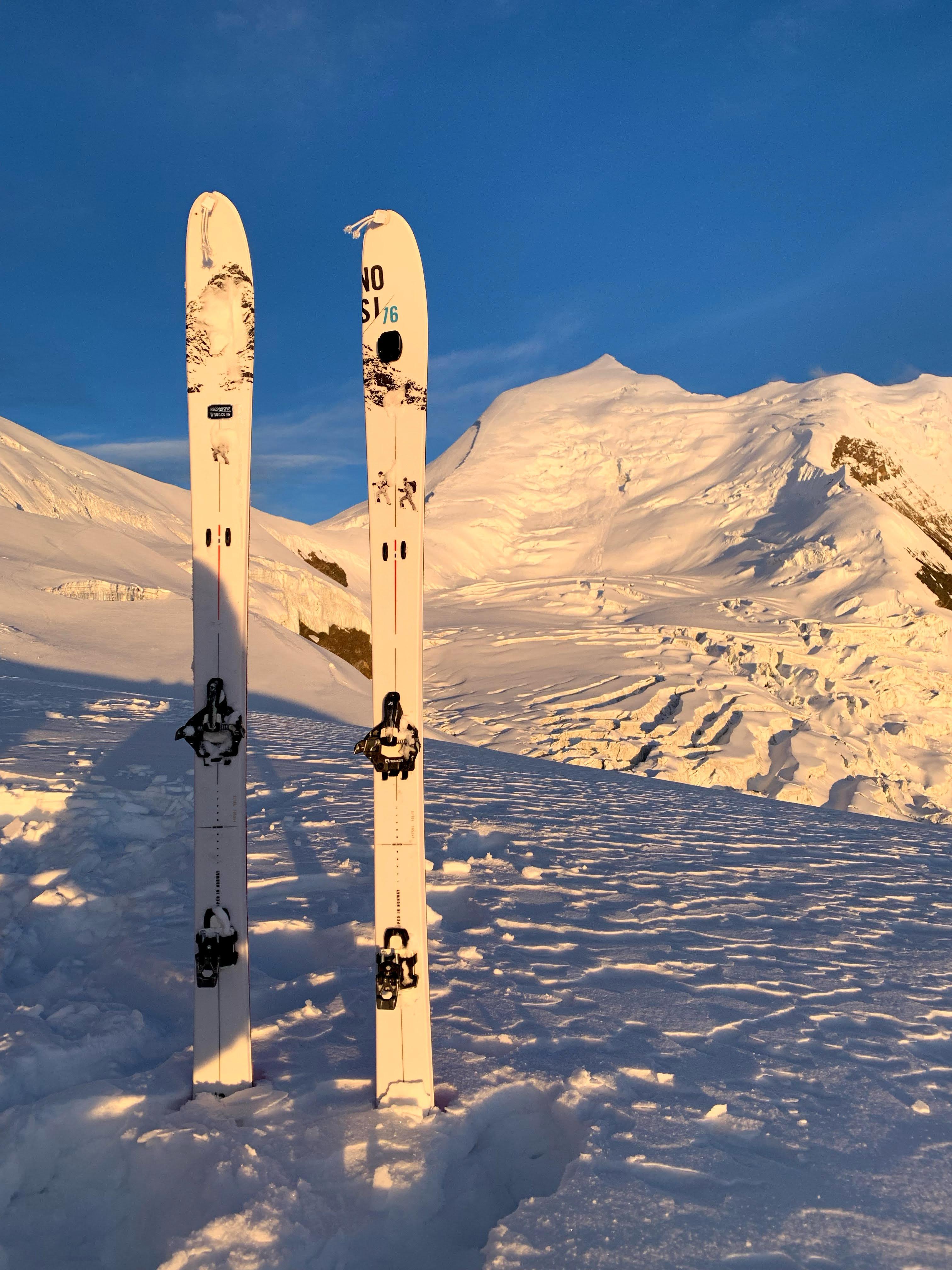
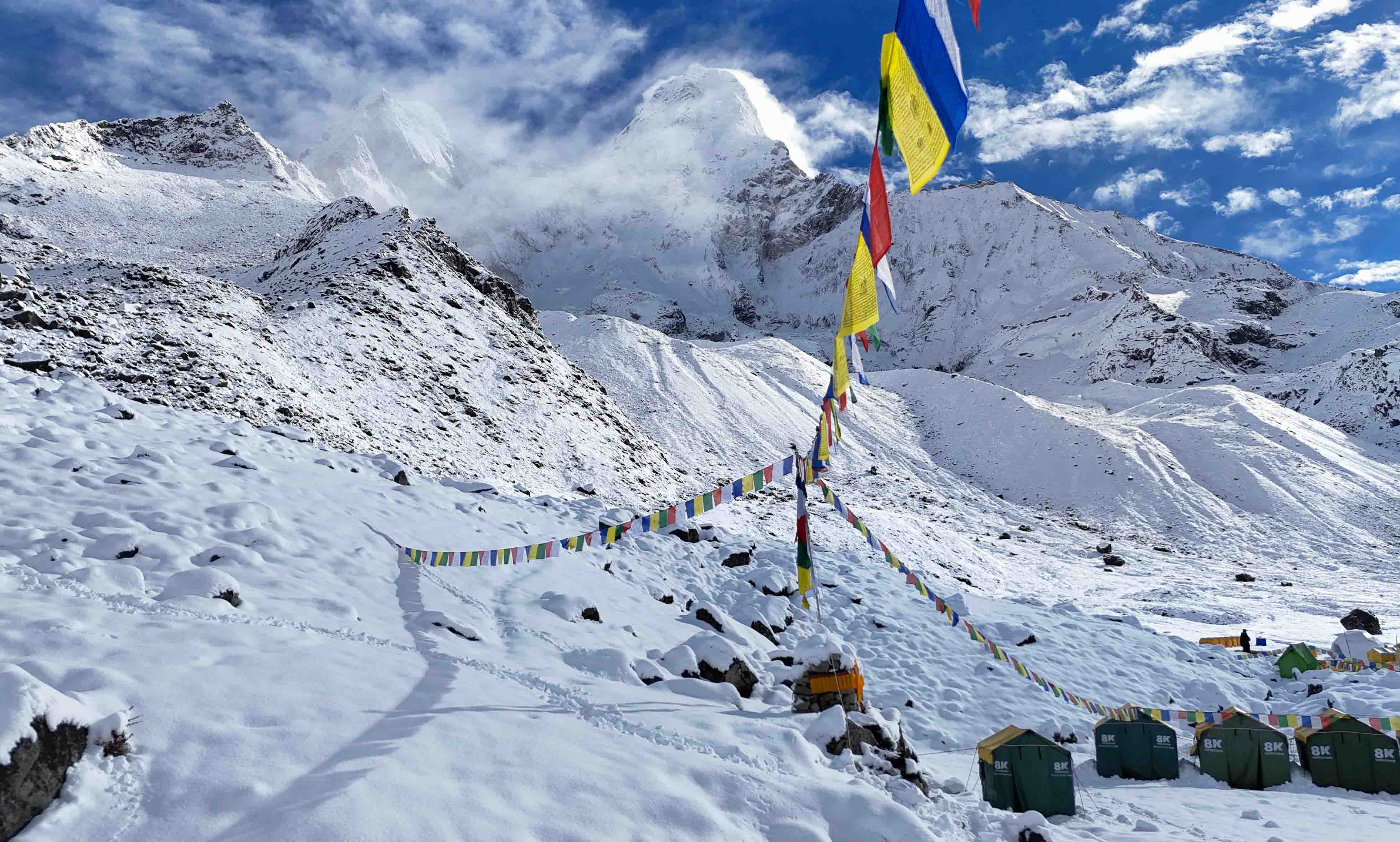
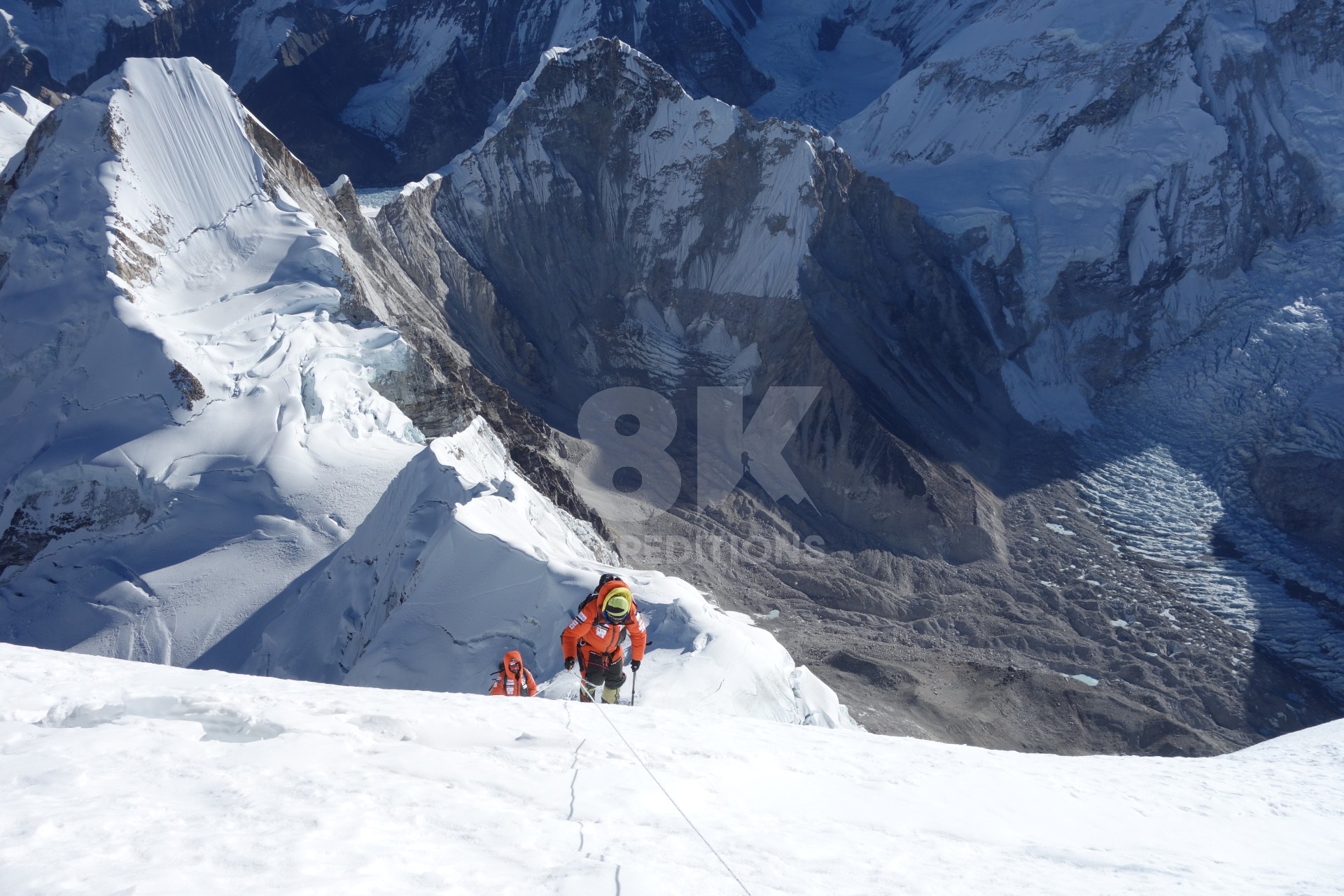
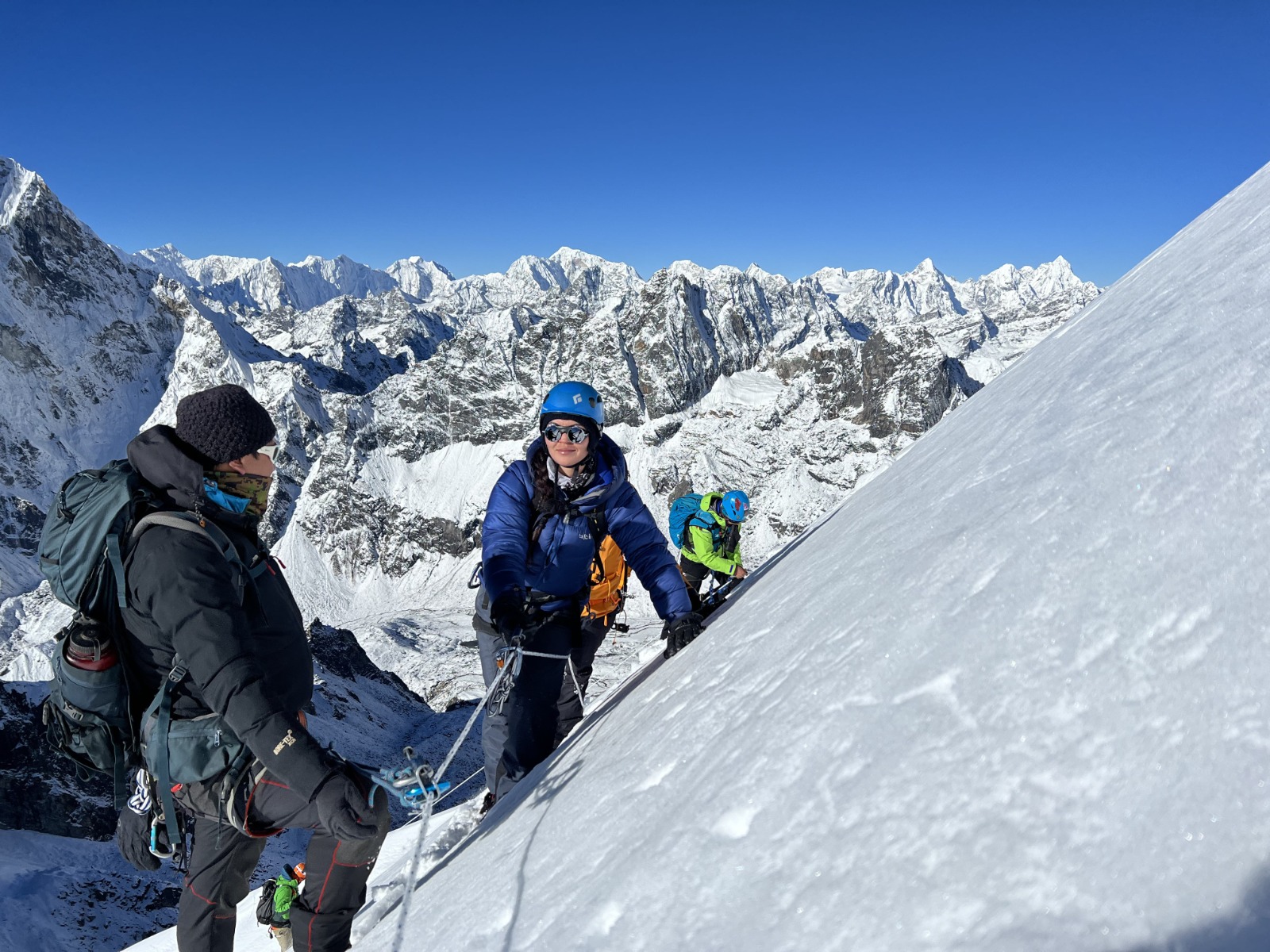
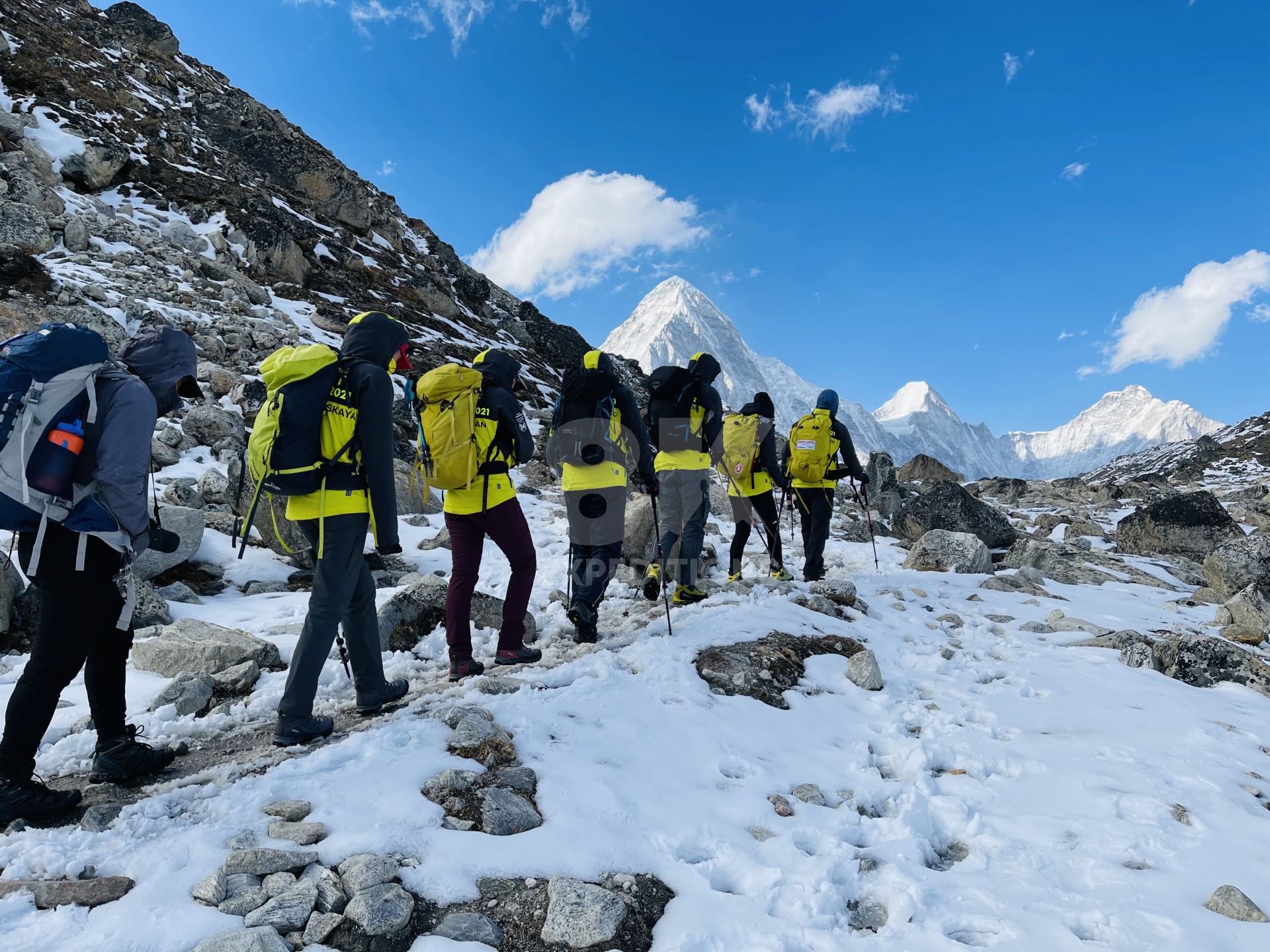
Lobuche East requires full mountaineering equipment. The technical terrain demands crampons, an ice axe, a climbing harness, jumars, and fixed rope systems. High-altitude cold requires mountaineering boots rated for the conditions, a down suit or high-loft insulation layers, warm gloves, and a reliable headlamp for the pre-dawn summit push.
When Is the Best Time for Lobuche East Peak Climbing?
Spring (March to May) is the most popular season for Lobuche East Peak climbing. Temperatures at altitude sit between -5°C and -10°C, skies are generally stable, and snow conditions are well-consolidated, meaning a safer, more predictable summit approach.
Autumn (September to November) is the post-monsoon season and brings its own distinct rewards. The air is exceptionally clear after the monsoon, visibility stretches across the entire Himalayan range on good days, and the trails are noticeably quieter than in spring.
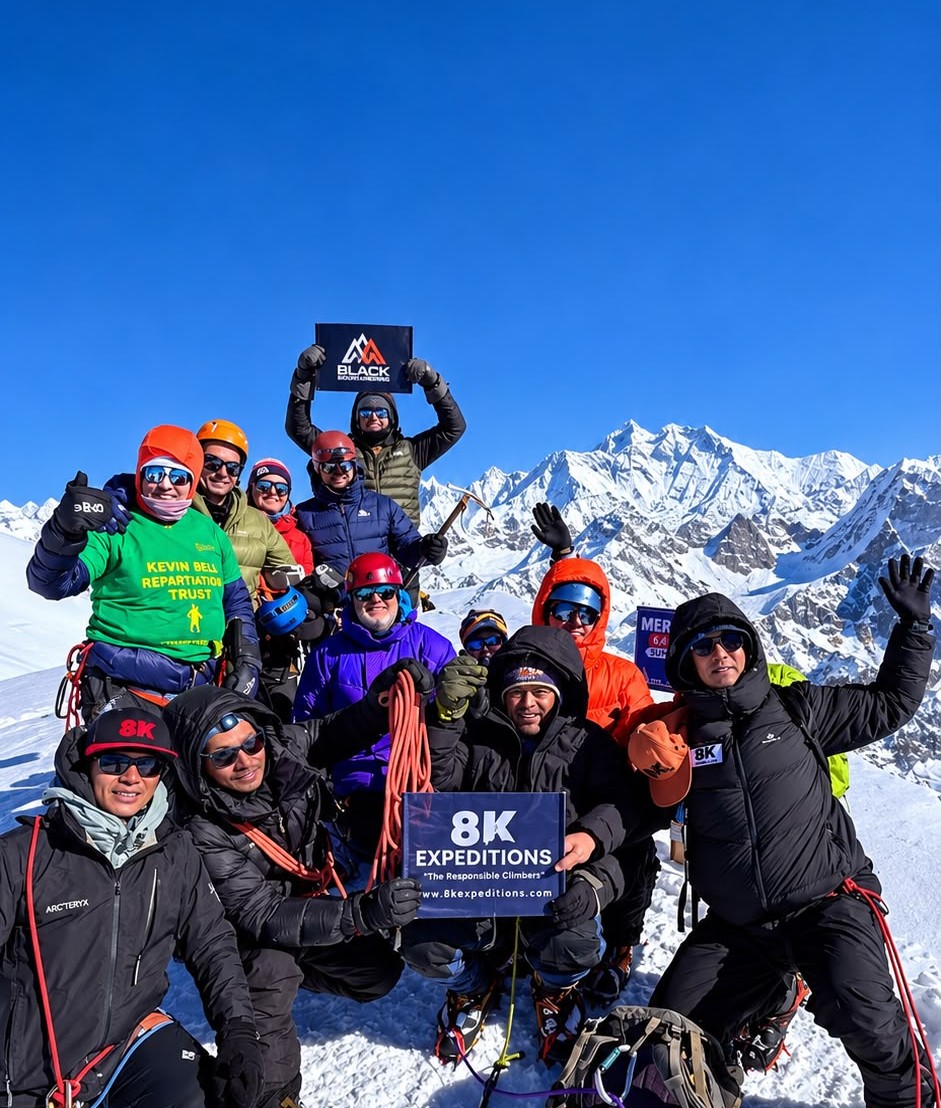
8K Expeditions runs guided Lobuche East expeditions in both windows.
Lobuche East Peak, Autumn 2026 booking, is open now.
📅 Fixed Autumn Departures:
Lobuche Peak Climbing: 14th Sept - 20th Nov
Book your Lobuche East Peak climbing expedition with 8K Expeditions.
📩 info@8kexpeditions.com | 📞 WhatsApp: +977-9818288444
Follow us for more updates:
Expeditions Partner: 8K Expeditions
Instagram: 8kexpeditions
Youtube : 8K Expeditions
Facebook: 8kexpeditions