Please do
remember
these things.
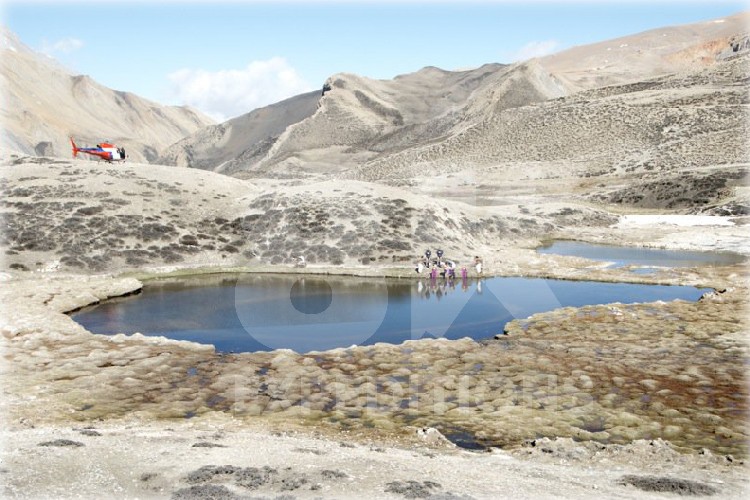
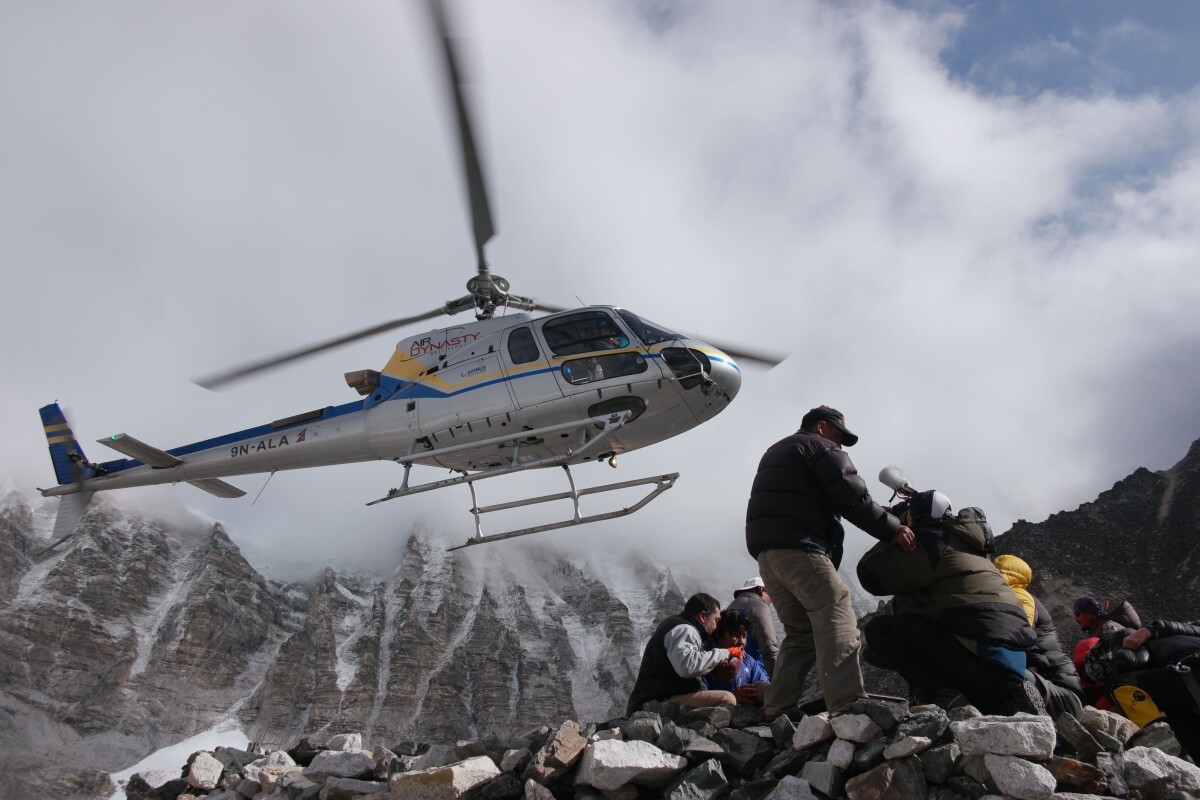
During the Mardi Himal trek, we can either opt for domestic flights or drive via road in order to reach Pokhara. In some cases, the flights may be canceled or roads may be blocked due to bad weather or any other uncontrollable circumstances. In cases as such, the clients are liable to bear the expenses for food and accommodation for days other than mentioned in the itinerary section. However, all the expenses for the guides and other staff shall be borne by the company. If you wish to make any alternative arrangements such as helicopter flights, the additional costs shall be applicable.
In case of missed International Flights, 8K expeditions shall not be liable for any refund or compensation. Also, trekking in the Himalayas can not be absolutely planned, so adjust your flight tickets in a flexible manner and make sure you get insured for your travel.
MARDI HIMAL TREK - FREQUENTLY ASKED QUESTION
1. What is the Mardi Himal Trek in Nepal?
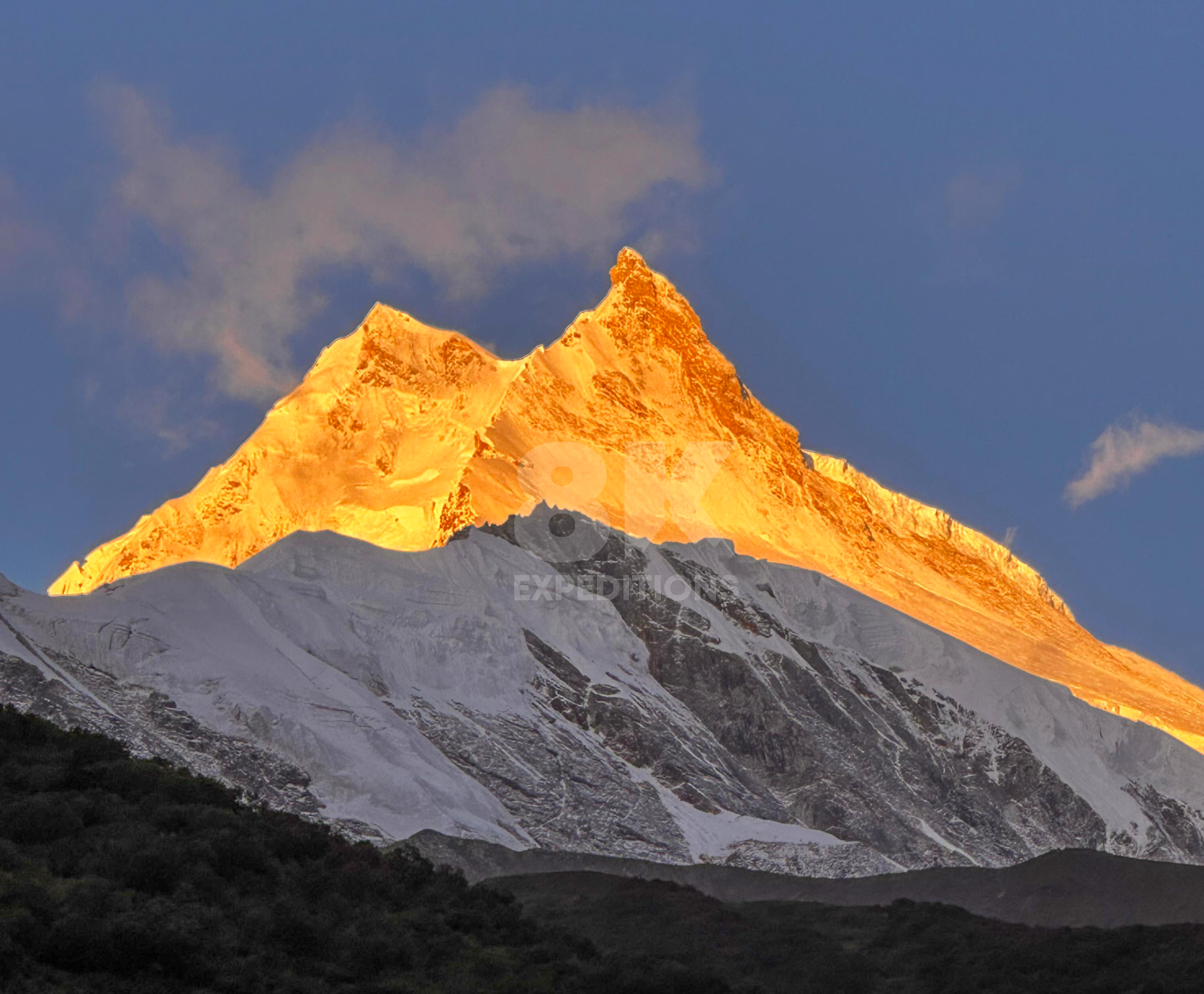
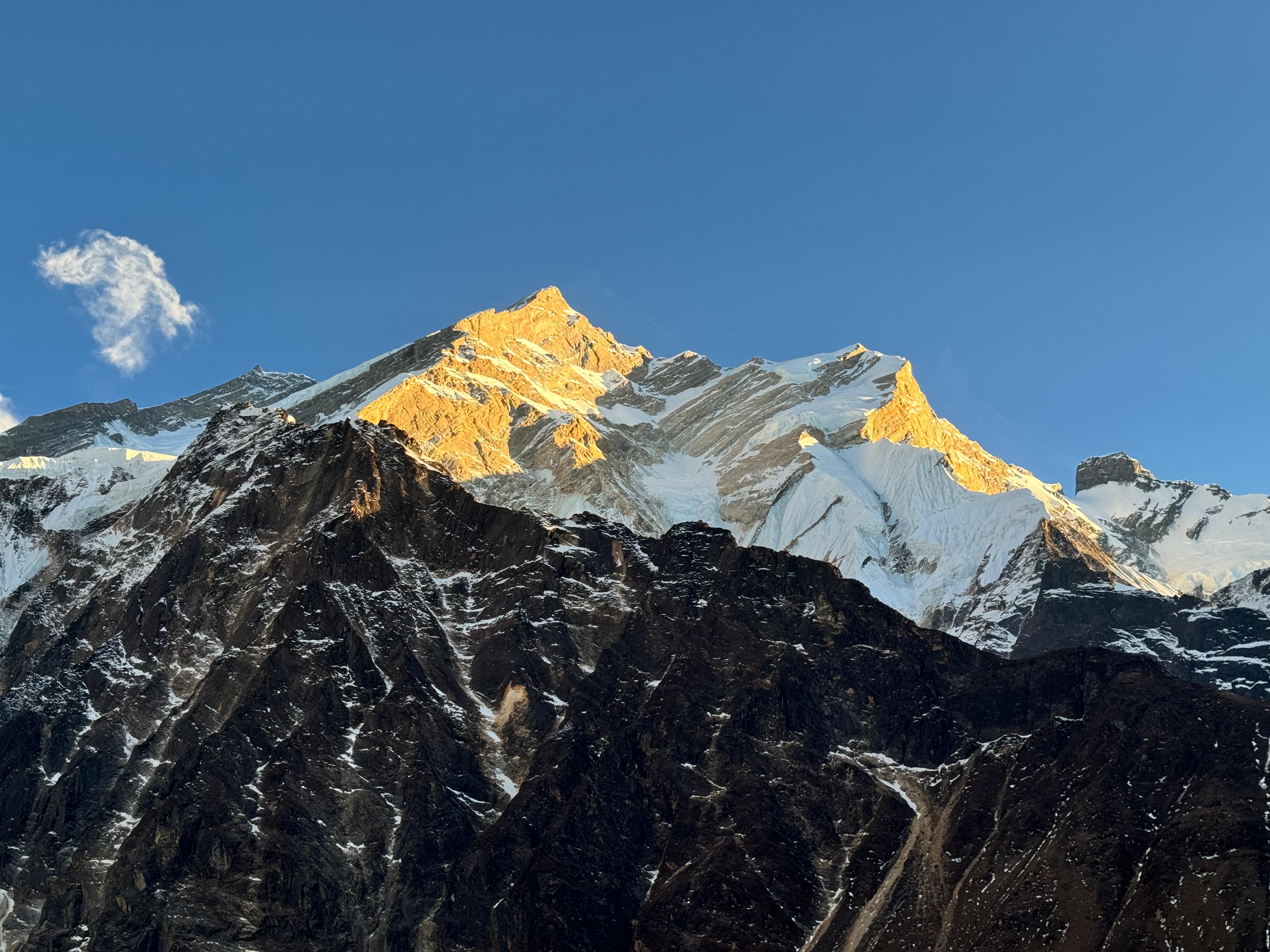
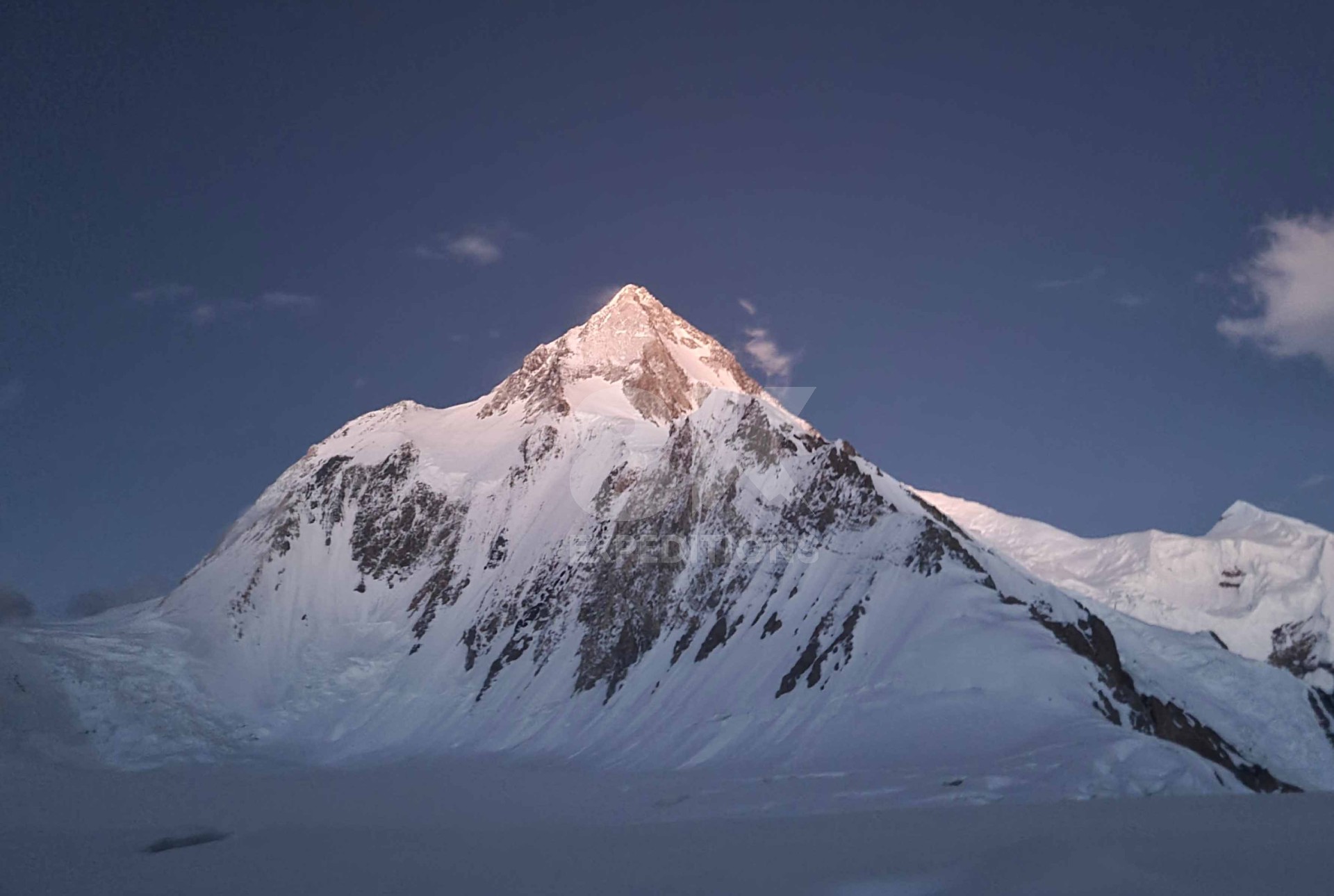
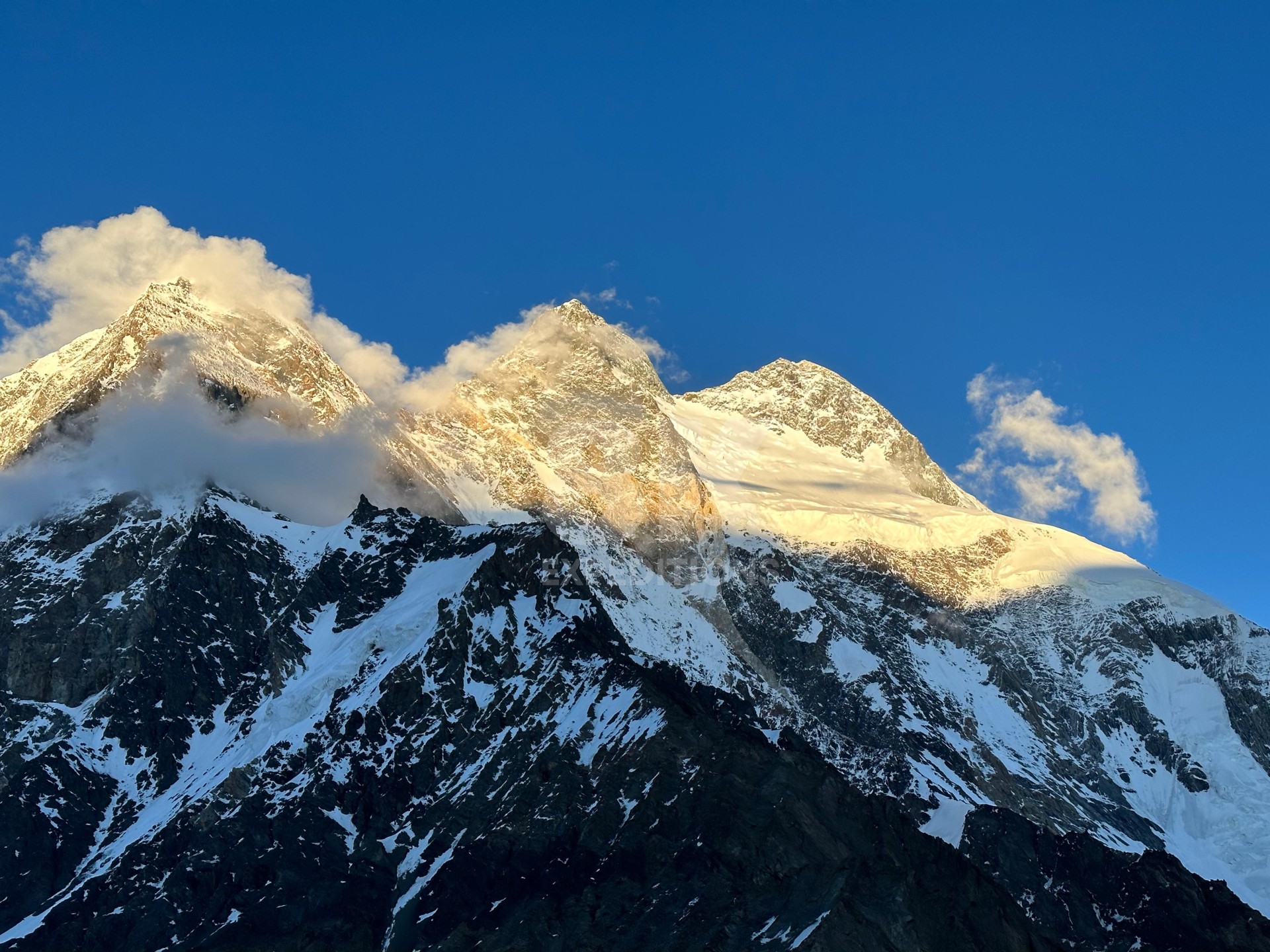
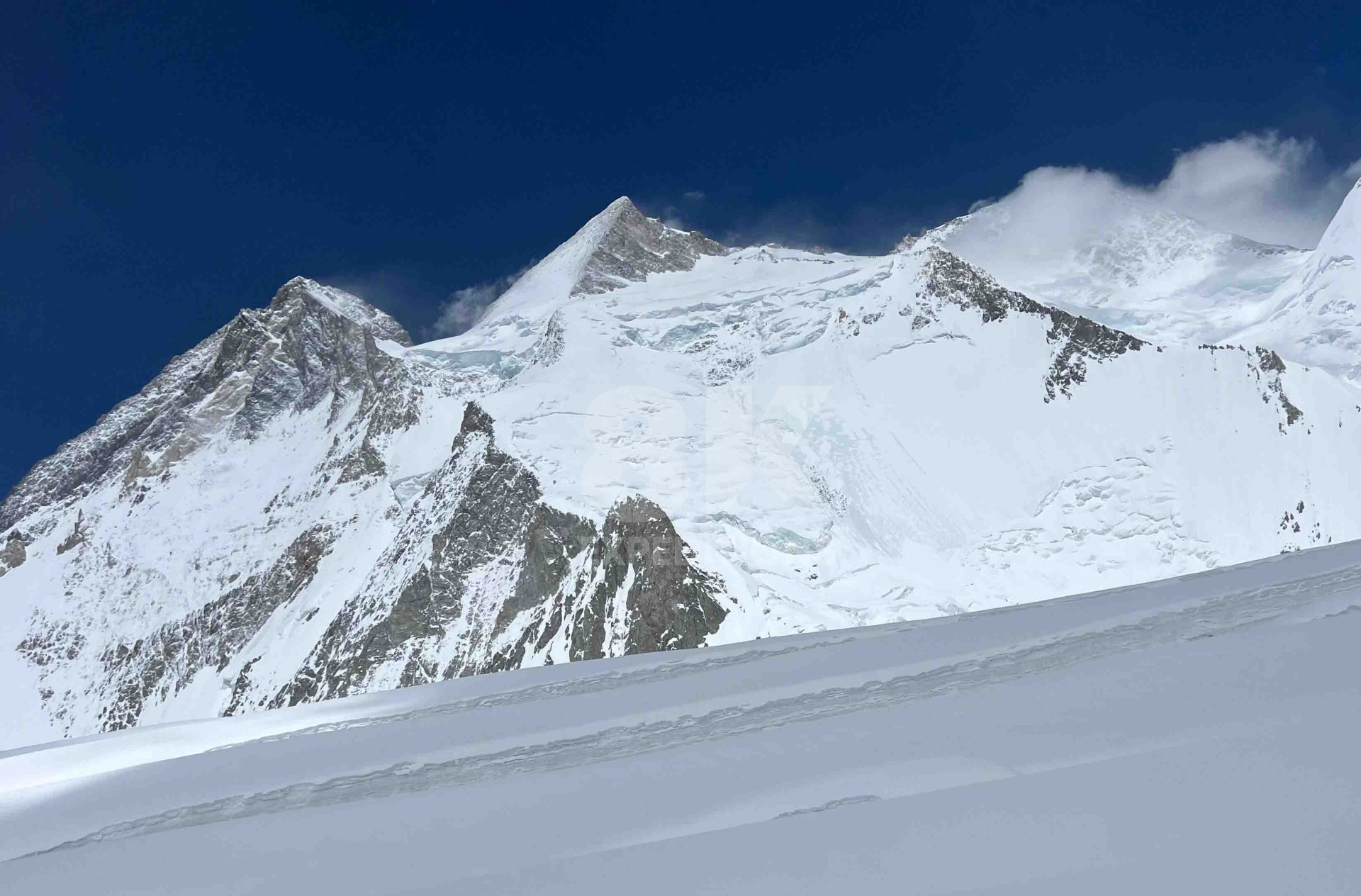
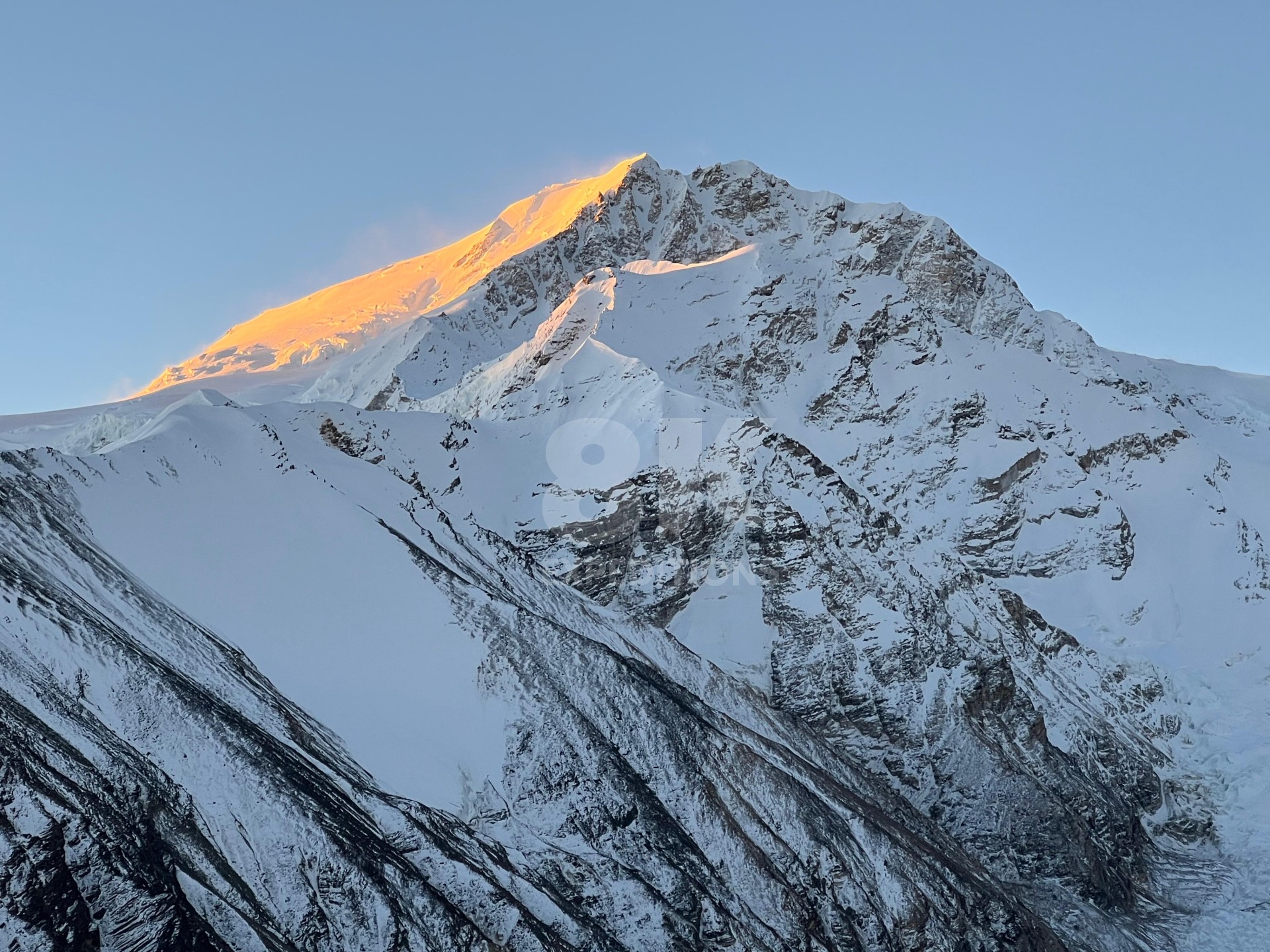
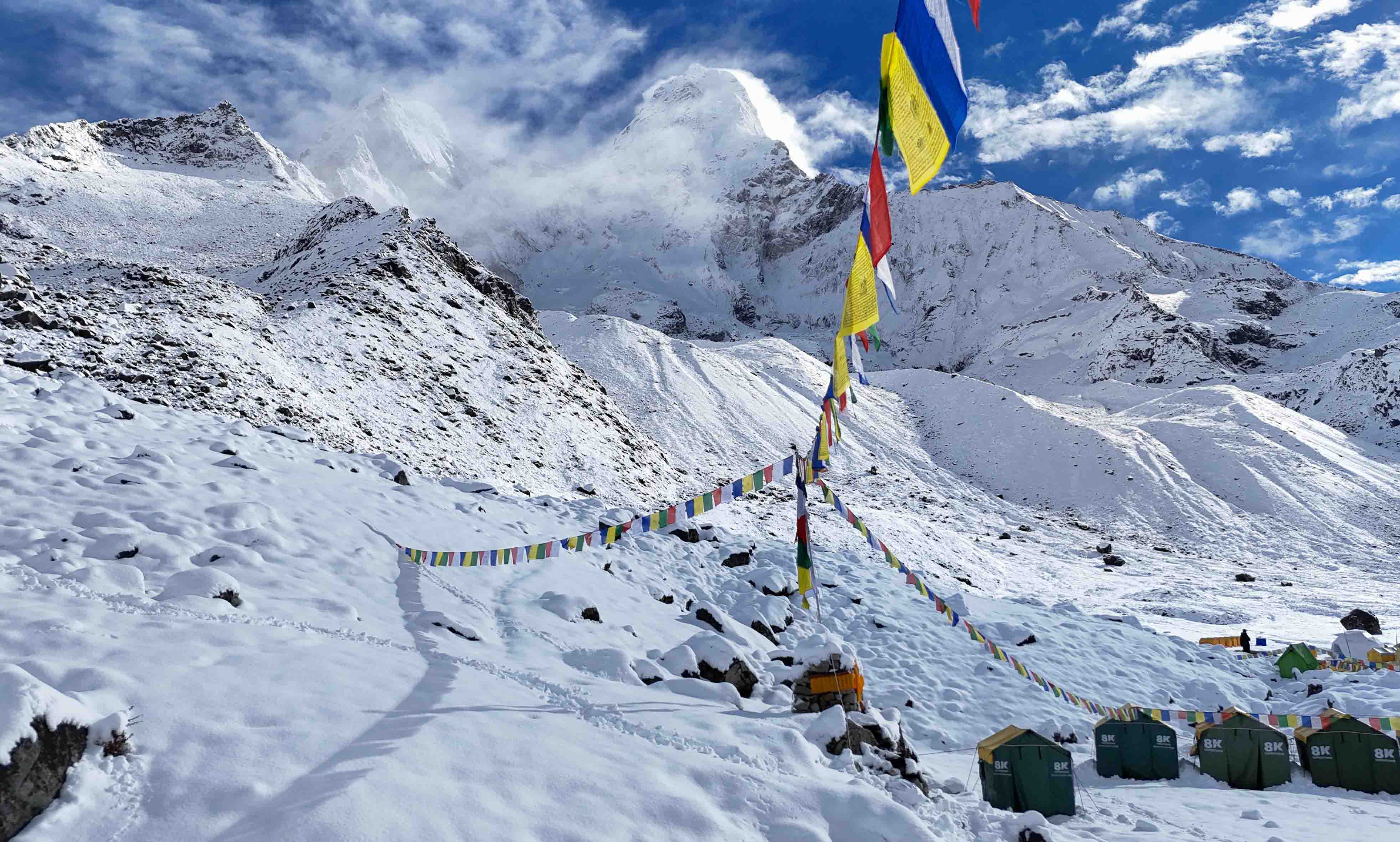
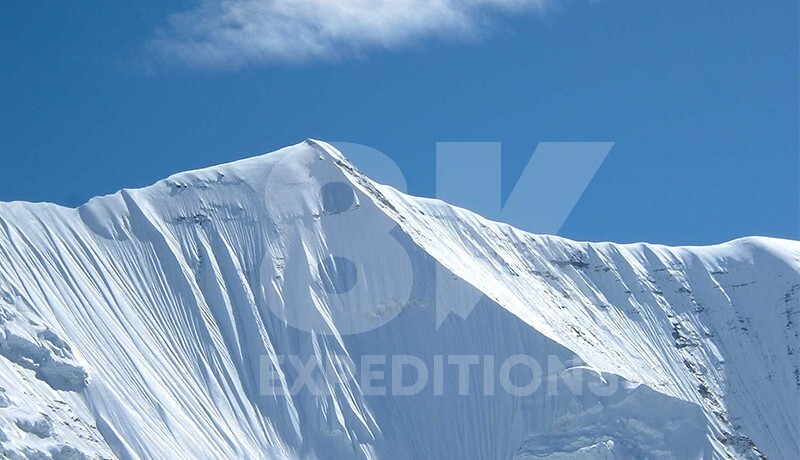
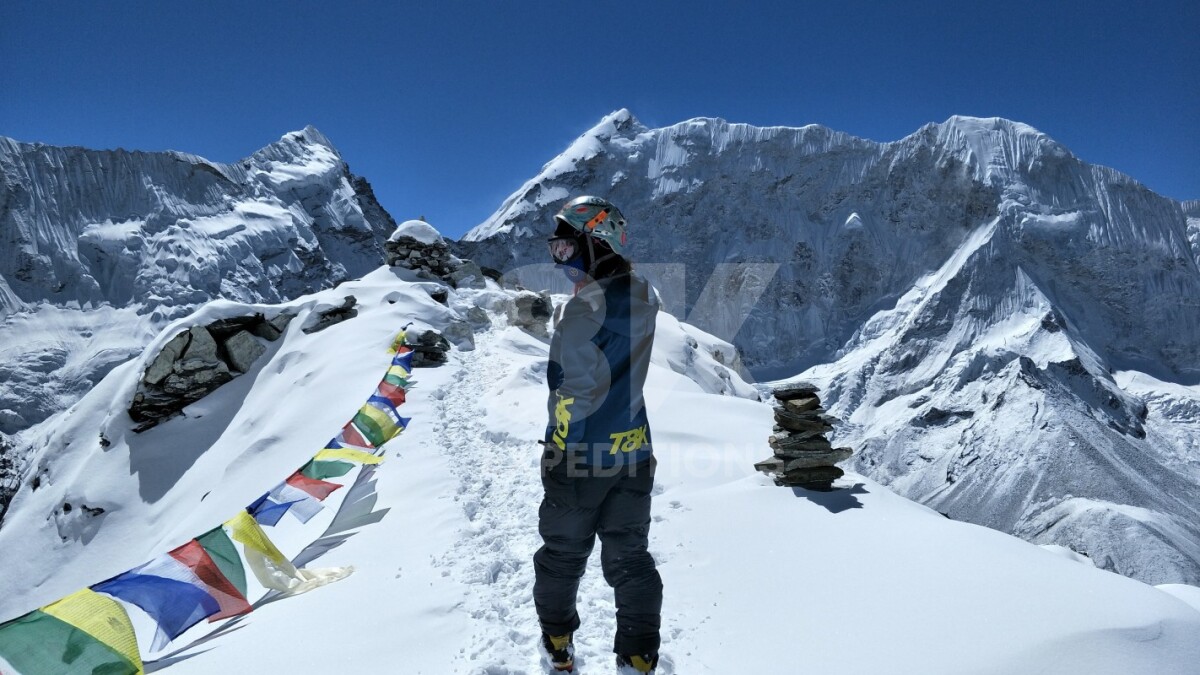
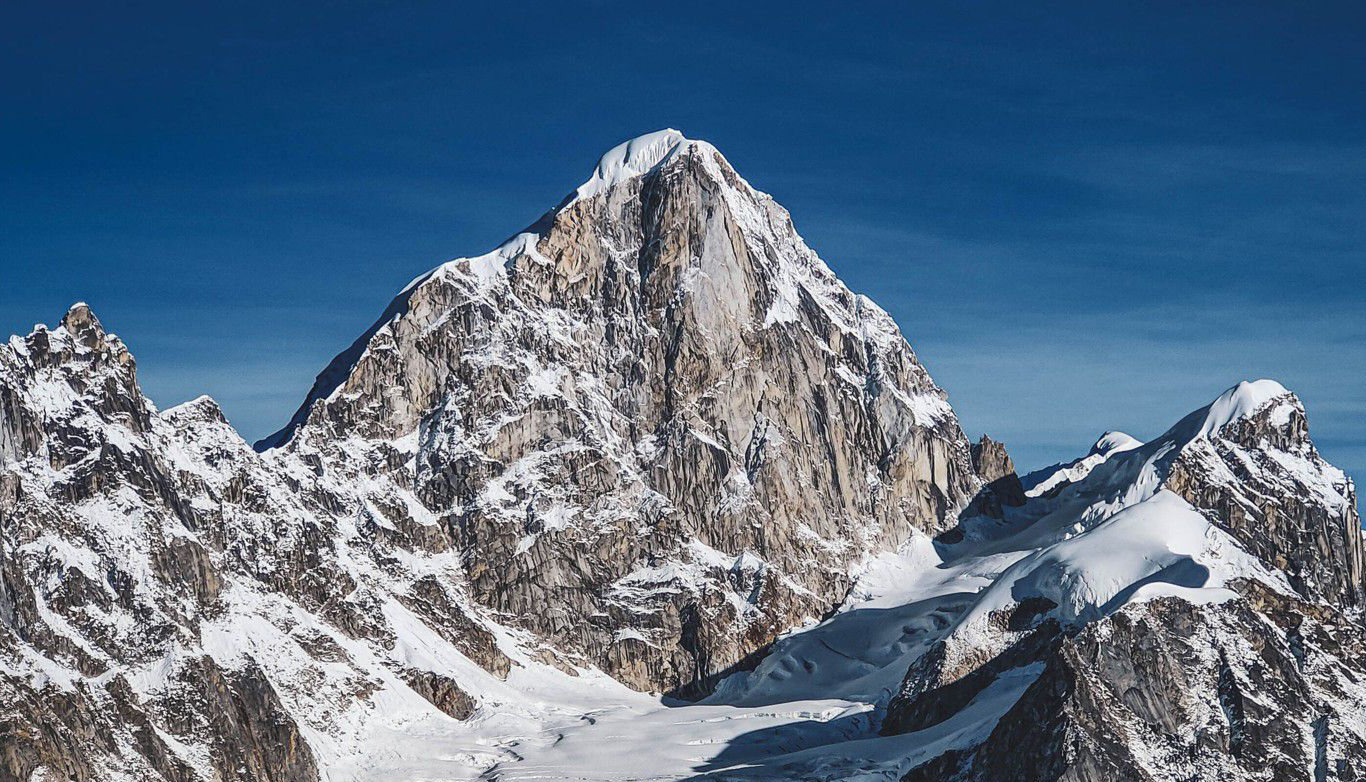
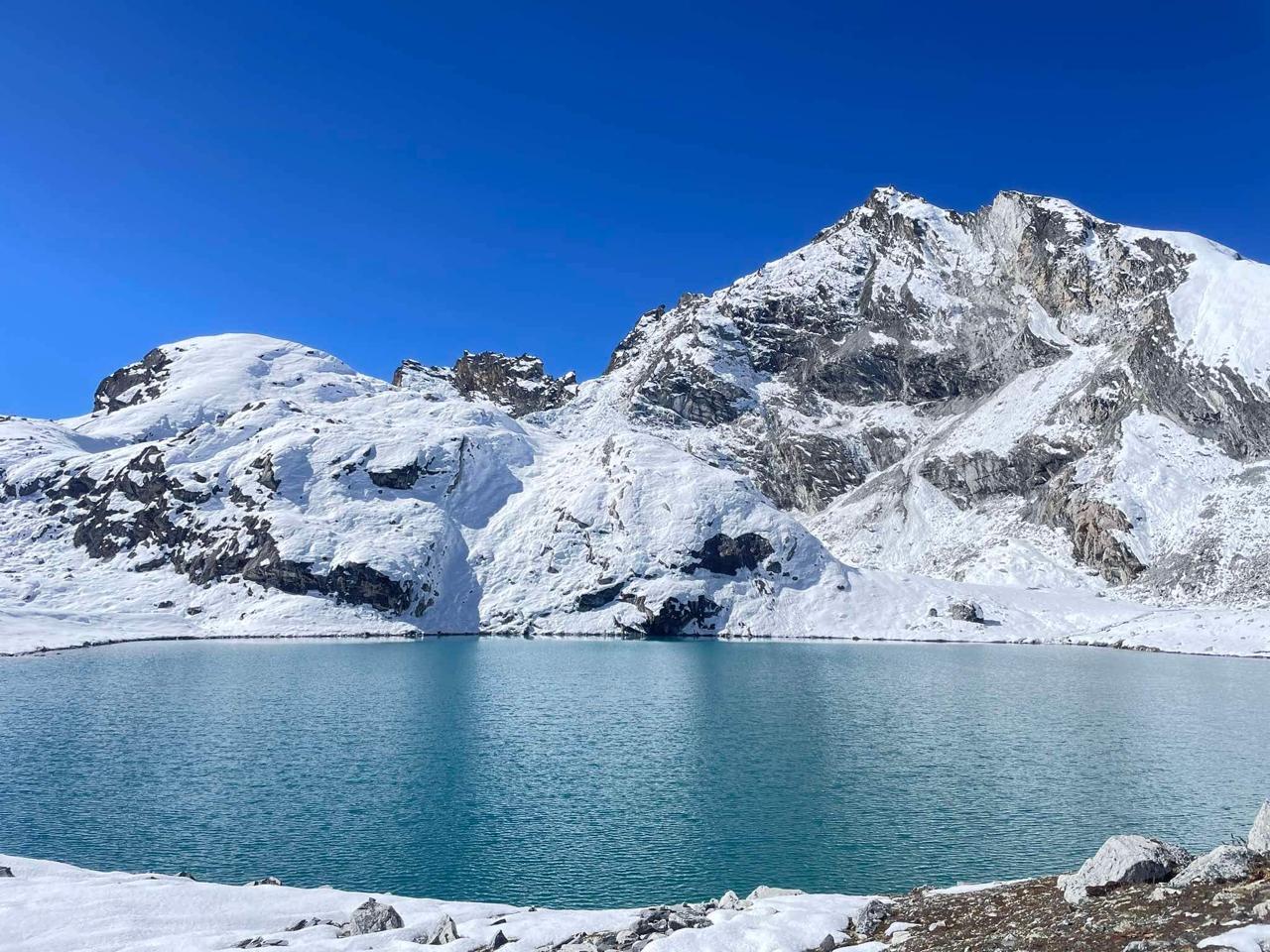
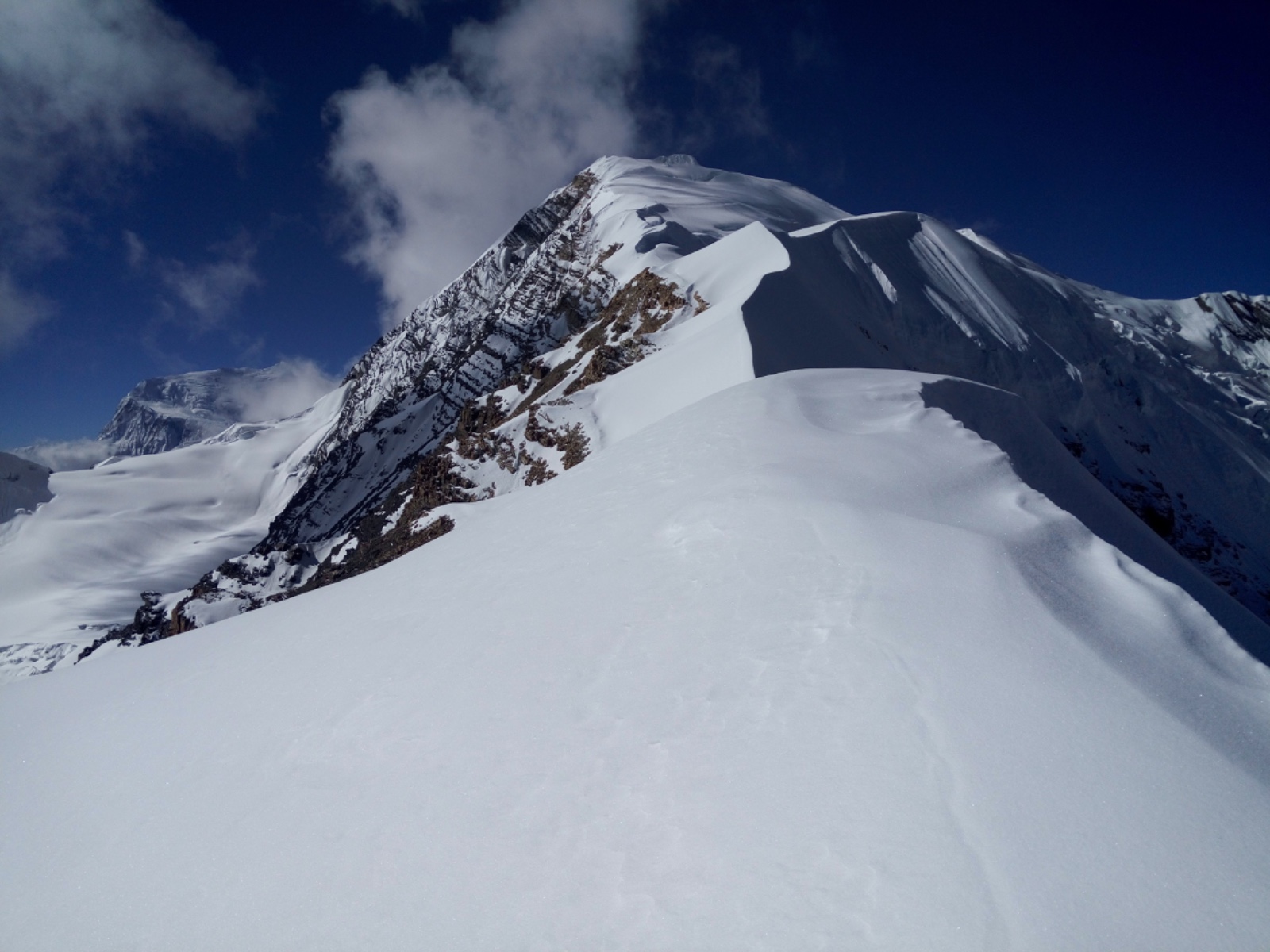
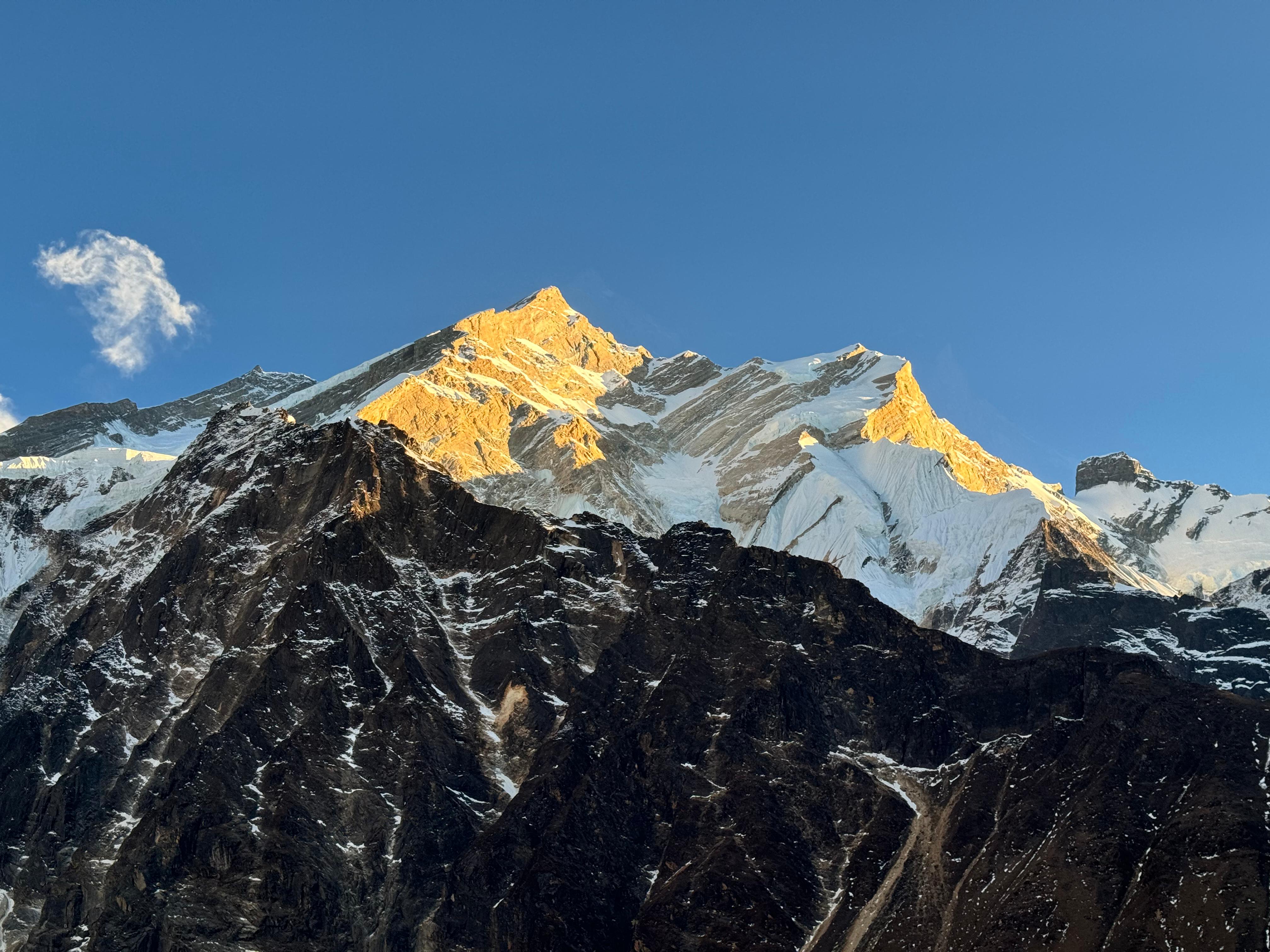
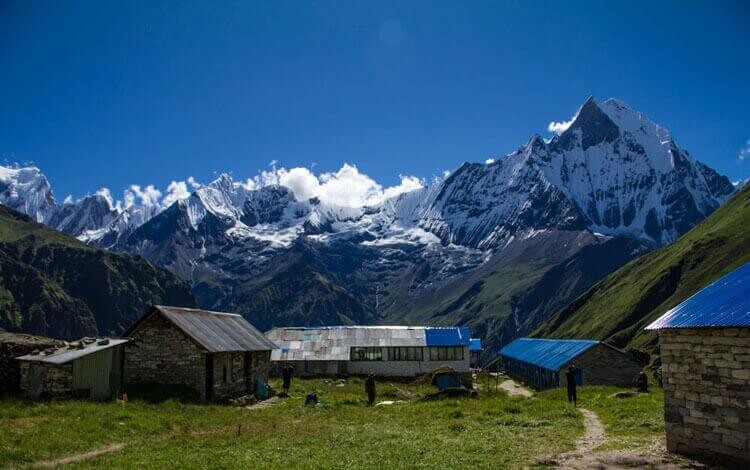
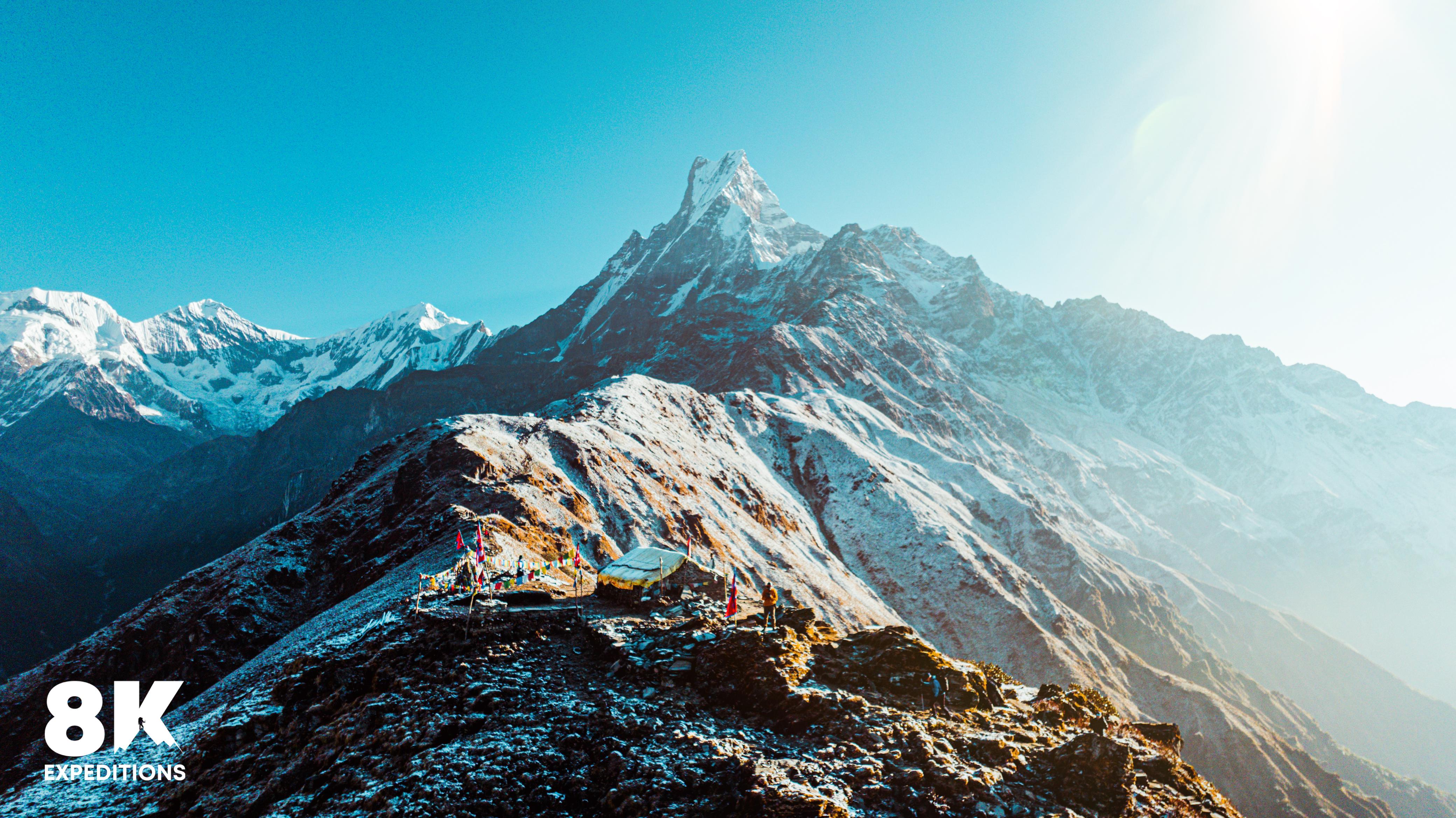
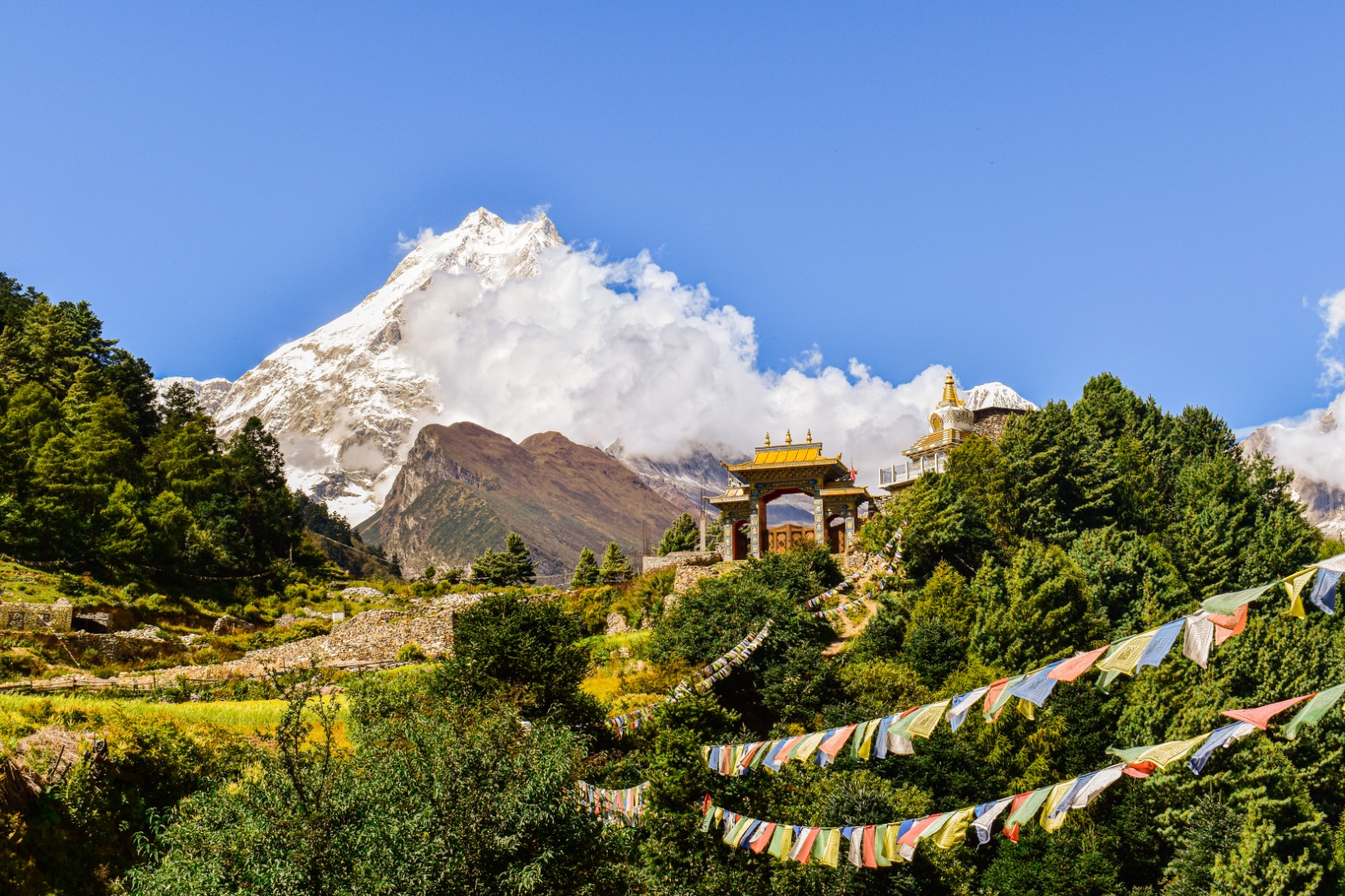
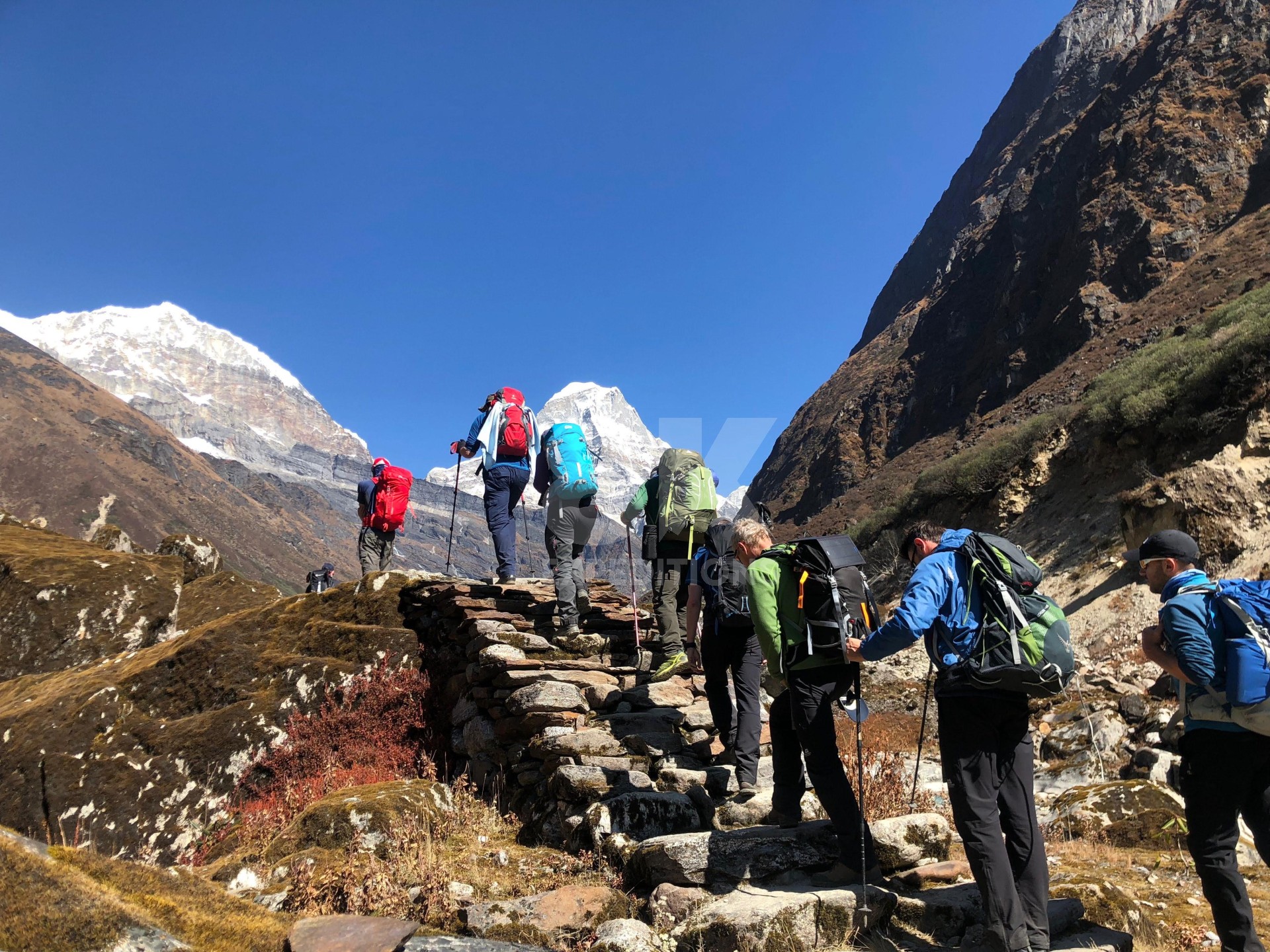
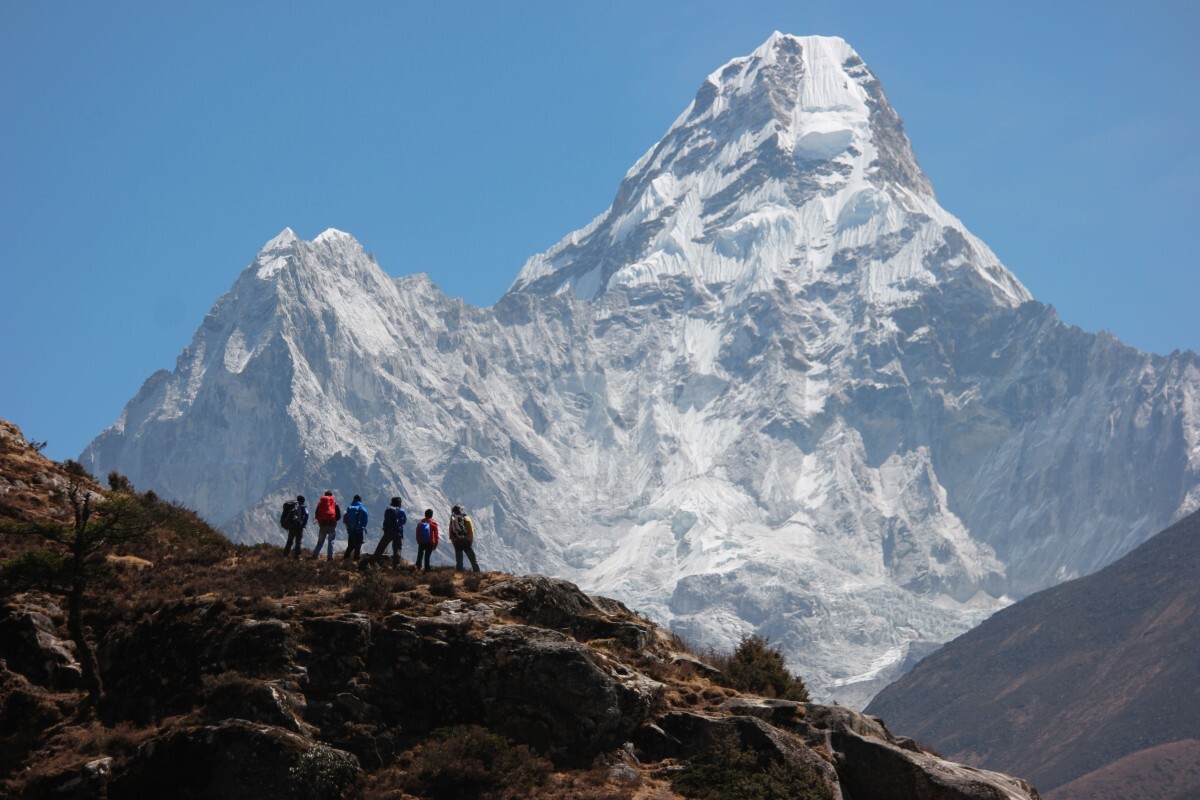
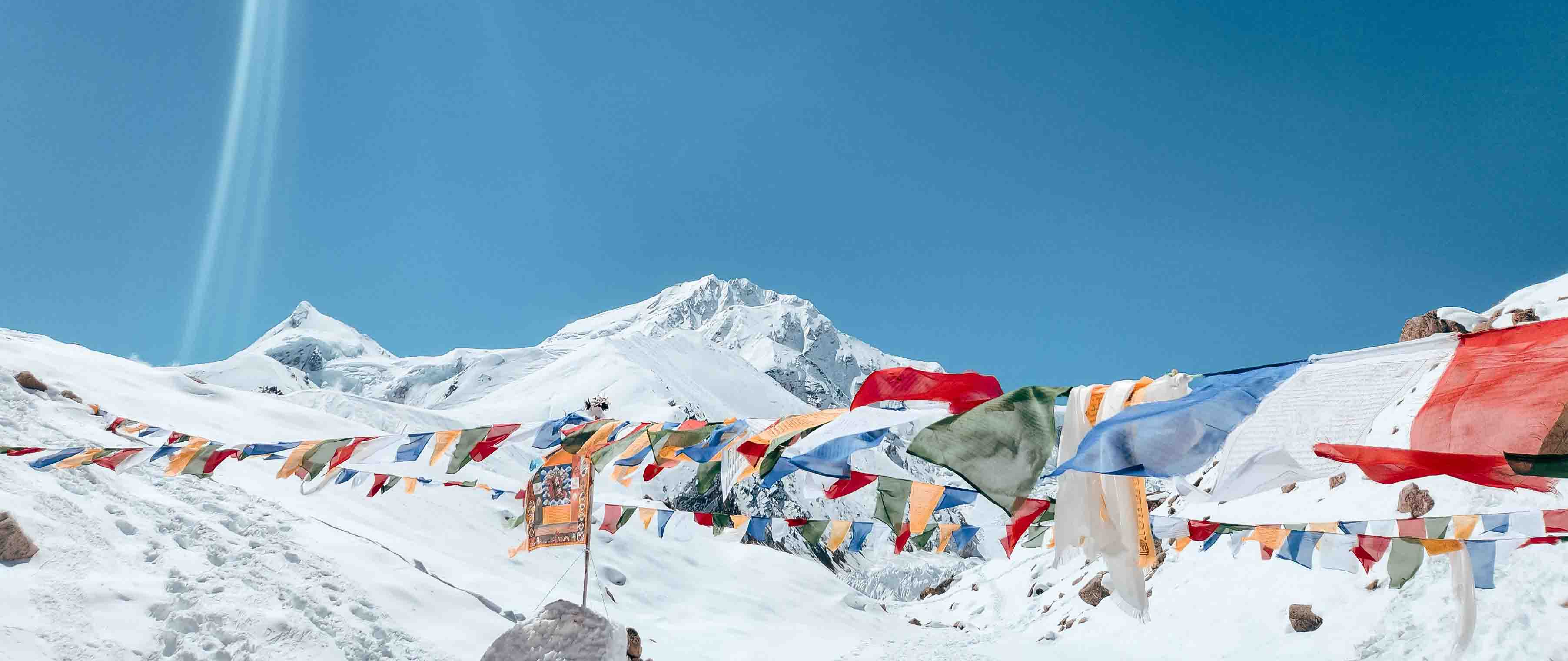
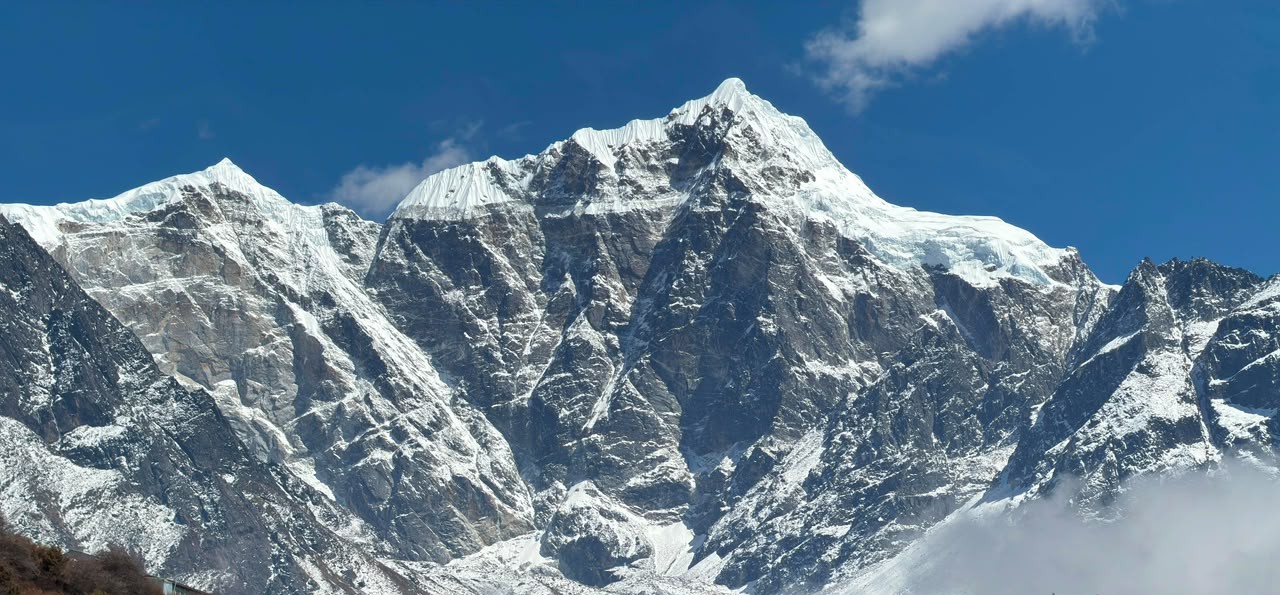
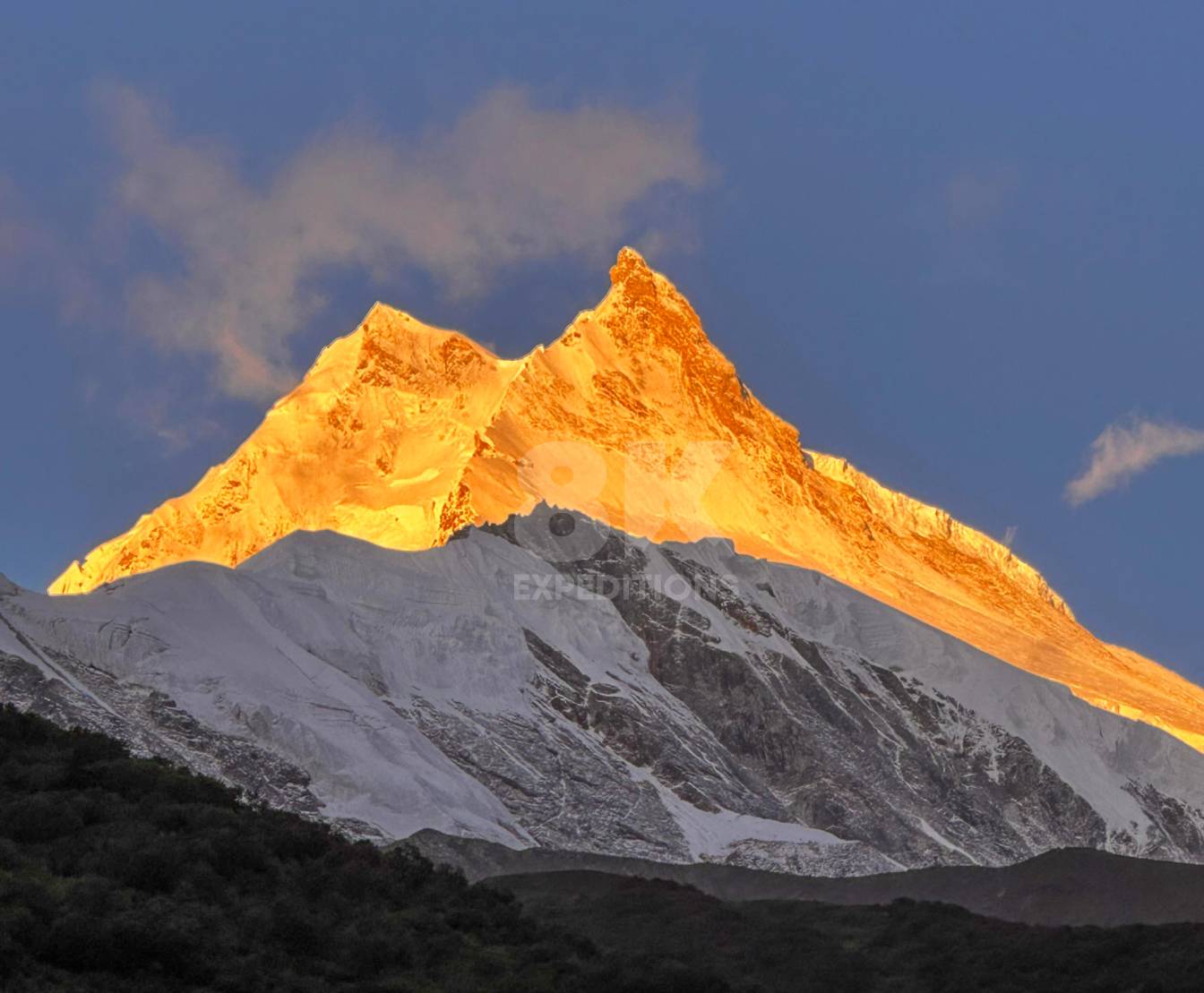
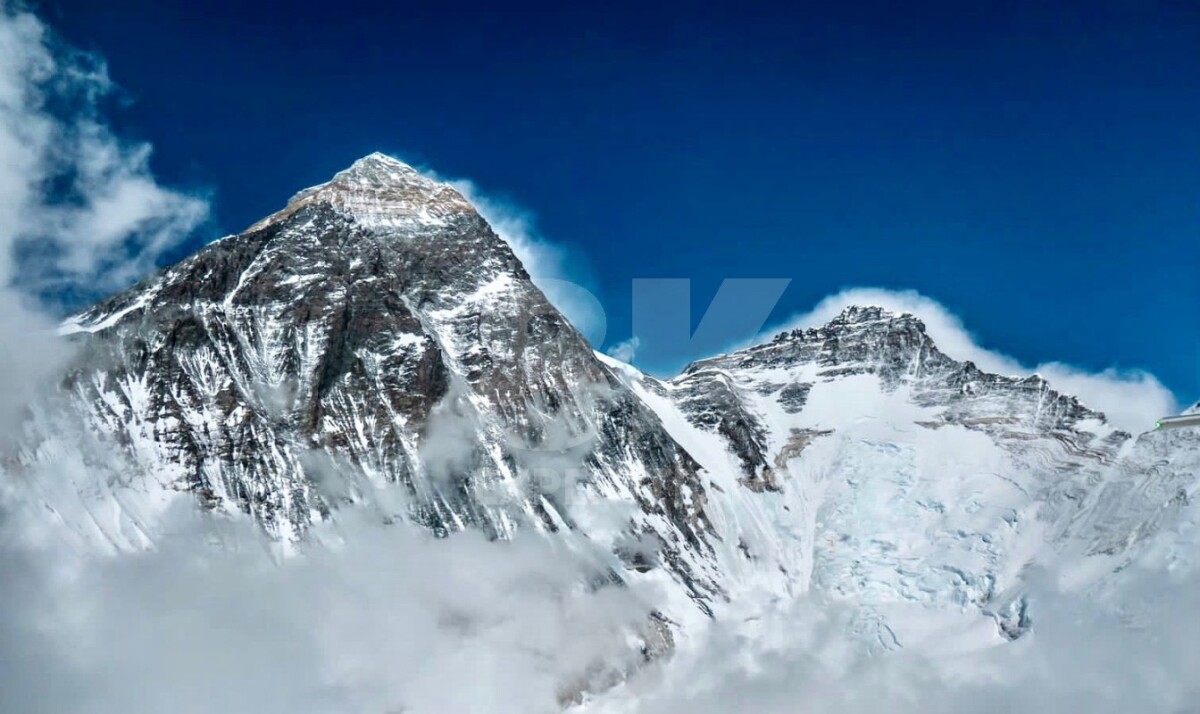
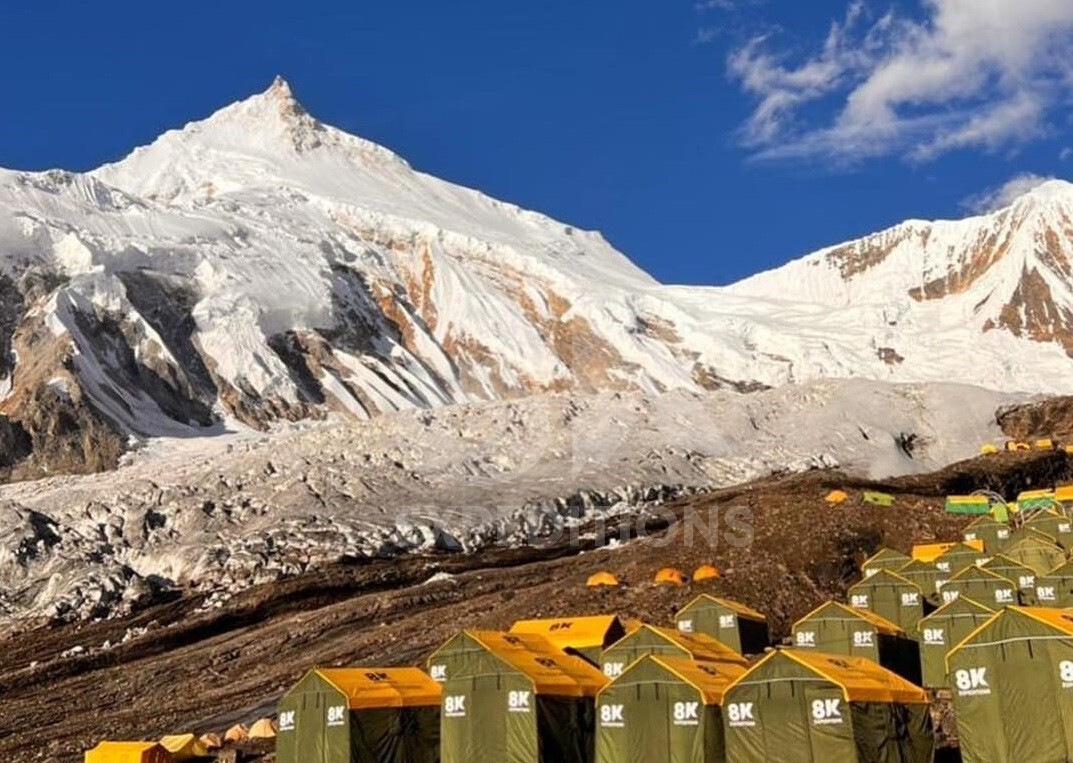
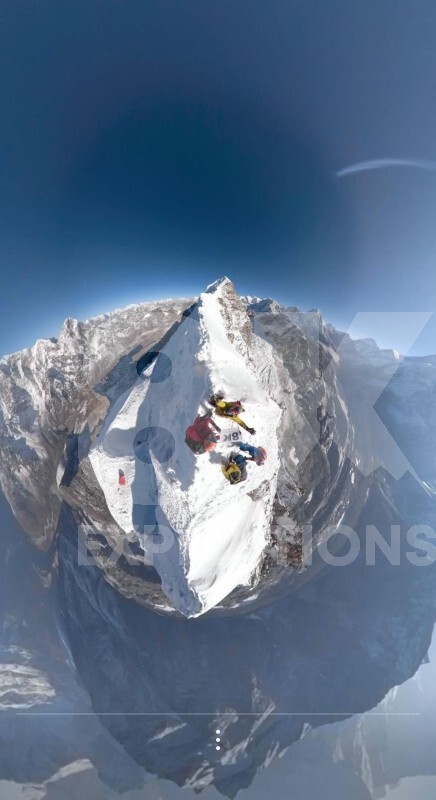
The Mardi Himal Trek is a scenic trekking adventure in Nepal’s Annapurna region, offering close-up views of Mount Machhapuchhre (Fishtail), Annapurna South, Hiunchuli and surrounding Himalayan peaks. The trail passes through rhododendron forests, traditional villages, alpine ridges and mountain teahouses before reaching the Mardi Himal Base Camp viewpoint area. It is an excellent choice for travelers seeking a relatively short Himalayan trekking experience with spectacular mountain scenery.
How many days does the Mardi Himal Trek take?
The Mardi Himal Trek takes 10 days, including arrival in Kathmandu, travel to Pokhara, trekking, return to Kathmandu and final departure. The itinerary includes the ascent through Deurali, Forest Camp, Badal Danda and High Camp, followed by a hike to the Mardi Himal Upper Viewpoint and descent toward Siding Village.
What is the maximum altitude of the Mardi Himal Trek?
The Mardi Himal Trek reaches approximately 4,250 meters (13,944 feet) at the Mardi Himal Base Camp or Upper Viewpoint area. At this elevation, trekkers can enjoy impressive views of Machhapuchhre and the Annapurna range. Because altitude can affect anyone regardless of fitness, it is important to maintain a steady pace, stay hydrated and report symptoms such as headaches, dizziness or nausea to your guide.
How difficult is the Mardi Himal Trek?
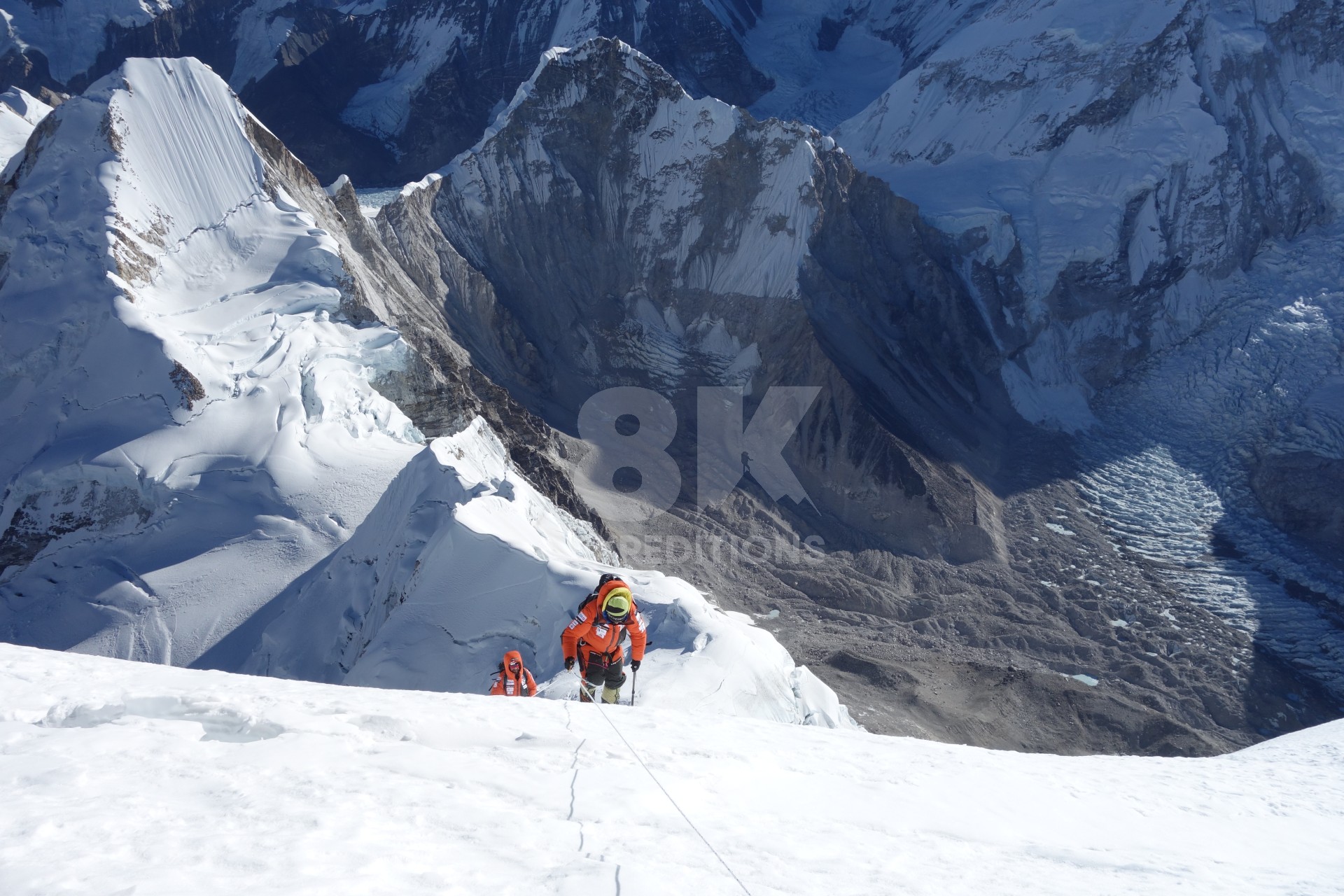
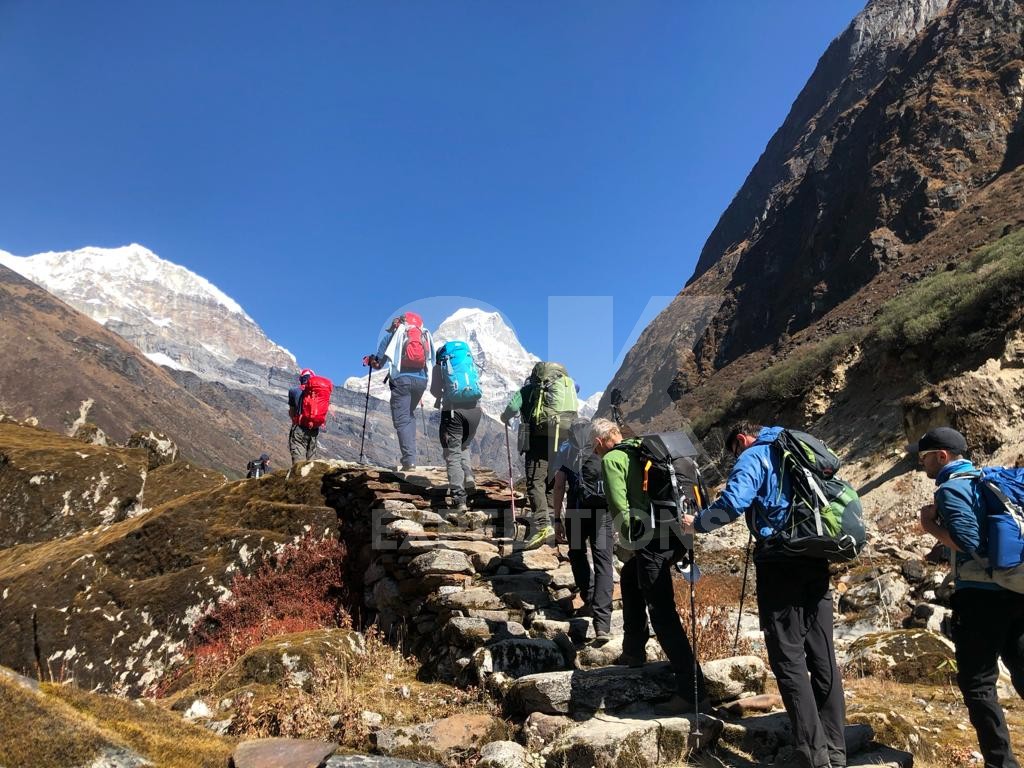
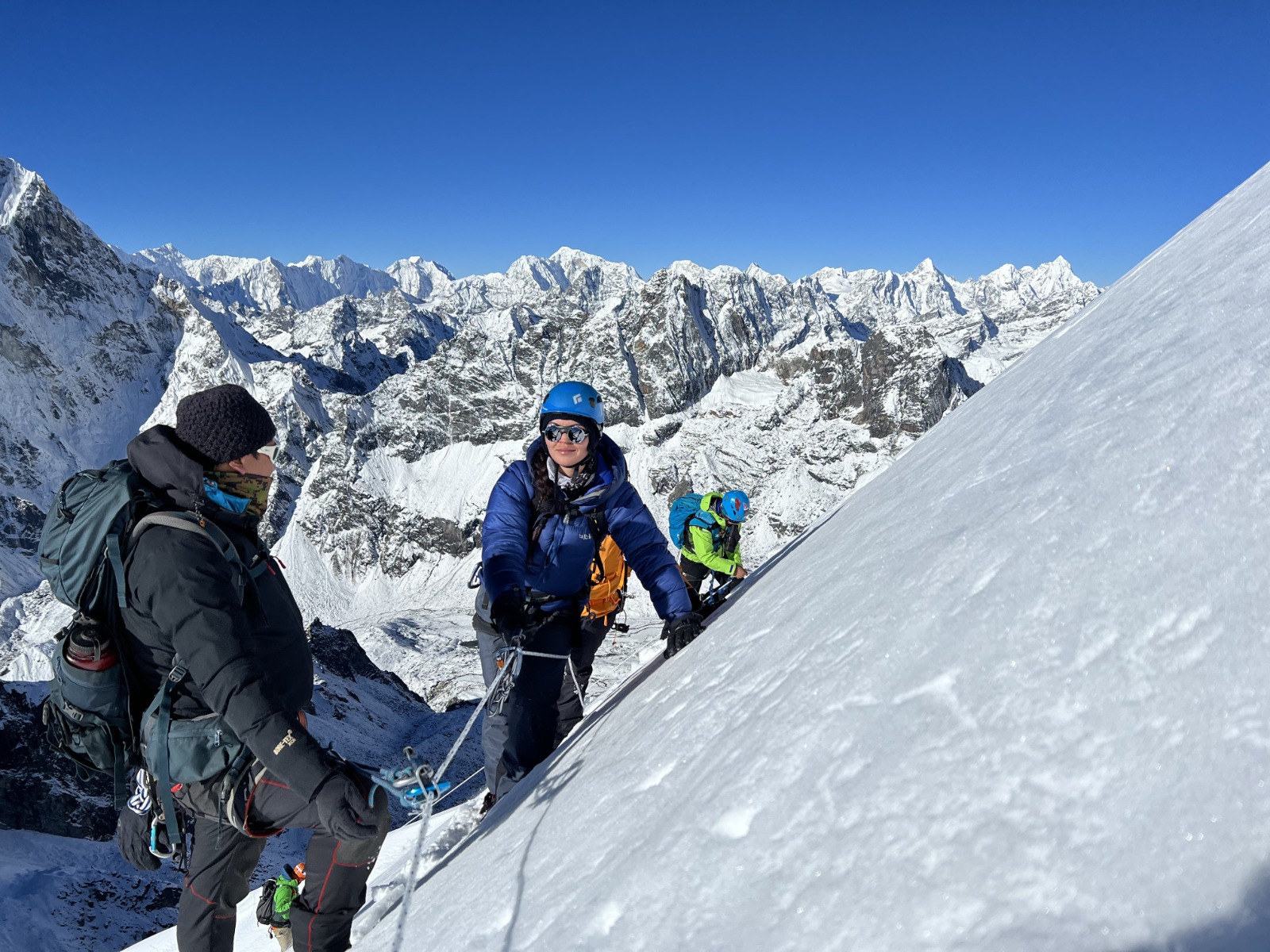
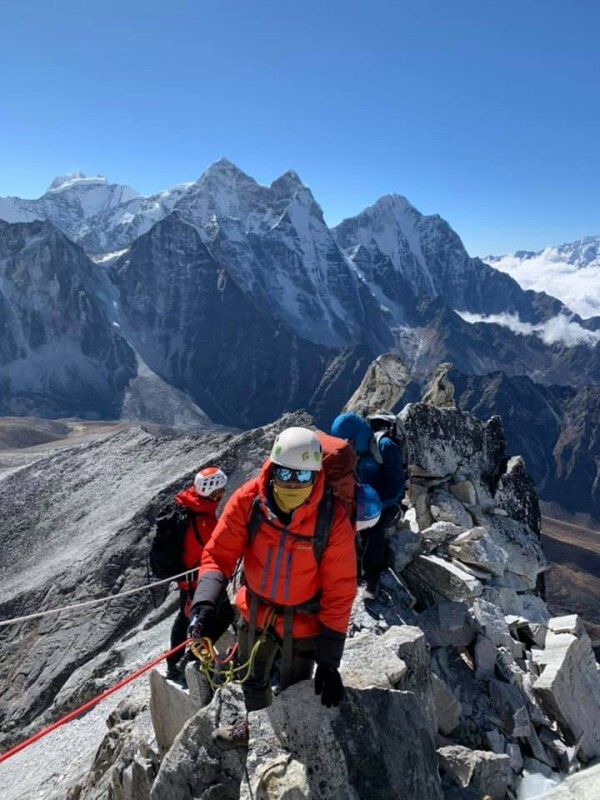
The Mardi Himal Trek is generally graded moderate. It involves several hours of walking, uphill forest trails, steep sections and exposed ridges at higher elevations. The itinerary does not require technical mountaineering skills but trekkers should have reasonable cardiovascular fitness and be comfortable walking for multiple consecutive days. Proper footwear, trekking poles and a gradual pace can make the experience more manageable.
When is the best time for the Mardi Himal Trek?
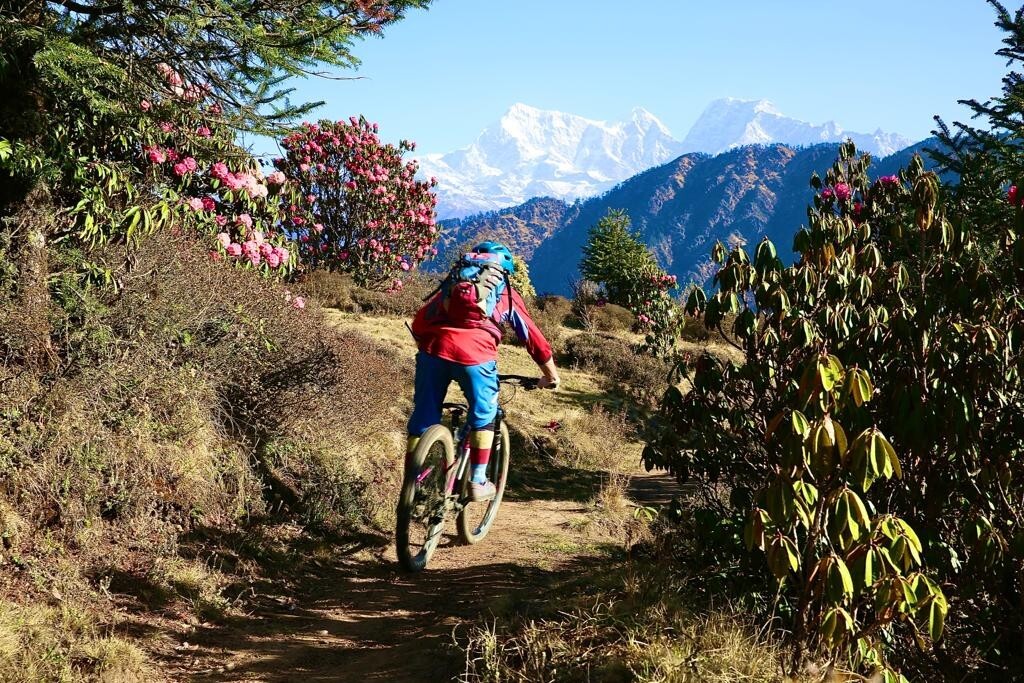
The best time for the Mardi Himal Trek is generally spring (March–May) and autumn (September–November). Spring offers blooming rhododendron forests, while autumn often brings clear skies and excellent mountain visibility
How much does the Mardi Himal Trek cost?
The cost of the Mardi Himal Trek depends on the departure date, group size, transportation arrangements and services selected. The 10-day package includes trekking permits, a certified English-speaking guide, porter support, teahouse accommodation during the trek, specified meals and transportation arrangements.
Is the Mardi Himal Trek suitable for beginners?
Yes, the Mardi Himal Trek can be suitable for beginners who have reasonable fitness and prepare adequately. Previous trekking experience is helpful but not essential. Beginners should understand that the upper trail involves sustained climbing, high altitude and exposed sections. Following the guide’s instructions, walking at a comfortable pace and choosing appropriate trekking equipment are important for a safe and enjoyable journey.
What permits are required for the Mardi Himal Trek?
Trekkers need the applicable Annapurna Conservation Area entry permit and must follow the current trekking registration and guide requirements. Nepal Tourism Board lists Mardi Himal among routes requiring a licensed trekking guide and an agency-issued TIMS card under its revised provisions.
Where does the Mardi Himal Trek start and end?
The Mardi Himal Trek starts in Kathmandu and travels to Pokhara before the trek begins near Kande. The walking route passes through Deurali, Forest Camp, Badal Danda and High Camp before reaching the Mardi Himal Upper Viewpoint. The descent continues toward Siding Village, followed by a drive to Pokhara and onward travel to Kathmandu.
What accommodation is available during the Mardi Himal Trek?
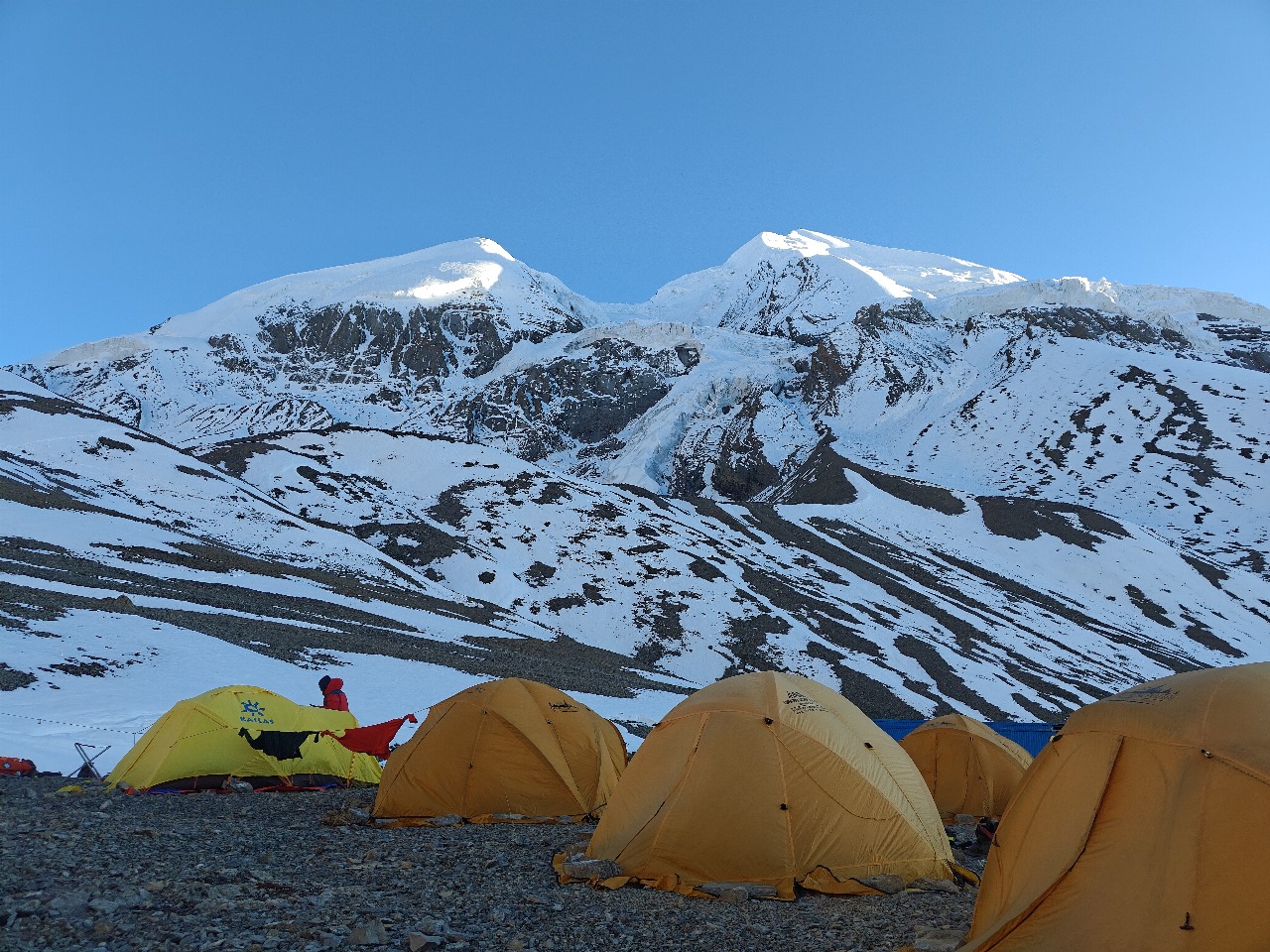
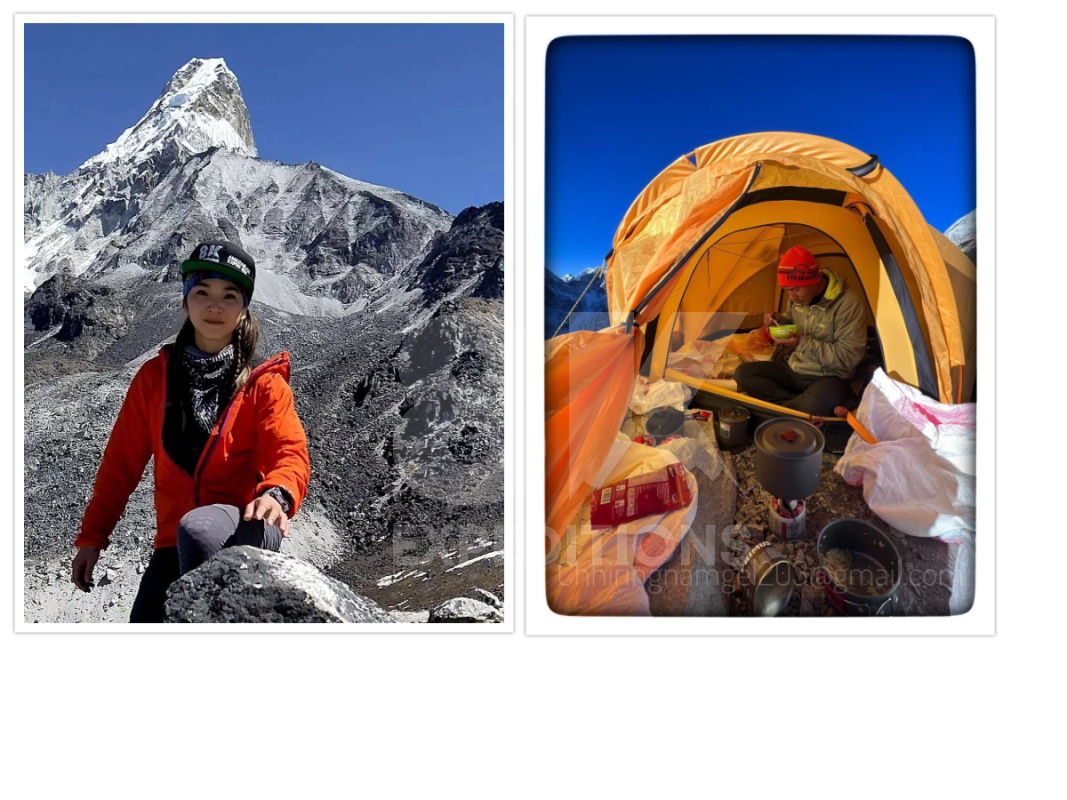
During the Mardi Himal Trek, trekkers stay in hotels in Kathmandu and Pokhara and in local lodges or teahouses along the trekking route. The package specifies twin-sharing hotel accommodation in Kathmandu, a hotel stay in Pokhara and teahouse accommodation during the trek. Facilities become more basic at higher elevations, so travelers should be prepared for shared or limited amenities depending on lodge availability.
What meals are included in the Mardi Himal Trek package?
The Mardi Himal Trek package includes breakfast, lunch and dinner during the specified trekking days, with one menu item and tea or coffee as stated in the inclusions. Breakfast is also included on the specified hotel stays. Meals in Kathmandu and Pokhara, along with certain meals during road travel, are excluded as detailed on the package page. Travelers with dietary requirements should inform the company before departure.
What mountains can you see during the Mardi Himal Trek?
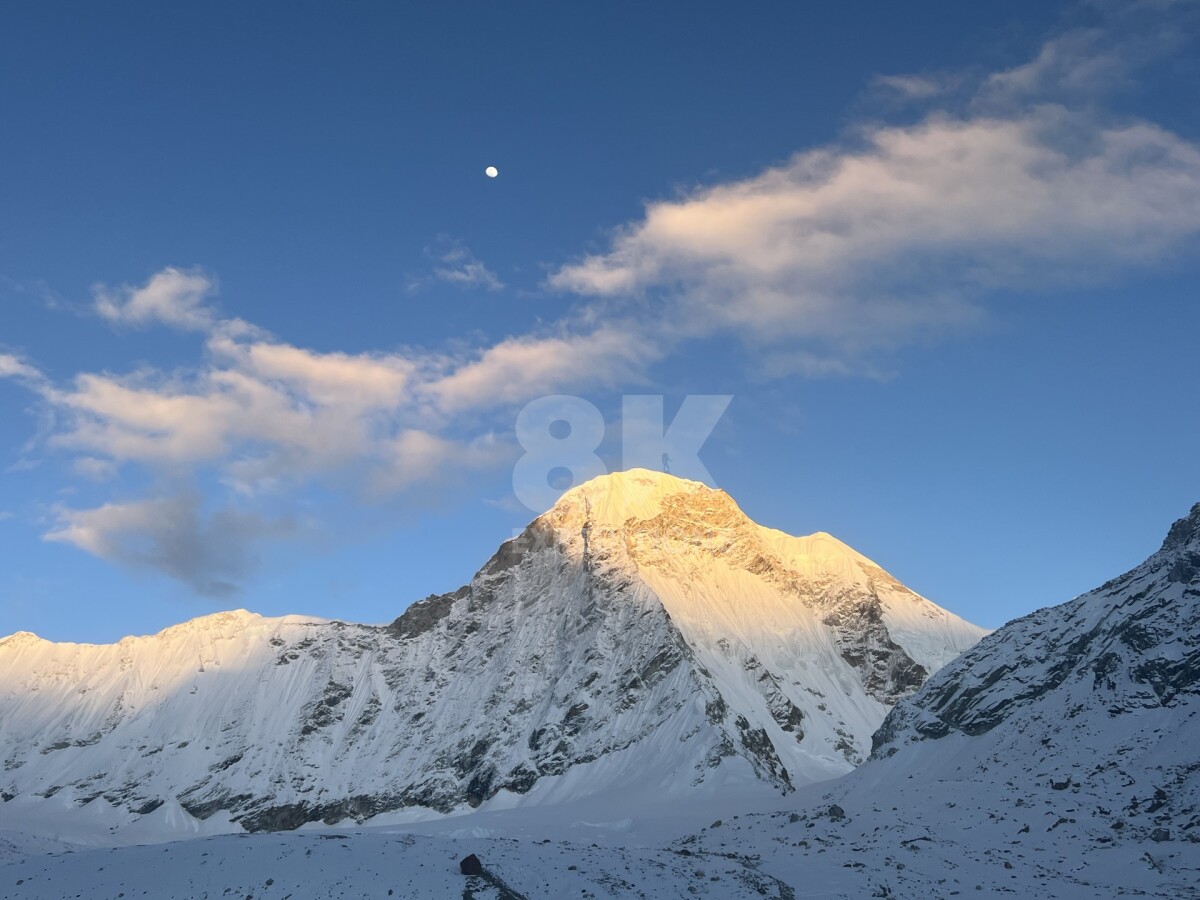
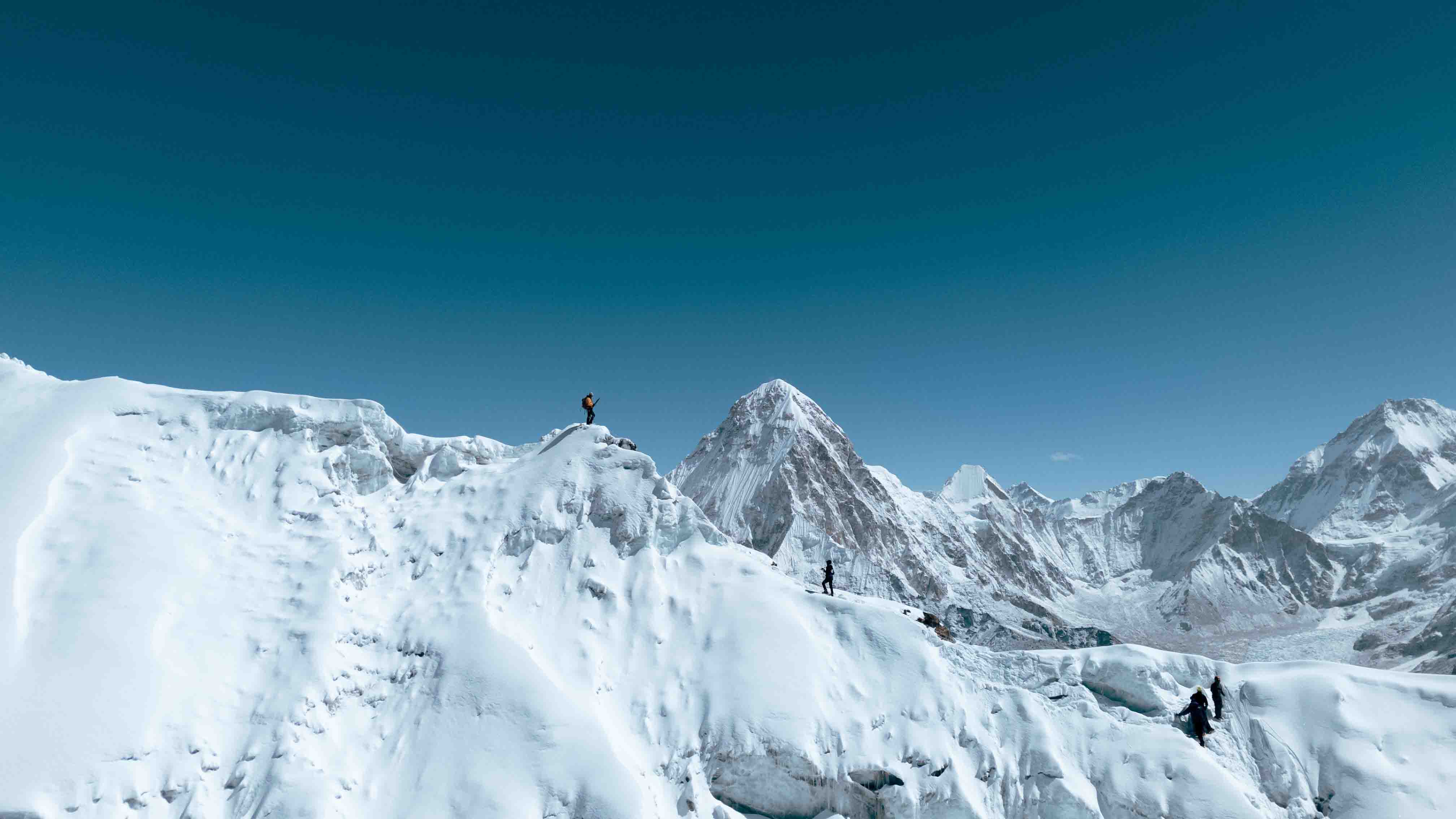
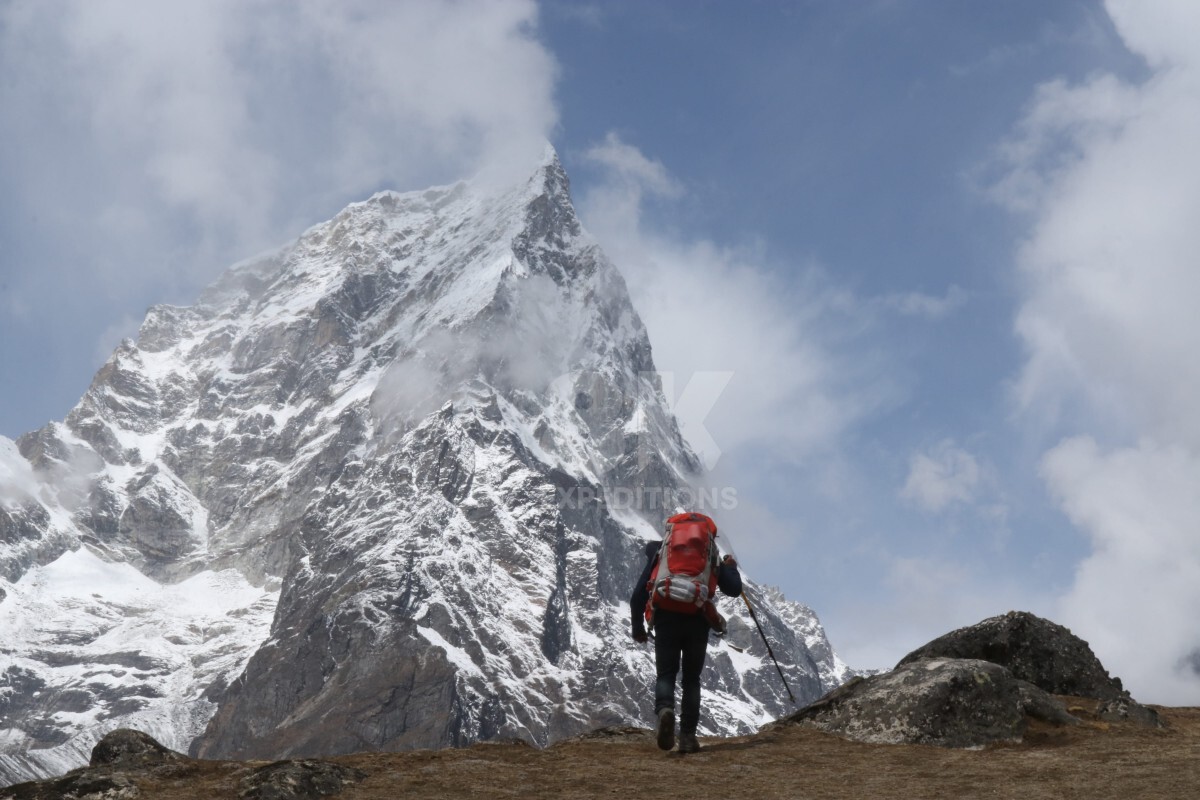
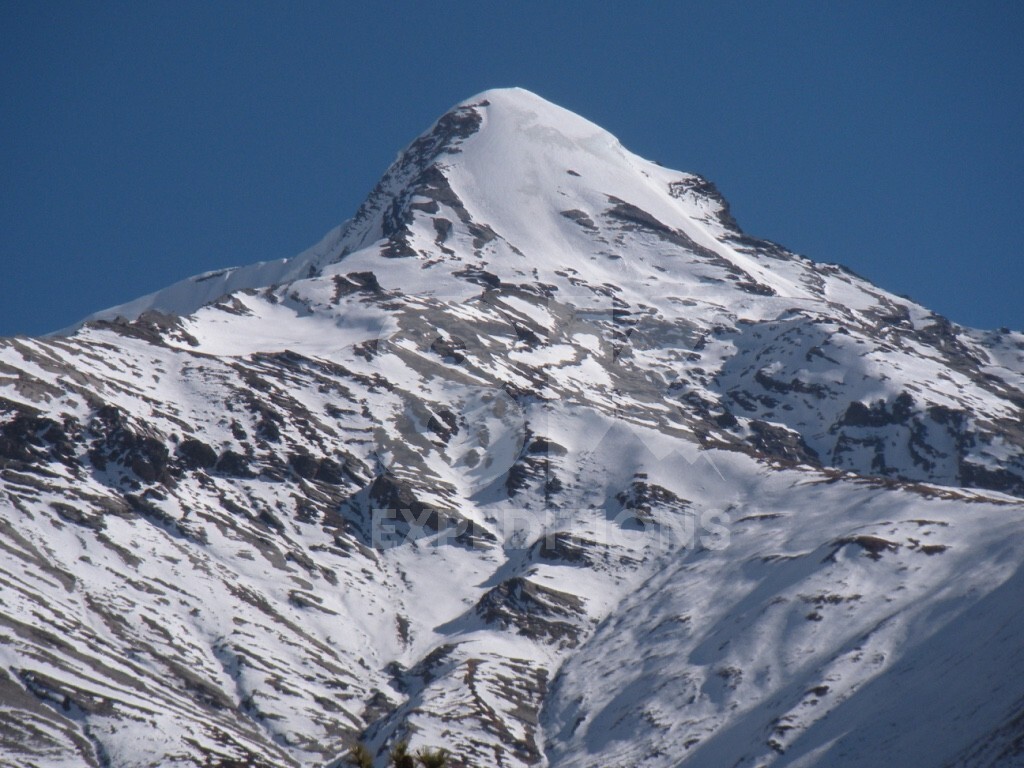
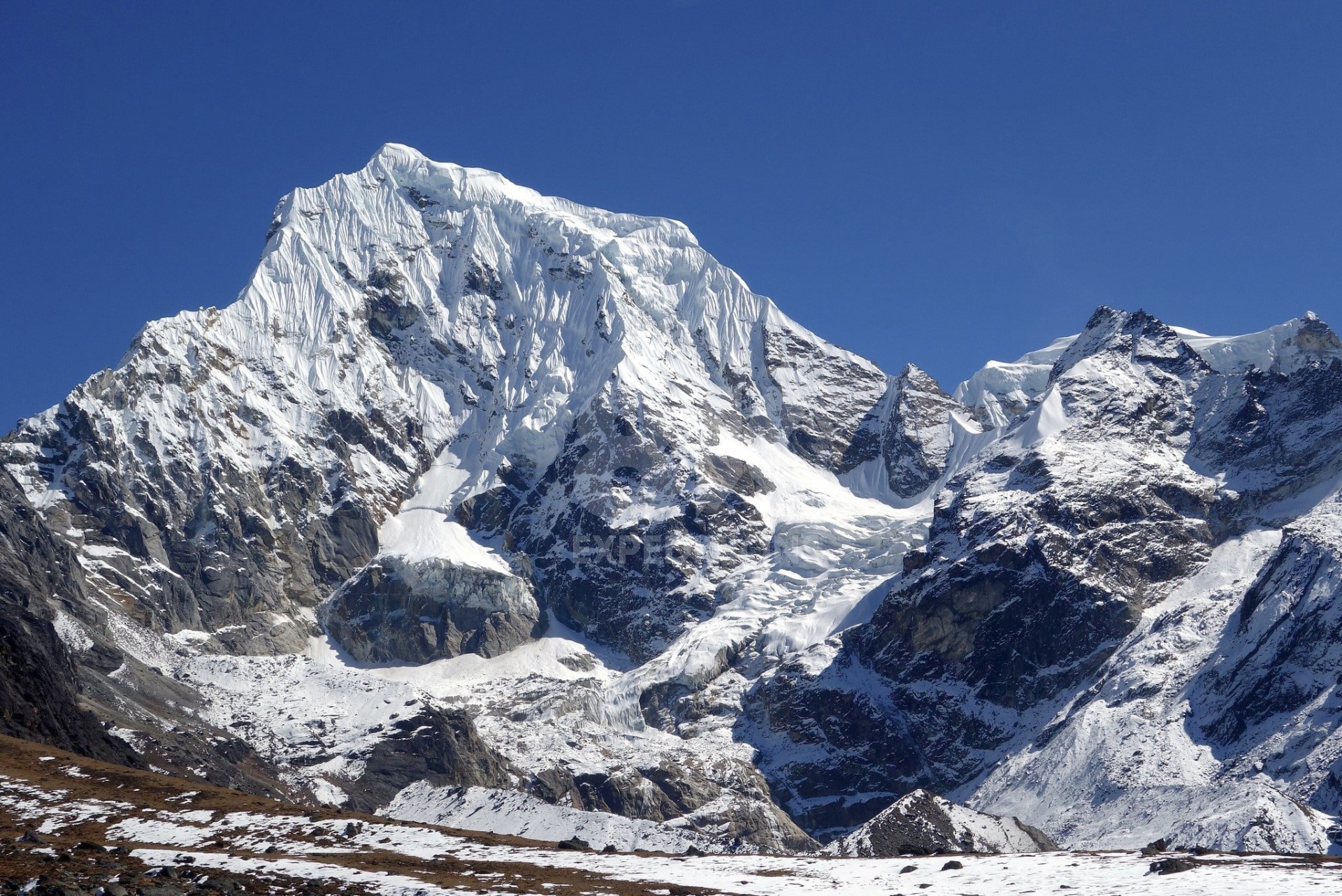
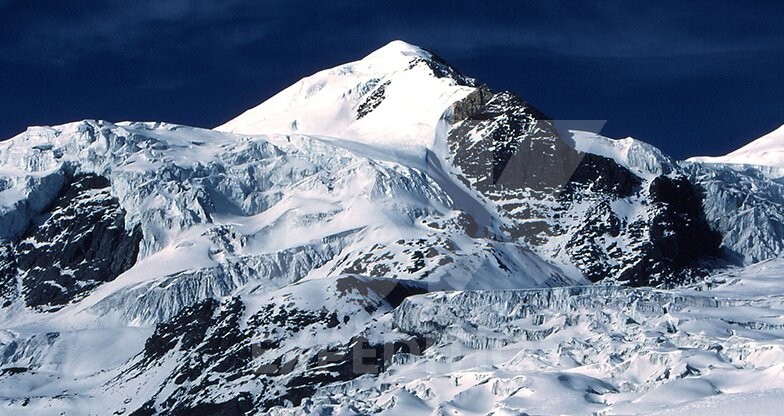
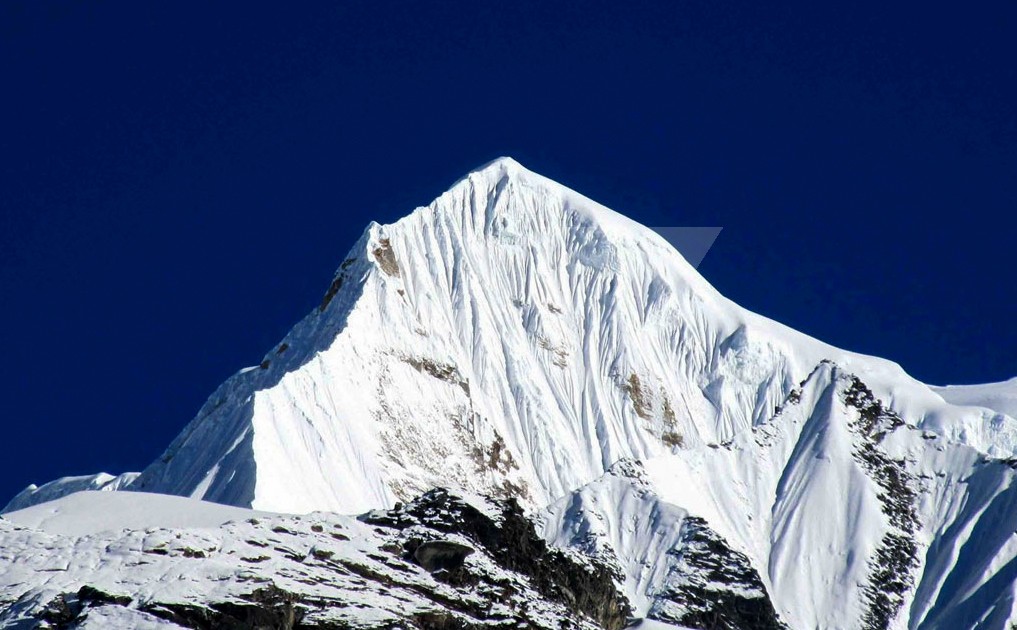
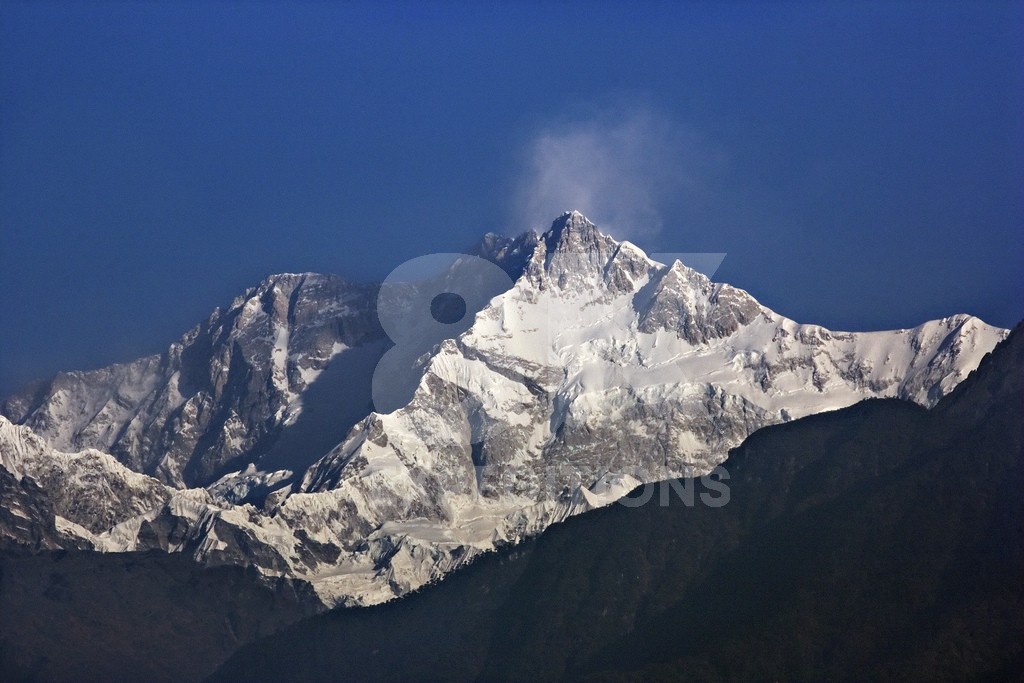
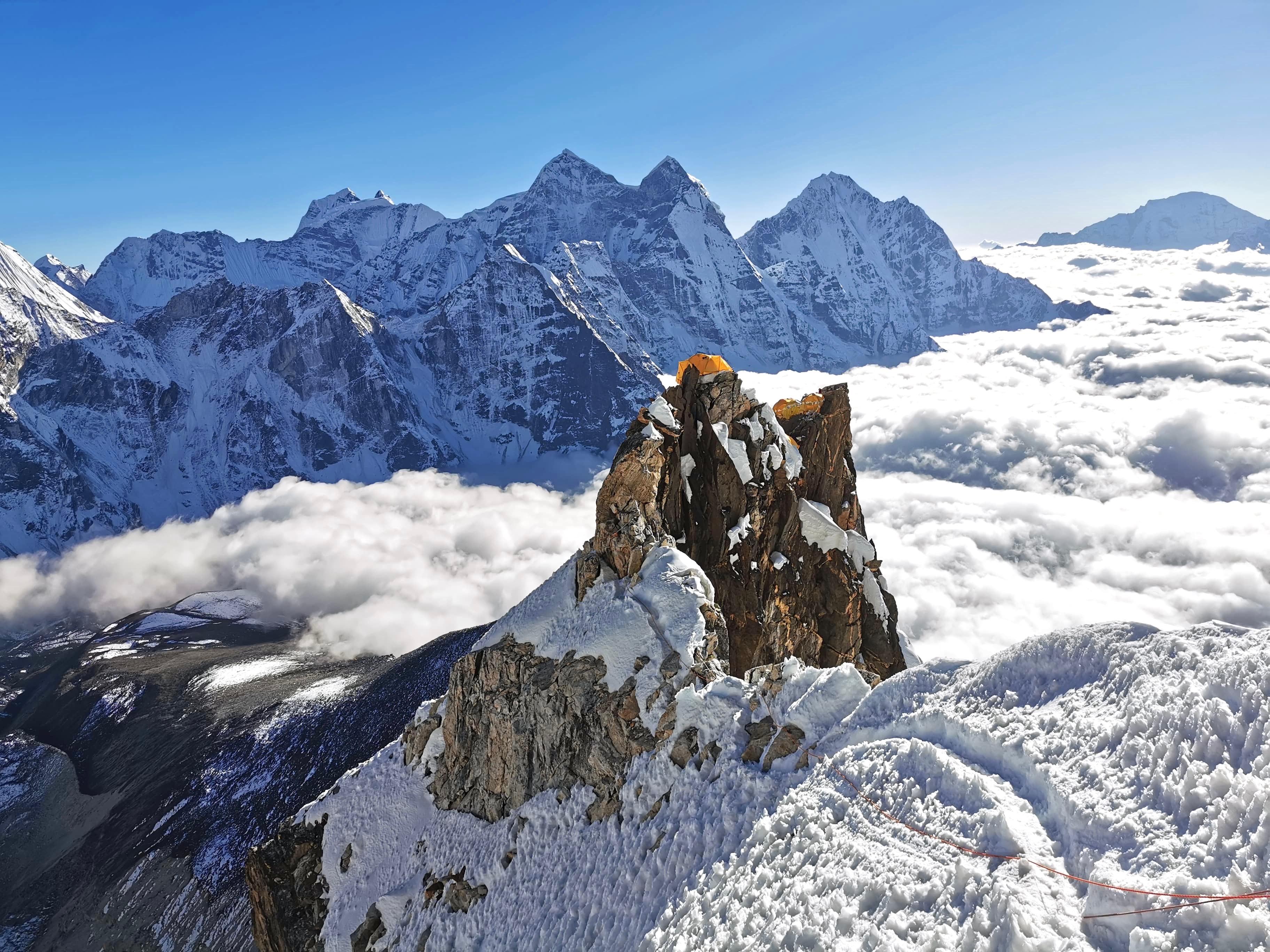
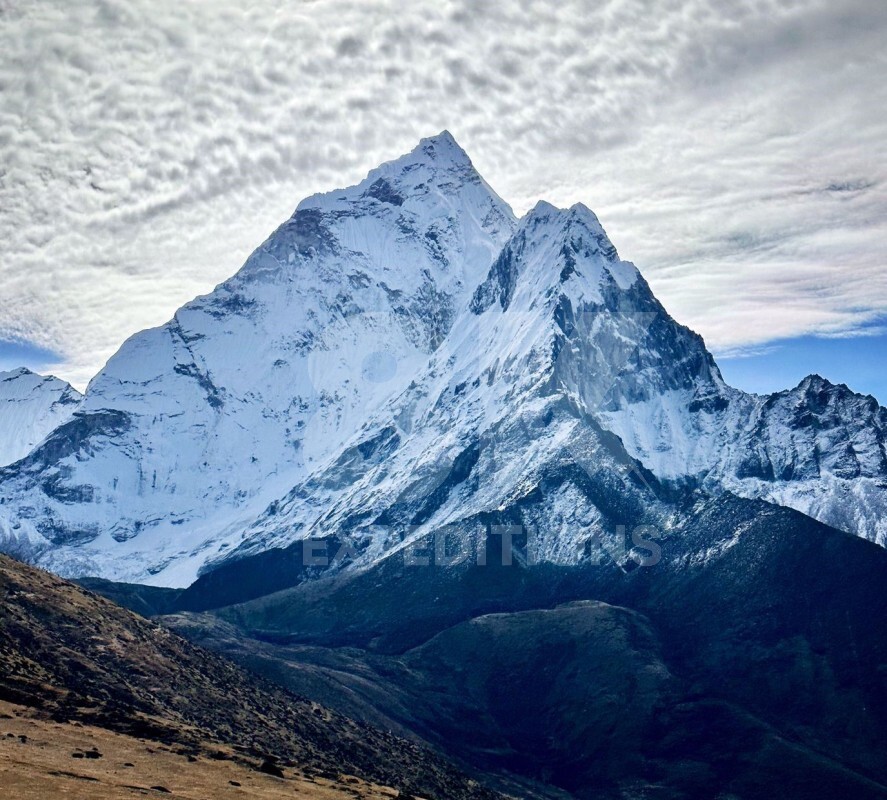
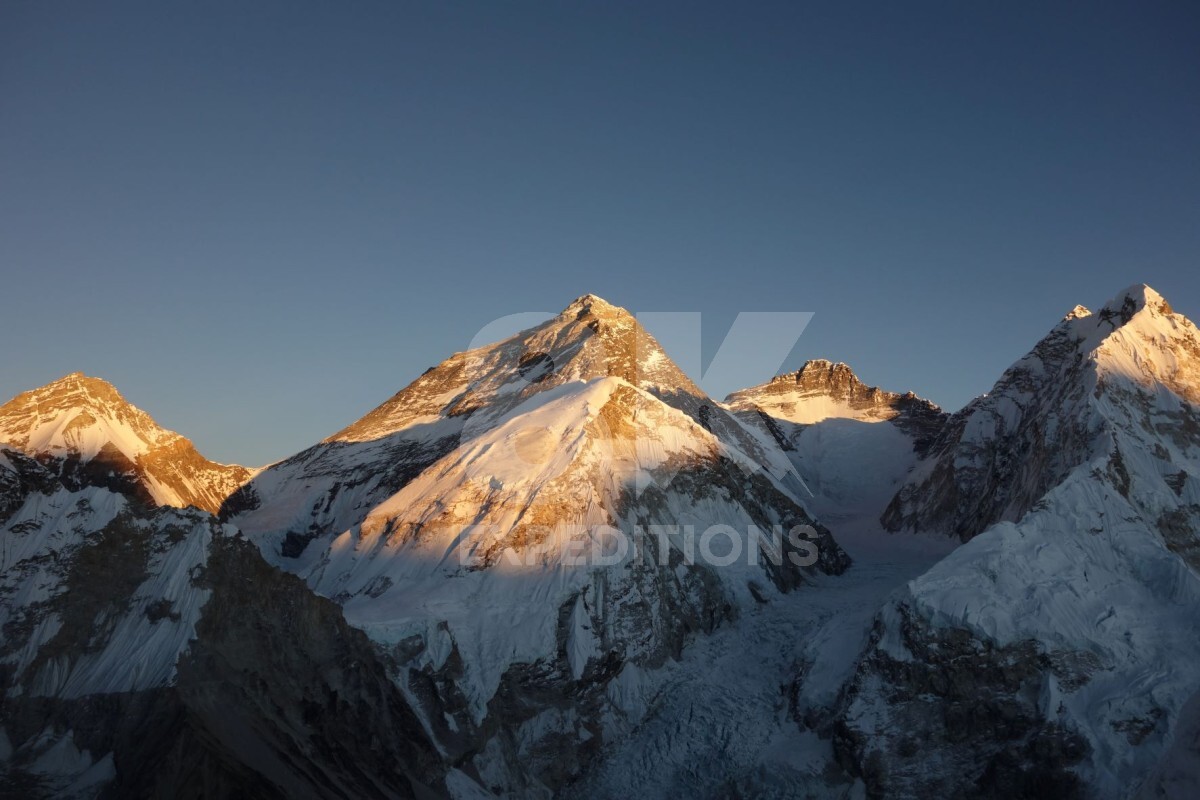
The Mardi Himal Trek offers views of Machhapuchhre (Fishtail), Annapurna South, Hiunchuli and other peaks of the Annapurna region. Depending on weather and visibility, trekkers may also see distant Himalayan ranges and surrounding valleys from the higher viewpoints. The close-up perspective of Machhapuchhre from the ridge is one of the defining highlights of this trek.
Is travel insurance necessary for the Mardi Himal Trek?
Yes, travel insurance is strongly recommended. Trekkers should select a policy that covers trekking at the maximum altitude planned, emergency medical treatment and helicopter evacuation where applicable.
What should I pack for the Mardi Himal Trek?
Essential items include broken-in trekking boots, layered clothing, a warm insulated jacket, waterproof outerwear, thermal base layers, trekking trousers, gloves, a warm hat, sunglasses, sunscreen, a reusable water bottle, a headlamp, personal medication and a suitable sleeping bag. Trekking poles are particularly useful on steep ascents and descents.
Is the Mardi Himal Trek safer with a licensed guide?
Trekking with a licensed guide provides route guidance, local knowledge, assistance with accommodation and logistics, and support in recognizing altitude-related symptoms or changing weather conditions. The upper Mardi Himal trail can be steep and exposed, so a guide is particularly valuable for first-time trekkers.
Can trekker book a private or customized Mardi Himal Trek with 8K Expeditions?
Travelers interested in a private or customized Mardi Himal Trek should contact 8K Expeditions to discuss their preferred travel dates, group size, fitness level, accommodation preferences and transportation options.
Why choose 8K Expeditions for the Mardi Himal Trek?
8K Expeditions offers Mardi Himal trekking package with a planned itinerary, trekking permits and paperwork, an English-speaking guide, porter support, accommodation and specified meals and transportation.