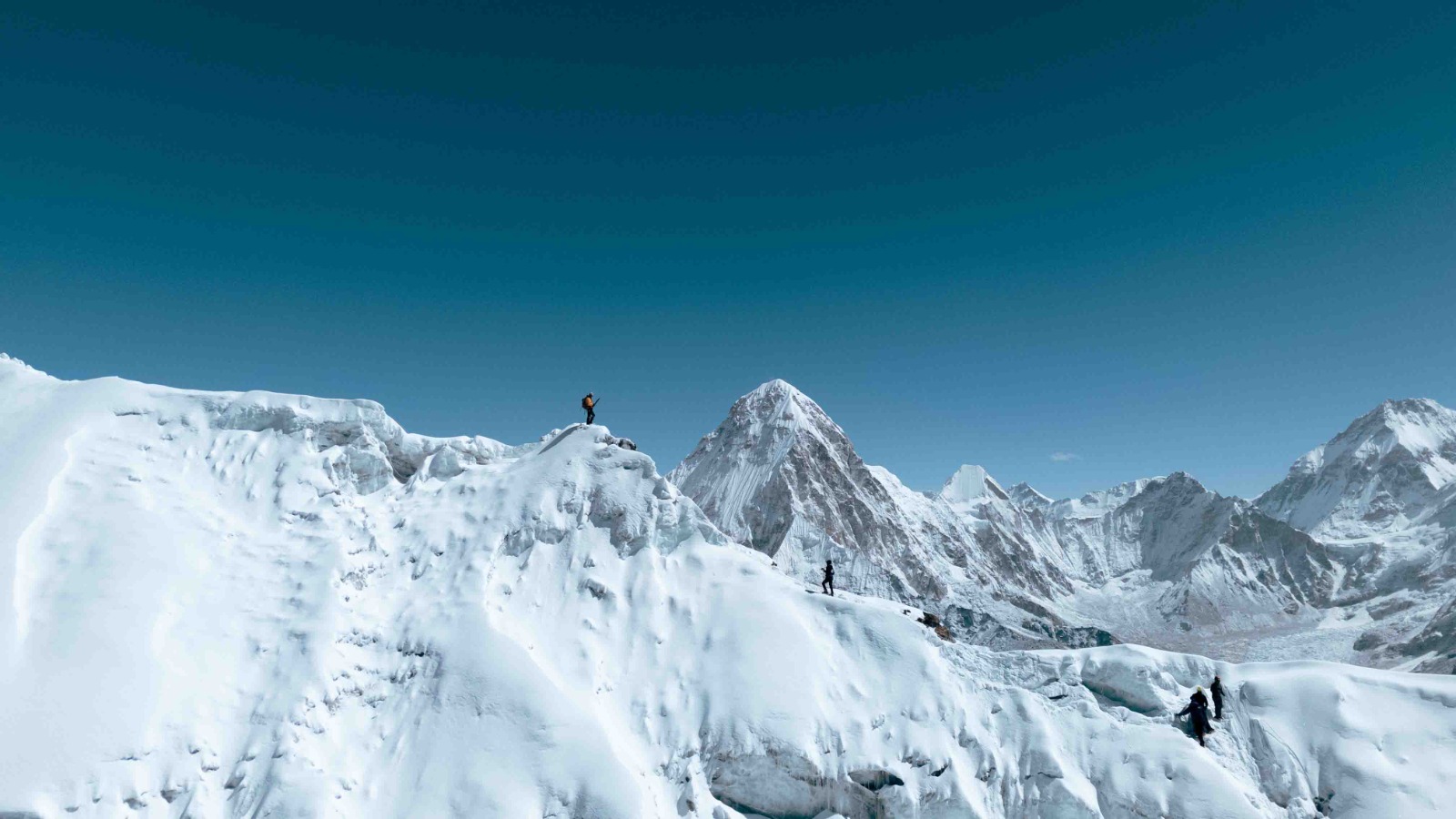
Double Peak Climbing and Triple Peak Climbing in Nepal
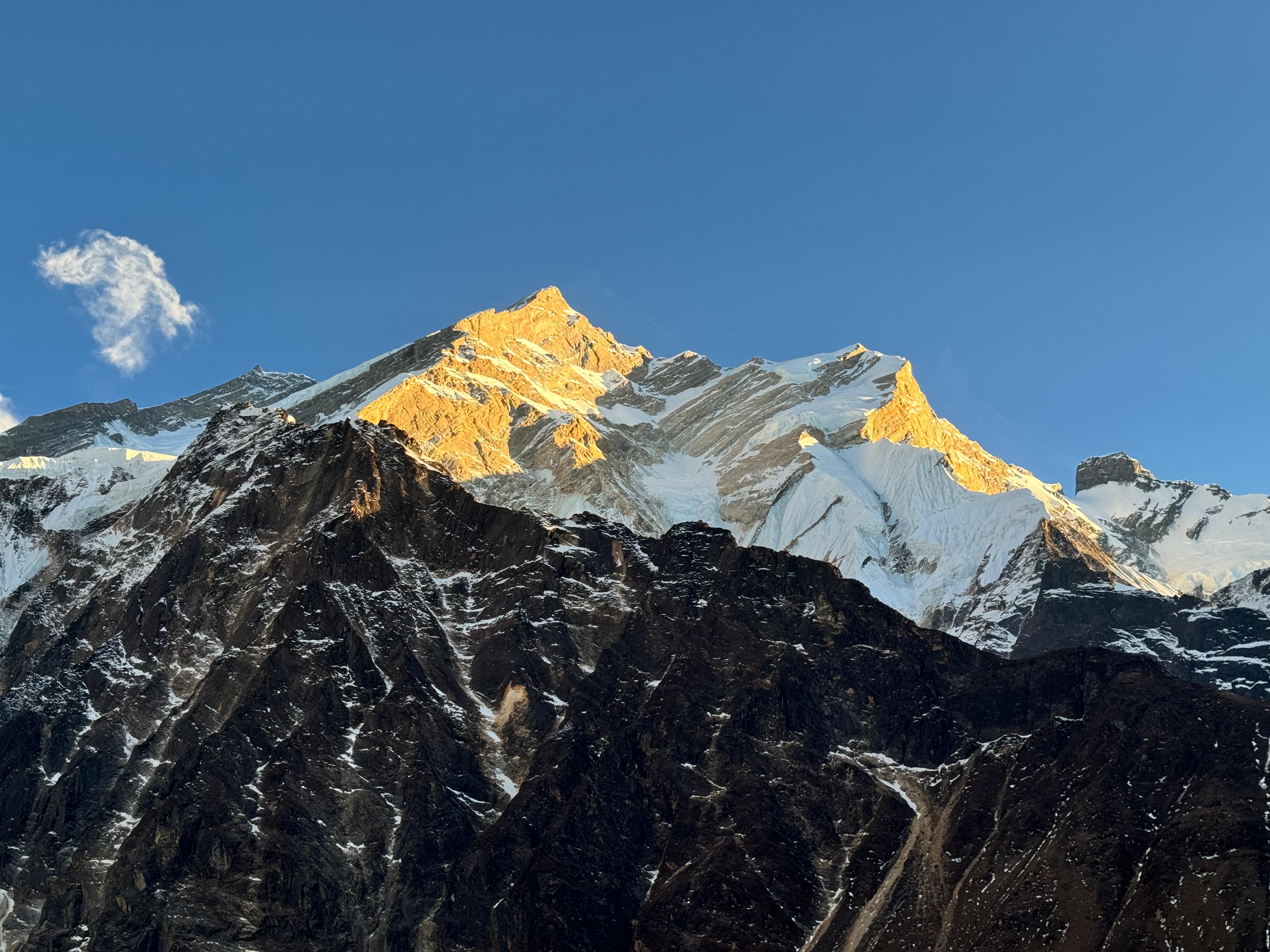
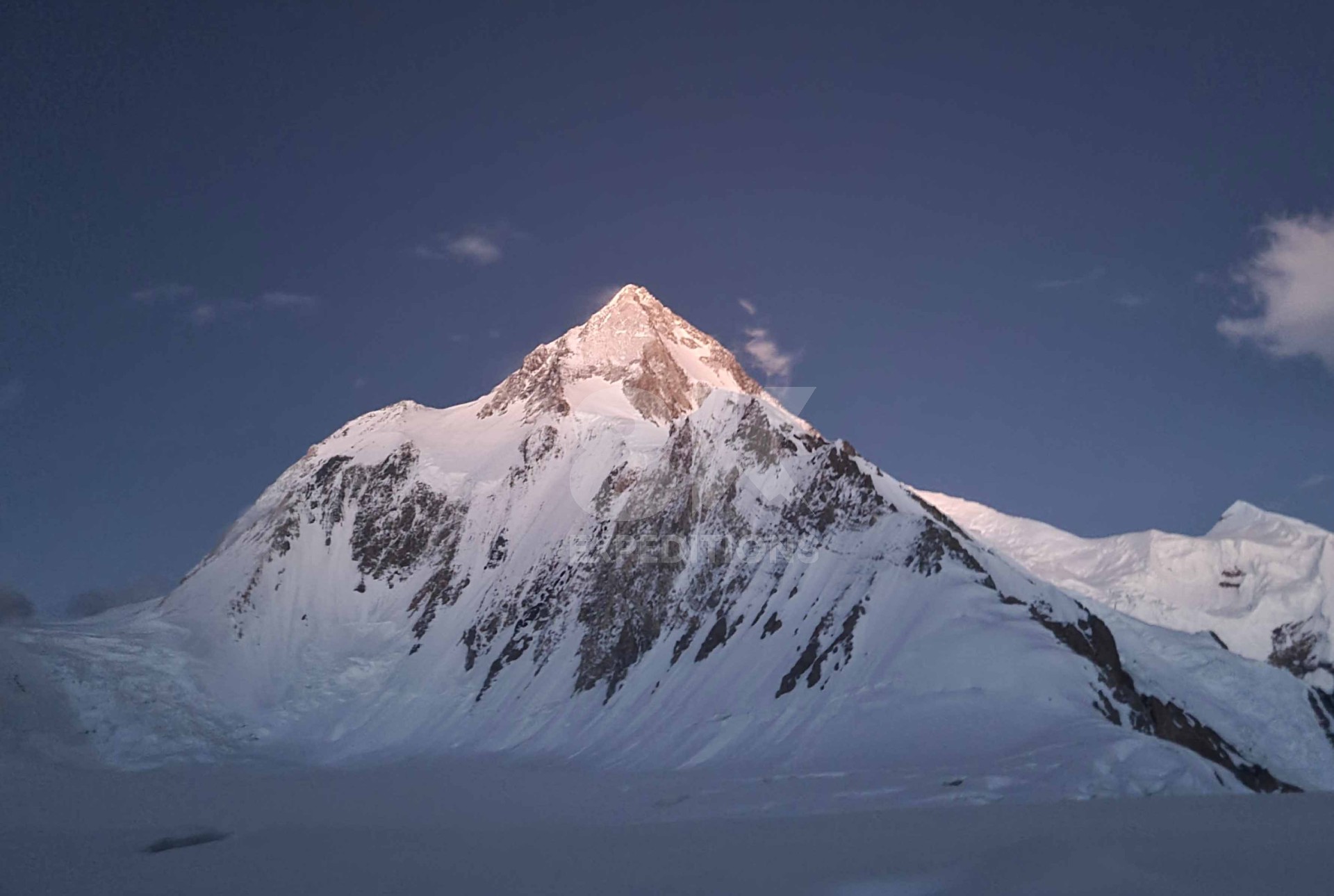
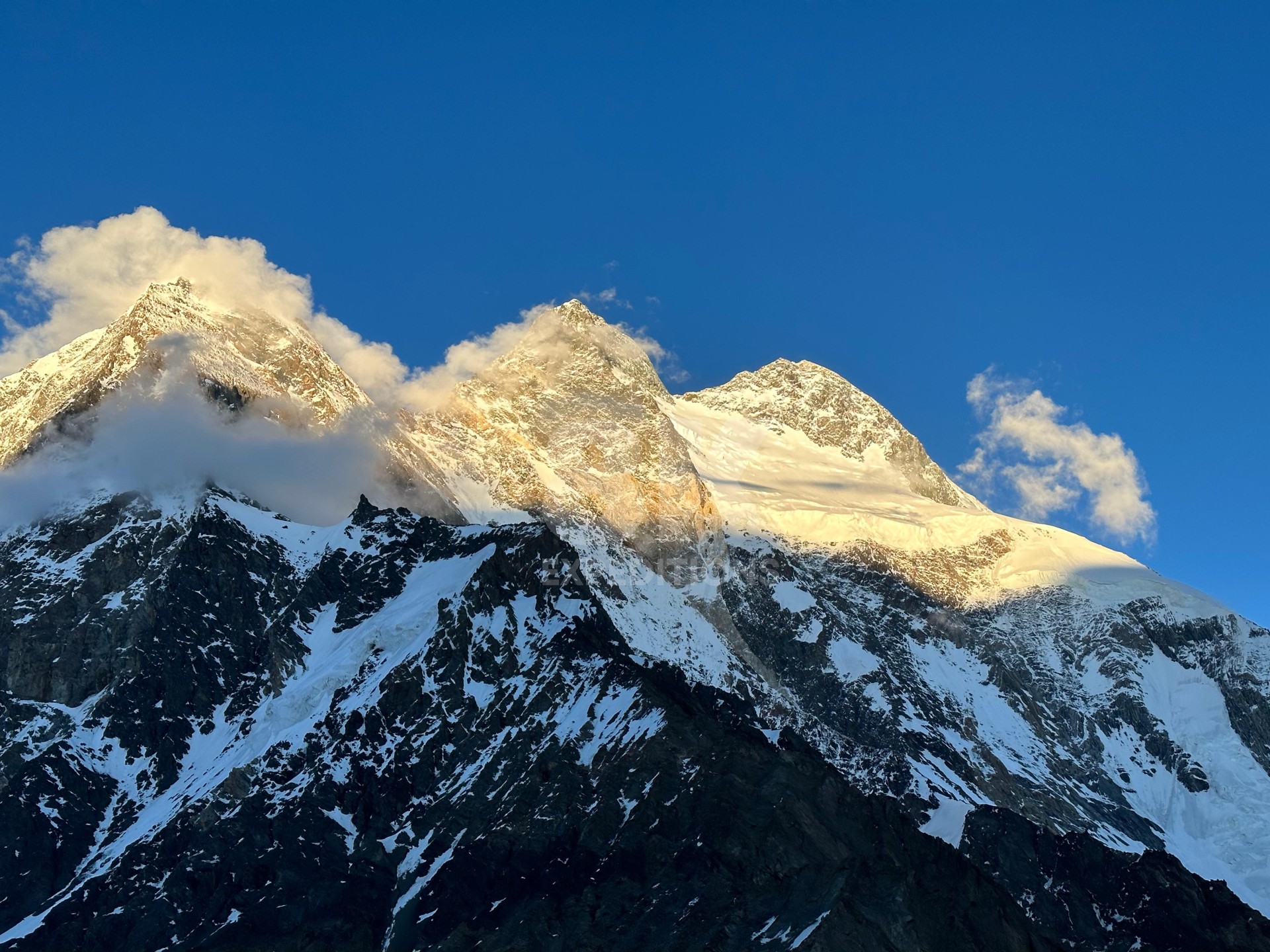
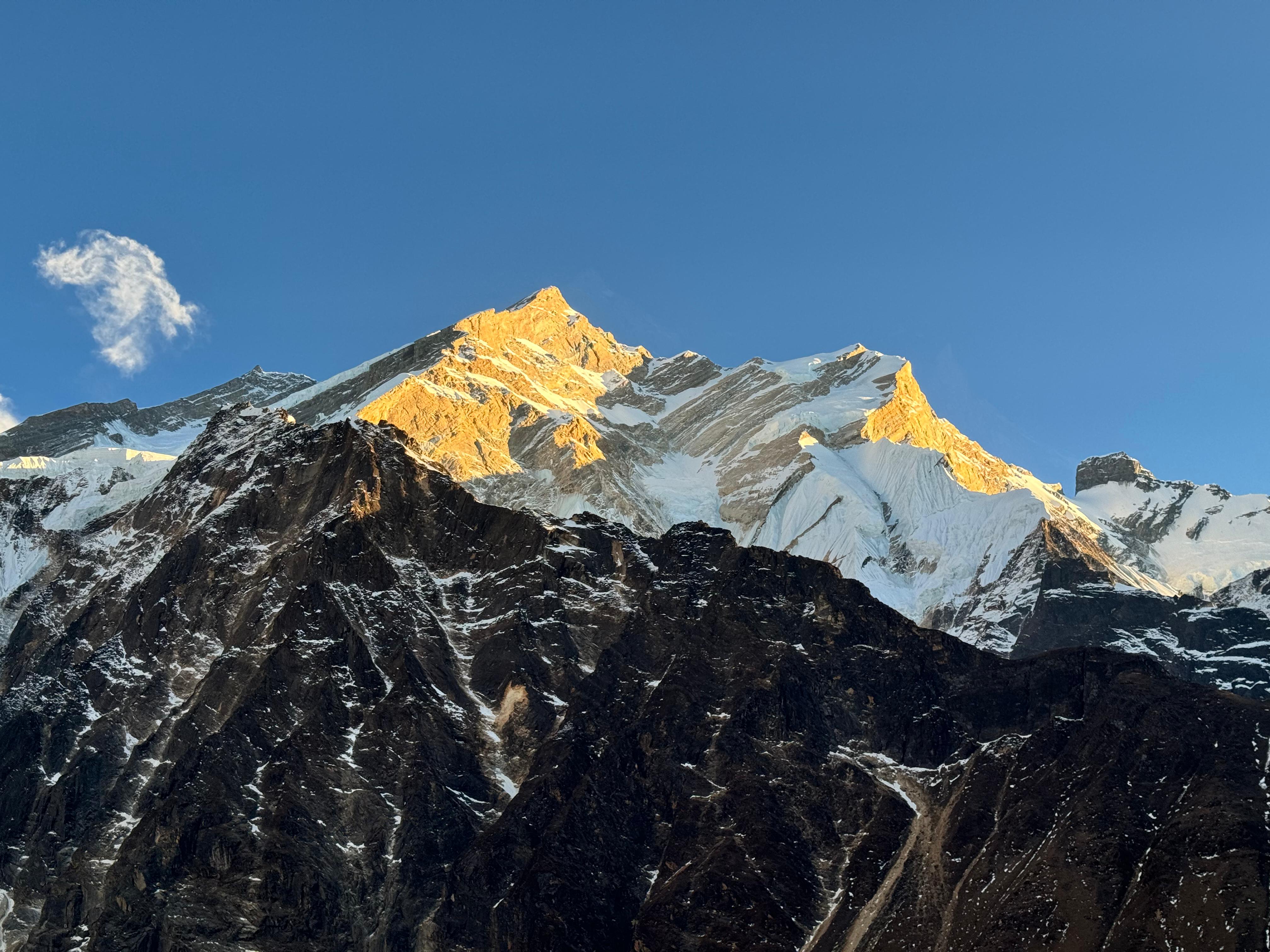
The Himalayas are more than a mountain range. They are a world of silence, strength and spiritual energy an unforgettable landscape where every trail leads to a new challenge and every summit reveals a wider view of the world.
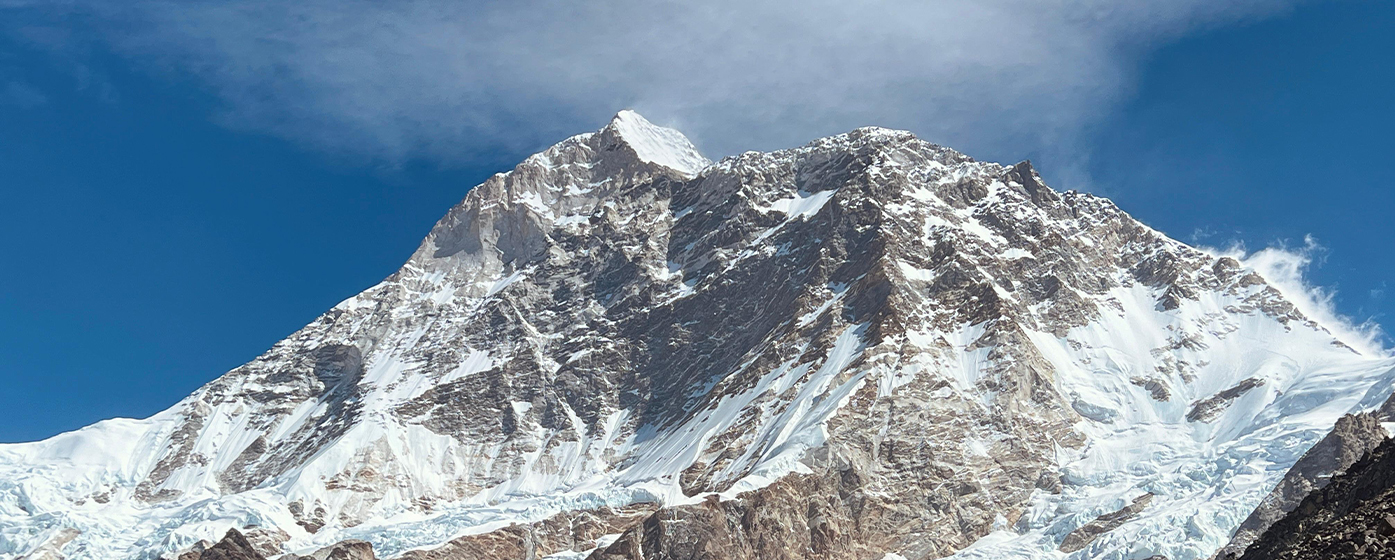
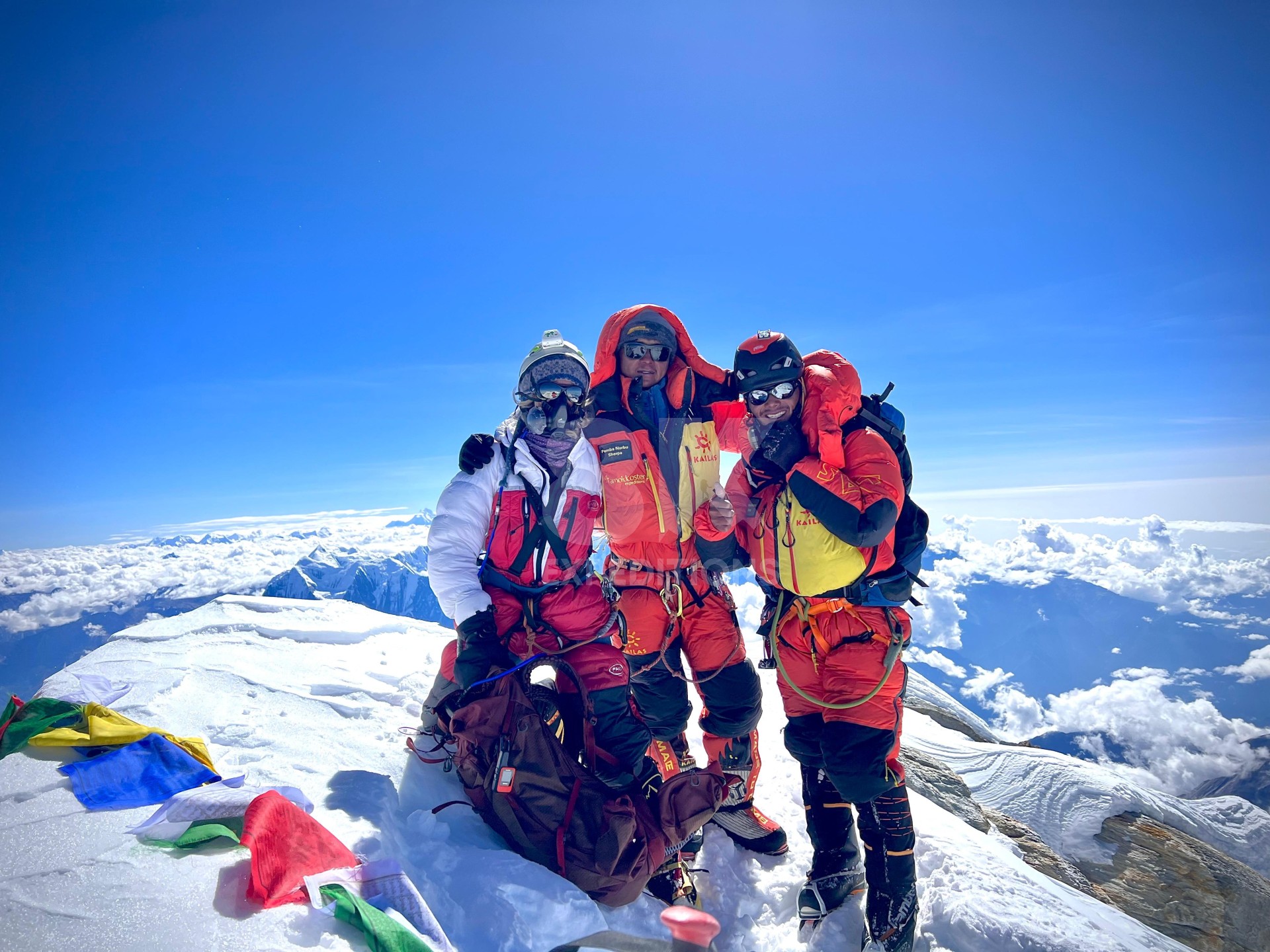
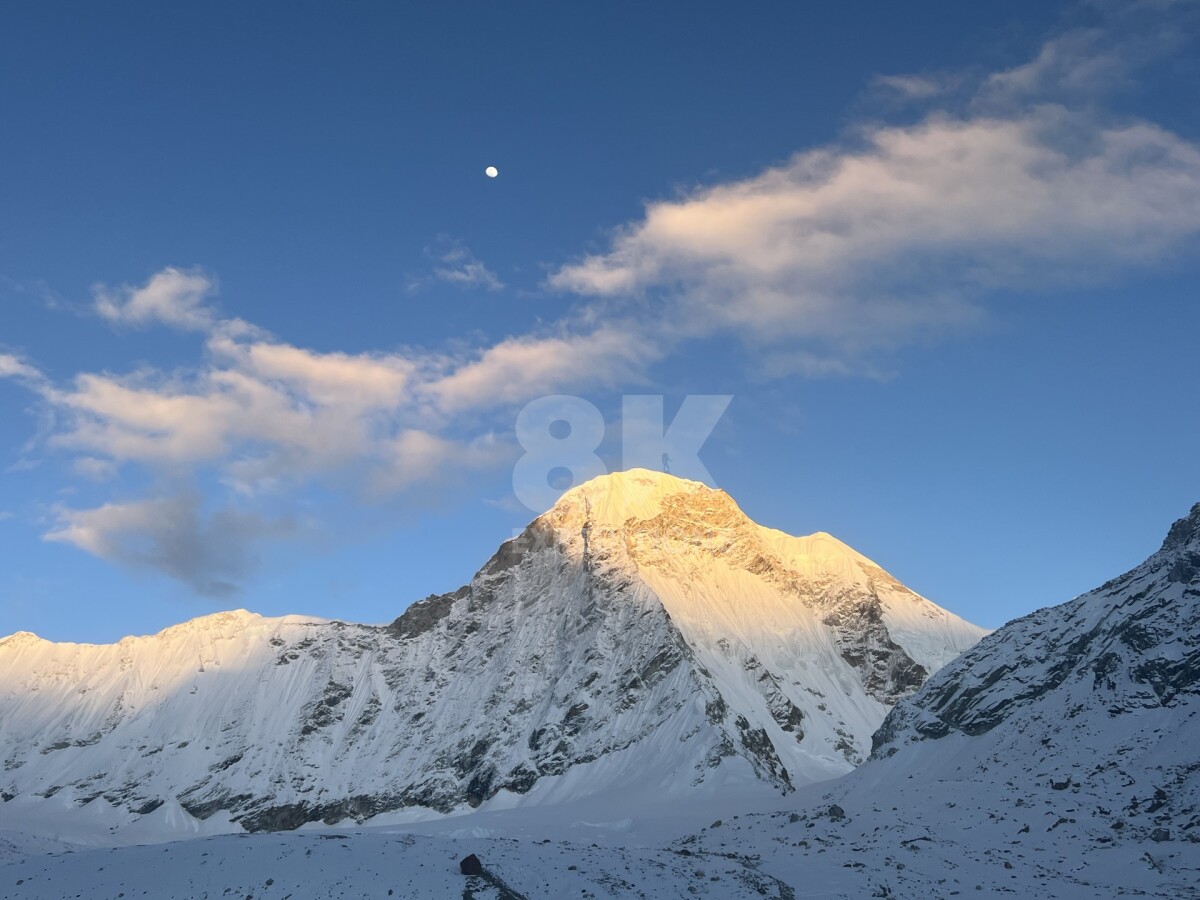
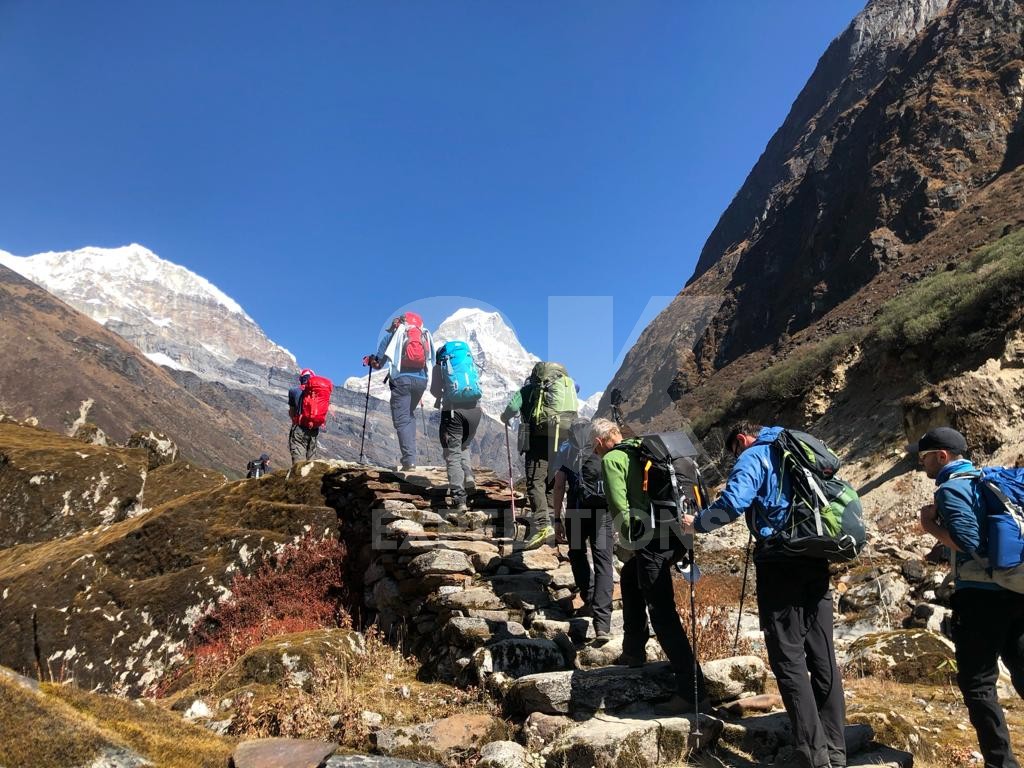
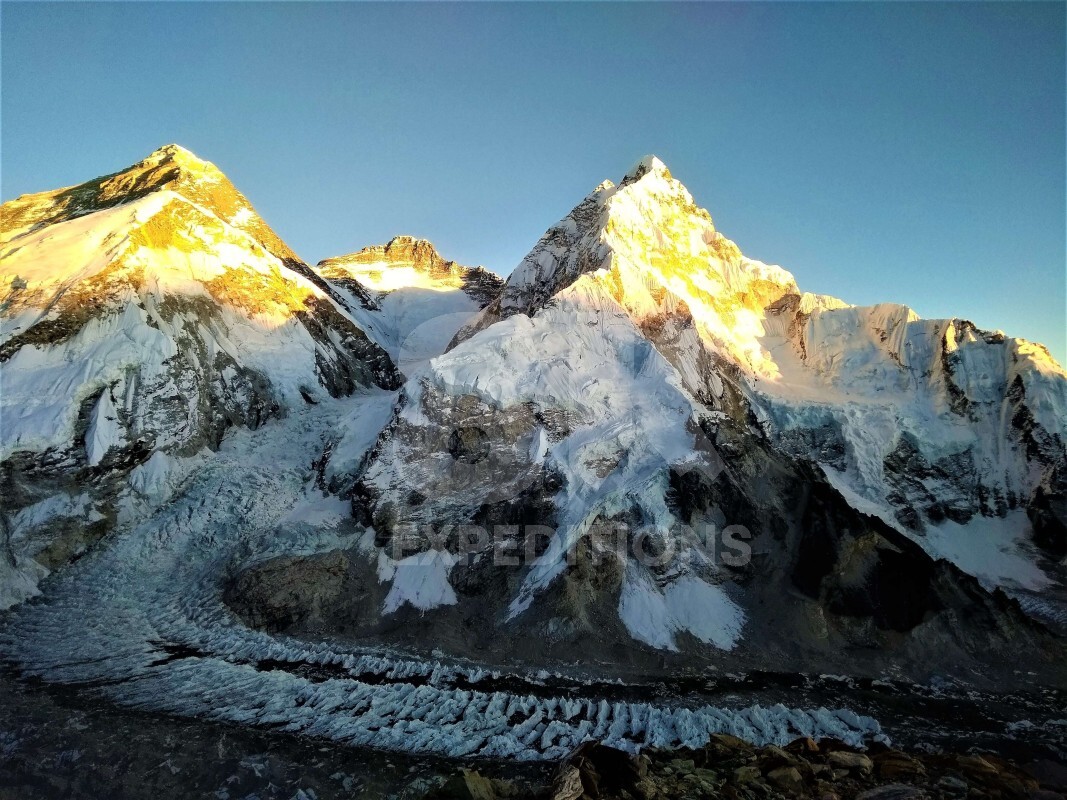
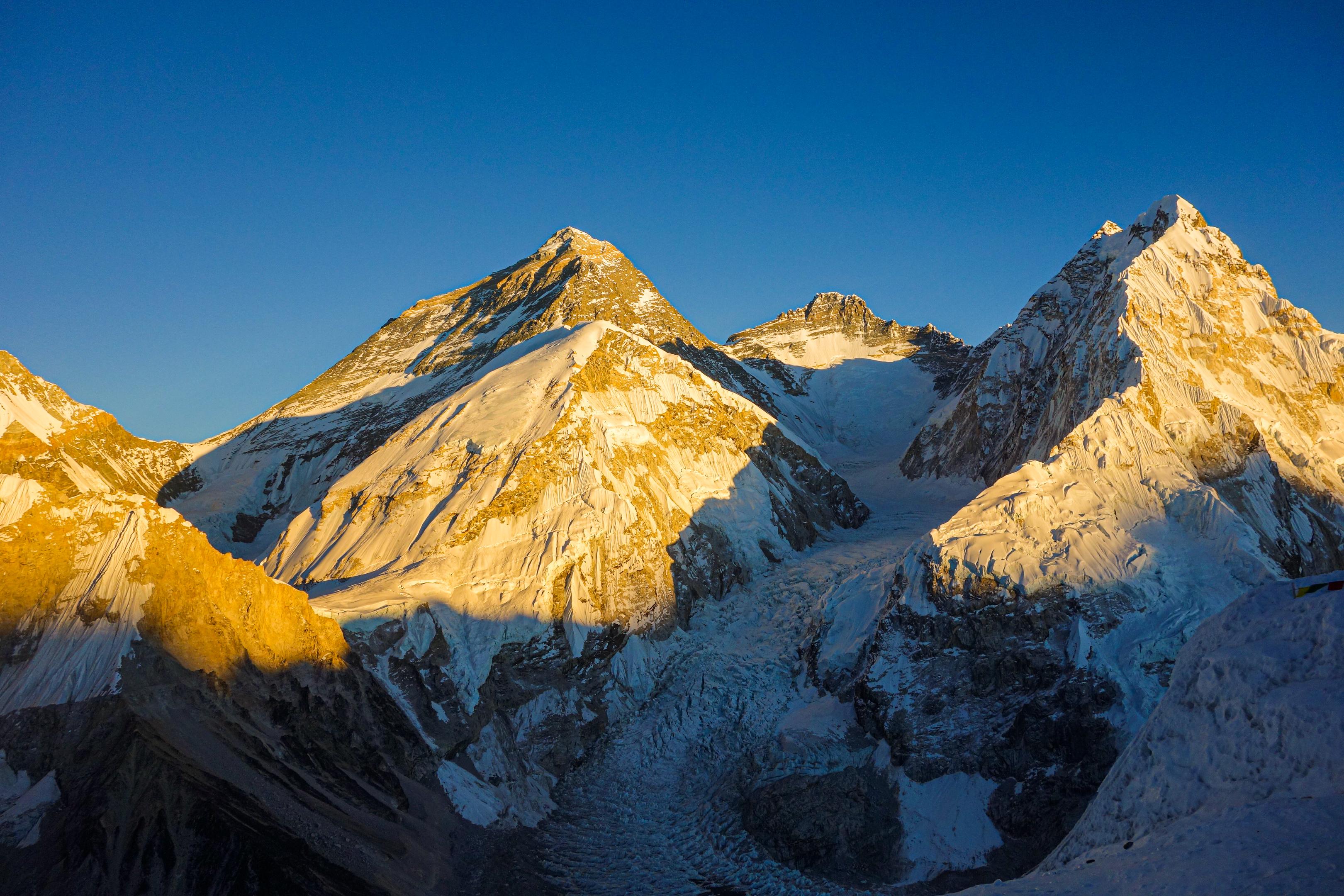
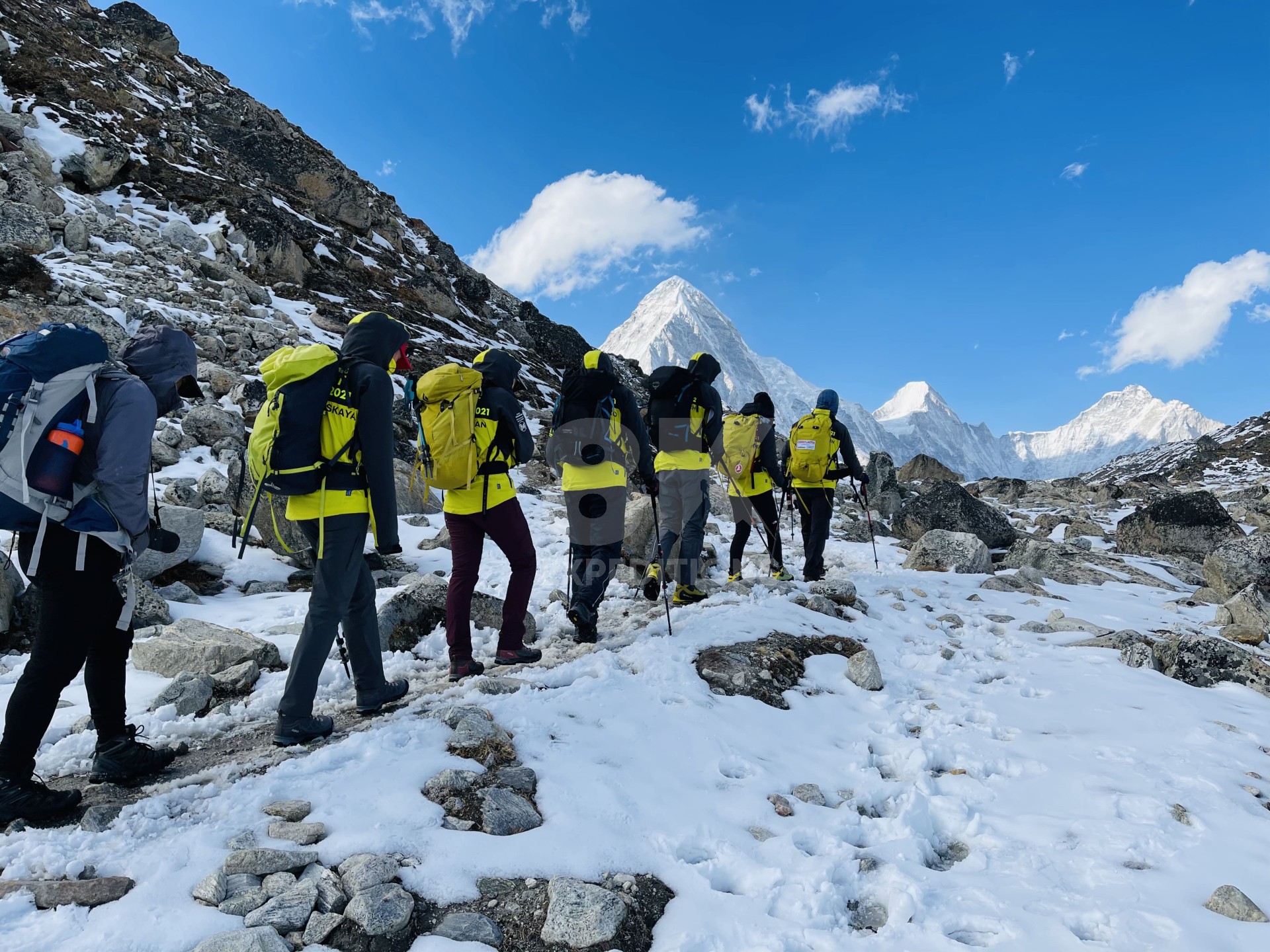
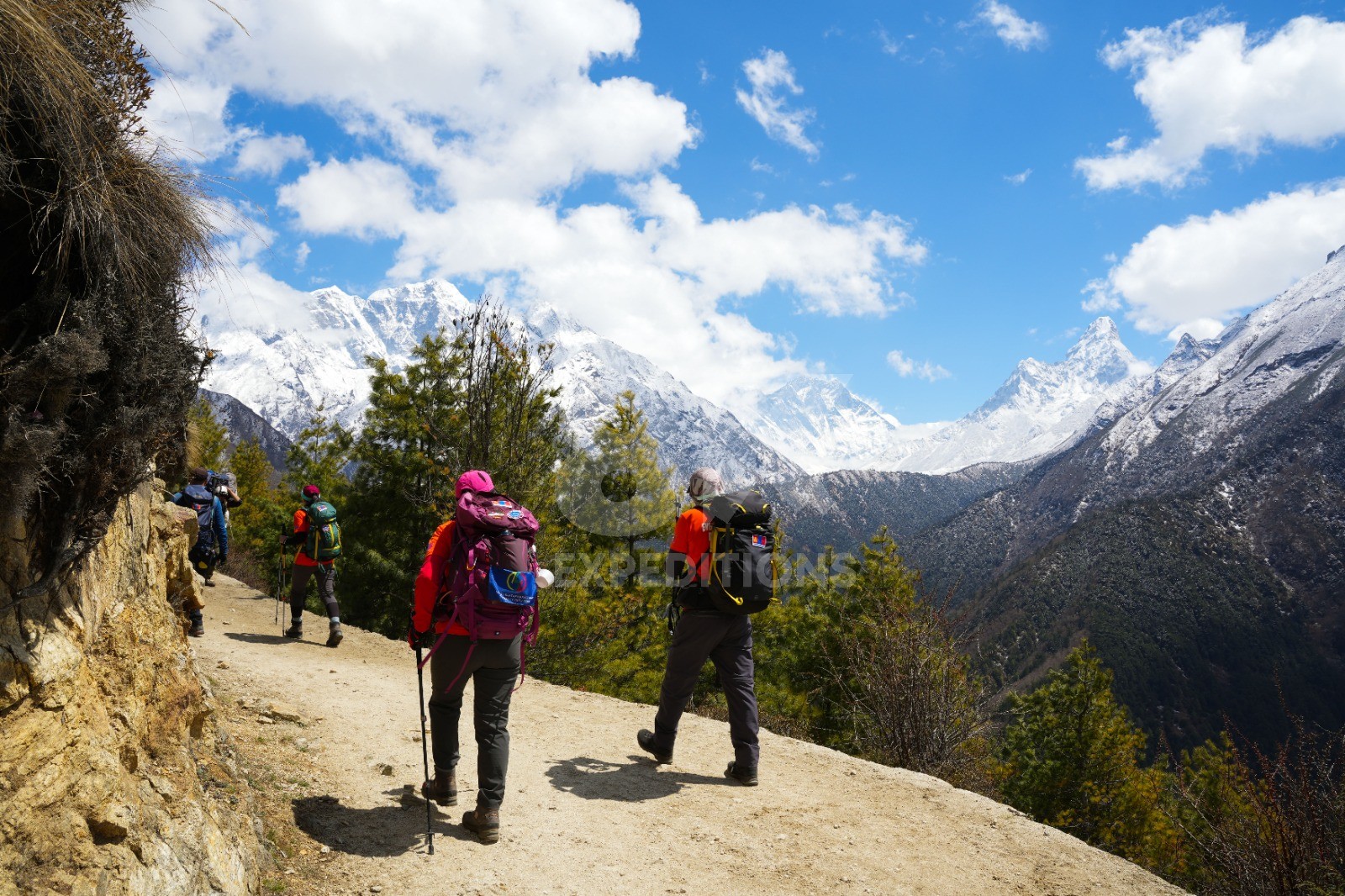
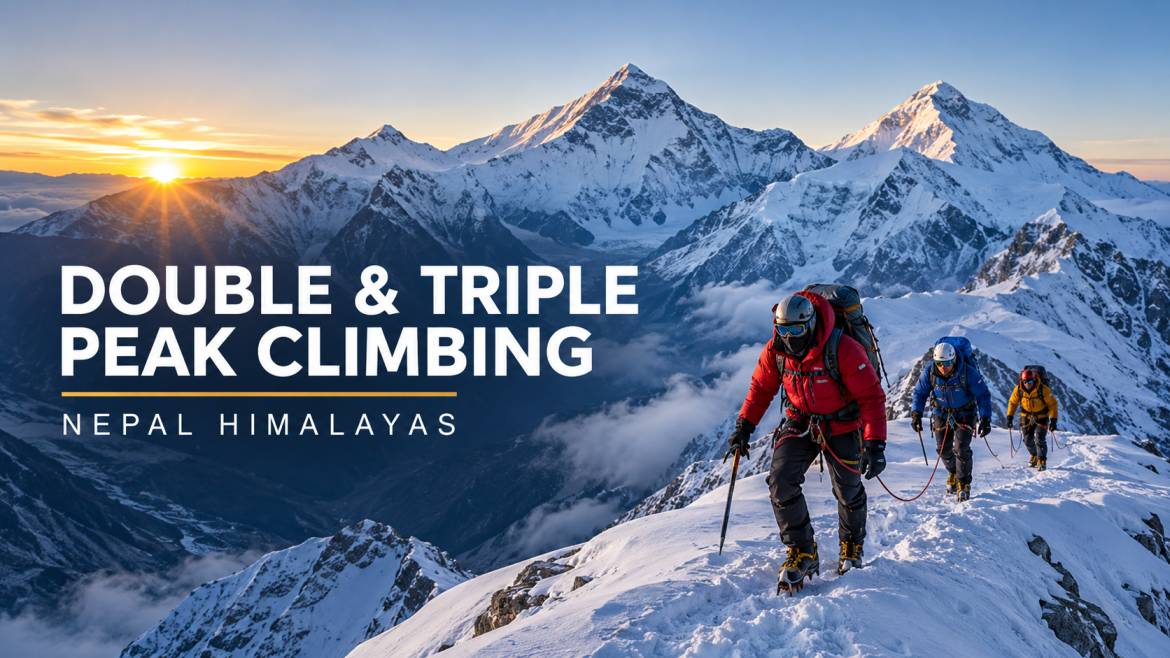
Among the most exciting mountaineering experiences are Double Peak Climbing and Triple Peak Climbing. These adventures combine technical climbing, high-altitude trekking, breathtaking scenery and the satisfaction of reaching more than one summit during a single expedition beginning with the iconic flight into Lukla Airport in the Khumbu region. Since these climbs involve challenging 6000-metre peaks, they also provide valuable high-altitude experience and acclimatization making them the perfect training ground for upcoming 7000-metre and 8000-metre expeditions. For climbers seeking a greater challenge than a standard trekking journey, multi-peak climbing offers an extraordinary opportunity to test endurance, improve mountaineering skills and experience the mountains from a truly unique perspective.
What Is Double Peak Climbing?
Double Peak Climbing is an expedition that involves ascending two mountain peaks within the same climbing itinerary. The peaks may be located in the same region or connected through a demanding high-altitude route. Climbers usually begin with an acclimatization and training period before attempting the first summit. After successfully climbing the first peak, the team moves toward the second objective.
This type of expedition is ideal for experienced trekkers and climbers who want to progress from a single-peak adventure to a more demanding mountaineering experience. It requires physical fitness, mental strength, careful planning and the ability to adapt to changing weather and mountain conditions.
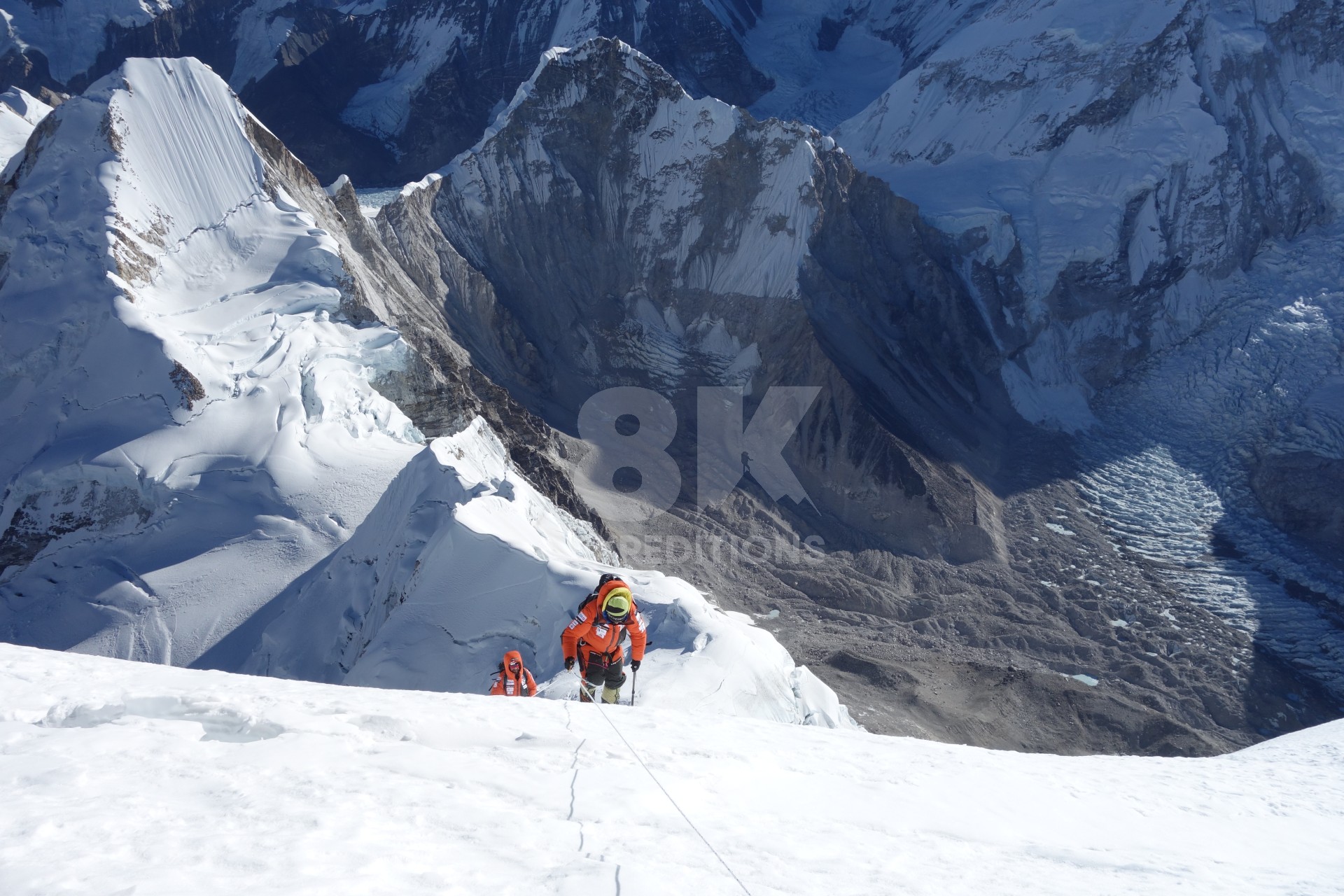
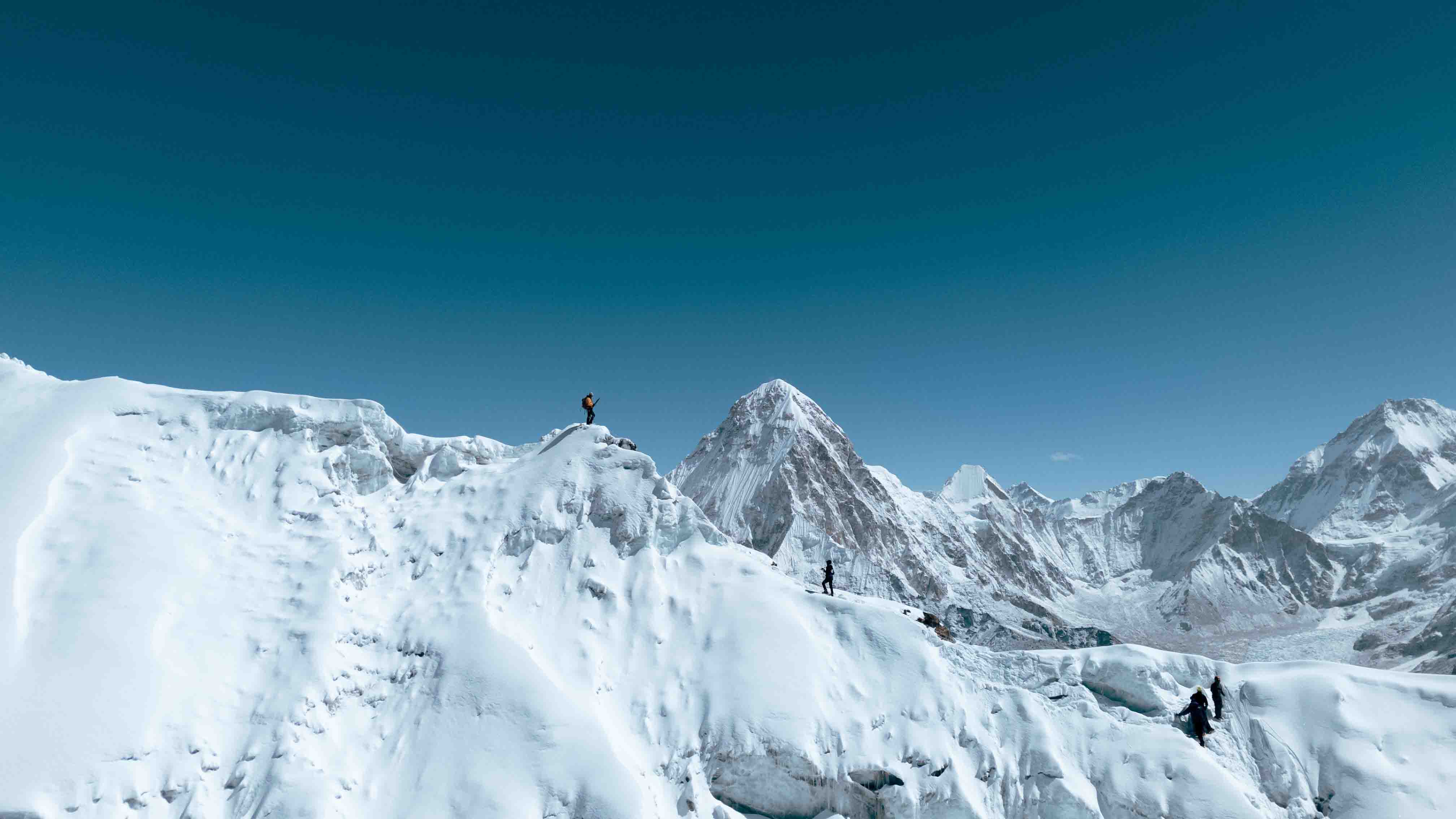
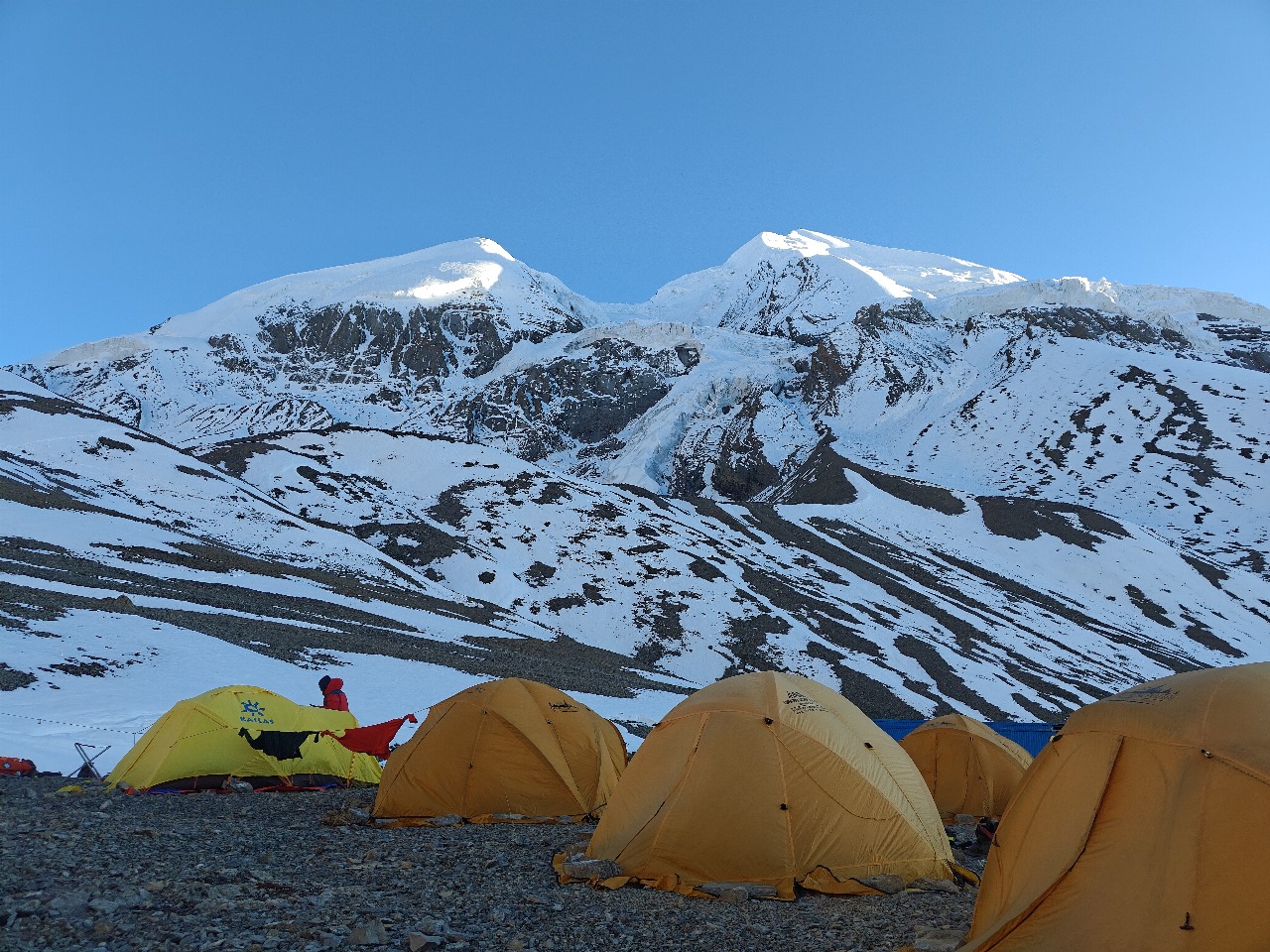
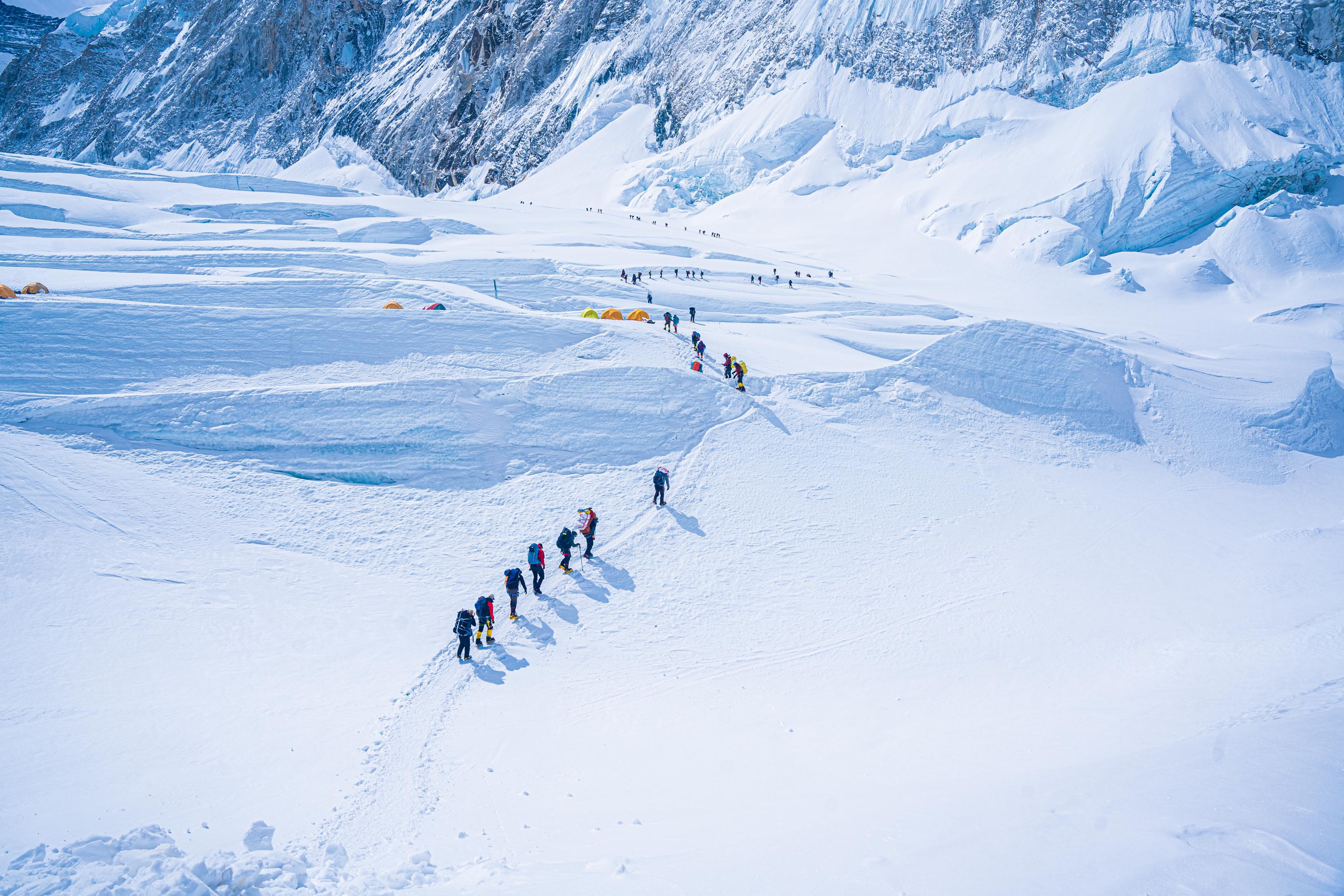
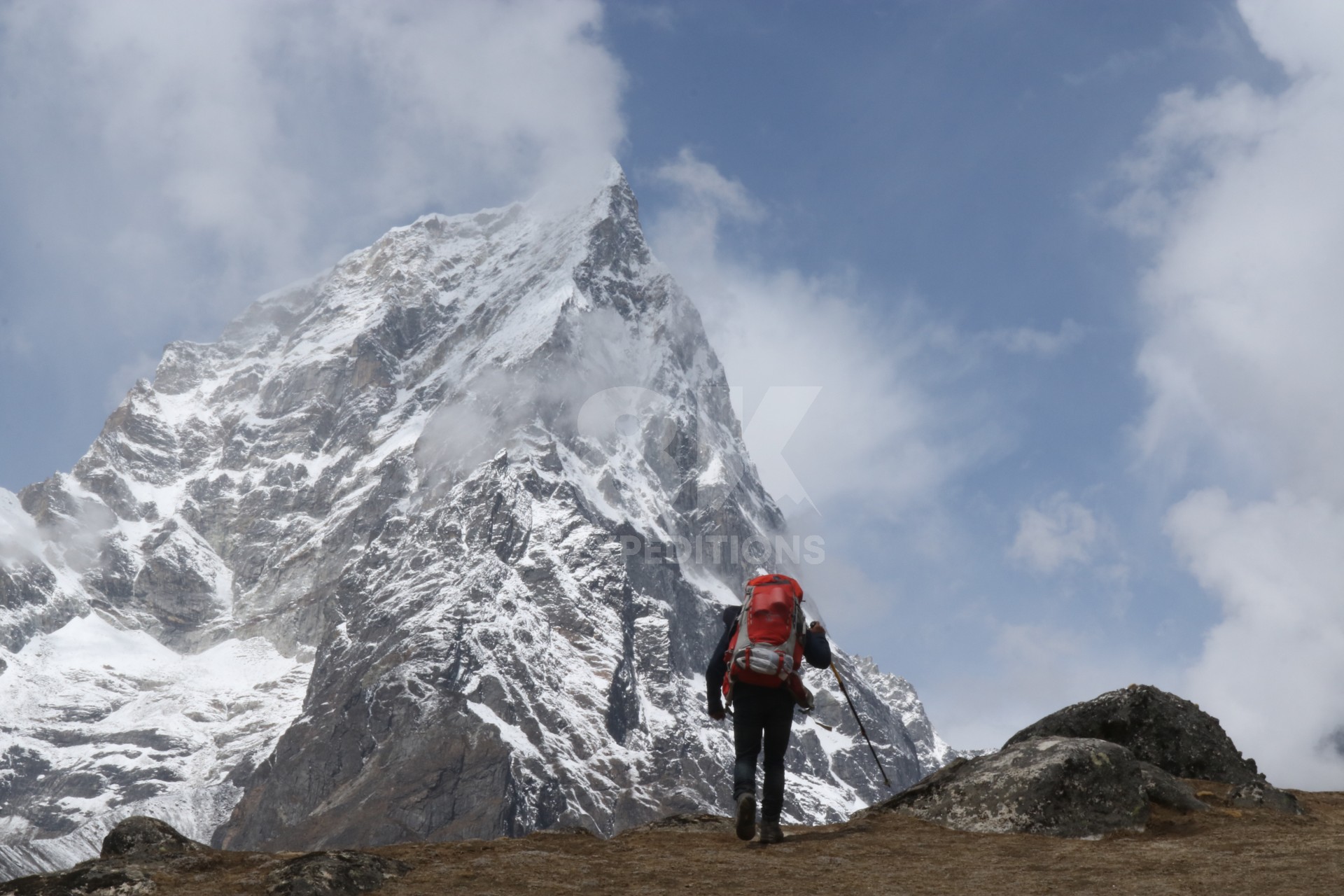
The greatest attraction of Double Peak Climbing is the variety it offers. Climbers may encounter different terrain, changing snow conditions, technical sections, glaciers, rocky ridges and dramatic landscapes all within one expedition. Reaching the second summit often brings an even greater sense of achievement because it requires climbers to maintain their focus and energy after the first major ascent.
At 8K Expeditions, we offer carefully designed Double Peak Climbing programs featuring some of the most popular peaks in the Khumbu and Hinku regions. Our climbing combinations include:
Lobuche East Peak and Island Peak Climbing
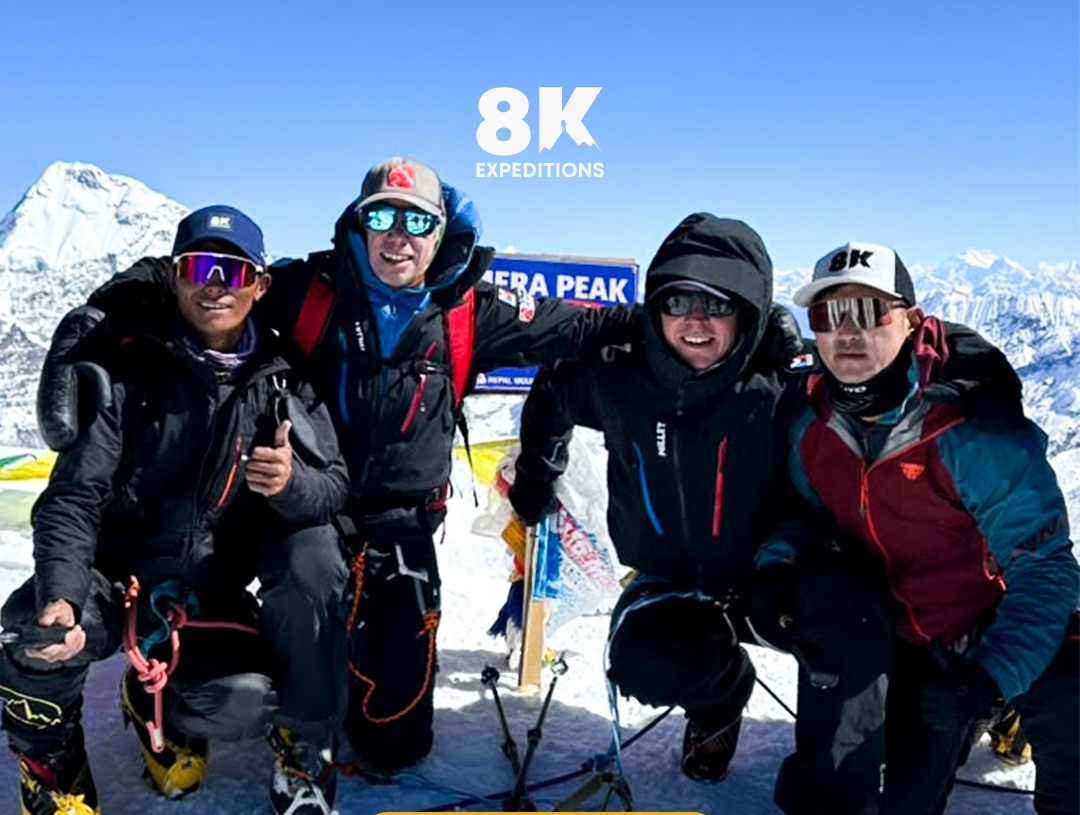
Mera Peak and Island Peak Climbing
Lobuche East Peak and Mera Peak Climbing
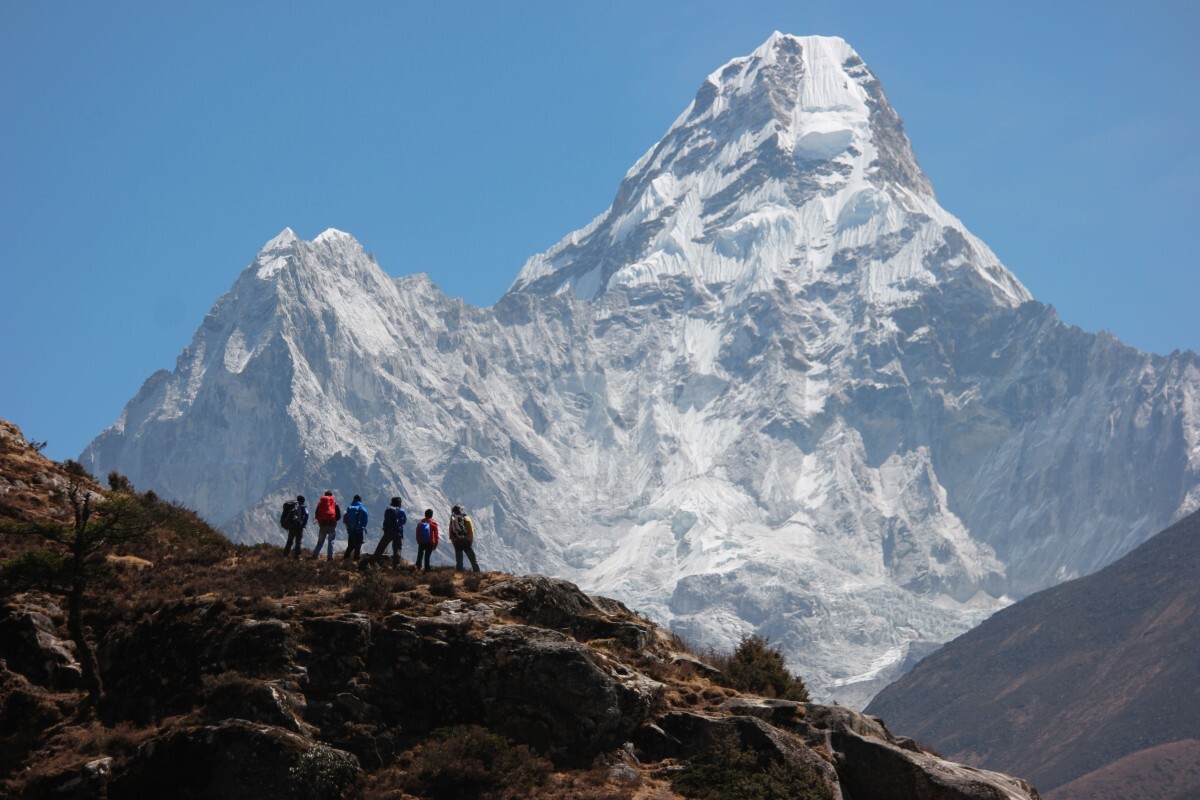
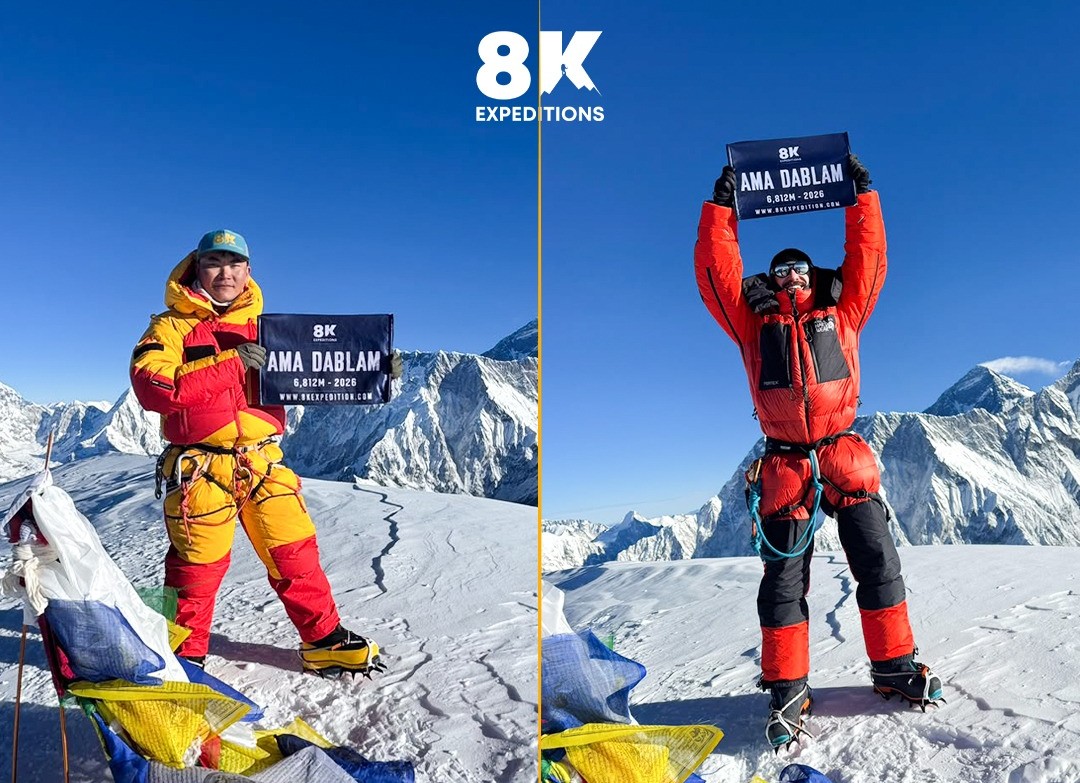
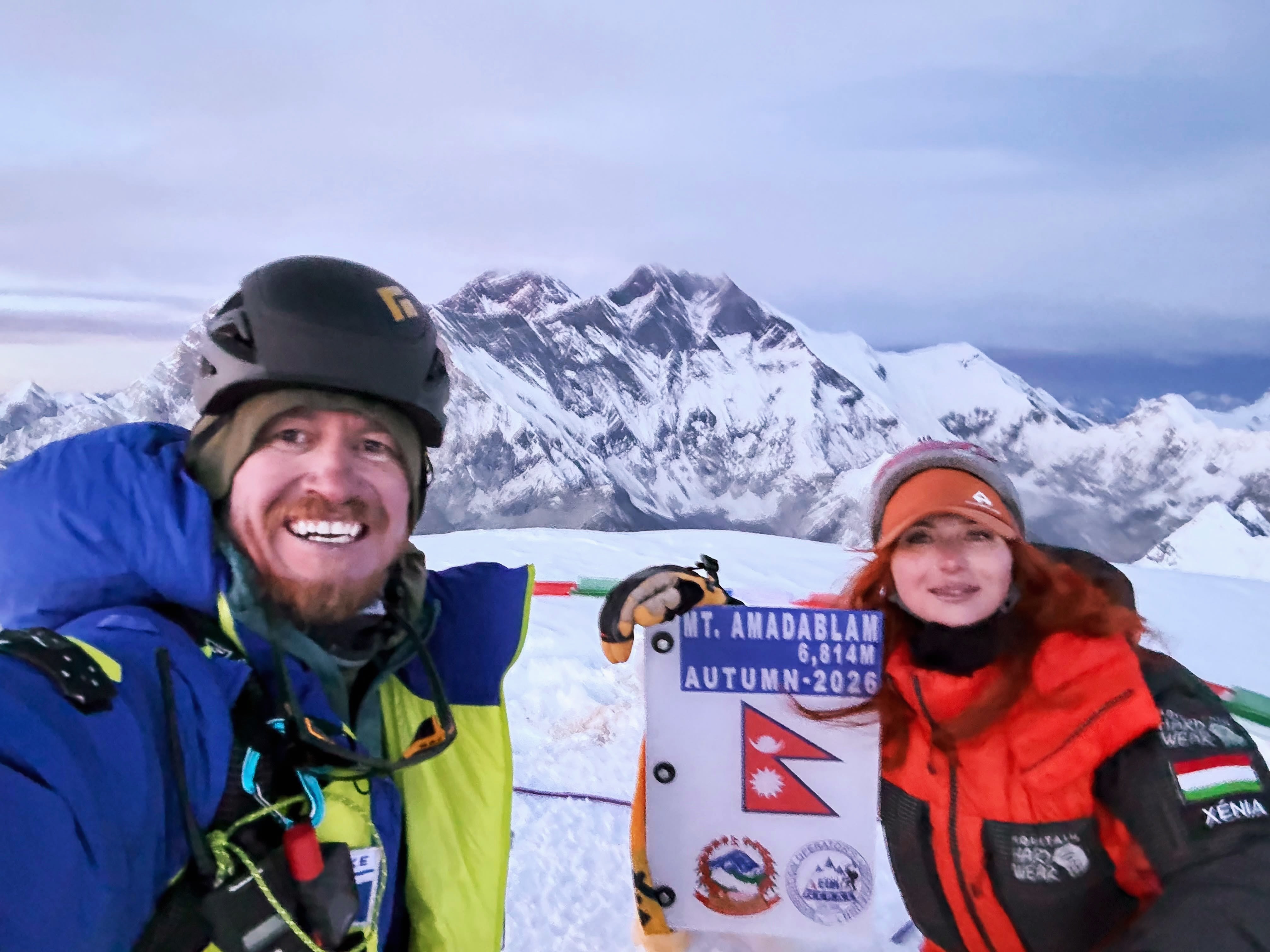
Island Peak and Ama Dablam
These expeditions are ideal for experienced trekkers and climbers seeking a greater challenge. They require good fitness, mental strength, careful planning and the ability to adapt to high-altitude conditions.
Double Peak Climbing offers varied terrain, including snow slopes, glaciers, technical sections, rocky ridges and stunning Himalayan views. Climbing these Double peaks provides valuable experience and acclimatization for future 7000m above expeditions.
With experienced guides and reliable support, 8K Expeditions helps climbers safely achieve their multi-peak goals in the Himalayas.
Read More: Summit Success — Double Peak Climbing with 8K Expeditions
What Is Triple Peak Climbing?
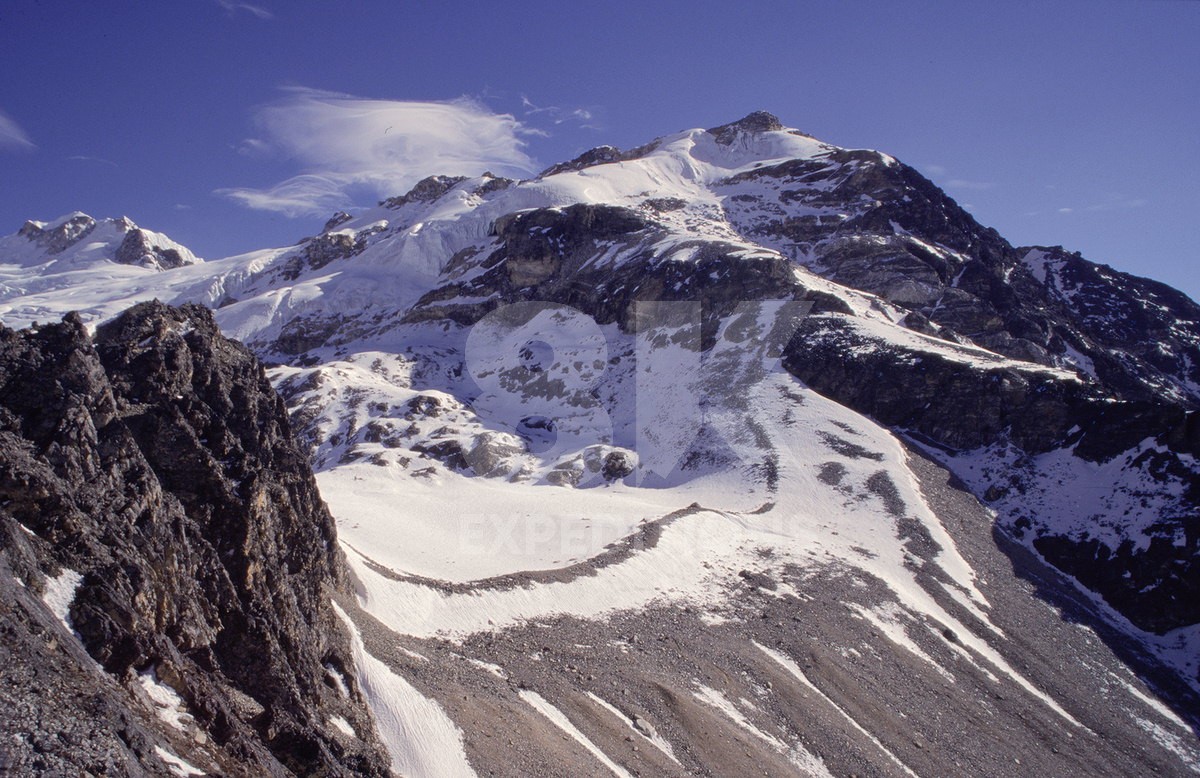
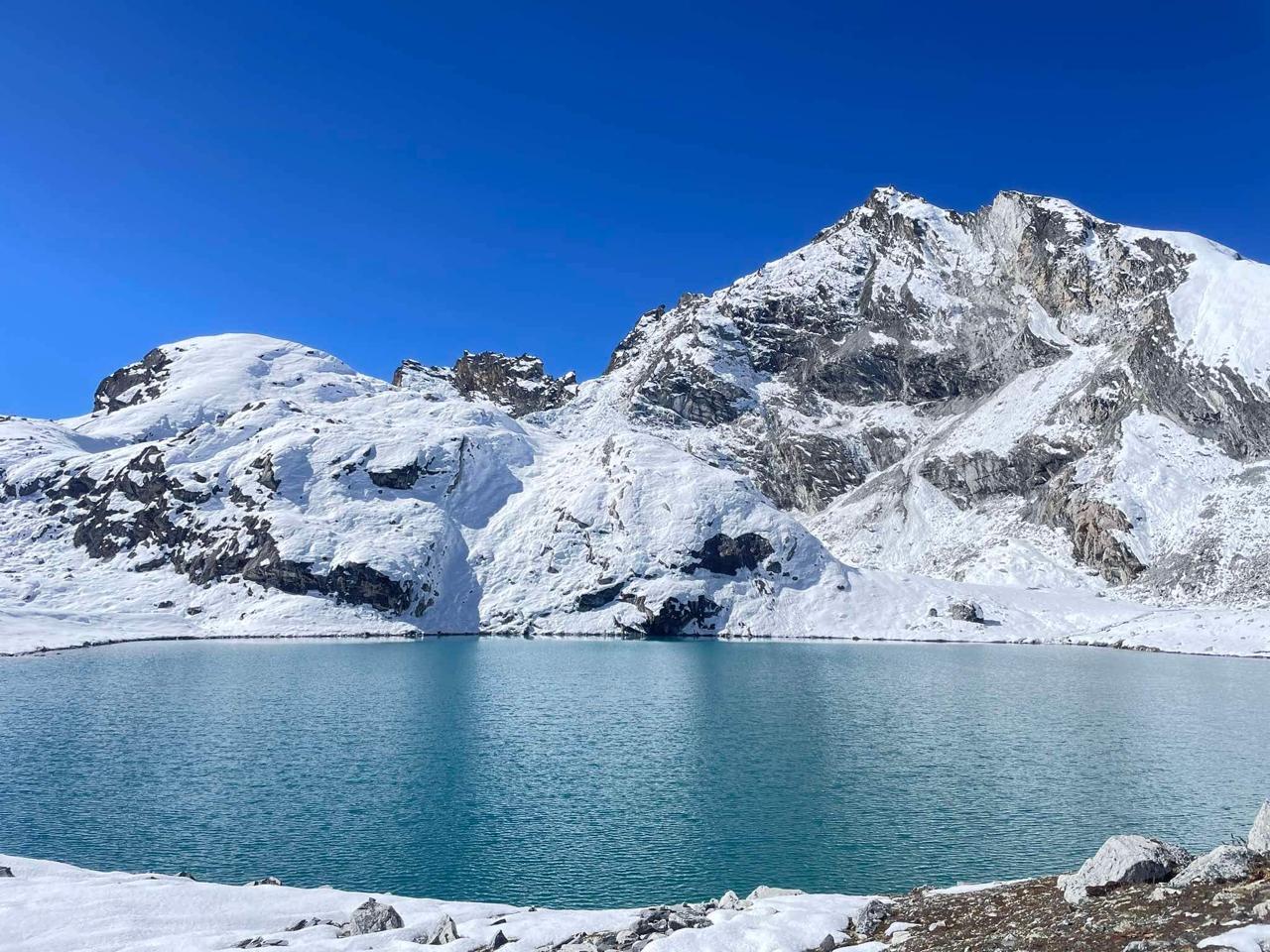
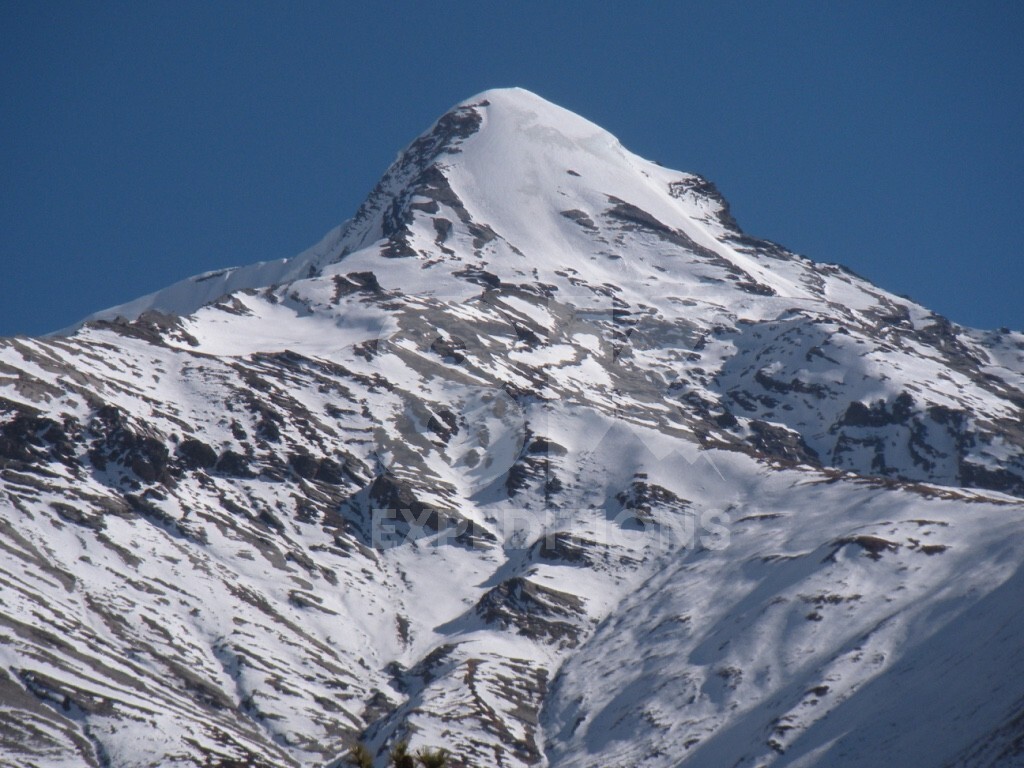
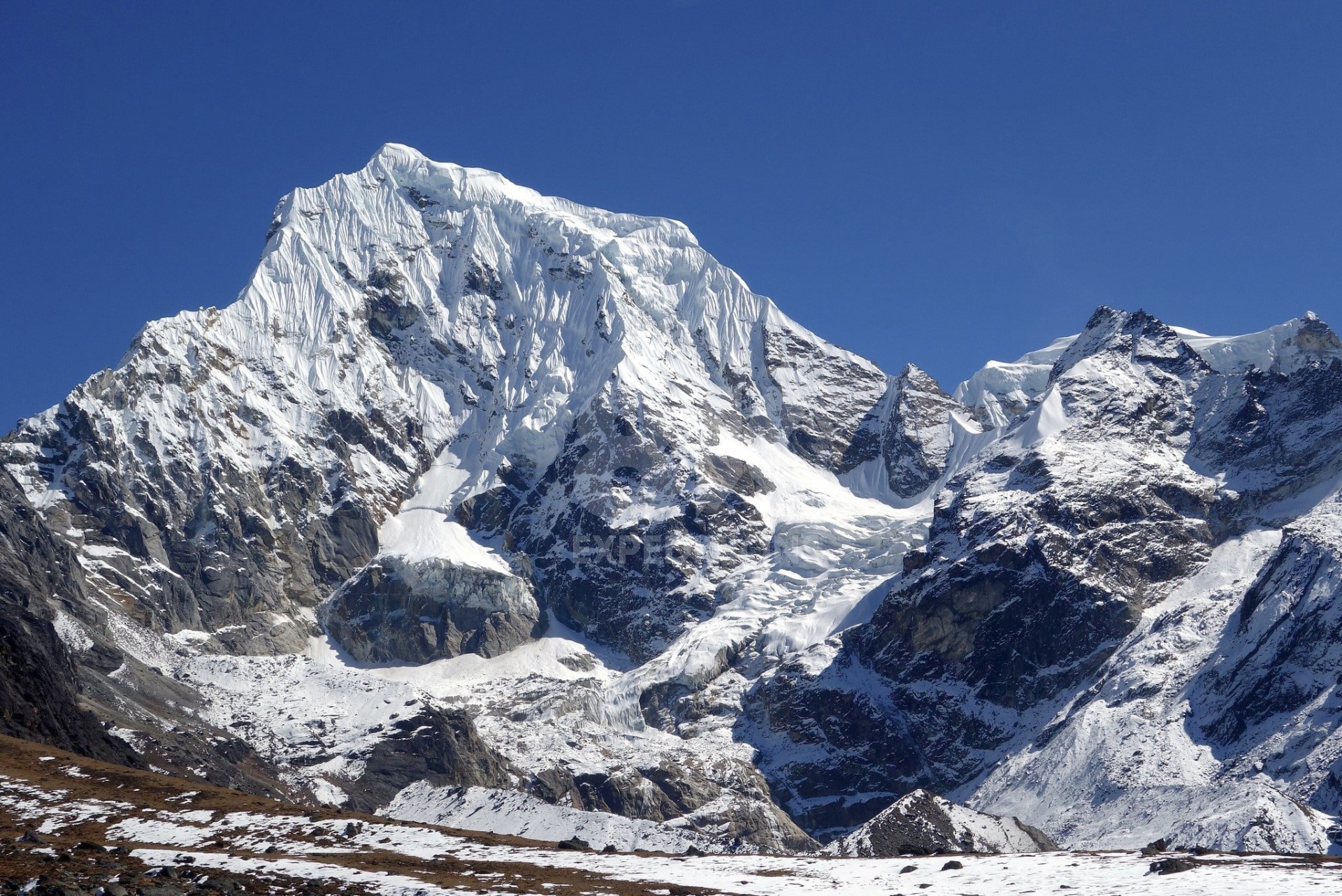
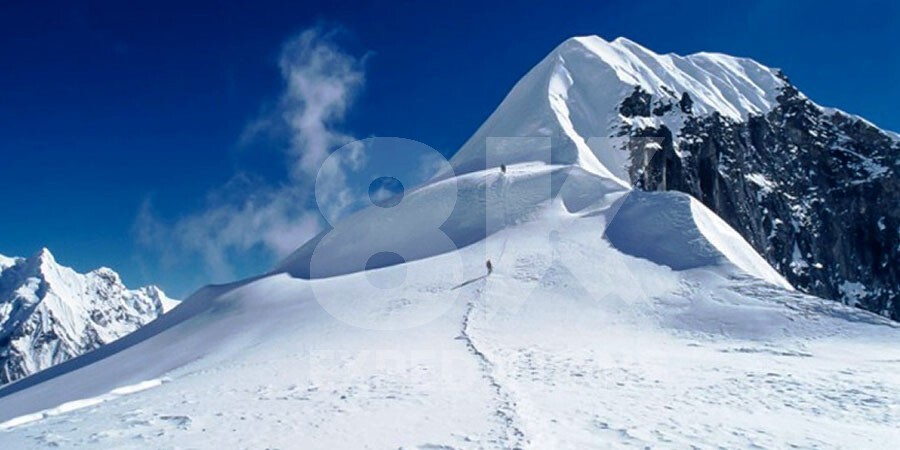
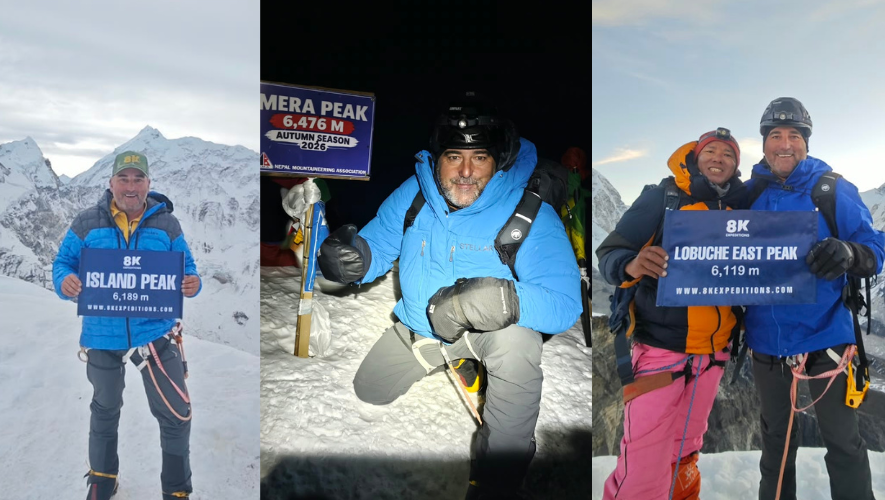
Triple Peak Climbing takes the multi-peak experience to another level. As the name suggests, it involves attempting three summits combining Mera Peak (6,476m), Island Peak (6,189m) and Lobuche East Peak (6,119m) in one expedition. This is a serious mountaineering challenge that demands excellent preparation, strong teamwork and previous high-altitude experience.
A Triple Peak Climbing expedition is not simply three separate climbs. It is a carefully coordinated journey in which climbers must manage their energy, acclimatize properly and make responsible decisions throughout the route. Each summit adds to the physical and mental demands of the expedition, while the time spent at high altitude increases the importance of safety, weather monitoring and recovery.
Triple Peak Climbing is best suited to climbers who have already completed high-altitude treks or mountain ascents and are ready to take on a more ambitious objective. The experience is rewarding not only because of the three summits, but also because of the discipline and resilience developed along the way.
At 8K Expeditions, we offer carefully designed Triple Peak Climbing programs featuring some of the most popular peaks in the Khumbu and Hinku regions in Solukhumbu district. Our climbing combinations include:
Island Peak Climbing, Lobuche East Peak and Mera Peak Climbing
Pokalde, Island Peak and Lobuche East Peak Climbing
Climbing these Triple peaks provides valuable mountaineering experience and excellent preparation for future 7000-metre above expeditions. With experienced guides and reliable support, 8K Expeditions helps climbers safely pursue their triple-peak adventure in the Himalayas.
Read More: Summit Success — Triple Peak Climbing with 8K Expeditions
Best Season for Double and Triple Peak Climbing in Nepal
The best seasons for Double and Triple Peak Climbing in Nepal are spring (March to June) and autumn (September to November).
Spring is one of the best seasons for climbing in Nepal. The weather is generally stable, with clear skies, pleasant daytime temperatures and improving snow conditions. The lower trails become colorful with blooming rhododendrons and wildflowers, while longer daylight hours provide better conditions for climbing.
Autumn is another excellent season for climbing in Nepal. After the monsoon, the weather becomes dry and stable, with clear skies and excellent mountain visibility, especially in October. The landscapes look fresh and vibrant and the trails are generally in good condition. This is the busiest season for trekkers and climbers, while temperatures become colder at higher elevations toward late November.
For current fixed departures and availability visit our Triple 6000m Peak Expedition 2027 page.
Why Choose a Multi-Peak Climbing Expedition?
1. A Greater Sense of Achievement
Standing on one summit is a powerful experience. Standing on two or three peaks during the same expedition creates an even deeper sense of accomplishment. Each summit becomes part of a larger story of preparation, struggle, teamwork and determination.
2. More Diverse Mountain Experiences
A multi-peak route allows climbers to experience a wider range of landscapes and climbing conditions. The journey may include remote valleys, glacial passes, snow-covered slopes, exposed ridges and panoramic viewpoints that are not accessible on ordinary trekking routes.
3. Improved Mountaineering Skills
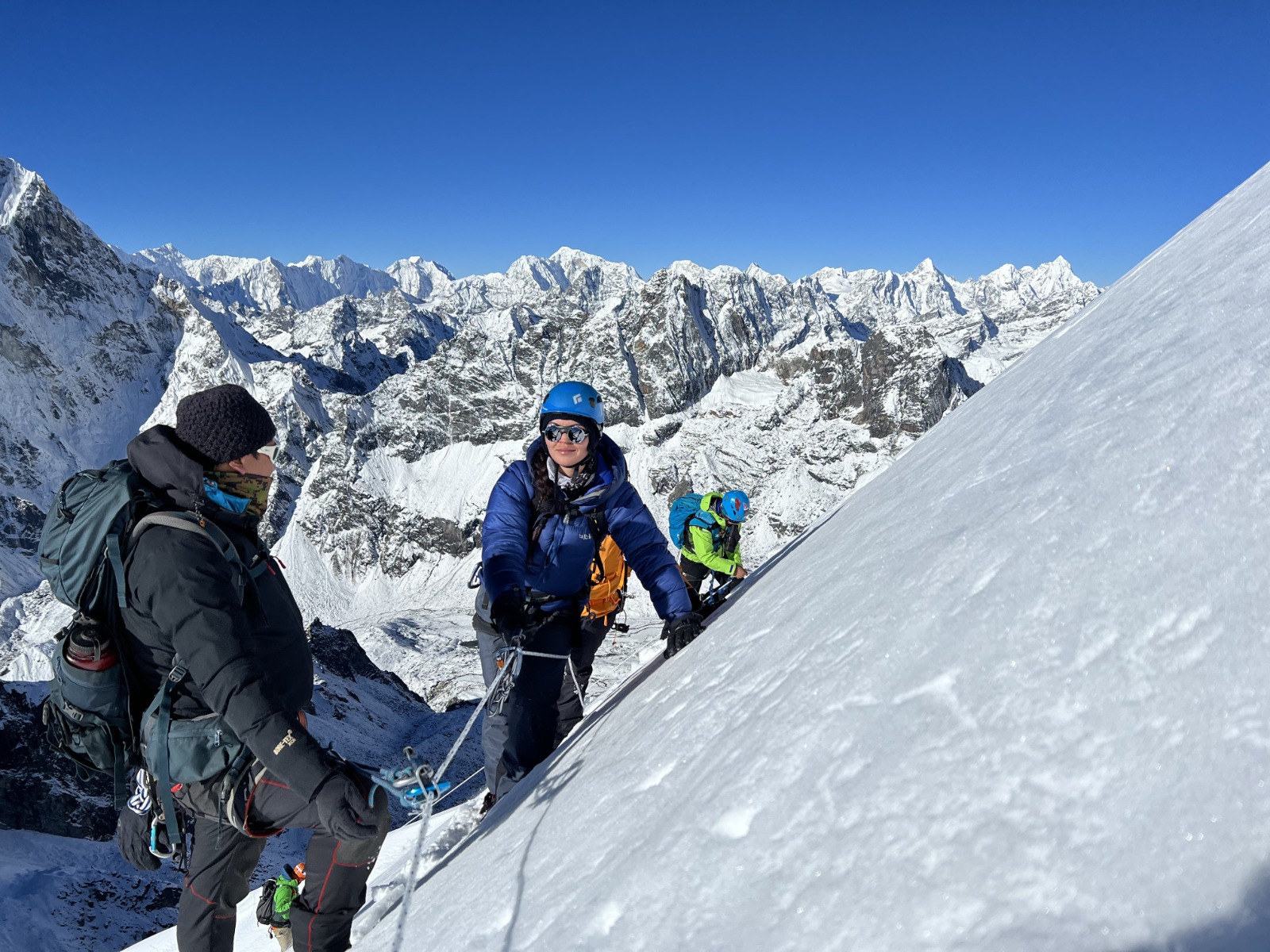
Double and Triple Peak Climbing provide opportunities to develop practical mountain skills, including rope techniques, crampon use, ice-axe handling, glacier travel, route navigation, camp management and high-altitude decision-making.
4. Stronger Team Connections
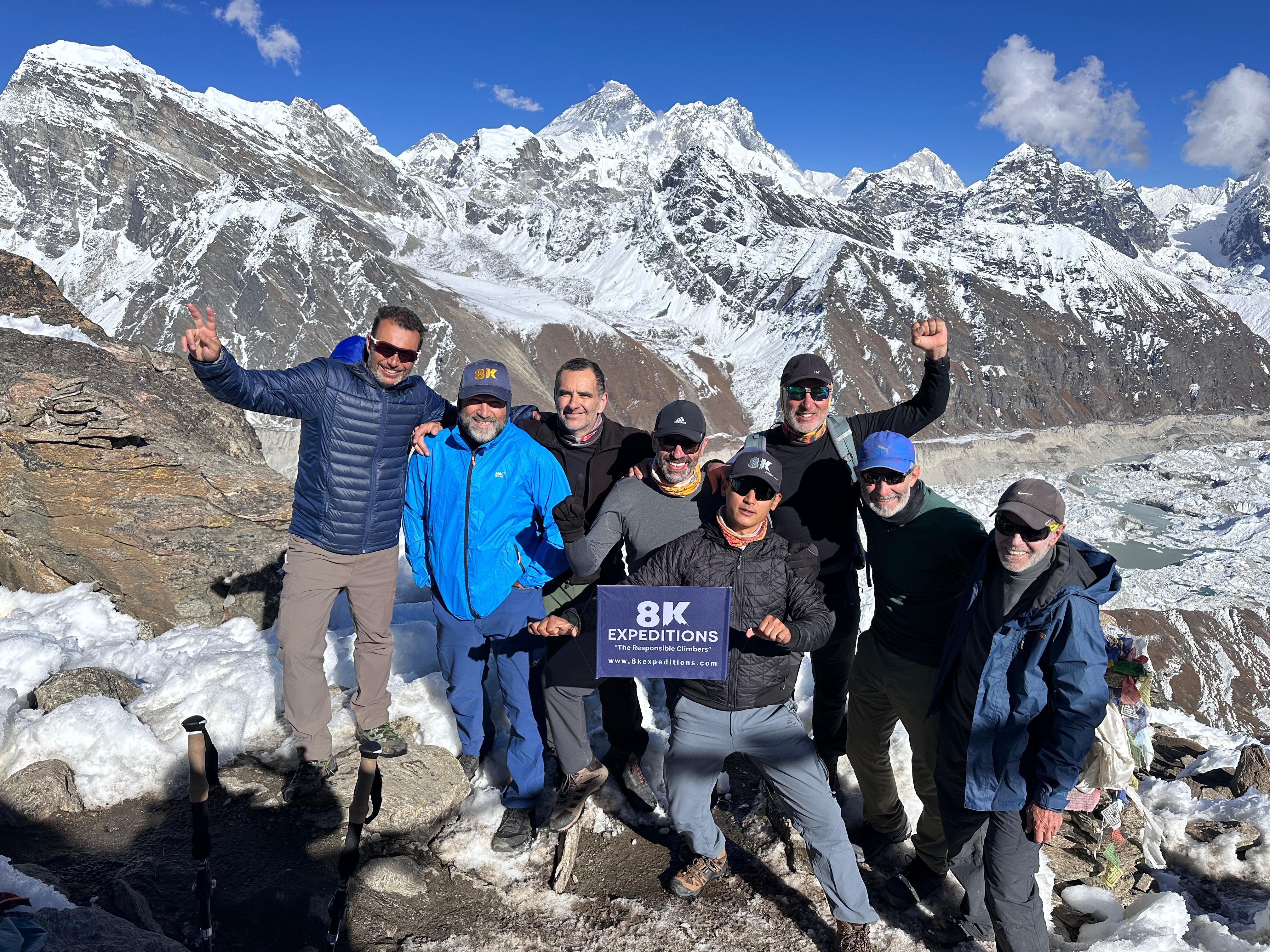
Multi-day climbing expeditions bring people together in demanding circumstances. Climbers, guides, porters, and support staff rely on one another for safety and encouragement. These shared experiences often create friendships and memories that last long after the expedition ends.
5. Valuable Preparation for 7000m and 8000m Expeditions
Climbing multiple 6000-metre peaks provides valuable experience in high-altitude conditions. It helps climbers improve their endurance, acclimatization, technical skills and confidence, making it excellent preparation for future 7000-metre and 8000-metre expeditions.
6. A Deeper Connection with the Himalayas
The mountains reveal their character slowly. A multi-peak expedition offers more time to walk through remote communities, observe local traditions, meet mountain families and appreciate the natural environment. It becomes not only a climbing trip but also a cultural and personal journey.
Preparation for Double and Triple Peak Climbing
Preparation is one of the most important parts of a successful expedition. The mountains reward patience and discipline, while poor preparation can create unnecessary risks.
Physical Training
Climbers should begin training several months before departure. Useful activities include long-distance hiking, stair climbing, running, cycling, strength training and carrying a backpack on uphill routes. Training should gradually improve cardiovascular endurance, leg strength, balance, and overall stamina.
Acclimatization
Proper acclimatization is essential at high altitude. A well-designed itinerary should include gradual altitude gain, rest days, and time for the body to adjust. Climbers should never rush the ascent, even when they feel strong at lower elevations.
Technical Skills
Depending on the route, climbers may need experience with crampons, harnesses, ropes, ice axes, fixed lines, glacier travel, and basic rescue techniques. Training with an experienced guide or mountaineering instructor is strongly recommended before beginning a technical climbing expedition.
Mental Preparation
High-altitude climbing tests patience as much as strength. Weather delays, difficult terrain, cold temperatures, fatigue, and unexpected changes are part of mountain life. A positive attitude, careful judgment, and willingness to turn back when necessary are signs of responsible mountaineering not failure.
Equipment and Gears
Appropriate equipment is essential. Climbers generally need layered clothing, insulated jackets, waterproof outerwear, mountaineering boots, gloves, hats, sunglasses, a sleeping bag, a headlamp, a backpack, personal medical supplies and technical climbing equipment suited to the route. Equipment should be tested before the expedition begins.
For a complete and updated equipment checklist, please visit 8K Expeditions Gear List. Gear list for Multiple Expeditions.
Safety Comes First
The goal of any climbing expedition is to return safely. Summit success is important, but it must never be more important than the well-being of the team.
Climbers should travel with experienced guides, maintain regular communication, monitor weather forecasts, follow acclimatization plans, and recognize symptoms of altitude illness. Headache, nausea, dizziness, unusual tiredness, confusion or difficulty breathing should never be ignored. In such situations, descending to a lower elevation may be necessary.
Responsible climbers also respect local regulations, protect fragile mountain environments, minimize waste and support local communities. The Himalayas belong not only to climbers but also to the people, wildlife and cultures that have shaped these mountains for generations.
The Beauty Beyond the Summit
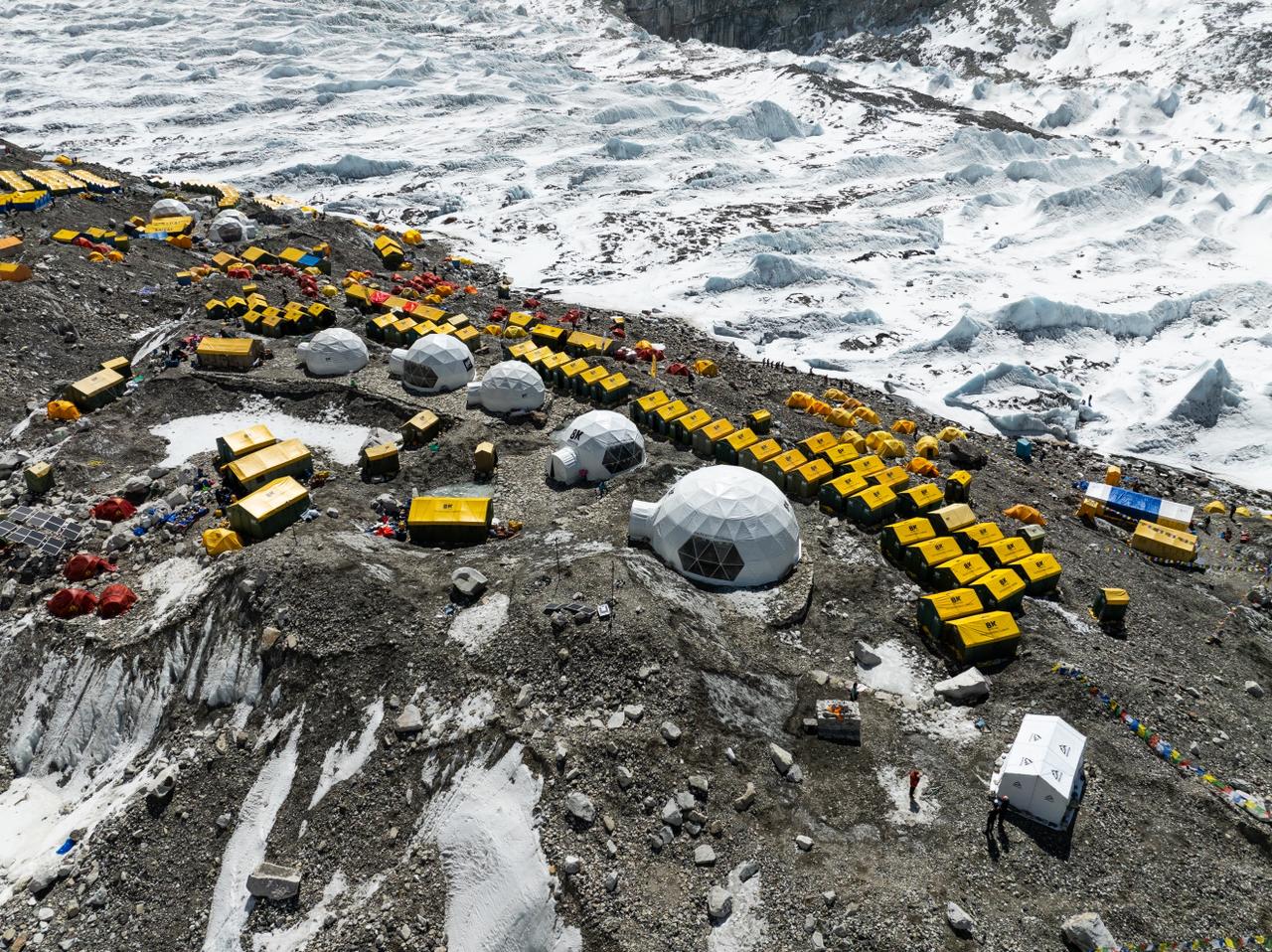
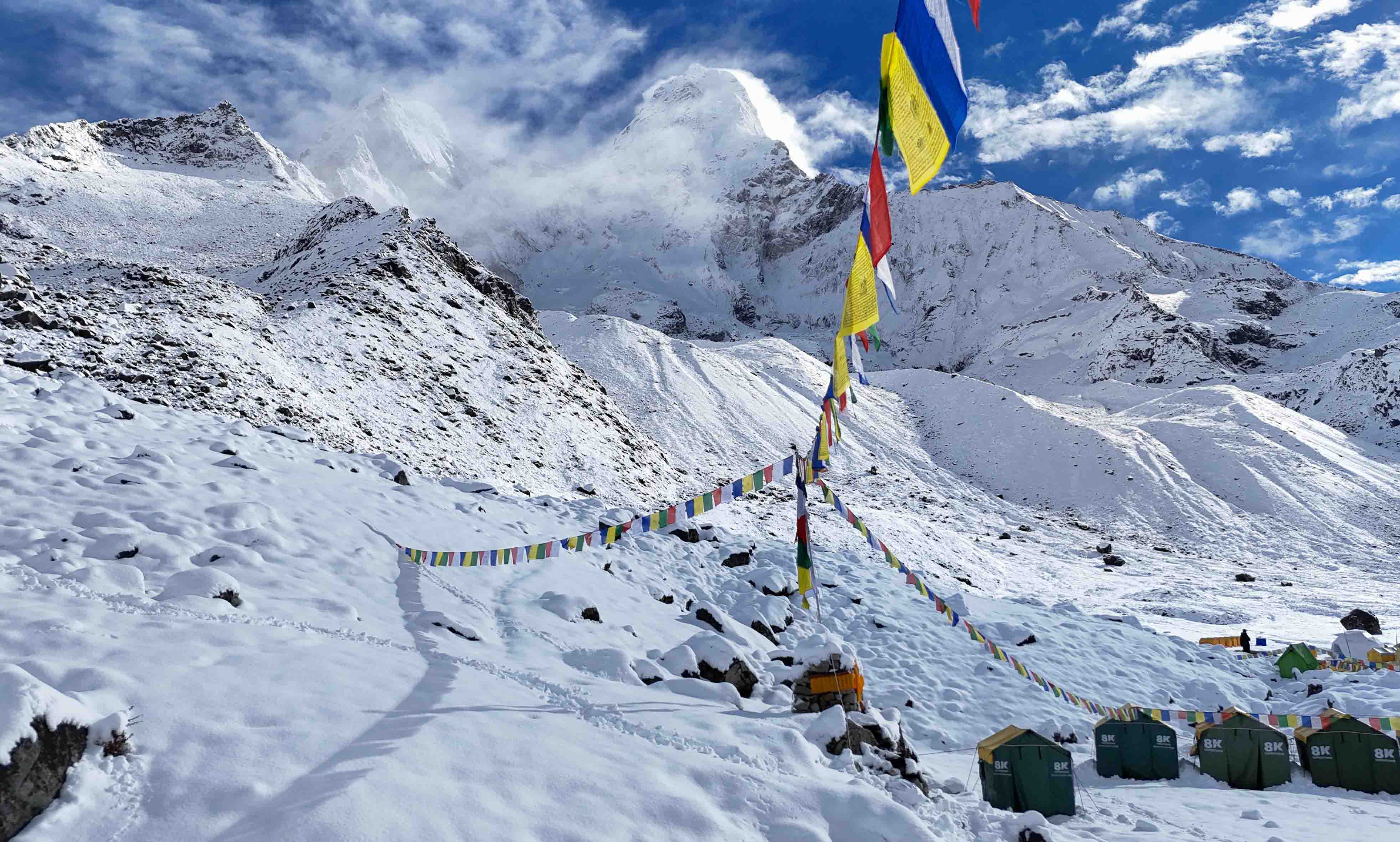
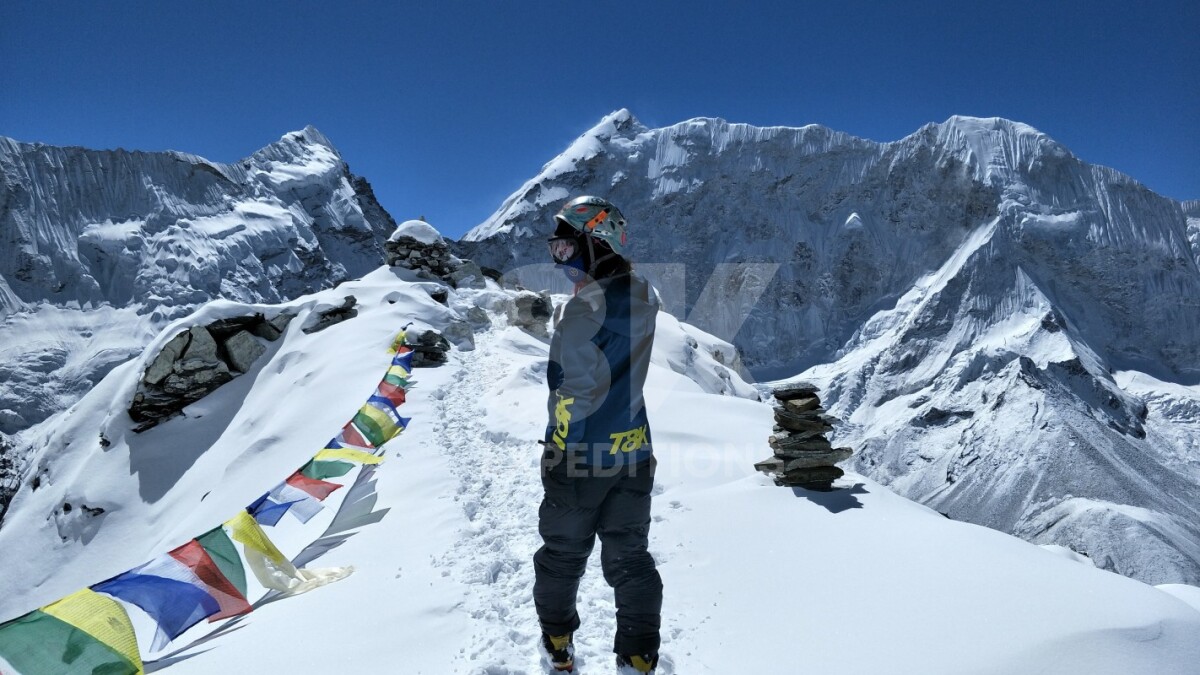
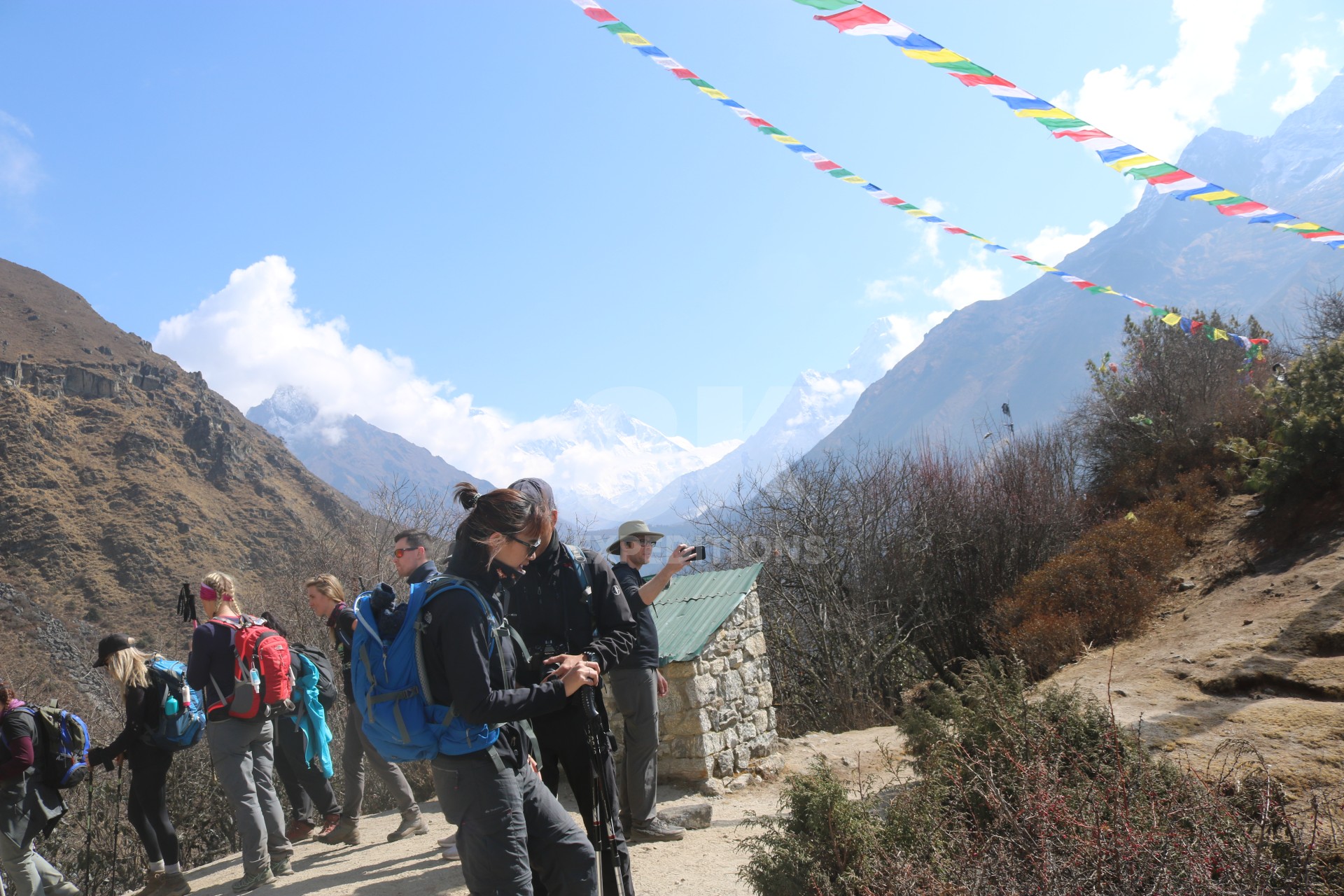
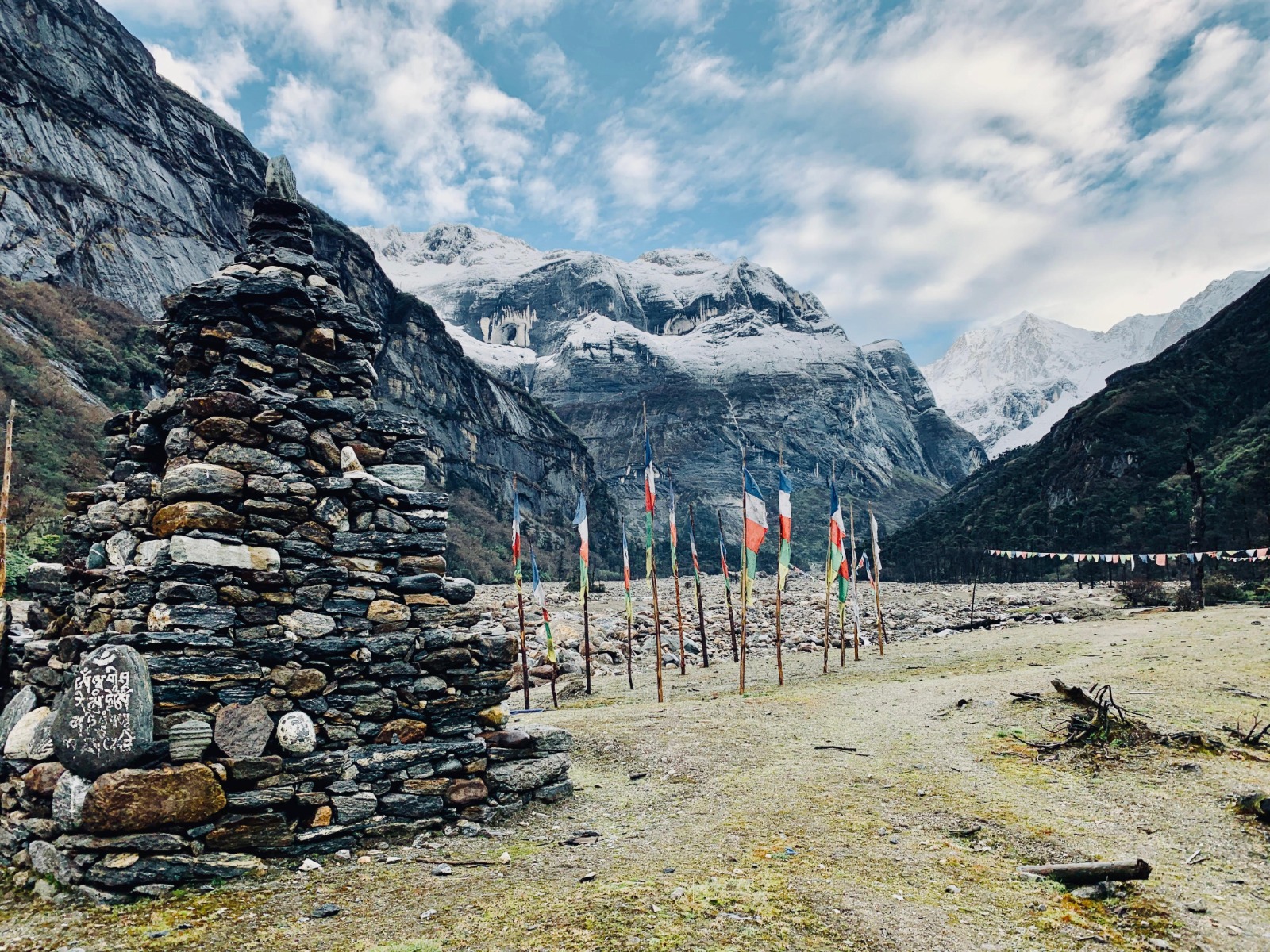
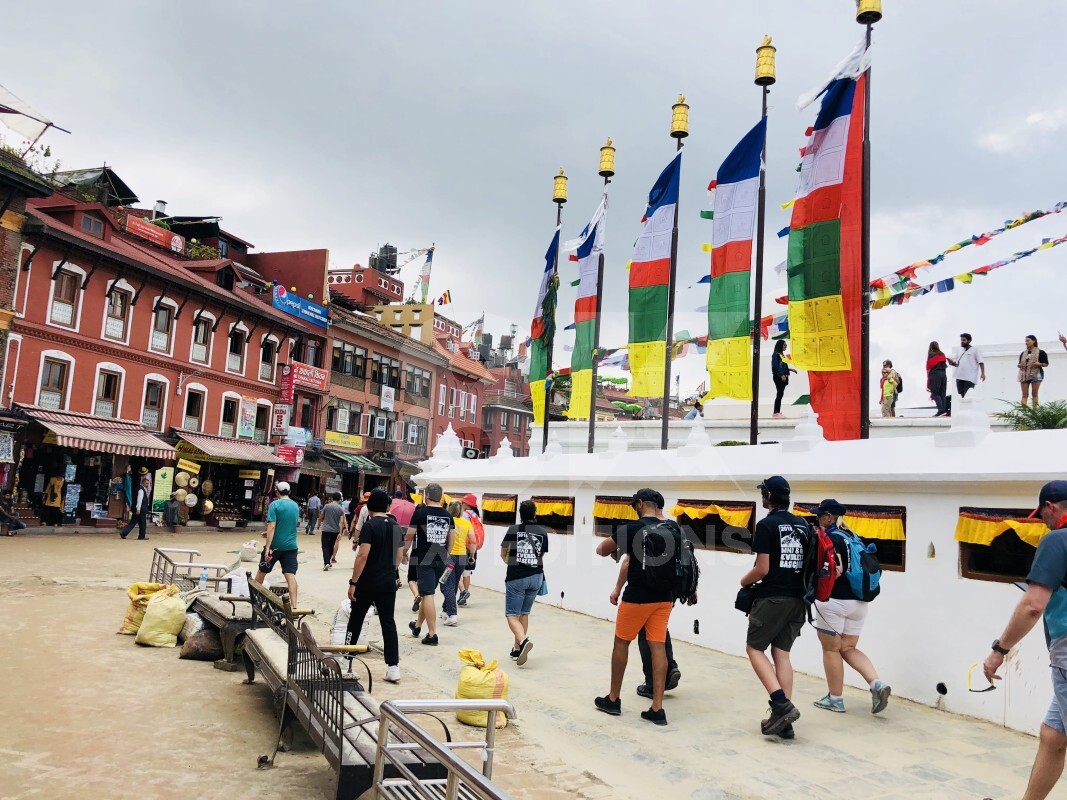
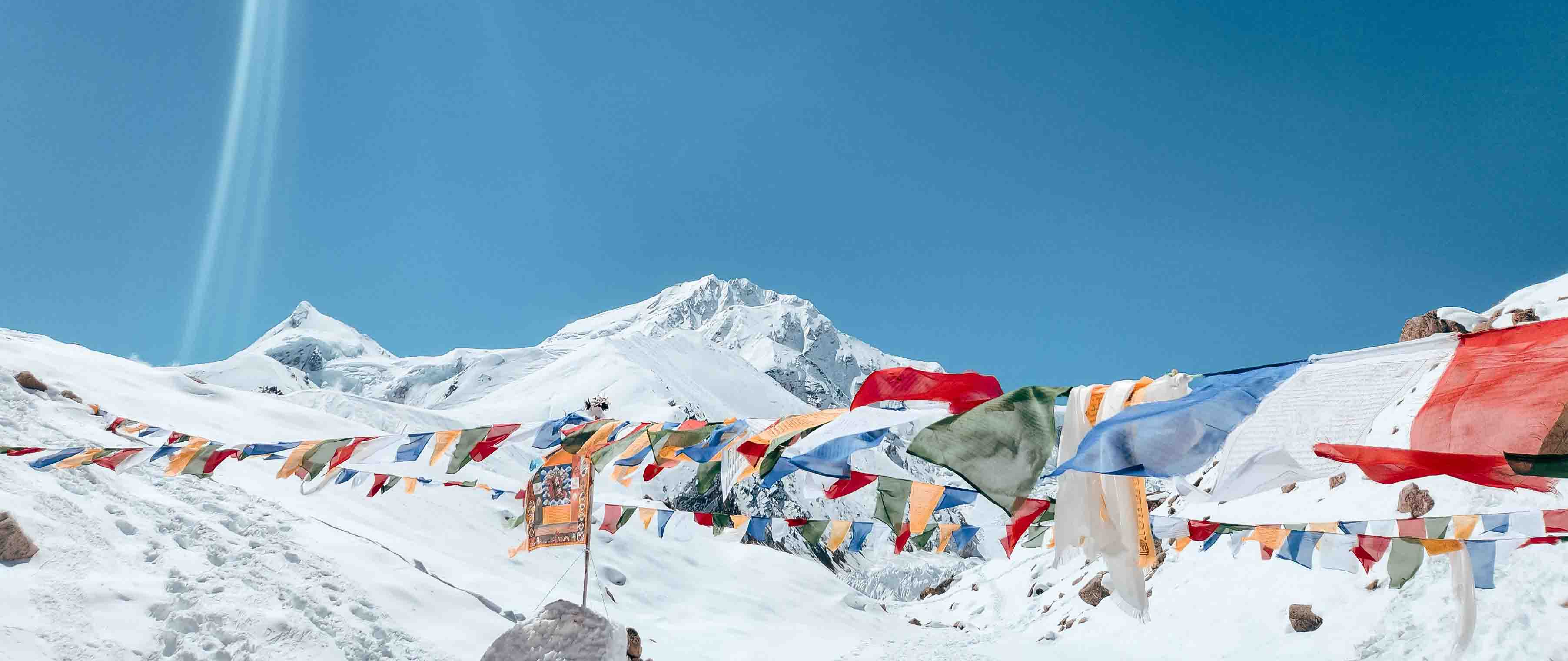
One of the most meaningful aspects of Double Peak and Triple Peak Climbing is that the summit is only one part of the journey. The early-morning departures, quiet mountain camps, changing skies, frozen rivers, prayer flags, stone villages and conversations around the dining tent all become part of the experience.
In the mountains, progress is often measured in small steps. A difficult slope is crossed one step at a time. A cold night is endured with patience. A challenging day is completed through teamwork. These moments teach climbers that success is not always a dramatic event sometimes it is the simple decision to continue moving forward.
Double Peak Climbing and Triple Peak Climbing offer an exciting path for adventurers who want to explore the Himalayas beyond ordinary trekking routes. Double Peak Climbing provides a demanding but achievable multi-summit experience, while Triple Peak Climbing offers a more advanced challenge for experienced mountaineers.
Both journeys require proper preparation, respect for the mountains, strong teamwork and a commitment to safety. Every peak climbed builds something deeper the fitness, the skills, the confidence and the quiet determination that carries a mountaineer further than they ever imagined.
More than a physical challenge, these adventures are opportunities to discover personal strength, connect with mountain culture and experience landscapes that remain in the heart long after the descent.
Is equipment available for rent?
Some climbing equipment may be available for rent in Nepal. Climbers should check the gear list and confirm rental availability with 8K Expeditions before the expedition.
Can the climbing order change during the expedition?
Yes. The climbing order may change because of weather, route conditions, acclimatization needs or safety considerations. Experienced guides select the safest and most practical plan.
Are climbing permits included in the package?
Yes, climbing permits are included in the package. 8K Expeditions arranges and provides all necessary permits on behalf of the climber. For further details, feel free to contact us directly for inquiries.
What happens if a climber cannot reach the summit?
The safety of every climber is the highest priority. If someone becomes unwell or conditions become unsafe, the guide may recommend stopping or descending. Summit success is never more important than safety.
What happens if I leave the expedition before completion?
If a climber decides to leave the expedition midway, the refund will depend on the company’s cancellation and refund policy, as well as the costs already paid for permits, transportation, accommodation, staff, meals and logistics before the expedition begins. No refund may be available for unused services after the expedition has started. Climbers are advised to review the booking terms and travel insurance requirements before departure.
For more information, please contact 8K Expeditions or review the terms and conditions on the relevant package page.