How much does it cost to climb Everest Expedition in 2027?
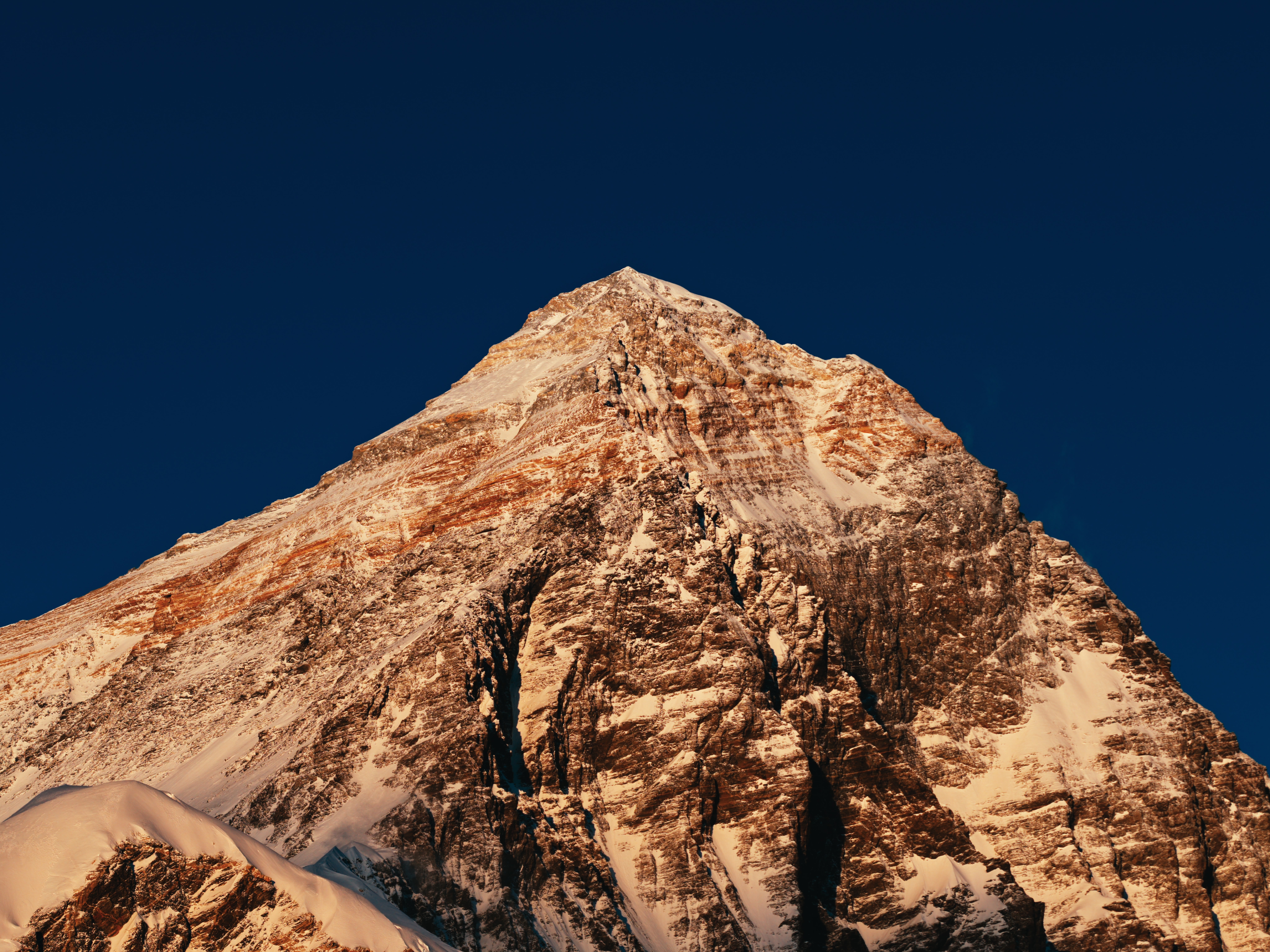
Standing on the summit of Mount Everest is one of the world's most ambitious mountaineering goals. But before the summit photo, before the Khumbu Icefall and before the final push toward 8,848.86 meters, every climber faces another challenge planning the budget.
The cost of an Everest expedition isn't the number on a permit certificate or the headline figure on an operator's homepage; it's the cost of an entire operation. From Kathmandu to Base Camp, and from Base Camp to the summit, climbers depend on guides, Sherpas, oxygen systems, food, camps, weather forecasting, and emergency planning working together for weeks on end.
This guide breaks down what a 2027 Everest expedition actually costs, what drives the difference between a $40,000 climb and a $130,000 one, and what to ask before you book.
The right question isn't "How much does it cost?" It's "What am I getting for the price, and does that gap matter for my safety?"
1. What Everest Actually Cost in 2027?
There's no single fixed price. But there is a well-documented range, based on season operator rates that will carry into 2027 with modest increases.
|
Service
|
Assumed Total Cost
|
What You're Buying
|
|
Initial
|
~$35,000–$50,000
|
Sherpa-guided, oxygen bottles, transportation, shared logistics, climber handles more independently.
|
|
Mid-range
|
~$50,000–$70,000
|
IFMGA/UIAGM-certified guide, oxygen bottles, helicopter transportation, internet, structured logistics, 1:2 or better Sherpa ratio, one 6000 peak.
|
|
Premium
|
~$70,000–$150,000
|
Higher Sherpa ratios, more oxygen, unlimited internet, luxury Base Camp infrastructure, dedicated weather forecasting, one 6000 or 7000m peak.
|
|
Ultra-luxury
|
$150,000–$230,000+
|
IFMGA/UIAGM-certified guides along with assistant guides, pre-acclimatization at home, compressed timelines, premium services from Base Camp to High Camp, helicopter service, unlimited internet,
|
Industry-wide, the 2026 south-side average sits around $55,000–$61,000, with a median near $55,000. These figures come from published operator pricing and industry cost trackers rather than a government set rate Nepal only sets the permit fee, not the total expedition cost.
One important caution: cost and safety aren't unrelated. Independent analysis of recent Everest seasons has linked a disproportionate share of fatalities to at or below median priced expeditions, a reminder that the cheapest package isn't automatically the best value when your life is the thing being economized on.
2. Where the Money Goes
Rather than one number, think of your budget as five categories:
• Government & permits : the climbing royalty and environmental fees
• Expedition services : guides, Sherpas, camps, food, base camp operations
• Climbing support : oxygen, high-altitude equipment, mountain staff
• Travel expenses : flights, hotels, trekking, transportation
• Personal expenses : gear, insurance, visa, tips
A rough illustrative split for a mid-range Western-guided expedition:

These proportions are estimates for planning purposes, not a fixed formula every operator allocates differently.
3. The Everest Climbing Permit
Nepal's Department of Tourism fee schedule, effective from September 1, 2025, sets the royalty for foreign climbers on the normal route at:

These are the latest official rates and should be reconfirmed with the Department of Tourism ahead of the 2027 season, since fee schedules can change.
The permit is not the expedition. It buys permission to attempt the mountain, it does not include Sherpas, guides, oxygen, tents, food, transport, insurance or rescue. Those come from your operator or your own arrangements.
Everest expeditions also carry a US$4,000 garbage-management deposit, refunded when teams meet waste-removal requirements, a reminder that protecting the mountain is part of the job, not an add-on.
4. Guide and Sherpa Support
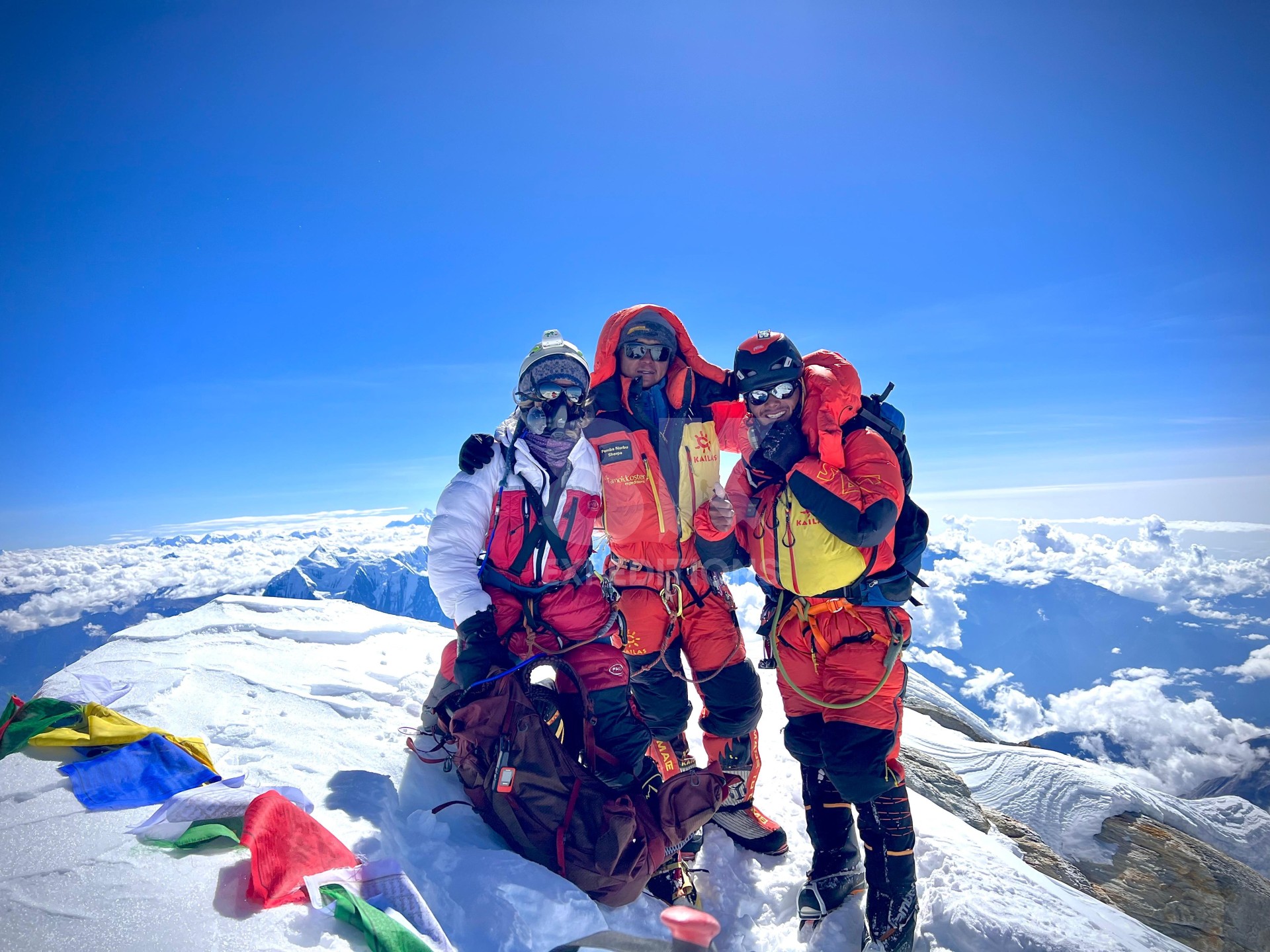
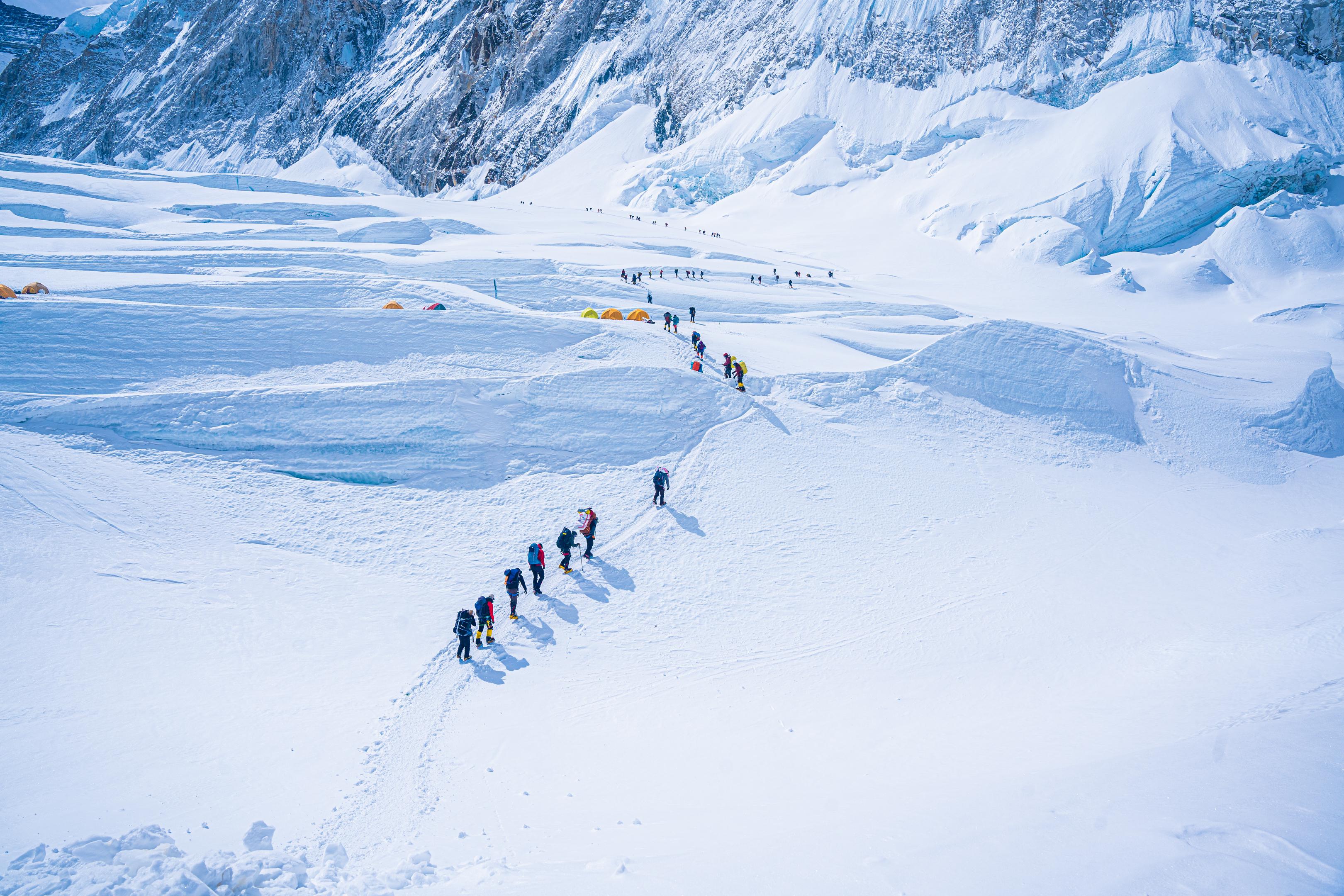
Behind every summit photo is a team. High-altitude Sherpas carry equipment and oxygen, fix camps, support acclimatization rotations and assist on technical terrain and the descent. Expedition leaders handle team coordination, weather and route decisions, and emergency response.
The climber to Sherpa ratio is one of the biggest hidden variables in pricing:
• 01:01 : one Sherpa per climber, the highest level of individual attention, especially valuable during the summit push.
• 01:02 : one Sherpa supports two climbers, a common mid-range balance.
• Larger groups : lower cost, less individual support.
For Climber while booking: Do not ask "Is a Sherpa included?" instead ask "How many climbers does each Sherpa supports and what does that support actually cover?" ”.
5. Oxygen Bottles and Mask Regulator Suppor
Oxygen allocation varies more between packages than almost any other line item and its where advertised prices can be misleading.
Before comparing prices ask:
• How many bottles are included, for you and for your Sherpa?
• Are the mask and regulator included?
• Is backup oxygen available, and at what extra cost?
A package that looks $5,000 cheaper may simply carry two fewer bottles, a gap you would pay for anyway, at a worse exchange rate, if you need more oxygen mid-climb.
6. Logistics, Base Camp and the Route to the Summit
An operator has to move people and equipment from Kathmandu to Base Camp, then coordinate operations at increasingly extreme elevations:
• Kathmandu: Transfers, hotel, briefing, permit processing, equipment preparation.
• Approach trek: Transport, porters, teahouse stays, meals.
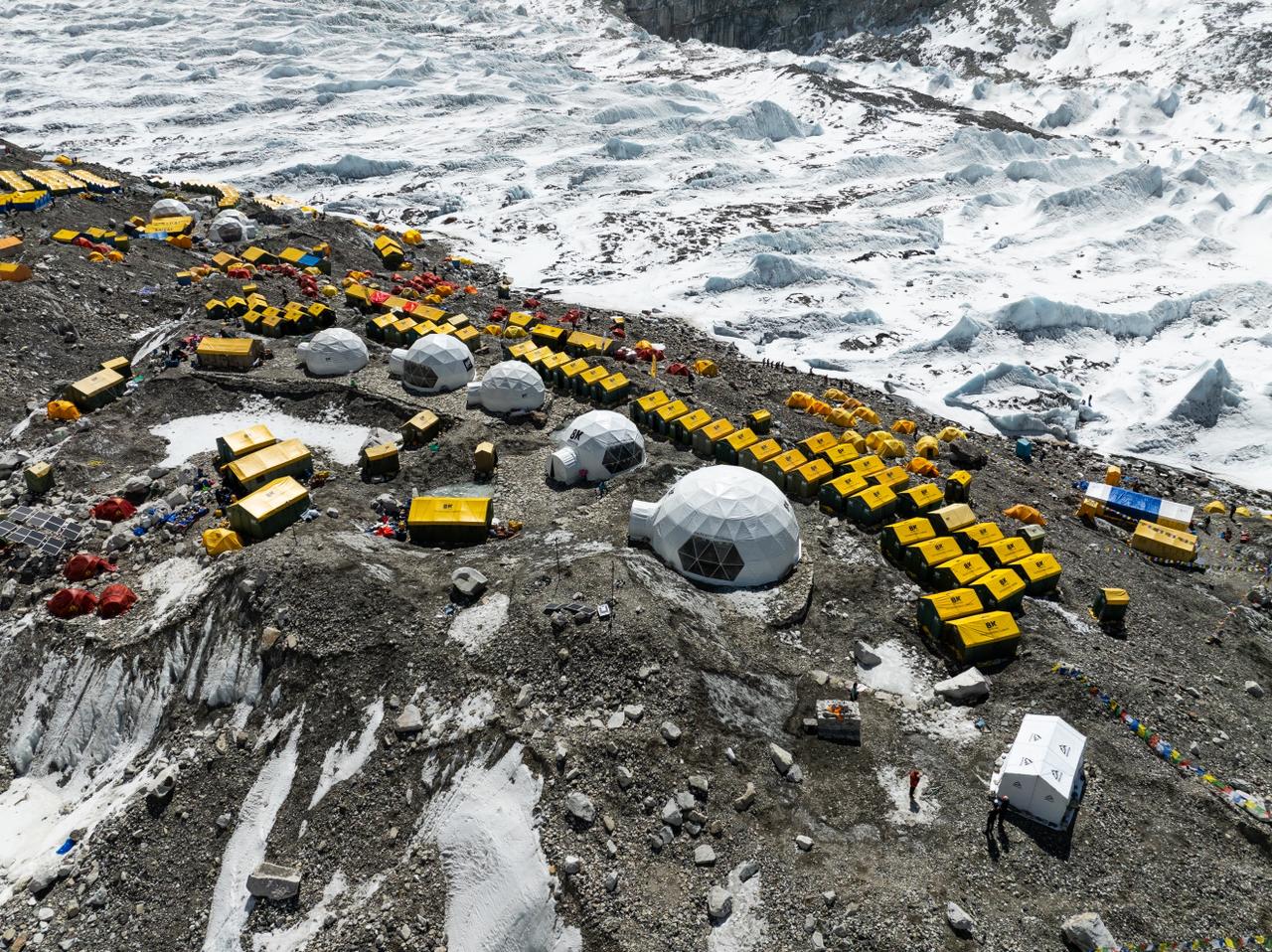
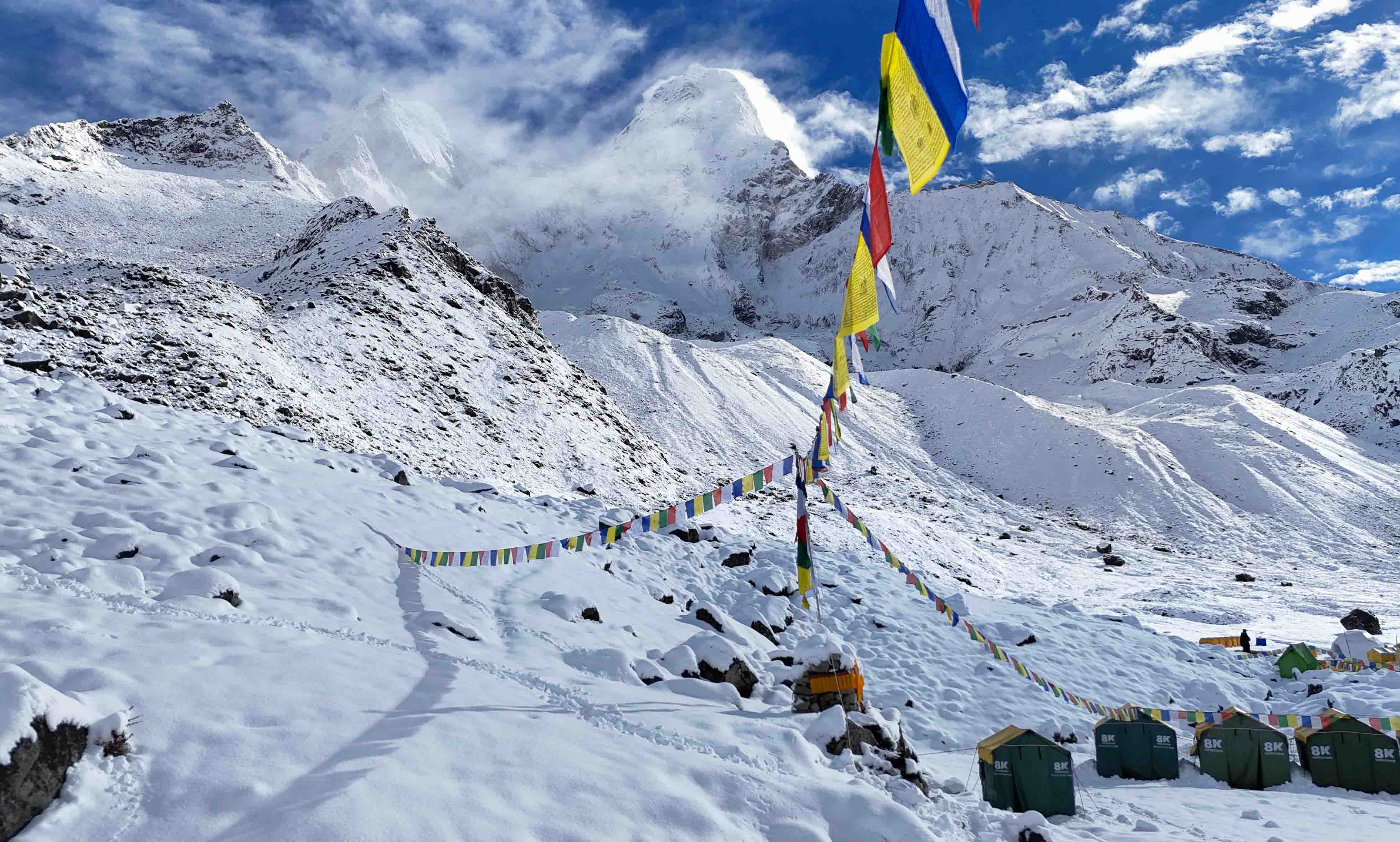
• Base Camp: Sleeping and dining tents, kitchen, communications, medical supplies, waste management.
• High Camp: High-altitude tents, food, fuel, oxygen and camp support.
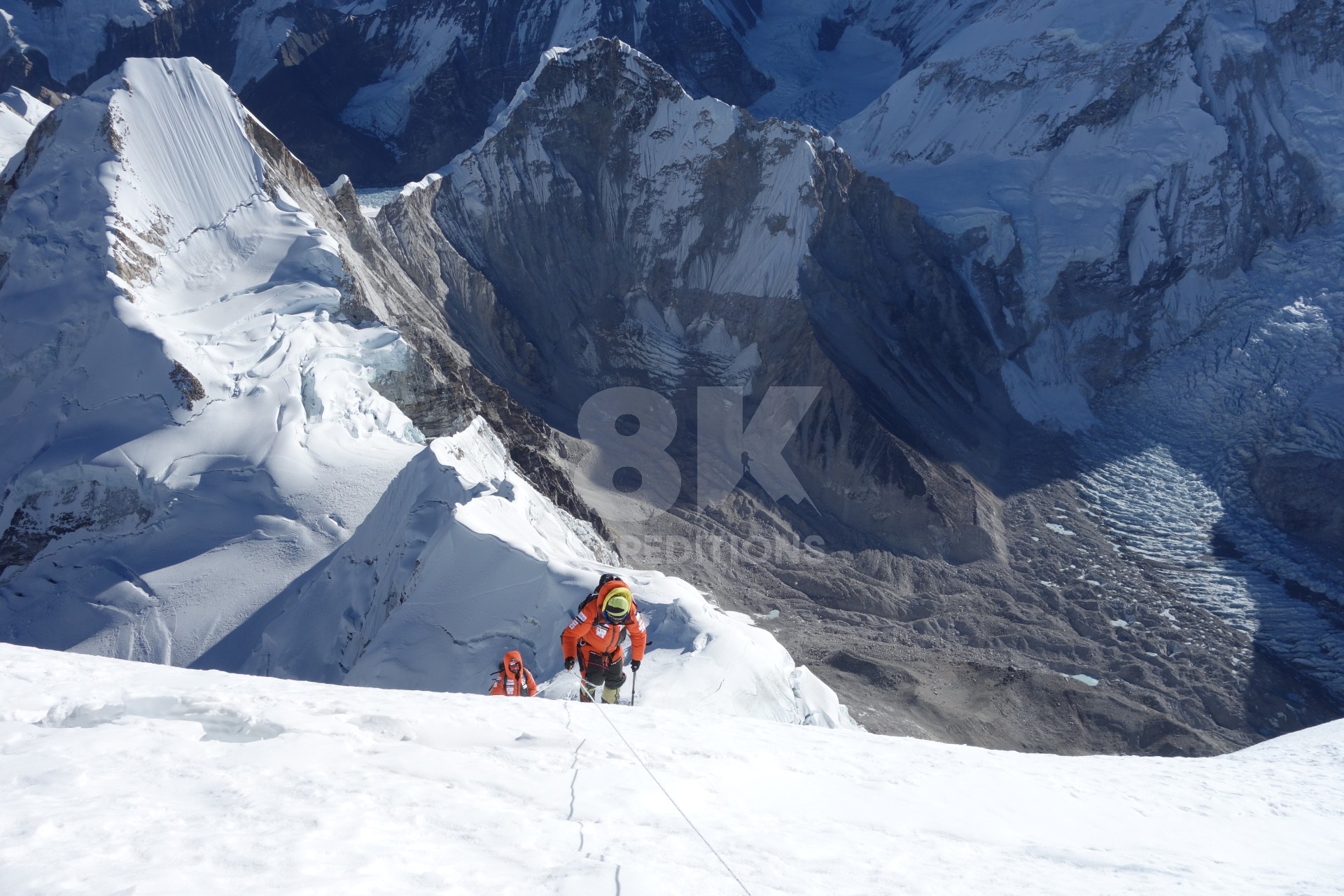
The standard Nepal-side route runs Base Camp → Camp 1 → Camp 2 → Camp 3 → Camp 4 → Summit, with acclimatization rotations before the final push. Every item used at altitude has to be carried there which is why Sherpa is such a large share of the budget.

Base Camp itself functions as a temporary headquarters, sleeping and dining areas, kitchen, communications, weather updates, medical supplies and expedition management. Infrastructure quality varies significantly between operators.
Note: you can ask specifically what's provided.
7. Food, Accommodation and Weather Forecasting
A full Everest itinerary Kathmandu preparation, trekking, acclimatization, summit rotations, weather delays, often runs six to eight weeks, sometimes closer to two months.
Accommodation shifts by elevation: hotels and teahouses lower down, expedition tents higher up. Packages typically bundle Kathmandu hotel stays, trekking meals and base camp/high-camp food and fuel, though the exact standard varies by operator.
Weather forecasting is infrastructure not a luxury add-on. Professional teams track wind, temperature, snowfall, storm systems and jet-stream conditions to identify summit windows and avoid unnecessary exposure timing decisions that can matter more than fitness on summit day.
8. Medical Support and Emergency Evacuation
Altitude, cold and exhaustion create real risk: acute mountain sickness, high-altitude pulmonary or cerebral edema, frostbite, falls. Before booking one must ask:
1. Who coordinates an emergency and how fast?
2. What medical support is on the mountain?
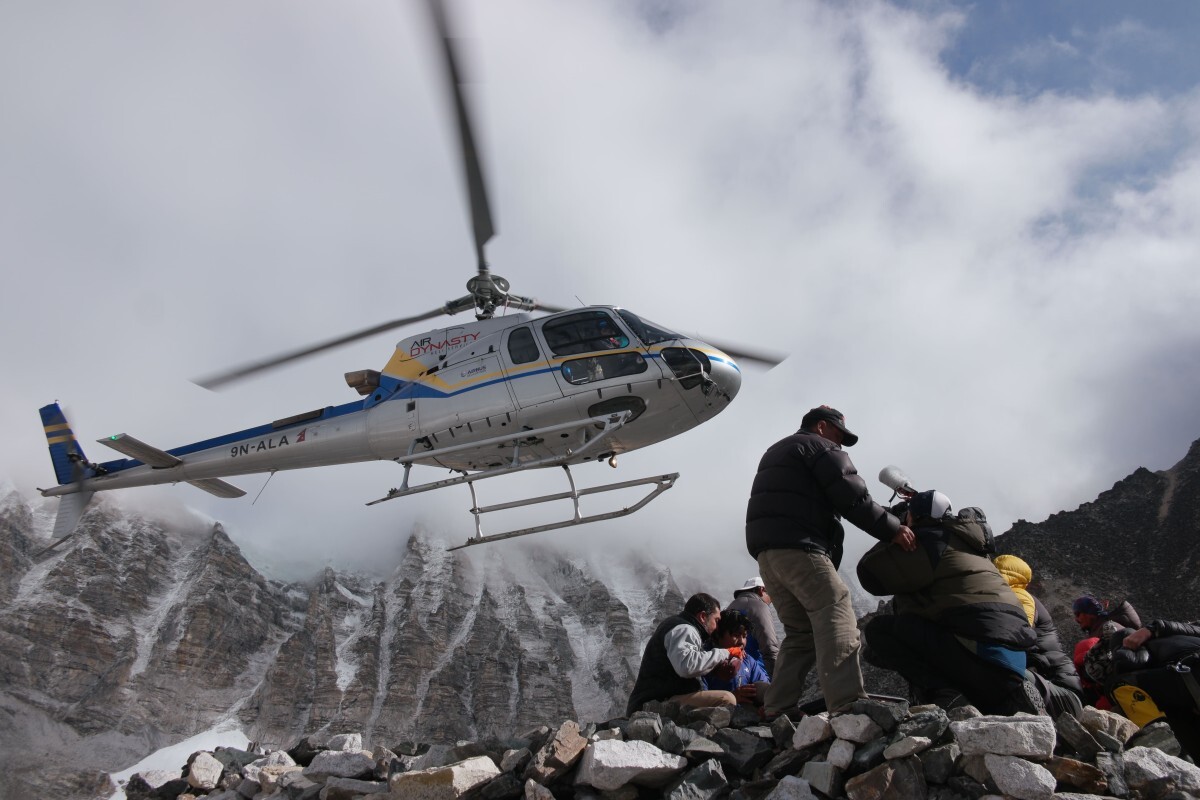
3. Is helicopter evacuation available and under what conditions?
4. What altitude does your insurance actually cover?
Ordinary travel insurance does not cover Everest. Your policy needs to specifically cover high-altitude mountaineering and evacuation at the elevations you'll be climbing.
9. Personal Equipment and Travel.
Group logistics are usually in the package price but personal gear usually isn't. Starting from scratch equipment lists down suit, high-altitude boots, crampons, ice axe, harness, sleeping bag and more can easily add several thousand dollars and it is the expense climbers most often underestimate.

On top of that, international flights, Nepal visa, extra Kathmandu nights, meals outside the package, bonus, tips and contingency funds. Climbers who budget only for the headline operator price commonly end up spending 20–40% more once these are added plan for it upfront rather than discovering it in Kathmandu.
10. Why Operator Prices Vary So Much?
A $5,000 gap between two operators can look like overcharging until you check what it buys. A cheaper package might mean a larger Sherpa ratio per climber, fewer oxygen bottles or more basic Base Camp facilities. A pricier one might include dedicated 1:1 Sherpa support, professional weather forecasting and stronger medical backup.
Never compare Everest prices without comparing inclusions side by side.
11. What Should Be Included in a Package ?
Ask for a detailed written list covering:
• Permits & formalities : royalty, government paperwork, environmental deposit
• Guides & staff : expedition leader, Sherpas, base camp and kitchen staff, porters
• Accommodation : Kathmandu hotel, teahouses, Base Camp, high-camp tents
• Food : trekking meals, base camp meals, high-altitude food, hot drinks
• Climbing support: oxygen, mask, regulator, camp equipment
• Logistics : transport, equipment hauling, base camp setup, communications, weather forecasting
• Safety : first aid, emergency communication, evacuation coordination
Do not assume any of it, confirm it in writing.
12. Questions to Ask Before Booking
Leader: Who's leading and how many Everest expeditions have they led?
Sherpas: What's the ratio? Is summit-day support included? Is Sherpa oxygen included?
Oxygen: How many bottles, and what's the cost if you need more?
Logistics: What's covered from Kathmandu to Base Camp? Who runs the high camps?
Safety: What's the emergency plan? What insurance is required?
Price: What's included and excluded? What happens if you cancel or if weather kills the summit window?
If an operator can't answer these clearly, treat that as information.
Frequently Asked Questions
How much does it cost to climb Everest in 2027?
A realistic planning budget for a guided Nepal-side Everest expedition is approximately US$40,000–US$70,000+, depending on the level of service. Premium expeditions can cost considerably more.
How much is the Everest climbing permit?
The current Nepal spring royalty is US$15,000 per climber, following the fee increase introduced in 2025. Autumn and winter/monsoon rates are lower. The applicable 2027 government fee should be confirmed before booking.
Does the permit include a Sherpa?
No. The royalty is separate from guiding, Sherpa support, oxygen, and logistics.
Is oxygen included in an Everest expedition package?
It depends on the operator. Always ask how many oxygens bottles, regulators and masks are included and whether additional oxygen is available at extra cost.
How long does an Everest expedition take?
A full expedition from arrival in Kathmandu to departure can take roughly two months, although the exact duration depends on the itinerary, acclimatization schedule, weather and route conditions.
Is Everest climbing insurance necessary?
Yes. Climbers should have insurance that specifically covers high-altitude mountaineering and emergency evacuation at the relevant altitude.
Can I climb Everest cheaply?
Reducing unnecessary luxury expenses is possible, but cutting essential safety and high-altitude support is a different matter. When comparing prices, focus on what is included rather than choosing solely on the lowest advertised price.
Final Thought
The price of Everest is measured in dollars. The value of a well-run expedition is measured in preparation for the altitude, the weather, the route and the unexpected. Before you book, know exactly what's included, who's leading you, and what your Sherpa ratio, oxygen plan and evacuation coverage actually are.
The summit may be the destination. But the real expedition is everything it takes to get there and back safely.